Weird Things That Happened on Apollo 12
The world was altered when Apollo 11 landed on the moon. However, the story of Apollo 12, the second lunar mission, was quite different.
It carried three astronauts, Richard Gordon, Alan Bean, and Pete Conrad, on a mission that was equal parts cosmic chaos and precision science when it was launched in November 1969. What started out as a standard follow-up to Apollo 11 evolved into an odd, humorous, and unpredictable adventure that included lightning strikes, lost television footage, and surprising findings.
These are 14 strange events that occurred on Apollo 12.
Lightning Twice on Liftoff

The Saturn V rocket was hit by lightning twice in 36 seconds after takeoff. The spacecraft’s fuel cells and guidance systems were destroyed by the twin strikes, leaving the cabin in complete darkness and setting off a series of alarms.
It appeared for a few anxious minutes that the mission might be terminated before it left Earth. The day was saved by flight controller John Aaron’s prompt instruction, “Try SCE to Aux,” which restored power and restarted the mission.
At NASA, the expression became iconic and was later adopted as a shorthand for “keeping your head up” when everything went wrong.
Static in Space

Even after clearing the storm clouds, Apollo 12’s communications stayed glitchy. The lightning had partially fried the signal circuits, creating bursts of static that made it sound like the crew was talking through a bad radio in a thunderstorm.
Engineers back in Houston had to filter the signal continuously just to make out the dialogue. The constant background noise was exhausting, but the crew took it in stride, cracking jokes about how the Moon might be trying to talk back.
A Precision Landing
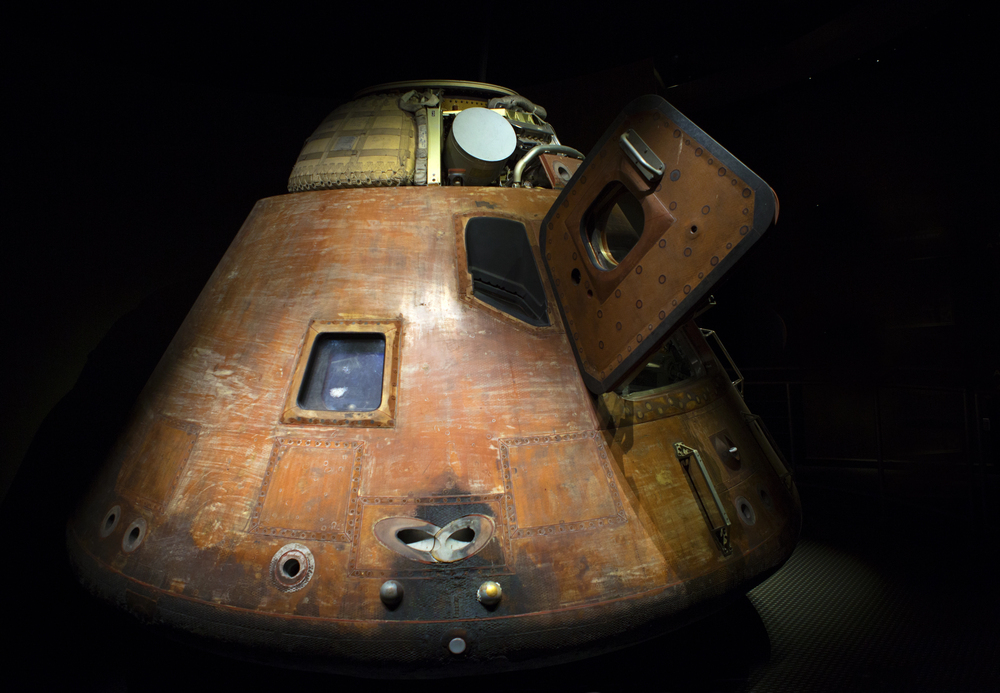
Unlike Apollo 11, which landed several miles off target, Apollo 12 touched down almost exactly where NASA wanted—just 600 feet from the unmanned Surveyor III probe that had landed years earlier. The pinpoint landing was so accurate that Pete Conrad joked they could’ve ‘dropped in for coffee’ if Surveyor had a kettle.
It proved that NASA could place future missions within walking distance of planned sites, setting the stage for more ambitious lunar operations.
The Burned-Out TV Camera
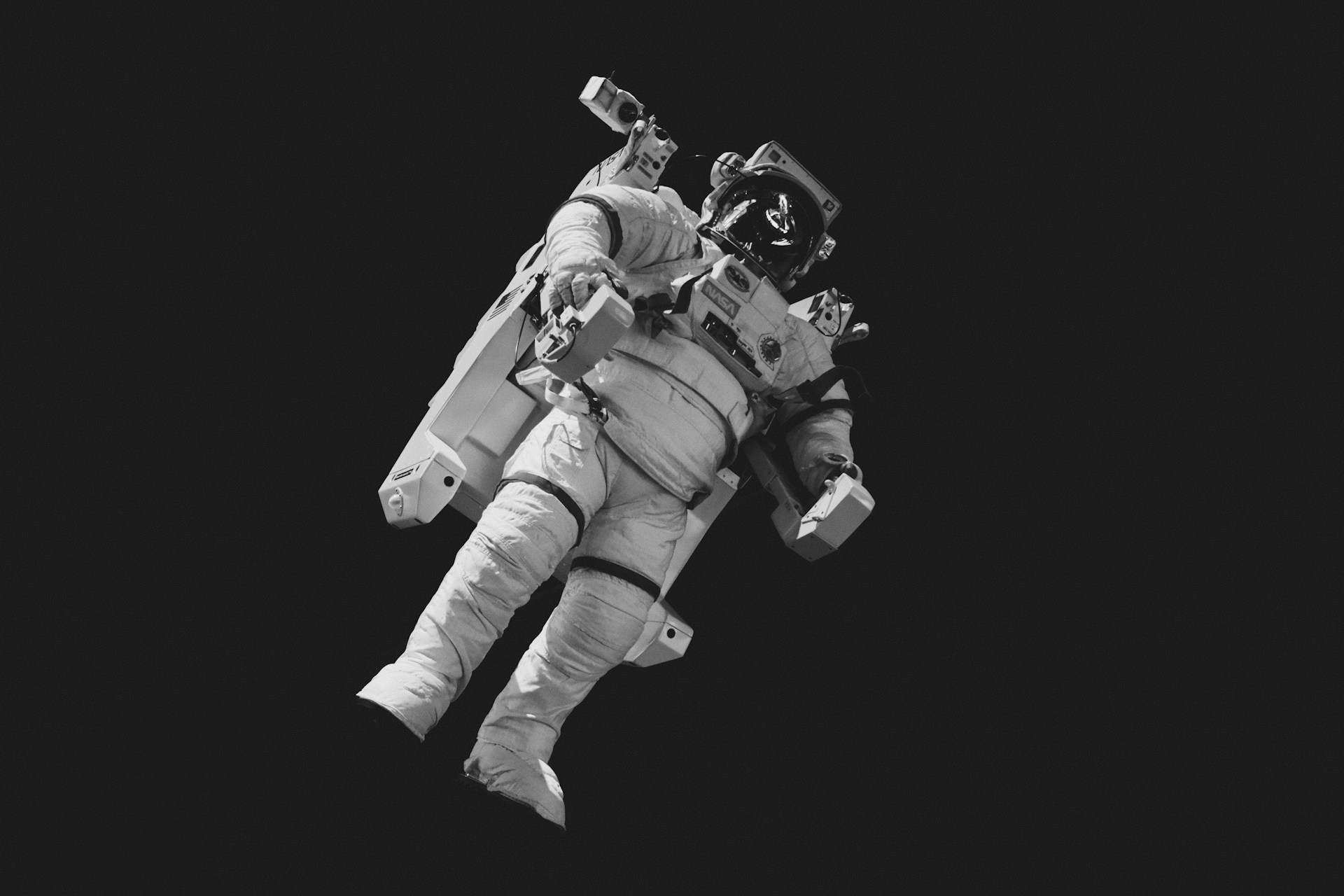
When the crew set up the color TV camera to share their moonwalk with the world, Alan Bean accidentally pointed it at the Sun. Within seconds, the camera’s sensitive tube was permanently damaged, and the broadcast turned into static.
Millions of viewers expecting a live lunar show instead got a blank screen, and Apollo 12’s moonwalk went unseen in real time. The broken camera was such a disappointment that NASA switched to more durable equipment for later missions—no one wanted another Moonwalk blackout.
Playboy Checklists
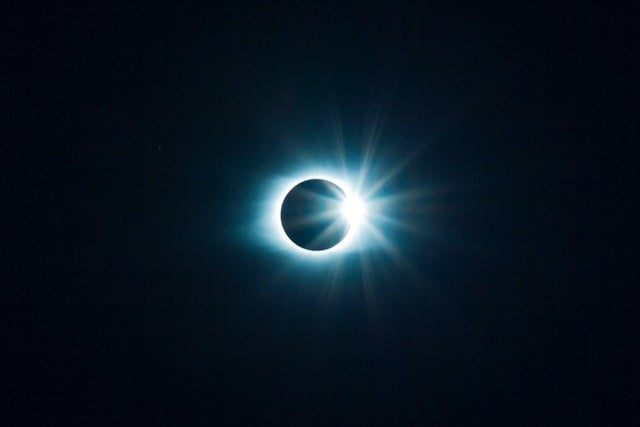
Tucked inside their spacesuit wrist checklists were a few surprise additions: small pictures of Playboy centerfold models pasted in by mischievous technicians. The prank was harmless but memorable—Conrad and Bean found them mid-mission and laughed their way through the sterile lunar surface routines.
NASA pretended not to notice, though the story became one of the mission’s most famous footnotes. Years later, Bean admitted he kept his checklist as a souvenir, calling it one of the funniest things that ever happened to him in space.
The Spacecraft That Wouldn’t De-Orbit
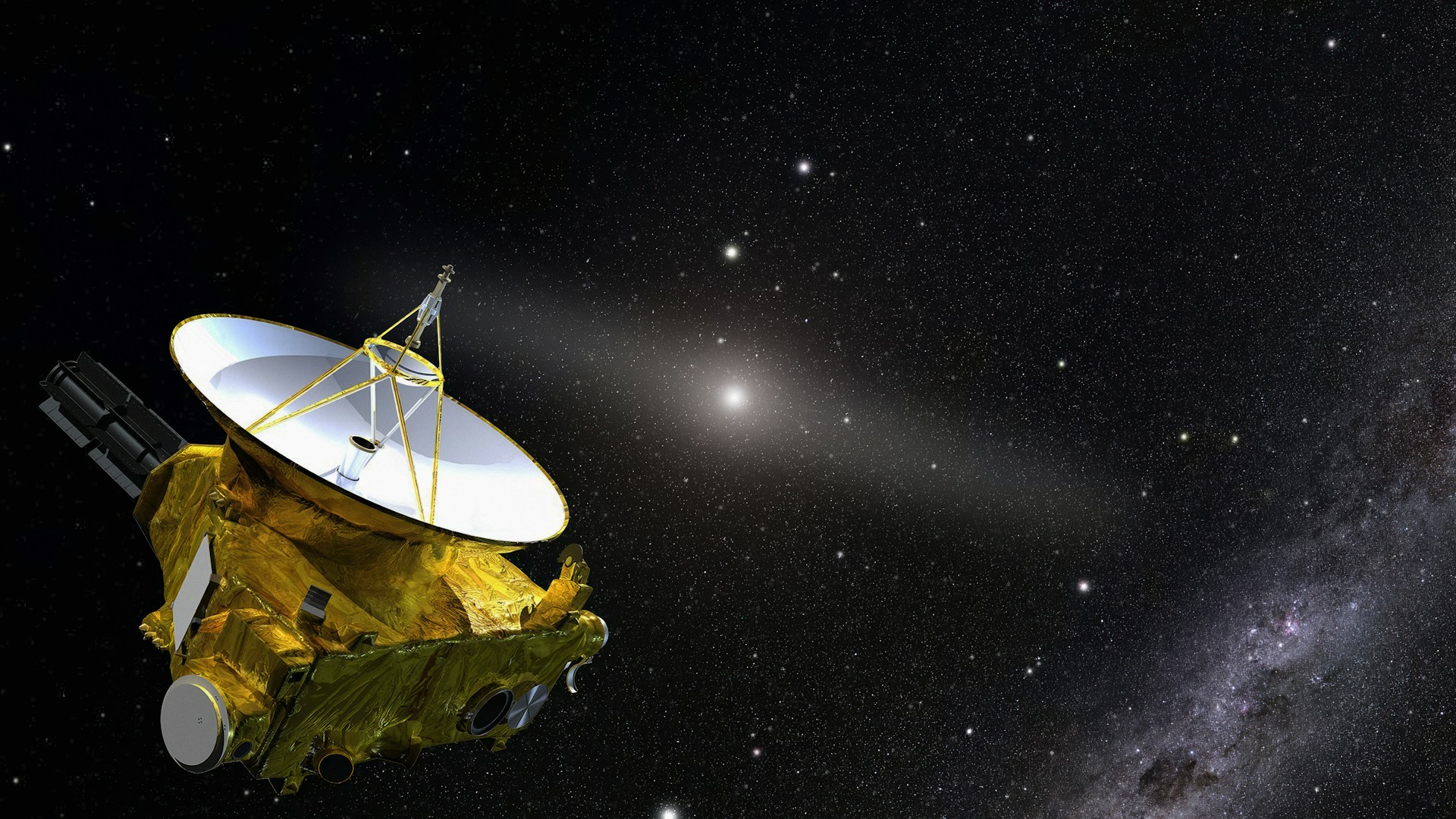
After separation, the Saturn V’s third stage (the S-IVB) was supposed to fly into solar orbit. Instead, a navigation error left it looping around Earth for weeks.
It was briefly mistaken for a potential asteroid before finally drifting off for good. For years, its trajectory puzzled observers until later missions tracked it down again.
NASA’s data from this mishap actually helped them improve later orbital ejection procedures, turning a bizarre mistake into a quiet success story.
Bacteria on the Moon?
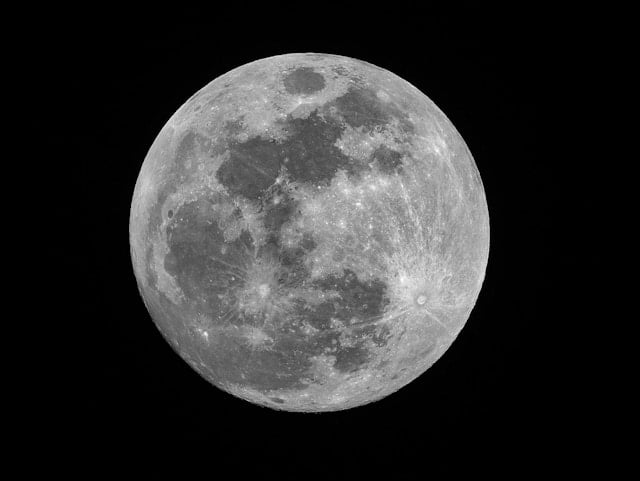
When the crew removed a camera from the old Surveyor III probe and brought it home, scientists thought they’d found viable bacteria—Streptococcus mitis—still clinging to it after two years in lunar conditions. The claim sparked debates about contamination and survival in space.
Later analyses suggested the microbes probably came from Earth after the camera returned, but the mystery gave Apollo 12 an eerie reputation. The story became a key lesson in planetary protection, shaping stricter sterilization policies for future missions.
Dust Everywhere
The Moon’s dust—fine as talcum powder—stuck to everything. It coated boots, gloves, and the inside of the lunar module.
Apollo 12’s crew complained that it smelled like spent gunpowder and caused irritation in their noses and throats. The experience taught NASA how dangerous lunar dust could be, leading to new cleaning procedures for future missions.
When the astronauts took off from the Moon, the module’s cabin was still covered in it, a reminder that space exploration can be as messy as it is monumental.
Conrad’s Height Joke

When Pete Conrad became the third man to walk on the Moon, his first words were a direct jab at NASA’s scripted approach. The agency had insisted on writing Neil Armstrong’s line for Apollo 11, so Conrad, who was much shorter, quipped: ‘Whoopee! Man, that may have been a small one for Neil, but that’s a long one for me.’
It was his way of proving no one could script him. The humor not only broke the tension but reminded everyone that astronauts were human beings, not walking press releases.
A Missing Tool Bag
While collecting lunar samples, Alan Bean dropped a hammer and chisel into the lunar dust and couldn’t find them. The tools were eventually rediscovered by later missions—still resting in the same spot decades later.
It became a reminder of just how easy it is to lose something forever on the Moon. With no wind or weather to move objects, the bag will likely sit there untouched for centuries, a quiet monument to human clumsiness.
The Mystery Beeping
During the mission’s return phase, the crew reported a strange beeping in their headsets that didn’t match any of the known systems. Engineers never found a definitive cause, though many believe it was interference caused by the earlier lightning damage.
For a brief time, it spooked the astronauts enough to think they had an electrical ghost on board. The strange signal eventually faded, leaving behind one more unsolved riddle from a mission already filled with them.
Bean’s Camera Mishap
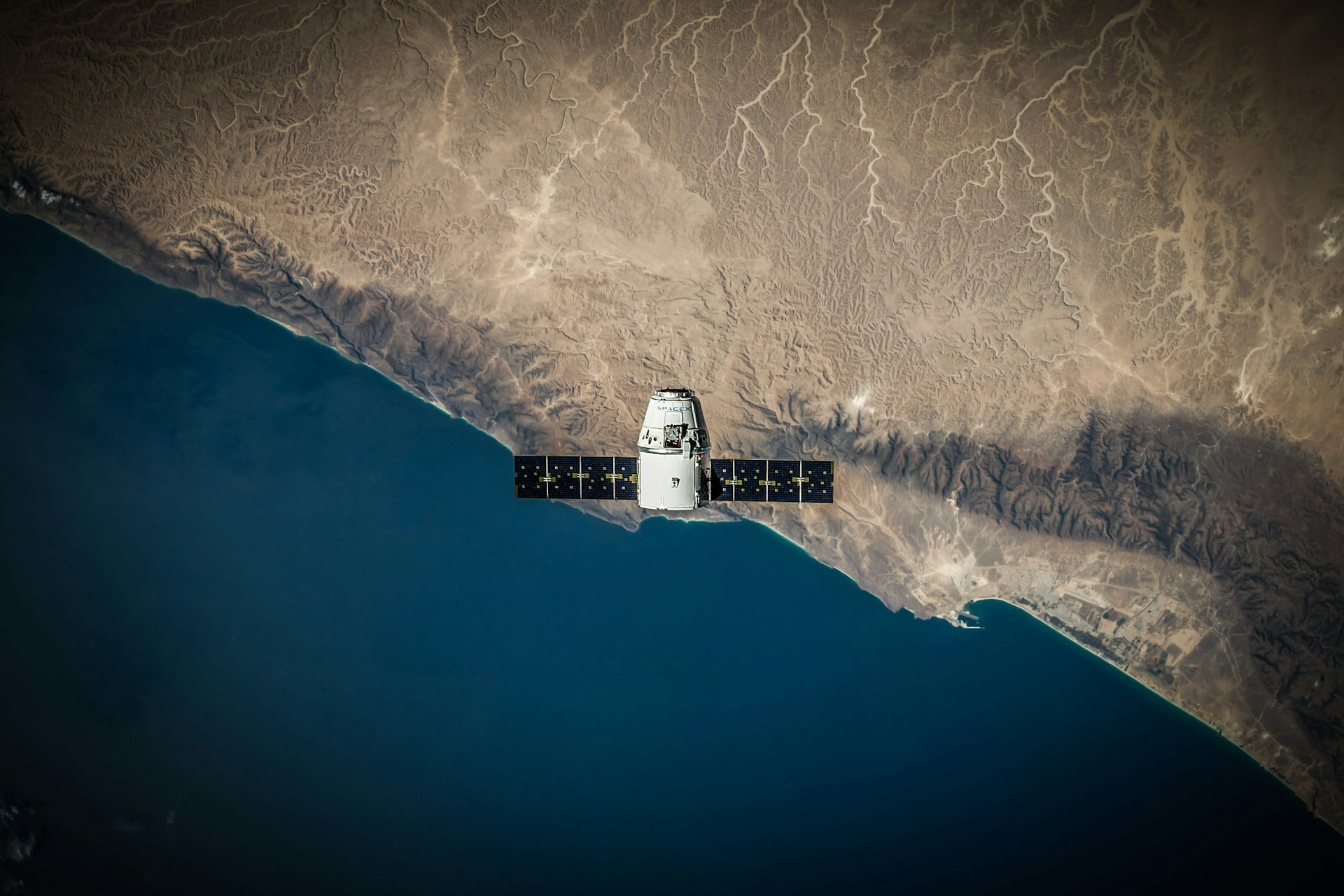
Alan Bean accidentally exposed the film magazine from one of the lunar cameras by opening it in direct sunlight. Hours of surface footage were lost forever.
Luckily, enough still photographs survived to document the mission. Bean later turned the mishap into art, painting lunar scenes for years as part of his post-NASA career.
He often joked that losing that footage gave him a reason to spend the rest of his life painting the Moon from memory.
A Hidden Time Capsule
Before leaving the Moon, the crew secretly left a small aluminum tag engraved with their names and the names of the Apollo 12 mission team. It wasn’t part of official NASA protocol—just a private gesture of gratitude.
The tag remains somewhere in the Ocean of Storms, a tiny relic of human mischief. It’s a small, quiet reminder that even in the most historic moments, people still find ways to leave something personal behind.
The Impact Experiment
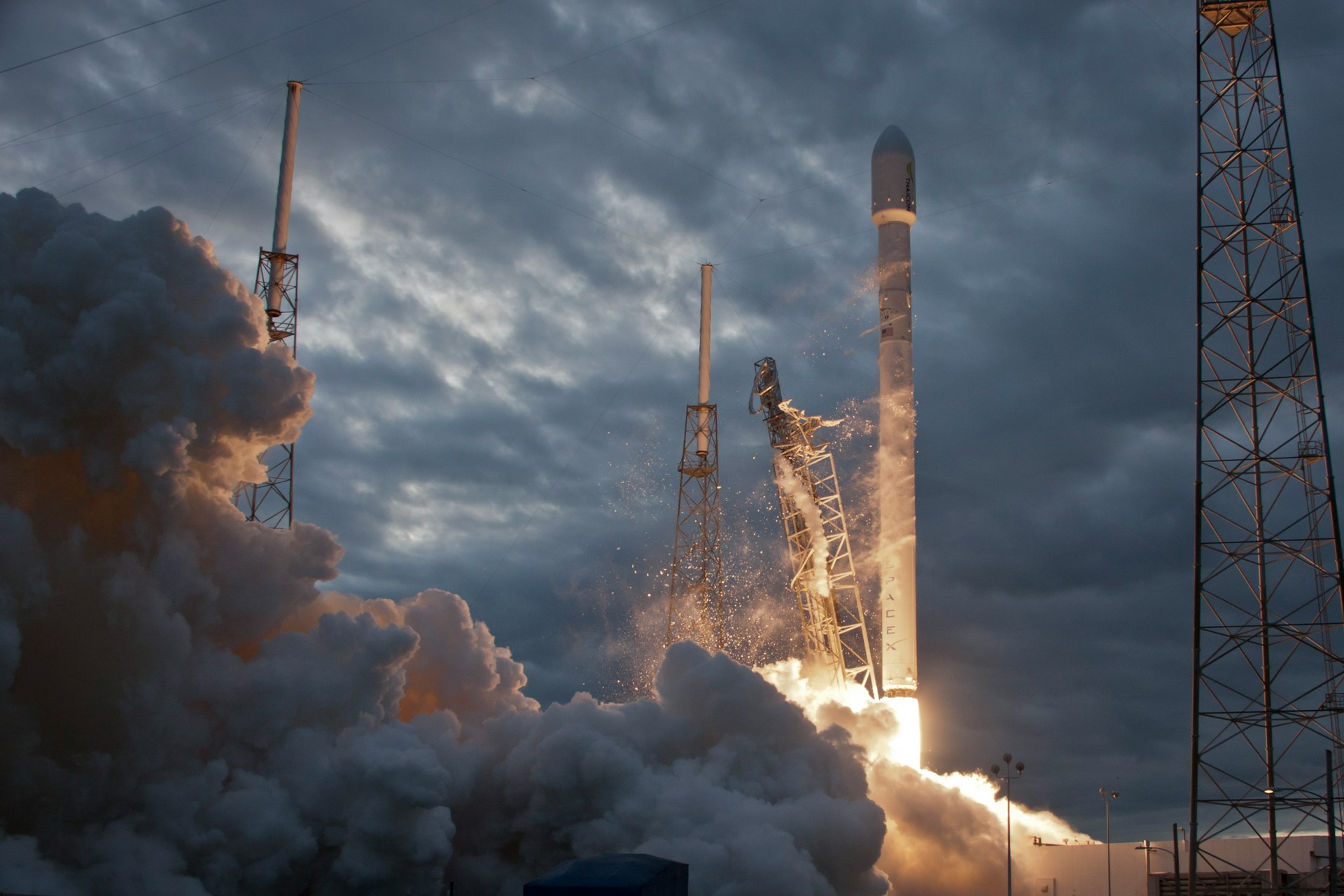
The crew purposefully crashed the ascent stage of the lunar module into the moon after exiting lunar orbit. The impact was detected by seismic sensors that the astronauts left behind, and the Moon “rang like a bell” for almost an hour.
Scientists’ understanding of the lunar interior was altered by the data, which revealed it to be more fractured and less dense than they had previously thought. Decades of discussion regarding the Moon’s composition were triggered by that unsettling statement—”rang like a bell”—which also paved the way for further seismic research.
The Moon Never Forgets
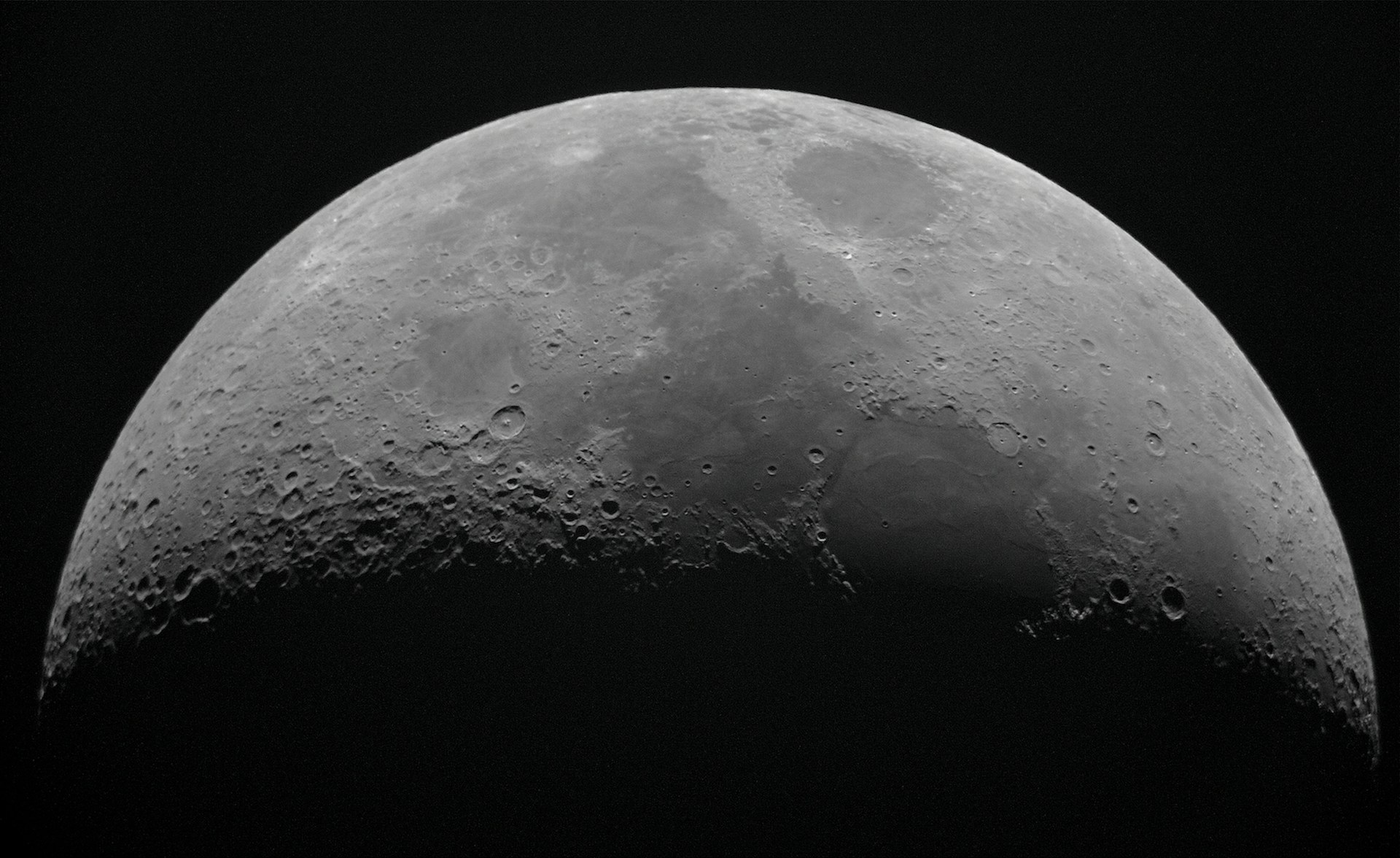
Apollo 12 will go down in history as the mission that taught NASA adaptability, humility, and the importance of humor in the face of adversity. Every strange hiccup and useful joke was woven into a greater narrative about how adaptable humans can be in space.
It demonstrated that improvisation, teamwork, and the ability to laugh when things go wrong are just as important to space exploration as perfect execution. Despite its silence, the Moon remembers every footprint, every misplaced tool, and every odd turn they took.
More from Go2Tutors!

- The Romanov Crown Jewels and Their Tragic Fate
- 13 Historical Mysteries That Science Still Can’t Solve
- Famous Hoaxes That Fooled the World for Years
- 15 Child Stars with Tragic Adult Lives
- 16 Famous Jewelry Pieces in History
Like Go2Tutors’s content? Follow us on MSN.



