Jobs That Involve Sleeping for Science
Getting paid to snooze feels like something you’d see on a joke site. Yet labs really do hire people just to drift off while being watched.
These folks aren’t working for free – they get cash for it. Researchers looking into insomnia, testing drugs, or checking how rest impacts health need warm bodies for overnight tests.
A few roles last only days. Some turn into steady side jobs with decent pay.
Professional sleep study participants

Sleep labs bring in volunteers to try out stuff like new sleep aids or bed setups. Head there, get hooked up to machines that track your shut-eye.
Researchers watch how you rest through the night. Cash depends on how long it runs and what’s involved.
One night could earn you a couple hundred bucks. Longer ones – spread over multiple nights – can add up to way more.
The thing is, every study has its own rules – you’ve got to fit things like age limits, how you sleep, or your health status. Folks who actually have a sleep problem usually get picked more easily compared to people sleeping just fine.
Bed rest study volunteers for space agencies

NASA and other space agencies pay people to lie in bed for months at a time. These studies simulate the effects of weightlessness on the human body.
Participants spend weeks or months in bed at a slight downward angle, never standing up. The point is to understand muscle atrophy, bone density loss, and cardiovascular changes that astronauts experience in space.
Payment ranges from several thousand to over $18,000 depending on duration. You’re not technically sleeping the entire time, but you are horizontal and inactive for extended periods.
The job is harder than it sounds—prolonged bed rest causes real physical decline.
Hotel bed testers

Some hotels and mattress companies employ people to test their beds and provide feedback. This isn’t just sleeping.
You’re evaluating comfort, support, temperature regulation, and overall sleep quality. The work involves detailed reporting and sometimes comparing multiple products.
Real positions are rare and competitive. Many listings that claim to pay people for sleeping in hotels are actually marketing gimmicks or one-time promotions rather than actual employment.
Legitimate bed testing jobs exist but usually require background in hospitality, product testing, or sleep science.
Pharmaceutical trial participants

Drug companies testing sleep medications need healthy volunteers and people with sleep disorders. These trials can last days to months.
Participants take experimental drugs and sleep in monitored environments while researchers track effectiveness and side effects. Payment depends on trial phase, duration, and risk level.
Phase 1 trials testing new drugs on healthy people typically pay more because of increased risk. Some participants make this a regular income source, moving between different pharmaceutical studies.
The work requires medical screening, regular check-ins, and sometimes unpleasant side effects.
Sleep disorder research subjects

Universities and medical centers run ongoing studies on conditions like sleep apnea, narcolepsy, and restless leg syndrome. If you have a diagnosed condition, you become a valuable research participant.
Studies might involve wearing monitors at home, spending nights in sleep labs, or testing new treatments. Compensation varies widely.
Some studies offer a few hundred dollars. Others, especially those requiring multiple sessions or invasive procedures, pay significantly more.
The research contributes to better treatments while providing income and sometimes free medical monitoring.
Nap study volunteers

Not all sleep research requires overnight stays. Some studies focus specifically on napping—its effects on cognition, mood, and performance.
You might come to a lab in the afternoon, take a monitored nap, and complete cognitive tests afterward. These studies typically pay less than overnight ones but take less time.
Some research facilities recruit regular participants for ongoing nap studies, creating a small but steady income stream. College students near major research universities often find these opportunities convenient.
Military sleep research participants

Military research facilities study sleep deprivation, shift work, and performance under fatigue. Some studies pay civilians to participate in controlled sleep deprivation experiments.
You might stay awake for extended periods while researchers monitor cognitive function, reaction times, and decision-making abilities. Other studies test strategies for maintaining alertness during limited sleep.
Military research tends to pay well but can be physically and mentally demanding. Studies might involve uncomfortable conditions, repetitive tasks, or genuine exhaustion.
Mattress and pillow reviewers

Companies developing sleep products need feedback from real users. Some hire people to test prototypes in their own homes over weeks or months.
You sleep on test products and provide detailed reports on comfort, durability, and sleep quality. This work is less controlled than lab studies but offers the advantage of sleeping in your own bed.
Payment varies from free products to several hundred dollars per test period. The job requires attention to detail and the ability to articulate subjective experiences clearly.
Sleep optimization study participants

Some research focuses on improving sleep rather than treating disorders. Studies might test bedroom temperature, lighting conditions, sound environments, or bedtime routines.
Participants follow specific protocols—going to bed at set times, using particular devices, or modifying their sleep environment. These studies usually take place in labs with specially designed sleep rooms.
Payment depends on study length and the level of control required. The research often produces immediately useful information about improving your own sleep.
Circadian rhythm research volunteers

Scientists studying the body’s internal clock need participants willing to isolate themselves in windowless rooms for days or weeks. These studies examine how the body regulates sleep-wake cycles without external time cues.
You live in a controlled environment with no clocks, windows, or schedule. Researchers monitor when you naturally sleep and wake.
The work is psychologically challenging—isolation affects mood and perception. Payment reflects the difficulty, often reaching several thousand dollars for longer studies.
The data helps understand jet lag, shift work disorders, and seasonal affective conditions.
Dream research participants

Some laboratories study dreams and consciousness during sleep. Participants sleep while connected to EEG equipment.
When monitors detect REM sleep, researchers wake you to collect dream reports. This happens multiple times per night across several nights.
The work is exhausting—constant interruption prevents restful sleep. Payment compensates for the disruption and the detailed dream descriptions required.
Some studies focus on lucid dreaming, teaching participants to become aware during dreams. These positions attract people interested in consciousness research as much as the money.
Altitude sleep studies

Research facilities in mountains or altitude chambers study how elevation affects sleep. Participants sleep at various simulated altitudes while researchers monitor breathing patterns, oxygen saturation, and sleep architecture.
These studies help understand altitude sickness and develop strategies for mountaineers, pilots, and high-altitude workers. Payment varies based on duration and altitude levels tested.
Some studies involve actual travel to high-altitude locations. Others use pressure chambers that simulate elevation.
The work can cause headaches, nausea, and genuine discomfort from oxygen deprivation.
Sleep position research subjects

Specific studies examine how sleeping position affects health conditions like snoring, sleep apnea, or back pain. Participants sleep in monitored environments while researchers track position changes and their effects.
Some studies use devices to enforce particular sleeping positions throughout the night. Others simply observe natural position preferences.
The research is less invasive than many sleep studies but still requires overnight lab stays with monitoring equipment. Payment typically falls in the lower range but accumulates for participants in multiple sessions.
Noise and sleep disturbance research
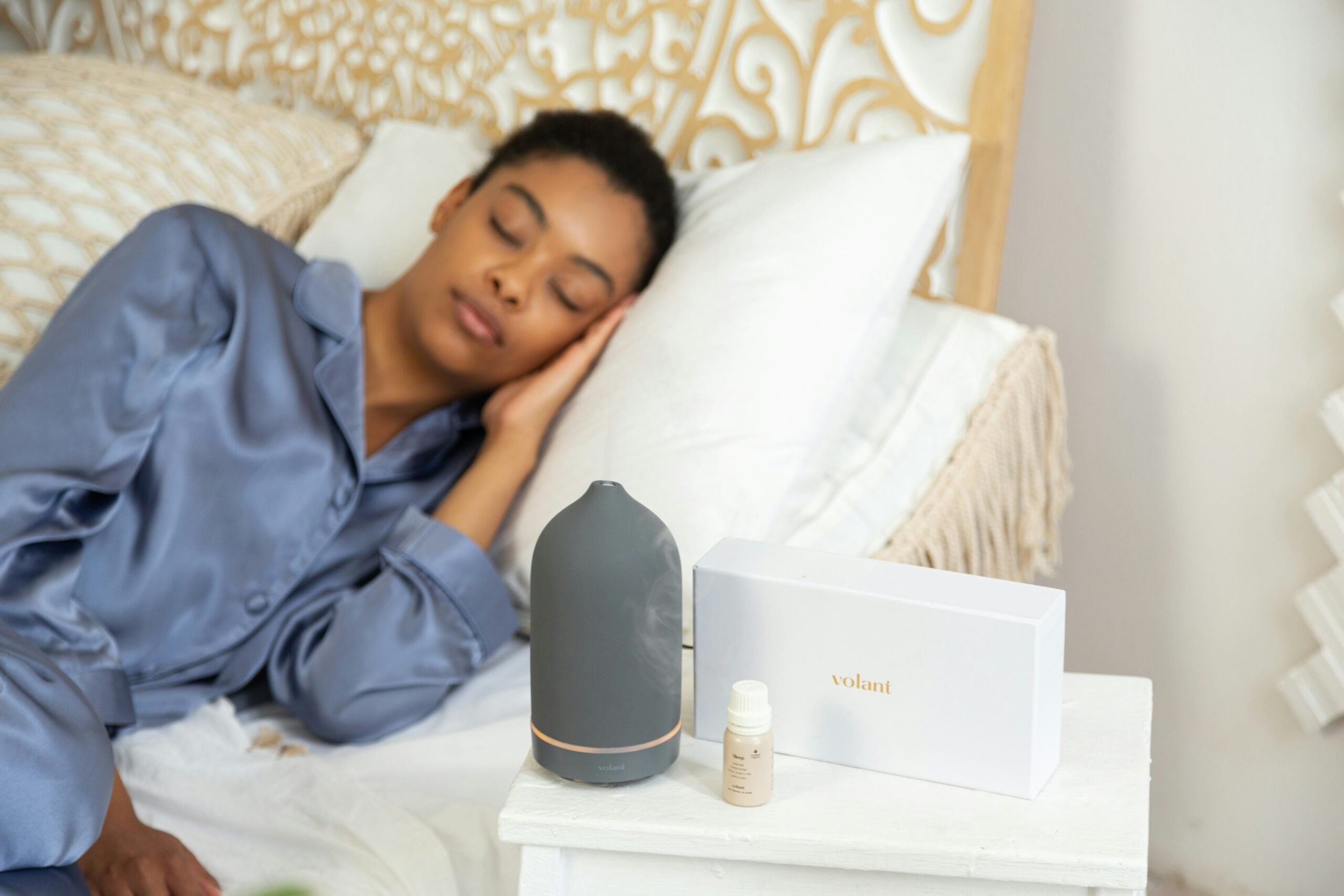
Scientists studying how sound affects sleep need participants exposed to controlled noise conditions. You sleep in a lab while researchers introduce various sounds—traffic noise, white noise, music, or intermittent disturbances.
Studies measure how different sounds affect sleep quality, how quickly you wake, and whether you remember the disturbances. This research informs soundproofing recommendations, workplace policies, and urban planning decisions.
Payment is moderate, reflecting the moderately disruptive nature of the work. Multiple sessions are common as researchers test different noise scenarios.
The reality of sleeping for money
These jobs aren’t as easy as they sound. Being monitored while you sleep is uncomfortable.
Wires, sensors, and unfamiliar environments disrupt normal rest. Many studies deliberately create difficult conditions—that’s the point.
Sleep deprivation studies leave you genuinely exhausted. Isolation studies affect mental state.
Drug trials carry real risks. Even straightforward observation studies mean sleeping in strange places under artificial conditions.
The pay rarely matches the disruption to your life. A study paying $3,000 for a week of bed rest sounds good until you factor in the recovery time, the physical deterioration, and the opportunity cost of a week unavailable for other work.
Short studies that pay a few hundred dollars are easier to justify but don’t add up to meaningful income unless you participate frequently.
Finding legitimate opportunities

Most sleep research happens at universities, medical centers, and pharmaceutical companies. Check websites for psychology departments, sleep medicine clinics, and research hospitals near you.
Many maintain registries of people interested in participating in studies. Government websites like ClinicalTrials.gov list ongoing research studies, including sleep research recruiting participants.
Approach any listing that seems too good to be true with skepticism. Legitimate research compensates participants fairly but isn’t offering easy money for doing nothing.
The work serves scientific purposes and requires real commitment from participants. Researchers need reliable people who follow protocols, show up on time, and provide accurate information.
Some people build relationships with research facilities and become regular participants. This requires maintaining good health, following instructions carefully, and being dependable.
Researchers value participants they can trust and may invite reliable people back for future studies.
Why researchers need sleeping subjects
Sleep’s still full of secrets, even after years of digging into it. We’re sure it matters, yet can’t quite explain how or why.
Each experiment adds another bit to the overall picture. Studies on sleeping problems bring relief to countless folks who can’t catch proper rest.
Research into lack of sleep shapes rules for night staff, doctors in training, or those in the armed forces. Findings about body clocks help tackle timezone fatigue and mood drops in winter months.
The pharma world relies on real human info to craft sleep drugs that actually work without harsh reactions. Yet space groups must figure out how zero-gravity messes with rest to protect crew well-being over time.
Mattress studies might sound minor, still they tackle something essential – since folks log about 33% of their years lying down, smarter bedding can seriously boost daily living.
What sleeping for science teaches you

People who participate in sleep research often learn unexpected things about their own sleep. Detailed monitoring reveals patterns you never noticed.
You discover how diet, exercise, stress, and routines affect your rest. Some participants improve their sleep habits based on insights from studies.
Others realize they have undiagnosed conditions that explain years of fatigue.
The experience also teaches patience and stillness. Lying motionless for hours while wired to equipment requires mental discipline.
You learn to sleep in uncomfortable situations, a surprisingly useful skill. And you gain appreciation for the complexity of something that seems simple.
Sleep involves intricate coordination of brain chemistry, body temperature, hormone release, and neural activity. Understanding that complexity makes you value rest differently.
Worth considering

Getting cash just for sleeping beats most part-time gigs. Work shows up now and then – hard to predict when.
Still, if you live close to labs, especially students or folks who set their own hours, these studies offer solid extra money. Plus, it helps real science move forward.
Your restless night stuck in a lab could actually help scientists crack tougher sleep problems, get closer to grasping how awareness works, or push forward missions beyond Earth. It’s got deeper meaning than your average odd job – especially since you’re out cold the whole time.
More from Go2Tutors!

- The Romanov Crown Jewels and Their Tragic Fate
- 13 Historical Mysteries That Science Still Can’t Solve
- Famous Hoaxes That Fooled the World for Years
- 15 Child Stars with Tragic Adult Lives
- 16 Famous Jewelry Pieces in History
Like Go2Tutors’s content? Follow us on MSN.