15 Foods That Look Different Depending on Where You Are in the World
Food travels across borders and oceans, adapting to local tastes, ingredients, and cultural preferences along the way. What might be familiar in one country can transform into something barely recognizable in another. The global food landscape shows how cuisine evolves when it meets new environments and palates.
Here is a list of 15 foods that undergo fascinating transformations as they journey around the world.
Pizza

The iconic Italian flatbread looks dramatically different depending on where you order it. In Naples, it’s soft and minimal, while in America, it’s loaded and doughy—Japan and Sweden offer their own surprising spins with toppings like corn or curry banana.
Dumplings

Dumplings appear in nearly every culture but differ wildly in form. From thin Chinese jiaozi to hearty Polish pierogi and twisted Georgian khinkali, each version reflects its culinary roots.
Like Go2Tutors’s content? Follow us on MSN.
Coffee
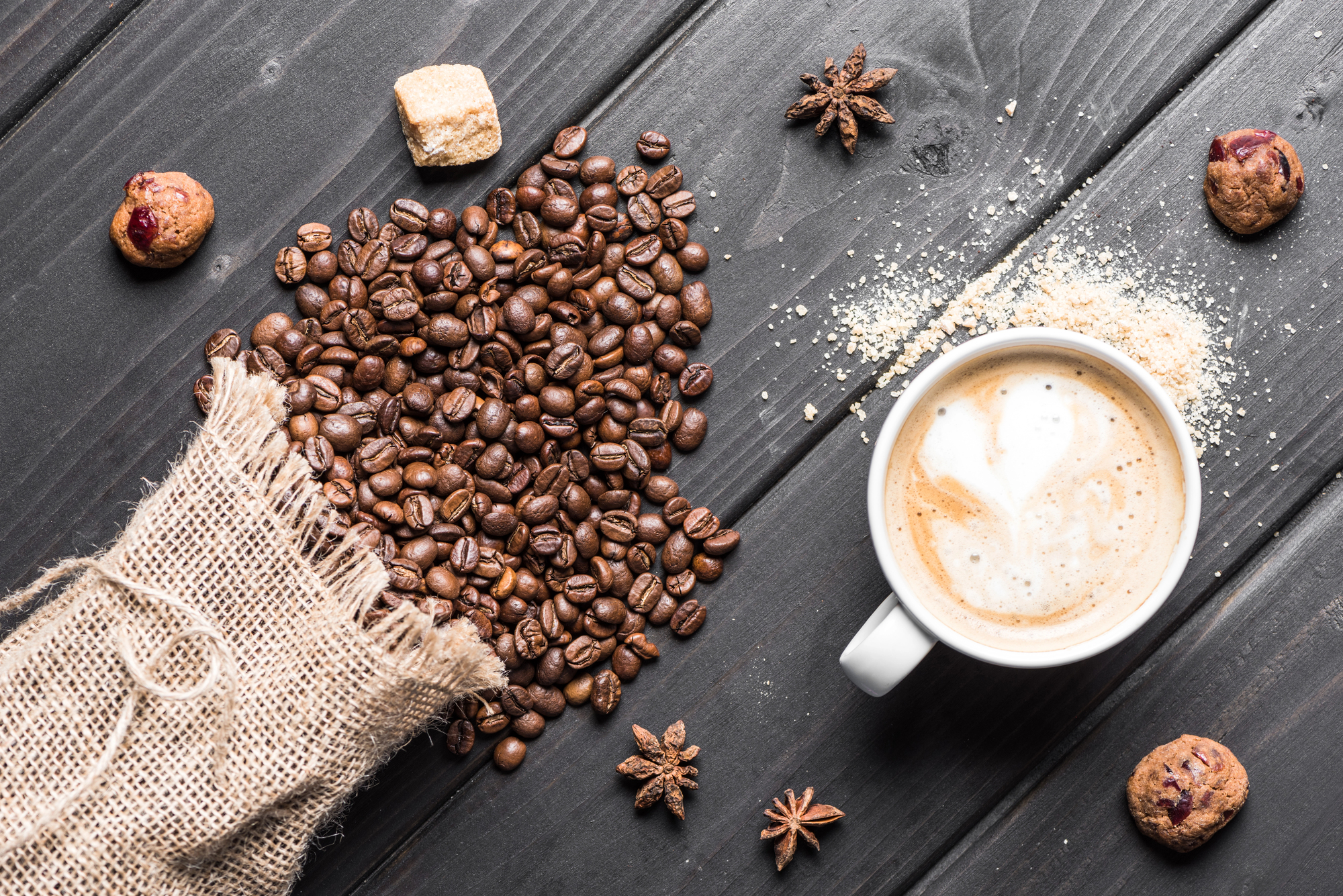
This beloved drink transforms from Italian espresso shots to cardamom-laced Turkish brews. Around the world, it can drip through filters in Vietnam, contain cheese in Finland, or be roasted fresh in Ethiopian ceremonies.
Fried Chicken
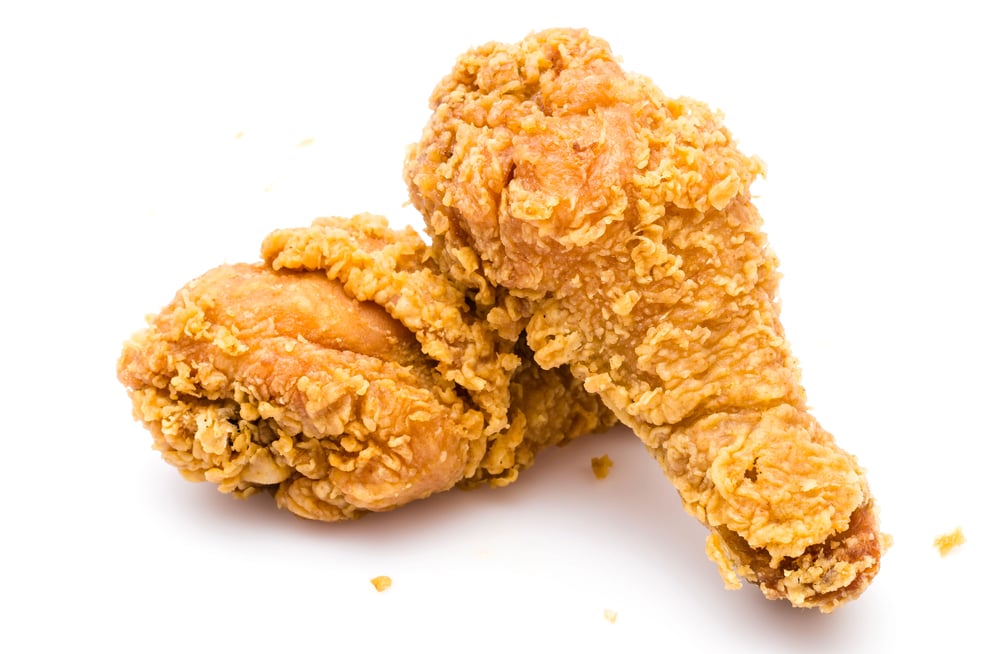
Fried chicken takes on many faces globally, from crunchy Southern American to sticky Korean. Japanese karaage offers delicate bites, while Senegalese yassa is marinated in citrus and onions before frying.
Pancakes

Pancakes are shaped by culture—thick American stacks differ from thin French crêpes or sour Ethiopian injera. Even savory versions like Chinese scallion pancakes offer layered, chewy alternatives.
Like Go2Tutors’s content? Follow us on MSN.
Bread

Bread spans continents in forms like crusty French baguettes and soft Indian naan. Dense Finnish rye, airy Ethiopian injera, and flexible Mexican tortillas show how geography and tradition mold this staple.
Curry
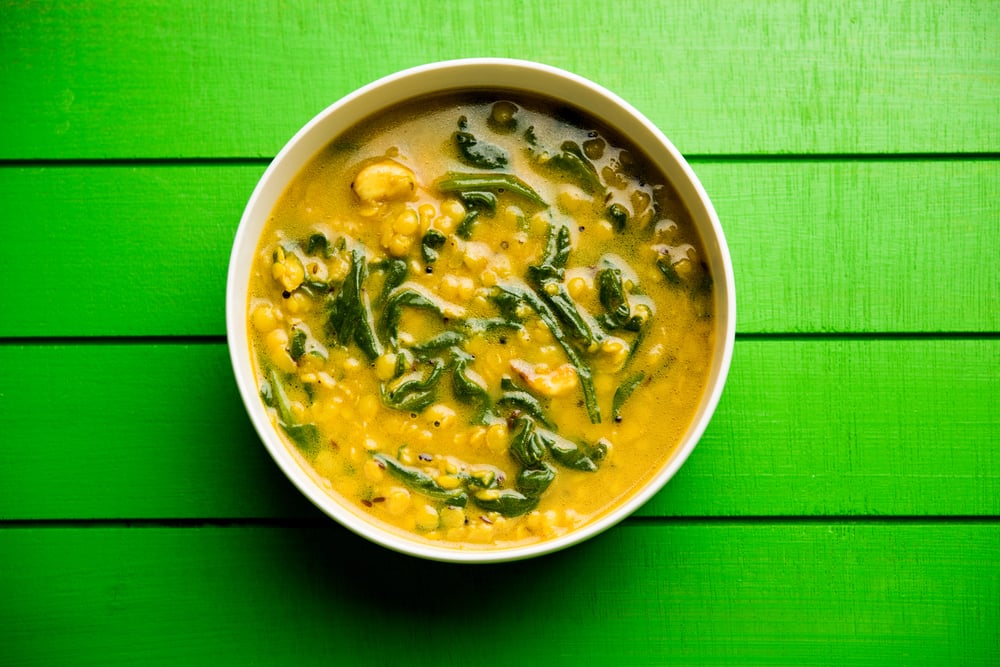
The word “curry” means different things in different places. Indian versions are spice-rich and thick, while Thai dishes use coconut milk and Japanese curry resembles brown gravy.
Noodles

From Italian pasta shapes to hand-stretched Chinese strands, noodles take many forms. Vietnamese phở, Korean glass noodles, and springy Japanese ramen each offer a distinctive experience.
Like Go2Tutors’s content? Follow us on MSN.
Barbecue

Barbecue styles shift dramatically with place and tradition. From smoky Texas brisket to Korean table grills and South African braai, cultures fire up meat in wonderfully diverse ways.
Rice Dishes
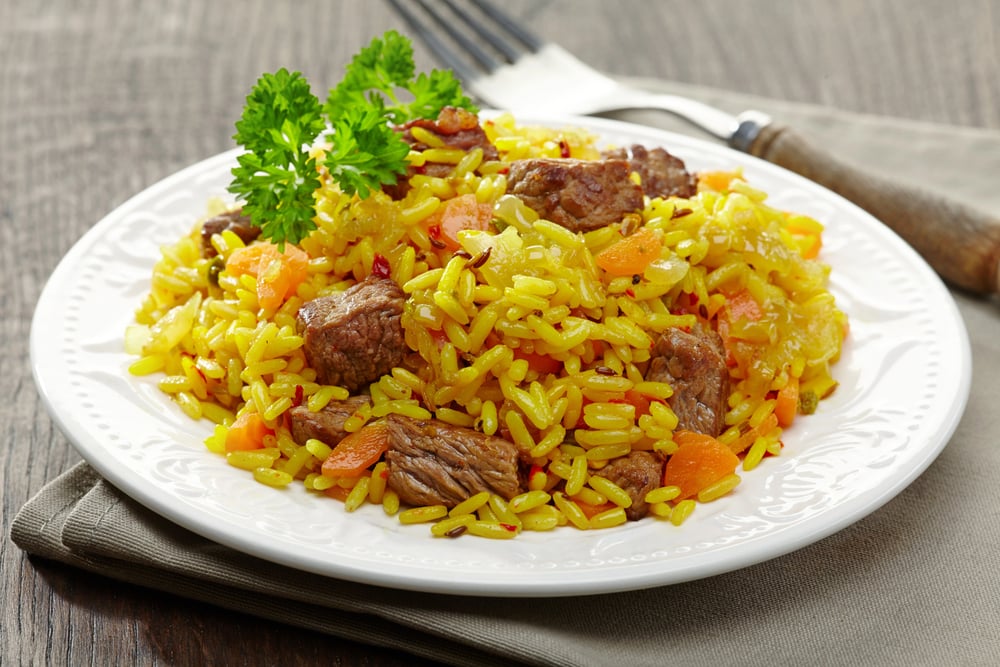
Rice is endlessly adaptable, from Spain’s seafood-rich paella to India’s layered biryani. Japan’s onigiri, Indonesia’s nasi goreng, and China’s comforting congee all spotlight rice in unique ways.
Sandwiches
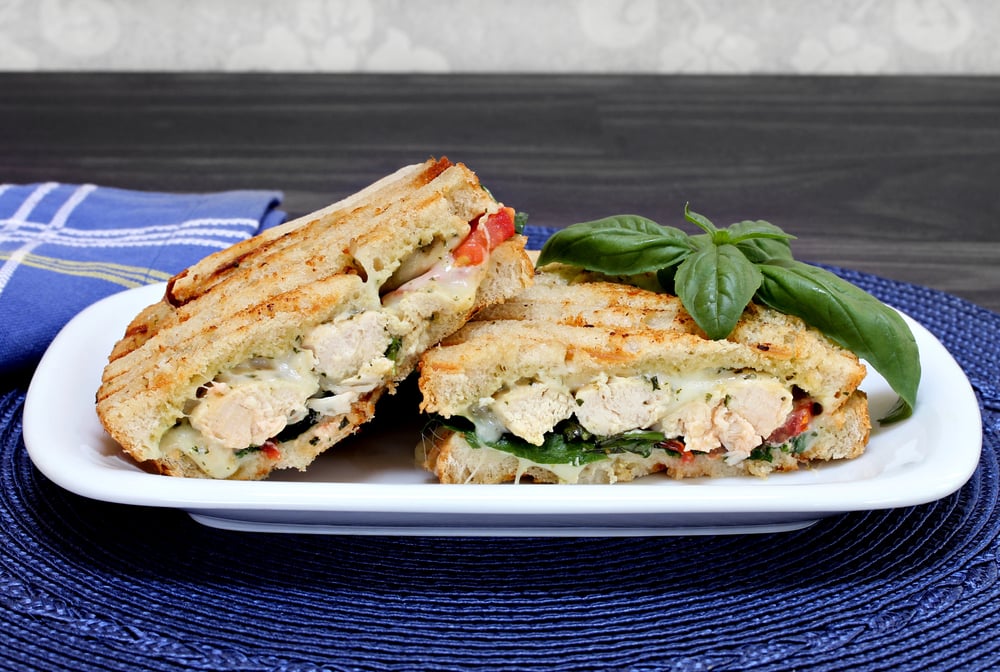
This hand-held favorite has global interpretations like the French-Vietnamese bánh mì and Indian vada pav. Scandinavian open-faced smørrebrød and Middle Eastern shawarma show how varied and artful a sandwich can be.
Like Go2Tutors’s content? Follow us on MSN.
Porridge

Porridge takes on local flavors—Scottish oats with salt, Chinese congee with savory toppings, and Nigerian pap’s custard-like smoothness. Even celebratory dishes like Norwegian rømmegrøt and South Indian upma fall into this humble category.
Doughnuts

Doughnuts can be filled, ring-shaped, or syrup-soaked. From America’s frosted classics to Italian bomboloni, Spanish churros, and Indian gulab jamun, sweet fried dough is a global indulgence.
Stew

Stews vary from Japan’s delicate nikujaga to Hungary’s paprika-heavy goulash. Irish lamb stews, Mexican pozole with hominy, and Moroccan tagines bring local identity to this comforting dish.
Like Go2Tutors’s content? Follow us on MSN.
Salad
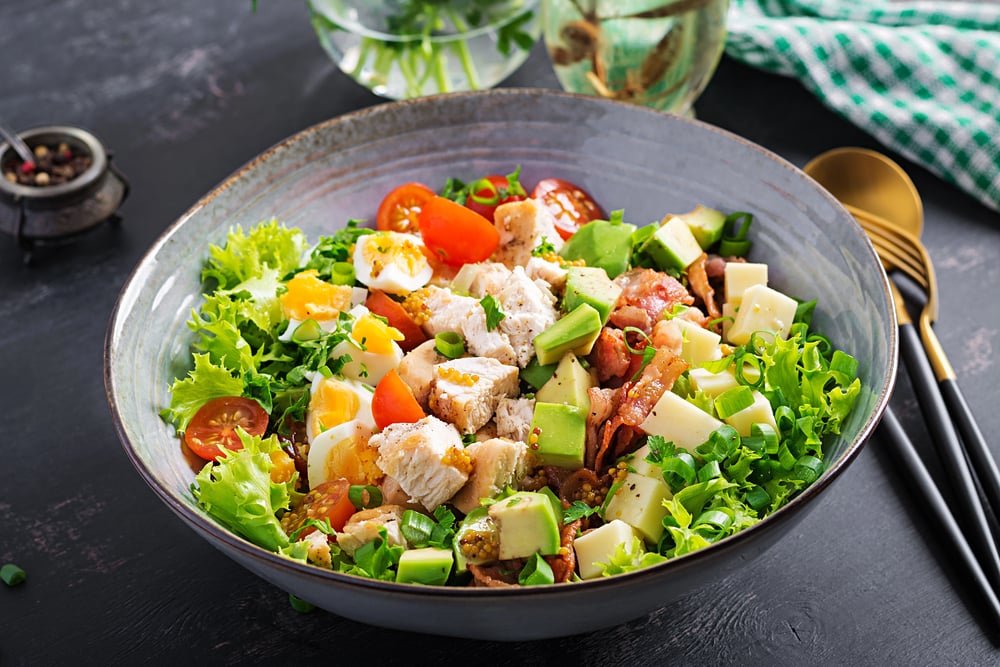
What counts as salad differs by region—Americans use raw greens, while Russians mix potatoes and mayo in Olivier. Thai som tam is spicy and pounded, Middle Eastern tabbouleh is herb-based, and Japanese sunomono is crisp and vinegared.
The Global Kitchen
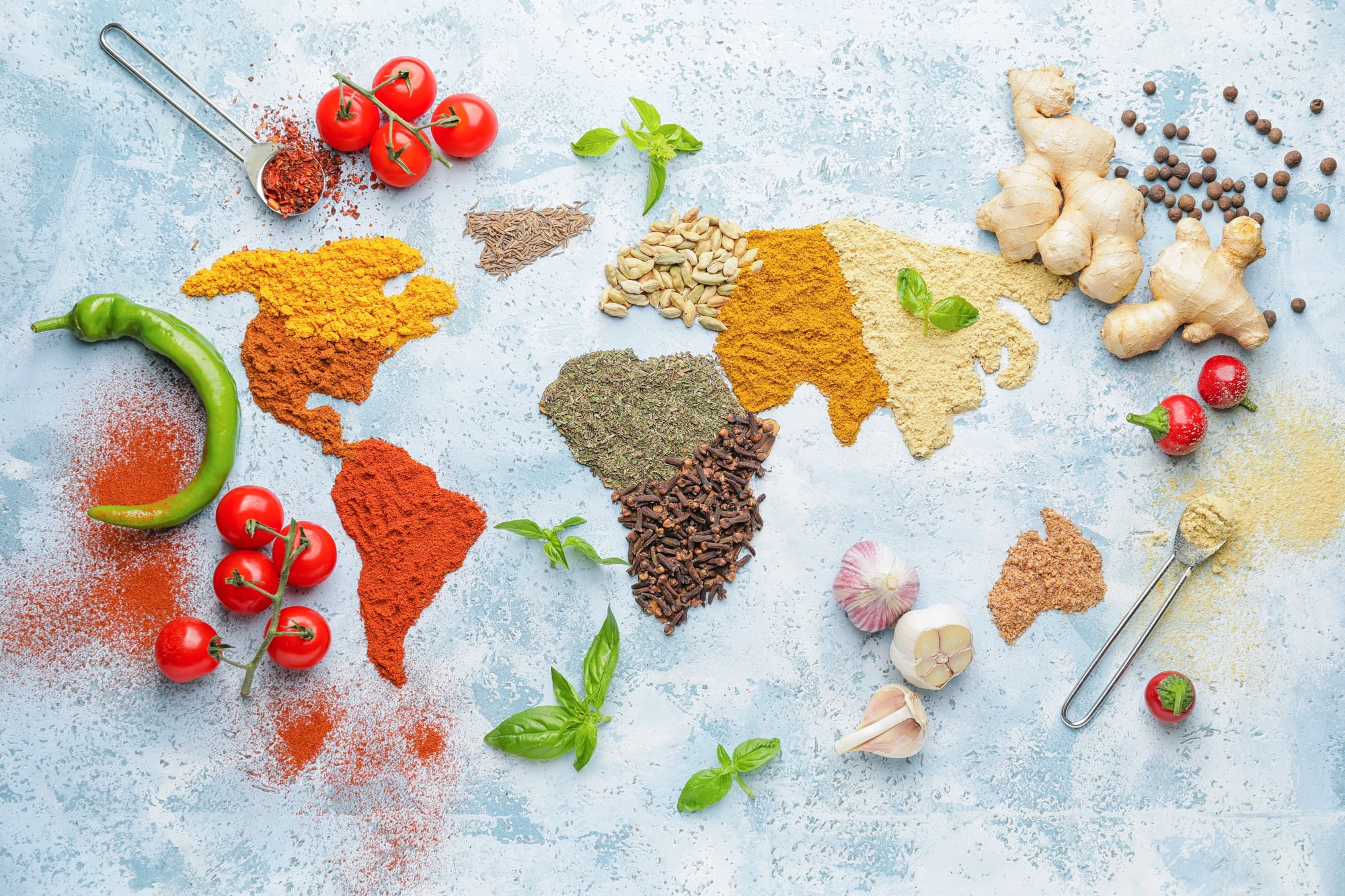
Food evolves as it travels, shaped by the land and the people who prepare it. Each variation tells a story of adaptation, creativity, and the universal joy of shared meals.
More from Go2Tutors!

- 18 Unexpectedly Valuable Collectibles You Might Have Lying Around
- 15 Things Every Teenager in the ’70s Did That Teens Today Wouldn’t Understand
- 15 Strange Things People Have Tried to Ban (And Failed)
- 15 Inventions That Were Immediately Banned After Being Created
- 20 Actors Who Were Almost Cast in Iconic Roles
Like Go2Tutors’s content? Follow us on MSN.