19 Absurd Marketing Stunts That Completely Backfired
Attention keeps marketing alive. Crowded spaces push brands toward loud moves meant to grab eyes, start talks.
Done right, one bold move might stick in culture, lift sales too. Slip up, though, then anger builds fast – laws follow, names stay stained longer than planned.
What happens when desire runs faster than sense? Ads blind to their audience.
Plans tangled beyond repair. These moments reveal how fast a flashy idea collapses under its own weight.
Look closely – some bets on big attention ended in regret instead.
Pepsi’s Harrier Jet Promotion

In the 1990s, Pepsi launched a promotion allowing customers to collect points from purchases and redeem them for merchandise. A television commercial jokingly suggested that 7 million points could earn a military Harrier jet.
A college student took the offer seriously and attempted to claim the aircraft by submitting points and a check to cover the remainder. Pepsi argued the ad was clearly humorous, and the case went to court.
The company ultimately prevailed legally, but the episode highlighted how exaggerated marketing claims can blur into misleading territory.
New Coke
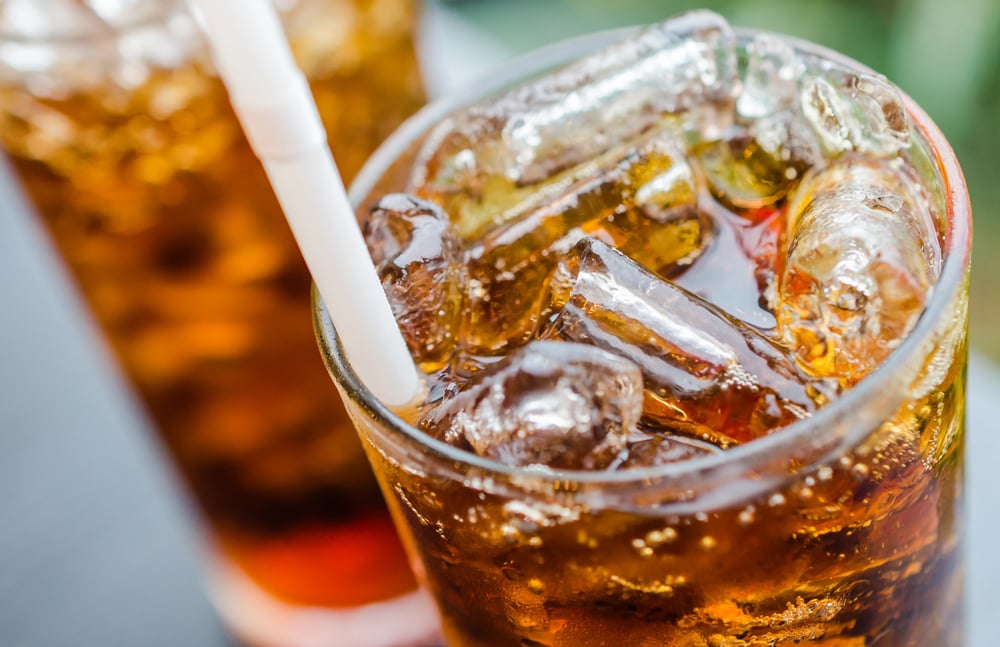
In 1985, Coca-Cola reformulated its flagship drink in response to competition from Pepsi. The company introduced ‘New Coke,’ replacing the original formula nationwide.
The backlash was swift and emotional. Consumers flooded the company with complaints, framing the change as an attack on tradition.
Within months, Coca-Cola reintroduced the original formula as ‘Coca-Cola Classic.’ The reversal became one of the most studied marketing miscalculations in corporate history.
Fyre Festival

Marketed as a luxury music festival in the Bahamas, Fyre Festival promised villas, gourmet food, and exclusive performances. Influencers and celebrities amplified the campaign across social media.
When attendees arrived in 2017, they found disaster-relief tents and inadequate infrastructure. The event collapsed almost immediately, leading to lawsuits and criminal charges against its founder.
The spectacle exposed how marketing hype can outpace operational reality.
The Gap Logo Redesign

In 2010, Gap unveiled a redesigned logo, replacing its classic blue square with a minimalist font and gradient box. The change was intended to modernize the brand.
Public reaction was overwhelmingly negative. Social media criticism mounted within days, and design professionals mocked the new look.
Gap reverted to its original logo within a week, demonstrating how deeply consumers can attach to visual identity.
McDonald’s Arch Deluxe
In the mid-1990s, McDonald’s launched the Arch Deluxe, positioning it as a more sophisticated burger for adults. The campaign involved one of the largest advertising budgets in the company’s history.
Despite heavy promotion, the burger failed to resonate with customers. The concept clashed with the brand’s family-oriented identity, and sales fell short of expectations.
The product was eventually discontinued.
Sony’s PSP Graffiti Campaign

To promote the PlayStation Portable, Sony hired artists to create graffiti-style murals in major cities. The artwork featured young people interacting with the device.
The campaign faced backlash for co-opting street art culture without authenticity. Critics accused Sony of exploiting urban aesthetics for corporate gain.
The company eventually halted the campaign amid mounting criticism.
Hoover’s Free Flights Offer

In 1992, Hoover UK offered free airline tickets to customers who purchased certain vacuum cleaners. The promotion triggered a surge in sales.
However, the logistics proved disastrous. Customers struggled to claim flights, and fulfillment costs ballooned.
The financial fallout reportedly cost Hoover tens of millions of dollars and damaged its reputation in the UK market.
Burger King’s International Women’s Day Tweet

In 2021, Burger King UK posted a tweet reading ‘Women belong in the kitchen’ to promote a scholarship program for female chefs. The intent was to draw attention to gender disparity in culinary leadership.
The phrasing ignited immediate backlash. Many readers saw the statement as offensive rather than ironic.
Although the brand clarified its intention, the campaign became a case study in the risks of shock-driven messaging.
Kendall Jenner’s Pepsi Ad

Pepsi released a commercial featuring Kendall Jenner joining a protest and resolving tension by handing a police officer a soda. The ad aimed to evoke themes of unity and activism.
Critics argued it trivialized serious social movements. The backlash was intense, and Pepsi pulled the advertisement within days.
The campaign underscored how sensitive cultural issues demand nuance rather than simplification.
Google Glass Consumer Launch
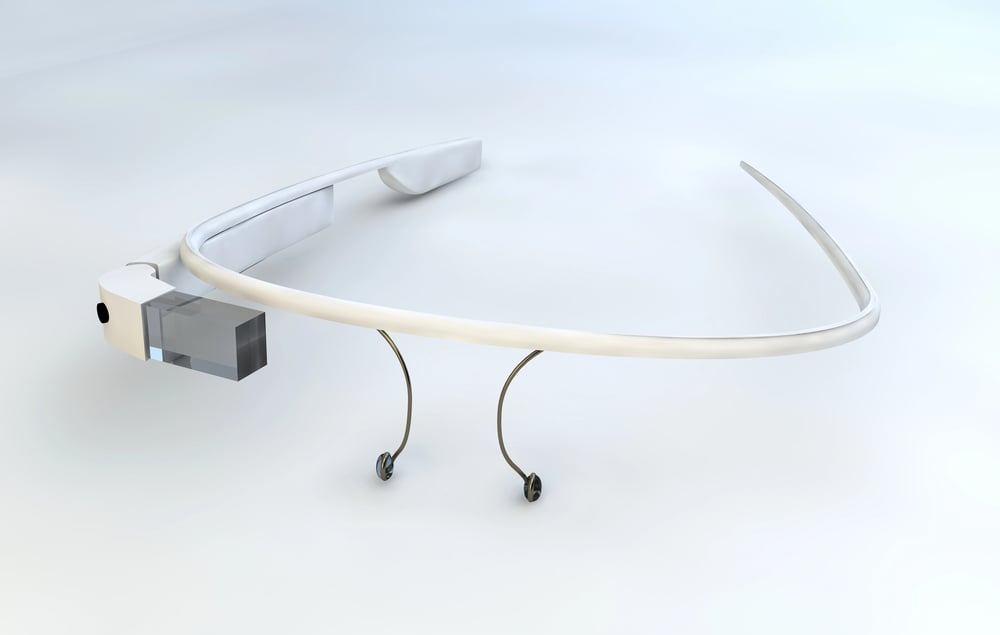
Google Glass debuted with significant hype, marketed as a glimpse into the future of wearable technology. Early adopters paid $1,500 for the device.
Privacy concerns, limited functionality, and social discomfort led to widespread skepticism. The product never achieved mainstream adoption in its initial form.
While later iterations found niche uses, the consumer rollout faltered.
Crystal Pepsi
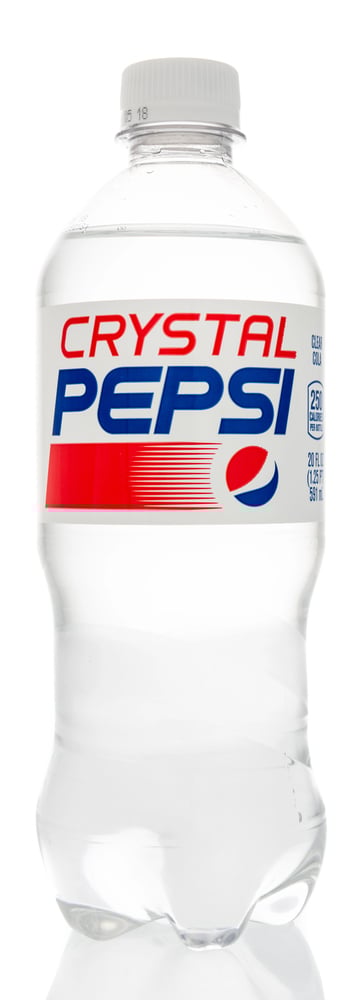
In the early 1990s, Pepsi introduced Crystal Pepsi, a clear cola intended to signal purity and innovation. The novelty generated initial curiosity.
However, consumers struggled to reconcile the clear appearance with expected flavor. Sales declined rapidly, and the product was discontinued.
The experiment demonstrated how visual cues shape taste perception.
Colgate Kitchen Entrees

Colgate briefly ventured into frozen meals in the 1980s, leveraging its brand recognition. The move aimed to extend trust associated with hygiene into food products.
The association proved awkward. Consumers found it difficult to separate toothpaste from dinner.
The product line disappeared quickly, reinforcing the importance of brand coherence.
The London Millennium Dome
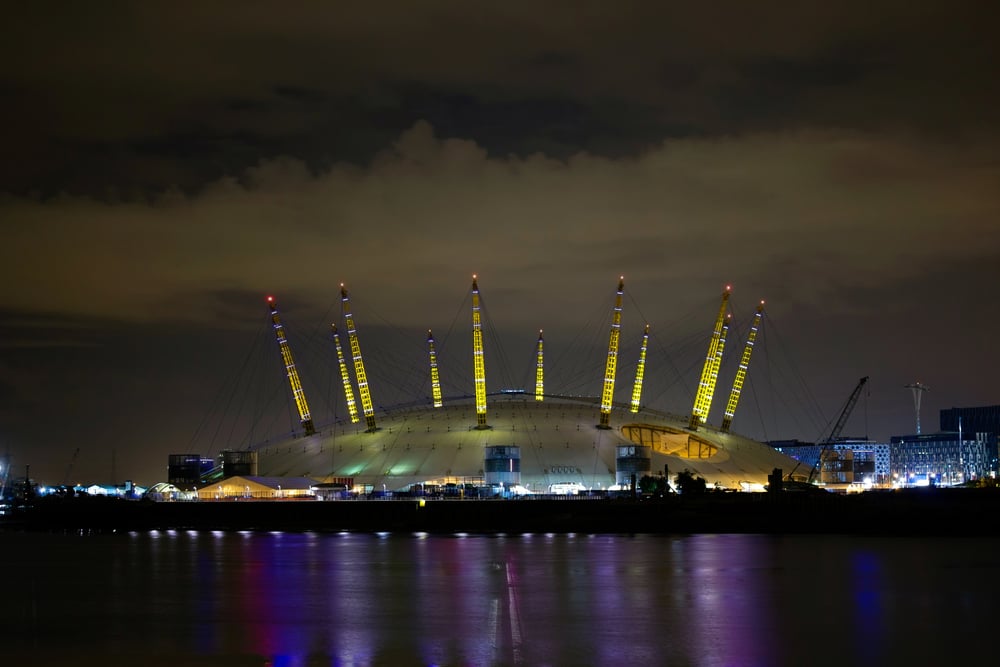
The Millennium Dome, opened in 2000, was designed as a celebratory exhibition marking the new millennium. Heavy marketing framed it as a landmark cultural experience.
Attendance fell below projections, and critics questioned the value offered inside. The project struggled financially in its early years, becoming emblematic of overhyped public ventures before eventually being repurposed.
Tropicana Packaging Redesign

In 2009, Tropicana introduced new packaging that replaced its familiar orange-with-straw imagery. The minimalist design aimed for a modern feel.
Consumers reacted negatively, claiming it was harder to identify on shelves. Sales reportedly dropped significantly within weeks.
The company restored the original packaging shortly afterward.
MoviePass Pricing Model

MoviePass offered unlimited movie tickets for a low monthly fee, generating enormous publicity. The subscription model seemed disruptive and consumer-friendly.
Yet the economics proved unsustainable. The company burned through cash and struggled to maintain operations.
The initial excitement faded as financial instability became clear.
Snapchat’s Redesign

In 2018, Snapchat redesigned its app to separate content from friends and publishers. The change aimed to streamline user experience.
Users reacted strongly, with millions signing petitions requesting a reversal. While the company adjusted elements over time, the redesign dented user satisfaction and growth.
Chevy’s Nova Naming Myth

Although often exaggerated, the claim that Chevrolet’s Nova failed in Spanish-speaking markets due to sounding like ‘no va’ has persisted. While actual sales data suggest the impact was overstated, the story endures as a cautionary tale about cross-cultural branding.
The myth itself became part of marketing folklore, illustrating how perception can shape brand narratives regardless of strict accuracy.
Bic for Her Pens

Bic introduced pens specifically marketed to women, featuring pastel colors and ergonomic claims. The launch prompted widespread online ridicule.
Reviewers questioned the need for gendered writing instruments. The backlash demonstrated how unnecessary segmentation can appear patronizing rather than inclusive.
Segway’s Grand Reveal
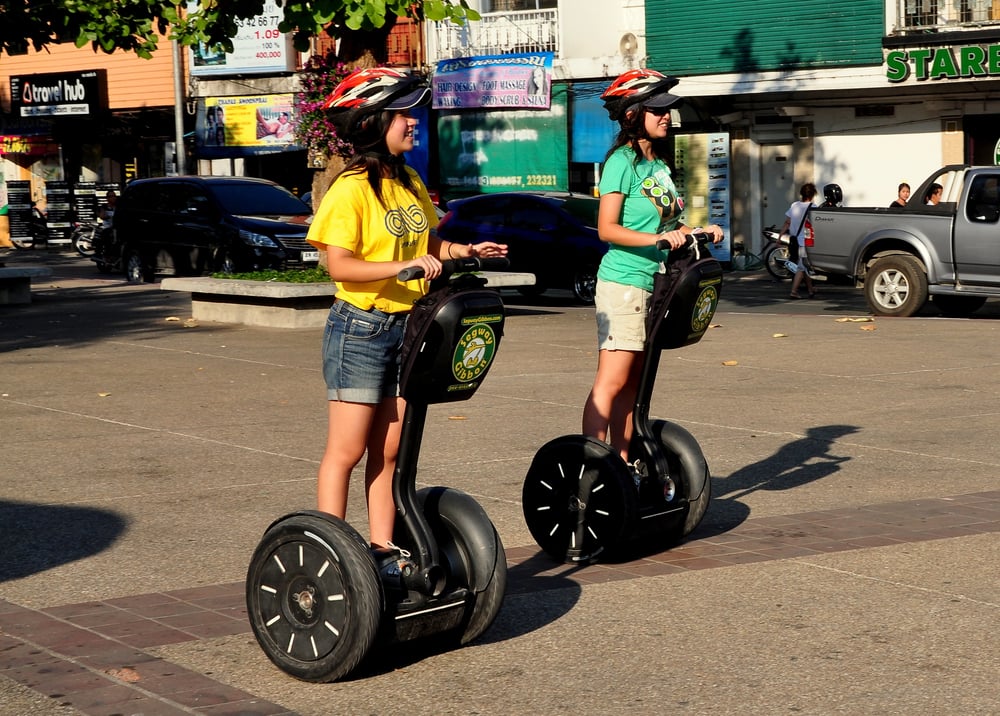
Folks in the tech world thought city travel would never be the same once they caught wind of the Segway in 2001. Hype built fast, feeding a wave of excitement that few gadgets had sparked before.
Curiosity greeted its arrival, yet real-world use stayed narrow. Tourism spots tried it out; so did some security teams – still, city life went unchanged.
Promises of transformation faded fast. What people thought would shift never really took hold.
When Bold Turns Into Blunder

True, bold moves get noticed – yet every leap needs clear thinking behind it. Some efforts collapsed, not from big dreams, but from missing the mark on who was watching, where, and how things moved.
When goals race ahead of shared understanding, even smart plans can fall apart fast now. After all, everything links faster than ever.
A single misstep now spreads faster than ever before. Through digital channels, praise or backlash moves like storm clouds across the sky.
Bold thinking still matters – yet it works best when paired with clear intent, local understanding, and some preparation. What once took weeks unfolds by lunchtime.
What happens when flash replaces substance becomes clear looking back. Doors may swing wide at first because of notice drawn, yet staying power comes from belief built slowly.
Lose sight of that line, then volume fades fast despite early noise made.
More from Go2Tutors!

- The Romanov Crown Jewels and Their Tragic Fate
- 13 Historical Mysteries That Science Still Can’t Solve
- Famous Hoaxes That Fooled the World for Years
- 15 Child Stars with Tragic Adult Lives
- 16 Famous Jewelry Pieces in History
Like Go2Tutors’s content? Follow us on MSN.



