19 Animals Scientists Thought Were Hoaxes
The natural world has produced some creatures so bizarre that even respected scientists initially dismissed them as elaborate pranks or mythical fabrications. When European explorers and researchers first encountered these animals, their descriptions seemed too outlandish to be real—leading to years of scientific skepticism and heated debates in academic circles.
These creatures challenged everything scientists thought they knew about biology, evolution, and what was possible in nature. Here is a list of 19 animals that scientists thought were hoaxes.
Platypus
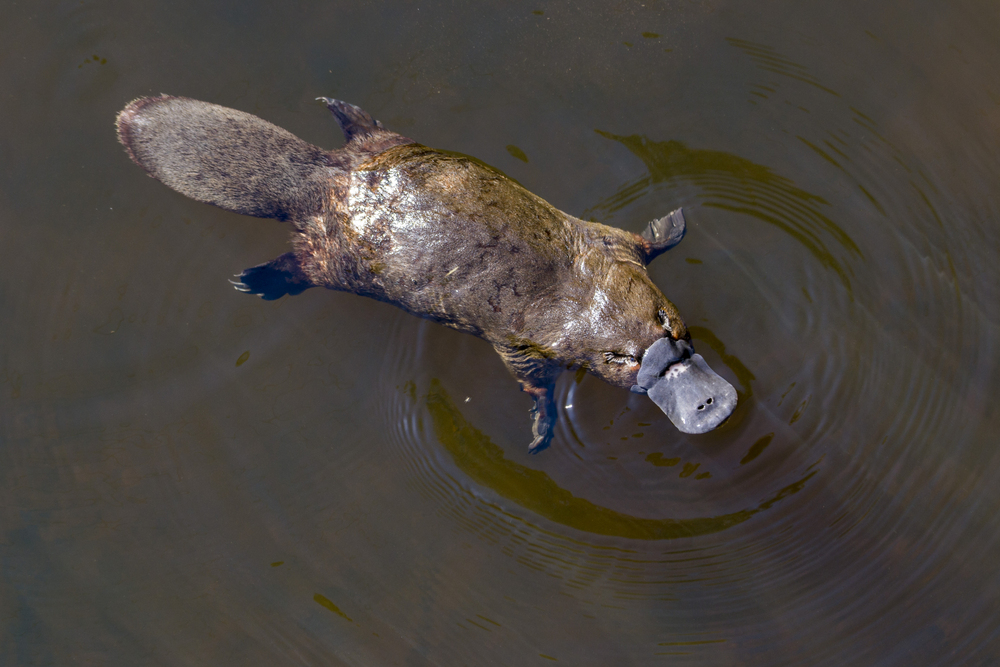
When British scientists first examined a platypus specimen in 1798, they were convinced someone had sewn a duck’s bill onto a beaver’s body. The creature seemed like such an obvious fake that they searched for stitches—even cutting into the skin to find evidence of tampering.
It took decades before the scientific community accepted that this egg-laying mammal was genuine.
Giant Squid
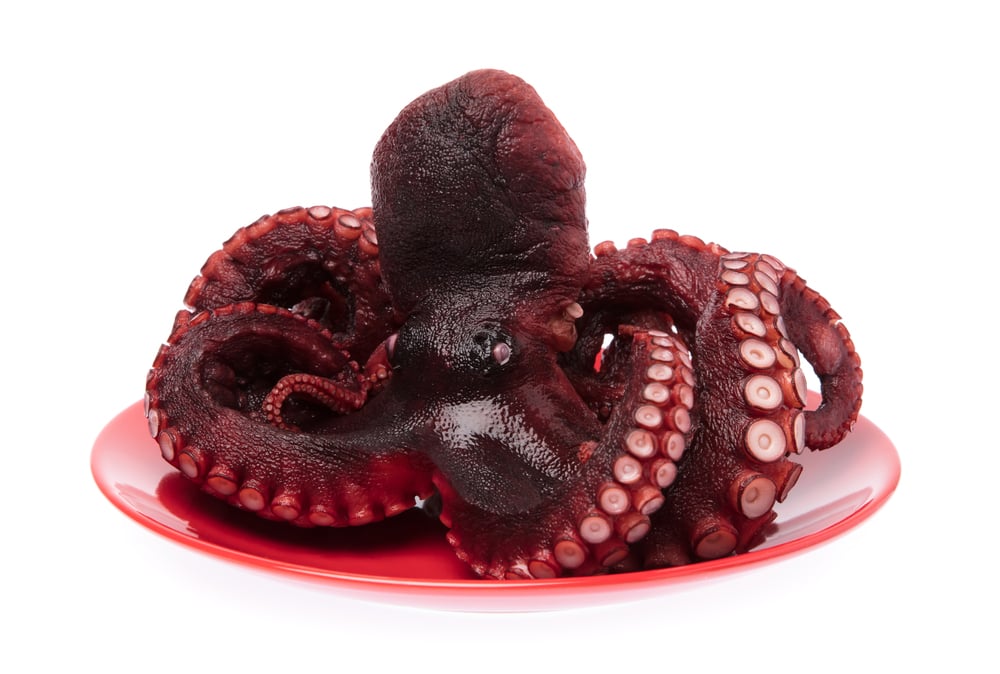
Sailors told stories about massive sea monsters with tentacles longer than ships, though scientists dismissed these tales as maritime folklore. The giant squid remained in the realm of legend until 1857—when the first confirmed specimen washed ashore in Denmark.
Even then, many researchers questioned whether such enormous cephalopods could actually exist in the deep ocean.
Okapi
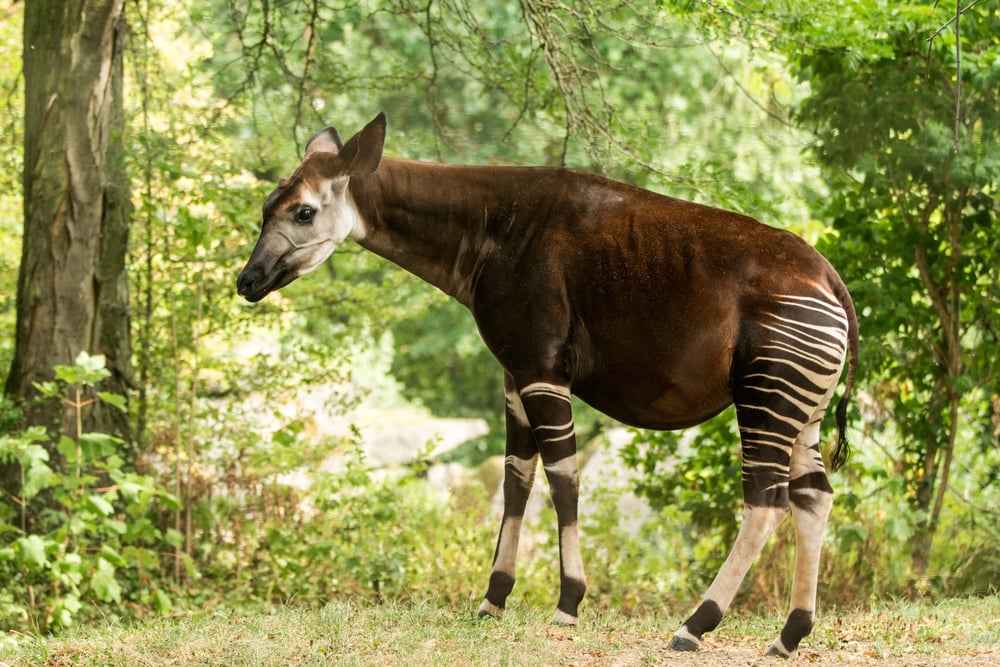
European explorers in the Congo described a “forest giraffe” with zebra stripes, yet scientists back home thought this sounded like pure fantasy. The okapi seemed too strange to be real—part giraffe, part zebra, living in dense African rainforests, an environment seemingly unsuitable for giraffe-like animals.
It wasn’t officially recognized until 1901, when Sir Harry Johnston finally brought back concrete evidence.
Duck-Billed Dinosaur
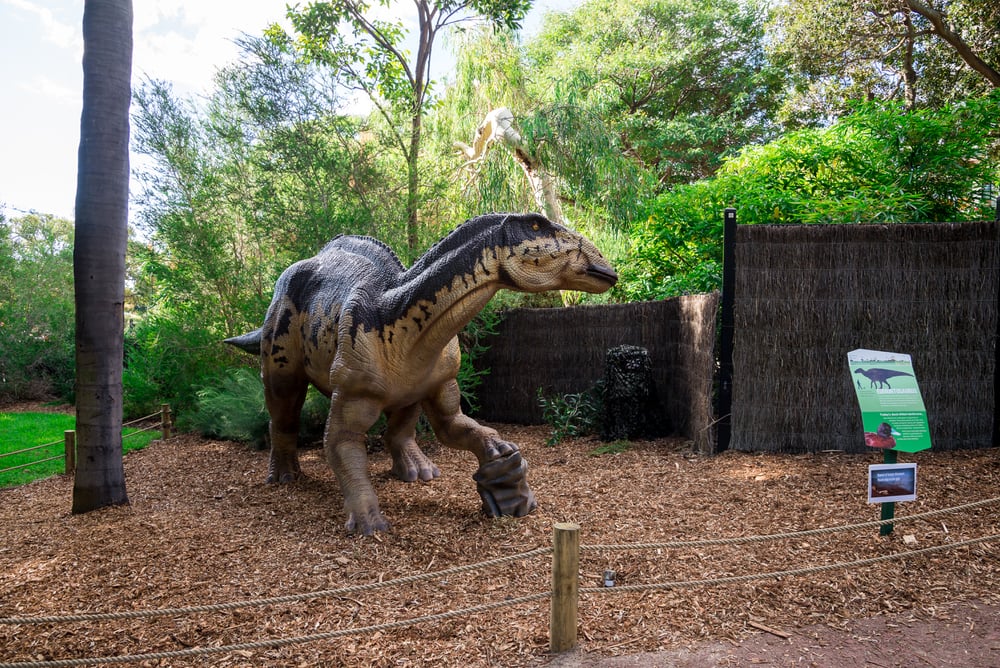
When the first hadrosaur fossils were discovered, paleontologists couldn’t believe dinosaurs had duck-like bills and possibly webbed feet. The specimens seemed so unusual that many scientists suspected they were either mislabeled or represented some kind of ancient hoax.
The idea of herbivorous dinosaurs with sophisticated social behaviors challenged prevailing theories about prehistoric life.
Coelacanth
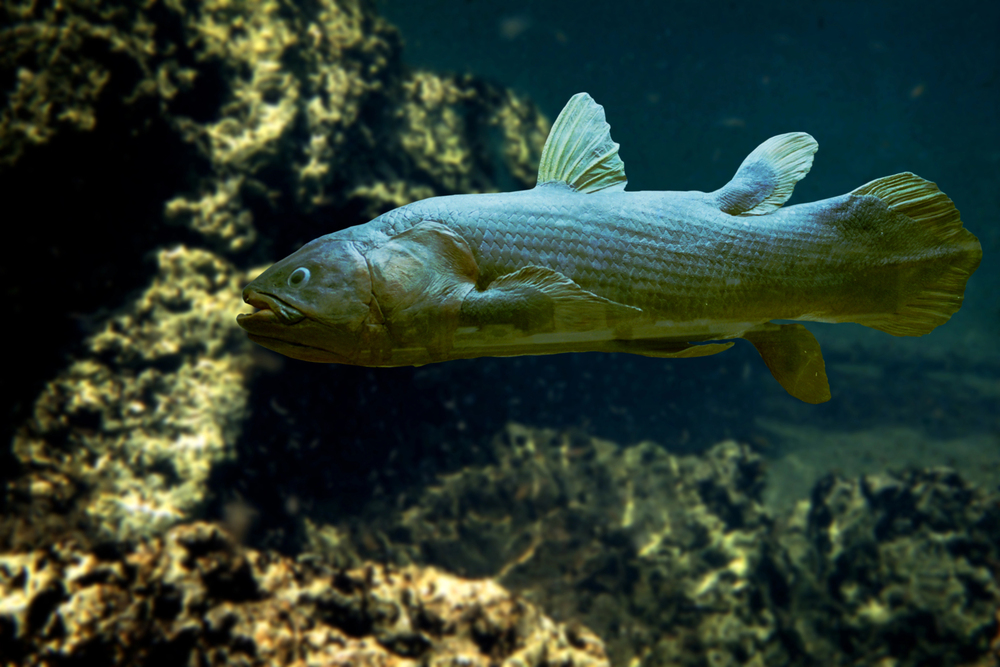
Scientists declared the coelacanth extinct for 66 million years—so when a living specimen was caught off South Africa in 1938, the scientific world went into shock. Many researchers initially refused to believe the fish was genuine, thinking it had to be a misidentified species.
The discovery forced scientists to reconsider everything they thought they knew about evolution and extinction.
Narwhal
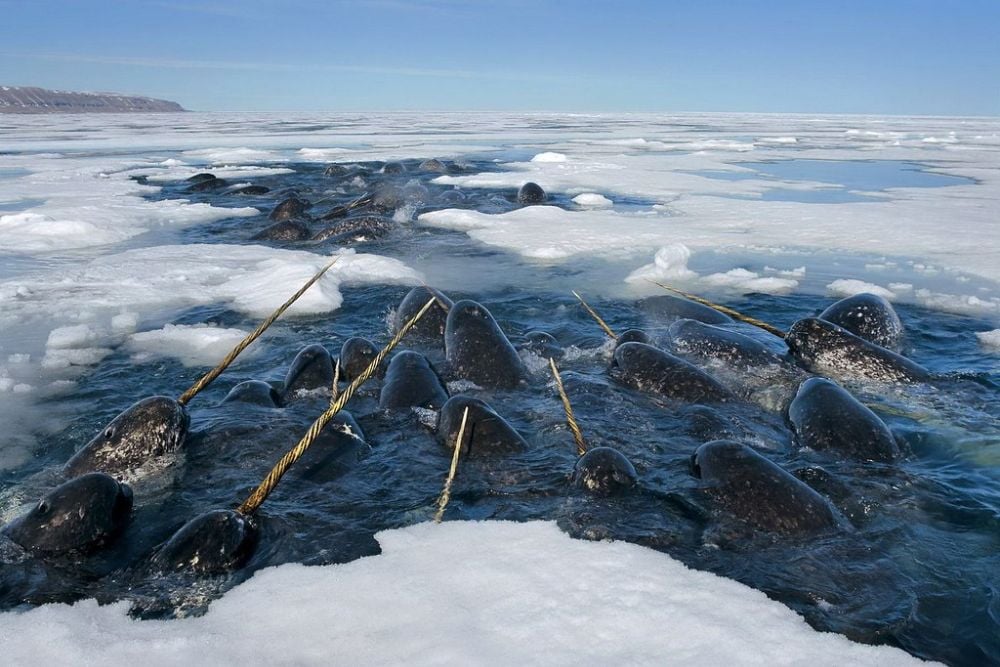
Medieval accounts of unicorns might have been based on narwhal sightings, though scientists long considered these “unicorn whales” to be mythical creatures. The idea of whales with single, spiral tusks seemed too fantastical for serious scientific consideration.
When narwhal specimens finally reached European museums, researchers initially thought the tusks had been artificially attached.
Vampire Bat
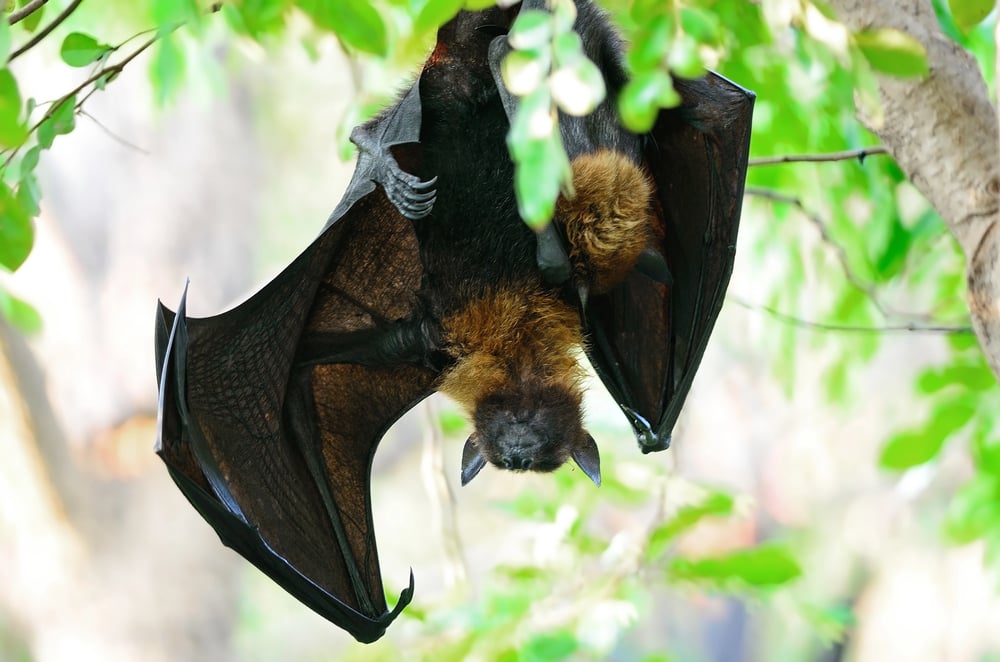
Early reports from South America described bats that fed on blood from sleeping animals and humans—claims that European scientists found absolutely ridiculous. The concept of blood-drinking mammals seemed more like folklore than legitimate zoology.
It took careful field research and multiple specimens before the scientific community accepted that vampire bats were real creatures, not supernatural myths.
Bombardier Beetle
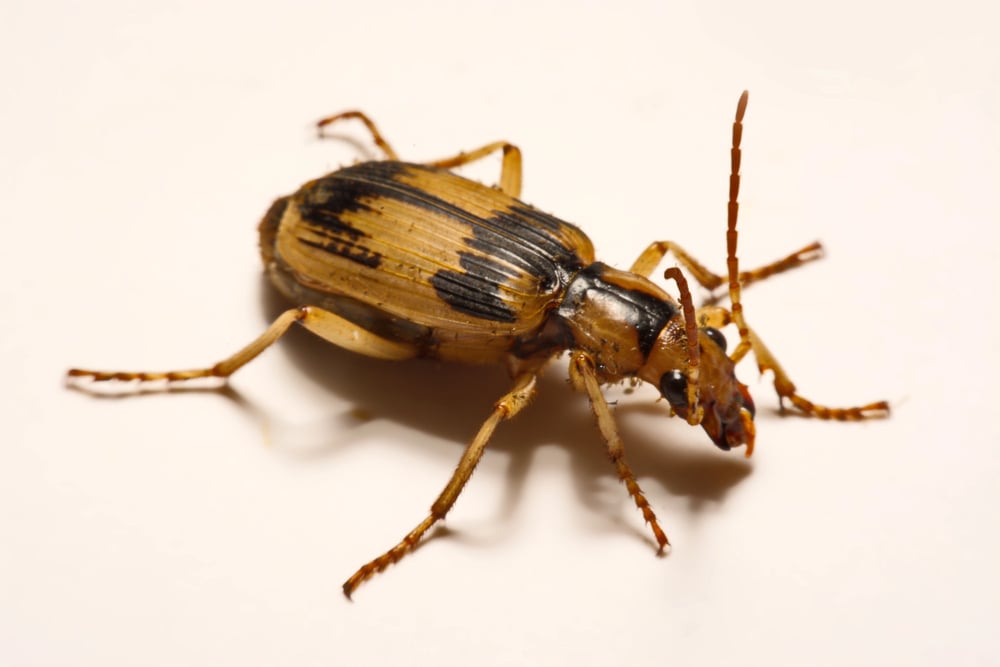
When entomologists first heard about beetles that could spray boiling chemicals at predators, they assumed these reports were exaggerated or completely fabricated. The idea that insects could produce explosive chemical reactions inside their bodies seemed physically impossible.
Scientists couldn’t figure out how any creature could survive having that kind of chemical weaponry without destroying itself in the process.
Leafy Sea Dragon
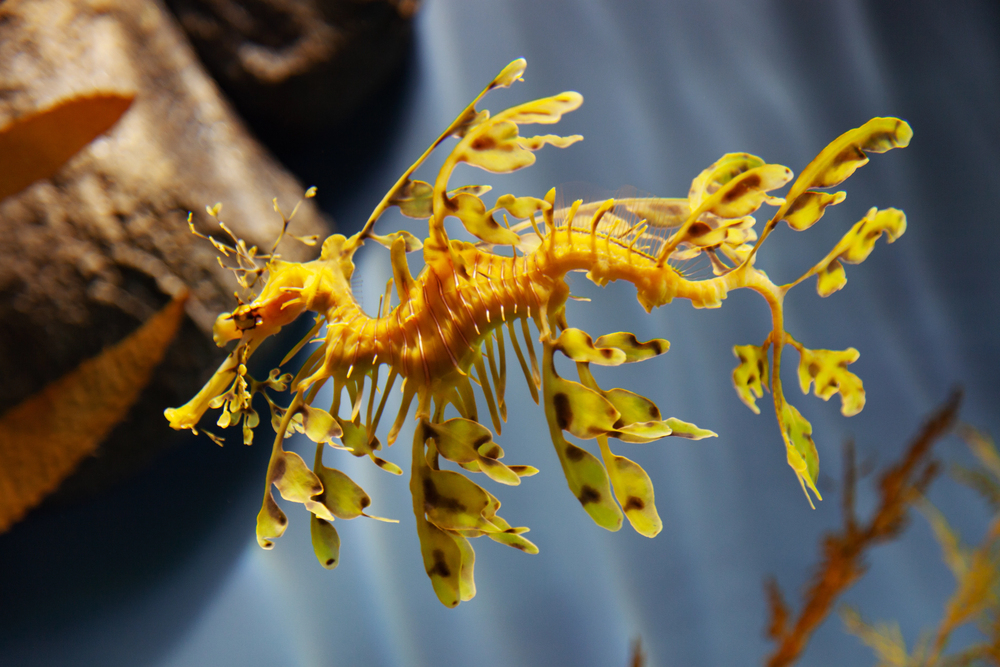
Marine biologists initially thought the leafy sea dragon was an elaborate fake created by attaching plant material to a regular seahorse. The creature’s camouflage seemed too perfect, too artistic for nature to have produced naturally.
Australian specimens were dismissed as clever taxidermy tricks until live animals were finally observed and studied in their natural habitat.
Blobfish
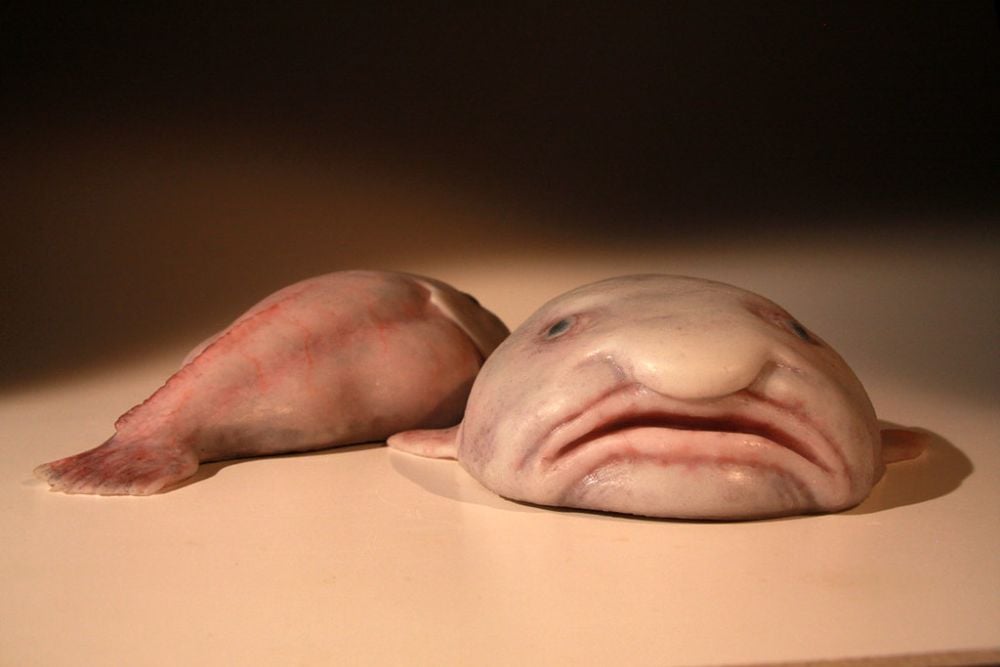
Deep-sea fishing vessels brought up gelatinous, shapeless creatures that scientists couldn’t classify or even believe were real animals. The blobfish looked more like melted plastic than any recognizable life form, leading researchers to suspect these were decomposed remains or artificial creations.
Only when live specimens were studied under proper pressure conditions did scientists realize these were legitimate deep-sea fish.
Goblin Shark
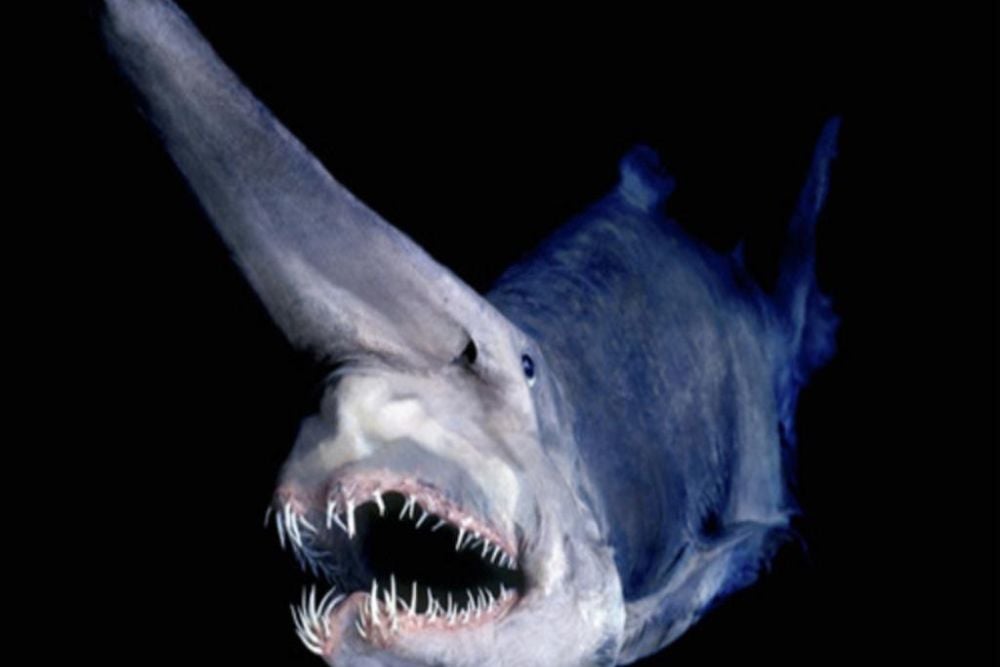
Japanese fishermen occasionally caught prehistoric-looking sharks with extendable jaws, though marine biologists thought these descriptions were folklore or misidentifications. The goblin shark seemed too bizarre and ancient-looking to exist in modern oceans.
When specimens finally reached scientific institutions, researchers were amazed that such a primitive shark species had survived virtually unchanged for millions of years.
Aye-aye
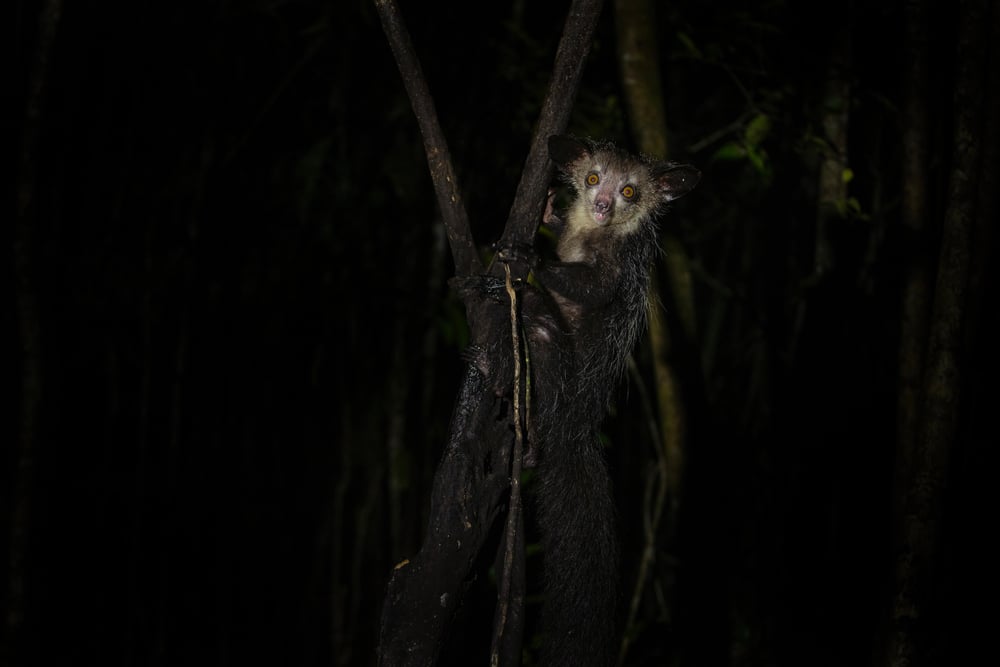
Madagascar’s aye-aye looked so strange that European naturalists couldn’t decide if it was a primate, rodent, or some kind of elaborate hoax. The creature’s bat-like ears, rodent teeth, and skeletal fingers seemed like features from different animals combined.
Local superstitions about the aye-aye being a harbinger of death made scientists even more suspicious about its authenticity.
Pangolin
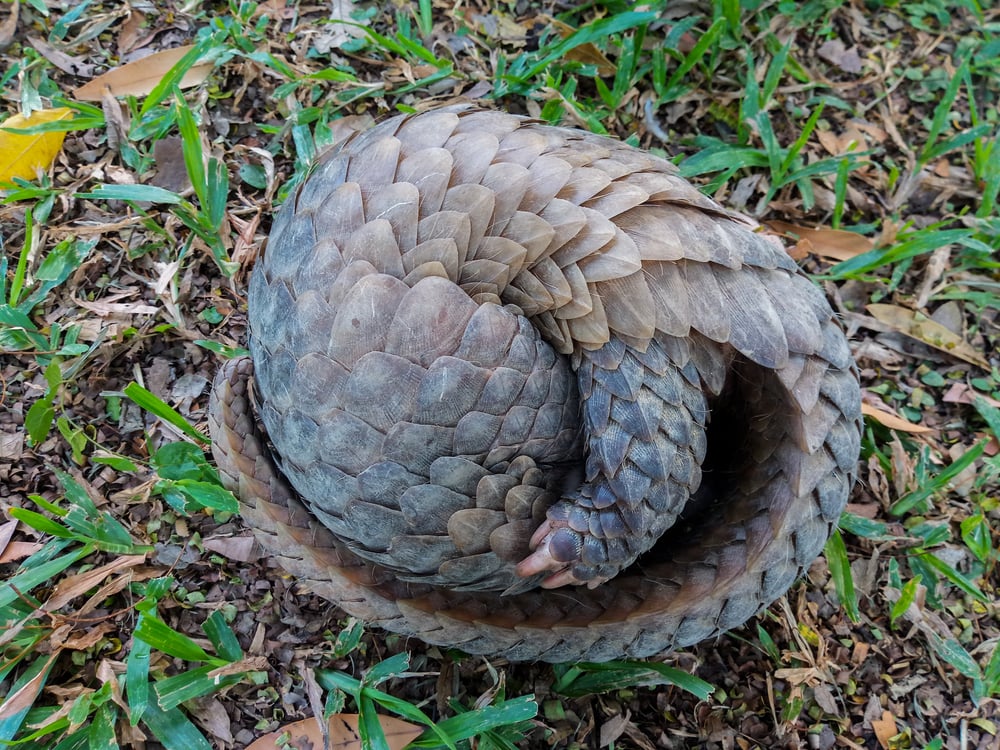
Early reports described armored mammals that could roll into perfect spheres and had scales like reptiles—descriptions that sounded more like mythical creatures than real animals. Scientists struggled to classify pangolins since they didn’t fit into established mammalian categories.
The idea of scale-covered mammals that ate only ants seemed biologically improbable to researchers familiar with conventional mammalian anatomy.
Star-nosed Mole
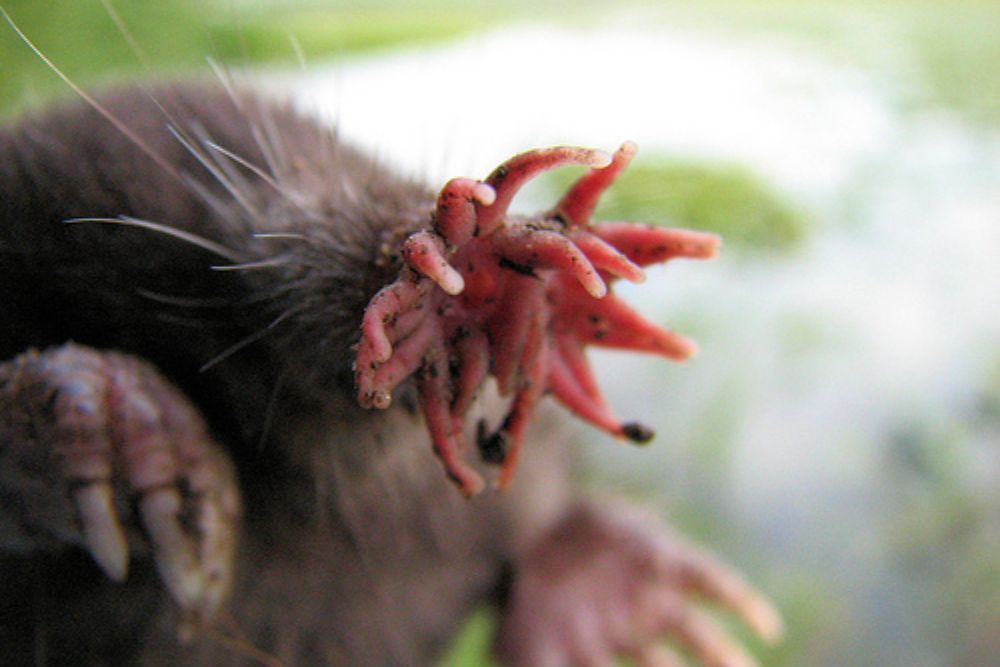
When American naturalists first described moles with bizarre star-shaped appendages on their faces, European scientists thought these were damaged specimens or hoaxes. The star-nose seemed too alien and complex to be a real mammalian feature.
Researchers couldn’t understand what purpose such an elaborate facial structure could possibly serve until detailed studies revealed its incredible sensory capabilities.
Mantis Shrimp
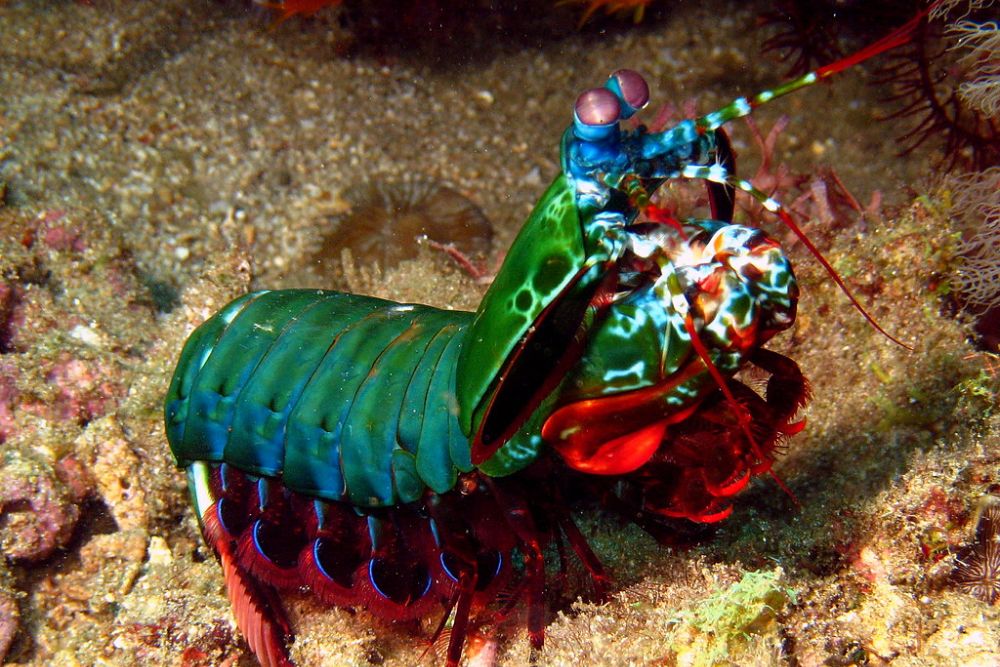
Marine researchers initially dismissed reports of shrimp-like creatures that could punch with the force of bullets and see colors beyond human perception. The mantis shrimp’s abilities seemed so exaggerated that scientists assumed the accounts were either mistaken or deliberately fabricated.
Only advanced underwater photography and biomechanical studies proved that these creatures possessed some of the most sophisticated sensory and combat systems in the animal kingdom.
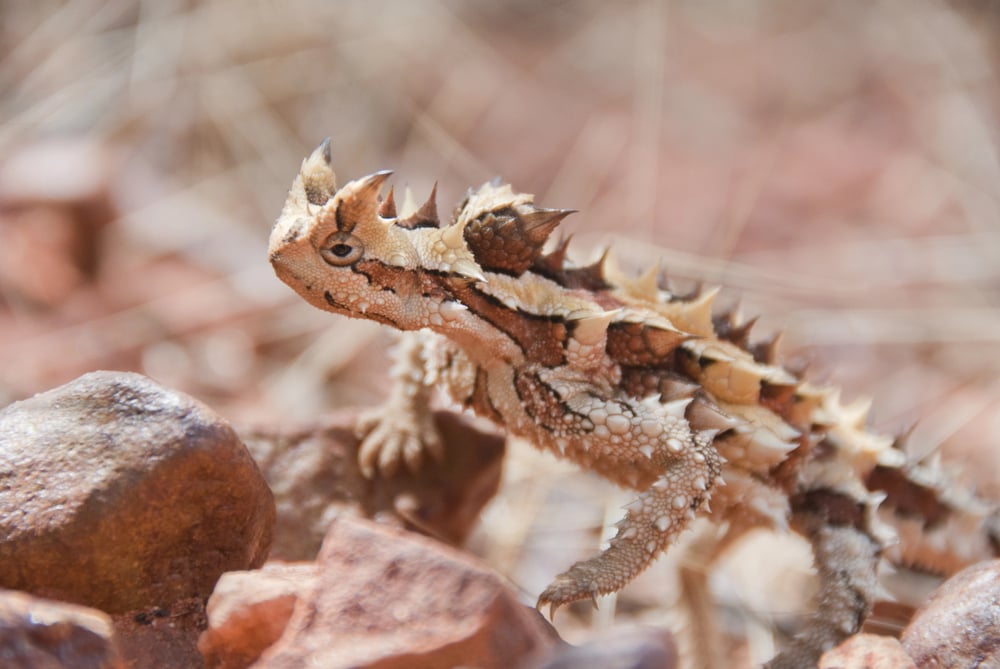
Thorny Devil
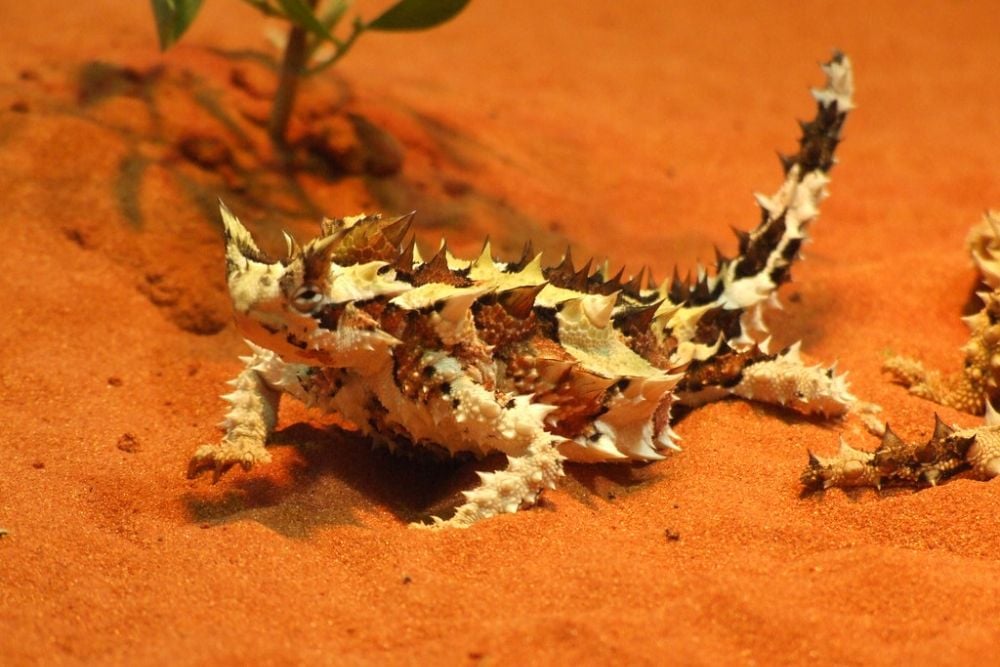
Australian explorers described lizards covered in thorn-like spikes that could drink water through their skin—claims that herpetologists found highly suspect. The thorny devil seemed too specialized and unusual to be a real reptile species.
Scientists couldn’t believe that any lizard could have evolved such an elaborate water-collection system using only its skin surface.
Anglerfish
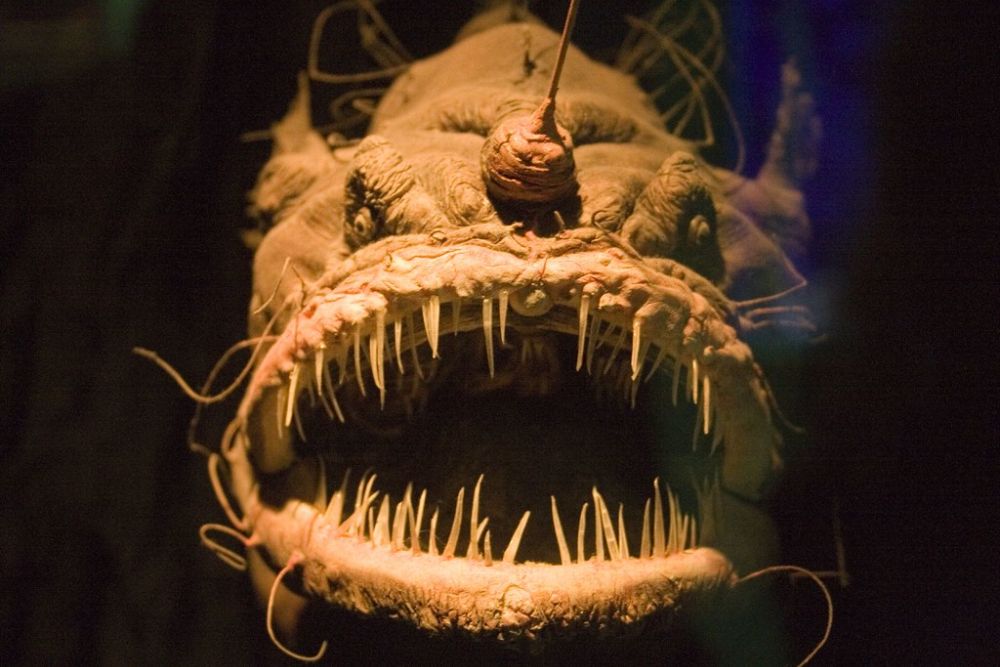
Deep-sea fishing expeditions brought up fish with glowing lures and males permanently fused to females—descriptions that marine biologists initially rejected as sailor folklore. The anglerfish’s reproductive strategy seemed too bizarre, and the bioluminescence too fantastical for legitimate scientific consideration.
Researchers thought these were either misidentified specimens or exaggerated accounts of more conventional fish species.
Glass Frog
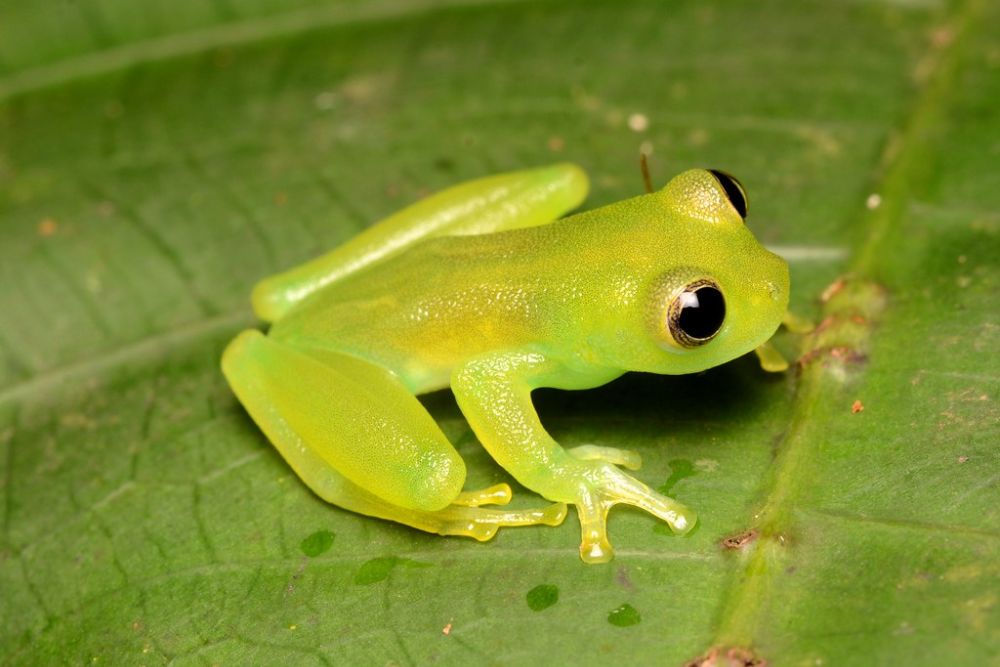
Reports from Central American researchers described transparent frogs where you could see their internal organs through their skin—claims that amphibian specialists found impossible to believe. The idea of truly transparent vertebrates challenged basic understanding of animal physiology and camouflage strategies.
Scientists assumed these were either albino specimens or some kind of preservation artifact that made normal frogs appear translucent.
Yeti Crab
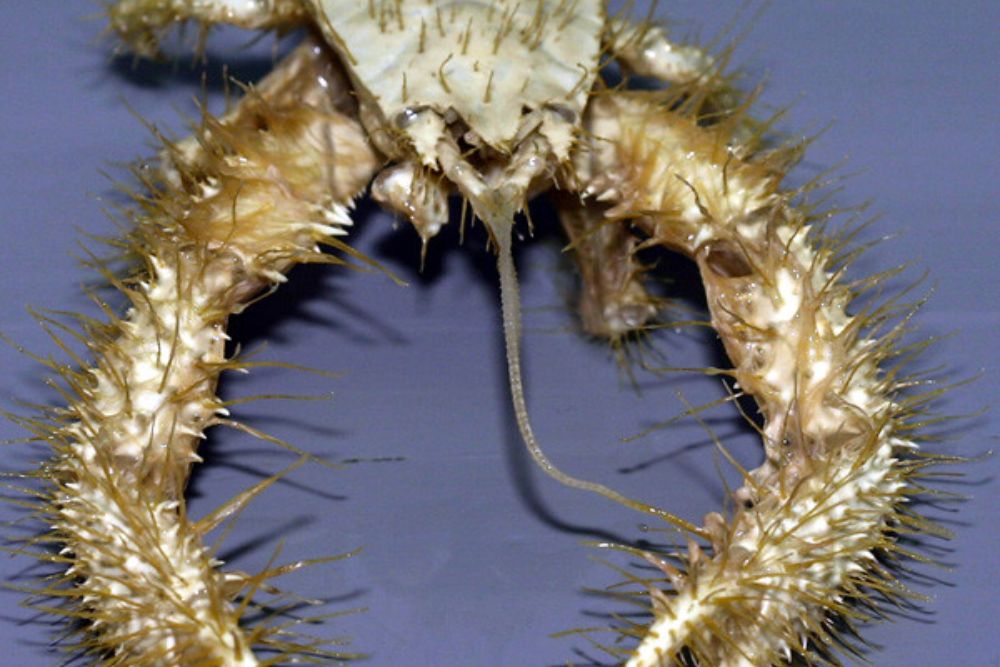
When deep-sea submersibles discovered crabs covered in hair-like filaments near hydrothermal vents, marine biologists initially thought the footage was contaminated or the specimens were damaged. The yeti crab seemed too strange and specialized to represent a genuine new species.
Researchers couldn’t understand how any crab could survive in such extreme environments or why it would evolve such unusual hair-like appendages.
When Reality Exceeds Imagination
These scientific skepticism stories remind us that nature consistently produces creatures more incredible than human imagination could invent. What seemed like obvious hoaxes often turned out to be genuine evolutionary marvels that expanded our understanding of biological possibilities.
The lesson for modern scientists remains clear: when nature presents something that seems impossible, it might just be showing us how limited our current knowledge really is, proving once again that truth can indeed be stranger than fiction.
More from Go2Tutors!

- The Romanov Crown Jewels and Their Tragic Fate
- 13 Historical Mysteries That Science Still Can’t Solve
- Famous Hoaxes That Fooled the World for Years
- 15 Child Stars with Tragic Adult Lives
- 16 Famous Jewelry Pieces in History
Like Go2Tutors’s content? Follow us on MSN.



