Animals With the Rarest Color Patterns
Blue means stay away when seen on a frog’s skin. Males flash bright feathers to catch a female’s eye during spring.
Some lizards shift shades to match warm rocks or cool sand beneath them. Trees favor muted tones so they vanish among branches.
A snake slips through reeds using zigzag patterns like cracks in dried earth. Shells darken under hot sun to keep life inside steady.
Now and then, Earth stirs up a surprise. A shift in genes, a twist of habitat, or odd coloring gives rise to creatures that seem made up.
These uncommon hues aren’t just striking. They bend what we know about staying alive, spark questions in researchers, even make one famous across continents.
Here’s a closer look at animals whose rare color patterns stand apart from the natural norm.
White Lions
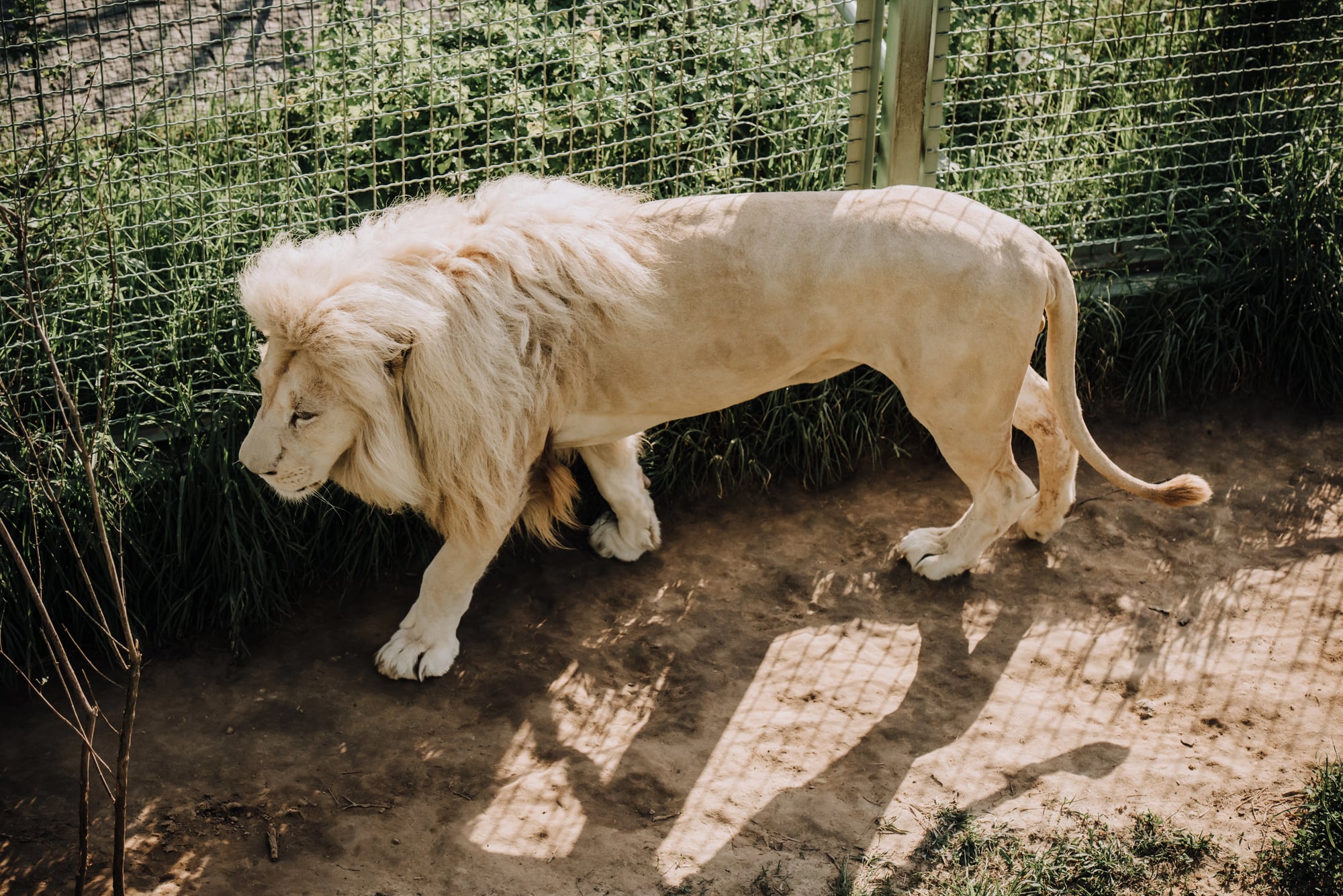
White lions are not albinos, though they are often mistaken for them. Their pale coats result from a rare genetic condition known as leucism, which reduces pigmentation without eliminating it entirely.
Unlike albinism, leucism does not produce red or pink eyes. These lions are most famously associated with South Africa’s Timbavati region.
In the wild, their light coloring can make hunting more difficult compared to tawny-coated pride members. Camouflage plays a central role in a lion’s success, and pale fur disrupts that advantage.
Even so, white lions have become symbolic figures in conservation discussions. Their rarity highlights how small genetic variations can dramatically alter appearance without creating a separate species.
Blue Lobsters
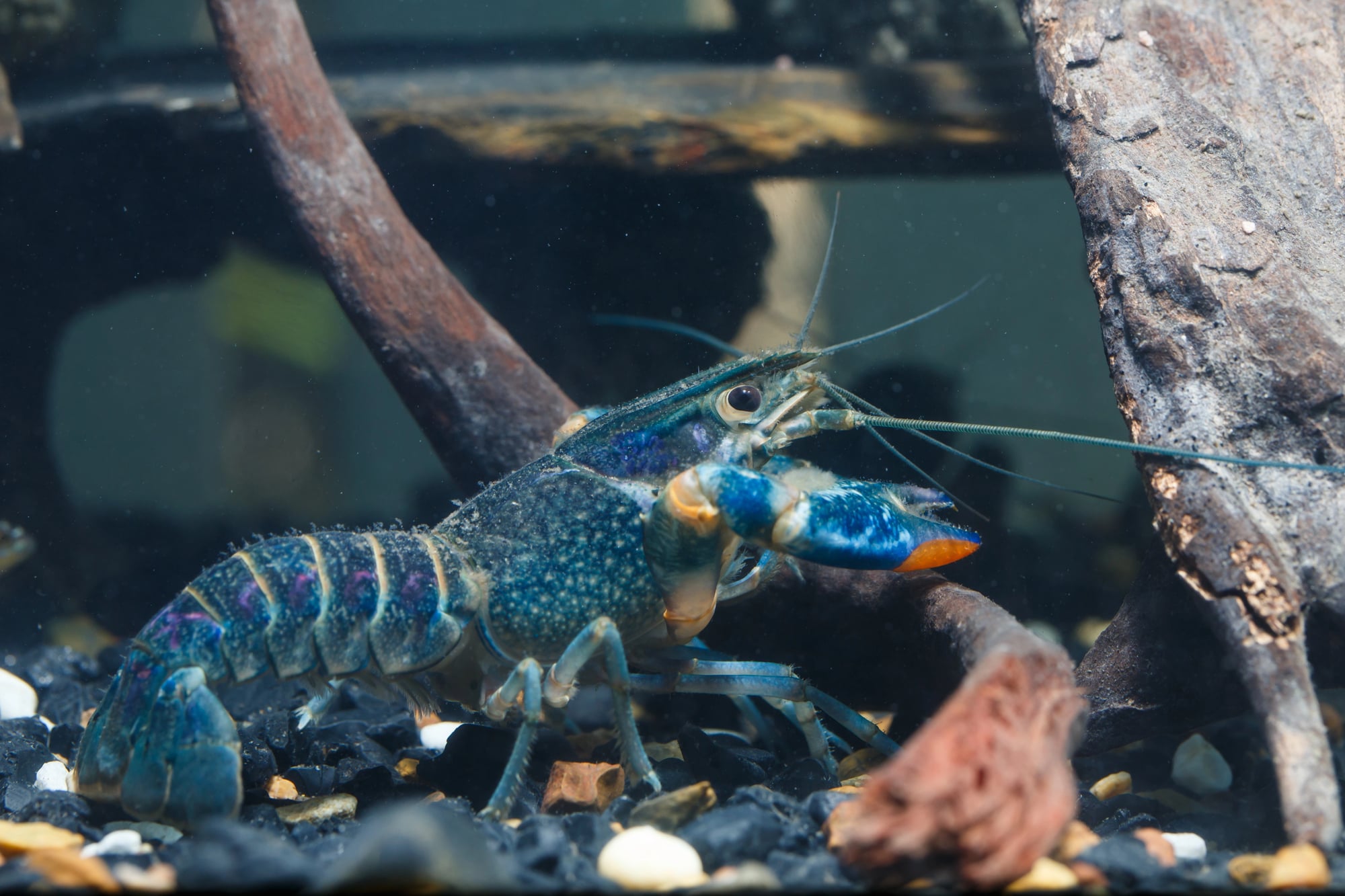
A bright blue lobster looks almost artificial, as though it were dipped in paint. The coloration comes from a genetic mutation that causes the lobster to produce an excessive amount of a particular protein.
This alters how pigments bind in its shell. The odds of finding one are estimated at roughly one in two million.
Most lobsters are brownish-green, helping them blend into ocean floors. A blue shell makes camouflage nearly impossible in natural waters.
As a result, many blue lobsters are discovered in fishing traps rather than thriving long-term in the wild.
Pink Grasshoppers

Pink grasshoppers stand out dramatically against green fields. Their unusual hue stems from erythrism, a genetic condition that produces an excess of red pigment.
Unlike typical green grasshoppers that vanish into foliage, pink individuals are highly visible to predators. The mutation is rare but not unheard of.
Photographs of these insects periodically circulate online, sparking curiosity and disbelief. Their coloration resembles a flower petal more than a leaf.
Still, visibility can be a disadvantage in the wild. Bright coloring in species not equipped with defensive toxins often increases predation risk.
Golden Zebras

A golden zebra appears almost sepia-toned, with pale stripes against a light tan or creamy background. This rare pattern is typically linked to a condition called amelanism.
Amelanism reduces dark pigment while retaining some color. In normal zebras, bold black-and-white stripes may help confuse predators or regulate temperature.
The golden variation disrupts that sharp contrast. The altered palette can make the animal more noticeable in certain environments.
Even so, golden zebras remain biologically the same species as their more common counterparts.
Albino Alligators
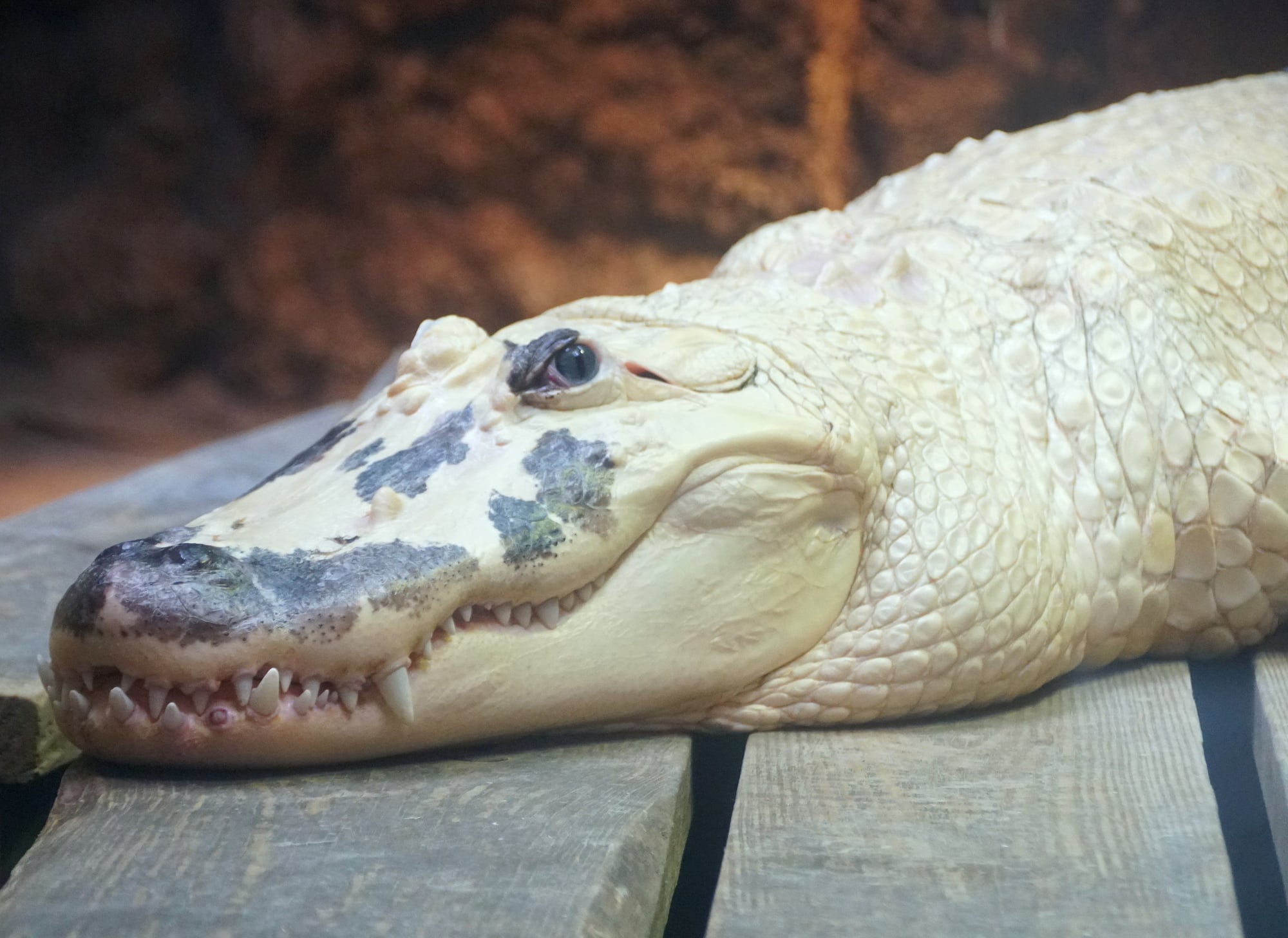
Albino alligators are among the rarest reptiles in North America. Unlike leucistic animals, true albinos lack melanin entirely.
This results in white or pale yellow skin and pinkish eyes due to visible blood vessels beneath the surface. In the wild, such striking coloration can be a severe disadvantage.
Alligators rely heavily on camouflage when hunting. Without dark pigmentation, blending into murky water becomes nearly impossible.
That said, albino alligators in captivity often live longer lives under protected conditions.
King Cheetahs

King cheetahs are not a separate species but a rare color variation of the common cheetah. Their coats feature larger, merged spots and thick black stripes running down their backs.
The variation results from a recessive gene. When two carriers reproduce, there is a small chance the cub will inherit the king pattern.
The altered markings change the aesthetic but not the animal’s speed or behavior. Still, the rarity has made them a source of fascination.
Their bold coats look almost hand-painted, reinforcing how minor genetic shifts can produce major visual differences.
White Peacocks

White peacocks often create confusion because not all are albino. Many are leucistic, meaning they retain normal eye color while displaying entirely white plumage.
Their feathers shimmer in sunlight, creating an almost iridescent glow. Typical peacocks are known for vibrant blues and greens used to attract mates.
The white variation lacks those bright pigments, yet still fans out its feathers in the same dramatic display.
Their pale coloring can make them more vulnerable outside managed environments.
Piebald Deer
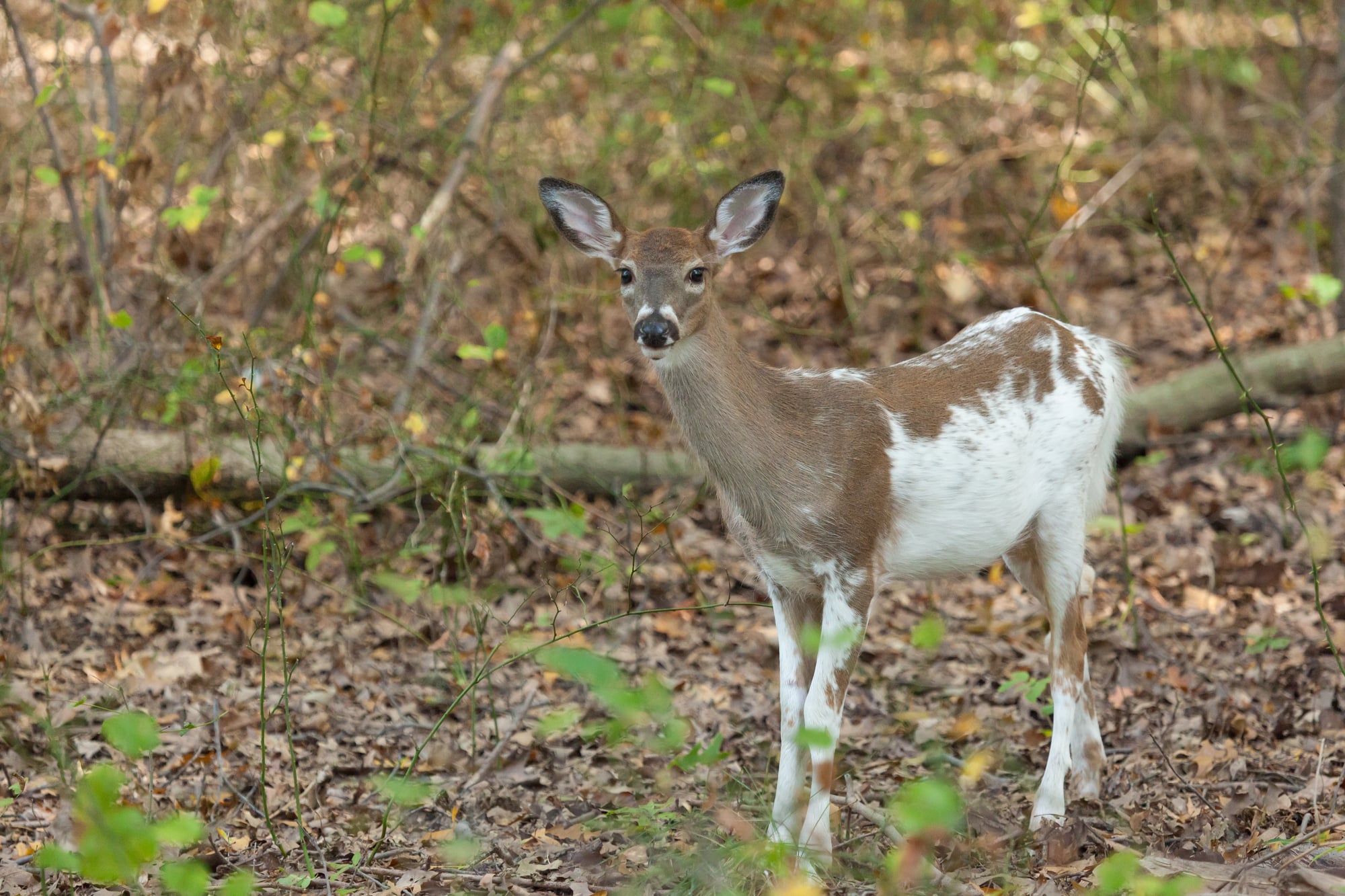
Piebald deer exhibit irregular patches of white across otherwise brown coats. The condition results from partial leucism.
This produces distinctive splotches that vary in size and shape. No two piebald deer look exactly alike.
In many regions of the United States, sightings of piebald deer are considered special events. Their unique markings make them instantly recognizable.
While generally healthy, some individuals may experience minor physical irregularities linked to the mutation.
Axolotls with Leucistic Coloring

Axolotls are already unusual amphibians, known for retaining juvenile features into adulthood. Among them, leucistic individuals are especially striking.
Their pale pink bodies and feathery external gills give them an almost otherworldly appearance. Unlike albino axolotls, leucistic ones have dark eyes.
In the wild, natural coloration tends to be darker for camouflage in murky lakes. That said, leucistic axolotls have become common in captivity.
Their popularity reflects how human interest can preserve traits that might struggle in nature.
White Ravens

White ravens are extremely rare and often mistaken for albino crows. Some exhibit leucism, resulting in pale feathers while maintaining normal eye color.
Their ghostlike appearance stands out sharply against dark forest backdrops. Ravens are typically known for glossy black plumage.
The color contributes to thermoregulation and social signaling. A white raven disrupts that familiar silhouette.
Sightings tend to attract major attention from birdwatchers and researchers alike.
Why Rare Color Patterns Matter

Something different in coloring might seem magical at first glance. Yet behind such looks, compromises usually hide.
Staying unseen ranks among life’s sharpest tricks for survival. Once hue shifts interfere, safety fades fast.
Odd patterns show what genes really do. From tiny DNA tweaks come big visual changes, yet life often continues.
Research traces how traits pass down, shift, or influence survival. In some places, people now protect rare-colored animals through conservation programs.
Still, every bright feather or strange shade carries the same truth. Survival favors blending in more than standing out.
What captures our attention most is often what makes life harder in the wild, where disappearing into the background can mean everything.
More from Go2Tutors!

- The Romanov Crown Jewels and Their Tragic Fate
- 13 Historical Mysteries That Science Still Can’t Solve
- Famous Hoaxes That Fooled the World for Years
- 15 Child Stars with Tragic Adult Lives
- 16 Famous Jewelry Pieces in History
Like Go2Tutors’s content? Follow us on MSN.



