19 Everyday Hand Gestures with Surprising Histories
Gestures just come naturally. That thumbs-up, solid handshake, or fingers tightly crossed – they pop up before you even decide.
Still, behind each tiny motion lies years of history built through conflict, belief systems, power shifts, and shared traditions across societies.
A single wave now feels effortless, yet its roots dig deep into rigid codes of honor. From solemn vows to survival signals, hands once spoke when words could not.
One motion started as protection another grew from necessity under siege conditions. Centuries folded these acts into daily habit until intent faded behind routine.
Look again at how fingers shape meaning because silence carried weight long before ease took over.
Thumbs Up

The thumbs-up gesture is widely interpreted as approval today, especially in digital communication. Its origins are often linked to ancient Rome, where spectators allegedly used thumb signals during gladiatorial contests.
Historical evidence suggests the Roman system was more nuanced than modern storytelling implies. Still, the thumb as a symbol of judgment has deep roots.
In the 20th century, the gesture gained popularity among pilots during World War II as a signal meaning ‘ready’ or ‘all clear.’ From arena symbolism to aviation shorthand, the upward thumb evolved into a global sign of agreement.
The Handshake

The handshake appears so ordinary that its history is easy to overlook. In ancient Greece, depictions of handshakes symbolized equality and peace between parties.
The gesture also served a practical purpose. By extending an empty right hand, individuals demonstrated they were not holding a weapon.
Over centuries, the handshake became embedded in diplomatic rituals, business agreements, and social greetings. What began as a gesture of reassurance gradually transformed into a universal symbol of trust.
The Peace Sign

Two fingers raised in a V shape can represent peace or victory, depending on context. During World War II, British Prime Minister Winston Churchill popularized the V sign as a symbol of victory.
In the 1960s, anti-war movements adopted the gesture as shorthand for peace. The meaning shifted from triumph in conflict to rejection of it.
Today, the sign can convey optimism, defiance, or simply a playful pose in photographs.
The Salute

The military salute likely evolved from medieval knights lifting their visors to show their faces. Revealing one’s identity signaled mutual recognition and respect.
Modern salutes formalized this movement into a standardized gesture across armed forces worldwide. Though subtle variations exist between nations, the core symbolism remains rooted in acknowledgment and discipline.
Crossed Fingers

Crossing fingers behind one’s back or in front of the chest often signals hope for good luck. The gesture may trace back to early Christianity, where the cross shape held sacred significance.
Over time, it also developed a secondary meaning of protection against broken promises. The small intertwining of fingers carries layers of spiritual symbolism and social nuance.
The High Five

The high five feels distinctly modern. It gained popularity in American sports during the late 20th century, often attributed to baseball players celebrating a home run.
Yet its roots likely lie in earlier celebratory hand slaps. The raised palm meeting another in midair signals shared achievement.
Its rise reflects informal camaraderie rather than hierarchy.
The OK Sign

Forming a circle with the thumb and index finger while extending the other fingers is widely understood as ‘OK.’ The gesture gained traction in the United States during the 19th century, linked to a humorous abbreviation of ‘all correct.’
Over time, it spread internationally. However, meanings vary across cultures, and in some regions, the sign carries entirely different interpretations.
Context remains essential.
The Fist Pump

The raised clenched fist has symbolized strength, solidarity, and resistance across centuries. It appeared in labor movements and political protests throughout the 20th century.
In sporting contexts, it signals triumph. The same motion can convey personal victory or collective defiance.
Its emotional force lies in its compact intensity.
Waving Goodbye

Waving the hand side to side seems universally friendly. Historical accounts suggest the gesture evolved from open-handed displays meant to show peaceful intentions.
By exposing an empty palm, individuals communicated the absence of threat. Over time, the movement softened into a casual farewell.
The Palm Raised Forward

Holding a hand up with the palm facing outward often means ‘stop.’ In ancient Greece, a similar gesture called the ‘moutza’ carried an insult.
Today, the raised palm is widely recognized as a signal to pause or halt. Its clarity comes from its visibility rather than complexity.
The Ring Gesture

Interlocking fingers to create a circle, separate from the OK sign, has been used in various cultures to symbolize unity or eternity. Circular shapes often represent continuity.
The hand becomes a symbolic tool, reinforcing ideas of completeness. Simple shapes can carry abstract meaning across generations.
The Beckoning Finger
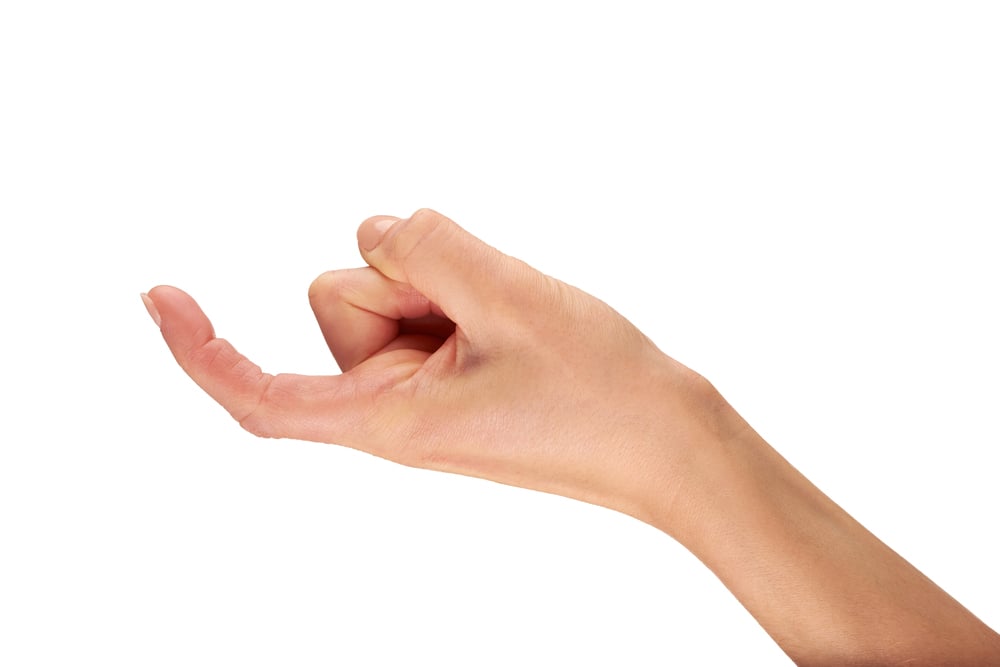
Curling one finger toward oneself invites someone closer. While common in Western cultures, it can be perceived as rude in others.
Historically, the gesture signaled authority or summons. Cultural differences illustrate how gestures do not translate universally.
The Raised Index Finger
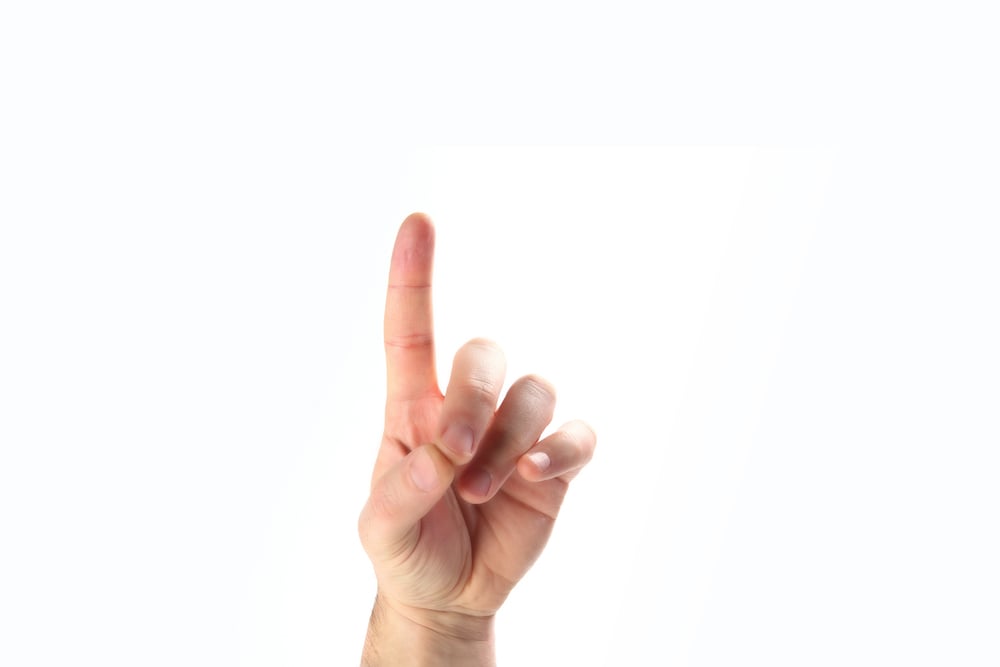
Pointing upward with a single finger has signified divine unity in certain religious traditions. In political speeches, it often underscores emphasis.
The same gesture can communicate instruction, warning, or spiritual affirmation depending on context. Its simplicity allows for a wide interpretive range.
The Bowed Head with Hands Together

Pressing palms together, often associated with greeting in parts of Asia, has spiritual roots in ancient traditions. The gesture expresses respect and humility.
Unlike the handshake, which implies equality, this motion often conveys reverence. The difference reflects cultural values embedded in bodily movement.
The Shrug

Raising shoulders with palms exposed signals uncertainty. The exposed palms again communicate lack of threat.
The gesture’s openness makes it universally understandable. Its origins lie less in ceremony and more in instinctive body language.
The Finger to Lips

Placing a finger to the lips signals silence. Artistic depictions in ancient cultures show figures using this gesture in sacred or solemn contexts.
The motion transforms the body into a signpost for quiet. Its clarity makes it widely recognizable.
Clapping

Clapping hands together as applause dates back to ancient Rome, where audiences expressed approval in theaters and arenas.
Over time, clapping evolved into structured rhythms in various cultures. It remains a communal signal of recognition and encouragement.
The Raised Eyebrow with Hand Gesture

Combining a hand flick or subtle motion with a raised eyebrow can signal skepticism or dismissal. Though not formalized historically, expressive gestures often accompany facial cues.
Body language functions as layered communication. Even small motions can alter meaning dramatically.
The Hand Over Heart

Placing a hand over the heart conveys sincerity or allegiance. The gesture appears in oaths and national ceremonies.
By touching the chest, individuals emphasize personal conviction. The movement connects emotion to physical space.
Why Gestures Still Matter

Fingers flicker with stories older than words. Across ages – through clashing swords, hushed prayers, roaring crowds – they slipped past kingdoms like quiet messengers.
Each wave, point, or grip shaped by centuries nobody remembers. Motion outlives memory.
Meanings changed over time, twisting in new directions while clashing with old ones. Yet these gestures stay around – they get things across fast, hit hard.
Despite texts zipping through air and people crossing continents daily, physical movement speaks like few others can. Automatic habits now once grew slowly, shaped by quiet history piling up behind them.
More from Go2Tutors!

- The Romanov Crown Jewels and Their Tragic Fate
- 13 Historical Mysteries That Science Still Can’t Solve
- Famous Hoaxes That Fooled the World for Years
- 15 Child Stars with Tragic Adult Lives
- 16 Famous Jewelry Pieces in History
Like Go2Tutors’s content? Follow us on MSN.



