19 Foods That Were Originally Medicine
Your kitchen cabinet might have more in common with an old-time pharmacy than you’d expect. Throughout history, many foods we casually toss into our grocery carts were once carefully prescribed by healers and physicians to treat everything from headaches to heart problems. These culinary staples began their journey as medicine long before they became everyday ingredients.
The line between food and medicine has always been blurrier than we imagine today. Ancient cultures understood that what we eat directly impacts how we feel, and they developed sophisticated systems around using specific plants, spices, and other natural ingredients as remedies. Here is a list of 19 foods that started their careers in medicine cabinets rather than dining rooms.
Chocolate
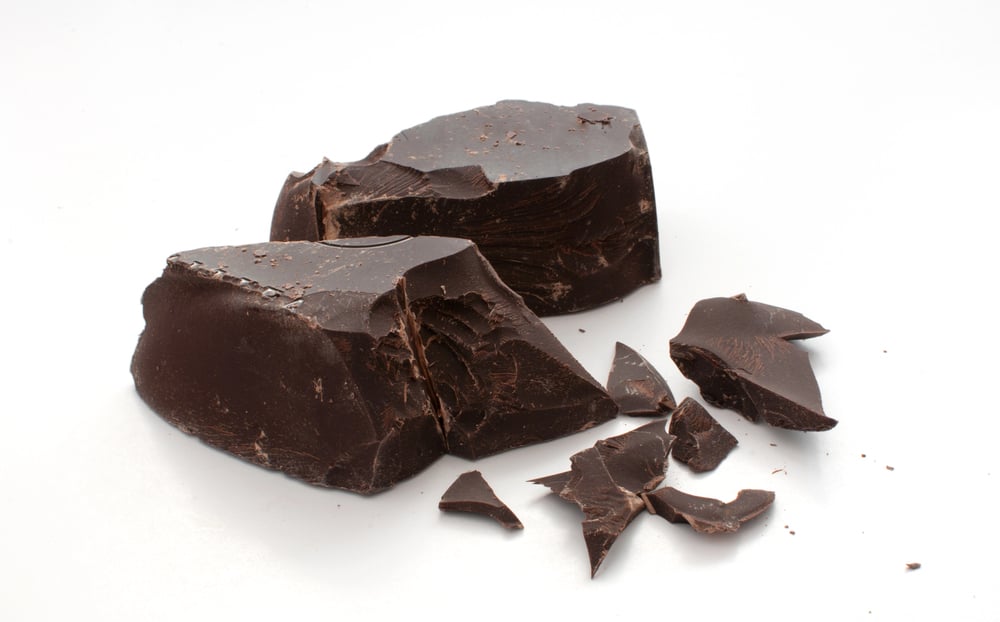
The ancient Aztecs considered cacao so valuable that they used it as currency, but they also prescribed it as medicine for everything from fatigue to fever. Spanish conquistadors brought cocoa back to Europe, where it was initially sold in apothecaries as a treatment for various ailments.
Physicians recommended it for digestive issues and as a general tonic to boost energy and mood.
Ginger
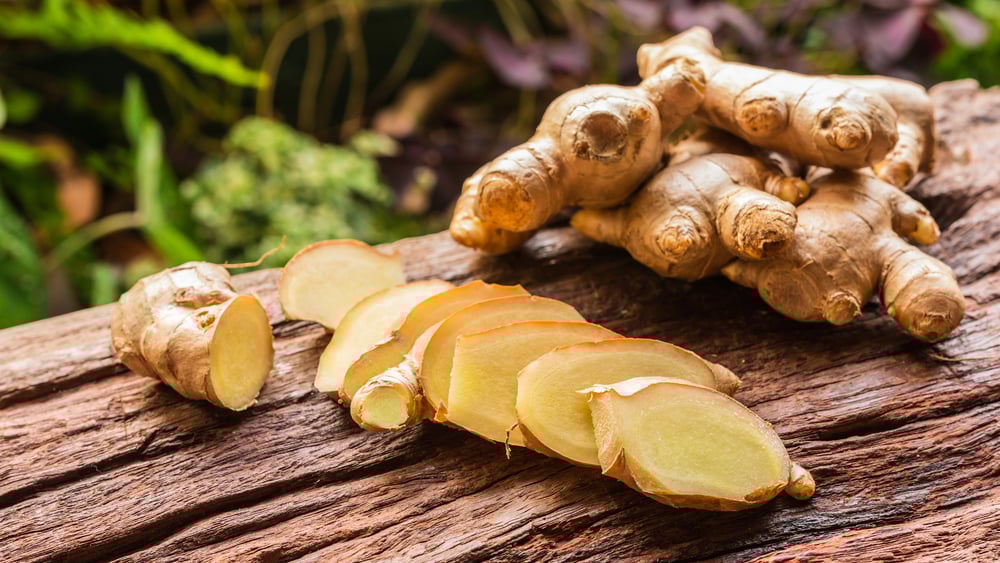
Traditional Chinese medicine has used ginger for over two thousand years to treat nausea, digestive problems, and inflammation. Ancient Greek and Roman physicians prescribed it for stomach ailments and as a warming remedy for colds.
Even today, ginger remains one of the most scientifically validated traditional medicines, with modern research confirming its effectiveness for motion sickness and morning sickness.
Garlic
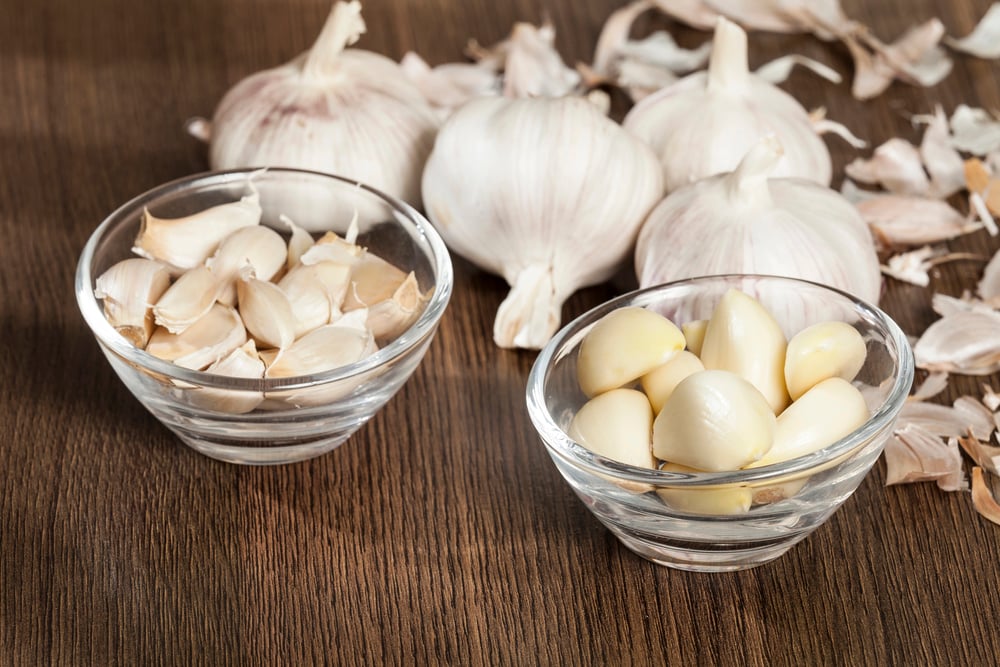
Pyramid builders were fed garlic by the ancient Egyptians to keep them healthy and robust throughout their demanding labor. Hippocrates, the Greek physician, recommended it to treat stomach issues, parasites, and respiratory issues.
Garlic was known as “poor man’s treacle” because it protected people from contagious diseases like the plague throughout medieval Europe.
Turmeric
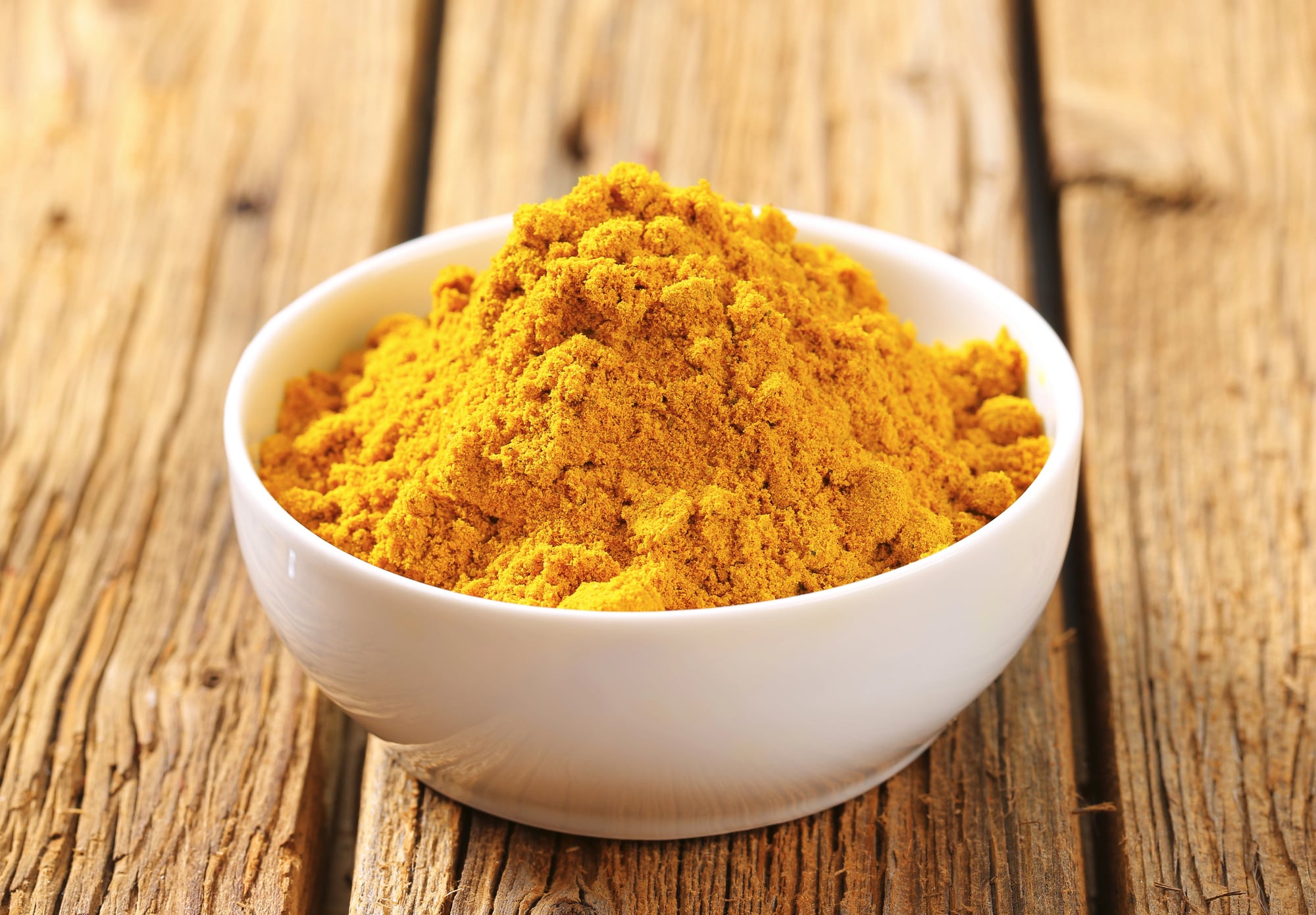
Ayurvedic medicine has treasured turmeric for over four thousand years as a treatment for inflammation, wounds, and digestive issues. Traditional healers in India used it to treat everything from arthritis to liver problems.
The spice’s active compound, curcumin, has become the subject of thousands of modern medical studies investigating its anti-inflammatory and antioxidant properties.
Honey

Ancient Egyptians used honey as both food and medicine, applying it to wounds and using it to treat coughs and sore throats. Greek and Roman physicians prescribed honey mixed with various herbs for different ailments.
Its natural antibacterial properties made it invaluable before the development of modern antiseptics, and it’s still used in some medical settings today for wound healing.
Cinnamon
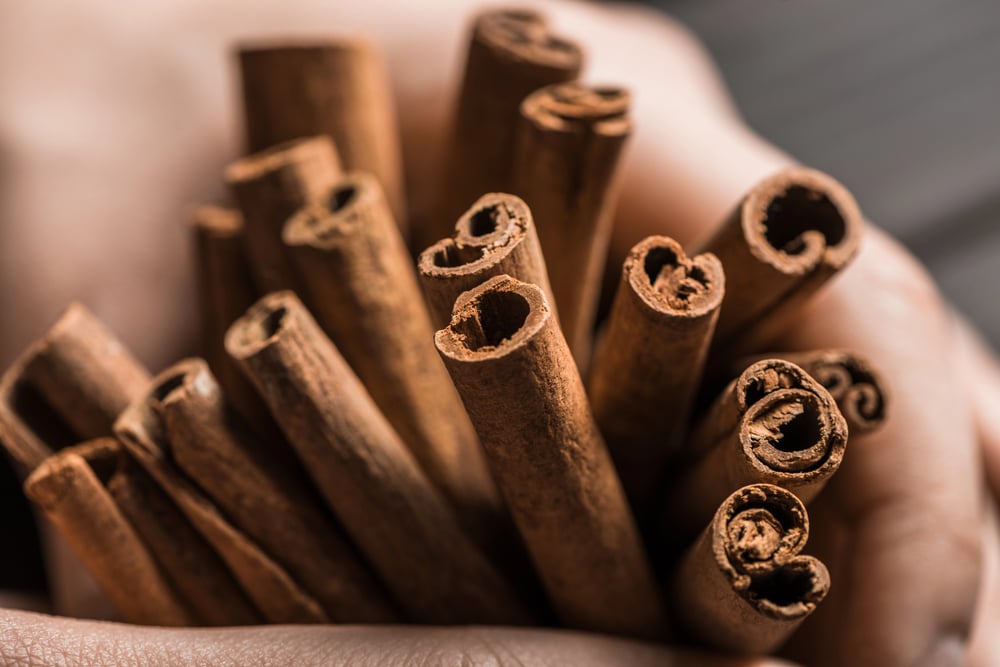
Traditional Chinese medicine classified cinnamon as one of the ‘warming’ spices used to treat digestive problems and improve circulation. Medieval European apothecaries sold it as an expensive remedy for colds, flu, and digestive disorders.
Ancient Egyptian embalmers valued cinnamon so highly that they used it in the mummification process, believing it had preservative and purifying properties.
Cranberries
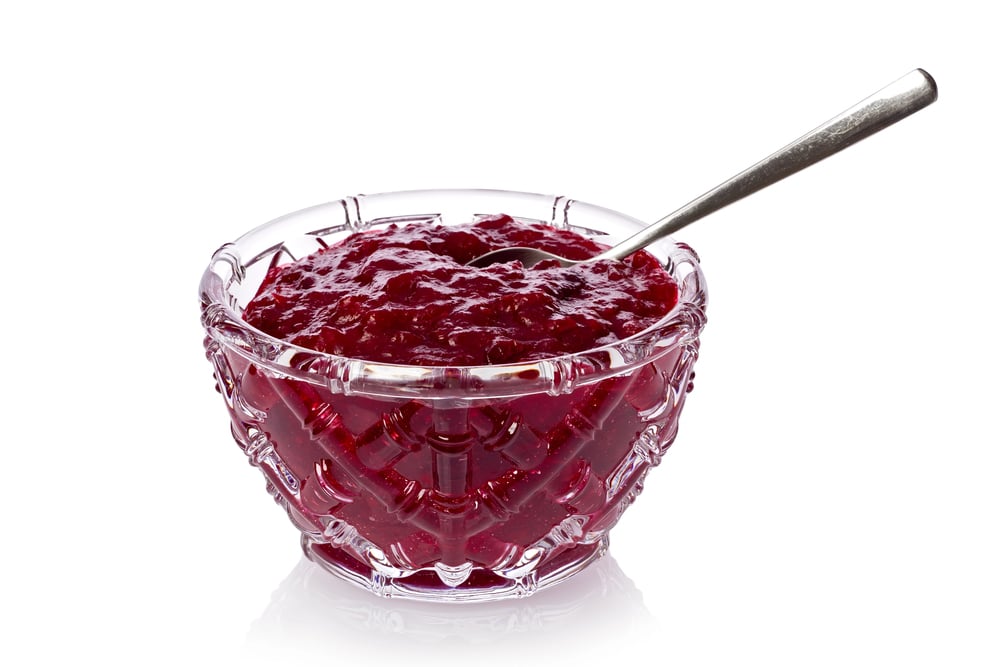
Native American tribes used cranberries to treat urinary tract problems and kidney issues long before European settlers arrived. Early American colonists adopted this practice and began using cranberry preparations for bladder infections.
Modern medicine has validated this traditional use, with cranberries now recognized for their ability to prevent certain types of urinary tract infections.
Pomegranate
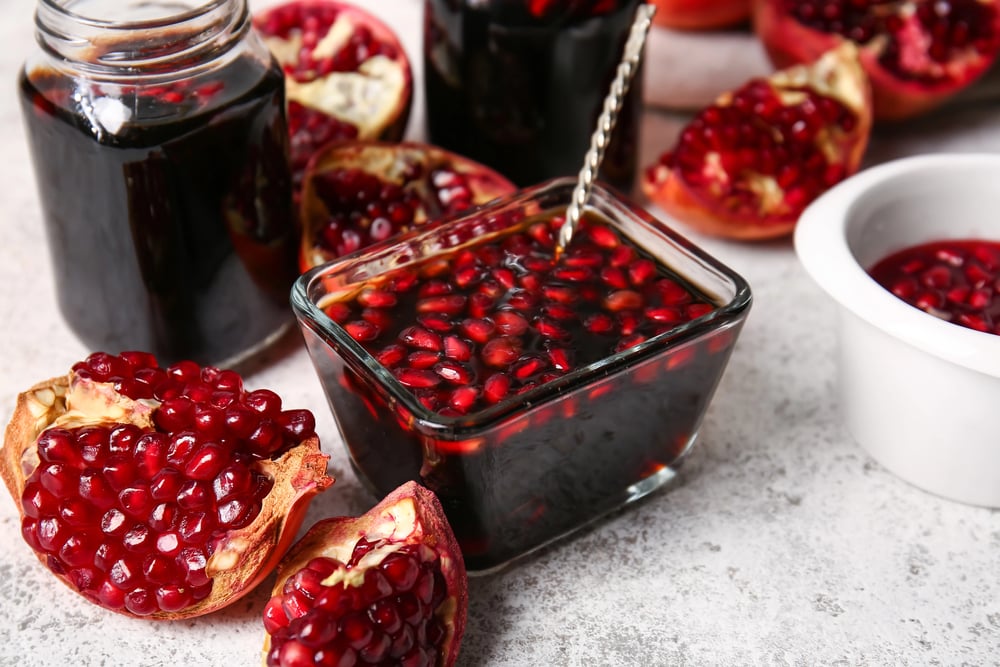
Ancient Persian and Greek physicians prescribed pomegranate juice and seeds for digestive problems and as a general health tonic. Traditional Middle Eastern medicine used pomegranate bark and roots to treat parasitic infections.
The fruit’s high antioxidant content has made it a subject of modern research into heart health and cancer prevention.
Green Tea
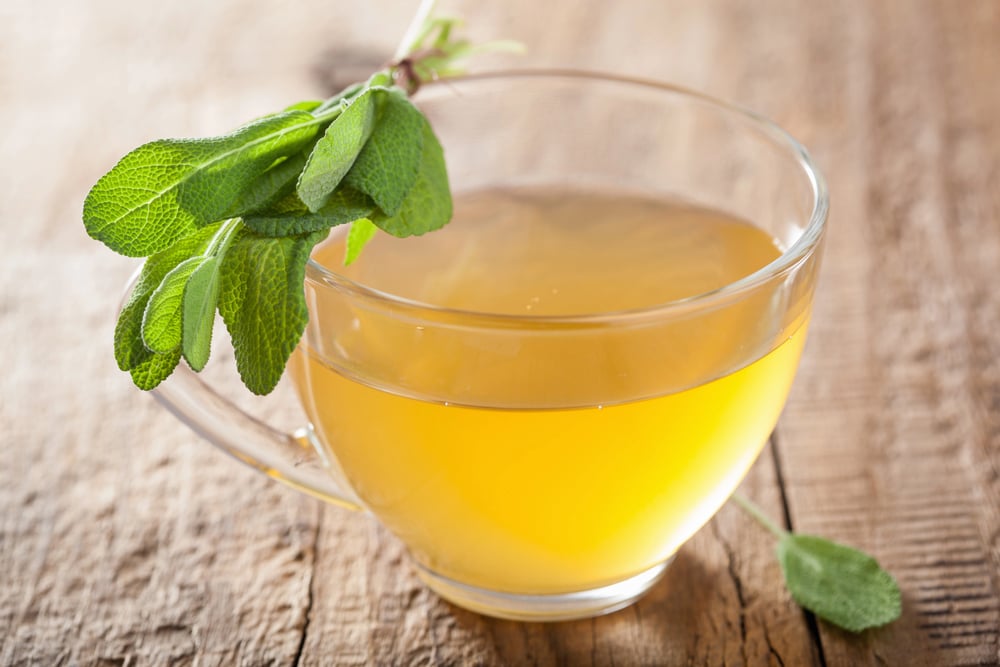
Chinese medicine has used green tea for over three thousand years as a remedy for headaches, digestive problems, and to improve mental clarity. Buddhist monks drank it during meditation to stay alert without becoming jittery.
Traditional healers prescribed it for everything from reducing fever to treating wounds, and modern science has confirmed many of these traditional uses.
Almonds
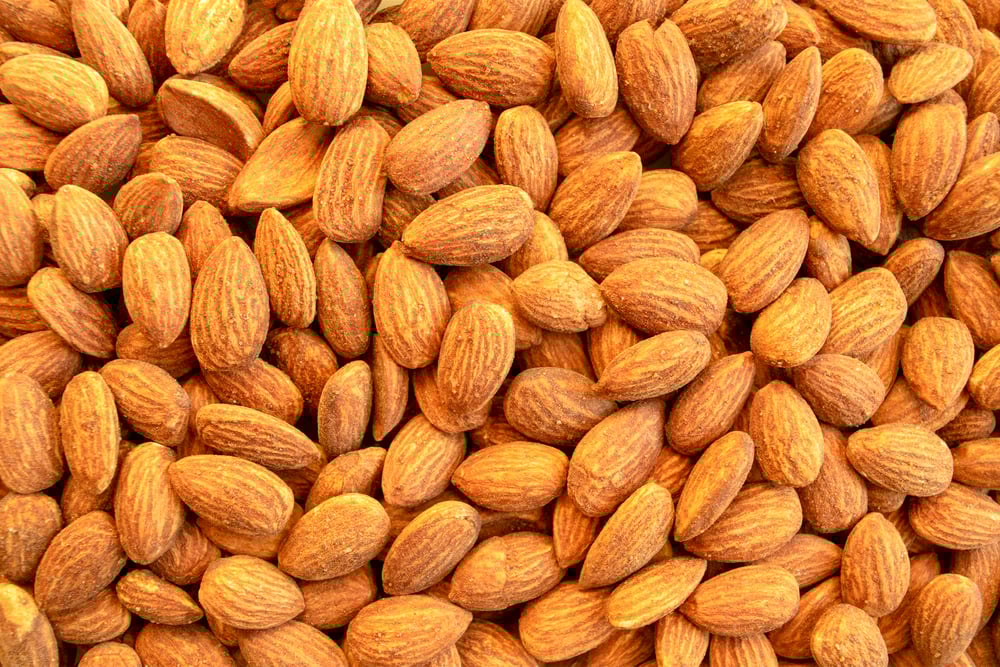
Ancient Greek and Roman physicians recommended almonds for digestive health and as a treatment for coughs and throat irritation. Medieval Islamic medical texts prescribed almond oil for skin conditions and as a gentle laxative.
Traditional Indian medicine used almonds to improve memory and brain function, a use that modern research is beginning to support.
Olive Oil
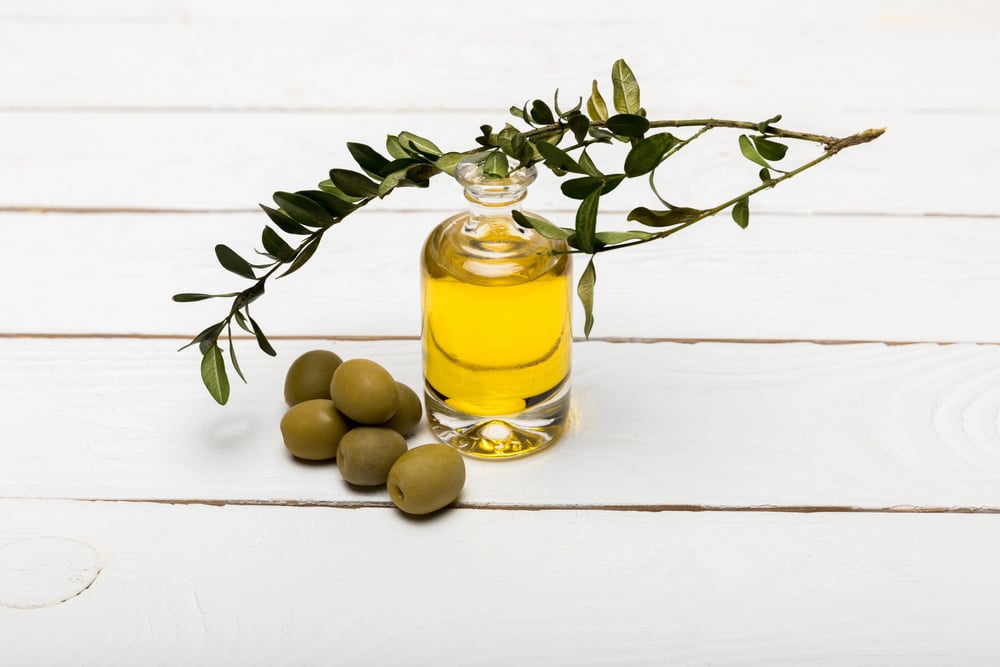
Ancient Greeks called olive oil ‘liquid gold’ and used it medicinally for wound healing, digestive problems, and skin conditions. Hippocrates prescribed it for various ailments and called it the ‘great healer.’
Throughout the Mediterranean, traditional healers used olive oil as a base for herbal preparations and as a treatment for everything from earaches to muscle pain.
Cabbage
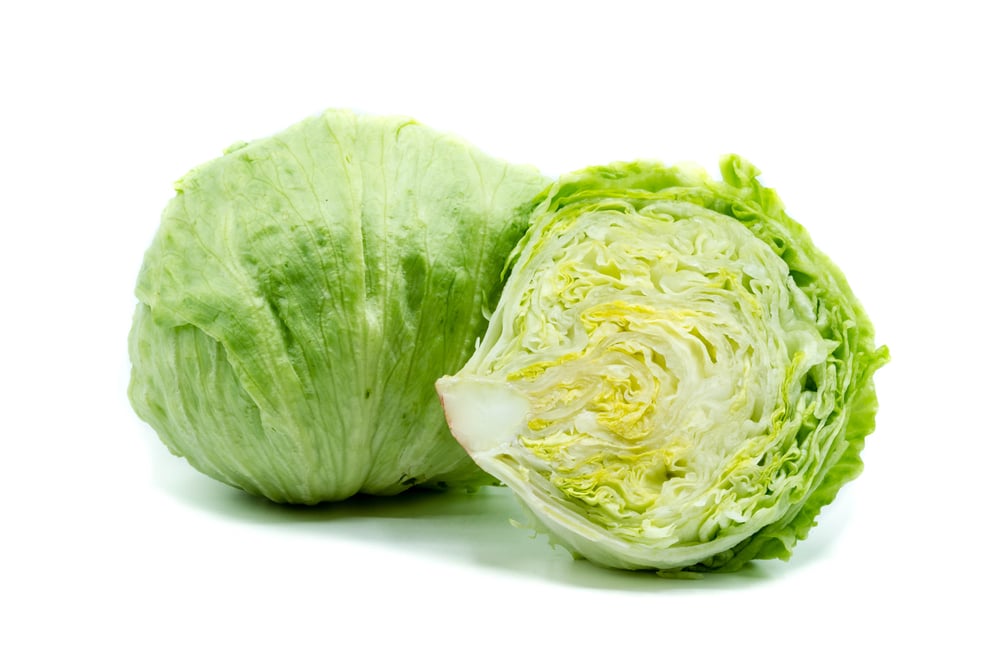
Ancient Romans used cabbage juice to treat stomach ulcers and digestive problems, with Cato the Elder writing extensively about its medicinal properties. Traditional European folk medicine prescribed raw cabbage leaves applied to wounds and inflamed joints.
During World War I, cabbage leaves were used in field hospitals to treat infected wounds when conventional medicines were scarce.
Carrots
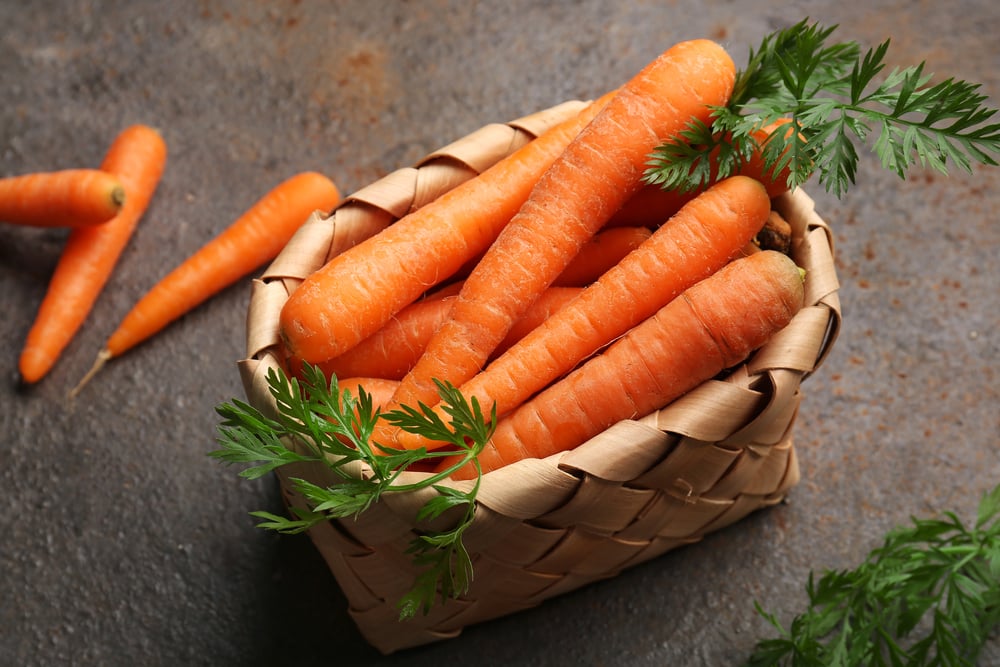
Ancient Greeks and Romans used wild carrots to treat digestive problems and as a diuretic. Traditional European herbalists prescribed carrot seeds for kidney stones and urinary tract issues.
The vegetable’s high beta-carotene content, which the body converts to vitamin A, made it valuable for treating night blindness long before vitamins were understood.
Oats
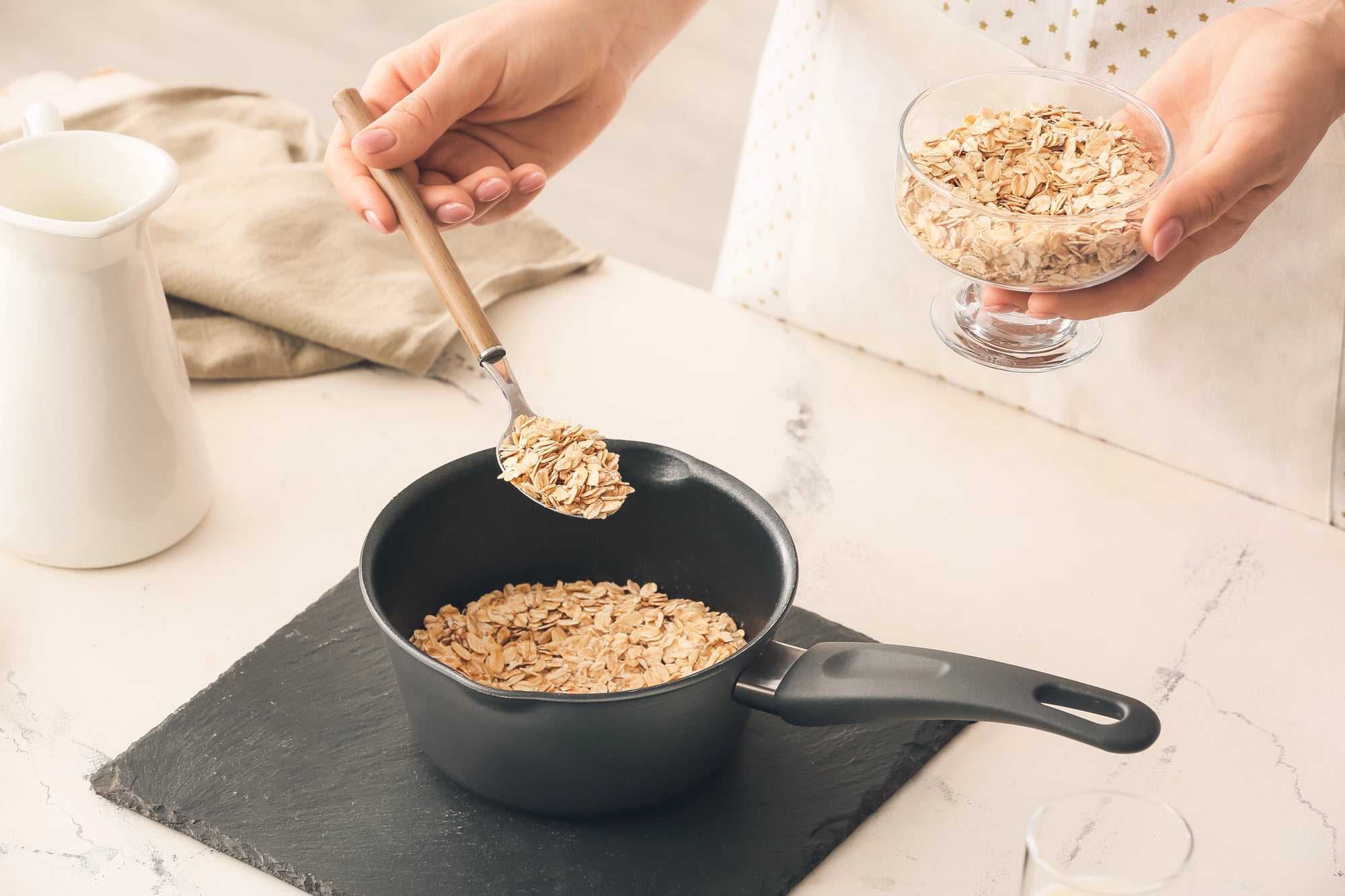
Medieval physicians prescribed oat preparations for skin conditions, digestive problems, and nervous disorders. Traditional European medicine used oatmeal baths to treat eczema and other skin irritations.
Scottish and Irish folk medicine recommended oat tea for calming anxiety and improving sleep, uses that modern research has begun to validate.
Like Go2Tutors’s content? Follow us on MSN.
Spinach
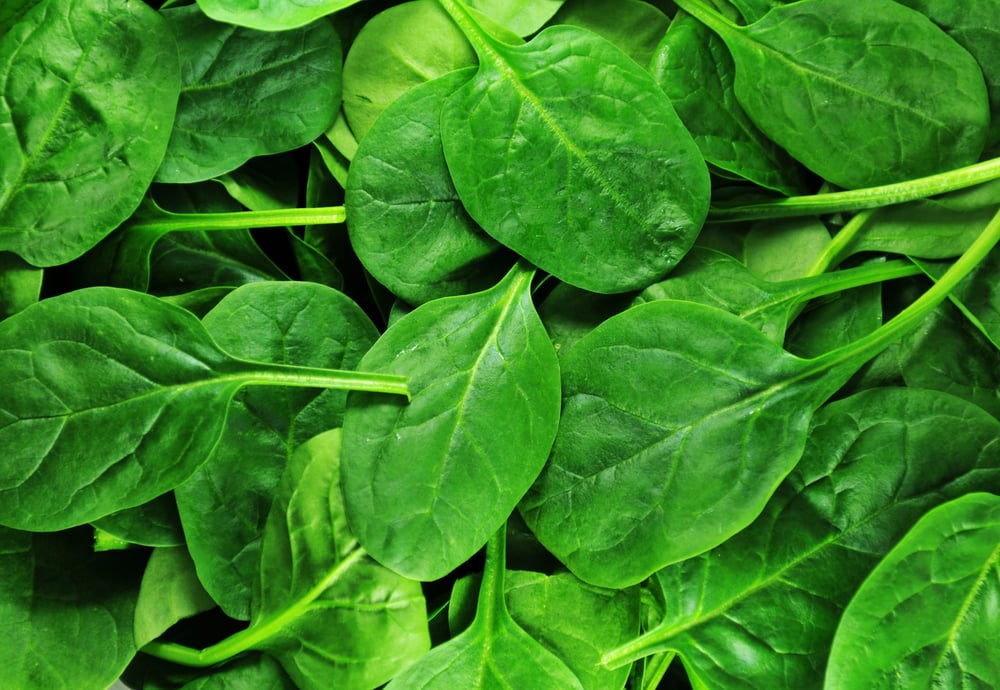
Persian physicians first cultivated spinach around two thousand years ago, using it to treat digestive problems and as a blood purifier. Medieval European monasteries grew spinach in their medicinal gardens and used it to treat anemia and fatigue.
Traditional Chinese medicine classified spinach as a cooling food used to reduce inflammation and heat in the body.
Walnuts

Ancient Greek and Roman physicians prescribed walnuts for brain health, noting that the nut’s appearance resembled the human brain. Traditional Persian medicine used walnut oil for skin conditions and digestive problems.
European folk healers recommended walnuts for improving memory and treating depression, ideas that modern research into omega-3 fatty acids has begun to support.
Lemon
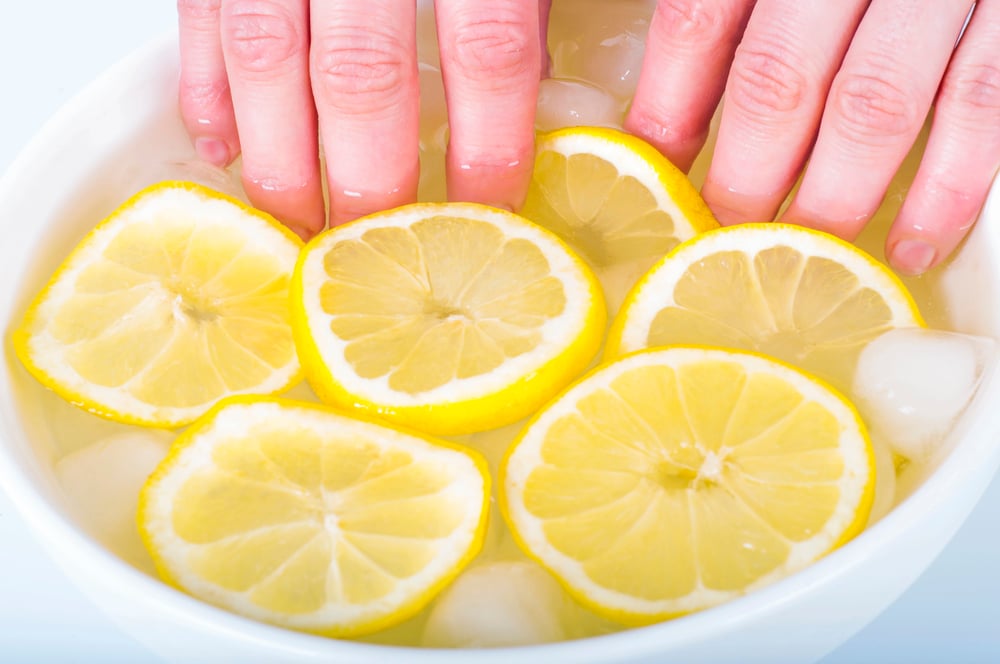
Medieval Arab physicians used lemons to treat scurvy, digestive problems, and as a general detoxifier. European sailors eventually adopted this practice during long voyages to prevent vitamin C deficiency.
Traditional medicine systems across cultures used lemon juice for everything from treating sore throats to cleaning wounds.
Onions
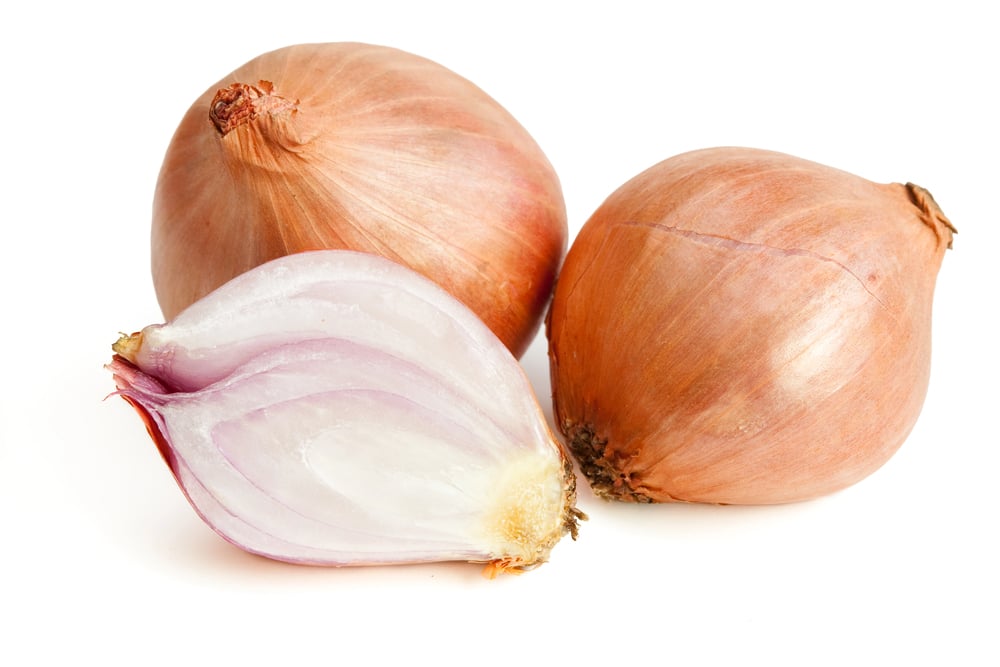
Ancient Egyptian medical papyri describe using onions to treat various ailments, including eye problems and digestive disorders. Greek and Roman physicians prescribed onions for respiratory issues and as a diuretic.
Traditional folk medicine across many cultures used onion poultices for treating infections and inflammation.
Mushrooms
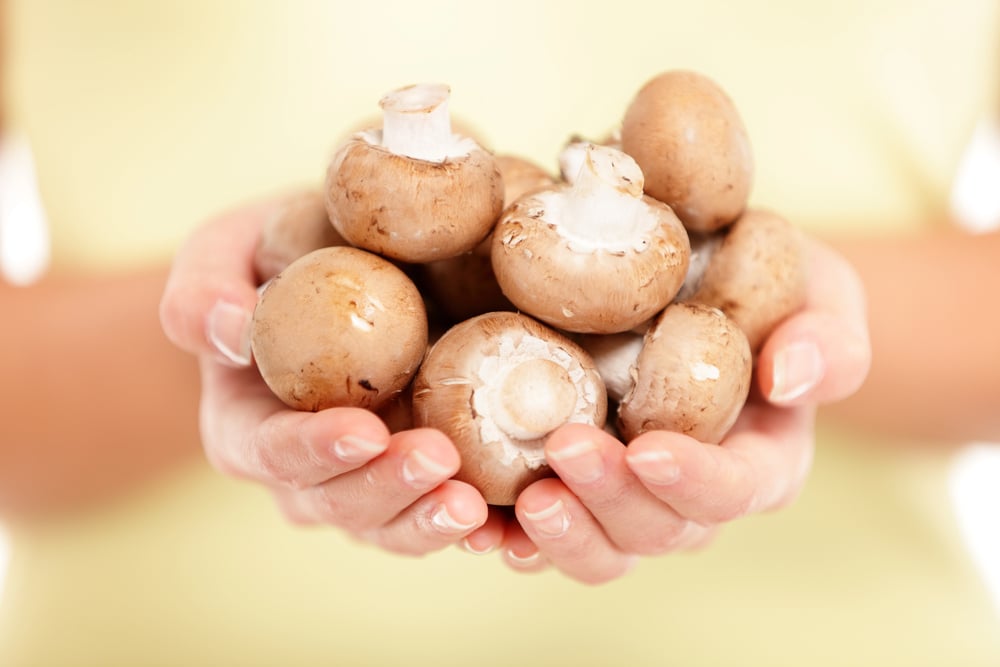
Traditional Chinese medicine has used various mushroom species for thousands of years to boost immunity, treat respiratory problems, and improve overall vitality. Ancient Egyptian pharaohs considered mushrooms so medicinally valuable that commoners were forbidden from eating them.
Modern research has validated many traditional uses, particularly for immune system support and cancer prevention.
From Apothecary to Aisle Nine
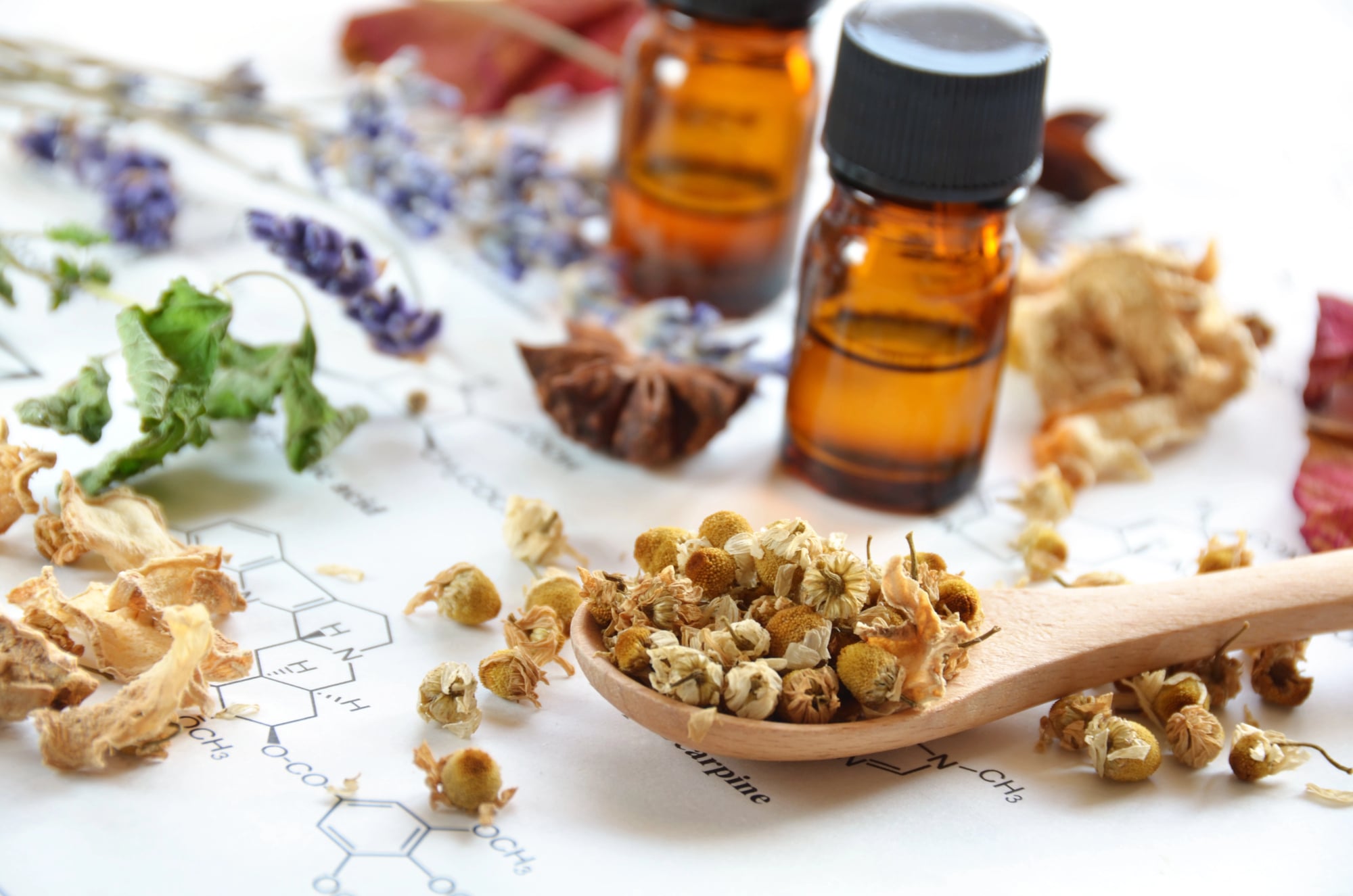
The journey from medicine cabinet to dinner table reveals how closely food and healing have always been connected. These everyday ingredients carry centuries of medicinal wisdom, passed down through generations of healers who understood that nutrition and medicine weren’t separate concepts but different aspects of the same practice.
While we shouldn’t abandon modern medicine for ancient remedies, recognizing the therapeutic potential in our everyday foods reminds us that good health often starts with what we choose to eat. The next time you reach for ginger when your stomach feels unsettled or add garlic to ward off a cold, you’re participating in a tradition as old as civilization itself.
More from Go2Tutors!

- The Romanov Crown Jewels and Their Tragic Fate
- 13 Historical Mysteries That Science Still Can’t Solve
- Famous Hoaxes That Fooled the World for Years
- 15 Child Stars with Tragic Adult Lives
- 16 Famous Jewelry Pieces in History
Like Go2Tutors’s content? Follow us on MSN.