19 Hidden Underground Cities You Never Knew Existed
Deep beneath our feet lies a world most people never see. While we build our skyscrapers reaching toward the clouds, some of humanity’s most impressive achievements burrow into the earth. These underground cities tell stories of survival, innovation, and the endless human drive to build something lasting.
Let’s dig into the hidden world beneath our feet, where ancient builders carved out spaces that still leave modern engineers in awe.
Derinkuyu
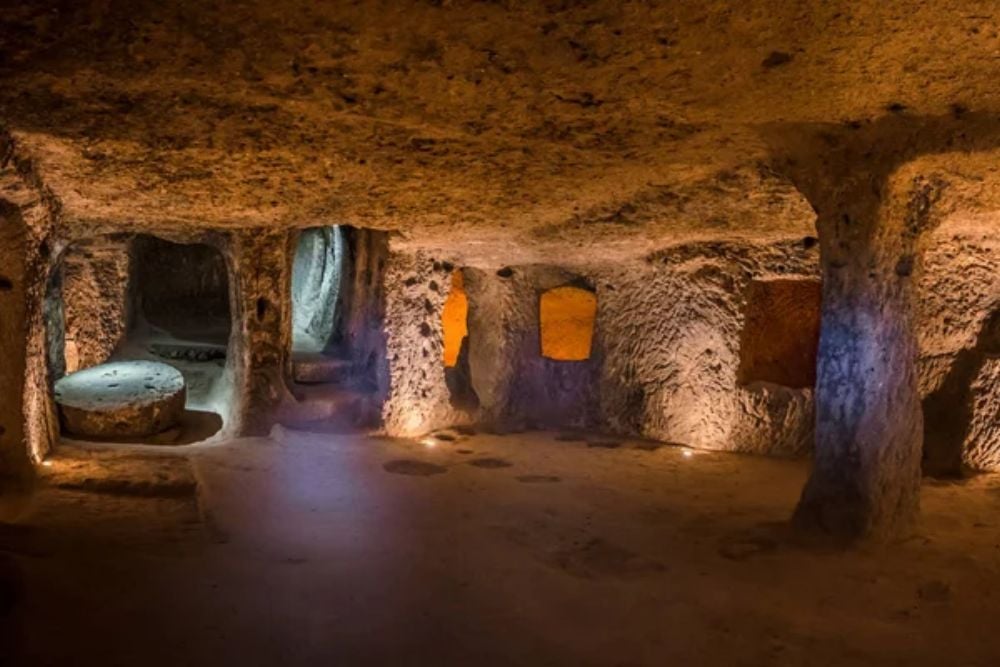
Eight levels deep in Turkey’s Cappadocia region, Derinkuyu could shelter 20,000 people. Carved from soft volcanic rock, this underground marvel had everything a city needed – wine presses, stables, storage rooms, and even schools.
The residents could seal off each level with massive stone doors, rolling them across tunnels like giant coins. People lived here on and off until 1923, proving that life could thrive beneath the earth.
Naours
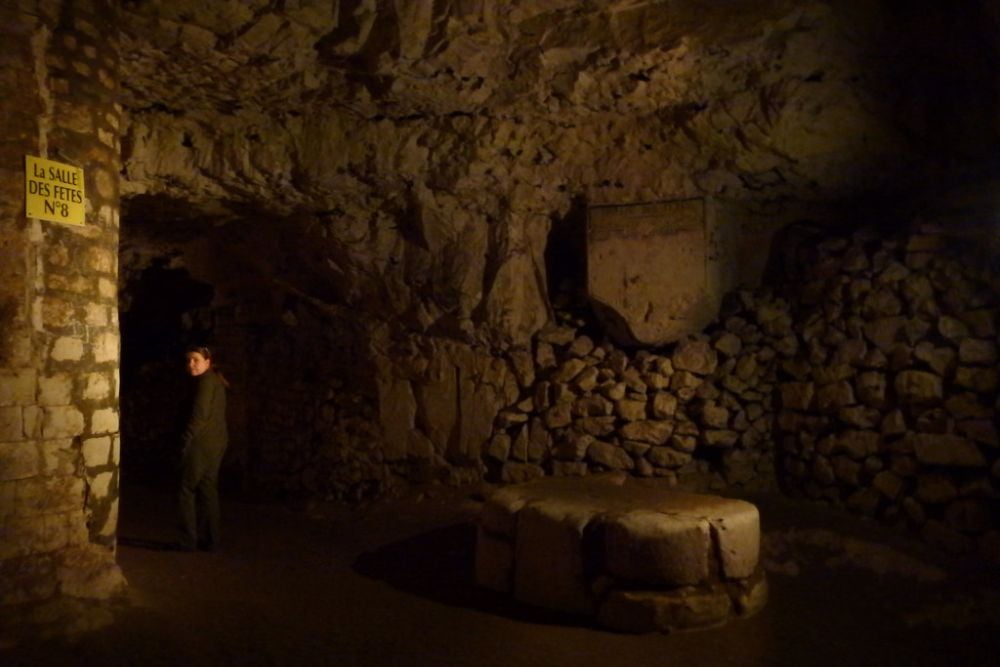
French farmers stumbled upon more than just turnips when they dug into the chalk plains of northern France. The underground city of Naours started as a Roman quarry but grew into a hideout during medieval wars. Its 28 galleries stretched for two miles underground.
British soldiers in World War I left their marks here, carving names and messages that researchers still find today.
Coober Pedy
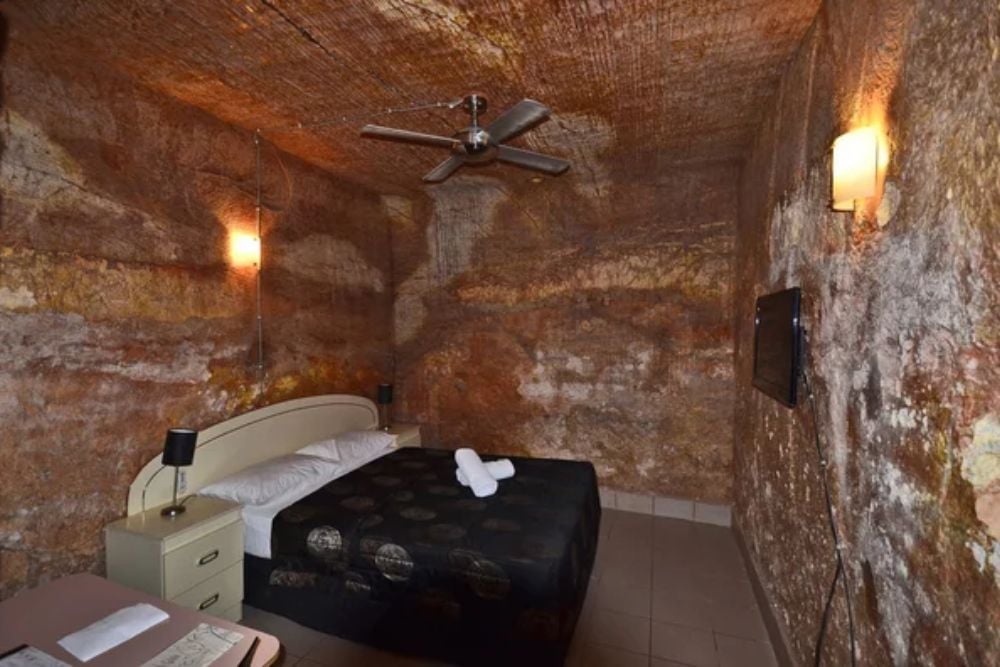
In the scorching Australian outback, the folks of Coober Pedy figured out that if you can’t beat the heat, you go under it. This opal mining town has most of its 3,500 residents living underground in homes called “dugouts.”
They’ve got underground churches, bars, and even a golf course without grass. Playing a round means carrying around a piece of artificial turf for your tee shots.
Wieliczka Salt Mine
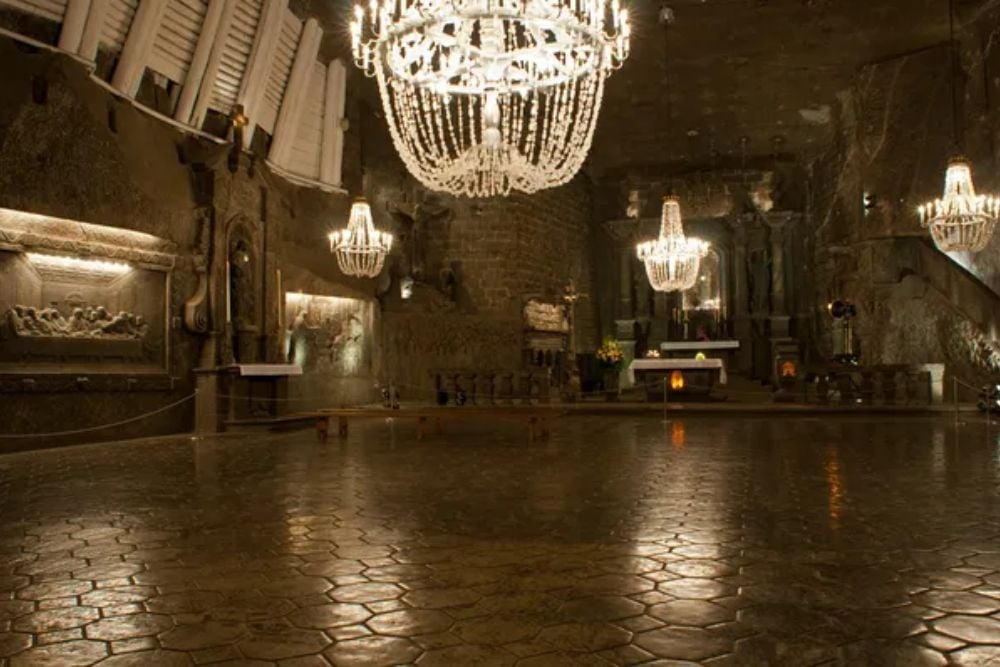
Polish miners didn’t just dig for salt here – they built an underground kingdom. This mine near Krakow has chapels carved from salt, with crystals from chandeliers throwing light across walls that look like they’re made of sugar.
Three hundred steps down, you’ll find whole rooms where everything from the floor to the ceiling is salt. Even the statues are carved from rock salt.
Burlington Bunker

Under the hills of Wiltshire, England, lies a city built for the end of the world. Burlington Bunker was meant to house the British government if nuclear war broke out.
It had its own underground lake for drinking water, a hospital, and even a BBC studio to keep broadcasts going after the bombs fell. The place was so secret that cleaning staff thought they were maintaining a factory.
Seattle Underground
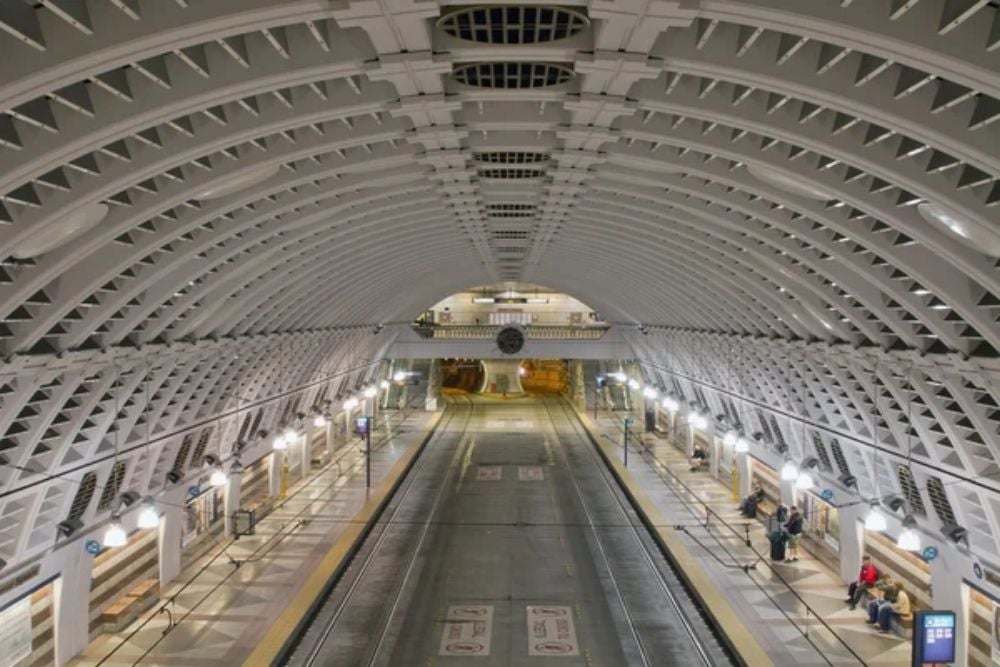
When Seattle burned in 1889, they didn’t just rebuild – they built over. The old ground floor became the underground, creating a hidden layer of the city.
People still walked around down there for years, using skylights in the sidewalk above to light their way. Today, these underground sidewalks and storefronts tell stories of the city’s wild past.
Moose Jaw Tunnels
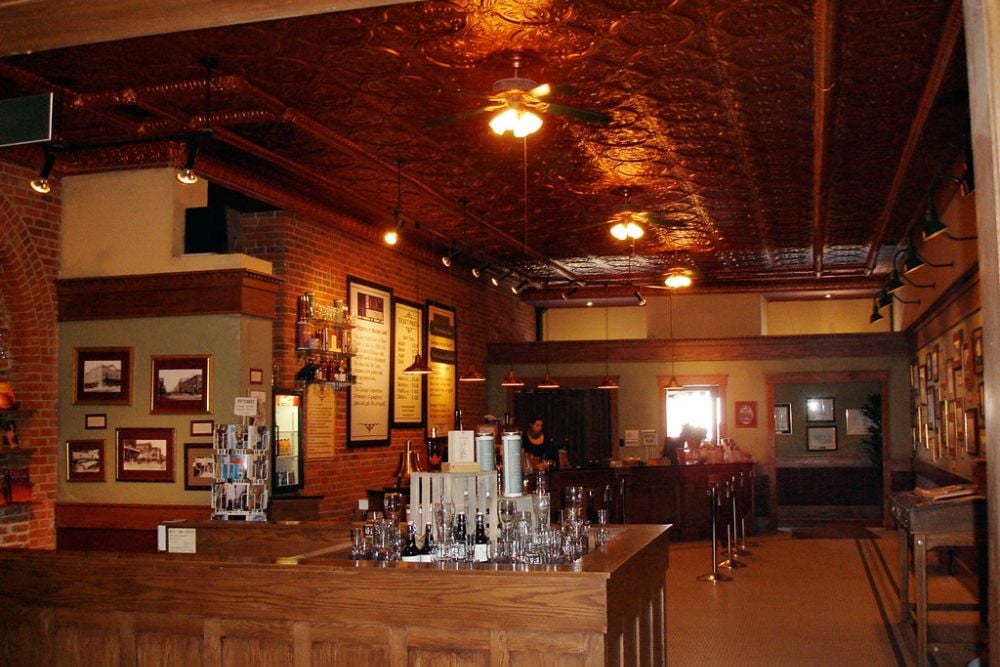
Chinese workers in Moose Jaw, Canada, dug these tunnels to hide from harsh immigration laws. Later, rumor has it that Al Capone used them to run bootlegged whiskey during Prohibition.
The tunnels connected businesses above ground, letting people move around without being seen. Some old-timers say you could cross half the city underground.
Setenil de las Bodegas
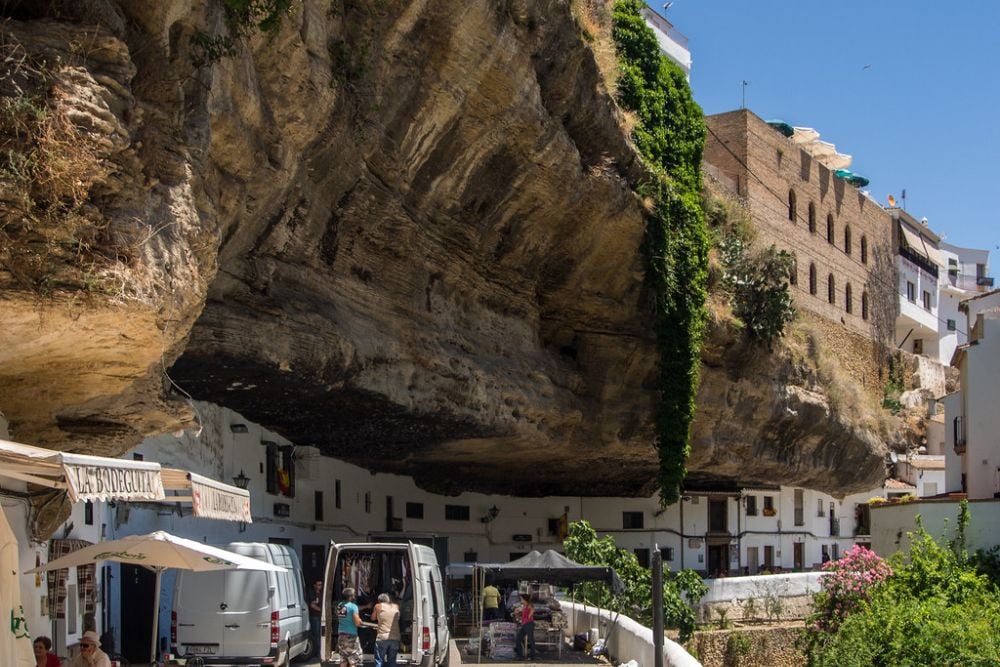
This Spanish town didn’t build under the earth – it built into it. Houses tuck under massive rock overhangs like they’re sheltering from rain.
The rocks above aren’t just roofs; they’re part of the buildings themselves. People have lived in these cave houses since before written history, finding that the rock keeps them cool in summer and warm in winter.
Beijing Underground City
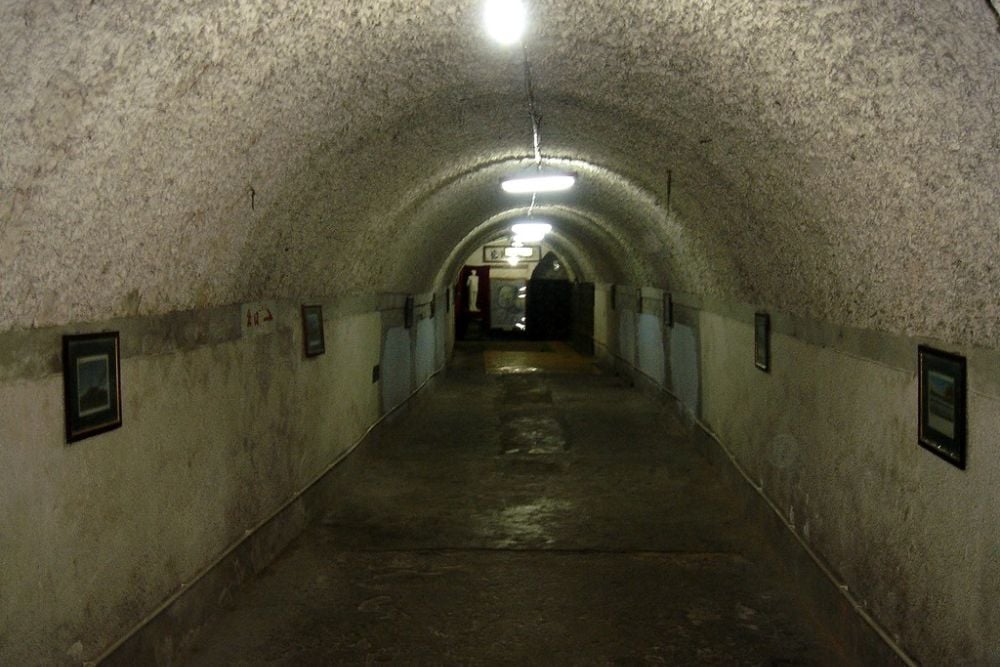
When China and the Soviet Union weren’t getting along, Beijing built a city under itself. This bomb shelter could hold a million people, with restaurants, schools, and even roller skating rinks.
People trained to get underground fast, though nowadays most of the tunnels are sealed. Some parts have turned into tourist spots and cheap housing.
Portland Shanghai Tunnels

Portland, Oregon, hides dark secrets in its underground tunnels. Sailors getting drunk in bars would sometimes wake up on ships headed to Asia, kidnapped through these tunnels.
Today, people walk through them on tours, hearing stories about the bad old days when Portland earned its rough reputation.
Edinburgh Vaults
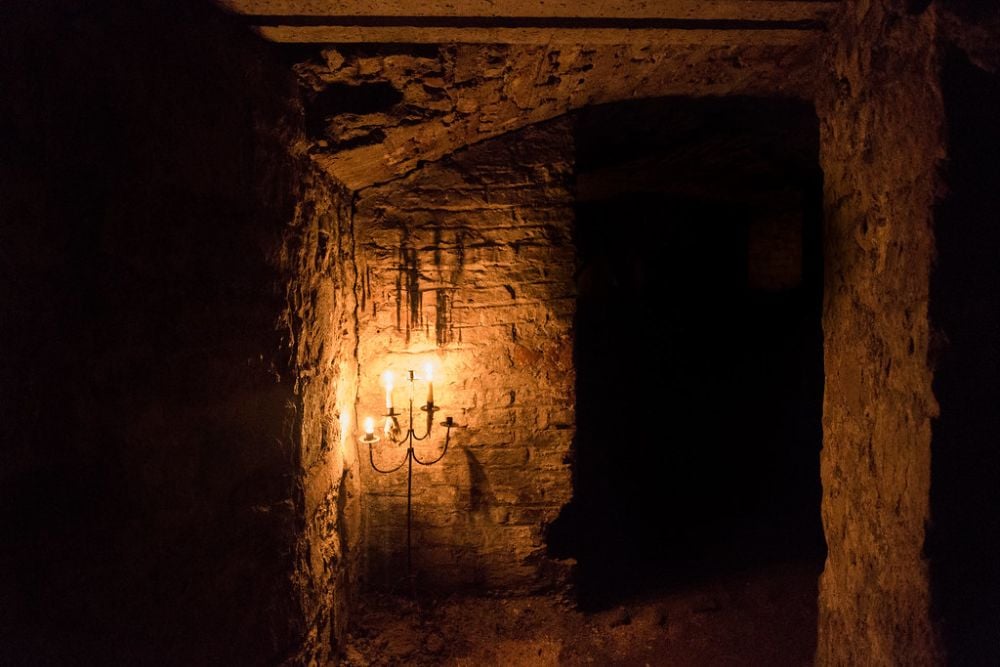
Under Edinburgh’s South Bridge, a whole community lived in dark stone chambers. These vaults started as storage spaces for shops above but turned into homes for the poor.
The damp, dark rooms held families, illegal pubs, and probably more than a few criminals. Now ghost hunters love the place, claiming it’s one of Scotland’s most haunted spots.
Dixia Cheng
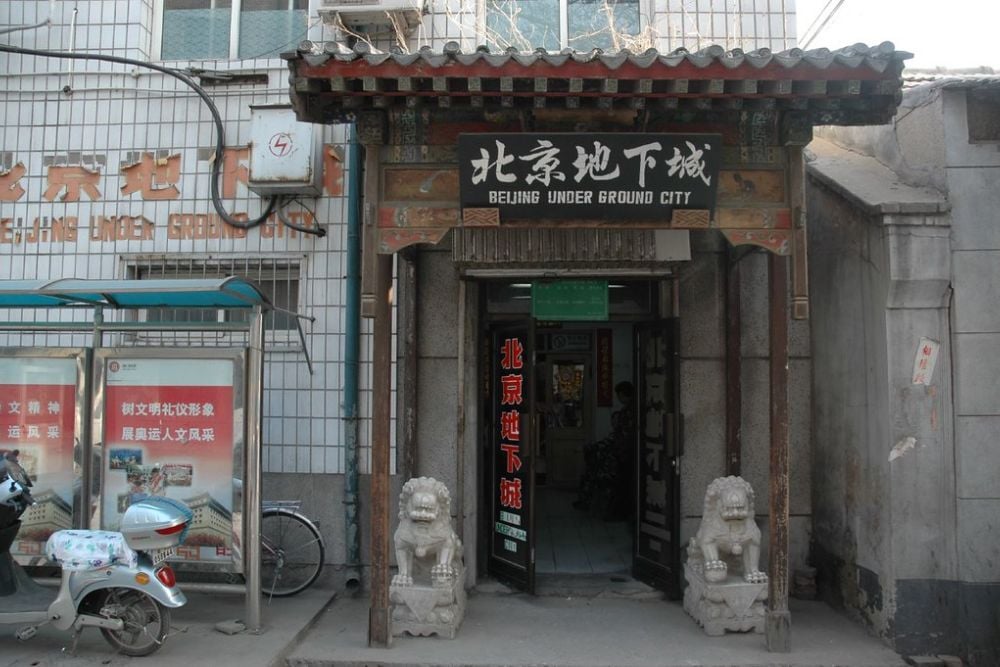
Beijing built another underground city during the Cold War. Dixia Cheng spread like a spider web under the streets, ready to hide civilians if war came.
They put in factories, stores, and even a mushroom farm that could feed people if they had to stay down there. Workers dug it all by hand, using only shovels and baskets.
Montreal’s Underground City
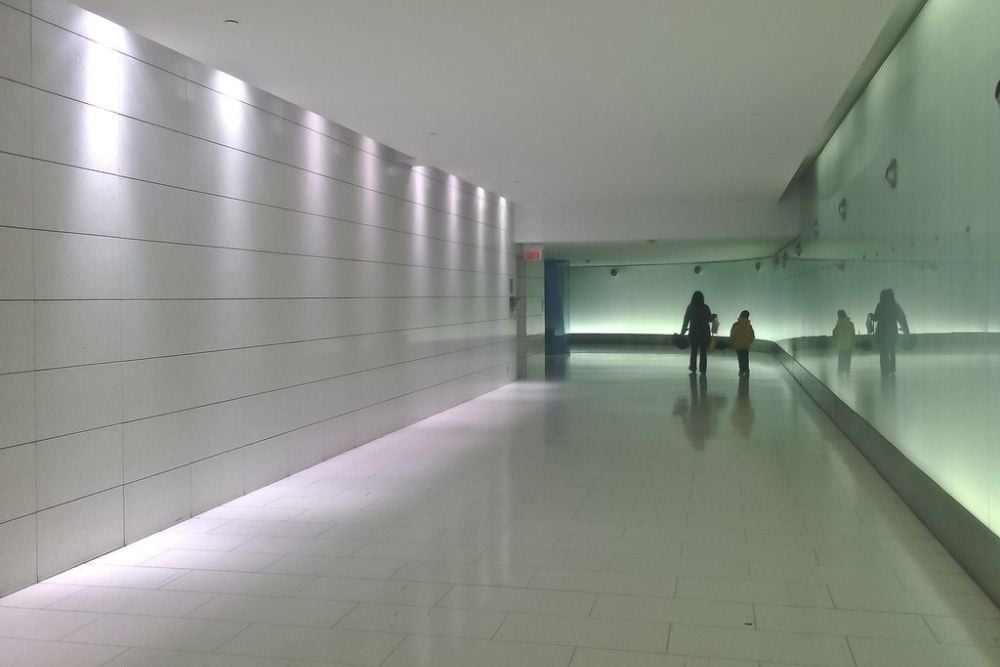
Canadians got tired of trudging through snow, so Montreal built 20 miles of underground walkways. This isn’t some cramped tunnel system – it’s a real city under the city, with shops, movie theaters, and apartments.
More than half a million people use it every day, staying warm while winter howls outside.
Leavenworth Underground
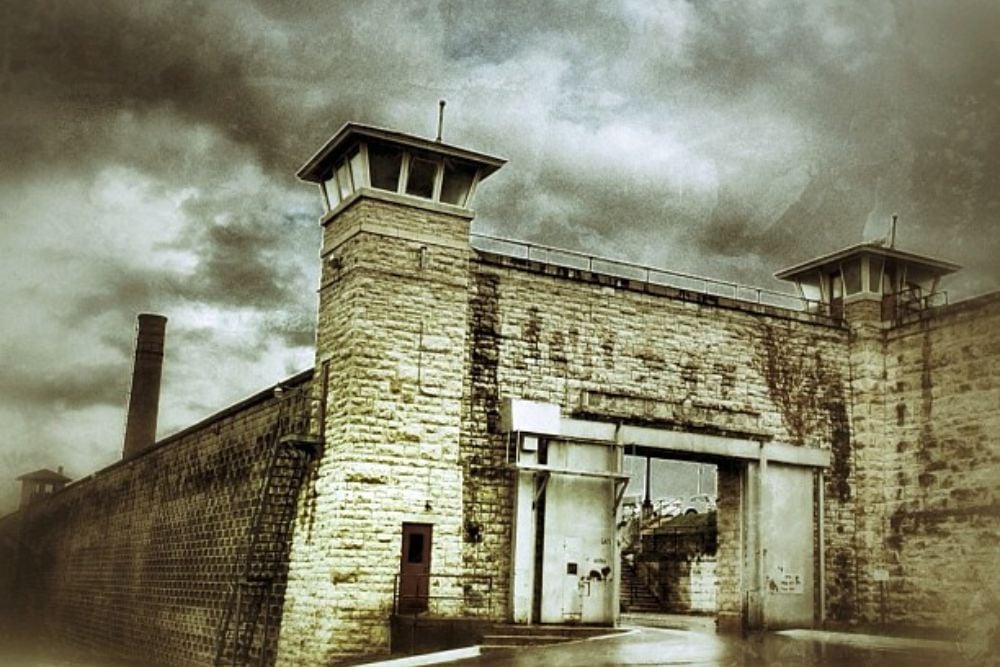
Kansas isn’t all wheat fields and sunflowers. Under Leavenworth’s streets lies a maze of tunnels and rooms carved out of limestone. Bootleggers used them during Prohibition, but before that, they stored vegetables and beer.
The cool, dark spaces worked like natural refrigerators.
Kaymakli
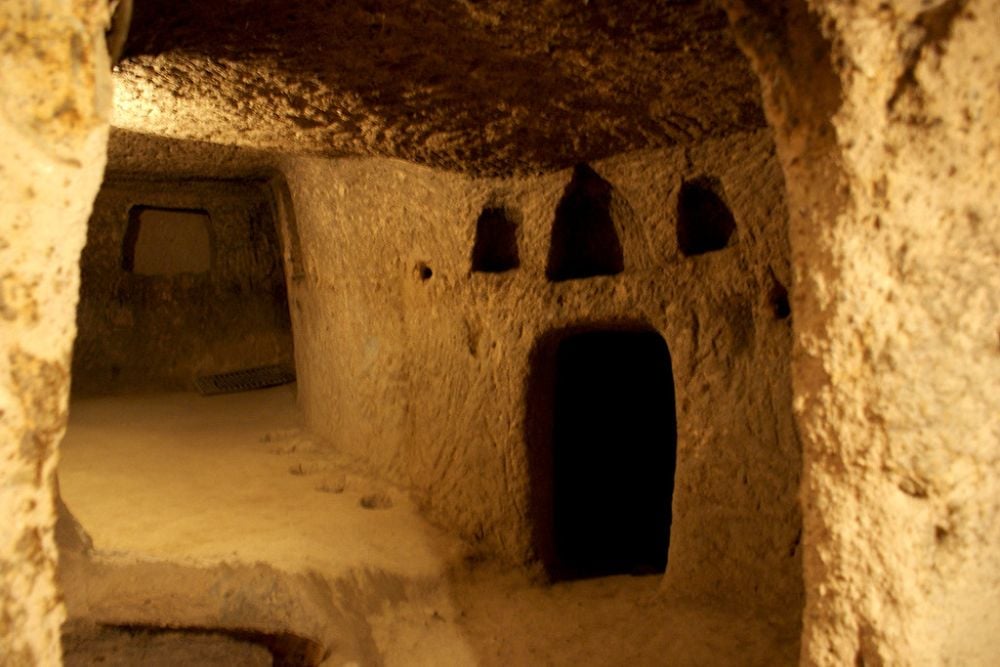
Another Turkish underground city, Kaymakli goes five levels deep. Ancient people carved out space for nearly 3,000 people, complete with ventilation shafts that still work today.
They even built narrow tunnels that forced attackers to walk single file, making the place easier to defend.
Henderson’s Cave House
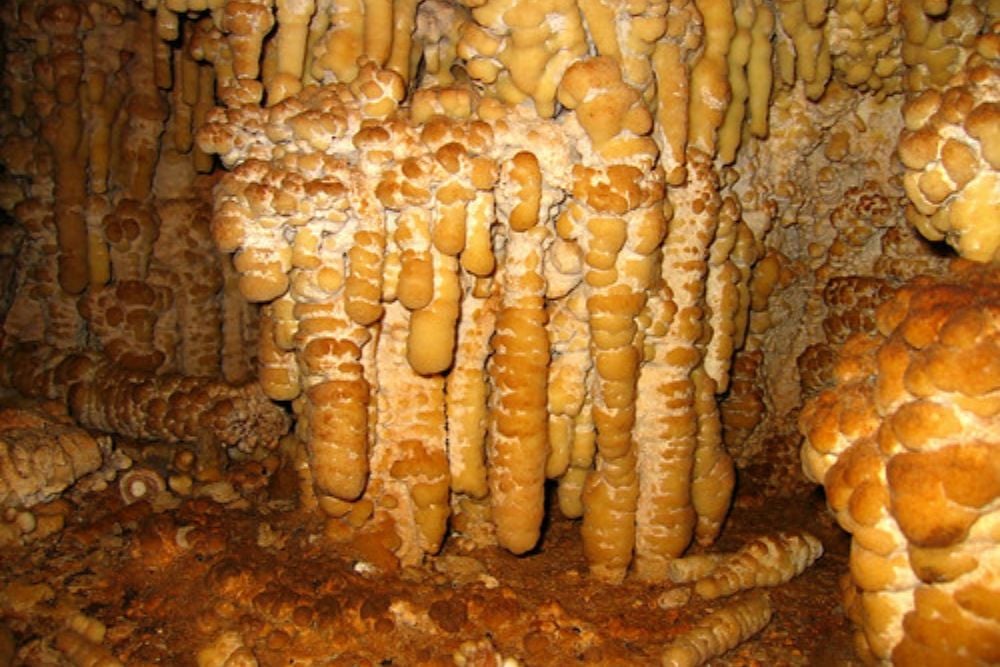
In Arizona’s hot desert, early settlers found a clever way to beat the heat. They dug rooms into a sandstone hill, creating a natural air-conditioning system.
The cave house stayed cool even when the sun baked everything above ground. You can still visit it today, though now it has electricity and running water.
Petra
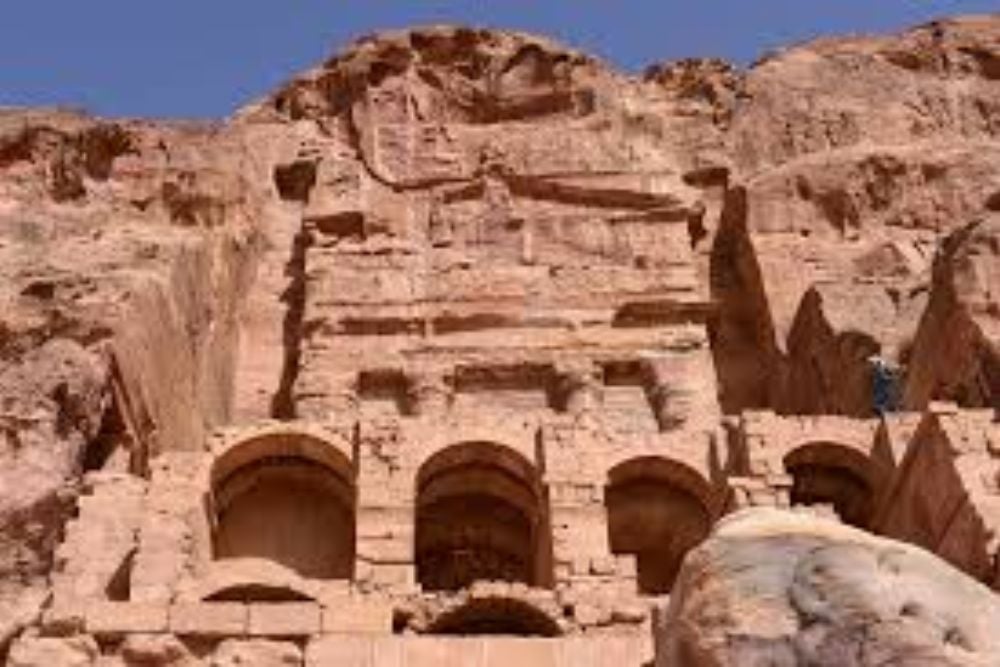
Jordan’s famous rose-red city hides more than most tourists see. Below the buildings carved into cliffs lies another level of tunnels and chambers.
People lived down there too, using spaces that stayed cool and dry year-round. New tunnels turn up all the time, showing just how much of Petra still hides underground.
Paris Catacombs
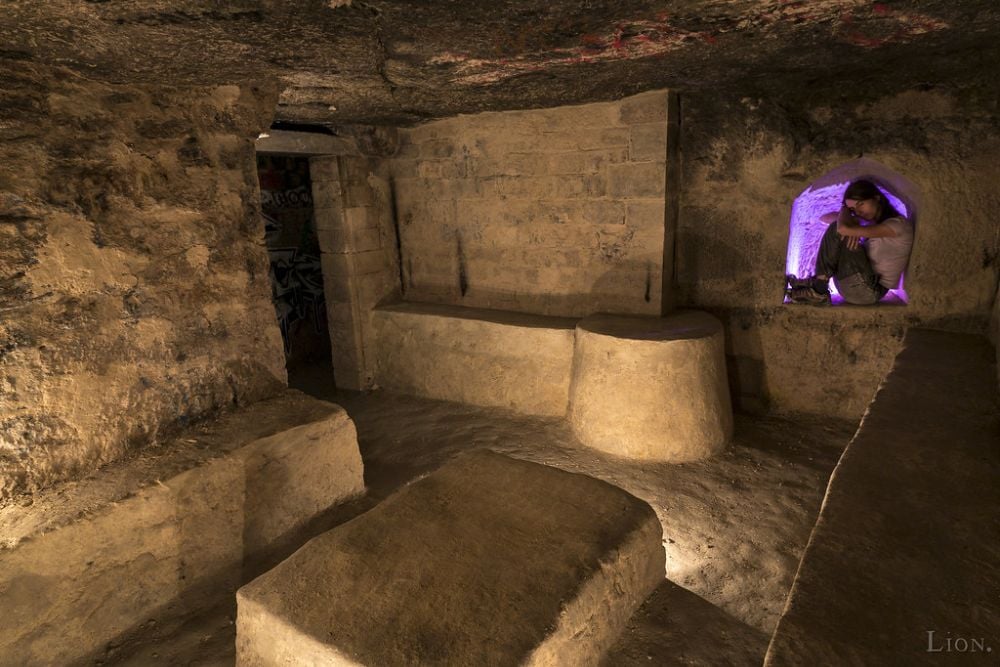
The City of Light has a dark side. Miles of tunnels under Paris hold the bones of millions of people, arranged in weird patterns along the walls. These old quarries became burial grounds when cemeteries got too full.
Now they’re one of Paris’s strangest tourist spots, though most of the tunnel system stays off-limits.
Sub-Seattle
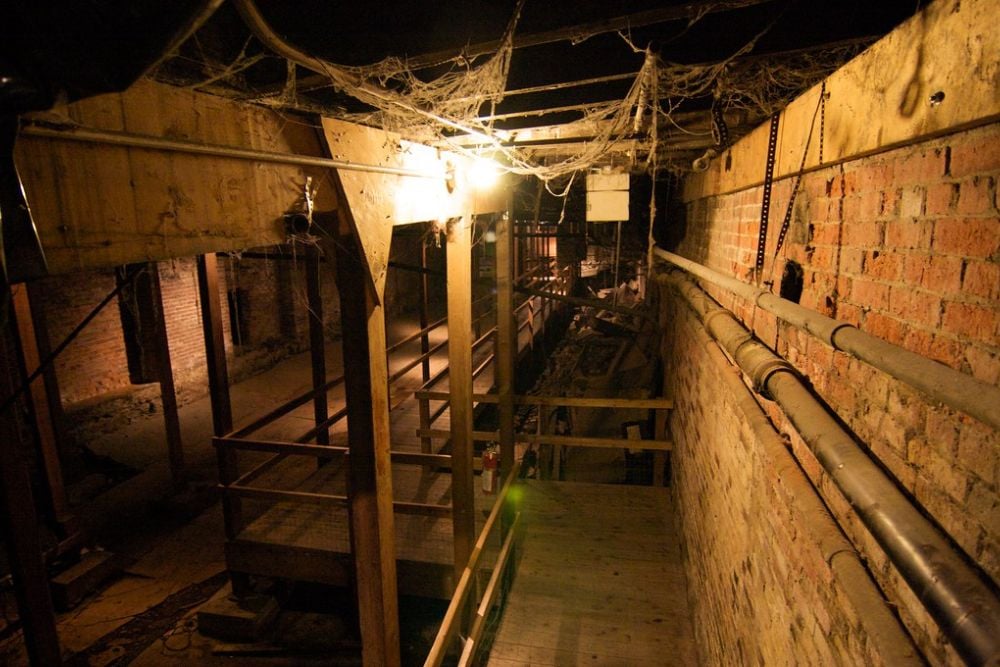
Below modern Seattle lies another layer most folks don’t know about. When they raised the street level, the old sidewalks and storefronts stayed behind.
People kept using the underground level for years, with glass blocks in the new sidewalk letting in light from above. Some businesses down there never closed, they just moved their entrances up to the new street level.
Life Below Ground
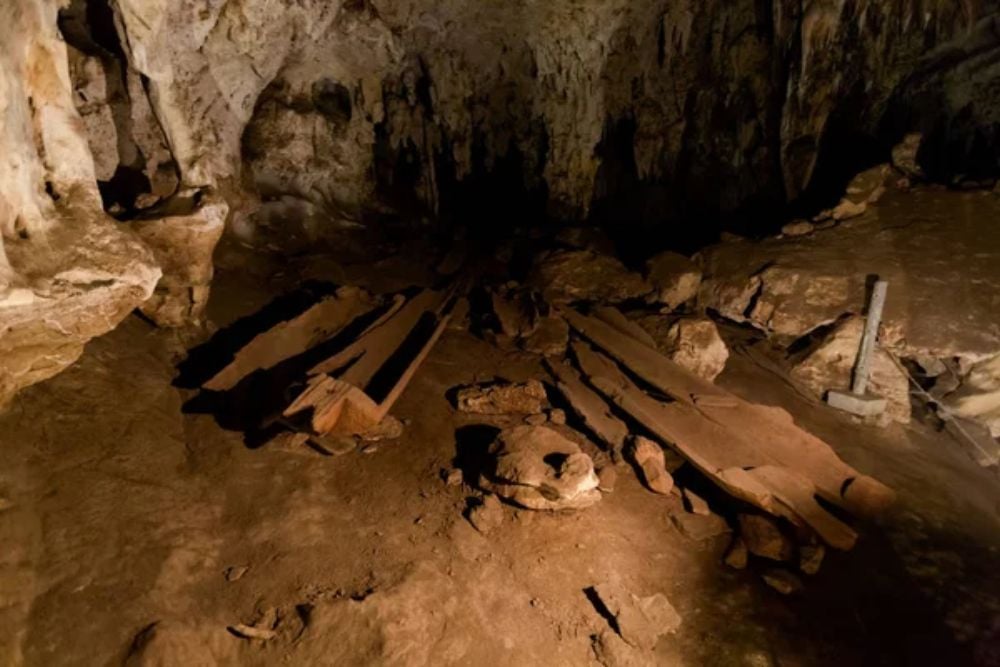
Looking back at these underground marvels makes you wonder what else lies beneath our feet. Every year, archaeologists find new chambers and passages under old cities. These aren’t just holes in the ground – they’re proof of human ingenuity and the lengths people will go to survive and thrive.
The underground cities of the past remind us that solutions sometimes lie beneath the surface. While we reach for the stars with our modern buildings, these hidden spaces show us that sometimes the most remarkable human achievements are the ones we can’t see from above.
More from Go2Tutors!

- The Romanov Crown Jewels and Their Tragic Fate
- 13 Historical Mysteries That Science Still Can’t Solve
- Famous Hoaxes That Fooled the World for Years
- 15 Child Stars with Tragic Adult Lives
- 16 Famous Jewelry Pieces in History
Like Go2Tutors’s content? Follow us on MSN.