19 Products That Failed Because of Their Names
A great product with a terrible name is like a brilliant actor with stage fright—all the talent in the world won’t matter if you can’t connect with your audience. Marketing experts spend countless hours crafting the perfect brand identity, but sometimes even the most promising products get derailed by names that confuse, offend, or simply make people laugh for all the wrong reasons. The power of a name can make or break a product before consumers even have a chance to experience what it offers.
These naming disasters remind us that words carry weight, especially when they’re plastered across packaging and advertising campaigns. Here is a list of 19 products that failed primarily because someone in the boardroom approved a name that doomed them from day one.
New Coke
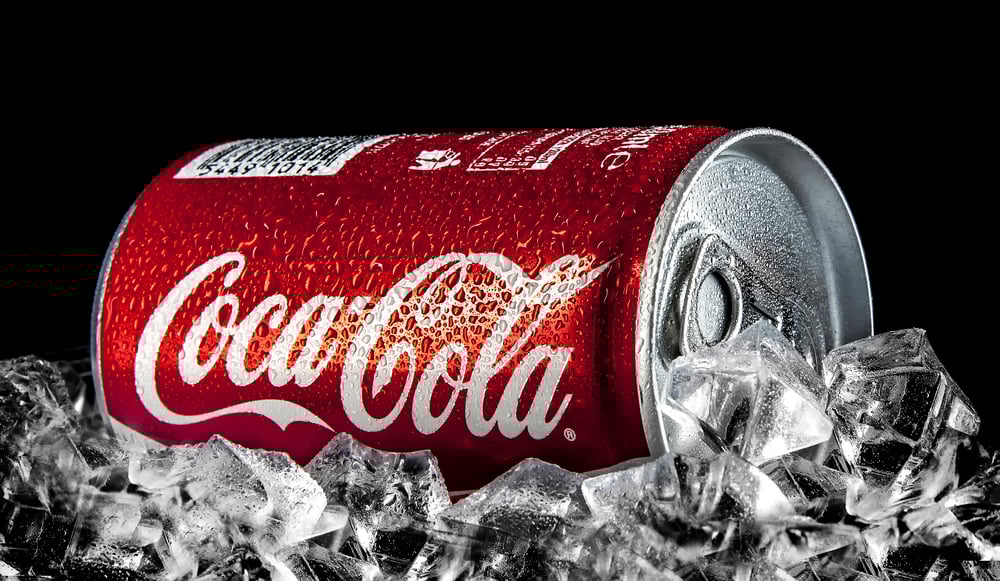
Coca-Cola’s decision to reformulate their classic recipe in 1985 might have worked if it hadn’t called it ‘New Coke’. The name immediately suggested that the original formula was somehow outdated or inferior, which insulted loyal customers who had been drinking Coke for decades.
Within 79 days, public outcry forced the company to bring back the original formula as ‘Coca-Cola Classic’, making ‘New Coke’ one of the most expensive naming mistakes in corporate history.
Ayds Diet Candy

This appetite suppressant candy had been successfully marketed for decades until the AIDS epidemic made its name completely unmarketable. Despite attempts to rebrand as ‘Diet Ayds’ and later ‘Aydslim’, the unfortunate similarity to the deadly disease made consumers uncomfortable purchasing or even discussing the product.
The company eventually went out of business, proving that external events can make even established brand names toxic overnight.
Like Go2Tutors’s content? Follow us on MSN.
Bic for Her

Bic’s attempt to market pens specifically for women backfired spectacularly when they launched ‘Bic for Her’ in 2012. The name implied that regular pens weren’t suitable for women, which struck many consumers as patronizing and unnecessary.
The product became a target for ridicule on social media, with satirical reviews mocking the idea that pens needed to be gendered, ultimately forcing Bic to quietly discontinue the line.
Microsoft Zune

Microsoft’s answer to the iPod suffered from a name that sounded more like a medical condition than a cutting-edge music player. ‘Zune’ had no clear meaning or connection to music, unlike ‘iPod’ which suggested personal audio in a compact form.
The awkward name made it difficult for consumers to take the device seriously, contributing to its failure to gain meaningful market share against Apple’s more intuitively named competitor.
Colgate Kitchen Entrees

Colgate’s bizarre venture into frozen dinners in 1982 was doomed by the simple fact that people couldn’t separate toothpaste from food in their minds. The brand name was so strongly associated with oral hygiene that consumers found the idea of eating Colgate-branded meals genuinely disturbing.
The product disappeared from shelves within months, teaching marketers that brand extension has very real limits.
Like Go2Tutors’s content? Follow us on MSN.
Chevy Nova

General Motors’ compact car faced unexpected challenges in Spanish-speaking markets because ‘Nova’ sounds like ‘no va’ in Spanish, meaning ‘doesn’t go’. While the car actually sold reasonably well in Latin America despite this linguistic coincidence, the perception that the name hurt sales became a classic case study in international marketing.
The story became so widespread that it overshadowed the car’s actual performance in those markets.
Fukuppy

Fukushima Industries’ mascot and brand name for their refrigeration units became an international laughingstock when English speakers discovered the unfortunate combination of syllables. The company had combined ‘Fukushima’ with ‘happy’ to create what they thought was a cheerful brand name, but the result sounded like profanity to English speakers.
Despite protests from the company that it was a cultural misunderstanding, the name became such a source of ridicule that it overshadowed their actual products.
Pschitt Lemonade

This French soft drink’s name worked perfectly in French, where ‘Pschitt’ mimics the sound of opening a carbonated beverage. However, when the company tried to expand into English-speaking markets, the name proved impossible to market seriously.
English speakers couldn’t help but hear scatological implications in the name, making it unsuitable for family-friendly advertising campaigns.
Like Go2Tutors’s content? Follow us on MSN.
Jif Peanut Butter

While Jif eventually became successful in the United States, its original name ‘Big Top Peanut Butter’ failed because it sounded more like a circus than a food product. The name change to ‘Jif’ worked because it was short, memorable, and suggested the quick ease of making a sandwich.
This example shows how the right name change can save a product that might otherwise disappear from shelves.
I Can’t Believe It’s Not Butter

Unilever’s margarine product succeeded despite its unwieldy name, but many competitors with similar names failed because consumers found them too long and awkward to remember or request. Products with names like ‘I Can’t Believe It’s Not Ice Cream’ and similar variations never gained traction because the novelty wore off quickly.
The original succeeded because it was first to market with the concept, but imitators learned that copying a cumbersome name rarely works.
Crystal Pepsi
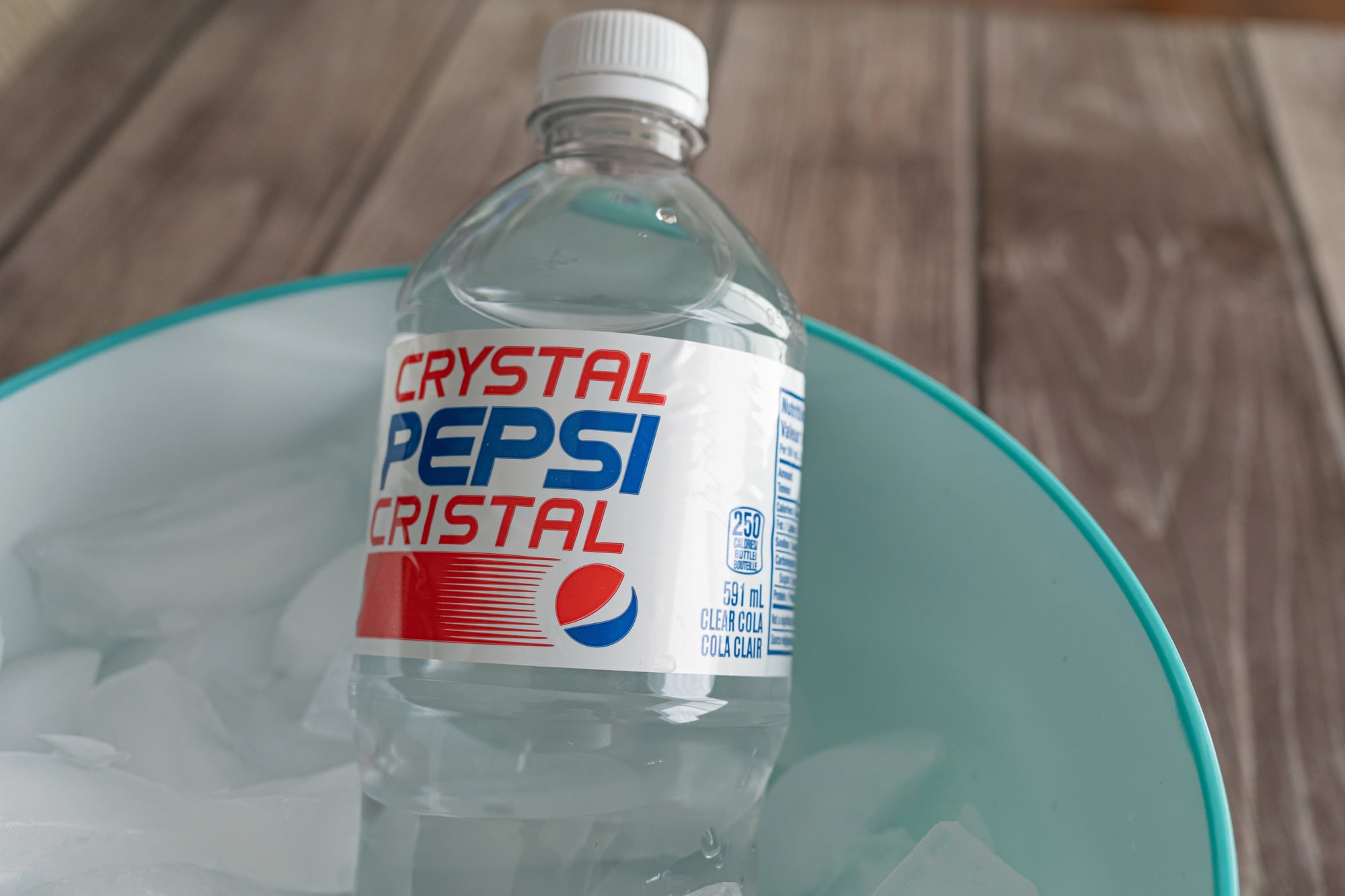
PepsiCo’s clear cola failed partly because the name ‘Crystal Pepsi’ created confusion about what the product actually was. Consumers expected Pepsi to be dark and caramel-colored, so a ‘crystal’ version seemed like a completely different beverage rather than a variation on the original.
The name made it difficult for people to understand where the product fit in their mental category of soft drinks.
Like Go2Tutors’s content? Follow us on MSN.
Powerbook G4 Titanium

Apple’s laptop suffered from a name that was technically accurate but practically problematic because ‘Titanium’ was difficult to pronounce and remember for many consumers. The metal reference also made the computer sound industrial rather than user-friendly, which didn’t align with Apple’s developing reputation for accessible technology.
Later MacBook names were much simpler and more memorable.
Sega Saturn
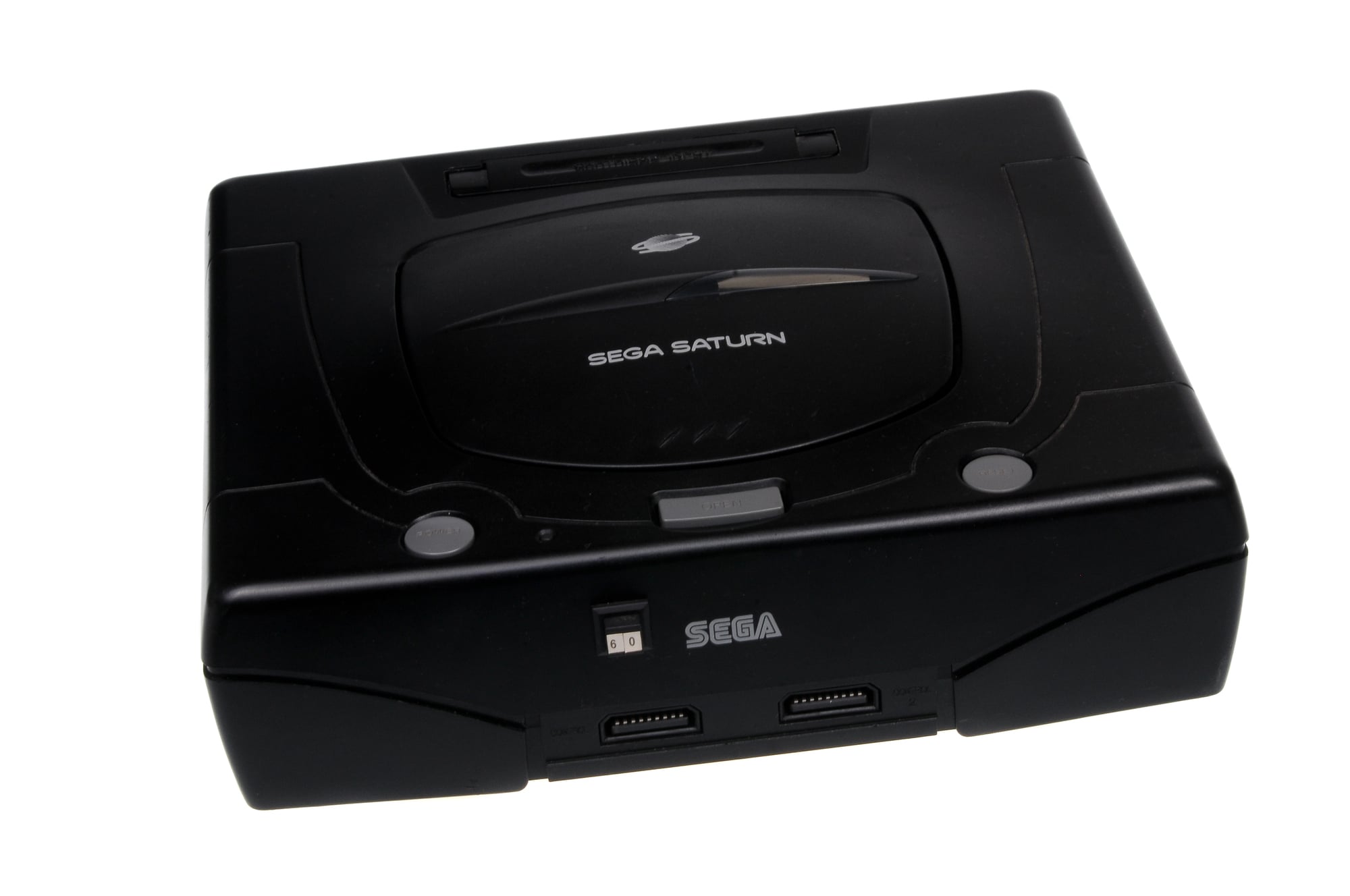
Sega’s gaming console competed against the Sony PlayStation and Nintendo 64 with a name that sounded dated and slow. ‘Saturn’ evoked images of a distant, cold planet rather than cutting-edge gaming technology, while ‘PlayStation’ clearly communicated its purpose and ‘Nintendo 64’ suggested advanced processing power.
The name contributed to the console’s third-place finish in that generation’s console wars.
Ford Pinto

While the Ford Pinto faced serious safety issues that contributed to its downfall, the name also created problems in Spanish-speaking markets where ‘pinto’ can be slang for male genitalia. The double meaning made marketing campaigns awkward and gave competitors easy ammunition for jokes.
Ford eventually learned to test names more thoroughly in all markets where they planned to sell vehicles.
Wii U
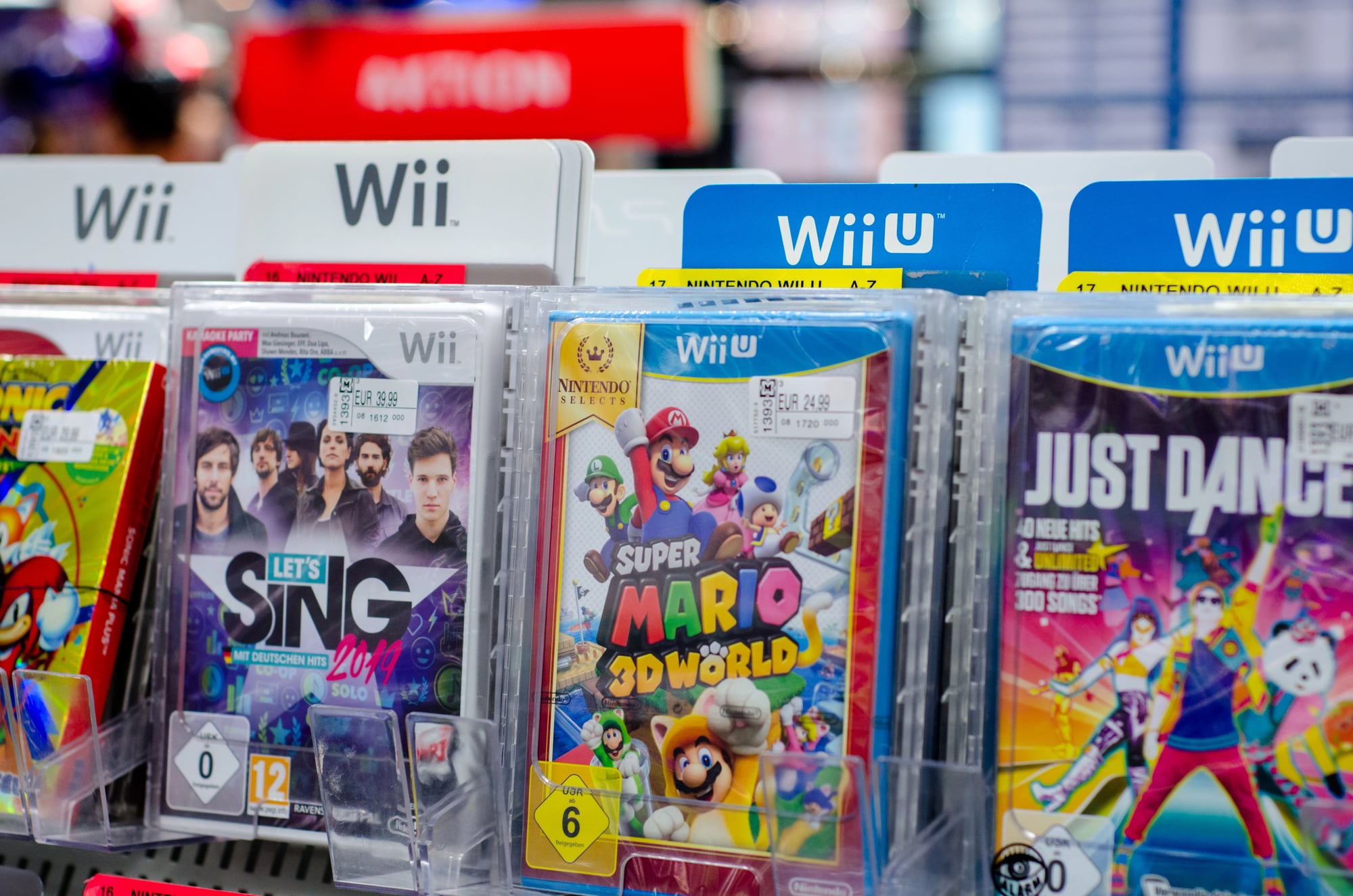
Nintendo’s follow-up to the wildly successful Wii console confused consumers with a name that sounded like an accessory rather than a new system. Many people thought the ‘Wii U’ was just an upgraded controller for the original Wii, not understanding that it was actually a completely new console.
The naming confusion contributed significantly to the system’s poor sales compared to its predecessor and successor.
Google Buzz
Google’s attempt to compete with Facebook failed partly because ‘Buzz’ sounded like a temporary trend rather than a serious social networking platform. The name also had negative connotations from ‘buzz kill’ and sounded more like an energy drink than a place to connect with friends and family.
Google learned from this mistake when they later launched Google+ with a name that better suggested connection and community.
McDonald’s Arch Deluxe

McDonald’s premium burger failed because the name ‘Arch Deluxe’ sounded pretentious and didn’t fit with the restaurant’s family-friendly, accessible brand image. Customers who came to McDonald’s for quick, affordable food found the name off-putting and confusing.
The disconnect between the name’s upscale implications and McDonald’s core brand identity contributed to one of their biggest product failures.
Microsoft Bob

Microsoft’s user-friendly interface program failed partly because ‘Bob’ was such a generic, unremarkable name that it suggested the software wasn’t very sophisticated. The name made it difficult for users to take the program seriously or understand what it was supposed to do.
A more descriptive name might have helped communicate the software’s purpose and benefits more effectively.
HD-DVD

Toshiba’s high-definition disc format lost the format war to Blu-ray partly because ‘HD-DVD’ was a mouthful to say and didn’t sound as futuristic as its competitor. ‘Blu-ray’ suggested cutting-edge laser technology, while ‘HD-DVD’ just sounded like an upgraded version of existing DVD technology.
The naming difference helped reinforce Sony’s positioning of Blu-ray as the more advanced format.
The Name Game Never Ends

These failures demonstrate that a product’s name is often its first and most important marketing message, capable of attracting customers or driving them away before they even learn about features and benefits. In today’s crowded marketplace, where consumers make split-second decisions based on first impressions, a confusing or off-putting name can be impossible to overcome.
The most successful companies now invest heavily in name testing and cultural research, understanding that getting the name right from the start is far easier than trying to rebrand a failed product later.
More from Go2Tutors!

- 16 Restaurant Chains That Went Too Fast
- 12 Things Sold in the 80s That Are Now Illegal
- 15 Strange Things People Have Tried to Ban (And Failed)
- 16 Collectibles People Tossed Out Too Soon
- 17 Myths from Your Childhood That Were Actually Based on Real Things
Like Go2Tutors’s content? Follow us on MSN.



