Golf Courses with Extreme Hazards
Some golf courses make you work for it. The wind picks up, the terrain shifts under your feet, and you start questioning every decision that led you to this moment.
These aren’t the manicured fairways you see on television. These are courses where nature doesn’t just challenge you—it tries to stop you completely.
The Legend Golf and Safari Resort’s Extreme 19th

South Africa takes things to another level with a par-3 that sits atop a mountain. You tee off from 1,400 feet above the green.
A helicopter takes you to the tee box because there’s no other way to reach it. The winds up there change everything about how you play the shot, and most players need multiple attempts just to land anywhere near the target.
The green itself sits on a peninsula shaped like Africa. If you miss, your equipment goes into the bush below, and good luck finding it again.
Camp Bonifas Course at the Korean DMZ
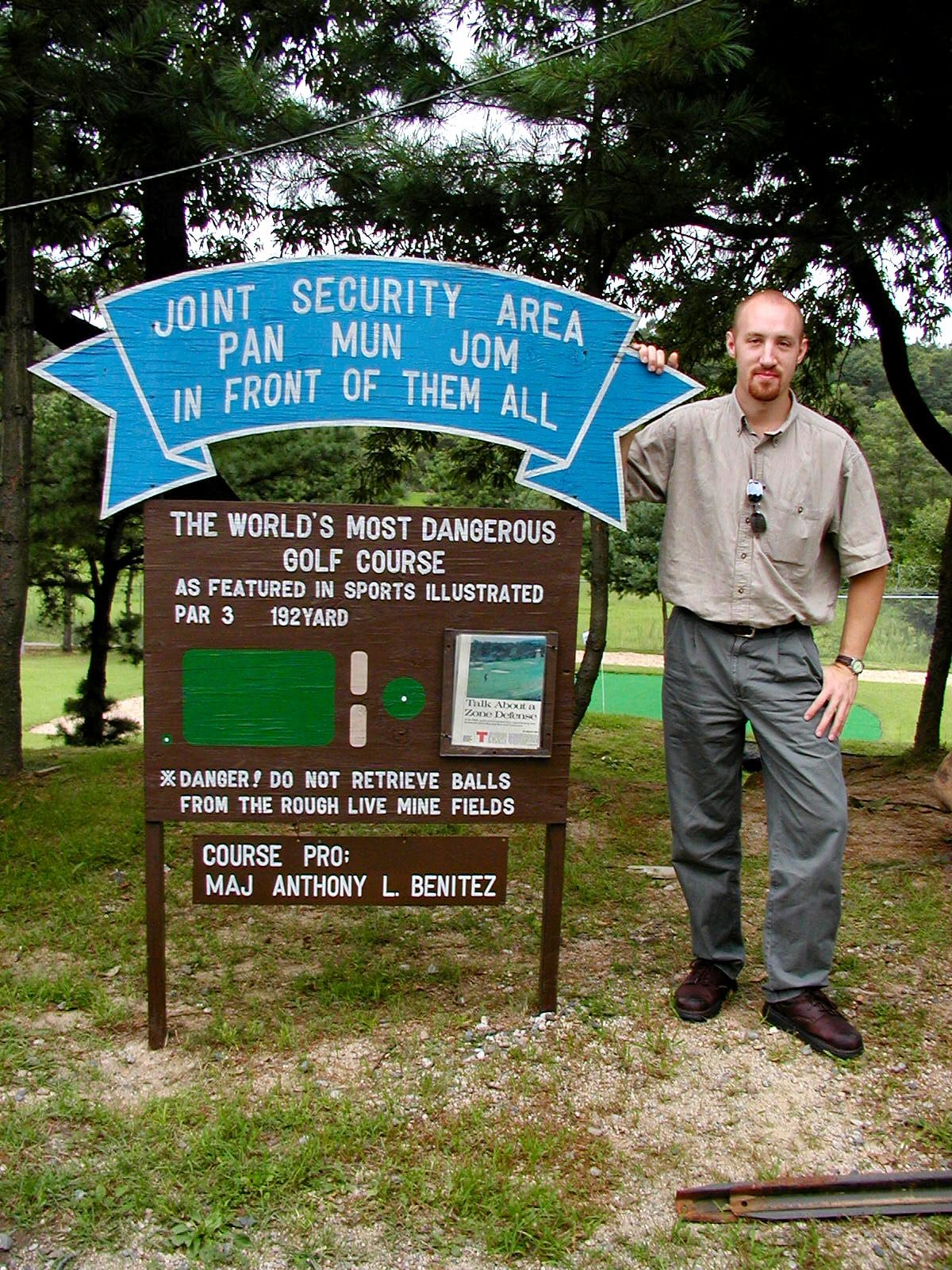
This course runs along the most heavily fortified border in the world. Land mines sit just off the fairway.
Actual land mines. Armed soldiers patrol the perimeter while you play. The rough isn’t just difficult—it’s potentially lethal.
You can’t retrieve any shot that goes into certain areas because unexploded ordnance from the Korean War still litters the ground. The military maintains this nine-pit course, and only authorized personnel can play it.
The rules state clearly that if your shot goes into a restricted zone, you take the penalty and move on. No one retrieves anything from those areas.
Coeur d’Alene Resort’s Floating Green

Idaho created a completely different kind of hazard with a green that floats on Lake Coeur d’Alene. The 14th stretches between 100 and 175 yards depending on where they anchor the green that day.
They move it around using a system of cables and pulleys. Water surrounds the entire green. Every approach shot becomes a do-or-die moment.
The green moves with the waves, and wind off the lake changes direction constantly. Boats ferry players to and from the green because there’s no other way to reach it.
Nullarbor Links in Australia

This course stretches 848 miles across the Australian Outback. It’s the longest course in the world by a massive margin.
You drive from town to town, playing one section at a time. The heat reaches 120 degrees in summer. Water becomes scarce.
The nearest medical facility can be hours away. Kangaroos wander across the fairways. Snakes hide in the rough.
The sun beats down with nothing to block it. You need to pack supplies like you’re going on an expedition because that’s essentially what you’re doing.
Volcano Golf and Country Club in Hawaii
Kilauea Volcano erupts periodically, and this course sits right next to it. Volcanic rock makes up most of the terrain.
The rough consists of hardened lava fields that destroy clubs on contact. Steam vents release gases from underground. The ground can reach temperatures that melt the rubber on your shoes.
When the volcano becomes active, the course closes. But when it’s open, you play knowing that molten rock flows somewhere nearby.
The air smells like sulfur, and the landscape looks like another planet.
Kabul Golf Club in Afghanistan

Warfare destroyed this course multiple times over the past forty years. Soviet tanks tore through the fairways in the 1980s. Rockets left craters everywhere.
Yet the club keeps operating. Armed guards watch the perimeter. The course has clear protocols for what to do if you hear gunfire.
Unexploded ordnance still turns up occasionally when workers maintain the grounds. Members treat playing here as an act of defiance against everything that’s happened to their country.
Furnace Creek in Death Valley

The temperature regularly exceeds 125 degrees during summer. Death Valley earned its name for a reason.
This course demands you start your round at dawn and finish before the deadly heat sets in. Dehydration becomes a serious risk within an hour.
The course sits 214 feet below sea level, making it the lowest elevation course anywhere. The air pressure affects how far your shots travel.
The heat warps your perception of distance. Rangers patrol constantly checking on players because heat exhaustion can strike fast.
Elephant Hills in Zimbabwe

Wildlife roams freely across this course. Elephants walk through regularly and have the right of way. Buffalo graze on the fairways.
Crocodiles live in the water hazards. Hippos emerge from the rivers at dusk. The rules address wildlife encounters specifically.
If an elephant stands on your landing zone, you wait or play around it. If a crocodile guards the water’s edge, you take the penalty drop.
Rangers accompany groups because buffalo are notoriously aggressive when surprised.
La Paz Golf Club in Bolivia

This course sits at 10,650 feet above sea level, making it one of the highest in the world. The altitude affects everything.
Your shots carry 15-20 percent farther than normal because the air is so thin. Most players feel dizzy or nauseous when they first arrive.
The thin air also means you tire faster. Walking the course becomes a workout that leaves you gasping.
The sun burns more intensely at this elevation, and sunscreen becomes essential equipment. Many players need supplemental oxygen during their rounds.
Skukuza Golf Club in South Africa’s Kruger National Park
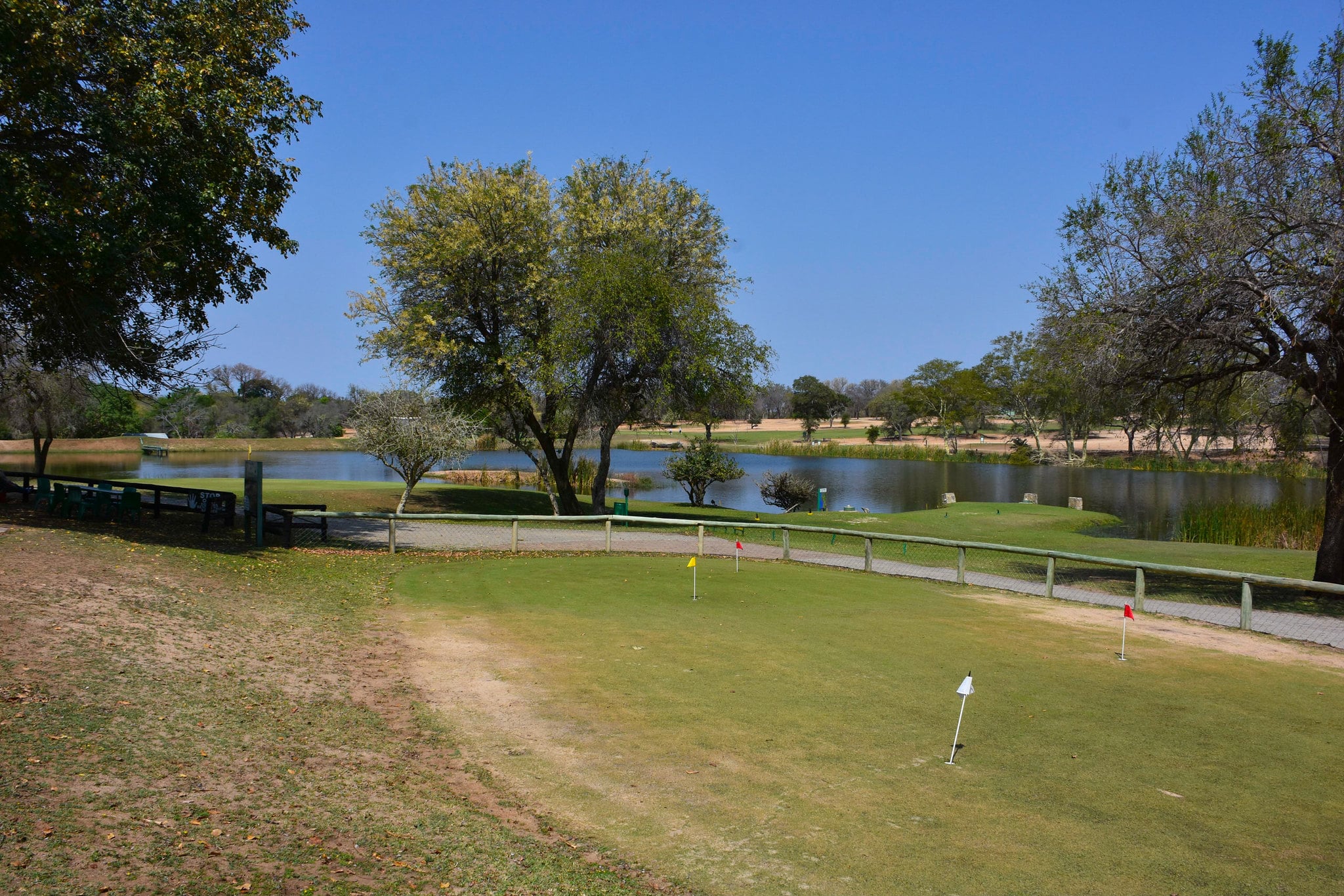
This course operates inside one of Africa’s premier wildlife reserves. Leopards hunt at dawn and dusk. Lions rest in the shade during the day.
Warthogs dig up the fairways looking for food. Electric fences surround the perimeter, but animals find ways through.
The club requires all players to travel with a ranger who carries a rifle. The ranger’s job is to watch for dangerous animals, not to help you find your shots.
Players sign waivers acknowledging the risks before they’re allowed on the course.
Lost City at Sun City in South Africa
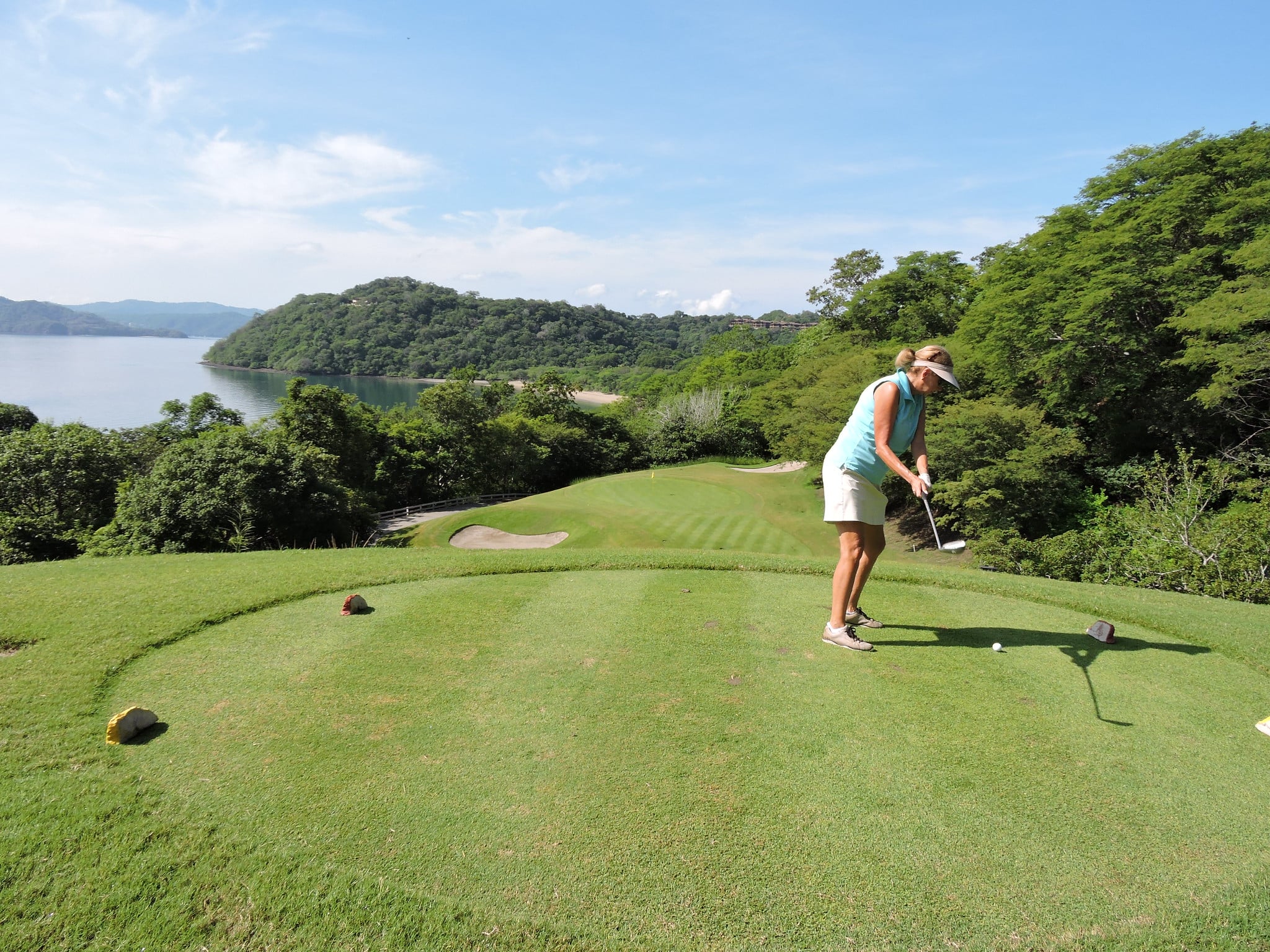
Crocodiles live in the water hazards here too, but these are specially maintained populations. The course keeps them well-fed, but they’re still wild predators.
The 13th requires you to hit over water where crocodiles float just below the surface. The crocodiles serve a dual purpose—they’re both a hazard and a security system.
No one tries to retrieve anything from these water features. The club replaces lost equipment rather than risk anyone getting near the reptiles.
Jade Dragon Snow Mountain in China

This course climbs to 10,000 feet on the slopes of a mountain range. Snow covers the peaks year-round. The weather changes without warning.
Morning rounds start in sunshine and end in thunderstorms. The altitude and terrain make this one of the most physically demanding courses anywhere.
Yaks graze on the rough. The views stretch for miles, but you need to keep your focus because the drop-offs are severe.
Where Risk Meets Reward

Out here, nature sets the rules – golf becomes survival more than sport. Not a single shot lets you ignore what’s around. Watch where you step because danger moves fast through tall grass. Sun shifts change everything; rain turns paths slick without warning.
One wrong move near water or rock might be the last thing you do that day. Back on these fairways, golfers speak in a different way. Not just scores matter now. When it’s not only about points, everything shifts.
Each swing feels heavier, charged. Survival mixes with precision under pressure. The thought behind each move deepens without warning.
More from Go2Tutors!

- The Romanov Crown Jewels and Their Tragic Fate
- 13 Historical Mysteries That Science Still Can’t Solve
- Famous Hoaxes That Fooled the World for Years
- 15 Child Stars with Tragic Adult Lives
- 16 Famous Jewelry Pieces in History
Like Go2Tutors’s content? Follow us on MSN.