20 Ad Slogans That Were So Bad, They Accidentally Went Viral
Marketing campaigns require careful planning, clever wordplay, and cultural awareness. Yet sometimes, even with million-dollar budgets and teams of creative professionals, companies release advertising slogans that miss the mark so spectacularly they achieve viral fame—just not in the way they intended. These advertising blunders often reveal cultural blind spots, unfortunate double meanings, or simple lack of common sense.
Here is a list of 20 advertising slogans that became internet sensations for all the wrong reasons.
Electrolux Vacuum Cleaners

The Swedish vacuum manufacturer Electrolux created an unforgettable marketing disaster when they entered the American market with the slogan ‘Nothing sucks like an Electrolux.’ While perfectly accurate about the product’s function, the company failed to consider American slang.
The vacuum indeed had powerful suction, but the double meaning turned this straightforward claim into comedy gold.
Pepsi’s “Come Alive” Campaign
When Pepsi launched their ‘Come alive with Pepsi’ campaign internationally, they didn’t anticipate the translation issues. In Taiwan, the slogan translated roughly to ‘Pepsi brings your ancestors back from the dead.’
Local consumers were more confused than enticed by the suggestion that a carbonated beverage possessed supernatural resurrection powers.
Like Go2Tutors’s content? Follow us on MSN.
Coors’ “Turn It Loose” Slogan
Coors beer wanted Spanish-speaking customers to ‘Turn it loose’ with their beverage. Unfortunately, when translated to Spanish, the phrase became slang for ‘Suffer from diarrhea.’
The gastrointestinal implication wasn’t exactly appetizing for potential beer drinkers and quickly became a cautionary tale in international marketing circles.
Ford’s Pinto in Brazil
The Ford Pinto faced an immediate branding crisis in Brazil before it even hit the market. Ford executives were unaware that ‘pinto’ was Brazilian slang for ‘tiny male genitalia.’
Local consumers couldn’t take the car seriously, and Ford had to rename it to the Corcel, meaning ‘horse,’ to salvage their reputation in the Brazilian market.
Parker Pens’ Embarrassing Promise
Parker Pens wanted Mexican customers to know their pens wouldn’t leak in pockets and cause embarrassment. Their slogan ‘It won’t leak in your pocket and make you pregnant’ resulted from a mistranslation of ’embarazar,’ which means ‘to embarrass’ in English but ‘to impregnate’ in Spanish.
The writing implement suddenly had impossible biological capabilities.
Like Go2Tutors’s content? Follow us on MSN.
Dairy Association’s Mixed Message

‘Are You Lactating?’ was the unexpected translation of the American Dairy Association’s successful ‘Got Milk?’ ad into Spanish. The query completely misidentified the target audience and transformed a straightforward inquiry about milk consumption into an unnecessarily intimate one about physiological processes.
Braniff Airlines’ Leather Seats

Braniff Airlines proudly advertised their new leather seats with the slogan ‘Fly in Leather.’ The Spanish translation came out as ‘Fly Naked.’
While this certainly caught attention, it suggested a very different kind of airline experience than the company intended to promote.
HSBC Bank’s Simple Slogan Gone Wrong
HSBC Bank’s “Assume Nothing” tagline taught them a painful lesson. Translations into other languages reduced it to ‘Do Nothing.’
When the bank realized they were effectively telling clients their bank offered no service, they had to spend $10 million revamping their whole campaign.
Like Go2Tutors’s content? Follow us on MSN.
Clairol’s Curling Iron Name
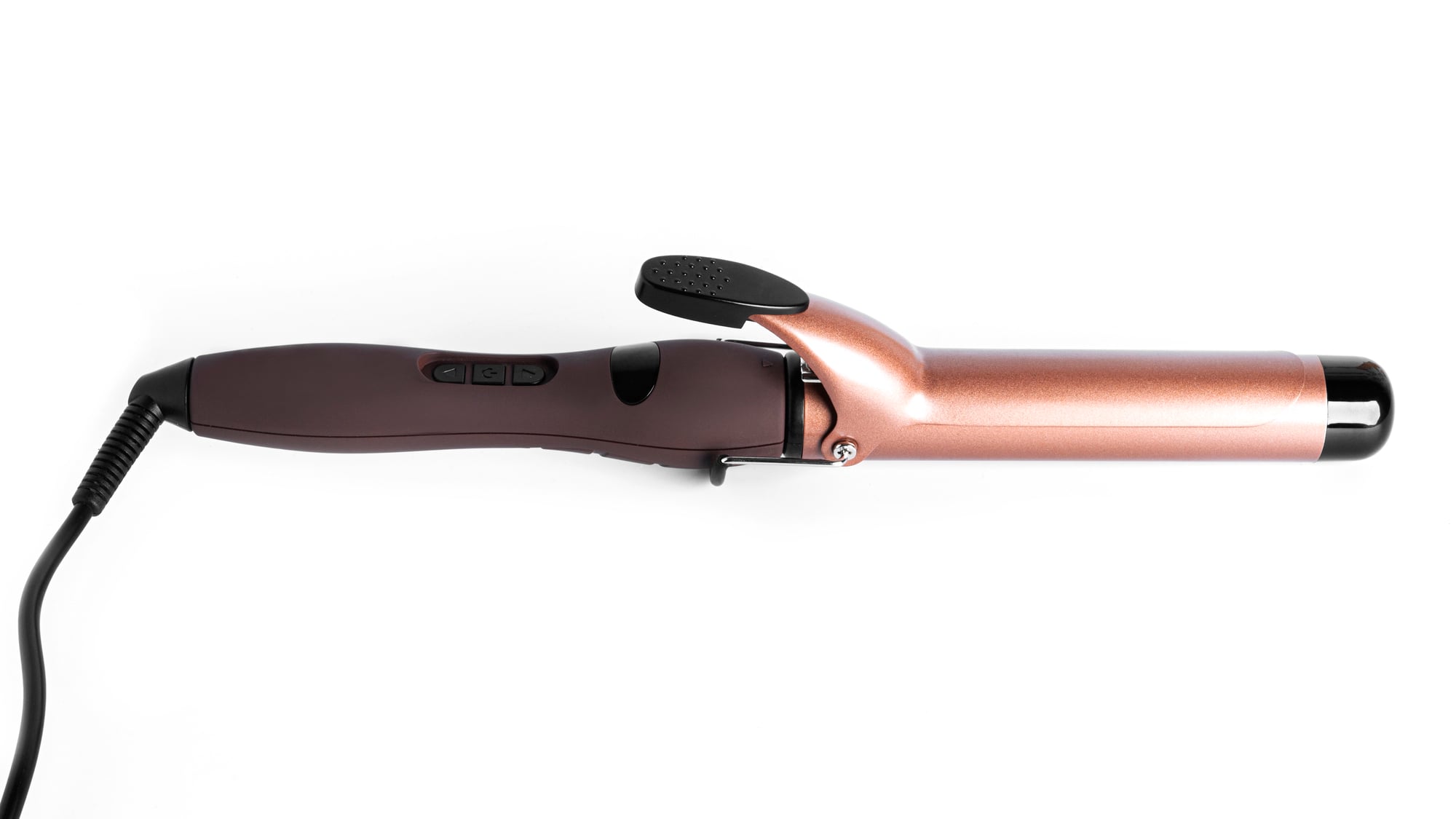
Unaware that the word “mist” is German slang for “manure,” Clairol brought a curling iron known as the “Mist Stick” to the German market. Customers in Germany have no interest in using a “manure stick” to style their hair.
Instead of being a beauty solution, the product name turned into a joke.
KFC’s Appetizing Error
KFC’s famous ‘Finger-Lickin’ Good’ slogan translated into Chinese as ‘Eat Your Fingers Off.’ The fast-food chain accidentally suggested cannibalism rather than delicious chicken.
Chinese consumers found the mistranslation more alarming than appetizing.
Salem Cigarettes’ Refreshing Promise
Salem cigarettes tried to promote their ‘refreshing’ taste with the slogan ‘Salem – Feeling Free’ in Japan. Unfortunately, the translation came across as ‘When smoking Salem, you feel so refreshed that your mind seems to be free and empty.’
The suggestion of mindlessness wasn’t the sophisticated image the brand had in mind.
Like Go2Tutors’s content? Follow us on MSN.
Schweppes Tonic Water’s Italian Blunder
Schweppes tried to introduce tonic water to the Italian market, but the translation of ‘tonic water’ became ‘toilet water’ in Italian. The mixer suddenly became much less appealing when associated with bathroom facilities rather than refreshing gin and tonics.
Perdue Chicken’s Passionate Promise

Frank Perdue’s chicken company used the slogan ‘It takes a tough man to make a tender chicken.’ The Spanish translation came out as ‘It takes a hard man to make a chicken aroused.’
The accidental innuendo transformed a statement about quality poultry into something far more suggestive.
American Motors’ Mexican Miscalculation
The ‘Matador’ car was brought to Puerto Rico by American Motors, who saw the name as representing boldness and courage. They were unaware that the Spanish word “matador” means “killer,” which carries a negative connotation in a nation with a remarkably high proportion of traffic fatalities.
Inadvertently, the term brought attention to issues with road safety.
Like Go2Tutors’s content? Follow us on MSN.
Paxam Detergent’s Misleading Claim

An Iranian detergent manufacturer named Paxam created packaging showing a card game, with the slogan ‘Paxam washes whiter’ next to an ace of spades. In Iran, the ace of spades symbolizes death, so the message appeared to claim that the detergent ‘washes whiter than death.’
The grim comparison didn’t boost sales.
Fritos’ Embarrassing Mascot
The Frito Bandito mascot for Fritos corn chips portrayed a stereotypical Mexican bandit with a gold tooth, sombrero, and pistols. The character reinforced negative stereotypes and offended Mexican Americans.
Public pressure forced the company to retire the mascot, but not before it became infamous for its cultural insensitivity.
Hunt’s “Puts Meatloaf in the Cake Bracket”
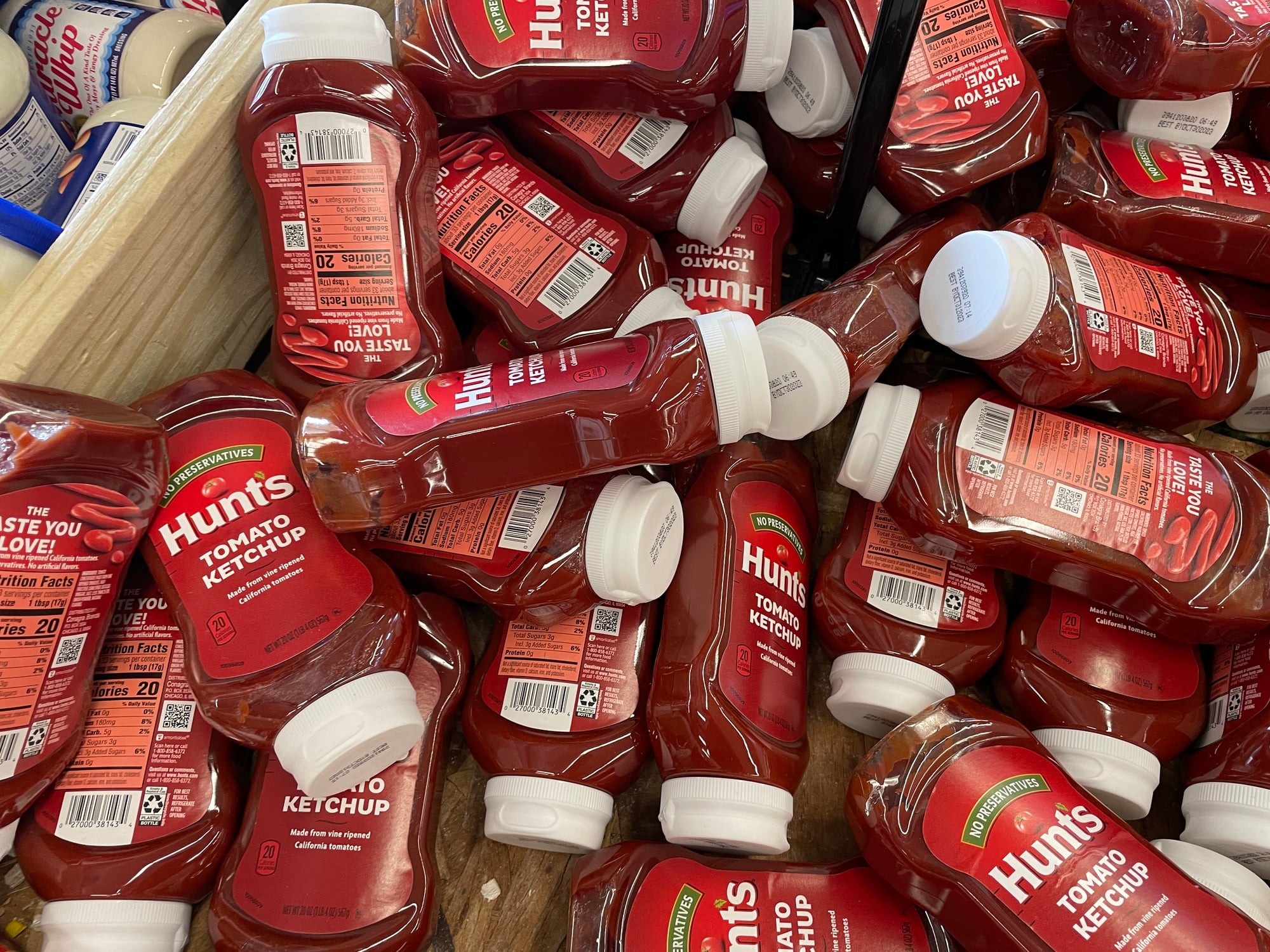
An advertisement for Hunt’s Tomato Sauce asserted that their product “puts meatloaf in the cake bracket.” The odd analogy implied that meatloaf might be turned into dessert by adding enough tomato sauce.
The odd culinary classification system confused rather than convinced consumers.
Like Go2Tutors’s content? Follow us on MSN.
Wang Computers’ British Problems

Wang Computers had a perfectly respectable name in America but faced challenges when marketing in Britain. Their slogan ‘Wang Cares’ sounded unfortunately similar to ‘wankers’ in British English.
The company’s earnest message of customer service became an unintentional crude joke to British ears.
Panasonic’s Shocking Cartoon Character
Panasonic launched a web browser with a mascot named Woody Woodpecker. Their marketing campaign announced ‘Touch Woody: The Internet Pecker.’
The suggestive phrasing went unnoticed until the product nearly launched, causing last-minute panic and rebranding to avoid the unintended adult connotations.
Vicks’ German Market Entry
Vicks cough drops entered the German market without realizing ‘V’ is pronounced as ‘F’ in German, making their brand name sound like a vulgar slang word. The pharmaceutical giant had to rebrand to ‘Wicks’ in the German market to avoid their cold remedy becoming a joke rather than a trusted medicine.
Like Go2Tutors’s content? Follow us on MSN.
Marketing Mishaps That Changed Advertising
The way businesses handle worldwide marketing has changed as a result of these viral advertising disasters. Translation services have evolved, and cultural experts increasingly play important roles in campaign planning.
Before beginning campaigns, modern firms spend money on local market research to avoid humiliating mistakes that could be immortalized online. These companies’ unintentional viral moments are potent reminders that cultural context matters, language is complicated, and often the most memorable advertising occurs when everything goes hilariously wrong.
More from Go2Tutors!

- 20 Historical Artifacts That Scientists Can’t Explain
- 20 Little-Known Historical Battles That Had Huge Consequences
- 20 Weapons from the Past That Were Deemed Too Barbaric for War
- 20 Abandoned Military Bases and the Stories Behind Them
- 20 Discontinued Snacks from the 70s and 80s That We Still Miss
Like Go2Tutors’s content? Follow us on MSN.



