16 Everyday Photos of Life in the Roaring 20s
There’s something about old photographs that stops you cold. Not the posed portraits or the formal studio shots — those feel staged and distant.
The ones that hit different are the candid ones. The ones where someone is mid-laugh, or looking the wrong way, or holding a half-eaten sandwich on a busy sidewalk.
The 1920s produced more of these than any previous decade, partly because cameras were getting smaller and cheaper, and partly because people were finally living in ways worth pointing a lens at. Here are 16 images that capture what ordinary life actually looked like back then.
A Street Corner on a Tuesday Morning

You’d see women in cloche hats pulling coats tight as they waited for the streetcar. Not glamorous women — working women, shop girls, secretaries, teachers.
Their shoes were sensible. Their expressions were tired.
The city hummed around them and nobody paid much attention to anyone else. That anonymity was new.
That was modern.
Kids Playing Stickball Between Parked Model Ts
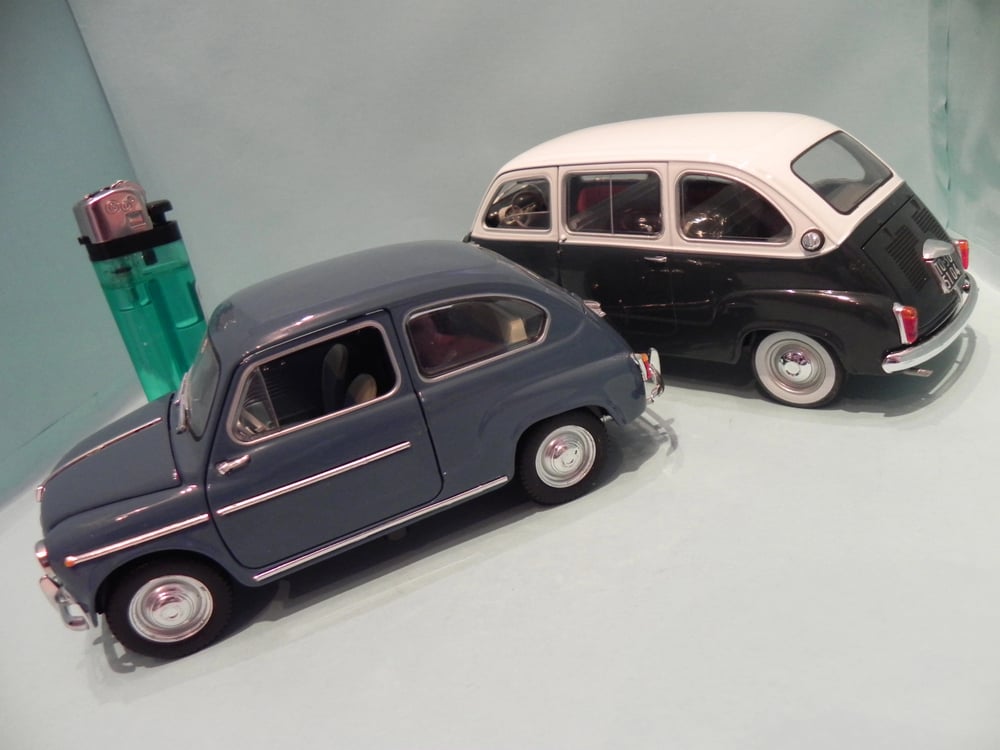
The cars are everywhere in photos from this period, which makes sense — automobile ownership exploded during the 20s. But so did the children weaving between them.
In working-class neighborhoods, the street was the playground. A broom handle and a rubber orb were enough.
The game went on until someone’s mother leaned out a window.
A Corner Drugstore at Lunchtime

The soda fountain counter was one of the great democratic spaces of American life. You’d sit on a spinning stool and order a cherry phosphate or a ham sandwich for fifteen cents.
Office workers, delivery men, school kids — everyone came through. Photos from these counters show people in close quarters, elbows touching strangers, not seeming to mind.
A Barbershop on a Saturday
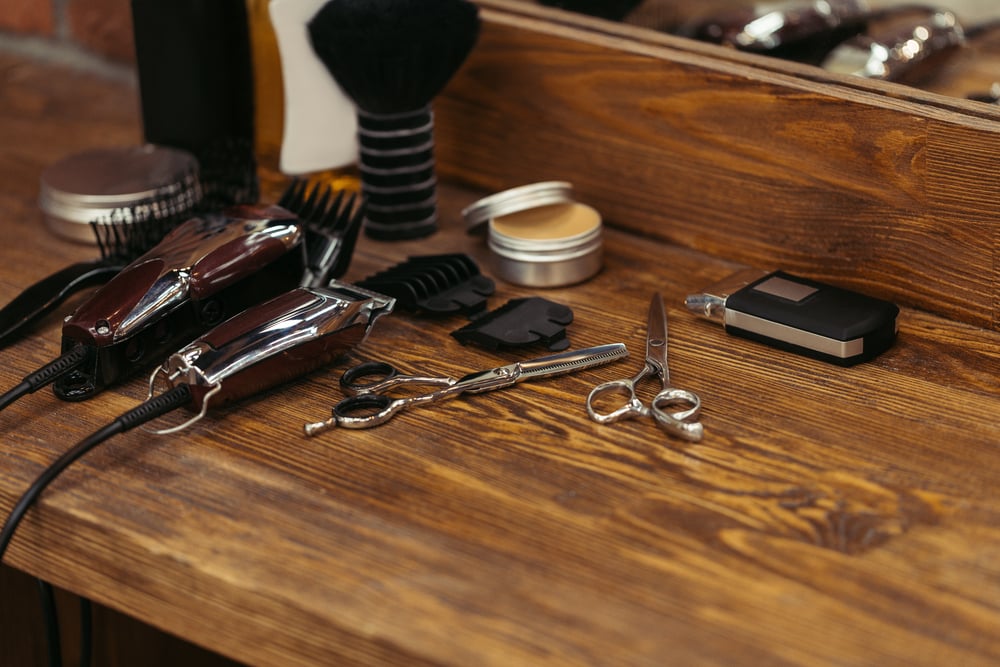
Four chairs, four barbers, and a row of men waiting their turn on a wooden bench. Conversations about baseball, boxing, local politics.
The radio in the corner. The smell of bay rum hanging in the air.
These weren’t fancy places — just neighborhood spots where men went once a week, regular as church.
Women at the Beach

Bathing costumes in the early 20s were still covering quite a lot of ground, but they were shrinking fast. Photos from seaside boardwalks show women wading ankle-deep, or sitting on the sand in groups, laughing at something just out of frame.
The beach was becoming a place for fun rather than just fresh air. That shift shows up in people’s faces — they look loose, relaxed, a little giddy.
A Kitchen in a Row House
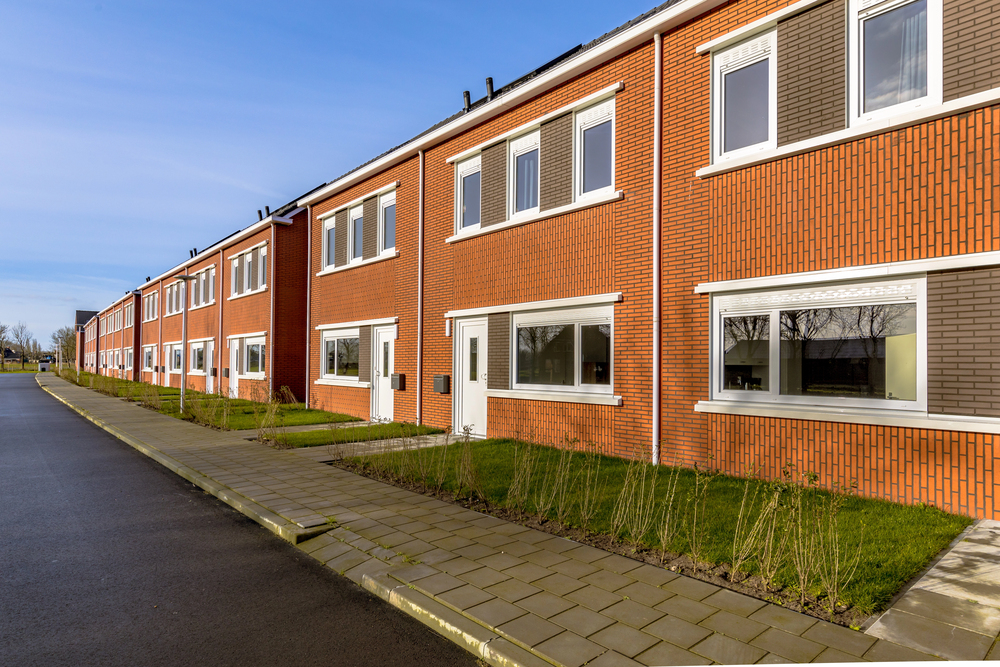
Before electric refrigerators were standard, an icebox sat in the corner. The stove burned coal or wood in many homes until the mid-decade push toward gas lines.
Women spent a serious portion of their day in rooms like this one. Photos show the cast iron pans, the flour sacks stacked on shelves, the window over the sink looking out onto a narrow alley.
Ordinary, completely ordinary, and somehow beautiful for it.
The Factory Gate at Shift Change
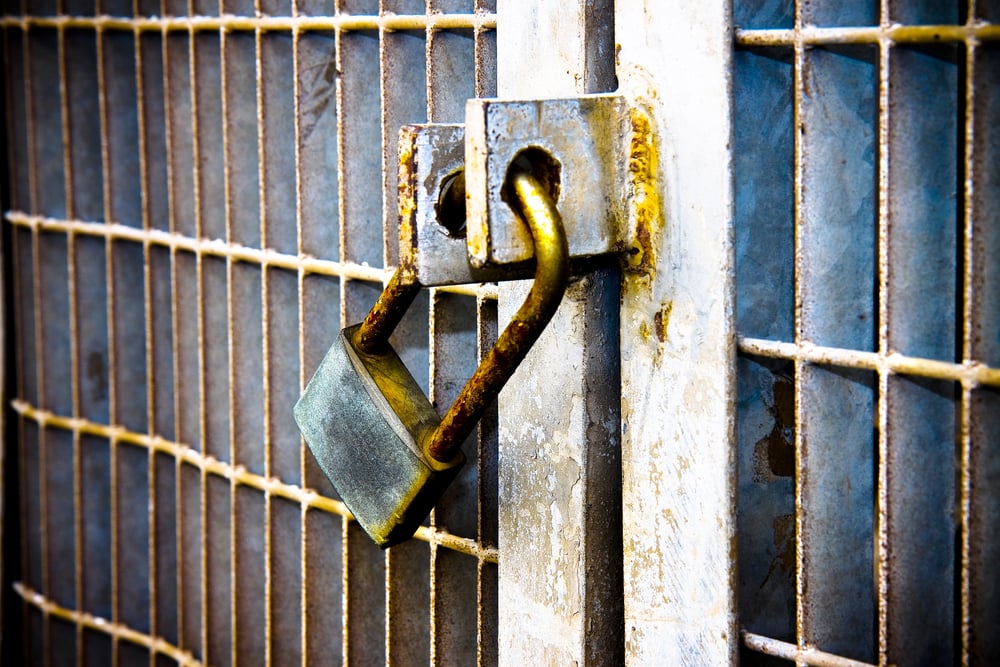
Hundreds of workers streaming out through a wide metal gate, most of them men in flat caps and work trousers, lunchboxes tucked under their arms. A few stop to talk.
Most are already moving, heading for the streetcar or the walk home. The industrial city at its most human — thousands of separate lives briefly visible in a single frame.
A Dance Hall on a Friday Night

Not a speakeasy, just a regular public dance hall where people paid a dime to get in and danced until midnight. The floor was crowded.
The band was loud. Everyone knew the steps to the foxtrot and the Charleston.
Photographs from inside these places are usually blurry — the light was bad and nobody was standing still — which somehow makes them feel more alive than sharper images.
Newsboys on the Corner
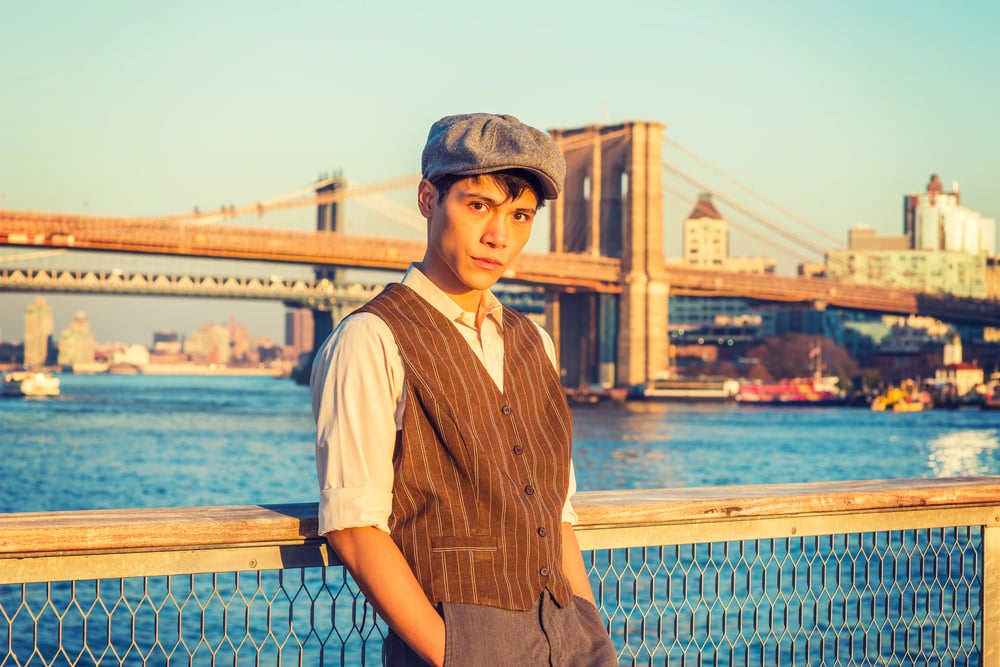
Some started as kids, just twelve or thirteen, rushing through cold dawn hours before class. Pictures catch them gripping crumpled newspapers, yelling into the street, expressions caught between play and worry.
Behind their backs, big-letter news screams about fires, games, arrests – then another arrest. Not quite children anymore, though not grown either, they stood there under harsh print truths.
A Room Filled with Quiet Light on a Sunday
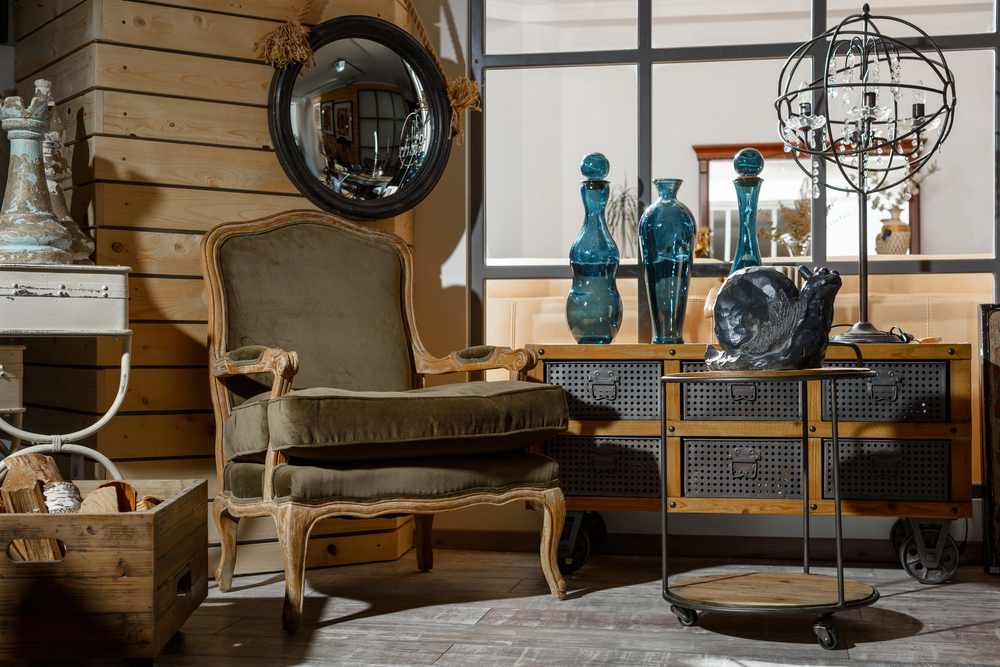
The furniture looked nice, already brought out. Music played from the radio.
Relatives crowded each seat, others perched on chair edges. An older woman clicked knitting needles in one corner.
Children should have been silent. That did not happen.
Those Sunday afternoons carried their own rhythm – stiff in parts, yet soft where it counted.
A Market Stall in an Immigrant Neighborhood
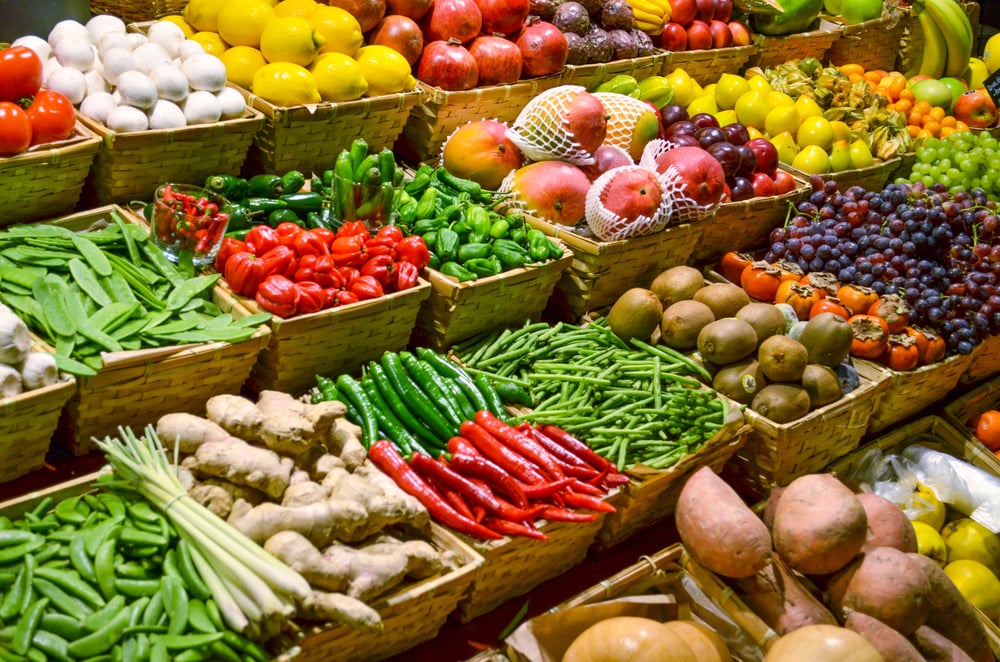
Folks from abroad filled whole stretches of pavement in places such as New York, Chicago, still Detroit – English often spoken only after another tongue. Snapshots from local shops reveal traders at wooden stands stacked high with greens, garlands of cured items dangling overhead, gentlemen wrapped in heritage-style jackets debating costs.
Life here moved fast, packed tight, flavored by odors of meals rooted deeply in distant soil.
A Man Reads the Paper on a Stoop
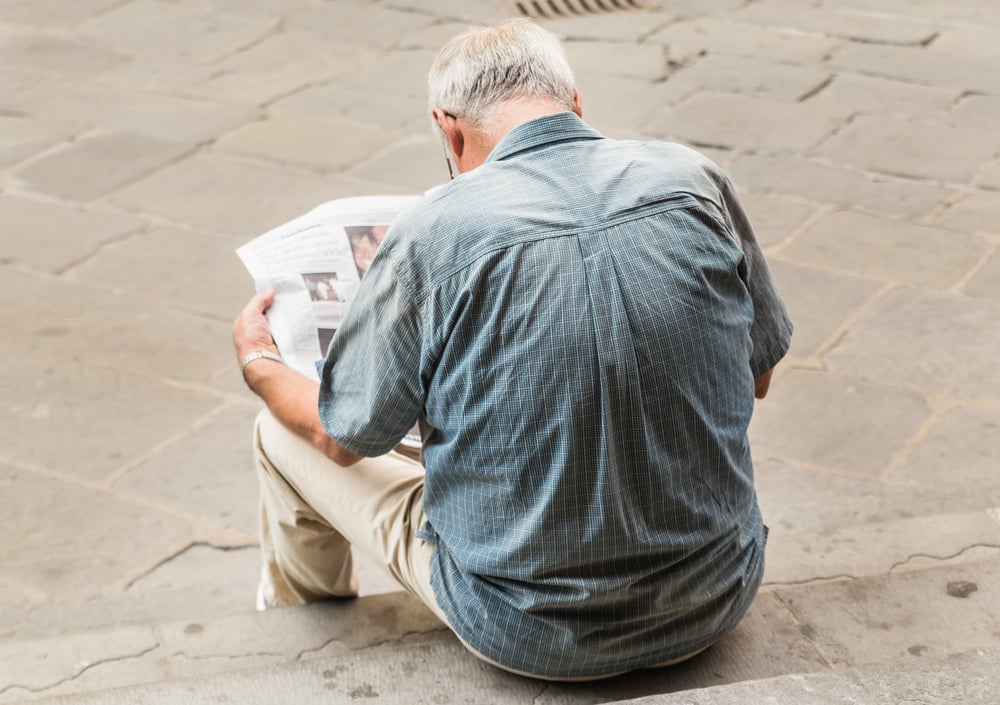
A figure sits, motionless, on concrete stairs outside where he lives, eyes fixed on pages. Beside him, a cup holds warmth, nearly gone.
Birds peck at pavement cracks, busy without purpose. Life moves past, loud and constant, yet none of it pulls his glance away.
Quiet scenes like this one show up often in old photos, scattered across years, almost like someone was searching for proof that stopping mattered.
A Women’s Suffrage Victory Meeting

In 1920, the 19th Amendment became law; pictures taken soon afterward show women casting ballots, joining town gatherings, leading small political efforts. Look at their faces – it’s a mix of quiet pride and steady resolve.
Not quite joy, more like stepping into motion. This wasn’t an endpoint – just the start of what came next.
A Jazz Club Late on a Saturday
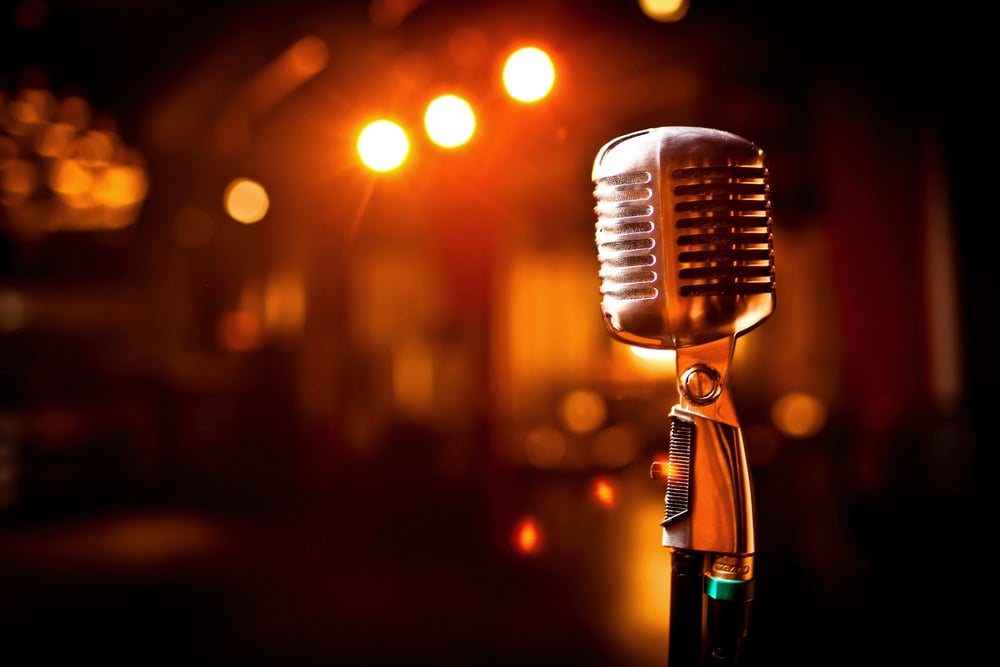
What stands out most are the pictures of the band. Leaning into his trumpet, the horn player shifts weight on one foot while behind him the drummer blurs through another beat.
Tables dot the floor up front filled with people who seem almost like afterthoughts. In those years jazz meant movement, change, life unfolding fast.
Snapshots taken in dim rooms where cameras were sometimes hidden still hum with rhythm decades later even without color.
A Delivery Driver and His Horse
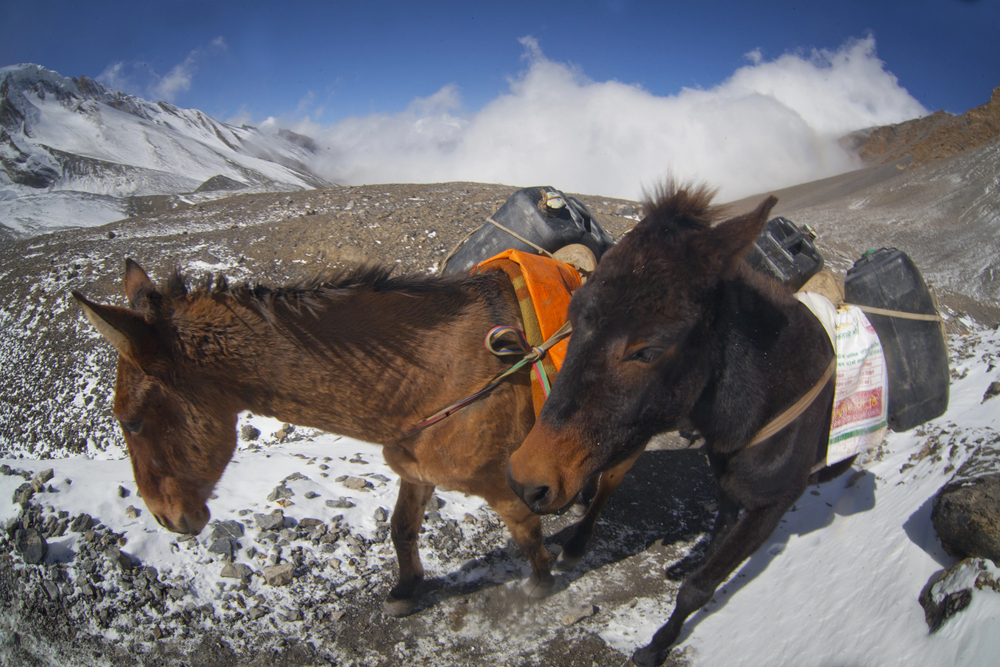
Trucks had already become ordinary by 1925. Yet, across many towns, horses still carried milk, ice, bread through the streets.
In images from that shift, you see them together – hooves beside exhaust pipes, silence near engine noise, each moving at its own rhythm. The past and future stood close, unaware they shared a sidewalk.
A Swimming Pit at the Edge of Town

Long before public pools showed up everywhere, children figured out their own spots. A curve in the river, an old quarry holding rain, a calm patch of moving water.
Pictures taken there seem loud even though they’re silent. One kid leaping off stone, another caught flipping through air, one already splashing below.
Nobody watching closely. Nobody paying anything.
That was summer.
The Last Frame on the Roll

What sticks in your mind often wasn’t meant to matter. It shows up when a person glances back just late enough.
Light slips sideways through glass, unplanned. Two people stand close without knowing each other.
Chance lines them up like they belong together. More photos like this appeared in the 1920s than ever did earlier.
Perhaps that’s what makes them feel current – finding value in moments no one saw coming.
More from Go2Tutors!

- The Romanov Crown Jewels and Their Tragic Fate
- 13 Historical Mysteries That Science Still Can’t Solve
- Famous Hoaxes That Fooled the World for Years
- 15 Child Stars with Tragic Adult Lives
- 16 Famous Jewelry Pieces in History
Like Go2Tutors’s content? Follow us on MSN.