20 Brilliant Ideas That Got Overshadowed by Awful Packaging
Great products don’t always succeed. Sometimes, it’s not about what’s inside but how it’s presented to the world.
Many potentially revolutionary ideas have stumbled at the finish line due to poor packaging decisions, confusing marketing, or just plain unappealing design. Here is a list of 20 brilliant concepts that deserved better than the packaging that ultimately held them back.
Google Glass

Google’s innovative wearable computer could have revolutionized how we interact with technology. The futuristic glasses offered augmented reality, hands-free computing, and integrated photography.
Unfortunately, its bulky design made wearers look awkward, while the front-facing camera created widespread privacy concerns. The $1,500 price tag didn’t help either, ensuring this potentially transformative technology remained a curiosity rather than a necessity.
New Coke

In 1985, Coca-Cola launched a reformulation of its classic soda that actually won taste tests against both Pepsi and original Coke. The product itself wasn’t the problem—it was how the company positioned it.
Rather than introducing it as a new option, they replaced the original formula entirely. The backlash was immediate and severe, with customers hoarding original Coke and protesting nationwide.
It remains one of the most notorious packaging and marketing blunders in business history.
Like Go2Tutors’s content? Follow us on MSN.
Microsoft Zune

The Zune was technically superior to the iPod in many ways, offering better sound quality and a more robust feature set. Its downfall came from uninspired brown plastic packaging that looked more like a medical device than a cool tech accessory.
The drab exterior completely contradicted the vibrant entertainment experience inside. By the time Microsoft improved the design with later models, the iPod had already won the portable music player war.
Segway

Hyped as a device that would “change the way cities are built,” the Segway was genuinely innovative. Its self-balancing technology was impressive, and it could have revolutionized personal transportation.
The downfall? It looked dorky and came packaged as a luxury item with an initial price of $5,000.
What could have been the future of urban mobility became relegated to mall security guards and tourist tours.
Olestra

This fat substitute allowed people to eat their favorite snacks without the calories or cholesterol. Scientifically, it was remarkable—it provided the same taste and mouthfeel as fat without the negative health effects.
Unfortunately, the packaging was required to carry the infamous warning: “May cause abdominal cramping and loose stools.” This unappetizing disclaimer, along with reports of digestive issues, doomed what could have been a breakthrough in diet food.
Like Go2Tutors’s content? Follow us on MSN.
Amazon Fire Phone
Amazon’s smartphone featured innovative 3D display technology and seamless integration with their ecosystem. The phone itself wasn’t terrible, but Amazon packaged it as an expensive premium device ($650 unlocked) while simultaneously making it an AT&T exclusive.
Worse, they focused marketing on gimmicky features instead of highlighting genuine benefits. A potentially disruptive product was dead within a year.
WebTV

This 1996 innovation brought internet access to television screens long before smart TVs existed. The concept was brilliant—making the internet accessible to non-computer users through familiar technology.
Its downfall came from clunky hardware, an uncomfortable remote keyboard, and packaging that made it look like a complicated VCR add-on rather than a revolutionary communication device. The confusion around what it actually offered killed a product that was years ahead of its time.
HD-DVD

Technically comparable to Blu-ray, HD-DVD actually had some advantages including lower manufacturing costs. However, poor marketing decisions and inconsistent packaging confused consumers.
The format war with Blu-ray created uncertainty, while the name itself—HD-DVD—sounded like an incremental improvement rather than a new technology. When Toshiba packaged it as a premium product without distinguishing its benefits clearly, consumers opted for the more confidently marketed Blu-ray instead.
Like Go2Tutors’s content? Follow us on MSN.
MiniDisc

Sony’s MiniDisc format offered digital recording in a compact, durable package years before MP3 players became mainstream. The technology itself was impressive—small discs that could be recorded and rewritten easily.
Its packaging problems were twofold: expensive, bulky players and discs that came in plastic cases nearly twice their size. The format never gained traction outside Japan, despite being superior to cassettes and more convenient than CDs for portable use.
Betamax
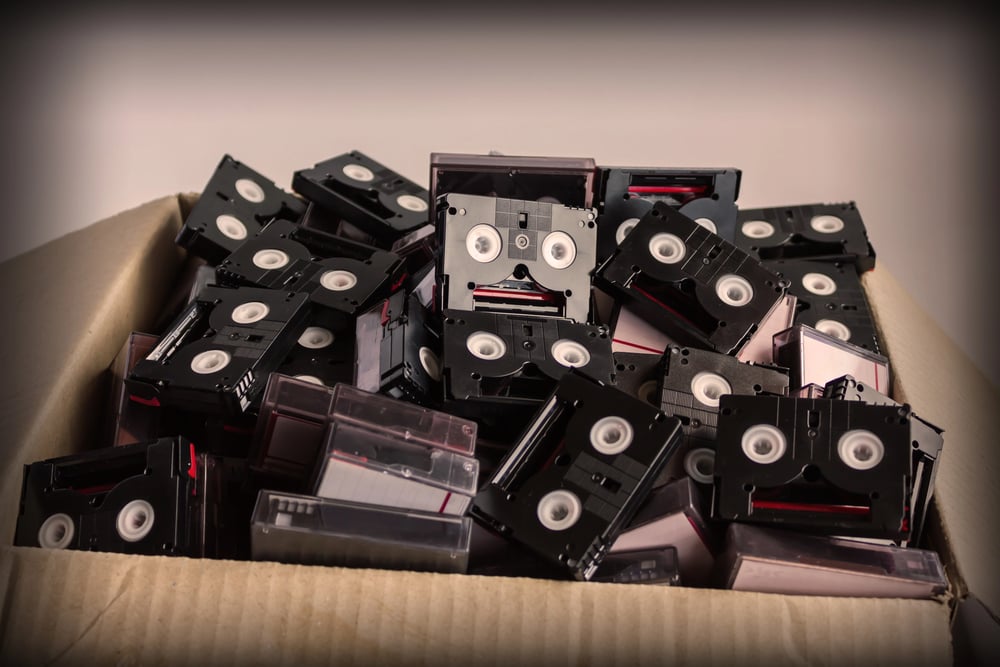
The legendary example of superior technology losing to inferior competition. Sony’s Betamax offered better picture quality and durability than VHS. What doomed it was Sony’s decision to package it as a premium product with shorter recording times.
While Betamax could only record one hour initially, VHS offered longer recording times in a more accessible package. Despite technical superiority, Betamax became the textbook case of great technology with poor commercial packaging.
Newton MessagePad

Apple’s first attempt at a personal digital assistant was remarkably forward-thinking for 1993. It featured handwriting recognition, note-taking abilities, and an intuitive interface.
Unfortunately, it came in a bulky, heavy package that made it difficult to carry around. The device was too large for pockets yet too small to replace a laptop.
Combined with the initial $900 price tag, these packaging decisions ensured the Newton remained a niche product despite its innovative technology.
Like Go2Tutors’s content? Follow us on MSN.
Dvorak Keyboard Layout

Developed in the 1930s, the Dvorak layout is scientifically proven to be more efficient than the standard QWERTY keyboard. It reduces finger travel distance by 50% and increases typing speed while decreasing errors.
Its fatal flaw was packaging—not physical packaging, but conceptual. It came to market when QWERTY was already standard, and manufacturers weren’t willing to retool. Without proper integration into typewriters and later computers, this superior design remained a curiosity rather than a standard.
Laser Disc

Before DVDs, Laser Discs offered superior picture and sound quality compared to VHS tapes. The technology itself was impressive, delivering better resolution and no degradation with repeated viewings.
Its downfall was literal packaging—the discs were the size of vinyl records, making them cumbersome to store and impossible to transport easily. The players were also massive and expensive, ensuring this superior format never reached mainstream adoption despite its technical advantages.
Crystal Pepsi

Pepsi created a clear cola that actually tasted good—a technical achievement in beverage science. The problem wasn’t the product but its confused marketing.
The packaging emphasized “clearness” and “purity” while the taste remained similar to regular Pepsi. This disconnect between appearance and flavor created consumer confusion.
People expected a lighter, perhaps lemon-lime taste from the clear liquid, and the cognitive dissonance doomed an otherwise interesting product innovation.
Like Go2Tutors’s content? Follow us on MSN.
Windows Phone
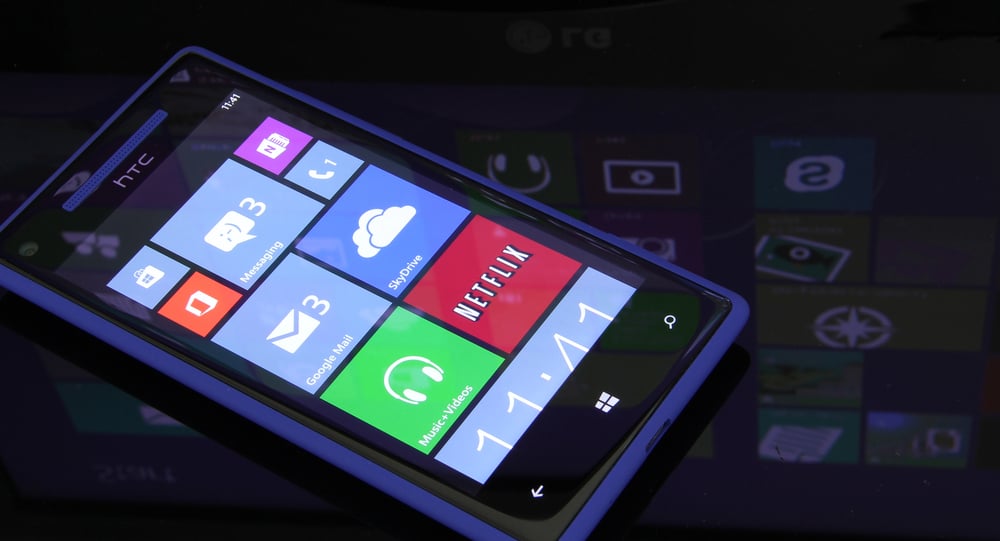
Microsoft’s mobile operating system featured an innovative tile-based interface that many reviewers considered superior to iOS and Android in certain aspects. The software was sleek and efficient, with excellent integration of Microsoft services.
Its downfall came from inconsistent hardware packaging across different manufacturers and a severe app shortage. The excellent core product was overshadowed by an ecosystem that felt incomplete, causing consumers to stick with more established platforms.
DAT Tapes

Digital Audio Tape offered CD-quality sound in a smaller, more durable package with the ability to record. Technically superior to both cassettes and CDs in many ways, DAT should have been a hit.
The format was sabotaged by record industry concerns about piracy, resulting in expensive players and confusing usage restrictions. What could have been the perfect audio format for the 1990s was effectively killed by artificial limitations and prohibitive pricing—packaging problems that had nothing to do with the technology itself.
Nintendo Virtual Boy

Released in 1995, Nintendo’s Virtual Boy was shockingly ahead of its time, offering true 3D gaming years before the current VR revolution. The technology itself was innovative, but Nintendo packaged it in a bulky, awkward tabletop display that couldn’t be worn comfortably.
Combined with a red-only monochrome display that caused headaches and eye strain, this potentially groundbreaking device became one of Nintendo’s rare failures despite its technological innovation.
Like Go2Tutors’s content? Follow us on MSN.
Quadraphonic Sound

This 1970s audio technology provided true surround sound before home theaters became common. Technologically, it was impressive—delivering immersive audio experiences with four channels instead of the standard two.
Its packaging failure came from format wars, with incompatible systems confusing consumers. Additionally, the technology required twice as many speakers and amplification channels, making it expensive and cumbersome to set up.
A potentially revolutionary audio advancement was reduced to a historical footnote.
LaserWriter Printer

Apple’s first LaserWriter was a technological marvel that helped launch the desktop publishing revolution. The printer itself was excellent, offering near-typeset quality output when most printers produced dot-matrix quality.
Its fatal flaw was its $6,995 price tag in 1985 (equivalent to over $17,000 today). This packaging decision made it inaccessible to individual users, limiting its impact despite the groundbreaking technology inside.
3D Television

The technology behind 3D TVs was genuinely impressive, offering immersive viewing experiences in the comfort of the home. However, the concept failed largely due to the packaging—specifically, the awkward glasses required to see the effect.
Manufacturers couldn’t decide between active and passive 3D systems, creating format confusion. Combined with limited content and the inconvenience of keeping multiple pairs of glasses charged and available, this potentially revolutionary viewing experience became a short-lived gimmick.
Like Go2Tutors’s content? Follow us on MSN.
Lessons from Packaging Failures

The gap between great innovation and commercial success often comes down to presentation. These products demonstrate that brilliant engineering isn’t enough—the package must be as thoughtfully designed as what’s inside.
Today’s inventors and marketers would do well to remember that perception shapes reality, especially when introducing something new. The most revolutionary idea in the world won’t succeed if people can’t get past the packaging.
More from Go2Tutors!

- 18 Unexpectedly Valuable Collectibles You Might Have Lying Around
- 20 Little-Known Historical Battles That Had Huge Consequences
- 20 Historical Artifacts That Scientists Can’t Explain
- 15 Inventions That Were Immediately Banned After Being Created
- 20 Actors Who Were Almost Cast in Iconic Roles
Like Go2Tutors’s content? Follow us on MSN.



