Tech Breakthroughs Inspired by Nature’s Designs
Engineers are just now starting to address issues that nature has been solving for billions of years. The natural world functions as a vast research laboratory where evolution tests innumerable designs, from the aerodynamics of bird wings to the water-repellent qualities of lotus leaves.
Some of the most groundbreaking technologies of the modern era have been developed by scientists and inventors who have taken note of these biological blueprints. The goal of this strategy, known as biomimicry, is not to precisely mimic nature.
It involves comprehending the underlying ideas of natural solutions and modifying them to suit human requirements. Although an airplane wing and a bird’s wing have different appearances, they both address the issue of producing lift.
The most successful biomimetic designs draw inspiration from nature and enhance it using resources and methods that biology was never able to use. These 12 technologies were made possible by close examination of the natural world.
Velcro

Swiss engineer George de Mestral returned from a 1941 hunting trip frustrated by the burrs stuck to his clothes and his dog’s fur. Instead of just picking them off, he examined them under a microscope and discovered tiny hooks that caught on loops in fabric and fur.
This observation led him to develop Velcro, though it took years of experimentation before he filed patents in the 1950s and perfected a manufacturing process that could create the hooks from nylon. The fastening system found applications in everything from children’s shoes to industrial uses.
When NASA began its space program in the 1960s, the agency adopted Velcro enthusiastically because astronauts could fasten things in zero gravity without needing to see what they were doing.
Bullet Train Nose Design
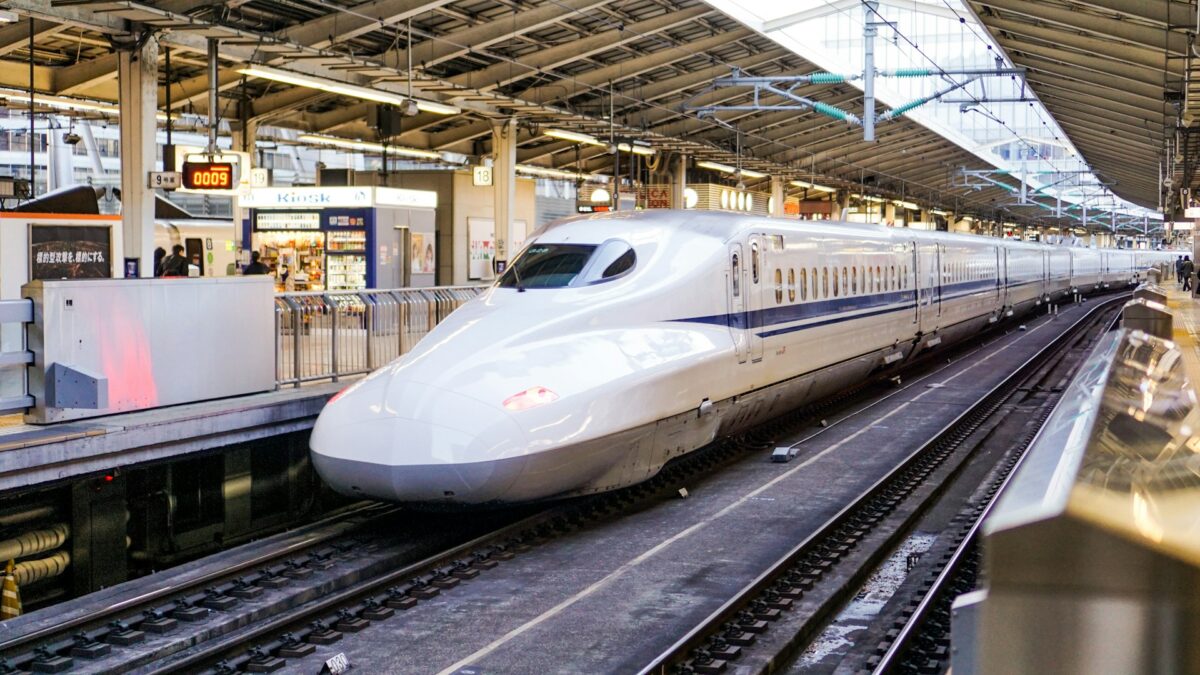
Japanese engineers faced a serious problem with their high-speed trains in the 1990s. When the trains exited tunnels at over 200 miles per hour, they created loud tunnel booms from the compressed air ahead of them.
Engineer Eiji Nakatsu, who was also a bird watcher, remembered how kingfishers dive into water without making a splash. These birds have evolved a beak shape that parts water smoothly, minimizing disturbance.
Nakatsu redesigned the nose of the 500 Series Shinkansen, launched in 1997, to mimic the kingfisher’s beak profile. The new design not only eliminated the noise problem but also reduced air resistance and energy consumption by ten percent.
The trains ran faster while using less power, all because of a bird’s hunting technique.
Like Go2Tutors’s content? Follow us on MSN.
Self-Cleaning Paint

Lotus leaves stay remarkably clean despite growing in muddy water. In the 1990s, botanist Wilhelm Barthlott discovered that the leaf surface is covered in microscopic bumps coated with waxy crystals.
Water droplets sit on top of these bumps rather than spreading across the surface, and they roll off easily, picking up dirt particles as they go. This insight, which Barthlott termed the lotus effect, led to the development of self-cleaning paints and coatings that replicate the leaf’s nanostructure.
Buildings covered in these paints stay cleaner longer, reducing maintenance costs. The technology has expanded to fabrics, glass, and even medical equipment where sterile surfaces are critical.
The lotus effect works without chemicals or energy input, purely through physical structure.
Sonar Technology
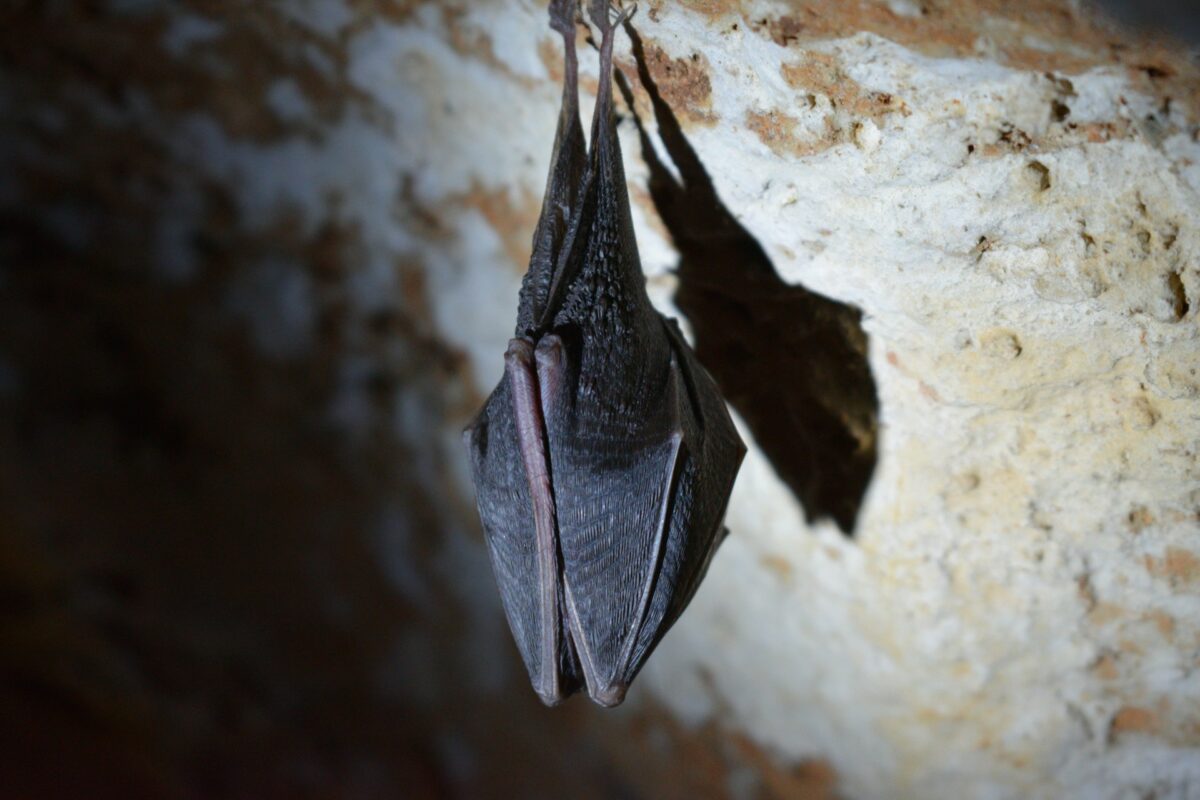
Bats navigate in complete darkness by emitting high-frequency sounds and listening for echoes. This biological sonar, called echolocation, allows them to build detailed mental maps of their surroundings and hunt flying insects with incredible precision.
During World War I, researchers studying ways to detect submarines underwater realized that mimicking bat echolocation could work in water. Early experimental work began during that conflict, though operational sonar systems didn’t mature until World War II when they became crucial naval technology.
Modern sonar has become far more sophisticated than bat echolocation, but the fundamental principle remains the same. The technology now helps map ocean floors, locate shipwrecks, and guide autonomous underwater vehicles.
Gecko-Inspired Adhesives
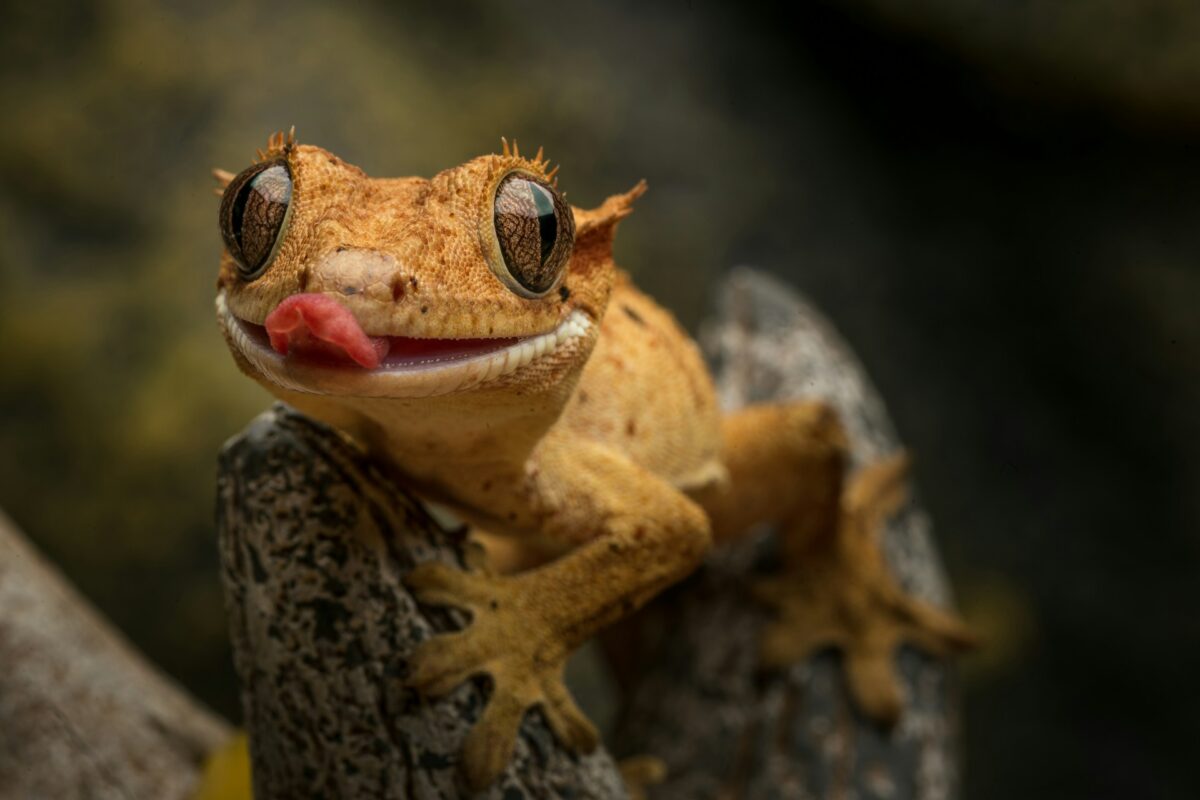
Geckos can run up walls and across ceilings thanks to millions of microscopic hairs on their feet. Each hair branches into even tinier structures that interact with surfaces at the molecular level through van der Waals forces.
These weak intermolecular attractions add up to create powerful adhesion that works on almost any material. Researchers spent years figuring out how to manufacture synthetic versions of these structures.
The resulting adhesive tapes can hold significant weight, work in vacuum conditions, and don’t leave residue. In 2015, NASA tested gecko-inspired grippers for capturing space debris and servicing satellites.
Medical researchers are developing surgical tapes that could seal wounds without stitches.
Like Go2Tutors’s content? Follow us on MSN.
Humpback Whale Turbine Blades
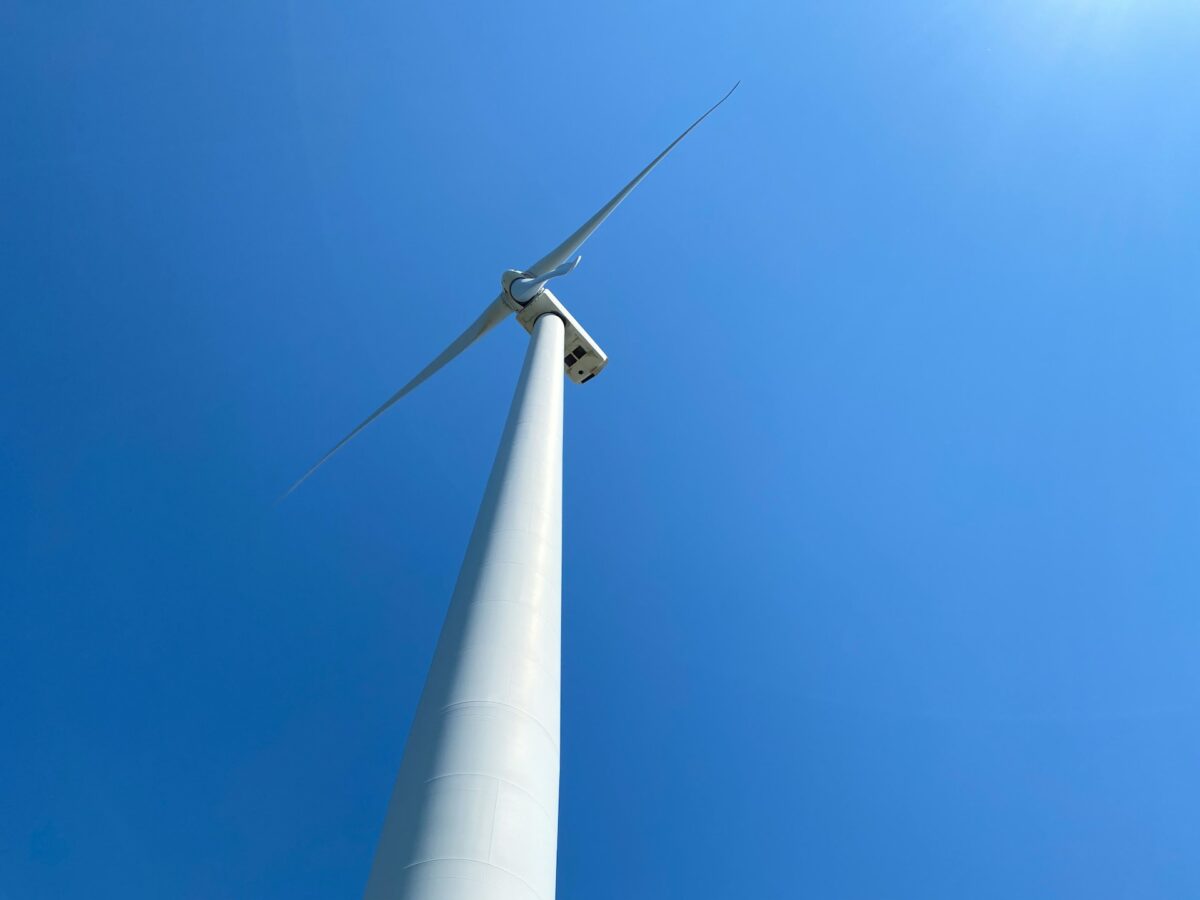
Humpback whales are surprisingly agile for their size, able to make tight turns while chasing fish. The secret lies in the bumps, called tubercles, along the leading edge of their flippers.
These tubercles create vortices in the water that improve stall resistance and efficiency. Engineers applied this principle to wind turbine blades and fan designs, though results on large-scale wind turbines remain mixed.
Smaller applications like ceiling fans and ventilation systems show clearer benefits, moving more air while consuming less energy. The bumpy edges make blades more resistant to stalling in varying conditions.
Companies like Whale Power have commercialized tubercle-inspired blade designs for specific applications where the benefits are most pronounced.
Termite Mound Air Conditioning
Termites in Africa build massive mounds that maintain a nearly constant internal temperature despite external temperatures swinging wildly. The mounds function as sophisticated ventilation systems with carefully positioned vents and channels that create convection currents.
Architect Mick Pearce studied these structures when designing the Eastgate Centre in Harare, Zimbabwe, completed in 1996. The building uses a similar passive cooling system with no conventional air conditioning.
Outside air is drawn through the building at night, cooling the concrete mass. During the day, the thermal mass absorbs heat, keeping interiors comfortable.
Compared to comparable buildings with traditional air conditioning systems, the Eastgate Centre uses significantly less energy for cooling, proving that ancient termite engineering translates remarkably well to modern architecture.
Spider Silk Materials
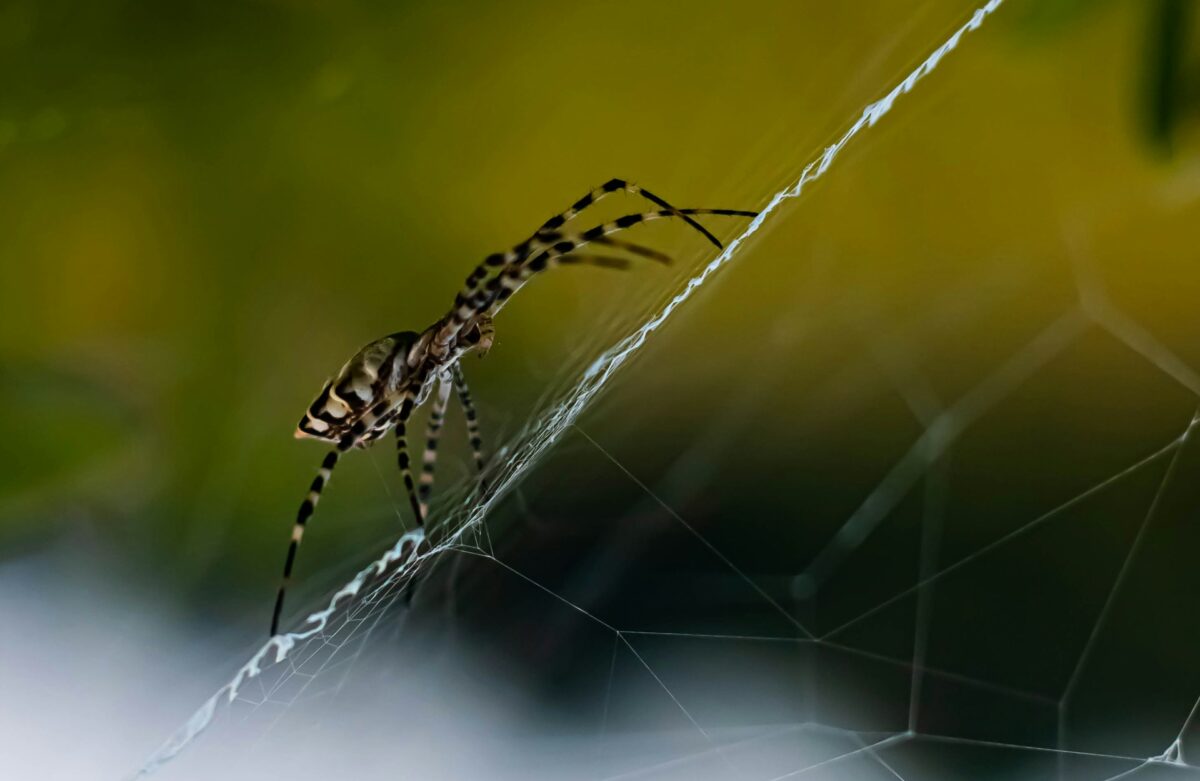
Spider silk is stronger than steel by weight, more elastic than rubber, and tougher than Kevlar. Spiders produce different types of silk for different purposes, from structural support to capturing prey.
Scientists have long wanted to manufacture artificial spider silk but faced challenges replicating the spinning process that creates the material’s unique properties. Early experiments by companies like Nexia Biotechnologies in 2002 inserted spider genes into goats, allowing them to produce silk proteins in their milk.
More recent work has used bacteria and yeast. The resulting materials remain largely experimental, though they’re being developed for applications ranging from biodegradable sutures to lightweight body armor.
Unlike synthetic polymers derived from petroleum, spider silk is renewable and biodegradable.
Like Go2Tutors’s content? Follow us on MSN.
Hive Mind Computing
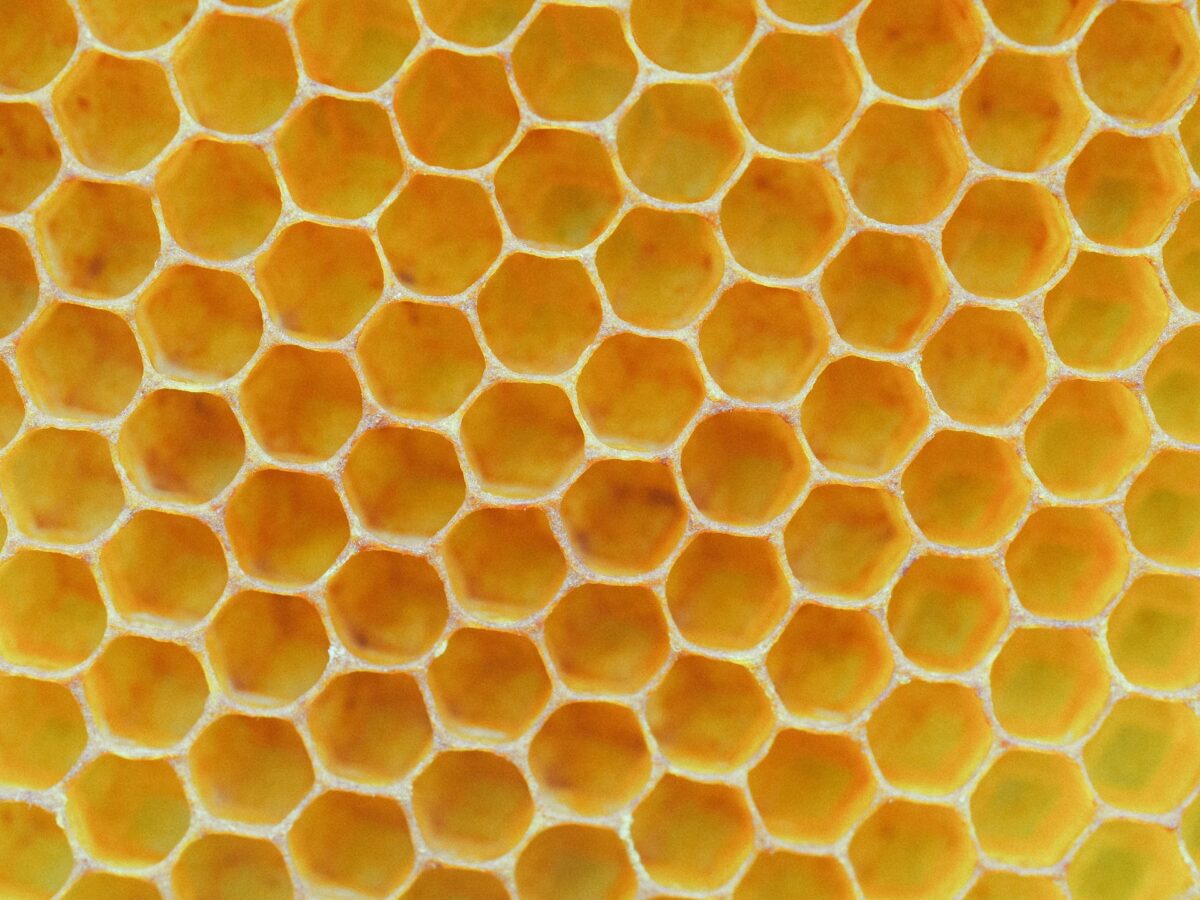
Bee colonies make collective decisions without any central authority. When choosing a new nest site, scout bees perform waggle dances to communicate information about potential locations.
The intensity of the dance indicates the quality of the site, and eventually the colony converges on the best option through this decentralized voting process. Computer scientists in the 1990s, including Marco Dorigo’s work on ant colony optimization, adapted these principles to create swarm intelligence algorithms.
These programs solve complex optimization problems by having many simple agents follow basic rules while sharing information. Applications include routing delivery trucks efficiently, optimizing telecommunications networks, and even designing efficient layouts for factories.
The algorithms often find solutions faster than traditional centralized approaches.
Butterfly Wing Displays
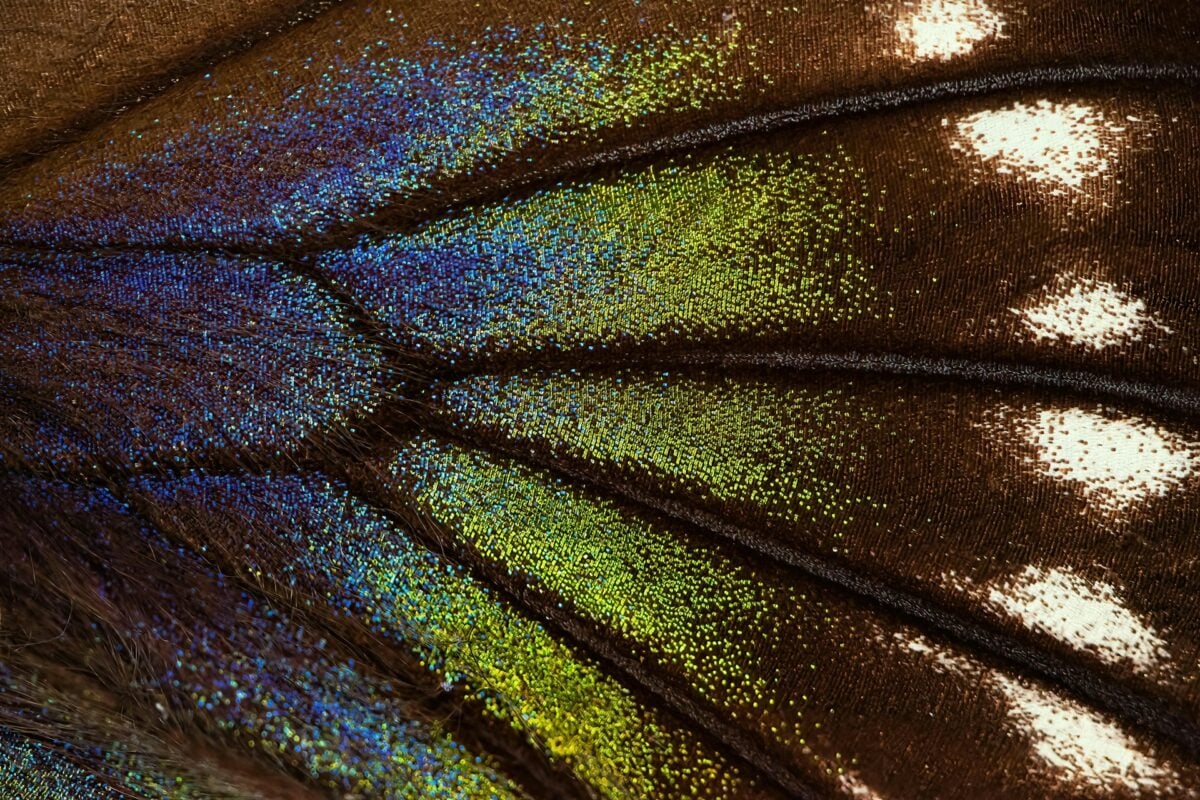
Butterfly wings get their brilliant colors not from pigments but from microscopic structures that manipulate light. These photonic crystals reflect specific wavelengths while absorbing others, creating colors that never fade.
Engineers studied these structures to develop new types of electronic displays. Prototypes like Qualcomm’s Mirasol displays used reflected ambient light based on structural color principles, dramatically reducing power consumption compared to backlit screens.
While commercial e-paper displays like E Ink use different technology, butterfly-wing-inspired designs remain visible in bright sunlight and maintain colors from any viewing angle. The technology continues to be refined for applications in outdoor signage and devices where battery life and outdoor visibility matter.
Whale Fin Wind Power
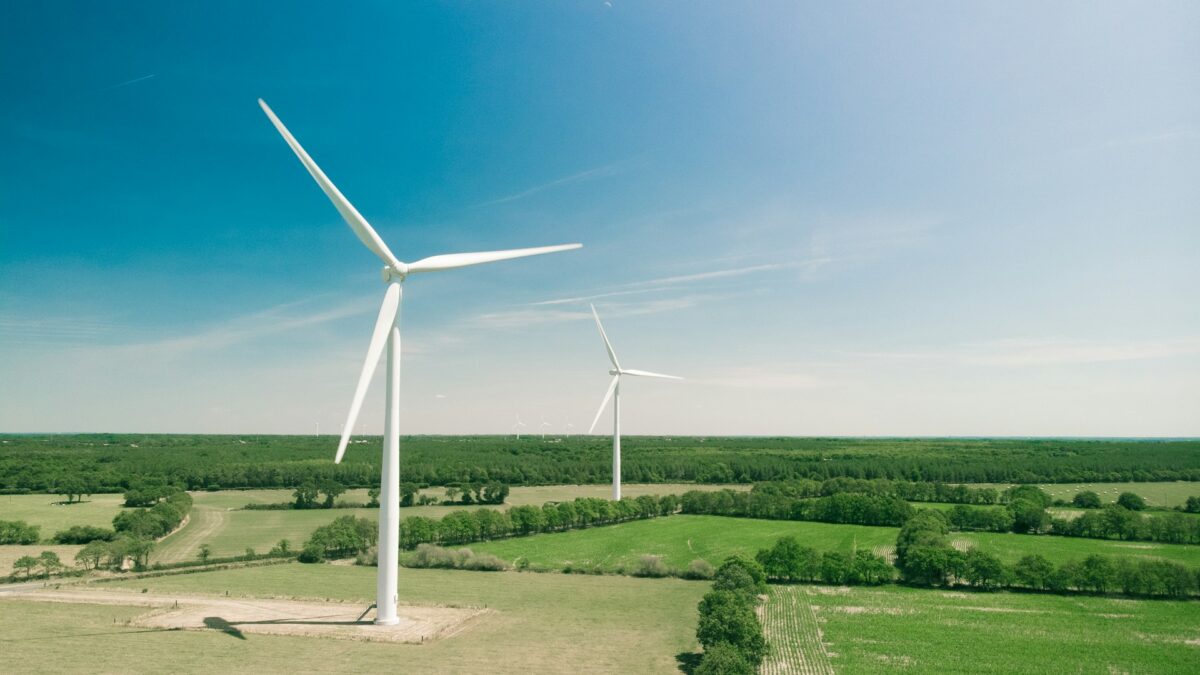
The overall shape and flexibility of whale fins, separate from the tubercle innovation, influenced another approach to wind turbine design. Engineers discovered that allowing blades to flex slightly in strong winds, similar to how whale fins bend, prevents damage and improves energy capture.
This biomimetic approach led to longer blades that can operate in a wider range of wind conditions. The flexible design also reduces the mechanical stress on turbine components, extending their lifespan.
Some companies are developing turbines that combine both tubercle-inspired leading edges and flexibility concepts, though these represent distinct innovations drawn from different aspects of whale anatomy.
Like Go2Tutors’s content? Follow us on MSN.
Mosquito-Inspired Needles
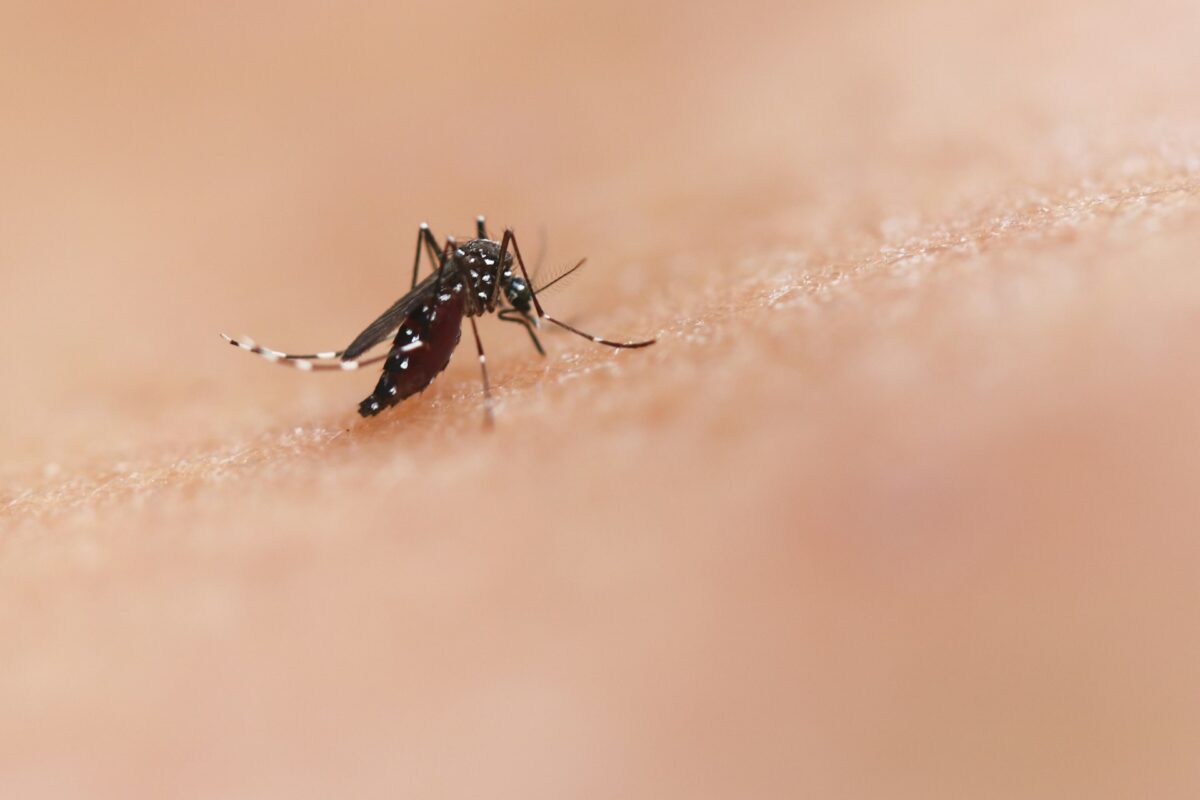
Mosquitos pierce skin so smoothly that people often don’t notice the bite. Their mouthparts have a serrated edge and move in a vibrating motion, cutting through tissue with minimal force.
A team at Kansai University in Japan studied this mechanism starting around 2011 to design less painful medical needles. The resulting needles have a similar serrated tip and are coated to reduce friction.
Early trials showed that patients experienced less pain with mosquito-inspired needles compared to conventional ones. The technology remains experimental but is particularly promising for people who need frequent injections, such as those managing diabetes.
Engineers continue refining the design, working on needles that can take samples with even less discomfort.
Learning from Four Billion Years of Testing
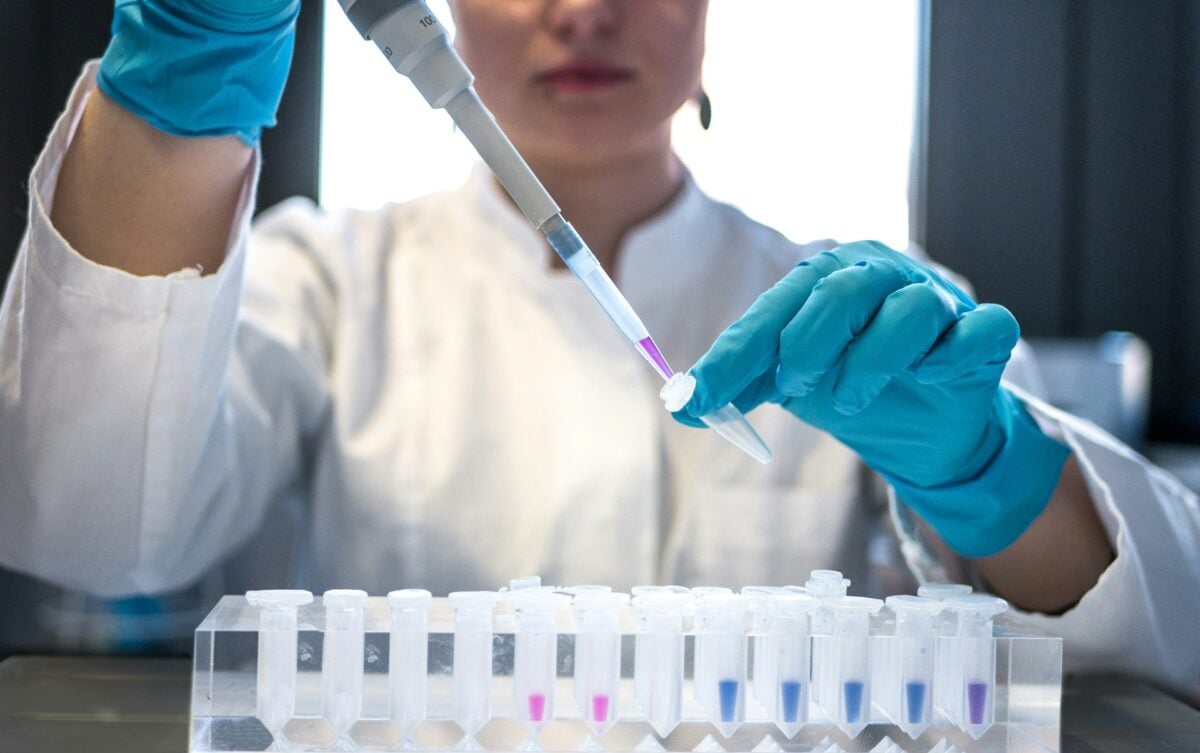
The success of nature’s designs can be attributed to their extensive refinement over geological time scales. Every living thing on the planet today is an example of a solution that was effective enough to allow for survival.
By using this extensive collection of tried-and-true designs, engineers can access innovations that would be impossible for a human team to create from the ground up. The difficulty lies in comprehending the principles sufficiently to apply them to human technology, rather than in drawing inspiration from nature.
The rate of biomimetic innovation is increasing in tandem with the sophistication of our tools for studying biological systems. There are still a lot of undiscovered secrets in the natural world that could revolutionize technology.
More from Go2Tutors!

- 16 Historical Figures Who Were Nothing Like You Think
- 12 Things Sold in the 80s That Are Now Illegal
- 15 VHS Tapes That Could Be Worth Thousands
- 17 Historical “What Ifs” That Would Have Changed Everything
- 18 TV Shows That Vanished Without a Finale
Like Go2Tutors’s content? Follow us on MSN.