20 Card Games Grandparents Taught at the Kitchen Table
Before video game consoles and group chats, an evening of entertainment often meant a deck of cards, a kitchen table with a checkered cloth, and a grandparent who could shuffle with one hand while explaining the rules with the other. Every family seemed to have its own house variations, arguments over scoring, and a game nobody outside the family had ever heard of.
These twenty games represent the ones that turn up again and again across generations and regions, the reliable standbys that got taught to a new kid the moment they were old enough to hold thirteen cards without dropping half of them.
Gin Rummy
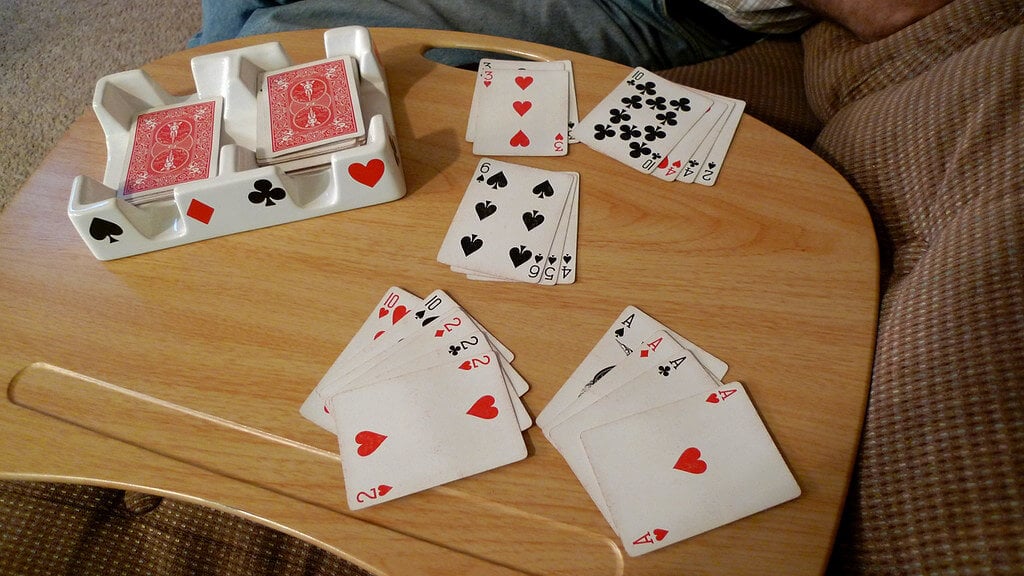
A two-player staple built around collecting sets and runs while discarding deadwood, gin rummy rewards patience and a good memory for what an opponent has already picked up. Grandparents often played it as a running tally over weeks, keeping score in a notebook kept in a kitchen drawer specifically for that purpose.
Canasta
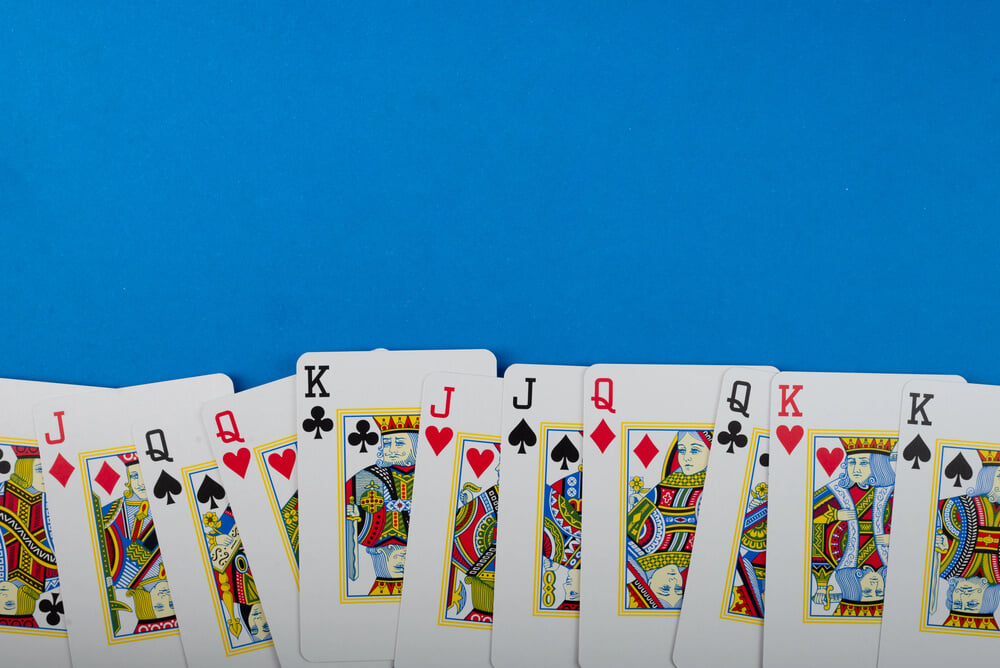
Developed in Uruguay in the 1930s and imported to North American living rooms by the 1950s, canasta uses two decks and rewards players for building melds of seven or more cards, called canastas, worth bonus points. Its complexity, full of wild-card rules and partnership strategy, made it a game grandparents took seriously enough to correct grandchildren mid-hand.
Euchre
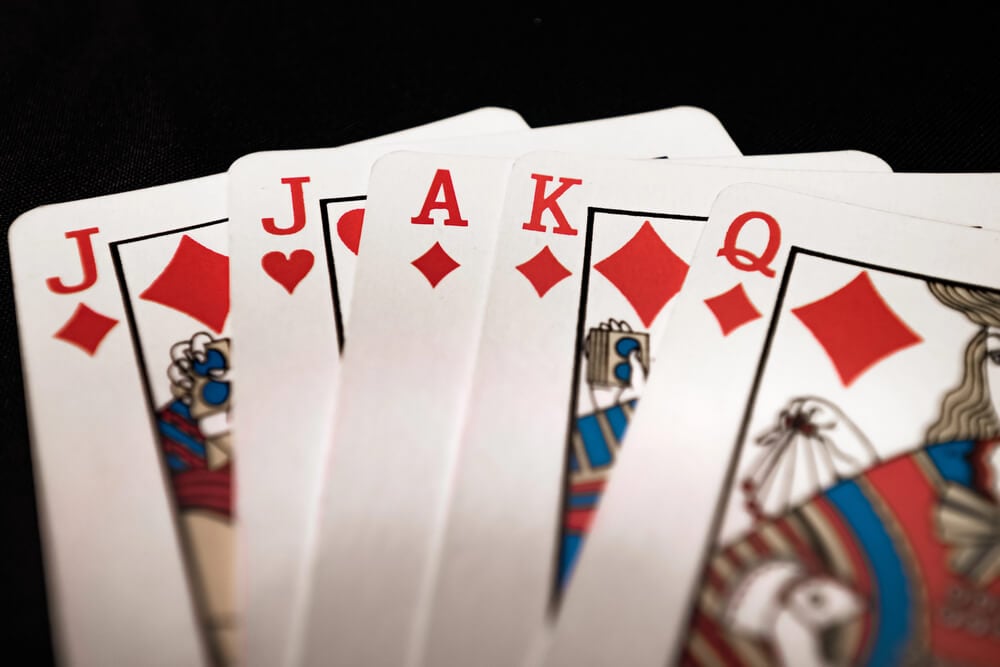
Popular in the Midwest and parts of Canada, euchre is played with a stripped-down 24-card deck and centers on naming a trump suit each round. Family tournaments built around euchre were common enough that some households kept a running scoreboard chalked onto a piece of slate in the kitchen.
Pinochle
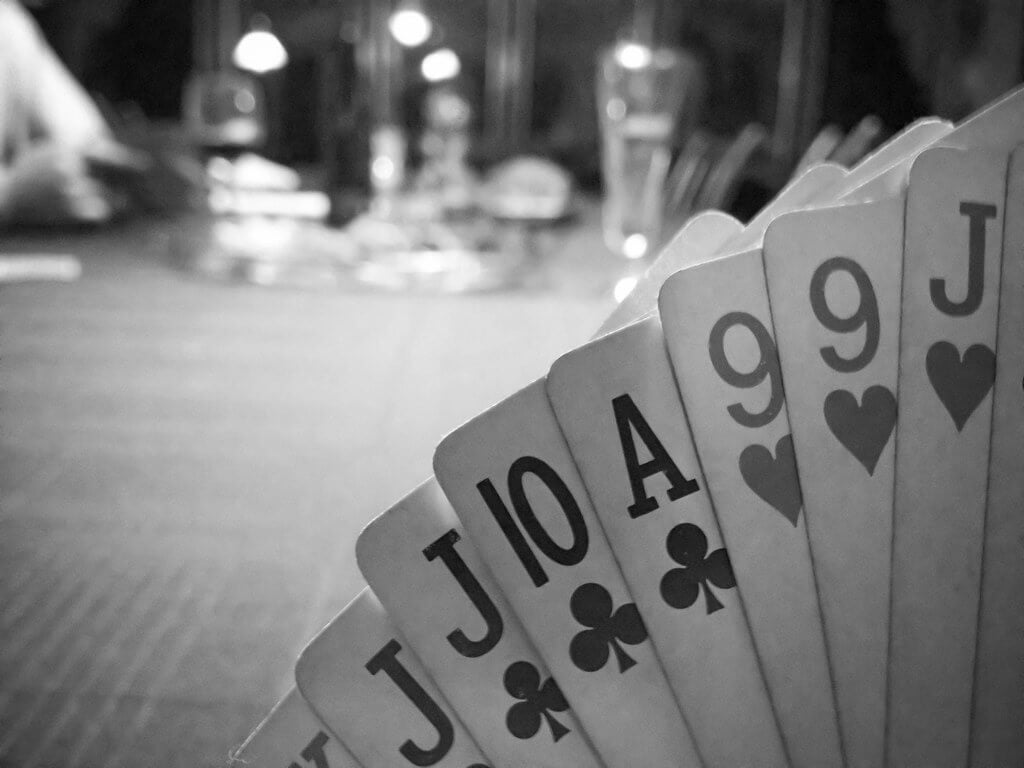
A trick-taking game using a 48-card double deck missing all the low cards, pinochle rewards players for melding specific card combinations before the trick-taking phase even begins. It demanded enough strategic memory that grandparents often used it to needle grandkids who miscounted their meld.
Hearts
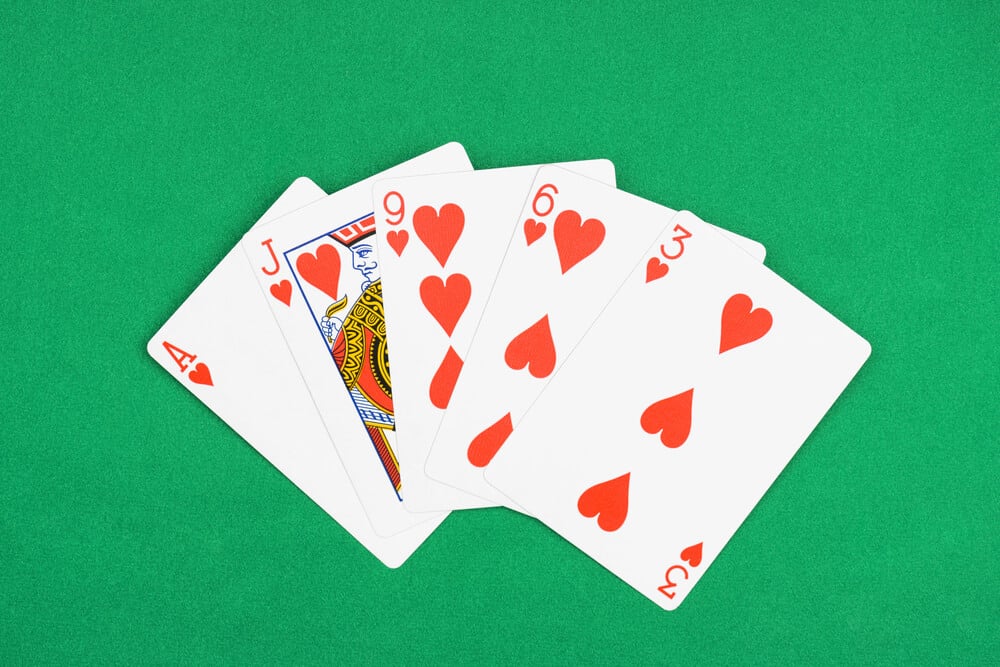
A trick-avoidance game where the goal is to dodge hearts and the queen of spades rather than collect points, hearts introduced many kids to the idea that a card game could reward losing on purpose. The dramatic “shoot the moon” strategy, where a player intentionally collects every penalty card, became a point of family legend in households where someone pulled it off.
Spades
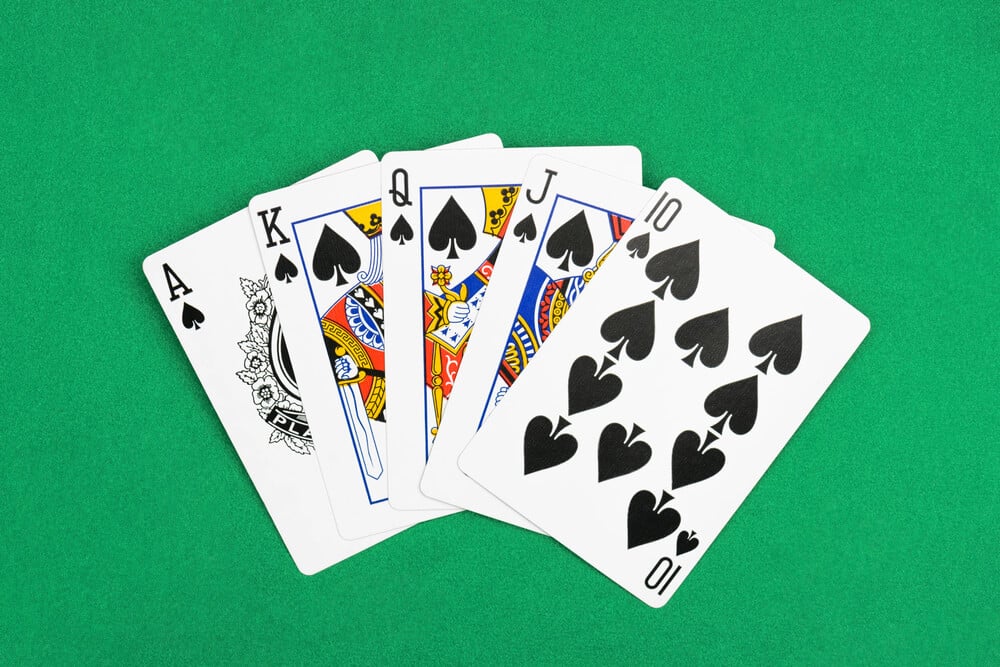
A partnership trick-taking game built around bidding how many tricks a team expects to win, spades turned kitchen tables into small battlegrounds of strategic signaling between partners. Many families developed unofficial hand signals or coded phrases to communicate bids, all technically against the rules and all completely ignored.
Cribbage
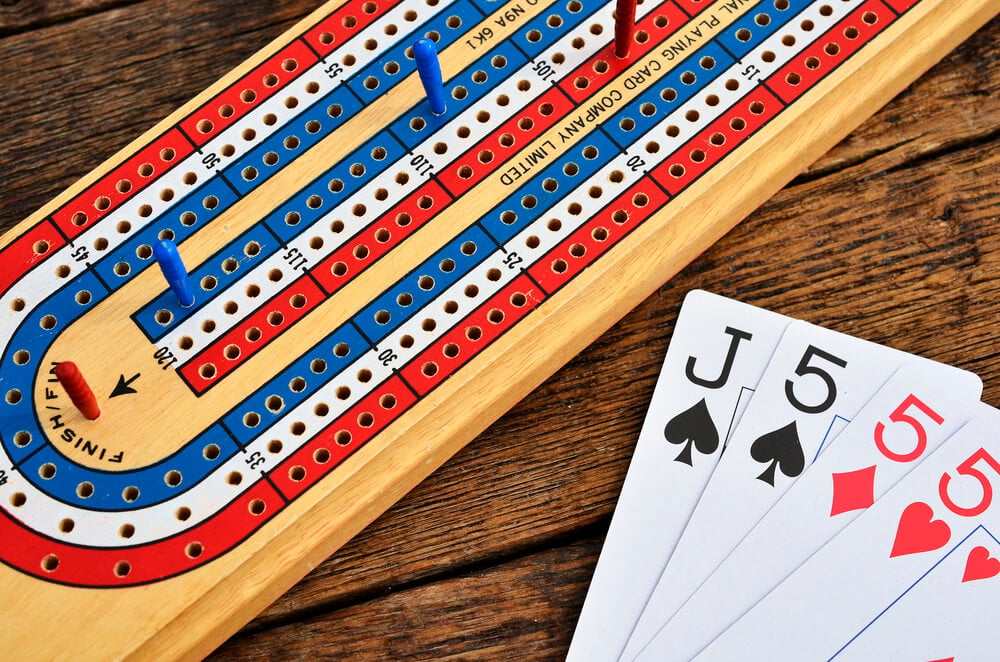
Played with a wooden board and pegs alongside the cards, cribbage combines counting strategy with a scoring system built around specific card combinations. The board itself often became a family heirloom, passed down with decades of peg marks worn smooth from use.
War
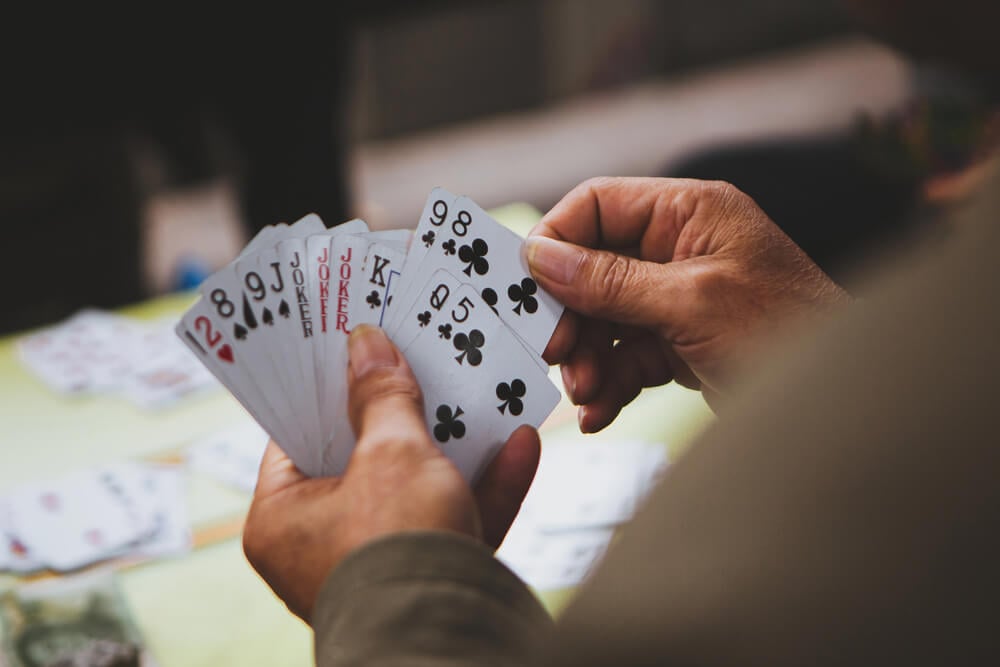
The simplest game on this list, war requires no skill at all, just two players flipping cards and comparing values until someone runs out. Grandparents often used it as the first game taught to the youngest kids in the family, a way to introduce card mechanics before graduating to anything with actual strategy.
Go Fish
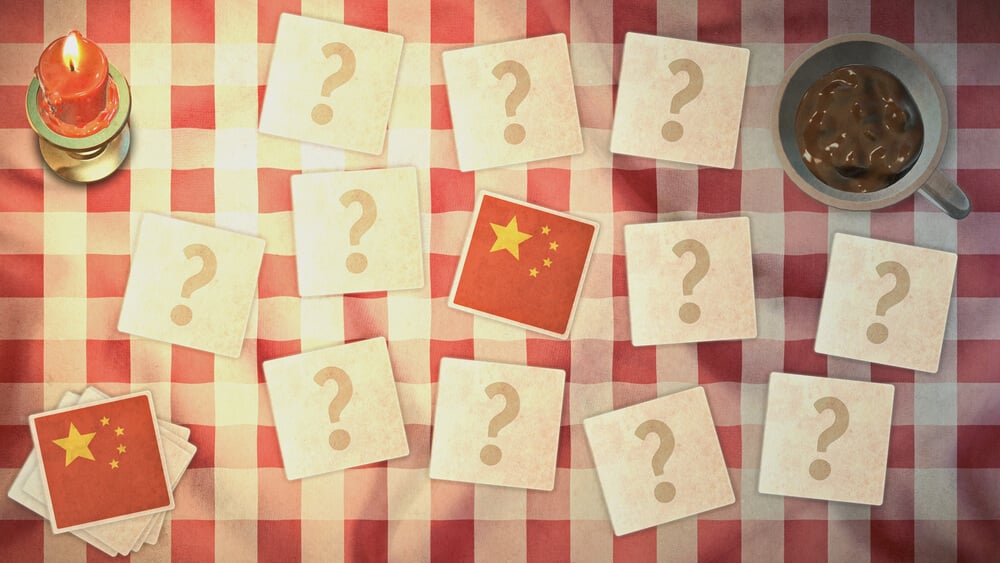
A matching game aimed squarely at young children, go fish taught basic memory and the social skill of asking directly for what you want. It was frequently the first card game any grandchild learned, often before they were old enough to hold a full hand without help.
Crazy Eights
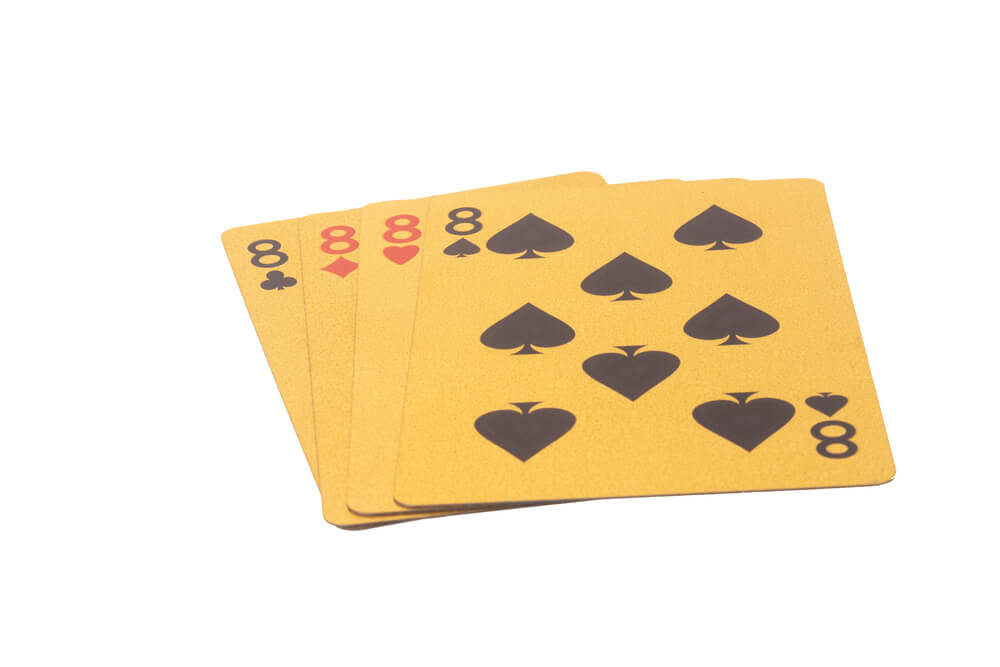
A shedding game where players match rank or suit and can play an eight to change the required suit, crazy eights served as the gateway game between go fish and more advanced rummy-style play. Its simple rules made it easy for grandparents to teach without a rulebook in hand.
Old Maid
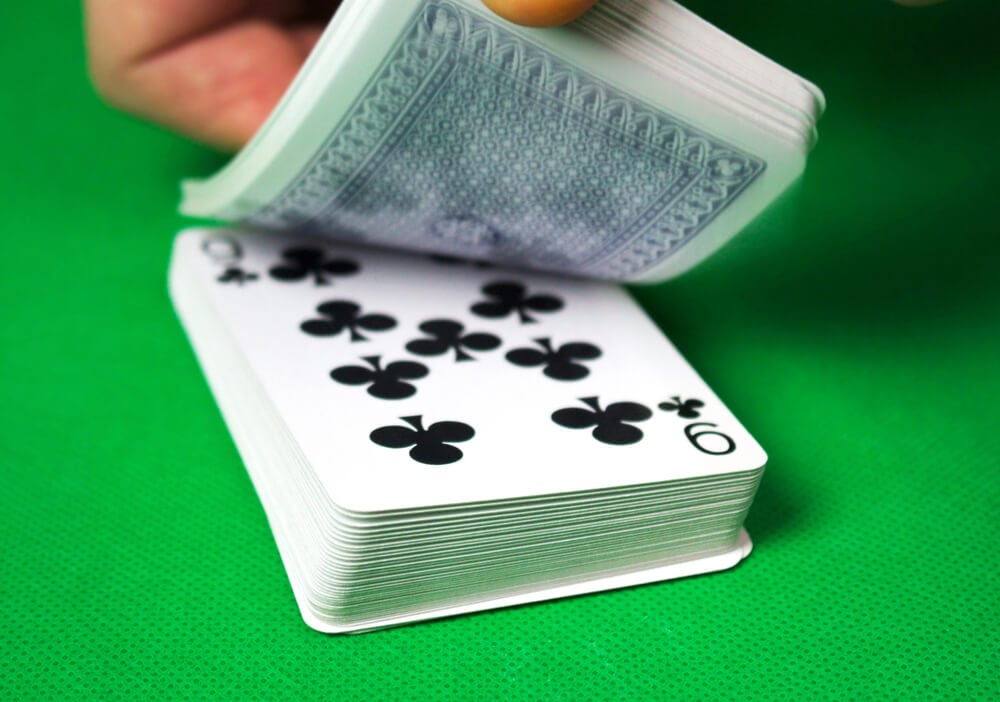
Played with a modified deck missing one queen, old maid is a matching game where the loser ends up holding the unpaired card. The game’s entire appeal rested on the mild social ritual of teasing whoever got stuck holding the odd card out at the end.
Klondike Solitaire
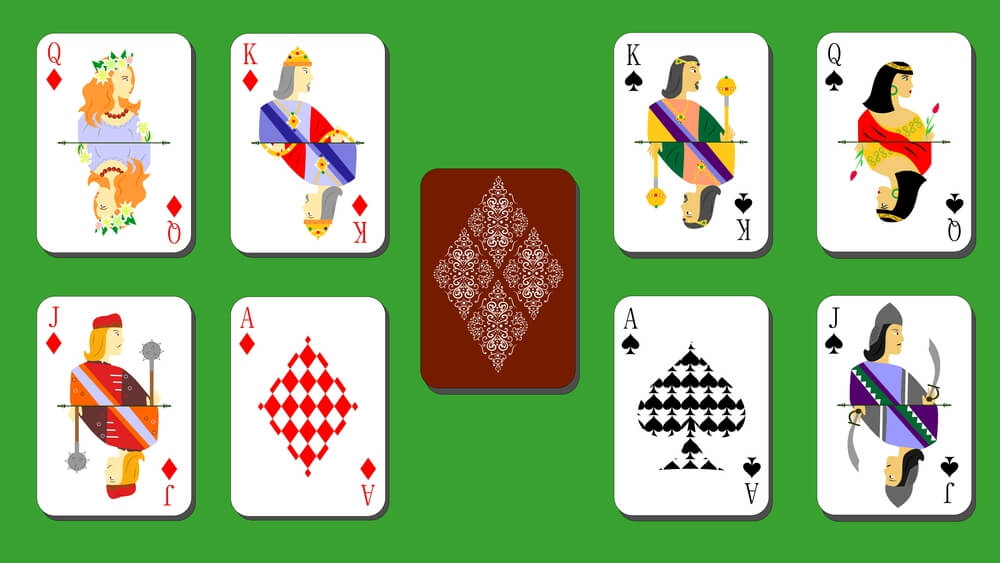
The single-player game most people simply call solitaire, Klondike involves building descending, alternating-color sequences across a tableau of cards. Grandparents often played it quietly between family card games, sometimes teaching grandchildren the layout as a way to keep them occupied during adult conversation.
Bridge
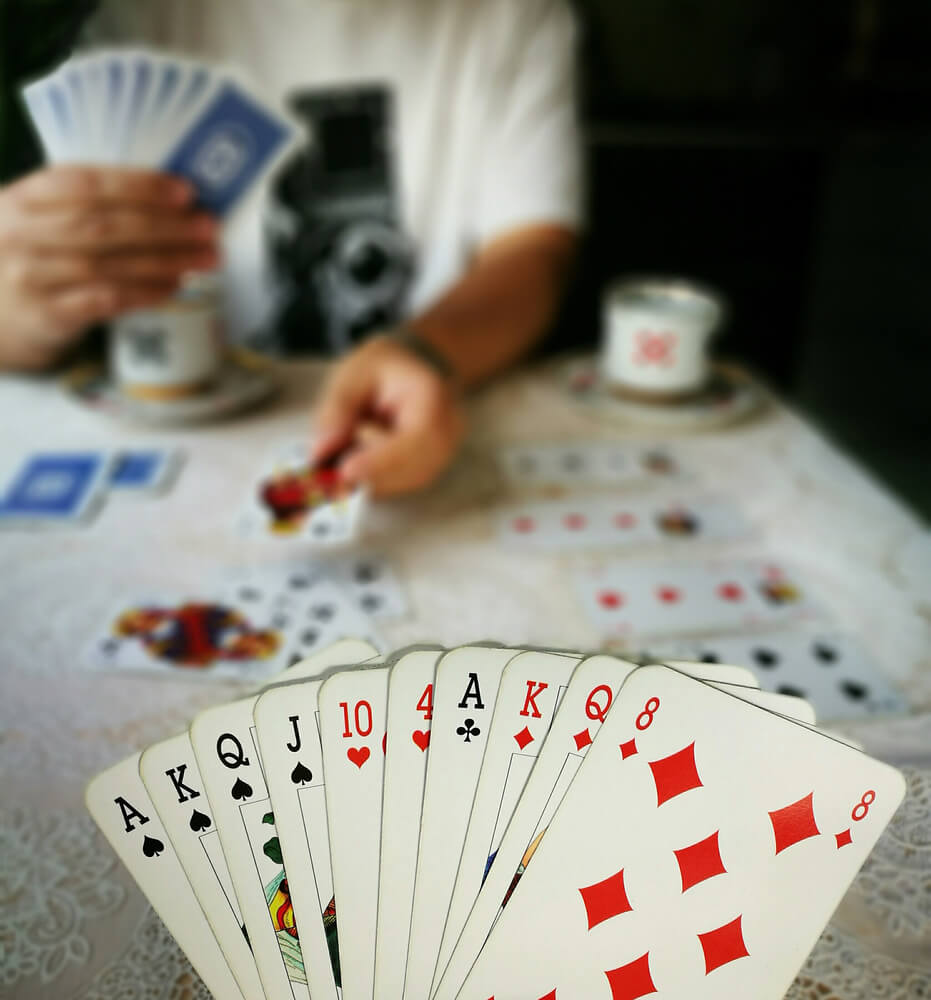
A complex partnership trick-taking game with a bidding phase built around a shared language of conventions, bridge was often reserved for adult players only, though some grandparents taught simplified versions to older grandchildren. Bridge clubs and weekly games were a fixture of social life for an entire generation.
Whist

An older trick-taking game and a direct ancestor of both bridge and hearts, whist was still taught in some households well into the twentieth century as a simpler alternative to its more complicated descendants. Its straightforward rules made it an easy game to pick up in a single sitting.
Kings in the Corner
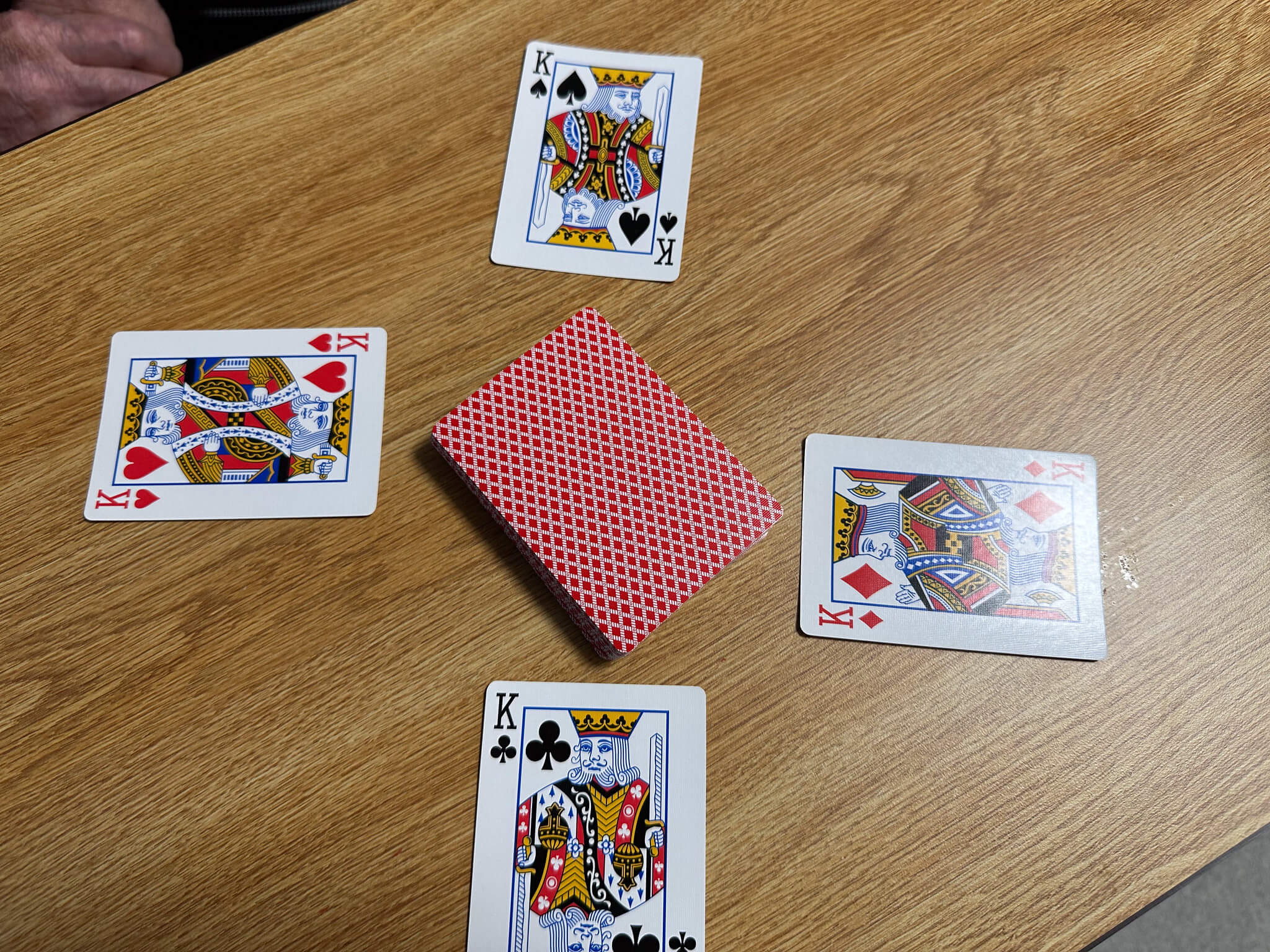
A solitaire-style game playable with multiple people, kings in the corner involves building four card piles off a central layout, with kings allowed to start new corner piles. Its relatively forgiving rules made it a popular choice for mixed-age family game nights.
Spit
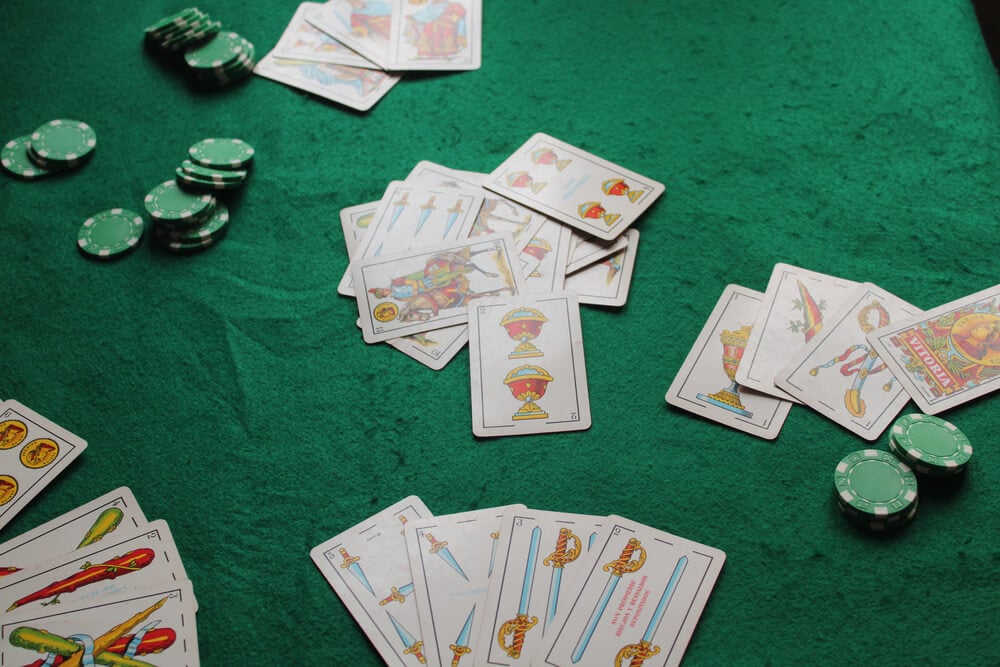
A fast-paced, no-turn-taking game where two players race to empty their hands onto shared piles simultaneously, spit rewarded quick reflexes over careful strategy. Games often ended in good-natured arguments over who touched a pile first.
Egyptian Ratscrew
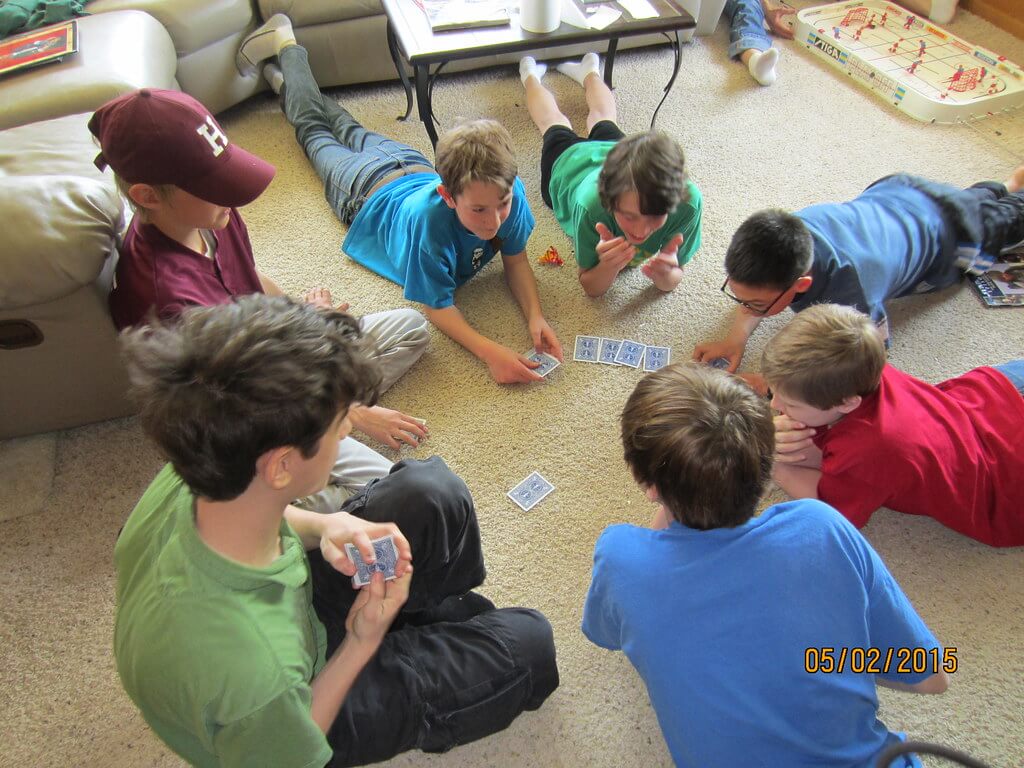
A reflex-based slapping game where players slap the pile when certain card sequences appear, this one tended to draw the loudest reactions at any family table, complete with the occasional collision of hands and the inevitable argument over whose hand landed first.
Pitch
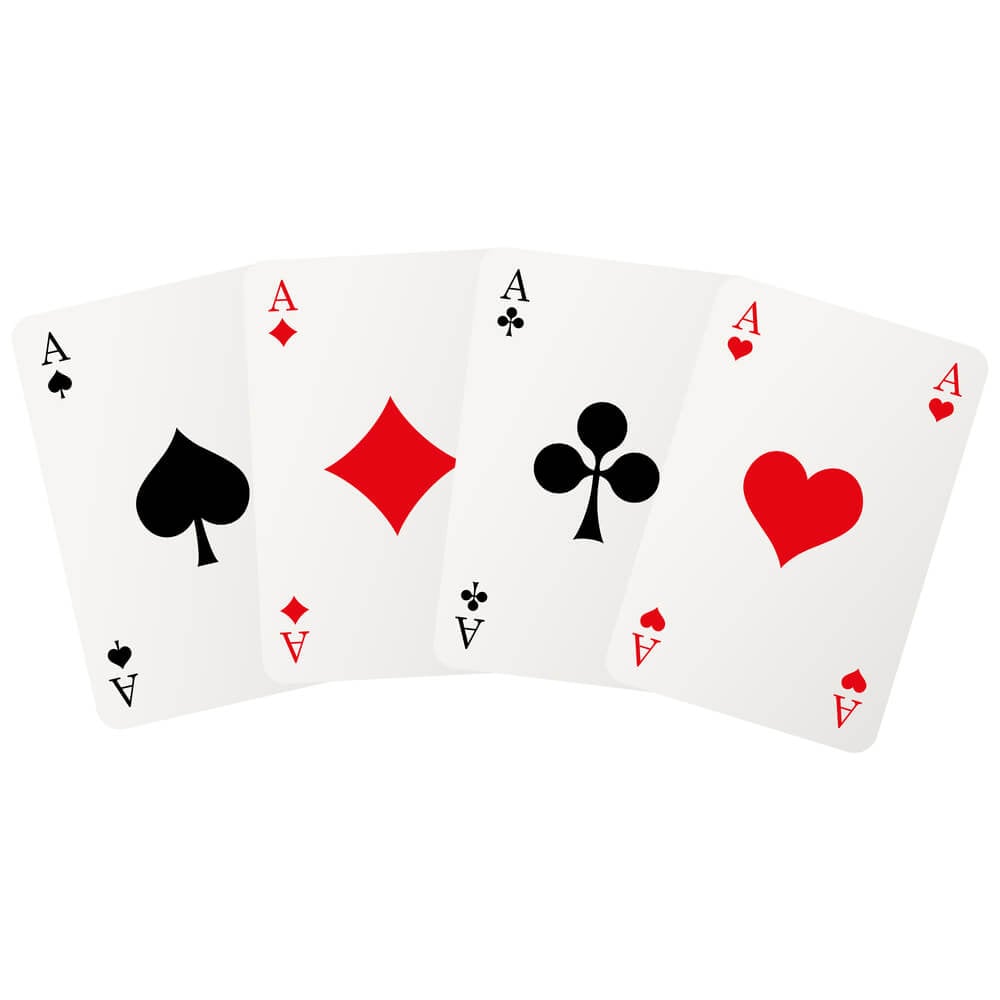
Also known as setback, pitch is a trick-taking game centered on bidding for the right to name trump, with points awarded for specific high and low cards captured during play. Regional variations of the scoring rules were common enough that visiting a different branch of the family sometimes meant relearning the game from scratch.
Slapjack
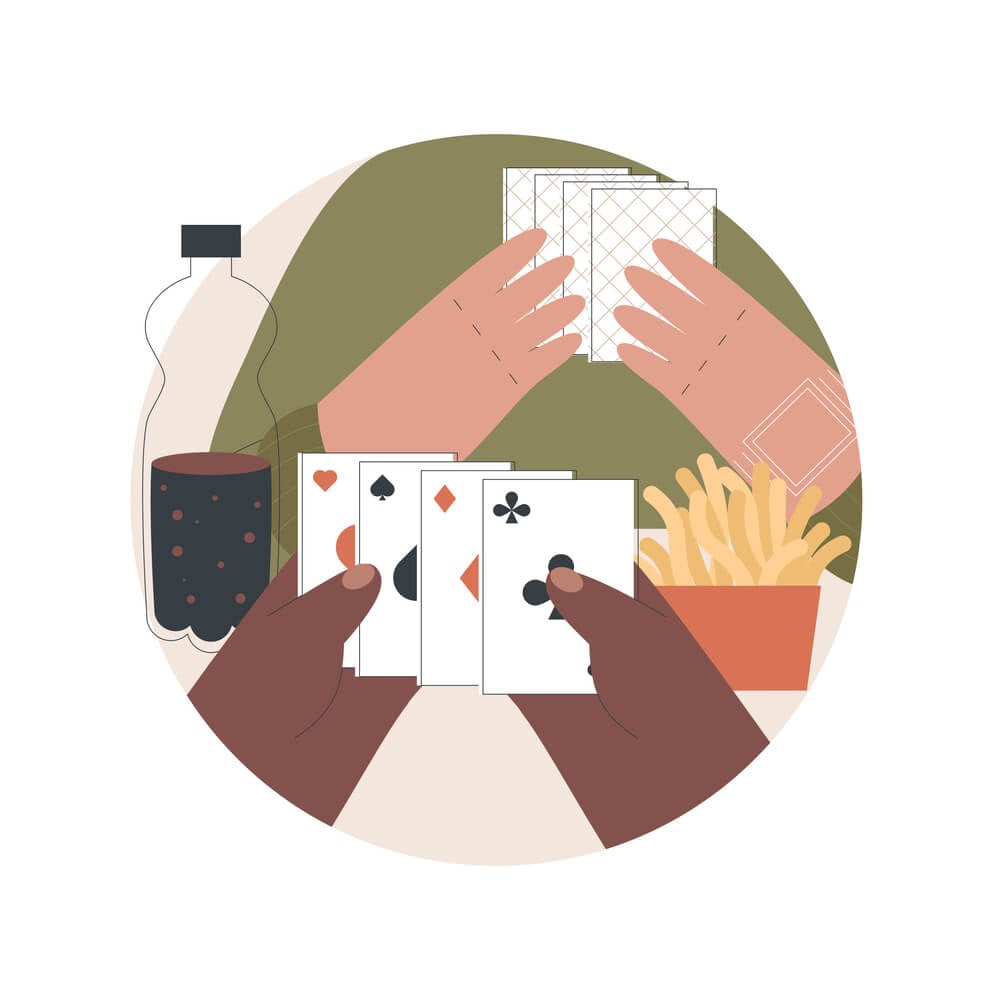
A simplified relative of Egyptian ratscrew aimed at younger players, slapjack requires slapping the pile only when a jack appears. It served as an early reflex-training game before kids graduated to the more complicated slapping rules of ratscrew.
Five Hundred
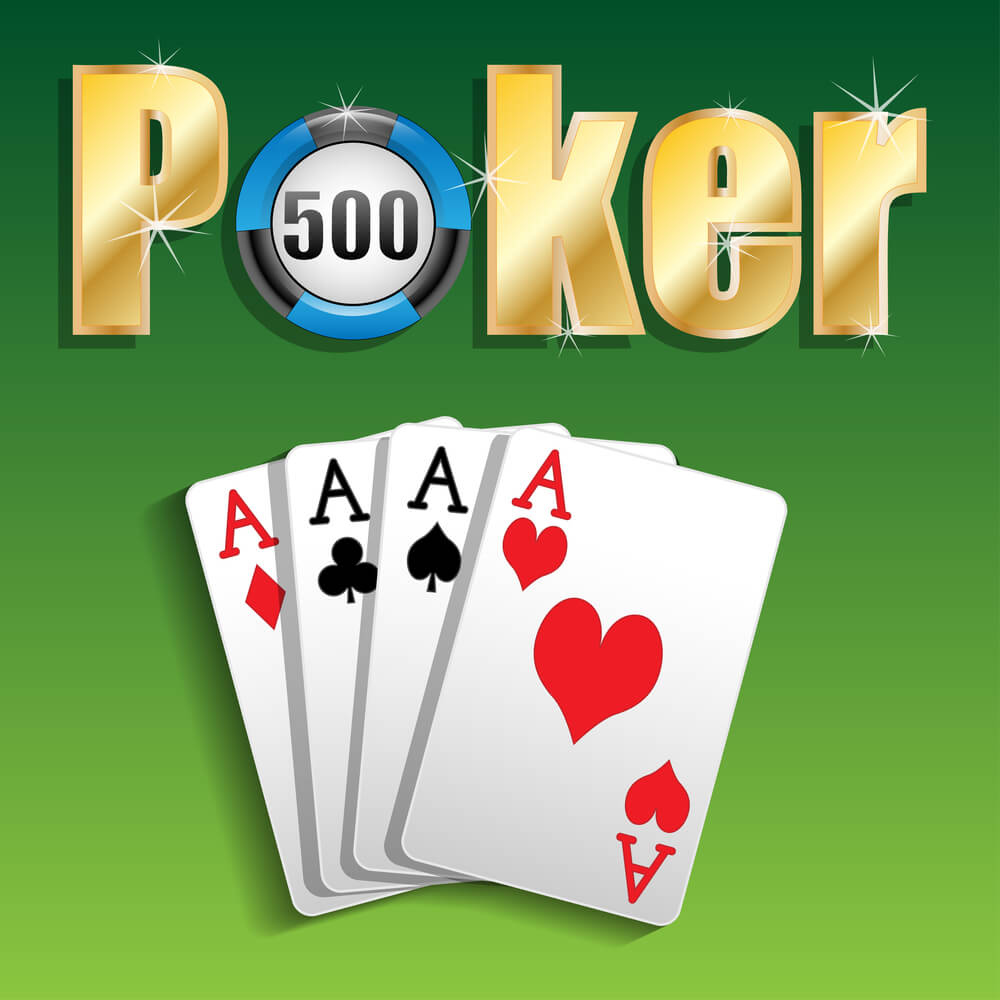
A trick-taking game descended from euchre, five hundred adds a bidding phase and a joker into the mix, making it popular in households that wanted more strategic depth than euchre alone offered. It remained a common choice for four-player family games well into recent decades.
The Deck as a Family Language

What made these games last wasn’t the rules themselves, which anyone could look up, but the specific way a particular grandparent explained them, complete with house adjustments nobody wrote down and superstitions about shuffling that made no logical sense but got followed anyway. Learning a card game from a grandparent was really learning a small piece of family culture disguised as an afternoon activity.
That’s why so many people can still recite a scoring rule for a game they haven’t played in fifteen years, delivered in the exact cadence their grandmother used. The cards themselves were replaceable.
The way of explaining them was not.
More from Go2Tutors!

- The Romanov Crown Jewels and Their Tragic Fate
- 13 Historical Mysteries That Science Still Can’t Solve
- Famous Hoaxes That Fooled the World for Years
- 15 Child Stars with Tragic Adult Lives
- 16 Famous Jewelry Pieces in History
Like Go2Tutors’s content? Follow us on MSN.