20 Foods That Taste Different in Home Countries
That delicious dish you fell in love with during your vacation probably doesn’t taste quite the same when you order it back home. Foods undergo dramatic transformations as they cross borders, adapting to local tastes, available ingredients, and cultural preferences. What emerges is sometimes barely recognizable to people from the dish’s country of origin—leading to amusing conversations between travelers and locals about what constitutes ‘authentic’ cuisine.
These culinary adaptations happen for practical reasons. Certain ingredients might be impossible to find, too expensive, or simply unappealing to local palates. Restaurants adjust recipes to match customer expectations, creating versions that are often sweeter, milder, or more familiar than the originals. Here is a list of 20 foods that taste surprisingly different when you try them in their home countries compared to international versions.
Pizza

Italian pizza bears little resemblance to the thick-crusted, heavily loaded versions popular in America. Traditional Neapolitan pizza features a thin, charred crust with minimal toppings—fresh mozzarella, tomatoes, and basil—cooked quickly in wood-fired ovens at extremely high temperatures.
Chinese Takeout

The sweet and sour dishes, fortune cookies, and heavy sauces common in American Chinese restaurants are largely unknown in China. Authentic Chinese cuisine varies dramatically by region yet generally features more subtle flavors, fresher ingredients, and cooking techniques that emphasize each component’s natural taste.
Like Go2Tutors’s content? Follow us on MSN.
Mexican Food

Real Mexican cuisine relies heavily on fresh herbs, complex spice blends, and corn-based dishes—vastly different from the cheese-heavy, ground beef versions found in many American Mexican restaurants. Authentic tacos use soft corn tortillas with simple fillings like grilled meat, onions, and cilantro rather than hard shells stuffed with lettuce and sour cream.
Sushi

Japanese sushi emphasizes the pure flavor of extremely fresh fish served at room temperature, quite different from the elaborate rolls with multiple sauces and cooked ingredients popular elsewhere. Traditional sushi bars serve simple combinations where the fish quality is the star—not creative presentations or fusion flavors.
Indian Curry

Curry in India varies dramatically by region and rarely resembles the uniform, creamy dishes served in many Western Indian restaurants. Authentic Indian cooking uses specific spice combinations for each dish, with many preparations being dry rather than sauce-based—heat levels that vary according to local preferences.
Like Go2Tutors’s content? Follow us on MSN.
Pad Thai
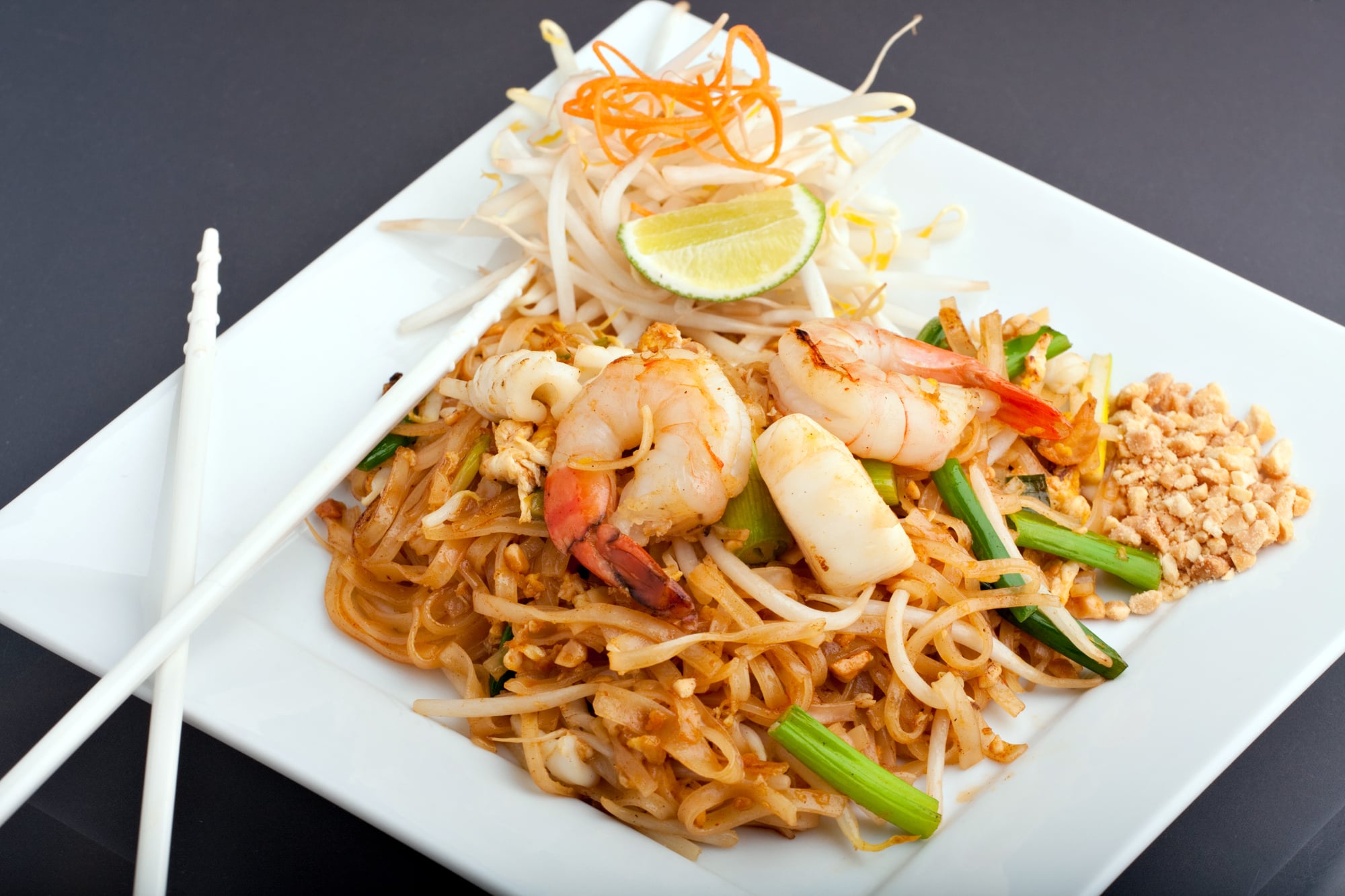
Thailand’s national dish traditionally balances sweet, sour, salty, and spicy flavors in equal measure, unlike the overly sweet versions common in Western Thai restaurants. Authentic Pad Thai uses tamarind for sourness and fish sauce for umami—creating a complex flavor profile that’s more nuanced than international adaptations.
French Onion Soup
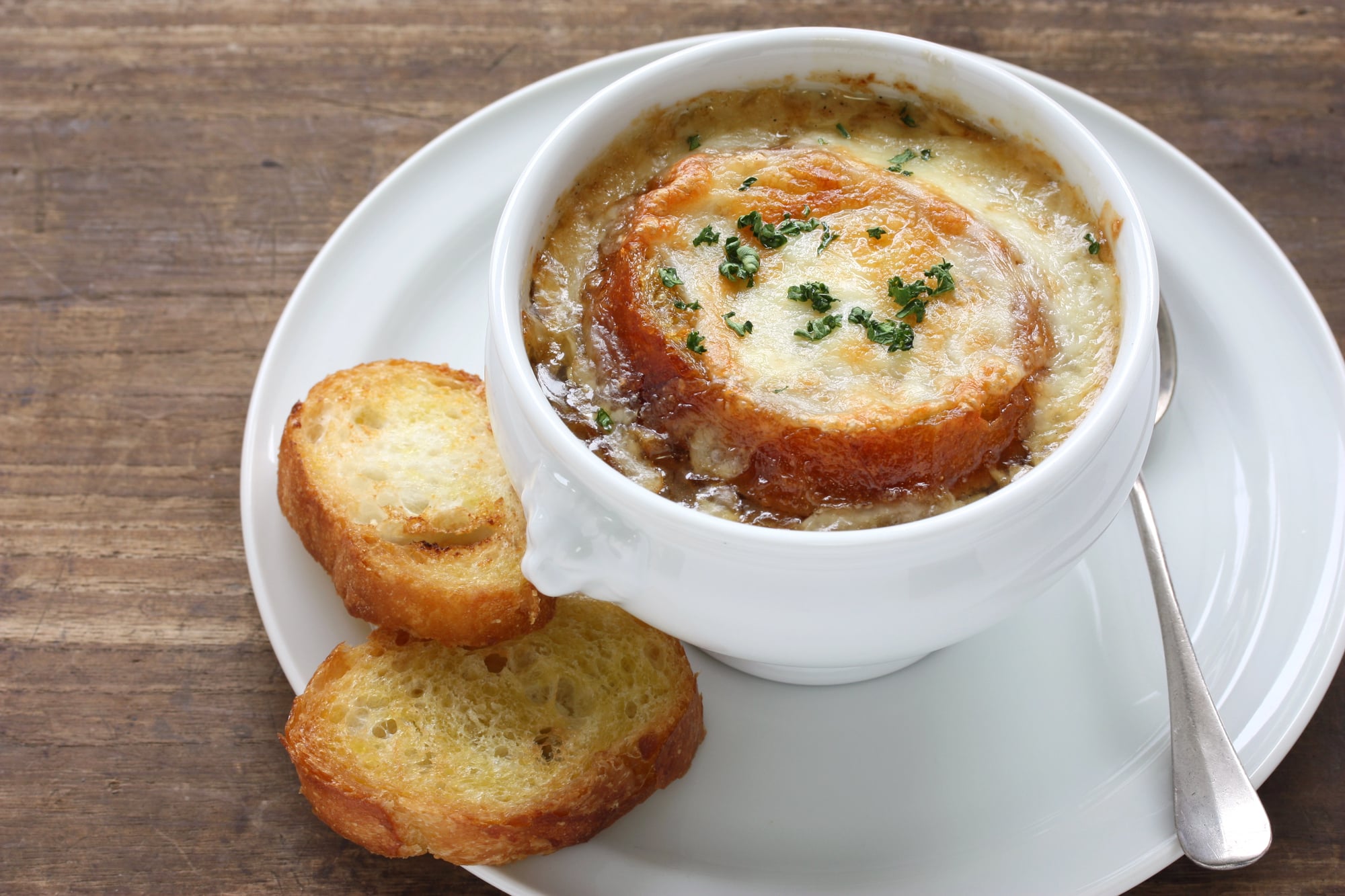
In France, this classic soup features a clear, deeply flavored broth with a moderate amount of cheese, rather than the thick, cheese-heavy versions served in many American restaurants. The focus remains on the caramelized onions and rich beef stock—with the cheese serving as an accent rather than the main attraction.
German Pretzels

Authentic German pretzels are dense, chewy, and significantly less sweet than American versions, traditionally served with coarse salt and eaten as a hearty snack. The texture is much more substantial—they’re often enjoyed with mustard or butter rather than sugary toppings.
Like Go2Tutors’s content? Follow us on MSN.
Greek Gyros

Traditional Greek gyros use pork or chicken cooked on a vertical rotisserie, served in pita bread with tomatoes, onions, and tzatziki sauce. The meat is seasoned simply with herbs and spices—creating a cleaner flavor than the heavily spiced lamb versions common in American gyro shops.
Turkish Delight

Real Turkish delight from Turkey is much less sweet and more delicately flavored than versions found elsewhere, often featuring subtle floral notes like rosewater or bergamot. The texture is also firmer and less gelatinous—with a more sophisticated flavor profile that showcases traditional Ottoman confectionery techniques.
Korean Kimchi

Authentic kimchi in Korea varies dramatically by region and season, with some versions being extremely spicy while others focus more on fermented flavors and umami. The fermentation process and ingredient combinations create complex flavors that are often more intense and varied than the standardized versions found in international Korean restaurants.
Like Go2Tutors’s content? Follow us on MSN.
Belgian Waffles

Real Belgian waffles are lighter and less sweet than American versions, traditionally served with fresh fruit, whipped cream, or a light dusting of powdered sugar. The batter creates a crisp exterior with a fluffy interior, quite different from the heavy, syrup-laden breakfast items often associated with Belgian waffles elsewhere.
Jamaican Jerk Chicken
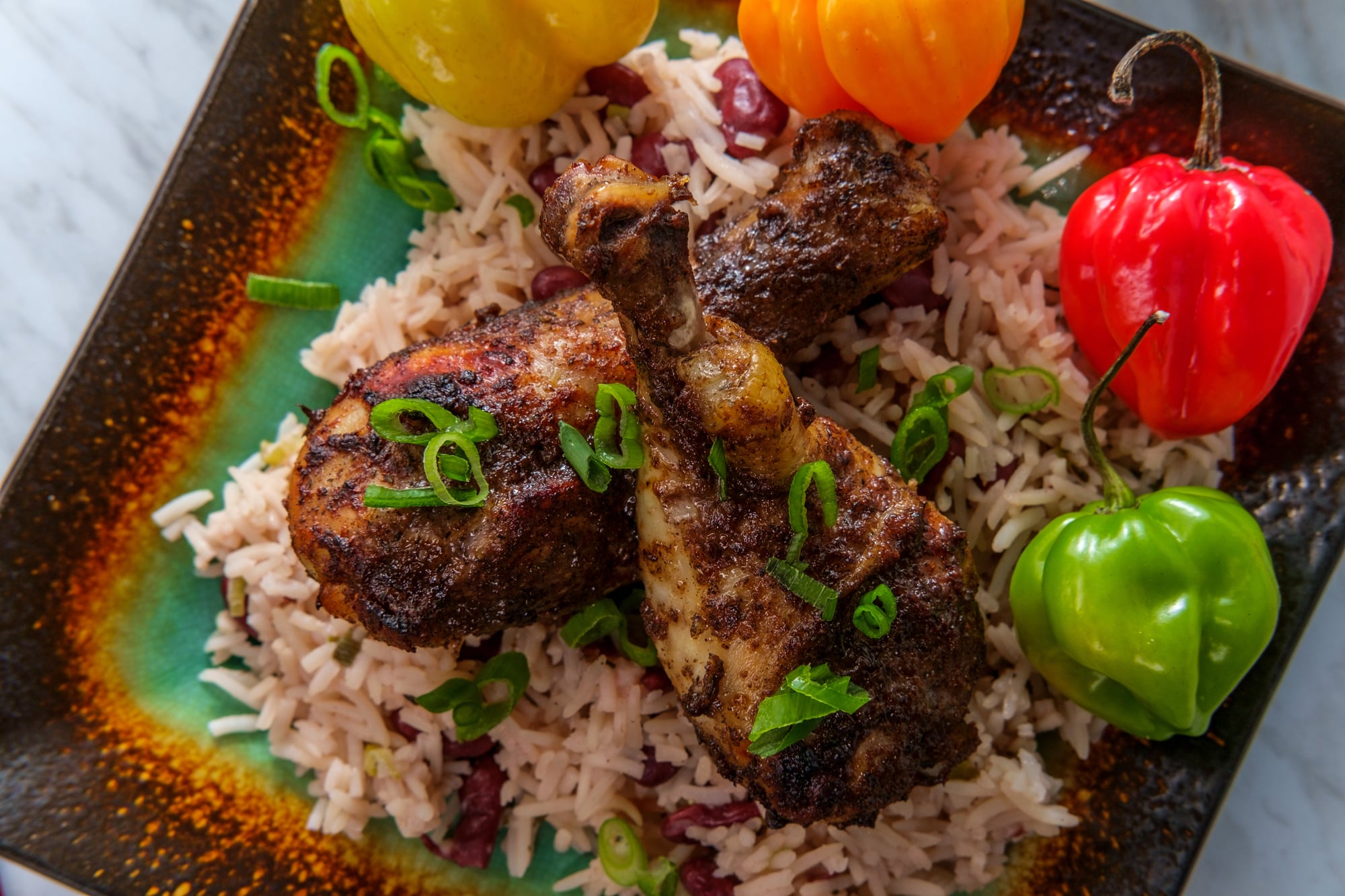
Authentic jerk chicken in Jamaica uses a complex spice rub featuring scotch bonnet peppers, allspice, and other local seasonings that create intense heat and smoky flavors. The cooking method over pimento wood gives the meat a distinct taste that’s difficult to replicate outside the Caribbean without proper ingredients and techniques.
Argentinian Empanadas

Traditional Argentine empanadas feature a thin, flaky pastry with simple fillings like seasoned ground beef, hard-boiled eggs, and olives, baked rather than fried. The dough is much lighter than versions found elsewhere, though the fillings focus on quality ingredients rather than heavy sauces or excessive cheese.
Like Go2Tutors’s content? Follow us on MSN.
Japanese Ramen

Authentic ramen in Japan features complex broths that simmer for hours, creating deep flavors that are worlds apart from instant noodle packages or even many international ramen shops. Each region has distinct styles, from rich tonkotsu pork broth to light, clear chicken-based varieties, with toppings that complement rather than overwhelm the soup.
Moroccan Tagine

Real tagine in Morocco uses specific spice combinations and slow-cooking techniques that create subtle, layered flavors quite different from the simplified versions served in many Moroccan restaurants abroad. The dishes often feature preserved lemons, olives, and aromatic spices that require specific preparation methods to achieve authentic results.
Spanish Paella
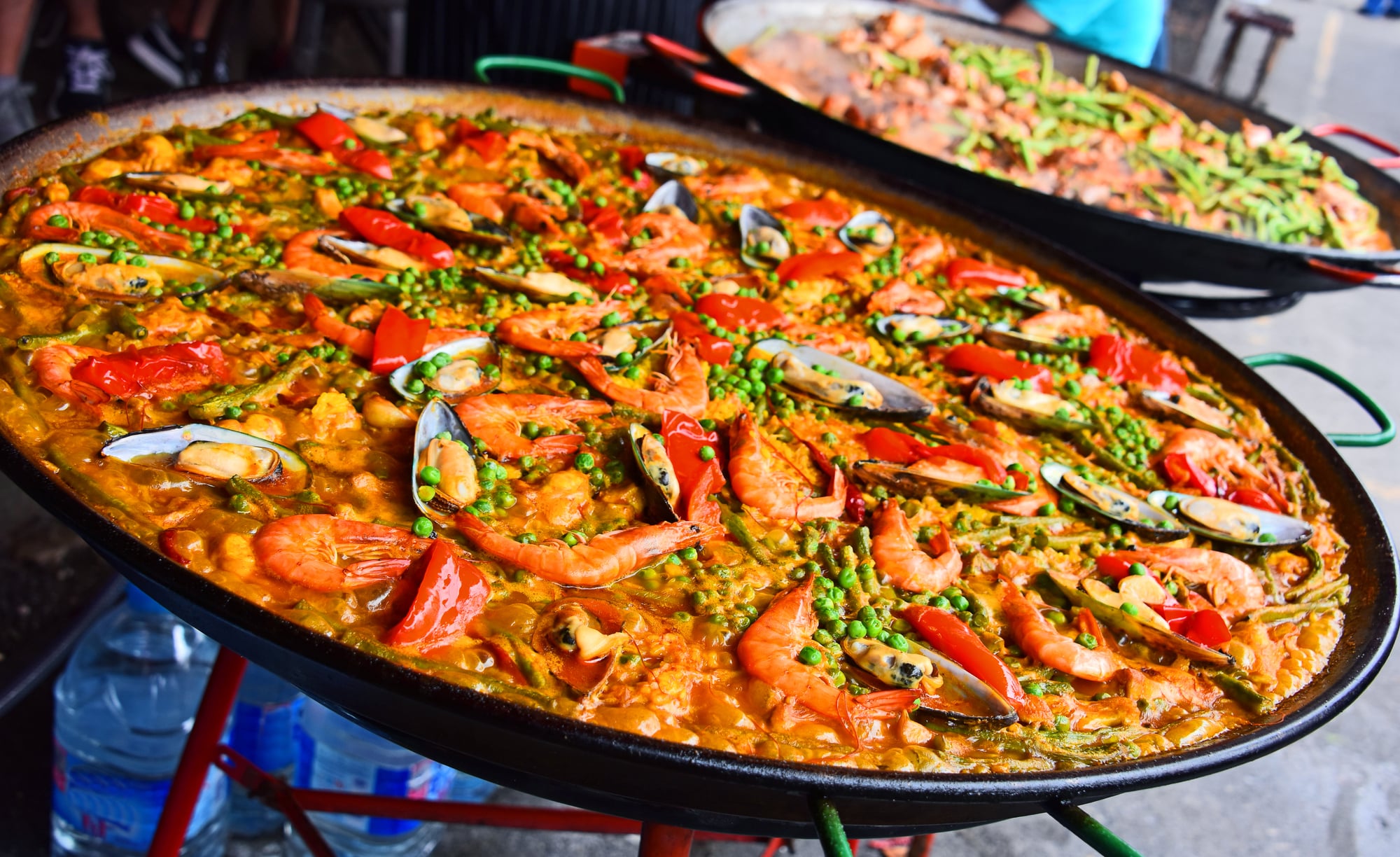
Traditional paella from Valencia contains specific ingredients like rabbit, chicken, beans, and saffron, cooked in a wide, shallow pan that creates a distinctive socarrat (crispy bottom layer). The dish varies by region but generally avoids the mixed seafood and chorizo combinations popular in international Spanish restaurants.
Ethiopian Injera

Authentic injera in Ethiopia has a more pronounced sour flavor and spongier texture than versions made outside the country, due to longer fermentation periods and the use of teff flour. The bread serves as both plate and utensil, designed specifically to complement the complex spice blends used in Ethiopian stews and vegetables.
Like Go2Tutors’s content? Follow us on MSN.
Lebanese Hummus

Traditional hummus in Lebanon is much lighter and smoother than many international versions, made with specific techniques that create an almost whipped texture. The flavor is more subtle, focusing on the quality of tahini and chickpeas rather than heavy additions like roasted red peppers or excessive garlic.
Russian Borscht

Authentic borscht in Russia and Ukraine comes in many regional variations, from clear broths to hearty stews, often featuring ingredients like beef, cabbage, and fresh dill. The soup is typically more complex and less sweet than the simplified beetroot versions common in Eastern European restaurants abroad.
Lost in Translation

These culinary transformations remind us that food is deeply tied to place, culture, and available ingredients. What we consider ‘authentic’ often depends on where we first encountered a dish, and there’s nothing inherently wrong with adaptations that suit local tastes and ingredients.
The beauty lies in understanding that food evolves as it travels, creating new traditions while honoring old ones. Next time you travel, approach familiar dishes with curiosity rather than expectation—you might discover that the ‘real’ version is completely different from what you know, and often much more interesting than the adaptation you’re used to.
Like Go2Tutors’s content? Follow us on MSN.
More from Go2Tutors!

- 18 Unexpectedly Valuable Collectibles You Might Have Lying Around
- 20 Little-Known Historical Battles That Had Huge Consequences
- 20 Historical Artifacts That Scientists Can’t Explain
- 15 Inventions That Were Immediately Banned After Being Created
- 20 Actors Who Were Almost Cast in Iconic Roles
Like Go2Tutors’s content? Follow us on MSN.