Fruits that Taste Like Dessert
Most fruit is sweet, but some varieties cross the line from healthy snack into something that feels genuinely indulgent. These fruits don’t just satisfy a craving for something sweet—they deliver flavors and textures so rich that eating them feels like cheating on your diet, even though you’re not.
Nature managed to pack candy-level sweetness into packages that also happen to be good for you.
Mangosteen

The mangosteen doesn’t look like much from the outside. The thick purple rind seems tough and uninviting.
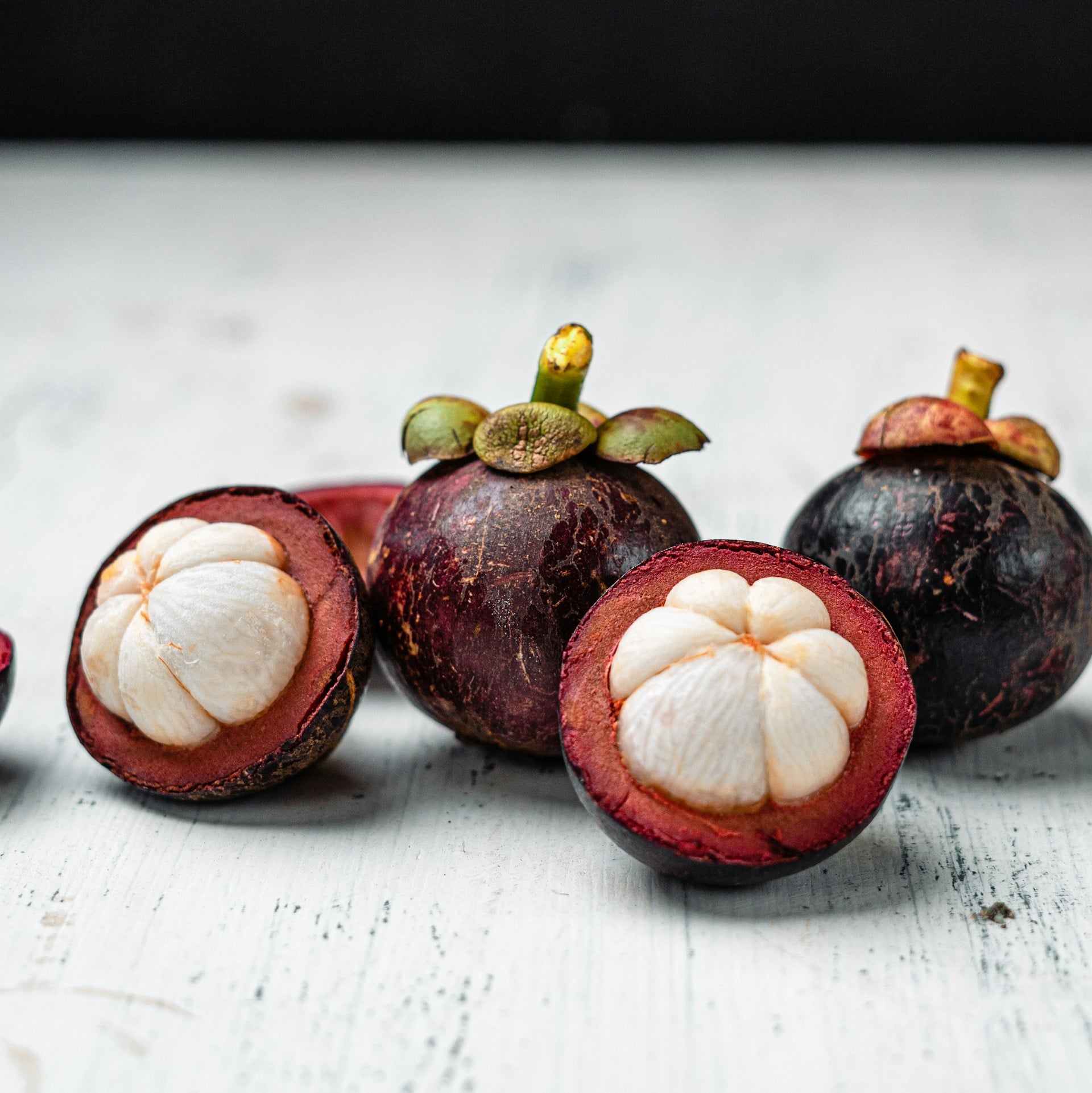
But crack it open and you find white segments that taste like a combination of peach, strawberry, and vanilla cream. The texture is soft and almost custard-like.
People who try mangosteen for the first time often describe it as tasting like high-end sorbet. The fruit grows in Southeast Asia, where it’s called the queen of fruits.
Getting fresh mangosteen outside tropical regions is difficult because the fruit spoils quickly and import regulations are strict.
Cherimoya
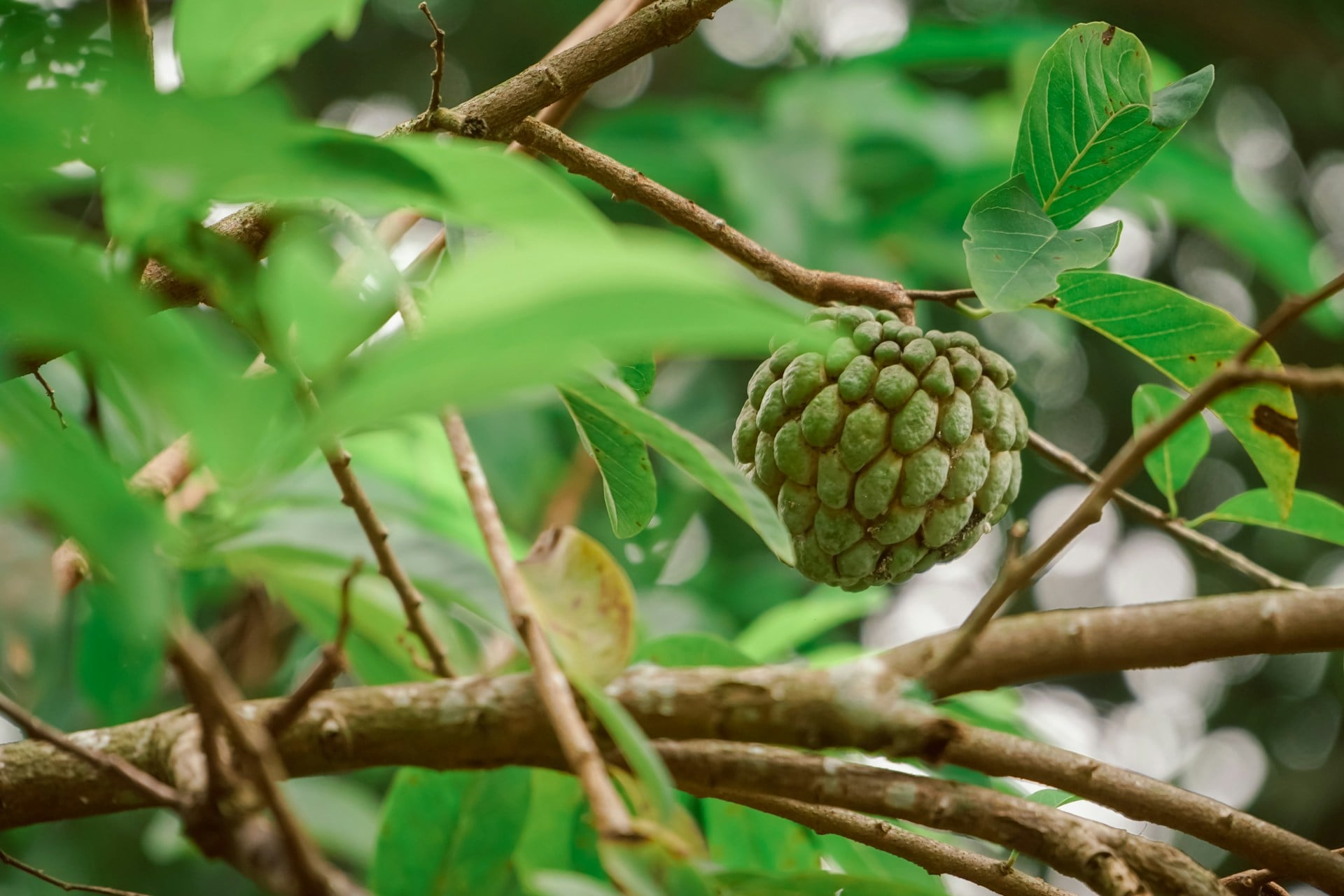
Mark Twain supposedly called cherimoya the most delicious fruit known to man. The flesh is white and creamy with a flavor that combines pineapple, banana, and strawberry, but with undertones of bubblegum and vanilla.
You eat it with a spoon, scooping out the soft interior and avoiding the large black seeds. The texture resembles custard or very soft ice cream that’s just starting to melt.
Cherimoyas grow in South America and California. They bruise easily and don’t ship well, which keeps them from becoming more widely available.
When they’re perfectly ripe, they taste like something a pastry chef invented.
Persimmon
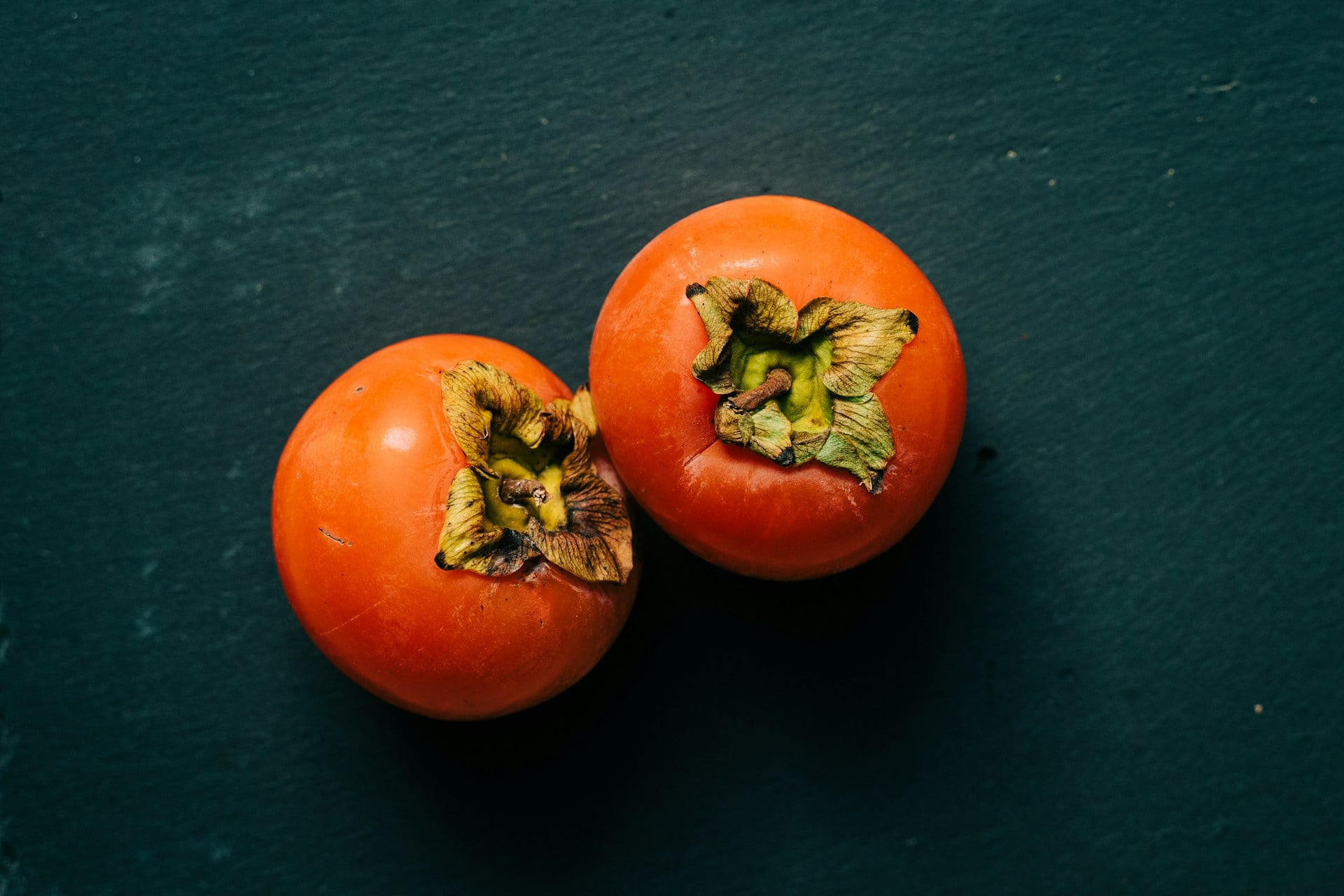
Hachiya persimmons need to be completely soft before you eat them—so soft they feel like water balloons ready to burst. At that stage, the flesh turns into pure sweetness with flavors of honey, apricot, and brown sugar.
The texture is slippery and jellylike. You can eat them with a spoon, and the experience is closer to eating pudding than fruit.
Fuyu persimmons stay firm when ripe and have a different texture, more like an apple, but they’re still incredibly sweet with hints of cinnamon and pumpkin pie spice. Both varieties taste like fall baking condensed into fruit form.
Sapodilla
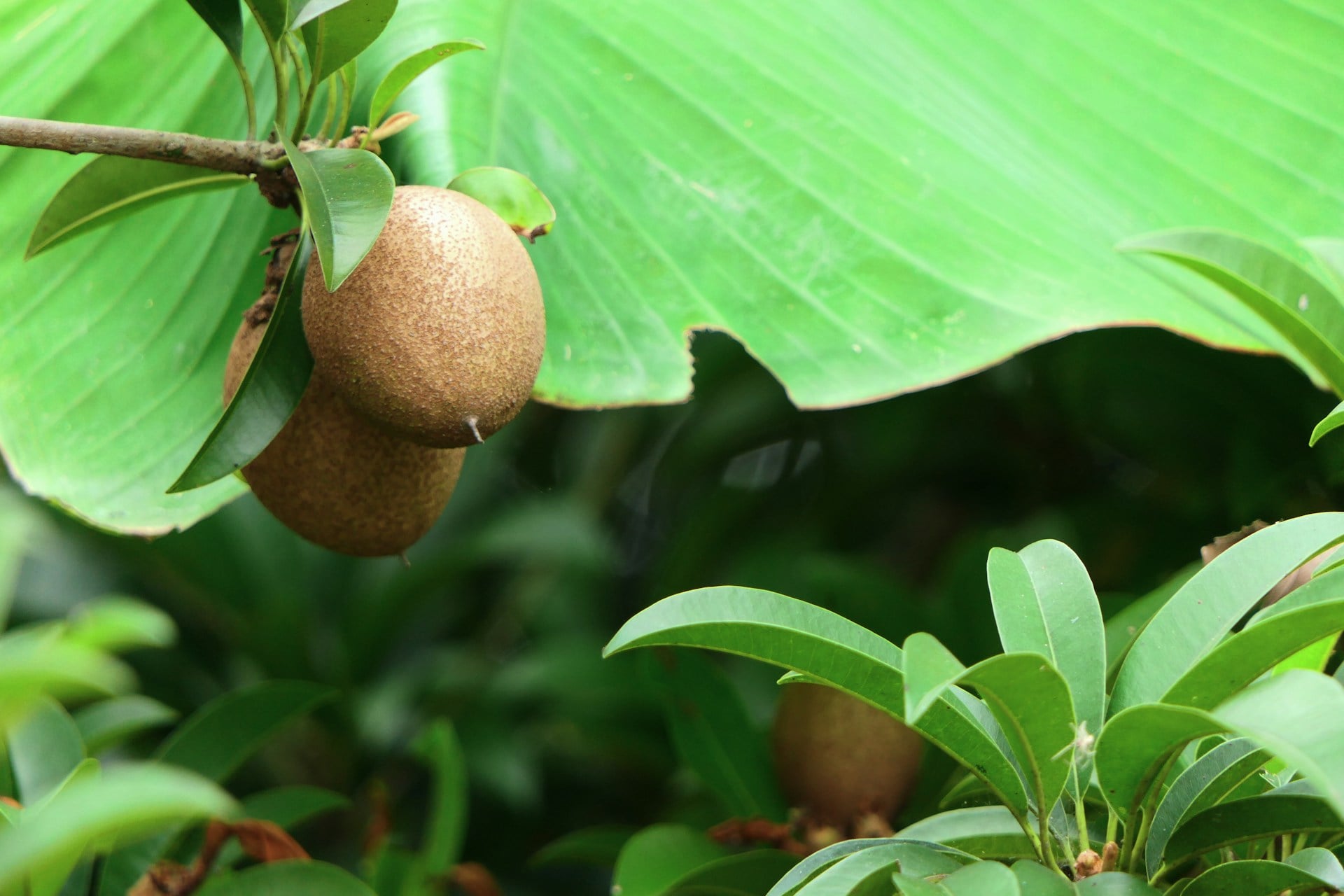
Sapodilla looks like a brown potato from the outside. Inside, the grainy flesh tastes like brown sugar mixed with pear and a touch of caramel.
Some people detect notes of malted milk or butterscotch. The texture is unusual—slightly gritty like a pear but also soft and melting.
Sapodilla trees produce the latex used to make chewing gum, and you can taste a subtle relation in the fruit itself. It has that same gentle sweetness that makes you want to keep eating.
The fruit grows throughout Central America and Southeast Asia but rarely makes it to markets elsewhere because it doesn’t travel well.
Durian
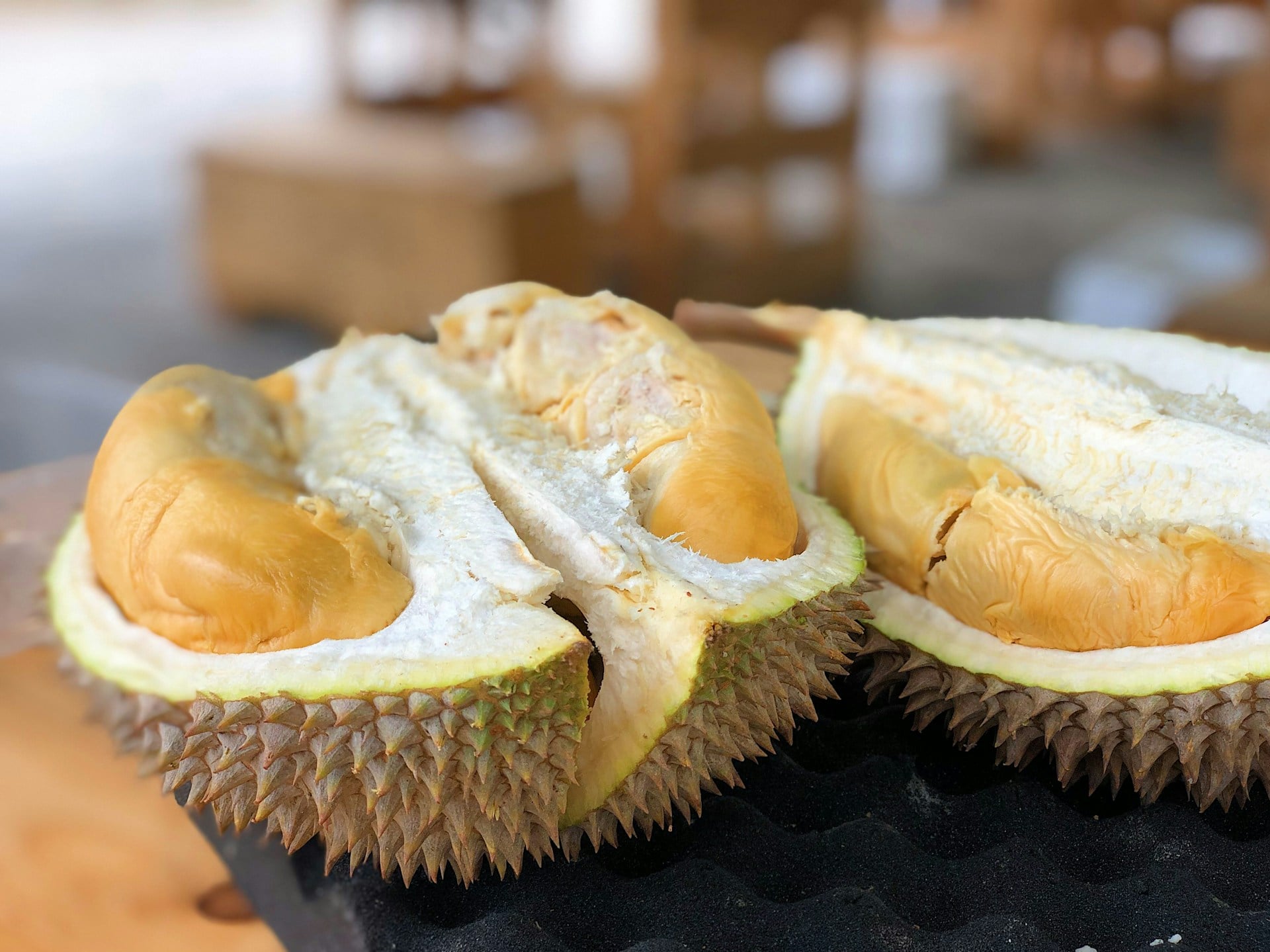
Durian divides people into camps of passionate devotion or complete revulsion. The smell is the problem—it’s been described as rotting onions, turpentine, and gym socks.
Hotels and public transport in Southeast Asia ban durian because of the odor. But people who get past the smell find creamy flesh that tastes like vanilla custard mixed with caramelized onions and almonds.
The texture is smooth and buttery, almost like a savory cheesecake. Durian fans describe eating it as a religious experience.
The fruit commands premium prices in Asia, with some varieties selling for hundreds of dollars. You either understand the appeal or you think durian fans are collectively delusional.
Lychee

Lychees come in rough red shells that you peel away to reveal translucent white fruit. The flavor is intensely sweet and floral with notes of rose water, grape, and a hint of tropical perfume.
The texture is firm but juicy, and each bite releases a flood of sweet juice. Eating lychees fresh is completely different from the canned version.
Fresh lychees taste like sophisticated candy—the kind served at expensive restaurants as palate cleansers. The fruit grows in clusters on trees throughout Asia and has been cultivated in China for thousands of years.
Dragon fruit

Dragon fruit looks dramatic with its bright pink or yellow skin and white or magenta flesh dotted with tiny black seeds. The flavor is subtle and sweet with hints of kiwi, pear, and melon.
The texture is similar to kiwi but softer and more watery. While dragon fruit isn’t as intensely sweet as some others on this list, it has a delicate, almost floral quality that makes it feel fancy.
The seeds add a pleasant crunch. People use dragon fruit in smoothie bowls and desserts because it looks beautiful and has that mild, accommodating sweetness that works with other flavors.
Rambutan

Rambutans look like hairy lychees, covered in soft red or yellow spines. The flesh inside is nearly identical to lychee—translucent, white, and incredibly sweet with floral notes.
The texture is slightly firmer than lychee but just as juicy. You pop them out of their shells and eat them whole, working around the seed in the middle.
The flavor is pure candy sweetness with a hint of rose and grape. Fresh rambutans are hard to find outside tropical regions, but when you get them at peak ripeness, they’re like eating gummy candy that happens to be healthy.
Sugar apple
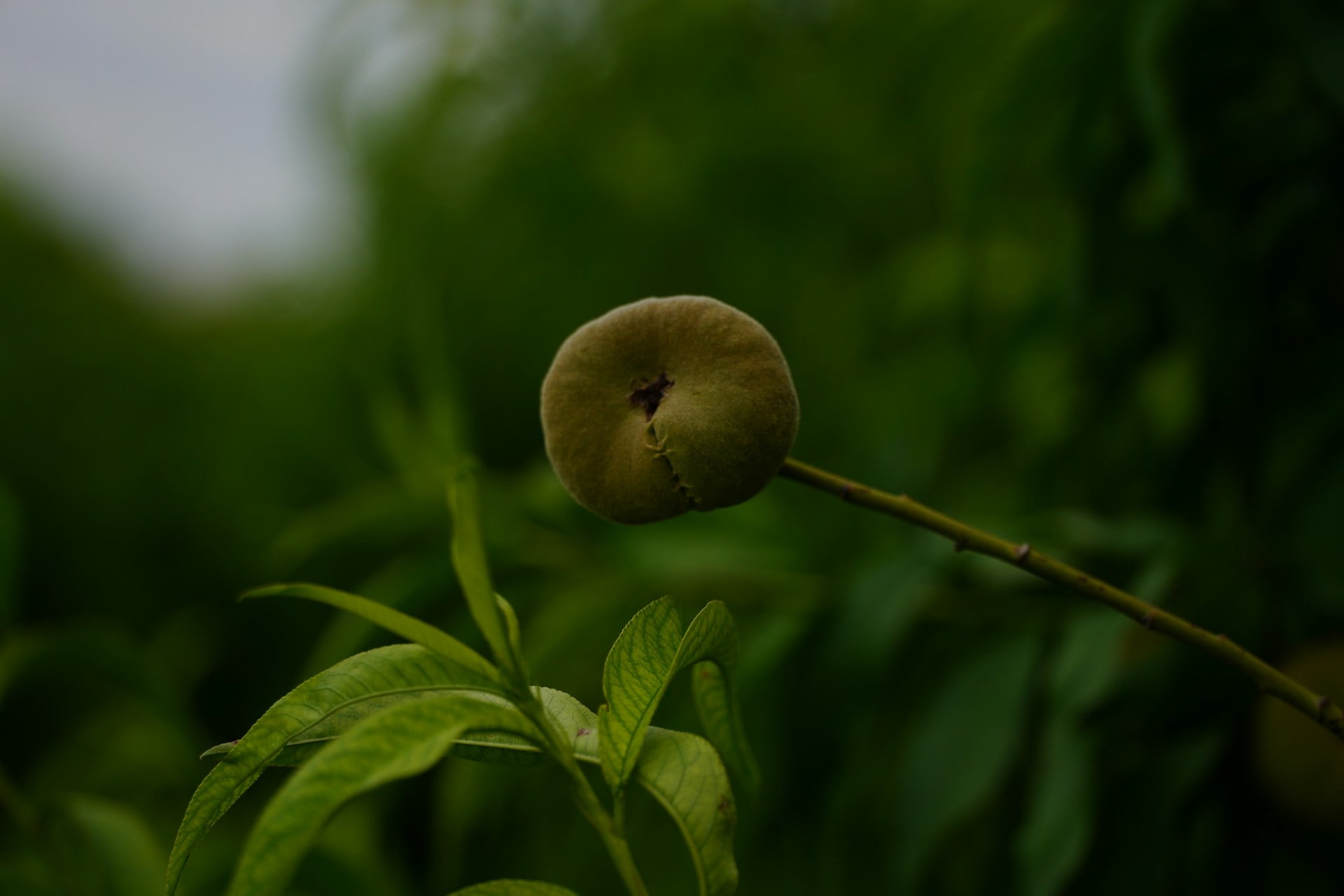
Sugar apple has bumpy green skin that you tear open to reveal white segments surrounding black seeds. The flesh is grainy and sweet with flavors of pineapple, vanilla, and pear.
The texture is unusual—simultaneously creamy and slightly chalky, like a cross between custard and a very ripe pear. The sweetness is intense and pure without any tartness to balance it.
Sugar apples grow throughout tropical regions and are also called sweetsop, which is accurate. They taste like someone took vanilla ice cream and added tropical fruit flavors and a touch of cinnamon.
Miracle fruit
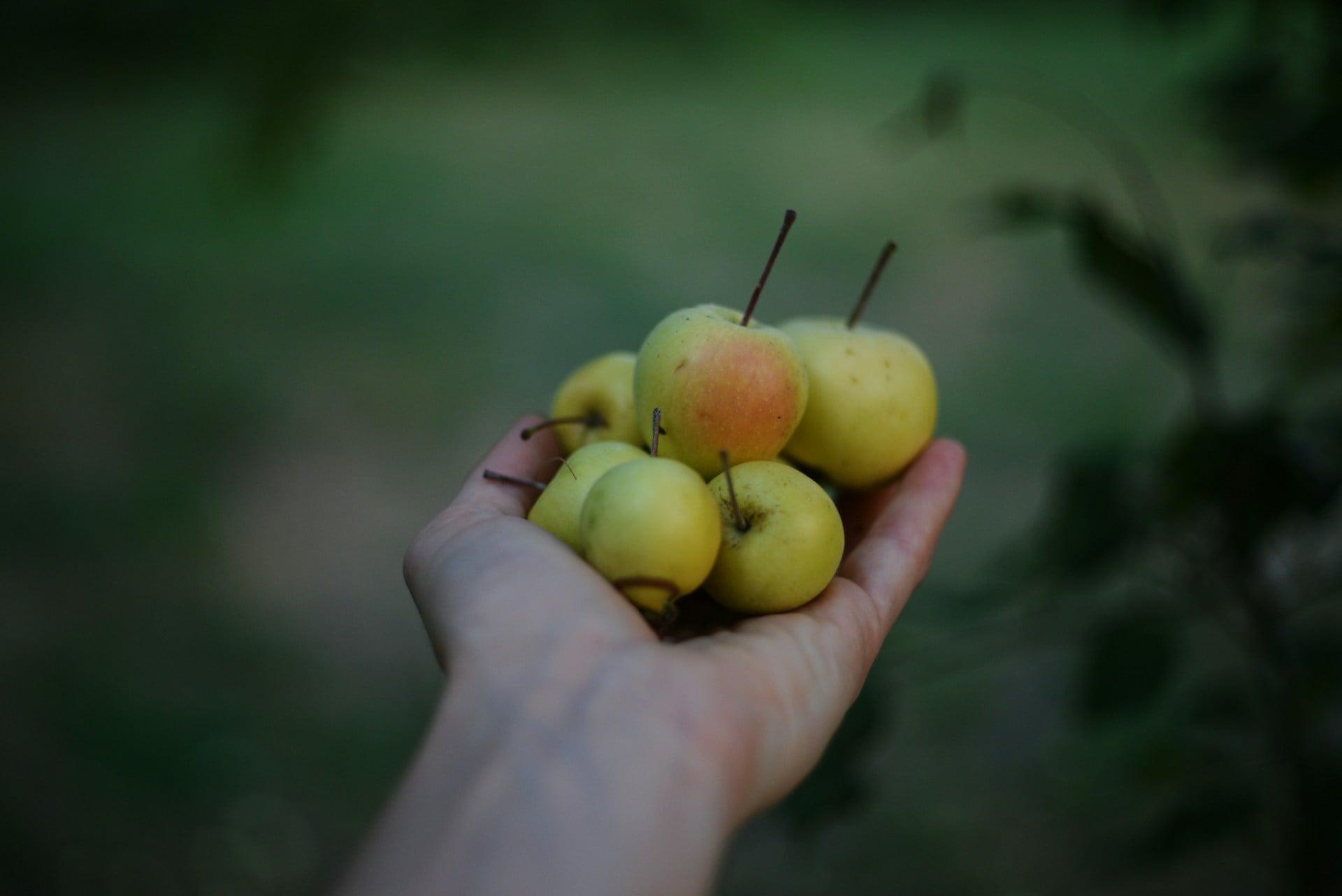
Miracle fruit doesn’t taste like dessert itself—it’s relatively bland and mildly sweet. But eat one and then bite into a lemon, and the lemon tastes like lemonade.
Vinegar tastes like apple juice. The fruit contains a protein that binds to taste receptors and makes sour things taste sweet.
The effect lasts about an hour. People throw tasting parties where they eat miracle fruit and then sample normally sour foods that suddenly taste like candy.
It’s a bizarre and entertaining experience that demonstrates how much our taste perception depends on chemistry happening on our tongues.
Longan
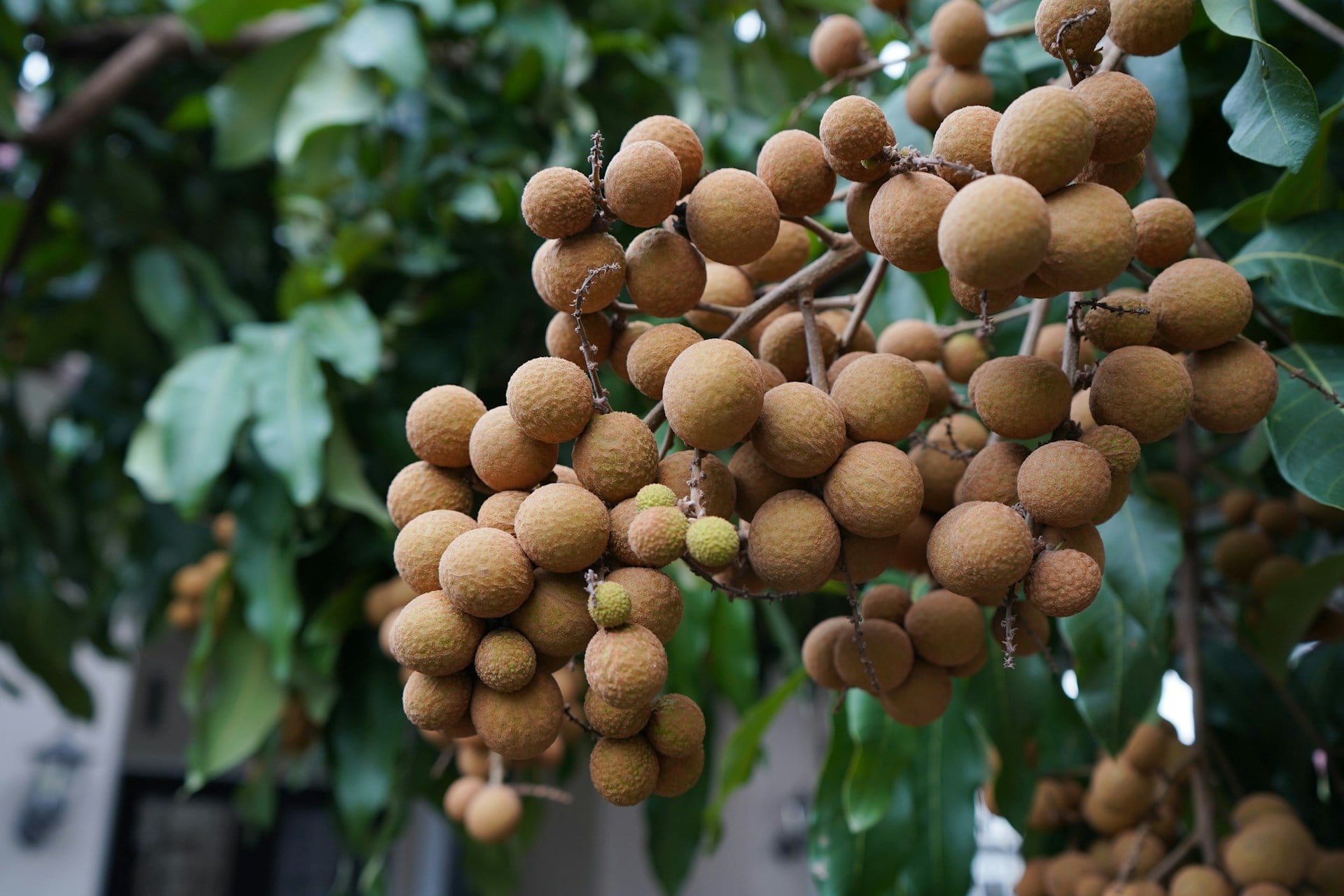
Longans are close relatives of lychees and rambutans but smaller and with a smooth tan shell. The flesh inside is translucent and sweet with a musky, floral flavor.
It’s less intensely perfumed than lychee but still distinctly tropical and candy-like. The texture is soft and juicy.
In Asia, people eat longans by the handful, popping them out of their shells and discarding the seeds. The sweetness is clean and straightforward, like honey mixed with grape juice.
Dried longans concentrate the sweetness even further and are used in desserts and teas.
Why we crave sweet fruit
Humans evolved to seek out sweet foods because sweetness indicated calories and energy. Fruit provided vitamins, minerals, and quick energy to early humans.
Our taste preferences haven’t changed much even though our food environment has. That’s why fruit that tastes like dessert feels so satisfying—it triggers the same reward pathways in our brains that cake or ice cream does, but without the processed sugar crash that follows.
The sweetest fruits tend to come from tropical regions where year-round warmth allows plants to produce more sugar. Competition for seed dispersers is fierce in tropical forests, so plants evolved increasingly sweet fruits to attract animals.
We’re the beneficiaries of millions of years of evolutionary arms races between trees and the creatures that eat their fruit.
The availability problem

Most of these fruits never make it to regular grocery stores. They’re too fragile, too weird-looking, or too unfamiliar to American and European consumers.
Transportation is expensive for fruit that spoils in days. Import regulations complicate things further.
Some fruits can’t be brought into certain countries because they might carry pests or diseases. This means that unless you live in a tropical region or have access to specialty markets, you’ll probably never taste half of these fruits at their best.
The ones that do make it to stores are often picked unripe to survive shipping, which means they never develop full sweetness. Trying these fruits fresh, at perfect ripeness, in the places they grow is a completely different experience from buying them shipped and stored.
What grows where you are

The good news is that unusual sweet fruits grow in many climates if you know where to look. Pawpaws grow wild in much of the eastern United States.
Persimmons do well in temperate zones. Figs thrive in Mediterranean climates.
Asian pear trees handle cold winters. Even in unlikely places, someone is probably growing something interesting.
Farmers markets and ethnic grocery stores are better sources than supermarkets for unusual fruit. The people selling at farmers markets are often growing varieties that prioritize flavor over shipping durability.
Asian, Latin American, and Middle Eastern grocery stores import fruits that mainstream stores won’t touch. Building relationships with these sellers sometimes means getting a heads-up when something special comes in.
Growing your own is another option if you have space and the right climate. Fruit trees take years to produce, but once established, they provide decades of harvests.
Container growing extends the range of tropical fruits into cooler climates if you can move the pots indoors during winter.
The pleasure of discovery
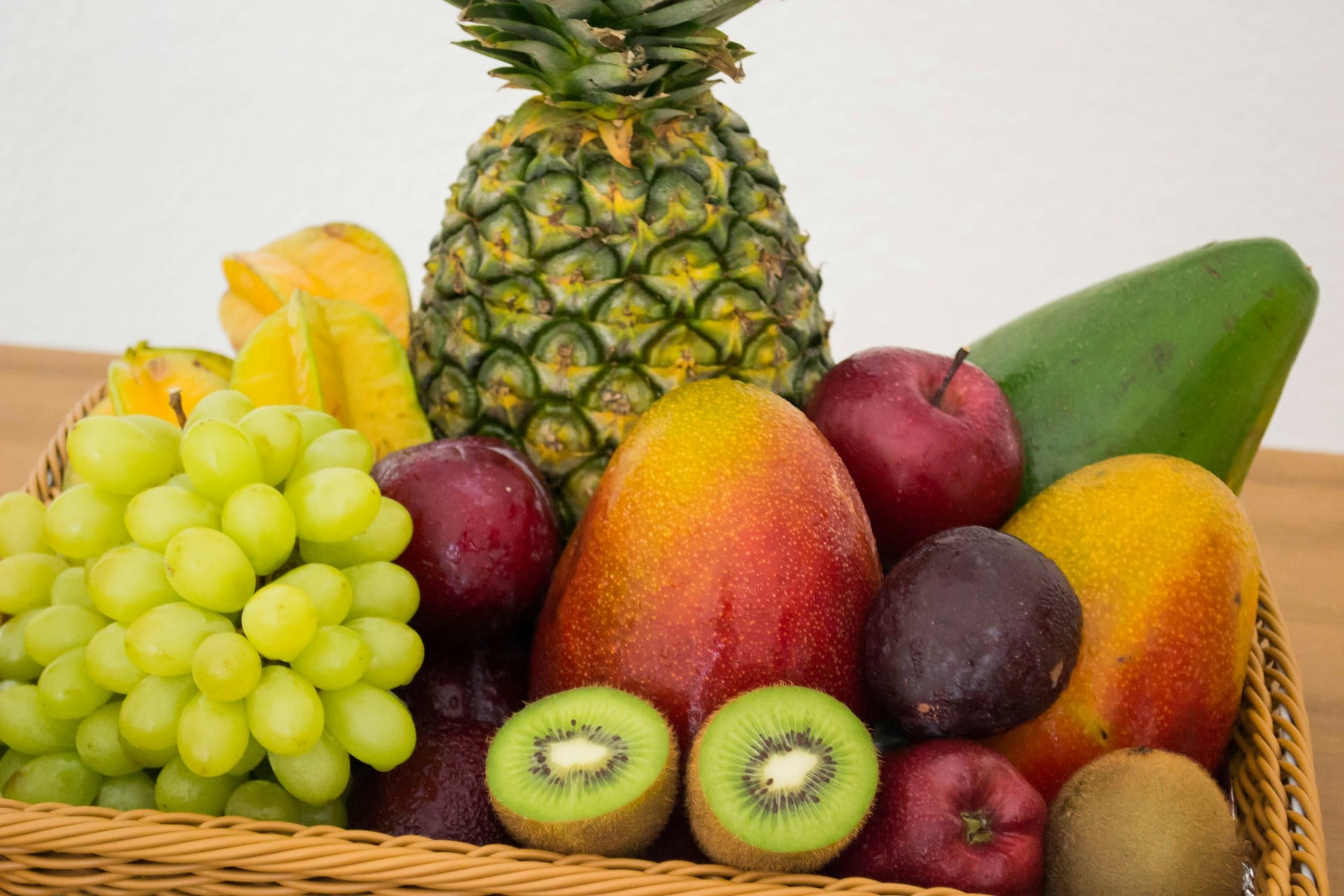
Finding a new fruit that tastes better than candy is one of the small perfect experiences life offers. It’s the surprise of discovering that nature can produce something this good without any processing or added sugar.
It’s also the reminder that we’re still finding out what’s possible in the natural world—that there are flavors and textures we haven’t experienced yet, growing on trees we’ve never heard of, in places we’ve never been.
Every fruit on this list was someone’s first amazing discovery at some point. Someone bit into a mangosteen for the first time and realized it tasted better than any dessert they’d ever eaten.
Someone else tried a pawpaw and understood why early American colonists considered them a delicacy. The world still has fruits you haven’t tasted, and some of them are waiting to become your new favorite thing.
More from Go2Tutors!

- The Romanov Crown Jewels and Their Tragic Fate
- 13 Historical Mysteries That Science Still Can’t Solve
- Famous Hoaxes That Fooled the World for Years
- 15 Child Stars with Tragic Adult Lives
- 16 Famous Jewelry Pieces in History
Like Go2Tutors’s content? Follow us on MSN.



