Ancient Materials That Reshaped Human Innovation
The materials early people used didn’t just tweak things – they flipped life upside down. Not in a vague or dreamy way, but right there in daily survival.
Once folks learned to shape bronze, it wasn’t only about sharper knives. That step shifted human limits – suddenly more became possible.
Materials built societies more than thoughts ever could. Sounds rough, yet consider this – imagine smart plans for buildings, fighting, or farming.
If you lack the proper stuff to bring them to life, they just sit unused in your mind.
Bronze Made Everything Possible

Copper was fine for simple things. But mix it with tin and you get something completely different.
Bronze tools held an edge. They didn’t shatter when you struck a stone.
The Bronze Age didn’t just appear. Someone had to experiment with ratios, with heat, with timing.
That process took generations. But once communities mastered it, they could make weapons that lasted, tools that worked, and art that endured.
Cities grew because bronze allowed for better construction tools. Armies expanded because bronze weapons gave them an advantage.
Trade routes formed because tin deposits were unevenly distributed—regions like Cornwall, Anatolia, and Central Asia had it, while others had to trade for it across long distances.
Iron Changed the Balance of Power

Bronze had advantages, but in many regions, getting tin was difficult. Iron ore was far more common.
The trick was figuring out how to get it hot enough to work properly. That took better furnaces and different techniques.
The transition from bronze to iron happened gradually after around 1200 BCE. Communities didn’t switch overnight.
For centuries, both metals existed side by side, with bronze still preferred for certain applications. But as ironworking techniques improved, iron’s advantages became clearer.
It was harder than bronze when properly worked, and the raw materials were more accessible. This gradual shift had political consequences.
Smaller communities that couldn’t access tin trade networks could now arm themselves. The balance of power across the ancient world slowly changed as iron weapons and tools became more common.
Glass Opened New Ways of Seeing

Someone in Mesopotamia or Egypt discovered that heating sand with certain minerals created glass. The exact origin story is lost, but the impact wasn’t.
Early glass was opaque or translucent at best, mostly used for decorative objects and jewelry. It took centuries of experimentation before craftspeople learned to make truly clear, transparent glass.
Once they did, the possibilities expanded. Clear glass meant you could store liquids and see what was inside.
You could make windows that let in light but kept out the weather. Much later, this same material would become lenses that extended human vision in both directions—toward the very small and the very distant.
The Romans figured out how to blow glass around the 1st century BCE, which made production faster and cheaper. Glass went from a luxury item to a more common object.
That shift mattered because it meant more people could benefit from what glass offered.
Concrete Built Rome and Outlasted It

Roman concrete wasn’t just mixed and poured. It was engineered with different formulas for different purposes.
Their marine concrete used volcanic ash that reacted with lime and seawater in ways that made those specific structures remarkably durable. The Pantheon’s dome still stands after nearly 2,000 years.
Roman engineers understood material properties in ways that would take centuries to rediscover after their civilization fell. They could build structures that carried massive loads, that resisted earthquakes, that stood up to weather.
When Rome collapsed, many of their concrete recipes were lost. Medieval builders couldn’t match Roman construction techniques for over a thousand years.
The durability of Roman structures varied depending on the formula used, but their best work has outlasted many modern buildings.
Silk Connected Continents

The Chinese kept silkmaking secret for thousands of years. That monopoly made them wealthy and powerful.
Silk was light, strong, and beautiful. Nothing else compared.
The Silk Road wasn’t really about silk alone, but silk drove it. Merchants would travel thousands of miles, crossing deserts and mountains, because the profit margins justified the risk.
That trade network didn’t just move materials. It moved ideas, technologies, religions, and diseases.
The Black Death traveled along routes established by silk traders. The monopoly finally broke around the 6th century CE when silkworm eggs were smuggled into Byzantium.
From there, silk production spread to Persia and eventually Europe. But even after the secret leaked out, Chinese silk remained highly prized for its quality.
Papyrus Gave Ideas Permanence

Writing existed before papyrus. Sumerians used clay tablets.
But clay was heavy and breakable. Papyrus was different.
It was light enough to carry, durable enough to last, and relatively cheap to produce if you lived near the Nile. Egyptian papyrus scrolls let ideas travel.
You could write down a treaty, a story, a religious text, or an accounting ledger and send it somewhere else. The original author didn’t need to travel with it.
This separated knowledge from the knower in a fundamental way. Libraries became possible because papyrus let you accumulate texts without needing a warehouse.
Alexandria’s famous library held hundreds of thousands of scrolls. That concentration of written knowledge drew scholars from across the Mediterranean.
The library’s gradual decline through multiple incidents over centuries—fires, budget cuts, political upheaval—represents one of history’s great intellectual losses.
Rubber Transformed Indigenous American Life

Long before European contact, Mesoamerican peoples had figured out how to process latex from rubber trees. They made it into waterproof containers, adhesives, and bouncing spheres for their ceremonial games.
These rubber products weren’t as elastic or durable as modern vulcanized rubber would become, but they were bouncy enough to serve their purpose. The Olmec were playing games with rubber spheres by 1600 BCE.
These weren’t casual entertainment. The games had religious significance, and the architecture built to accommodate them—massive stone courts—showed how central they were to the culture.
The material properties of rubber—its elasticity and waterproofing ability—enabled specific cultural practices. When Europeans finally figured out how to work with rubber centuries later, and especially after vulcanization was invented in the 19th century, they would use it to industrialize transportation, manufacturing, and warfare.
But the indigenous Americans got there first with processing the raw material itself.
Ceramics Solved Storage Problems

Fire-hardened clay containers changed how humans could store food and water. The earliest ceramics appeared in China around 20,000 years ago, predating agriculture in that region.
These early pots served various purposes before the Neolithic storage revolution. Before widespread pottery use, people had to rely on organic materials that rotted or leaked.
Clay pots lasted. They kept grain dry, held liquids without seepage, and could be sealed against pests.
Once agricultural communities adopted pottery for storage, the impact was profound. Communities could store surplus, which meant they could survive bad harvests.
They could trade preserved foods over longer distances. They could make fermented products like wine and beer that required sealed containers.
Pottery also gave archaeologists a gift. Clay pots broke constantly, and different cultures made them in distinctive styles.
Those pottery shards, scattered across ancient sites, tell us about trade patterns, migration routes, and cultural exchanges that left no written record.
Stone Tools Started Everything
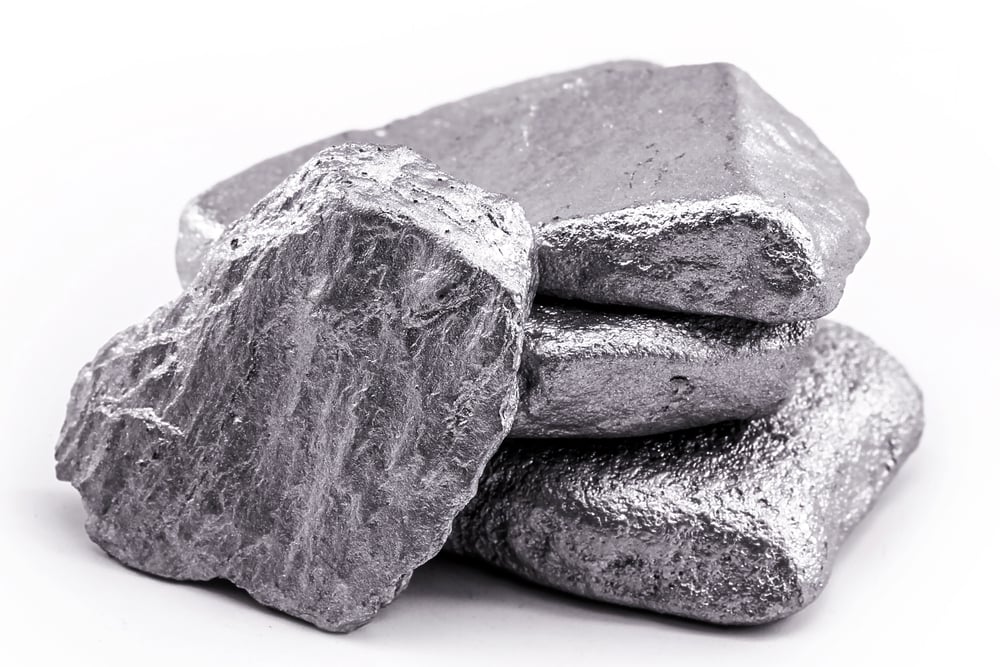
Before metal, before ceramics, before any of the materials that came later, humans were working stone. Flint knapping—the process of shaping stone by striking off flakes—was humanity’s first real technology.
A well-made stone blade could be sharper than modern surgical steel. It couldn’t hold that edge as long, but in terms of initial sharpness, stone competed with anything made later.
Stone tools let early humans butcher meat efficiently, work wood and bone, make clothing from hides, and eventually craft the other tools that would lead to further innovations. The progression from basic stone flakes to sophisticated stone blades took hundreds of thousands of years.
That timeframe is hard to wrap your head around. But it represents continuous refinement of technique, passed down through generations, gradually improving.
Every other material technology that came later was built on that foundation.
Leather Made Survival Practical

Animal hides rotted quickly. But early humans figured out how to preserve them using smoke and animal fats—processes that dated back hundreds of thousands of years.
Later, people discovered that tannins from tree bark could produce more durable leather, though this method came much later in human history. Either way, preserved leather gave humans protection from weather, containers that were flexible but durable, armor that could stop many weapons, and footwear that enabled long-distance travel.
Northern climates would have been nearly impossible to settle without leather. The Inuit developed incredibly sophisticated leather-working techniques because their survival depended on it.
Their clothing, made from properly prepared seals and caribou, could keep a person alive in temperatures that would kill you in minutes without protection. Medieval Europe ran on leather.
Shoes, belts, bags, armor, buckets, bellows, hinges, and countless other items were made from it. The distinctive smell of medieval cities came partly from the tanneries that processed hides—a smell considered so unpleasant that tanners were often forced to work outside city walls.
Gold Became Universal Currency

Gold’s properties made it well-suited for money. It didn’t rust or tarnish.
It was rare enough to have value but not so rare that you couldn’t accumulate enough for trade. It was soft enough to work easily but hard enough to hold its form.
You could divide it precisely by weight. Gold was widely valued across cultures, which made it useful for trade across cultural boundaries.
A Roman could trade with a Persian using gold because both sides agreed on its worth. But gold wasn’t universally adopted as currency.
Many ancient cultures relied on barter systems, grain as payment, or silver as their primary monetary metal before—or instead of—using gold. The search for gold drove exploration, funded wars, and built empires.
Spain’s conquest of the Americas was motivated largely by gold. The California Gold Rush brought hundreds of thousands of people to the American West.
Gold was valuable enough that people would cross oceans and endure terrible hardships for a chance at finding it.
Obsidian Cut Like Nothing Else
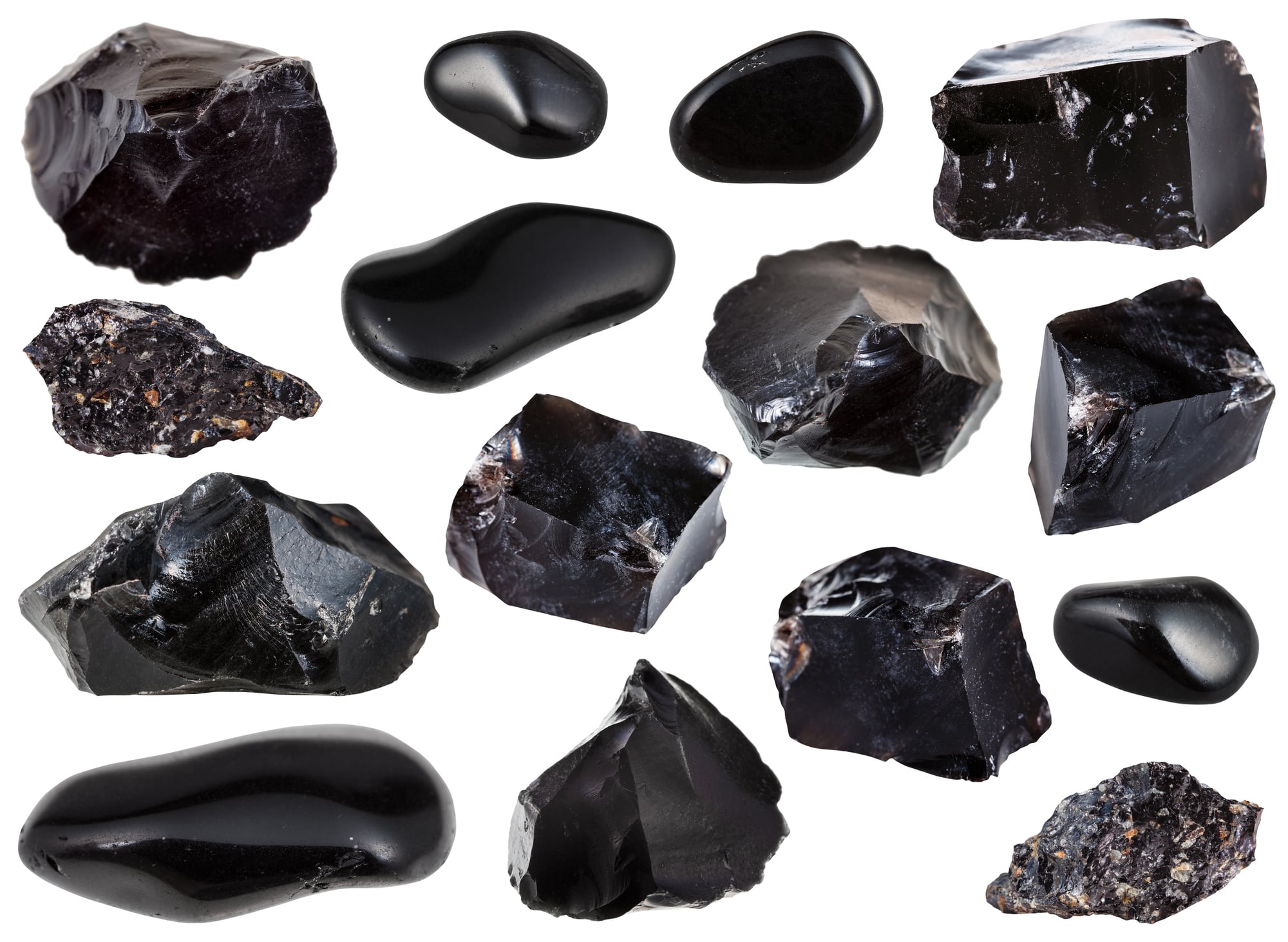
This volcanic glass could be worked into blades sharper than any metal. Obsidian knives were used for surgery in Mesoamerica and for cutting tools across the Pacific and Americas wherever volcanic activity made the material available.
The sharpness came from how it fractured. When you struck obsidian correctly, it broke along predictable lines, leaving edges that were literally only a few molecules thick.
Modern surgeons have experimented with obsidian scalpels for certain procedures because they cut more precisely than steel, leaving smaller scars. But obsidian was extremely brittle.
Those incredibly sharp edges chipped easily. The blades worked beautifully for cutting and slicing but were unsuitable for impact weapons or heavy-duty work that metal tools could handle.
This made obsidian a specialized material—prized for surgical precision and fine cutting but not as a general-purpose tool or weapon material.
Textiles Created Social Hierarchies
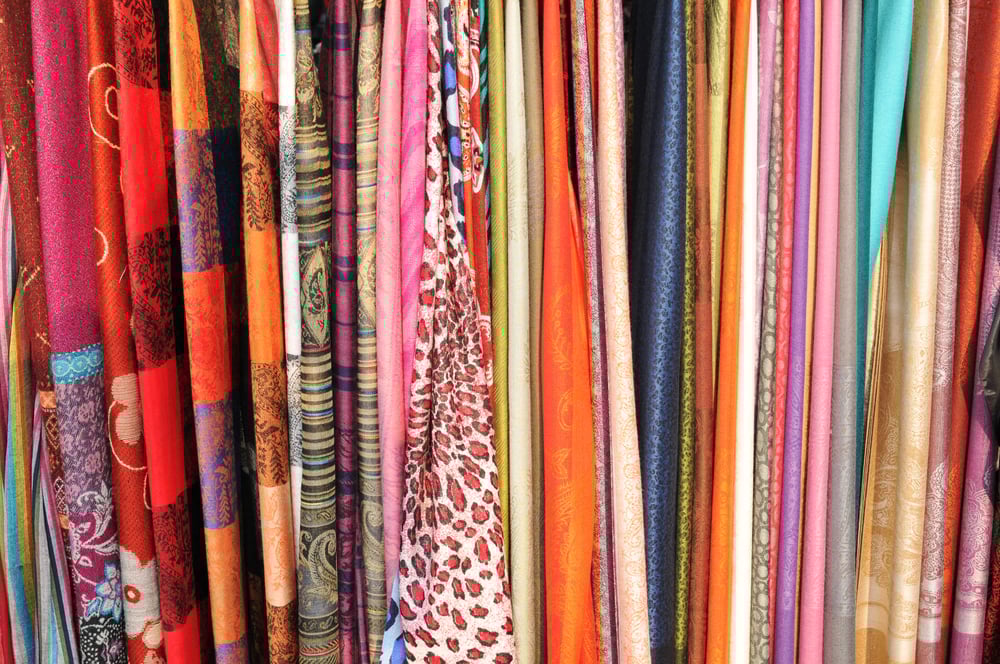
Plant and animal fibers woven into cloth don’t seem remarkable today. But textiles were complicated to produce.
You needed to process the raw fiber, spin it into thread, and then weave that thread into fabric. Each step required skill and time.
This made fine textiles expensive. They became markers of wealth and status.
A person’s clothing told you immediately where they fit in the social order. Purple-dyed cloth was especially costly in Rome because the dye came from murex snails—thousands of snails for a small amount of dye.
Roman sumptuary laws regulated clothing, and certain shades of purple were restricted to the elite, though not all purple fabrics were banned for common people. Silk was similar in medieval Europe—so expensive it was largely reserved for nobility and the very wealthy.
Textiles were also portable wealth. Cloth could be traded, stolen, or given as gifts.
It didn’t spoil like food or require the same security as precious metals. This made textiles a preferred form of payment and taxation in many pre-modern economies.
The Pattern Continues

These materials did more than spark fresh tech. Because they changed how folks banded together, who held authority, also shifted human bonds.
Bronze access decided battle outcomes. Iron ore control tipped survival odds for realms.
Silk or rare dyes in one’s grip built wealth fast. You’ll spot these kinds of trends in today’s stuff.
Plastic changed life in the 1900s just as bronze transformed old civilizations. Information tech took off once silicon chips arrived.
Coming materials – like graphene, lab-made bio parts, or advanced metals – could shift everything once more. The stuff used wasn’t the key part.
The real deal was when somebody learned how to shape it – after that, know-how traveled fast. Every substance brought chances no one had ever seen.
Once folks noticed these options, life got reshaped by them. This shift never really ended.
Now it’s simply chasing newer kinds of matter.
More from Go2Tutors!

- The Romanov Crown Jewels and Their Tragic Fate
- 13 Historical Mysteries That Science Still Can’t Solve
- Famous Hoaxes That Fooled the World for Years
- 15 Child Stars with Tragic Adult Lives
- 16 Famous Jewelry Pieces in History
Like Go2Tutors’s content? Follow us on MSN.