20 Secrets Of the U.S. Navy SEALs
The U.S. Navy SEALs are one of the most elite fighting forces in the world. They operate in places most people will never see, doing things most people will never understand.
Built for the toughest missions on earth, these warriors go through training that would break the average person in the first hour. What makes them tick, though, goes far deeper than just fitness and toughness.
There is a lot that happens behind the scenes that the public rarely hears about. Here are 20 things the SEALs probably would not mind you knowing, but never really talk about.
The ‘Six-Month’ Lie
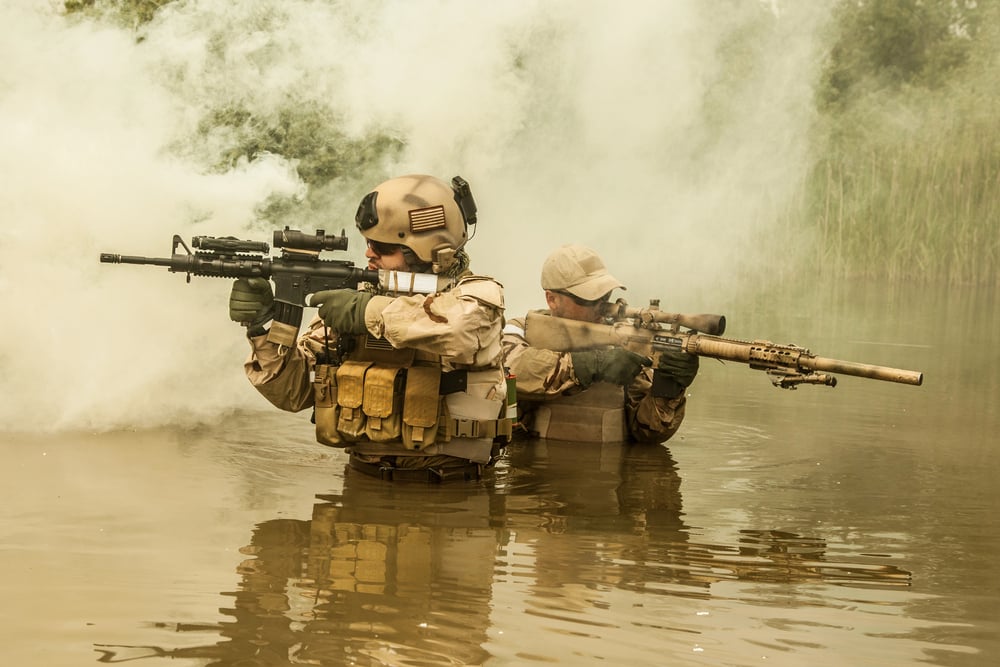
Many believe Navy SEAL prep lasts half a year. Yet the entire journey – starting with Basic Underwater Demolition/SEAL school and ending in advanced operator stages – spans twelve to twenty-four months.
After enduring what ranks among the most intense preparation on Earth, a candidate finally receives his trident insignia. That initial six-month stretch? Only the beginning.
Hell Week Lives Up to Its Name

Fifth day starts like the others – raw sky, wet clothes, shivering bodies. Sleep happens in snatches, if at all, just a few minutes here and there across nearly six days.
Movement carries them forward, mile after mile piling up past two hundred now. Cold water drenches every step, numbs hands fast, makes teeth rattle without stop.
Boats balance overhead while feet sink into soft sand, dragging weight that never lets up. Pain shows up early, stays longer than expected.
Some keep moving even then. Others simply walk away before it’s done.
The real test hides behind tired muscles – it asks how long someone will stay when quitting feels reasonable.
Most Candidates Never Make It
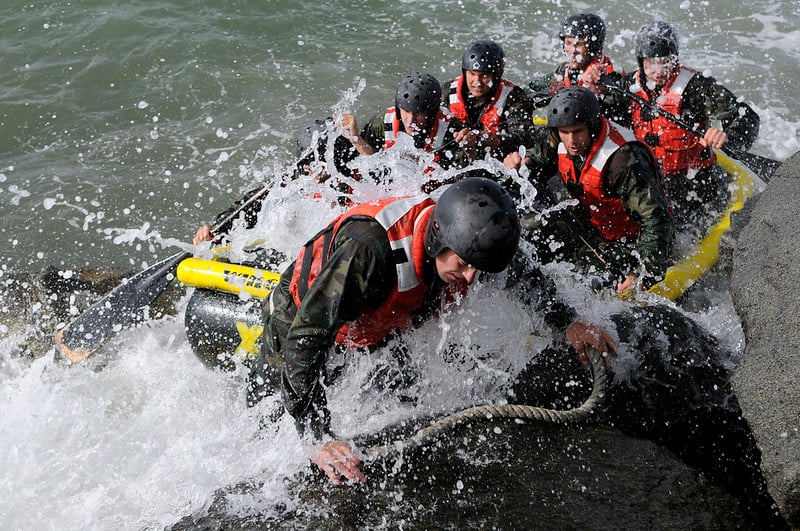
The dropout rate for Basic Underwater Demolition/SEAL training sits around 75 to 80 percent. Some classes have seen that number climb even higher.
Instructors do not push candidates out; candidates remove themselves by choosing to ring the bell, a literal brass bell that signals a voluntary exit. The men who make it are not always the biggest or the strongest.
They are the ones who simply refuse to stop.
Cold Water Is the Real Enemy

The Pacific Ocean off Coronado, California, where most SEAL training takes place, hovers around 65 degrees Fahrenheit. That might not sound extreme, but hours in that water will drop a person’s core temperature fast.
Trainees regularly experience hypothermia symptoms during surf torture drills. The body screams to get out, and learning to stay in anyway is one of the most important lessons SEALs ever learn.
They Train to Operate in Every Environment

The name says ‘Sea, Air, and Land,’ and that is not just a cool acronym. SEALs train in open ocean, rivers, jungles, deserts, arctic conditions, and urban settings.
A single SEAL team might complete a water insertion one week and fast-rope from a helicopter into a mountain range the next. Versatility is not optional. It is the entire point.
The Trident Is Earned, Not Given
The Special Warfare insignia, called the Trident or sometimes the ‘Budweiser’ by SEALs themselves, is one of the hardest military badges to earn in the U.S. armed forces. Candidates receive it only after completing the full training pipeline, which includes Basic Underwater Demolition/SEAL training, SEAL Qualification Training, and a probationary period within an actual SEAL team.
Even after receiving it, a SEAL can lose the trident if his conduct falls below the standard. It carries weight every single day.
Sleep Deprivation Is a Tool, Not an Accident

Instructors use sleep deprivation during training deliberately, not just to make life miserable. The reasoning is practical.
Most high-stakes military operations do not happen at convenient hours. SEALs need to be sharp, fast, and effective when they have had almost no rest.
Training the brain to function under extreme fatigue is part of what separates a SEAL from a regular soldier.
Underwater Navigation Is Its Own Skill
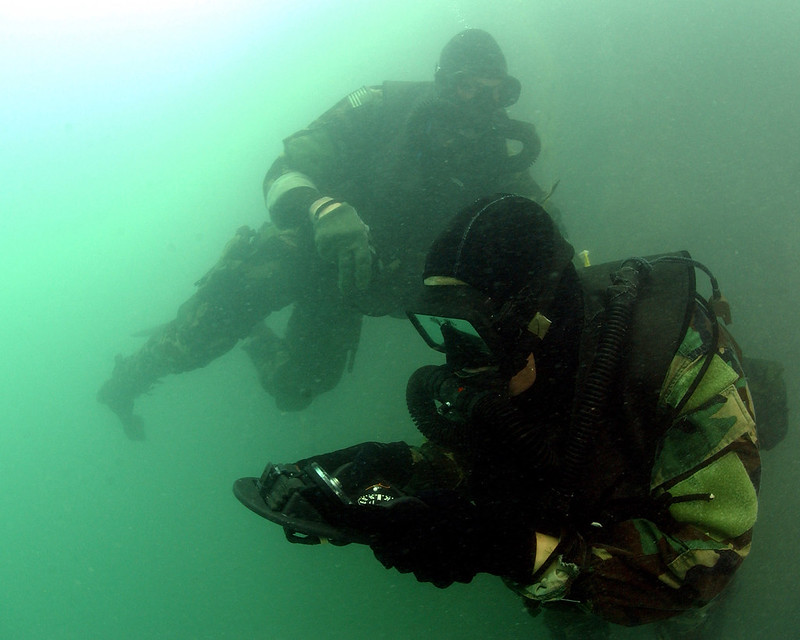
Open-water swimming in dark, murky conditions with limited visibility is terrifying for most people. SEALs are trained to navigate underwater using compasses strapped to their wrists, counting kicks to measure distance, and relying on feel as much as sight.
A miscalculation during a combat swim can mean coming up in the wrong location entirely. The margin for error is almost zero, and they drill this skill repeatedly until it becomes second nature.
Free Fall from 30,000 Feet Is Routine

Military free fall, including HAHO (High Altitude High Opening) and HALO (High Altitude Low Opening) jumps, is a standard part of the SEAL toolkit. HALO jumps involve leaping from aircraft at up to 30,000 feet and free falling before opening the parachute low to avoid radar detection.
At that altitude, operators need supplemental oxygen and can experience temperatures well below freezing before they even open their chute. For SEALs, this is just another Tuesday.
They Study Language and Culture, Not Just Tactics
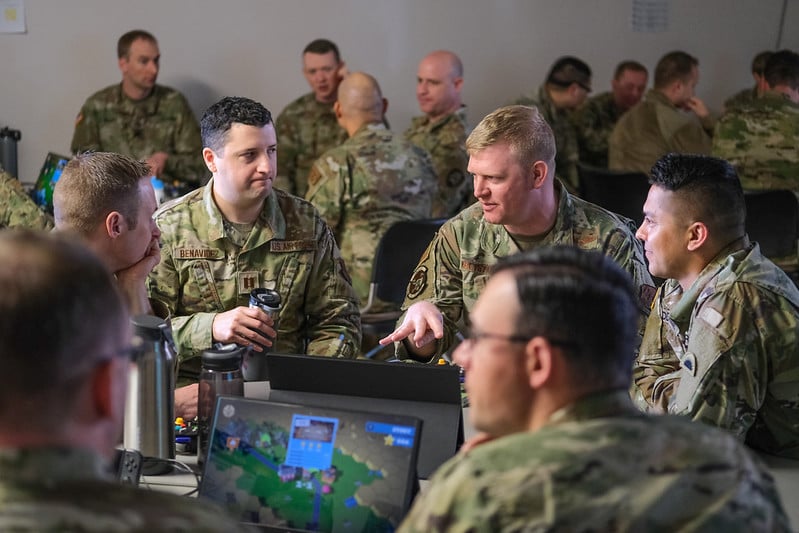
A SEAL who does not understand the culture of the region he is operating in is a liability. Teams often include operators who have studied local languages, customs, and political dynamics.
This is not just about being polite. It directly affects mission success, the ability to gather intelligence, and how local populations respond to their presence.
Their Fitness Standards Never Stop
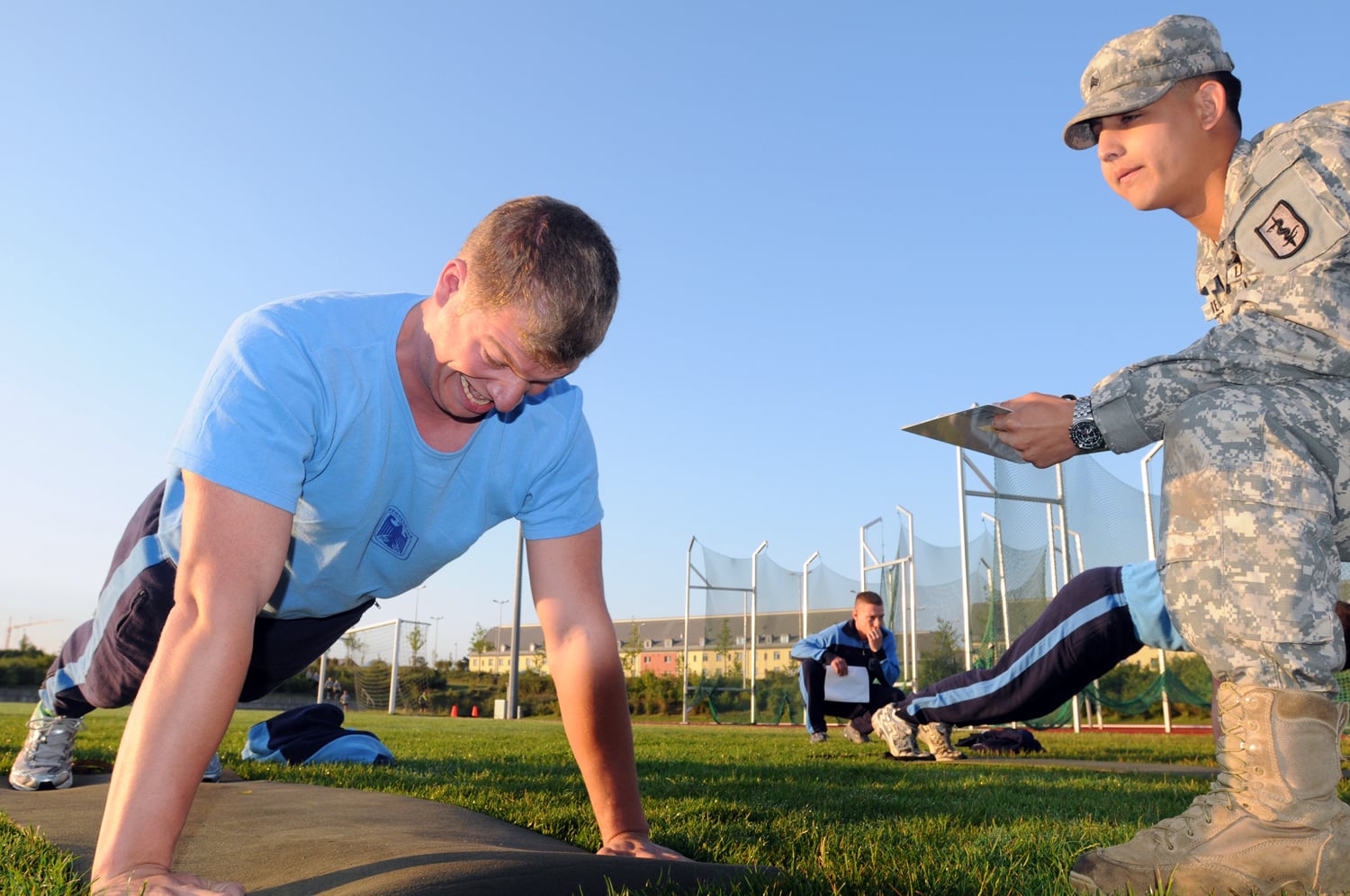
Passing training does not mean the fitness requirements end. Active SEALs are expected to maintain peak physical condition throughout their entire career, which often spans 20 or more years.
Regular physical training is built into daily life, and failing to meet standards can affect assignments and promotions. Unlike a lot of professions where getting the job means you can coast a little, SEALs have to keep earning it.
They Use Closed-Circuit Breathing Gear
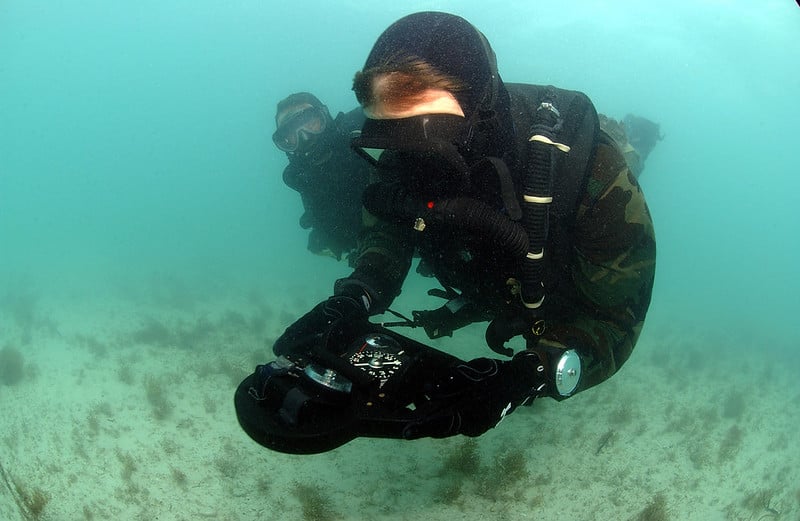
Standard scuba equipment releases bubbles, which can give away a diver’s position underwater. SEALs use closed-circuit rebreathers that recycle exhaled air so no bubbles surface.
This allows them to approach targets, ships, or coastlines completely undetected. The gear is complicated, expensive, and requires extensive training to use safely.
It is the kind of equipment most recreational divers will never even see in person.
The Selection Process Starts Before Training
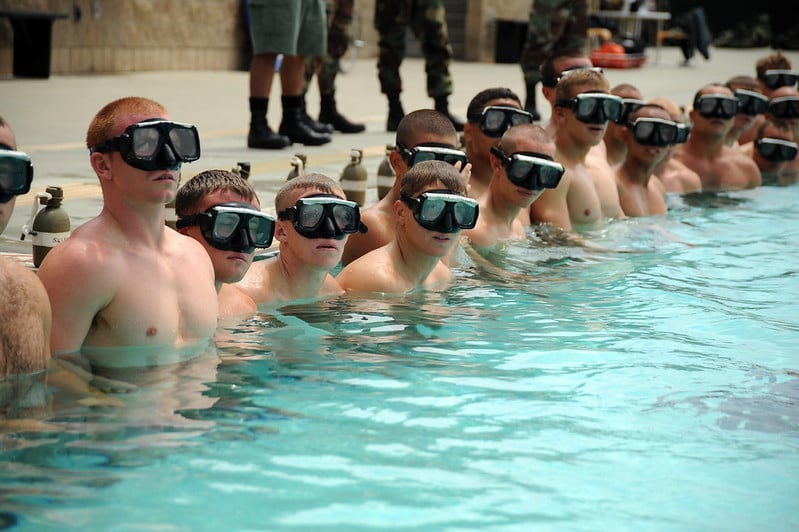
Getting into SEAL training is not as simple as showing up. Candidates go through a preliminary selection process that includes physical screening tests, medical evaluations, and aptitude assessments.
The Physical Screening Test requires candidates to swim 500 yards in under 12 and a half minutes, complete over 42 push-ups, and finish a 1.5-mile run in under 11 and a half minutes, among other tasks. That is just to earn a seat in training.
The real challenge has not even begun yet.
Teamwork Is Non-Negotiable
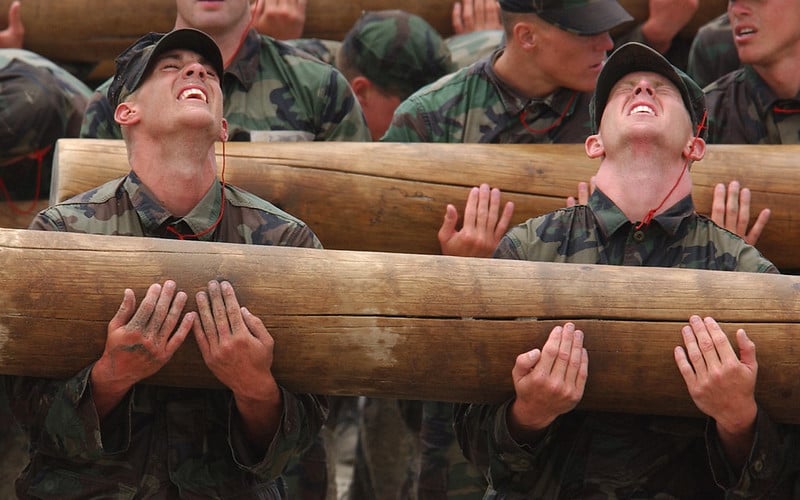
There is a reason the phrase ‘lone wolf’ does not apply to SEALs. Every mission depends on each team member performing their role at the right moment.
A SEAL who grandstands or breaks formation puts everyone in danger. Training reinforces collective thinking constantly, whether through shared suffering during Hell Week or synchronized tactical drills.
Individual skill matters, but the team always comes first.
Snipers Operate at Extreme Distances

SEAL snipers are among the most precise long-range shooters in any military force in the world. Confirmed kills have been recorded at distances exceeding a mile in real combat conditions.
Achieving that level of accuracy requires training that accounts for wind, elevation, humidity, the curvature of the earth, and even the rotation of the bullet itself. It is as much science as it is skill, and it takes years to reach the highest level.
Medical Training Goes Beyond First Aid

Every SEAL receives training in combat medicine that goes far beyond what a standard soldier learns. They are taught to perform procedures in the field that would normally require a doctor, including managing severe trauma, administering advanced interventions, and keeping wounded teammates alive until proper care is available.
In many remote environments, the nearest hospital is hours away. A SEAL’s medical knowledge can be the difference between a teammate making it home or not.
Mental Toughness Is Taught, Not Inherited
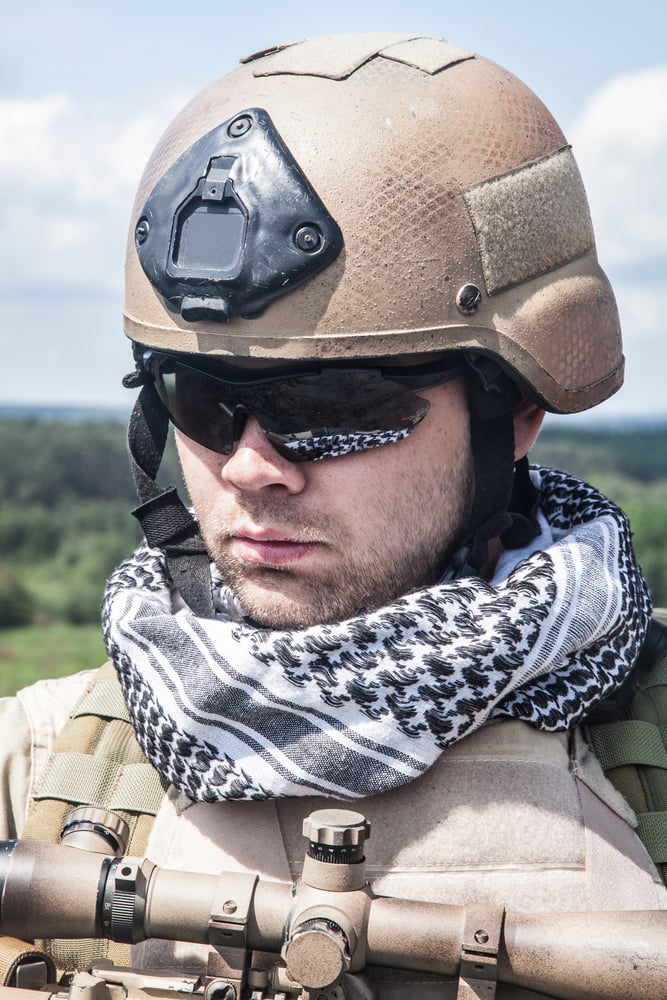
There is a common belief that SEALs are just built differently from birth. The truth is more interesting.
Mental resilience is something instructors actively develop throughout the training process. Techniques like goal segmentation, where a candidate focuses on the next meal or the next hour instead of the full week ahead, are taught and practiced.
The ability to stay calm when everything is going wrong is a learned skill, and SEALs work on it as deliberately as any physical exercise.
Missions Often Happen Without Fanfare

The vast majority of SEAL operations are never reported in the news. For every high-profile mission that makes headlines, dozens of others happen quietly and stay that way.
Some operations are classified for years or even decades. The men involved cannot tell their families where they are going, what they are doing, or sometimes even when they will return.
That kind of silence requires a different kind of strength altogether.
Working Together Through Different Departments

Alone is not how SEALs operate inside America’s defense setup. Alongside operatives out of Langley, their presence becomes routine – more common than people assume.
Frequently, you’ll find signal specialists from Fort Meade woven into these efforts. Joint operations with top-tier forces from London or Canberra? They appear often enough to be expected.
Practice makes shifting through army ranks feel ordinary. With time, new radios, commands, different combat rules just fall into place.
The way they act, decide, react – subtle changes slip in unseen. Constant motion reshapes each small thing.
What once stood firm now bends without warning.
Veterans Carry the Training Long After Service
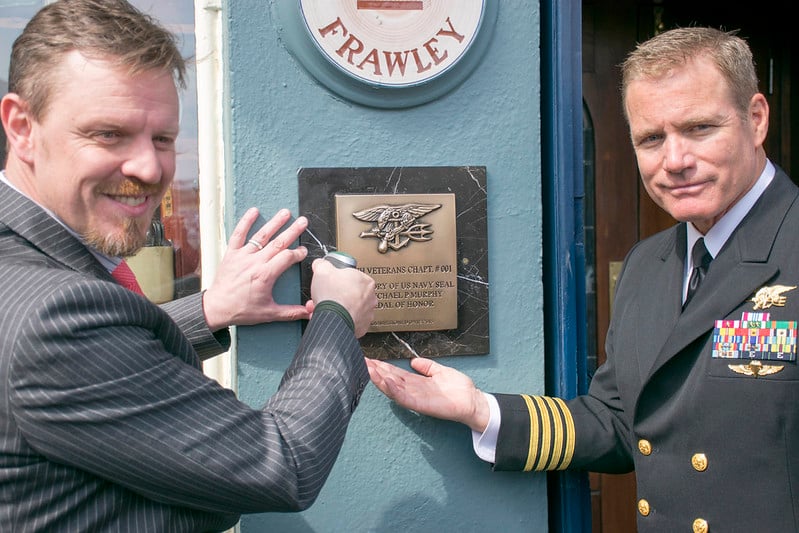
Even years later, a former SEAL carries habits deep inside. Muscles recall routines, true – but it is the mind too, trained to steady itself when everything spins fast.
Posture remains upright without thinking, choices arrive sharp while others still hesitate. Work often leads back to law enforcement, emergency response, security planning, or starting ventures out of thin air – paths guided by instincts formed long ago.
The metal insignia? Appears only in formal attire. Yet what it stands for – decisions made, words unsaid, endurance earned – stays through every step after.
Beyond the Trident

Not many understand how deep the SEALs go beyond being just elite soldiers. Pushed past breaking, their real strength shows in body and mind alike.
Each hidden truth here ties together – through grit, routine, tough choices when quitting feels easier. What happens out of sight stays that way, yet outcomes tell the full story without words.
Stillness under pressure might be their least noticed trait, but it matters most.
More from Go2Tutors!

- The Romanov Crown Jewels and Their Tragic Fate
- 13 Historical Mysteries That Science Still Can’t Solve
- Famous Hoaxes That Fooled the World for Years
- 15 Child Stars with Tragic Adult Lives
- 16 Famous Jewelry Pieces in History
Like Go2Tutors’s content? Follow us on MSN.



