Costly Materials Used In Everyday Products
Most people never think twice about what goes into the things they use every day. That tube of lipstick, the phone in your pocket, or even the car sitting in the driveway contains materials that cost more per ounce than many luxury items.
Companies quietly include expensive substances in regular products because they work better than cheap alternatives, even if it means spending serious money on ingredients most customers never notice.
Here’s a look at some surprisingly pricey materials hiding in plain sight.
Saffron in perfumes

Saffron costs more than gold by weight, often reaching $5,000 per pound or higher. Perfume makers use this spice anyway because its unique scent can’t be replicated by synthetic alternatives.
Each crocus flower produces only three tiny threads of saffron, and workers must hand-pick them during a short harvest window. High-end fragrances from brands like Tom Ford and Chanel include real saffron to create that distinctive warmth and depth.
The amount in a bottle of perfume might be microscopic, but it still drives up production costs significantly.
Titanium dioxide in sunscreen
This white powder shows up in nearly every sunscreen bottle on store shelves, and it doesn’t come cheap. Titanium dioxide costs manufacturers several dollars per pound, which adds up quickly when making millions of bottles.
The material works by physically blocking UV rays rather than absorbing them like chemical sunscreens do. Companies keep using it because consumers trust mineral sunscreens and because it performs reliably without causing skin reactions.
Even the cheapest drugstore sunscreen contains a material that costs more than many people realize.
Cobalt in rechargeable batteries
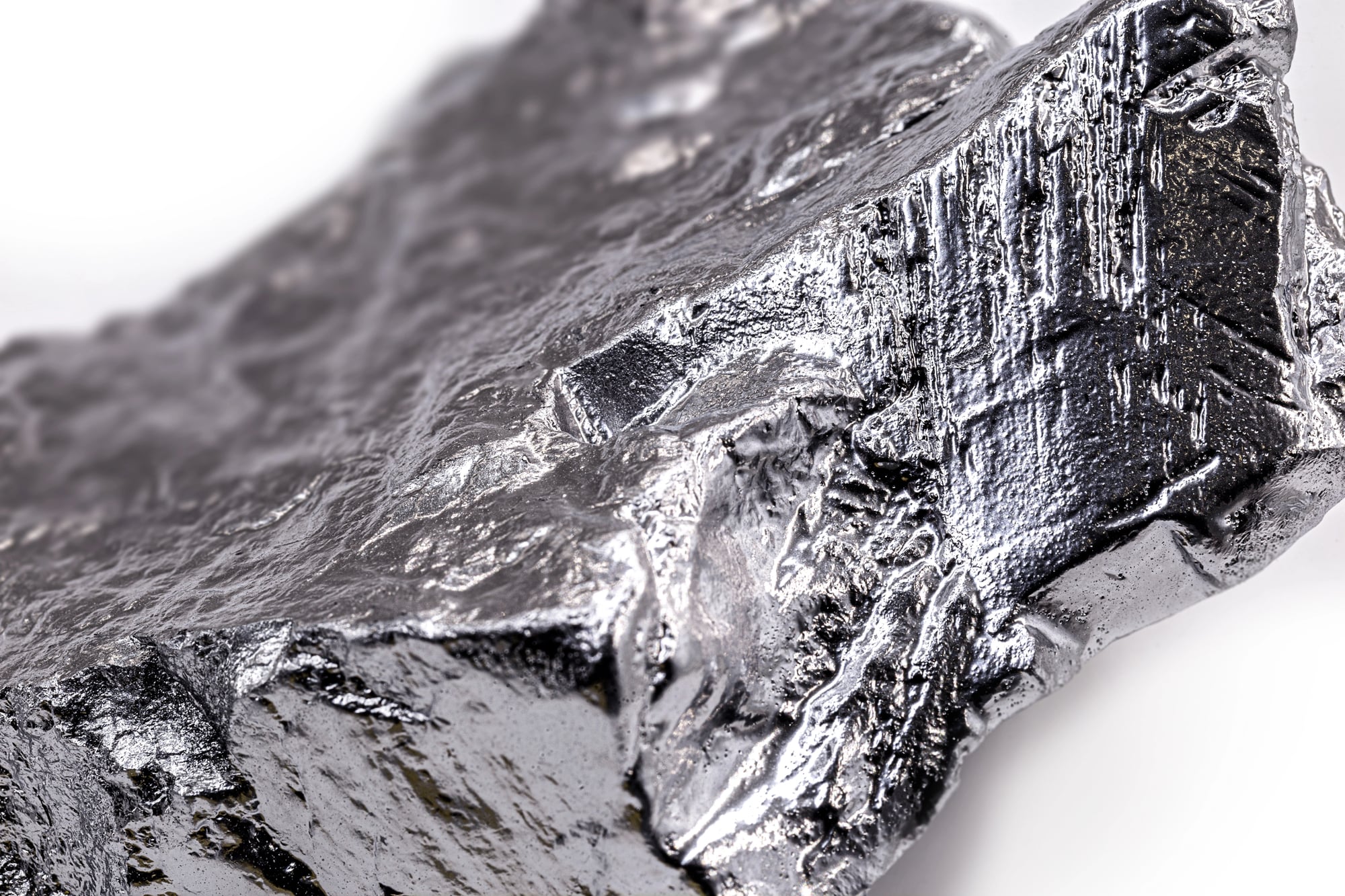
Every smartphone, laptop, and electric car runs on batteries packed with cobalt, a metal that trades for around $15 per pound. The Democratic Republic of Congo produces most of the world’s cobalt, and mining conditions there have sparked major ethical concerns.
Tech companies can’t easily switch to alternatives because cobalt helps batteries hold more power and last longer. A single electric car battery might contain 20 pounds of cobalt or more, adding hundreds of dollars to manufacturing costs.
Phone makers use smaller amounts, but they’re still spending significant money on this one ingredient.
Vanilla in ice cream

Real vanilla extract costs about $600 per gallon, making it one of the priciest food ingredients by volume. Ice cream companies that use genuine vanilla instead of artificial flavoring pay a premium for those little black specks customers associate with quality.
Vanilla orchids only grow in specific tropical climates, and each flower must be hand-pollinated to produce pods. Weather problems in Madagascar, which grows most of the world’s vanilla, can send prices even higher.
Budget brands skip real vanilla entirely, but premium ice creams consider it essential despite the cost.
Palladium in catalytic converters

This silvery metal costs around $1,000 per ounce, yet every gas-powered car needs it to reduce emissions. Catalytic converters use palladium to turn harmful exhaust into less dangerous gases before they leave the tailpipe.
Thieves target parked cars specifically to steal these parts and sell the palladium inside. Automakers have tried using cheaper alternatives, but nothing works quite as well for meeting emissions standards.
A typical catalytic converter might contain a few grams of palladium, translating to several hundred dollars in material costs alone.
Carmine in cosmetics

This deep red pigment comes from crushed cochineal insects and sells for about $50 per pound. Makeup companies use carmine in lipsticks, blushes, and eyeshadows because it creates vibrant, long-lasting color that synthetic dyes struggle to match.
Workers harvest the insects from cactus plants, dry them, and grind them into powder. The process takes time and labor, which explains why this natural colorant costs so much more than chemical alternatives.
Many brands don’t advertise that insects give their products that perfect red shade, but the ingredient list reveals the truth.
Indium in touchscreens

Touchscreens rely on indium tin oxide to conduct electricity while staying transparent. Indium trades for around $200 per kilogram, and supplies are limited since it only appears as a byproduct of zinc mining.
Every smartphone, tablet, and laptop screen contains a thin layer of this material, which responds to finger touches. Scientists keep searching for cheaper alternatives, but nothing has fully replaced indium yet.
The amount in each device is tiny, but when companies make millions of screens, those costs add up fast.
Gold in electronics
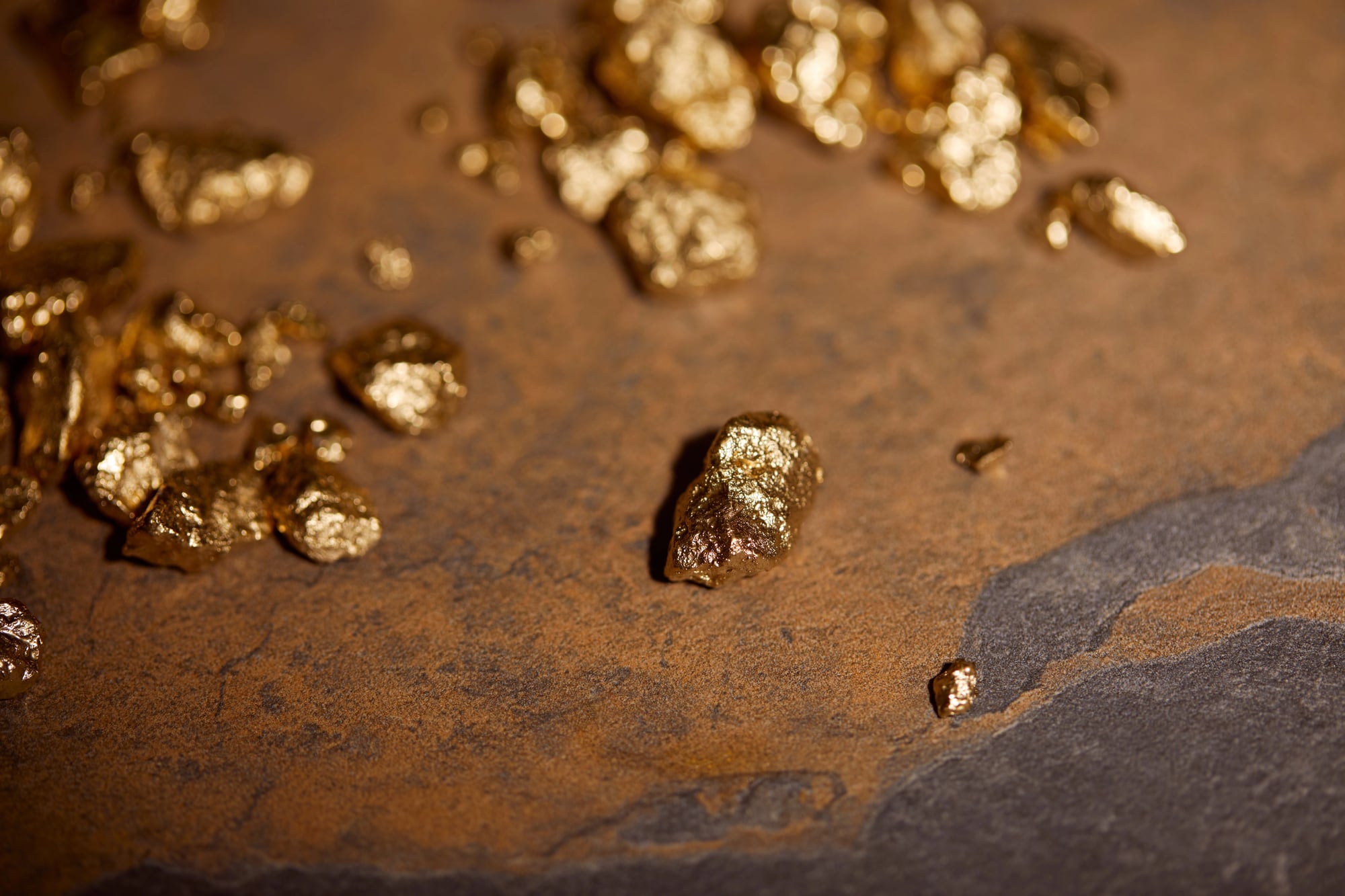
Computer chips, smartphones, and other electronics contain actual gold, even if it’s just a small amount. Gold conducts electricity reliably and resists corrosion better than cheaper metals, which matters in delicate circuitry.
A single smartphone might have only $1 worth of gold, but manufacturing billions of devices means using tons of the precious metal. Some companies now recycle old electronics specifically to recover the gold and other valuable materials inside.
That old laptop gathering dust might contain more treasure than most people suspect.
Silk in high-end clothing

Real silk costs anywhere from $20 to $50 per yard, depending on quality and origin. Fashion brands use it anyway because nothing synthetic quite matches silk’s drape, sheen, and feel against skin.
Silkworms produce the threads by spinning cocoons, and workers carefully unwind each one to get usable fiber. It takes about 3,000 cocoons to make a single pound of silk.
Designer dresses and luxury ties command premium prices partly because the raw material itself is expensive before any sewing happens.
Rhodium in jewelry

A shiny surface on white gold comes from a coating of rhodium, costing roughly four thousand dollars an ounce. A nearly invisible layer goes onto rings and pendants, boosting luster while resisting small marks.
Over time, normal handling rubs away that outer shell – so repair shops often provide touch-up dips. Though just a trace amount coats each item, the soaring rate of the metal pushes up total making expenses.
That smooth wedding circle took deeper funds to produce than its classic yellow cousin.
Cocoa butter in chocolate

A single pound of genuine cocoa butter costs close to eight dollars, whereas plant-based alternatives come in much lower. Yet some brands still choose the real thing just for how cleanly it melts and breaks.
Only when cocoa butter is inside can a treat legally earn the name “chocolate” across several nations. Once cocoa powder gets pulled out from the bean, what remains becomes this rich fat – tying both goods together by origin.
Instead of paying more, budget confections quietly pour in palm oil or similar fillers.
Neodymium in speakers and headphones

Fifty bucks a kilo – that is what these intense little magnets run. Found inside nearly every halfway respectable speaker or headphone made today.
Tiny things, yet they push out hefty magnetic force, allowing gadgets to play crisp tunes while staying slim. When space matters, that trait proves useful.
Control over most of the planet’s stock sits firmly in Beijing’s hands. This grip shapes who makes devices and how easily.
Budget-friendly earpieces often leave them out, cutting corners wherever possible. But high-end sound tools rely on them like a backbone.
One hidden reason premium headsets carry heavier price tags? Right here.
Cashmere in sweaters

Cashmere wool sells for $80 to $150 per pound, coming from the soft undercoat of specific goats. Fashion brands charge premium prices for cashmere sweaters because the raw material itself is expensive before any knitting begins.
Each goat produces only a few ounces of usable fiber per year, and workers must carefully comb it out. It takes hair from several goats to make one sweater.
Cheap cashmere usually means the garment contains only a small percentage mixed with regular wool.
Bismuth in medications
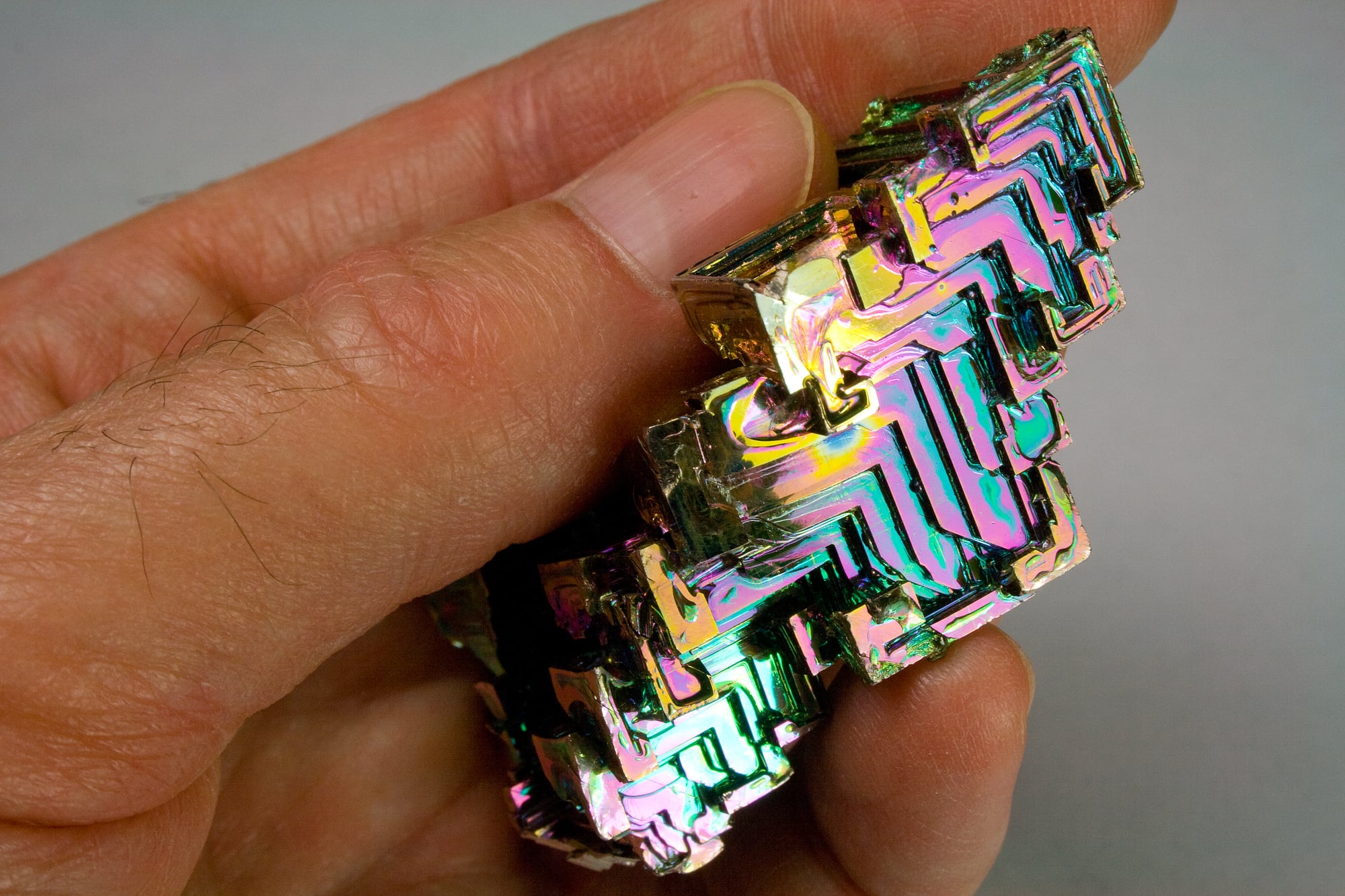
A single pound of this dense metal runs around fifteen dollars, showing up in several kinds of stomach relief drugs such as Pepto-Bismol. Instead of neutralizing acid, these bismuth formulas form a protective layer over irritated tissue.
Unlike lower-priced options, their method of soothing discomfort follows a separate path. Mined mostly alongside lead and copper, the substance does not occur widely on its own.
Even so, drug makers stick with it since people tend to believe in remedies built around bismuth. Though store-brand pills carry smaller price tags, every version leans on that same costly core component.
Mica in makeup
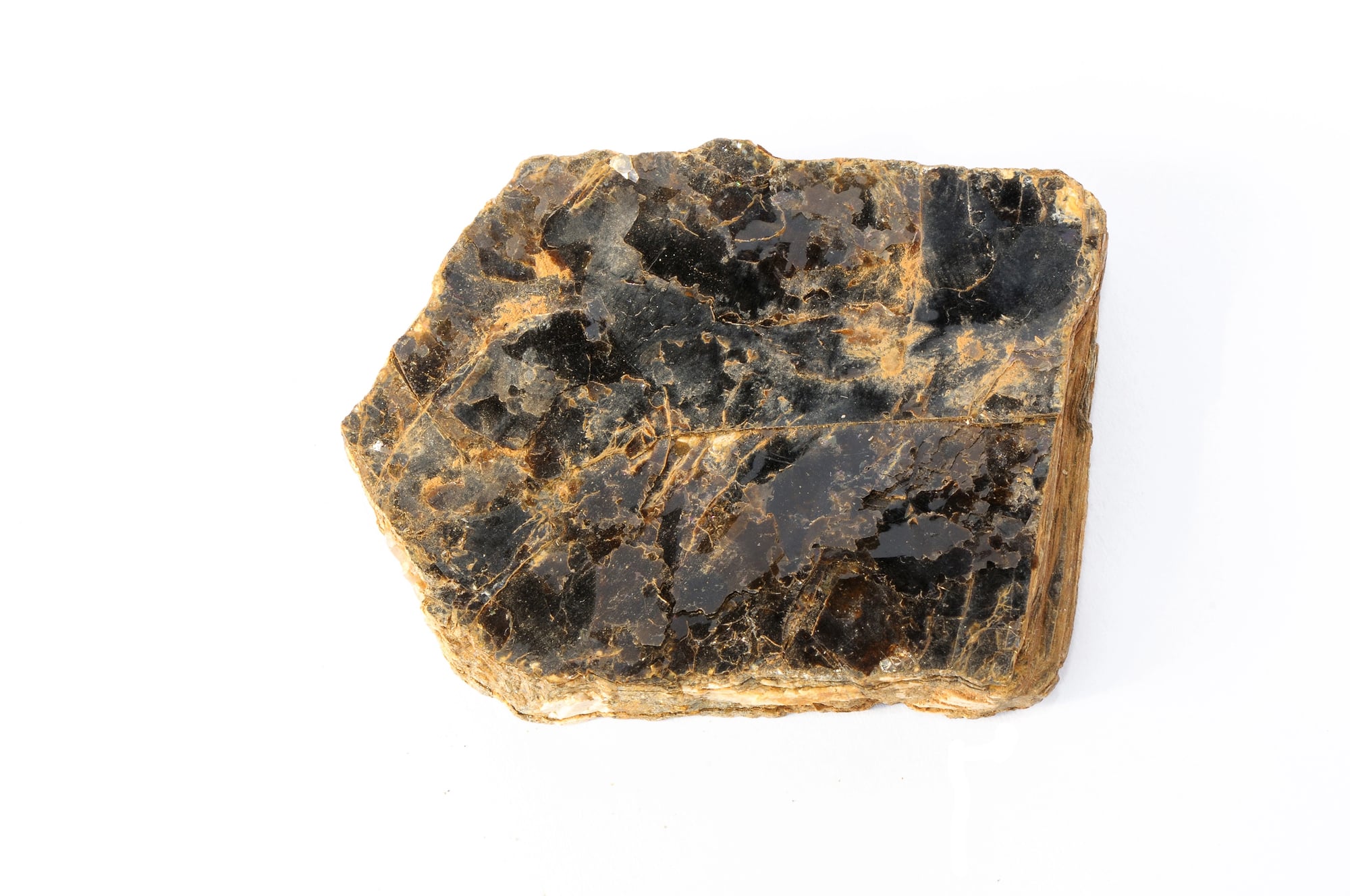
A shimmering mineral, this one trades near two dollars a pound when used industrially, yet fetches far higher prices if pure enough for cosmetics. Light dances on it – makeup makers slip it into blushes, highlighters, shadows just for that reason.
From Indian pits much of it surfaces, places where digging it out stirs debate over who does the work. Crushed small, sorted slow by hue and grain, its preparation takes care.
Fake versions have arrived on shelves, still, buyers often reach past them toward the earth-born kind, questions about fairness hanging overhead.
Here is where funds are directed

Costly stuff ends up in goods simply because it performs better – cheaper substitutes just do not measure up. Firms weigh expenses versus results every single day, yet opting for premium components can be the smarter move.
When a price tag shocks you, consider hidden elements like platinum threads or exotic minerals at play. Peek beneath the surface of ordinary objects, then the reason behind steep pricing begins to make sense.
Looks deceive; what matters is what lies within.
More from Go2Tutors!

- The Romanov Crown Jewels and Their Tragic Fate
- 13 Historical Mysteries That Science Still Can’t Solve
- Famous Hoaxes That Fooled the World for Years
- 15 Child Stars with Tragic Adult Lives
- 16 Famous Jewelry Pieces in History
Like Go2Tutors’s content? Follow us on MSN.



