20 Places That Were Created by Accident
Throughout human history, some of our most stunning landscapes and remarkable places have emerged not through careful planning but through mishaps, oversights, and unforeseen consequences. These accidental creations often turn out more fascinating than anything deliberately designed, showcasing nature’s resilience and humanity’s ability to adapt to unexpected circumstances.
Our world is filled with destinations that exist only because something went wrong or was unplanned at some point in history. Here is a list of 20 places that were created entirely by accident, each with its own surprising origin story.
Fly Geyser
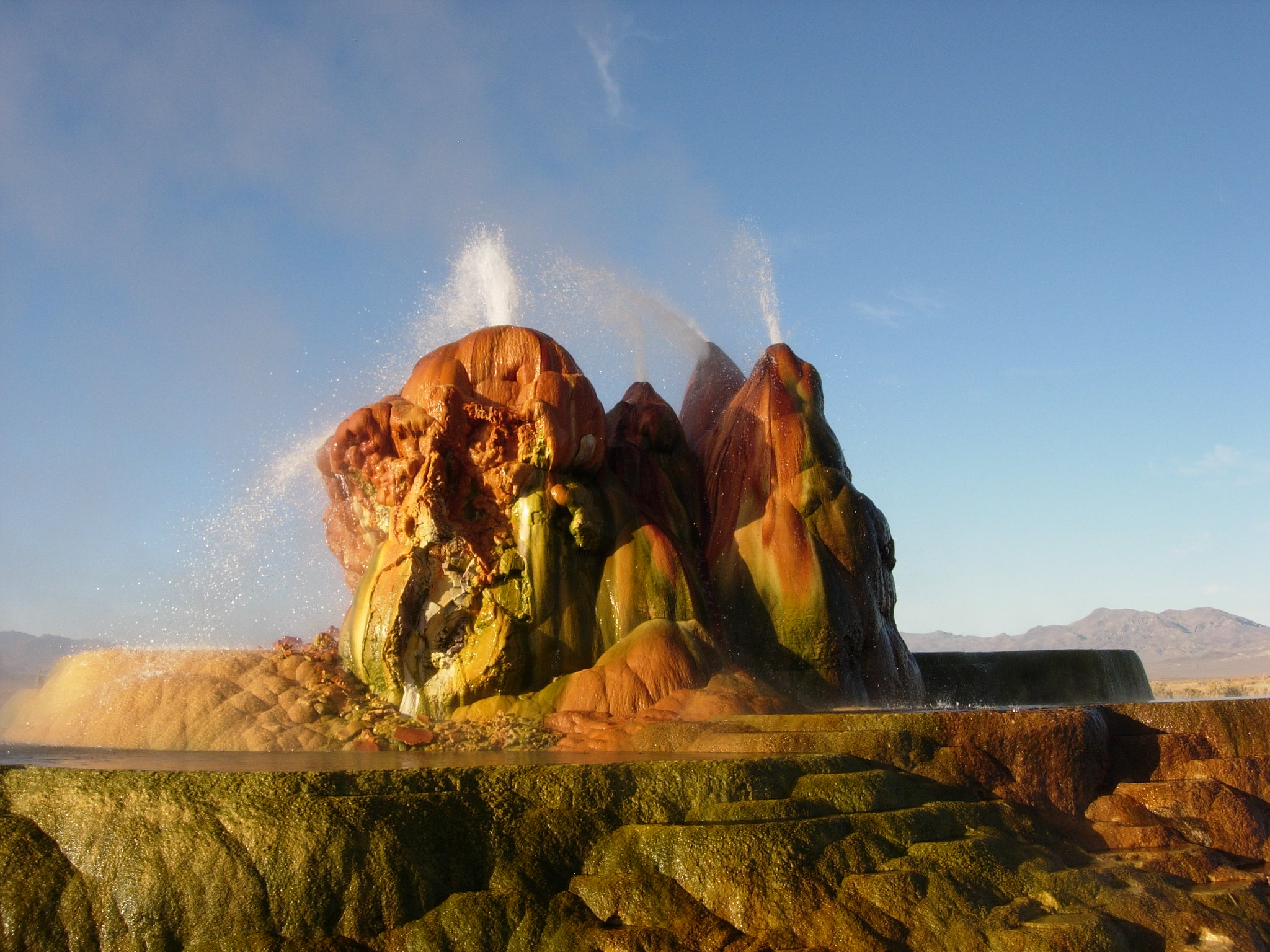
This colorful geyser in Nevada formed in 1964 when a geothermal energy company improperly sealed a test well. Minerals began accumulating as water escaped, creating the multi-hued mounds that now rise several feet from the desert floor.
The calcium carbonate deposits continue to grow about six inches each year, constantly reshaping this accidental wonder.
Centralia
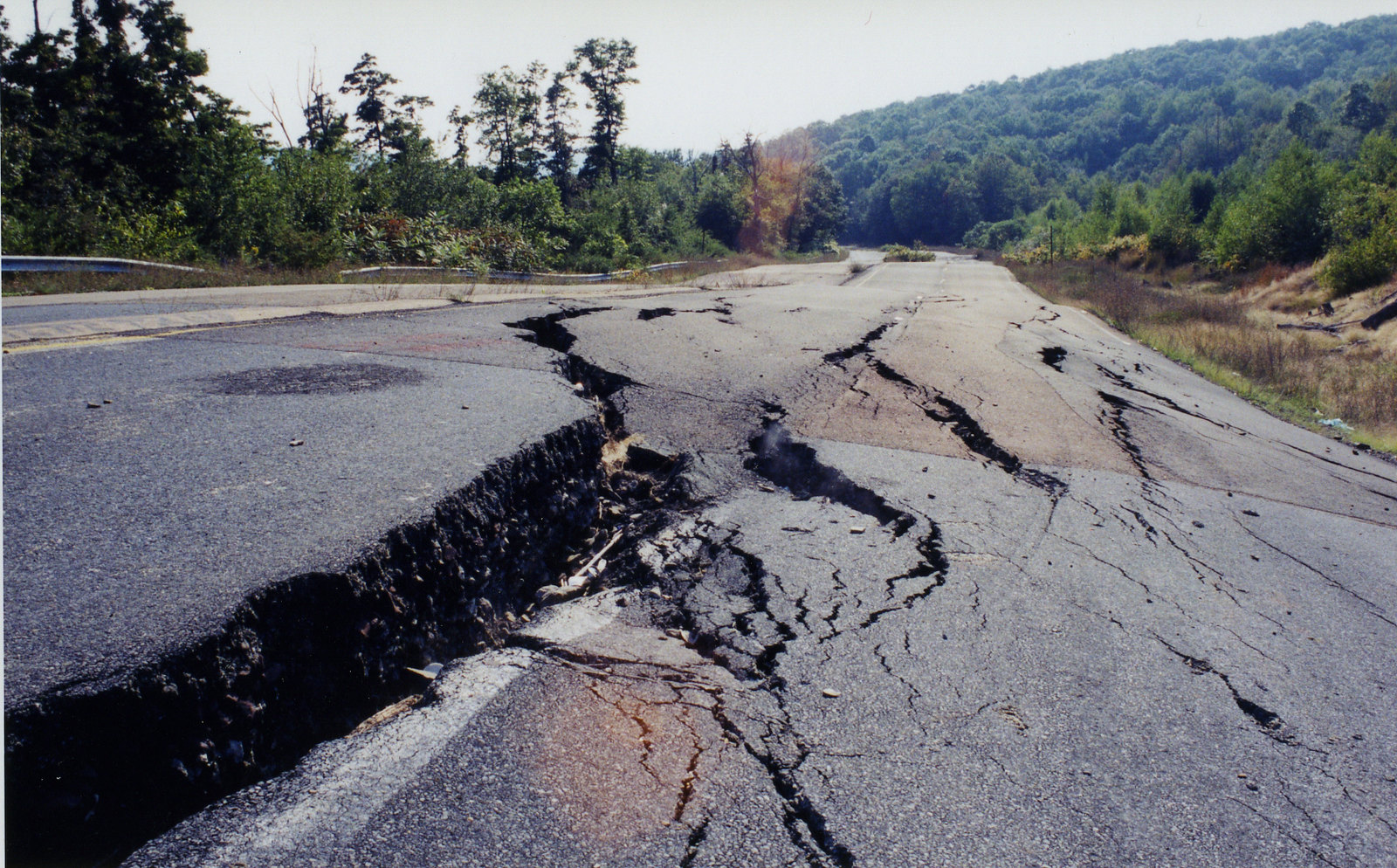
This Pennsylvania ghost town emerged when an attempt to burn trash in a landfill ignited an underground coal seam in 1962. The fire continues burning today beneath the abandoned streets, with smoke still rising through cracks in the pavement.
Most residents evacuated as the ground became unstable, turning a once-thriving mining community into an eerie monument to unintended consequences.
Like Go2Tutors’s content? Follow us on MSN.
Lake Pinatubo
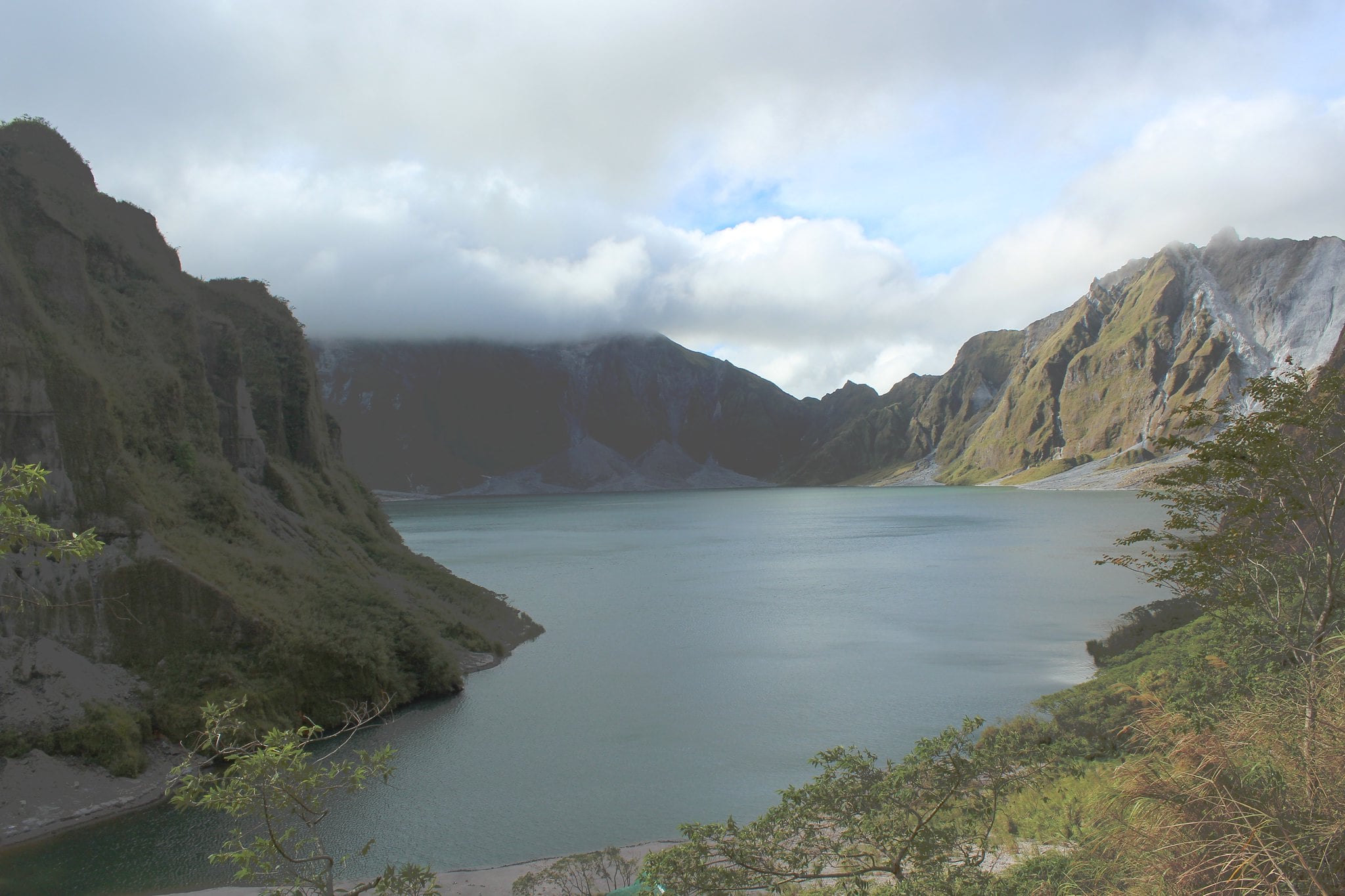
The 1991 eruption of Mount Pinatubo in the Philippines dramatically altered the landscape, creating a massive crater that filled with rainwater over time. The resulting lake spans approximately 2.5 miles across and reaches depths of 800 feet.
This accidental lake now attracts tourists who hike to view its striking turquoise waters surrounded by volcanic walls.
Richat Structure
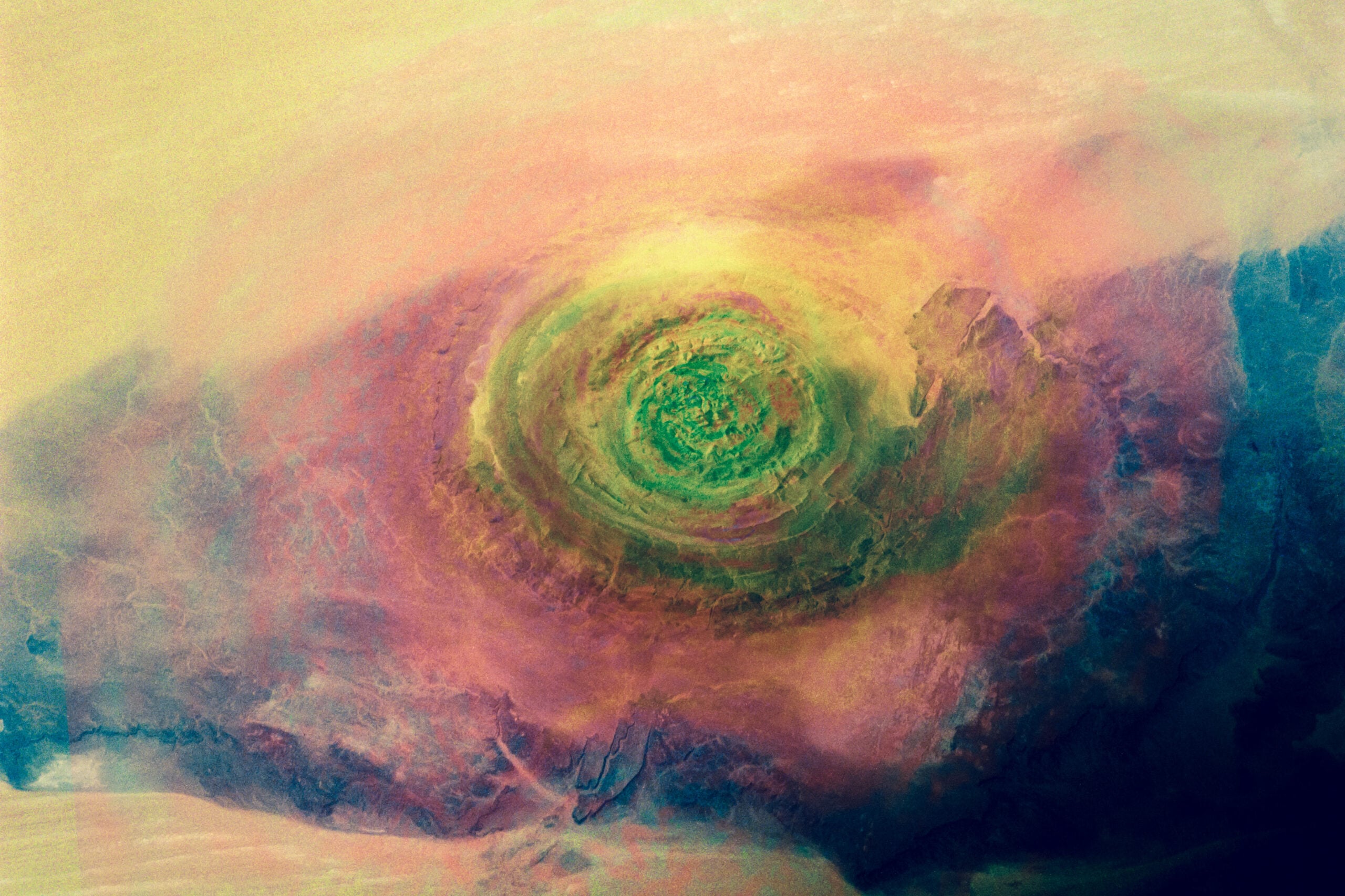
Often called the ‘Eye of the Sahara,’ this circular geological formation in Mauritania was long thought to be an impact crater. Scientists now believe it formed when a volcanic dome uplifted and gradually eroded, creating concentric rings spanning nearly 30 miles.
Its perfect circular shape led to an accidental discovery by astronauts, who used it as a landmark from space.
Glass Beach
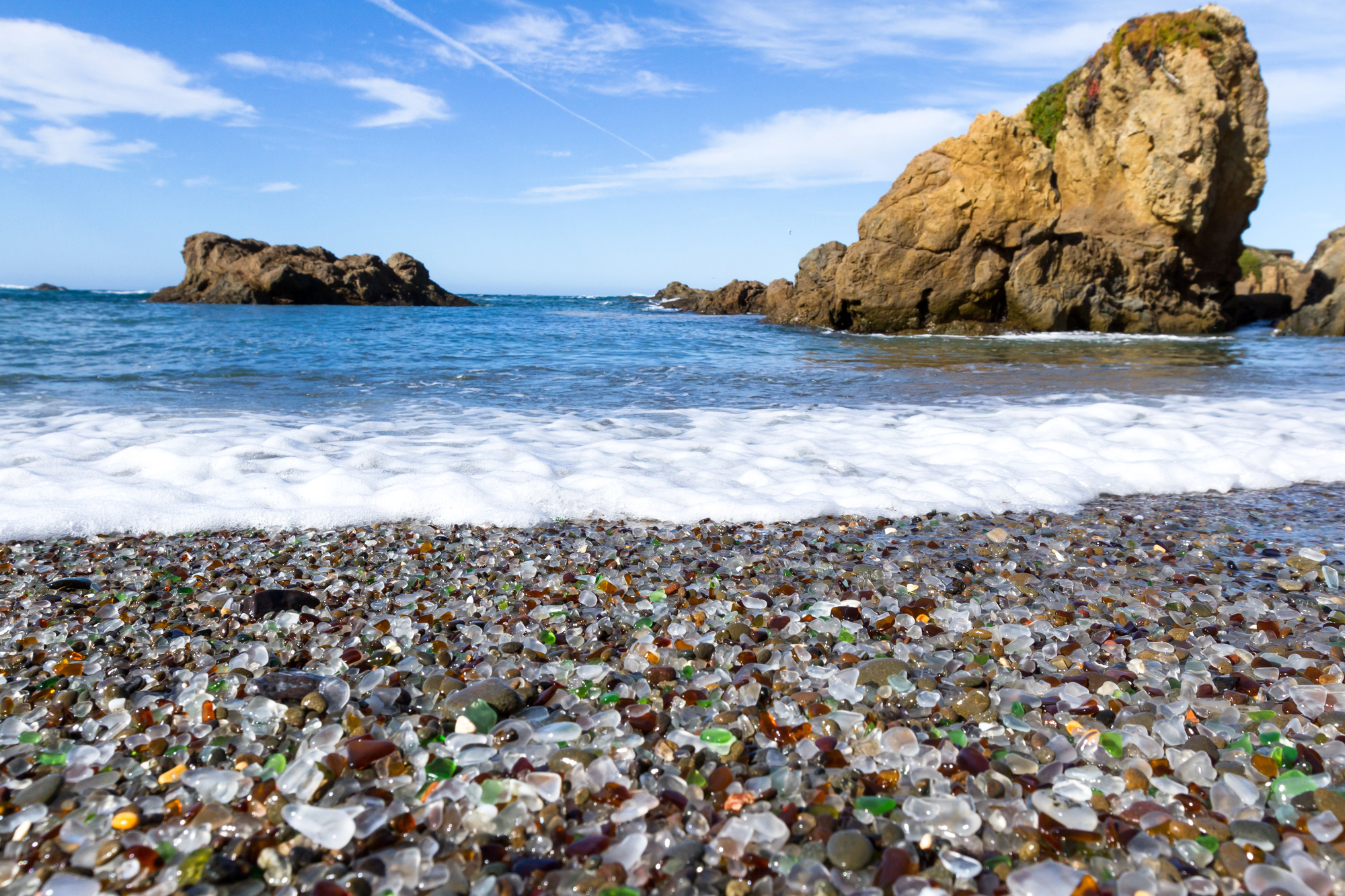
Near Fort Bragg, California, residents once dumped household garbage directly into the ocean. Over the decades, the waves tumbled broken glass against the rocky shore, gradually transforming sharp fragments into smooth, colorful pebbles.
Nature effectively recycled human waste into a beautiful shoreline attraction that draws visitors from around the world.
Like Go2Tutors’s content? Follow us on MSN.
Salvation Mountain
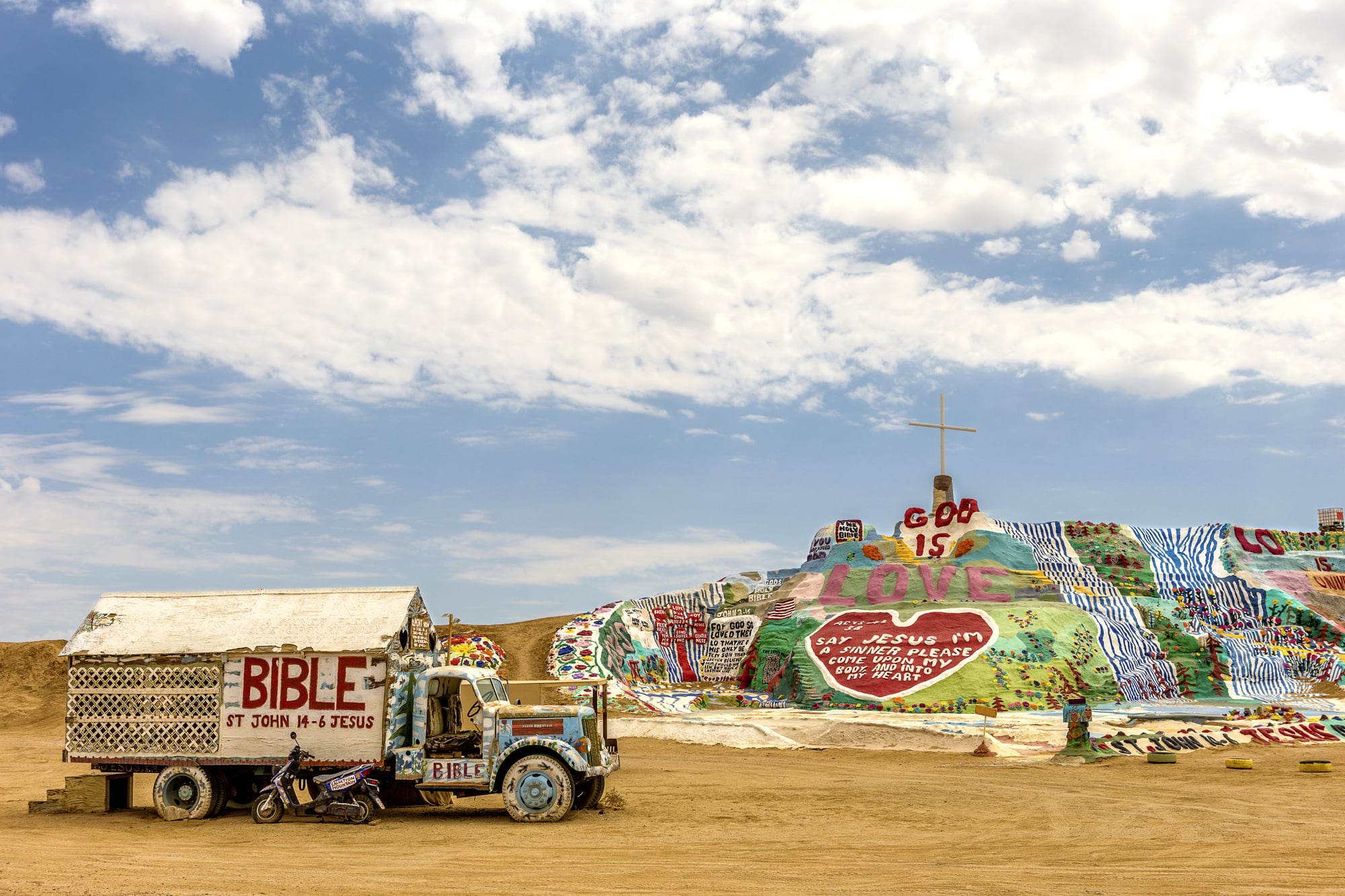
This vibrant art installation in the California desert began when Leonard Knight’s hot air balloon failed, stranding him in the area. He decided to stay and create a small tribute to God, which eventually expanded into a massive painted mountain using over 100,000 gallons of donated paint.
His mechanical failure led to an accidental pilgrimage site that continues inspiring visitors.
Dongchuan Red Land
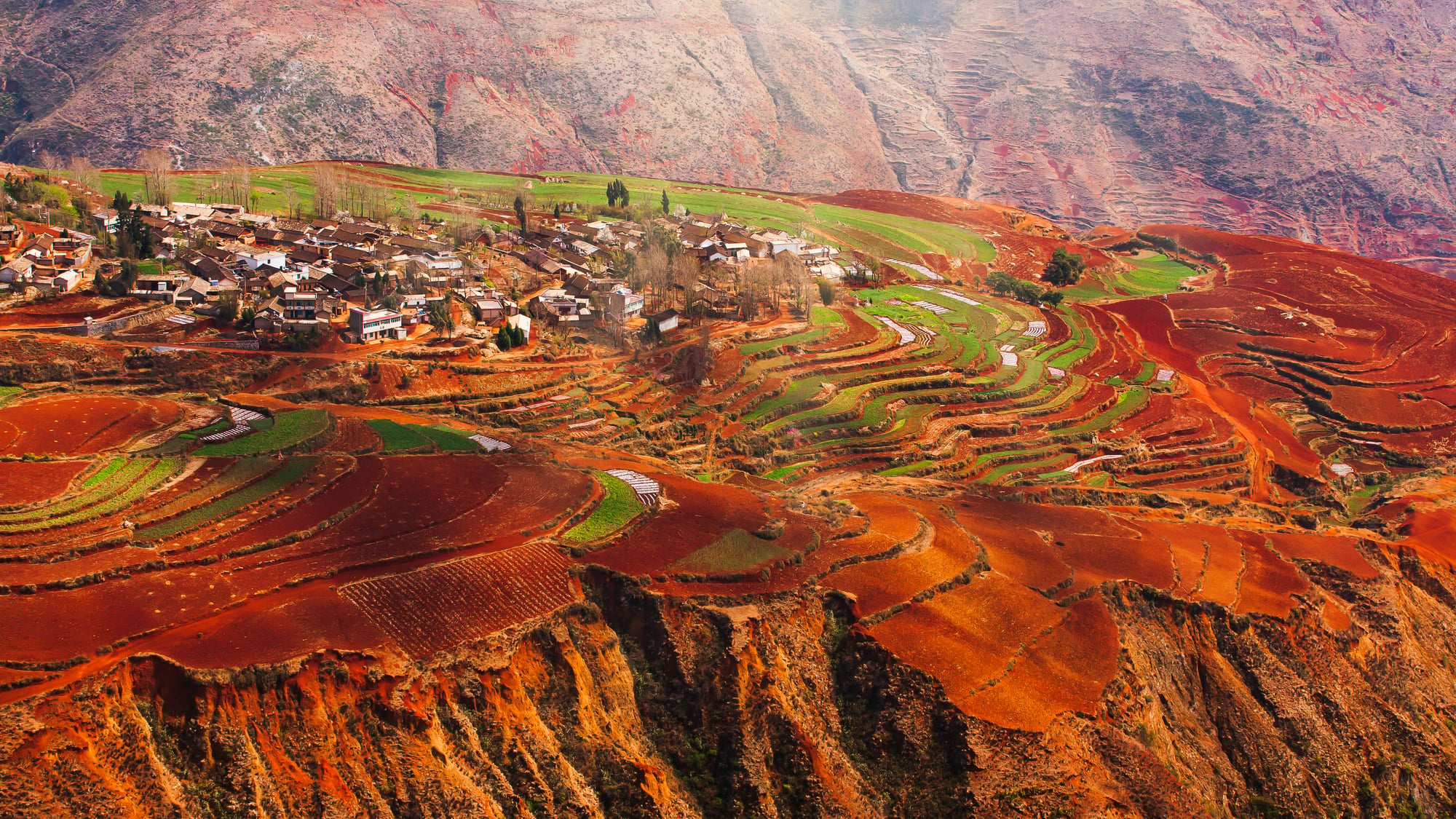
Farmers in this region of China accidentally created one of the most colorful landscapes on Earth through centuries of agriculture. Iron oxide in the soil oxidizes after exposure to air during plowing, gradually transforming hillsides into vibrant red terraces.
The striking contrast between red earth and green crops now draws photographers worldwide to capture its unique beauty.
Socotra Island
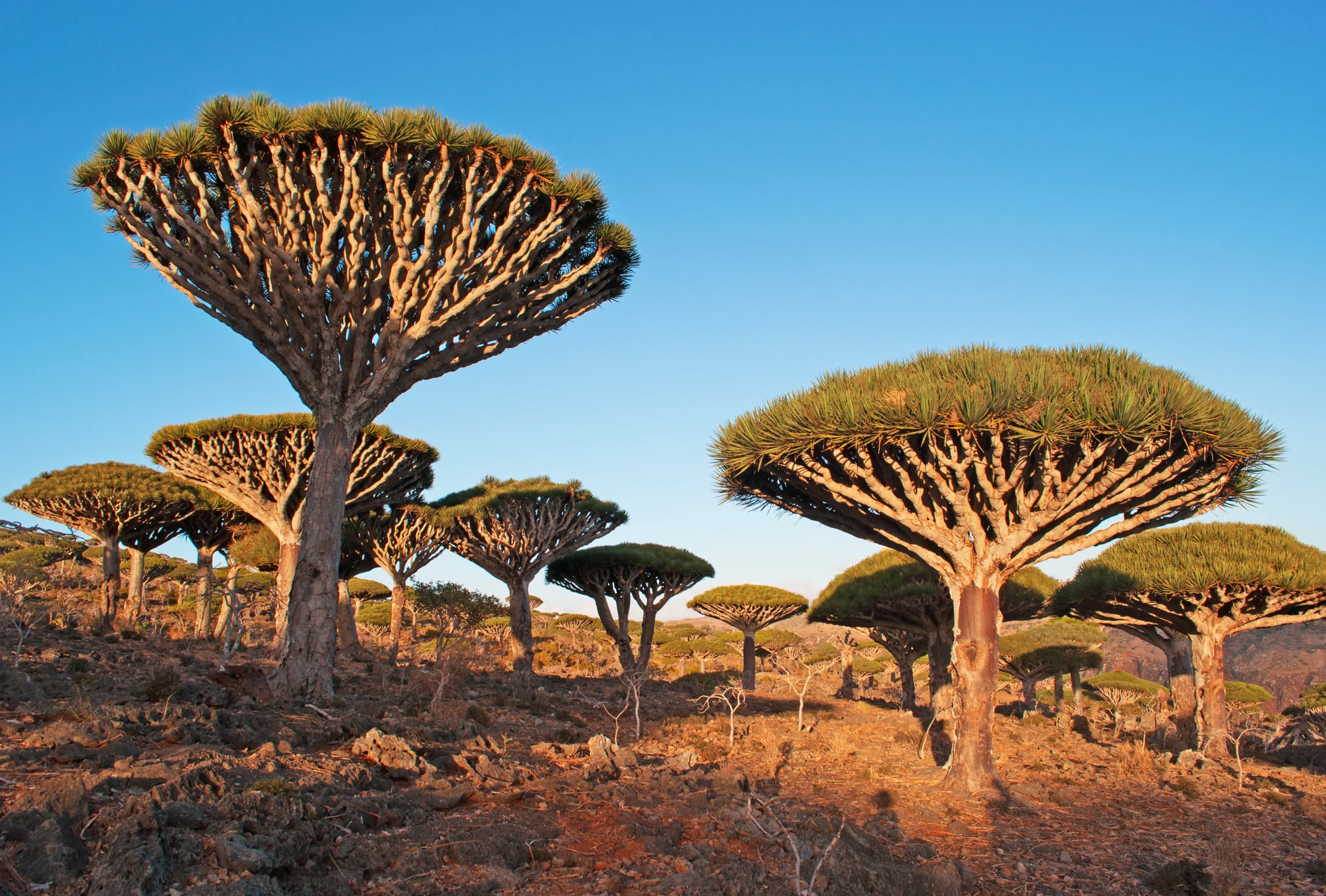
This isolated island in the Arabian Sea developed its alien landscape through accidental geographic isolation. When Socotra separated from mainland Africa millions of years ago, its plant species evolved independently, creating bizarre forms found nowhere else.
Dragon blood trees and cucumber trees represent just some of the strange species that developed in this unintentional evolutionary laboratory.
Like Go2Tutors’s content? Follow us on MSN.
Door to Hell
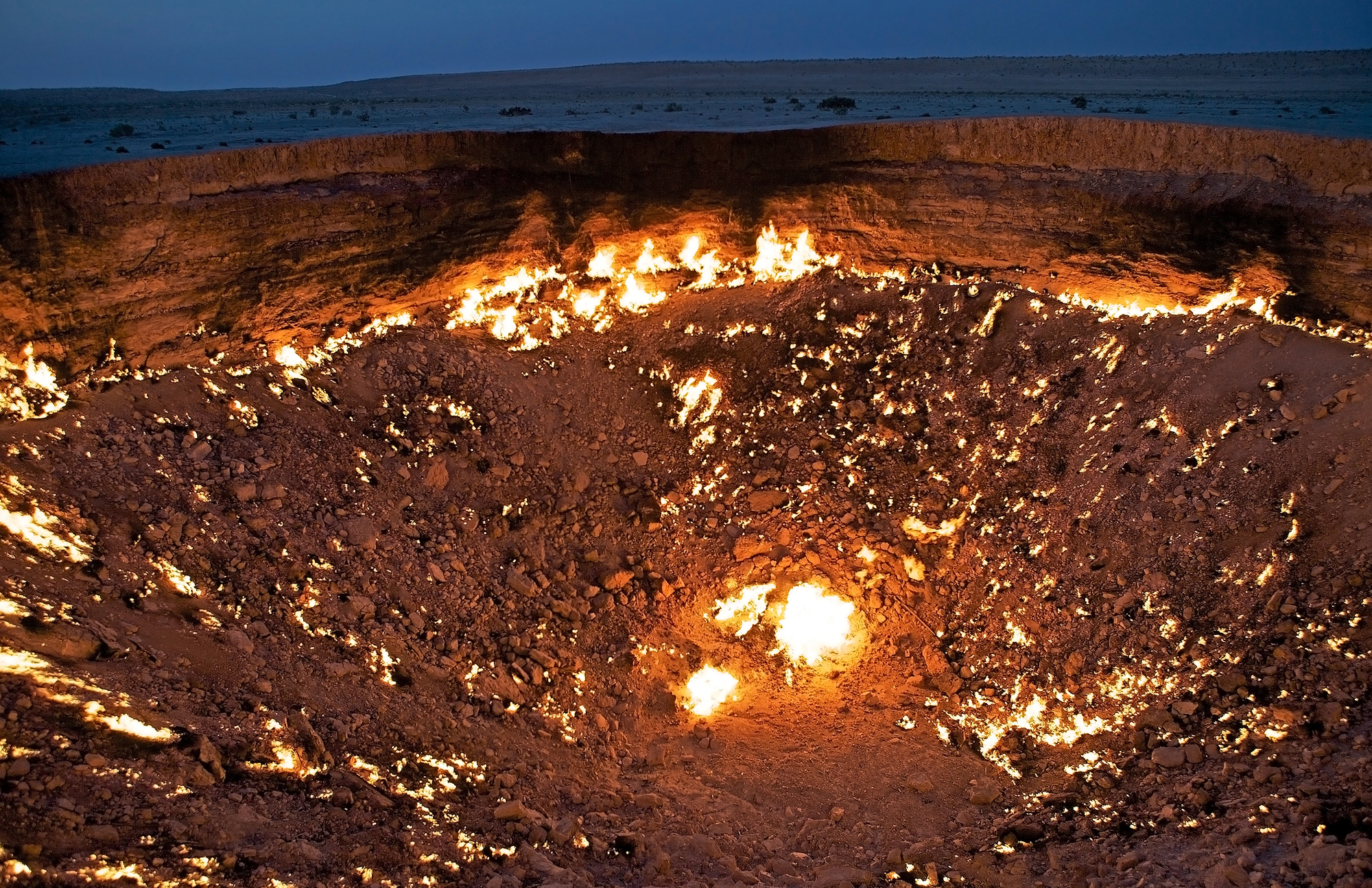
This flaming crater in Turkmenistan’s Karakum Desert formed in 1971 when Soviet geologists accidentally drilled into a massive underground gas chamber. Fearing the release of poisonous gases, they set it on fire, expecting it to burn out within weeks.
Five decades later, the flames still burn intensely in this 230-foot-wide crater, creating an accidental tourist attraction.
Owen’s Lake
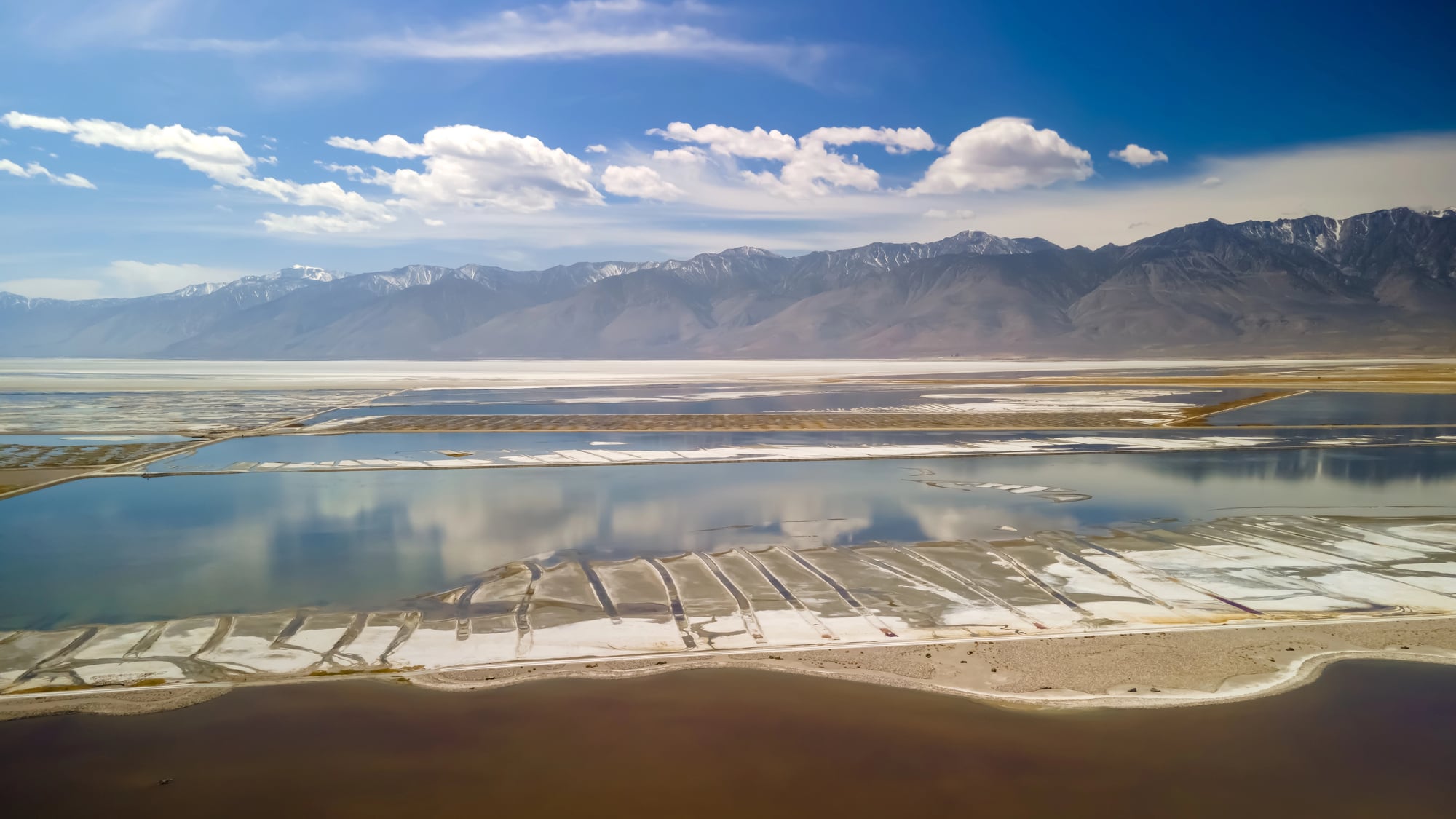
This dry lakebed in California transformed into an otherworldly landscape after the city of Los Angeles diverted its water source in the early 1900s. The exposed minerals created bizarre formations and dust storms containing arsenic and other toxins.
Remediation efforts have turned portions into a surreal salt flat that glows pink from specialized bacteria that thrive in the harsh environment.
Bolwoningen Houses
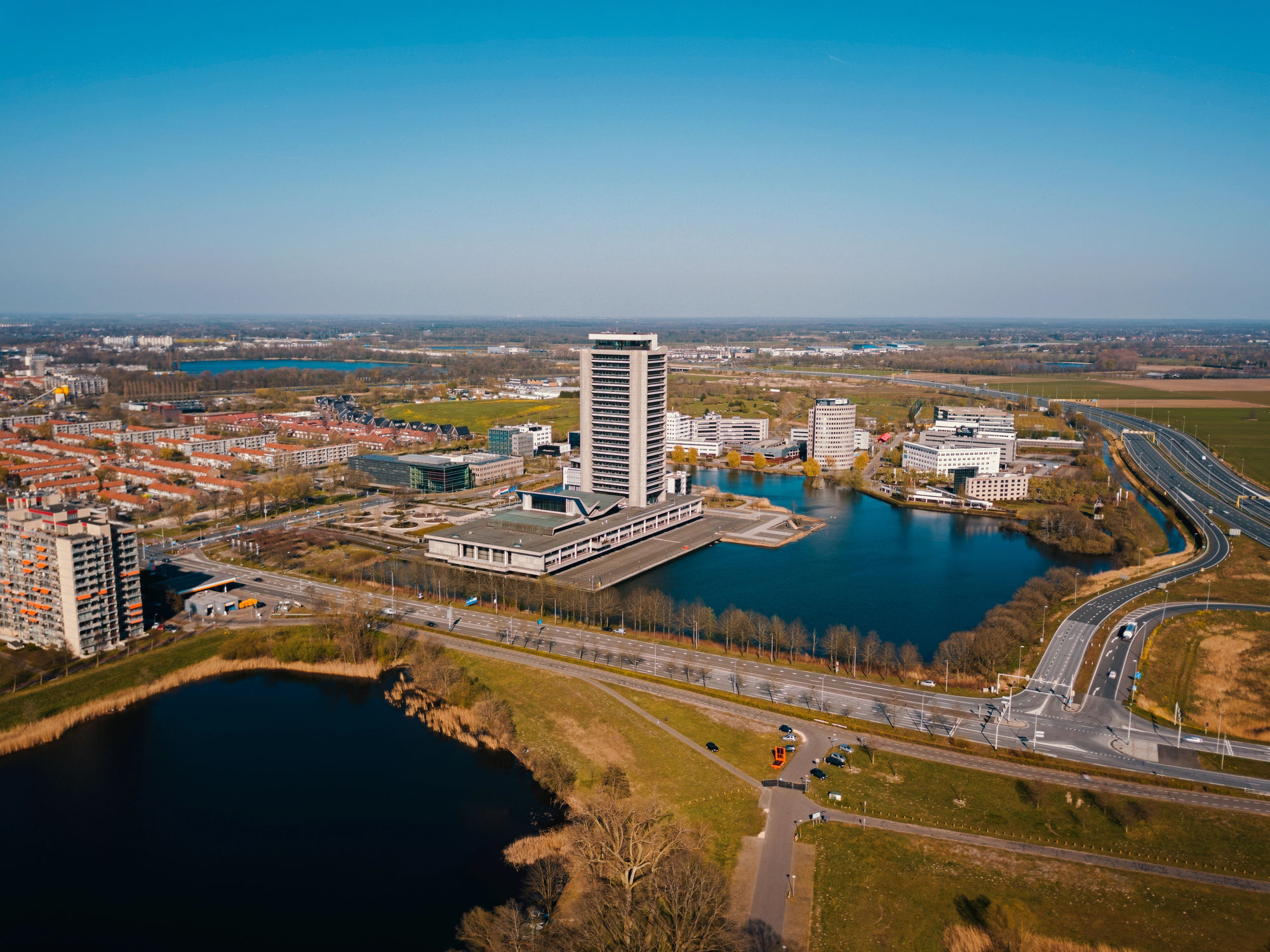
These bizarre spherical homes in the Netherlands resulted from a government subsidy program gone wrong. Architect Dries Kreijkamp received funding for experimental housing and created these bulbous structures resembling alien pods.
Though intended as the future of housing, they became an accidental architectural oddity when residents found the rounded walls impractical for furniture placement.
Like Go2Tutors’s content? Follow us on MSN.
Morning Glory Pool
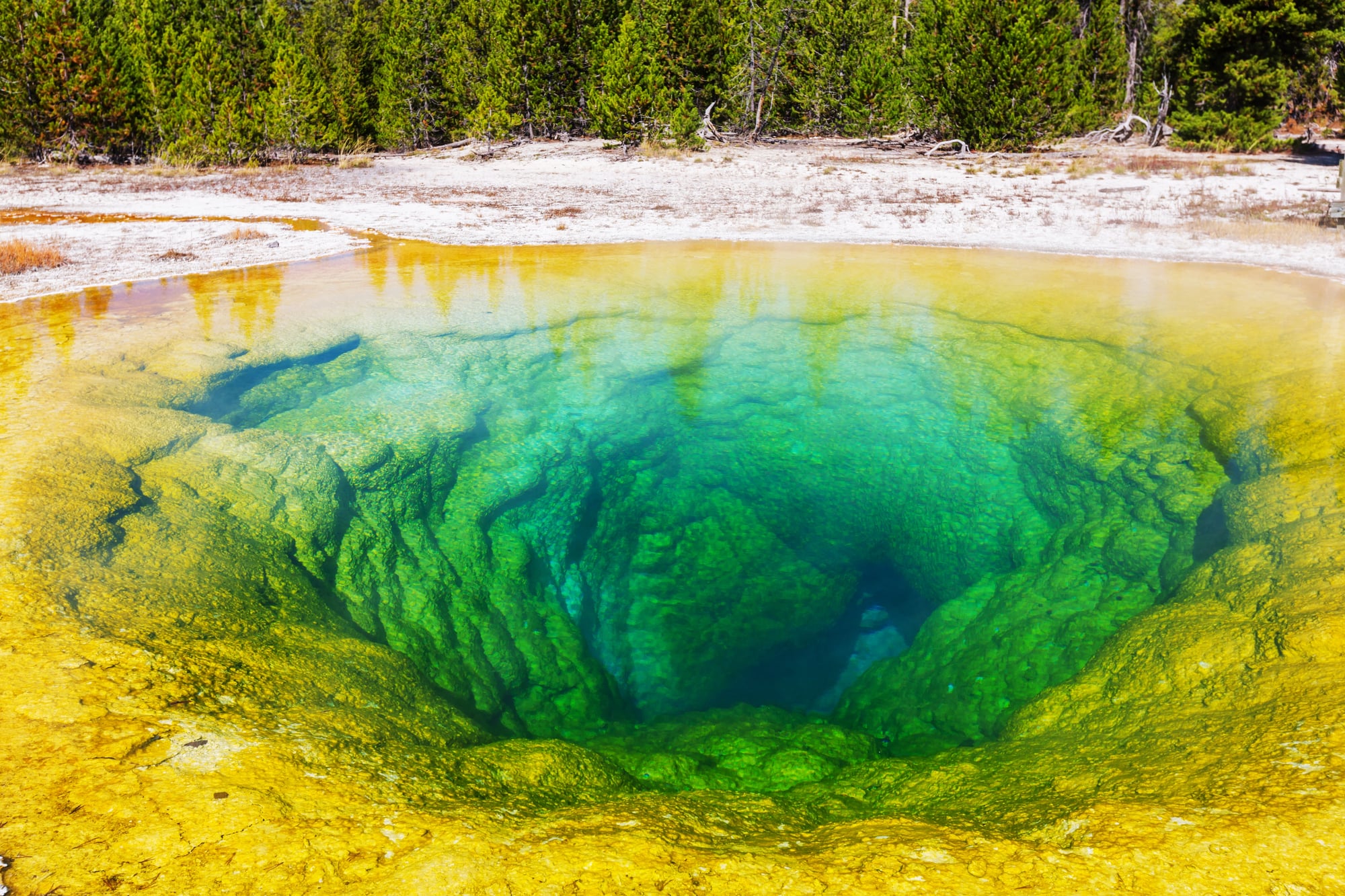
This hot spring in Yellowstone National Park changed dramatically due to tourists throwing coins and trash into it over decades. The foreign objects clogged vents and altered water temperature, allowing different bacteria to flourish and transforming the pool’s natural blue color into a rainbow ring pattern.
This accidental vandalism created one of the park’s most photographed features.
Wave Rock
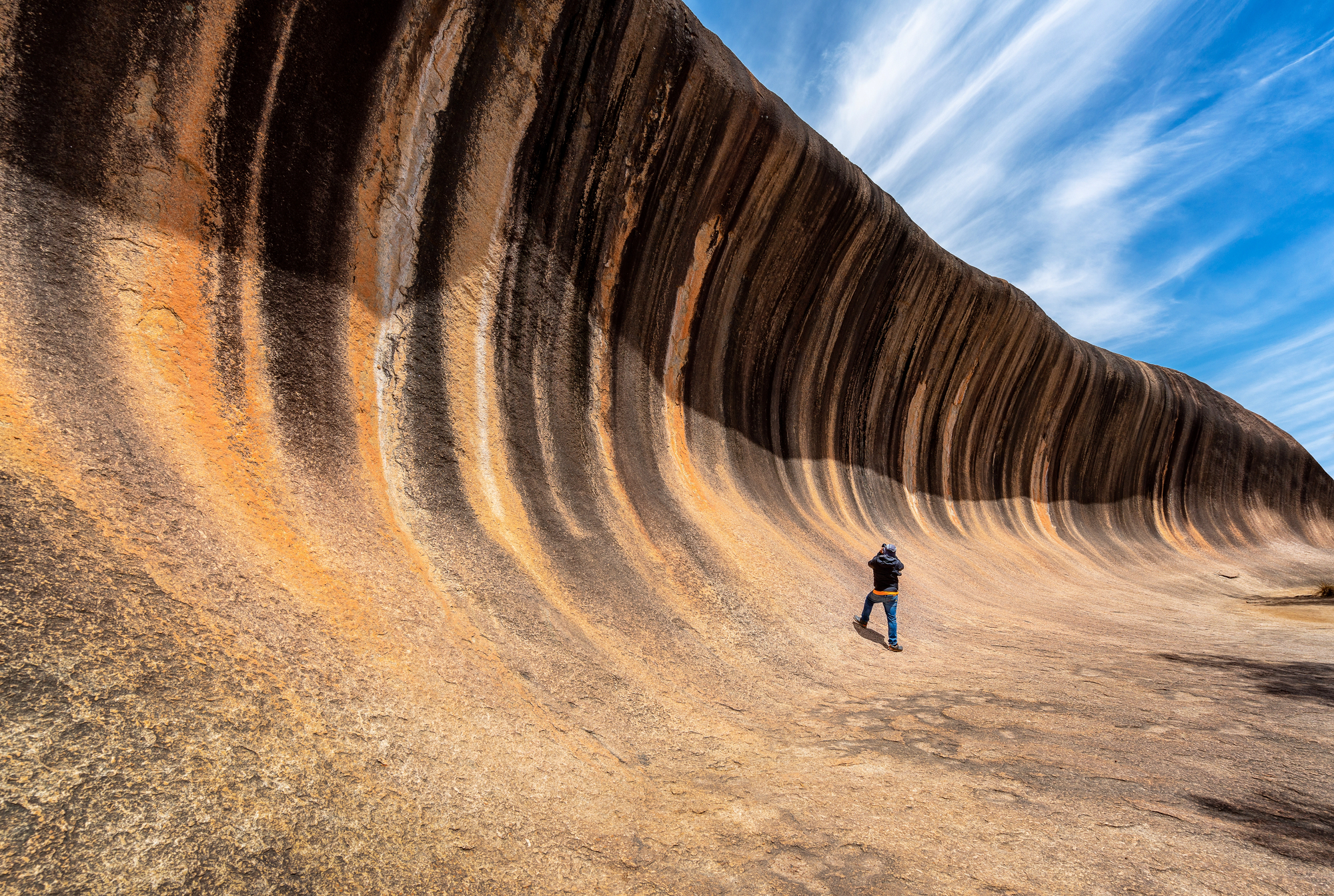
This massive curved cliff in Western Australia formed accidentally through a complex process of subsurface weathering. Groundwater chemically weathered the granite beneath the surface, and when erosion eventually exposed the rock, its distinctive wave shape emerged.
The 50-foot high formation now attracts visitors who marvel at nature’s accidental artistry.
Pamukkale Terraces
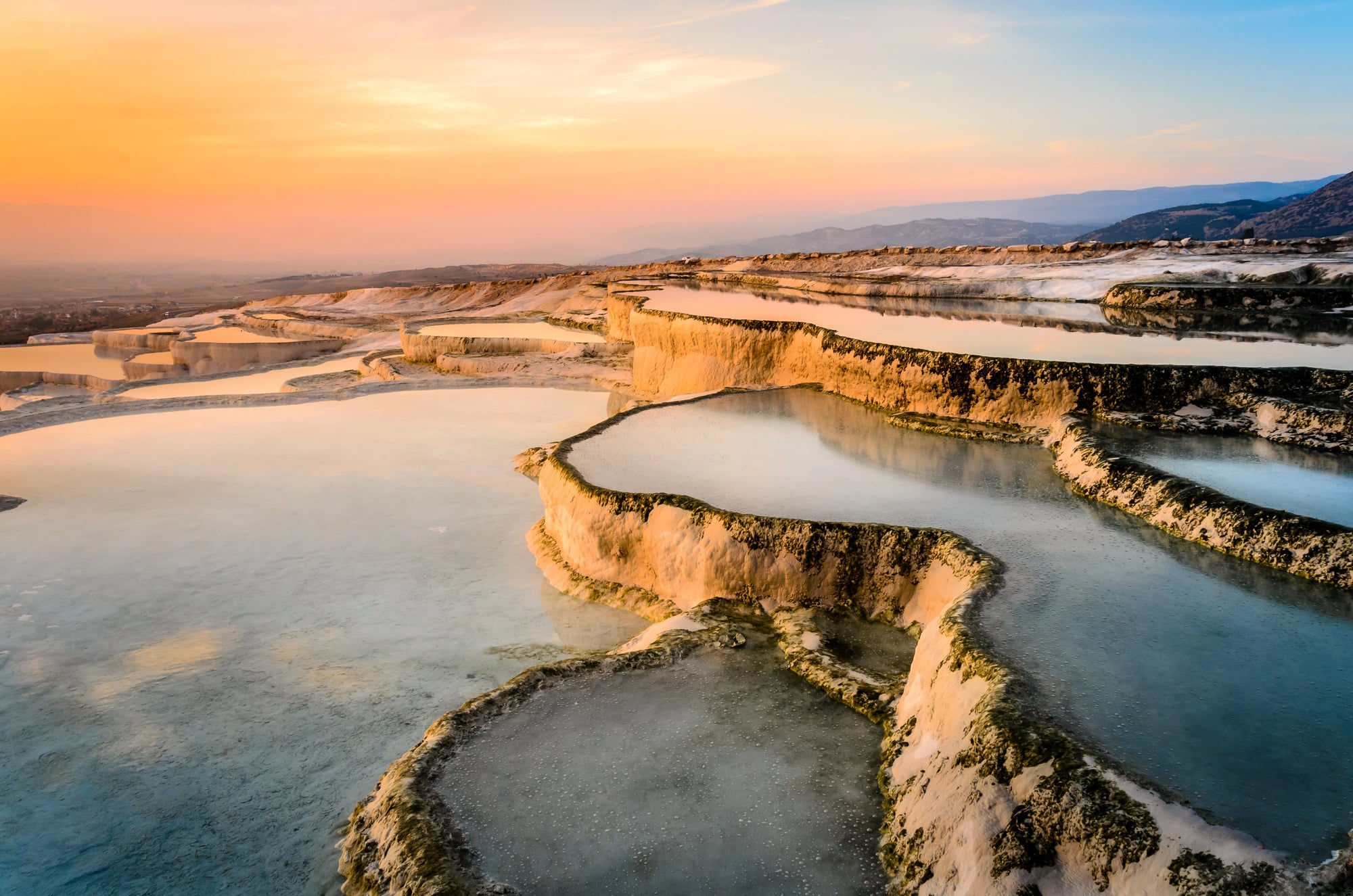
These striking white calcium terraces in Turkey formed accidentally over thousands of years as mineral-rich water cascaded down hillsides. The calcium carbonate gradually solidified into terraced pools filled with blue water.
Ancient residents built the city of Hierapolis at the site to take advantage of the accidental thermal springs that created this natural wonder.
Like Go2Tutors’s content? Follow us on MSN.
Salton Sea
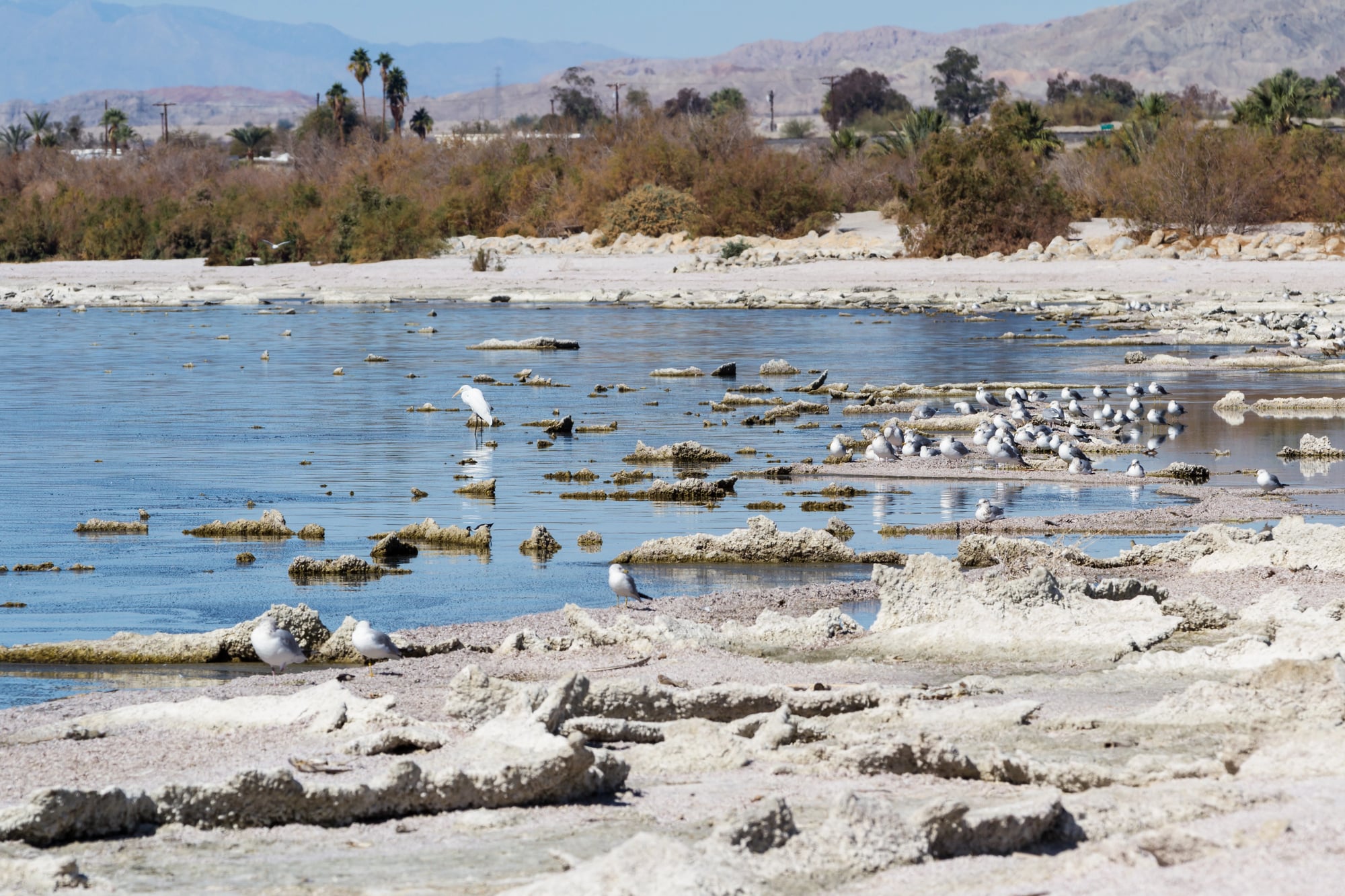
California’s largest lake formed in 1905 when irrigation canals from the Colorado River breached, flooding a desert basin. Engineers required two years to stop the flow, by which time the accidental sea had become established.
Initially a tourist paradise, it gradually became saltier than the ocean as water evaporated, creating a surreal landscape of crusty shorelines and abandoned resorts.
Eternal Flame Falls
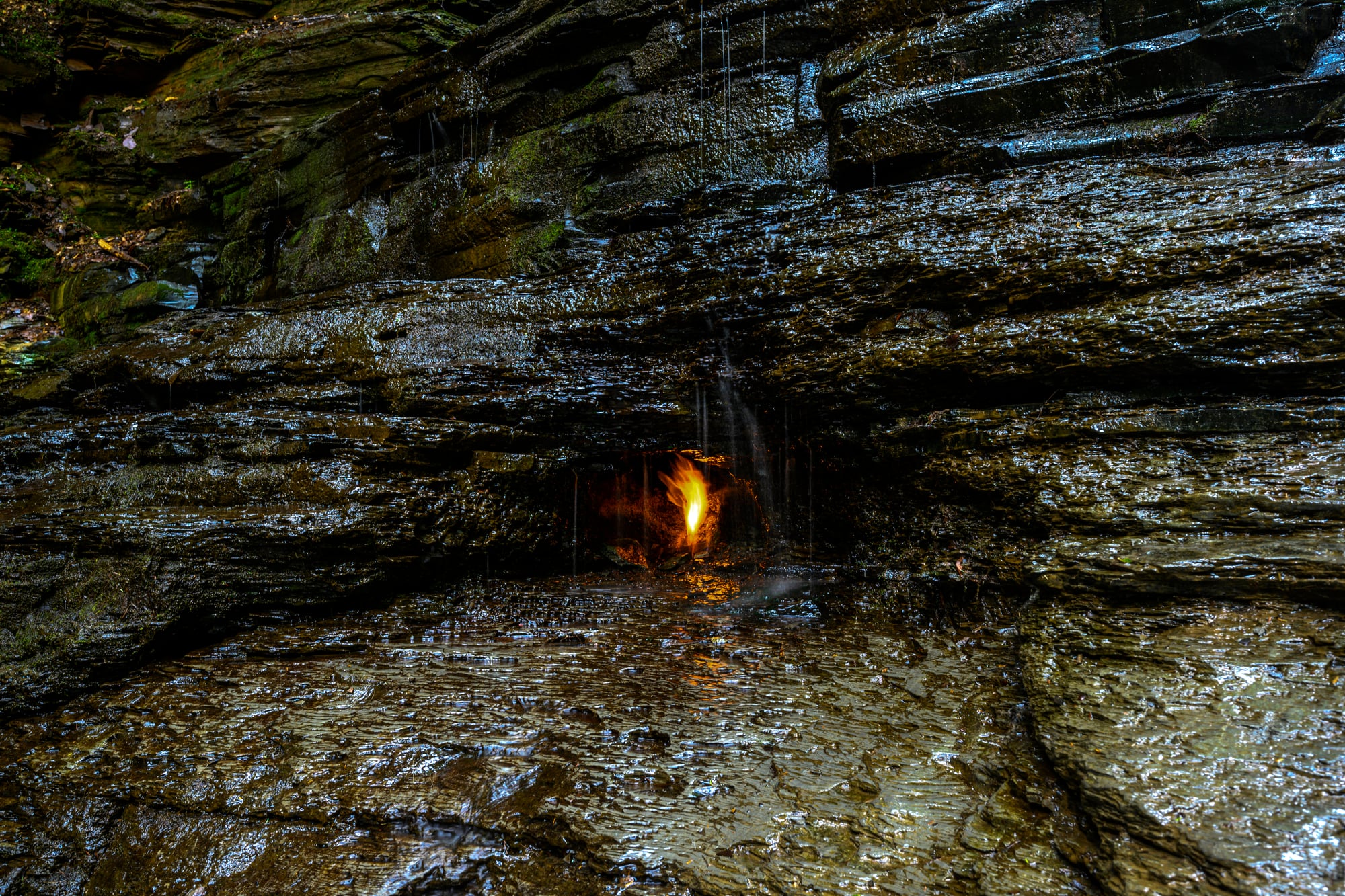
This small waterfall in New York conceals a natural gas seep that keeps a flame burning behind the cascading water. The unusual combination resulted from an accidental alignment of geological features—a natural gas pocket positioned perfectly behind a waterfall.
The flame occasionally extinguishes but can be easily relit, creating a magical atmosphere at this accidental shrine.
Surtsey Island
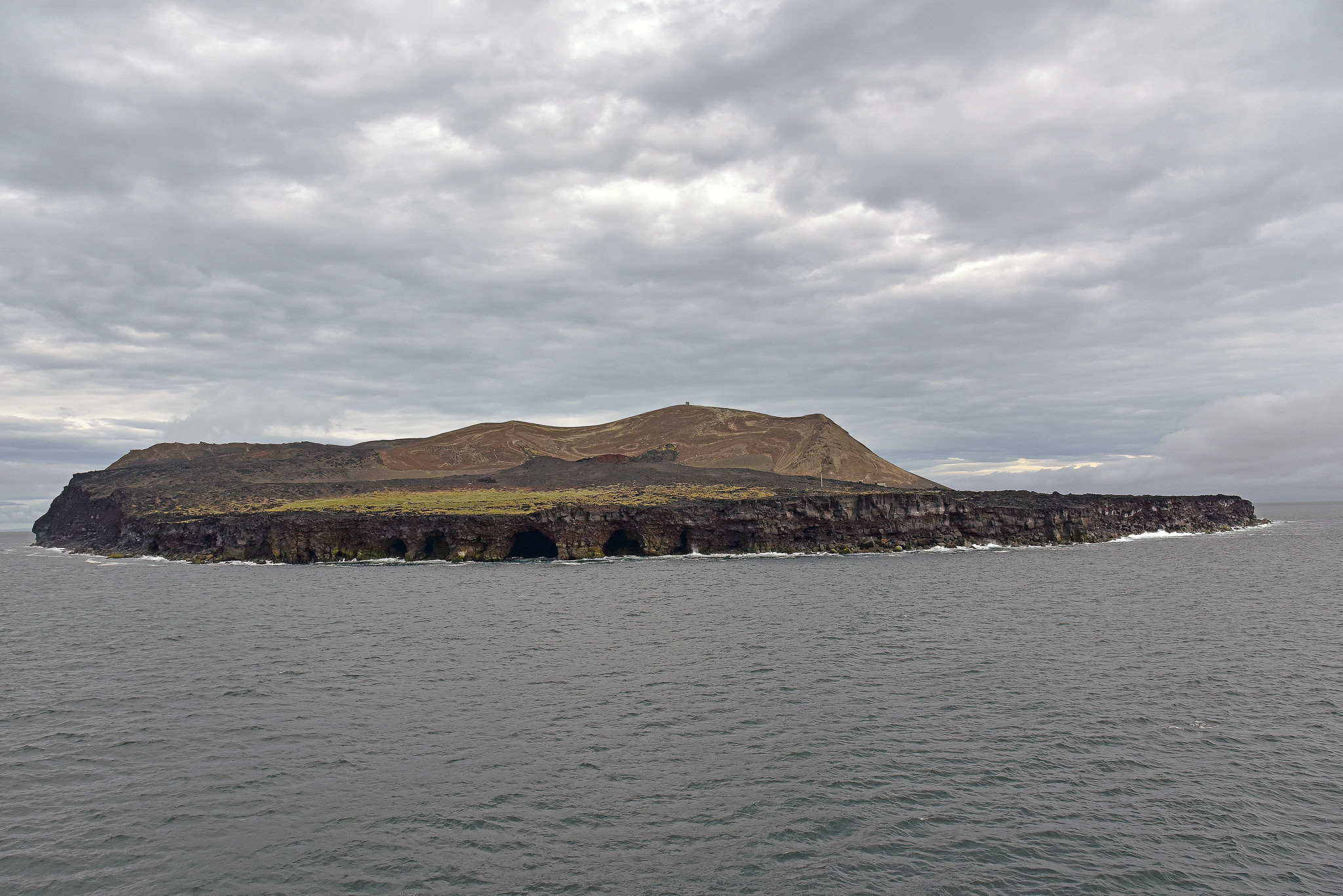
This Icelandic island emerged accidentally during an underwater volcanic eruption in 1963. The new landmass rose above sea level and eventually stabilized at about one square mile in size.
Scientists immediately protected it, creating an unplanned natural laboratory where they could observe how life colonizes virgin territory without human interference.
Like Go2Tutors’s content? Follow us on MSN.
The Great Blue Hole
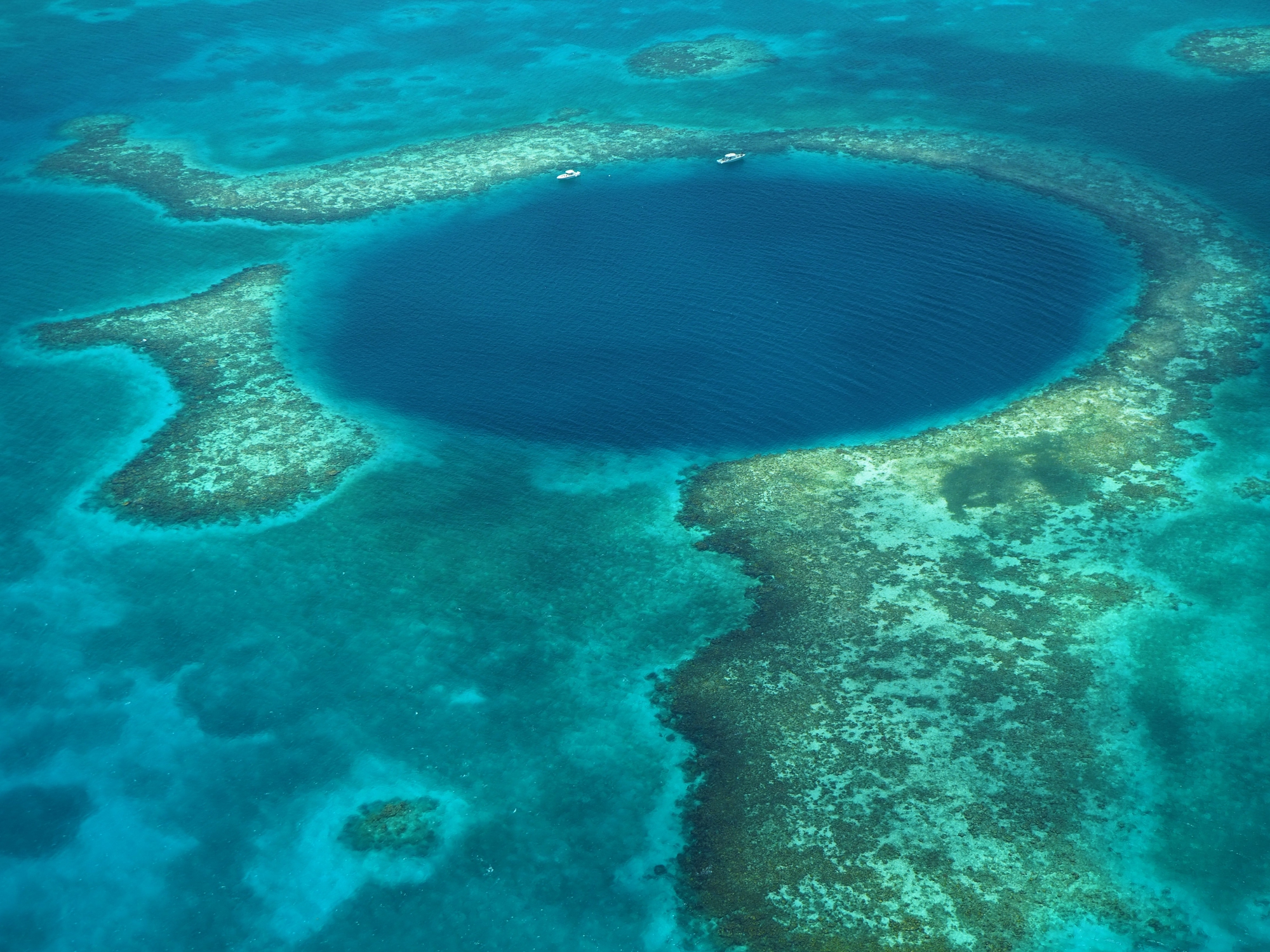
This perfect circular sinkhole off the coast of Belize formed accidentally during past ice ages. As sea levels rose and fell repeatedly, limestone caves formed and eventually collapsed when the ceiling became too thin.
The resulting 410-foot-deep marine sinkhole creates a striking contrast against the surrounding shallow water, attracting divers from across the globe.
Los Ojos Salt Lakes
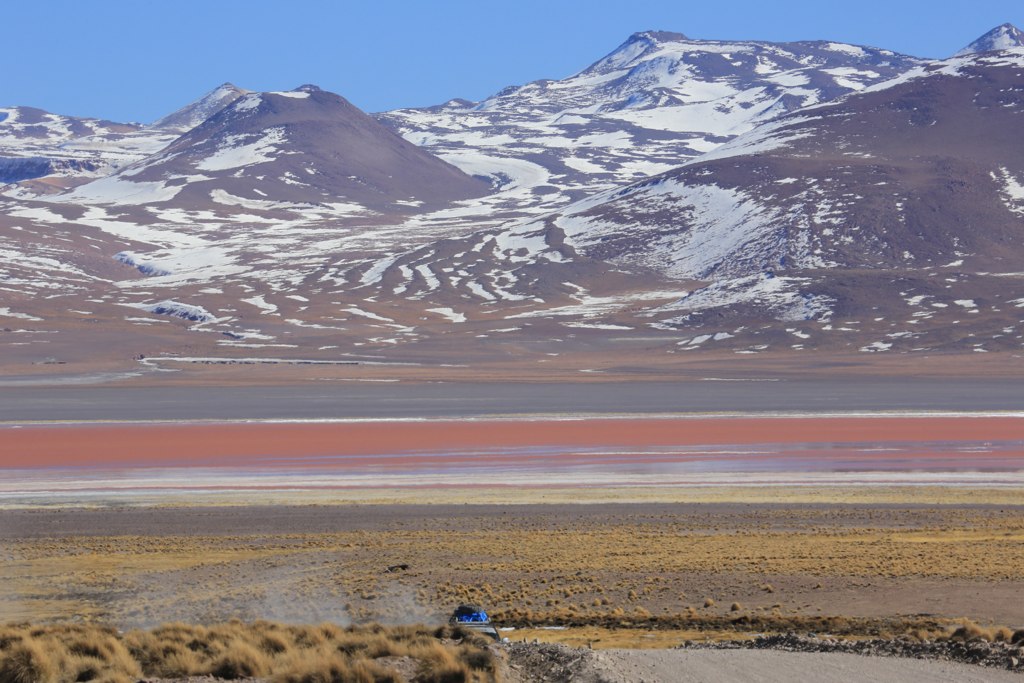
These vivid pink lakes in Bolivia formed accidentally through a combination of salt mining and peculiar microbiology. Walls built to contain evaporation ponds allowed different species of algae to thrive in separate sections, creating striking color variations.
The geometric pattern of differently colored lakes offers an extraordinary vista never intended by the miners who shaped the landscape.
Rio Tinto
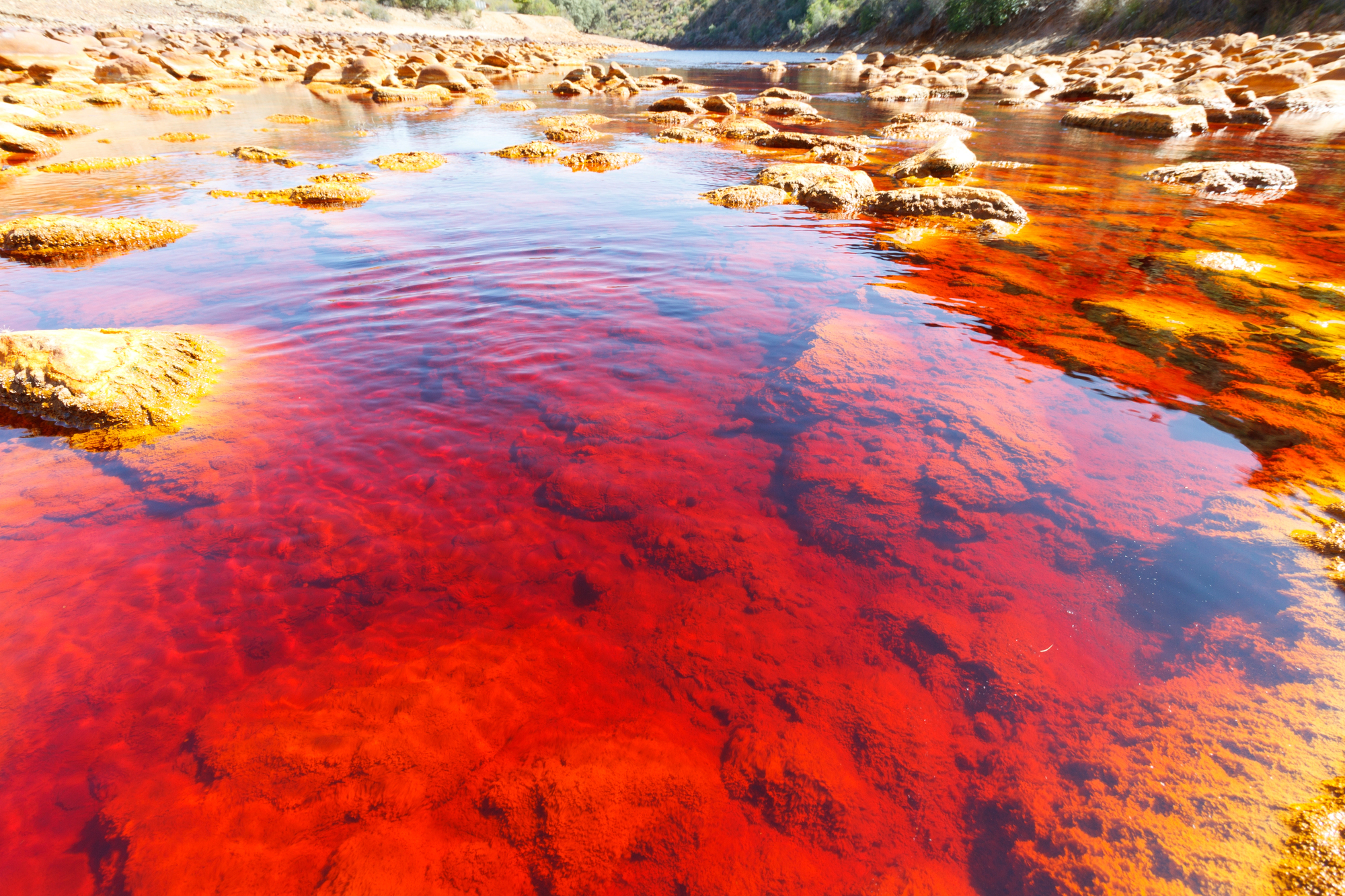
This vibrant red river in Spain flows through an area accidentally transformed by 5,000 years of mining activity. Ancient Romans and subsequent civilizations extracted copper, silver, and gold, inadvertently creating extremely acidic conditions in the water.
The river’s striking crimson color comes from dissolved iron and the unique extremophile microorganisms that thrive in its inhospitable environment, making it one of Earth’s most alien-looking landscapes.
Like Go2Tutors’s content? Follow us on MSN.
The Unexpected Beauty of Accidents
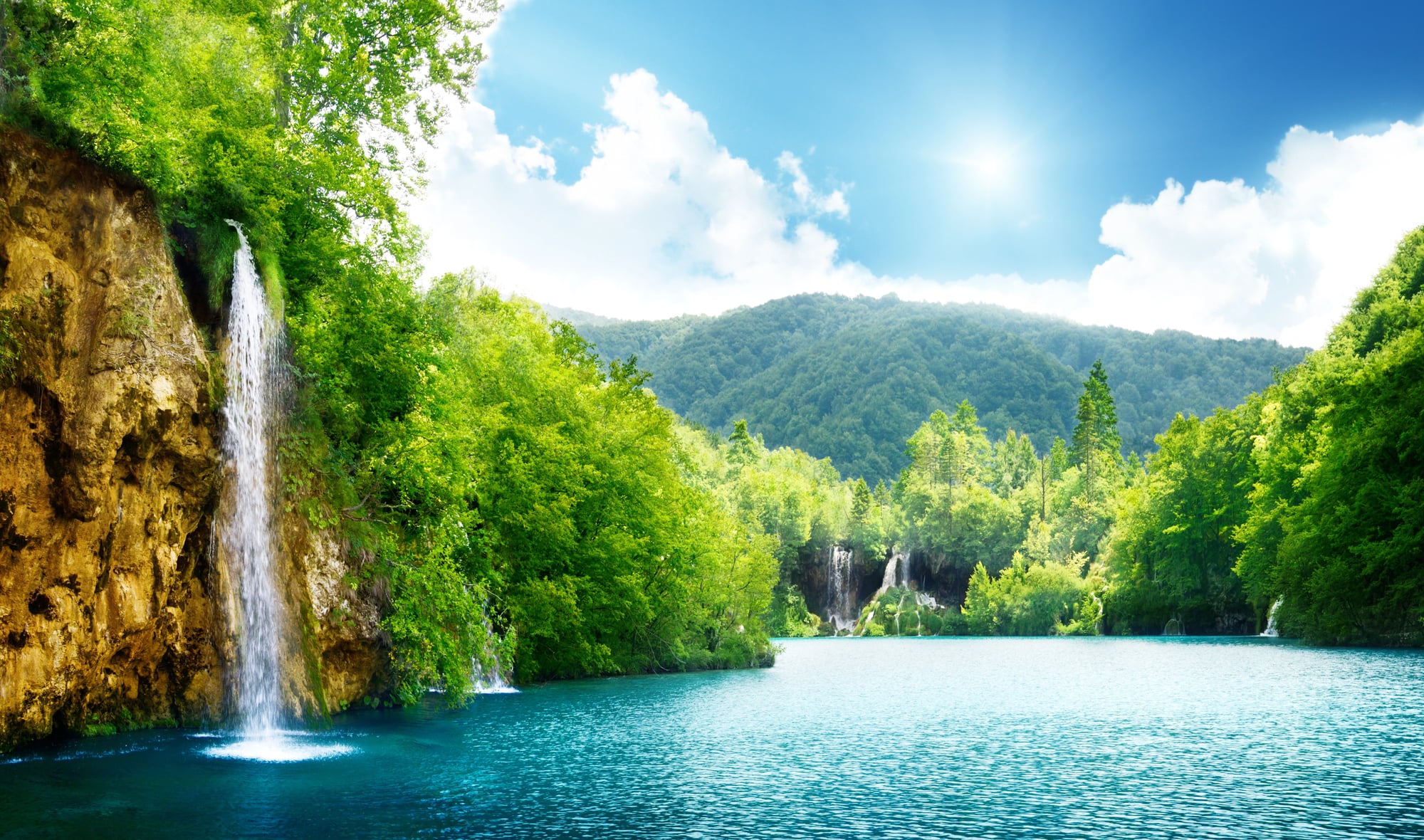
From fiery craters to otherworldly lakes, these accidental landscapes remind us that some of Earth’s most fascinating places emerge from mistakes, oversights, and unforeseen consequences. They stand as testament to how the unplanned intersections of human activity and natural processes can create wonders more extraordinary than anything deliberately designed.
These accidental creations continue evolving, writing new chapters in their unexpected stories with each passing year.
More from Go2Tutors!

- 18 Unexpectedly Valuable Collectibles You Might Have Lying Around
- 20 Little-Known Historical Battles That Had Huge Consequences
- 20 Historical Artifacts That Scientists Can’t Explain
- 15 Inventions That Were Immediately Banned After Being Created
- 20 Actors Who Were Almost Cast in Iconic Roles
Like Go2Tutors’s content? Follow us on MSN.