20 Pointless Apps That Somehow Made It to Market
We’ve all downloaded apps that promised to change our lives, only to delete them minutes later. In today’s oversaturated digital marketplace, developers are constantly competing for our attention—sometimes with truly innovative ideas, and other times with concepts so absurdly useless you wonder how they ever secured funding.
Here is a list of 20 apps that somehow made it through development, marketing, and onto our devices despite offering questionable value to humanity.
I Am Rich

The granddaddy of pointless apps, “I Am Rich” launched on the App Store in 2008 with a price tag of $999.99. Its sole function? Displaying a glowing red gem on your screen.
That’s it. The developer marketed it as a status symbol for wealthy individuals, and surprisingly, eight people purchased it before Apple removed it from the store.
Hold The Button

This app challenges users to do exactly what the name suggests—hold a virtual button for as long as possible. Users compete globally to see who can maintain finger contact with their screen the longest, with some dedicated players managing several hours.
The app serves no practical purpose beyond testing your patience and draining your battery.
Like Go2Tutors’s content? Follow us on MSN.
Nothing

True to its name, this app does absolutely nothing. When opened, it presents a blank screen with the word “Nothing” displayed.
The developer marketed it as a “meditation tool,” but let’s be honest—it’s just empty digital space that somehow convinced people to download it millions of times.
iBeer

Remember when smartphone novelty was at its peak? iBeer transformed your $700 device into a virtual glass of beer that you could “drink” by tilting your phone toward your mouth.
The liquid even responded to movement with realistic physics. Despite its pointlessness, it became one of the early viral sensation apps and made its creator a millionaire.
Send Me To Heaven

This app encouraged users to throw their phones as high as possible, using the device’s accelerometer to measure the height. Unsurprisingly, Apple rejected it from their App Store due to the obvious risk of damage to expensive devices.
On Android, however, it found a home among those apparently willing to risk shattering their screens for a high score.
Like Go2Tutors’s content? Follow us on MSN.
Yo

Communication stripped down to its absolute minimum—that’s “Yo.” This app allowed users to send just one word to their contacts: “Yo.”
Nothing more, nothing less. Despite its remarkable simplicity (or perhaps because of it), Yo received $1.5 million in venture capital funding and reached one million users at its peak.
Virtual Zippo Lighter

Before smartphones had flashlight functions, people downloaded an app that displayed a flickering virtual lighter on their screens. Users could open and close the lighter with a flick of their thumb and even pretend to light it by “striking” the flint wheel.
Concert-goers would wave their phones instead of real lighters, making this perhaps the most successful pointless app ever.
Paper Racing
This peculiar game asks players to watch virtual toilet paper unroll and tap the screen to stop it at exactly 10 squares. That’s the entire gameplay.
No levels, no power-ups, just toilet paper counting. Despite its utterly basic premise, it managed to attract millions of downloads from people apparently desperate to perfect their virtual toilet paper dispensing skills.
Like Go2Tutors’s content? Follow us on MSN.
Cuddle Buddy
Ever want to cuddle with your phone? No? Well, someone thought you might. This app vibrates your phone in patterns that supposedly mimic the heartbeat of someone lying next to you.
It also makes gentle breathing sounds to complete the illusion of cuddling with another human. The loneliness epidemic has apparently created a market for surrogate phone companions.
Is It Dark Outside

For those unable to look out a window or process basic information about time of day, this app answers one simple question: is it dark outside? It uses your location data to determine whether the sun has set, then displays either “Yes” or “No.”
That’s it—an entire app dedicated to information you could obtain with a glance outside.
Carrr Matey

Finding where you parked your car is reimagined with a pirate theme. The app marks your parking location, but instead of simple directions, it guides you back with phrases like “Walk 100 paces north-east, ye scurvy dog!”
While marginally more useful than some entries on this list, the pirate gimmick hardly justifies a standalone app rather than just dropping a pin on your regular maps application.
Like Go2Tutors’s content? Follow us on MSN.
SimStapler

This app transforms your $1,000 smartphone into a $2 office supply item. Users can virtually staple nothing by pressing a button that makes a stapling sound.
The developer claimed it was meant for stress relief, but the irony of paying for a digital version of an inexpensive physical object was lost on the thousands who downloaded it.
Hold On!

Not to be confused with “Hold The Button,” this app challenges users to hold their finger on their phone screen while various distractions try to make them let go. These include fake system messages, vibrations, and screen flashes. The goal? Simply do not lift your finger.
The reward? Nothing but bragging rights and time wasted.
Demotivational Quotes

Flipping the script on inspirational content, this app delivers daily quotes designed to crush your spirit rather than lift it. Instead of “Seize the day,” expect messages like “It’s probably not going to get any better.”
While some might find the dark humor amusing, paying for algorithmic negativity seems counterproductive to most people’s well-being.
Like Go2Tutors’s content? Follow us on MSN.
Virtual Bubble Wrap
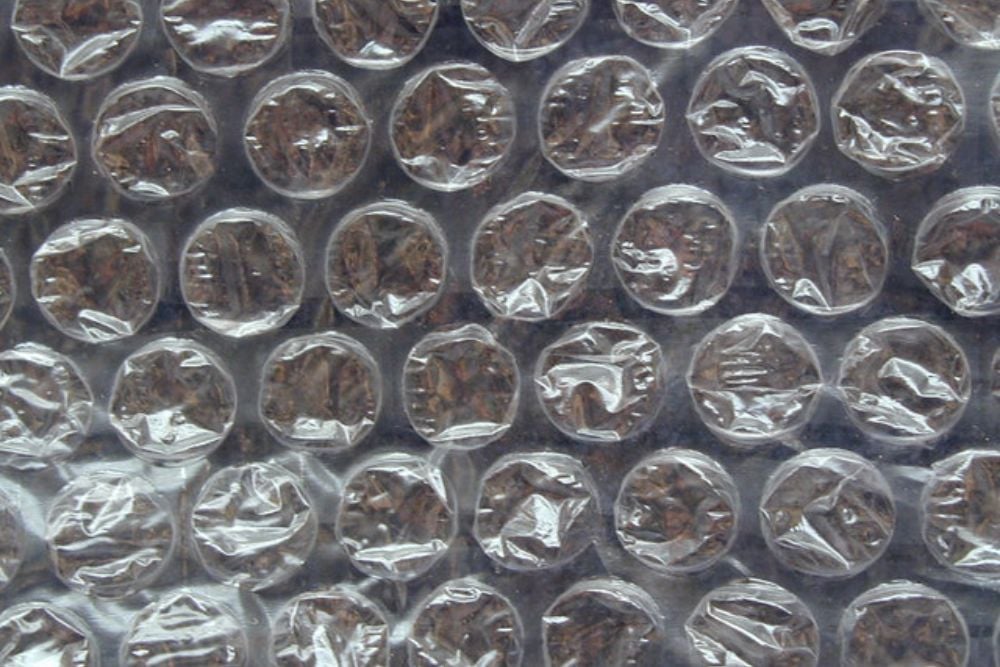
Remember the satisfaction of popping bubble wrap? This app recreates that experience digitally, complete with popping sounds and the visual satisfaction of seeing bubbles deflate.
While momentarily entertaining, it lacks the tactile pleasure that makes real bubble wrap so addictive, leaving users with nothing but a sense of emptiness after the novelty wears off.
Toilet Finder

While finding public restrooms can occasionally be useful, dedicating an entire app to bathroom locations seems excessive when this feature exists in most mapping applications. The app boasts a database of public toilets worldwide, with user reviews and cleanliness ratings—proving that absolutely everything in modern life can be reviewed and rated.
Fake Shower
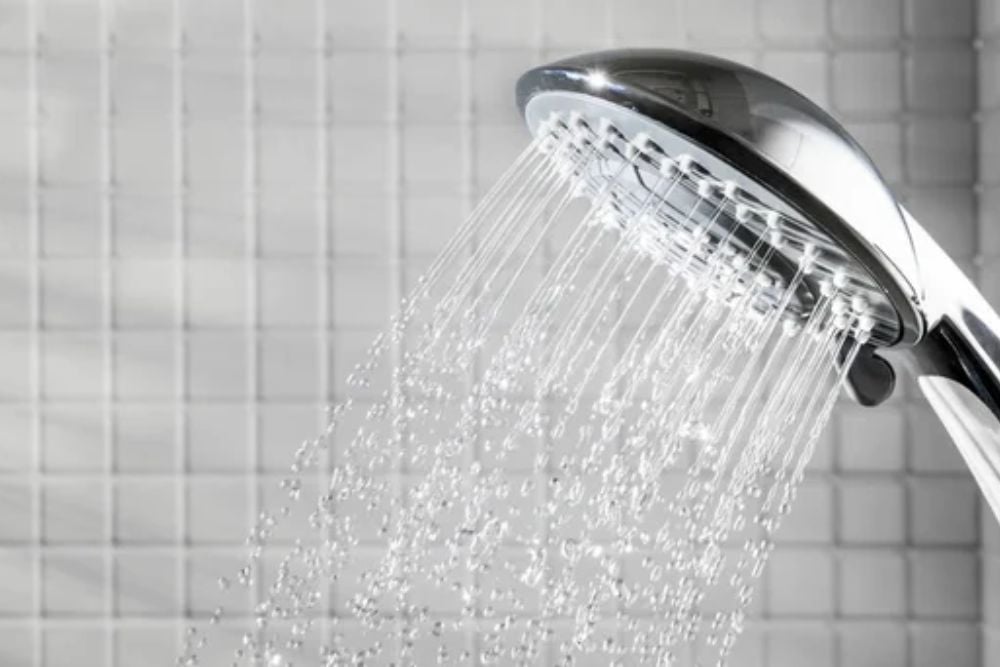
This app plays the sound of running water to mask bathroom noises in public restrooms. For the particularly shy individual, it offers different water pressure settings and even the occasional toilet flush sound for authenticity.
The developer clearly identified a very specific anxiety and monetized it, however unnecessary the solution might be.
Like Go2Tutors’s content? Follow us on MSN.
Electric Shaver

Transforming your phone into a vibrating “shaver” complete with realistic sound effects, this app pretends to trim facial hair when pressed against your face. Obviously, it doesn’t actually shave anything—it just vibrates aggressively while making buzzing noises.
The app description even warns users not to expect actual shaving functionality, which raises the question of why it exists at all.
OMG I’m Getting Fat!

This charming app allows users to take a photo and then digitally “fatten” themselves to see what they might look like with additional weight. With no scientific basis for its projections and dubious utility beyond novelty, it managed to attract downloads before society became more aware of body image concerns.
AgingBooth

Similar to the previous entry but focused on age rather than weight, this app takes a photo and applies effects to show how you might look decades in the future. The results are generally cartoonish and inaccurate, based on generic aging templates rather than any personalized data or science.
Despite its pointlessness, it became a brief social media trend.
Like Go2Tutors’s content? Follow us on MSN.
The Digital Reflector

When front-facing cameras weren’t standard on phones, someone created an app that turned your screen completely black when not in use, marketing it as a “digital mirror.” Users paid for an app that essentially did nothing but display a black screen to create a faint reflection.
The app creator probably couldn’t believe their luck as downloads climbed into the thousands.
Digital Evolution

From novelty apps that made millions to digital solutions for problems that didn’t exist, these pointless applications represent both the freedom and folly of the digital marketplace. While most have faded into obscurity, they remind us of an important truth: in technology as in nature, not every creation serves a purpose—but sometimes even the most useless innovations can teach us something about human behavior and our complicated relationship with our devices.
More from Go2Tutors!

- 18 Unexpectedly Valuable Collectibles You Might Have Lying Around
- 20 Little-Known Historical Battles That Had Huge Consequences
- 20 Historical Artifacts That Scientists Can’t Explain
- 15 Inventions That Were Immediately Banned After Being Created
- 20 Actors Who Were Almost Cast in Iconic Roles
Like Go2Tutors’s content? Follow us on MSN.