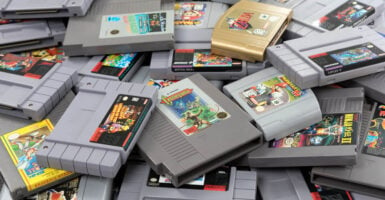
Games and Pastimes That Built Bonds
There’s something special about the way people used to spend time together before screens took over every spare moment. Families gathered around tables, friends met up at parks, and neighbors would stop by just to join in on whatever fun was happening.
These weren’t fancy activities that required expensive equipment or complicated rules. They were simple ways to pass the time that somehow created memories lasting decades.
The beauty of these shared experiences wasn’t just in the activities themselves but in what happened while people played them. Let’s explore the games and pastimes that truly brought people closer together.
Card games at the kitchen table
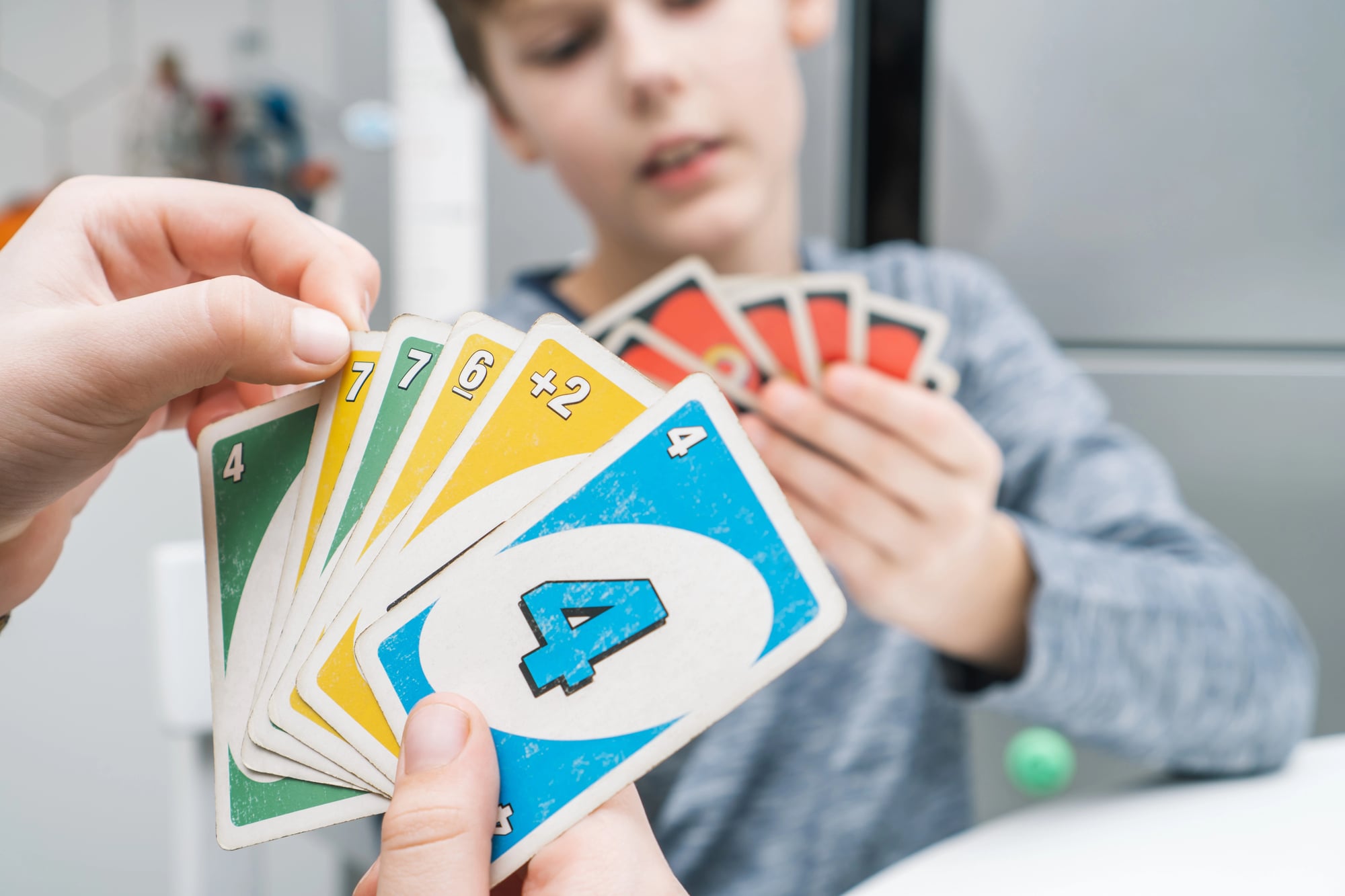
Decks of cards cost almost nothing, yet they provided endless entertainment for generations. Families would sit around kitchen tables after dinner, dealing hands of Rummy, Hearts, or Go Fish while conversations flowed naturally between rounds.
The games gave hands something to do while mouths talked about everything from gossip to serious life decisions. Kids learned strategy, adults relaxed after long workdays, and everyone felt part of something bigger than themselves.
Board games on rainy afternoons

When the weather kept everyone indoors, board games saved the day from boredom and bickering. Monopoly marathons could last for hours, with alliances forming and crumbling as properties changed hands.
Scrabble sparked friendly debates about whether certain words actually existed. The competition mattered less than the laughter that erupted when someone landed on Boardwalk with three hotels or tried to pass off a made-up word as legitimate.
These games taught patience, turn-taking, and how to lose gracefully.
Pickup basketball at the local court

Basketball courts in every neighborhood served as gathering spots where friendships formed over layups and free throws. Players of different ages and backgrounds would show up, divide into teams, and play until darkness made seeing the hoop impossible.
Nobody cared about keeping an official score or following every technical rule. The real point was getting exercise, trash-talking in good fun, and feeling like part of a community that accepted anyone willing to play.
Backyard barbecues with lawn games

Cookouts brought together more than just food and fire. While burgers sizzled, people played horseshoes, cornhole, or bocce orb on the grass.
These games required minimal skill, so everyone from grandparents to young kids could participate without feeling left out. The casual nature meant conversations happened naturally while waiting for turns, and nobody got too serious about winning.
Good food and simple games created an atmosphere where people relaxed and genuinely enjoyed each other’s company.
Fishing trips that weren’t really about fish

Sitting by a lake or river with a fishing rod gave people an excuse to spend hours talking without the pressure of maintaining eye contact or keeping conversation going constantly. Fathers and sons bonded during early morning trips, saying more to each other in silence than they might have otherwise.
Friends used fishing as a reason to escape daily stress and share what was really on their minds. Whether anyone actually caught dinner mattered far less than the time spent together in nature.
Puzzle building over several days

Large jigsaw puzzles became group projects that families worked on whenever they passed the table. Someone would add a few pieces after breakfast, another person would work during lunch, and eventually everyone would gather to finish the last section together.
The puzzle gave people a reason to be in the same room without forcing interaction, yet collaboration happened naturally. Completing it together felt like a small victory that belonged to everyone involved.
Neighborhood hide and seek after dinner

Once dishes were cleared, kids would burst outside for epic games of hide and seek that sometimes included half the block. Parents sat on porches chatting while keeping an ear out for their children’s voices calling out from behind bushes and garage corners.
The game created a sense of freedom and adventure within safe boundaries. Older kids looked out for younger ones, teaching them the best hiding spots and how to stay quiet when the seeker walked past.
Singing around campfires

Campfires had a way of making even terrible singers brave enough to join in. Someone would start a familiar song, others would catch on, and soon everyone was singing together under the stars.
The warmth of the fire matched the warmth of shared voices, creating moments that felt almost sacred despite their simplicity. Nobody judged off-key notes because the point was participating, not performing.
These musical moments bonded groups in ways that ordinary conversation never could.
Building model cars or airplanes together

Model kits required patience and steady hands, making them perfect for teaching while doing. Parents and children would spread newspapers across tables, carefully gluing tiny pieces while discussing school, work, or whatever came to mind.
The focused activity made talking easier for people who struggled with direct conversation. Finishing a model together created both a physical object to display and a shared memory of the time invested in making it.
Dominoes on the front porch

In many communities, dominoes became more than a game but a ritual that marked the rhythm of the week. Players would gather regularly, slapping tiles on tables with satisfying clicks while stories and jokes circulated.
The game’s pace allowed for both intense concentration and relaxed socializing. Younger generations learned by watching, eventually earning their place at the table.
These sessions preserved traditions and kept relationships strong across age gaps.
Bike rides through the neighborhood

Groups of friends would set out on bicycles with no particular destination, just the freedom of movement and each other’s company. They’d race down hills, explore new streets, and stop at corner stores for cold drinks.
The activity required little planning but created adventures that felt significant. Riding side by side or in a pack, kids learned about loyalty, looking out for one another, and how to have fun with whatever the day offered.
Baking cookies as a team effort

Kitchens became laboratories of flour clouds and chocolate chips when families baked together. Someone measured ingredients, another mixed, and the youngest got to lick the spoon.
The process mattered more than producing perfect cookies. Mistakes turned into jokes, and the smell filling the house signaled that something good was happening.
Eating warm cookies together afterward felt like the reward for teamwork, not just following a recipe.
Teaching someone to ride a bike

Running alongside a wobbly bicycle while someone learned to balance created a unique bond between teacher and learner. The trust required to let go of the seat, the pride when the rider made it ten feet alone, and the comfort offered after inevitable falls all deepened relationships.
This rite of passage happened between parents and children, older siblings and younger ones, or even friends who wanted to help each other overcome fear. Success belonged to both people, not just the one who ended up riding.
Weekend car washing as a group project

Washing the family car turned into a splashy event when everyone participated. Someone would spray the hose, another would soap up the doors, and inevitably a water fight would break out.
The chore became play, and the play became a memory. Working together on something practical taught kids about responsibility while keeping things light.
A clean car at the end was nice, but the real benefit was the hour spent laughing and cooperating.
Playing catch in the yard

The simple act of tossing an orb back and forth created countless opportunities for connection. The rhythm of throw and catch made talking easier, and the activity gave restless hands something to do.
These sessions happened between parents and kids, neighbors across a fence, or friends killing time on a summer evening. The game never really ended, just paused until next time.
Each throw carried with it an unspoken message about showing up and being present.
Building snow forts together
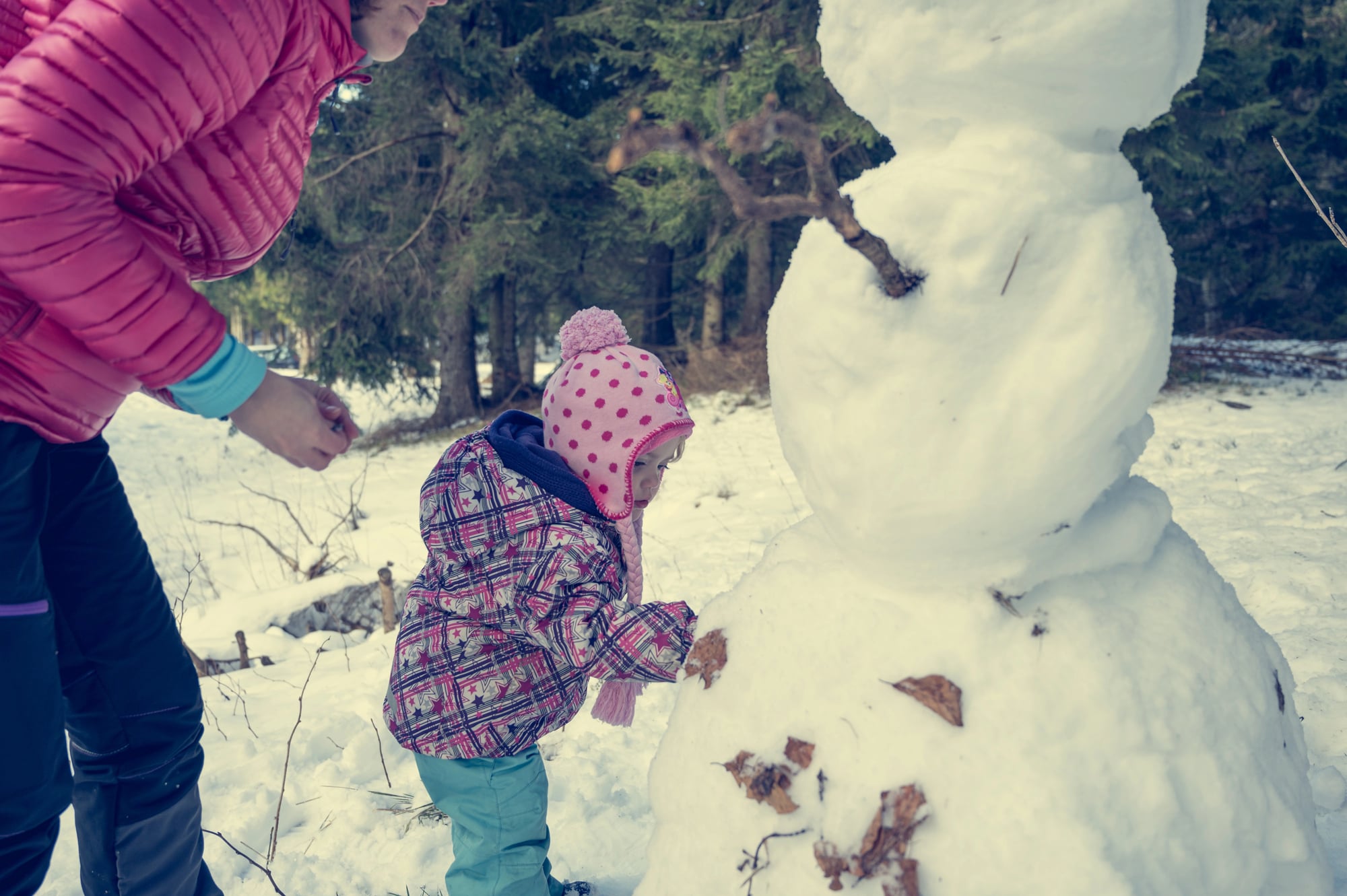
Winter weather transformed neighborhoods into temporary kingdoms of snow walls and ice structures. Kids and adults alike would shovel, pack, and shape snow into elaborate fortresses.
The physical work required cooperation and planning, with everyone contributing their ideas and effort. These creations lasted only until the next thaw, but the teamwork and imagination involved created bonds that persisted.
Defending or attacking the forts in snowball battles added excitement that made everyone feel young and alive.
Sharing comic books and magazines

Before the internet, people physically passed around reading material they thought others might enjoy. A friend would lend a favorite comic book, someone would tear out an interesting magazine article to share, and these small acts said ‘I thought of you.’
Discussing what was read sparked conversations about stories, ideas, and what mattered to each person. This sharing created tiny traditions and inside jokes that strengthened friendships through something as simple as printed pages changing hands.
Family strolls once supper’s done
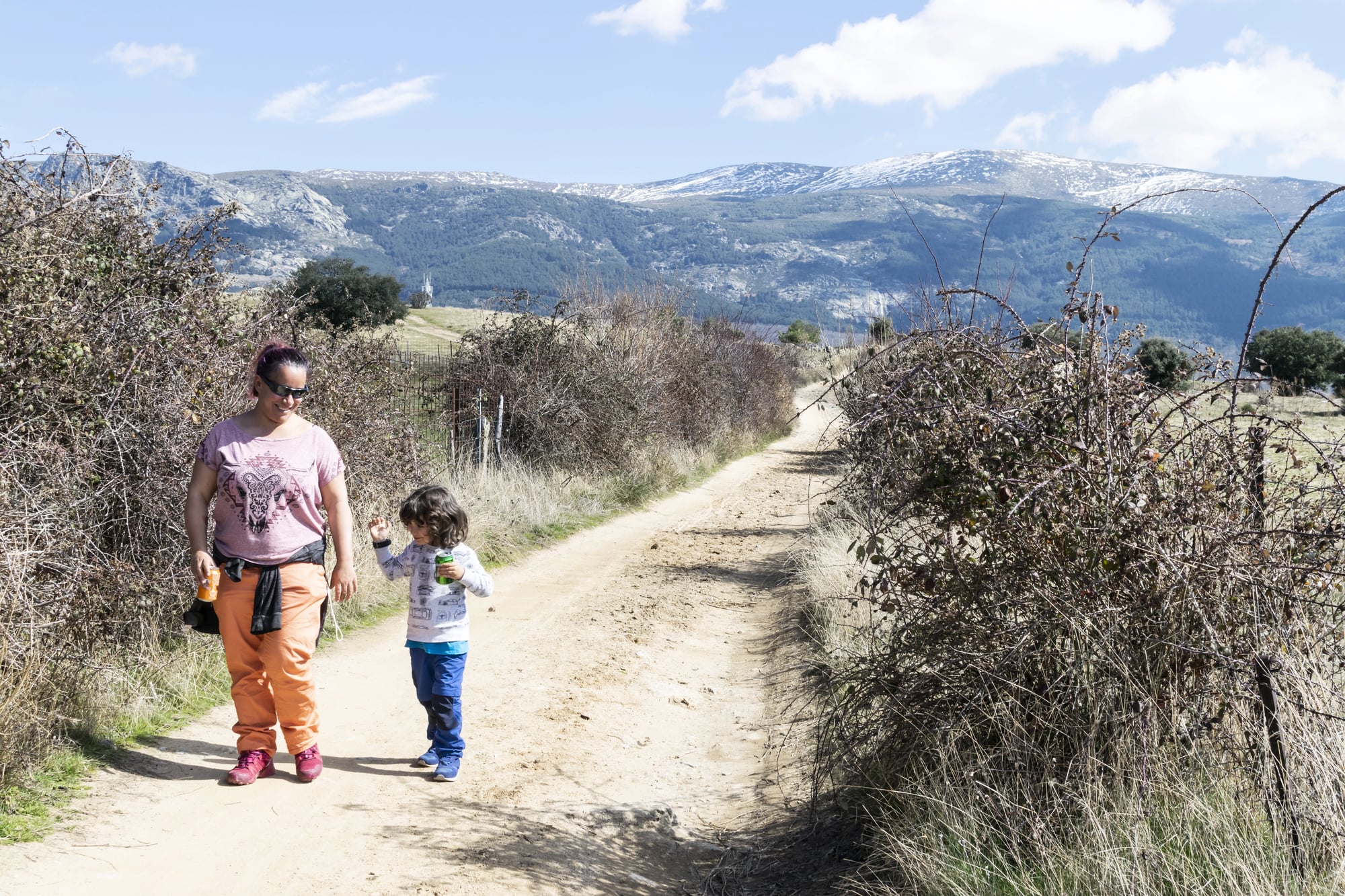
Walking around the block as a unit turned into an everyday thing for lots of homes looking to bond minus interruptions. Moving side by side helped talk happen naturally – more than staring across a dinner plate ever did.
Moms and dads used it to catch up on what was going on with school or friends, brothers and sisters traded stories from class, while everybody soaked in some breeze. No gear needed, no schedule set – just agreeing to head out the door at once.
Doing this often made it a go-to chance for loved ones to sync back up.
What’s left from back then

Tech shifted how folks have fun, yet craving genuine bonds stays the same. Old-school games still hit right – not due to nostalgia, but because bonding thrives on doing things side by side.
Families swapping screens for card decks often find what earlier generations felt without trying. It’s not about which game you play, more about showing up fully – opening space for laughs, lowering walls, just being there.
More from Go2Tutors!

- The Romanov Crown Jewels and Their Tragic Fate
- 13 Historical Mysteries That Science Still Can’t Solve
- Famous Hoaxes That Fooled the World for Years
- 15 Child Stars with Tragic Adult Lives
- 16 Famous Jewelry Pieces in History
Like Go2Tutors’s content? Follow us on MSN.