20 Volcanic Eruptions That Changed Global Weather Patterns Throughout History
Volcanoes don’t just destroy locally. When they erupt violently enough, they alter the climate for entire continents.
Ash rises into the stratosphere. Sulfur dioxide converts to sulfuric acid aerosols.
Sunlight scatters and weakens. Temperatures plummet globally, and crops fail thousands of miles away.
The eruption is finished in hours, but the weather effect lingers for years. These 20 eruptions didn’t just reshape landscapes—they reshaped history.
Toba, Sumatra—74,000 BC
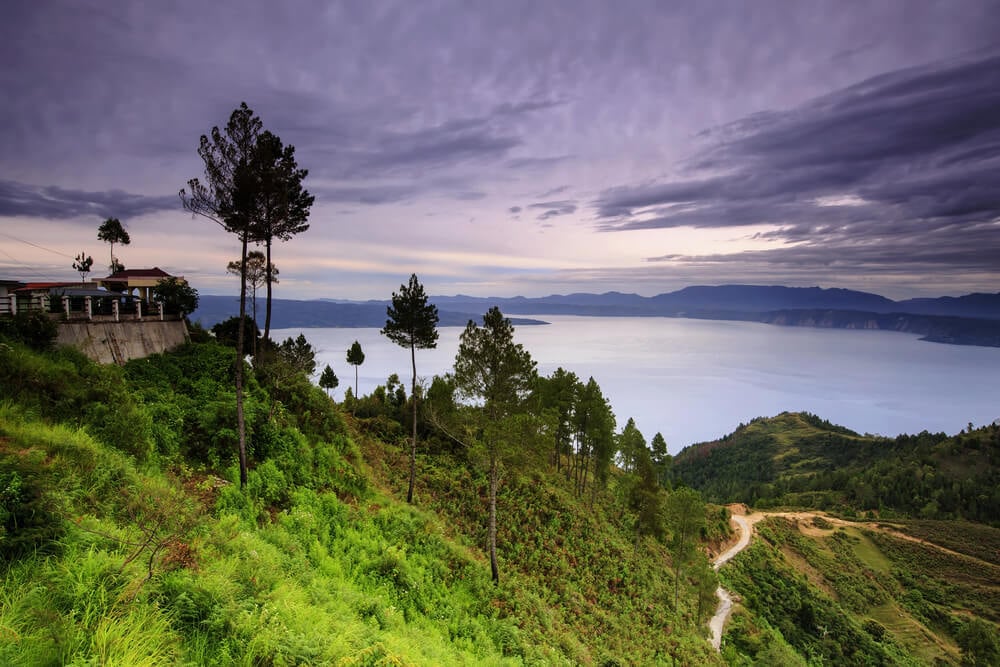
The largest eruption in 25 million years ejected 2,800 cubic kilometers of ash into the atmosphere. The ash column rose 80 kilometers high.
Volcanic winter followed, with global temperatures dropping 20-30 degrees Celsius. Genetic evidence suggests human population crashed to 10,000 individuals.
The eruption happened not in record time but in the span of days, and its climate effects lasted for years. Humans nearly went extinct because a volcano in Sumatra erupted.
Mount Pinatubo, Philippines—1991
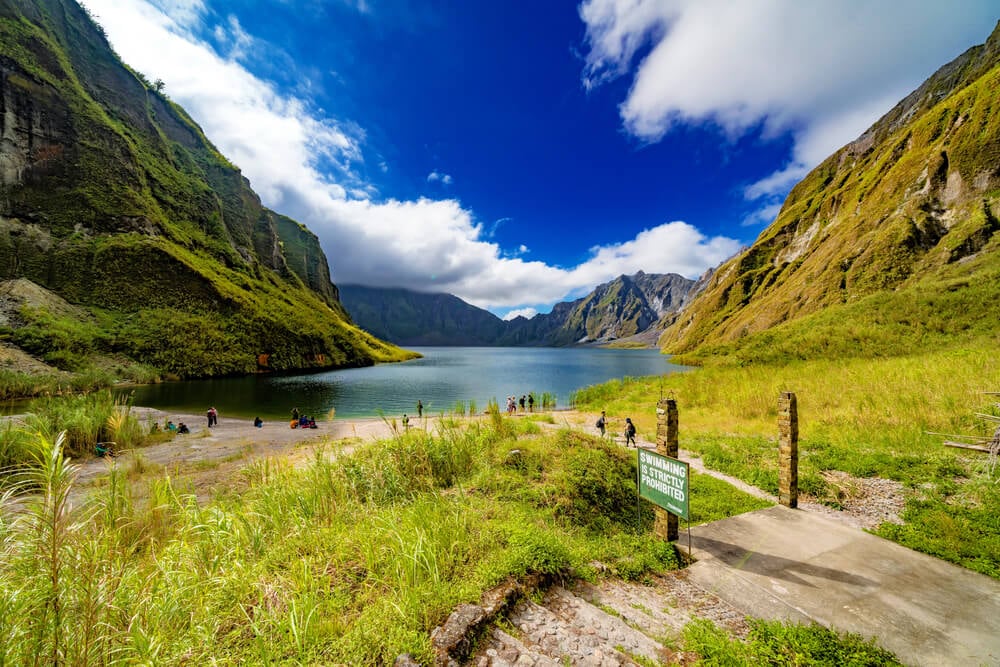
Pinatubo ejected 20 million tons of sulfur dioxide into the stratosphere. The aerosol cloud circled the Earth in 15 days.
Global temperatures dropped 0.5 degrees Celsius in the months following. Rainfall patterns changed worldwide.
The eruption coincided with a natural La Niña event, and their combined effect disrupted harvests across Asia and Africa. The price of grain rose 40 percent globally, destabilizing food supplies in developing countries.
Krakatoa, Indonesia—1883
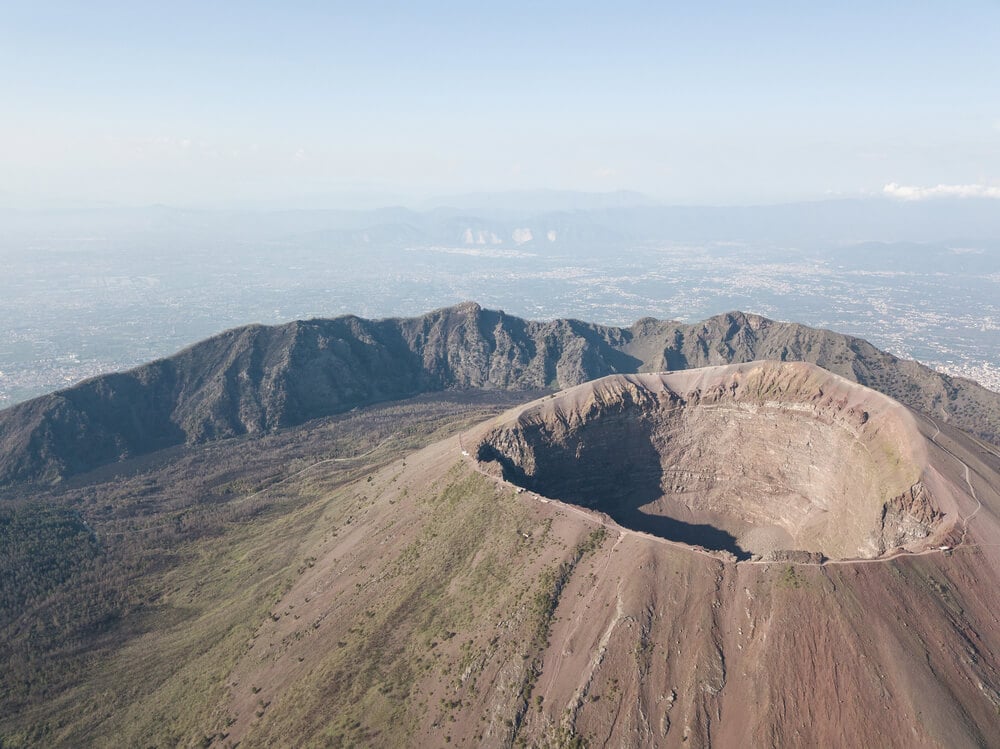
The explosion was heard in Mauritius 3,000 miles away. Ash circled the Earth in 10 days.
The atmospheric effect was so pronounced that global temperatures dropped 1.2 degrees Celsius. Sunsets turned red worldwide—the effect was so vivid that people in Europe photographed the phenomenon extensively.
The weather disruption lasted three years. Ships’ logs from the Pacific documented the atmospheric haze at sea level—daylight dimmed so much that captains reported navigating by lantern at noon.
Tambora, Indonesia—1815
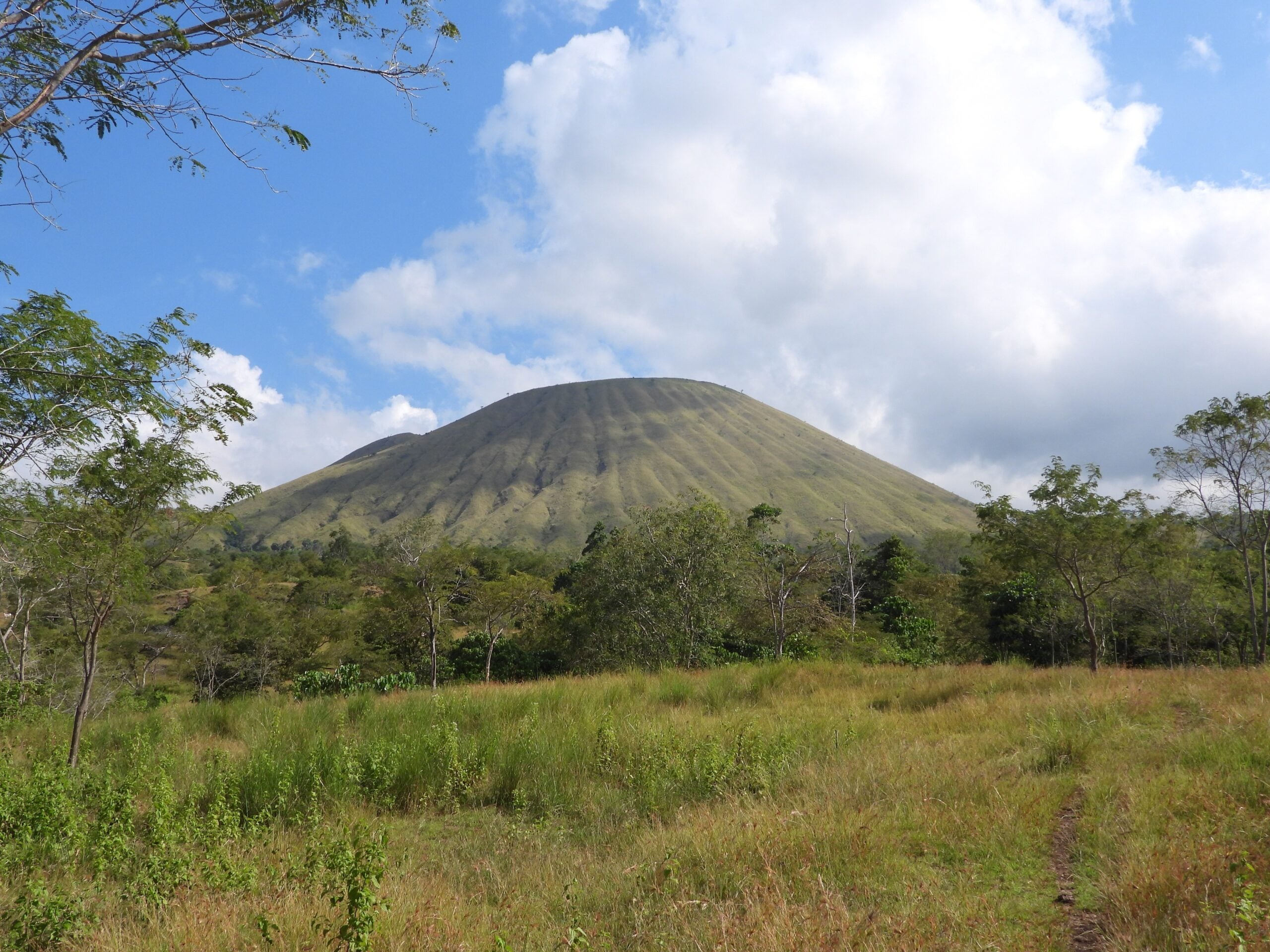
The eruption column reached 80,000 feet. Seventy million tons of ash fell within a week.
The year 1816 became known as “the year without a summer” in the Northern Hemisphere. Snow fell in June in New England.
Crop failures led to famine across Europe, Asia, and North America. The social unrest caused by food scarcity contributed to migrations, rebellions, and economic collapse.
A single eruption in Indonesia triggered global famine.
Laki, Iceland—1783-1784
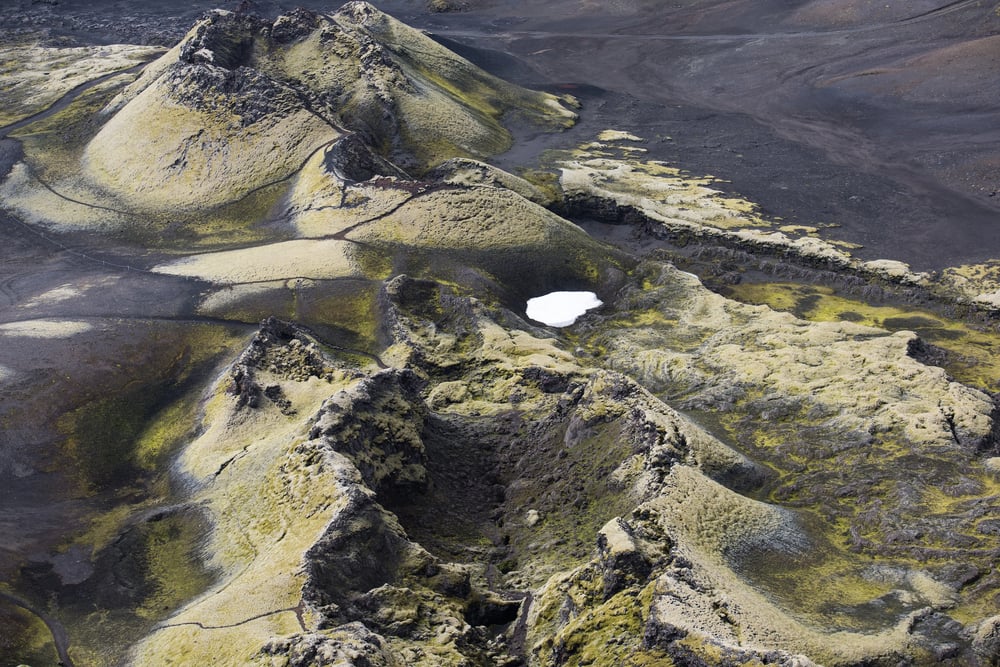
Laki erupted continuously for eight months, emitting enormous quantities of sulfur dioxide. The volcanic haze was so thick over Europe that the sun appeared dull and copper-colored.
Temperatures dropped 1-2 degrees Celsius globally. Crop failures led to famine in Iceland, the Nordic countries, and Egypt.
The eruption’s weather effects lasted three years. Contemporary accounts describe a “dry fog” that caused respiratory problems across Europe and blocked sunlight even at noon.
El Chichón, Mexico—1982
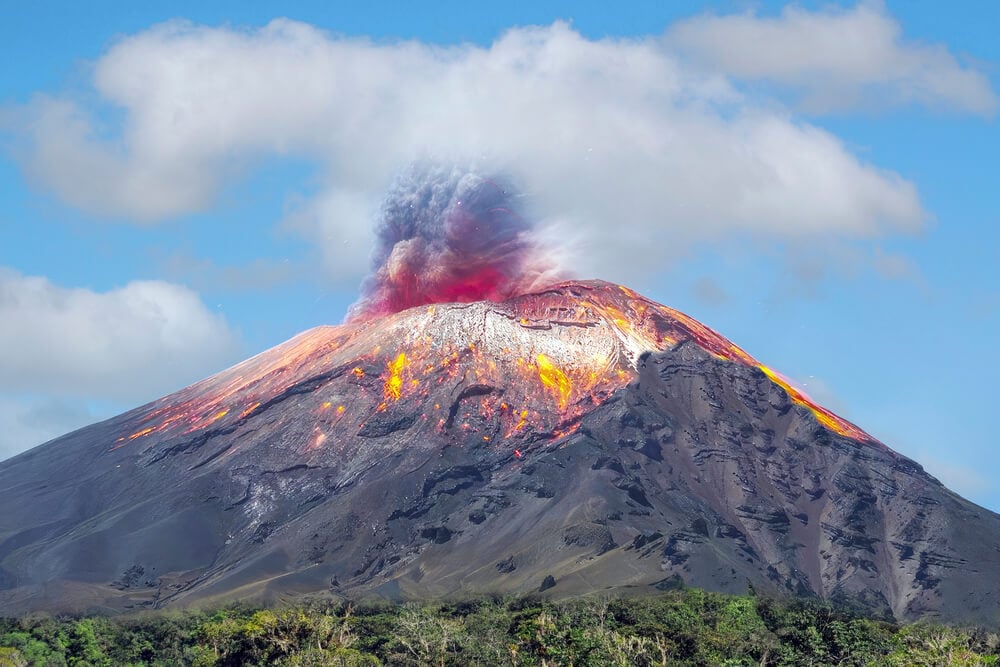
Ejecting 6 million tons of sulfur dioxide into the stratosphere, El Chichón cooled the globe by 0.1-0.3 degrees Celsius. The eruption disrupted monsoon patterns and affected precipitation across North America and Central America.
Agricultural impacts were significant but not catastrophic. The eruption’s climate effects lasted approximately two years, with cooling most pronounced in the year following eruption.
Cerro Hudson, Chile—1991
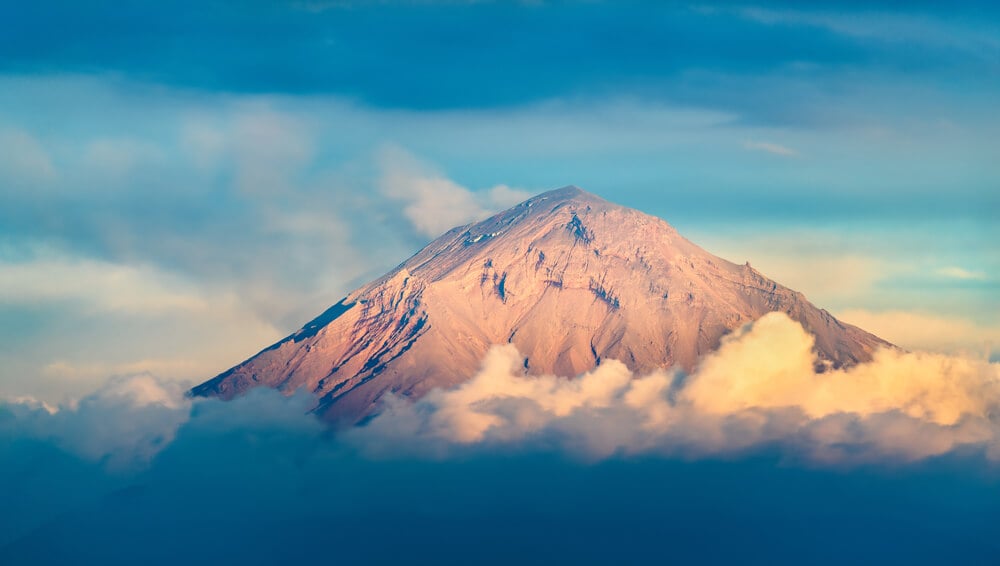
Erupting just a few months before Mount Pinatubo, Cerro Hudson ejected 9 million tons of sulfur dioxide into the stratosphere. The combined effect of two major eruptions in 1991 created more significant global cooling than either would have alone.
The impacts reinforced each other, with the cooling effect amplified during the second half of 1991 and into 1992.
Nevado Ruiz, Colombia—1985
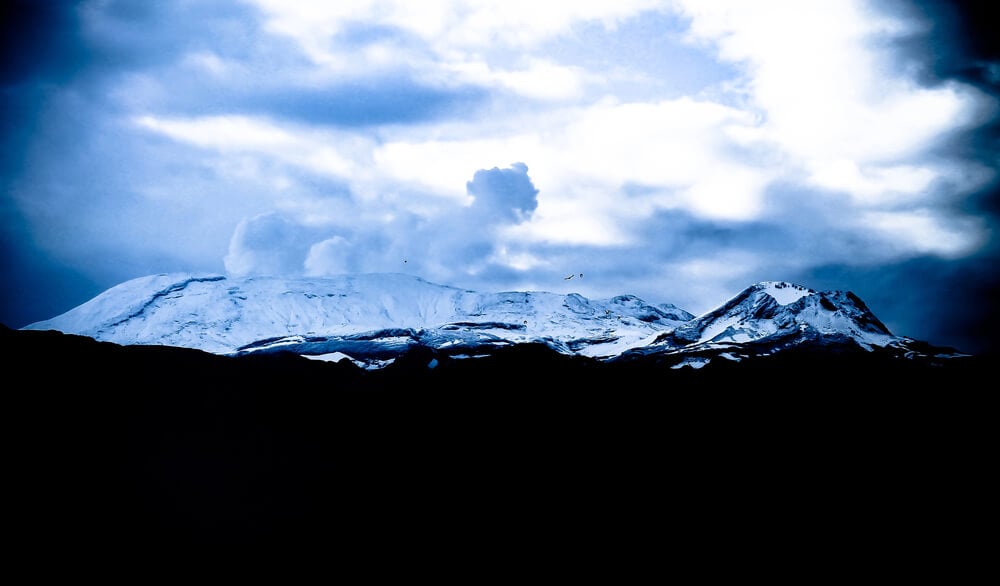
Though less stratospheric impact than other eruptions, Nevado Ruiz triggered a catastrophic lahar that killed 23,000 people. The eruption’s atmospheric effect was moderate, but the lahars caused immediate devastation.
The eruption column reached 25,000 feet. The direct casualty count from the lahars was far more significant than any climate effect from the eruption.
Sakurajima, Japan—Ongoing Since 1955
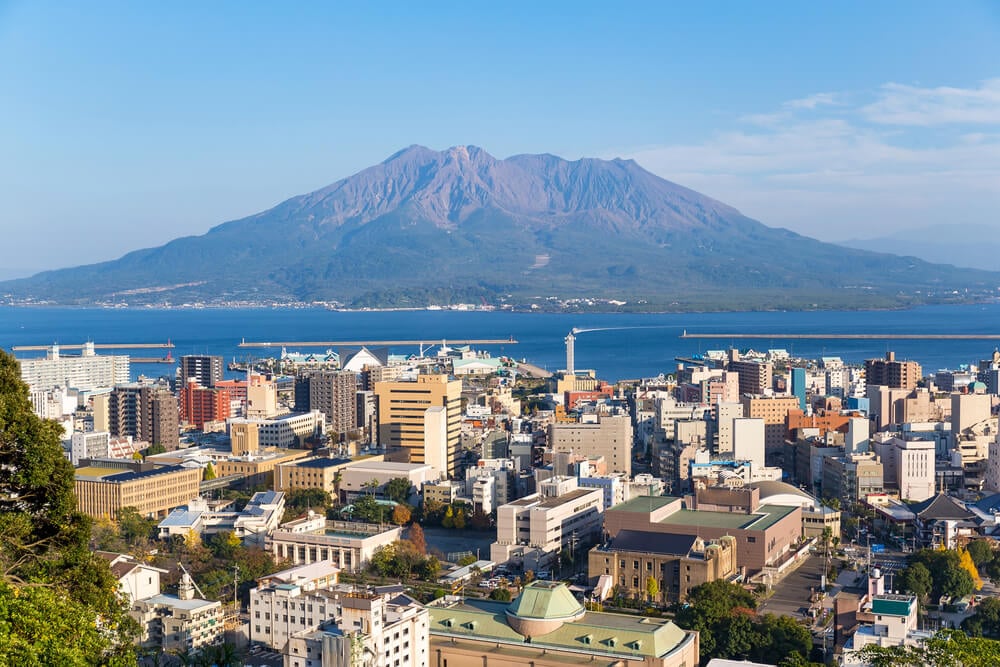
Sakurajima has erupted continuously for over 70 years, emitting so much sulfur dioxide that it’s the world’s most continuously active volcano. The cumulative effect of constant small eruptions adds persistent particulates to the atmosphere.
The local climate impact is measurable—regions downwind experience increased cloud cover and altered precipitation patterns. The volcano releases approximately 600,000 tons of sulfur dioxide annually.
Santa Maria, Guatemala—1902
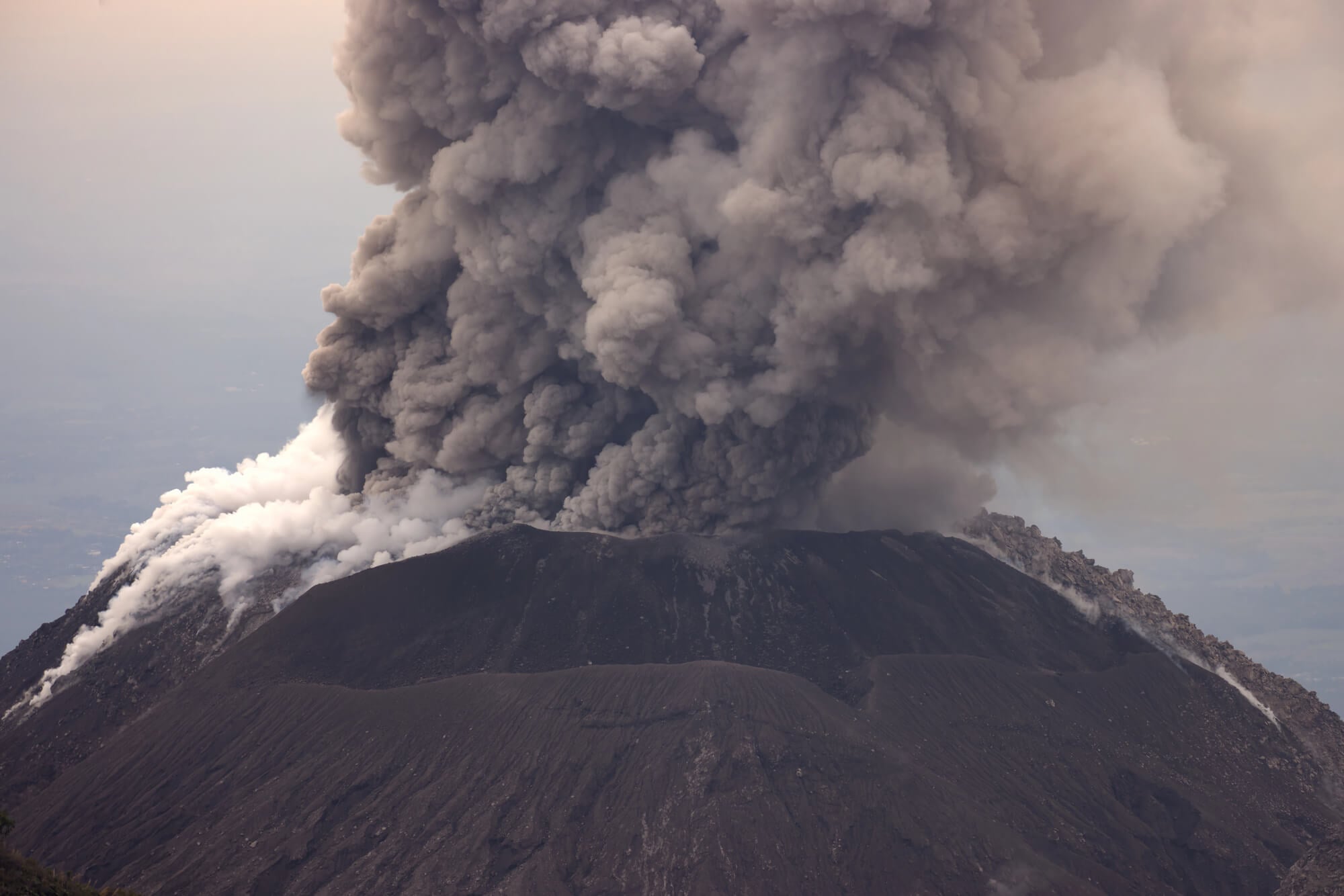
Santa Maria’s eruption ejected 5.5 cubic kilometers of material into the atmosphere. The eruption column reached 28,000 feet.
Global temperatures dropped by 1-2 degrees Celsius in the months following. The eruption coincided with other climate variables, making isolated attribution difficult, but the temperature dip was measurable globally.
Precipitation patterns shifted across Central America.
Kelud, Indonesia—1919
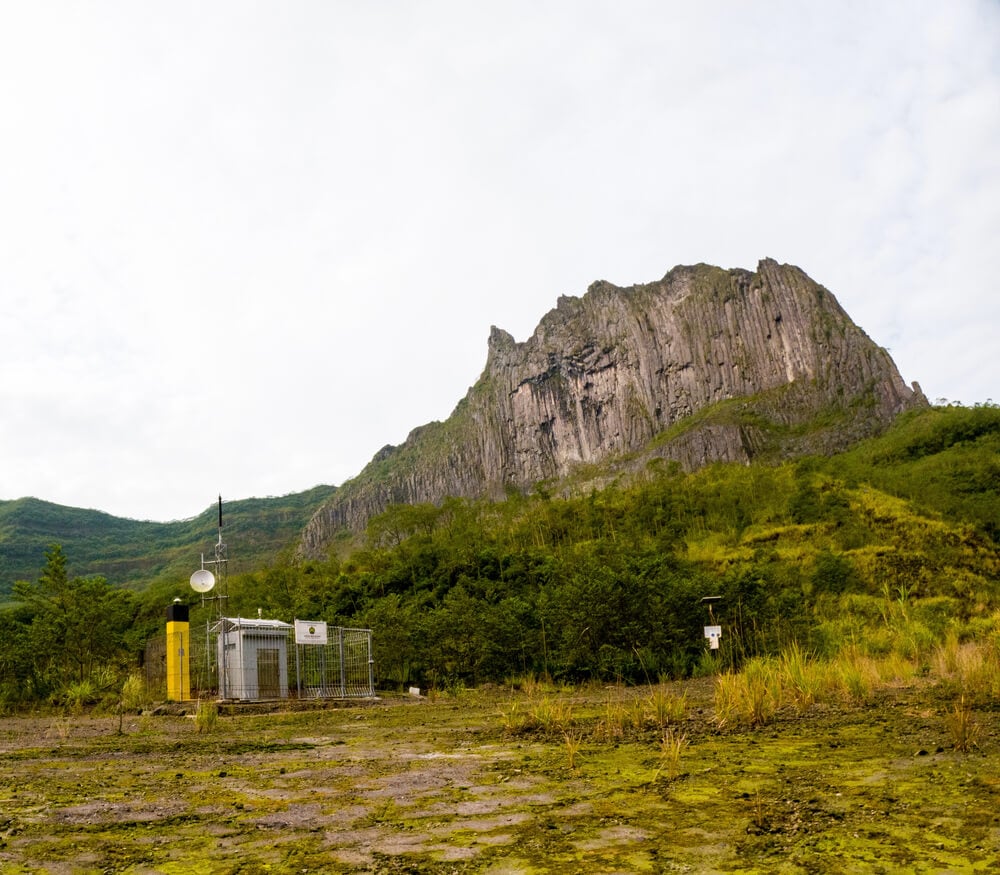
Kelud’s eruption sent ash 20,000 feet into the atmosphere. The eruption triggered lahars that killed 5,000 people.
The atmospheric effect was moderate compared to larger eruptions but still measurable. Regional weather patterns over Southeast Asia shifted for approximately one year following the eruption.
Mount Agung, Indonesia—1963
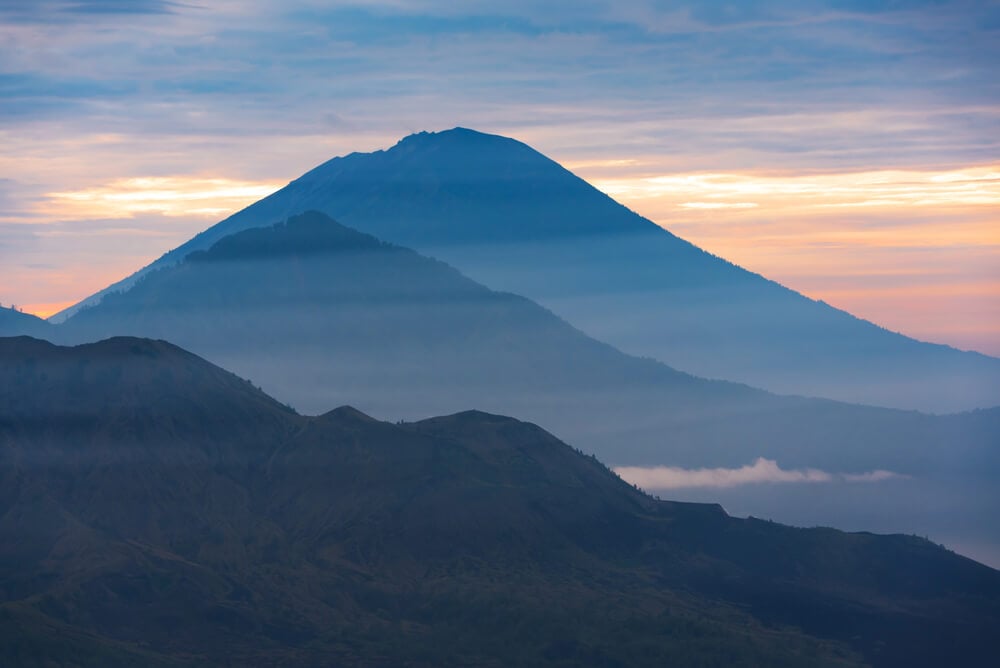
Agung erupted violently, ejecting 7 million tons of sulfur dioxide into the stratosphere. Global temperatures dropped 0.3 degrees Celsius.
The eruption disrupted monsoon patterns across Asia and Africa. Monsoon rains arrived late in many regions, affecting agricultural cycles.
The weather disruption lasted approximately two years, with most pronounced cooling in the year following eruption.
Huaynaputina, Peru—1600
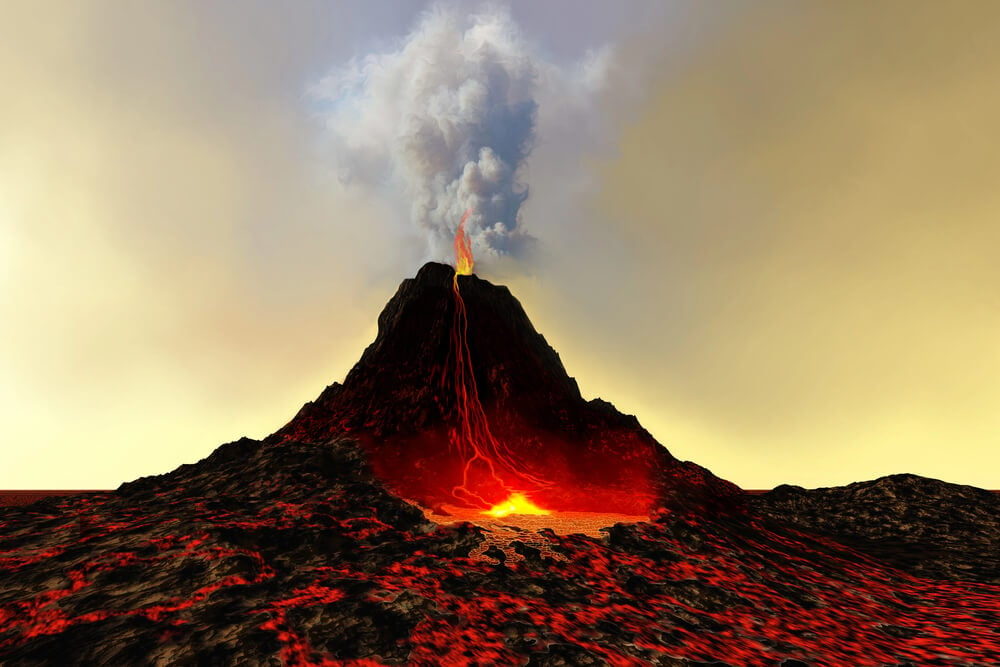
Regarded as one of the largest eruptions in the last 500 years, Huaynaputina ejected 11 million tons of sulfur dioxide. Ash fell across Europe and Asia 20,000 miles away.
Global temperatures dropped 1-2 degrees Celsius. Crop failures in 1601 triggered widespread famine across Europe, Asia, and the Middle East.
Historical records document social unrest and migrations triggered by the eruptions’ climate effects. Harvest failures were so severe that some regions experienced multiple years of famine.
Bárdarbunga, Iceland—1477
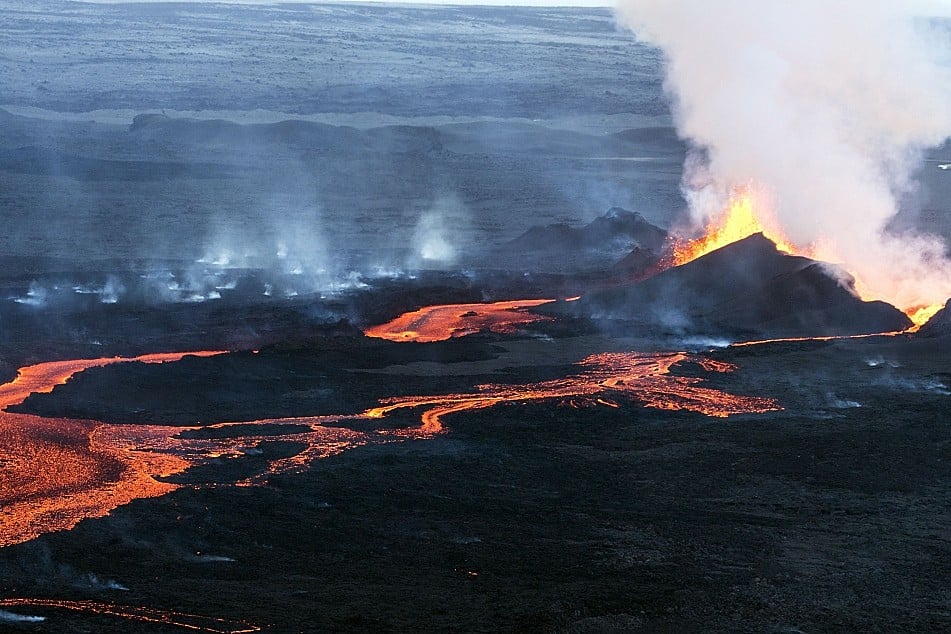
Bárdarbunga erupted continuously for years, emitting vast quantities of ash and sulfur dioxide. The eruption disrupted monsoon patterns globally.
European harvest failures occurred in 1477-1478. Historical documents describe widespread crop failures across Europe.
The social unrest triggered by famine contributed to political instability in several European regions.
Mount Vesuvius—1631
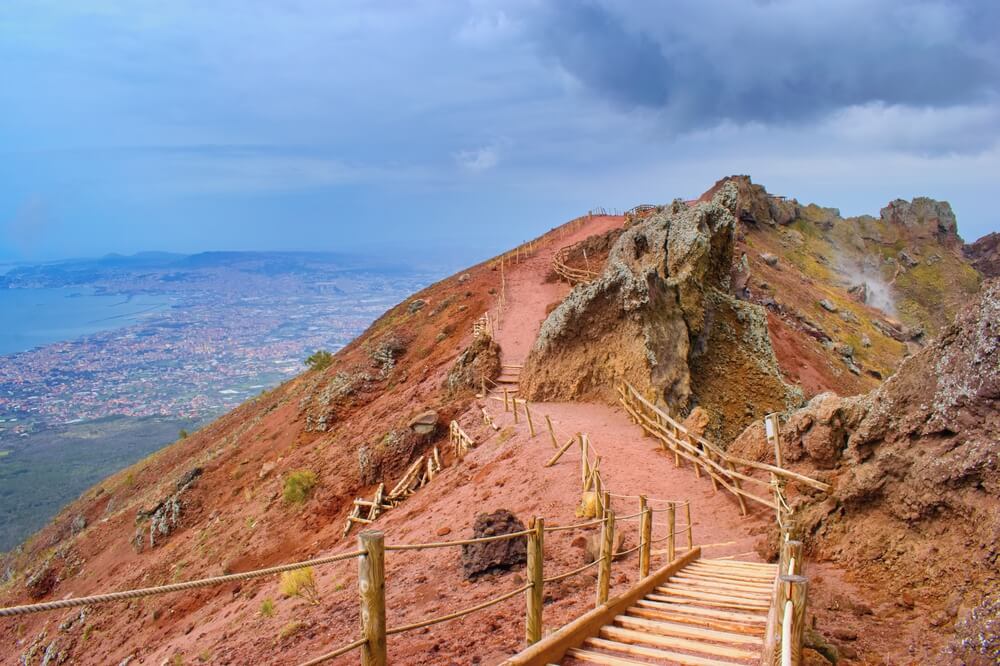
While famous for destroying Pompeii in 79 AD, Vesuvius’s 1631 eruption had significant atmospheric impact. The eruption column reached 20,000 feet.
Temperatures dropped regionally over southern Europe. Precipitation patterns shifted across the Mediterranean.
The eruption’s climate effects lasted approximately one year, with most pronounced cooling in the months immediately following.
Quilotoa, Ecuador—1280 AD (Approximate)
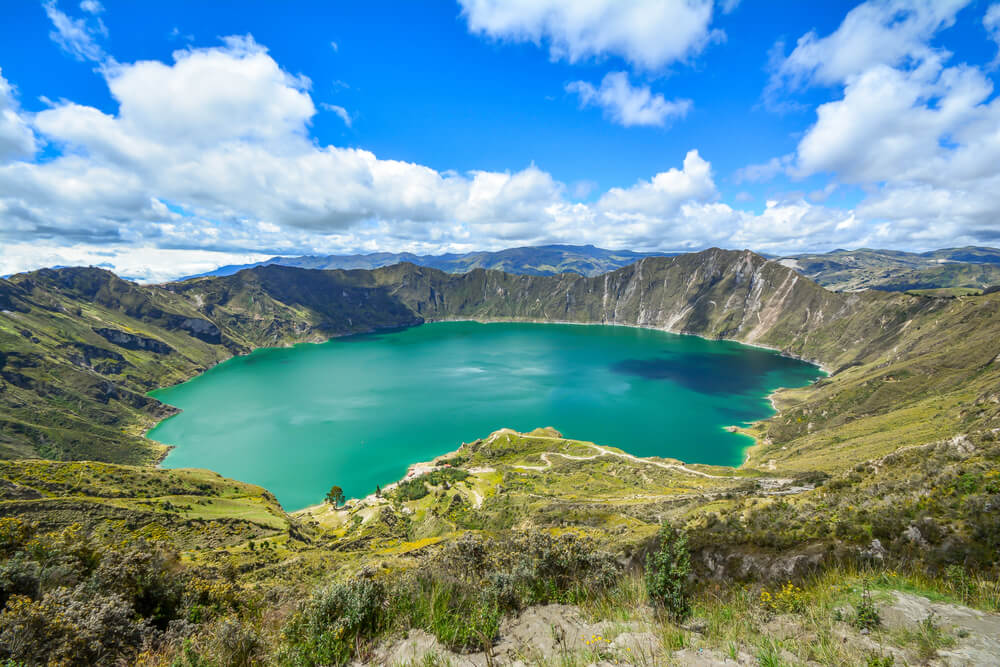
A massive eruption occurred around 1280 AD, with evidence suggesting global cooling of 1-2 degrees Celsius. Ice cores show sulfur evidence of a large eruption in this period.
Historical records from Asia and Europe document anomalous weather patterns in the decades following. Harvest failures occurred across multiple continents.
Kuwae, Vanuatu—1452
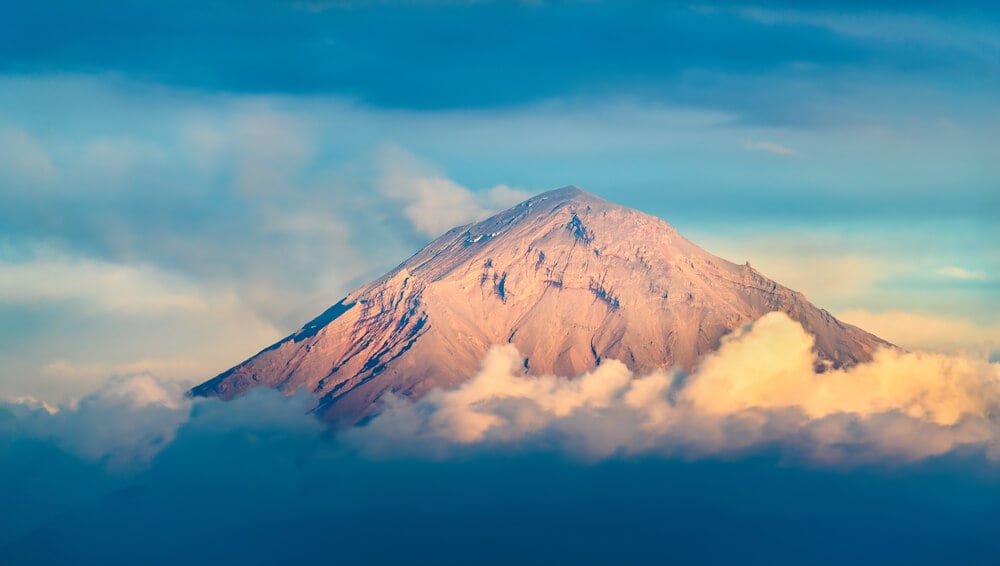
Kuwae’s eruption was one of the largest in recorded history. The volcano essentially disappeared, collapsing into the sea.
The eruption ejected approximately 15 million tons of sulfur dioxide. Global temperatures dropped 0.4-0.7 degrees Celsius.
Precipitation patterns shifted worldwide. Crop failures occurred across Europe, China, and the Americas in subsequent years.
Kaharoa, New Zealand—1314
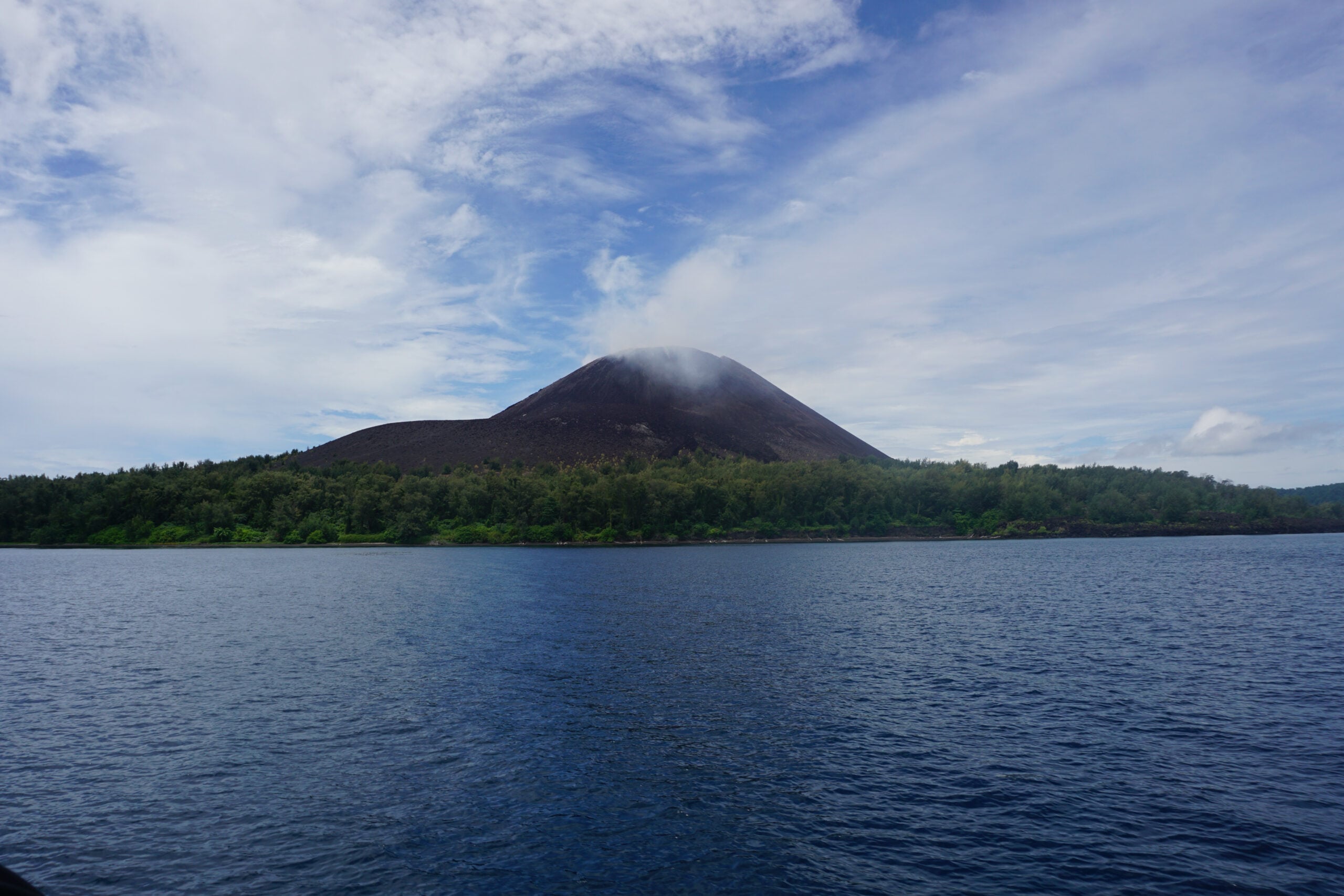
A massive eruption from Taupo (possibly the Kaharoa event) occurred approximately 1314 AD. Ash spread across New Zealand and across the Pacific.
Regional climate effects were significant. Global temperature impact is debated, but regional precipitation patterns shifted measurably in the year following eruption.
Vesuvius—1906
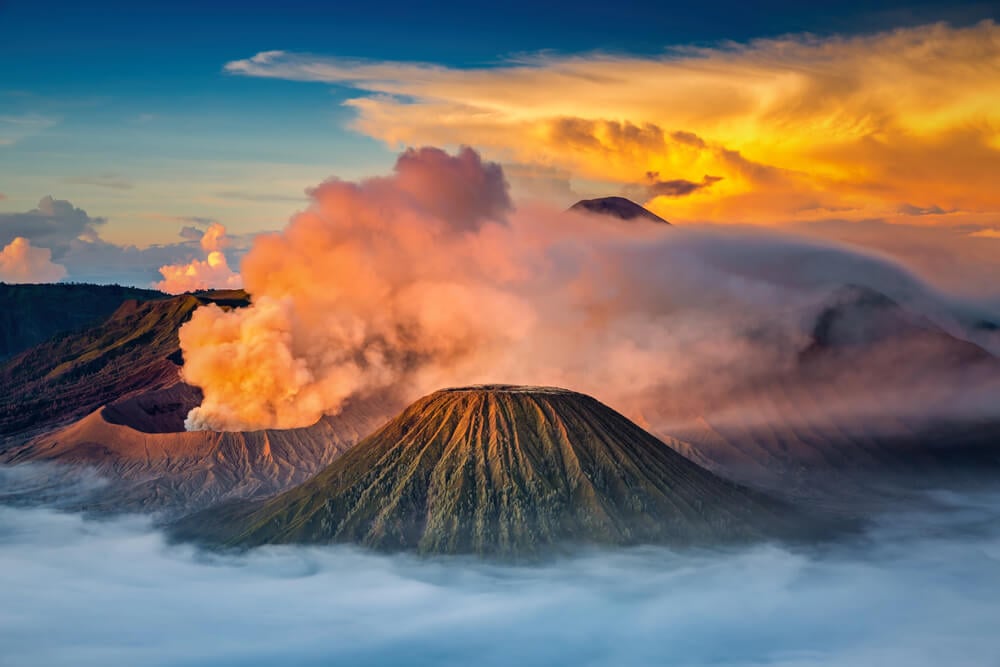
Erupting for the third documented time in 300 years, Vesuvius ejected 500 million tons of ash. The eruption column reached 25,000 feet.
Regional temperatures over southern Europe dropped by approximately 0.1-0.2 degrees Celsius. The climate disruption lasted approximately one year, with most pronounced cooling in the months immediately following eruption.
Long Valley Caldera, California—Eruption Evidence
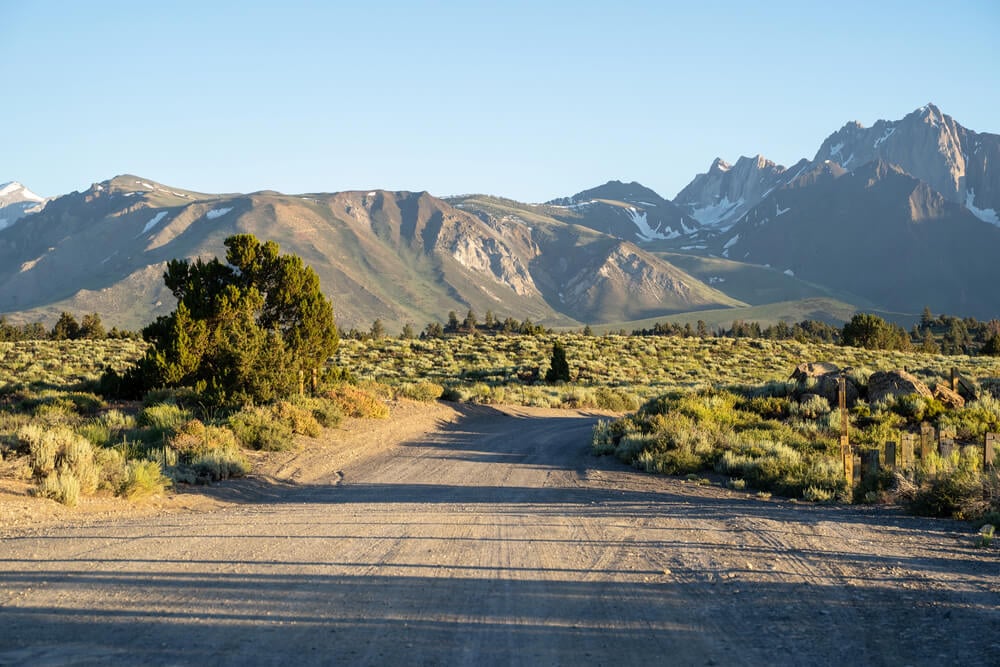
Evidence of massive eruptions in the distant past shows that when Long Valley last erupted approximately 760,000 years ago, the atmospheric effect would have been catastrophic. Ice core evidence suggests global cooling of multiple degrees Celsius.
Paleoclimate records show disrupted precipitation patterns across the Northern Hemisphere lasting years.
When Geology Reshapes Weather
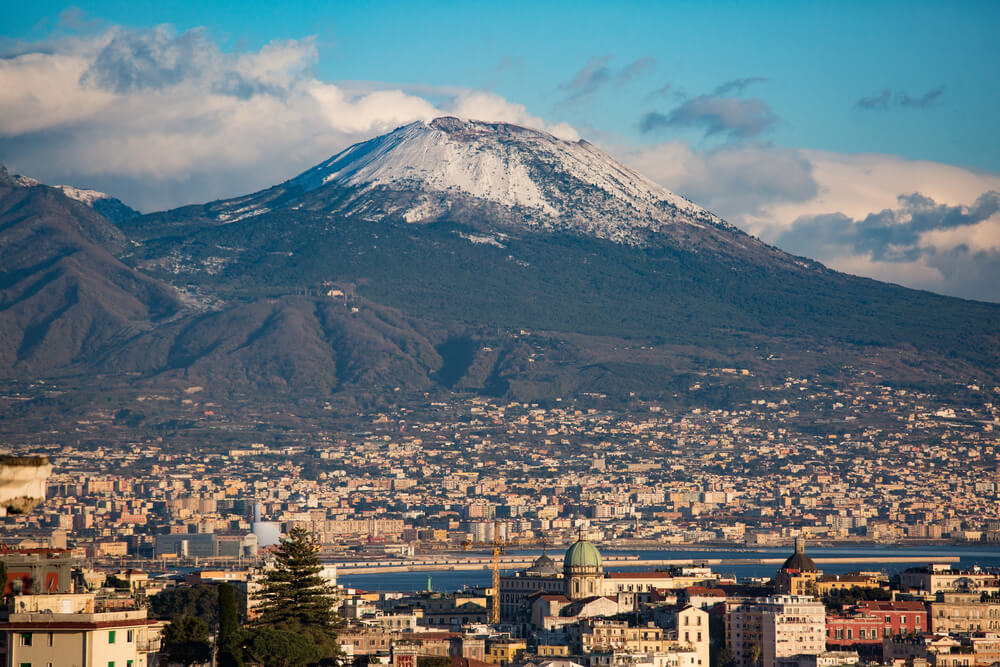
What connects these eruptions is the relationship between geological violence and climatic consequences. Volcanoes don’t just reshape landscapes; they reshape the atmosphere itself.
The stratosphere becomes loaded with particulates that linger for years. Sunlight weakens.
Temperatures drop. Crops fail.
Societies fracture. The eruption itself is brief—hours or days of violence.
The climate consequence is years of disruption. Understanding this connection means recognizing that human history isn’t separate from geological history; it’s embedded within it.
When volcanoes erupt, we don’t choose how the world changes.
More from Go2Tutors!

- The Romanov Crown Jewels and Their Tragic Fate
- 13 Historical Mysteries That Science Still Can’t Solve
- Famous Hoaxes That Fooled the World for Years
- 15 Child Stars with Tragic Adult Lives
- 16 Famous Jewelry Pieces in History
Like Go2Tutors’s content? Follow us on MSN.