16 Times the Internet Solved Real Mysteries
The internet has completely reshaped how the world tackles unsolved puzzles. With millions of curious minds connecting across platforms, amateur sleuths can now unravel mysteries that once baffled authorities for decades. From decoding encrypted messages to identifying long-lost individuals, crowdsourced investigations have achieved results that traditional methods simply couldn’t.
What follows is a roundup of 16 cases where digital detectives cracked real-life enigmas—solving mysteries that had left even the experts stumped.
Cicada 3301: The Internet’s Greatest Puzzle?

It started in 2012—an anonymous entity, dubbed Cicada 3301, began posting cryptographic challenges so intricate they required fluency in everything from steganography to classic literature. Solvers from across the globe worked together, decoding clues buried in digital files, obscure websites—even real-world locations. Despite years of effort, the group’s true purpose remains unclear—but the internet’s role in unraveling the puzzles was undeniable.
Max Headroom Broadcast Hijack

Back in 1987, Chicago viewers were stunned when two television stations were briefly hijacked by someone wearing a Max Headroom mask. Authorities couldn’t crack the case, but years later, Reddit sleuths dove in—analyzing audio glitches, transmission methods, and broadcast tech. Though the mystery isn’t fully solved, the internet has narrowed the field of suspects far more than any official investigation has.
Shia LaBeouf’s Hidden Flag Gets Found Fast

As part of a political art piece, actor Shia LaBeouf livestreamed a flag in a secret location under the project He Will Not Divide Us. It didn’t stay secret for long. Users on 4chan tracked airplane flight paths, studied star constellations, and listened to environmental sounds—pinpointing the flag’s location within hours. The livestream was shut down soon after.
The ‘Grateful Doe’ Finally Gets a Name
In 1995, a young man died in a car crash with nothing but Grateful Dead ticket stubs on him—earning him the nickname Grateful Doe. For two decades, he remained unidentified. But Reddit’s r/UnresolvedMysteries and online sleuthing communities compared facial reconstructions, dental records, and missing person cases. Their work eventually revealed his name: Jason Callahan.
The Bookstore Bathroom Mystery: The Mariko Aoki Phenomenon
A strange pattern emerged in Japan—people reported feeling a sudden urge to use the bathroom upon entering bookstores. First written about by Mariko Aoki, this odd experience gained global recognition when internet forums lit up with similar accounts. Thanks to online dialogue, the theory gained traction, with experts citing triggers like book smell, posture changes, or associations with calm, private spaces.
The Toynbee Tiles: Street Art or Sci-Fi Rant?

For decades, strange tiles embedded in U.S. city streets bore cryptic phrases referencing Jupiter and resurrecting the dead. Who made them? And why? Online investigators mapped locations, tracked installation styles, and unearthed ties to a reclusive Philadelphia man. The mystery unraveled slowly—yet thoroughly—thanks to persistent digital collaboration.
The Woman Behind ‘The Most Beautiful Self-Harm’

A haunting 1947 photo of a woman who jumped from the Empire State Building became infamous, yet her identity was long debated. Years later, online researchers combed through archives, used genealogy tools, and facial recognition software—finally confirming her name as Evelyn McHale. The internet revealed not just her identity, but the story behind her final moments.
Tamam Shud Case: A Name at Last

A man was found dead on an Australian beach in 1948 with a cryptic note reading Tamam Shud in his pocket. For decades, his identity eluded investigators. Then came the internet. Using genealogy sites and DNA databases, online sleuths ultimately identified him as Carl Webb—a breakthrough made possible by collaborative online research and modern tech.
Tracing the Origins of ‘The Backrooms’

That eerie digital myth—the endless yellow halls known as The Backrooms—went viral fast. But where did it begin? Internet archivists traced the meme’s origin to a single anonymous 4chan post from 2019. With forensic analysis and old forum backups, they found the first image and the exact user who sparked an entire horror subgenre.
Jane Doe #59 Gets Her Name Back
In 1986, authorities discovered the remains of a young woman in a Texas field. She remained unidentified for years—until the DNA Doe Project stepped in. This volunteer-driven team, using public DNA databases and digital genealogy, identified her as Sherri Ann Jarvis. It was a shining example of how the internet can solve what even forensic labs could not.
The Lead Masks Case: UFOs, Science Experiments, or Both?

Two Brazilian men were found dead on a hill in 1966—wearing lead masks, strange suits, and carrying a cryptic note. Online forums dug deep into Brazil’s 1960s electronics scene, amateur radio culture, and UFO folklore. The consensus? The men were likely trying to contact aliens or conduct dangerous experiments tied to pseudoscientific beliefs.
‘Sad Satan’ and the Dark Web Hoax

A creepy game surfaced on the dark web in 2015, full of disturbing visuals and cryptic sounds. It sparked panic and mystery—but was it real? Internet communities analyzed the code, tracked the uploader’s activity, and connected dots across forums. Their conclusion: Sad Satan was likely a viral hoax crafted for internet notoriety.
Solving the Somerton Man (Again)
Australia’s infamous Somerton Man—the subject of decades of speculation—was also identified online as Carl Webb. Independent researchers and genealogy hobbyists used DNA samples, family trees, and cross-continental databases. While earlier efforts helped set the stage, the final breakthrough was a purely digital effort fueled by thousands of volunteer hours.
Recovering ‘Pawns of Mars’ (1915)

A sci-fi silent film thought to be lost forever—Pawns of Mars—resurfaced thanks to the internet. Film buffs, archive hunters, and historians traded info across forums and online databases until fragments were found in a private European collection. The discovery restored part of film history long considered gone.
Unlocking the Antikythera Mechanism’s Secrets
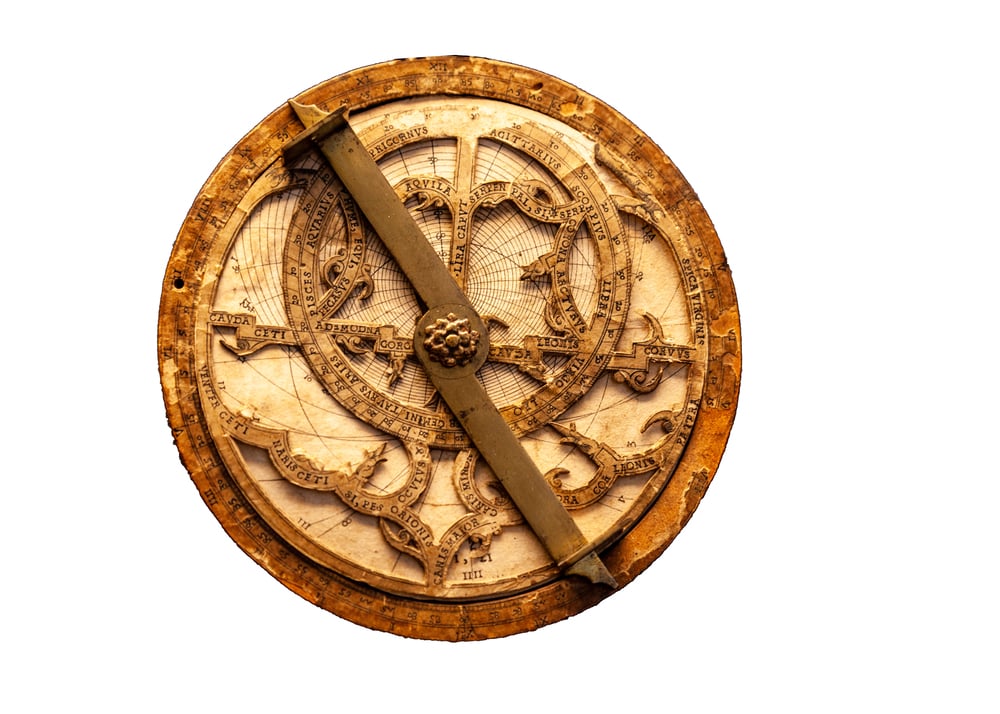
Pulled from a Greek shipwreck, the Antikythera Mechanism puzzled archaeologists for decades. But through online collaboration—sharing high-res scans, translated inscriptions, and 3D models—researchers finally cracked it. The device turned out to be a sophisticated ancient computer for predicting celestial events. The crowdsourced effort changed how the world viewed ancient tech.
Grateful Dead Fan Found in the Desert

In 2006, skeletal remains were found in Joshua Tree National Park. Despite media attention, no one could ID the man—until online Grateful Dead fans and amateur genealogists began digging. By comparing tour schedules, missing person records, and family DNA, they identified him as Larry Dickens, a former roadie for the band.
When Curiosity Becomes Collective Power
These cases prove how digital crowds can solve what even seasoned investigators sometimes cannot. The internet connects people across disciplines—geneticists, coders, historians, hobbyists—and fuels breakthroughs through sheer collaboration. It’s a reminder that sometimes, all it takes is access, curiosity, and a digital trail to solve the unsolvable.
More from Go2Tutors!

- The Romanov Crown Jewels and Their Tragic Fate
- 13 Historical Mysteries That Science Still Can’t Solve
- Famous Hoaxes That Fooled the World for Years
- 15 Child Stars with Tragic Adult Lives
- 16 Famous Jewelry Pieces in History
Like Go2Tutors’s content? Follow us on MSN.



