2000s Songs With Lyrics That Aged Badly
The early 2000s gave us some incredible music that defined a generation. Pop, hip-hop, and rock artists dominated the charts with catchy hooks and beats that still get stuck in people’s heads today.
But listening back to some of those hits reveals lyrics that sound pretty cringe-worthy now, whether they’re about outdated technology, problematic attitudes, or just plain awkward word choices that seemed fine at the time. Let’s look at some songs that haven’t quite stood the test of time when it comes to their actual words.
Eminem’s homophobic slurs throughout multiple hits
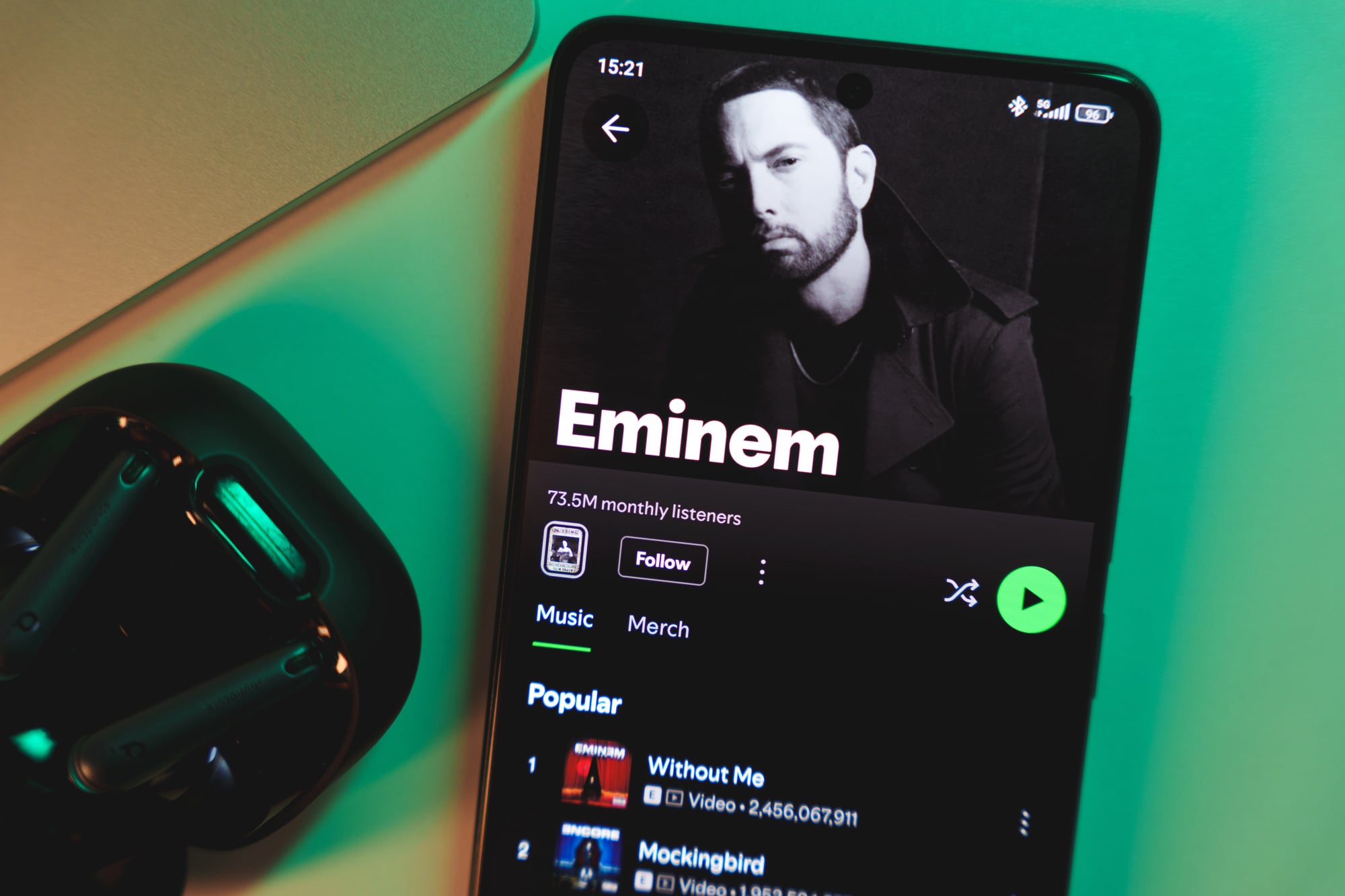
Eminem dropped slurs and derogatory terms about gay people throughout several of his biggest songs from this era. What passed as edgy shock value in the early 2000s now sounds needlessly cruel and offensive.
The rapper himself has since acknowledged that some of his old lyrics were hurtful and has expressed regret about his word choices. Many radio stations now censor these parts heavily or skip the songs entirely.
The musical talent was always there, but the unnecessary hate didn’t age well at all.
Akon describing a club encounter gone wrong

Akon’s 2004 song about meeting someone at a club took a dark turn when he faced legal trouble related to similar real-life incidents. The lyrics describe a situation where consent and age verification become serious issues.
Radio play dropped significantly after news coverage connected the song’s content to actual allegations. The track went from party anthem to uncomfortable reminder pretty quickly.
Clubs that once played it nonstop removed it from their playlists.
Fergie spelling out her body parts
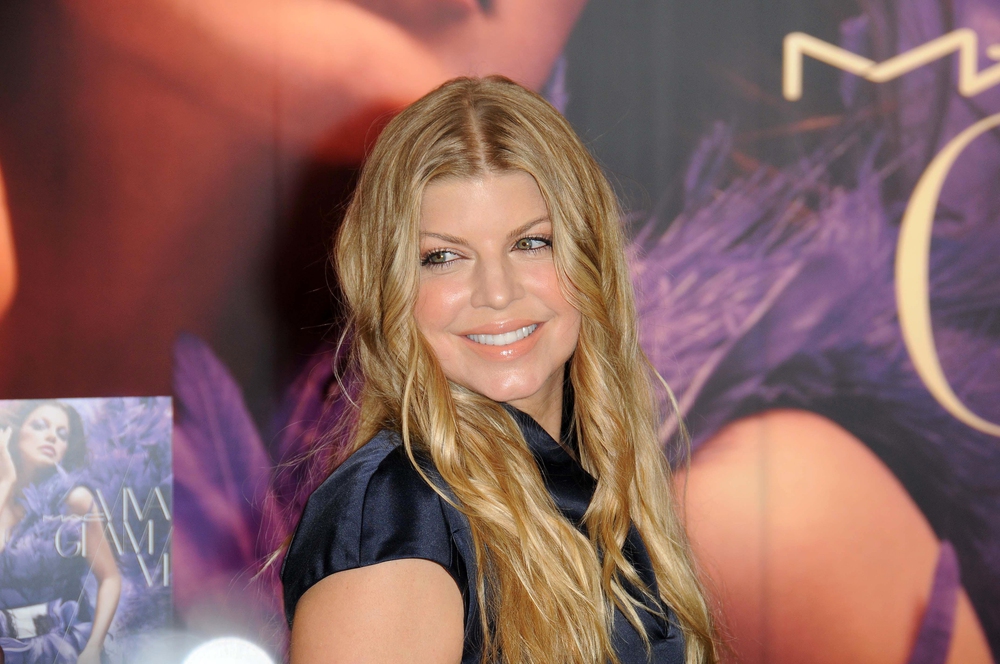
The Black Eyed Peas member spelled out ‘T-A-S-T-Y’ and other words while describing her physical attributes in ways that now feel dated and overly objectifying. The song aimed for empowerment but landed somewhere between awkward and uncomfortable.
Kids who sang along to the spelling parts at school definitely didn’t understand what they were actually saying. Looking back, the whole approach feels like it was trying too hard to be provocative.
The melody was catchy, but the content makes people cringe now.
Nelly’s credit card swipe reference
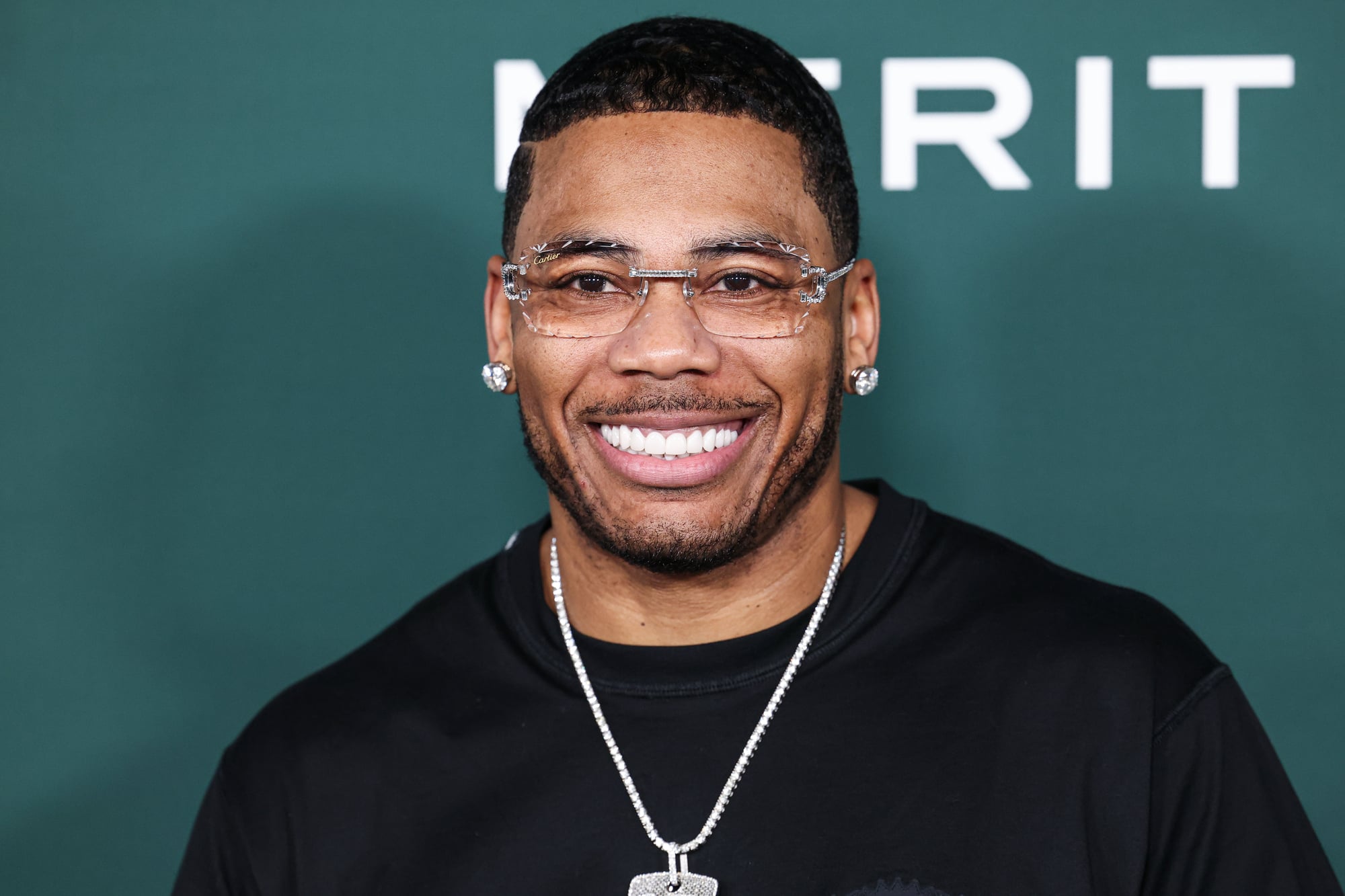
Nelly compared a romantic gesture to swiping a credit card between someone’s body parts, which even at the time raised eyebrows. The metaphor was supposed to sound smooth but came across as gross and disrespectful.
Music videos from that era often matched the uncomfortable lyrics with equally questionable visuals. Radio versions had to censor so much of the song that it barely made sense.
The track represents a time when explicit content in mainstream music reached peak acceptance before the backlash began.
Robin Thicke’s entire catalog of boundary-pushing
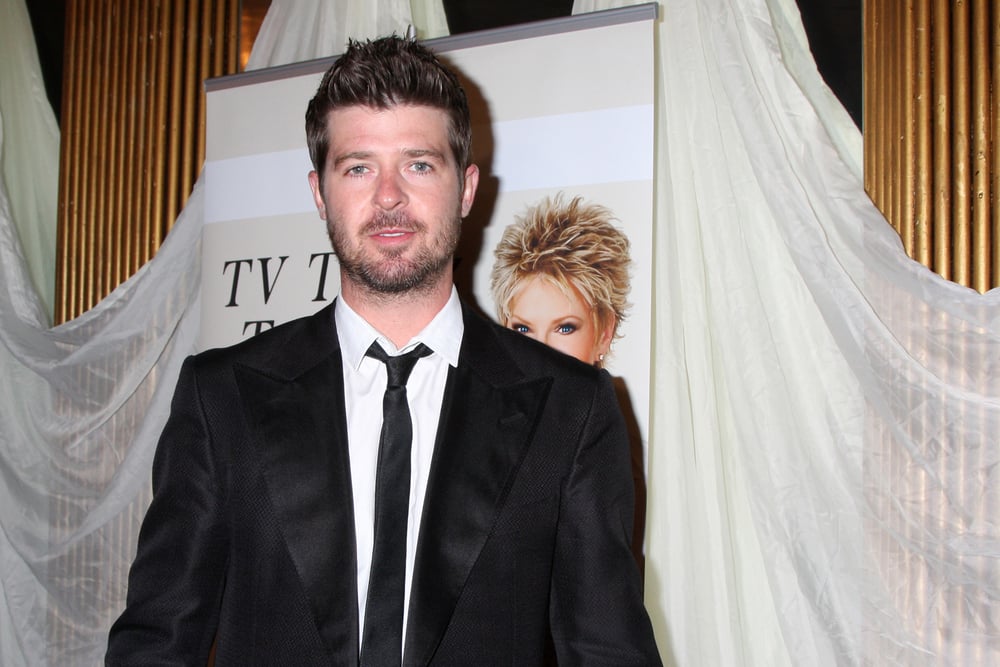
Before his 2013 controversy, Robin Thicke released several 2000s tracks with lyrics that didn’t respect personal boundaries. Songs described pursuing women who clearly weren’t interested or comfortable.
The smooth R&B production couldn’t hide the problematic messaging once people started paying closer attention. These earlier works got retroactively examined after his later career troubles.
Streaming numbers for his 2000s material dropped as listeners reassessed the content.
Pussycat Dolls reducing themselves to objects
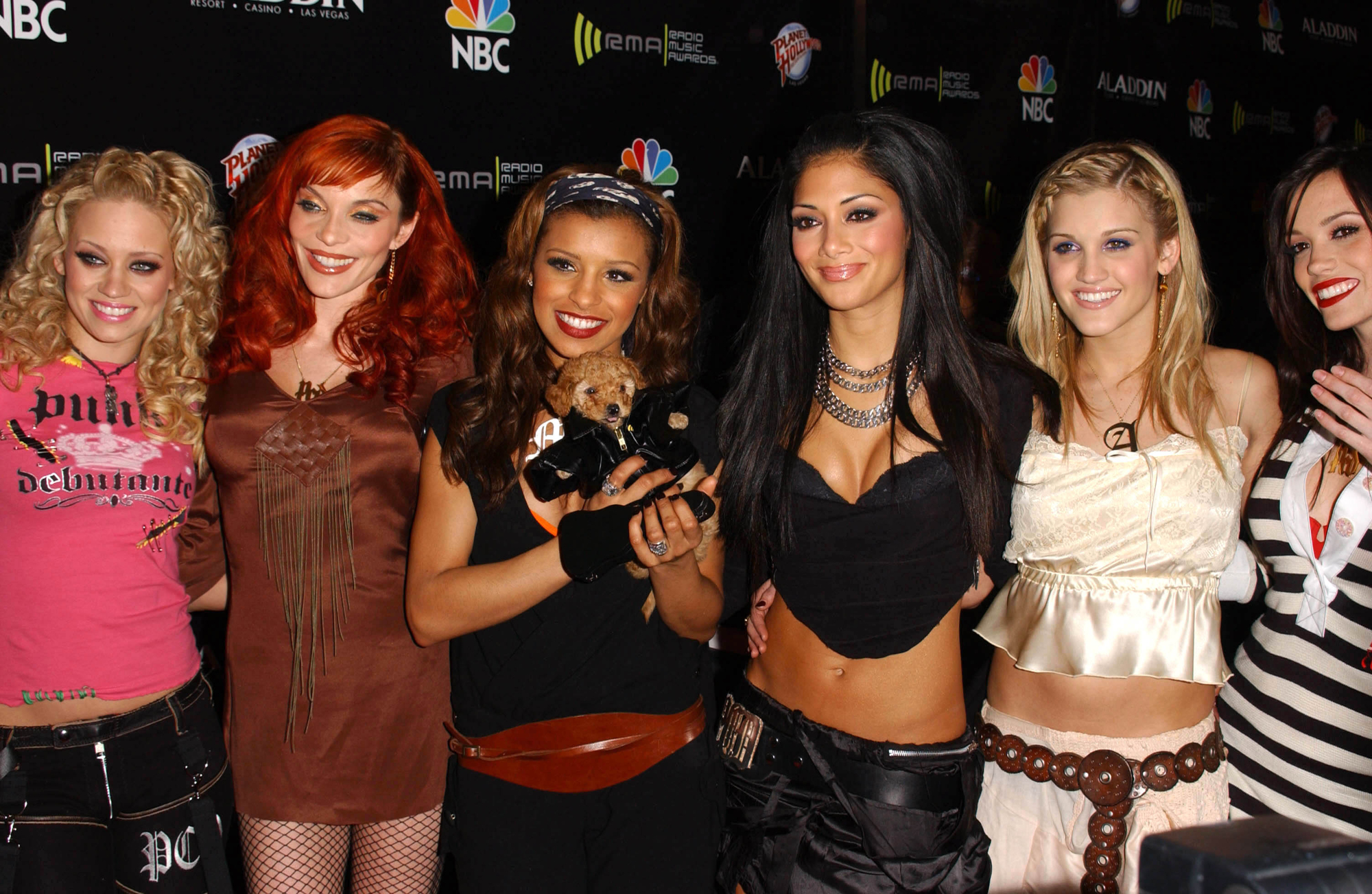
The group’s biggest hits featured lyrics where the singers described themselves as things to be purchased, owned, or used. These songs aimed for female empowerment but instead reinforced exactly the stereotypes they should have challenged.
Young girls singing along to these lyrics learned some pretty terrible messages about their worth. The group’s founder faced criticism for the content, though he defended it as artistic expression.
Today’s girl groups typically take a completely different approach to their image and lyrics.
50 Cent’s casual violence descriptions

Curtis Jackson’s breakthrough album included detailed descriptions of violence that went way beyond typical tough-guy posturing. Multiple tracks glorified dangerous situations and harmful actions without any nuance or consequences shown.
The vivid imagery worked for creating a hard persona but normalized genuinely dangerous behavior. Schools banned students from wearing merchandise related to songs with the most explicit violent content.
Hip-hop has evolved to include more diverse perspectives beyond just these aggressive narratives.
Sisqó’s thong obsession
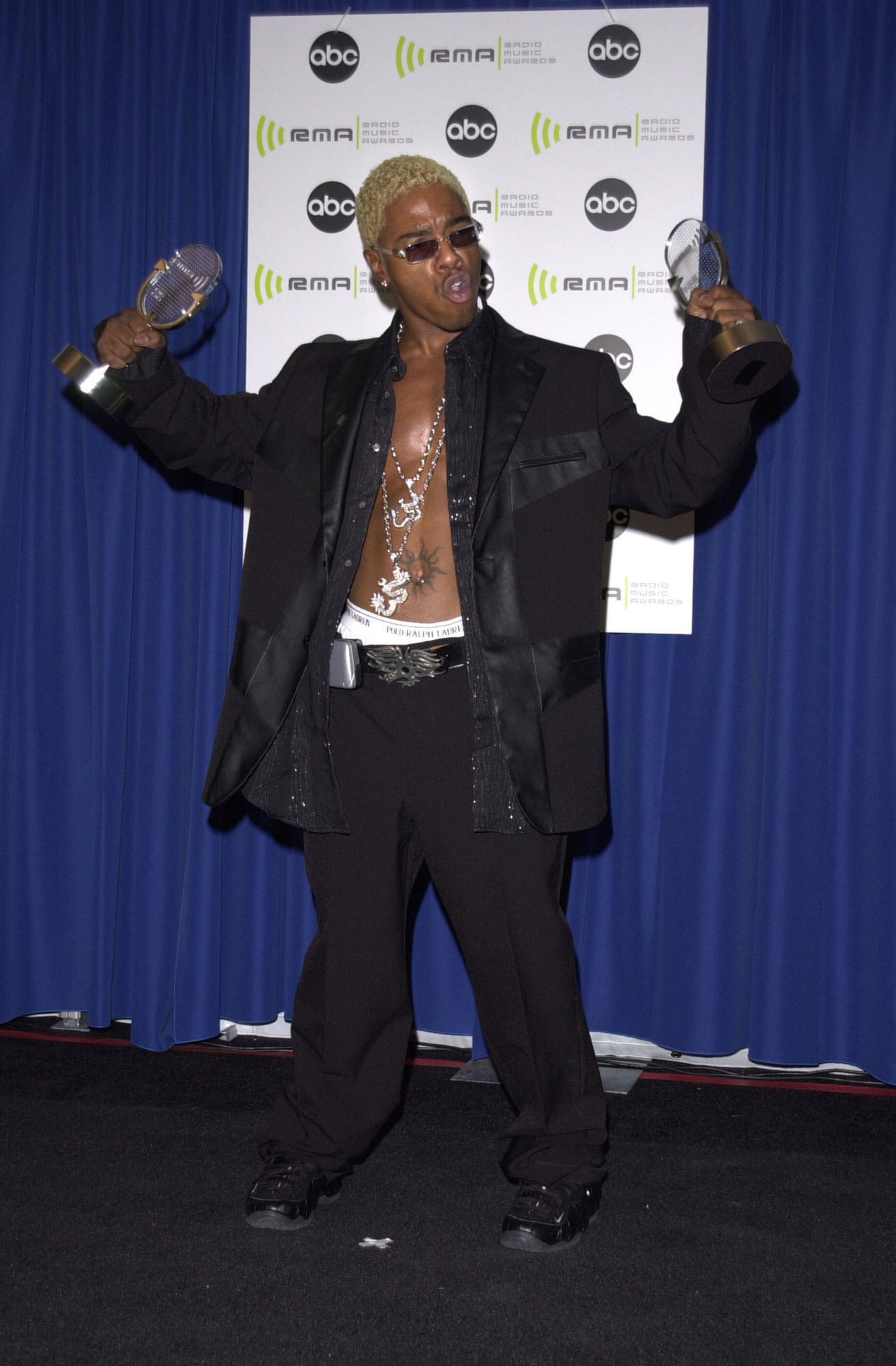
The Dru Hill member built an entire hit song around staring at women’s underwear in public spaces. What radio presenters called playful and fun was actually pretty creepy when you think about it.
The song became a party staple, but the concept itself was uncomfortable from the start. Modern workplace harassment training specifically covers behavior exactly like what the lyrics describe.
The track represents an era when this kind of content got celebrated rather than questioned.
Chingy’s right thurr pronunciation
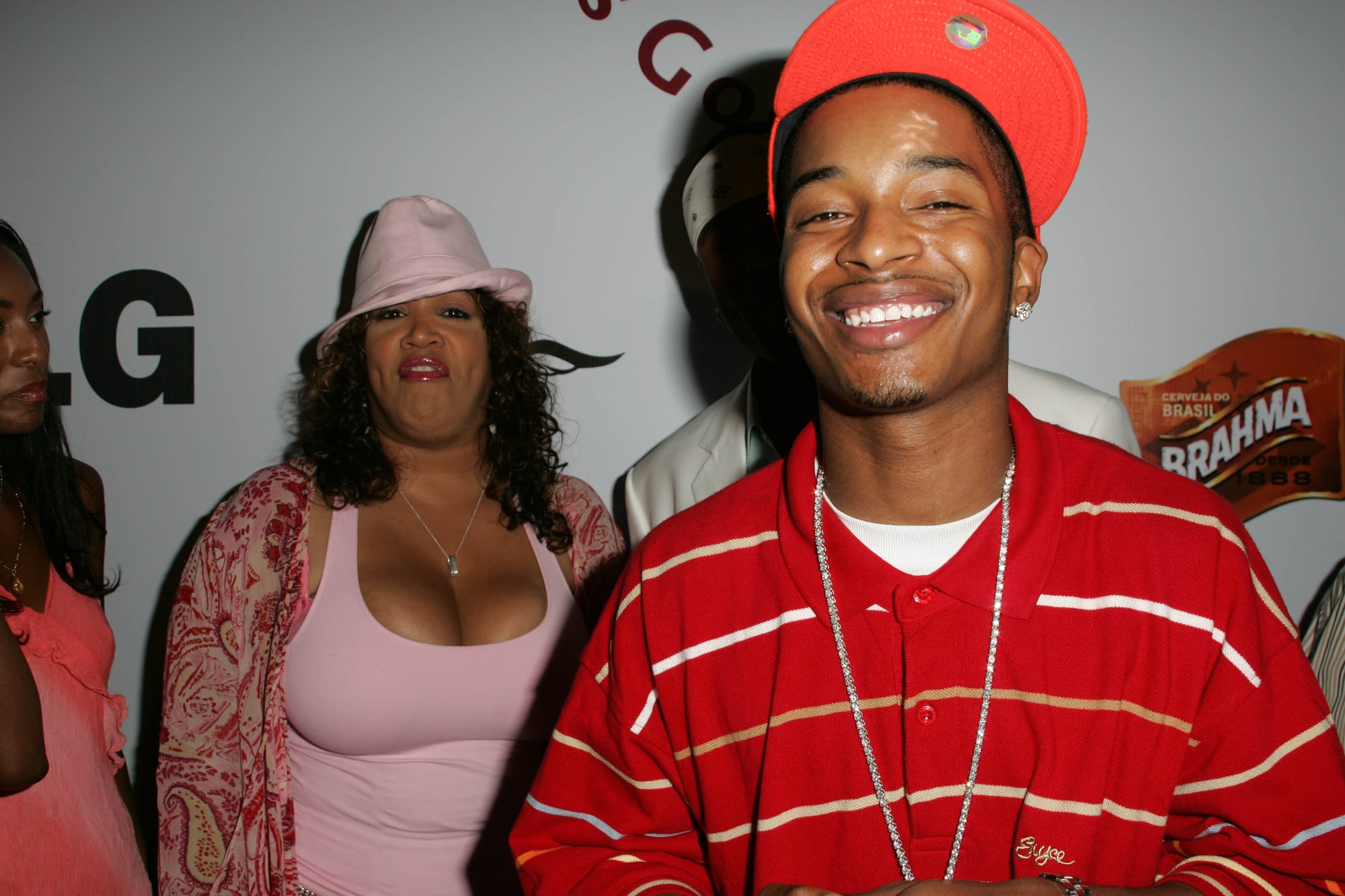
The St. Louis rapper intentionally mispronounced words throughout his breakthrough hit, which included some questionable content beyond just the accent choices. Lyrics described approaching women in ways that wouldn’t fly today.
The playful delivery masked some pretty forward and aggressive pursuit tactics. Radio stations loved it at the time, but the song rarely appears on throwback playlists anymore.
The whole vibe feels like a relic from a different era of hip-hop.
Ludacris describing his fantasy preferences
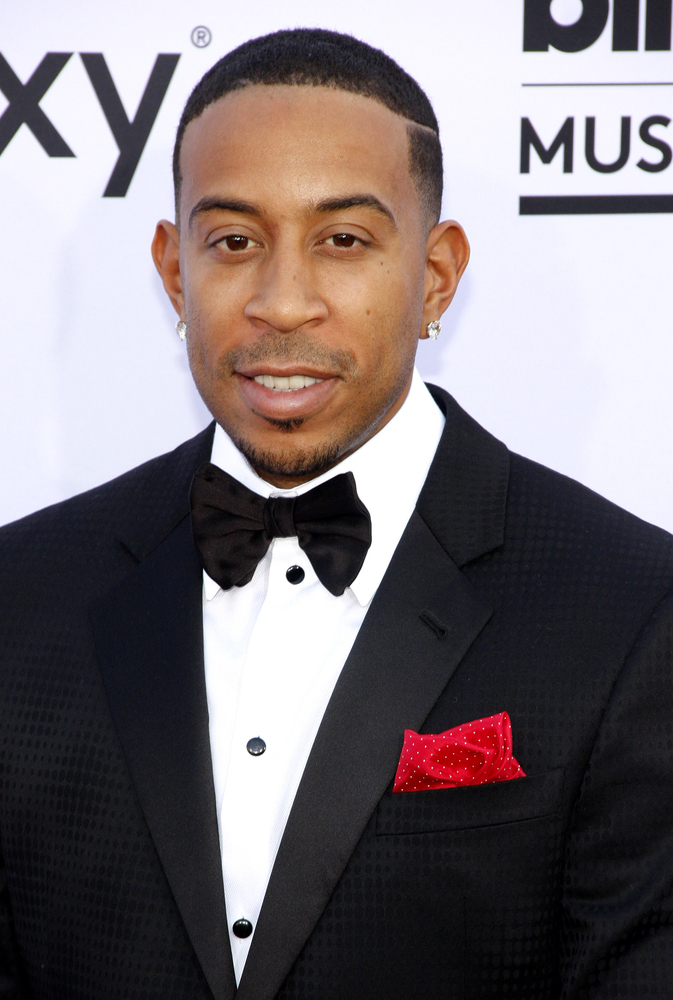
Chris Bridges created multiple hits with extremely explicit content about his desires and preferences. One track in particular listed characteristics he wanted in such crude terms that even the edited version barely worked.
The song somehow got regular radio play despite describing scenarios that should never have been broadcast material. Looking back, it’s shocking how much content like this dominated mainstream charts.
Modern artists still push boundaries, but usually with more creativity and less crude directness.
Ciara and Petey Pablo’s athletic moves
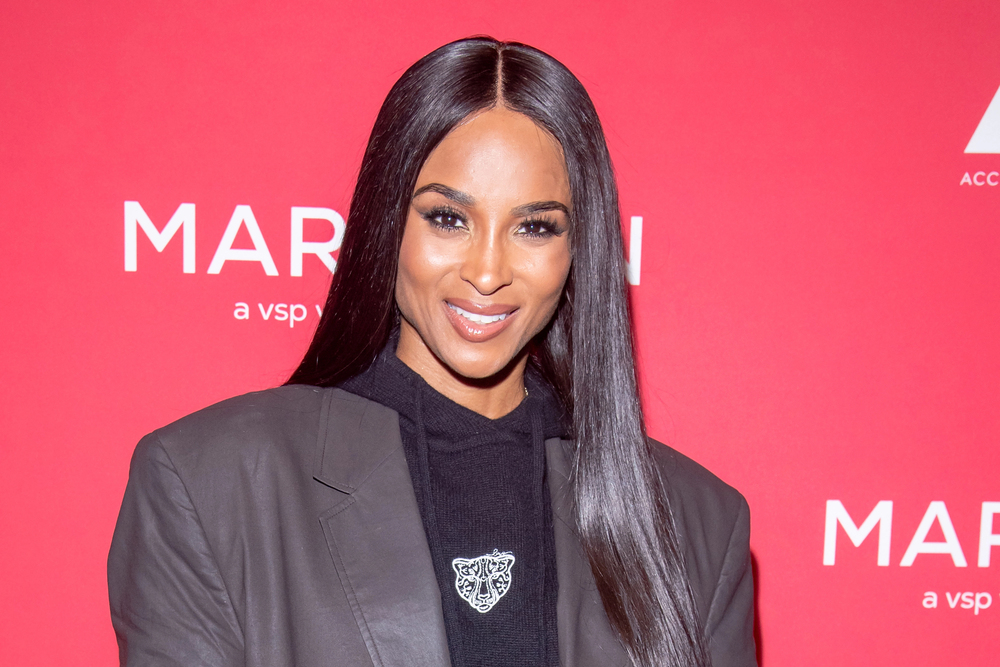
This collaboration compared dancing to athletic movements but used metaphors that objectified bodies in uncomfortable ways. The production was fantastic, but the actual words being sung told a different story.
School dances played it constantly despite the inappropriate content. Teachers who actually listened to the lyrics couldn’t believe what kids were dancing to.
The track represents how catchy beats could carry songs with problematic messages to massive success.
D12’s shock value approach

Eminem’s group took the shock value approach even further than his solo work. Their lyrics described scenarios meant purely to offend and disturb listeners.
Multiple tracks got banned from radio entirely, though they still sold well in explicit album versions. The group defended their content as dark humor and satire.
Most listeners today can’t get through these songs without feeling deeply uncomfortable regardless of the intended humor.
Lil Jon’s aggressive club commands

The crunk king’s signature style involved yelling commands at women in clubs using very direct language. Songs reduced interactions to purely physical transactions without any humanity involved.
The call-and-response format made audiences participate in chanting some pretty degrading stuff. Party-goers at the time didn’t think twice about screaming along.
Now those same people cringe thinking about what they were actually saying.
The Ying Yang Twins dancing
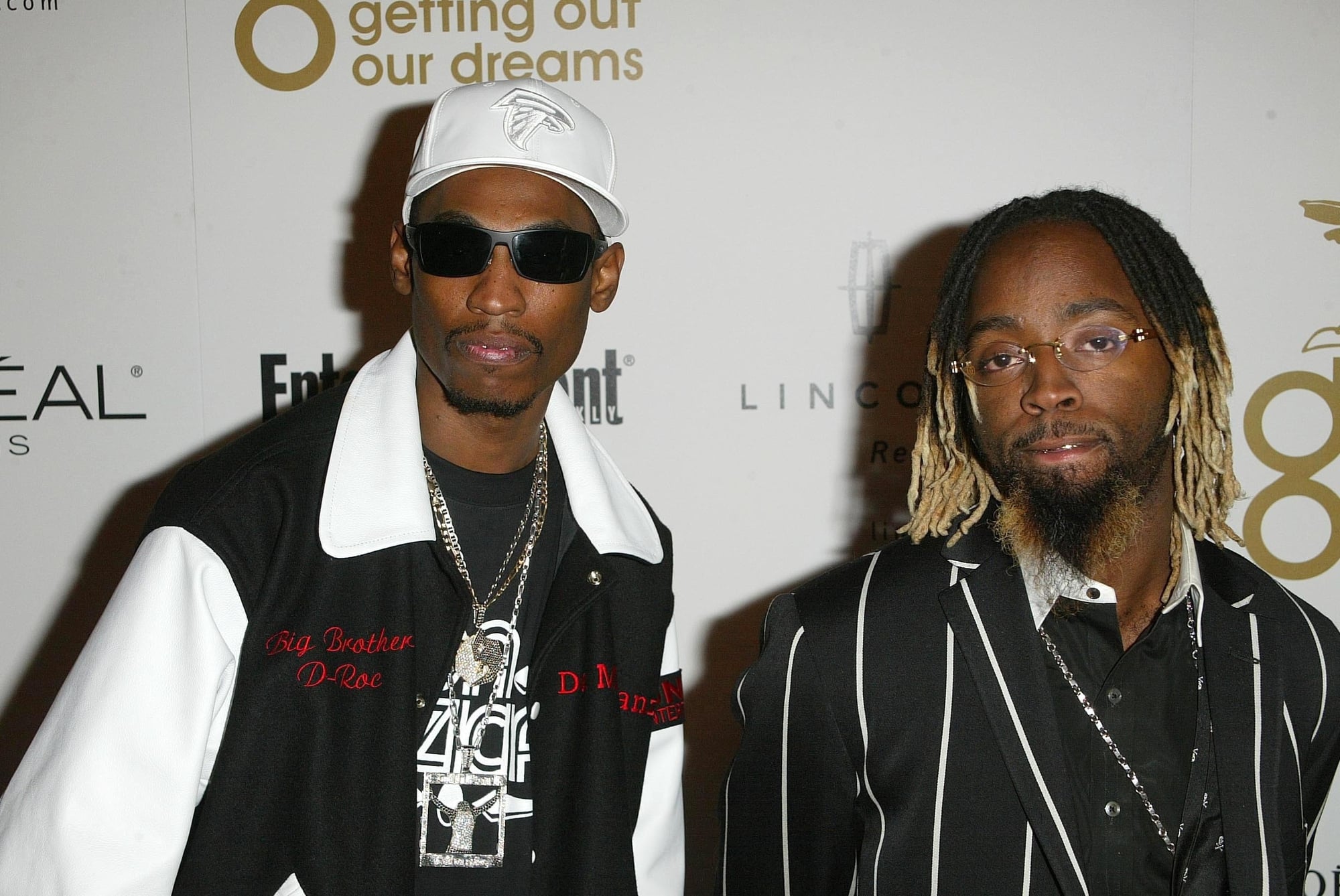
Out here in Atlanta, two artists made tunes about nightlife scenes so bold they shocked people back when almost anything went. So much got chopped out for radio play that what remained was just rhythms plus sudden yells breaking through.
Even scrubbed clean like that, the hits rose high because the drum patterns carried them. What showed up on screen only worsened how bad the words sounded.
You can hear in these recordings something music used to be – something most of today’s scene left behind.
Kevin Federline’s brief rap career

Music from Kevin Federline didn’t land well. Once married to Britney Spears, he dropped tracks aimed at her plus others mid-divorce.
Words came across bitter, small, not sharp or deep. Reviewers tore the record apart, labeled it among the weakest of its time.
It felt outdated fast – no need to wait long. Truth is, private fights seldom make solid art.
Pretty Ricky’s bedroom band concept
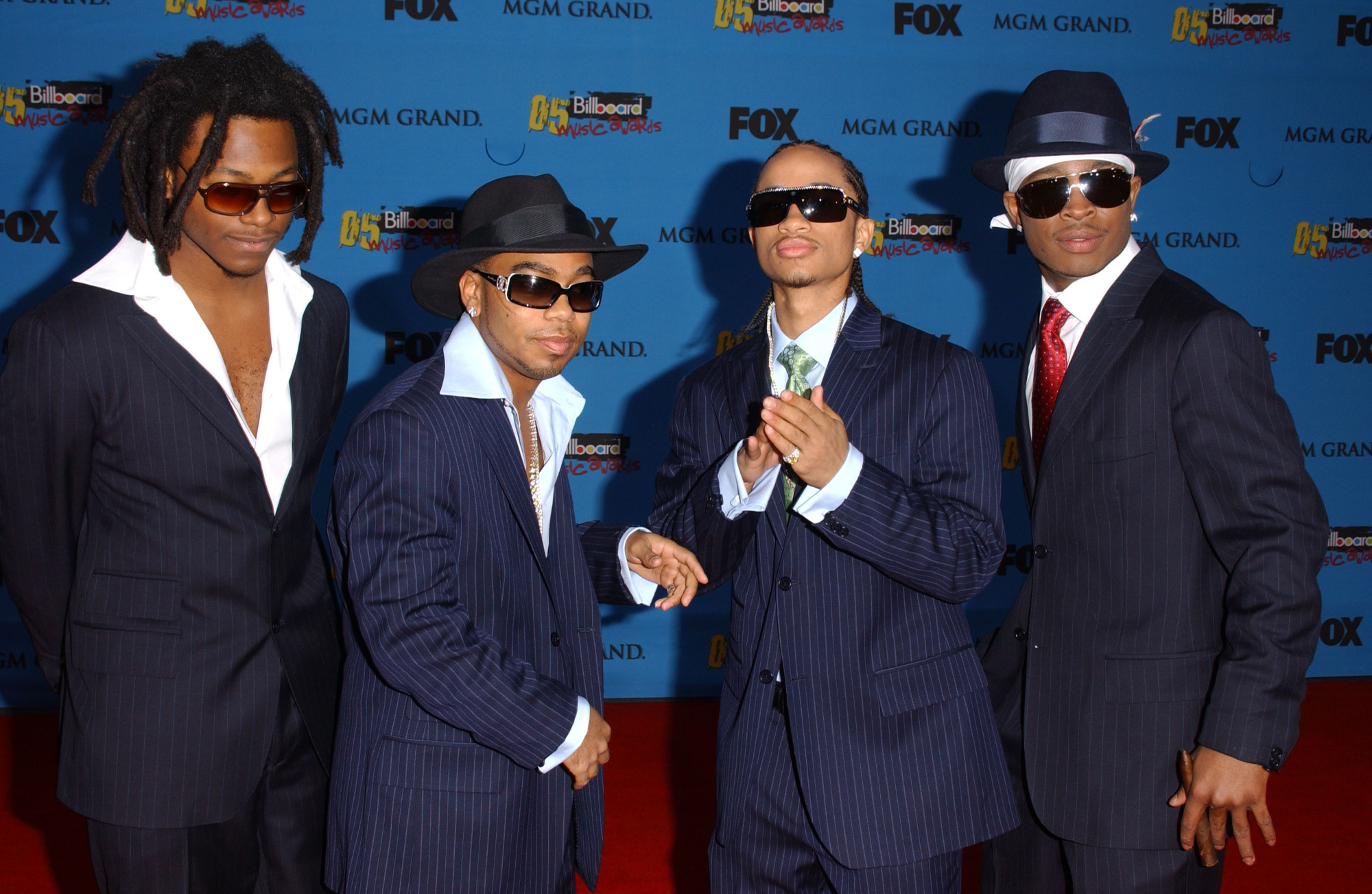
Who would’ve thought soft melodies could carry such bold stories. That crew shaped every song around a single idea, no hiding what they meant.
Radio waves carried their voices when daylight should’ve stopped them. You’d expect silence after complaints from adults upset by the words, yet numbers rose regardless.
They became symbols of how far R&B dared to go before things changed. Each album now feels like proof of an era’s questionable choices.
What remains is clear evidence of where music once stood.
From ringtone rap to responsibility
Back then, loud statements ruled pop music like nothing else mattered. Whoever went furthest often landed at number one, backed by labels eager for attention.
Some tracks brought genius-level sound design, catchy hooks you could hum forever. Yet plenty of lines now feel off, even wrong, when heard with fresh ears.
Songs nowadays tend to dig deeper into feelings, show room for differing views, speak like someone thinks before talking. Those old rhythms still hit hard, while the phrasing? Best left where it began.
More from Go2Tutors!

- The Romanov Crown Jewels and Their Tragic Fate
- 13 Historical Mysteries That Science Still Can’t Solve
- Famous Hoaxes That Fooled the World for Years
- 15 Child Stars with Tragic Adult Lives
- 16 Famous Jewelry Pieces in History
Like Go2Tutors’s content? Follow us on MSN.