21 Soda Bottles and Cans Collectors Keep Sealed
Somewhere in the country, in a climate-controlled closet or a garage shelf out of direct sunlight, there is an unopened can of a soda that stopped being manufactured decades ago. Soda collecting is a genuine hobby, built around discontinued flavors, failed marketing experiments, and limited regional releases that never got a wide rollout.
Pricing on any of these varies enormously based on condition, seal integrity, and whether the original packaging survived intact, so nothing here should be read as a fixed valuation.
Crystal Pepsi
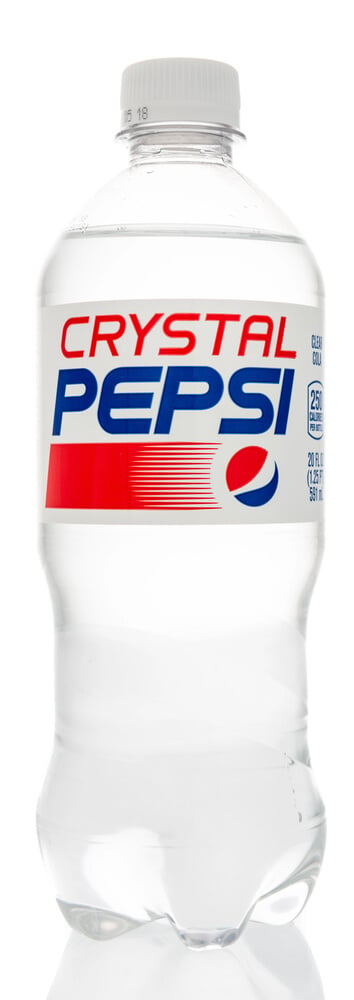
Launched in 1992 as a clear cola marketed around the idea that clear meant healthier, Crystal Pepsi was discontinued within about a year despite a memorable Super Bowl ad campaign. Limited nostalgia re-releases have appeared since, but original 1992 cans remain the version collectors specifically hunt for.
Surge
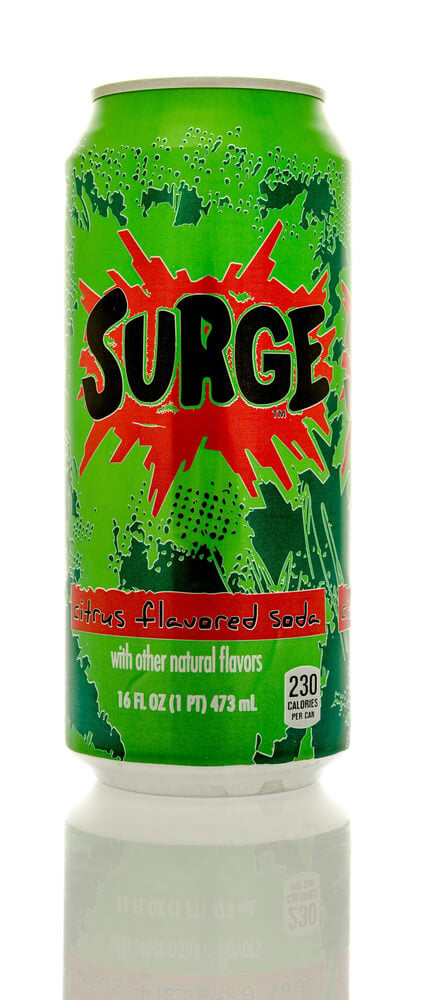
Coca-Cola’s 1996 answer to Mountain Dew, Surge was a bright green, highly caffeinated citrus soda aimed squarely at teenagers. It was discontinued in the U.S. by 2003, developed a cult following strong enough to pressure a limited 2014 comeback through Amazon, and original 1990s cans remain the more sought-after version.
OK Soda
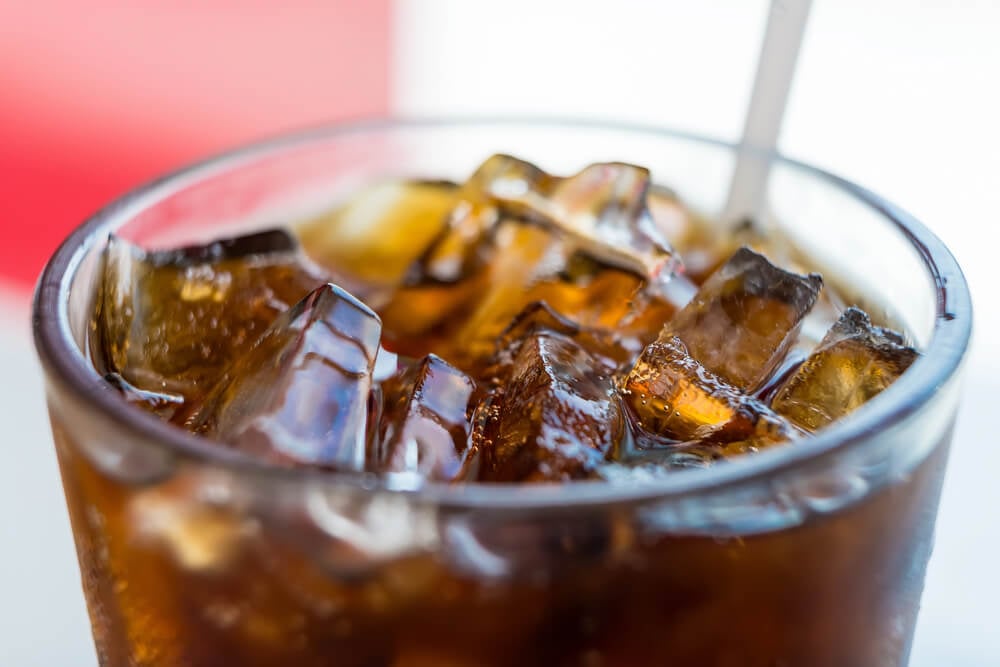
Coca-Cola’s deliberately ironic, Gen X-targeted soda launched in 1993 with artwork by alternative comic artists and marketing that openly mocked traditional advertising. It flopped commercially and was discontinued by 1995, making surviving cans a genuinely rare find given its short regional test run.
Pepsi Blue
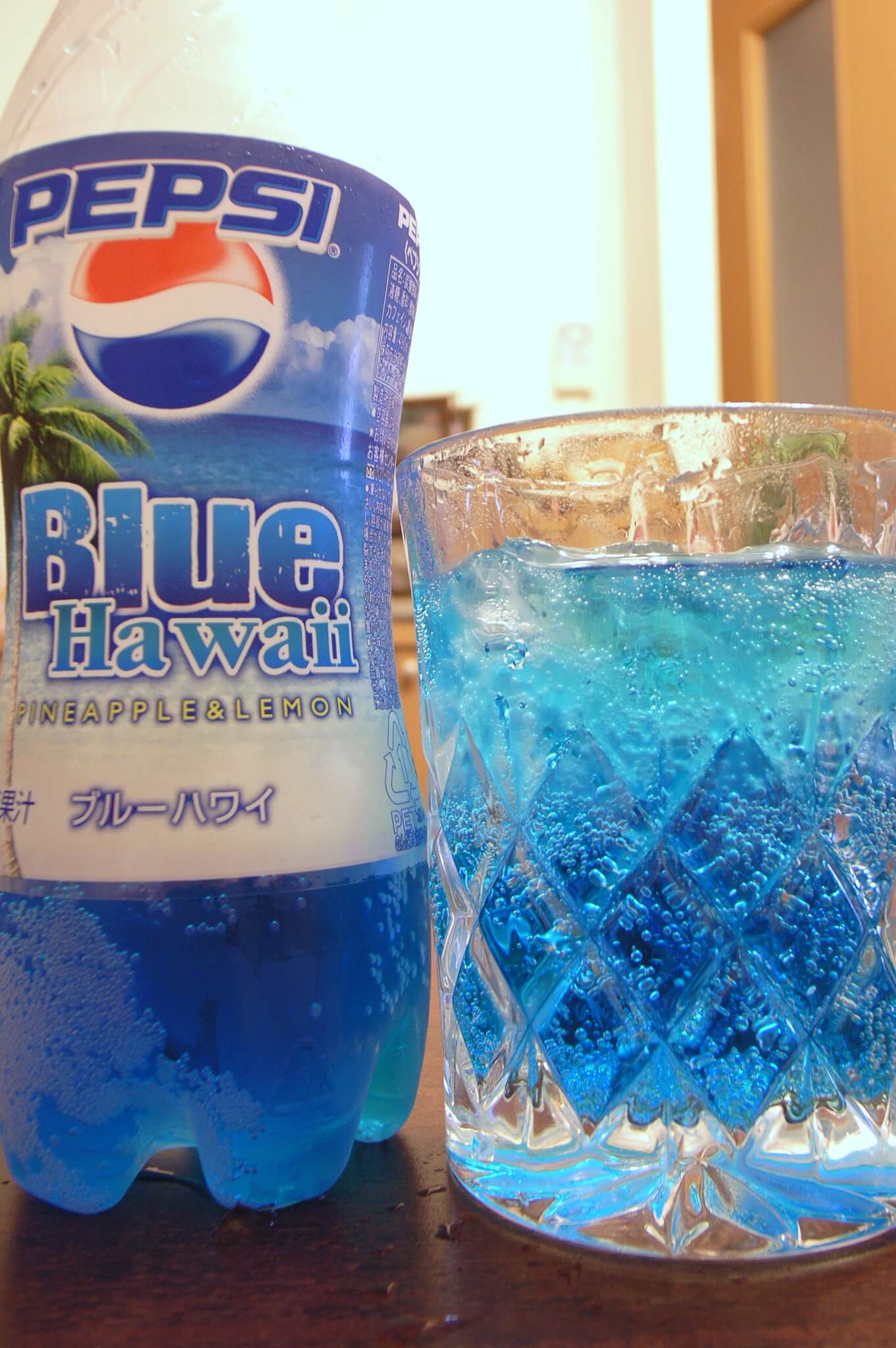
A bright blue, berry-flavored cola launched in 2002 and pulled from shelves by 2004, Pepsi Blue’s short run and distinctive color made unopened cans a recognizable target for collectors of early-2000s soda oddities.
Josta
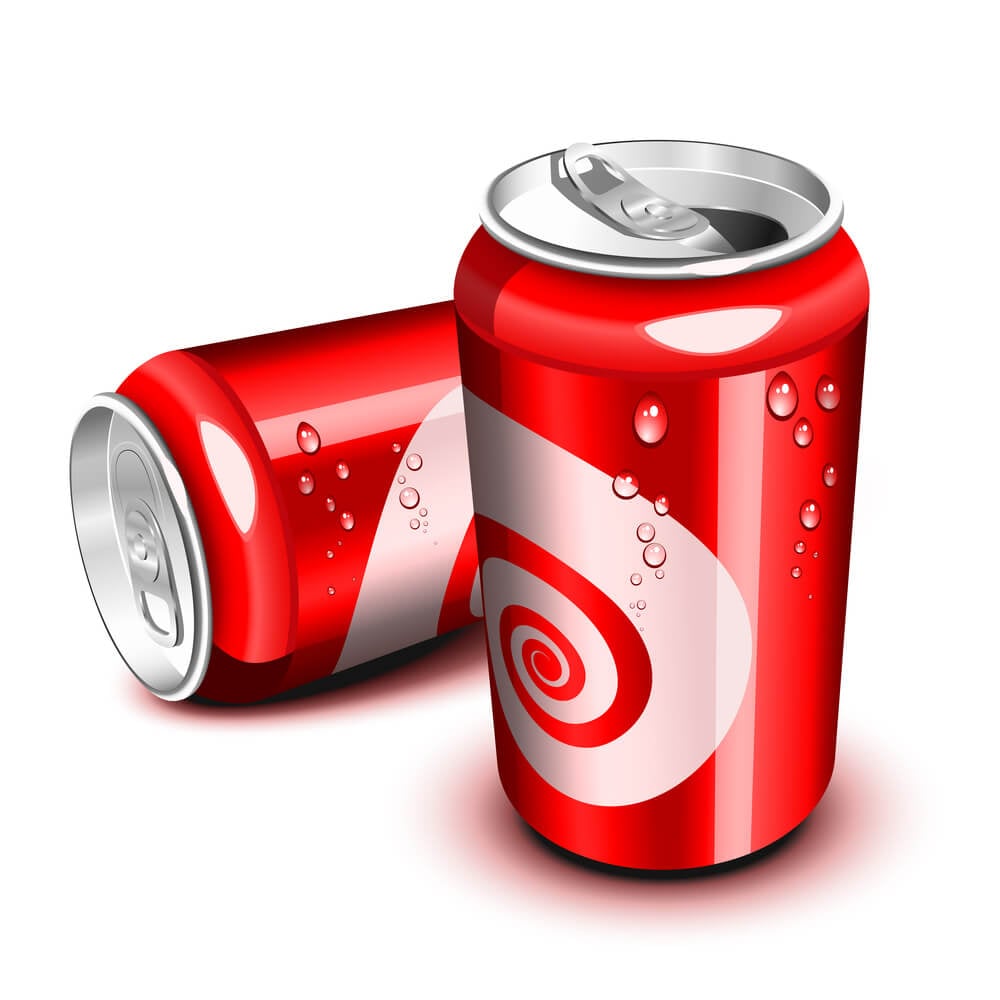
PepsiCo’s guarana-flavored energy soda, launched in 1995 as one of the first mainstream energy drinks sold in the U.S., was discontinued by 1999 as the energy drink category shifted toward smaller specialty cans rather than standard soda formats.
Jolt Cola
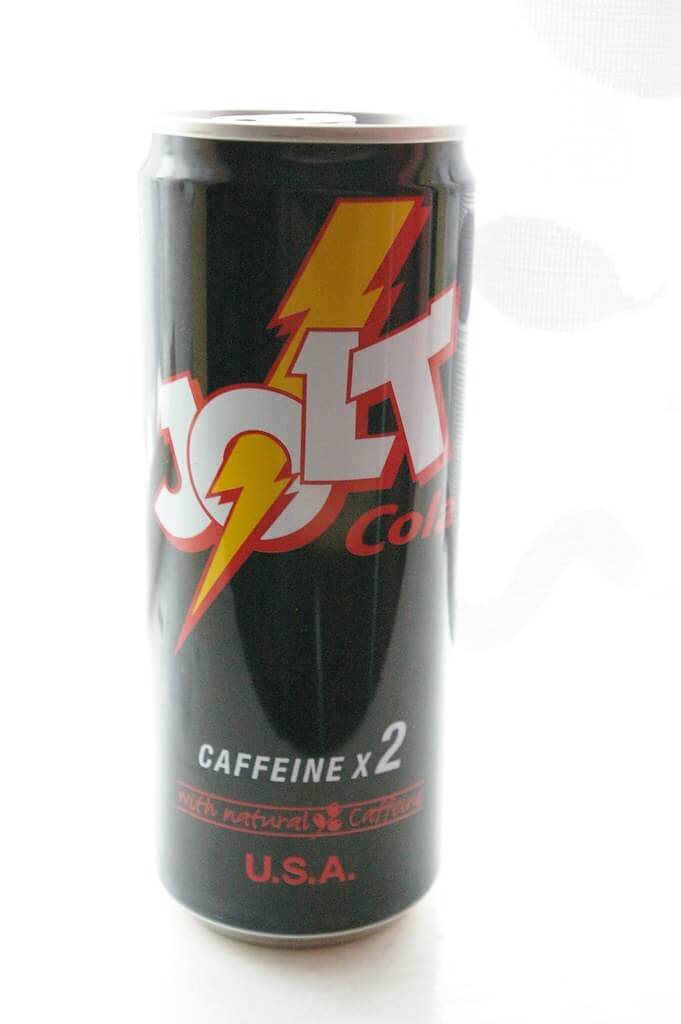
Marketed from 1985 onward around the slogan “all the sugar and twice the caffeine,” Jolt built a loyal following among programmers and night-shift workers before struggling against the rise of dedicated energy drink brands, eventually going through ownership changes and production gaps that make certain early-run cans collectible.
Mountain Dew Livewire
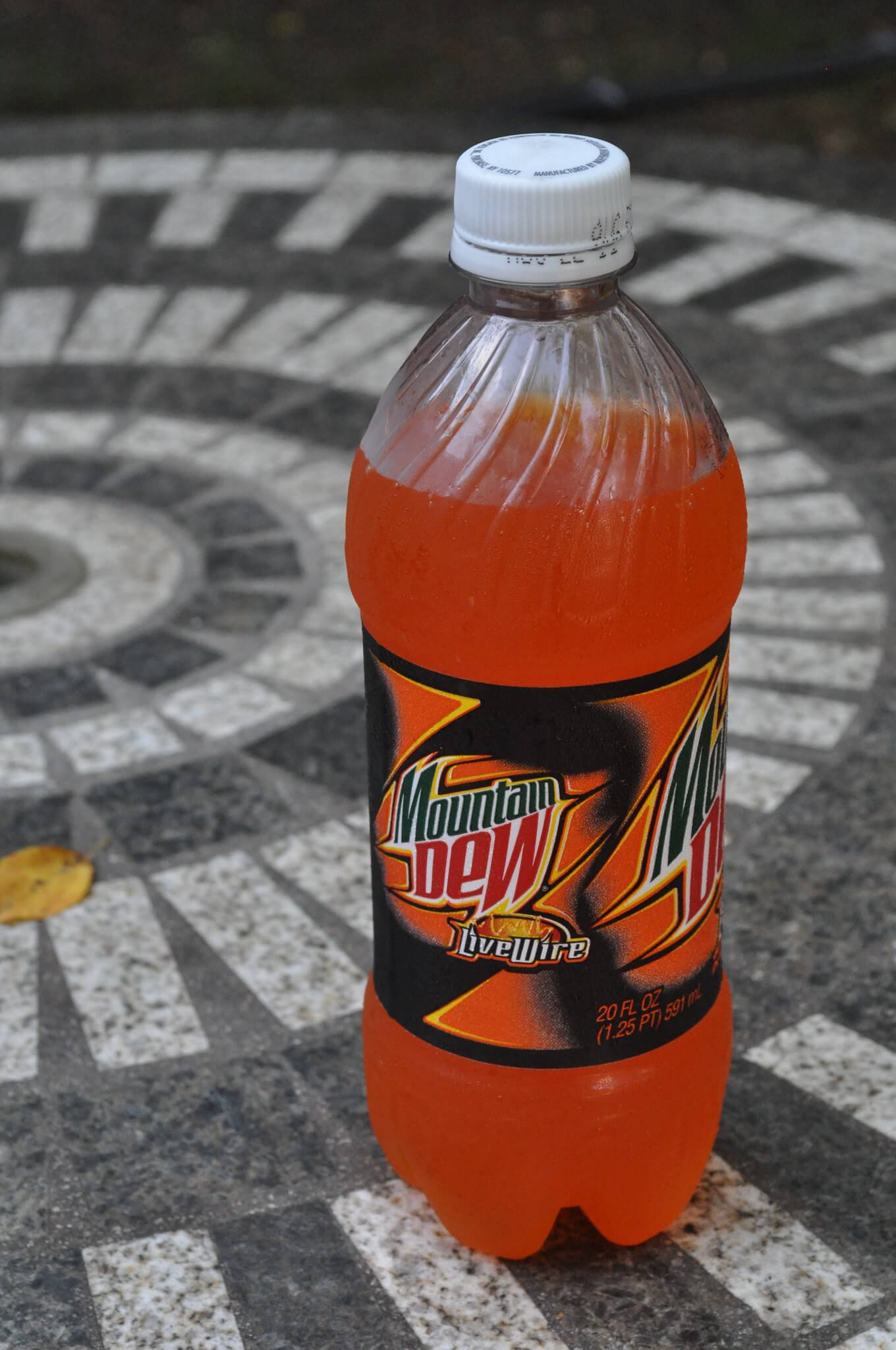
An orange citrus variant of Mountain Dew launched in 2008 and discontinued a few years later before being briefly revived, Livewire’s original packaging run remains the version collectors specifically look for over the later reissue.
New Coke
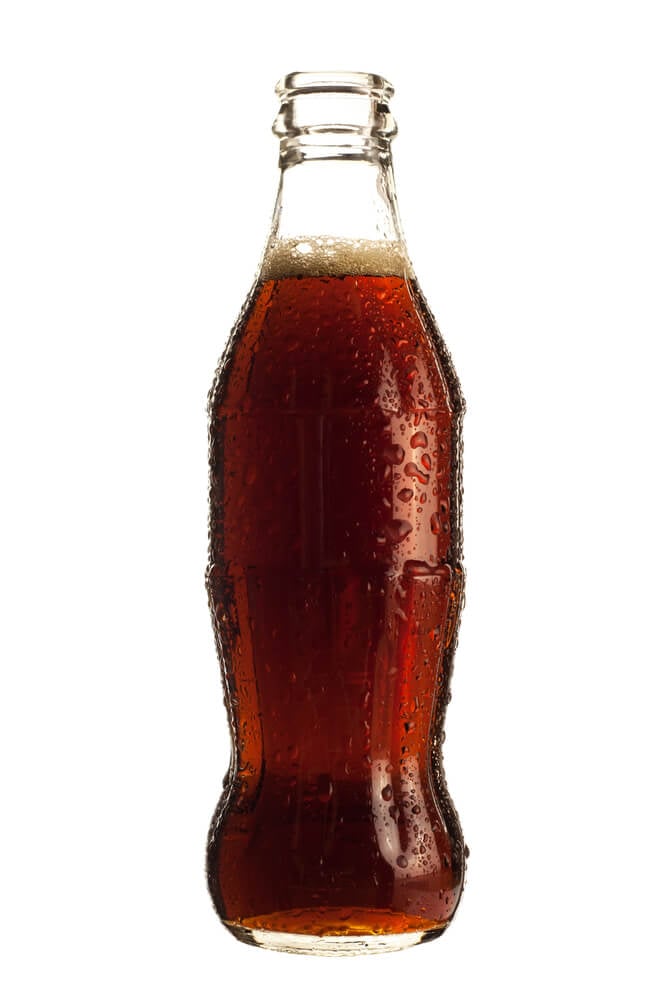
Coca-Cola’s reformulated 1985 recipe, introduced to replace the original formula entirely, triggered such an intense public backlash that the original formula returned within three months under the name Coca-Cola Classic. Unopened cans of the original New Coke run are a genuine artifact of one of the most famous product failures in American marketing history.
Orbitz
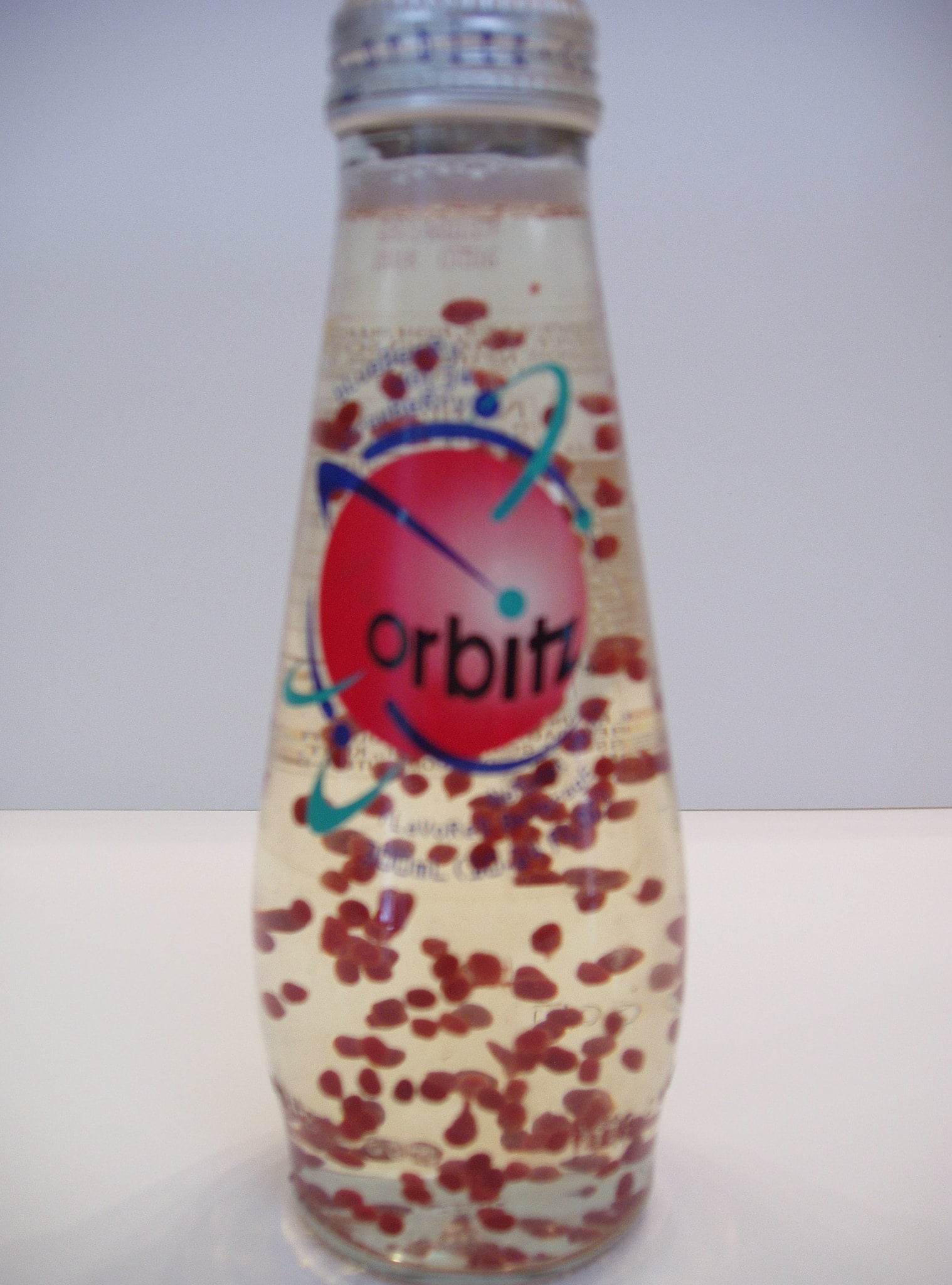
A clear, non-carbonated drink containing small suspended gel spheres floating throughout the bottle, Orbitz was released in 1997 and discontinued within about a year due to the drink’s unusual texture failing to catch on with mainstream consumers. Sealed bottles are prized specifically because the floating spheres inside make the product visually unmistakable.
Coca-Cola BlāK
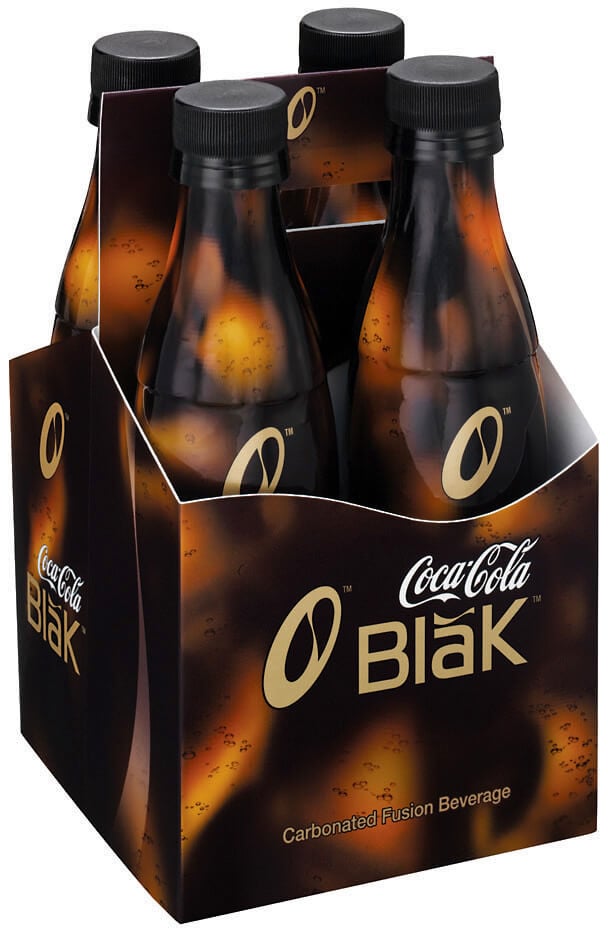
A coffee-flavored cola launched in 2006 and aimed at adult consumers seeking a hybrid beverage, BlāK was discontinued in the U.S. by 2008 after failing to find a consistent audience, leaving sealed bottles as a relatively obscure but recognizable find.
Pepsi AM
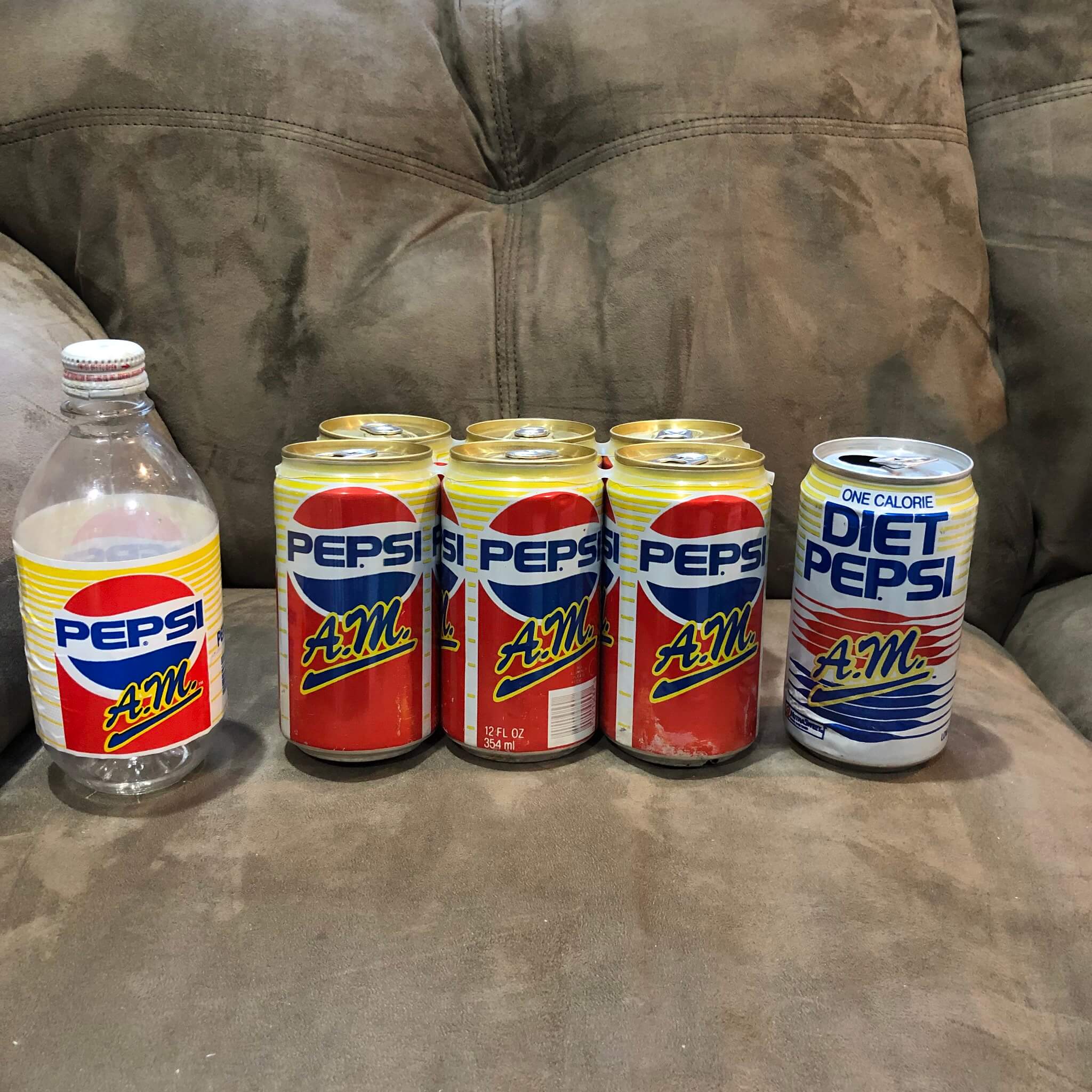
Marketed specifically as a morning cola with a higher caffeine content than standard Pepsi, this 1989 launch was discontinued within about a year as the concept of a breakfast-specific soda failed to resonate with consumers already reaching for coffee.
7 Up Gold
A spiced cola-adjacent variant of 7 Up launched in 1988, this reformulation abandoned the brand’s lemon-lime identity entirely and was pulled from shelves within a year after confusing longtime customers.
Slice Mandarin Orange
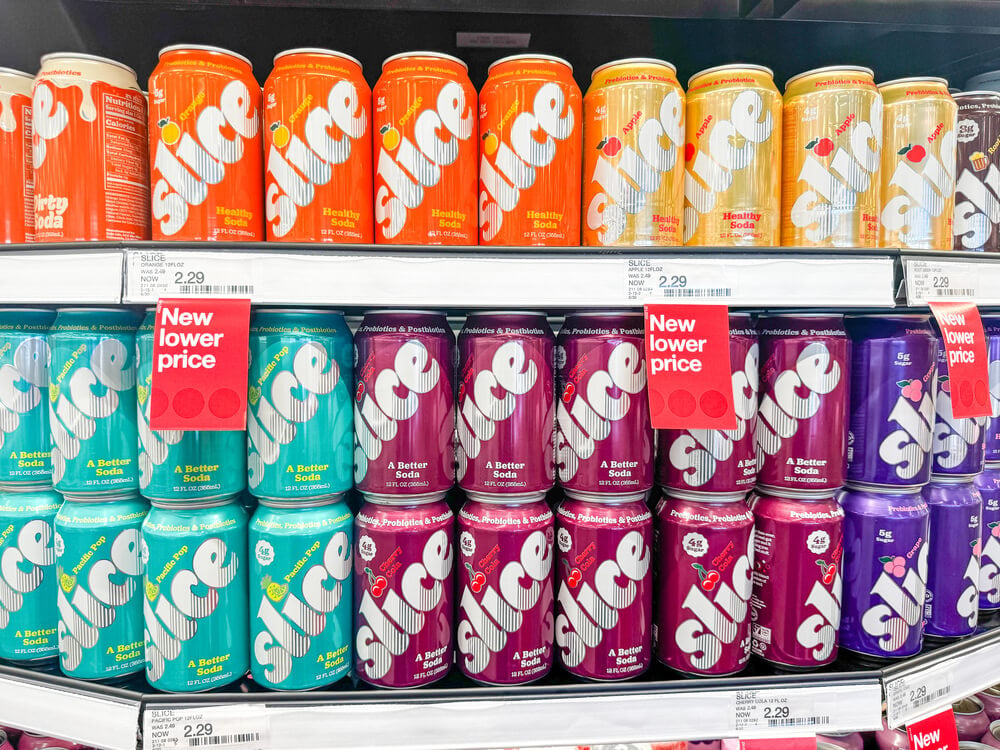
Part of PepsiCo’s Slice fruit soda line from the 1980s, the mandarin orange variant was eventually phased out as the broader Slice brand was scaled back and partially absorbed into other PepsiCo fruit soda products.
Hi-C Ecto Cooler
Originally released in 1987 as a tie-in with the “Ghostbusters” animated series, this green citrus drink was eventually renamed and rebranded after losing its licensing tie to the franchise, making original Ecto Cooler-labeled cartons and bottles a specific target for collectors of movie tie-in memorabilia.
Tab Clear
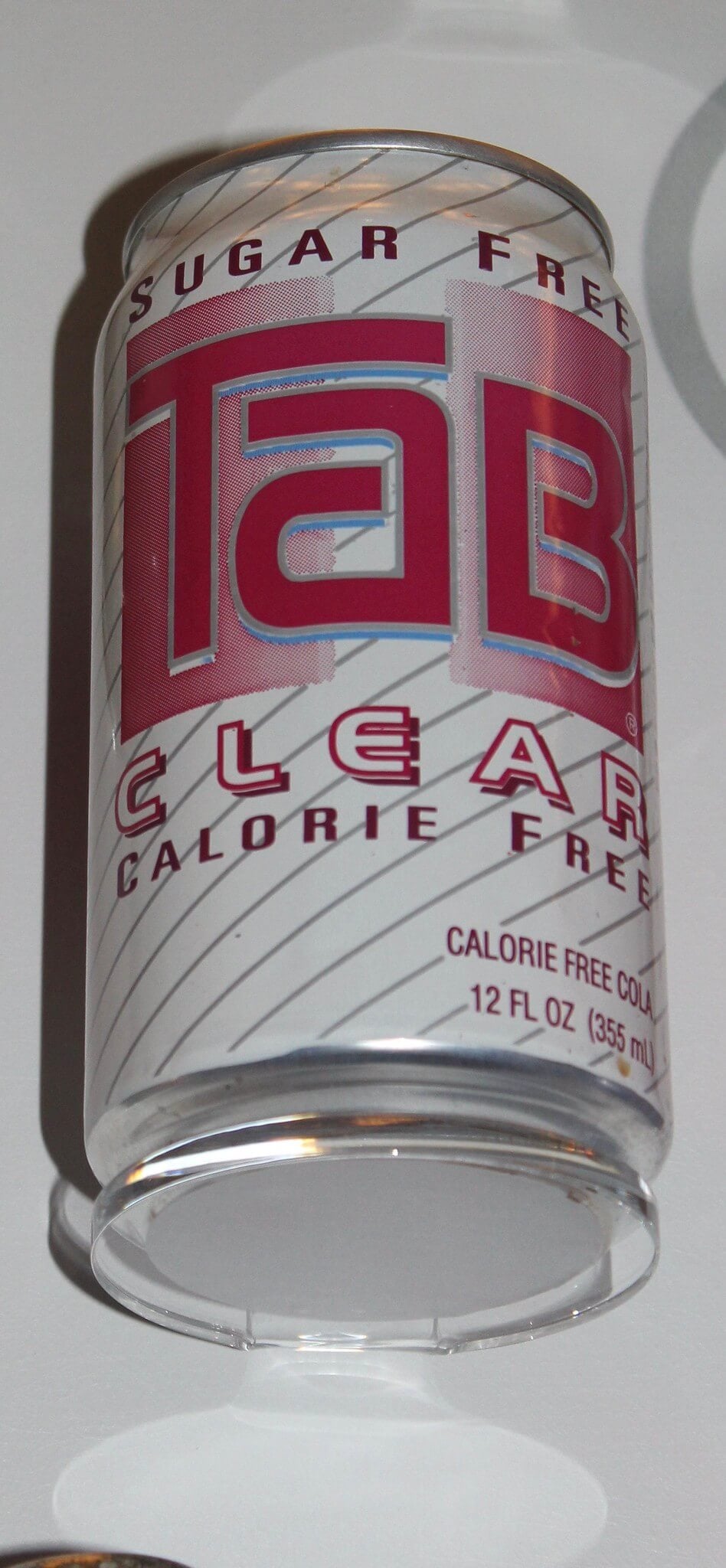
Coca-Cola’s clear diet cola, launched in 1992 alongside the broader early-1990s trend toward clear beverages, was discontinued within about a year as the clear soda trend faded almost as quickly as it appeared.
Pepsi Kona
A coffee-flavored cola released regionally by Pepsi in the late 1990s ahead of Coca-Cola’s later BlāK launch, Kona never expanded beyond limited testing and was discontinued before achieving wide distribution.
Mountain Dew Pitch Black
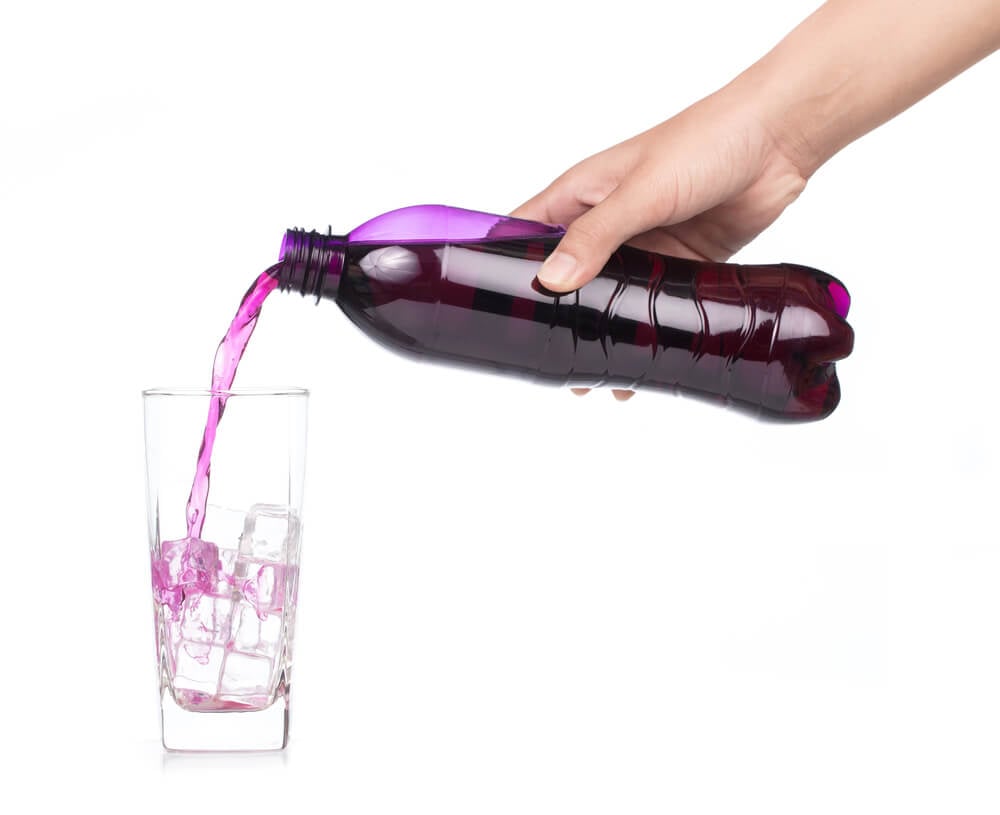
A grape-flavored, black-colored variant released around Halloween in 2004 as a limited seasonal offering, Pitch Black’s short shelf life and distinctive coloring made it an immediate target for soda collectors once the seasonal run ended.
Vault
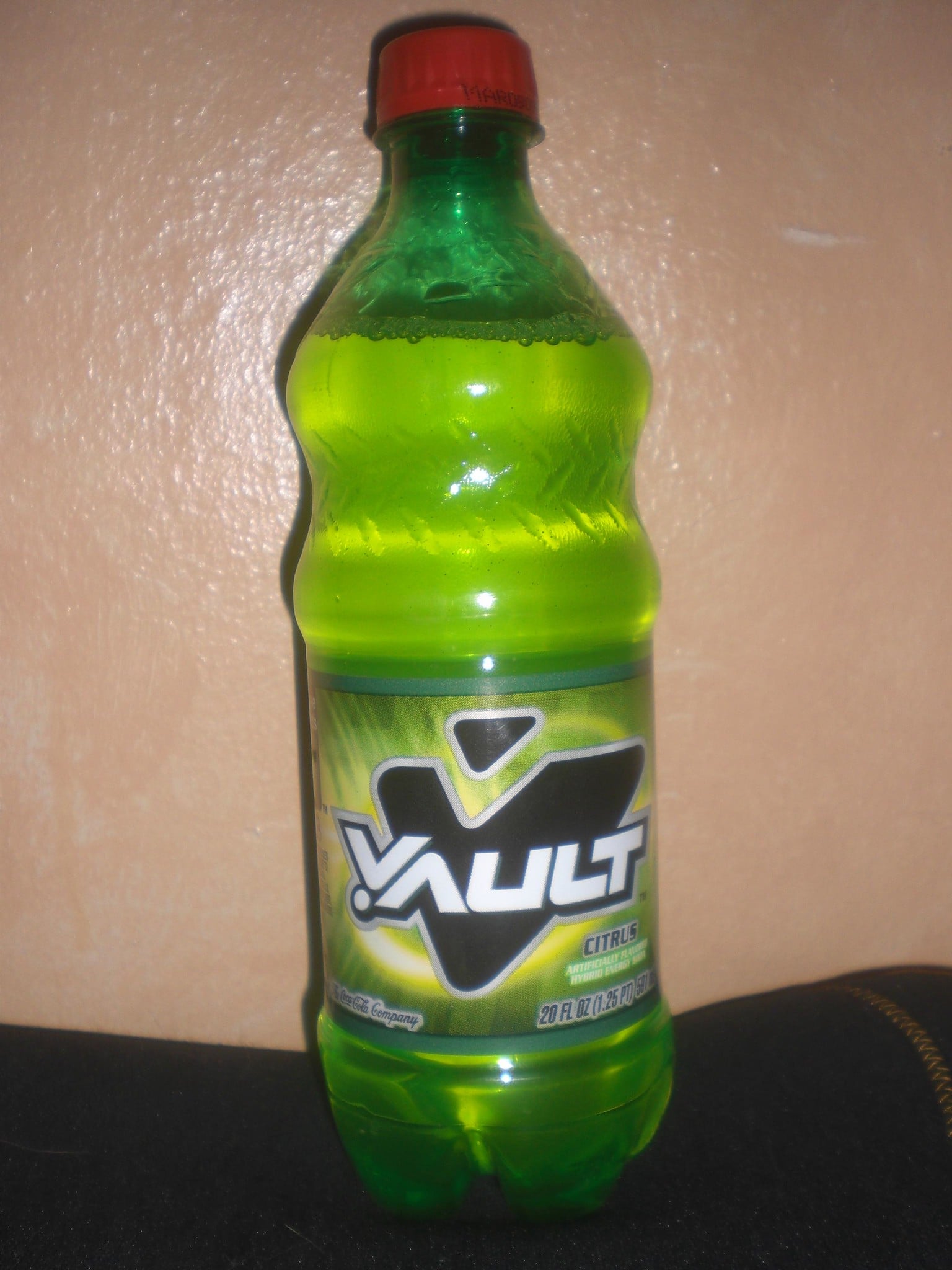
PepsiCo’s short-lived energy soda brand launched in 2005 as a direct competitor to Coca-Cola’s Full Throttle, Vault was discontinued by 2011 after failing to establish a lasting foothold against dedicated energy drink brands.
Pepsi Holiday Spice
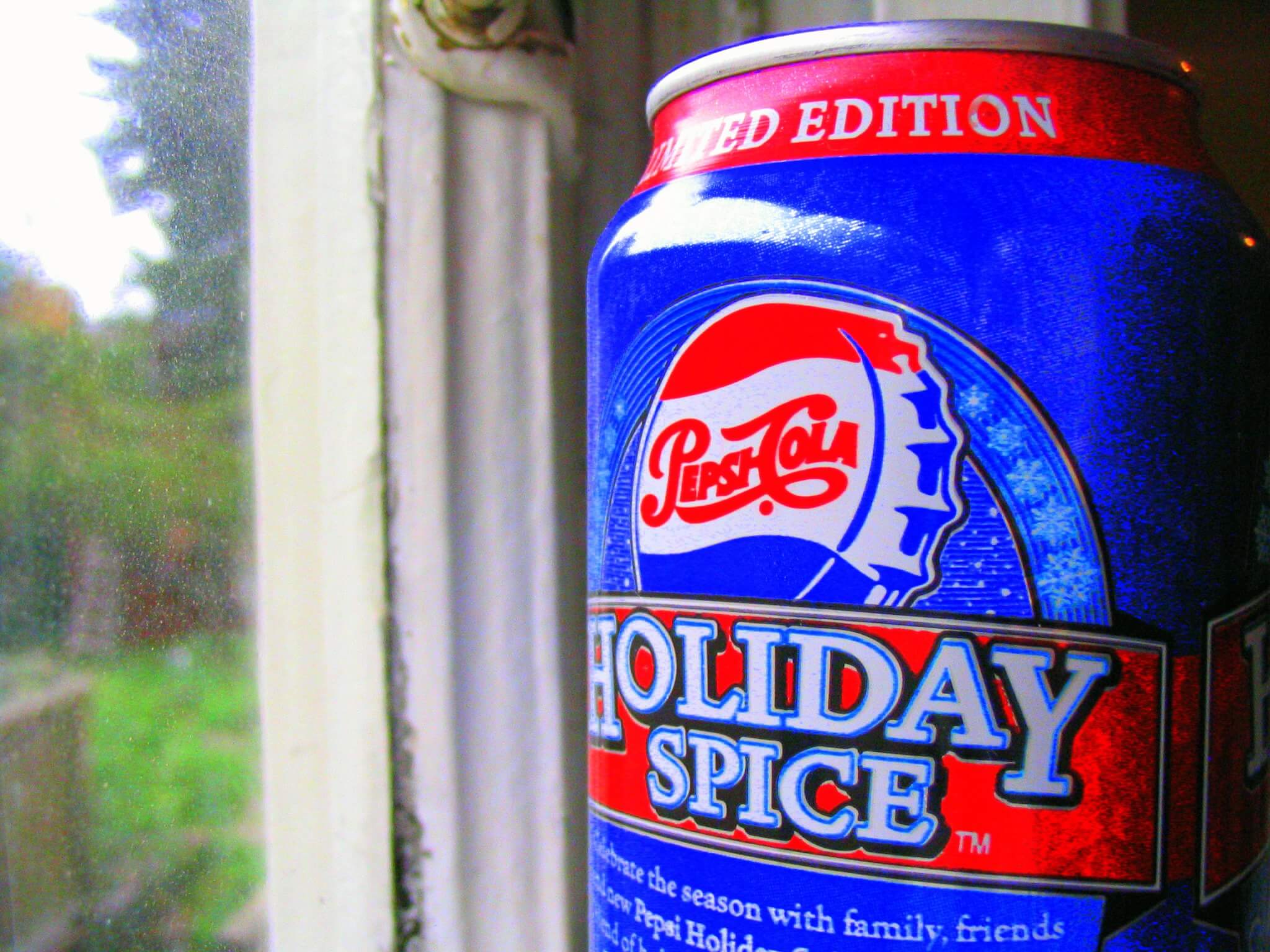
A cinnamon-and-spice seasonal variant released during the 2004 and 2005 holiday seasons, this limited-run flavor was discontinued after two years and never returned, making its red-and-gold seasonal packaging a specific target for holiday-themed collectors.
Sprite Remix
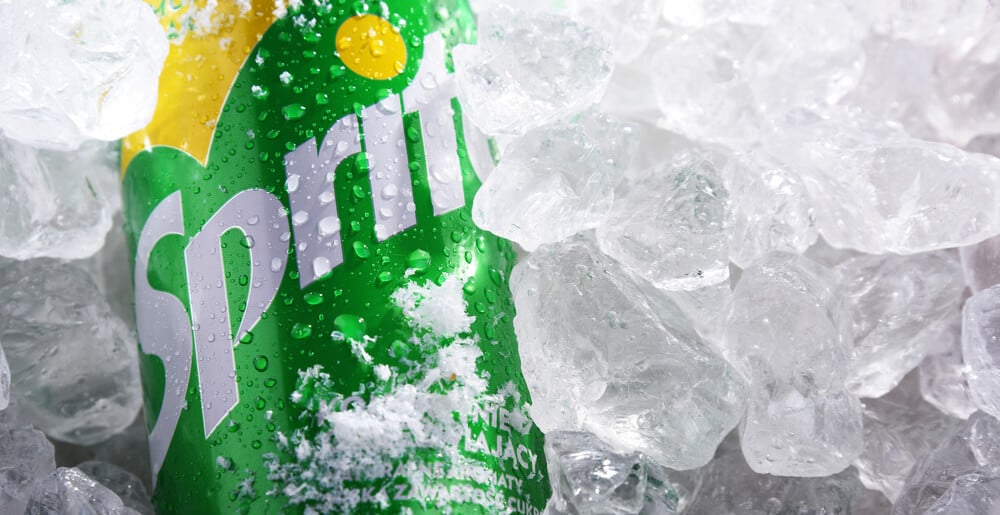
A fruit-flavored variant of Sprite launched in 2003 with several rotating flavor combinations, Remix was discontinued by the late 2000s as Coca-Cola consolidated its lemon-lime offerings around the standard Sprite formula.
Coca-Cola C2
A mid-calorie cola launched in 2004 aimed at consumers who found Diet Coke too different from regular Coke, C2 was discontinued by 2007 after failing to carve out a lasting market position between the two established products.
Proof of a Product That Existed
Every item on this list represents a moment when a beverage company genuinely believed a specific flavor, color, or concept would become permanent, backed it with real manufacturing runs and marketing budgets, and then watched the idea fail to survive contact with actual consumers. The sealed can sitting on a collector’s shelf is really a small piece of corporate risk-taking preserved in aluminum.
What keeps people paying for these objects isn’t the soda inside, which nobody sane intends to drink after twenty or thirty years of storage. It’s the object itself as a marker of a specific, narrow window of time when a company tried something strange enough that it couldn’t last, and somebody thought to keep the evidence.
More from Go2Tutors!

- The Romanov Crown Jewels and Their Tragic Fate
- 13 Historical Mysteries That Science Still Can’t Solve
- Famous Hoaxes That Fooled the World for Years
- 15 Child Stars with Tragic Adult Lives
- 16 Famous Jewelry Pieces in History
Like Go2Tutors’s content? Follow us on MSN.



