22 Gadgets from Infomercials That Actually Worked and Ones That Were Total Junk
Late-night television between 1985 and 2010 was, for a significant portion of the insomniac population, a free education in human credulity. The format was straightforward: show a problem that most people did not know they had, demonstrate a product solving it in conditions that were unreproducible at home, offer the product at a price that was dramatically reduced from the number mentioned thirty seconds earlier, and include at least two additional items the viewer had not asked for.
“But wait — there’s more” became the defining phrase of an era.
The remarkable thing about infomercial products is that the sorting process was never quite as simple as the genre’s reputation suggested. Some genuinely absurd products sold tens of millions of units because they solved real problems at reasonable cost.
Some products with legitimate engineering behind them were sold through pitches so mendacious that the products never recovered. And some were simply junk, which many people figured out after ordering and fewer admitted.
The George Foreman Grill
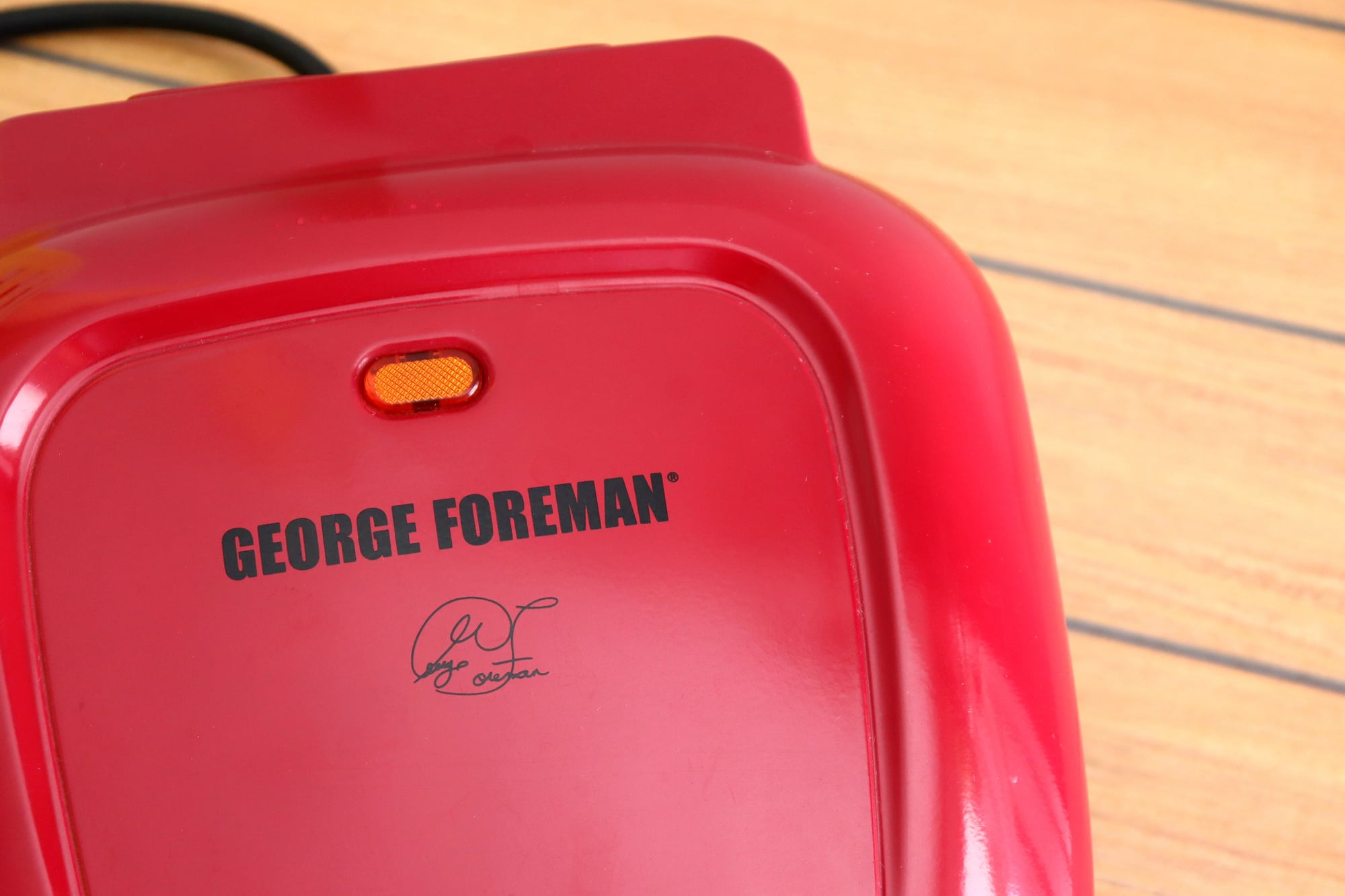
The George Foreman Lean, Mean Fat-Reducing Grilling Machine, introduced in 1994, sold 100 million units over fifteen years and is considered by some measures the best-selling infomercial product of all time. The mechanism was genuinely effective: a clamshell design with heating elements on both sides that cooked both surfaces of a burger or chicken breast simultaneously, combined with a slight downward angle that drained fat into a collection tray.
The physics were real. The fat did drain.
Weeknight dinners became faster and produced less mess than stovetop cooking. The celebrity endorsement from the former heavyweight champion — who earned more from the grill than from his entire boxing career, reportedly — added credibility that the product’s actual performance could support.
The Ronco Showtime Rotisserie
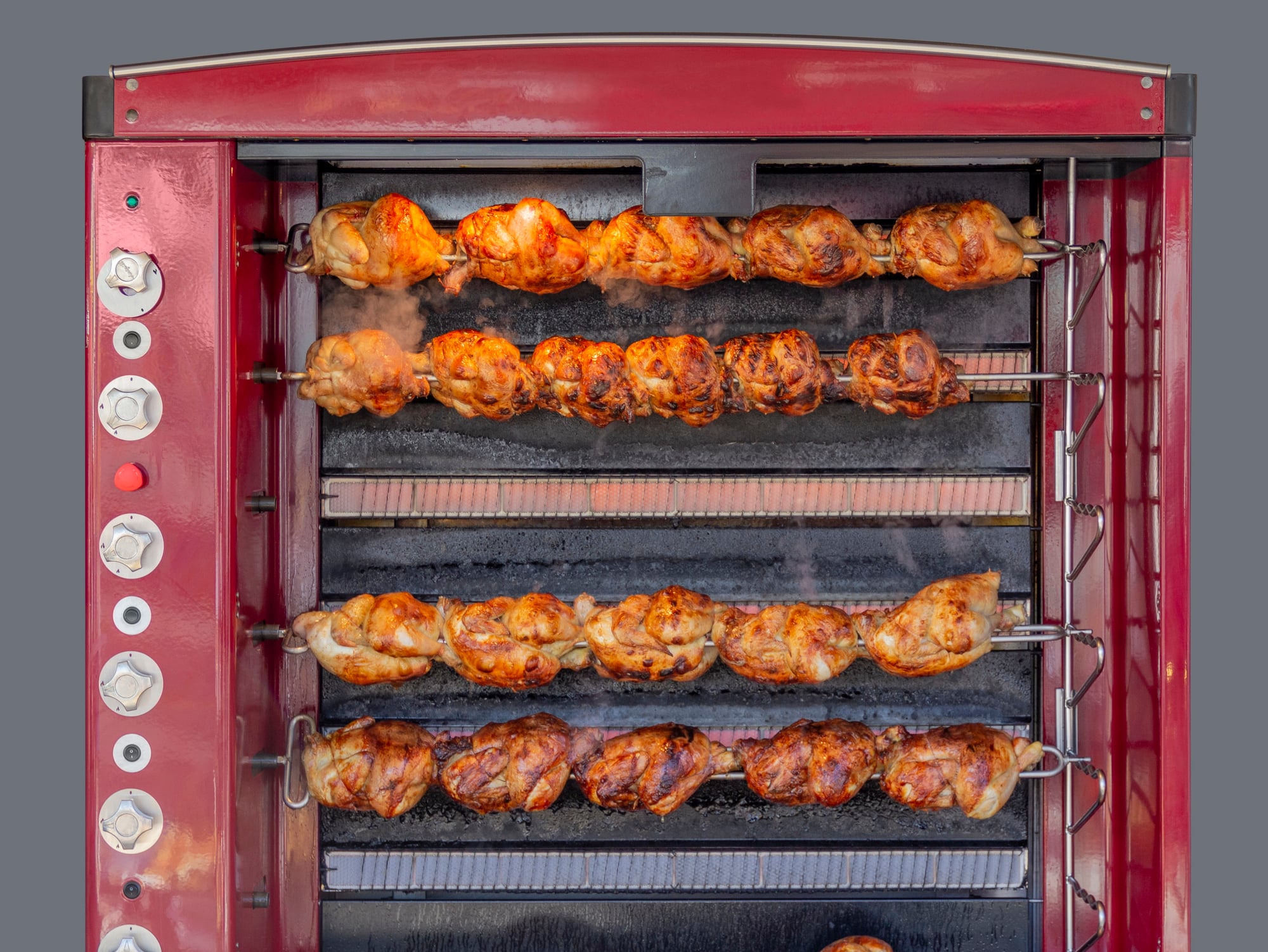
Ron Popeil introduced the Showtime Rotisserie in 1998 with the slogan “Set it and forget it,” which was accurate. The appliance held a whole chicken on a rotating spit and cooked it through radiant heat, producing results that people who own one describe as genuinely better than oven-roasted chicken with no meaningful additional effort.
Popeil himself used it to cook chickens at demonstrations and ate the results in front of the audience. The product is still sold.
Popeil died in 2021 at eighty-six, having built a career on products that — unlike most of the infomercial genre — largely did what they advertised.
OxiClean
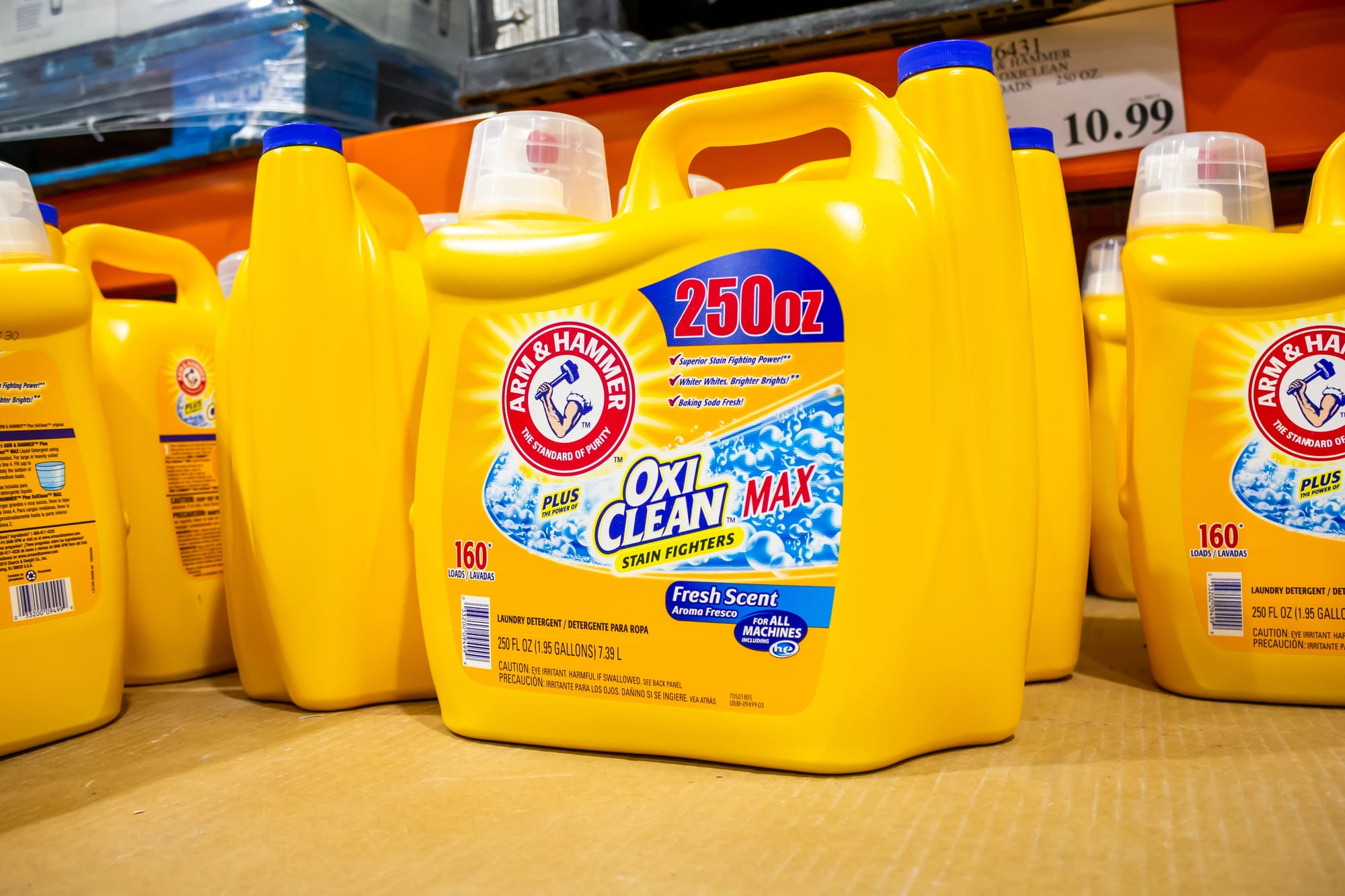
Billy Mays presented OxiClean with the same volume he applied to everything — a presentation style that was immediately parodied and ultimately irrelevant to the product’s performance. OxiClean’s active ingredient is sodium percarbonate, which releases hydrogen peroxide when dissolved in water, making it a genuinely effective oxidizing stain remover that works on stains that conventional detergents leave behind.
It earned a permanent place in laundry rooms because the chemistry worked. Mays died in 2009, and OxiClean is still one of the better-selling laundry products on the market, which is the outcome for a product whose advertising was delivered at full volume because the product could absorb the scrutiny.
The ShamWow
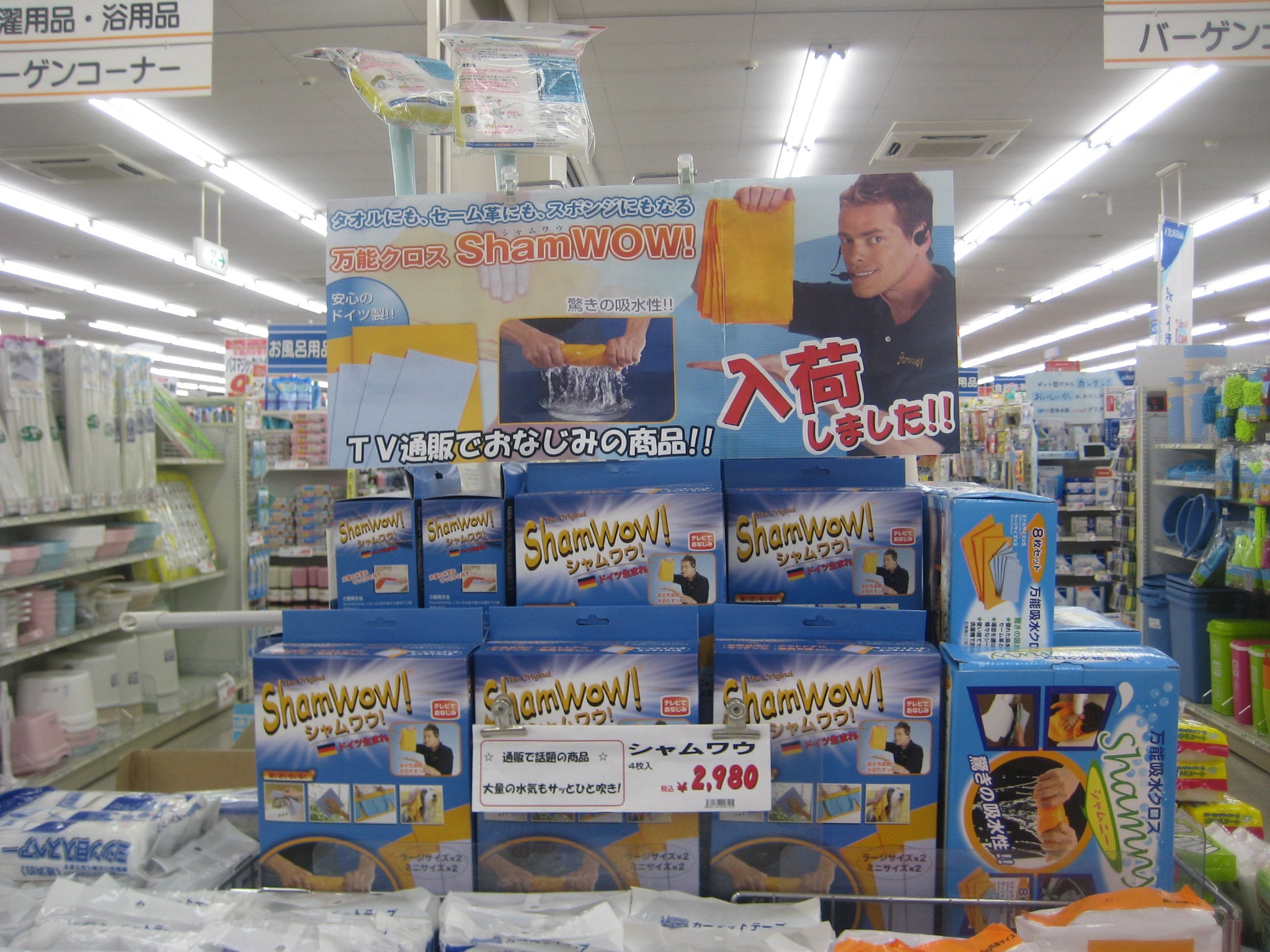
The ShamWow, pitched by Vince Offer — “Vince the Sham” in some circles — was a highly absorbent chamois cloth that could hold roughly twelve times its weight in liquid. The infomercial was extremely entertaining for reasons that had nothing to do with the product, and the ShamWow turned out to be, if not the miracle the pitch suggested, a genuinely useful cleaning cloth for cars, spills, and surfaces.
Copies are still sold. The original ShamWow is still sold.
The absorbency claim was real. People who used it for car detailing found it performed comparably to expensive chamois alternatives at a fraction of the cost.
The Flowbee

The Flowbee attached to a standard vacuum cleaner hose and used the suction to feed hair into a cutting mechanism that trimmed to an adjustable length. The infomercial was widely mocked, the device looked alarming, and the results were reliably described as the kind of haircut you get when you attach your hair to a vacuum.
Nevertheless: the Flowbee still sells. It has a committed following, particularly among men with short hair who want a consistent length and no appointment, and it has been used by George Clooney, according to reports he has never denied.
It works in the sense that it cuts hair. Whether the result looks good depends entirely on your definition of looking good.
The Magic Bullet
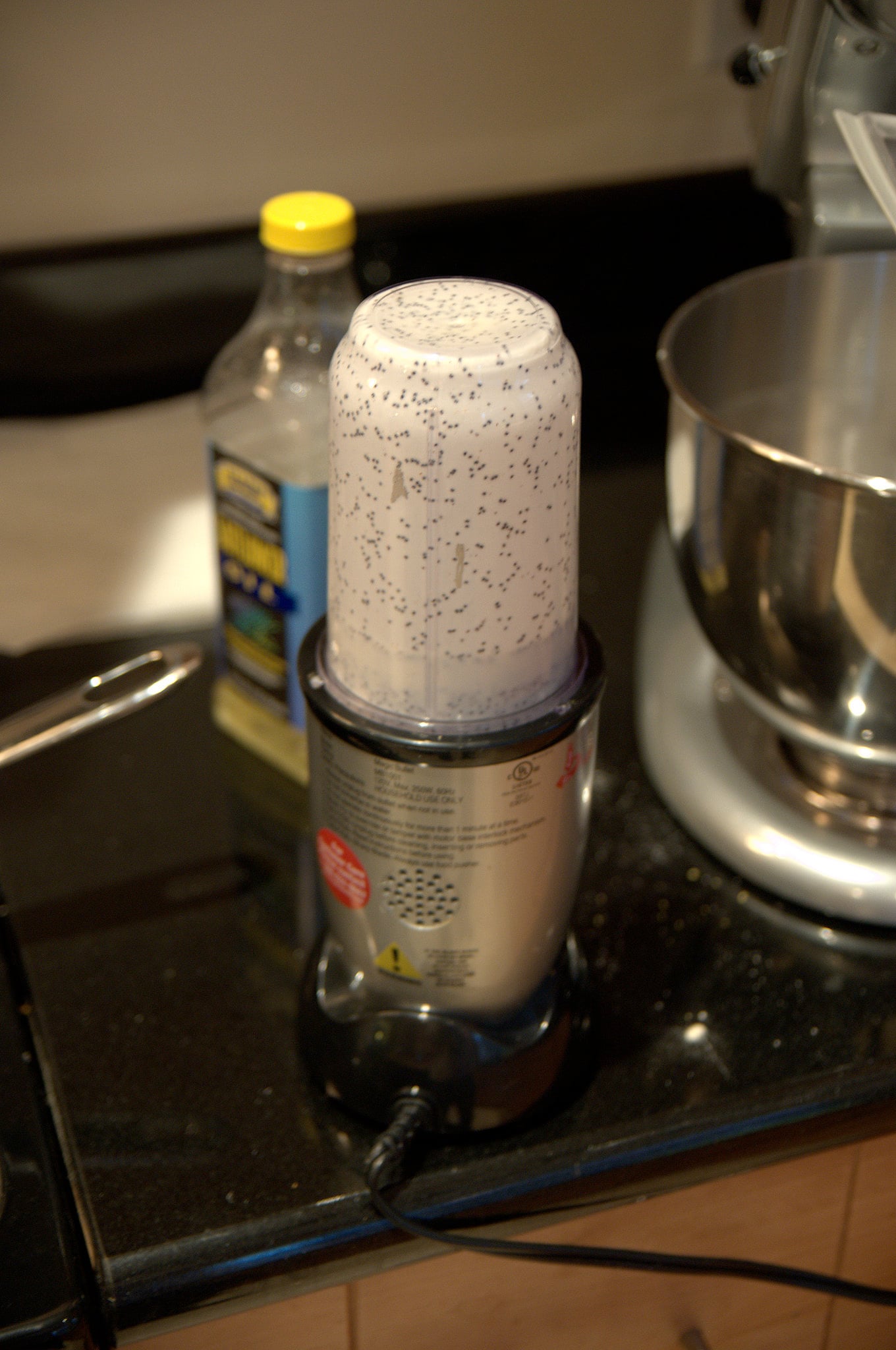
The Magic Bullet was a compact blender presented in an infomercial set at a party, with various fictional guests demonstrating uses for the device while the hosts explained its capabilities. The product itself was a single-serve personal blender with twist-on cups that could go directly from blending to drinking — a format that predated the now-ubiquitous single-serve blender market by several years.
It worked for smoothies, chopping, and sauces. It was not capable of what the infomercial suggested it could do (full meals, grating, complex preparations) but it was a functional blender at a price point that made it accessible.
Versions of it are still sold under the same brand.
Snuggie

The Snuggie was a fleece blanket with sleeves — a reverse bathrobe, functionally — and the infomercial demonstrating it began from the premise that conventional blankets were a frustrating problem, which they are not, then offered the Snuggie as the solution. It sold thirty million units within five years.
It inspired Snuggie pub crawls, charity editions, sports team editions, and genuine cultural discussion about whether it was a product or a performance. The answer is that it was both: it was also warm and kept your arms free, which is the thing it promised to do.
People who bought it in 2008 wore it. Many still have it.
P90X
P90X was a home fitness program sold through extended television advertising beginning in 2005 that consisted of twelve DVD workout programs and a nutrition guide. The program was seventy-five to ninety minutes per session, six days a week, for ninety days, and it was genuinely brutal in a way that infomercial exercise products generally were not.
The fitness principle underlying it — muscle confusion, high intensity, periodization — was derived from actual sports science rather than invented for marketing purposes. People who completed the program reported significant results.
The caveat that every fitness professional applies is also true: it only worked if you did it, which the infomercial did not adequately warn you about.
Ginsu Knives
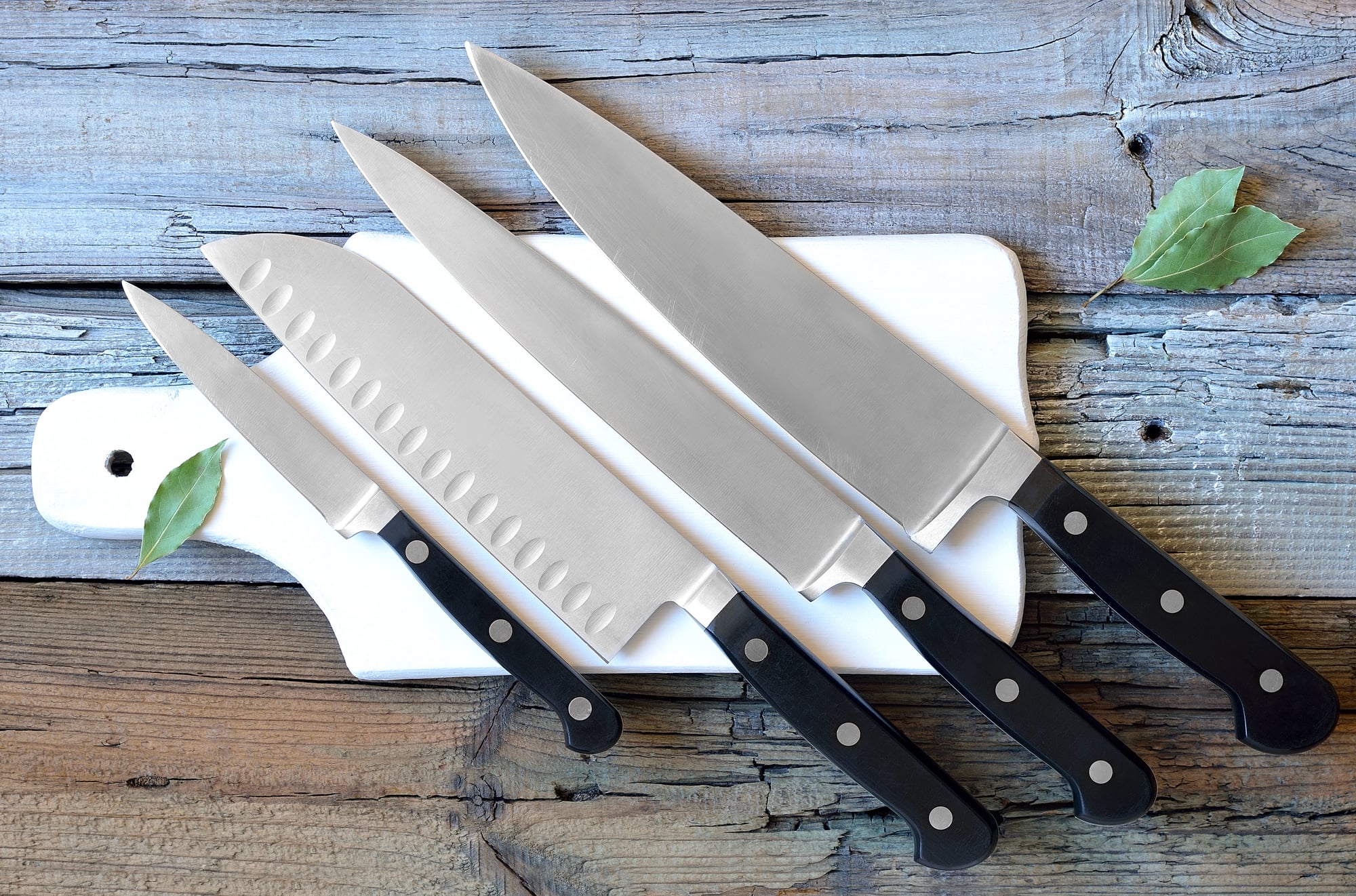
Ginsu knives were introduced in 1978 with an infomercial that featured the knives cutting through a tin can, sawing through rope, and slicing tomatoes without visible effort. The name sounded Japanese and was entirely made up.
The knives themselves were not special — they were adequate, reasonably priced kitchen knives that performed comparably to what you could buy in a hardware store for similar money. The infomercial worked because it solved a legitimate consumer confusion: how do you evaluate a knife without touching it?
The demonstration was a sufficient answer for many viewers, and the product sold well enough to make “Ginsu” a recognized brand name, which for a completely fictitious word is a genuine achievement.
Food Dehydrators (Ronco)
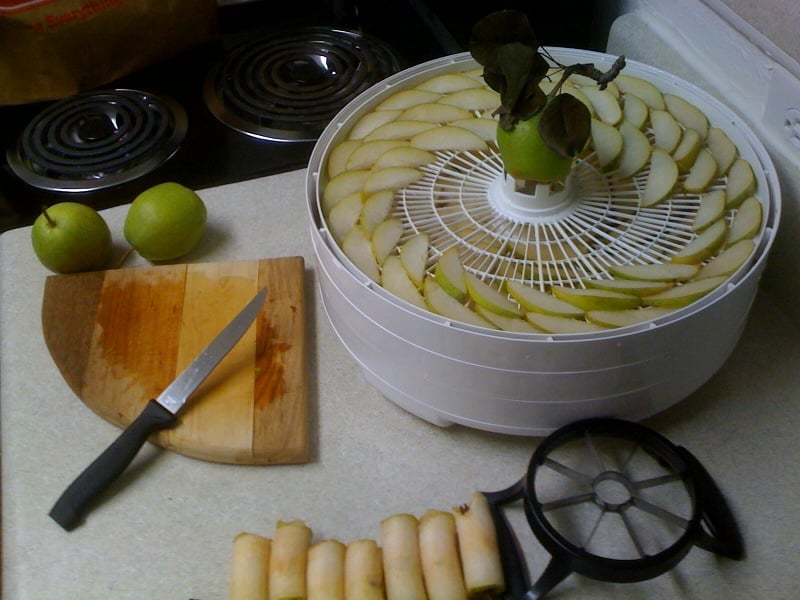
Ron Popeil sold food dehydrators aggressively across multiple decades — machines that removed moisture from fruit, meat, and vegetables to create shelf-stable snacks at home. The technology is real and the results are real: jerky, dried fruit, and vegetable chips that a home dehydrator produces are genuinely similar to commercial versions.
The primary limitation was time — dehydrating food takes many hours — and the cost of the electricity required occasionally exceeded the cost of buying the dried food commercially. People who used Ronco dehydrators for specific foods they preferred dehydrated at home tended to keep them.
The broader market for home dehydrators has grown significantly since.
The ThighMaster
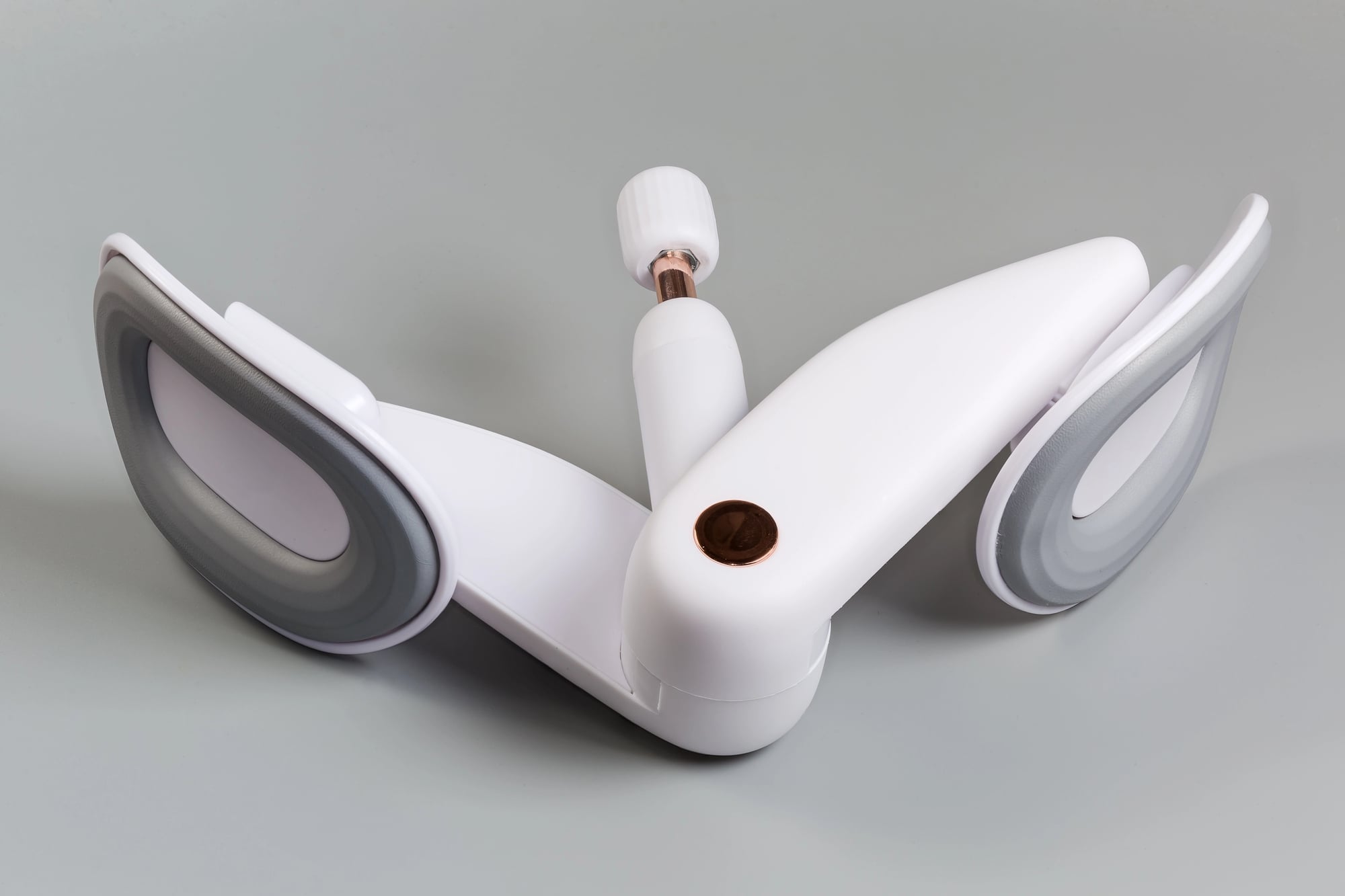
The ThighMaster was an X-shaped resistance device with two curved padded handles that you placed between your thighs and squeezed repeatedly. Suzanne Somers endorsed it in 1991, sold ten million units in 120 countries, and earned more from the device than most actors earn from a television career.
Whether it worked is a genuinely complicated answer: it provided resistance exercise to the inner thigh muscles, which is the function it claimed to provide. Whether inner thigh exercises in isolation, without broader caloric reduction, produced the toned legs the infomercial suggested is a different question, and the answer to that question is closer to no.
The ThighMaster worked. The promise attached to it was optimistic.
The Snuggie for Dogs
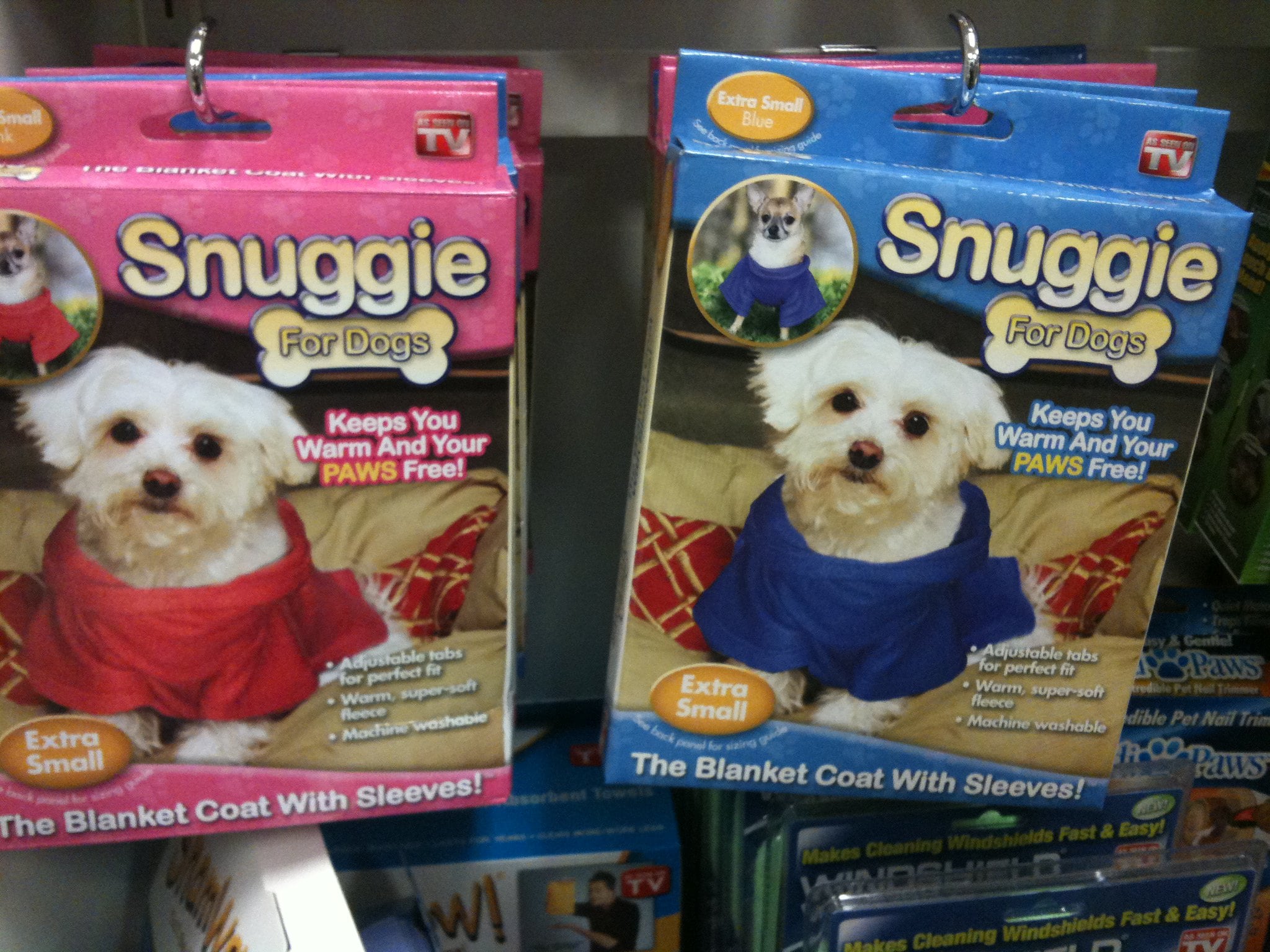
Snuggie eventually produced a canine version of its wearable blanket concept, which is mentioned here not because it was a notable commercial success but because it represents the outer limit of a successful product finding the furthest possible interpretation of its own premise. A dog wearing a Snuggie is a dog wearing a garment that it did not request and that provides warmth the dog’s own coat was presumably already providing.
The product sold. Dogs tolerated it with varying degrees of enthusiasm.
It is still available.
GLH-9 Spray-On Hair

GLH stood for “Great Looking Hair” and the product was a colored aerosol spray that deposited a fiber coating on the scalp to create the visual impression of hair where hair was no longer growing. The infomercial showed dramatic before-and-after results that required cooperative lighting conditions and stationary subjects.
In practice, the spray produced a result that looked adequate from a distance and visible upon approach, did not hold in rain or humidity, transferred to adjacent surfaces, and could not be recommended by anyone who needed to interact with another human being at close range on the same day it was applied. The product sold because bald men were offered a solution that cost less than alternatives, and the desperation of the purchasing decision forgave the limitations of the product.
The Shake Weight
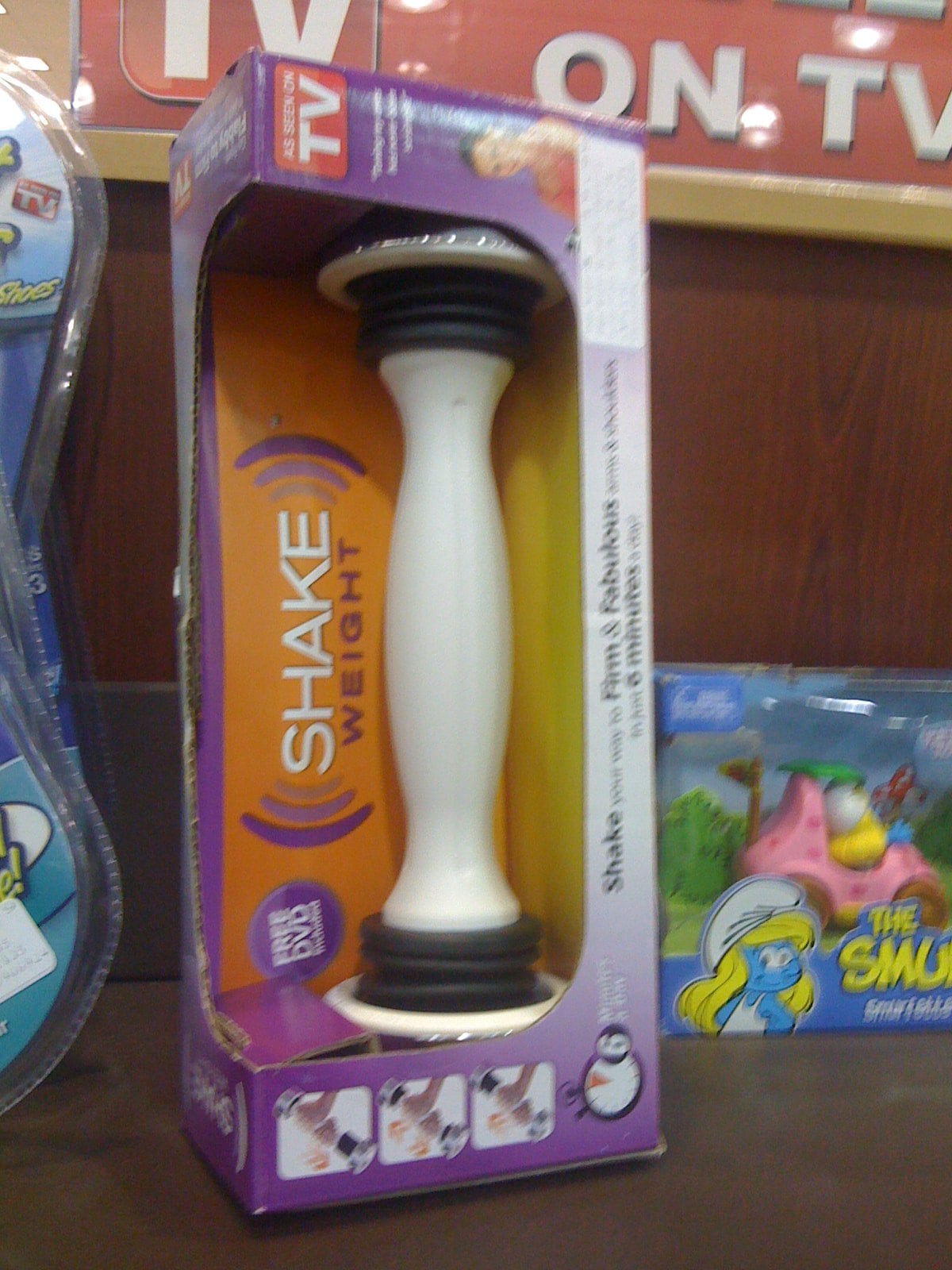
The Shake Weight was a spring-loaded dumbbell that generated resistance through oscillation — you shook it back and forth rather than lifting it. The advertising claimed “dynamic inertia” as the underlying principle, which is not a recognized concept in exercise science.
A 2010 study published in the Journal of Sports Science and Medicine found that using a Shake Weight generated no more muscle activation than using a standard dumbbell, and that the prescribed routines were insufficient to increase muscle strength. The product became a cultural phenomenon for reasons largely related to the physical motion required to use it, which the infomercial’s producers either did not anticipate or anticipated completely.
It was parodied on South Park, Saturday Night Live, and multiple other properties. It did not tone arms.
The Hawaii Chair
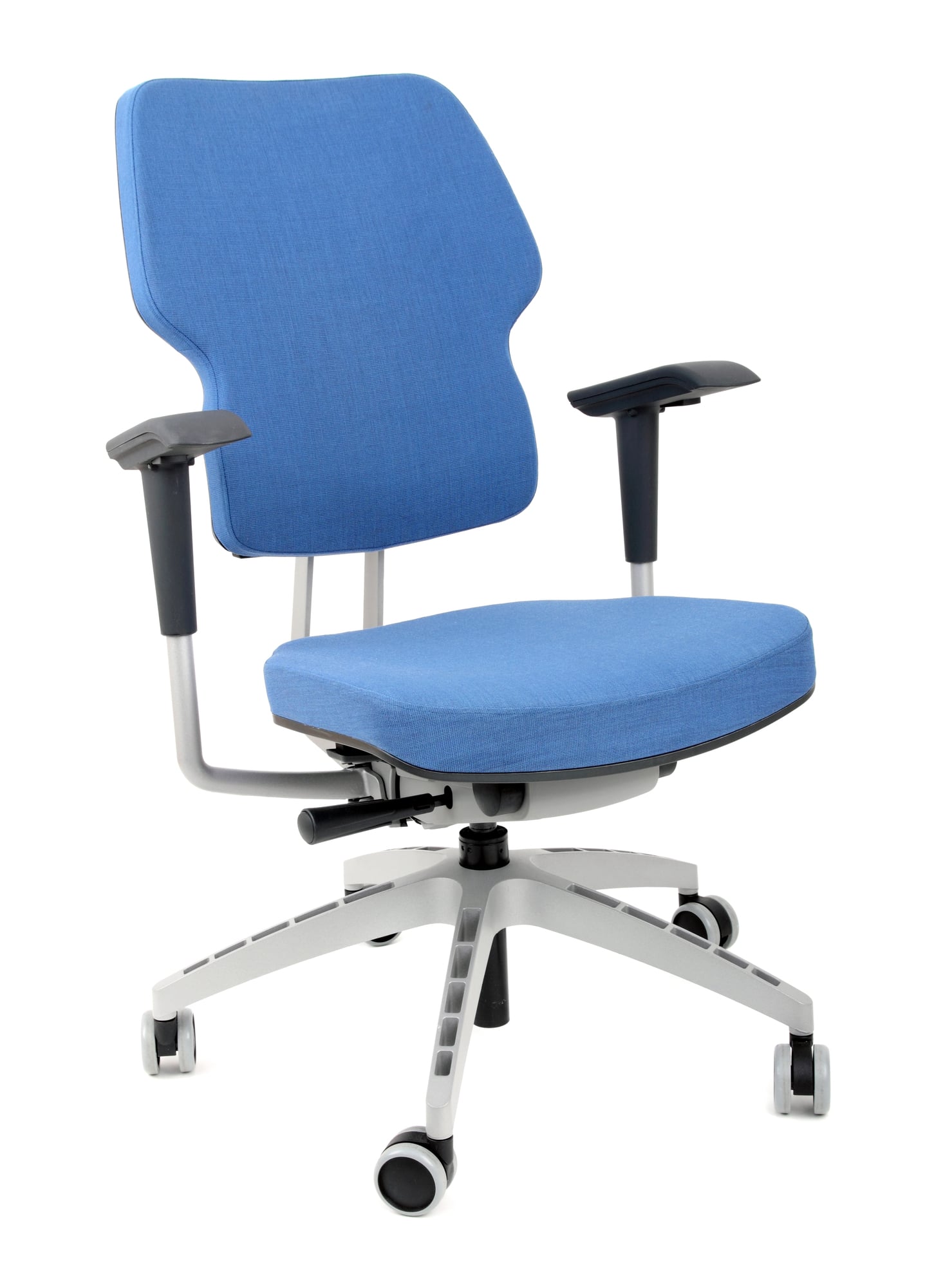
The Hawaii Chair was a desk chair with a rotating seat mechanism powered by a motor, designed to produce a gentle hula motion in the user while they performed sedentary work. The infomercial presented office workers engaging in meetings and paperwork while their lower bodies oscillated beneath them.
The product claimed to burn calories through this passive motion. Whether it could be used while working was questionable — the rotation disrupted the kind of fine motor control that typing and writing require.
Whether it burned meaningful calories was not questionable: the motion was too gentle to produce significant energy expenditure. It is mainly remembered for being among the more conceptually surreal items in infomercial history.
The Ab Rocket
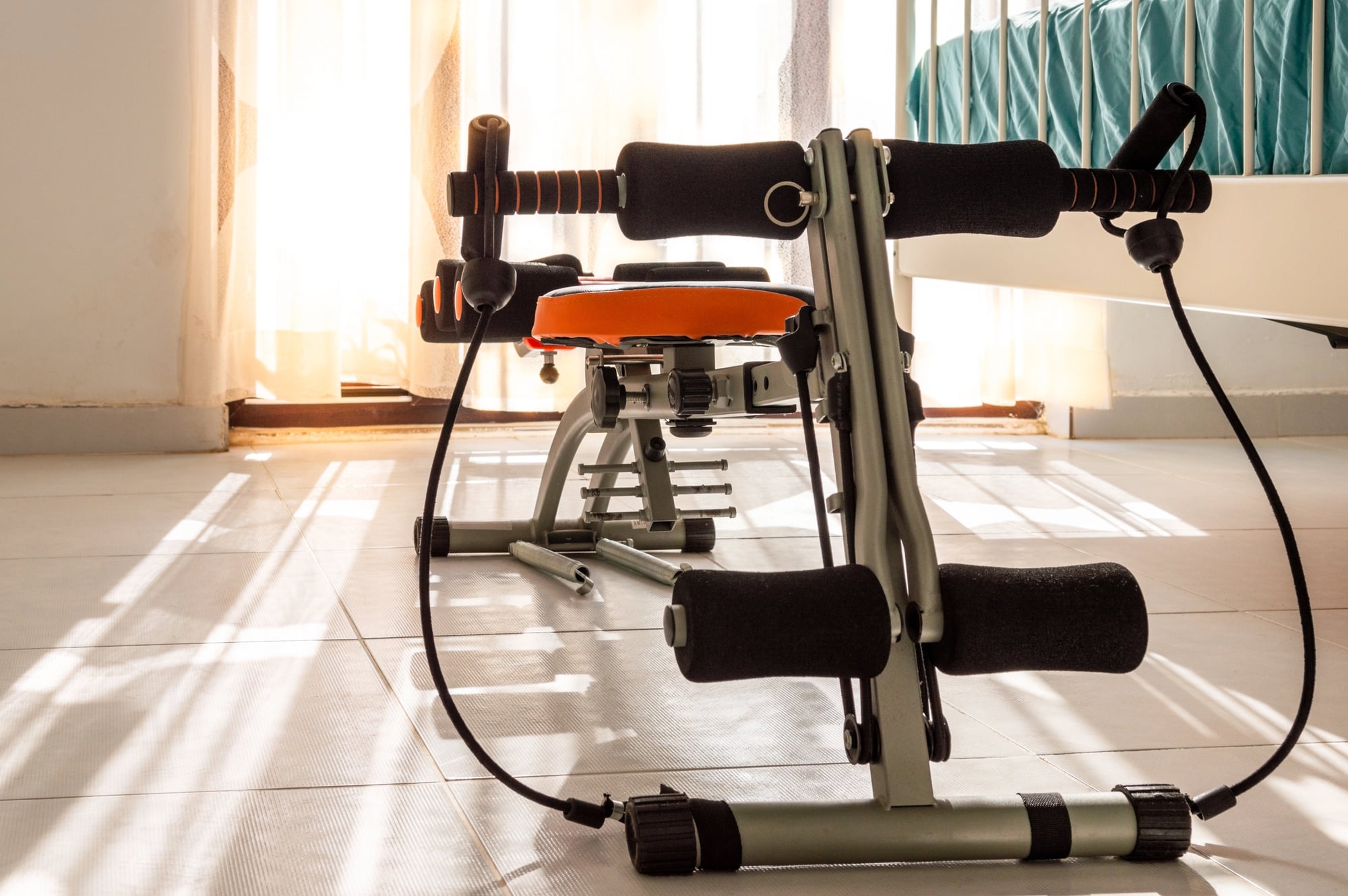
The Ab Rocket was a padded device that supported the head and neck during abdominal crunches, claiming to protect the neck while intensifying the abdominal contraction. It did protect the neck.
Whether it intensified the abdominal contraction beyond what a conventional crunch produced was not supported by evidence. Most fitness professionals who evaluated it concluded that it was a support device that incidentally addressed the problem it claimed to solve, at a price premium that was not justified by the additional benefit.
It populated gym bag storage and basements in substantial quantities in the late 2000s.
The Tiddy Bear
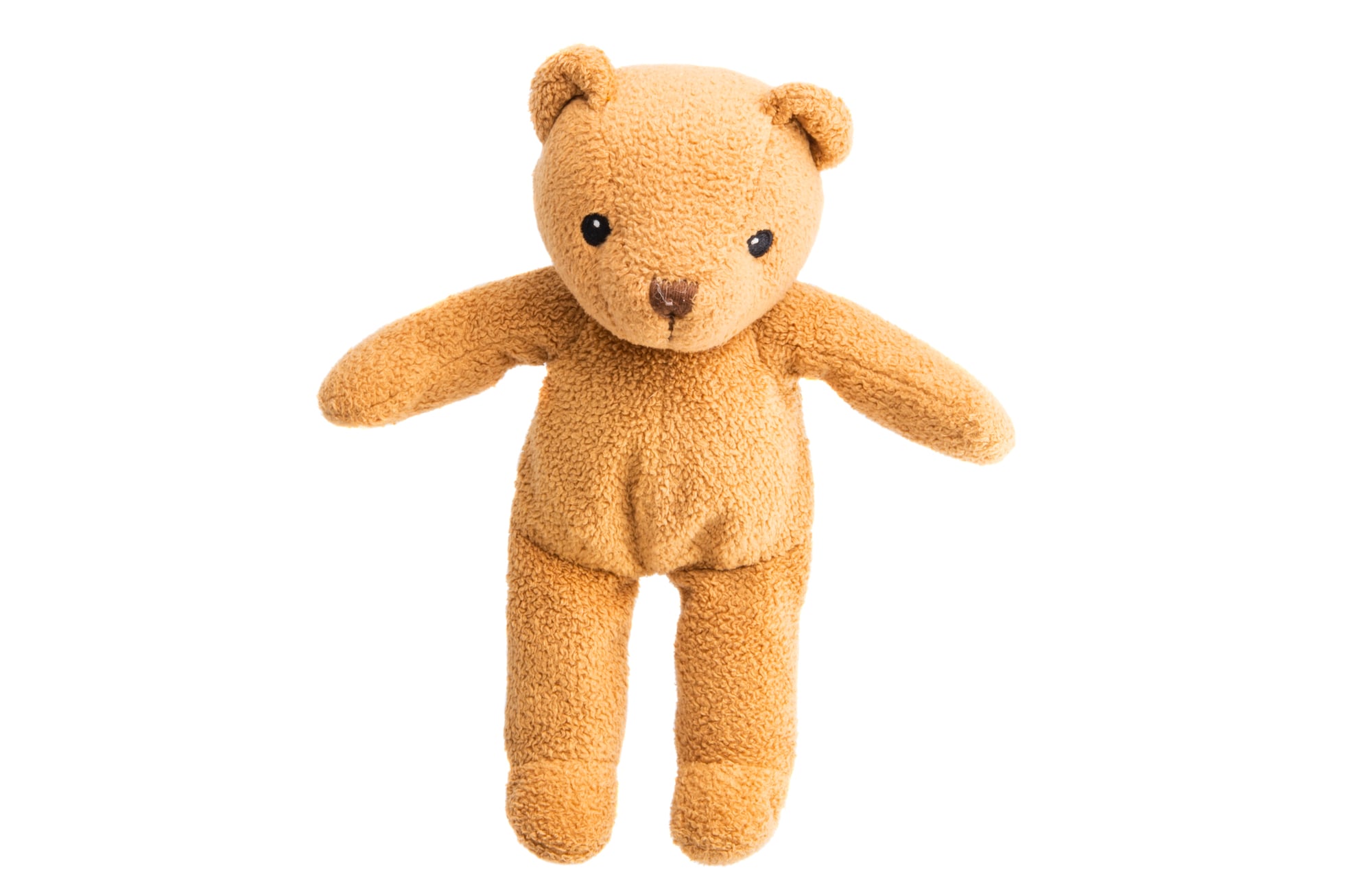
The Tiddy Bear was a small stuffed animal designed to clip onto the upper portion of a car seatbelt to reduce the discomfort of the belt crossing the body. The product’s name was pronounced as spelled, and the advertising worked around this with earnest sincerity that was either entirely accidental or a masterpiece of deadpan marketing.
It provided minimal functional benefit: the seatbelt discomfort it was designed to address was already addressed by proper seatbelt adjustment, which costs nothing. It sold because the name was memorable, the price was low, and gift-giving occasions create demand for objects that cost five dollars and require no explanation.
The Pocket Fisherman
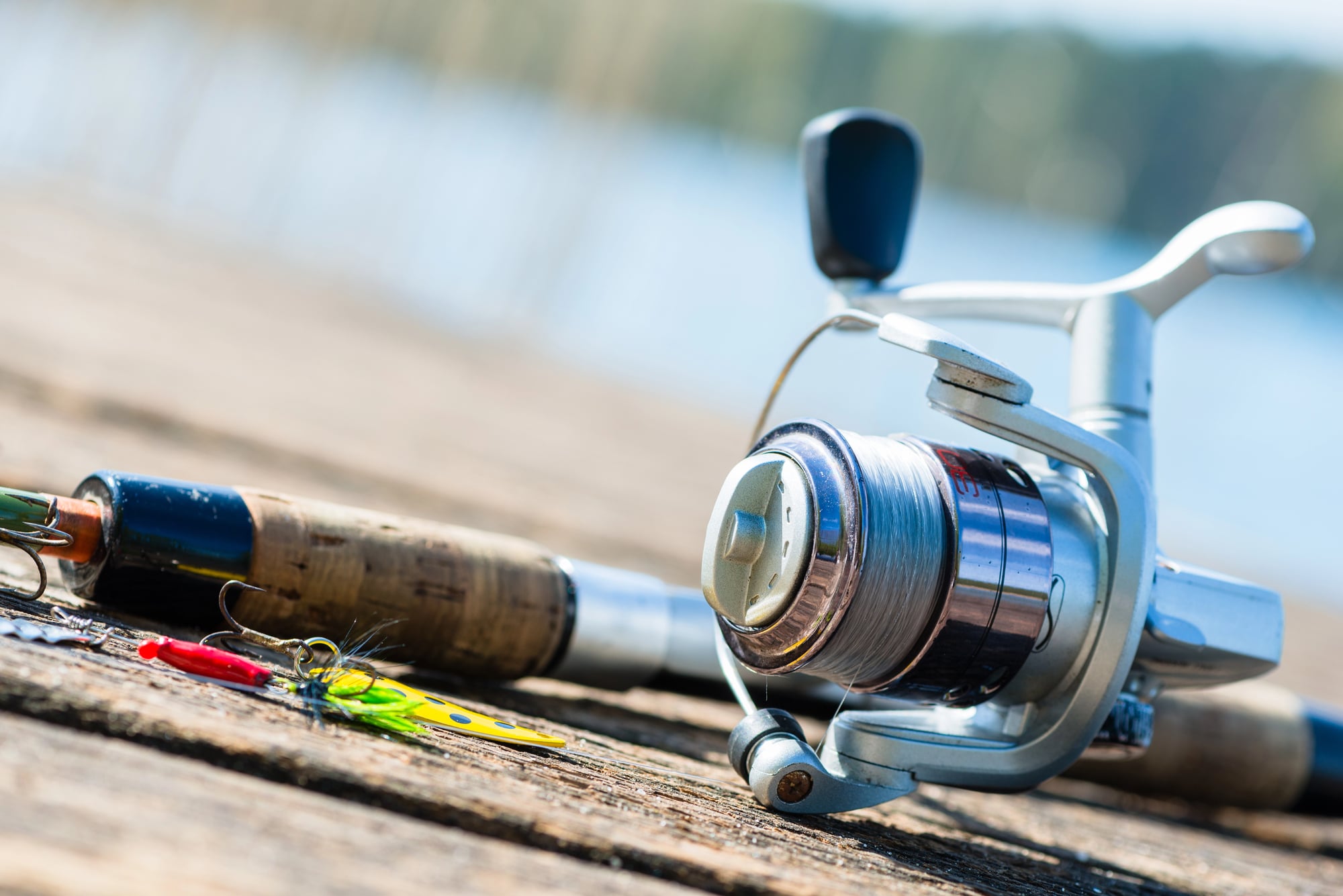
Ron Popeil’s Pocket Fisherman was a collapsible fishing rod that fit into a compact case, designed for spontaneous fishing by people who did not know in advance they would have the opportunity to fish. The concept had coherent logic — if you might encounter a fishing situation without preparation, a pocketable rod is useful — but the number of people who actually encountered spontaneous fishing situations was presumably small, and the compact size compromised the rod’s performance enough that serious anglers would have been better served by purpose-built equipment.
It sold well because Popeil sold it at a price and with an enthusiasm that suspended skepticism, and because the spontaneous fishing scenario felt theoretically plausible to the late-night viewer imagining it.
The Rejuvenique Electric Facial Mask
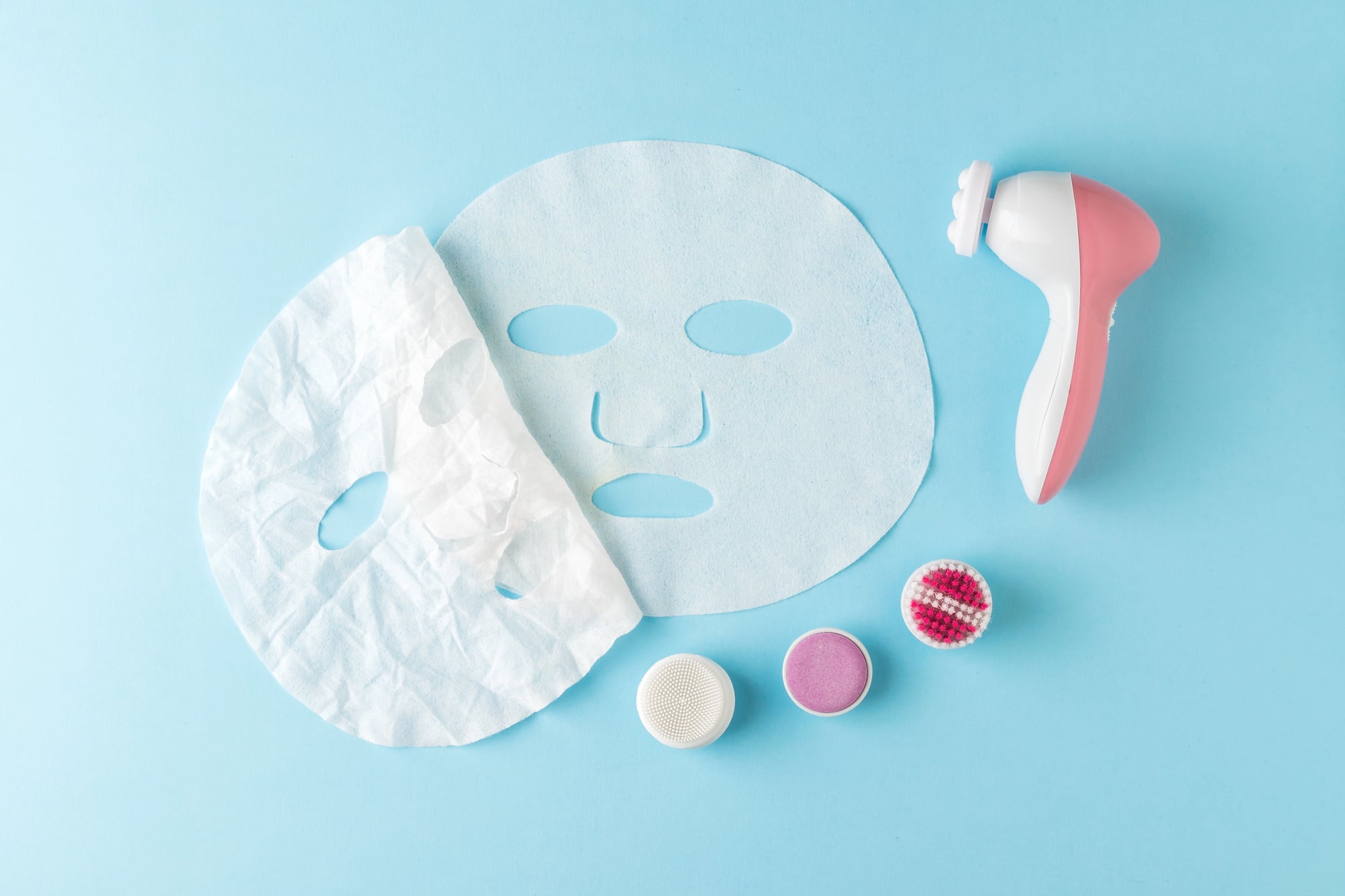
The Rejuvenique was a full-face plastic mask with electrodes that delivered small electrical impulses to the facial muscles, claiming to tone them through involuntary contraction in the same way that exercise tones voluntary muscles. The principle that electrical muscle stimulation could replace voluntary exercise has limited scientific support.
The mask itself looked alarming in the infomercial and more alarming in person. It was withdrawn from the market following reports of adverse reactions.
The segment of the infomercial in which the host wore the mask while cheerfully explaining the product is considered one of the more unsettling pieces of commercial television produced in the 1990s.
The EZ Cracker
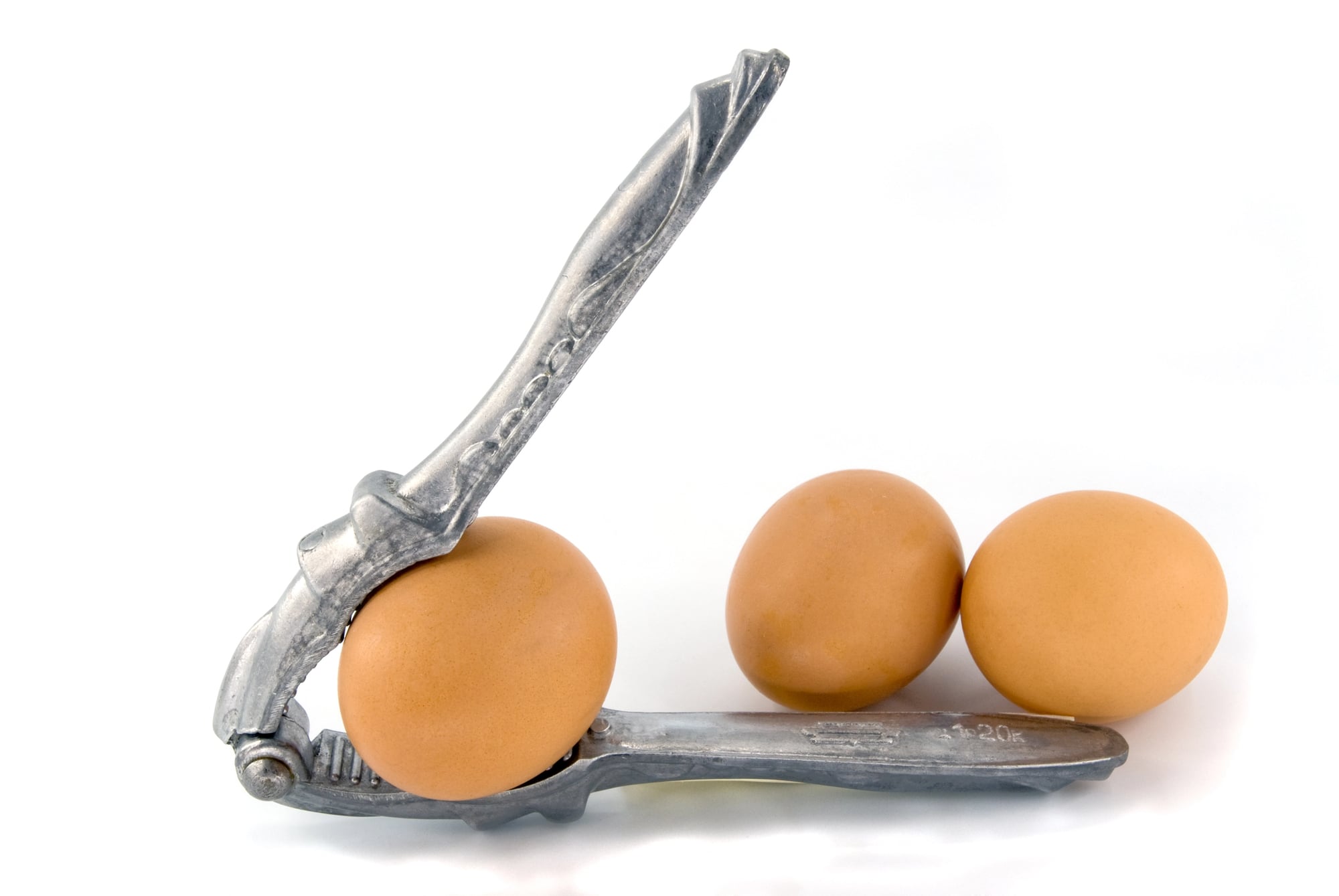
The EZ Cracker was a device for cracking eggs, designed to solve the problem of getting shells in the bowl — a problem that existing technique already solves, but one that the infomercial presented as a universal household struggle. It added steps to a process that did not require additional steps, required cleaning as an additional chore, and sold to people who had cracked eggs successfully for decades and were briefly convinced by late-night television that they had been doing it wrong.
The Bedazzler
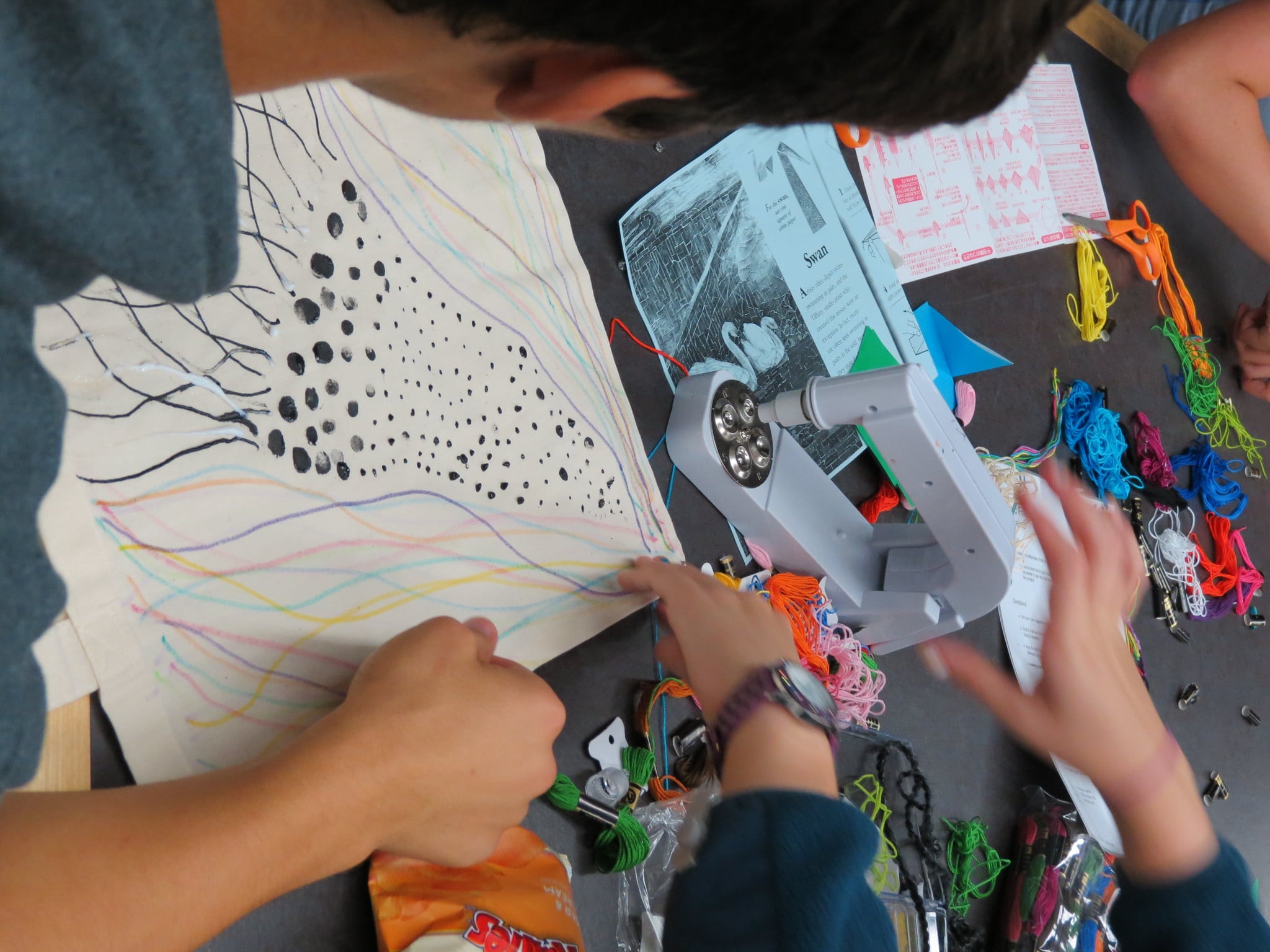
The Bedazzler was a handheld device for attaching rhinestones and studs to fabric — functional in the sense that it attached rhinestones and studs to fabric, questionable in the sense that the volume of rhinestone-decorated clothing it produced exceeded the demand for rhinestone-decorated clothing in most American households. It created a category of craft project that was finished in one evening and never revisited.
Millions were sold.
The Pasta Pro

The Pasta Pro was a pot with a built-in strainer lid that allowed you to drain pasta without a separate colander. It solved a problem that was already solved by the colander, which was cheaper, more versatile, and already in most kitchens.
The infomercial presented the existing pasta-draining process as dangerous and difficult, and offered the Pasta Pro as the rational adult solution. People who bought it mostly used it for a period, realized it was marginally less convenient than the colander it was supposed to replace, and filed it away somewhere retrievable but rarely accessed.
The What You Get Is What You Get
The infomercial era’s most durable legacy is the difficulty of predicting which category any given product falls into before you own it. The George Foreman Grill looked like junk — a tabletop device promising health outcomes through novelty engineering — and was not junk.
The Shake Weight had a patented mechanism and a polished infomercial and was essentially a heavy stick that you shook. The format rewarded showmanship equally with functionality, which meant the viewer’s job was to look past the performance at the product, which is the same job the viewer faces in almost every commercial context and rarely accomplishes any more reliably late at night in front of a television than in any other setting.
“But wait, there’s more” is not exclusively the language of infomercials. It is, more generally, the language of sales.
More from Go2Tutors!

- The Romanov Crown Jewels and Their Tragic Fate
- 13 Historical Mysteries That Science Still Can’t Solve
- Famous Hoaxes That Fooled the World for Years
- 15 Child Stars with Tragic Adult Lives
- 16 Famous Jewelry Pieces in History
Like Go2Tutors’s content? Follow us on MSN.