22 Scientists Whose Work Was Ignored or Laughed at Before Being Proven Right
History reveals a pattern: bold scientific claims often meet with ridicule from the establishment, only to become foundational truths decades or centuries later. The scientists who persisted despite rejection became heroes; many others took their vindication to the grave, never seeing the world embrace what they had discovered.
These stories remind us that scientific consensus is not immune to groupthink, and that courage sometimes matters more than credentials.
Gregor Mendel: The Monk Nobody Listened To
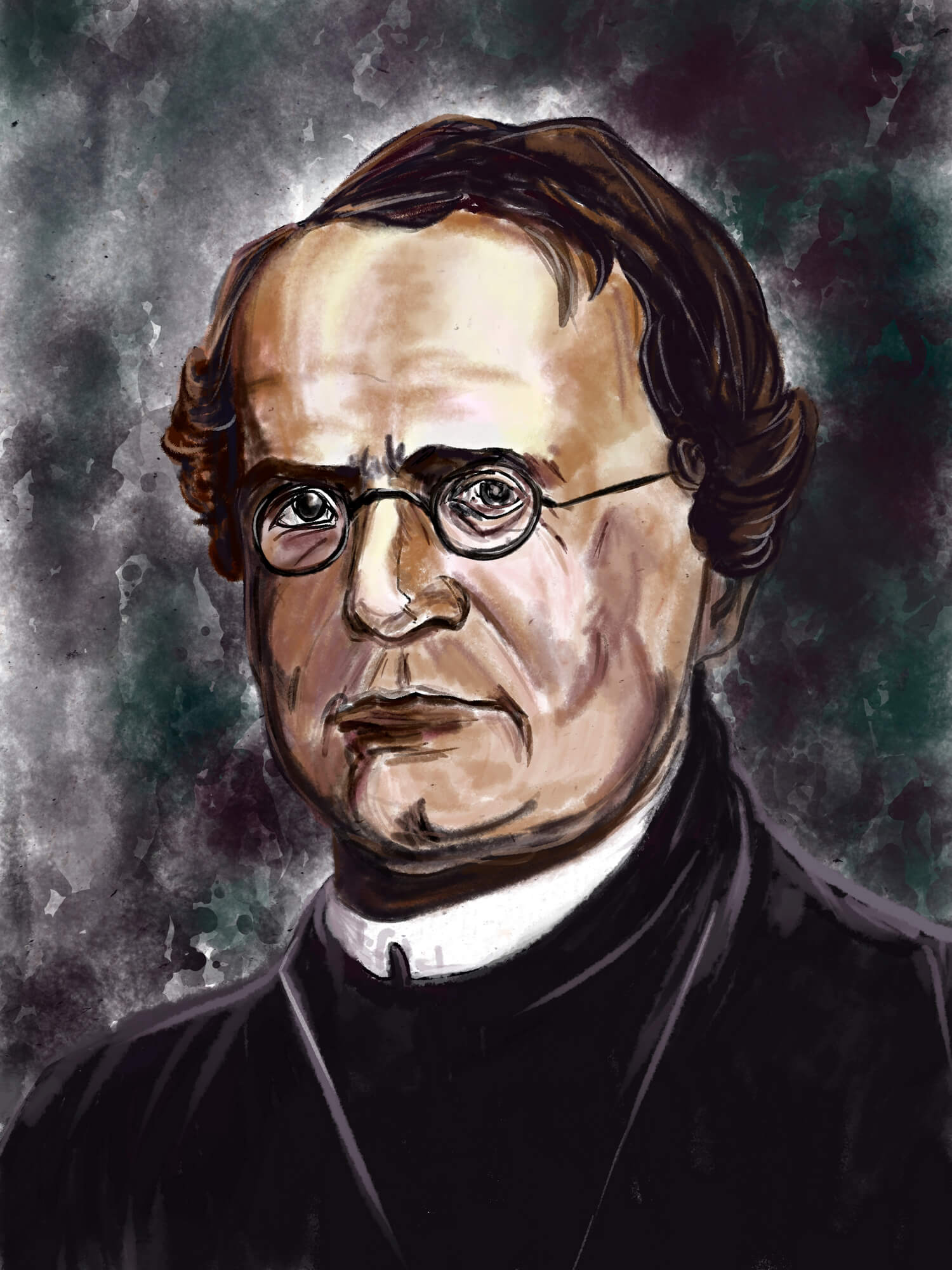
In 1865, Augustinian friar Gregor Mendel presented his findings on heredity derived from eight years of meticulous pea plant experiments to the Natural History Society of Brünn. The audience sat in stunned silence.
His paper was published in the society’s proceedings and distributed to libraries across Europe. For thirty-five years, nobody understood its significance.
Scientists in the 1860s were fixated on Darwin’s evolution theory and had no framework for understanding how traits passed from parent to offspring in predictable mathematical ratios. It wasn’t until 1900—sixteen years after Mendel died—that three botanists independently rediscovered his work and realized they were looking at the foundation of modern genetics.
Ignaz Semmelweis: The Doctor Whose Hands Doomed Patients

In the 1840s, Hungarian physician Ignaz Semmelweis discovered that handwashing reduced maternal mortality in childbirth from over 18 percent to below 2 percent. He presented his findings to the Vienna Medical Society in 1848, convinced that cadaverous particles from autopsies were causing childbed fever.
The medical establishment didn’t merely reject his ideas—they mocked him mercilessly. Eminent doctors insisted that gentlemen’s hands were incapable of carrying filth, making Semmelweis’s theory an affront to their dignity.
Driven to mental illness by the rejection, Semmelweis was institutionalized and died two weeks before germ theory gained acceptance. His vindication came too late.
William Harvey: The Man Who Reversed Anatomy
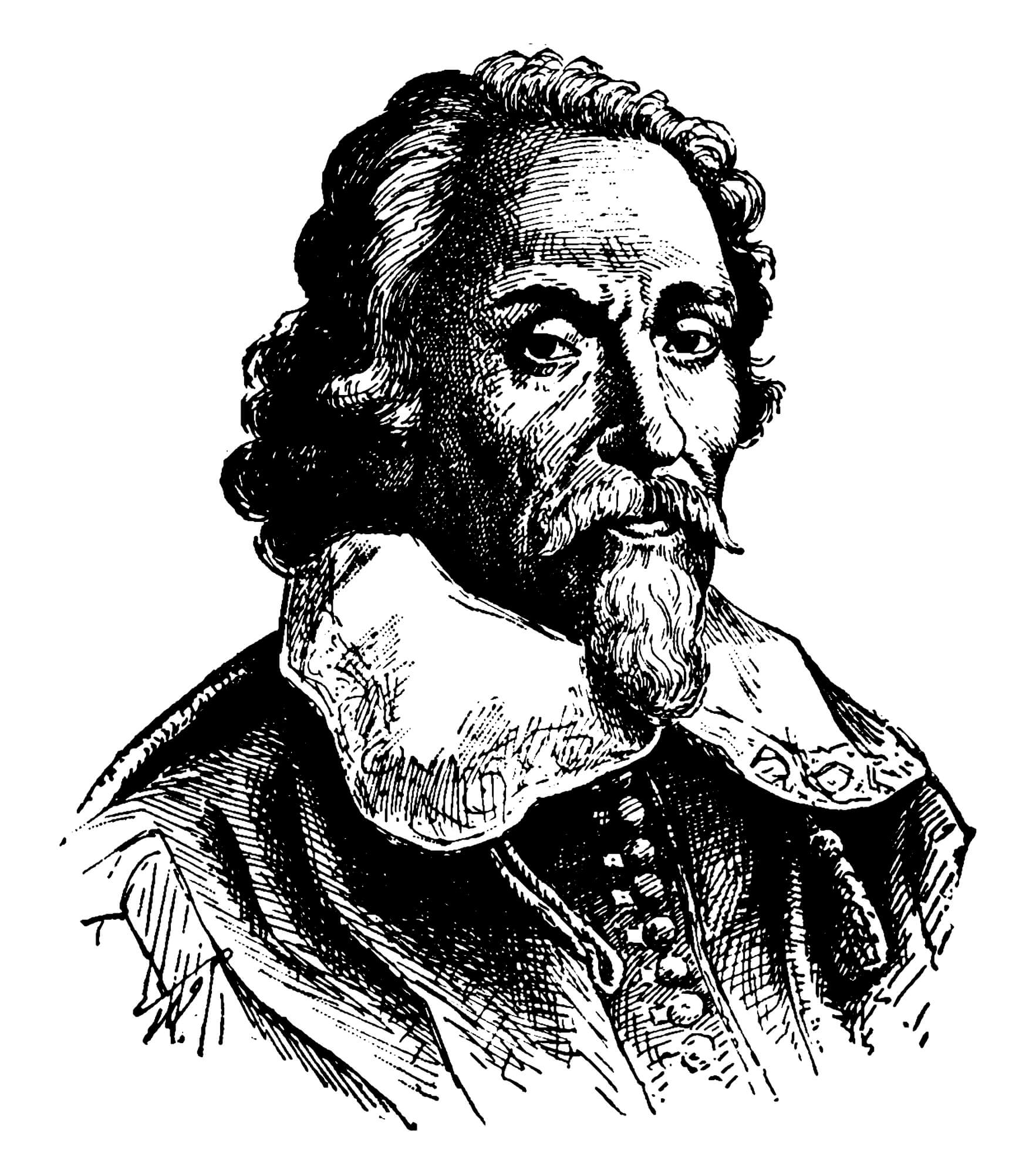
In 1628, William Harvey published “De Motu Cordis,” describing how blood circulates through the body in a closed loop. The medical community, still devoted to Galen’s ancient theories, ridiculed Harvey’s work.
Physicians believed blood was produced in the liver and consumed by the body; Harvey’s notion of circulation seemed absurd. Some colleagues called his experiments unreliable.
Yet as the decades passed, Harvey’s circulation model proved correct in every detail. He died having witnessed the beginning of vindication, but only in his final years did respect replace ridicule.
Alfred Wegener: The Continents That Drifted Away From Credibility

German meteorologist Alfred Wegener proposed continental drift in 1912, suggesting that continents moved across the Earth’s surface over geological time. He presented evidence that coastlines fit together, fossils matched across oceans, and rock formations aligned.
The geological community considered him delusional. How could massive continents simply drift across the planet?
It seemed to violate every principle of physics. Wegener died in 1930, still fighting for acceptance.
His vindication came in the 1960s with plate tectonics, proving he was right all along—just decades ahead of his time.
Linus Pauling: The Vitamin C Crusader
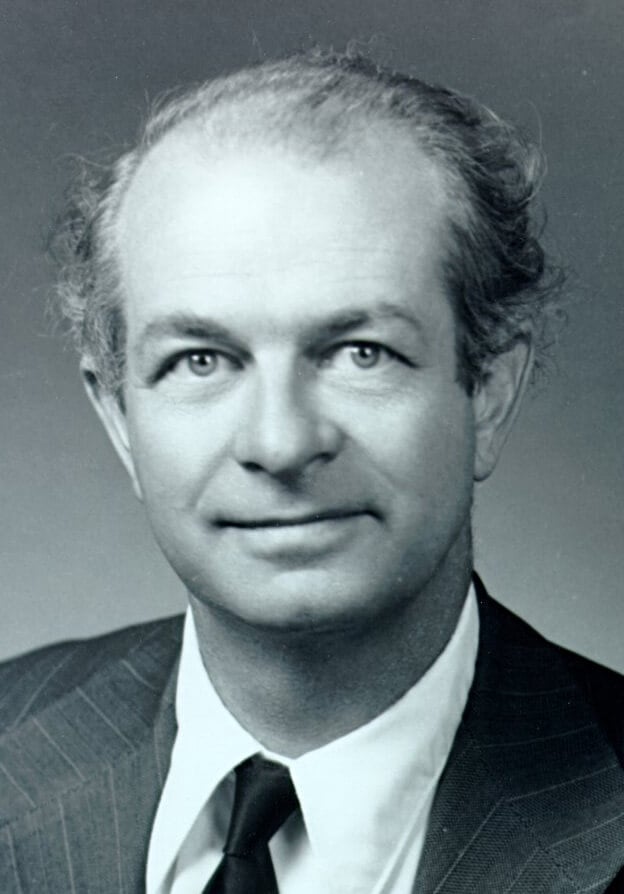
Linus Pauling, a two-time Nobel laureate, spent his later years promoting megadoses of vitamin C for preventing colds and cancer. The medical establishment attacked him viciously, mocking his claims as pseudoscience and senility.
He was ridiculed at medical conferences and dismissed as a crank. While many of his specific claims proved overblown, subsequent research has confirmed that vitamin C plays roles in immune function and some individuals do benefit from supplementation.
Pauling’s larger insight—that nutrition matters for health—has been vindicated, even if the specifics required refinement.
Jocelyn Bell Burnell: The Discoverer Denied

In 1967, graduate student Jocelyn Bell discovered the first pulsar while analyzing radio telescope data. Her advisor, Antony Hewish, initially dismissed her observations as instrument noise.
Bell persisted, eventually forcing recognition. The Nobel Committee awarded the 1974 Physics Prize to Hewish and Martin Ryle—but not to Bell, despite her fundamental role in the discovery.
The oversight sparked outrage among scientists worldwide, highlighting how women’s contributions were routinely erased. Bell has since become an international figure in astronomy, her vindication complete though decades delayed.
Thomas Kuhn: The Revolutionary Who Changed How We See Science

Thomas Kuhn’s “The Structure of Scientific Revolutions” (1962) proposed that science progresses not smoothly but through paradigm shifts. The scientific establishment initially resisted his framework, preferring the notion of gradual scientific accumulation.
Critics called his ideas unscientific and vague. Yet Kuhn’s framework proved revolutionary, transforming how historians, philosophers, and scientists understand their own discipline.
His vindication was relatively swift, but the initial resistance showed how threatening even meta-scientific critique could be to established orthodoxy.
Barry Marshall: The Man Who Drank Bacteria

In 1984, Australian physician Barry Marshall and his colleague Robin Warren demonstrated that bacteria caused stomach ulcers, contradicting the prevailing view that stress and diet were responsible. The medical world dismissed them as naive.
To prove his point, Marshall drank a culture of the bacteria and developed symptoms, nearly dying in the process. His sacrifice eventually convinced skeptics.
Marshall and Warren won the Nobel Prize in 2005—a validation that came decades after their initial rejection but early enough for them to witness the triumph.
Robert Hooke: The Man Everybody Wronged
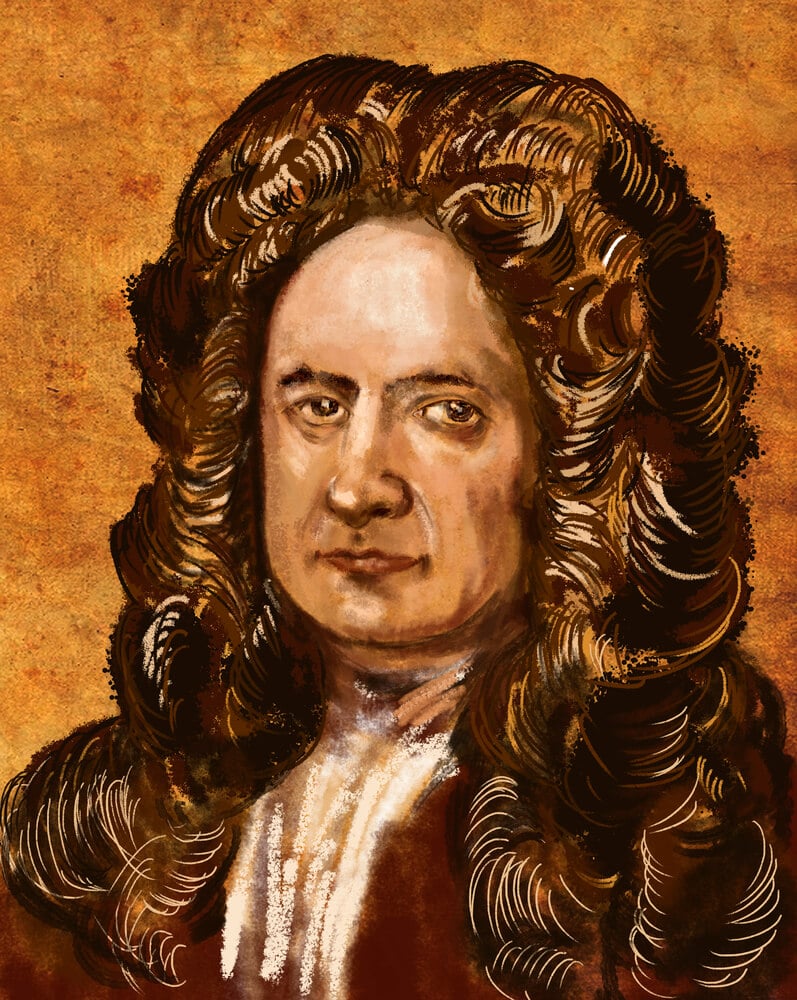
Robert Hooke’s disputes with Isaac Newton over optics and light lasted decades, with Newton’s towering reputation eventually overwhelming Hooke’s contributions. Hooke developed the wave theory of light and made crucial observations about gravity, yet Newton received historical credit.
Hooke’s vindication came centuries later when wave-particle duality proved both scientists partially correct, yet Hooke’s name had largely disappeared from history by then.
Émilie du Châtelet: The Woman Mathematician Hidden by History
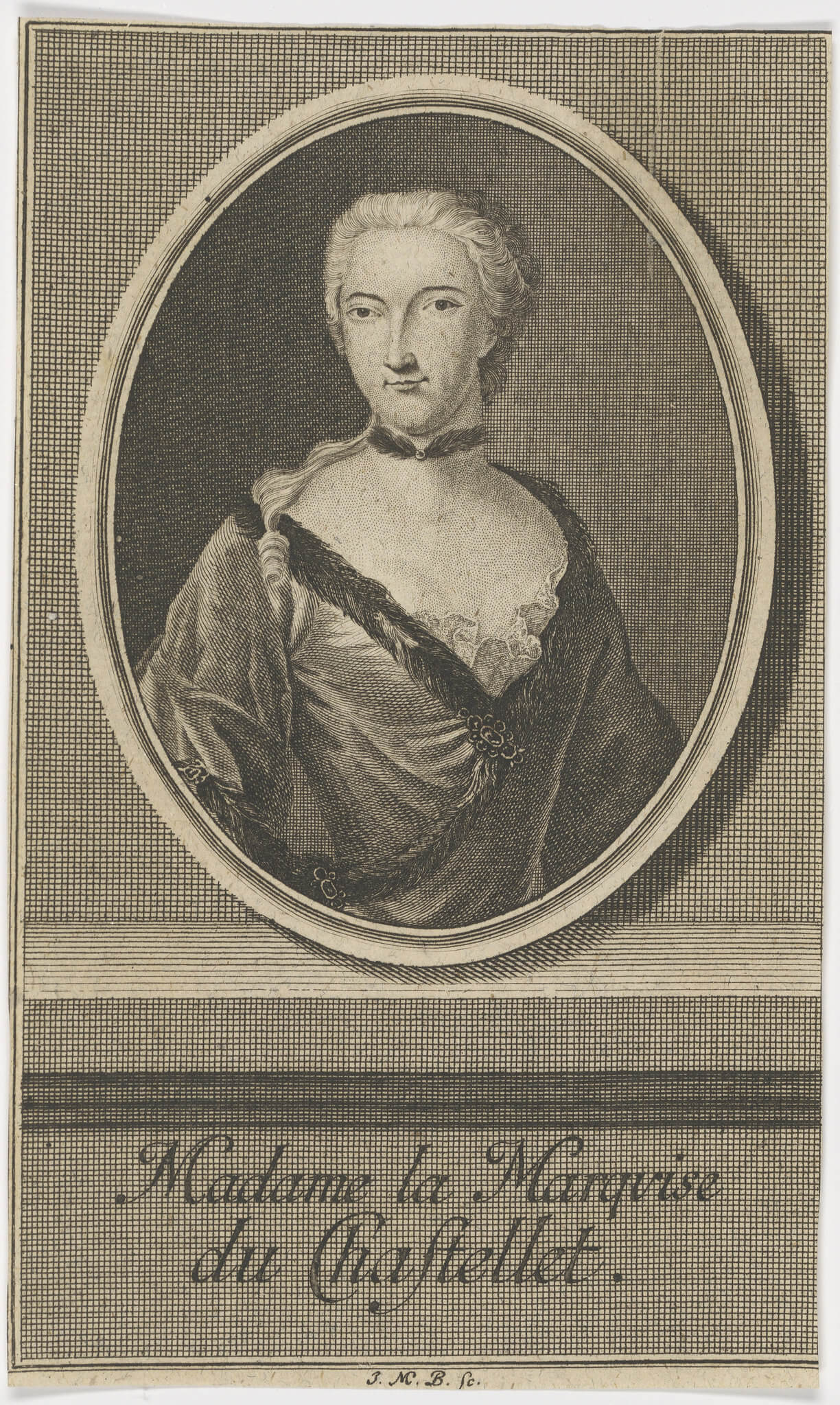
In the eighteenth century, Émilie du Châtelet made fundamental contributions to the understanding of energy, yet she was largely ignored by her contemporaries due to her gender. She wore men’s clothing to attend male-dominated salons and cafes.
She never attended university; instead, she studied privately with tutors and had to fight for recognition throughout her career. Today, her contributions to physics are acknowledged, but vindication came long after her death.
Charles Darwin (The Unpopular Parts): Evolution Beyond Biology
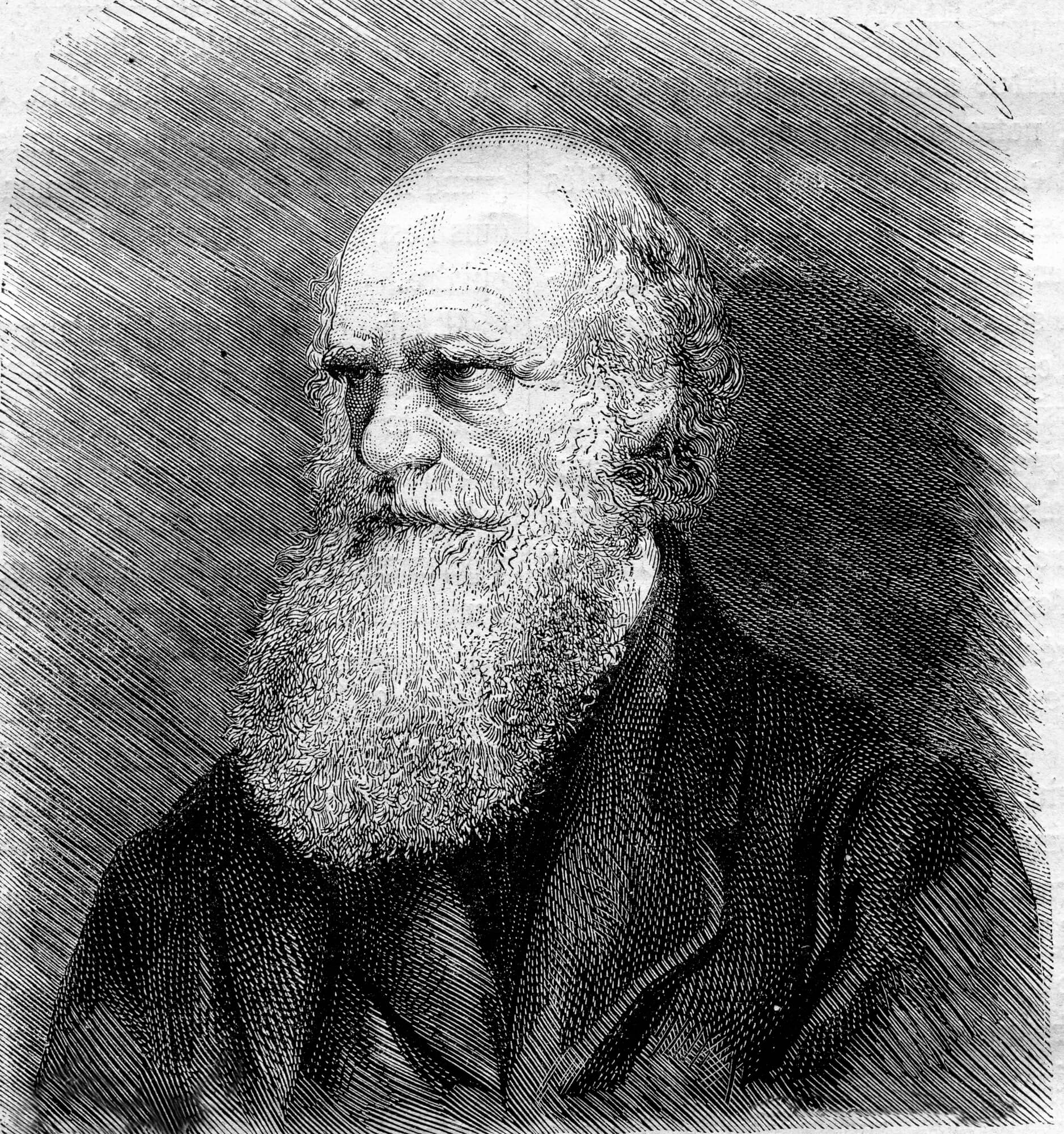
While Darwin’s theory of evolution became accepted, many of his specific mechanisms and observations remain contested. Some of his most prescient ideas about selection were initially dismissed before later being validated by evolutionary psychologists.
Darwin persisted despite ridicule, though complete vindication of all his theories continues to this day.
John Snow: The Epidemiologist Before Germ Theory

In 1854, during a London cholera outbreak, John Snow traced the disease to contaminated water from the Broad Street pump. The medical community believed cholera spread through “miasma,” foul air.
Snow’s epidemiological approach was novel and seemed to contradict established theory. He removed the pump handle, and deaths plummeted, yet the medical community didn’t fully accept germ theory for years.
Snow died in 1858, just as his vindication was beginning.
Joseph Lister: The Surgeon Fighting Against Cleanliness Skepticism
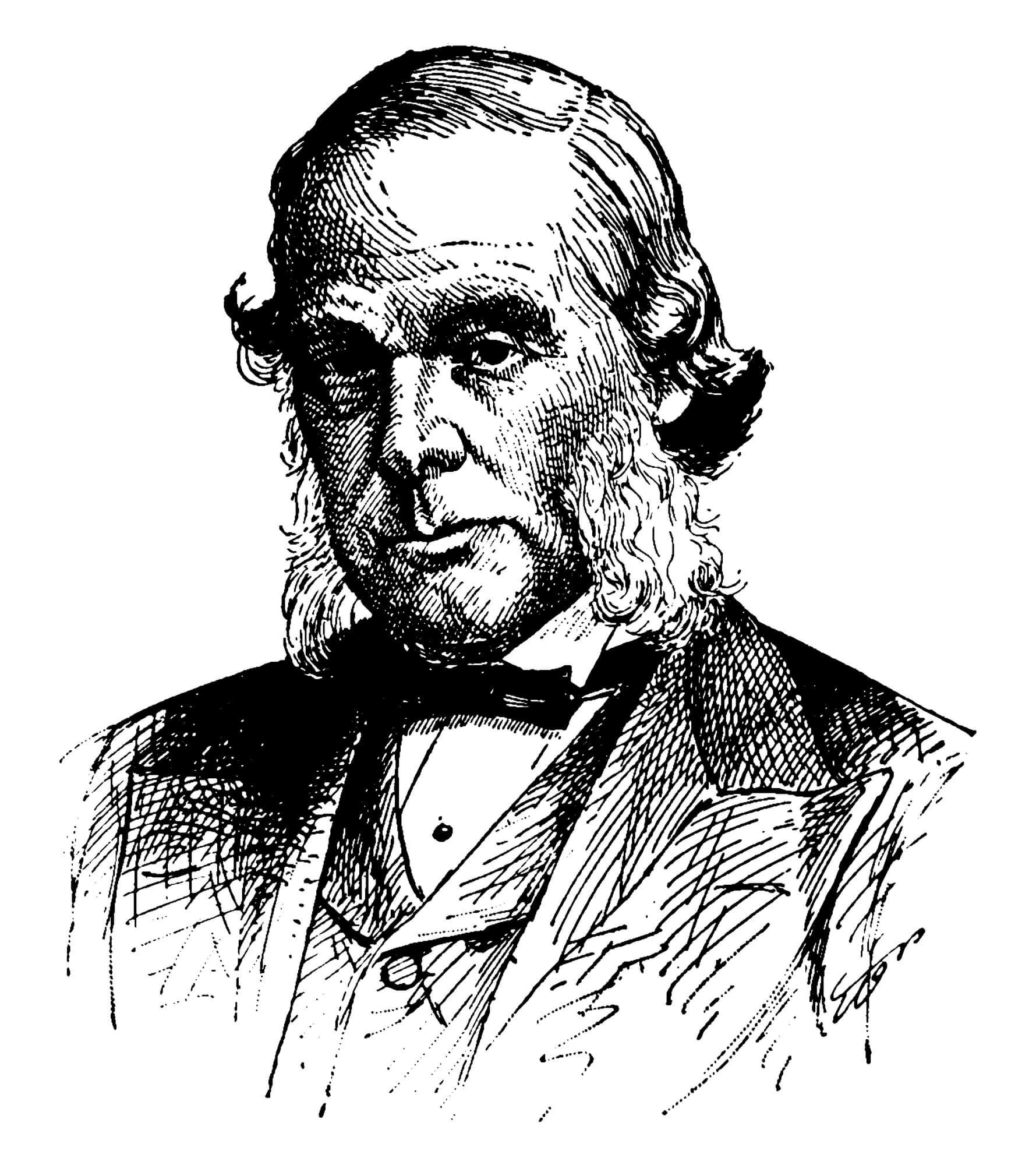
Joseph Lister introduced antiseptic procedures in surgery during the 1860s, reducing infection mortality dramatically. Yet surgeons resisted vigorously, with many prominent figures mocking hand-washing and disinfection as unnecessary fussiness.
Lister’s ideas eventually triumphed, but only after years of ridicule from the surgical establishment.
Oswald Avery: The Quiet Revolutionary

Oswald Avery’s 1944 experiments demonstrating that DNA carries genetic information were initially met with skepticism. Many scientists believed proteins were the likely carriers of heredity.
Avery didn’t pursue the discovery aggressively, remaining humble about its significance. Only decades later did molecular biology recognize that his work had launched modern genetics.
His vindication came late and wasn’t celebrated enough during his lifetime.
Subrahmanyan Chandrasekhar: The Astrophysicist Who Challenged the Establishment

Chandrasekhar’s calculations in 1930 suggested a limit to stellar mass, beyond which gravity would force gravitational collapse into a neutron star or the great abyss. The astronomical community, particularly Arthur Eddington, a towering figure, dismissed his work publicly and harshly.
Chandrasekhar’s persistence and the eventual validation of his limits (the Chandrasekhar limit) earned him a Nobel Prize, but only after decades of vindication. His initial rejection highlighted how even mathematical proofs could be dismissed by institutional power.
Hedy Lamarr: The Actress Who Invented Frequency-Hopping
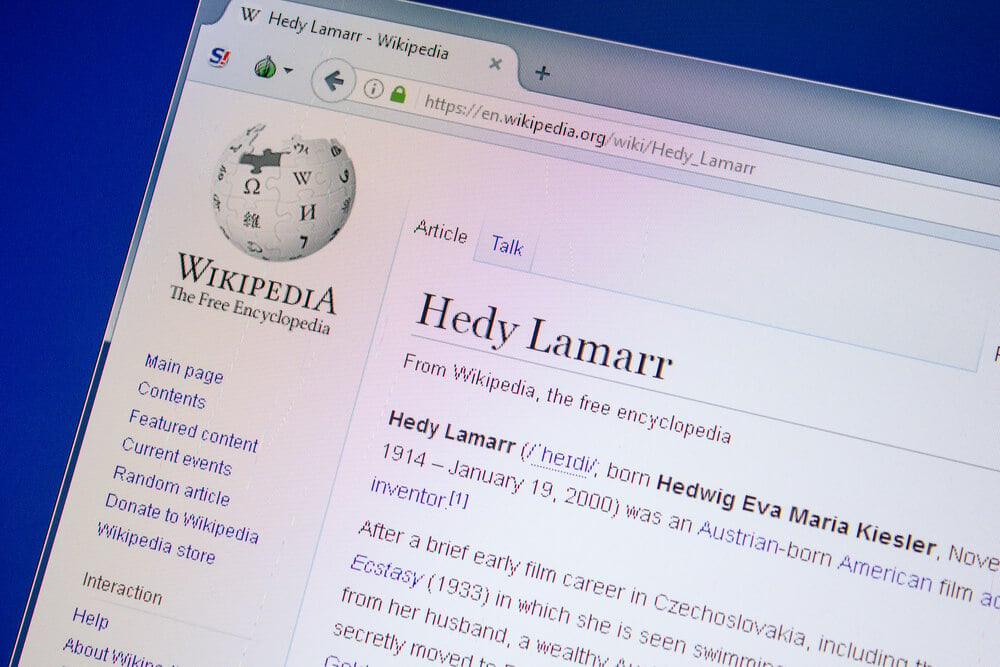
During World War II, actress Hedy Lamarr and composer George Antheil developed a frequency-hopping technology to prevent radio-guided torpedo jamming. The military showed no interest despite its elegance and potential.
Decades later, the same principles became the foundation for WiFi and Bluetooth technology. Lamarr’s vindication was bittersweet—she only received recognition late in life, having watched the technology she invented transform communication without her knowledge.
Fred Hoyle: The Steady State Theorist

Fred Hoyle proposed steady-state cosmology, where the universe expanded infinitely without a beginning. The discovery of cosmic microwave background radiation in 1964 devastated his theory, yet Hoyle remained unconvinced.
History proved Hoyle wrong on the Big Bang, yet his other contributions to stellar nucleosynthesis remain fundamental. His story reminds us that vindication doesn’t always come, and even brilliant scientists can resist data contradicting their theories.
Henrietta Leavitt: The Variable Star Discoverer Who Changed Astronomy
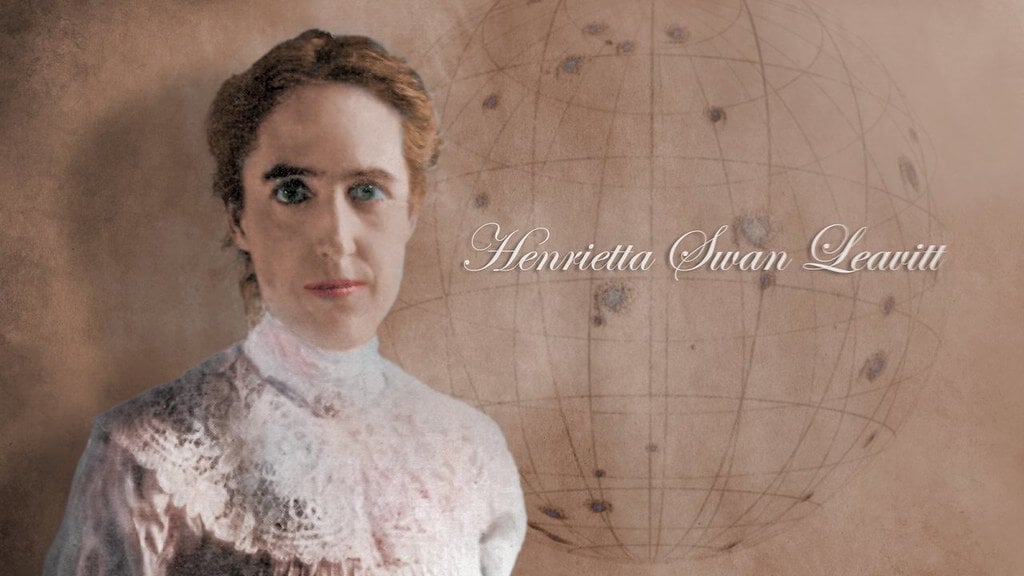
In the early 1900s, Henrietta Leavitt discovered the period-luminosity relationship in Cepheid variables, a tool that revolutionized distance measurement in astronomy. Yet she worked as an observatory assistant, essentially invisible to the scientific establishment.
Her contributions were largely attributed to her supervisors. Leavitt died in 1921, never receiving full recognition.
History has since vindicated her, though her struggle reveals systemic bias against women in science.
Luis Alvarez: The Dinosaur Extinction Heretic

In 1980, Luis Alvarez proposed that an asteroid impact had killed the dinosaurs. Paleontologists and geologists ridiculed the idea, insisting that gradual climate change was responsible.
Alvarez died in 1988, with his hypothesis still contested. The 1991 discovery of the Chicxulub crater provided overwhelming evidence, vindicating Alvarez’s controversial theory posthumously.
Halton Arp: The Galaxies Don’t Follow the Rules

Halton Arp’s observations in the 1960s suggested that some astronomical objects didn’t follow established models of the expanding universe. Rather than debate his ideas, the establishment excluded him from observing time and marginalized his work.
Arp lived long enough to witness some vindication of specific observations, though his larger challenge to cosmological models remains contested.
Peter Medawar: The Immunologist Who Questioned Everything
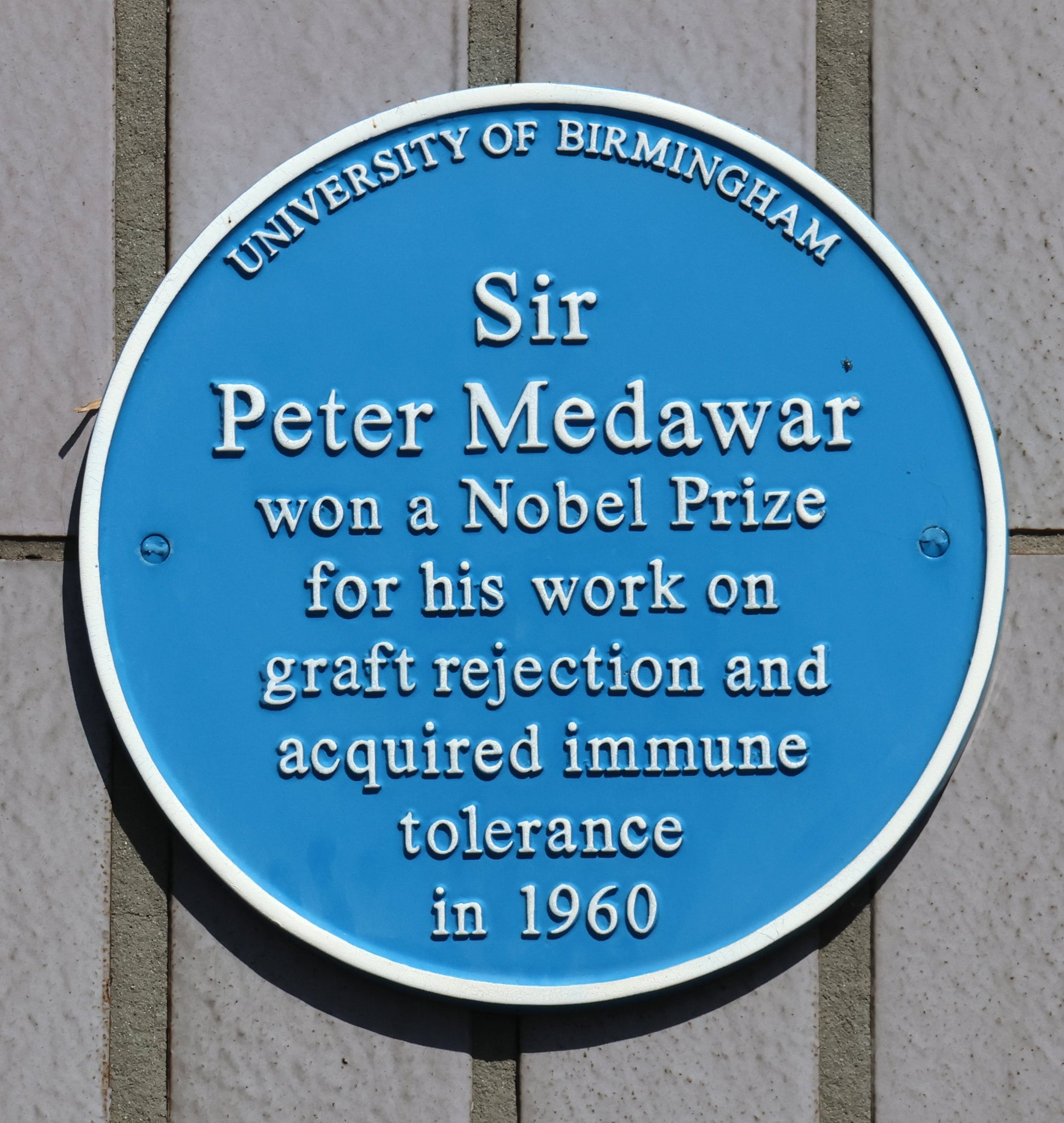
Peter Medawar’s work on immunological tolerance challenged established ideas, yet his experimental rigor and clear thinking eventually vindicated him. His Nobel Prize came relatively early in the acceptance of his work, yet years of struggle preceded recognition.
Medawar’s story reminds us that even rigorous science faces resistance when it challenges deeply held beliefs.
Kary Mullis: The PCR Inventor Nobody Believed

Kary Mullis developed the polymerase chain reaction (PCR) in 1983, a technique that revolutionized molecular biology. Initially, colleagues dismissed his idea as impractical or unworkable.
Mullis persisted, eventually demonstrating the technique’s power. His vindication came relatively quickly—within a few years—and he won a Nobel Prize in 1993, but the initial resistance to a transformative technology highlights institutional inertia.
The Vindication That Shouldn’t Be Necessary

These stories share a common thread: institutions resist ideas that challenge established paradigms, particularly when the innovator lacks sufficient status or power. Science progresses despite these obstacles, but at tremendous human cost.
Many brilliant scientists died without vindication; others suffered decades of ridicule before acceptance. The pattern suggests that scientific institutions must remain humble about what they think they know, and that maverick voices deserves serious consideration even when they challenge consensus.
More from Go2Tutors!

- The Romanov Crown Jewels and Their Tragic Fate
- 13 Historical Mysteries That Science Still Can’t Solve
- Famous Hoaxes That Fooled the World for Years
- 15 Child Stars with Tragic Adult Lives
- 16 Famous Jewelry Pieces in History
Like Go2Tutors’s content? Follow us on MSN.