22 Summer Memories the Smell of Fresh-Cut Grass Brings Back Instantly
There is a chemical explanation for why fresh-cut grass smells the way it does: plants release compounds called green leaf volatiles when their tissue is damaged, a distress signal that other plants in proximity can detect. The smell is, technically, the grass’s alarm call.
None of that information makes a difference when you walk past a freshly mown lawn on a June afternoon and thirty years of memory arrive before you’ve had time to form a thought. The smell doesn’t trigger a single memory — it triggers the texture of a whole season.
The light, the sounds, the specific quality of time that moved differently in summer than it did during the school year. Neuroscientists have a framework for why this works: the olfactory bulb sits closer to the brain’s memory and emotional centres than any other sensory pathway, and smells can bypass the cognitive processing that normally filters incoming information.
The grass doesn’t knock; it just walks in.
The Specific Sound of a Lawnmower Starting on a Saturday Morning
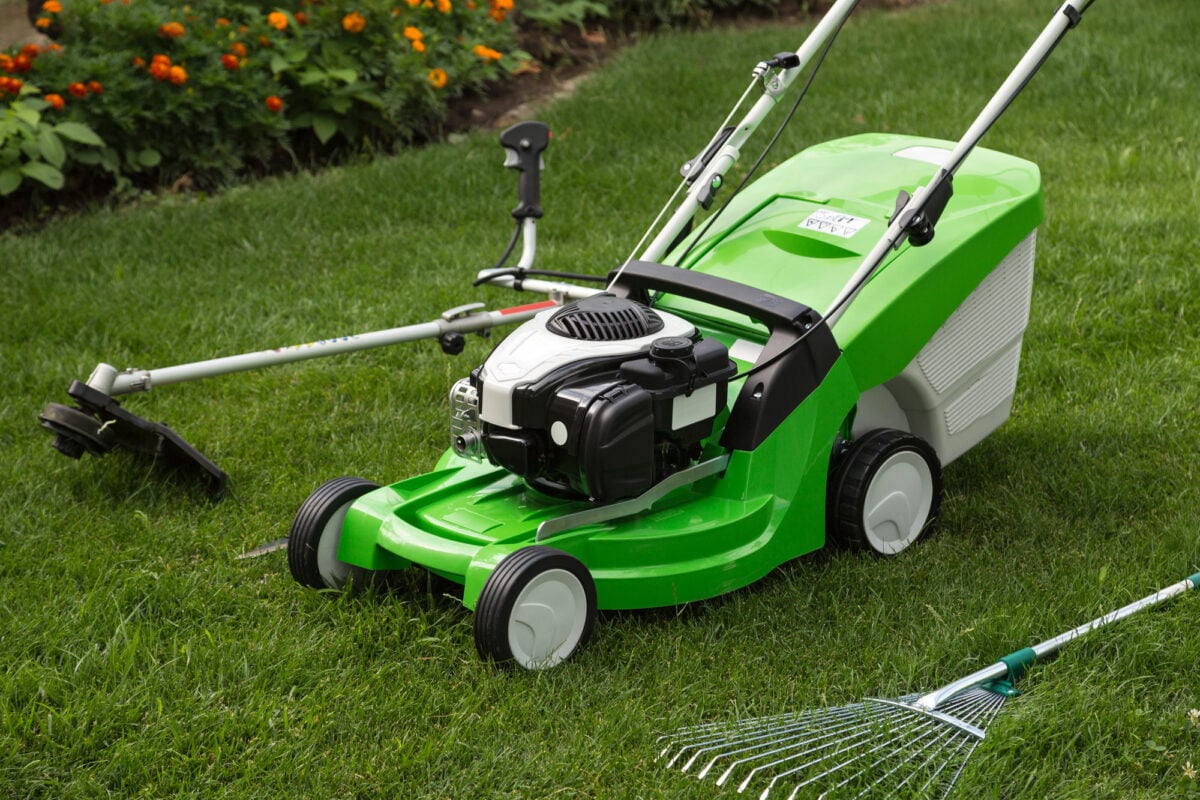
Before the smell arrived, the sound arrived — the pull of the cord, the stuttering engine, the catch. The lawnmower starting on a Saturday morning was a signal that the day had begun in earnest, that the garden was about to become a place of activity rather than a backdrop.
If it was your family’s lawnmower being started, there was a reasonable chance that you were about to be called to do something. If it was the neighbour’s, it was simply an announcement that the morning was underway and summer was operational.
The First Cut of the Year
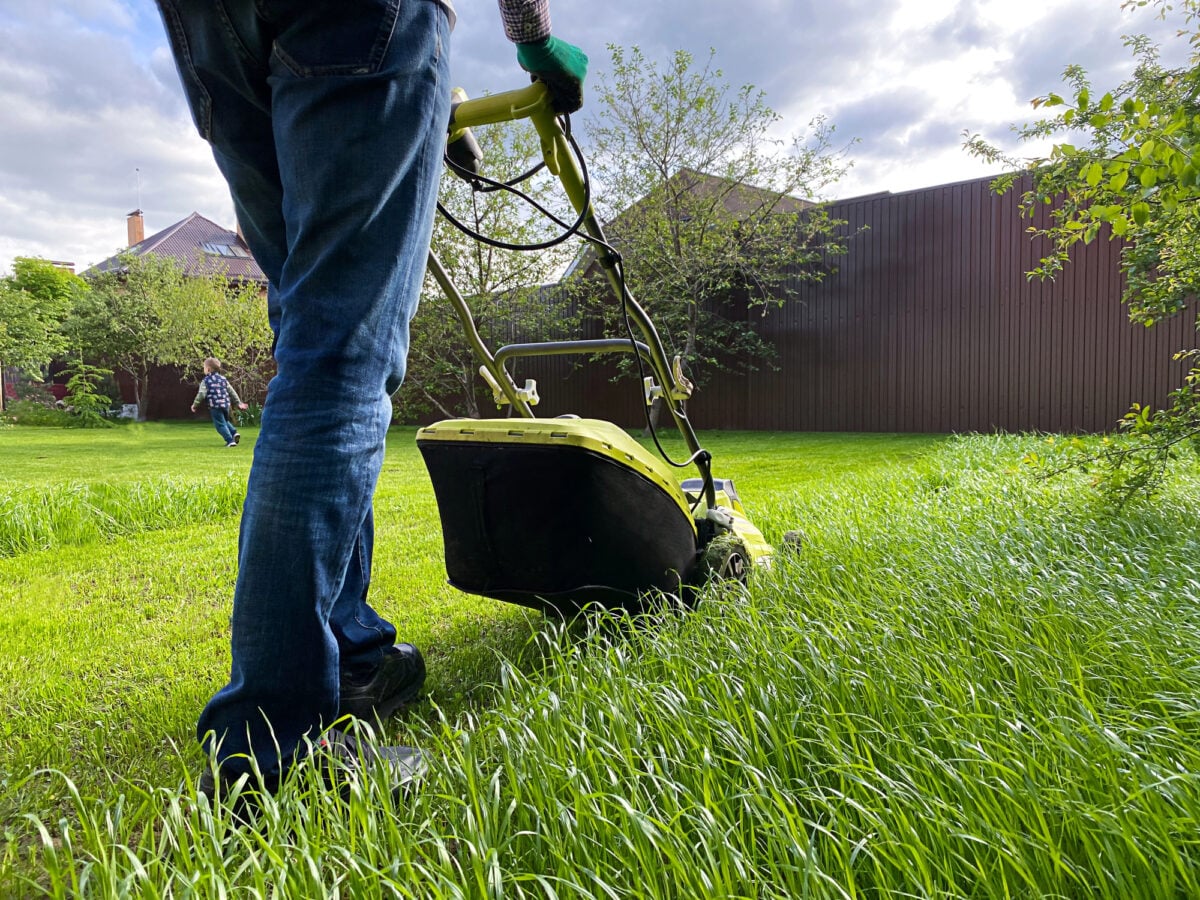
The first grass cut of spring or early summer had a different quality from any subsequent cut: the grass was longer, the smell was stronger, and the garden looked visibly transformed in a way that later cuts didn’t achieve because they were maintaining rather than resetting. The first cut of the year announced the season in a way that the calendar date didn’t quite manage.
Even now, encountering that intensity of fresh-cut smell for the first time in a year produces a specific jolt that later summer smells don’t.
Walking Barefoot Across a Freshly Mown Lawn
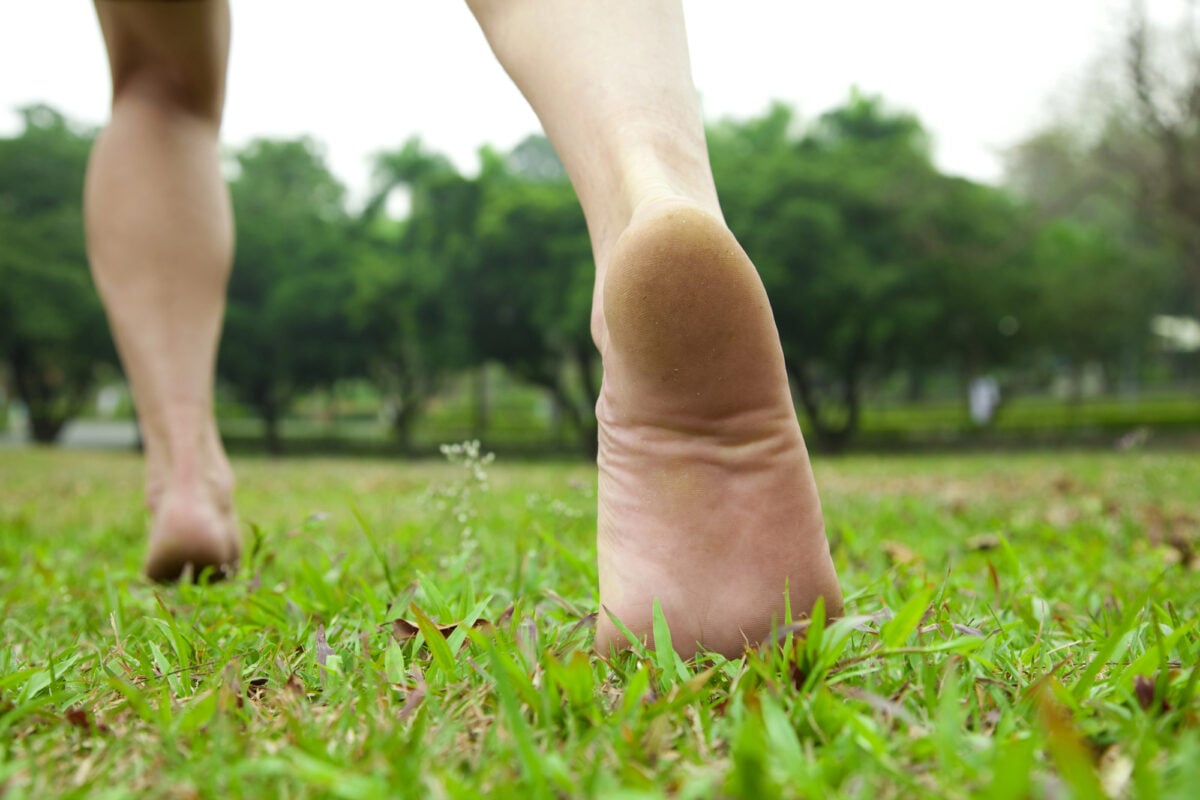
Grass that had just been cut had a different texture underfoot from grass in its natural state — shorter, slightly damp at the base, the clippings soft against the sole of the foot. Walking across it barefoot was a specific summer pleasure that connected the body to the season more directly than almost anything else available to a child.
The smell was stronger at foot level than at standing height. You could feel the warmth that the exposed soil and cut grass held differently from the air above it.
Grass Stains on the Knees of Every Pair of Jeans
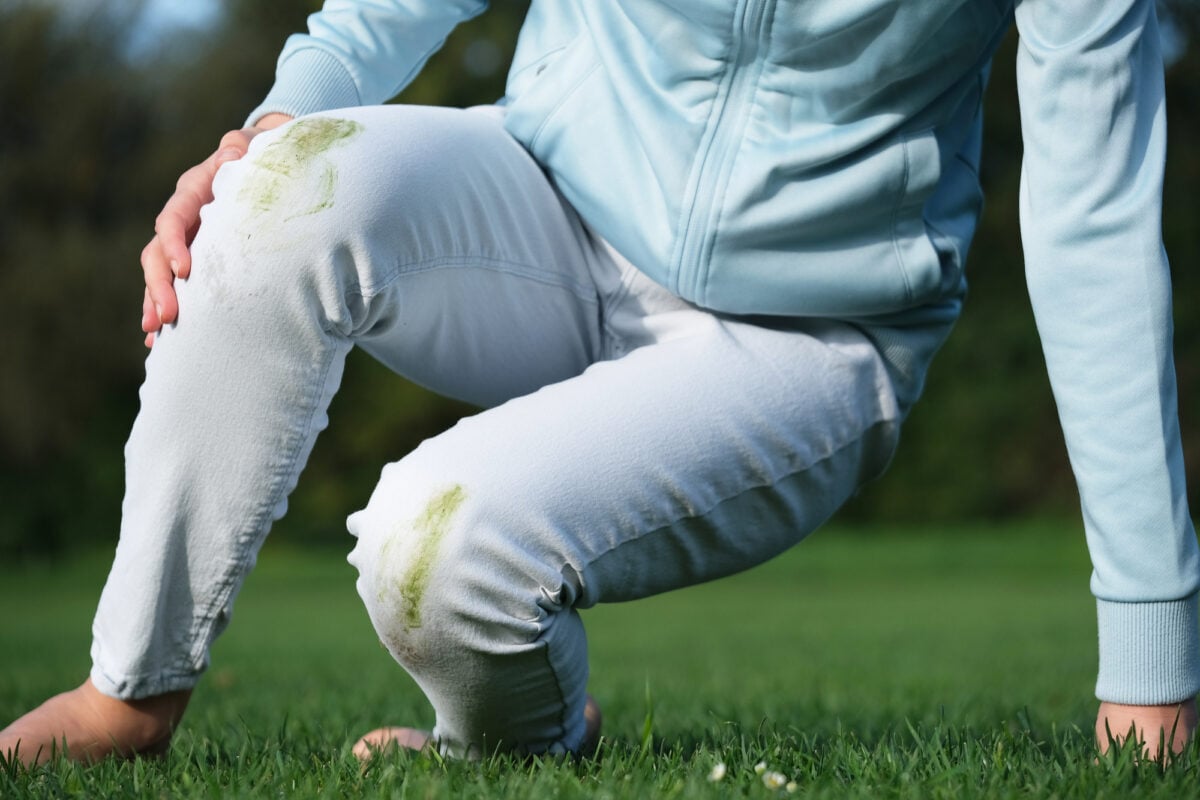
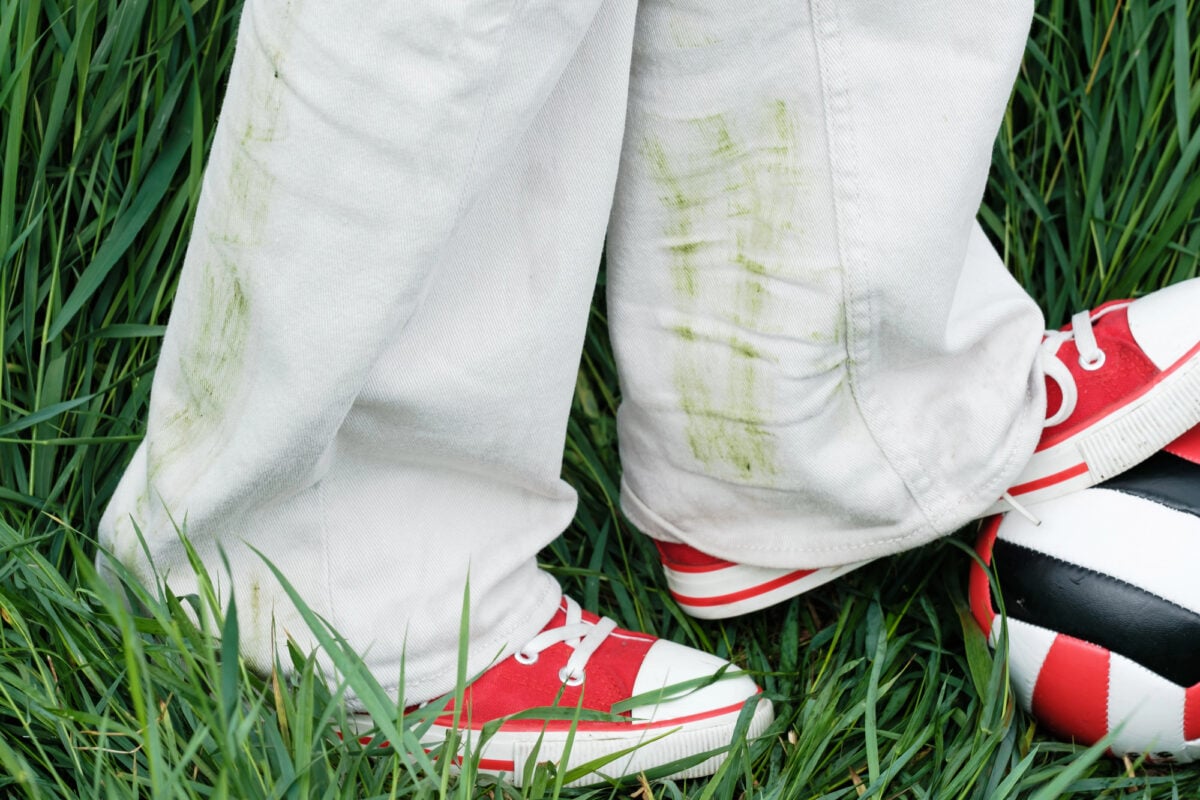
The grass stain was the souvenir of an afternoon spent close to the ground — rolling down a hill, sitting on a slope, falling during a game that was too fast for its own safety. Grass stains had a specific shade of green that was deeply unfashionable and entirely resistant to standard washing, and they materialised with a consistency that suggested the ground had a particular interest in leaving its mark.
The mother’s response to a pair of jeans with grass-stained knees was one of the more predictable reactions in the household.
The Lawn as a Cricket Pitch, a Football Ground, and a Theatre
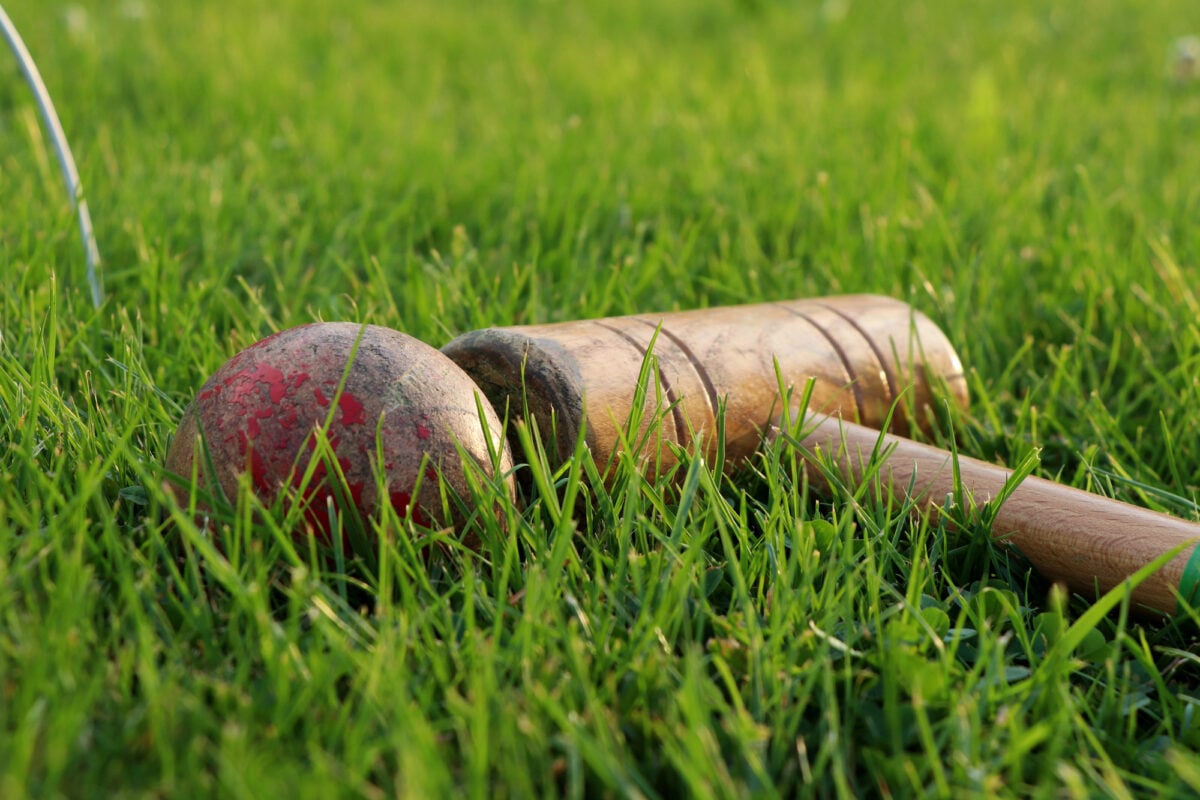
A mown garden lawn in summer acquired whatever purpose the afternoon required. Cricket stumps pressed into the soft earth after a recent cut.
A chalked or imagined goal between two jumpers. An imagined stage for something that was never quite explained to any adult.
The flat, even surface of a recently cut lawn offered a blank canvas that an uncut garden didn’t — the short grass allowed the game to be played properly, or as properly as it was ever going to be played with the available equipment and participants.
Watching Someone Else Mow While You Lay in the Sun
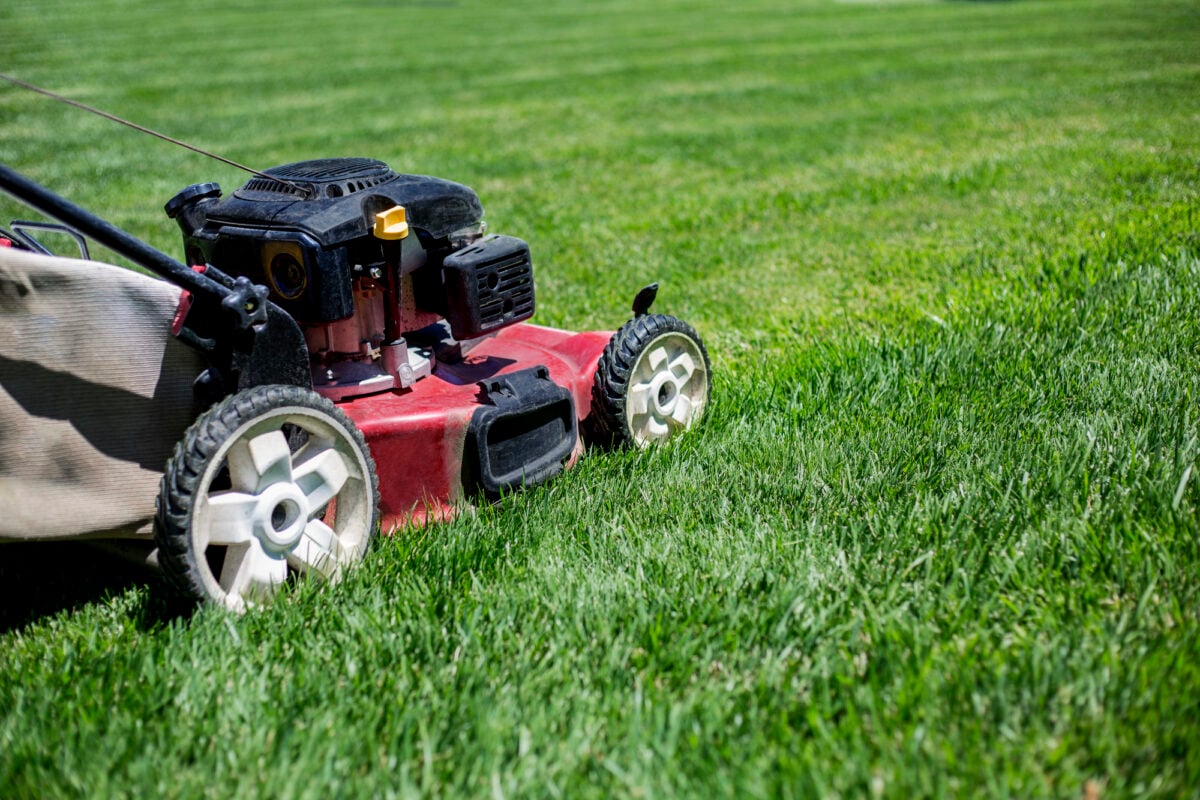
The specific pleasure of lying on a picnic blanket or lounger while another person did the work of mowing involved equal parts leisure and mild guilt, plus the smell of the cut grass arriving in waves as the mower passed, plus the sound of the engine establishing a working rhythm, plus the sun on your face, plus the reasonable expectation that this was going to continue for a while and you didn’t need to do anything. This combination of sensory inputs was not available at any other time of year.
The Green Juice That Came Off a Blade of Grass When You Pulled It Through Your Fingers
A wide blade of grass, pulled through the closed fist and drawn slowly toward the tip, released a thin green liquid that smelled like everything right about summer. Children discovered this with the focused curiosity that characterises hands-on investigation of phenomena with no obvious practical application.
The grass blade as a resource for sensory exploration was available everywhere and free, and children returned to it repeatedly through long afternoons when other activities had been exhausted.
Making a Grass Whistle
The grass blade stretched taut between both thumbs and blown at the right angle made a piercing sound that was disproportionate to the materials involved. Learning to do it required a series of failures that produced nothing but the sound of air escaping, followed by one successful attempt that produced a sound sharp enough to cause nearby adults to look up from whatever they were doing.
The grass whistle required only a thumb, a thumb, and a piece of grass, which meant it was replicable in any garden, park, or verge for the rest of the summer once learned.
The Garden as a World After Rain

Fresh-cut grass after light summer rain had a smell different from either element alone — the green leaf volatiles amplified by moisture, the petrichor of rain on warm soil layering underneath it. Walking out into the garden in the hour after summer rain, when the sun had returned and everything smelled compound and specific, was a full-sensory arrival in summer that owed nothing to memory and could still reduce adults to a ten-year-old in the time it took to inhale.
Sports Days on a School Playing Field

The school sports day was the only occasion when the entire pupil body was assembled on the grass simultaneously, and the smell of a large school field baked by June sun and warmed by hundreds of running children was one of the more specific scent memories available from a standard British or southern hemisphere childhood. The grass was usually longer than a garden lawn — school fields rarely had the maintenance budget — and the smell had a wilder quality as a result.
Parents stood at the edges with cameras. The running tracks were chalked lines.
The results mattered enormously and not at all.
Long Grass at the Edge of a Playing Field

The boundary between the cut grass and the uncut long grass at the edge of a field was a frontier. The long grass was where things lived — insects, occasionally something larger, the seed heads that you could strip off the stem in one satisfying pull.
It had a different smell from the cut grass: wilder, thicker, warmer. Children at the edge of a playing field who had been told to stay on the field spent a significant portion of the time in the long grass at the margin, which technically complied with the instruction while violating its intent.
The Sound of a Cricket Match From Somewhere Nearby

The sound of leather on wood, and the scattered applause that followed it, arriving from a cricket pitch visible at the far end of a park or common, was the background audio of English summer afternoons in a way that didn’t translate to any other season or any other sound. The smell of cut grass accompanied it reliably because cricket grounds are maintained to exacting standards, and the fresh cut before a match left the ground with that particular smell for the entire afternoon.
The combination — sound of the game, smell of the grass, the sun at the correct angle — was a period that has a very specific address in the memory.
Falling Asleep on the Grass in the Garden

The afternoon sleep on the grass happened more easily than it had any right to, given the hardness of the ground and the absence of a pillow. The combination of sun warmth, the smell of cut grass, the sound of insects, and the particular quality of post-lunch summer drowsiness produced unconsciousness in a shorter time than most mattresses could manage.
You woke up with the grass pattern pressed into the side of your face and a slightly confused sense of how long you’d been there. The face pattern was the evidence.
The smell was still in your clothes.
Chasing Something You’d Never Catch

Butterflies, grasshoppers, the shadow of a bird — summer afternoons in gardens were populated with things that moved just fast enough to justify pursuit and disappeared just before you reached them. The chasing happened in the cut grass and the child ended up in the uncut grass at the margins, then back in the cut grass, then briefly in a flower bed, then running across the lawn leaving a trail of disturbed grass that gave away the direction of the chase to anyone watching.
What you were chasing was secondary. The running was the thing.
A Picnic on the Grass With Slightly Warm Drinks

The picnic in childhood had approximately one thing in common with the picnic in adulthood: the grass under the blanket. The food was usually sandwiches that had been warm since eleven o’clock, the juice was now warm in its carton, and the biscuits had been eaten before anything else.
The grass smell came up through the blanket. The sun moved the shade away from where you were sitting at exactly the wrong moment.
The picnic was always slightly uncomfortable, and it was always a fine afternoon.
Finding Clover and Looking for the Lucky One

A newly cut lawn with clover mixed into the grass produced the specific low-concentration activity of searching for a four-leaved example, which required nothing except patience and the willingness to sit at grass level for longer than had seemed necessary when the idea was first proposed. Most children who searched seriously found one at some point in the summer.
The probability is low enough to make finding one feel like luck and high enough that it happens to most people who try. The clover, once found, was kept somewhere that ensured it would be lost within forty-eight hours.
The Neighbour’s Mower Competing With Your Own
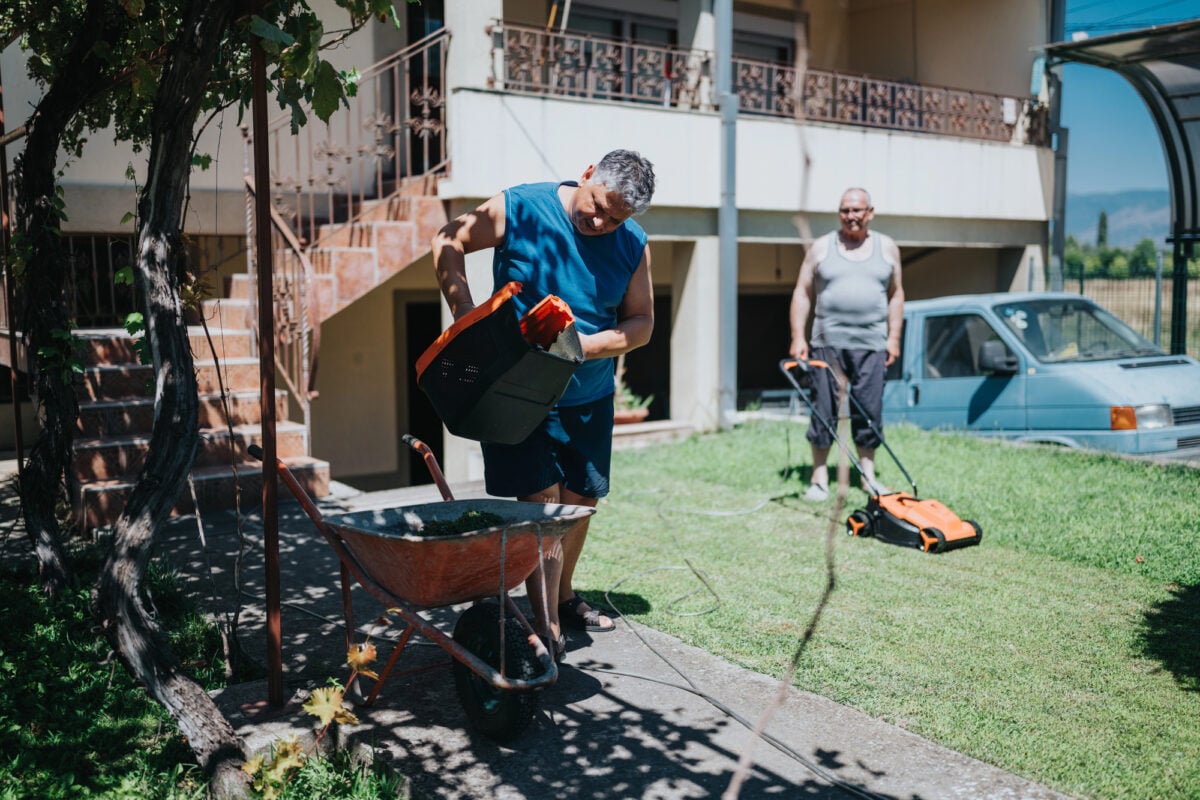
In suburban neighbourhoods in summer, lawnmowing had a competitive quality that was entirely unspoken and entirely real. One engine starting in the morning had a reasonable chance of triggering another, and by mid-Saturday there were sometimes three or four going simultaneously at different distances, their rhythms out of phase.
The smell was communal, arriving from multiple directions, and the summer garden became a shared acoustic and olfactory environment that nobody had formally agreed to participate in and nobody complained about.
Running Through Sprinklers on a Cut Lawn
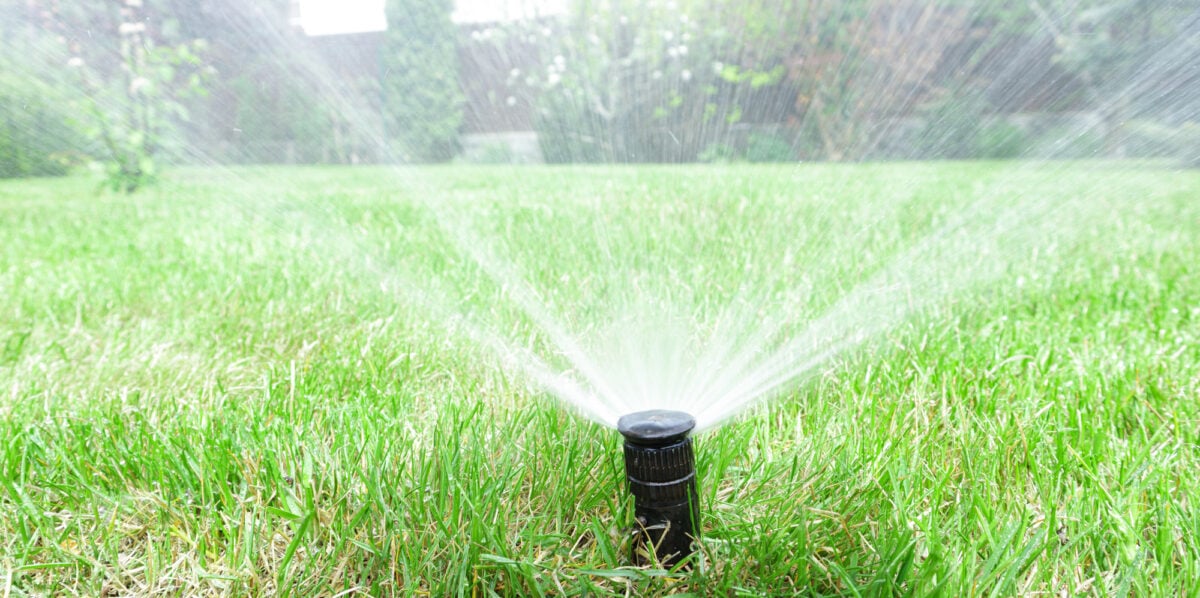
The garden sprinkler on a hot day was less efficient than actual swimming and better in every other respect. The grass underfoot was soft and slightly slippery after the water had been running for a while, which was a hazard that most children accepted as a design feature rather than a safety concern.
The smell of the wet cut grass intensified by the water was specific to this activity and this season. The wet grass stuck to legs and feet.
The sprinkler continued its rotation without caring whether you’d made it through in time.
The Evening Smell After a Long Hot Day

As the temperature dropped in the early evening after a hot summer day, the garden produced a different version of the cut-grass smell: cooler, softer, combined with the evening dew beginning to form and the warmth of the day still rising from the soil. This evening garden smell was quieter than the midday version.
The insects had changed their frequency. The light was different.
The smell of the cut grass in the early evening of a summer’s day is perhaps the most adult version of the whole experience — it has patience in it, and something that knows the day is ending and doesn’t mind.
The Smell on Your Clothes After an Outdoor Summer Day
Grass smell transferred to clothing in a way that other outdoor smells didn’t quite replicate. T-shirts worn on summer afternoons on garden lawns retained the green leaf volatile scent through the afternoon and into the evening, so that changing clothes after dinner still meant encountering the day’s earlier hours in fabric form.
The smell that came off a child who’d been outside all afternoon was specific — warm, grassy, slightly dirt-edged — and it was received by parents as evidence of a day well spent in a way that no report card or school project produced quite the same response.
The Last Mow Before Autumn

The last grass cut of the season didn’t announce itself. You didn’t know it was the last one until several weeks had passed and the weather had definitely turned.
The grass had stopped growing at the rate that required weekly attention. The lawnmower was put away.
The garden moved into its autumn configuration. The smell was gone until the following spring, and by the time it came back — the first cut of the new year, the full force of green leaf volatiles released by damaged grass for the first time in months — you had forgotten that you’d missed it.
The Science of Why You Miss It
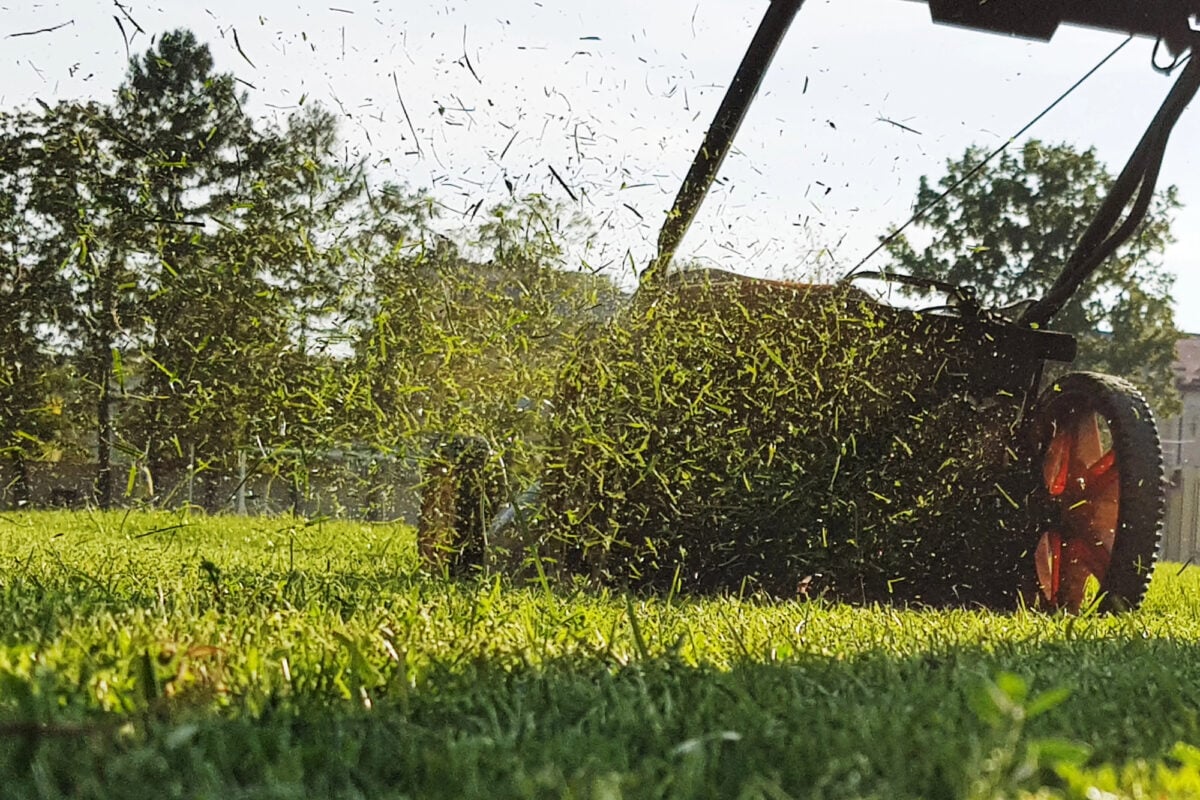
The chemical explanation for the smell of cut grass is, as noted, a distress signal. The green leaf volatiles are the grass’s emergency broadcast.
And yet what they produce in humans who grew up near gardens is nothing like distress — it’s the opposite. It’s the specific ease of summer, the texture of days that had no particular requirement.
Something in the brain has taken an alarm signal from the plant kingdom and associated it with the most uncomplicated version of time available in a childhood.
What the Smell Actually Carries
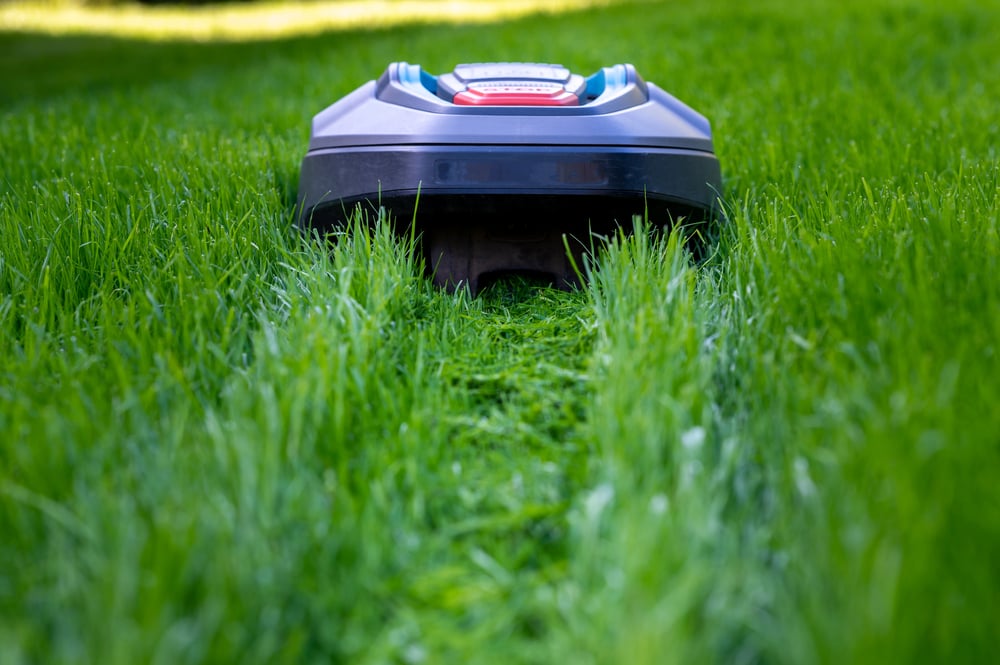
The smell of fresh-cut grass carries nothing specific and everything at once. It doesn’t remind you of a particular summer — it reminds you of summer itself, the quality of it, the shape of the days.
The sun from a certain angle. The specific weight of being eight years old in a garden in June with nothing required of you until dinner.
The permission, unspoken and complete, to do nothing important for an entire afternoon. That permission is what the smell carries.
And the reason it hits so hard, decades later, is that permission like that is considerably harder to come by now.
More from Go2Tutors!

- The Romanov Crown Jewels and Their Tragic Fate
- 13 Historical Mysteries That Science Still Can’t Solve
- Famous Hoaxes That Fooled the World for Years
- 15 Child Stars with Tragic Adult Lives
- 16 Famous Jewelry Pieces in History
Like Go2Tutors’s content? Follow us on MSN.



