22 Things Every Kid Begged For at the Grocery Store in the ’80s
Grocery shopping with kids in the 1980s was less of an errand and more of a negotiation marathon. Every aisle held new temptations, each endcap display another opportunity for small hands to grab something bright and sugary.
The cereal aisle alone could turn the most well-behaved child into a master manipulator, armed with puppy dog eyes and promises to clean their room forever. Those fluorescent-lit aisles were a wonderland of processed foods, sugary drinks, and snacks that seemed designed specifically to catch a child’s attention.
Before the internet, before smartphones, the grocery store was where kids discovered new obsessions and where parents learned the fine art of saying “maybe next time” while mentally calculating if Cap’n Crunch was really worth the inevitable sugar crash.
Fruit Roll-Ups
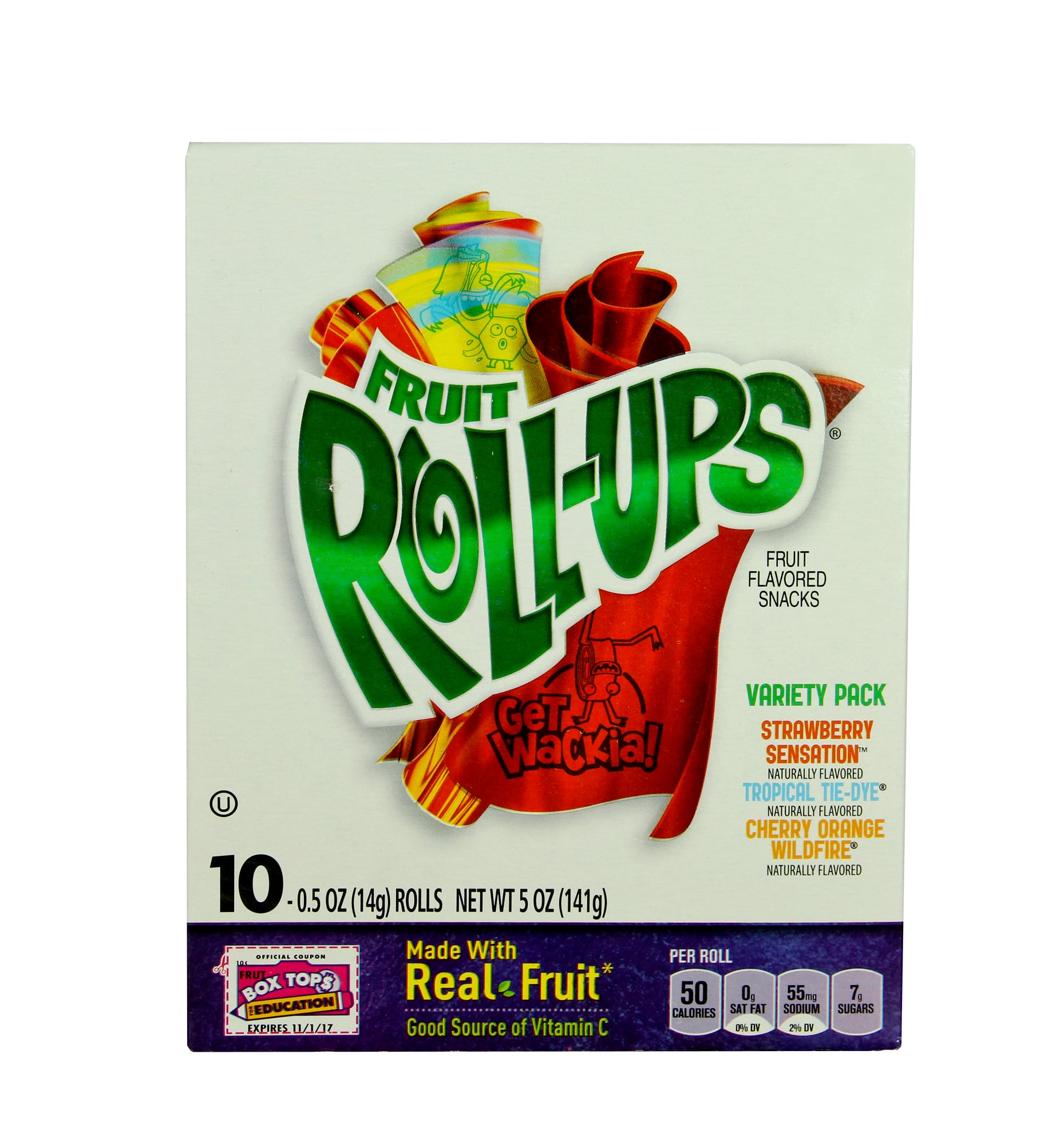
Nothing said “luxury snack” quite like peeling apart a sheet of artificially flavored fruit leather. The texture was oddly satisfying — somewhere between candy and actual food, which made it feel almost healthy.
Pop Rocks
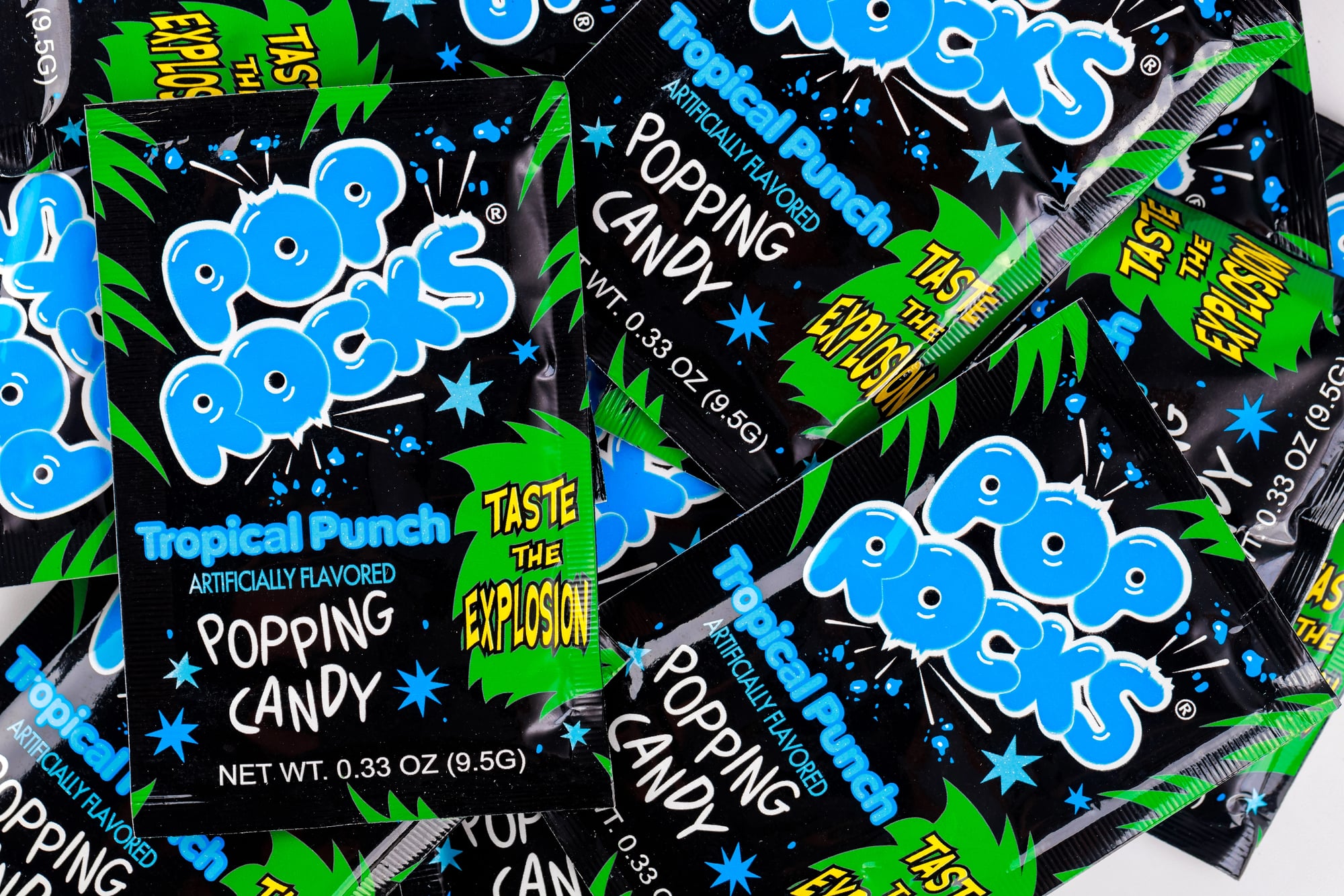
Carbonated candy that exploded in your mouth felt like science fiction made edible. Kids would beg for these just to experience that weird crackling sensation, and parents would buy them because at least the novelty kept everyone quiet for five minutes.
Lucky Charms
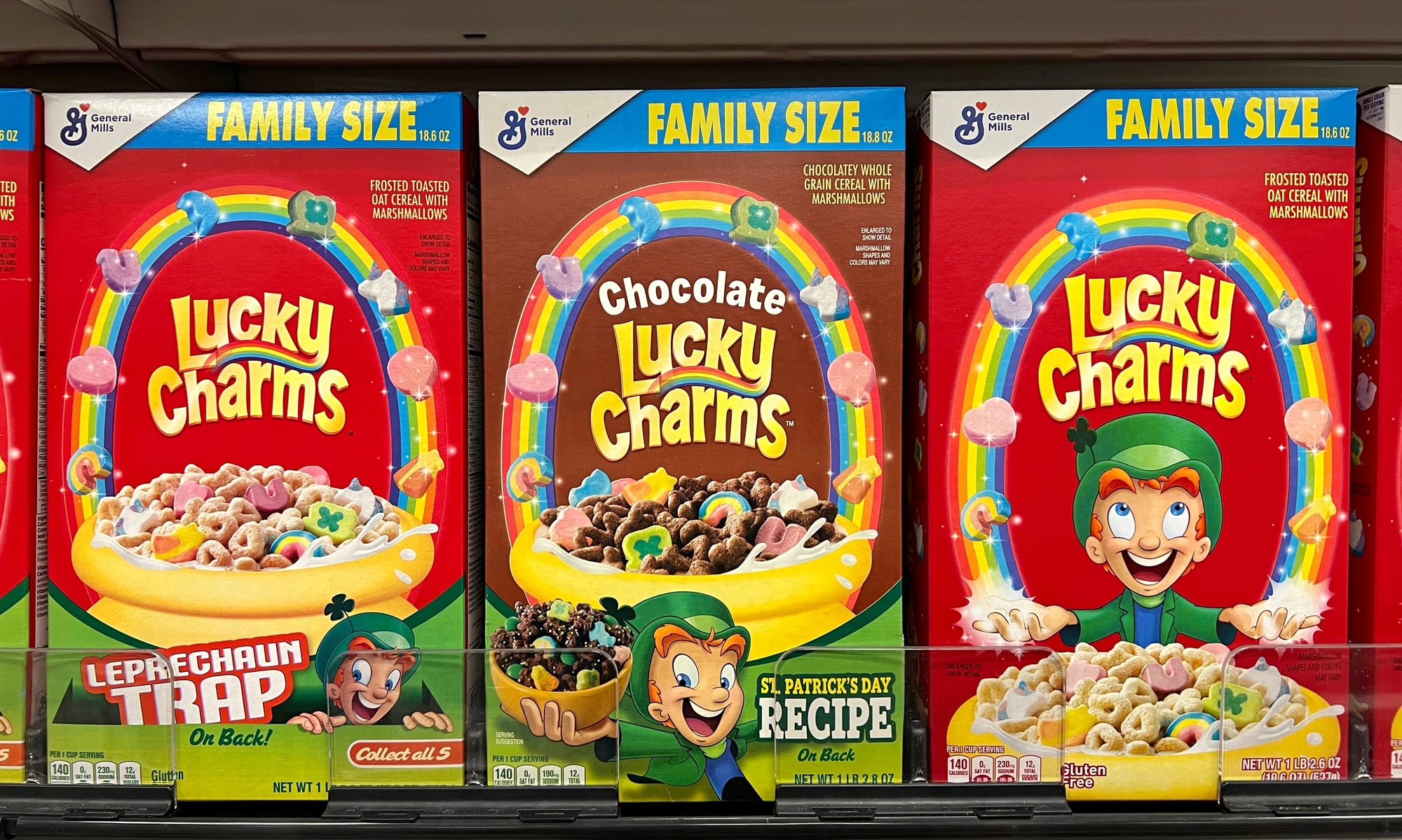
The marshmallow pieces were the obvious draw, but the real appeal was the treasure hunt aspect of fishing through milk-soaked cereal to find the good bits. And because Saturday morning cartoons had taught every kid that leprechauns were basically cartoon cocaine dealers, the whole mythological angle worked perfectly on impressionable minds (which, let’s be honest, was exactly the point).
So parents found themselves standing in the cereal aisle, holding a box of what was essentially candy with a few oat pieces thrown in for plausible deniability, while their child explained very seriously why this particular breakfast choice would improve their life in measurable ways.
Capri Sun
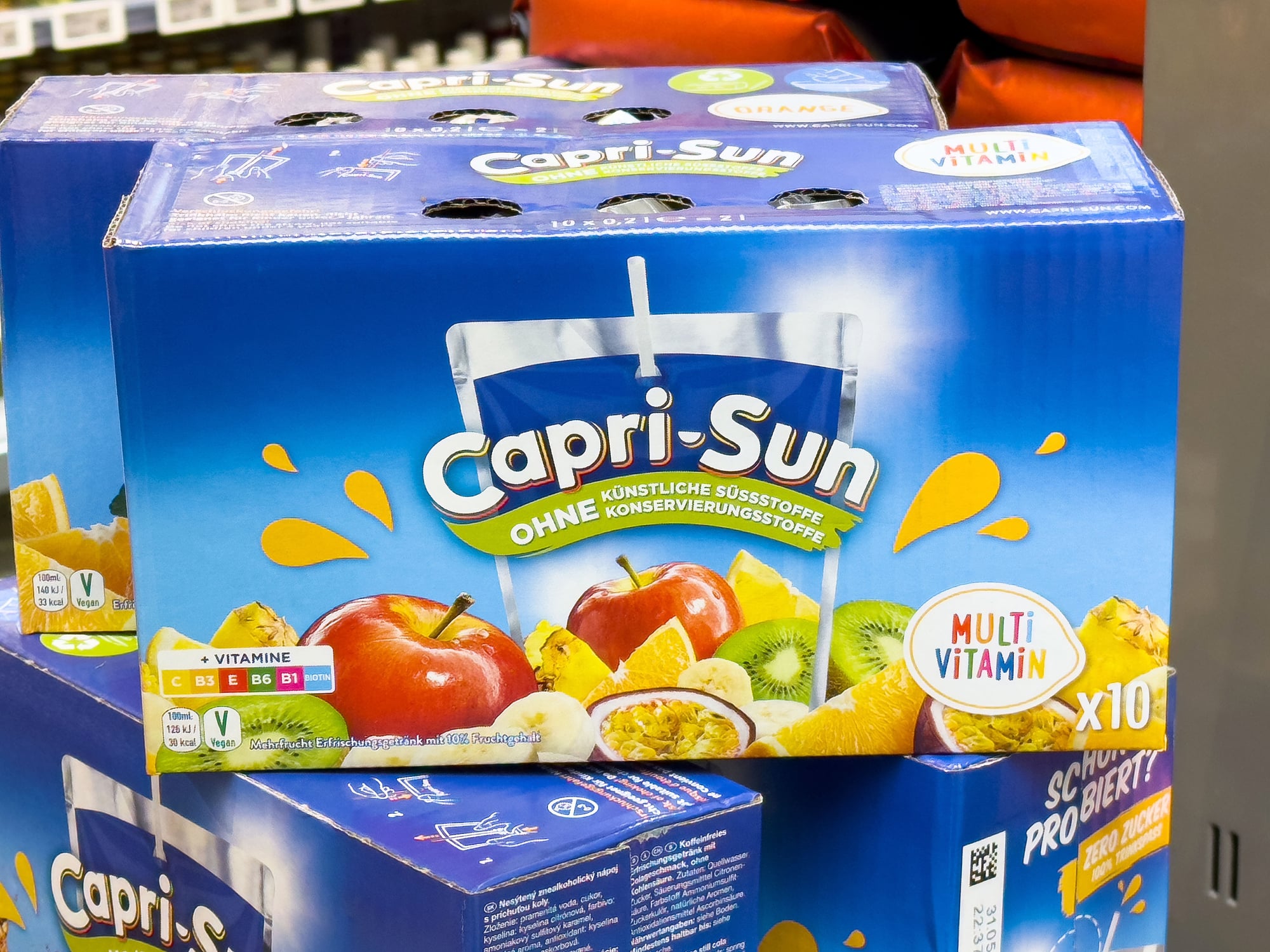
Those silver pouches represented independence in liquid form. No glass to break, no can opener required — just pure, concentrated childhood in a pouch that somehow tasted like summer even in February.
Bubble Yum
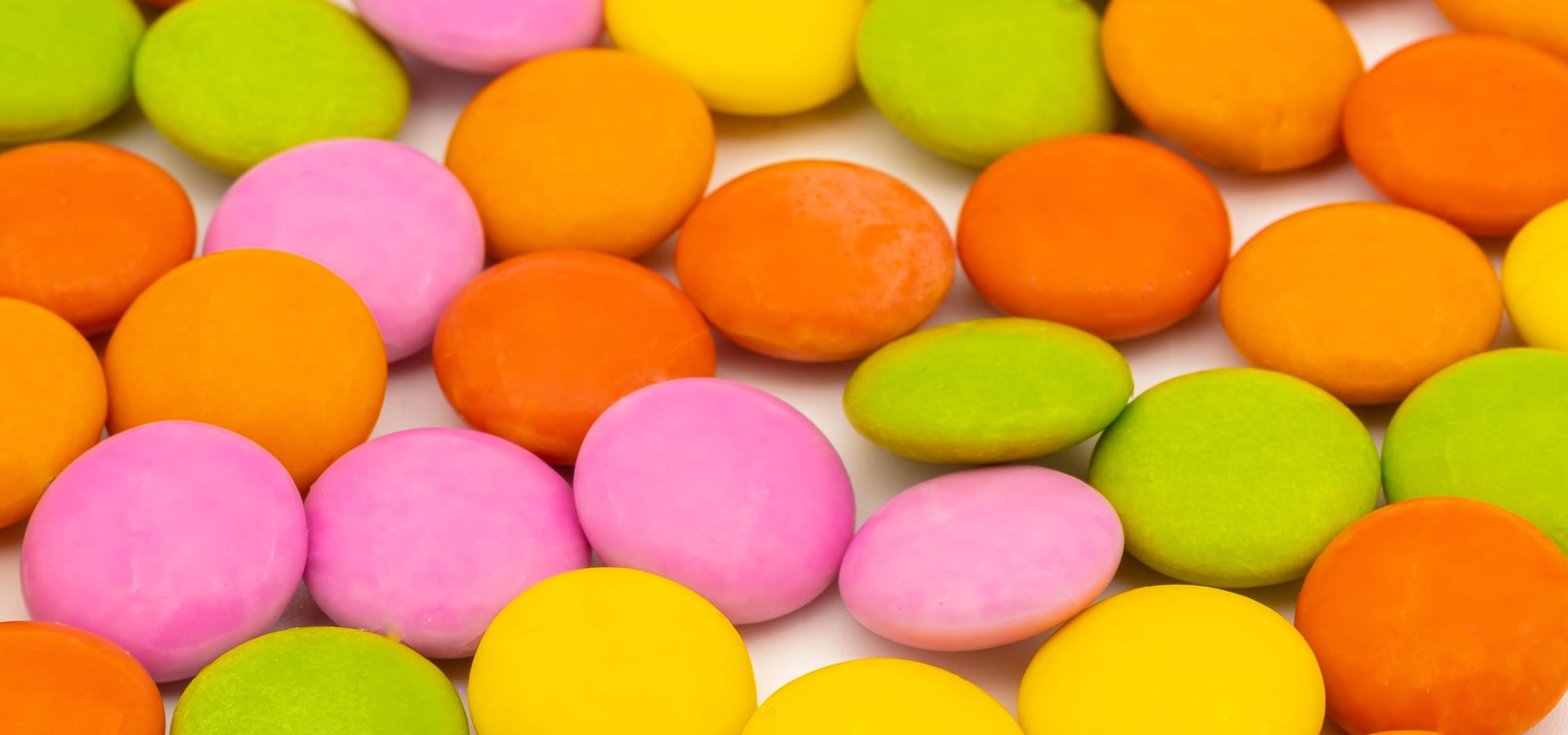
Chewing gum the size of a small pillow felt revolutionary to kids who were used to those tiny Chiclets squares. The bubbles you could blow were enormous, and when they inevitably popped all over your face, that felt like an achievement rather than a mess.
Cookie Crisp
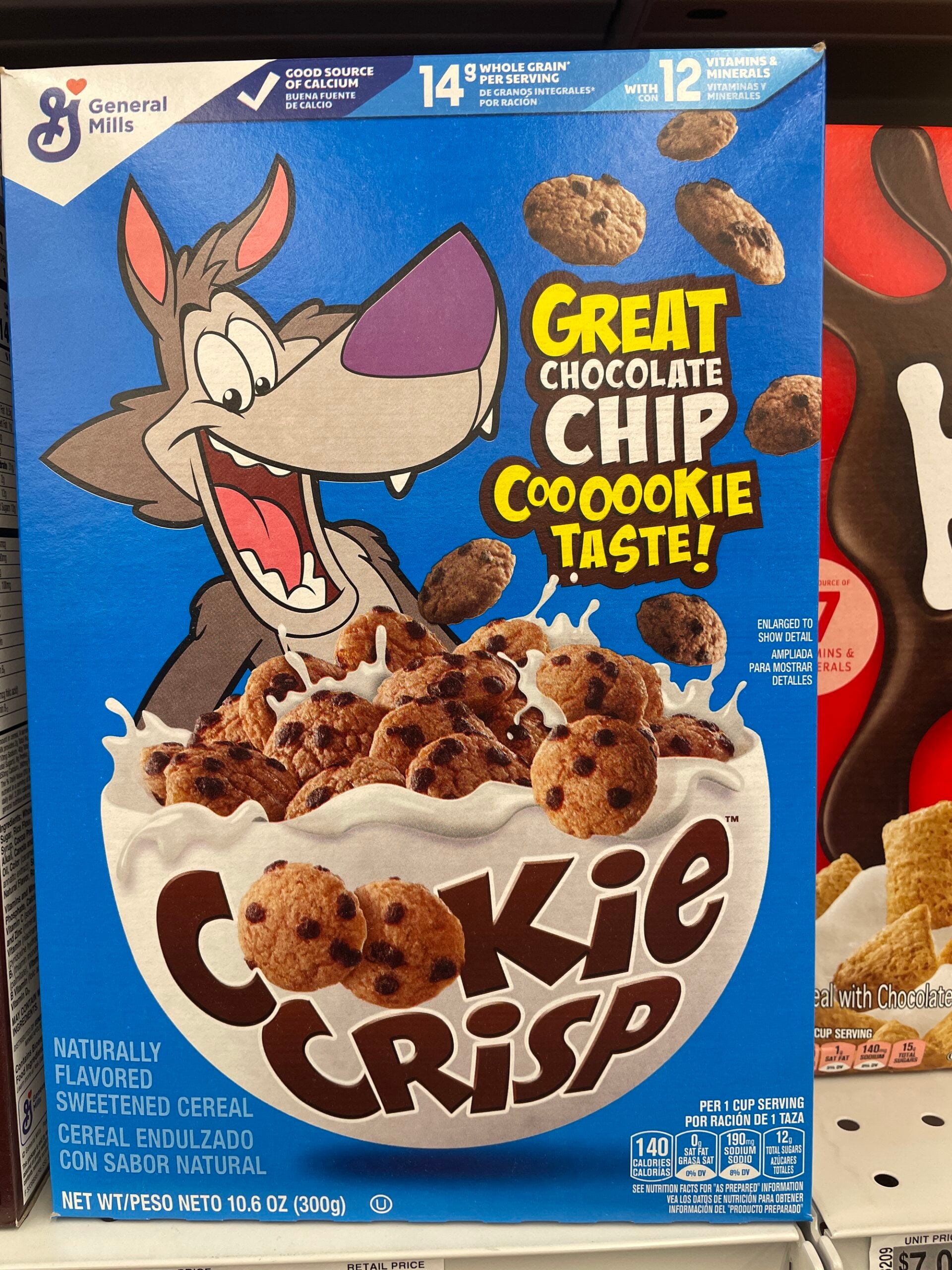
Chocolate chip cookies for breakfast represented everything rebellious about childhood. Parents knew it was basically candy in a bowl, kids knew it was basically candy in a bowl, and somehow the thin pretense of “fortified with vitamins” made everyone feel slightly better about the transaction.
Jell-O Pudding Pops
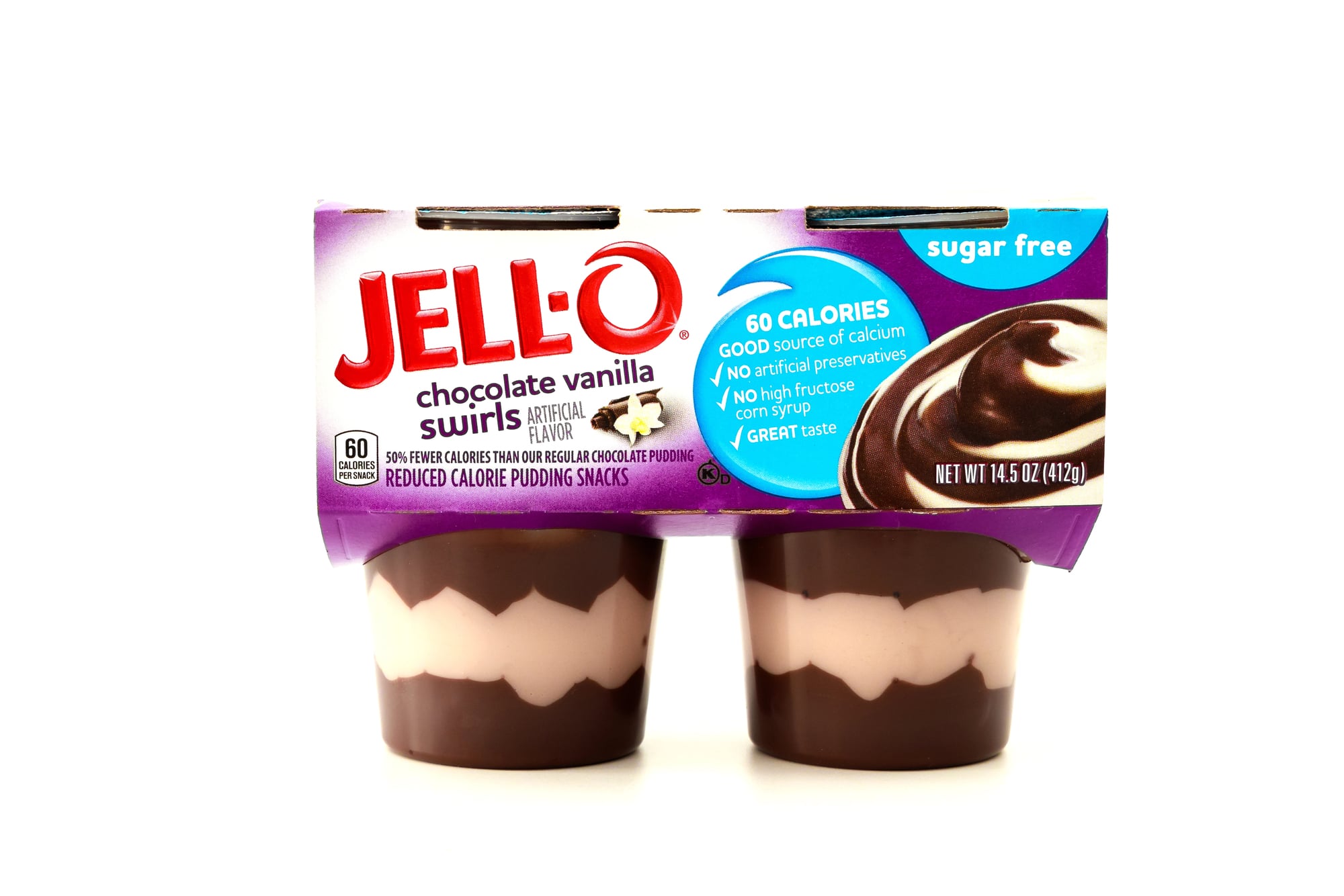
Bill Cosby’s commercials made these seem like the pinnacle of frozen dessert technology. They were messier than regular popsicles but somehow more satisfying — probably because eating pudding with your hands felt vaguely transgressive.
Tang
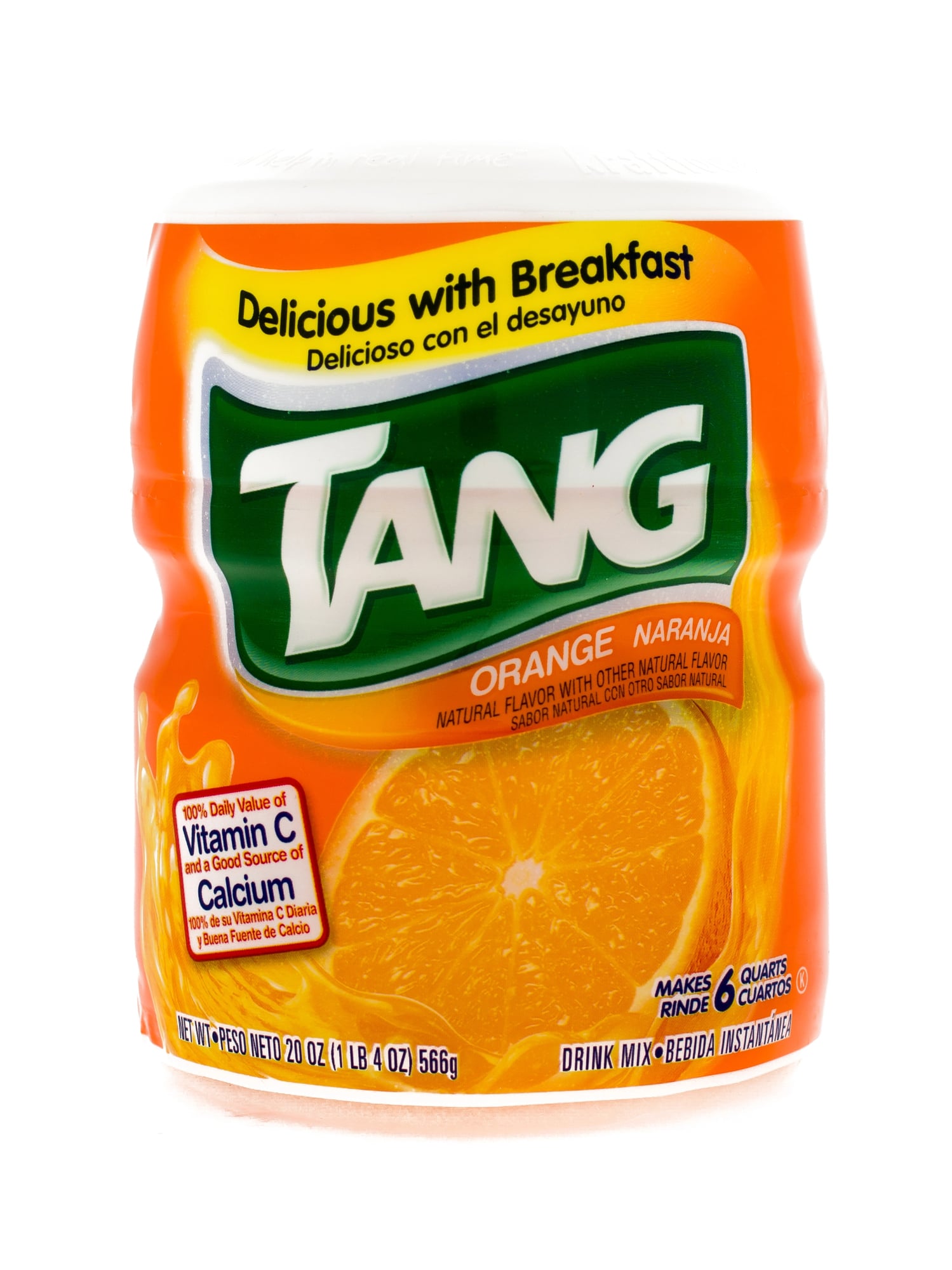
Astronauts drank it, which automatically made it cooler than any other beverage option. The fact that it turned your tongue orange was a feature, not a bug, because it provided visible proof that you’d consumed something extraordinary.
And the mixing ritual — watching the powder dissolve into something that barely resembled actual orange juice — felt like conducting a small chemistry experiment in the kitchen, which appealed to the same kids who mixed shampoo and conditioner together just to see what would happen.
Hostess Fruit Pies
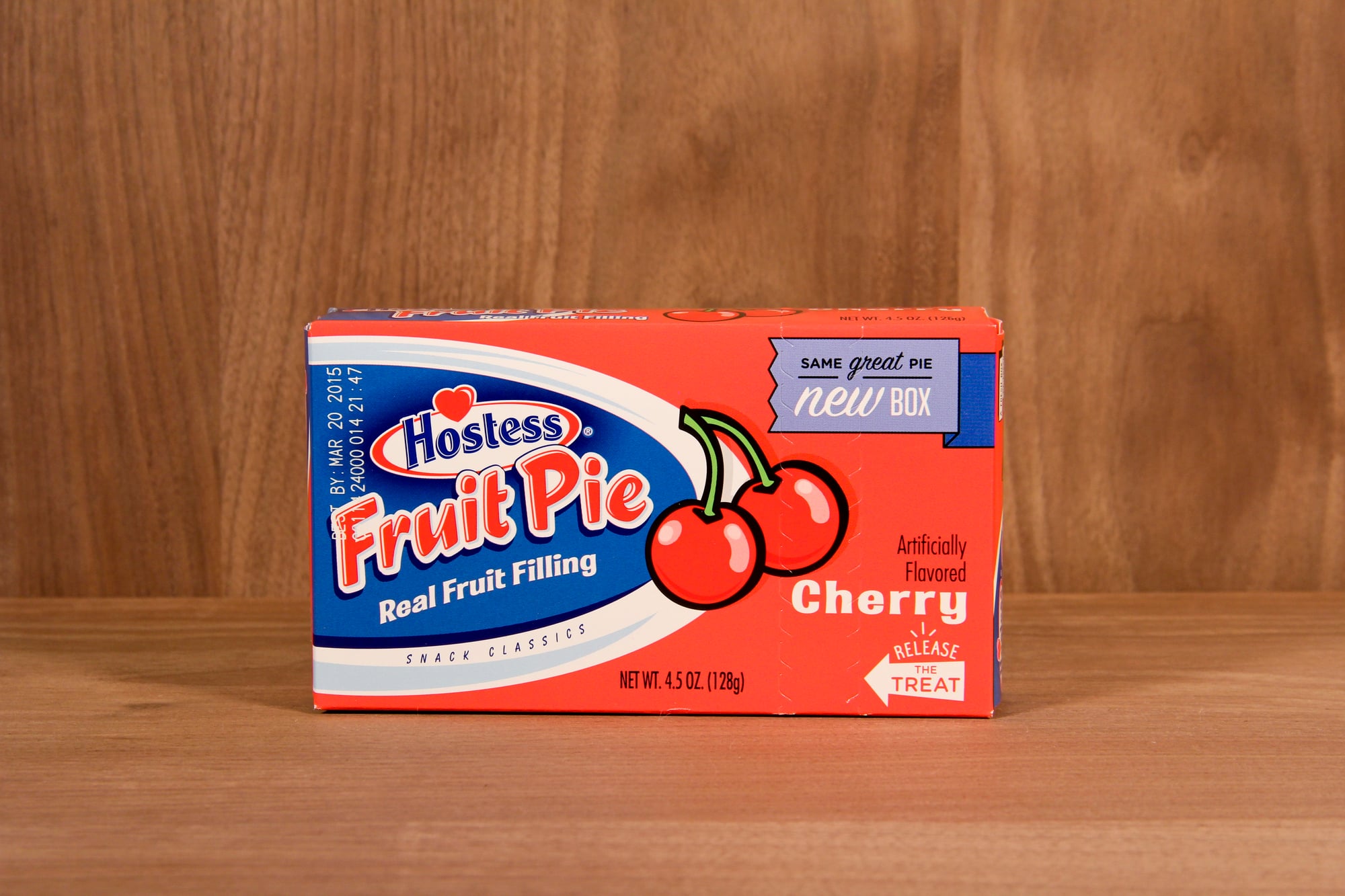
These weren’t really pies in any traditional sense, but they were portable and came in flavors that sounded almost healthy. The filling was molten hot and suspiciously uniform in texture, but that just added to the mystique.
Kool-Aid
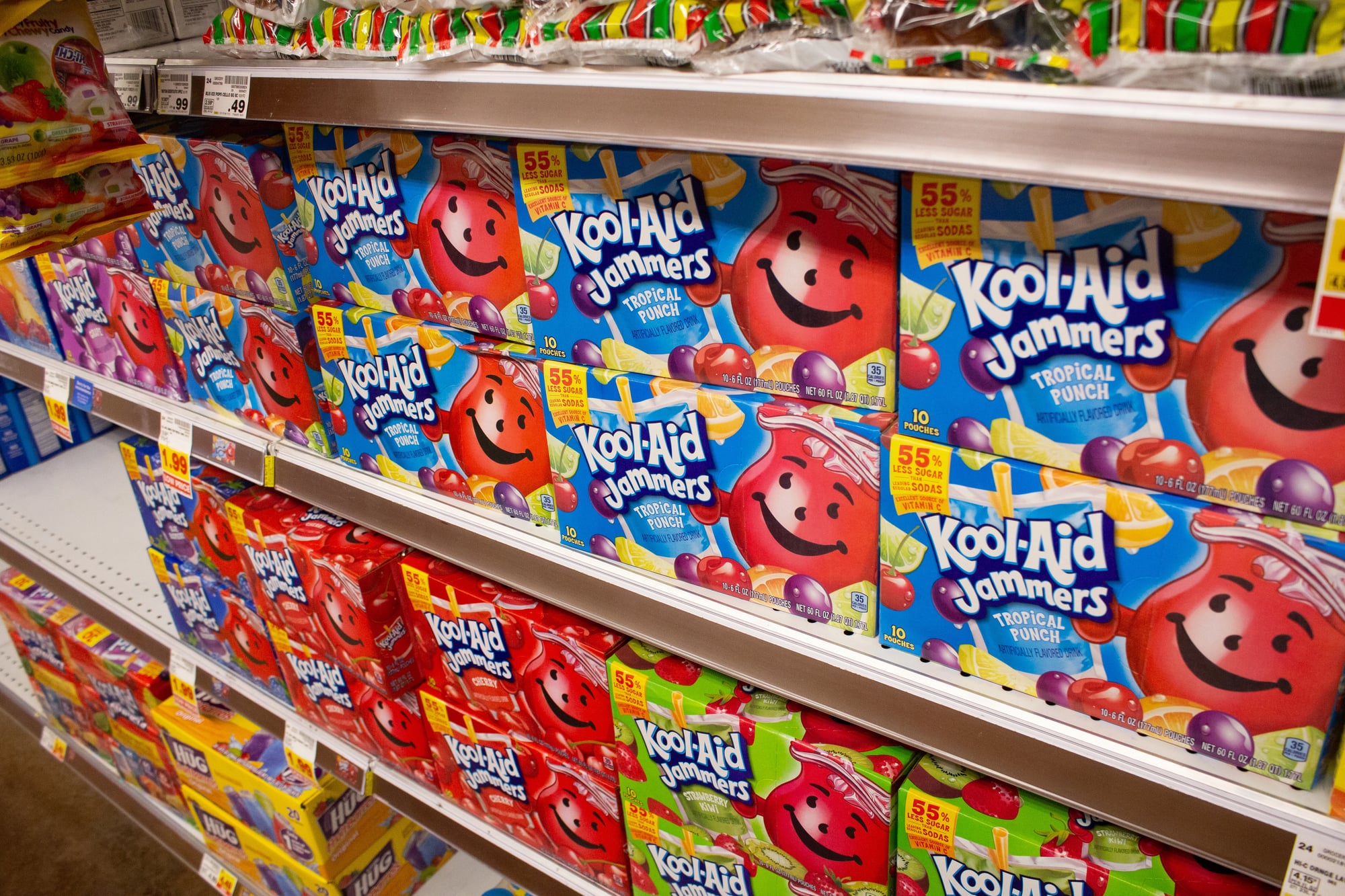
The appeal wasn’t just the sugar rush — it was the control. Kids could make it themselves, adjusting the sweetness to their exact specifications.
Plus, the pitcher-shaped mascot breaking through walls in commercials suggested that drinking this stuff might give you superpowers.
Count Chocula
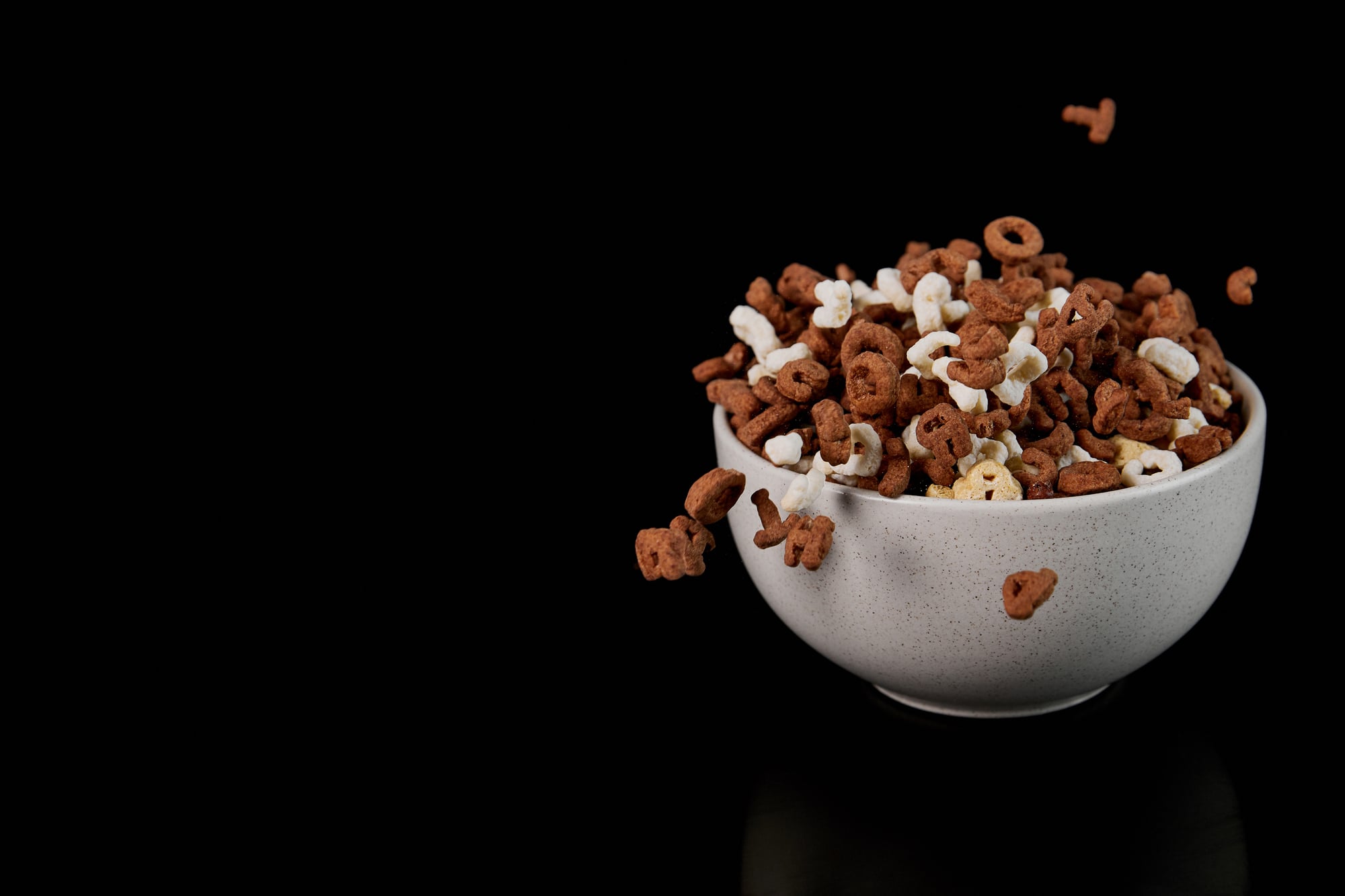
Monster-themed cereal felt edgy and sophisticated to kids who were still working up the courage to watch actual scary movies. The chocolate flavor was secondary to the thrill of eating something that looked vaguely forbidden.
Fun Dip
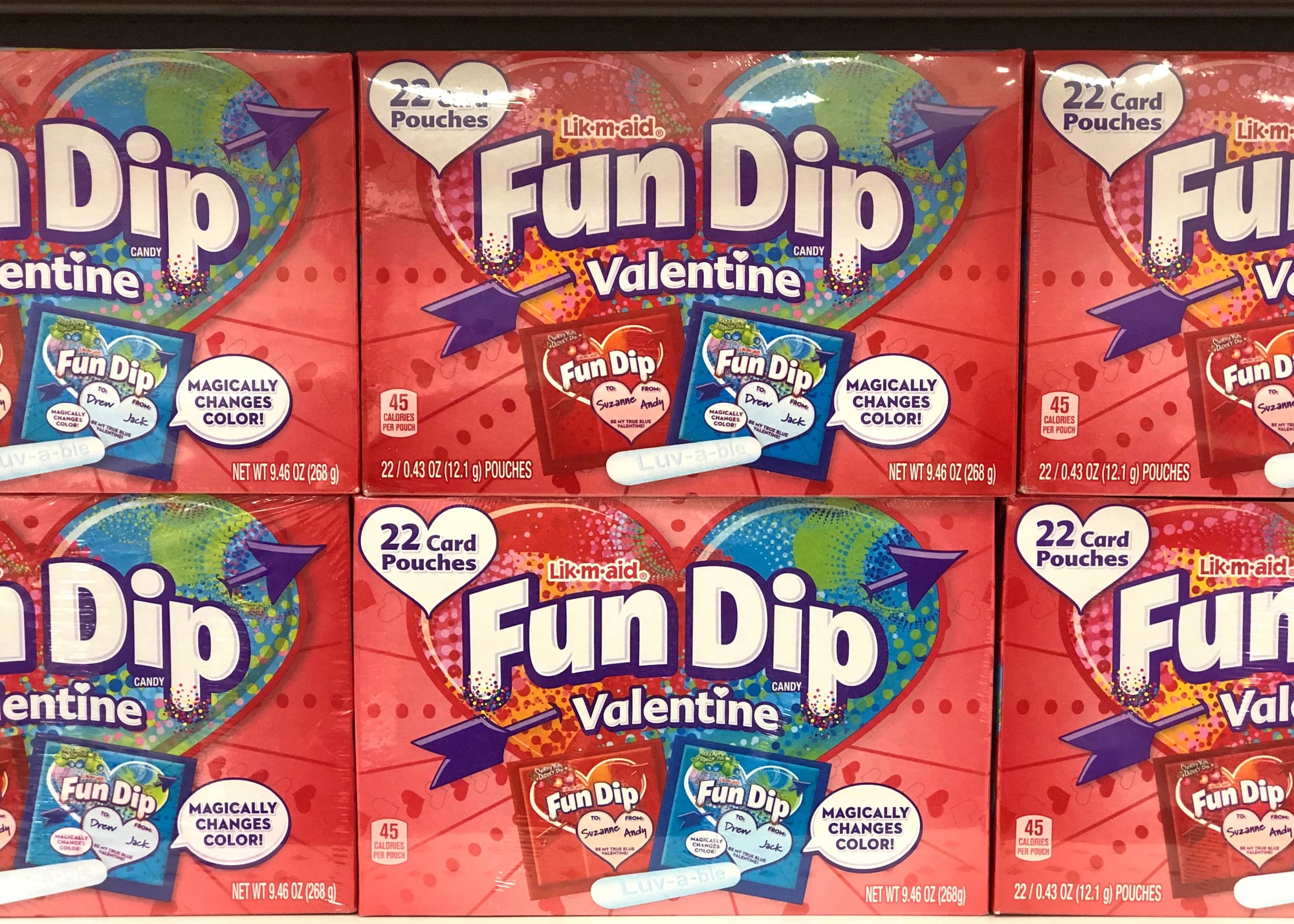
Pure sugar with a candy stick for delivery represented snacking at its most efficient. No pretense of nutrition, no complicated flavors — just straight glucose and the satisfaction of making the candy stick disappear through repeated licking and dipping.
Oreos
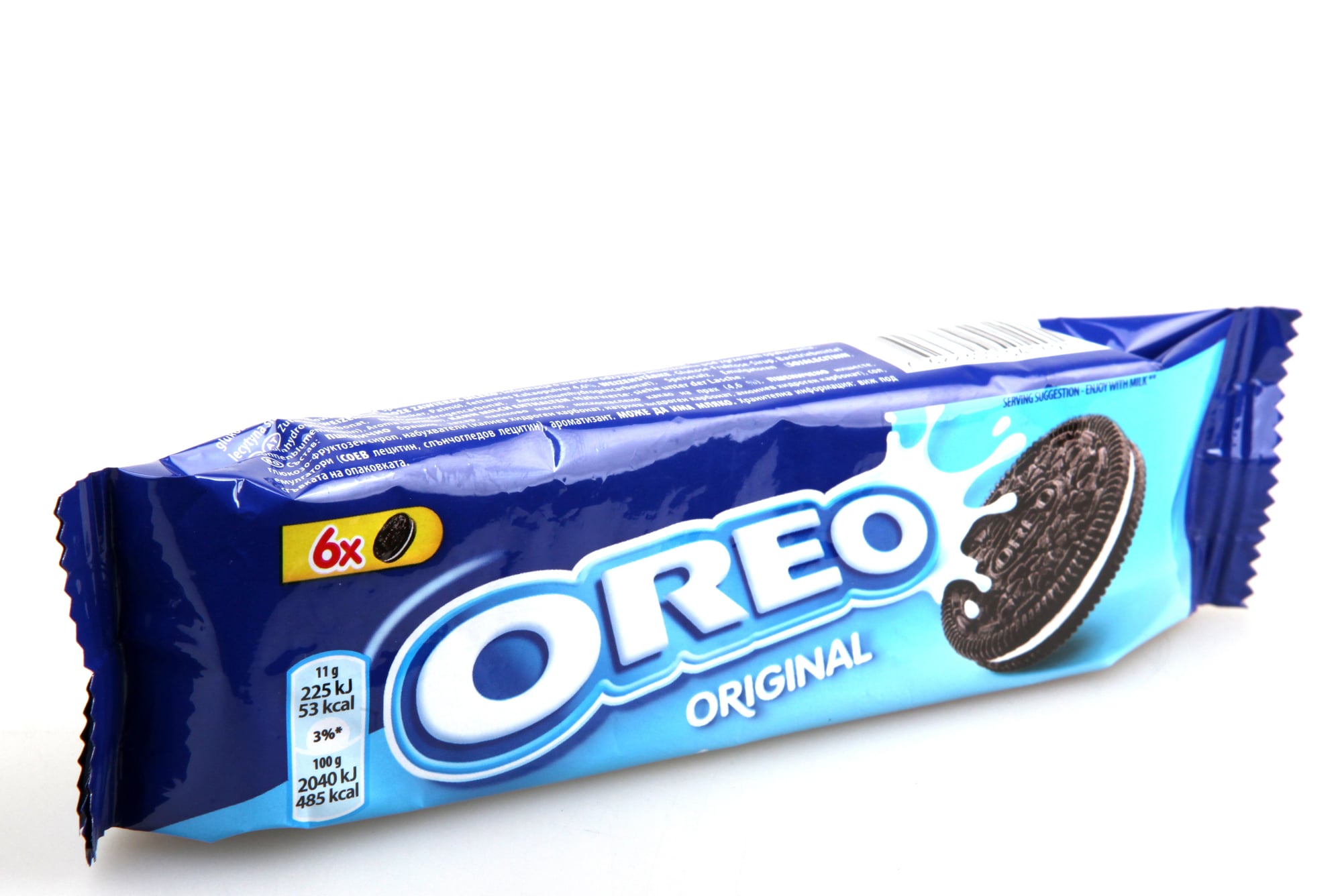
Double Stuf already existed in the ’80s, offering a decadent upgrade to regular Oreos. The twist-apart ritual was sacred, and everyone had strong opinions about whether you ate the cream first or saved it for last.
These weren’t just cookies — they were a whole philosophy about delayed gratification and proper snacking technique, which explains why grocery store tantrums over Oreos felt so existentially important to small children who couldn’t yet articulate why this particular purchase mattered so much.
Cheetos
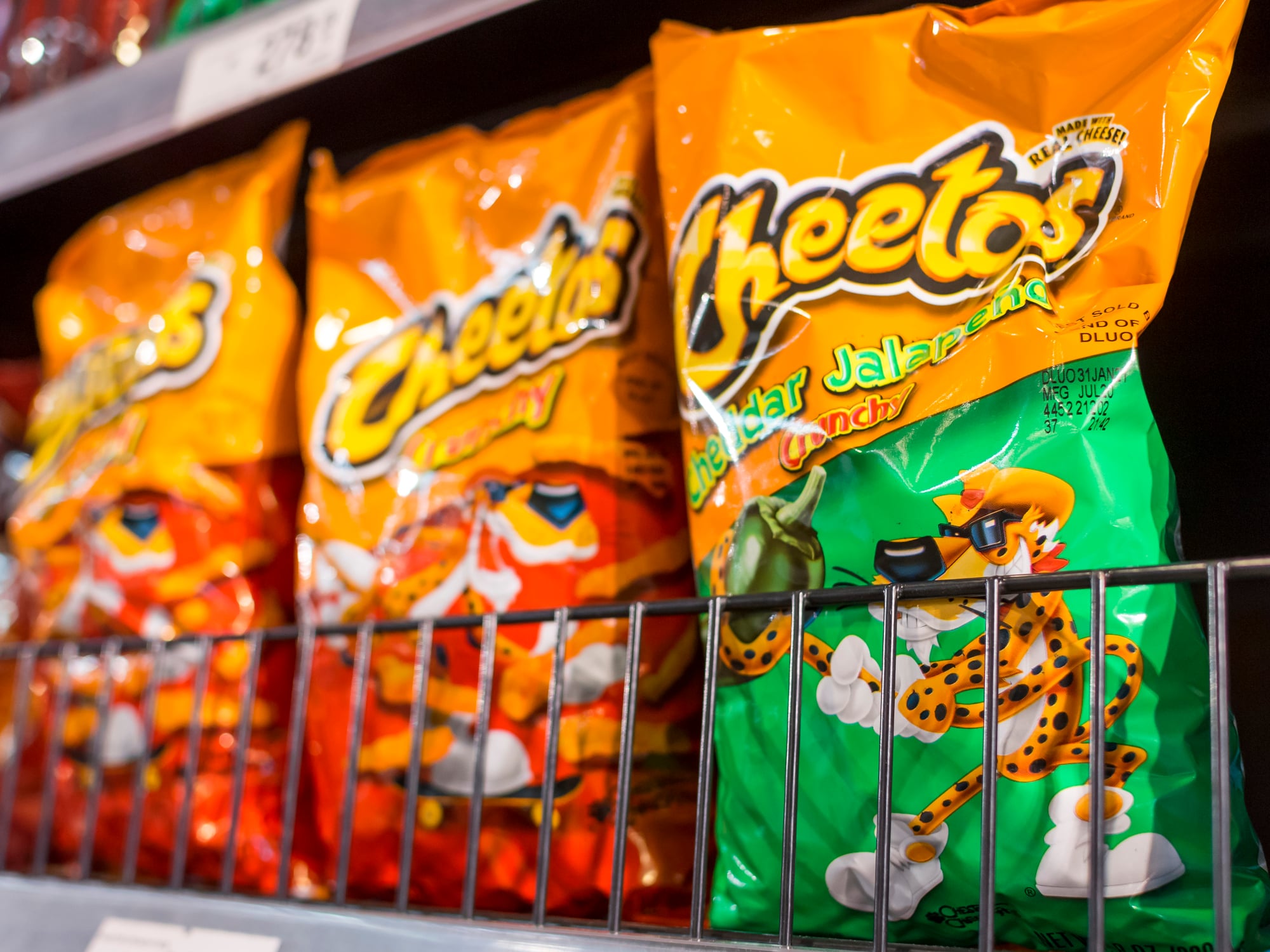
Orange dust on your fingers was a badge of honor, not a hygiene problem. The puffed corn disappeared quickly, but the evidence lingered on everything you touched for hours afterward.
Pop-Tarts
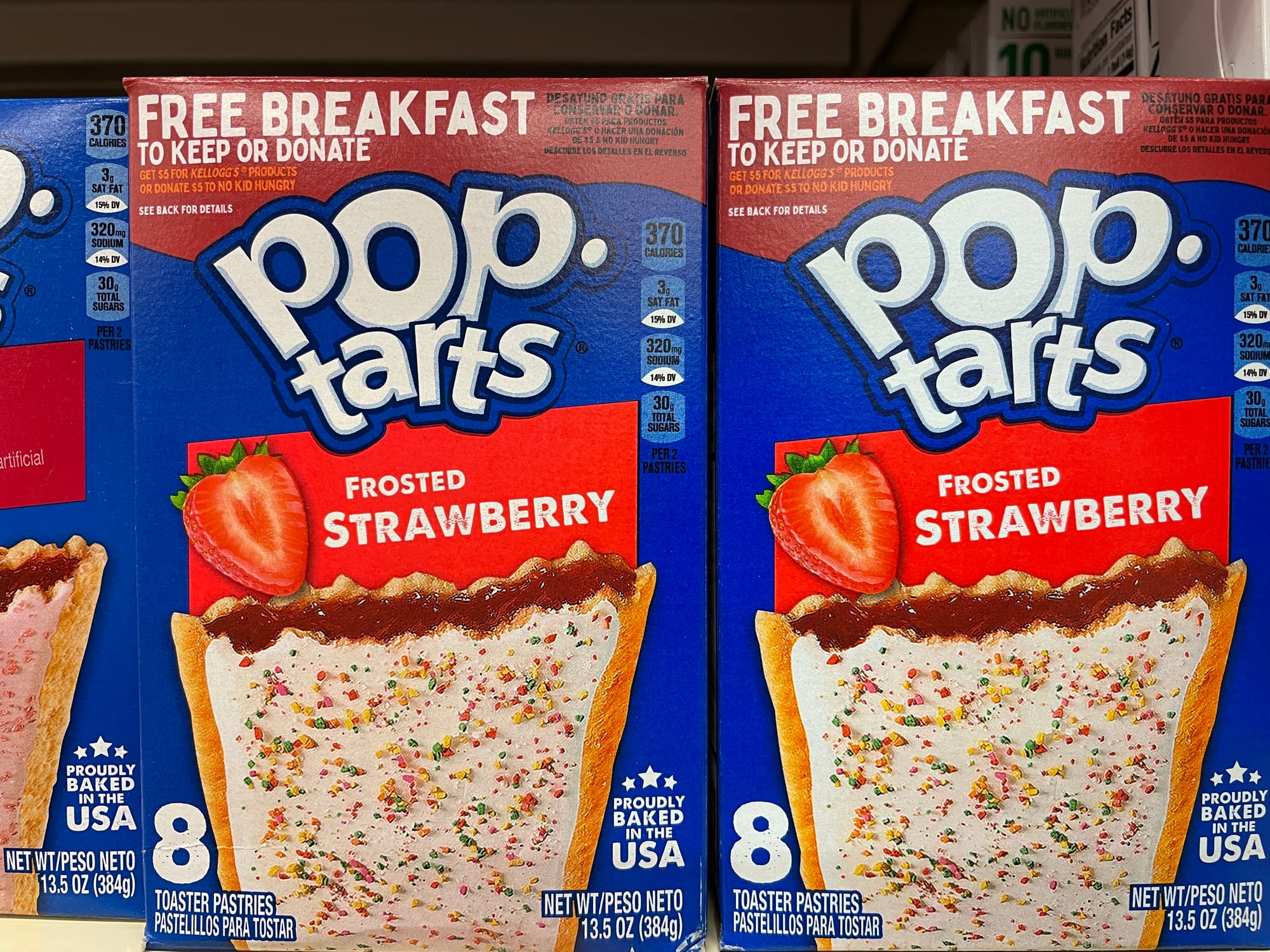
Toaster pastries represented breakfast independence. Kids could operate a toaster without parental supervision, and the frosted varieties felt like eating cake before school, which was obviously the dream.
Hawaiian Punch
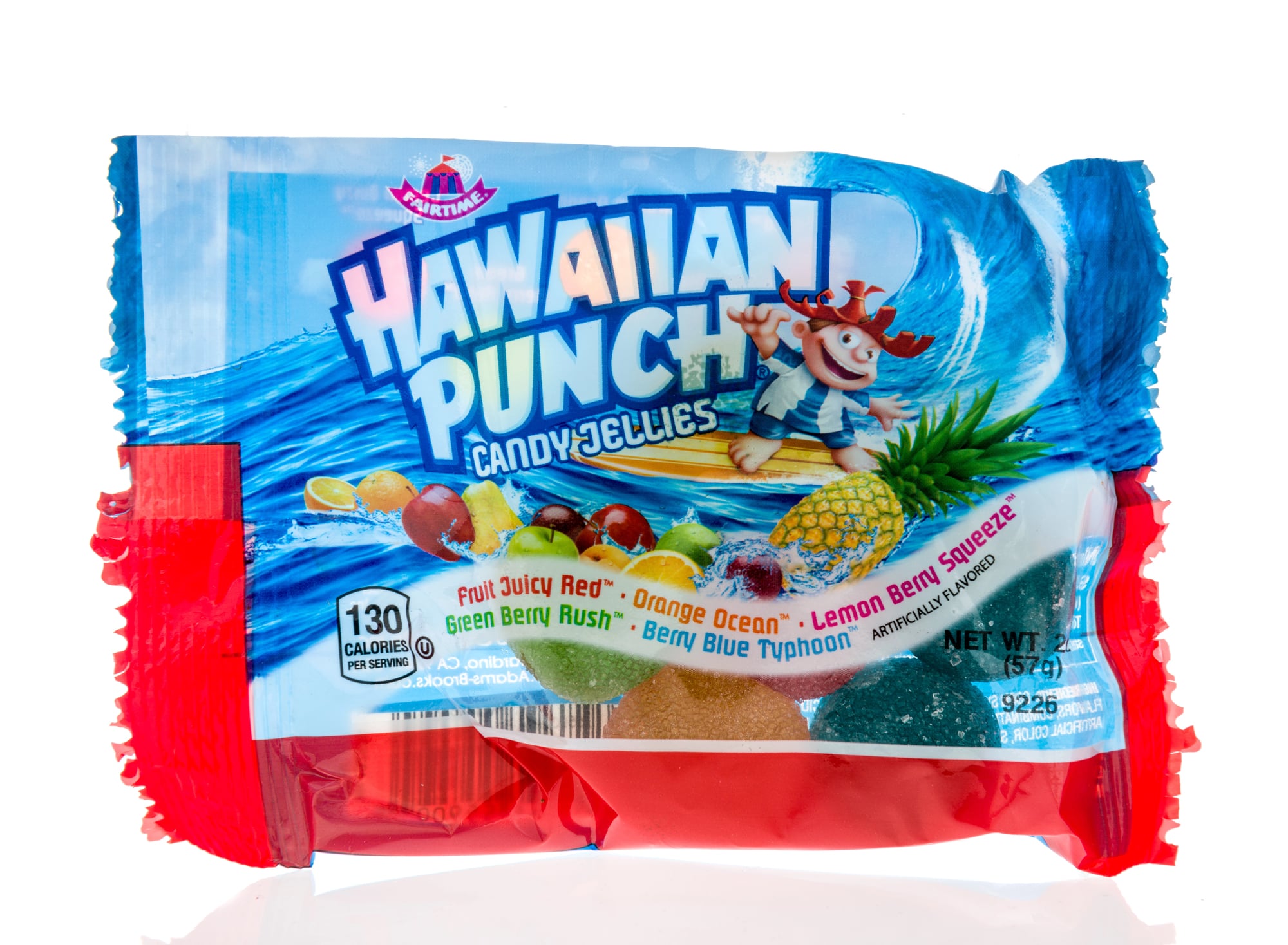
The red dye was so intense it could stain your lips for hours, which felt like temporary face paint. Plus, the commercials with the Kool-Aid Man knockoff made it seem rebellious and slightly dangerous.
Pudding Cups
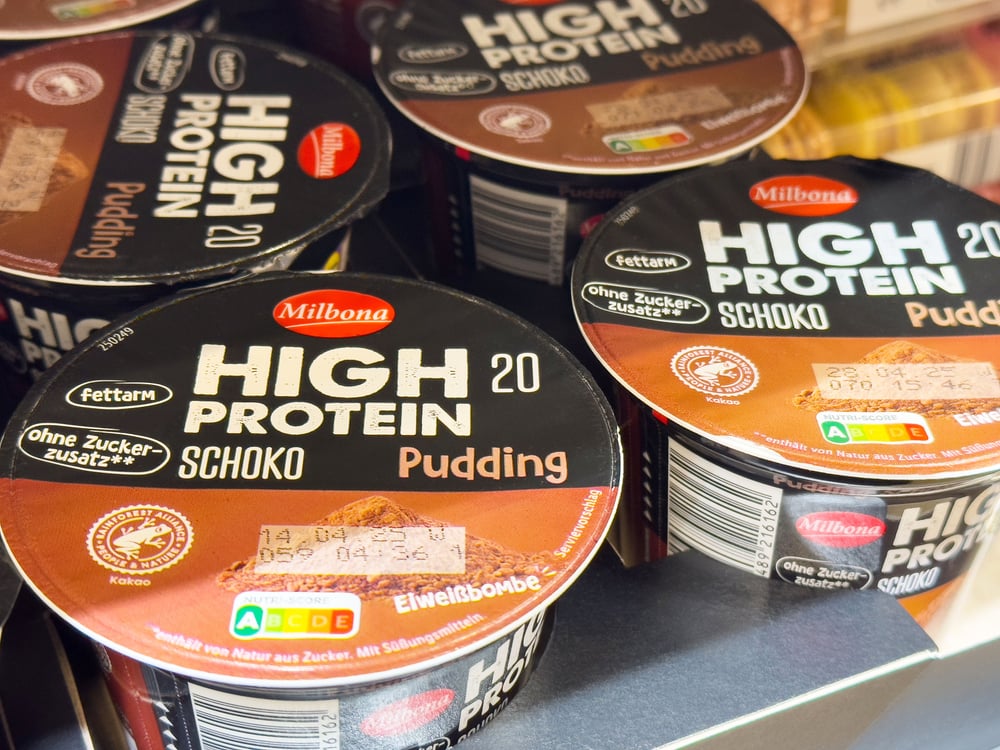
Individual servings of pudding felt fancy and grown-up. No sharing required, no measuring — just peel back the foil and eat dessert with a tiny spoon that made the experience last longer.
Apple Jacks
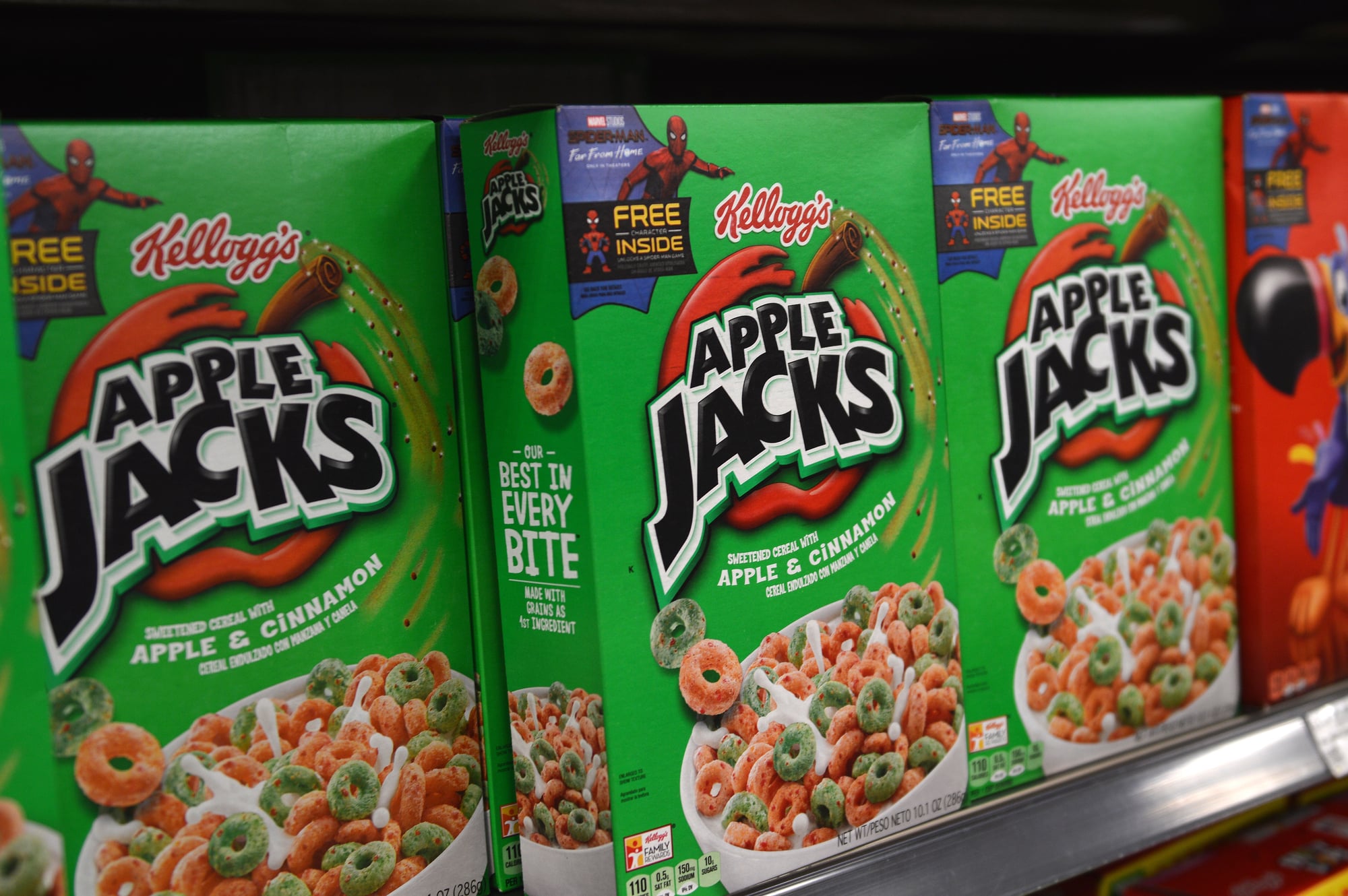
Cereal that tasted nothing like apples somehow made perfect sense in the 1980s. The bright colors were visually appealing, and the complete disconnect between name and flavor felt like being in on some kind of joke.
Squeeze Its
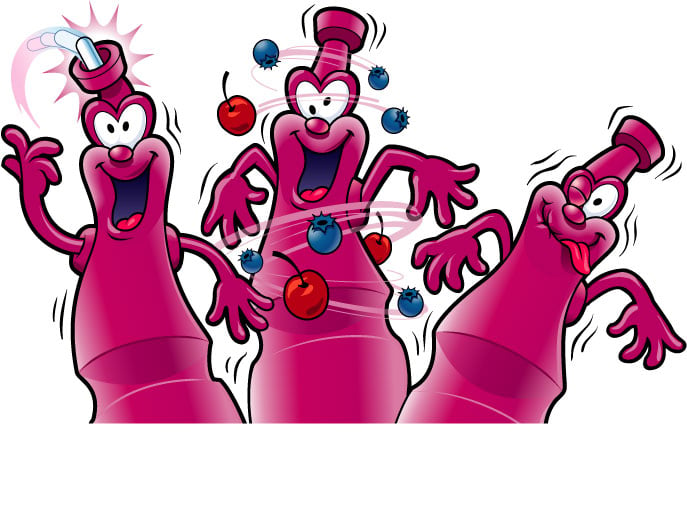
Plastic bottles you could squeeze directly into your mouth eliminated the need for cups entirely. They were basically liquid candy delivery systems disguised as fruit drinks, and the packaging made drinking them feel like an activity rather than just refreshment.
The bottles themselves became toys afterward — kids would refill them with water and pretend they were space food or magic potions, which meant parents were essentially buying a drink and a toy for the price of one overpriced sugar water container.
Hi-C Ecto Cooler
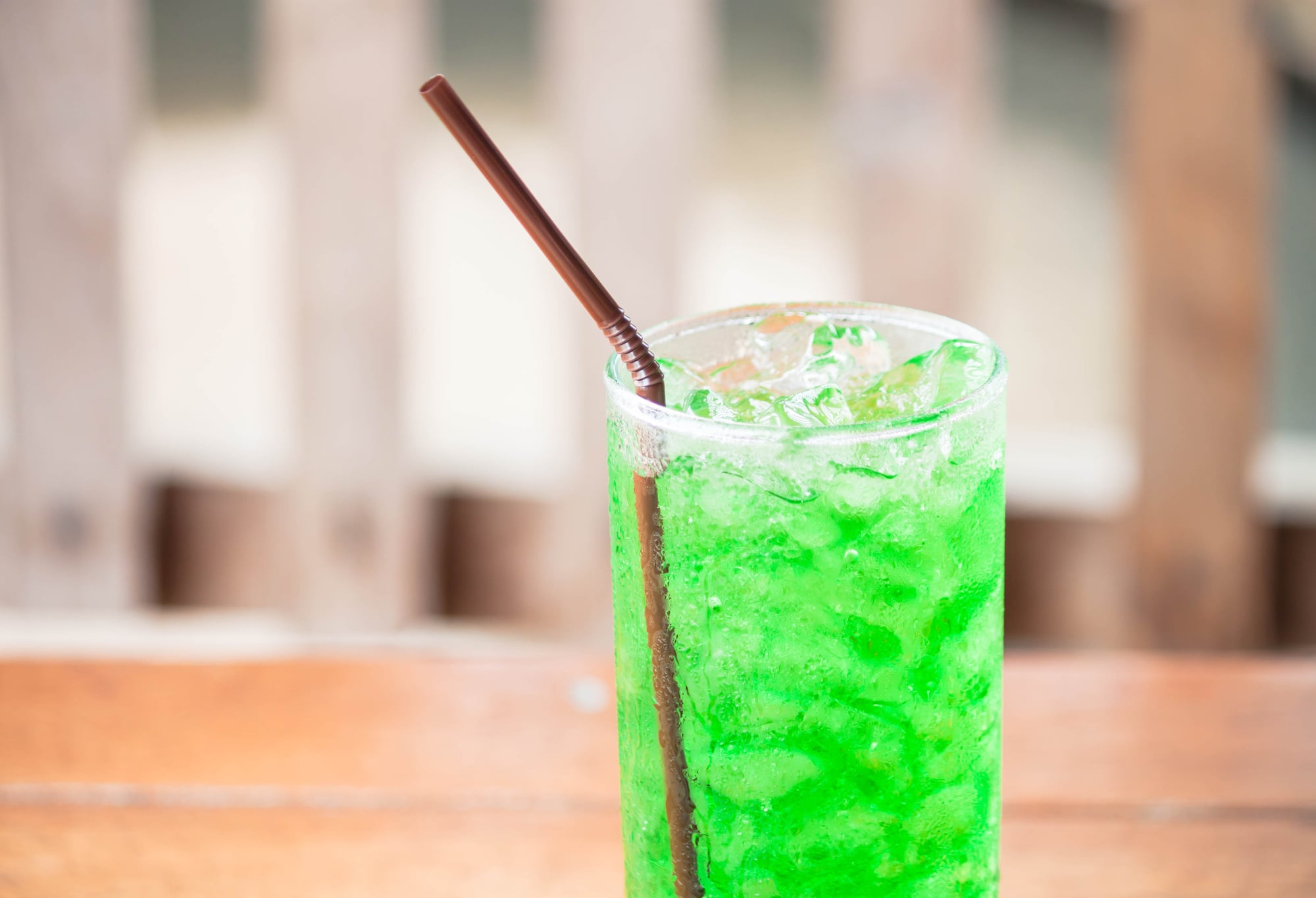
This green drink existed purely because of Ghostbusters, and kids absolutely did not care that it was a marketing tie-in. The color was unnaturally vibrant, the flavor was completely artificial, and that made it perfect.
Bagel Bites
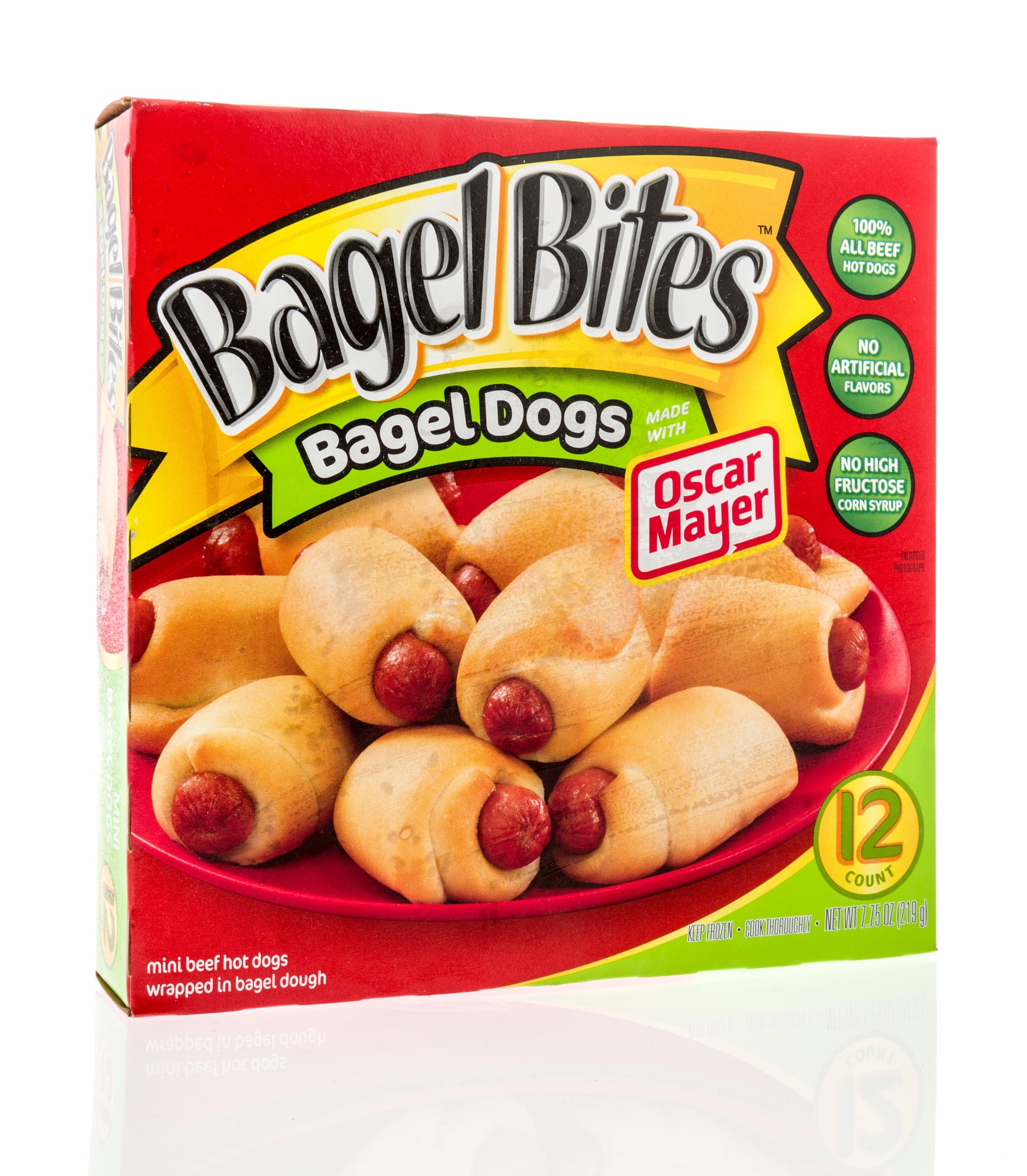
Pizza on a bagel represented the height of 1980s food innovation. They were small enough for kid-sized hands but substantial enough to feel like real food, which made them the perfect after-school snack.
Crystal Light
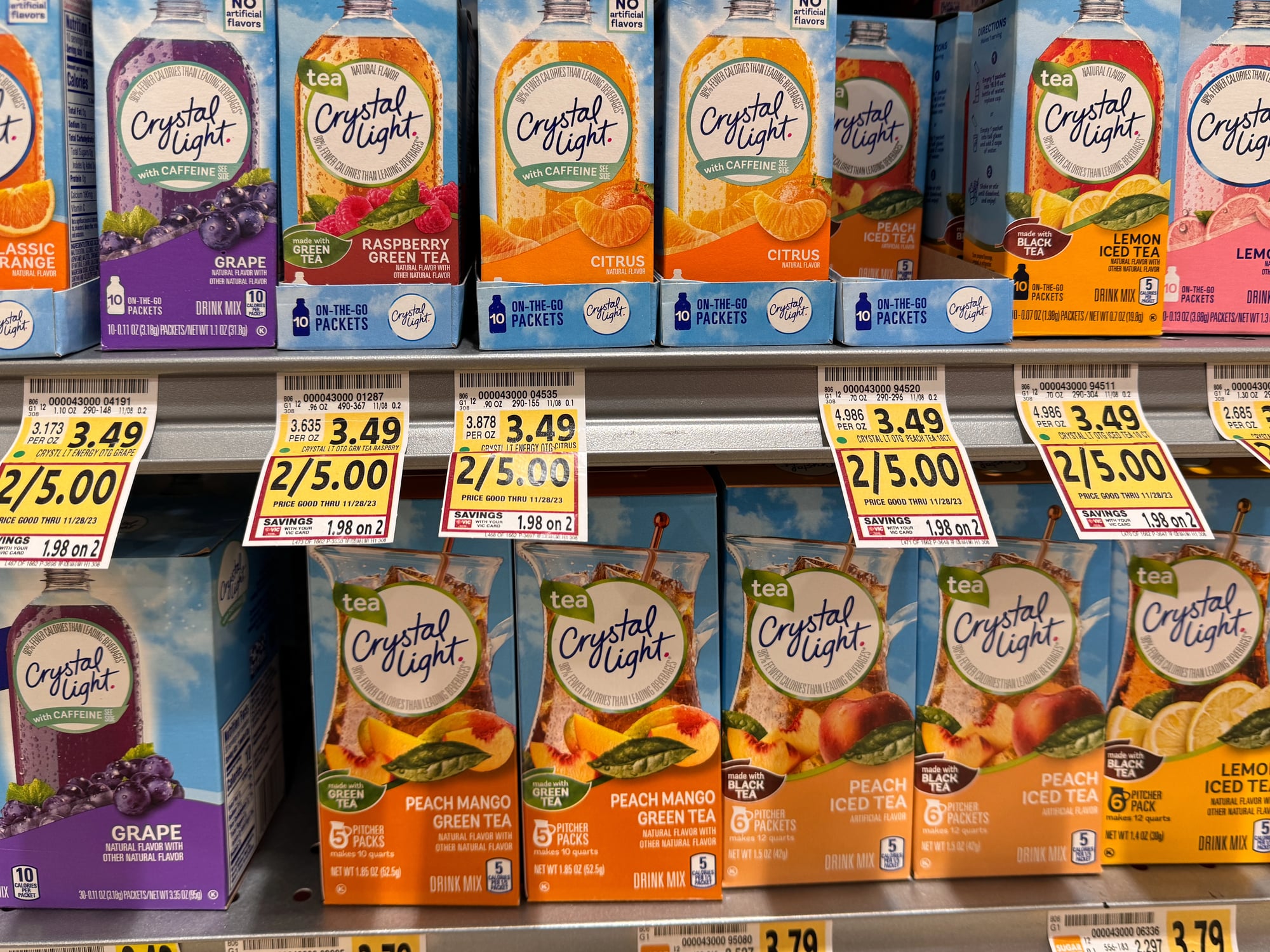
Sugar-free drink mix felt sophisticated and adult-like, especially when your parents were trying to cut down on sugar. The fact that it came in grown-up flavors like iced tea made kids feel like they were drinking something important and refined.
When Shopping Meant Something Different

Those grocery store battles weren’t really about sugar or artificial flavors or nutrition labels. They were about agency in a world where kids had very little control over anything.
The cereal aisle was one of the few places where your opinion actually mattered, where your preferences could influence real household decisions. Getting your parents to put Fruit Roll-Ups in the cart felt like a genuine victory — proof that your voice carried weight in the adult world, even if that weight was measured in high fructose corn syrup and food coloring.
More from Go2Tutors!

- The Romanov Crown Jewels and Their Tragic Fate
- 13 Historical Mysteries That Science Still Can’t Solve
- Famous Hoaxes That Fooled the World for Years
- 15 Child Stars with Tragic Adult Lives
- 16 Famous Jewelry Pieces in History
Like Go2Tutors’s content? Follow us on MSN.