23 Banned Musical Performances That Became Legendary Anyway
There’s something about being told “no” that makes certain things immortal. A performance that plays out without incident, gets politely applauded, and fades into the archive — that’s one kind of legacy.
But a performance that gets yanked off the air, shut down by police, or condemned from a pulpit? That one gets remembered for decades.
The ban doesn’t just preserve the moment; it amplifies it, wraps it in myth, turns a single night into something that feels like it changed the air pressure in a room. These are the performances that someone, somewhere, decided the public couldn’t handle — and those decisions ended up doing more promotional work than any publicity team ever could.
Elvis Presley on The Ed Sullivan Show
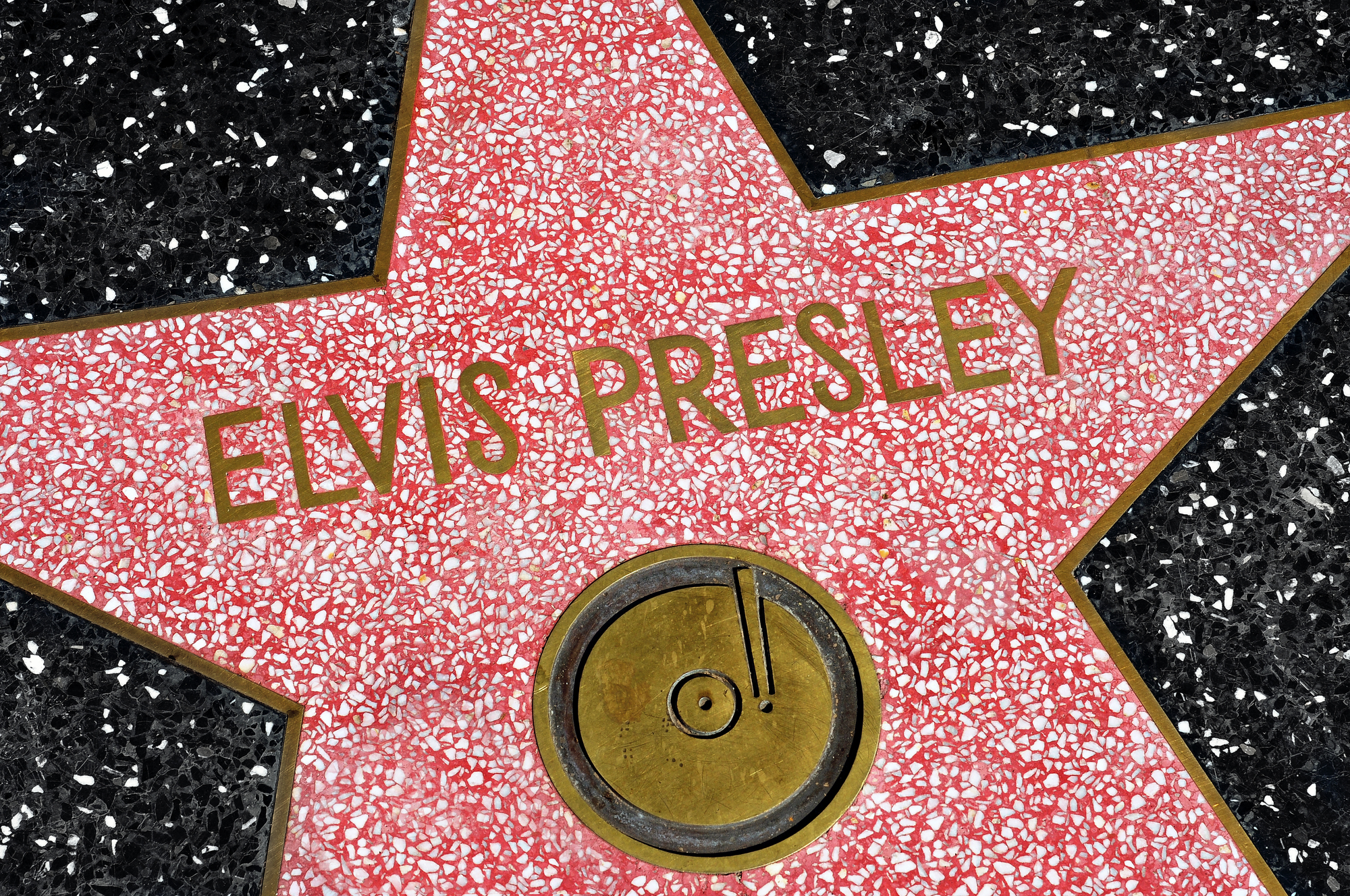
Ed Sullivan famously ordered cameras to film Elvis only from the waist up during his 1957 appearance, convinced that the lower-half gyrations were too intriguing for American living rooms. Sixty million people watched anyway — roughly 82% of the television audience at the time — which is saying something for a Sunday night in 1957.
The restriction made everyone more curious about what was happening below the frame, and the moment became the defining image of a generation deciding it was done with its parents’ taste in entertainment.
The Beatles in the Philippines
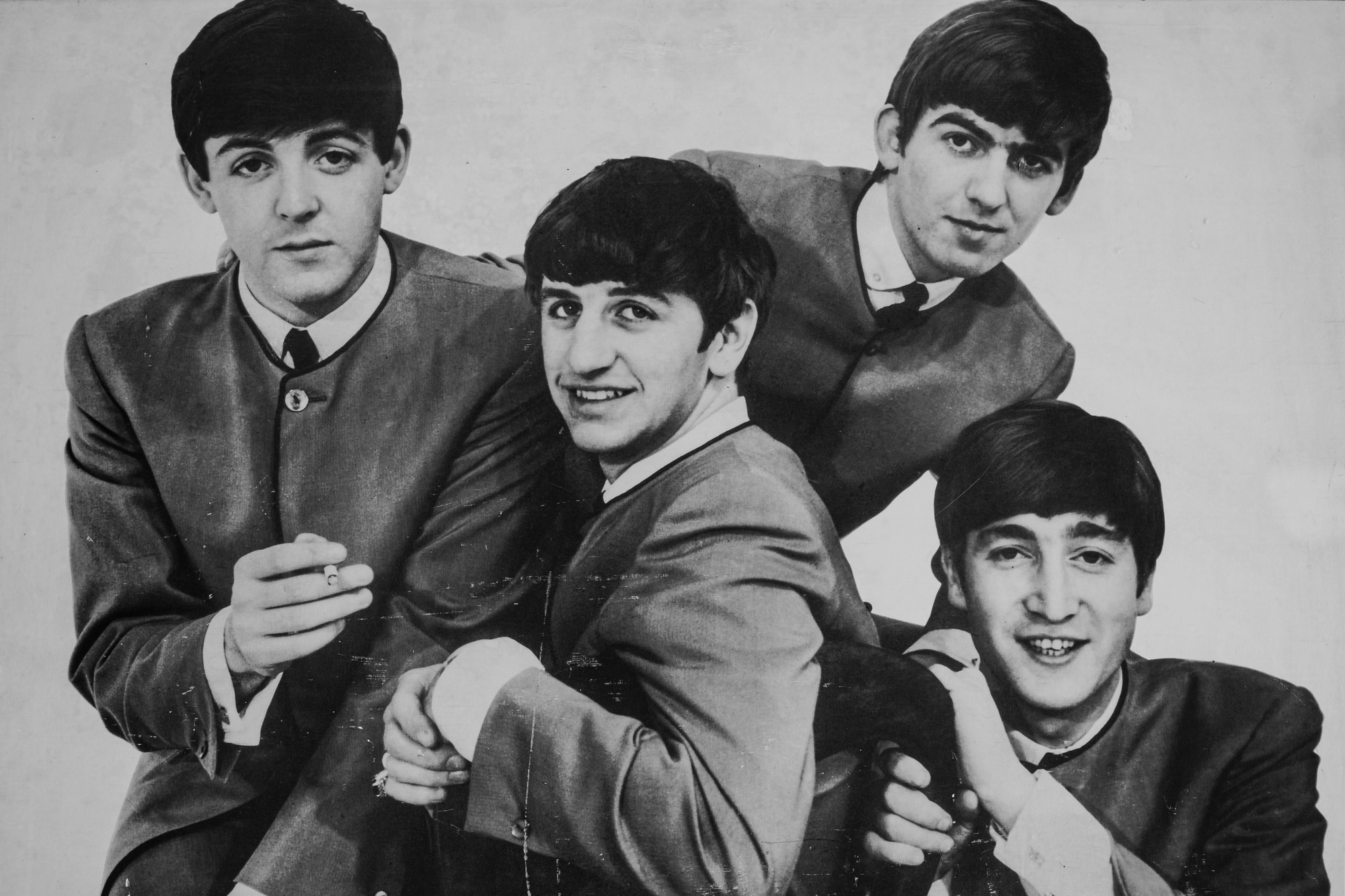
The Beatles accidentally snubbed Imelda Marcos in 1966 by failing to attend a palace reception they claim they never agreed to in the first place — and the fallout was immediate and genuinely threatening. Their equipment was confiscated, their police escorts vanished, and the band was shoved and jostled through Manila airport by a crowd that had been whipped into nationalist fury by state television, which had spent the morning airing footage of the “intentional” slight on a loop.
They escaped the country shaken, and that particular tour stop — which nobody planned to remember — became one of the most documented near-disasters in rock history.
The Doors on The Ed Sullivan Show
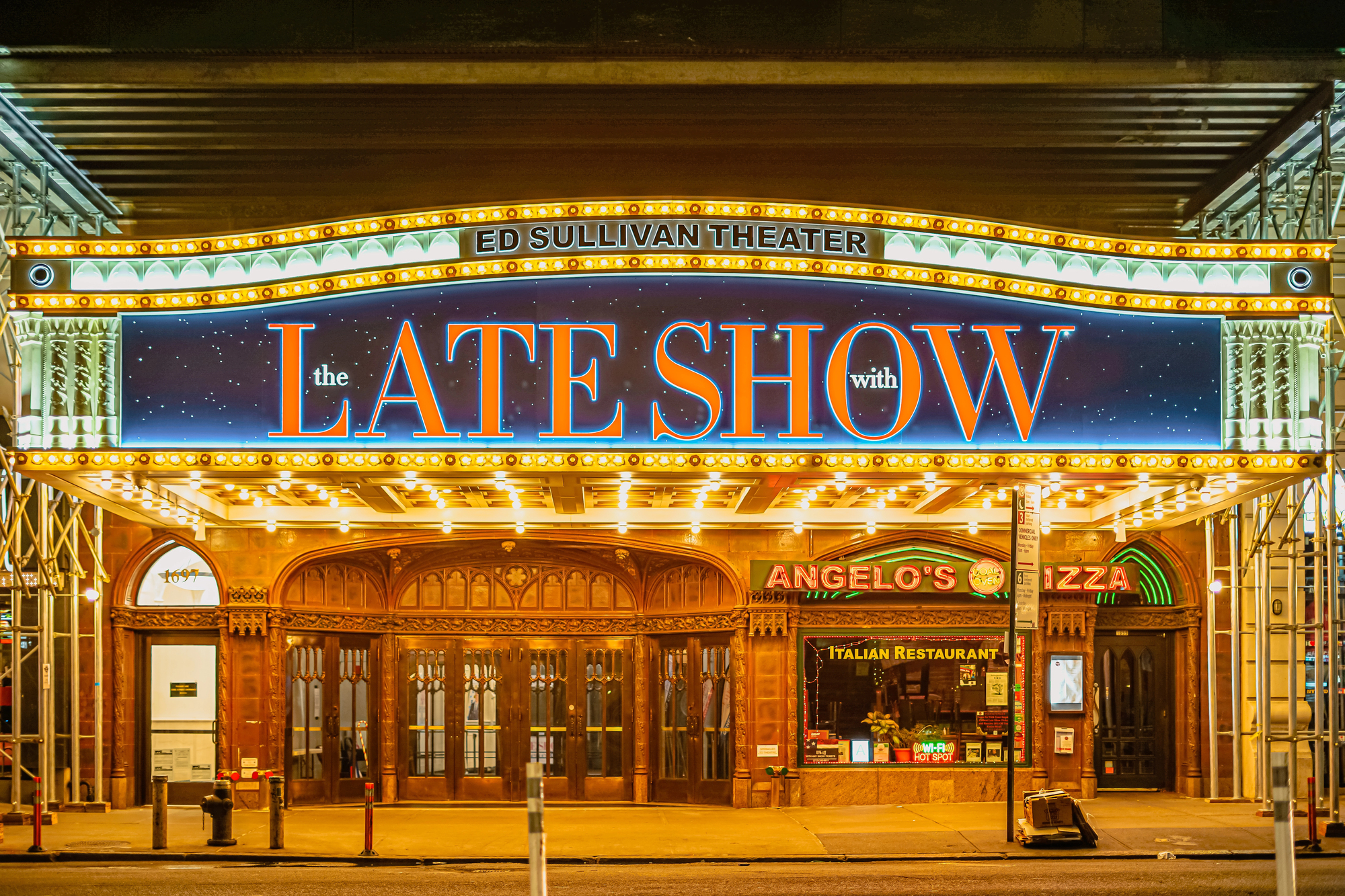
Jim Morrison agreed to change the lyric “girl, we couldn’t get much higher” before the band’s Sullivan appearance in 1967, and then sang it exactly as written anyway. Sullivan banned them from all future appearances on the spot.
Morrison reportedly shrugged and said that was the only time they’d be on the show, so they may as well do it right — which, fair enough, is the correct attitude.
John Lennon and Yoko Ono’s “Bed-In”
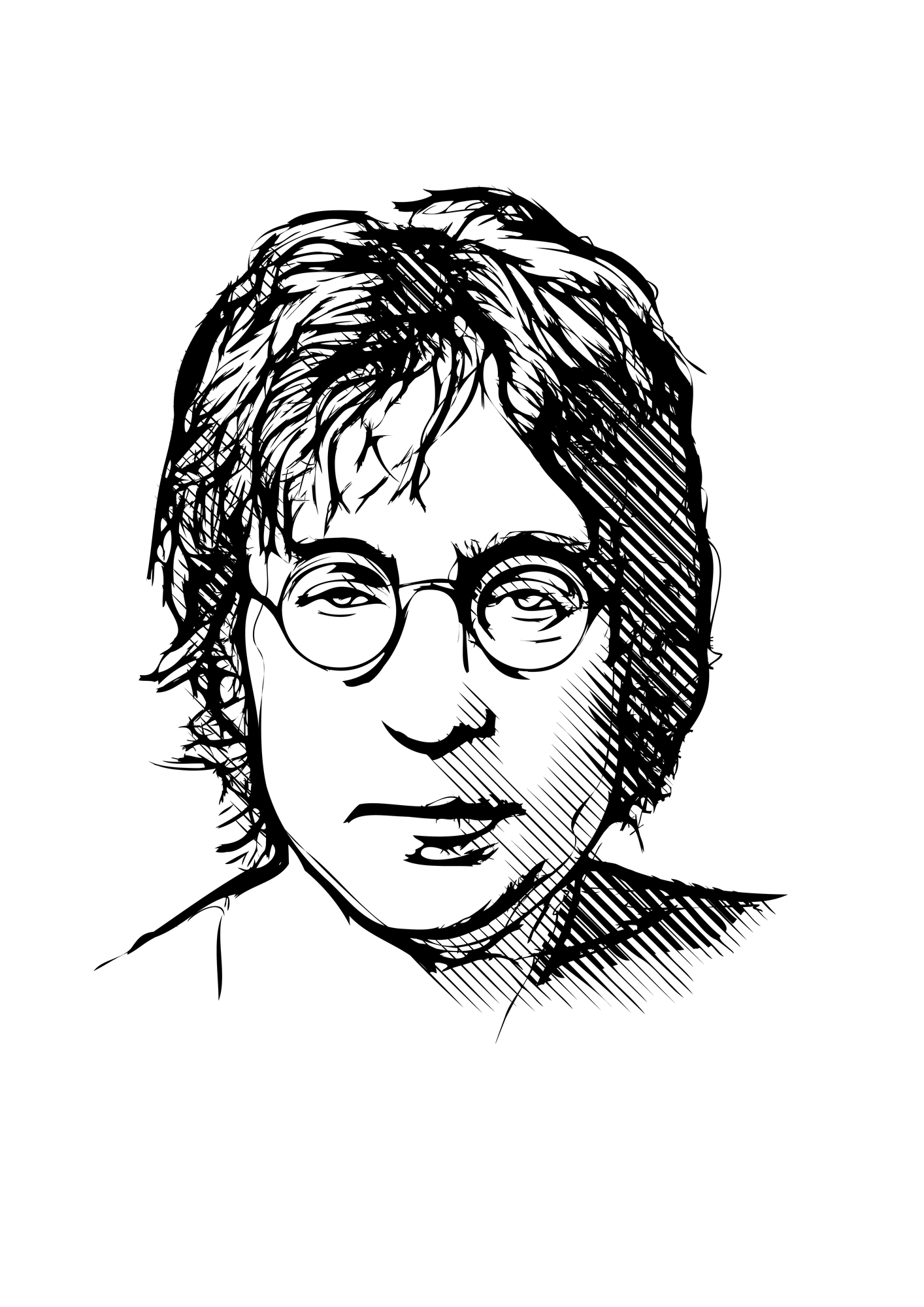
The Amsterdam Bed-In of 1969 was denied a US visa and relocated to Montreal — a small but consequential bureaucratic intervention that ended up producing “Give Peace a Chance,” recorded live in that Montreal hotel room with a rotating cast of visitors. What the Nixon administration feared would be Lennon’s platform became something far larger than any stage could have held: a recording that became an anthem sung at protests for the next fifty years, born directly from the attempt to contain it.
Nina Simone at Westbury Music Fair
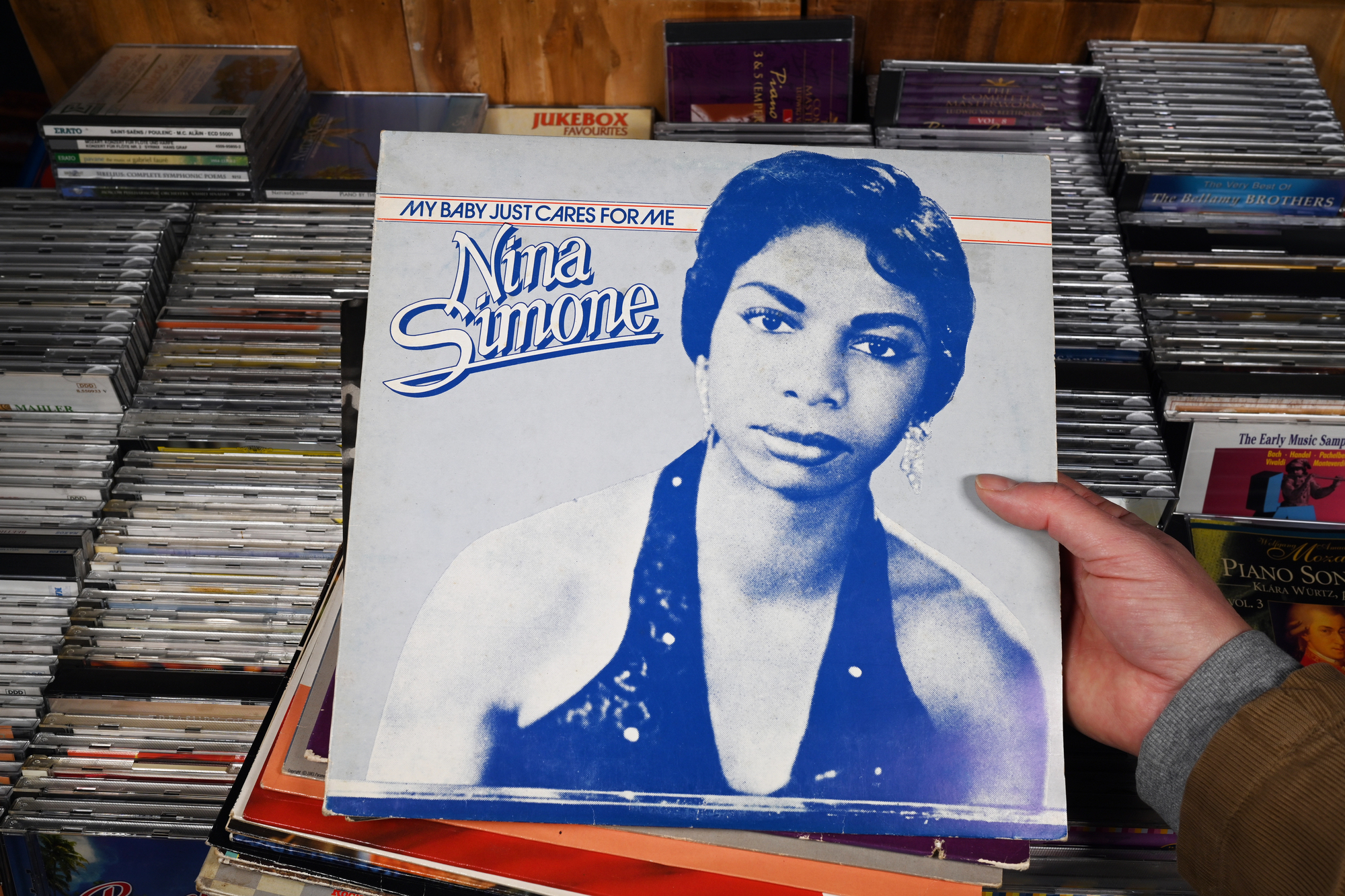
Nina Simone’s political performances throughout the late 1960s made promoters visibly nervous — her song “Mississippi Goddam,” written in direct response to the murder of Medgar Evers and the Birmingham church bombing, was returned by radio stations in the South with the records snapped in half. The live performances couldn’t be snapped, though, and Simone kept playing them with the kind of composure that made the content land harder than any raised voice could have managed.
Those performances are now considered among the most significant artistic responses to the civil rights era — which is more than can be said for anyone who tried to silence them.
The Rolling Stones on The Ed Sullivan Show
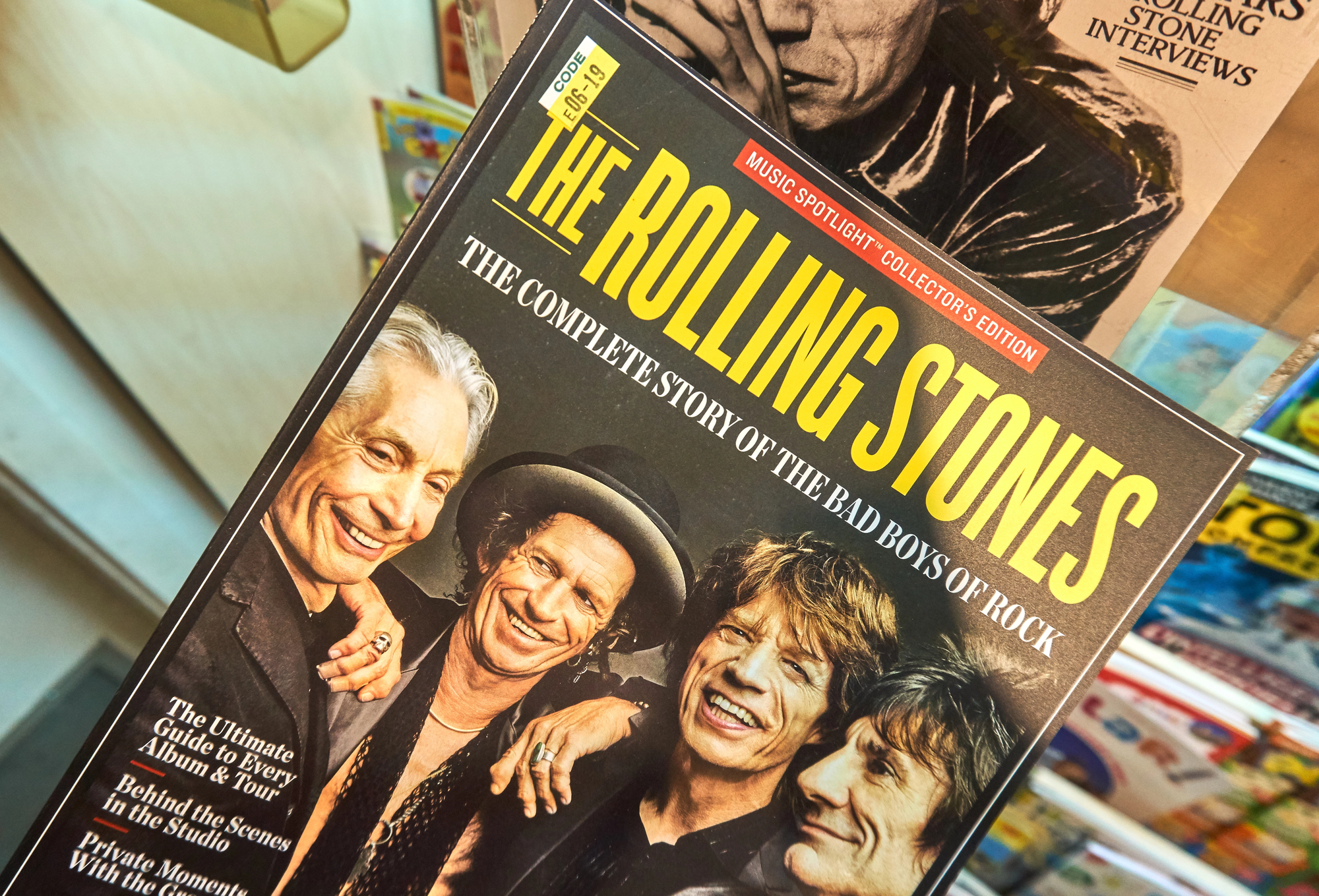
Sullivan demanded the Stones change “Let’s Spend the Night Together” to “Let’s Spend Some Time Together” for their 1967 appearance, and Mick Jagger complied — but rolled his eyes so theatrically every time he sang the substituted lyric that the censorship became the performance. It’s a delicate art: the eye-roll that tells the entire audience exactly what word should have been there.
The moment is remembered not as a successful sanitization but as a document of someone being forced to say the wrong thing and making sure everyone knew it.
Sinéad O’Connor on Saturday Night Live
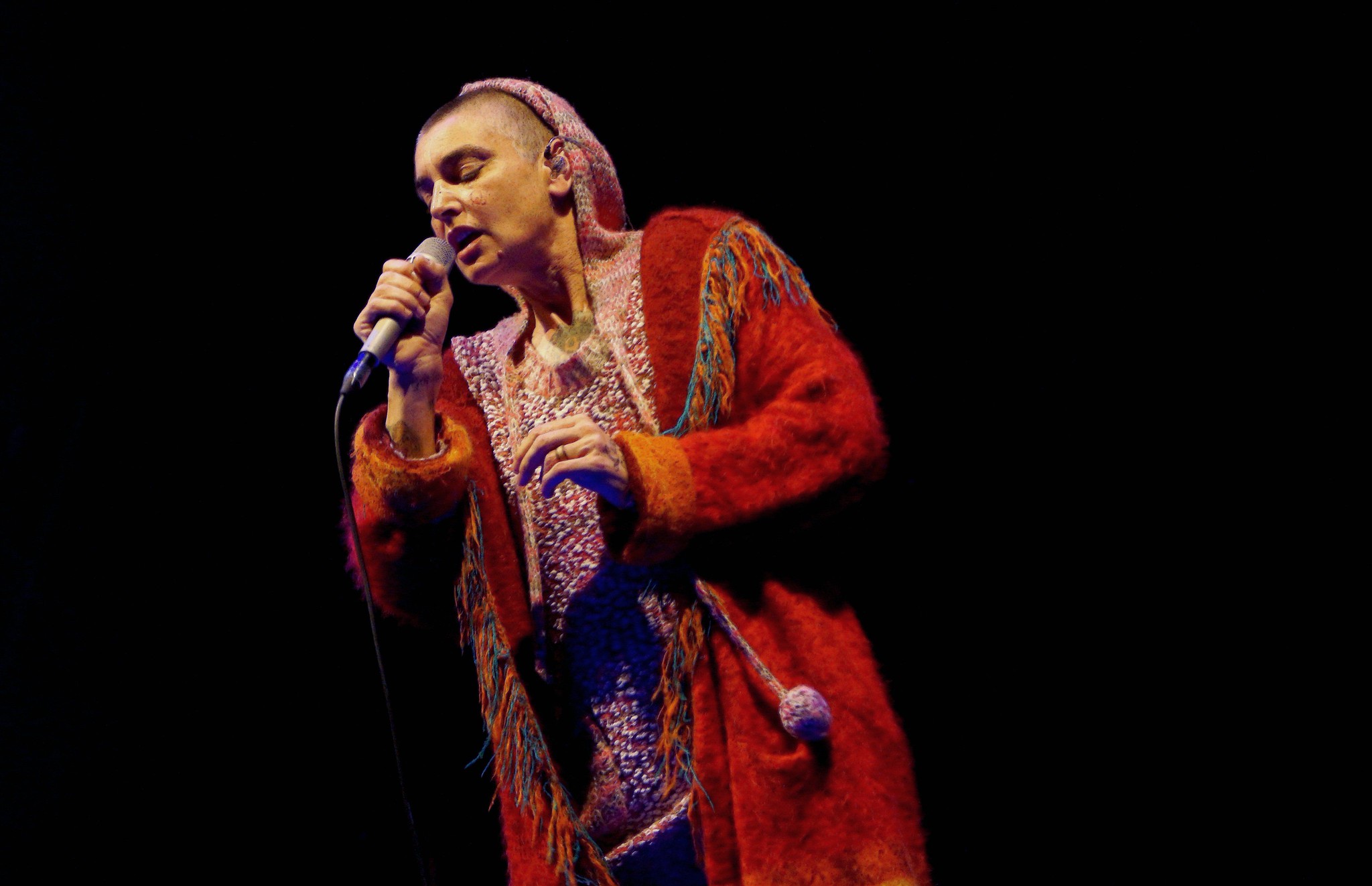
In 1992, Sinéad O’Connor tore up a photograph of Pope John Paul II on live television at the end of her SNL performance, and the studio went completely silent — no applause, no music, just the kind of stillness that happens when a room doesn’t know what it just watched. NBC received thousands of complaints, her album sales collapsed in the short term, and she was booed at a Bob Dylan tribute concert weeks later.
Three decades on, with the Catholic Church’s institutional abuse fully documented and publicly reckoned with, the performance reads less like a provocation and more like an indictment that arrived thirty years early.
Public Enemy at Various Venues
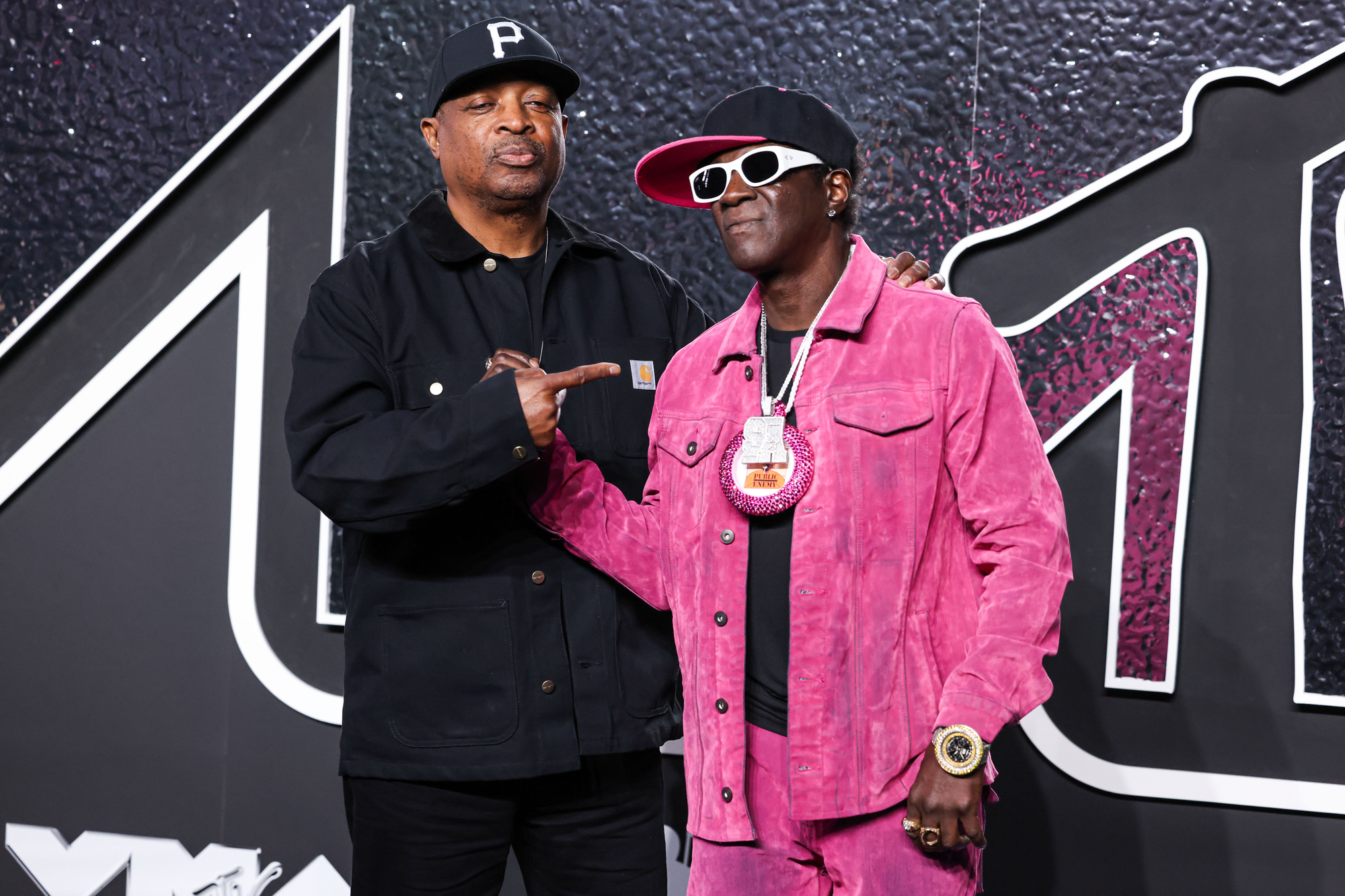
Public Enemy found themselves disinvited from multiple venues and radio stations throughout the late 1980s and early 1990s, with “Fight the Power” — recorded for Spike Lee’s Do the Right Thing — receiving virtually no mainstream radio play despite being one of the most sonically and lyrically dense tracks of the decade. The refusal to platform them didn’t mute the record; it gave it exactly the kind of street-level credibility that couldn’t be manufactured.
So it spread the way music spread before algorithms: person to person, tape to tape, undeniable.
Pussy Riot in Moscow
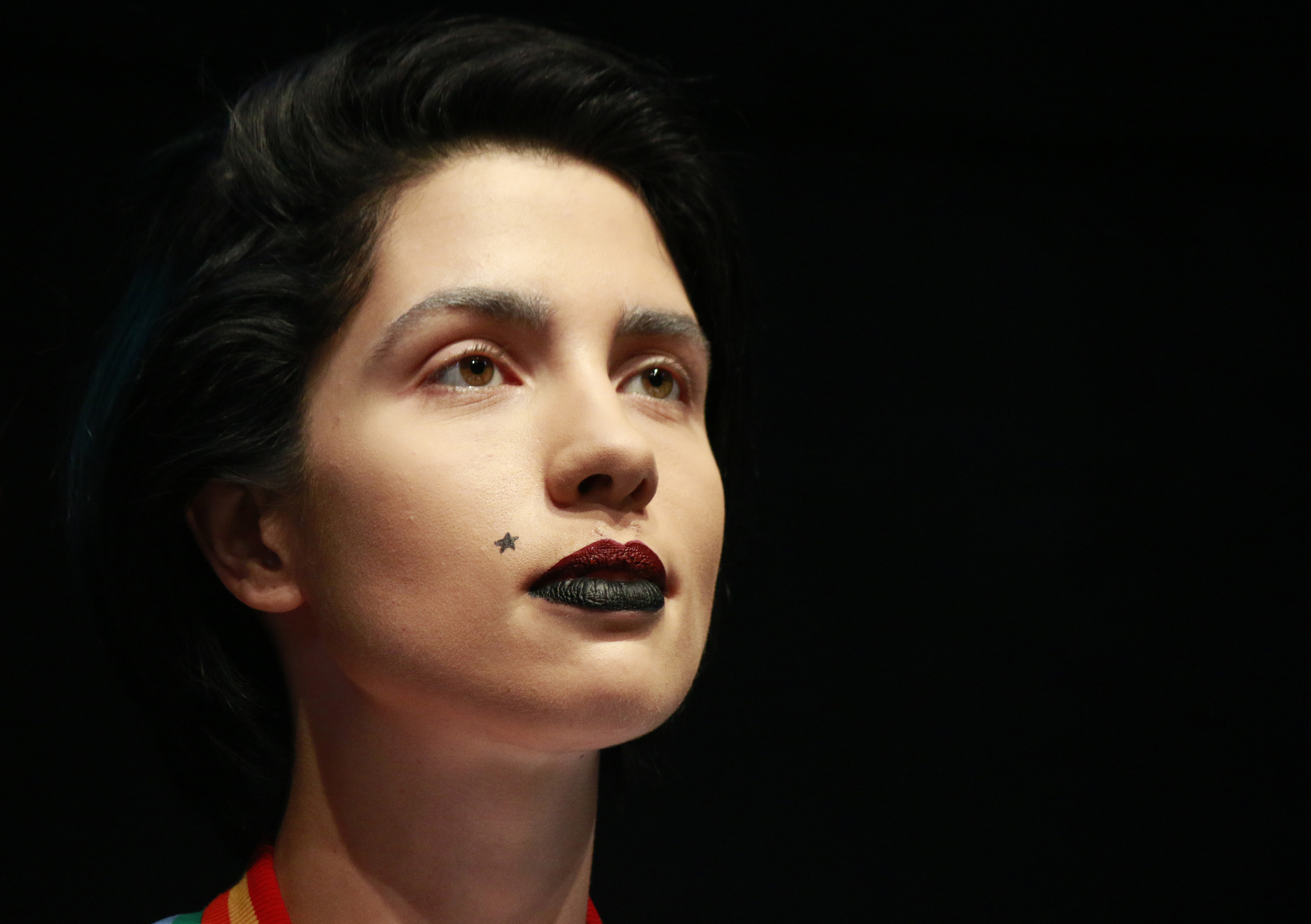
Pussy Riot’s 2012 performance at Moscow’s Cathedral of Christ the Saviour lasted less than a minute before security removed them — but the footage circulated globally within hours, and the subsequent imprisonment of three members for “hooliganism motivated by religious hatred” turned a brief, chaotic guerrilla performance into an international flashpoint. The trial was, if anything, a second performance: a longer, slower one that the Russian government staged on its own behalf and lost badly.
The band’s name became a shorthand for a kind of protest that refuses to be made quiet by the act of quieting it.
Bruce Springsteen in East Germany
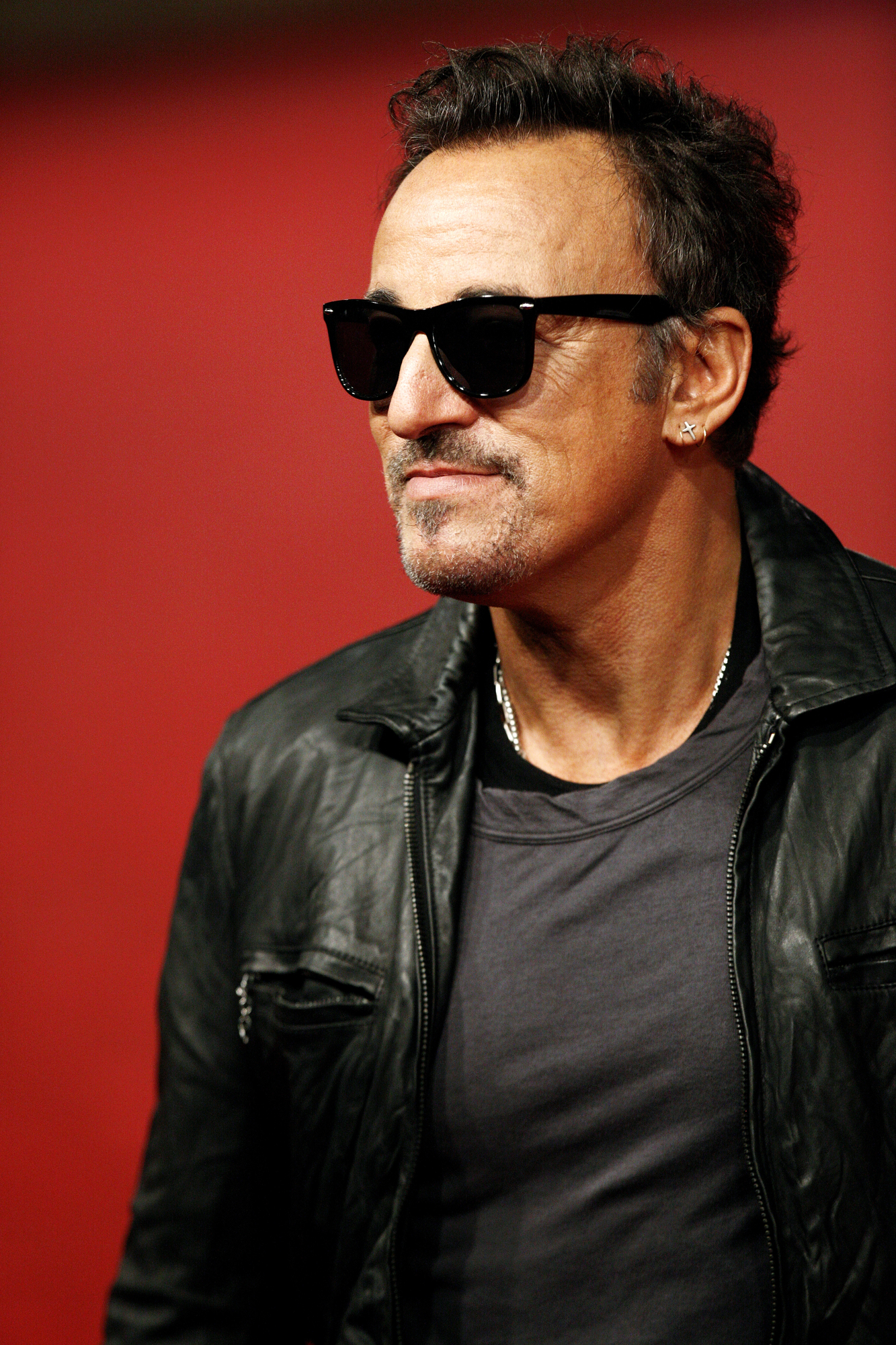
In 1988, Bruce Springsteen played to an estimated 300,000 people in East Berlin — a concert the East German government permitted partly to release social pressure, only to watch Springsteen speak directly to the crowd about hoping that one day “all barriers” would come down. The authorities had not anticipated that part.
Some historians credit the concert with contributing meaningfully to the mood that preceded the Wall’s fall the following year, which is an enormous amount of weight to place on a single evening, and yet — the people who were there do not seem to find it overstated.
N.W.A and the FBI Letter
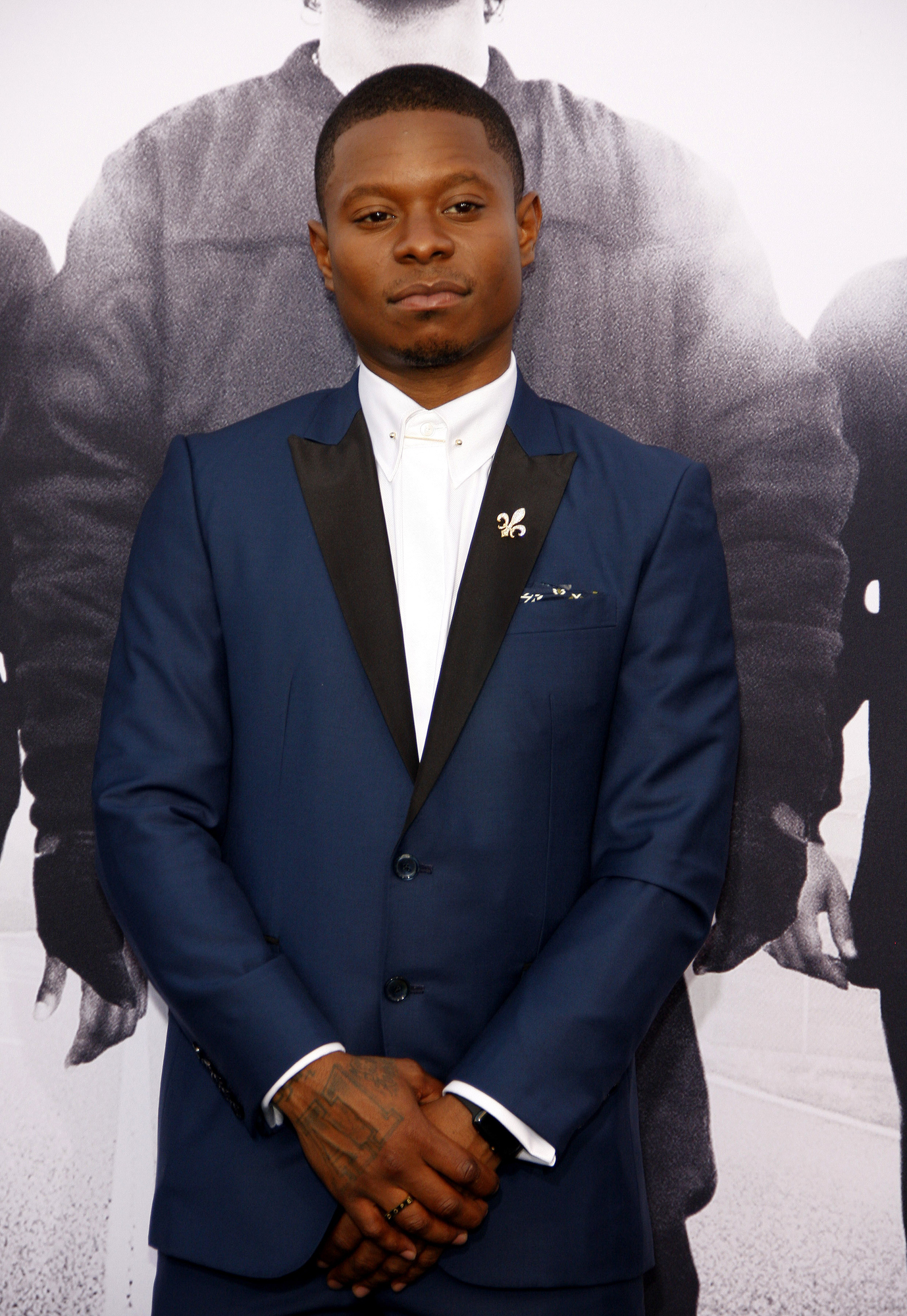
The FBI sent a letter to N.W.A’s label, Priority Records, in 1989 expressing concern about “Straight Outta Compton,” specifically the track “F— tha Police” — a move that was unprecedented and deeply, inadvertently effective as a marketing strategy. Radio stations weren’t playing the album; the letter made sure everyone knew exactly which album wasn’t being played and why.
It’s one of the cleaner examples in history of institutional pressure creating the very audience it was trying to prevent.
Rage Against the Machine at the DNC
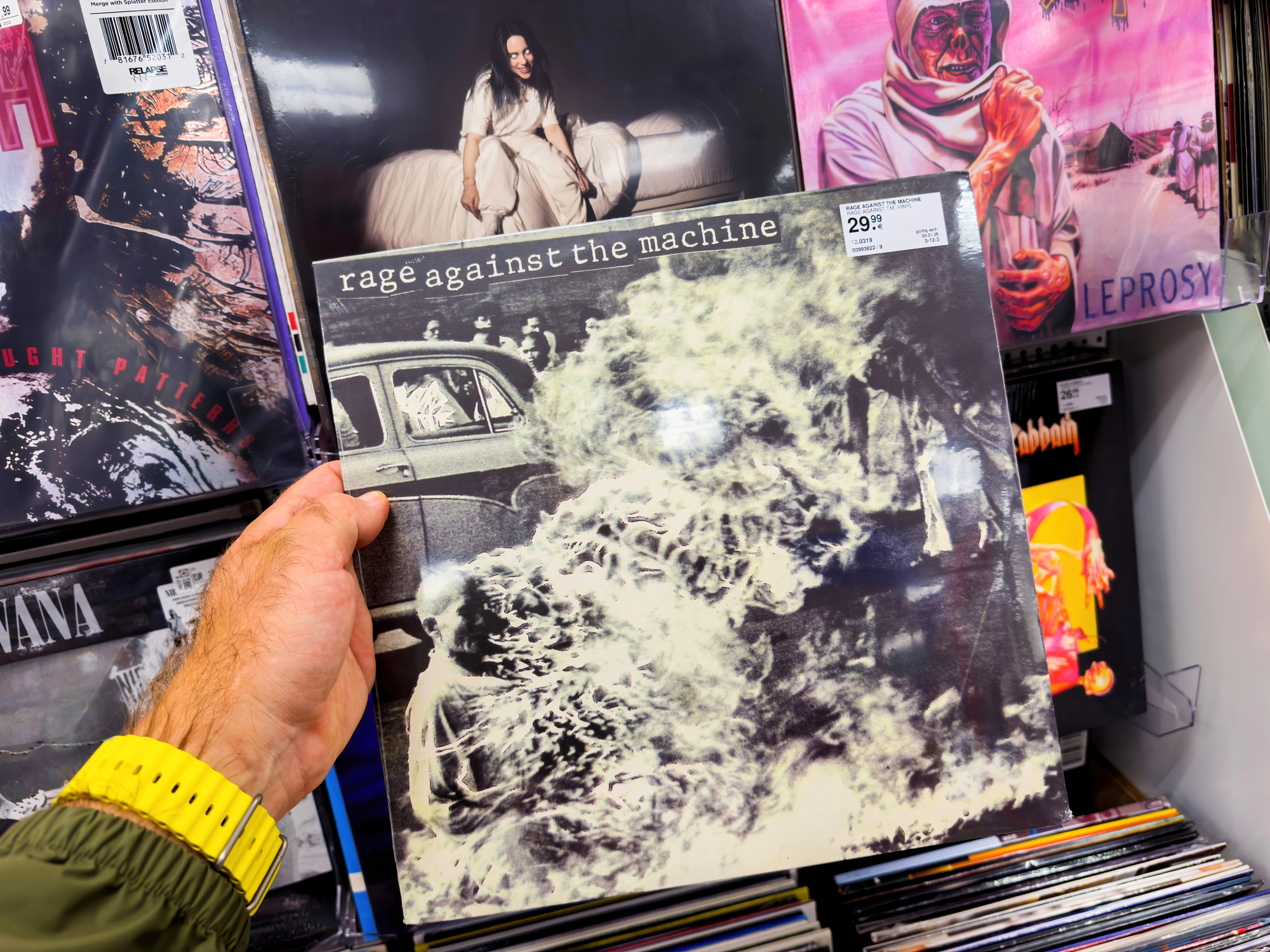
Rage Against the Machine played an unauthorized concert outside the 2000 Democratic National Convention in Los Angeles, and police in riot gear moved in on the crowd before the set concluded. The images — a band playing while officers advanced — became some of the most widely circulated photographs of that political moment.
The abrupt end of the performance, far from muting the message, fused it permanently to the imagery of state force meeting dissent: exactly the argument the band had been making in their music for a decade.
Lady Gaga in Indonesia
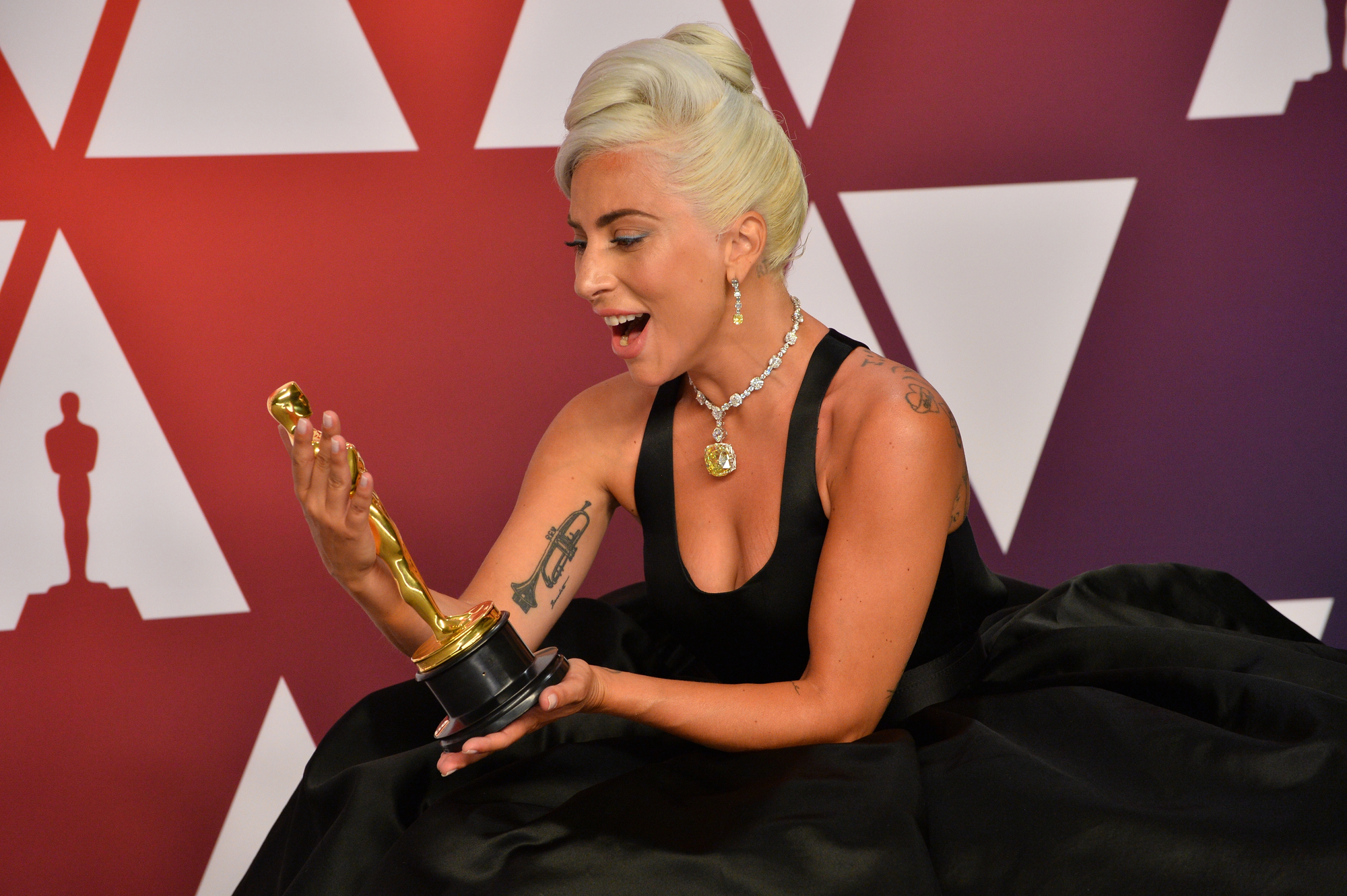
Indonesian authorities canceled Lady Gaga’s 2012 Jakarta concert following pressure from hardline religious groups who objected to her costuming and choreography, citing threats to public order. Tens of thousands of ticket holders were left without a show.
The cancellation drew more international press coverage than the concert itself would have generated, and the controversy remains one of the most-cited examples of performance bans producing disproportionate global visibility for the artist in question.
Fela Kuti in Nigeria
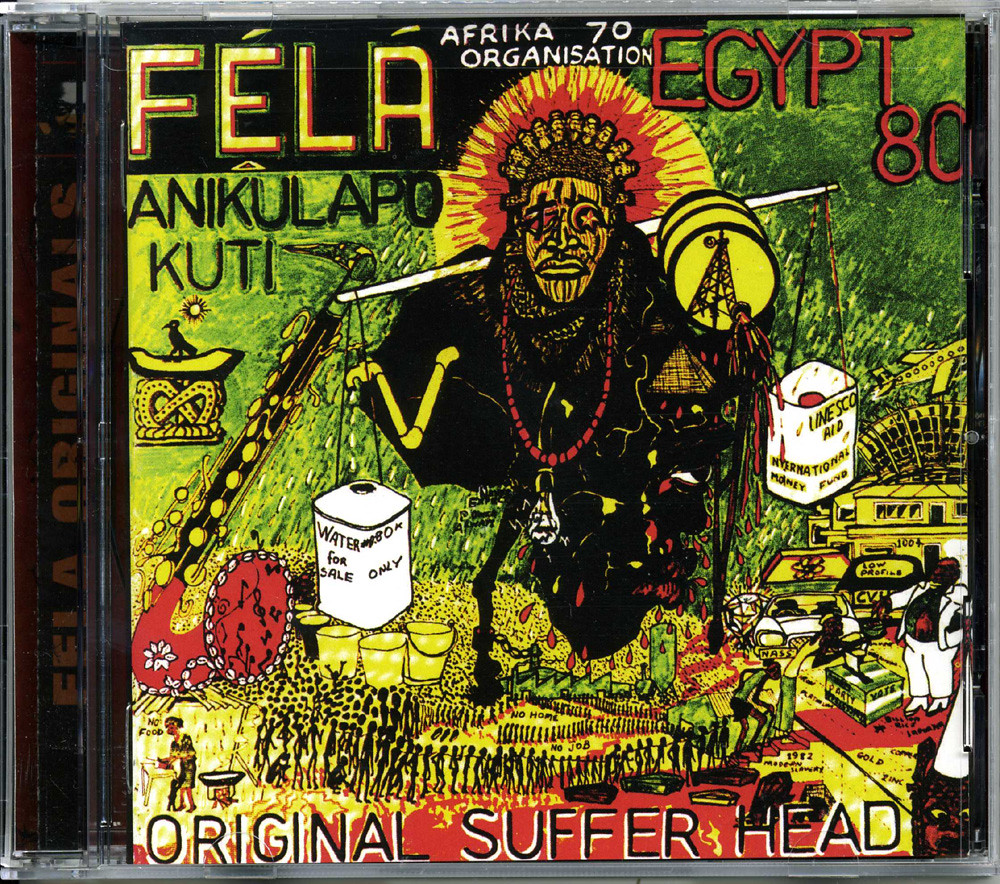
Fela Kuti’s compound, the Kalakuta Republic, was raided by roughly 1,000 Nigerian soldiers in 1977 — a response to his relentless musical criticism of the military government. His recordings were confiscated, the compound burned, and Fela was severely beaten.
He responded by releasing “Coffin for Head of State,” which he performed publicly with a coffin borne to the gates of the Supreme Military Council. The Nigerian government’s attempt to silence him produced, instead, the most defiant and widely distributed music of his career.
The Clash at Victoria Park
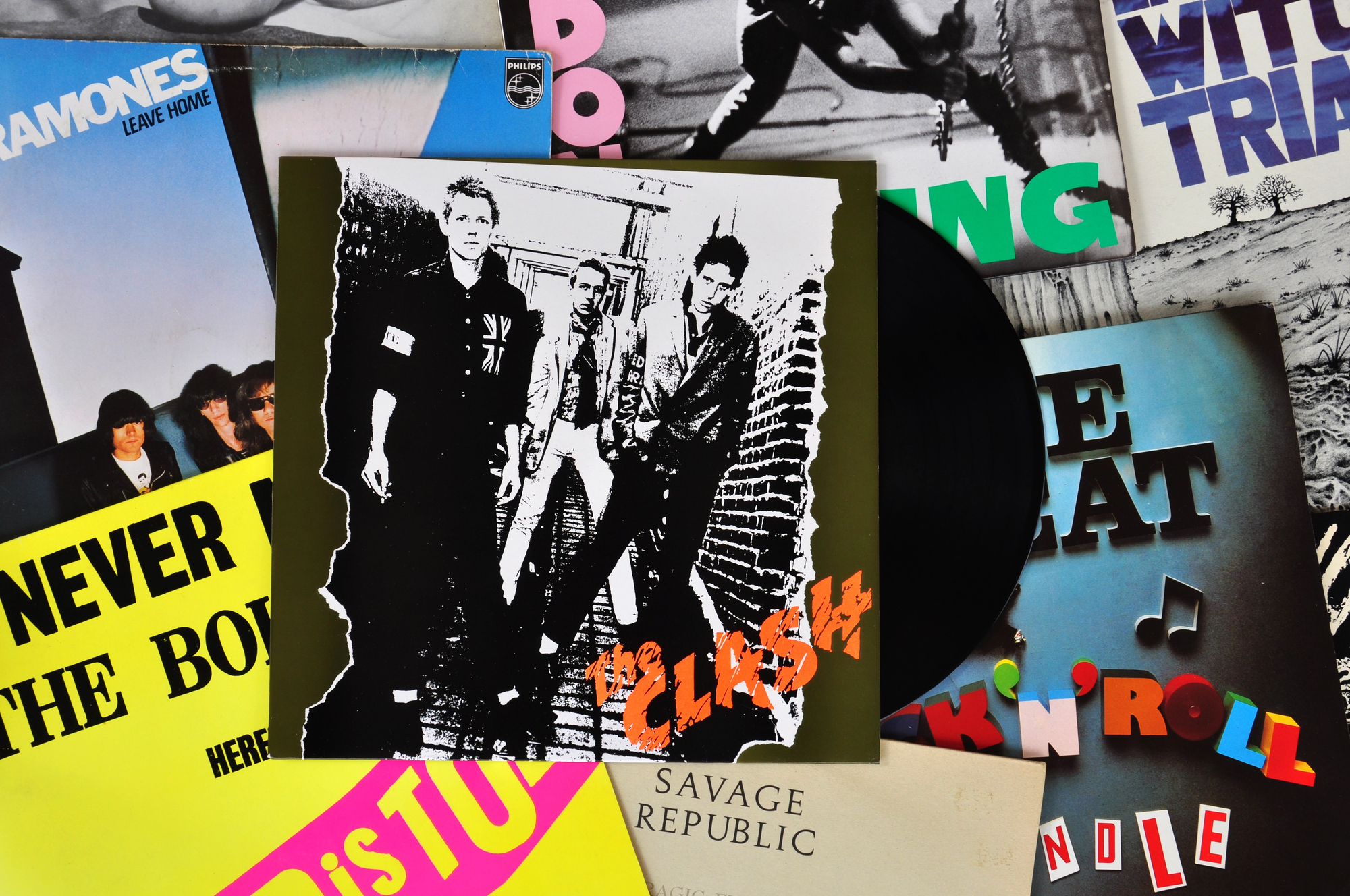
The Clash’s 1978 appearance at the Rock Against Racism carnival in London’s Victoria Park drew somewhere between 80,000 and 100,000 people — a show that had been met with institutional indifference and active skepticism from promoters who doubted the event would materialize. Like a river that finds its level no matter how many times you redirect it, the audience simply arrived anyway, the music played, and the moment became the definitive document of a cultural movement that explicitly positioned rock music against the National Front’s rising influence in British cities.
Bob Dylan Going Electric at Newport
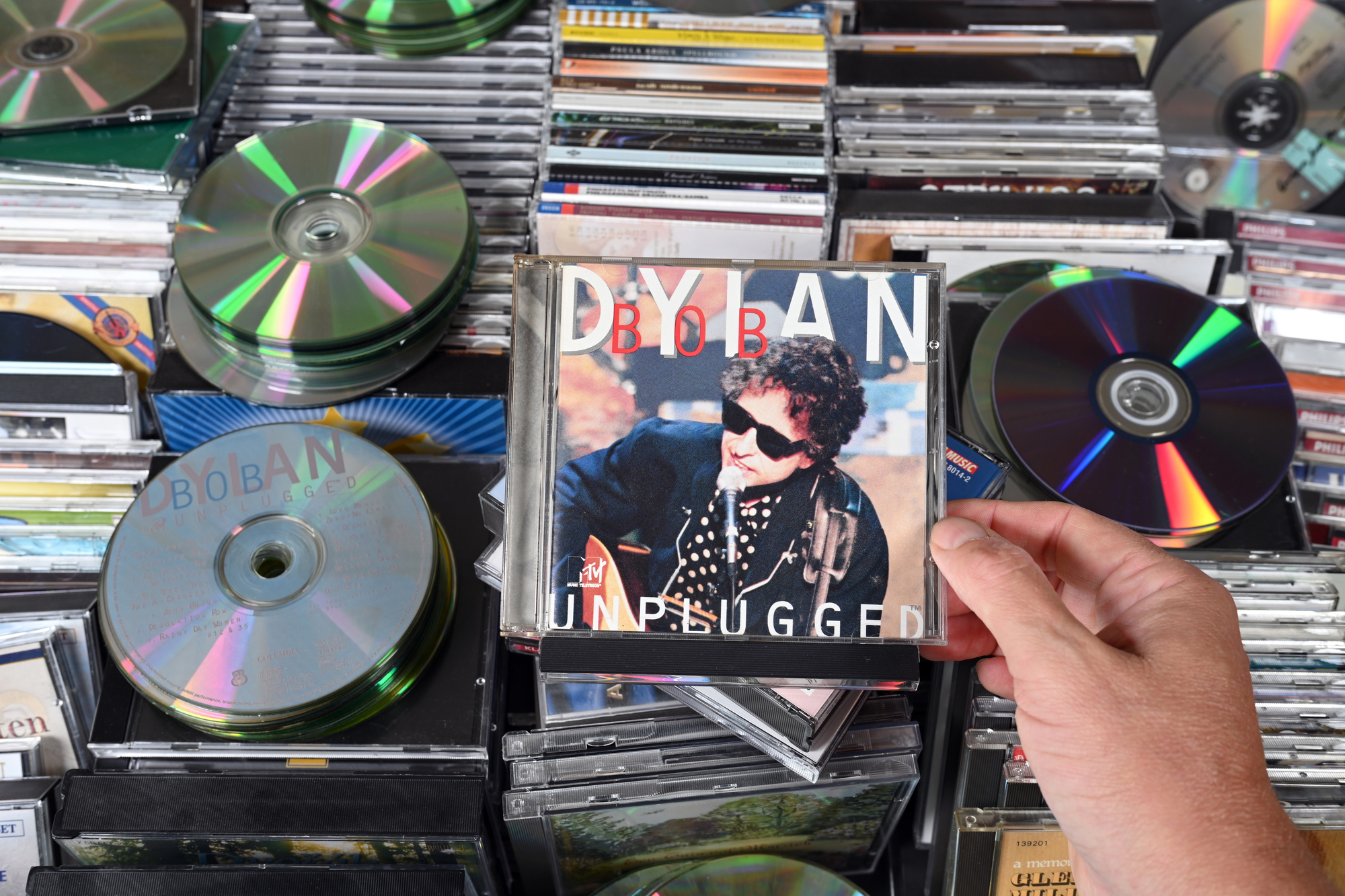
When Bob Dylan plugged in at the 1965 Newport Folk Festival and played electric guitar, a significant portion of the audience booed — Pete Seeger reportedly threatened to cut the power cables with an axe, though Seeger later disputed this framing. The performance was only three songs long before Dylan walked off stage, but it functionally ended one era of his career and began another, and that short, booed, chaotically received set is now discussed as one of the pivot points of twentieth-century popular music.
Sometimes a rejection is just a redirect wearing a bad disguise.
Marilyn Manson Across the Bible Belt
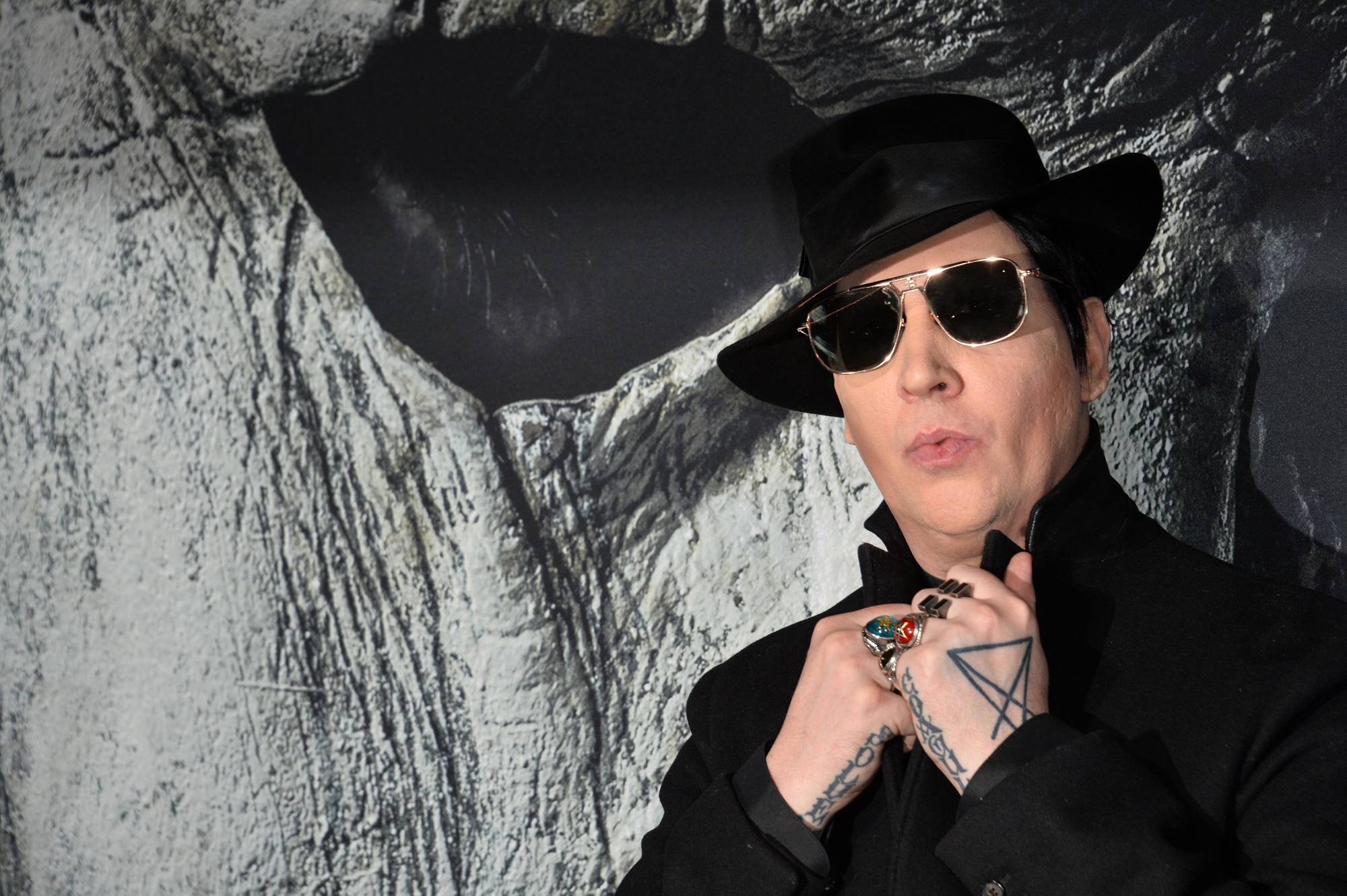
Throughout the 1990s, Marilyn Manson faced canceled concerts in cities across the American South and Midwest — local officials, religious coalitions, and parent groups successfully pressuring venues to pull shows in places like Oklahoma City, Salt Lake City, and Jacksonville. Each cancellation was reported nationally.
Each report introduced the band to another audience that had never heard of them. The tour didn’t need those cities; the controversy from those cities needed the tour.
The Buena Vista Social Club in the US
Cuban musicians associated with the Buena Vista Social Club were denied US visas in 2015 when they were nominated for Grammy Awards, continuing a decades-long pattern of travel restrictions that had kept Cuban performers largely invisible to American audiences despite enormous global recognition. The absurdity of a Grammy nominee being barred from attending the Grammy ceremony generated exactly the kind of cultural sympathy and press coverage that made Western audiences actively seek out their music.
Bureaucratic cruelty has a way of becoming its own recommendation.
Woodstock ’69 Without Permits
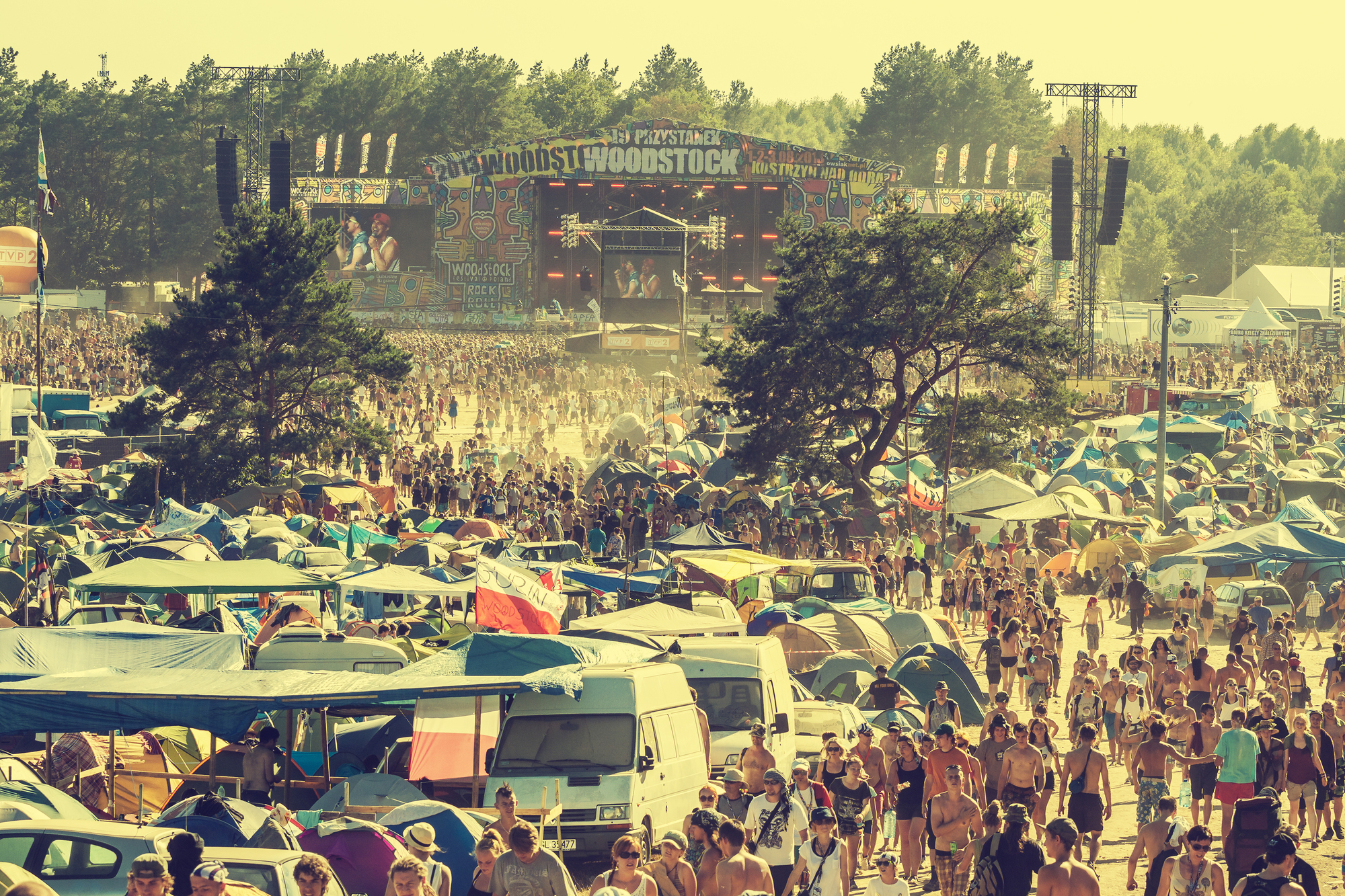
The original Woodstock in 1969 had permits for a far smaller gathering than the 400,000 people who arrived; local authorities declared it a disaster area and, in practical terms, lost all ability to regulate or shut it down once the crowd exceeded any containable size. The festival proceeded in a state of official alarm that nobody performing or attending seemed particularly concerned about, and the music — Jimi Hendrix’s sunrise set, Janis Joplin’s rain-soaked performance, Sly and the Family Stone at 3 a.m. — exists in memory as something that happened despite every reasonable effort to control it.
Victor Jara in Chile
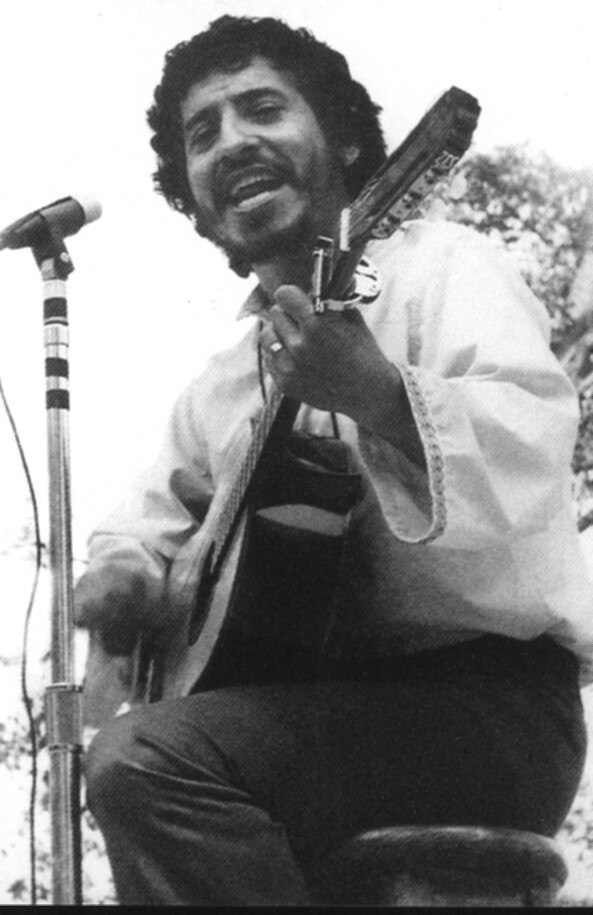
Victor Jara was a Chilean folk singer arrested during the 1973 coup that brought Pinochet to power; he was held in the Chile Stadium in Santiago, where he reportedly continued to sing to fellow prisoners despite having his hands broken. His murder days later could not silence the music he’d already made, and his songs circulated through the Latin American solidarity movement and far beyond — the Clash covered his work, and his legacy has expanded rather than contracted in the half-century since the attempt to end it.
There are performances that end in catastrophe and somehow become indestructible.
The Grateful Dead’s Free Concerts vs. City Permits
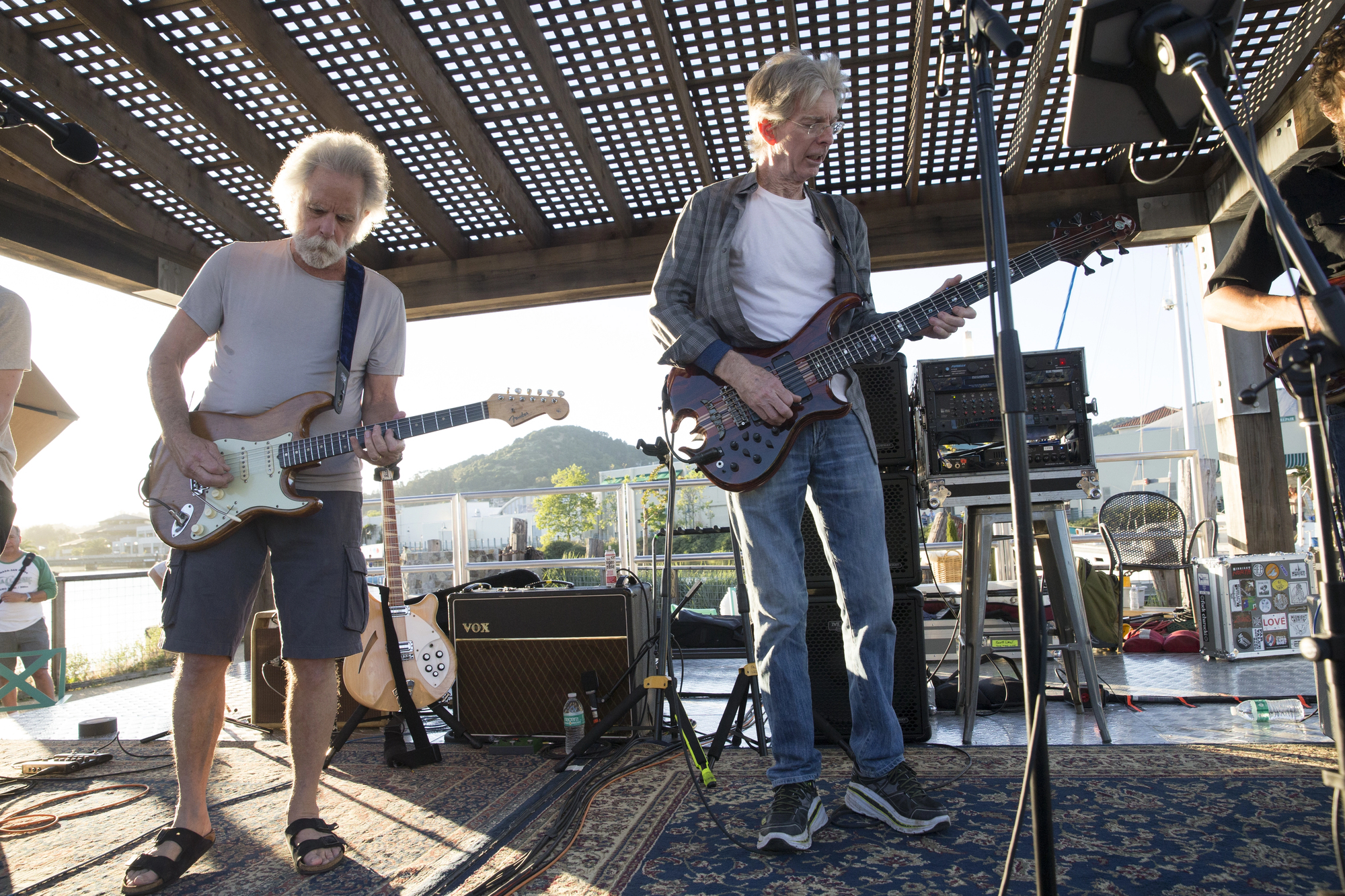
The Grateful Dead played numerous unauthorized concerts throughout the late 1960s and 1970s — most famously in San Francisco’s Panhandle and Golden Gate Park — without the city permits that would have legitimized them. Authorities repeatedly attempted to shut these events down, sometimes successfully, often not.
The shows that ended early or never quite started still made it into the oral history of the era; the crowds remembered them more vividly for the tension, and the band’s reputation for community-first, money-second performance was built as much on the ones that got interrupted as the ones that ran to completion.
Kendrick Lamar’s Super Bowl Halftime Show
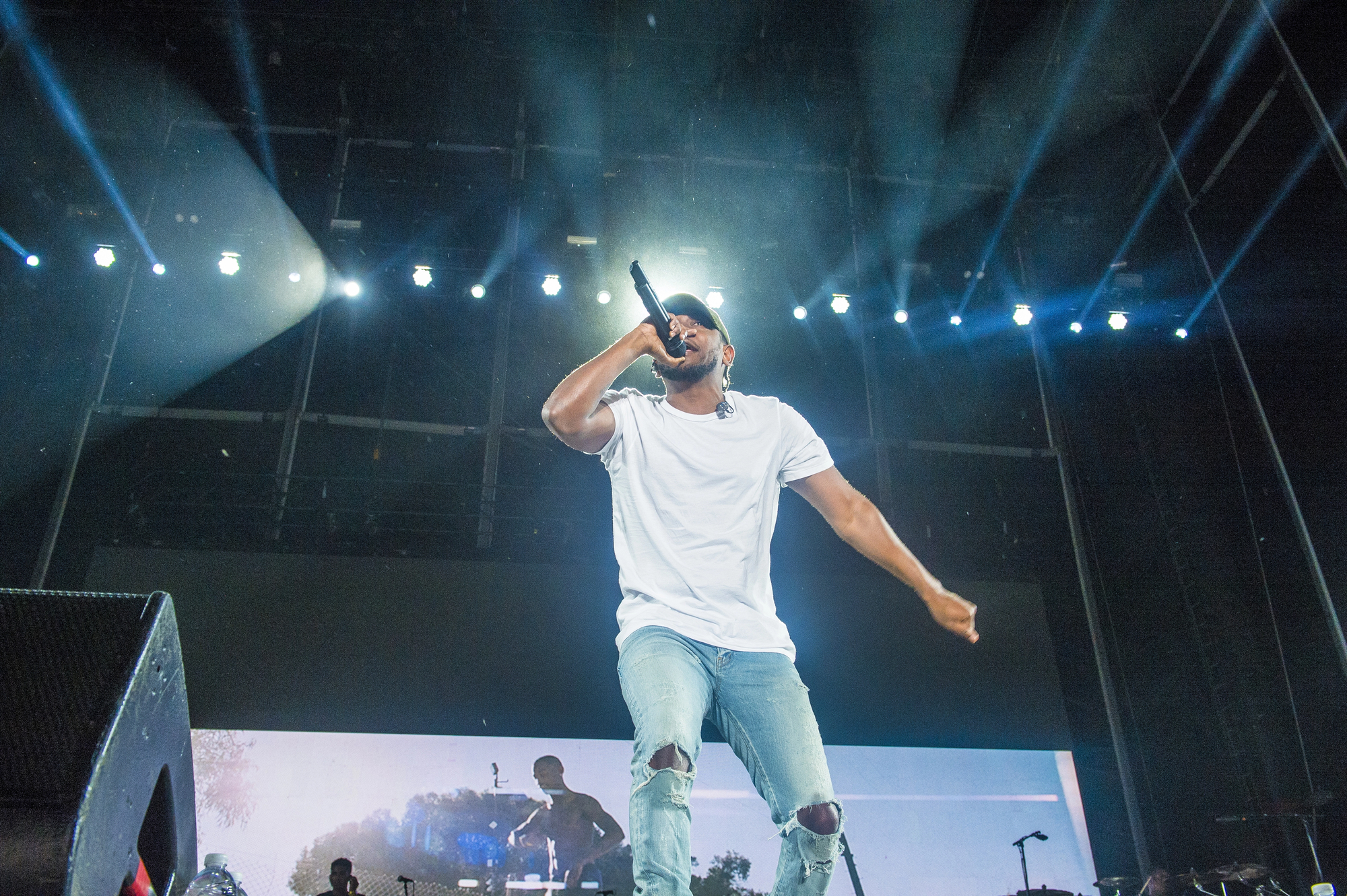
Kendrick Lamar’s 2025 Super Bowl halftime performance arrived carrying months of accumulated controversy — critics, commentators, and industry figures debated whether the show would address the ongoing feud with Drake, whether it would be too political, whether it was the wrong choice of headliner altogether. The noise around the performance before it happened was louder than most concerts get during their entire run.
When the show aired, it became the most-watched halftime performance in Super Bowl history to that point — a reminder that the argument about whether something should happen is often just the previews.
Beyoncé’s Lemonade Visual Album
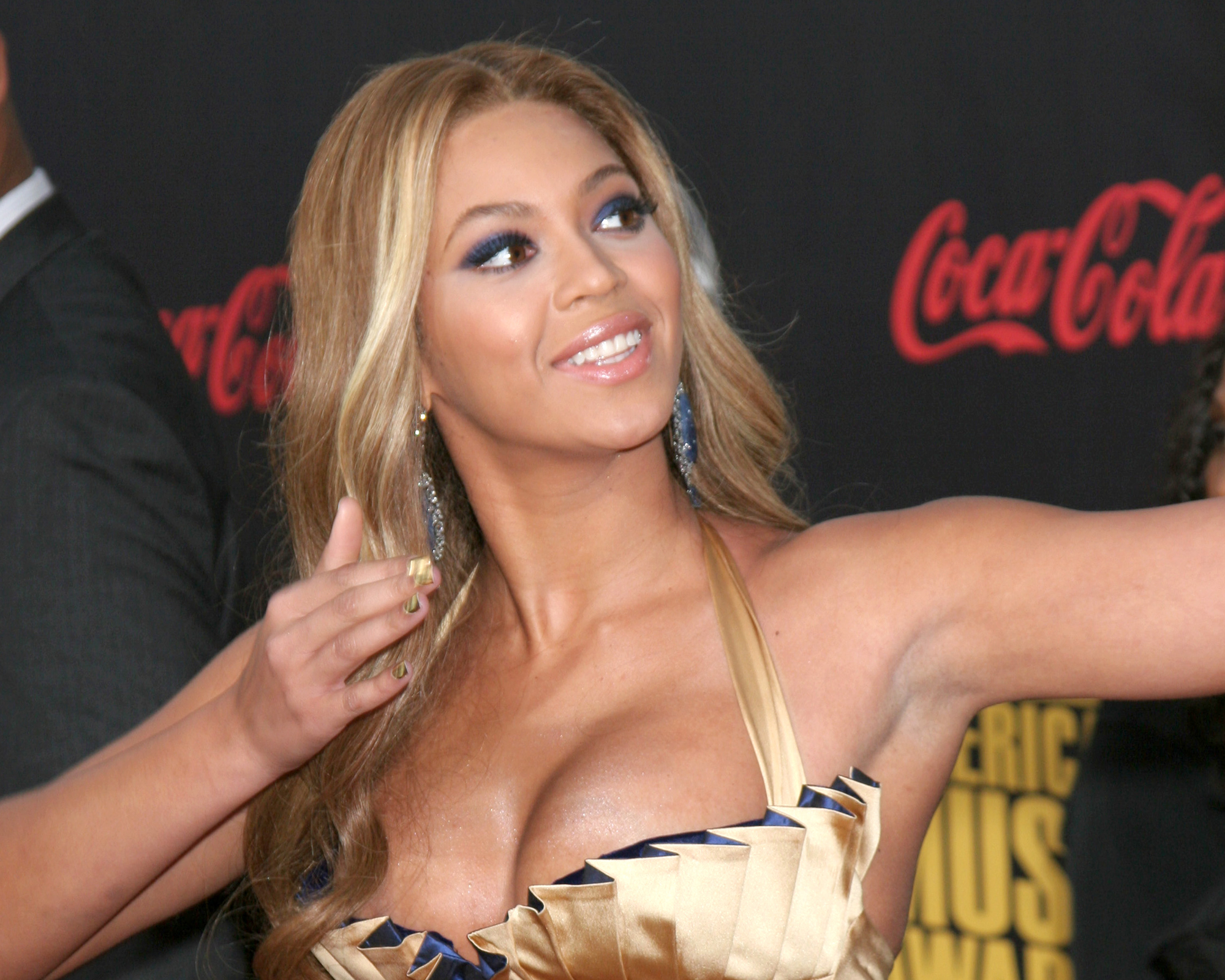
When Beyoncé released Lemonade in 2016, several country radio stations explicitly refused to add “Daddy Lessons” to their playlists despite it being one of the album’s tracks — a decision that made the country music establishment’s discomfort with a Black woman owning the genre’s instrumentation uncomfortably visible. The Chicks performed the track with her at the Country Music Association Awards that year, and the response from the industry was cold enough to confirm exactly what was being resisted.
The song, needless to say, is the one everyone still talks about from that collaboration.
When the Ban Becomes the Biography
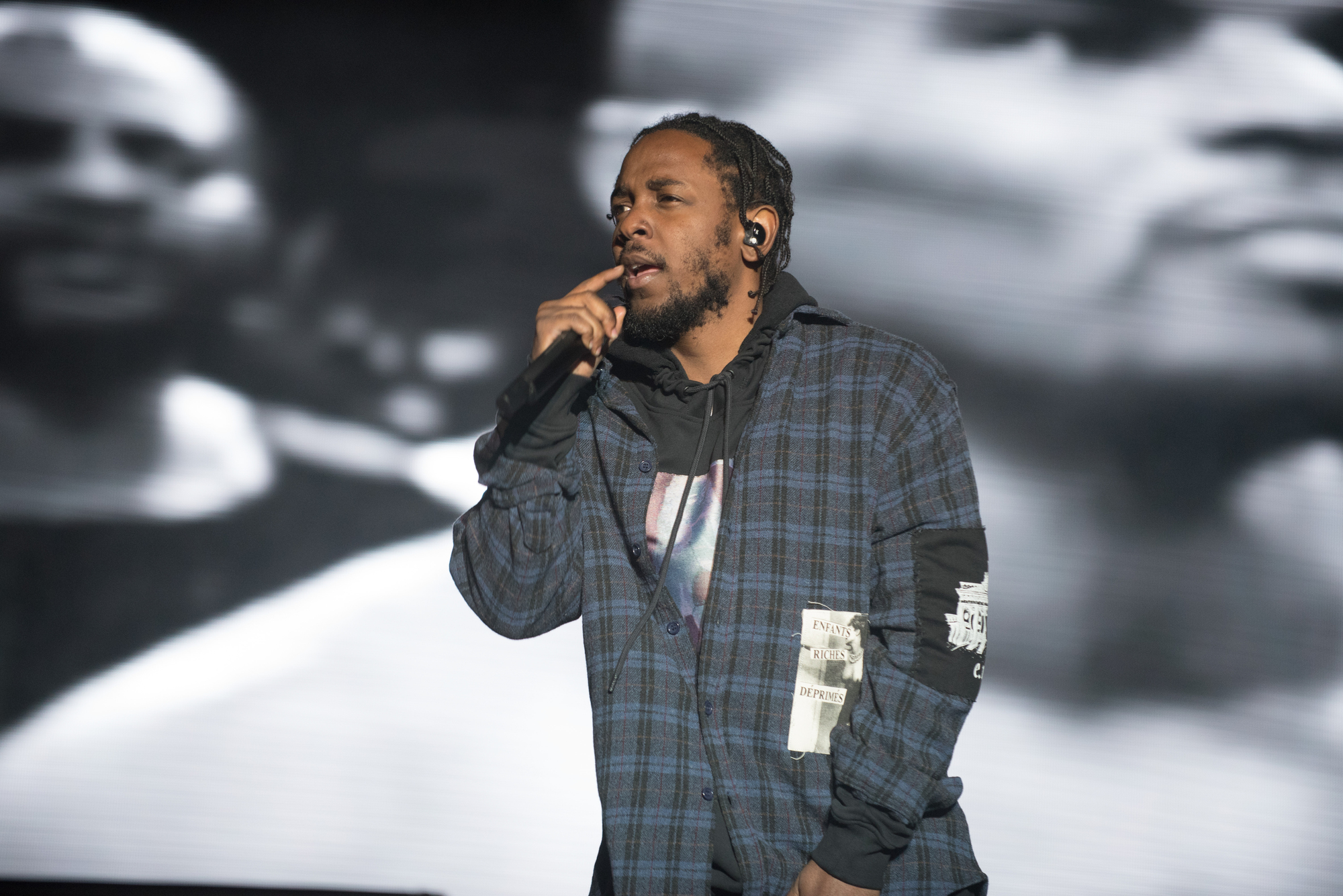
There’s a pattern that runs through all of these — not a comforting one, exactly, but a consistent one. The attempt to prevent something from being heard has, with remarkable regularity, produced the conditions under which it becomes impossible to ignore.
The ban doesn’t just fail; it frequently works in reverse, turning a single night into a chapter, a chapter into a mythology, and a mythology into something that outlasts everyone who tried to stop it. What gets silenced improperly tends to echo for much longer than what was simply allowed to play out.
So the next time someone in authority decides a performance is too dangerous to be seen — they’re probably right about the danger, and completely wrong about what banning it will do.
More from Go2Tutors!

- The Romanov Crown Jewels and Their Tragic Fate
- 13 Historical Mysteries That Science Still Can’t Solve
- Famous Hoaxes That Fooled the World for Years
- 15 Child Stars with Tragic Adult Lives
- 16 Famous Jewelry Pieces in History
Like Go2Tutors’s content? Follow us on MSN.