Unusual Foods Tied to Global Street Markets
Street markets sell food that grocery stores would never stock. These markets thrive on immediacy—vendors cook in front of customers, filling the air with smoke and smells that draw crowds.
The food reflects what locals actually eat, not what tourists expect. Some dishes look intimidating.
Others smell strange. But they all exist because communities developed tastes for them over generations, and street vendors keep serving them because people keep buying.
Grilled Intestines Wrapped Around Sticks

Night markets across Asia sell grilled intestines threaded onto bamboo skewers. Vendors clean the intestines thoroughly, then marinate them in soy sauce, garlic, and spices. The grilling process makes them crispy on the outside while staying chewy inside.
In Taiwan, these appear at nearly every night market. In the Philippines, vendors call them isaw and brush them with vinegar-based sauce while grilling.
The texture surprises first-timers—the chewiness requires effort, but the flavor is intensely savory. Street vendors prep intestines for hours before opening.
The cleaning process involves turning them inside out, scrubbing, and repeated rinsing. Only then do they get cut, marinated, and skewered.
The labor explains why intestines cost less than premium cuts, but the taste keeps customers returning.
Stinky Tofu That Clears Streets

Stinky tofu in Taiwan and China announces itself from blocks away. The fermentation process involves soaking tofu in brine made from fermented milk, vegetables, and meat for weeks or months.
The result smells like rotting garbage to uninitiated noses. Vendors deep fry the cubes until golden, then serve them with pickled cabbage and chili sauce.
The contrast between the smell and taste shocks people. The tofu tastes mild, slightly tangy, nothing like the aggressive odor suggests.
Different regions ferment differently. Some use stronger brines that create more pungent results.
Others go lighter. Street market stalls compete based on their fermentation recipes, passed down through families.
Locals can identify their favorite vendor by smell alone.
Balut Eggs With Developing Embryos Inside

Philippine street vendors sell balut—fertilized duck eggs incubated for 14-21 days before boiling. The egg contains a partially formed duckling with visible features like feathers, bones, and a beak.
You crack the shell, sip the broth inside, then eat the embryo and yolk. Vendors keep balut warm in insulated containers, selling them late into the night.
The eating process has an order—first the liquid, then the embryo, and finally the yolk. Some people add salt, vinegar, or chili.
Others eat it plain. The texture varies depending on incubation time.
Younger balut is softer and less developed. Older balut have crunchier bones and more distinct features.
Vendors know their customers’ preferences and stock different ages accordingly.
Fried Spiders Seasoned With Garlic

In Cambodia, particularly around Skuon, vendors fry tarantulas in oil with garlic and salt. The spiders are wild-caught from fields and forests, then deep-fried until their legs become crispy.
The body stays softer, containing a paste-like substance that some describe as similar to crab. The practice started during the Khmer Rouge era when food was scarce.
People ate whatever provided protein. After the regime fell, spider eating continued, transforming from survival food into a regional specialty.
Tourists seek it out now, but locals still eat it regularly. Vendors display fried spiders on large platters, arranged in neat rows.
The preparation requires skill—oil temperature matters for getting the right crispiness without burning. Fresh catches sell better than older spiders, so vendors time their frying to match customer flow.
Escamoles That Look Like Rice But Aren’t

Mexican street markets sell escamoles—ant larvae and pupae harvested from agave plant roots. The larvae look like white rice grains but taste buttery and slightly nutty.
Vendors sauté them with butter, garlic, and chilies, often serving them in tacos. Harvesting escamoles is dangerous work.
The ants defend their nests aggressively, stinging collectors repeatedly. Harvesters dig into agave roots during specific months when larvae are abundant.
The limited harvest season and difficult collection make escamoles expensive. The texture is delicate, almost creamy.
The flavor is mild enough that seasonings dominate, but there’s a distinct richness that makes the dish feel indulgent. Street vendors in central Mexico feature escamoles during peak season, charging premium prices that reflect the harvest difficulty.
Durian That Divides Opinions Sharply

Southeast Asian markets sell durian despite its polarizing reputation. The fruit’s smell has been described as garbage, sewage, or rotting onions.
Some countries ban it from public transportation and hotels. Yet durian lovers pay high prices for quality specimens.
Street vendors cut durian open, revealing creamy yellow flesh with a custard-like texture. The taste contrasts with the smell—sweet, rich, complex.
Different varieties have different flavor profiles, from bitter to candy-sweet. Choosing a good durian requires expertise.
Vendors tap the fruit, smell the stem, and examine the spikes. They guarantee their selections, replacing poor fruit if customers complain.
The relationship between vendor and regular customer matters because durian quality varies dramatically.
Barbecued Chicken Feet With Every Joint Intact

Chinese and Southeast Asian street vendors grill or braise chicken feet until tender. The feet contain mostly skin, tendons, and tiny bones.
Eating them requires nimble mouth work—separating edible parts from bones and cartilage. The flavor comes from marinades and sauces rather than the feet themselves.
Vendors simmer feet in soy sauce, star anise, ginger, and chili for hours. The skin absorbs the flavors and develops a gelatinous texture.
Chicken feet appear everywhere from night markets to dim sum carts. The eating technique involves sucking the tender bits off each toe, then spitting out the small bones.
The process takes time, making chicken feet a social food meant for slow eating and conversation.
Grasshoppers Fried Until Crunchy

Mexican markets sell chapulines—toasted grasshoppers seasoned with lime, garlic, and chili. Vendors toast them on large griddles, stirring constantly until they turn reddish-brown and crispy.
The grasshoppers get eaten whole, head and all. The texture is like chips or nuts—crunchy and salty.
The flavor leans earthy with citrus notes from the lime. Size matters.
Smaller grasshoppers taste milder and crispier. Larger ones have a more distinct flavor and sometimes chewy parts.
Harvesting happens during the rainy season when grasshoppers are abundant. Collectors use nets in agricultural fields, gathering thousands in a day.
The practice provides pest control while creating a food source. Street vendors buy from collectors, then toast them fresh daily.
Century Eggs Looking Like Alien Artifacts

Street vendors across China sell century eggs, also known as thousand-year eggs. The preservation process turns the white dark brown and jelly-like, while the yolk becomes creamy green-grey.
The eggs smell strongly of ammonia and sulfur. Vendors slice them into wedges and serve them with pickled ginger to cut the intensity.
Some pair them with congee. Others include them in cold appetizer plates.
The taste is complex—salty, creamy, with mineral notes that some people love and others can’t handle. The eggs don’t actually age for a century. The preservation takes weeks or months using alkaline clay, ash, and salt.
The process is ancient, and different regions have variations. Street market vendors often make their own using family recipes, creating distinct flavors that attract loyal customers.
Whole Roasted Guinea Pigs Displayed Upright

Ecuadorian and Peruvian markets roast cuy—guinea pigs—whole and serve them crispy. The animals are splayed open, roasted until the skin crackles, then presented upright on plates.
You eat them with your hands, pulling meat from the small carcass. The meat tastes similar to rabbit or dark chicken.
The crispy skin is the prized part. Vendors roast them over wood or charcoal, basting with spices and beer.
The preparation takes skill to cook evenly without drying out the meat. Cuy has been eaten in the Andes for thousands of years.
Street vendors continue the tradition, roasting them fresh to order. The presentation shocks visitors—the whole animal, teeth visible, sitting on the plate—but locals see it as normal as rotisserie chicken.
Blood Soup Served in Plastic Bags
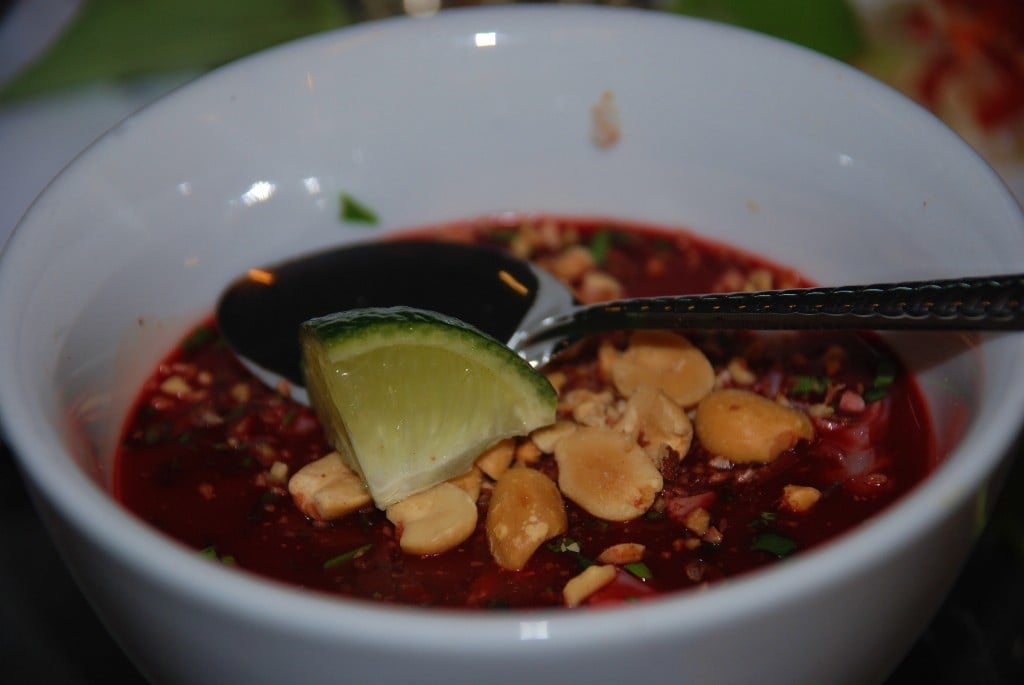
Vietnamese street vendors sell blood soup, called tiet canh, made from fresh duck or pig blood mixed with cooked meat and herbs. The blood stays liquid at first, then congeals into a jelly-like consistency.
Vendors serve it with peanuts, mint, and lime. The preparation requires fresh blood collected immediately after slaughter.
Vendors add fish sauce and a bit of water to prevent clotting, then mix in the meat and herbs. The soup must be consumed quickly before it solidifies completely.
The texture is slippery and smooth. The taste is metallic and rich.
Health regulations banned it in some cities due to concerns about disease transmission, but vendors in markets outside regulated areas continue selling it.
Fermented Fish Paste That Overwhelms Senses

Markets throughout Southeast Asia sell fermented fish paste and sauce. The smell is overpowering—fishy, salty, and pungent enough to make eyes water.
Vendors scoop it from large containers into smaller jars, measuring by weight. The fermentation takes months.
Small fish, salt, and sometimes rice get packed into containers and left to break down. The resulting paste contains an intense umami flavor that transforms dishes when used as seasoning.
You don’t eat fermented fish paste straight. It goes into curries, soups, and sauces.
A tiny amount provides depth that salt alone can’t achieve. Street vendors keep it prominently displayed despite the smell because it’s essential to authentic cooking.
Fried Silkworm Pupae Still In Cocoon Shape

Korean and Chinese street markets sell beondegi—boiled or steamed silkworm pupae. The pupae come from silk production, harvested after the silk is extracted.
Vendors boil them in seasoned water, then serve them in paper cups with toothpicks. The pupae look exactly like what they are—small oval cocoons.
The texture is soft outside with a slightly grainy inside. The taste is nutty and earthy.
The smell while cooking is distinctive, attracting customers who grew up eating them. Silkworm pupae provide high protein and low cost.
They were survival food during lean times but remained popular as comfort food. Older Koreans remember buying them from street vendors after school.
Younger generations eat them less, but the tradition persists in traditional markets.
Snails Cooked With Garlic and Chili

Out come little snails, steamed slowly in zesty liquids across Morocco, Spain, and Portugal. Hours pass while they soak up garlic, wild thyme, cumin, and heat.
Served warm in shallow dishes, eaters use tiny picks to pull the soft bodies from their spiral homes. Start by sliding the toothpick into the shell – careful not to break the tender morsel inside.
Pull gently so the whole bit slips free without tearing. Between bites, sipping the warm liquid catches on some tongues more than others.
Time stretches while doing this, turning each bite into something shared rather than rushed.
When rain stops, people gather snails from open land and garden edges.
Following that, sellers give them flour or cornmeal to eat over several days so their insides become clean. It takes a lot of work to get them ready, yet the result makes it count – soft flesh soaked in spices each cook chooses differently.
Where Courage Meets Curiosity
What shows up on a plate might surprise you when you walk through street markets. Freshness drives these meals, affordability keeps them around, and culture roots them in place.
No vendor feels the need to justify their food choices. Cooking happens exactly as it’s been done, day after day, feeding neighbors without compromise.
Supermarkets rarely carry forward such everyday customs. Home tastes different when it’s what you knew first.
What looks odd to outsiders feels like dinner at grandma’s. These meals stick around, not for show, but because they fit right inside someone’s past.
Folks still line up – same corner, same pot, same hands stirring. Memory keeps the fire going under those old pans.
A familiar smell pulls people back more than any sign ever could.
More from Go2Tutors!

- The Romanov Crown Jewels and Their Tragic Fate
- 13 Historical Mysteries That Science Still Can’t Solve
- Famous Hoaxes That Fooled the World for Years
- 15 Child Stars with Tragic Adult Lives
- 16 Famous Jewelry Pieces in History
Like Go2Tutors’s content? Follow us on MSN.



