24 Everyday Inventions Built for a Completely Different Purpose
Plenty of familiar products started life aimed at solving an entirely different problem than the one they eventually became famous for. A failed medicine became a soft drink, a wallpaper idea became packaging, and a wartime research project became a kitchen staple.
The following inventions all changed course dramatically between their original intent and their eventual use.
Bubble Wrap
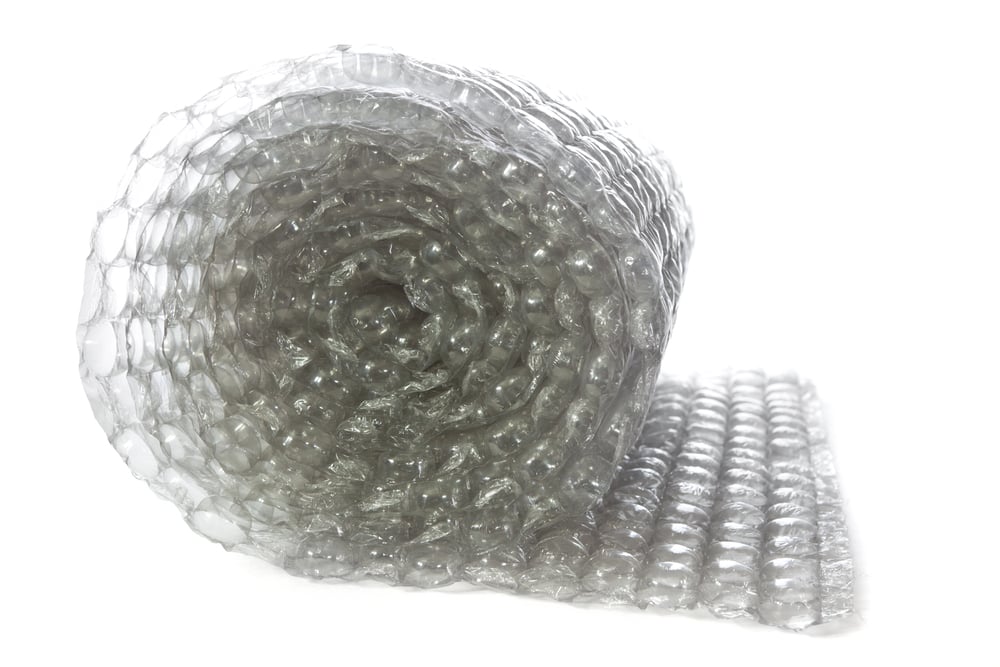
Engineers Alfred Fielding and Marc Chavannes originally designed bubble wrap in 1957 by sealing two shower curtains together to trap air bubbles, intending to sell it as a textured wallpaper. When that market failed to materialize, the pair pivoted to marketing it as greenhouse insulation before IBM eventually adopted it to protect its new computers during shipping, launching the product into its now-familiar role as packaging material.
Play-Doh
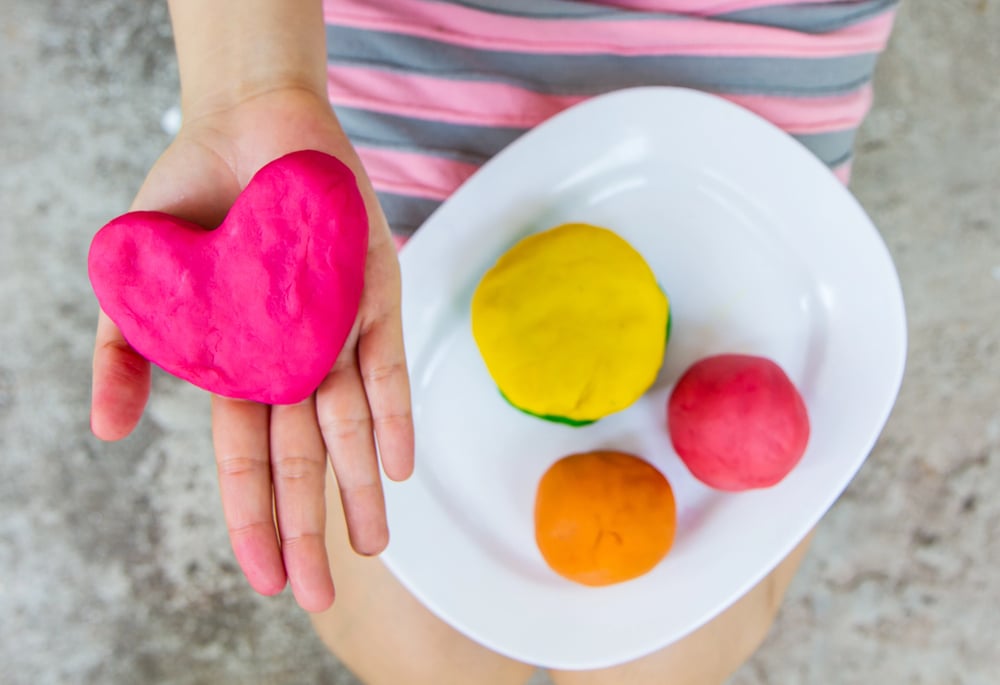
Play-Doh was originally formulated in the 1930s as a wallpaper cleaning compound, sold to remove soot stains from wallpaper caused by coal-burning home heating. As homes shifted to gas and electric heat through the 1950s, demand for wallpaper cleaner collapsed, and the manufacturer, Kutol, reformulated and rebranded the compound as a children’s modeling toy in 1956.
Listerine
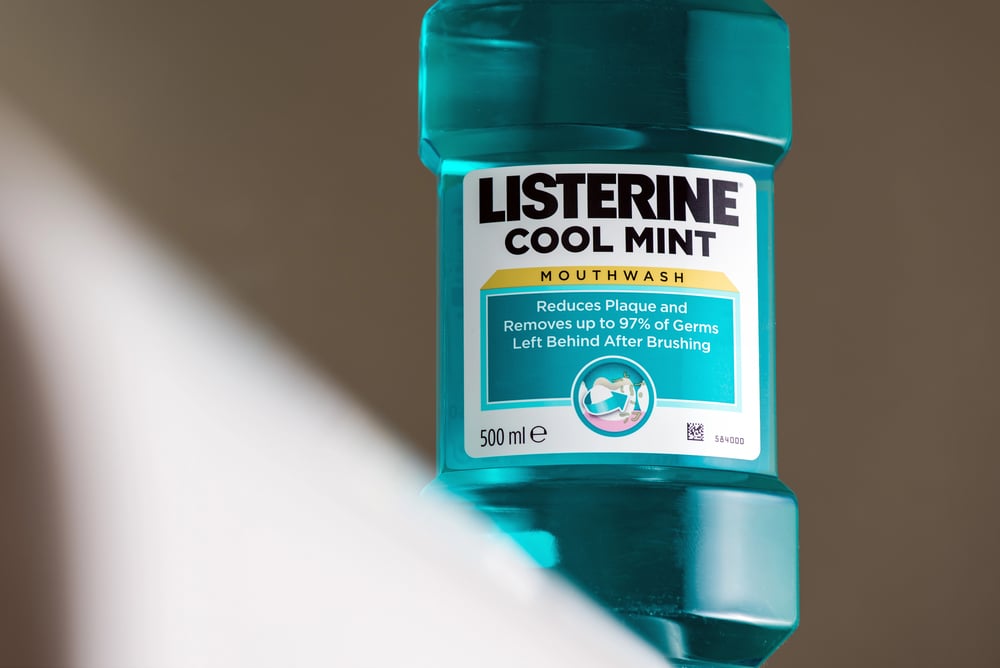
Listerine was developed in 1879 as a surgical antiseptic, intended for use by doctors during operations to reduce infection, and was later marketed for decades as a general-purpose disinfectant and even a floor cleaner. It was not marketed as a mouthwash to treat bad breath until the 1920s, when the company popularized the medical term “halitosis” in advertising to create demand for a problem consumers had not previously thought to treat.
Coca-Cola
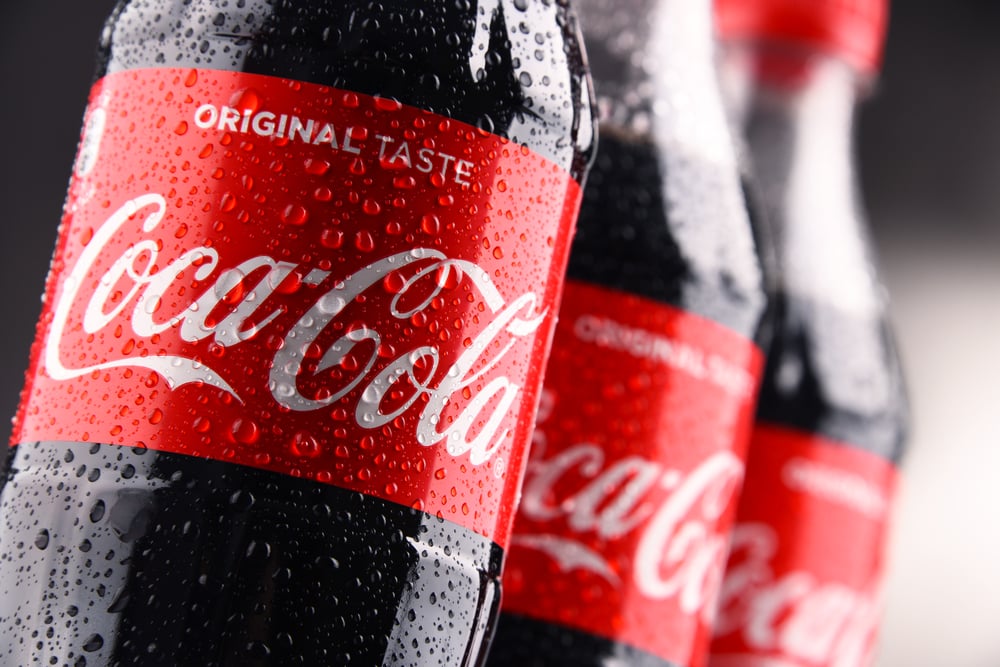
Coca-Cola was invented in 1886 by pharmacist John Pemberton as a patent medicine intended to treat headaches and fatigue, originally sold through pharmacy soda fountains as a medicinal tonic. Its early formula contained coca leaf extract, later removed from the recipe, and the drink gradually shifted from a medicinal product to a mass-market recreational beverage over the following decades.
WD-40
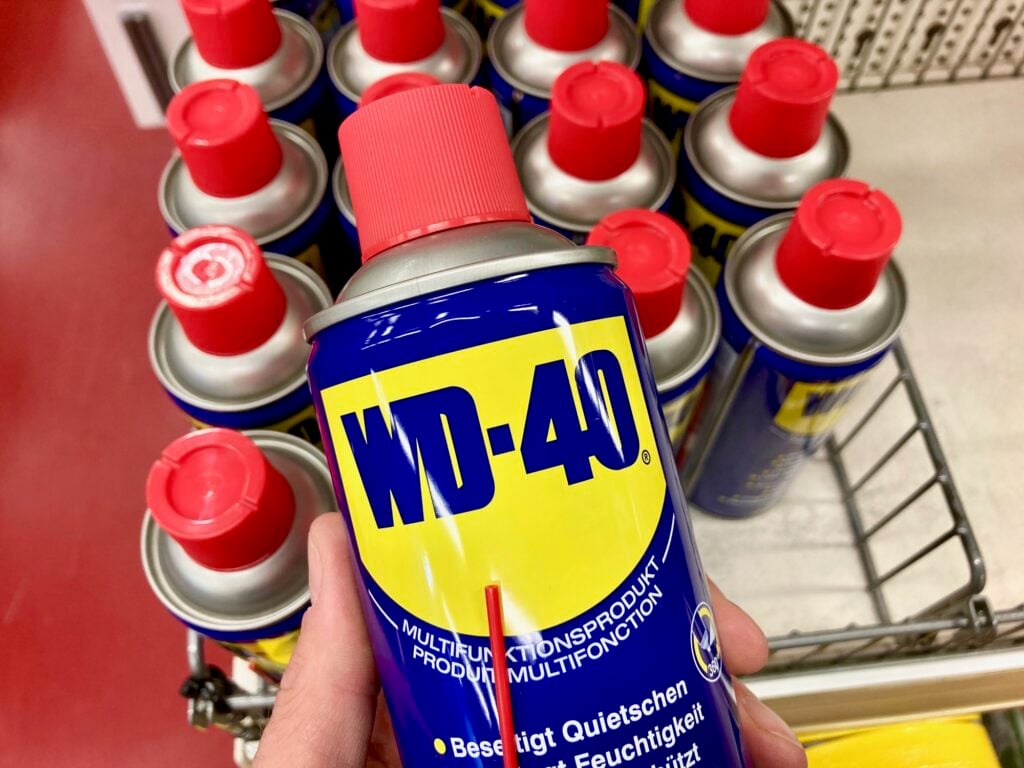
WD-40, whose name stands for “Water Displacement, 40th formula,” was developed in 1953 by the Rocket Chemical Company specifically to prevent corrosion on the outer skin of Atlas missiles used in the U.S. space program. Employees began sneaking cans home to use around the house, and the company recognized the wider consumer demand, releasing it commercially in 1958 as a household lubricant and rust preventative.
The Slinky

Naval engineer Richard James accidentally invented the Slinky in 1943 while developing springs designed to stabilize sensitive equipment aboard ships in rough seas, after he knocked a prototype spring off a shelf and watched it “walk” down instead of falling. Recognizing its appeal as a novelty, James and his wife Betty marketed it as a toy the following year, and it became one of the best-selling toys of the 20th century.
Super Glue
Chemist Harry Coover developed the cyanoacrylate compound that became Super Glue in 1942 while attempting to create clear plastic gun sights for the U.S. military during World War II, and initially rejected the formula because it stuck to everything it touched, which made it useless for the original project. Coover recognized its commercial potential for adhesives years later, and it was marketed to consumers starting in 1958.
Kleenex

Kleenex was originally marketed in 1924 as a disposable makeup-removal cloth, intended to replace cold cream removal towels, aimed primarily at women. Consumer surveys conducted by manufacturer Kimberly-Clark in the following years found that most buyers were actually using it to blow their noses, and the company shifted its marketing entirely toward disposable facial tissue by the early 1930s.
The Frisbee
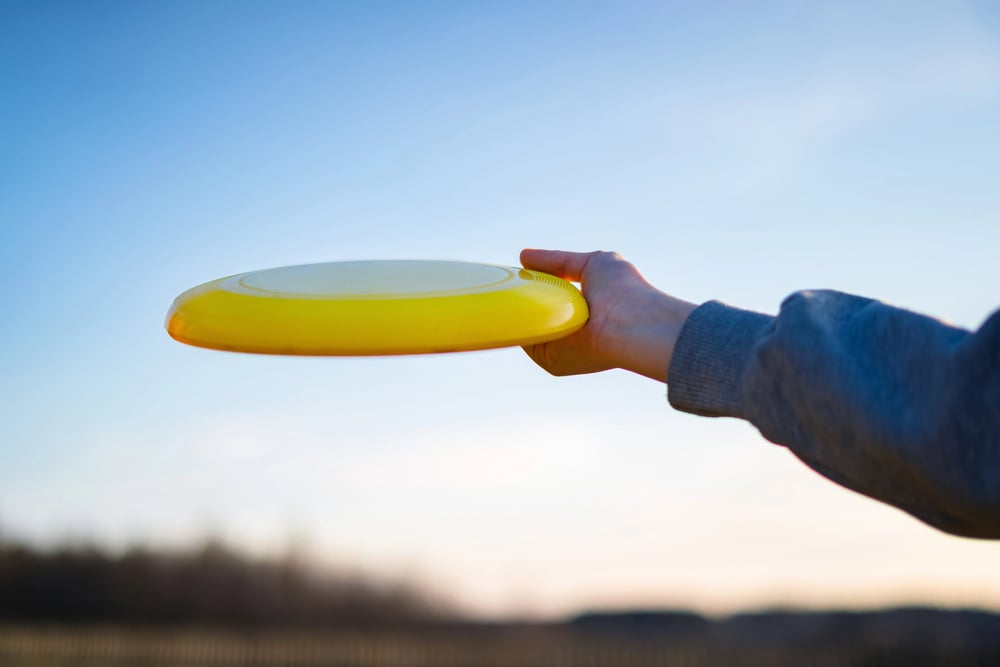
The Frisbee traces its origin to empty pie tins from the Frisbie Pie Company, a Connecticut bakery whose tins college students began tossing to each other recreationally in the mid-20th century, well before any dedicated flying disc product existed. Toy company Wham-O later developed a plastic version originally called the “Pluto Platter,” designed to tap into 1950s public fascination with flying saucers, before renaming it Frisbee after the pie tins that had inspired the informal game.
Popsicle

The Popsicle was reportedly invented by accident in 1905 by an 11-year-old named Frank Epperson, who left a cup of powdered soda mixed with water and a stirring stick outside overnight in freezing temperatures. Epperson did not commercialize the invention until nearly two decades later, patenting it in 1924 as the “Epsicle,” later renamed at his children’s request to the version sold commercially today.
Corn Flakes

Corn Flakes were developed in the 1890s by Dr. John Harvey Kellogg at his Battle Creek Sanitarium as part of a bland dietary regimen intended to suppress patients’ overall appetite and stimulation, reflecting the health theories of the era. His brother Will Keith Kellogg later recognized the commercial potential of the bland, ready-to-eat cereal and added sugar to make it more palatable, launching the mass-market breakfast cereal industry.
Bubble Gum’s Key Ingredient, Latex Substitute Research
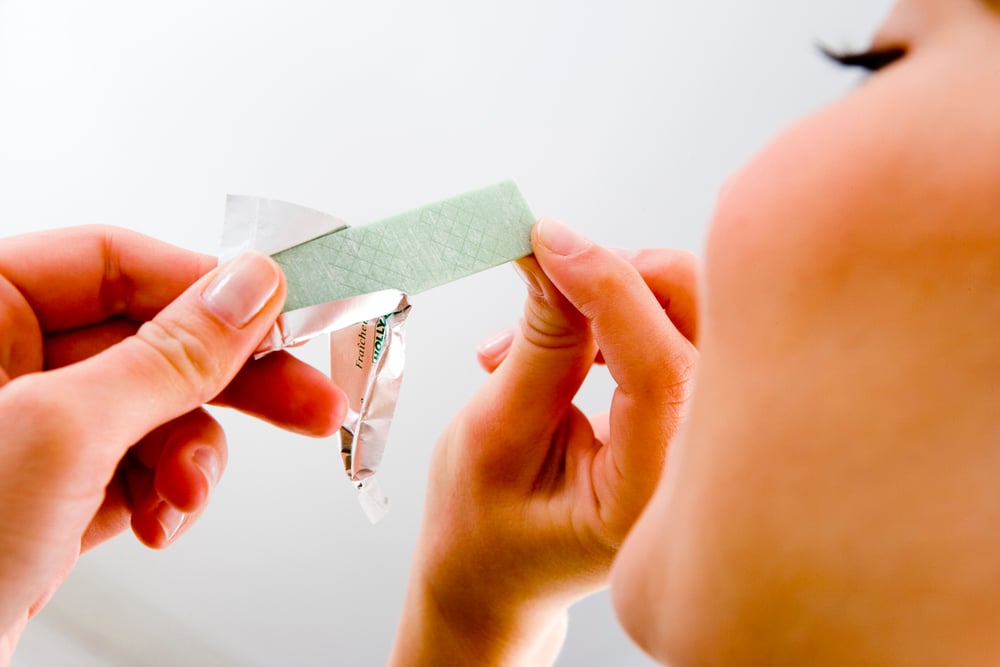
Chemist Walter Diemer stumbled upon the recipe for modern bubble gum in 1928 while working as an accountant at a gum company experimenting with new gum-base formulas, originally intending to develop a less brittle chewing gum base rather than something specifically bubble-friendly. The pink color of the resulting batch, now the standard shade for bubble gum, was simply the only food coloring available in the lab that day.
The Microwave Oven
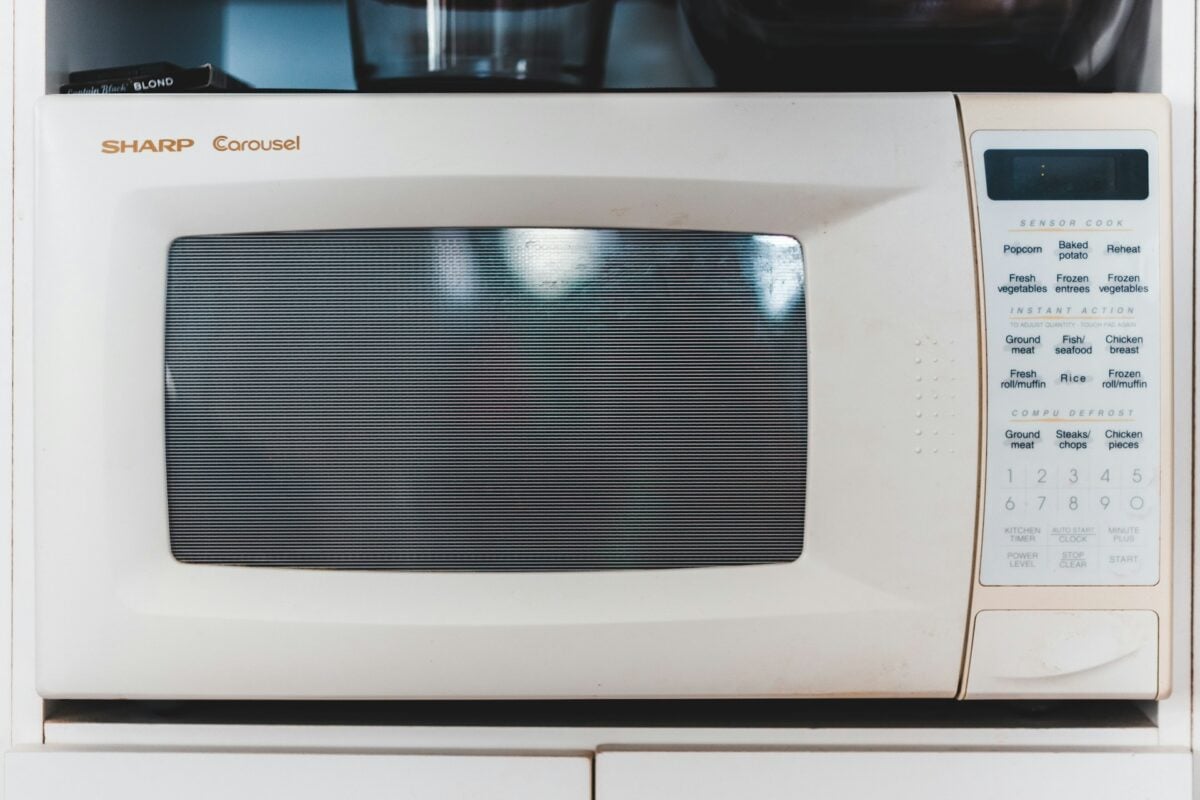
Engineer Percy Spencer discovered the microwave heating effect in 1945 while working on military radar magnetron technology, after noticing a candy bar in his pocket had melted while he stood near an active radar set. Spencer’s employer, Raytheon, recognized the cooking potential and released the first commercial microwave oven, the Radarange, in 1947, originally marketed to restaurants and institutions rather than home kitchens.
Silly Putty

Silly Putty originated from a failed 1943 wartime effort by engineer James Wright to develop a synthetic rubber substitute for the U.S. military amid rubber shortages, producing a bouncy but commercially useless compound for its original industrial purpose. It sat largely forgotten for several years until a toy store owner recognized its novelty appeal and began marketing it as a children’s toy in 1950.
Velcro
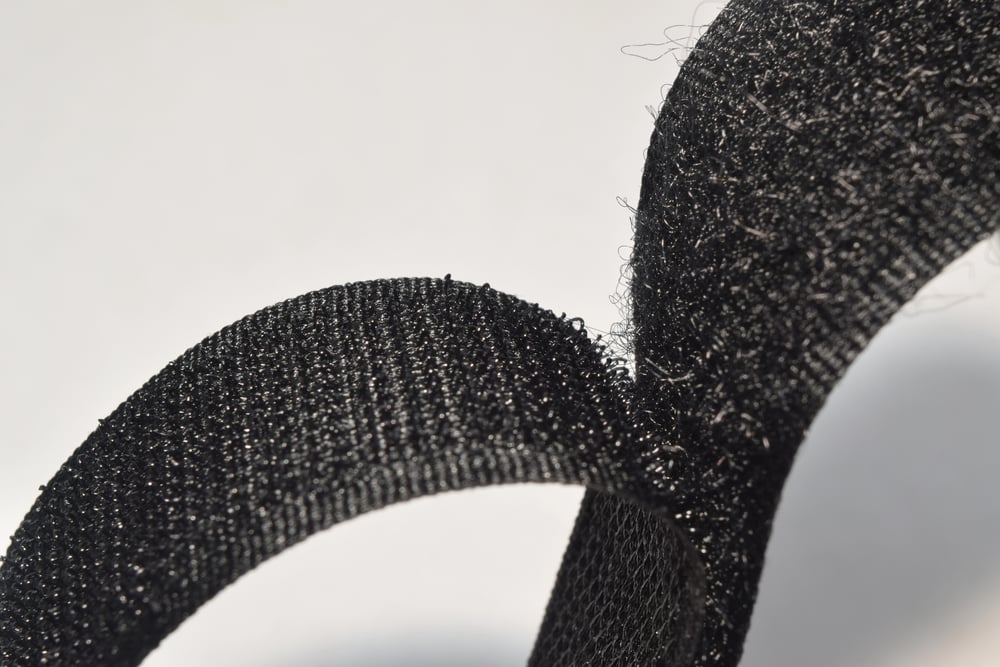
Swiss engineer George de Mestral developed Velcro in the early 1950s after noticing how burdock plant burrs clung persistently to his dog’s fur and his own clothing during hikes, and he studied the burrs’ hook structure under a microscope specifically to solve the practical annoyance of removing them. He initially pursued the fastening mechanism for general industrial and household use, and it later became widely adopted by NASA for securing equipment in zero gravity.
Vaseline
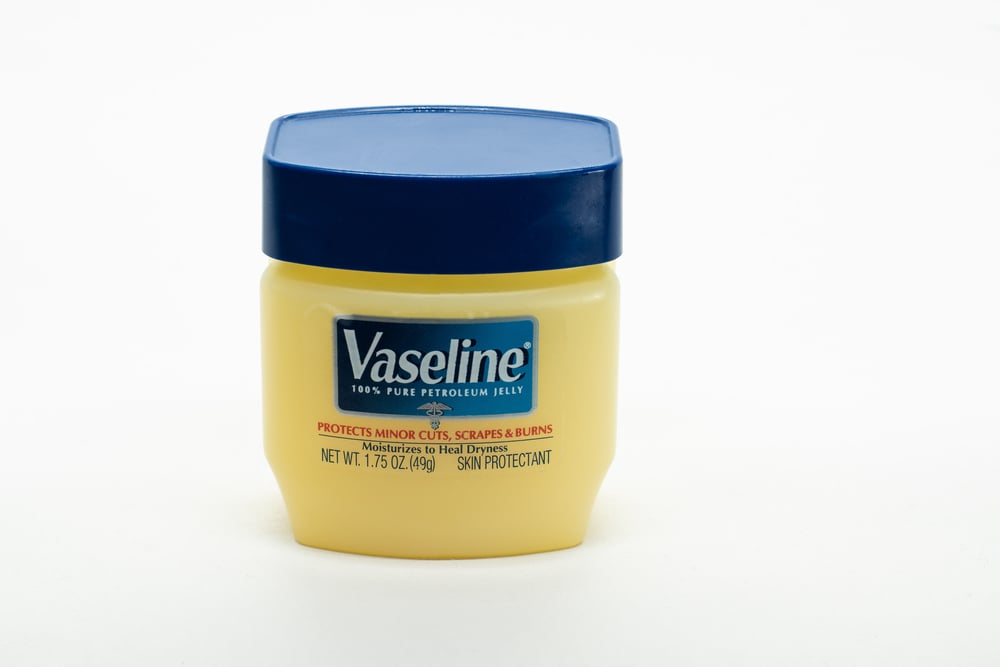
Vaseline was developed in 1859 by chemist Robert Chesebrough after observing oil rig workers using a paraffin-like residue from drilling equipment to treat minor injuries, originally intending it as an industrial byproduct with medicinal application for burns and skin cuts on the rigs. Chesebrough refined the substance and marketed it directly to consumers as a general-purpose skin ointment starting in the 1870s, a use far removed from its origins as oilfield waste.
The Ballpoint Pen’s Ink
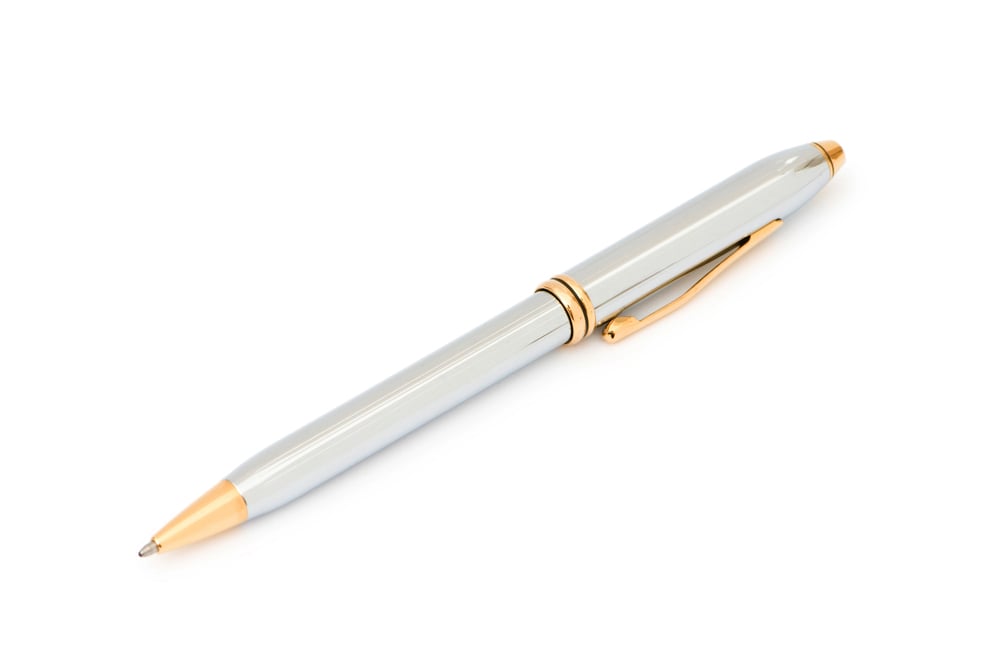
The quick-drying ink formula used in modern ballpoint pens, developed by Hungarian journalist Laszlo Biro in the 1930s, was originally created to solve the problem of newspaper printing ink smudging on freshly printed pages, an issue Biro encountered directly in his newsroom work. Recognizing the ink’s fast-drying properties could solve the persistent leaking and smudging problems of fountain pens, Biro redirected the formula into writing instruments, patenting the modern ballpoint pen in 1938.
Post-it Notes

The weak, low-tack adhesive that makes Post-it Notes removable was developed accidentally in 1968 by 3M chemist Spencer Silver, who had actually been trying to create an unusually strong adhesive for aerospace applications. The formula sat unused for years until a colleague, Art Fry, used it to keep bookmarks from falling out of his hymnal, leading 3M to develop and launch the sticky note product commercially in 1977.
The Modern Trampoline

The trampoline’s precursor was developed in the 1930s by gymnast George Nissen, who was inspired partly by watching circus trapeze performers use safety nets and wanted to build equipment specifically for tumbling and diving practice rather than general recreation. The U.S. military later adopted trampolines to train pilots and astronauts in spatial orientation during the mid-20th century, well before the equipment became a mainstream backyard recreational product.
Teflon
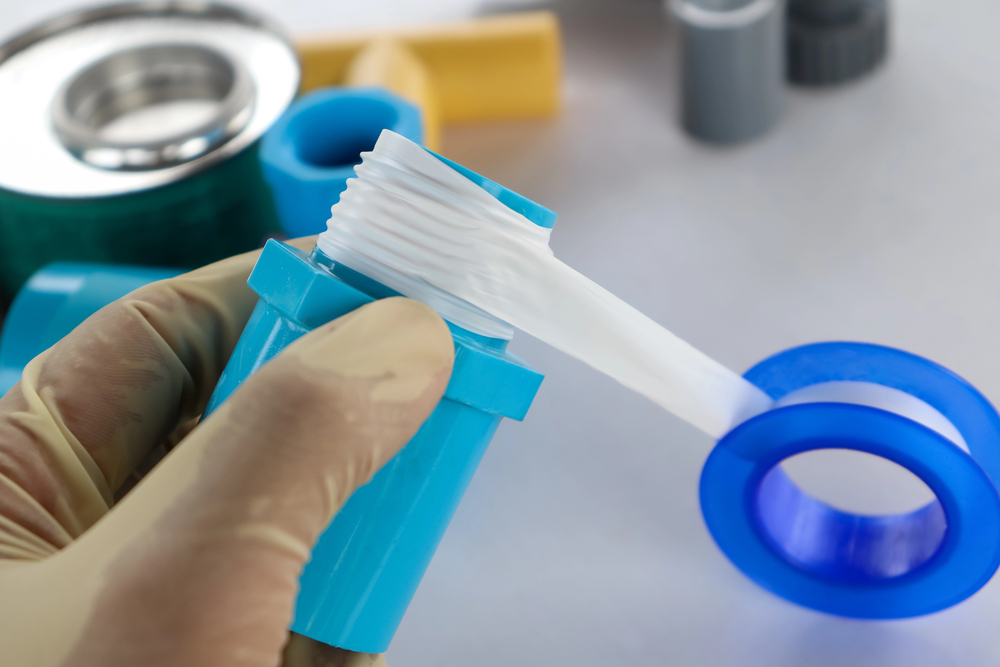
Chemist Roy Plunkett accidentally discovered the compound that became Teflon in 1938 while researching new refrigerant gases for DuPont, finding an unusually slick, chemically inert residue left in a supposedly empty pressurized canister. The material was first used in military and industrial applications, including coating valves and seals for the Manhattan Project, years before it was marketed to consumers as a non-stick cookware coating starting in the 1960s.
The Electric Toothbrush’s Motor Origins
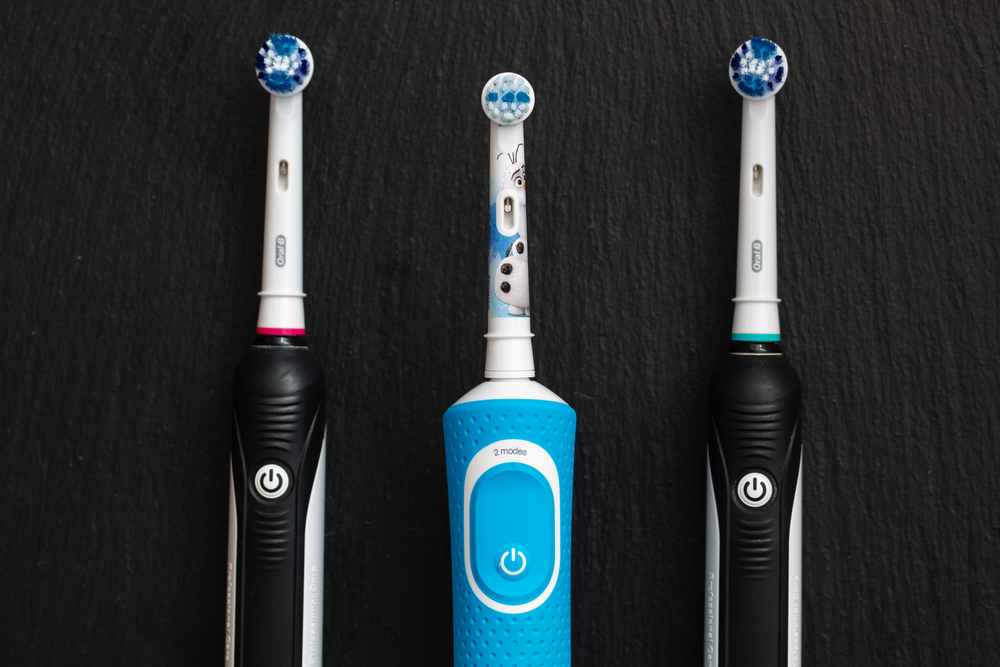
The core rotating motor mechanism later adapted for early electric toothbrushes was originally developed from small appliance motor technology used in other rotary household tools during the mid-20th century, before manufacturers identified dental hygiene as a promising new application. Switzerland’s Broxodent, released in 1954, became one of the first products to specifically repurpose this small-motor technology for brushing teeth.
Rayon
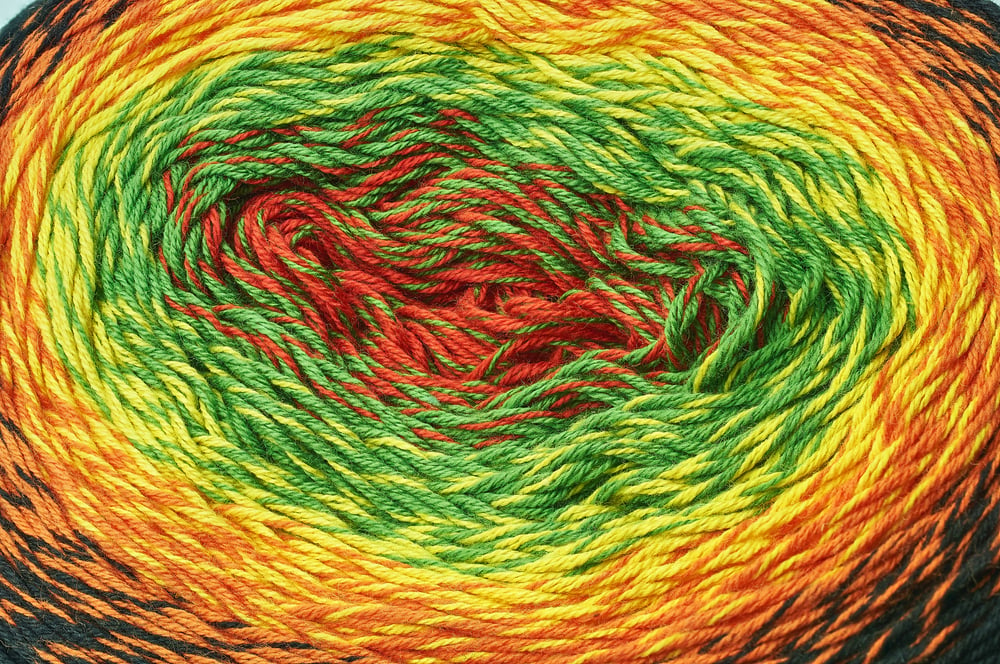
Rayon fiber was originally developed in the late 19th century by French chemist Hilaire de Chardonnet as an artificial substitute intended specifically to help French silkworm farmers recover from a devastating disease outbreak that had crippled the natural silk industry. Chardonnet’s “artificial silk,” first displayed publicly in 1889, gradually evolved into its own distinct textile industry entirely separate from the silk-farming crisis that originally inspired it.
The Can Opener
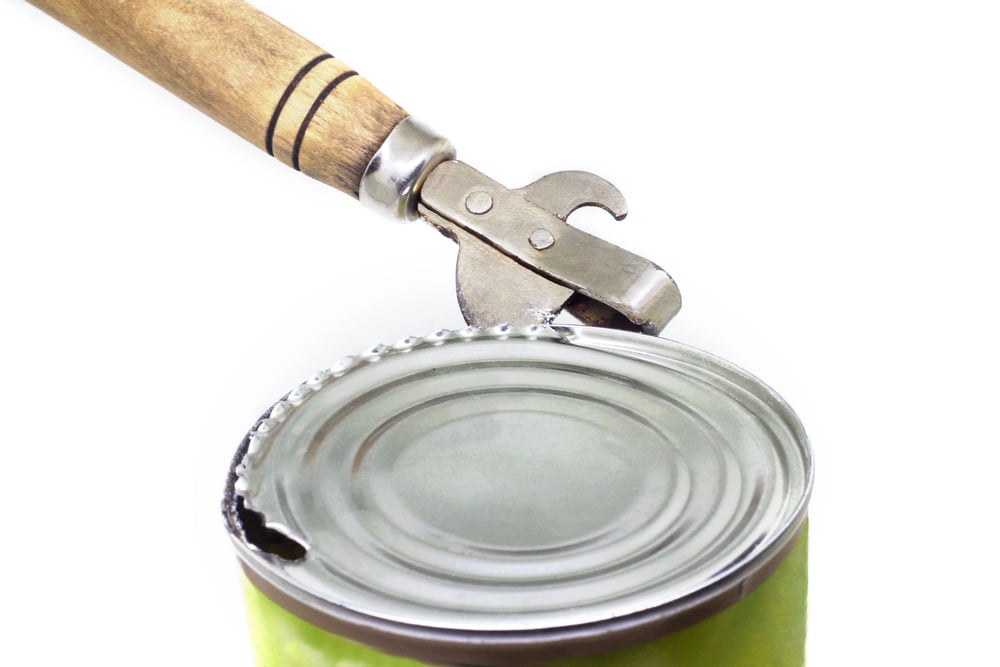
The can opener was invented decades after the tin can itself, since early 19th-century canned food was originally intended to be opened using a hammer and chisel, as the first can-opening tools were not developed until 1858, roughly 50 years after canning was first used for military food preservation. The delay illustrates how a widely used invention, sealed food cans, existed for decades without a purpose-built tool to solve the problem it created.
Champagne’s Original Purpose

Sparkling wine, now closely associated with celebration, was originally regarded by French winemakers in the 17th century as a winemaking flaw, caused by unwanted secondary fermentation that produced unpredictable, sometimes dangerously pressurized bottles that could shatter in storage cellars. Winemakers including the monk Dom Perignon worked for years specifically trying to prevent the effect, before shifting strategies to control and refine the very bubbles the industry had originally been trying to eliminate.
Invention as a Byproduct of Failure

Almost every product on this list exists because someone’s original plan did not work. A rubber substitute failed, a wallpaper cleaner lost its market, a radar experiment melted a snack, and in each case, the “failure” turned out to be more useful than the original goal.
That pattern is common enough in innovation history that some engineers treat a promising accident as more valuable than a successful first attempt. What connects these stories is not luck alone but attention: someone had to notice that the unexpected result was interesting before it could become a product.
The lesson embedded in nearly every entry here is less about invention and more about paying attention to what a supposed failure is actually doing.
More from Go2Tutors!

- The Romanov Crown Jewels and Their Tragic Fate
- 13 Historical Mysteries That Science Still Can’t Solve
- Famous Hoaxes That Fooled the World for Years
- 15 Child Stars with Tragic Adult Lives
- 16 Famous Jewelry Pieces in History
Like Go2Tutors’s content? Follow us on MSN.