24 NFL Traditions the League Quietly Changed or Dropped
The NFL’s long history encompasses numerous traditions that defined the sport’s visual and cultural landscape. Yet many of these customs have vanished with minimal fanfare, replaced by rule changes, scheduling adjustments, or uniform modifications that reflected evolving standards. Some traditions faded gradually as their purpose disappeared, while others were deliberately phased out to address safety, financial, or competitive concerns. The collective loss of these traditions marked the league’s constant evolution toward modernization.
The changes often went unannounced beyond official league communications, leaving longtime fans to notice their absence only years later. These subtle shifts demonstrate how professional football constantly adapts to address new circumstances while leaving behind elements once considered essential to the sport’s identity.
Single-Bar Face Masks

For decades, the single-bar face mask represented football’s essential uniform element, providing protection through its simple semicircle design. In 2004, the NFL banned single-bar masks entirely, though established players received grandfathered status. The last player to wear one was punter Scott Player, who retired in 2009. The fuller cage designs that replaced them reflected evolving safety standards and equipment manufacturing preferences.
Gray Face Masks as the Standard
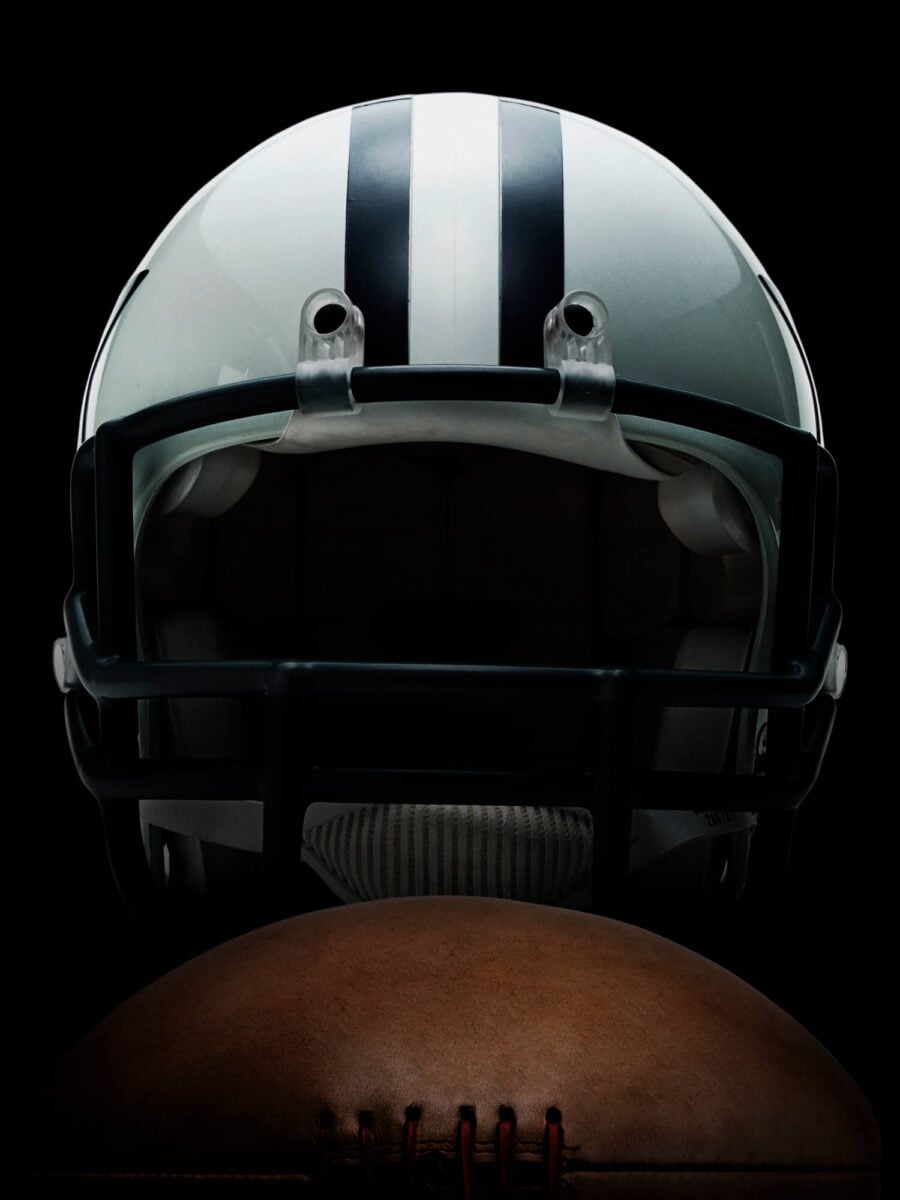
When face masks first became standard in the 1950s, neutral gray was the only option for decades. In 1974, the San Diego Chargers introduced yellow face masks as a uniform accent, breaking a tradition of gray across all football. Today, almost every team features colored face masks as standard equipment, though the Cowboys and Raiders retain gray, paying homage to their historical tradition.
Two-Minute Warning Procedures

Early NFL broadcasts featured explicit “two-minute warning” stoppages that lasted longer than contemporary versions, with announcers describing specific stoppage protocols. Modern two-minute warnings are briefer announcements with minimal game interruption, reflecting broadcasting standards and commercial break management that evolved over decades.
Sudden-Death Overtime in Regular Season
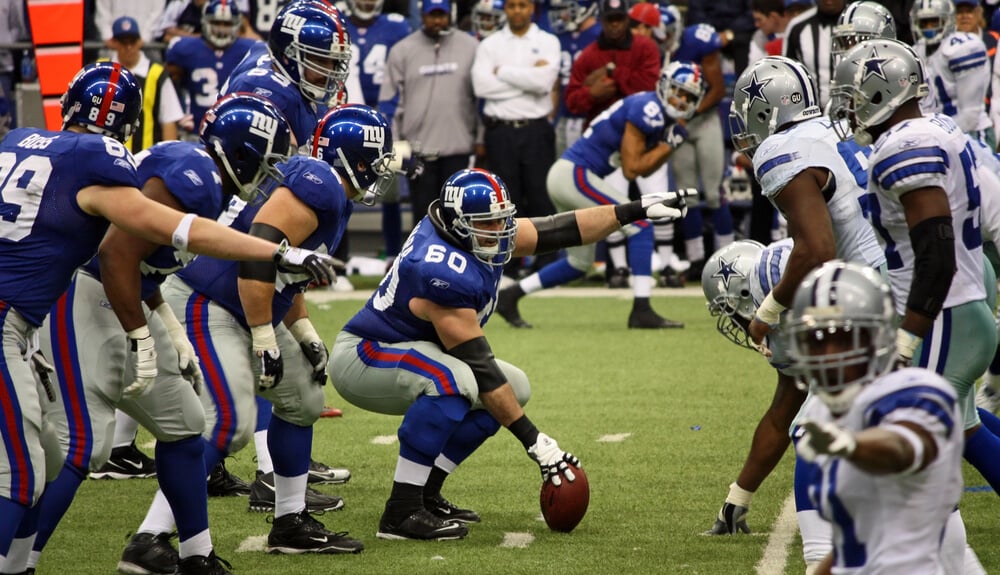
The NFL played regular-season games to sudden-death conclusions for nearly five decades, meaning one score ended the game regardless of whether both teams received possessions. In 2022, the league implemented playoff-style overtime rules for regular season games, guaranteeing both teams at least one possession. This subtle tradition change addressed fairness concerns but altered the game’s dramatic conclusion structure.
Triple-Option Offense Elimination
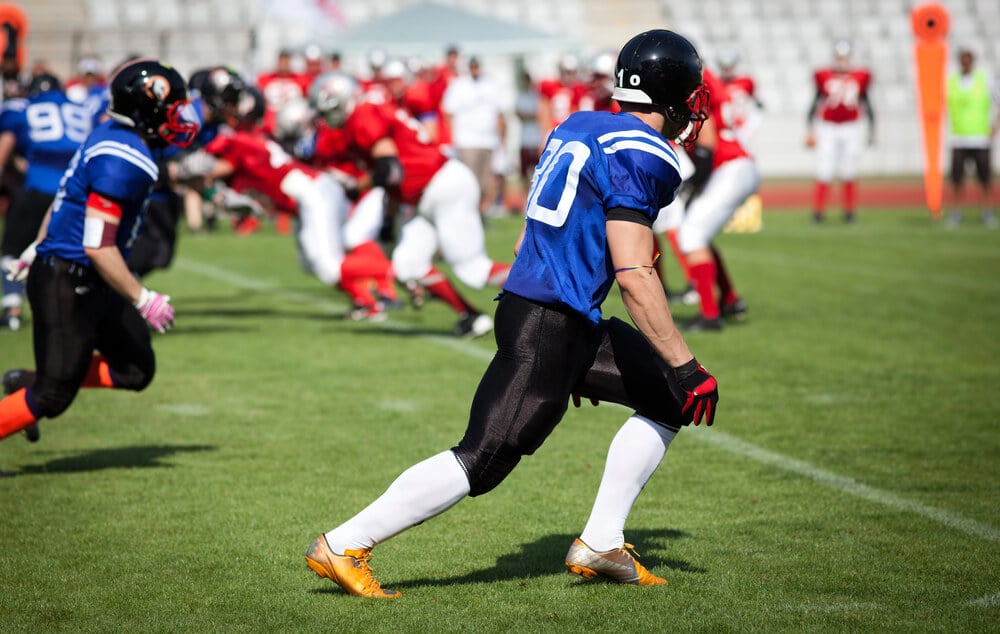
While never formally banned, the NFL gradually made triple-option-style offenses impractical through defensive rule changes favoring passing and penalizing physical defensive tactics. Teams attempting option football faced severe disadvantages against passing-oriented defenses, effectively eliminating this running-back-dominated tradition from contemporary football.
Pre-Game Coin Flip Formality

The pre-game coin flip once represented a formal tradition with specific coin selections, designated captains, and ceremonial procedures. Modern coin flips are abbreviated, conducted with minimal ceremony, and addressed primarily through television broadcasts rather than stadium experience. The tradition’s substance remains, though its pageantry has diminished.
Team-Colored Kickoff Tees
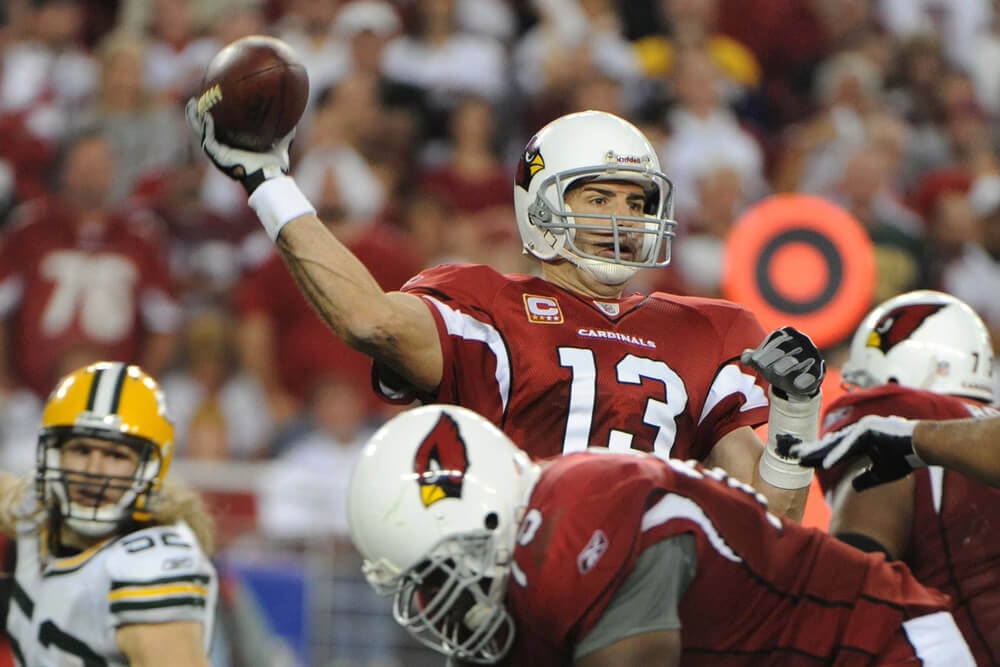
The tradition of teams using specifically colored or designed kickoff tees (some featuring team logos) has disappeared as the NFL standardized equipment specifications. Kickoff tees are now uniform across all teams, eliminating one subtle visual distinction teams once possessed.
Leather Helmets and Suspension Systems
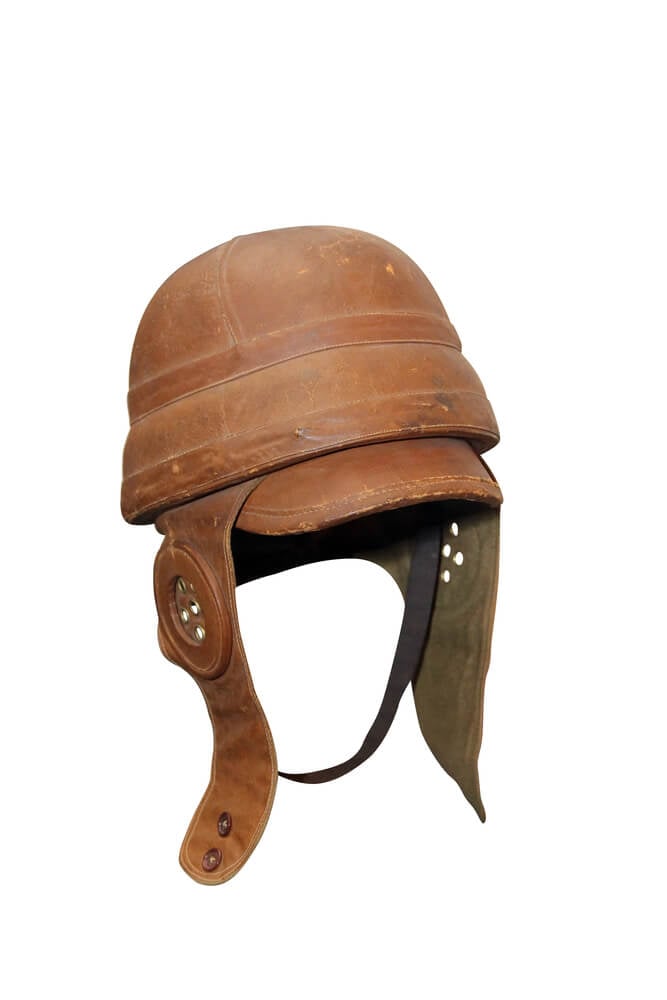
Pre-1970s leather helmets with crude suspension systems represented football’s tradition until plastic hard-shell helmets with interior padding became mandatory. The complete elimination of leather helmets occurred gradually as safety standards tightened, though no formal ban existed—teams simply stopped using inferior protection.
Uniform Number Restrictions by Position
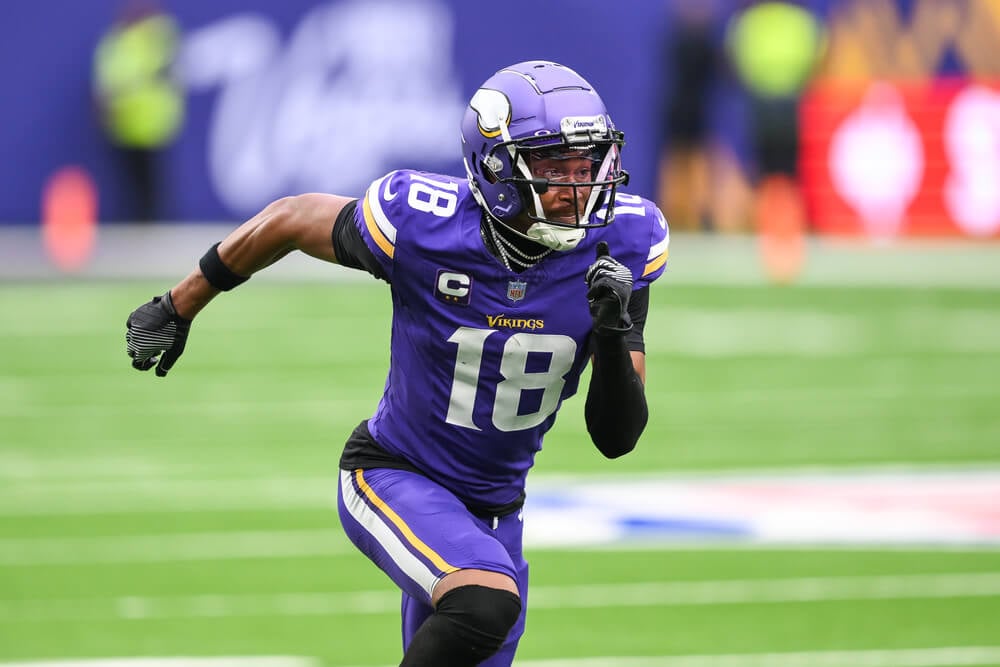
The NFL once enforced strict rules regarding which positions could wear specific jersey number ranges. These traditions have been substantially relaxed, allowing greater positional flexibility in number selection. Players can now wear numbers outside historical position-specific ranges with league permission, breaking uniform traditions that lasted decades.
Hats Off During National Anthem
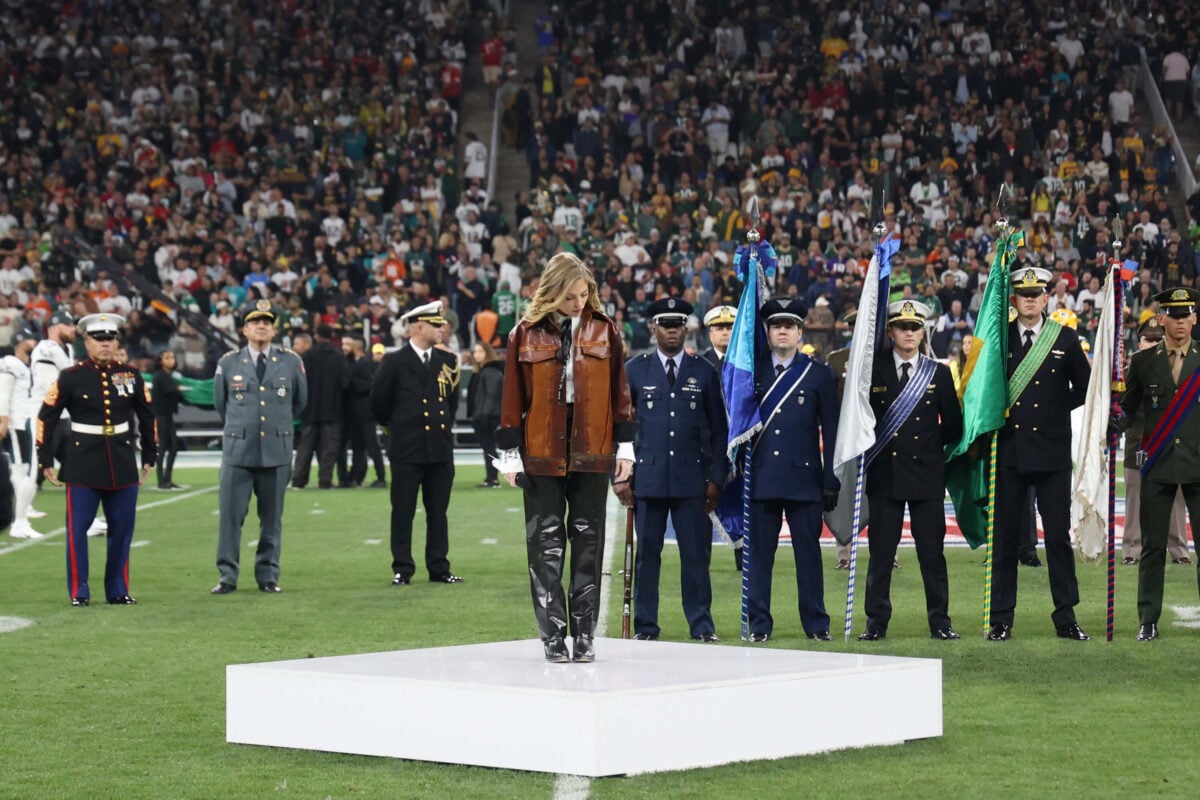
Players, coaches, and officials once wore hats during the national anthem. Contemporary standards require bare heads during the anthem, eliminating this formal tradition without much explanation. The shift reflected changing standards regarding respect and participation in patriotic ceremonies.
Artificial Turf Advantage Traditions
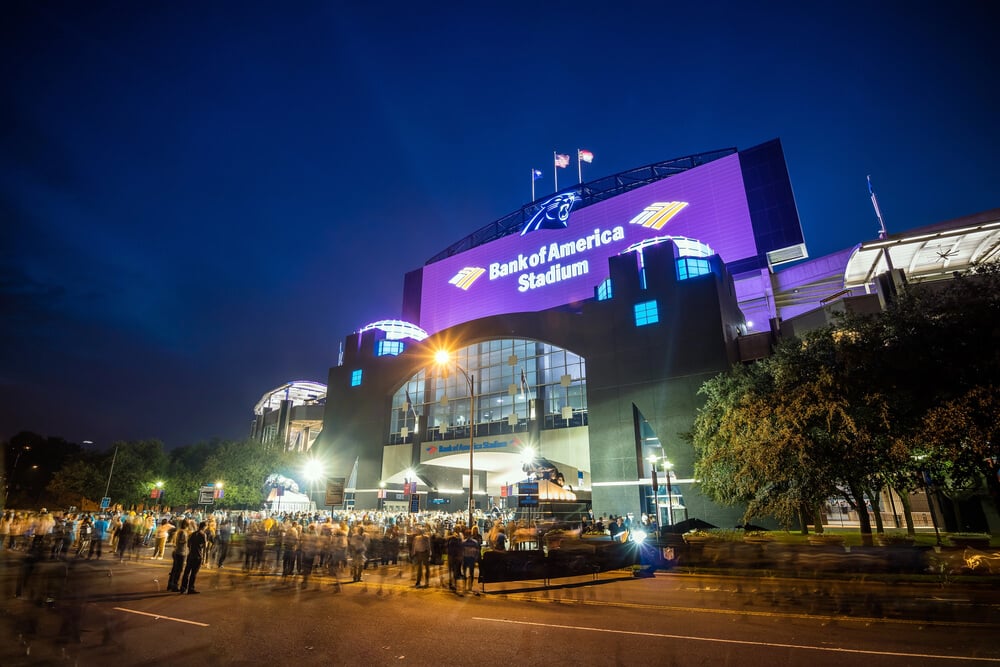
Specific teams built reputations based on artificial turf superiority, with some franchises deliberately maintaining artificial surfaces at home to gain competitive advantages. Modern surface technology standardization and rule enforcement have eliminated this tradition, with most teams now using modern grass systems that reduce turf-related competitive advantages.
Tuesday Night Football Games
Tuesday Night Football represented a mid-season scheduling tradition during certain NFL eras, providing alternative viewing opportunities and makeup slots for rescheduled games. The tradition was quietly discontinued as the NFL consolidated primetime broadcasting into Monday, Thursday, and Sunday slots, eliminating this scheduling anomaly entirely.
Alternate Jersey Promotion Caps
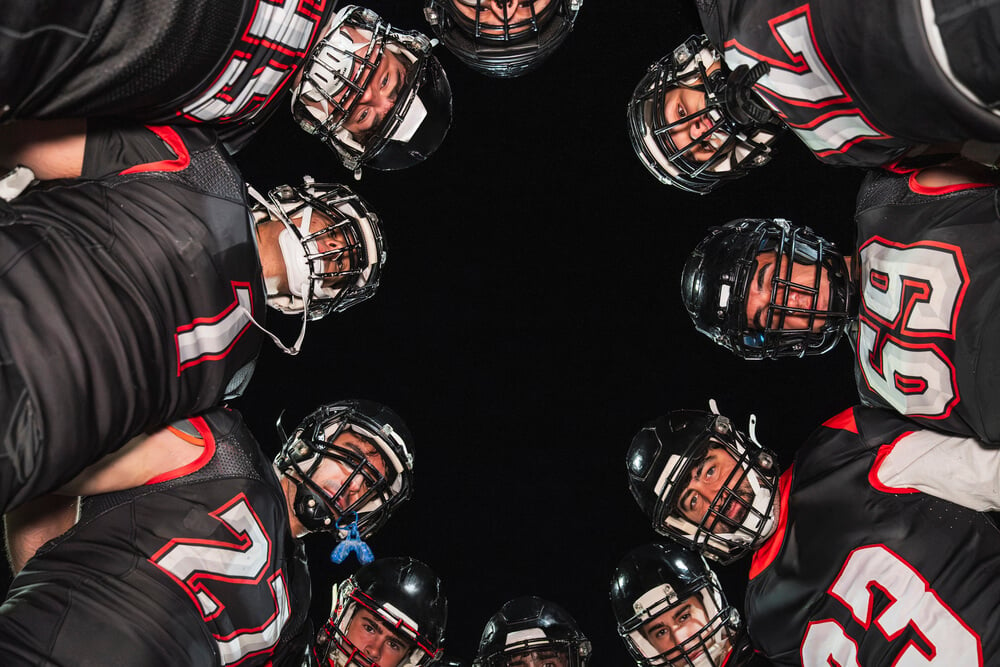
The NFL once limited teams to one primary uniform and one alternate jersey, enforcing strict color and design consistency across seasons. Contemporary rules allow more frequent uniform variations, alternate jersey combinations, and special occasion uniforms that break the tradition of jersey simplicity and consistency.
Kickoff Hash Mark Tradition
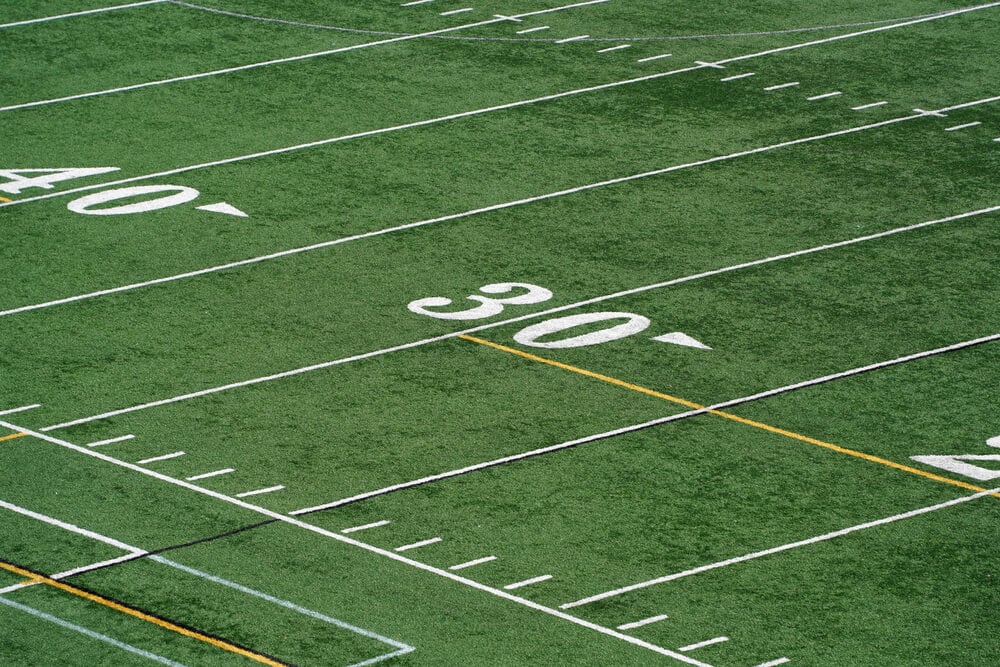
The tradition of placing kickoffs at specific hash marks based on orb position has been modified with the new kickoff format introduced in 2024, repositioning players and changing the fundamental structure of the free-kick play that existed for over 100 years.
Fair Catch Powder on the Field
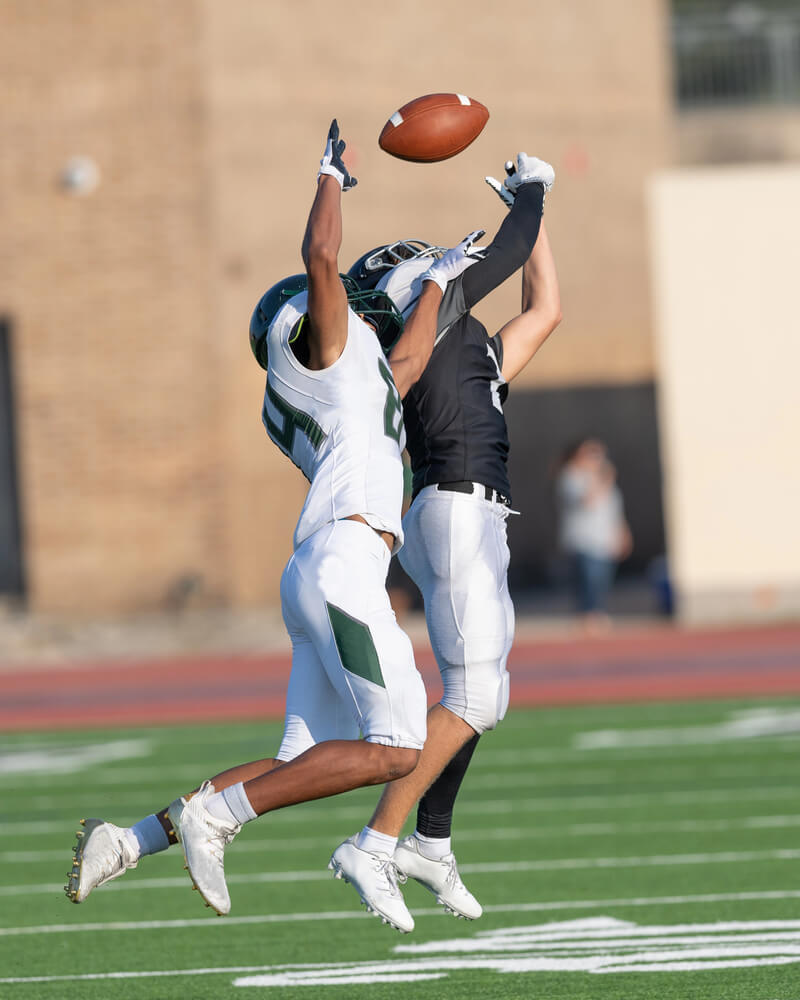
The tradition of visibly marking fair catch locations on the field with powder or chalk has been minimized in modern football, as sideline communication and television graphics now convey necessary information, eliminating this visible field tradition.
Coach Sideline Attire Formality
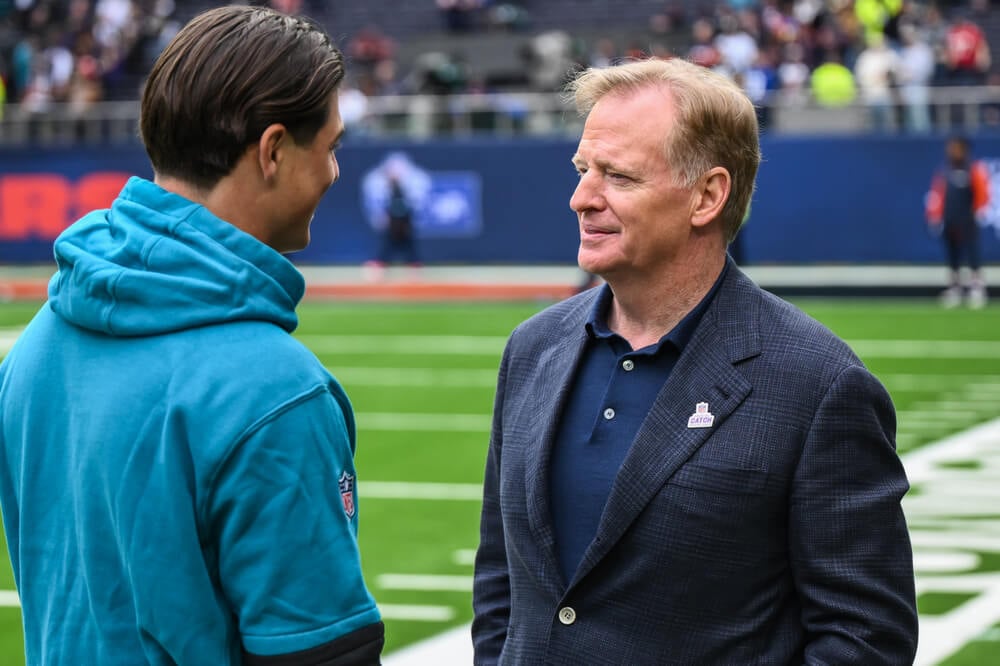
Coaches once wore formal coaching attire including jackets, hats, and coordinated outfits that defined sideline appearance. Modern coaching sideline attire has become increasingly casual, with weather-appropriate gear and branded apparel replacing formal coaching uniforms that characterized previous eras.
Player Weapon Selections by Hand Preference
The tradition of allowing kickers to select specific football construction and stitching patterns based on individual preference has been standardized, with the NFL now requiring uniform orb specifications across all teams. This tradition of personalized equipment selection has been largely eliminated.
Team Abbreviations on Helmets
Many historical teams displayed nothing on their helmets or used multiple identification approaches. The tradition of team logos on all helmets became standardized gradually, with the complete elimination of alternative identification methods occurring without formal announcement—simply as modern standards became normalized.
Throwback Thursday Scheduling
The tradition of prominently featuring throwback jersey games on Thanksgiving Day and during legacy game weeks has been curtailed, with modern scheduling placing throwback appearances irregularly rather than during traditional schedule slots. What was once a consistent seasonal tradition is now sporadic.
Offensive Lineman as Eligible Receivers Tradition
While technically still legal, the tradition of occasionally deploying offensive linemen as eligible receivers (announced explicitly to defenses) has been virtually eliminated as offensive evolution abandoned this strategic surprise element entirely.
Standing Ovation Requirement Traditions
The tradition of standing ovations for visiting dignitaries, visiting teams, or player introductions has been minimized in many stadiums, with modern broadcast priorities and stadium logistics reducing the ceremonial standing tradition that once represented universal stadium etiquette.
Injury Timeout Ceremony
The tradition of dramatic injury stoppages with full team gathering and formal procedures has been modernized with sideline substitution protocols and play-calling efficiency, eliminating the ceremonial nature of previous injury management traditions.
Coin Toss Celebration Traditions

Teams once celebrated coin toss victories with specific sideline gestures and unified responses. Modern coin toss results are handled matter-of-factly with minimal celebration, eliminating this motivational tradition that once accompanied possession acquisition.
Coach’s Whistle as Authority Signal

The tradition of head coaches using personal whistles to communicate with players has been replaced by modern communication headsets and sideline signaling, eliminating the visual and audio tradition of the coach’s whistle representing absolute field authority.
The Evolutionary Process
These traditions didn’t disappear through formal elimination—they evolved as football modernized. Uniform standards improved, broadcasting conventions changed, and rule modifications made certain traditions obsolete. Understanding their departure helps fans recognize how deeply connected sports traditions are to their historical era, and how contemporary football represents not just evolution but the accumulation of countless subtle shifts away from the sport’s foundational customs.
More from Go2Tutors!

- The Romanov Crown Jewels and Their Tragic Fate
- 13 Historical Mysteries That Science Still Can’t Solve
- Famous Hoaxes That Fooled the World for Years
- 15 Child Stars with Tragic Adult Lives
- 16 Famous Jewelry Pieces in History
Like Go2Tutors’s content? Follow us on MSN.