27 Books Schools Pulled From Shelves and Later Restored
A book challenge in a school library rarely ends the way the person who filed the complaint expects. A title gets pulled pending review, parents and students organize, a board holds a hearing, and more often than not, the book goes back on the shelf, sometimes with more attention than it had before.
The pattern has repeated across American schools for nearly a century, with a handful of titles removed and reinstated so many times that librarians track them the way meteorologists track recurring storms.
To Kill a Mockingbird
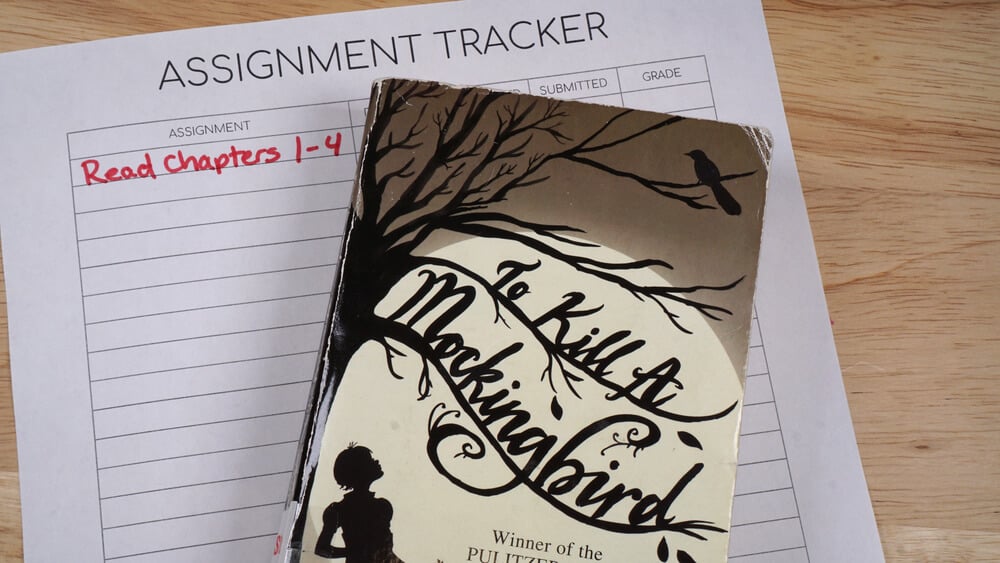
Harper Lee’s 1960 novel has been challenged and temporarily removed from schools for decades, most often over its language and its treatment of race, including districts in Virginia and Mississippi that pulled it in the 2010s and 2020s. In nearly every documented case, the book returned to shelves after a formal review, sometimes with a revised age recommendation rather than an outright ban.
It remains one of the most frequently assigned novels in American English classrooms.
Adventures of Huckleberry Finn
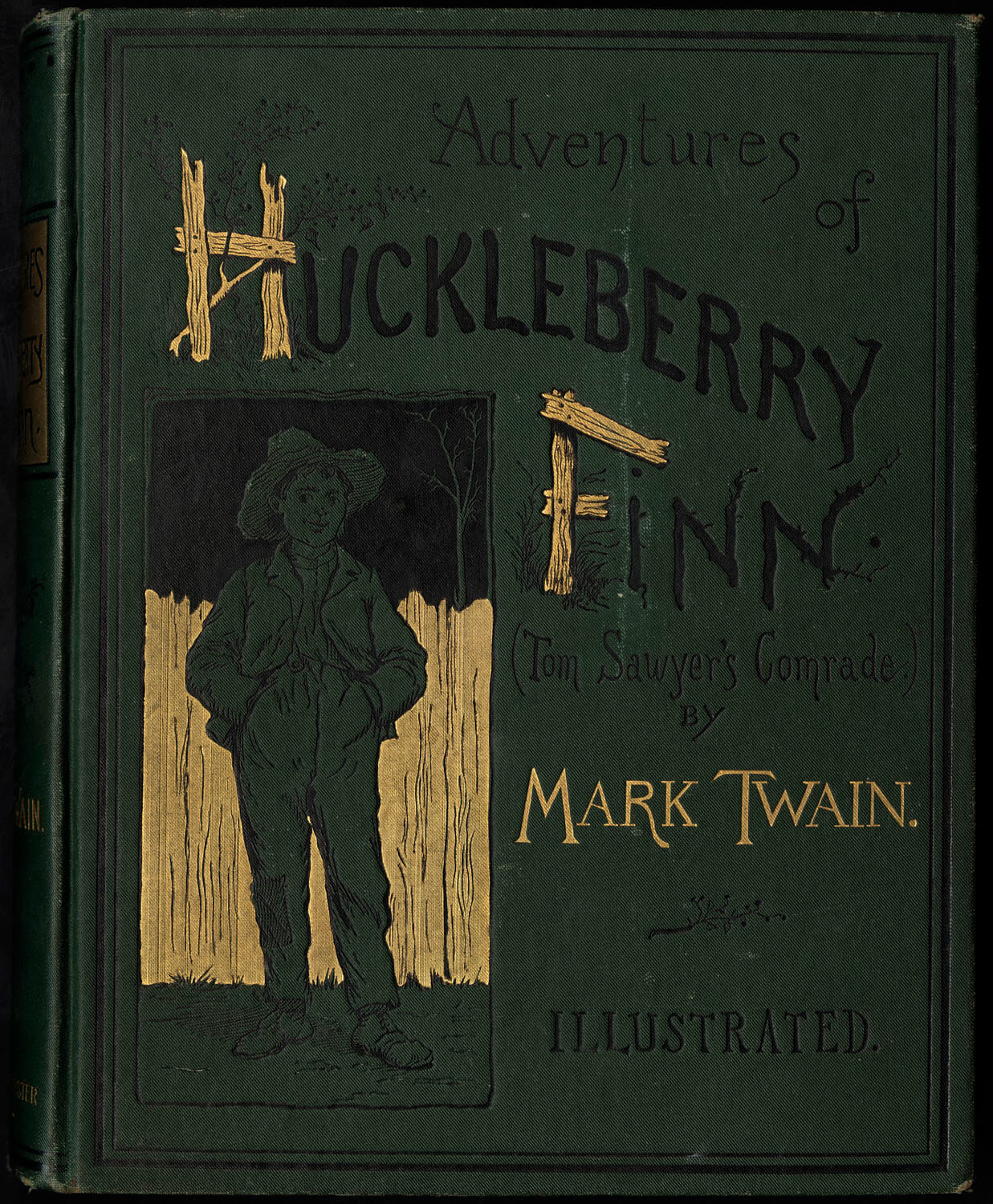
Mark Twain’s 1884 novel was removed from a Massachusetts library within a year of publication for what a committee called coarse language, making it one of the earliest recorded school and library bans in the country. It has cycled on and off reading lists ever since, most recently over its repeated use of a racial slur, with several districts restoring it after replacing it with annotated or paired-reading editions.
Twain himself reportedly joked that the early ban would only help sales.
Of Mice and Men

John Steinbeck’s short novel has topped American Library Association lists of frequently challenged books for its language and its bleak ending, leading multiple districts to pull it from required reading lists over the years. Many of those same districts reinstated it after teachers argued its themes of loneliness and economic hardship remained relevant to students.
It continues to appear on state-approved reading lists in most of the country.
The Diary of a Young Girl
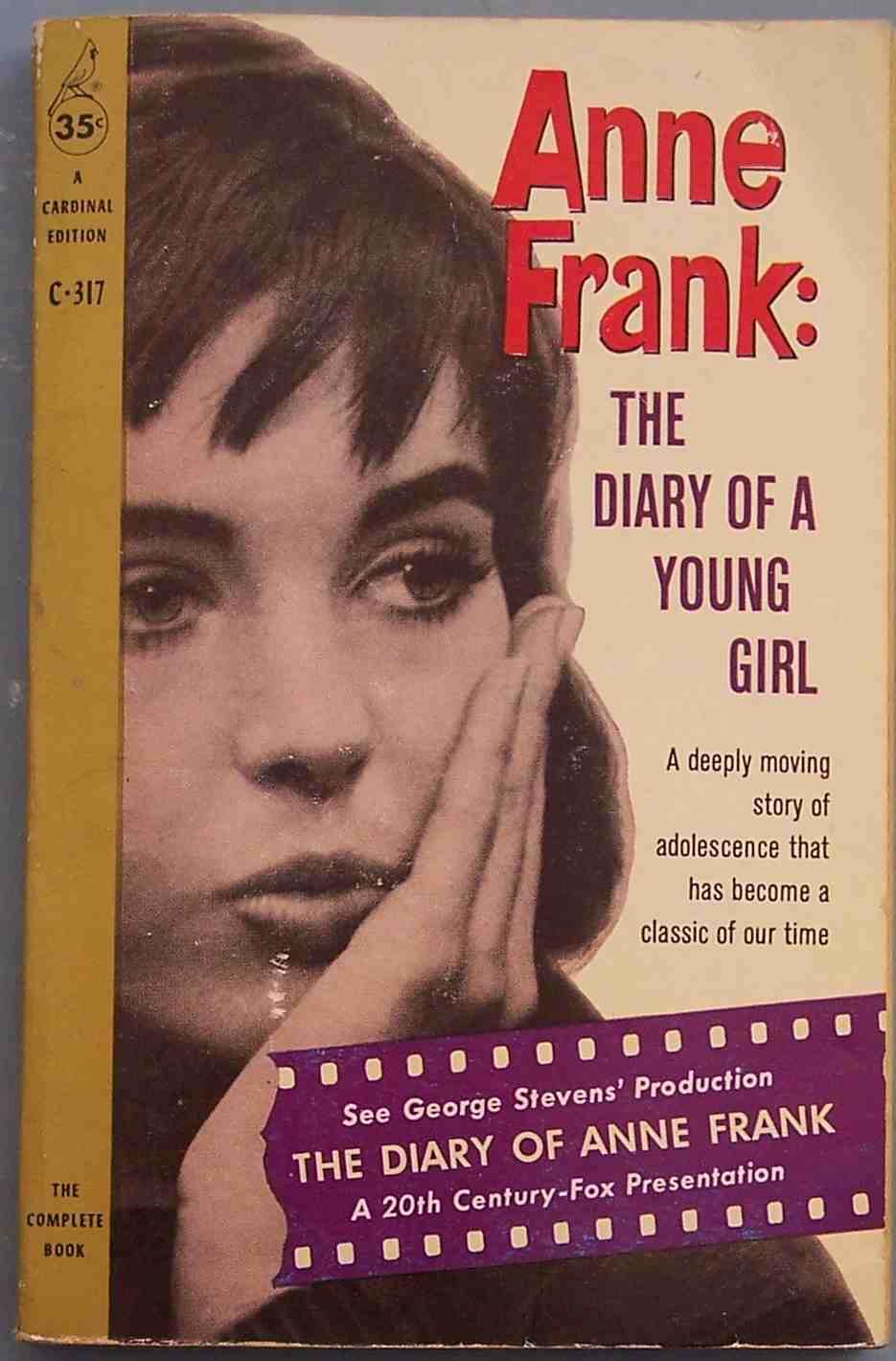
Anne Frank’s wartime diary was removed from some school reading lists in the 2010s over passages describing her body and her feelings during adolescence, notably in a Virginia district in 2010. Community backlash and historical societies pushed for its return within weeks in most cases, arguing the passages were essential to understanding a teenager’s experience in hiding.
The book remains a staple of Holocaust education curricula worldwide.
Slaughterhouse-Five
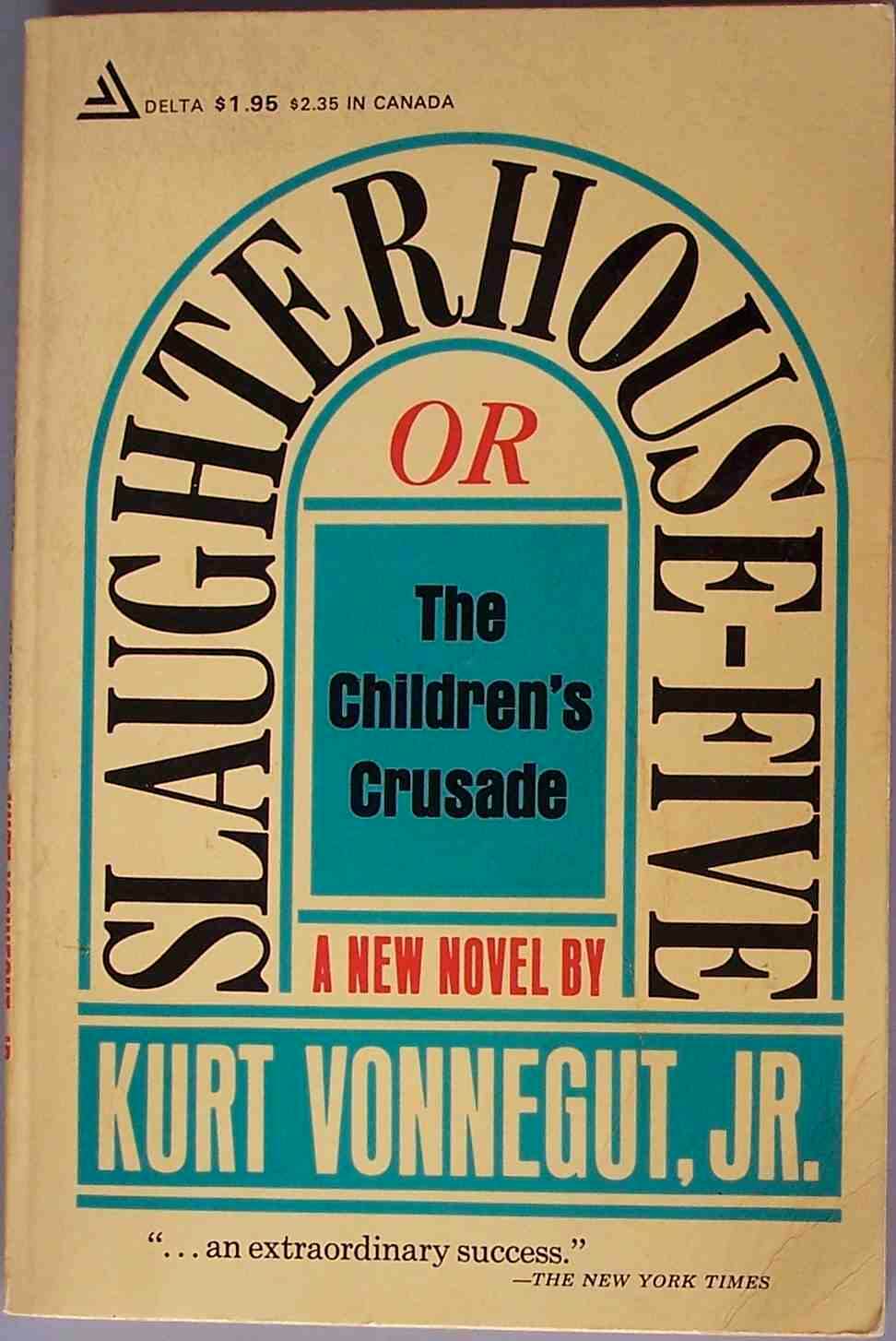
Kurt Vonnegut’s anti-war novel was removed from a North Dakota school in 1973 after a school board ordered copies burned in the school furnace, a decision that drew national attention and a lawsuit. The book was later reinstated in that district and has since become one of the most commonly taught novels about the firebombing of Dresden.
Vonnegut wrote about the incident himself in later essays, calling the board’s reaction proof of the book’s point.
Beloved
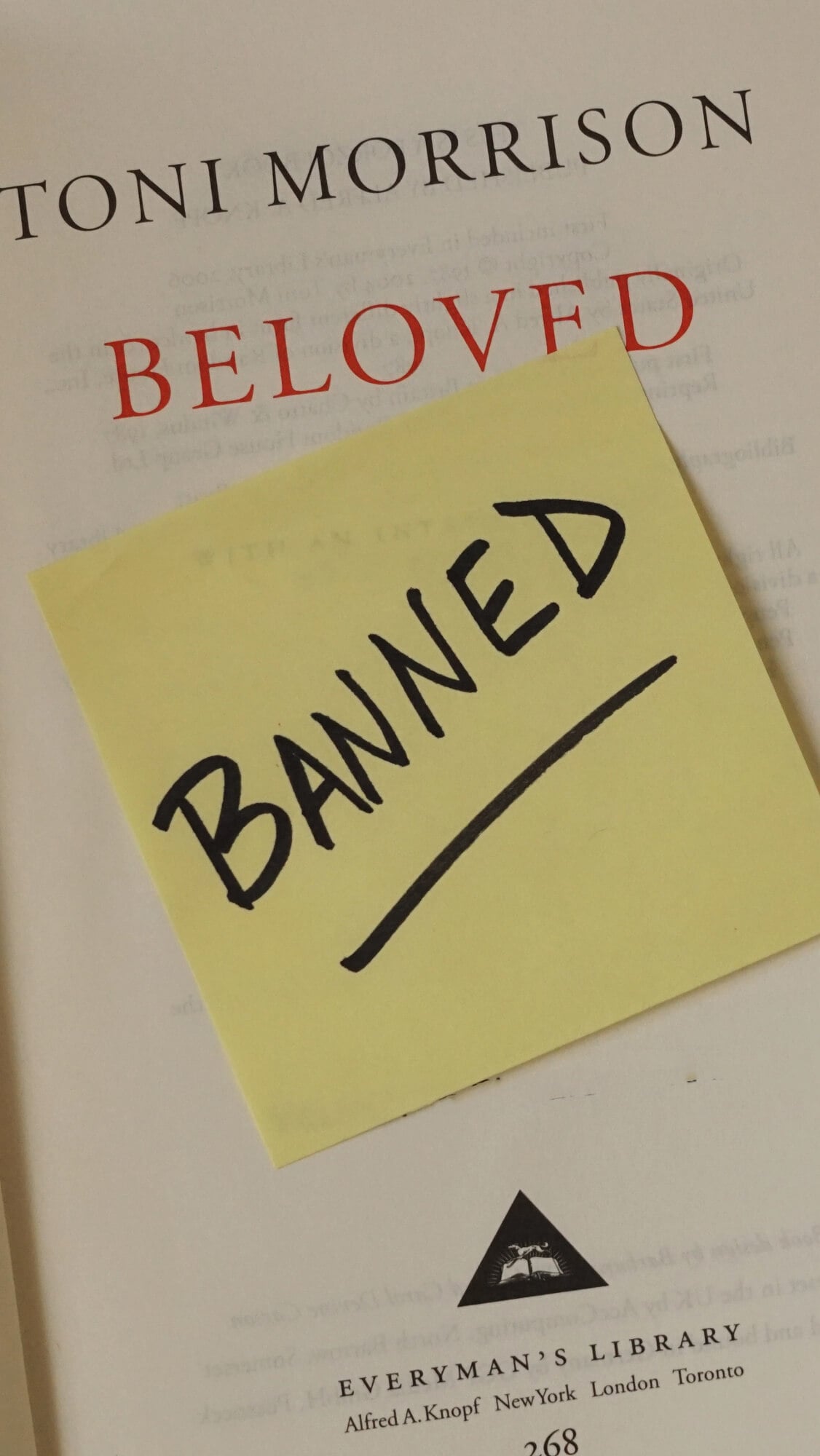
Toni Morrison’s novel about the lingering effects of slavery has been pulled from advanced English curricula in several states, including a widely publicized 2021 case in Virginia that became a flashpoint in a state election. Many of the districts that removed it restored it to elective or advanced-placement reading lists after review committees found it met the state’s own literary standards.
Morrison won the Nobel Prize in Literature in 1993, with Beloved frequently cited in that recognition.
The Grapes of Wrath
Steinbeck’s Depression-era novel was banned and even publicly burned in Kern County, California, shortly after its 1939 publication, with local growers objecting to its portrayal of migrant labor conditions. The Kern County library reversed its ban within about a year under public pressure, and the book has since become a staple of American literature courses.
It won the Pulitzer Prize in 1940.
Fahrenheit 451
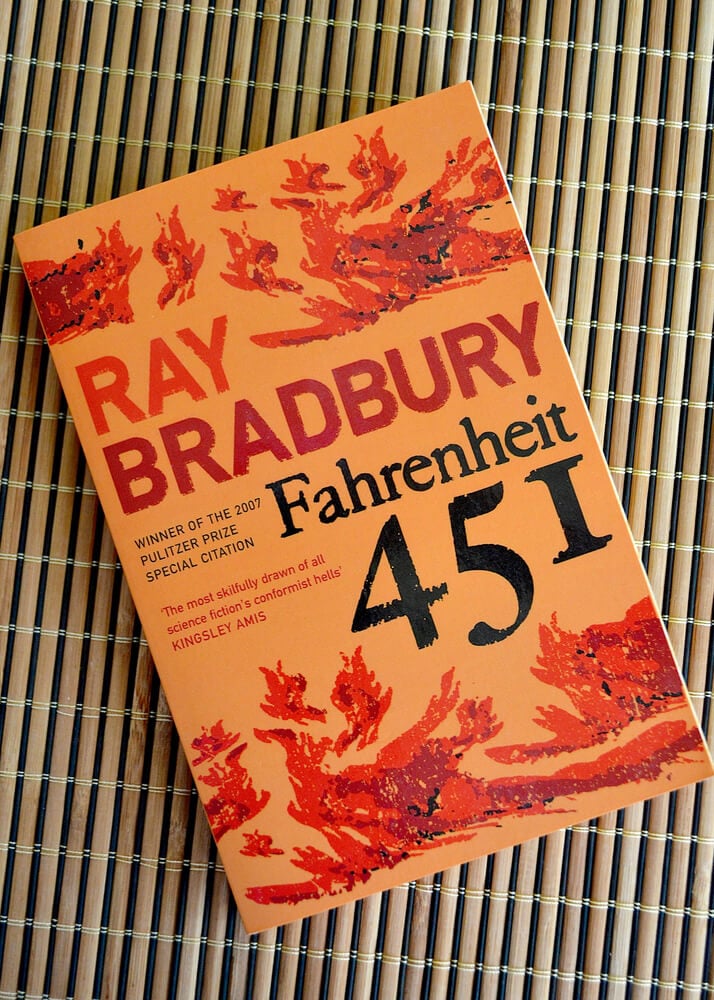
Ray Bradbury’s novel about book burning has itself been challenged repeatedly, including a case in a Texas school district over language, an irony Bradbury referenced in later interviews and forewords. Several districts that pulled it restored it within a school year after committees noted the built-in irony of banning a book about censorship.
It remains a common assignment in middle and high school English classes.
Brave New World
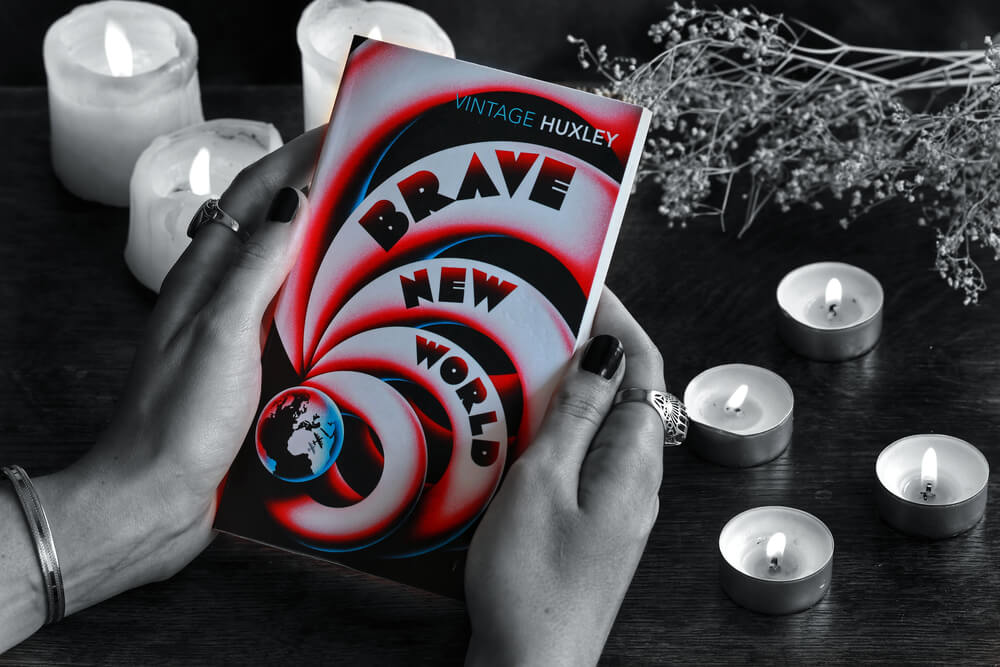
Aldous Huxley’s 1932 novel has faced challenges since at least the 1960s over its themes of engineered reproduction and social control, leading some districts to remove it from required reading pending review. Most reviewing committees have restored it, citing its status as a foundational work of dystopian fiction alongside Nineteen Eighty-Four.
It remains widely taught in advanced literature courses.
Nineteen Eighty-Four
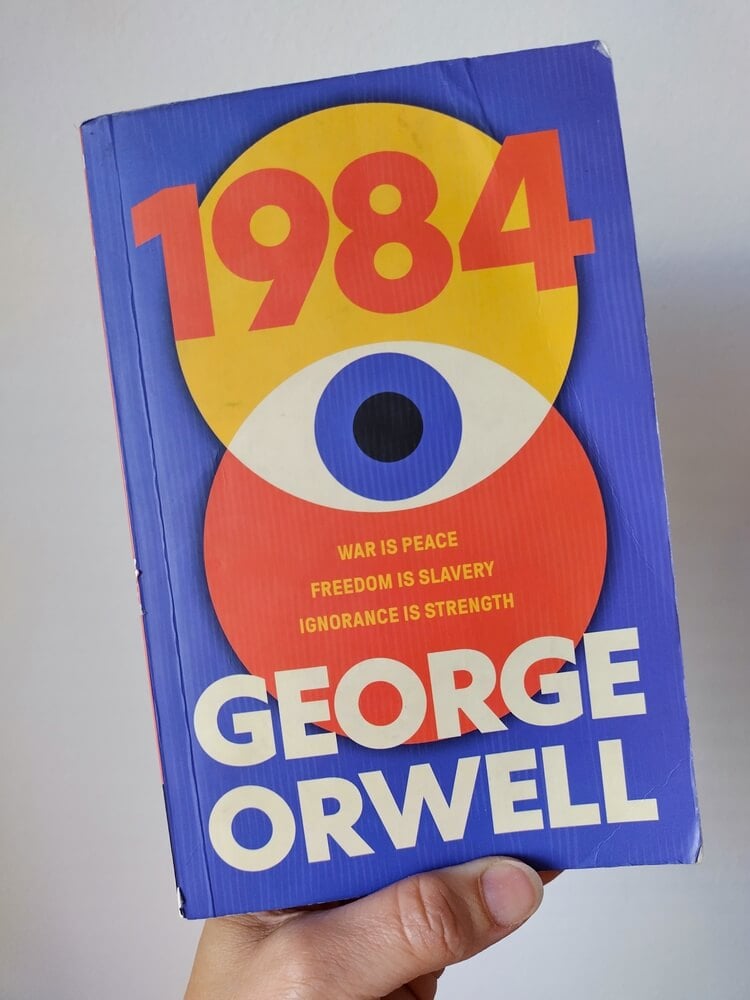
George Orwell’s novel has been challenged from opposing political directions over the decades, pulled at various points by school boards uncomfortable with its language or its bleak portrayal of authoritarian government. Reviewing committees have consistently restored it, often noting its relevance to civics and media literacy instruction.
It remains one of the best-selling novels of the twentieth century.
And Tango Makes Three
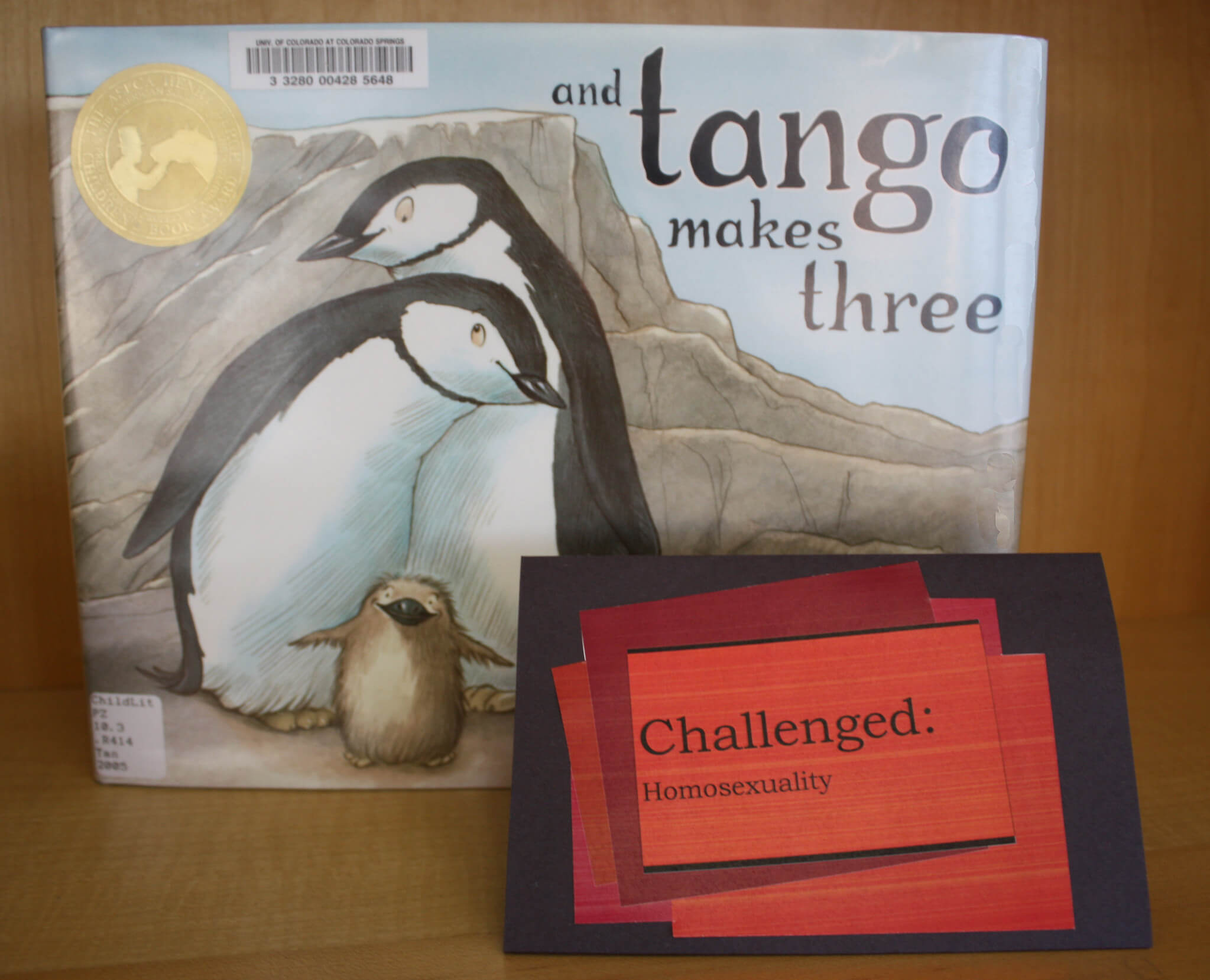
This picture book based on two male penguins raising a chick at the Central Park Zoo has topped the American Library Association’s list of most challenged books multiple times since its 2005 publication. Several districts that pulled it from elementary libraries restored it after review boards found no basis for removal under their own collection policies.
It remains one of the most challenged children’s books in American library history.
The Perks of Being a Wallflower
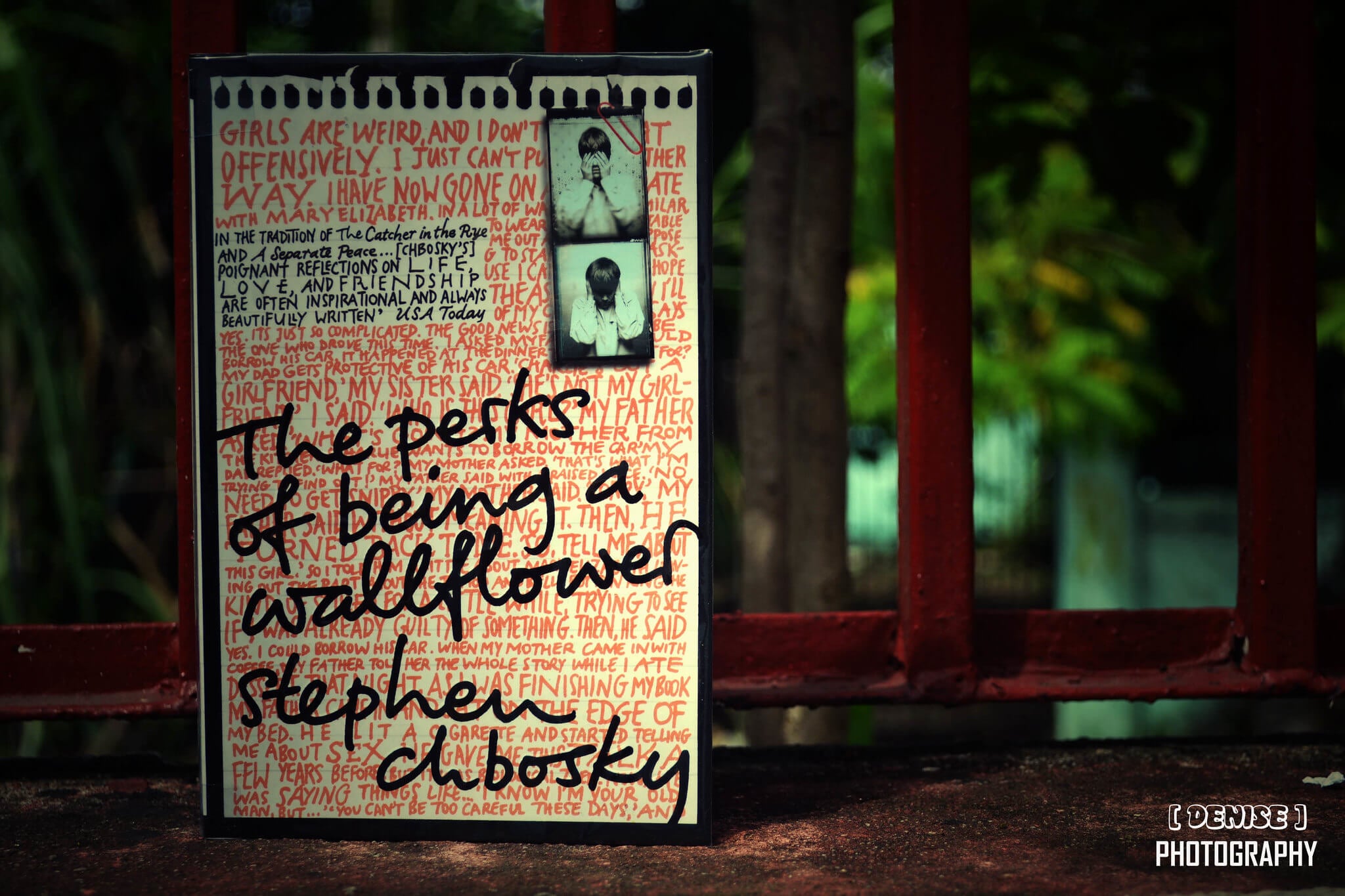
Stephen Chbosky’s coming-of-age novel has been challenged in numerous districts for its depiction of trauma and substance use among teenagers, leading to removals in states including Texas and Pennsylvania. Most of those districts restored the book to optional or advanced reading lists after review, and it was later adapted into a 2012 film directed by Chbosky himself.
It remains a frequently assigned title in contemporary young-adult literature units.
The Bluest Eye
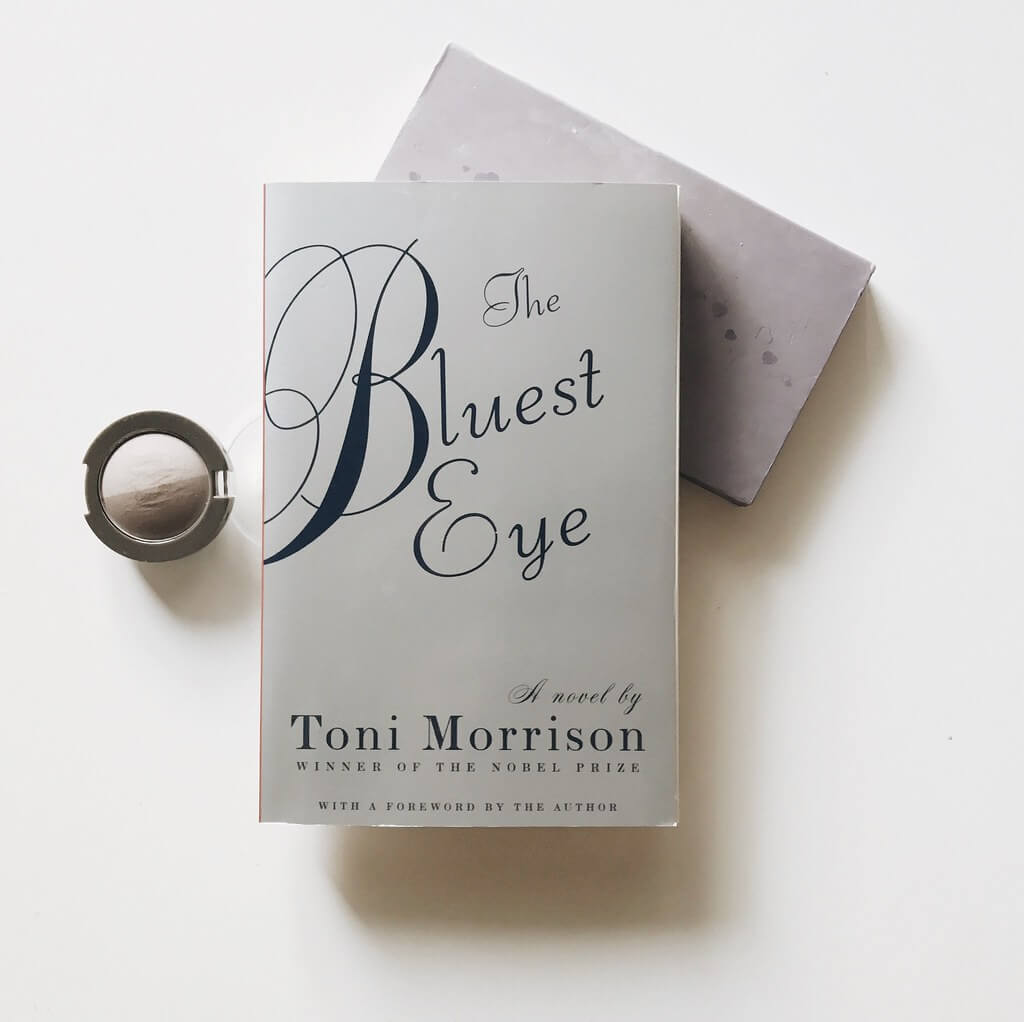
Toni Morrison’s debut novel has been pulled from several school libraries over its depiction of abuse, including cases in Florida and Ohio in the 2020s. Review committees in multiple districts restored the book after finding it met curriculum standards for advanced literature courses, and Morrison defended the novel publicly as necessary reading precisely because of its difficult content.
It remains part of many state-approved reading lists for older students.
Speak
Laurie Halse Anderson’s novel about a teenager recovering from an assault has been challenged repeatedly since its 1999 publication, with some parents calling for its removal from middle school libraries. Anderson has spoken publicly about receiving letters from students who say the book helped them come forward about their own experiences, and most districts that pulled it have since restored it.
It won a Michael L. Printz Honor and remains widely taught.
The Absolutely True Diary of a Part-Time Indian
Sherman Alexie’s semi-autobiographical novel has been challenged and removed in numerous districts for its language and frank discussion of poverty on a reservation, including a notable case in Idaho in 2014. Public pushback led that district to restore the book within the same school year, and it remains a National Book Award winner taught widely in contemporary literature courses.
Alexie has spoken about the challenges as evidence the book resonates with reluctant readers.
Maus
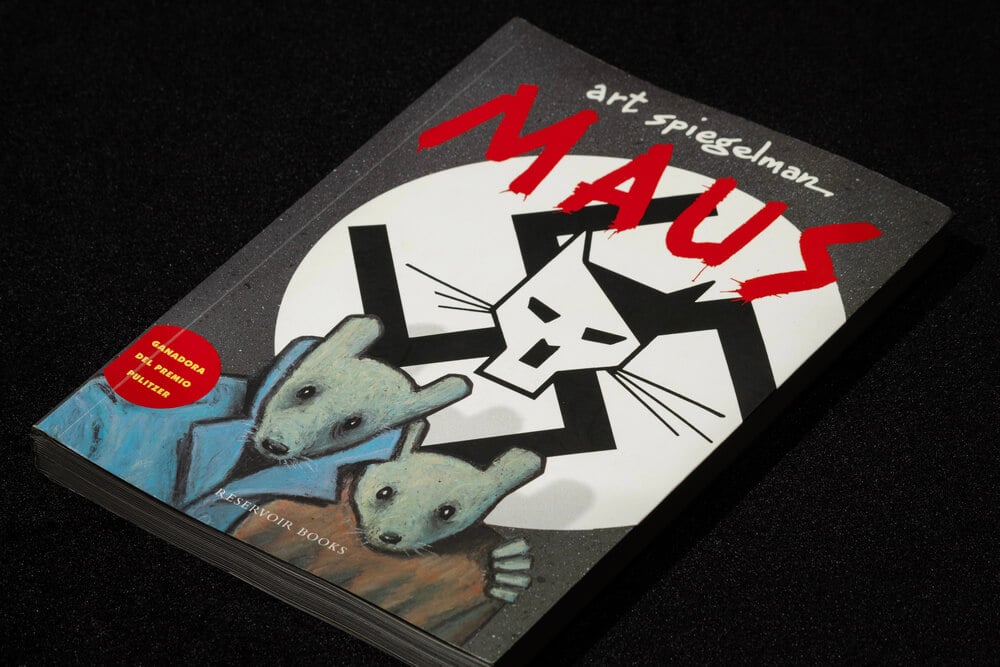
Art Spiegelman’s graphic novel about the Holocaust was removed from an eighth-grade curriculum in McMinn County, Tennessee, in January 2022 over a school board’s objections to some of its imagery. The removal drew international news coverage and a surge in sales, and while the district did not immediately reverse its decision, several other Tennessee schools and libraries added the book in response.
It remains the only graphic novel to win a Pulitzer Prize.
Gender Queer
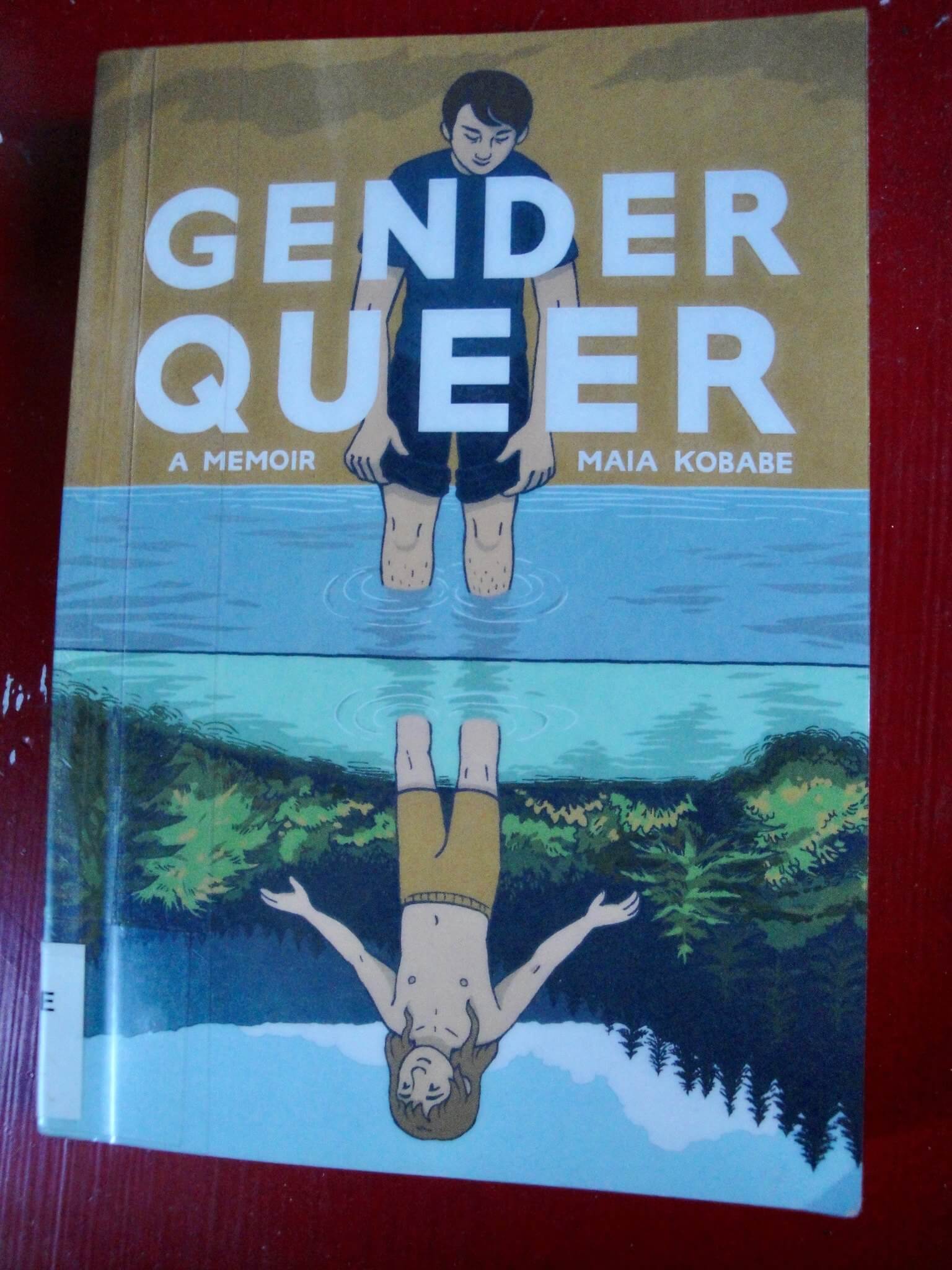
Maia Kobabe’s illustrated memoir has been one of the most challenged books in the country since 2021, pulled from numerous school libraries pending review over its depiction of the author’s gender identity. Several districts, including some in Virginia and Oregon, restored the book to library shelves after review committees found it met collection development policy standards.
It remains a frequent flashpoint in ongoing debates over school library content.
The Kite Runner
Khaled Hosseini’s novel about friendship and betrayal in Afghanistan has been challenged in multiple states over a scene depicting an assault, leading some districts to pull it from required reading lists. Most reviewing committees restored the book after finding its literary and historical value outweighed the objection, and it remains a common text in world literature courses.
The novel has sold more than seven million copies in the United States.
Thirteen Reasons Why
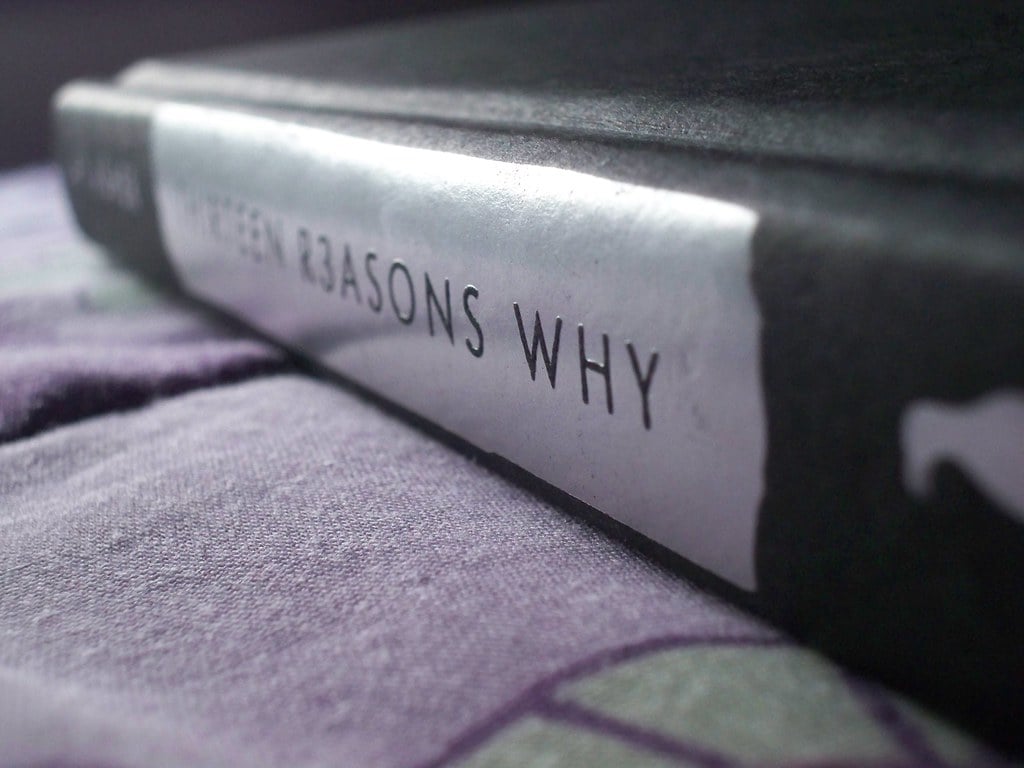
Jay Asher’s novel about a teenager’s decision to end her life was pulled from several middle school libraries after its content, and later its 2017 television adaptation, drew concern from mental health organizations. Many districts restored the book to high school libraries with added counseling resources rather than removing it permanently.
It remains a widely discussed, if controversial, text in conversations about youth mental health.
A Wrinkle in Time
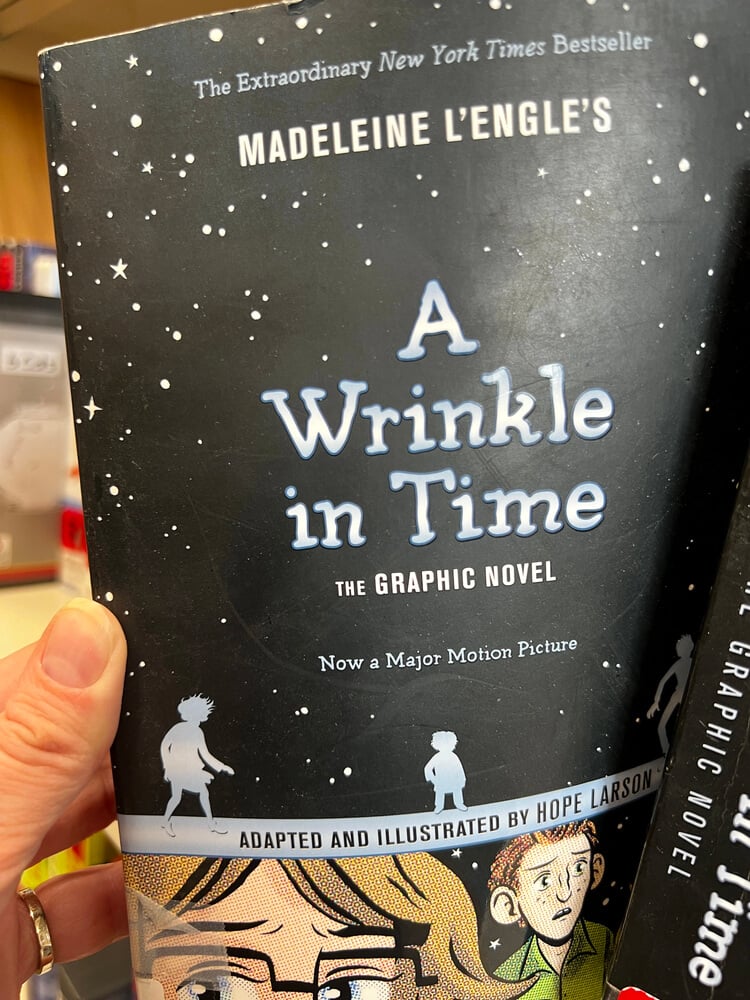
Madeleine L’Engle’s science fantasy novel was challenged by some religious groups in the 1980s and 1990s over its portrayal of mysticism and its blending of science with spirituality. Several school libraries that removed it restored the book after determining it did not violate their content policies, and it went on to win the 1963 Newbery Medal well before most of the controversy arose.
It remains a staple of elementary and middle school reading lists.
Charlotte’s Web
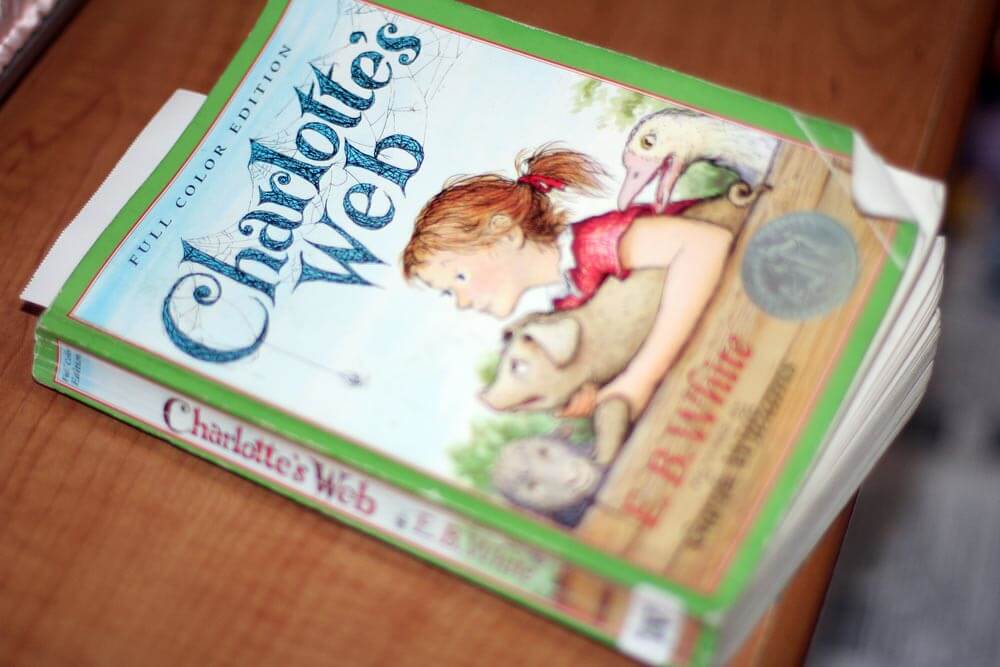
E.B. White’s classic was removed from at least one Kansas school library in the 1980s after a parent objected to talking animals as blasphemous, a decision that drew ridicule in national press coverage at the time. The book was restored within the same year, and it has gone on to sell more than fifty million copies worldwide.
It remains a fixture of elementary school curricula.
Forever

Judy Blume’s 1975 novel, one of the first mainstream young-adult books to portray a teenage romantic relationship candidly, has been challenged in school libraries almost continuously since its release. Blume has spoken publicly for decades about fielding letters from both teenage readers and school boards, and many districts that pulled the book have since returned it to shelves for older students.
It remains in print and is frequently cited in histories of young-adult publishing.
Go Ask Alice
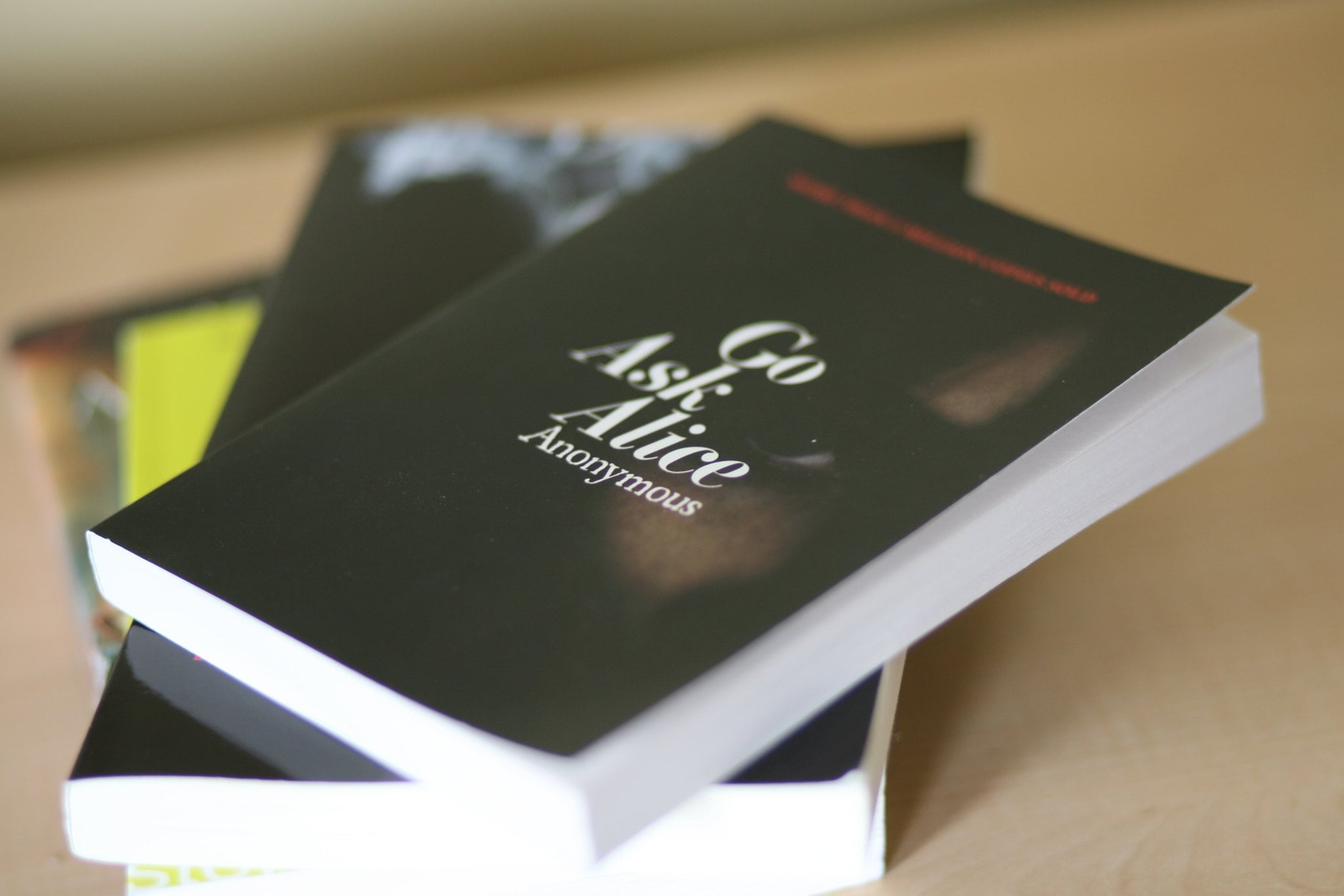
Published anonymously in 1971 and later revealed to be written by youth counselor Beatrice Sparks, this account of a teenager’s drug use has been challenged and removed from school libraries repeatedly over its content. Several districts restored the book after determining it functioned as a cautionary tale rather than an endorsement, and it remains widely read as an example of the “reluctant reader” genre.
Its authenticity as a genuine diary has been disputed by researchers for years.
I Know Why the Caged Bird Sings
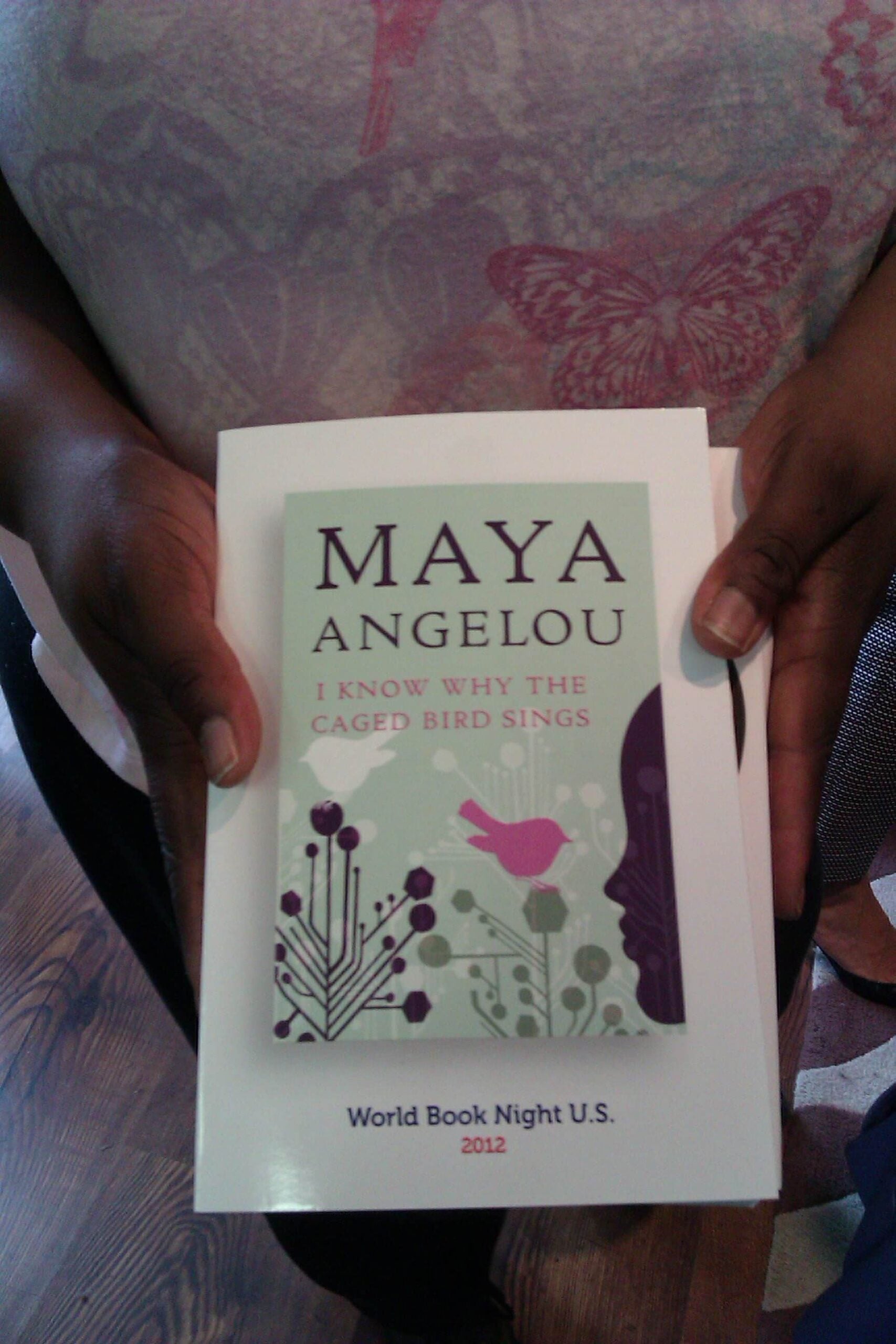
Maya Angelou’s memoir has been challenged in school districts across the country since the 1980s, most often over a passage describing childhood abuse, leading to temporary removals in states including Arkansas and Virginia. Review committees in most of those districts restored the book, citing Angelou’s stature as a poet and memoirist and the passage’s importance to the book’s larger arc.
It remains a foundational text in American autobiography courses.
Persepolis
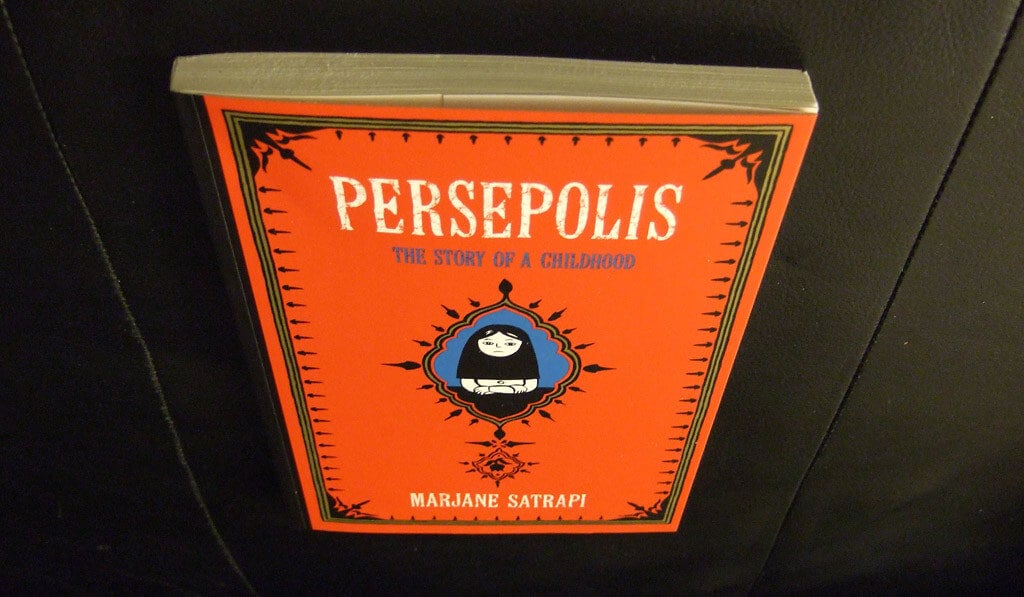
Marjane Satrapi’s graphic memoir about growing up during the Iranian Revolution was pulled from Chicago Public Schools’ curriculum in 2013 after a district-wide directive, a decision that prompted student protests and drew national media attention. The district reversed course within weeks, restoring the book for older students while adding guidance for younger grades.
It remains one of the most widely taught graphic memoirs in American schools.
Two Boys Kissing
David Levithan’s novel, narrated by a chorus of men who died of complications related to the AIDS epidemic, has been challenged in numerous districts over its depiction of a romantic relationship between two young men, leading to removals in states including Virginia and Ohio. Several of those districts restored the book after review boards found it met literary merit standards under their own policies.
It was a finalist for the Lambda Literary Award in the year of its release.
The Color Purple
Alice Walker’s Pulitzer Prize-winning novel has been challenged repeatedly since the 1980s for its language and its depiction of abuse within a family, leading to removals in several Southern school districts. Most of those districts eventually restored the book to advanced or elective reading lists after community review, and it remains a frequently assigned text in college-preparatory literature courses.
The novel also inspired a 1985 film and a Broadway musical.
When the Complaint Becomes the Curriculum

The books on this list share a strange second life: each removal generated more attention than the book likely would have received on its own, turning a quiet library shelf into a subject of school board meetings, newspaper editorials, and student walkouts. Restoration rarely erased the controversy either, since the challenge itself became part of how later students encountered the book.
What repeats across nearly a century of these cases is not the content of any single title but the shape of the argument, one generation’s discomfort meeting another’s insistence that discomfort is not the same thing as harm. The shelf keeps refilling because the argument never really ends, it just changes which book is standing in for it.
More from Go2Tutors!

- The Romanov Crown Jewels and Their Tragic Fate
- 13 Historical Mysteries That Science Still Can’t Solve
- Famous Hoaxes That Fooled the World for Years
- 15 Child Stars with Tragic Adult Lives
- 16 Famous Jewelry Pieces in History
Like Go2Tutors’s content? Follow us on MSN.



