25 Accidental Discoveries That Shaped the Course of History
The history of human progress is supposed to be a story of intention — a problem identified, a method designed, a solution found. And sometimes that’s exactly what happens.
But a surprising number of the things that changed daily life, saved millions of lives, or permanently altered how we understand the world came from someone paying attention to something that went wrong. A contaminated petri dish. A bent cathode ray tube. A pot that wouldn’t clean. The people who made these discoveries weren’t all geniuses — though some were. What they shared was the willingness to stop and ask why something unexpected was happening, instead of just starting over.
Penicillin
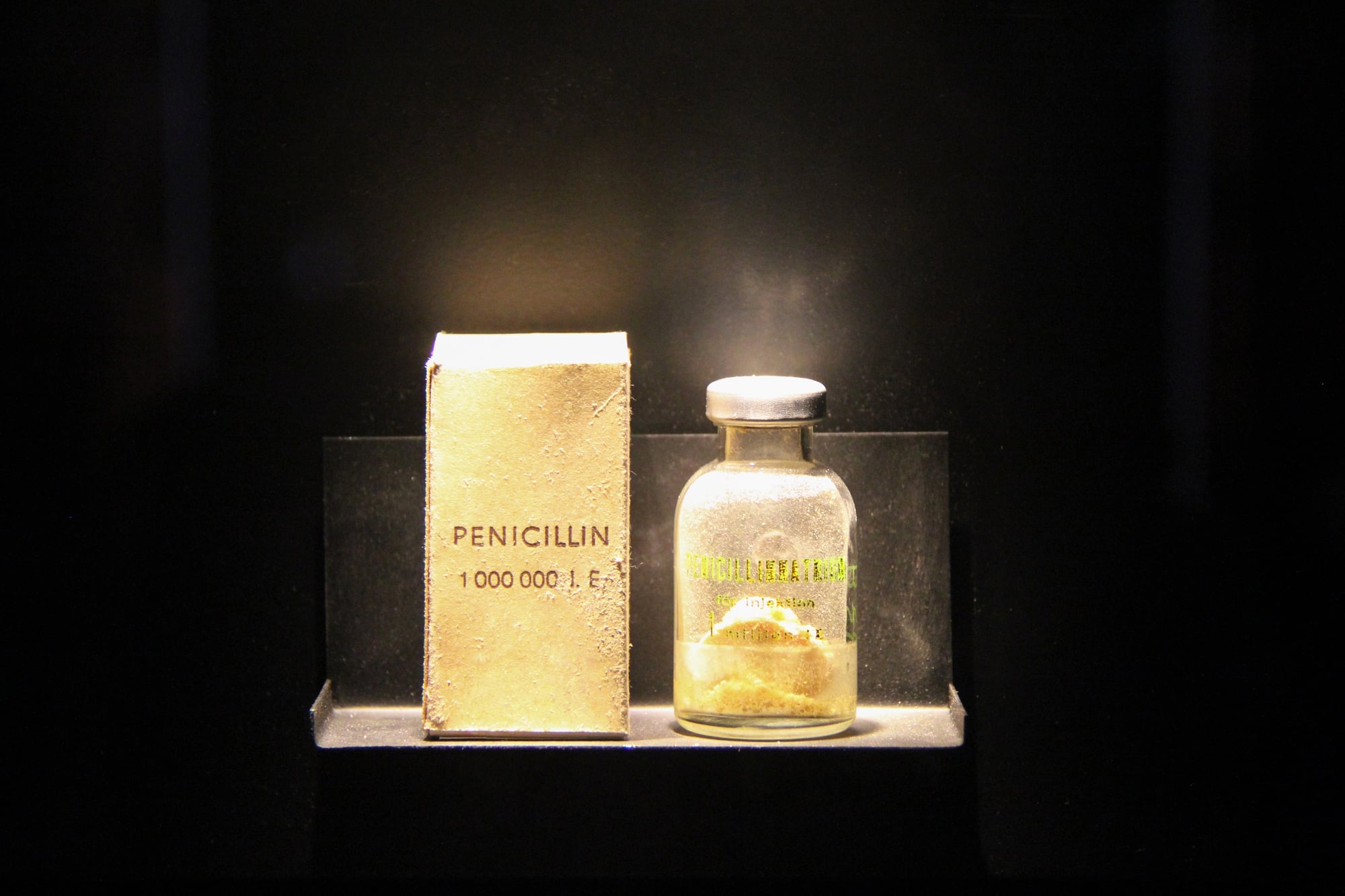
Alexander Fleming went on holiday in 1928 and left a petri dish of Staphylococcus bacteria on his laboratory bench. A mold spore drifted in through an open window — Penicillium notatum — and landed in the dish.
When Fleming returned, he noticed that the bacteria around the mold had died in a clear ring. Most researchers would have thrown the contaminated dish away and started again. Fleming looked at the ring and asked what was killing the bacteria. What followed — a decade later, when Howard Florey and Ernst Chain figured out how to purify penicillin in usable quantities — was the antibiotic era, which has saved an estimated 200 million lives since 1942.
X-Rays
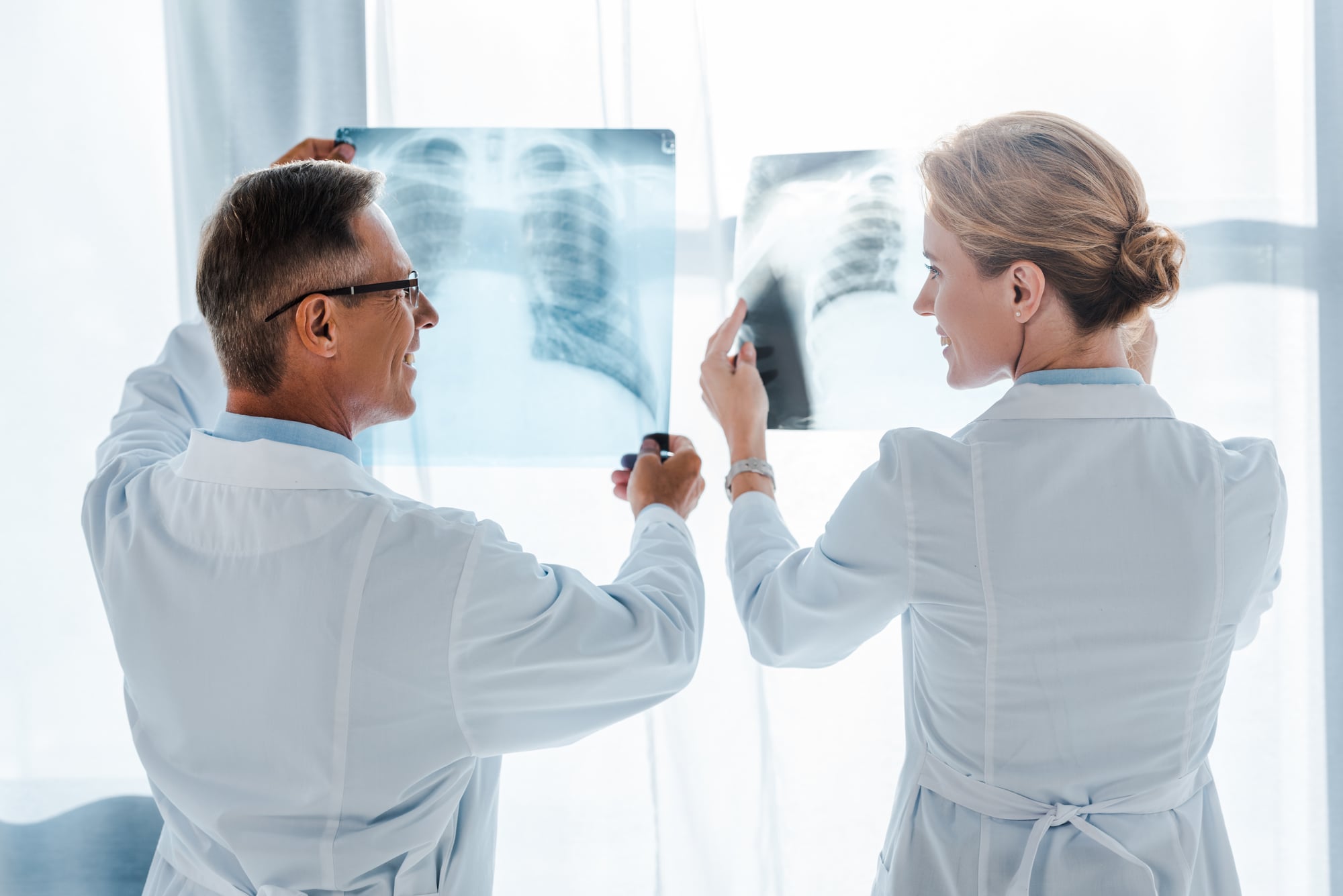
Wilhelm Röntgen was experimenting with cathode ray tubes in his darkened laboratory in November 1895 when he noticed something strange: a fluorescent screen on the other side of the room was glowing, even though the cathode rays shouldn’t have been able to reach it. The rays he discovered — which he called X-rays because he didn’t know what they were — could pass through soft tissue but cast shadows from bone.
Within a year, X-ray machines were in hospitals. Within two years, they were being used in military field hospitals. The gap between discovery and medical application was measured in months, making it one of the fastest laboratory-to-clinic transitions in the history of medicine.
Teflon
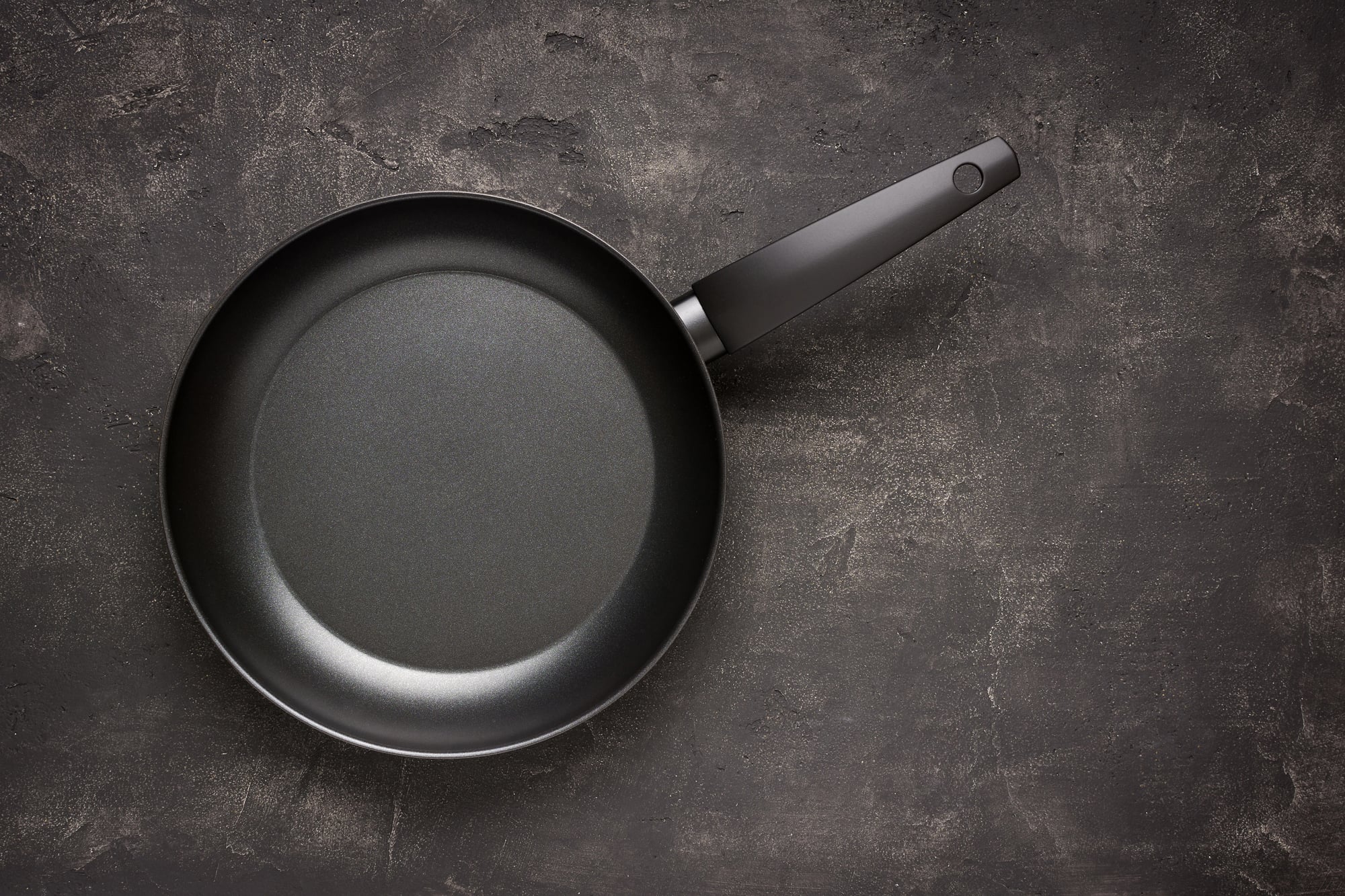
Roy Plunkett was working for DuPont in 1938, trying to develop a new refrigerant. He had stored tetrafluoroethylene gas in canisters overnight, and when he went to open them the next morning, no gas came out — the weight was right but the canisters appeared empty.
Instead of discarding them, he cut one open. The inside was coated with a white, slippery powder. The gas had spontaneously polymerized overnight into polytetrafluoroethylene — what would eventually be marketed as Teflon. The material turned out to be almost chemically inert, heat resistant, and extraordinarily slippery. It went into military and aerospace applications during World War II before appearing on cookware in the 1950s.
Microwave Ovens

Percy Spencer was an engineer at Raytheon working with magnetrons — the devices that generate microwave radiation for radar systems — in 1945 when he noticed that a chocolate bar in his pocket had melted. He hadn’t been near a heat source.
He went back to the magnetron and realized the microwave radiation had heated it. Spencer immediately began experimenting with other foods, including popcorn and, famously, an egg that exploded in his colleague’s face. The first commercial microwave oven, released in 1947, was nearly six feet tall and weighed 750 pounds. The countertop version followed in 1967.
Vulcanized Rubber

Charles Goodyear spent years trying to make natural rubber useful — the material was sticky in summer and brittle in winter, making it nearly impossible to work with practically. In 1839, he accidentally dropped a mixture of rubber and sulfur on a hot stove.
The resulting material was dramatically different: stable, flexible at low temperatures, and firm at high ones. Goodyear had found the process of vulcanization entirely by accident. He spent years in poverty fighting patent battles over the discovery before it was widely adopted, and he died deeply in debt despite giving the modern rubber industry the process it runs on.
Synthetic Dyes (Mauveine)
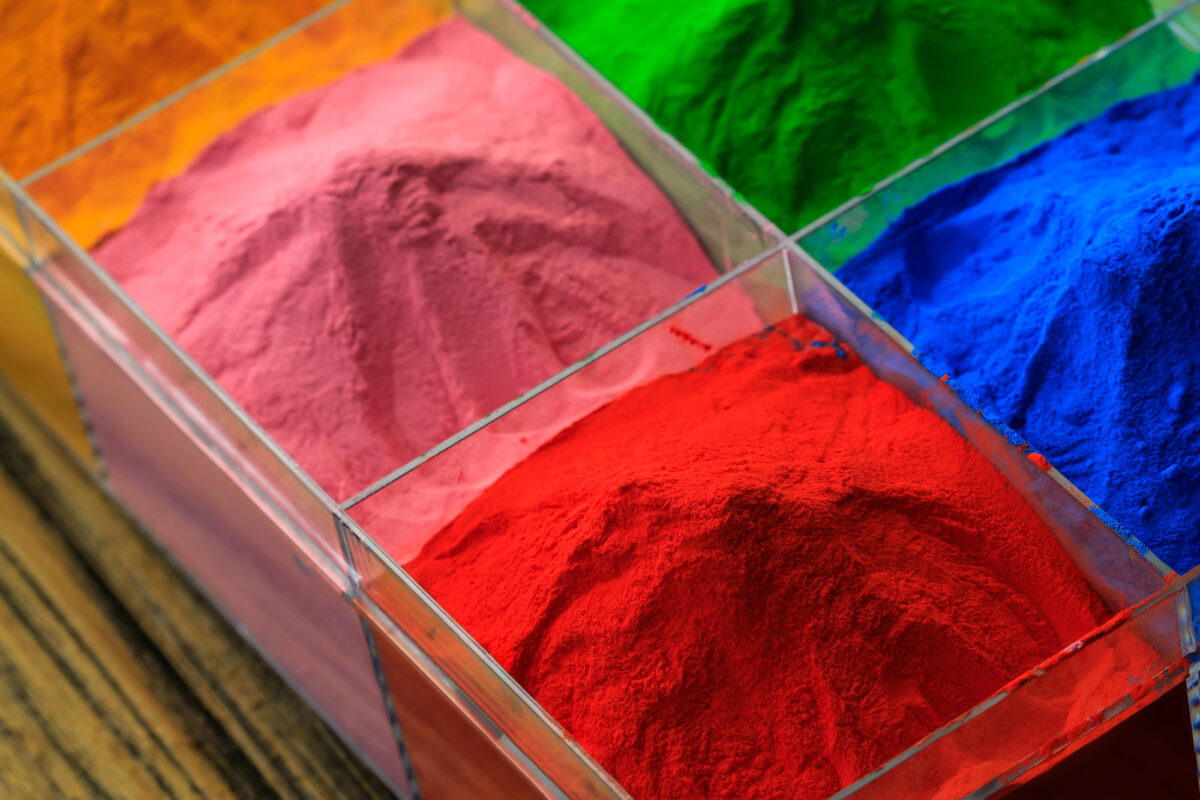
In 1856, eighteen-year-old William Henry Perkin was attempting to synthesize quinine — the malaria treatment — from coal tar during his Easter holiday. He failed completely.
What he produced instead was a dark, useless sludge. But when he tried to clean his flask with alcohol, the residue turned a brilliant purple. Perkin recognized what he had: a stable synthetic dye that could color fabric, at a time when purple dye was extraordinarily expensive, derived from sea snails. He patented it immediately, set up a factory, and inadvertently founded the synthetic dye industry that led directly to the pharmaceutical chemistry industry a generation later.
Safety Glass

Édouard Bénédictus, a French chemist, accidentally knocked a glass flask off a high shelf in 1903. It fell, cracked, but didn’t shatter — the fragments held together in the shape of the original flask.
Investigating, he found the flask had previously contained cellulose nitrate solution that had evaporated, leaving a thin plastic coating on the inside. Bénédictus filed a patent for laminated safety glass. His discovery took decades to reach wide adoption — it appeared in car windshields starting in the 1920s — but the basic principle, a plastic layer sandwiched between glass panels, is still how windshields are made.
Radioactivity
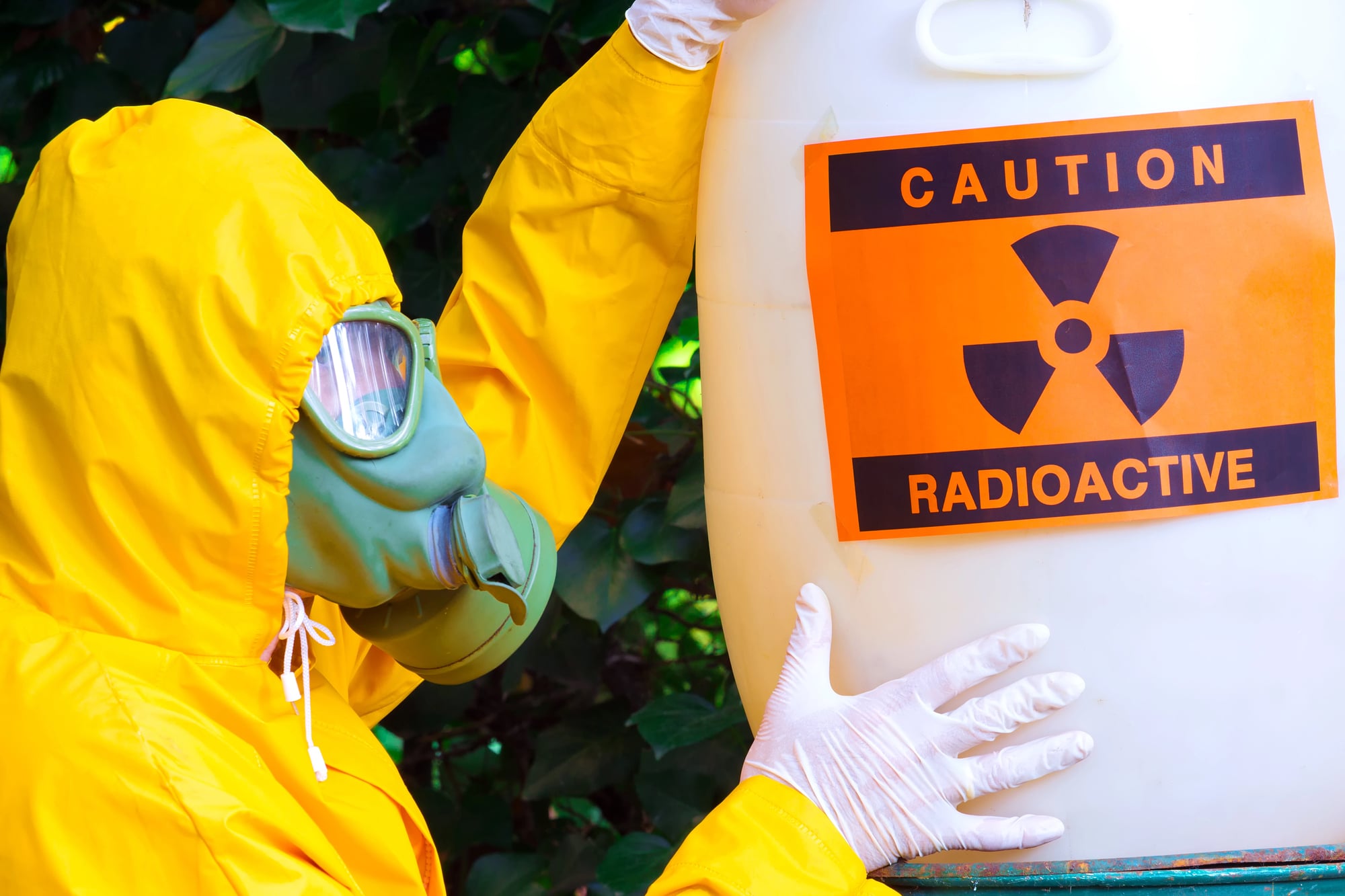
Henri Becquerel was studying phosphorescence in 1896 — the way certain materials glow after exposure to light — and had wrapped uranium salts alongside a photographic plate to test whether sunlight was needed for the glow to develop. A run of cloudy days prevented the experiment.
He put the materials in a drawer and left them. When he developed the plates anyway, expecting nothing, he found clear images of the uranium salts. The uranium had exposed the plate through the paper and the drawer without any light at all. Becquerel had discovered radioactivity — the spontaneous emission of energy from atomic nuclei — while waiting for better weather.
Velcro
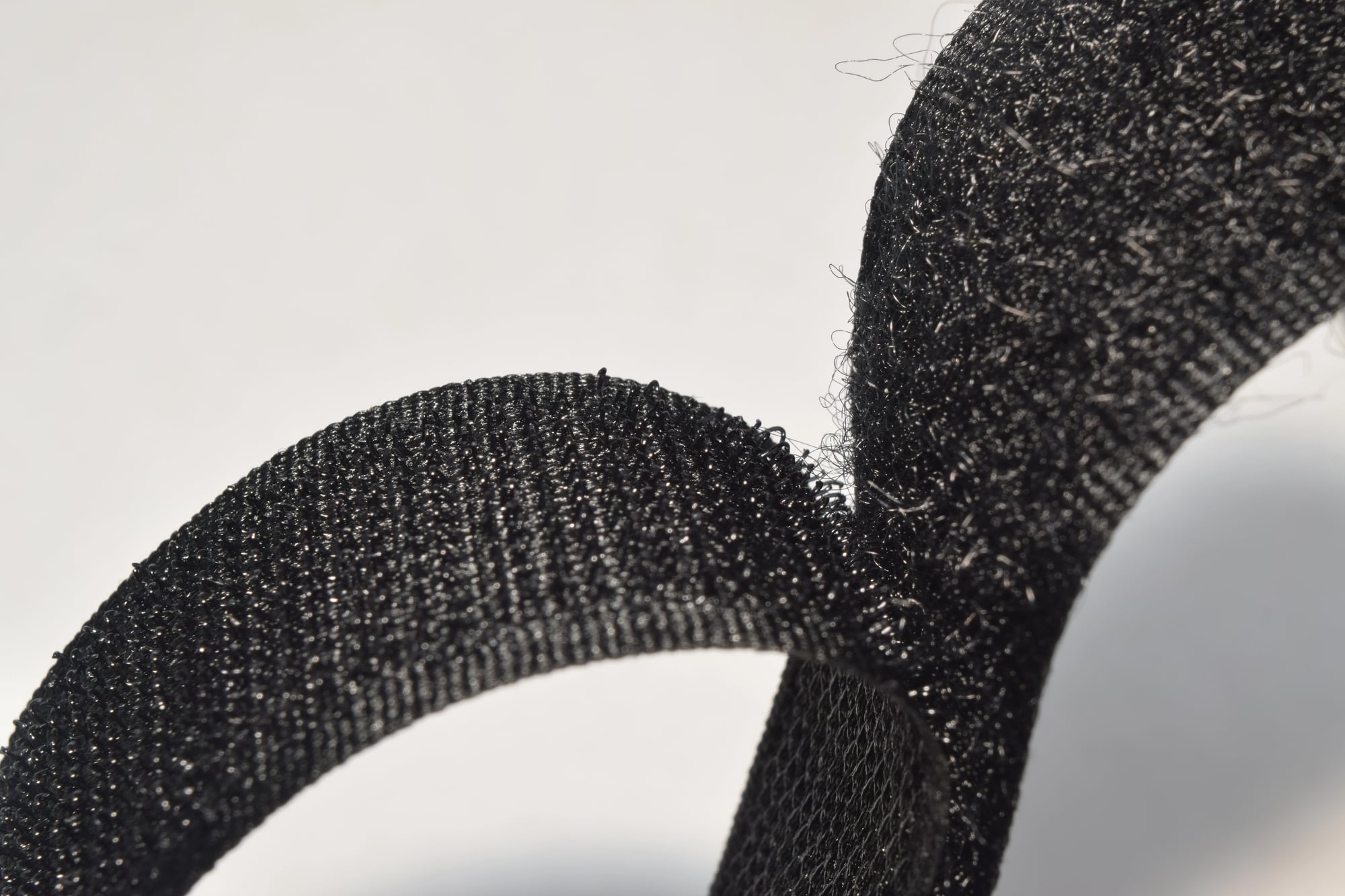
Swiss engineer George de Mestral returned from a hiking trip in 1941 and spent an irritating half hour picking cocklebur seeds out of his dog’s fur and his own wool trousers. Rather than simply cleaning up and moving on, he examined a seed under a microscope and noticed its surface was covered in tiny hooks that grabbed onto loops of fabric or fur.
He spent the next eight years developing a fabric that replicated the mechanism: one strip with tiny hooks, one with tiny loops. He named it Velcro, from the French velours (velvet) and crochet (hook). The material found its first major market in the space program, where astronauts needed to secure objects in zero gravity.
Post-it Notes

Spencer Silver, a chemist at 3M, was trying to develop a strong adhesive in 1968 and produced one that was almost laughably weak — it stuck to surfaces lightly and peeled off cleanly, leaving no residue. It was the opposite of what he needed.
He couldn’t figure out what to do with it and spent years presenting it internally at 3M, looking for an application. A colleague named Art Fry, who sang in a church choir, was frustrated by bookmarks falling out of his hymnal. He remembered Silver’s adhesive, coated strips of paper with it, and produced a repositionable bookmark that stayed put until you wanted to move it. The Post-it Note launched nationally in 1980.
Pacemakers
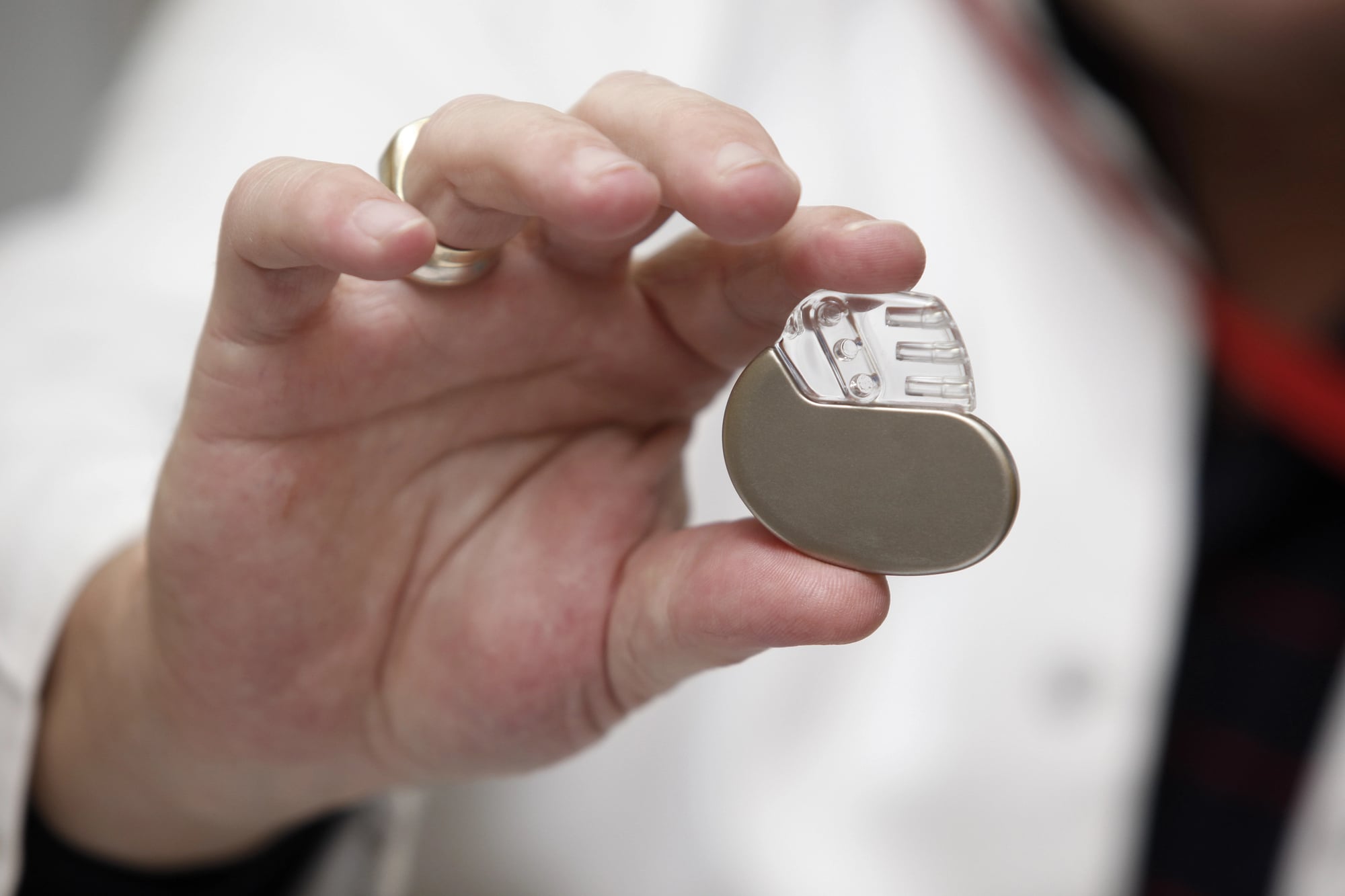
Wilson Greatbatch was building a heart rhythm recording device in 1956 and accidentally installed a resistor of the wrong size. The circuit produced rhythmic electrical pulses rather than recording signals.
Greatbatch recognized that what he had built by mistake was producing exactly the kind of electrical pulse needed to regulate a human heartbeat. He spent the next two years miniaturizing the device. The implantable pacemaker was first used in a human patient in 1960. More than a million are implanted globally every year.
Saccharin
Constantin Fahlberg was a chemist working with coal tar derivatives at Johns Hopkins University in 1879 and, in an era before laboratory safety culture had fully developed, went home without washing his hands after a day of experiments. At dinner, he noticed his bread tasted unusually sweet.
He traced the sweetness back to a compound he had synthesized that day — benzoic sulfimide — which turned out to be approximately 300 times sweeter than sugar. Fahlberg patented it without crediting his supervisor Ira Remsen, which produced a lasting and bitter academic dispute. The compound became saccharin, the world’s first artificial sweetener.
Corn Flakes
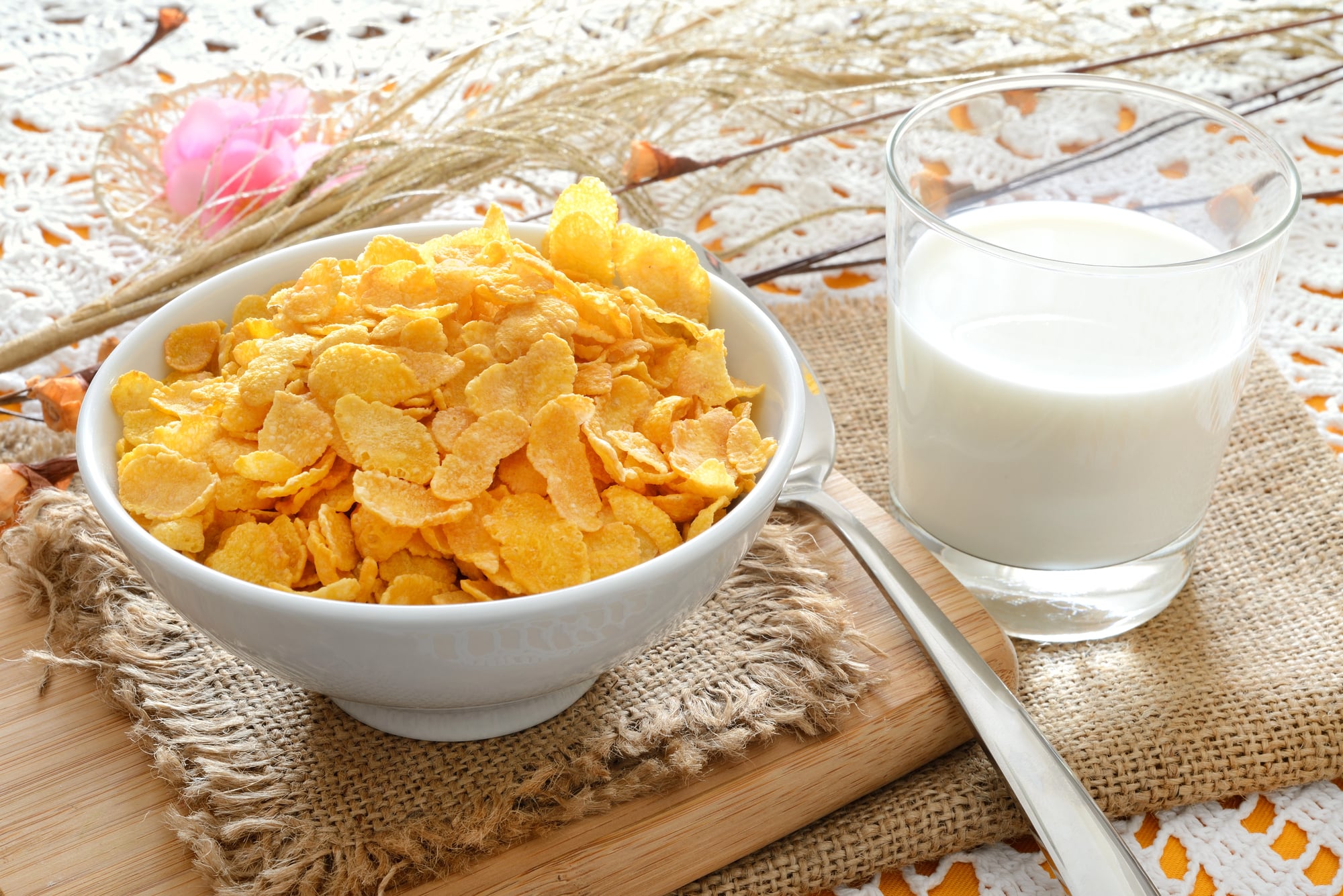
In 1894, brothers John Harvey and Will Keith Kellogg were working at the Battle Creek Sanitarium, running experiments in vegetarian food preparation. They left a batch of boiled wheat to sit for an extended period while dealing with other matters, and when they ran it through rollers, instead of producing the flat dough they expected, they got individual flakes.
Each flake came out crisp and separate rather than stuck together. They had accidentally discovered that stale grain, when processed this way, produced a ready-to-eat breakfast cereal. Will Keith applied the process to corn and launched the breakfast cereal industry.
The Slinky
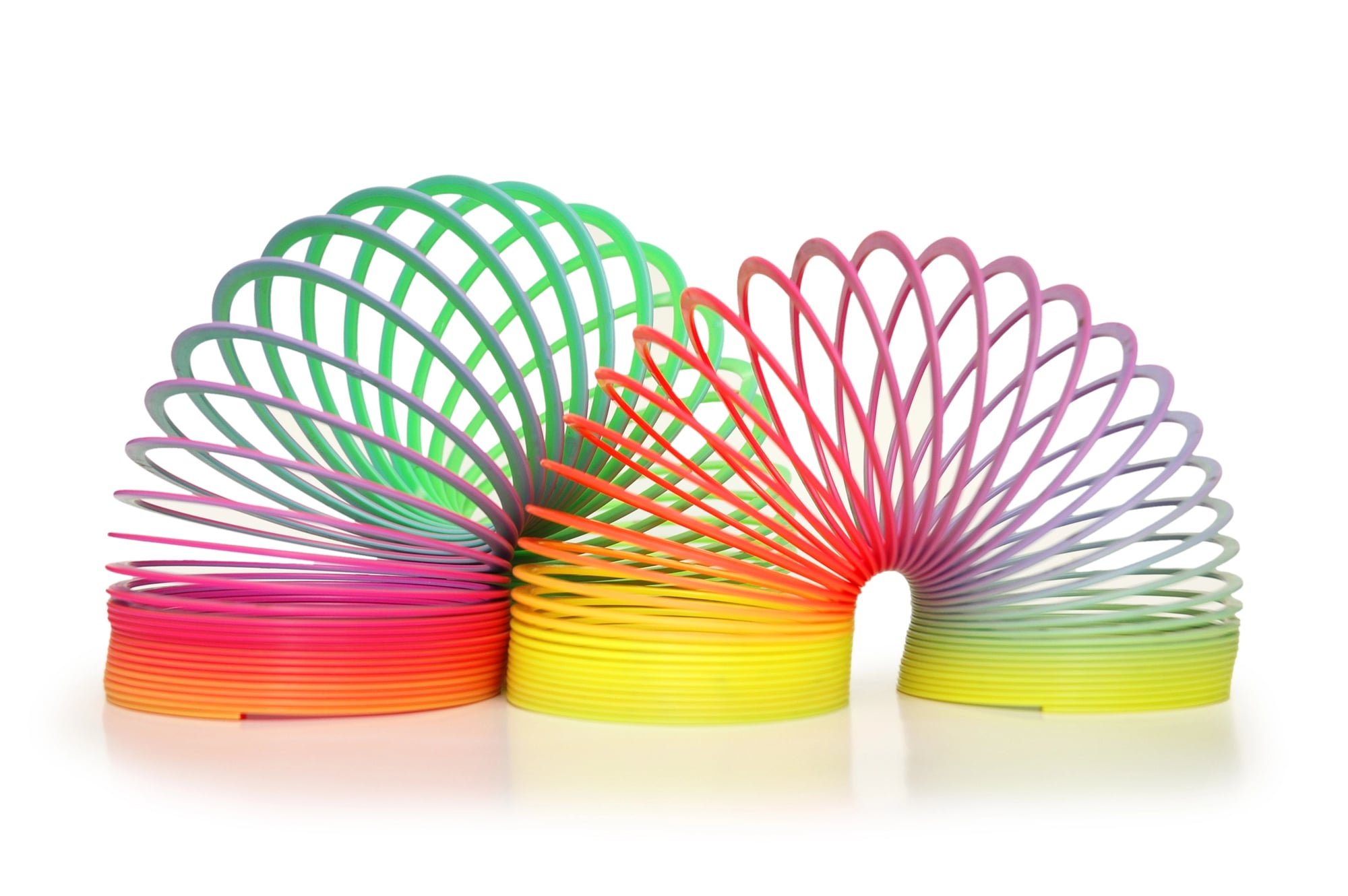
Richard James was a naval engineer testing ways to use tension springs to stabilize sensitive equipment on ships in 1943. One of the springs fell off a shelf, and instead of clattering to the floor, it cascaded end-over-end across a series of books and other shelves, landing neatly upright.
James recognized that the spring’s properties made it a toy. His wife Betty named it Slinky — from a Swedish word meaning sleek — and they demonstrated it at a department store in Philadelphia in November 1945. The entire stock of 400 units sold in 90 minutes.
Artificial Sweetener Aspartame
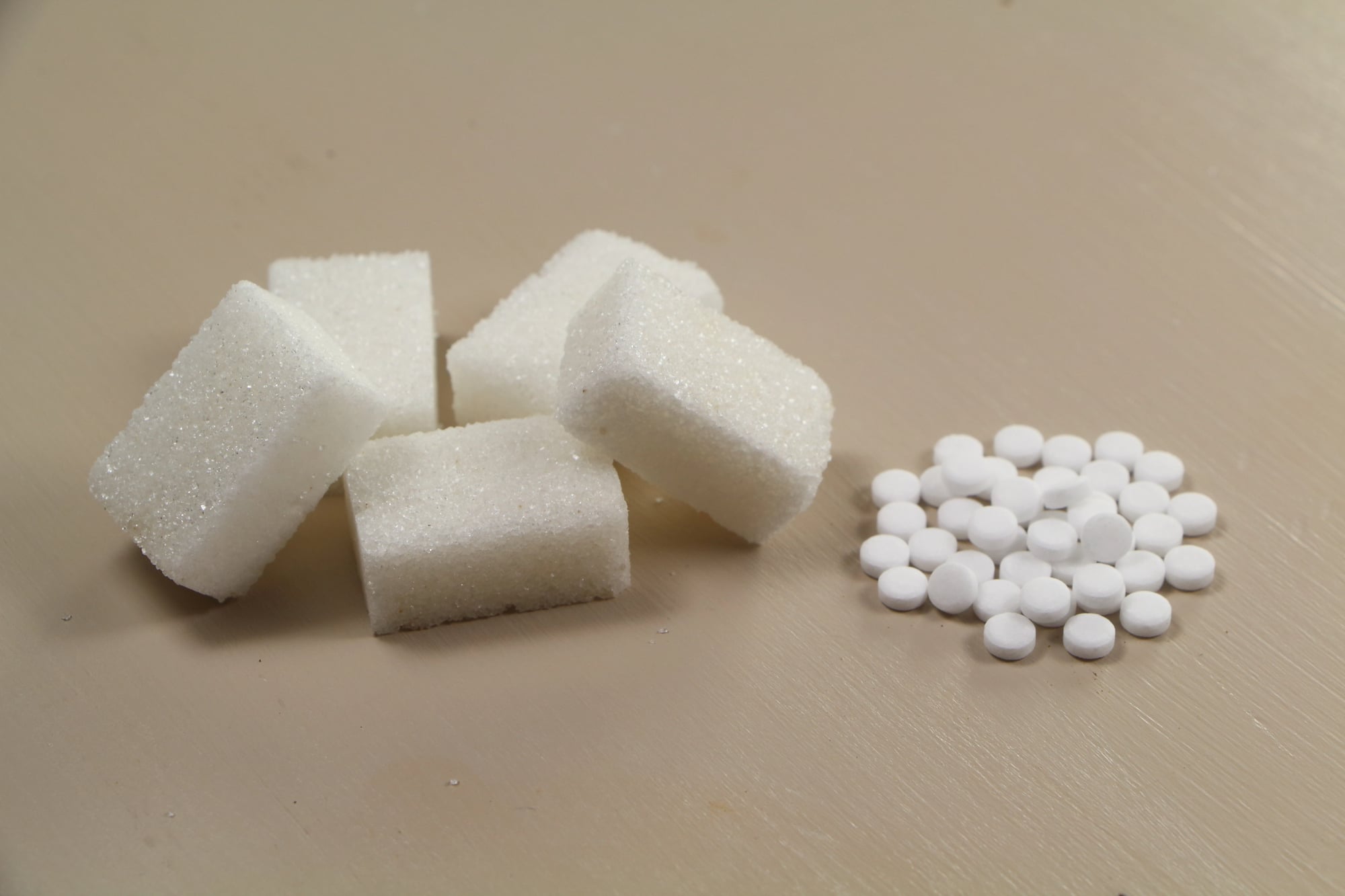
James Schlatter was a chemist at G.D. Searle and Company working on an anti-ulcer drug in 1965 and accidentally licked his finger to pick up a piece of paper. He noticed an intense sweetness.
Tracing it back, he found he had been working with aspartame — a compound he had synthesized as part of the drug research. Aspartame turned out to be approximately 200 times sweeter than sugar. It went through regulatory review and became one of the most widely used artificial sweeteners in the world, found in diet sodas, sugar-free products, and chewing gum.
Nylon

Wallace Carothers and his team at DuPont were conducting basic polymer research in the early 1930s, exploring what happened when certain molecules were combined under various conditions. During one experiment, a researcher pulled a glass stirring rod out of a beaker of a particular polymer solution and noticed that a fiber formed and could be drawn out to remarkable lengths while retaining its structure.
The team recognized they had found something significant: a synthetic fiber with properties comparable to silk but far cheaper and more durable. Nylon stockings went on sale in 1940 and sold four million pairs on the first day.
Gunpowder
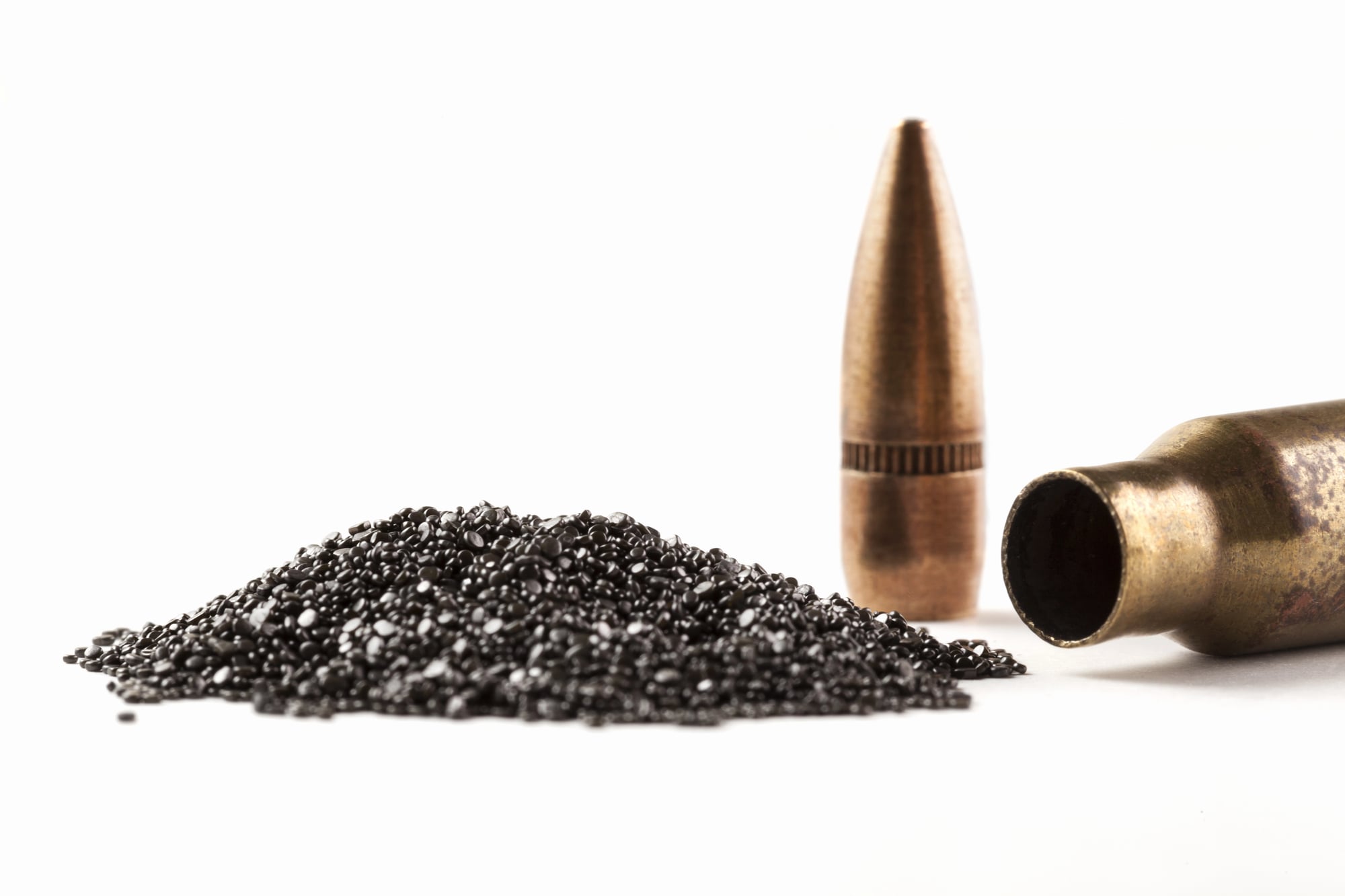
Chinese alchemists during the Tang Dynasty were searching for an elixir of immortality in the 9th century CE, mixing various combinations of sulfur, charcoal, and potassium nitrate — saltpeter — in their furnaces. One mixture produced a dramatic, fire-producing explosion.
The discovery was recorded in a military manual around 850 CE with a specific warning not to combine these substances, which is the historical record’s way of documenting that several alchemists had already found out the hard way what the mixture did. The “elixir of life” they were looking for produced gunpowder instead, which altered the nature of warfare permanently.
LSD
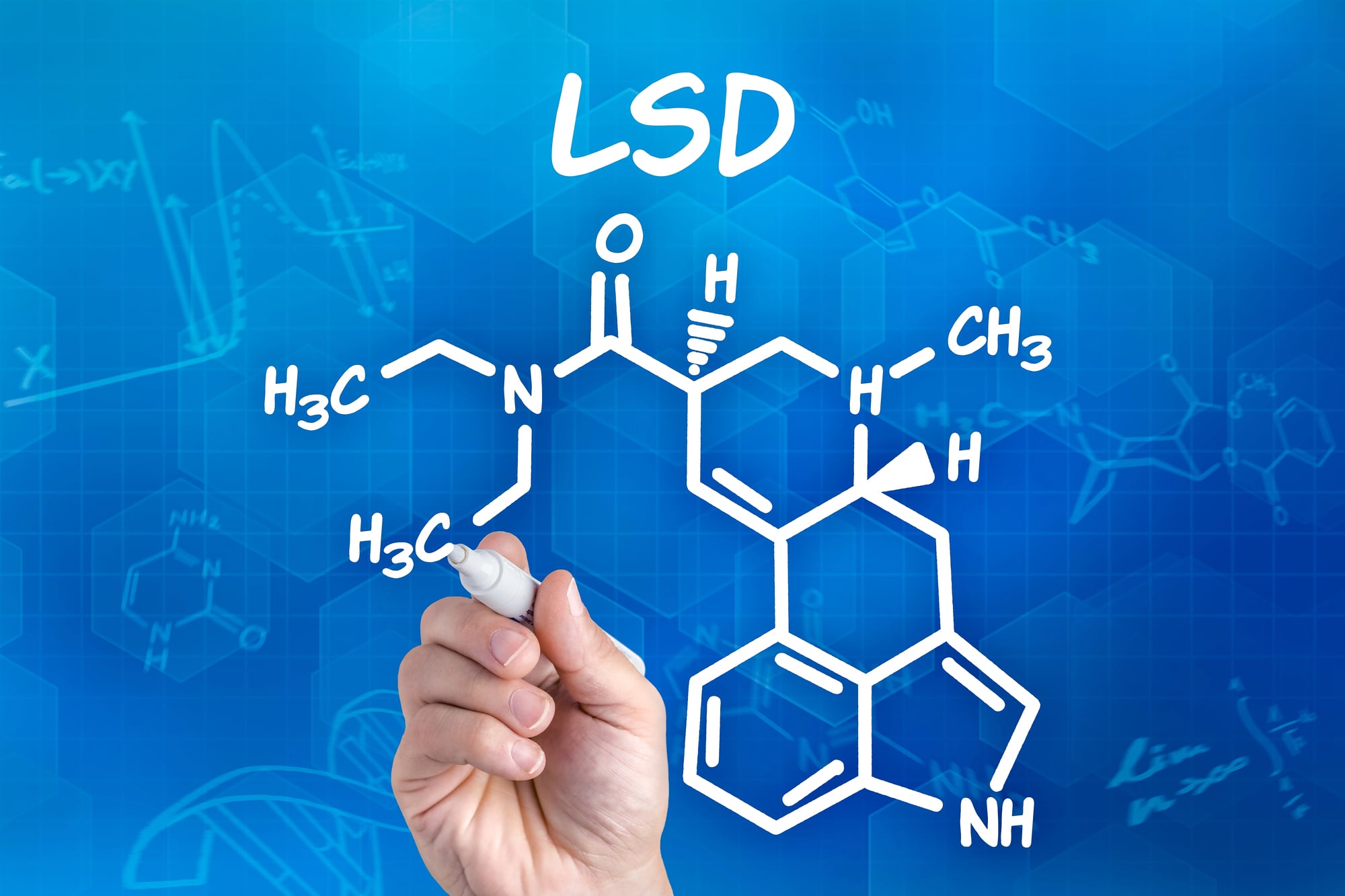
Albert Hofmann was a chemist at Sandoz Laboratories in Switzerland working on derivatives of lysergic acid in 1943 when he accidentally absorbed a small amount of LSD-25 through his fingertips during synthesis. He described feeling restless, dizzy, and experiencing “an uninterrupted stream of fantastic pictures.”
Three days later, he intentionally ingested 250 micrograms to confirm the effects — a dose now known to be extremely large. The subsequent research into LSD’s effects on consciousness contributed to the development of serotonin-related psychiatric drugs, influenced psychotherapy research for decades, and produced one of the most contested substances in the history of pharmacology.
Stainless Steel
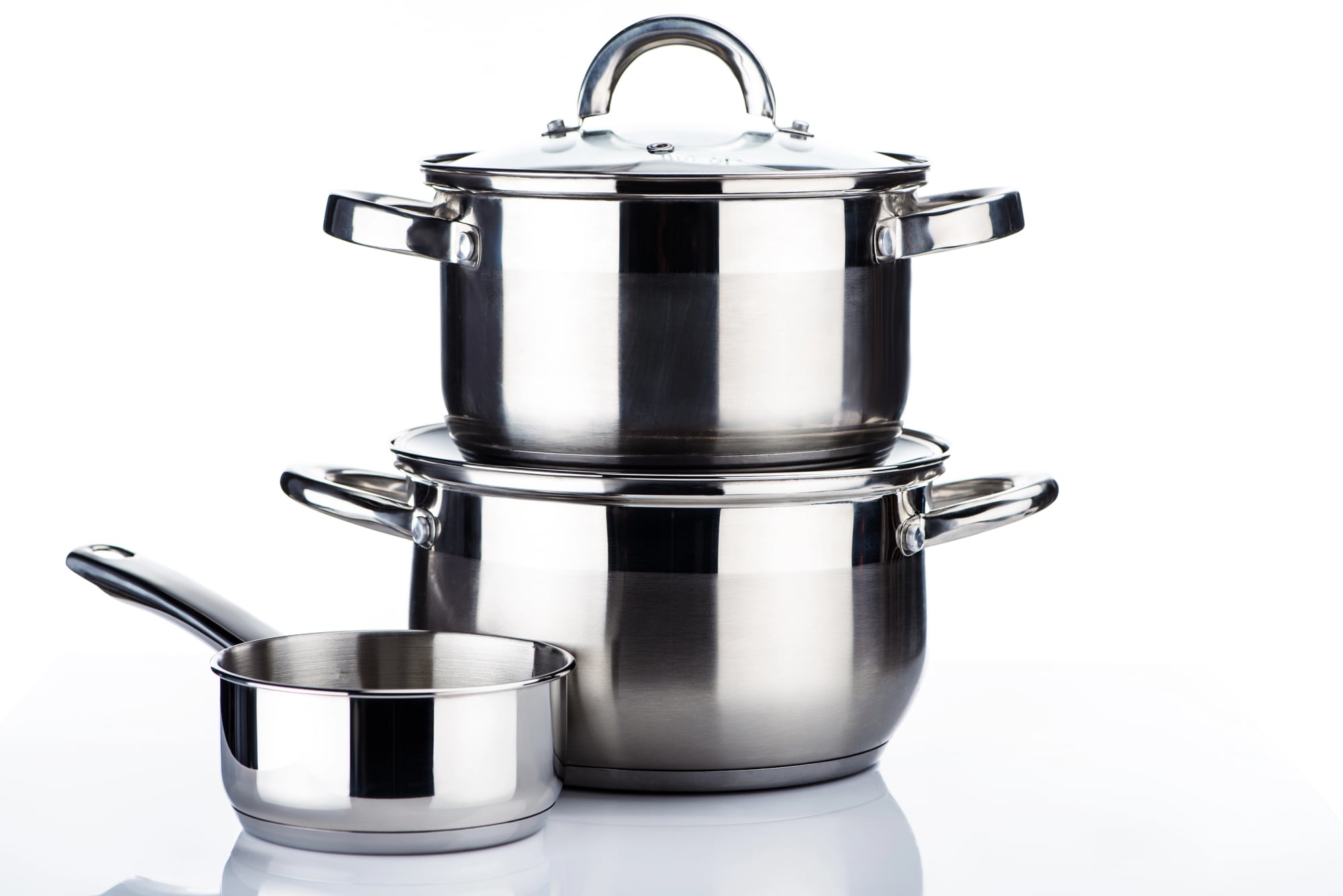
Harry Brearley was working at a Sheffield steel research laboratory in 1913, trying to develop alloys that could withstand the high temperatures and abrasion of gun barrels. He tested hundreds of alloys and discarded the ones that didn’t perform as needed.
Months later, he noticed that one particular pile of rejected samples — an iron-chromium alloy — wasn’t rusting the way all the others had. He had stumbled on stainless steel. Brearley recognized the practical potential immediately, but his employer didn’t; he had to leave the company before the alloy found commercial applications in cutlery, medical instruments, and eventually almost every major industrial sector.
Warfarin as a Blood Thinner
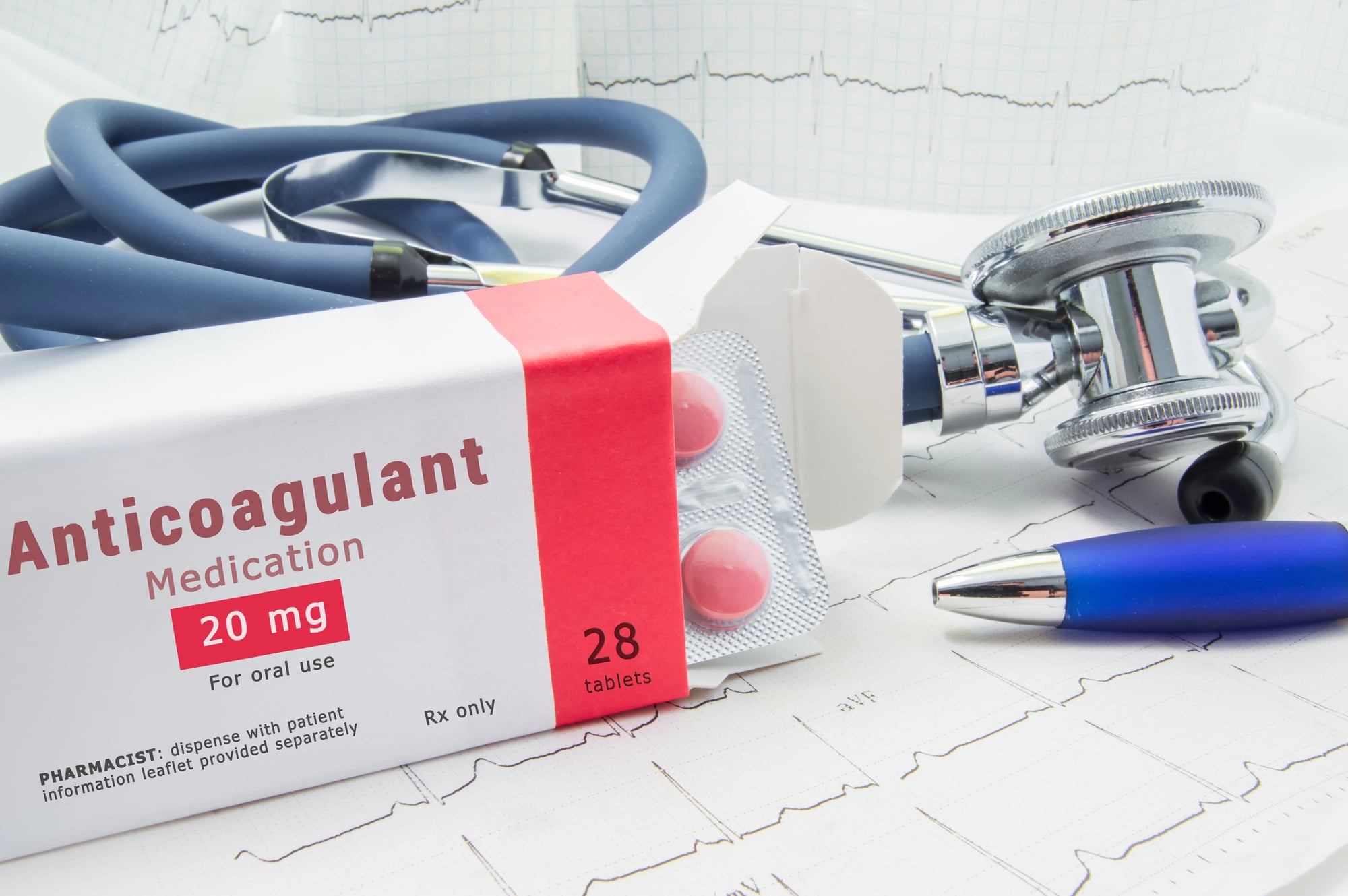
Warfarin was developed as a rat poison in the 1940s, after researchers identified that cattle eating spoiled sweet clover hay were dying from uncontrolled internal hemorrhage caused by a compound called dicoumarol. Chemists synthesized a more potent version — warfarin — which proved highly effective at killing rodents by preventing blood clotting.
In 1951, a US Army inductee intentionally swallowed large quantities of the rat poison and survived with medical treatment, which prompted researchers to wonder whether controlled doses might be medically useful. Warfarin became one of the most widely prescribed anticoagulants in the world, used to prevent strokes and blood clots in millions of patients.
Nitrous Oxide as Anesthesia
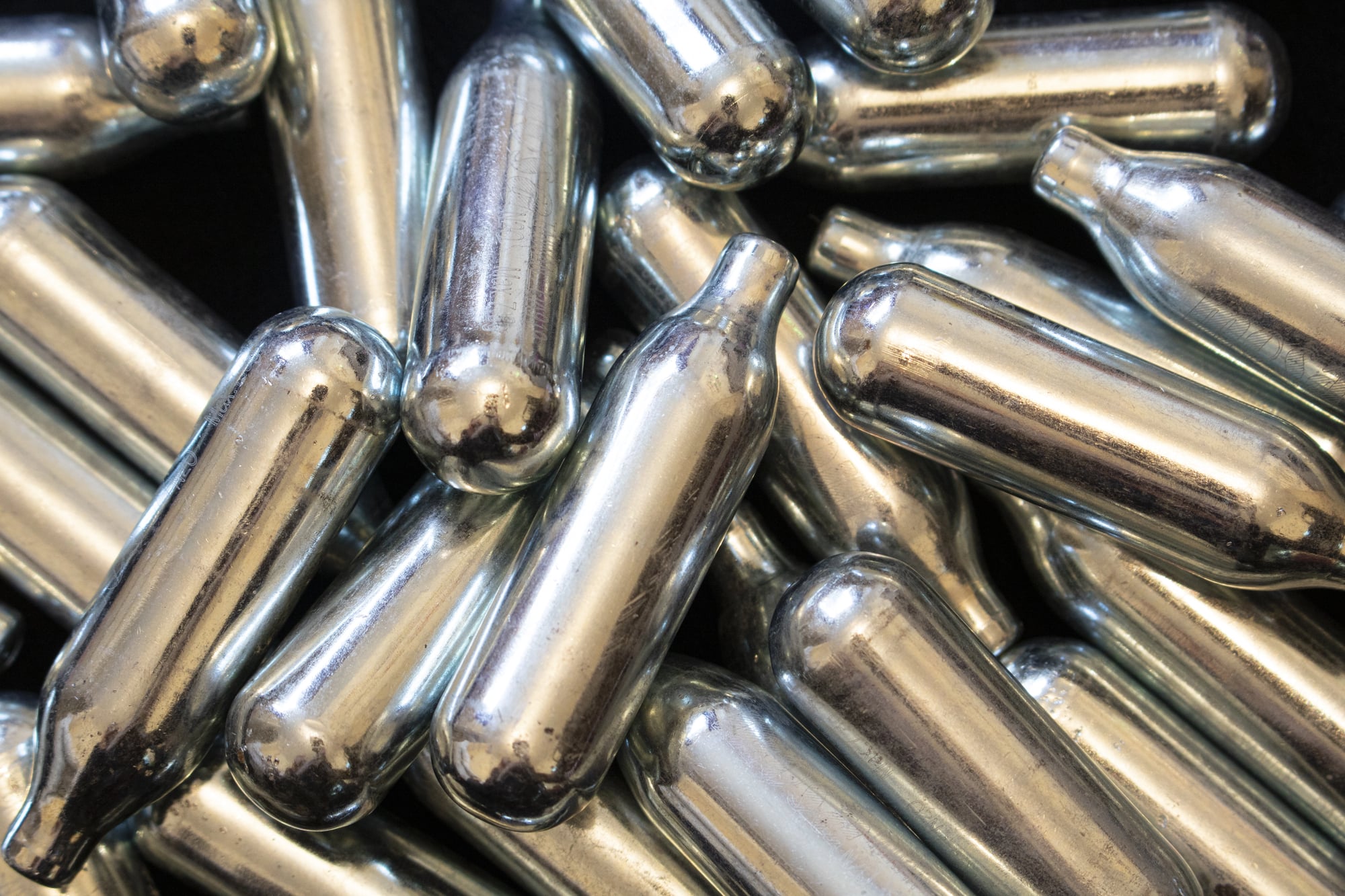
Humphry Davy was experimenting with nitrous oxide in 1799 — inhaling it to study its physiological effects, as was standard practice for chemists of the era — and noticed that breathing it relieved the pain of an inflamed wisdom tooth. He noted in his published research that nitrous oxide might be useful for preventing pain during surgical operations.
Nobody acted on the observation for 45 years. When dentist Horace Wells finally used it on himself during a tooth extraction in 1844, and then demonstrated it at Massachusetts General Hospital, the demonstration failed when the patient moaned (though he later reported feeling no pain). Ether and chloroform became the preferred agents, and nitrous oxide’s time as a primary anesthetic came later, through a decades-long accumulation of accidents and near-accidental observations.
Super Glue
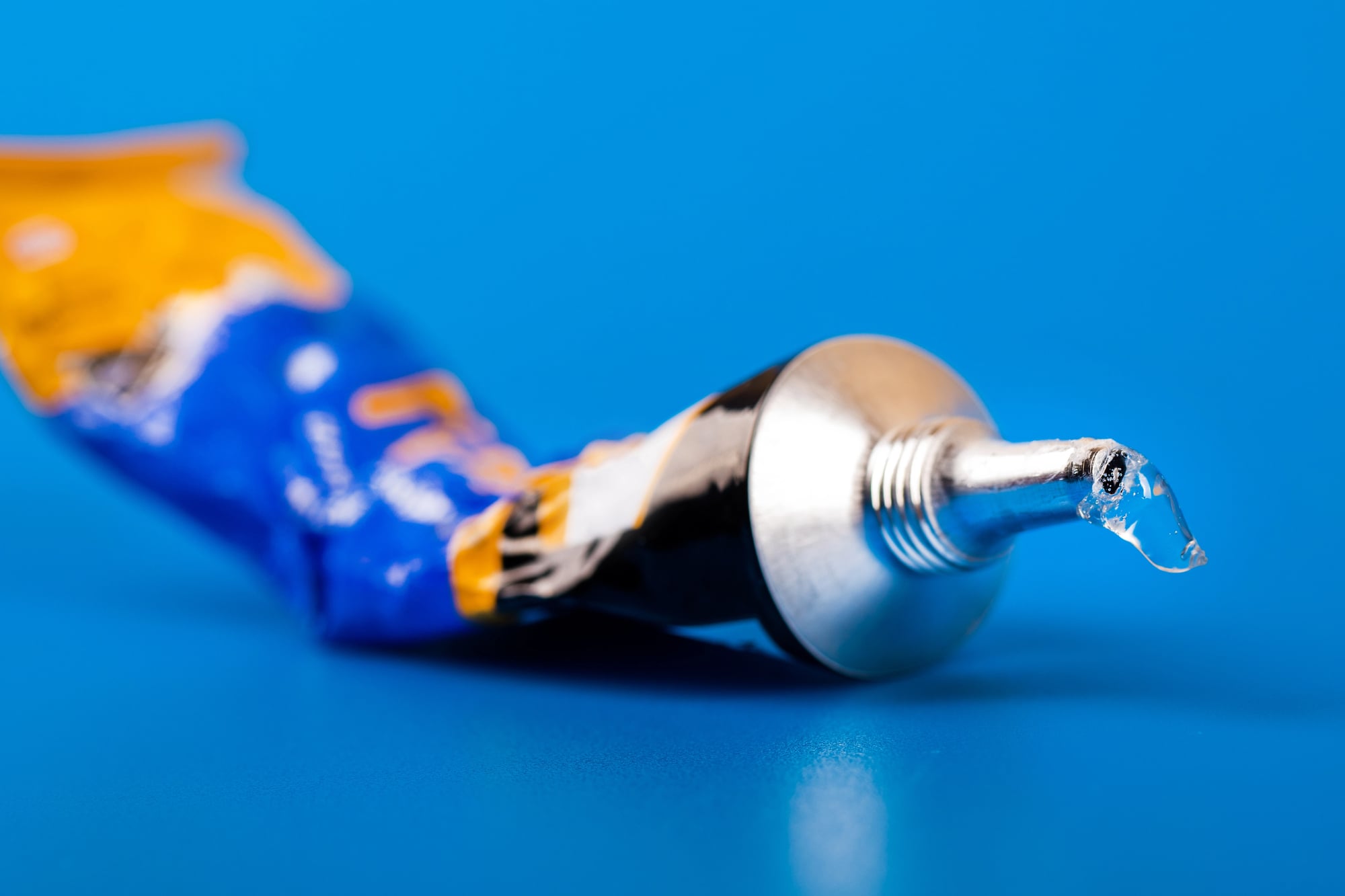
Harry Coover was trying to develop clear plastics for precision gunsights during World War II in 1942 when he synthesized a compound called cyanoacrylate. The compound stuck to absolutely everything it touched, ruining all his equipment.
He discarded it as useless and moved on. Nine years later, while working on heat-resistant materials for jet cockpit canopies at Eastman Kodak, he encountered cyanoacrylate again. This time, he recognized its properties as useful rather than merely inconvenient. Super Glue was launched commercially in 1958. Coover later received the National Medal of Technology and Innovation for the discovery he had initially thrown away.
Brandy
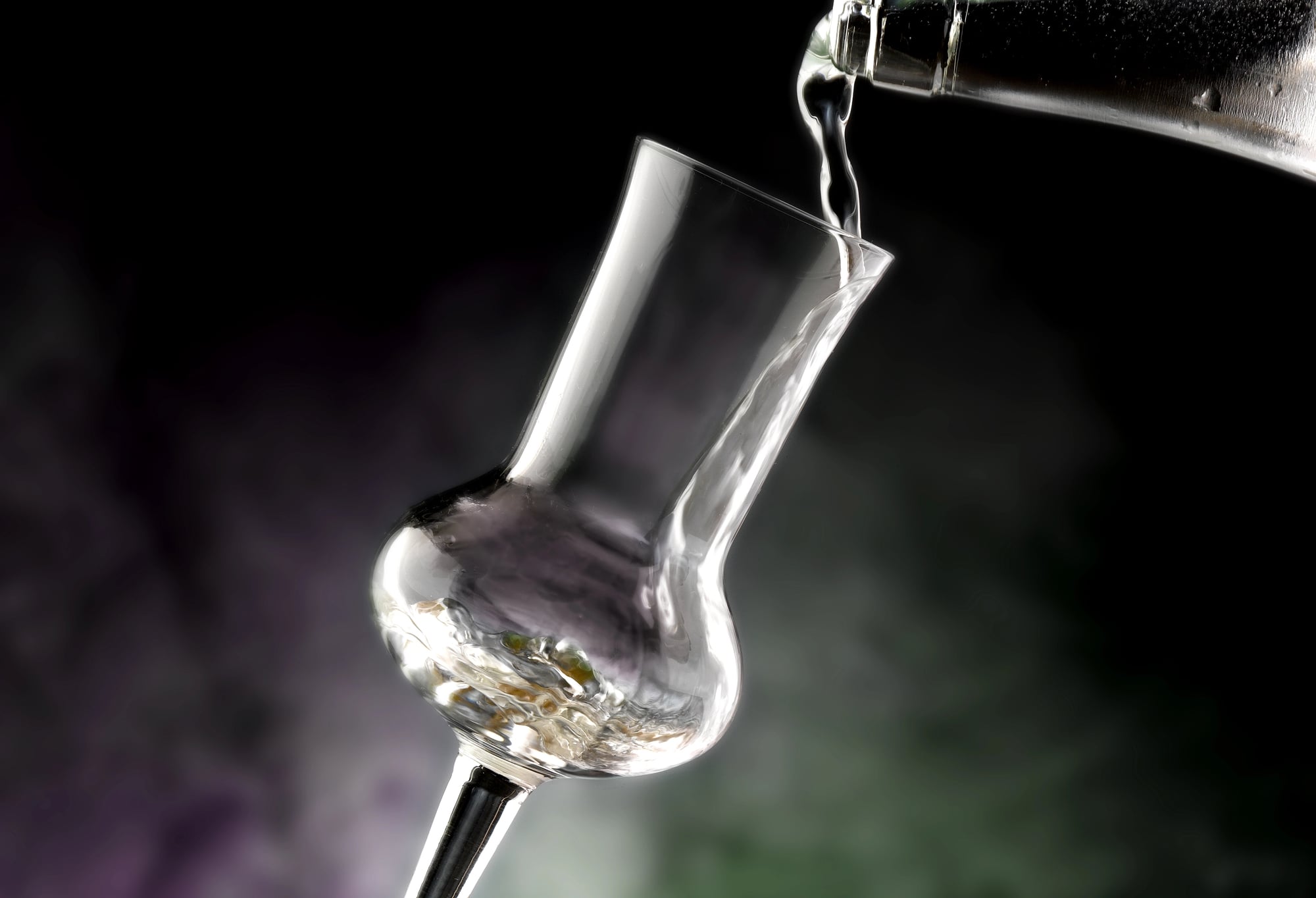
The history of distillation is full of accidents, but the origin of brandy deserves specific mention: Dutch merchants in the 16th century began heating wine to reduce its volume for shipping — concentrating it so that more value could be transported in less space, with the intention of adding water back at the destination. They called the result brandewijn — “burned wine.”
The concentrated wine turned out to taste better than the original, and nobody added the water back. The wine trade had accidentally invented spirits distillation as a commercial practice, and the principle spread rapidly across Europe.
Implantable Lens for Cataracts
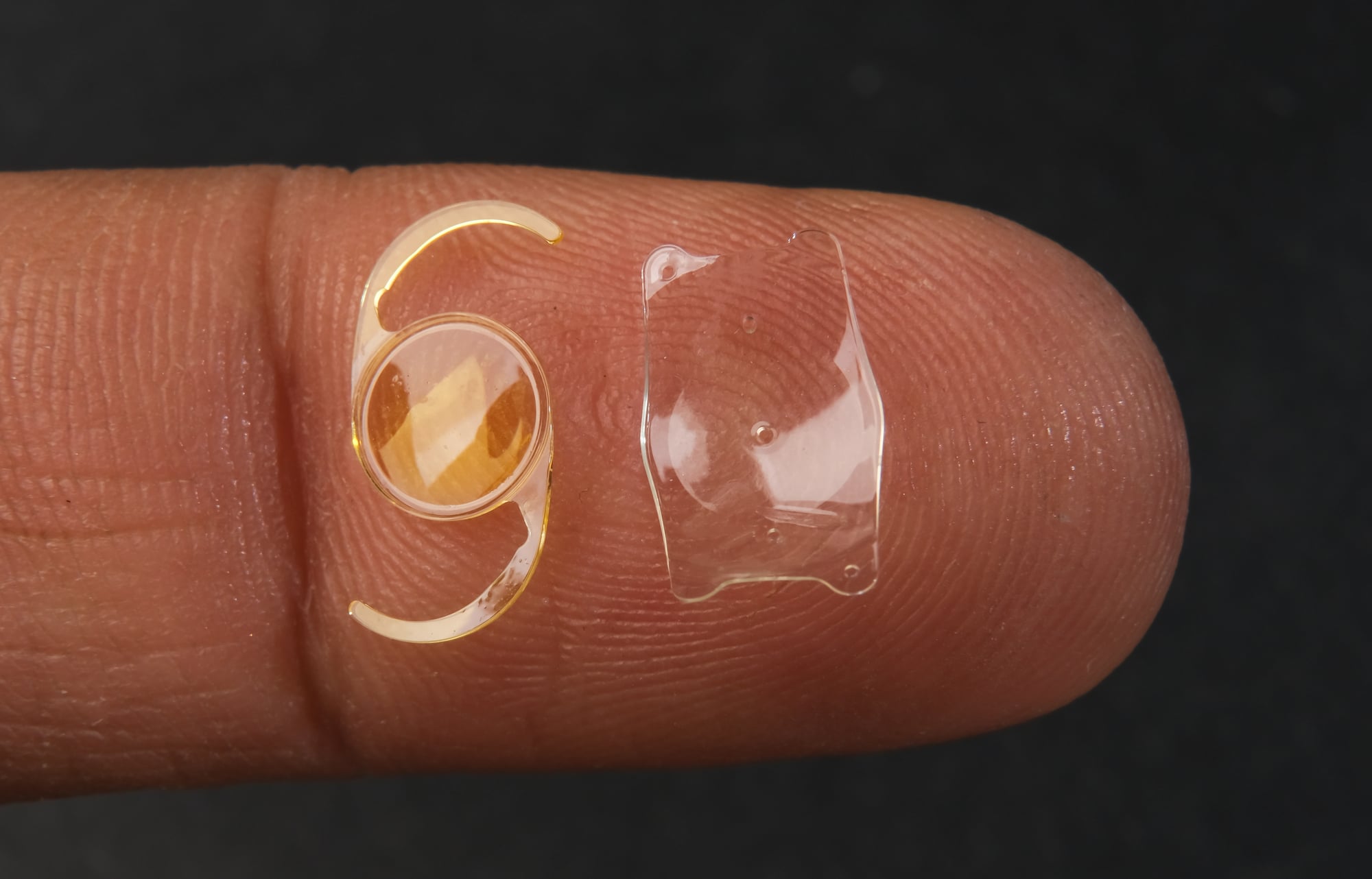
British ophthalmologist Harold Ridley was treating World War II fighter pilots for eye injuries and noticed something unexpected: pilots whose eyes had been penetrated by fragments of Perspex — the acrylic used in aircraft canopies — weren’t developing the severe inflammatory reactions that glass or metal produced. The human eye appeared to tolerate Perspex.
This was the opposite of what medical knowledge predicted. Ridley concluded that an artificial lens made from the same material could potentially replace the natural lens clouded by cataracts. He performed the first intraocular lens implant in 1949. The technique was initially dismissed by the medical establishment and took decades to become standard, but it now restores sight to millions of cataract patients annually.
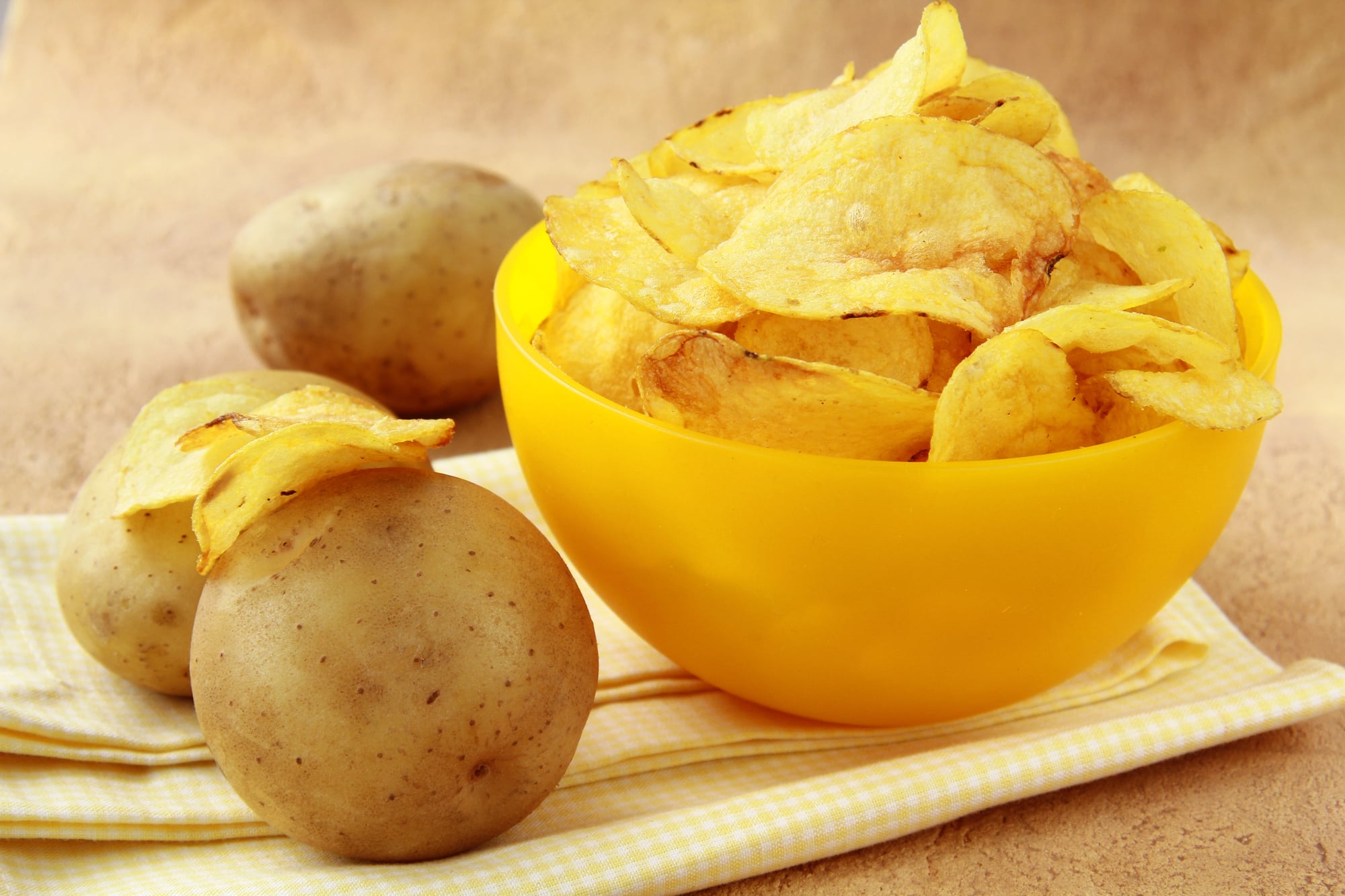
Potato Chips
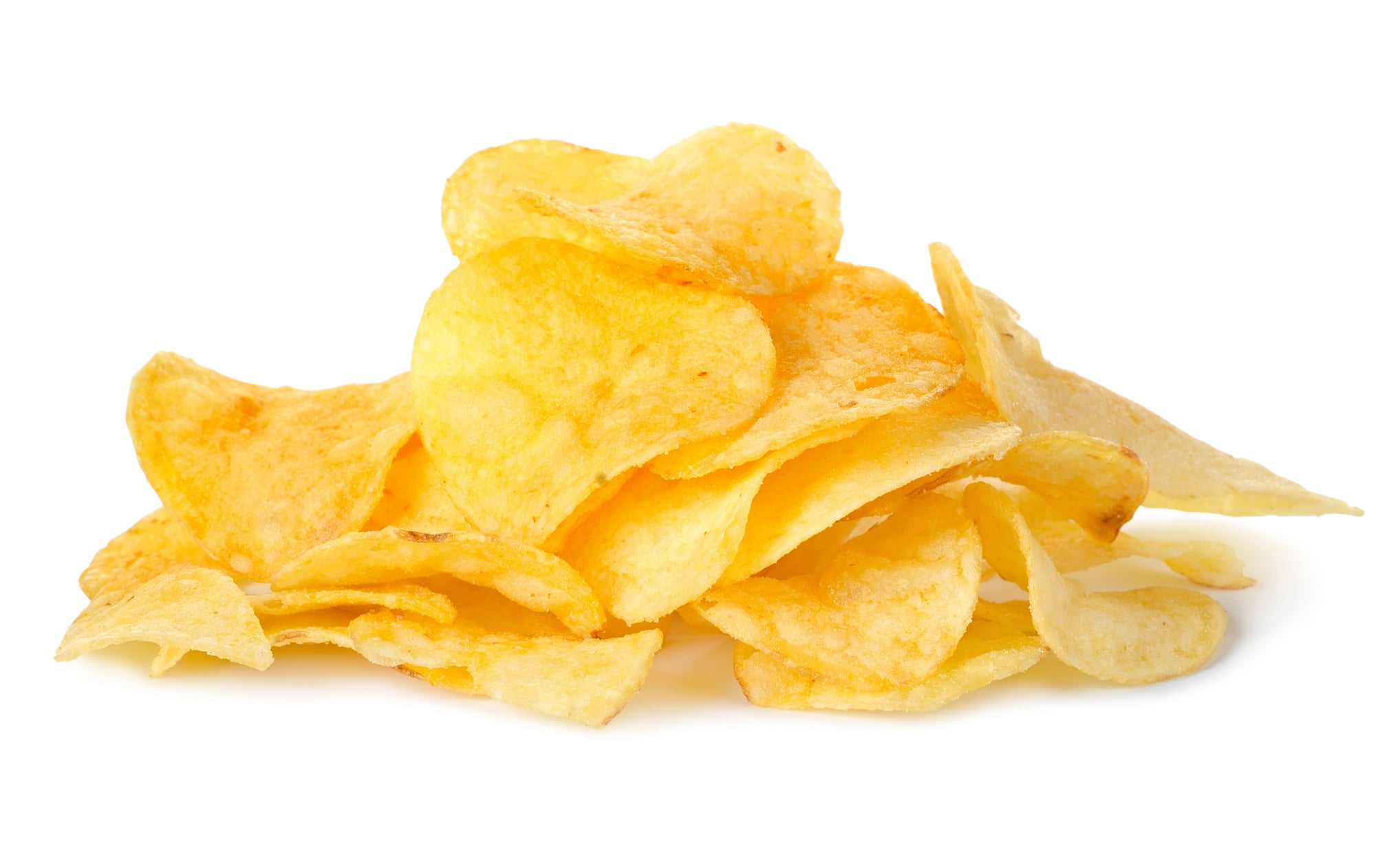
George Crum was a cook at Moon’s Lake House in Saratoga Springs, New York, in 1853 when a customer — reportedly Cornelius Vanderbilt — sent back his fried potatoes complaining they were too thick. Crum, reportedly irritated, sliced a new batch paper-thin, fried them until crisp, and salted them heavily — intending to produce something too thin and salty to eat.
The customer loved them. Other diners requested the same. “Saratoga chips” became a restaurant staple and eventually a commercial product. Whether the story is precisely accurate in all its details is disputed, but the basic account of the chip’s origin as an act of deliberate antagonism that accidentally produced a beloved food is well documented.
The Pattern Behind the Accidents
None of the discoveries on this list happened entirely by chance. What made each of them discoveries — rather than just mistakes — was the person who noticed something unexpected and stopped to ask why.
Fleming could have thrown away the contaminated dish. Becquerel could have assumed the photographic plates were defective. Plunkett could have reported a faulty batch of canisters and ordered more. Each of them paused, looked more carefully, and followed the question somewhere it hadn’t been before.
The accidents were the starting point. The discovery was always the result of paying attention.
More from Go2Tutors!

- The Romanov Crown Jewels and Their Tragic Fate
- 13 Historical Mysteries That Science Still Can’t Solve
- Famous Hoaxes That Fooled the World for Years
- 15 Child Stars with Tragic Adult Lives
- 16 Famous Jewelry Pieces in History
Like Go2Tutors’s content? Follow us on MSN.



