25 Artists Whose Work Was Rejected in Their Lifetime
Museums now charge admission to see paintings their creators could barely give away. Rejection by critics, academies, and buying publics was not the exception for many of art history’s most celebrated names, it was the norm they worked against for decades, sometimes for their entire careers. These are the artists whose recognition came only after they were no longer around to see it.
Vincent van Gogh
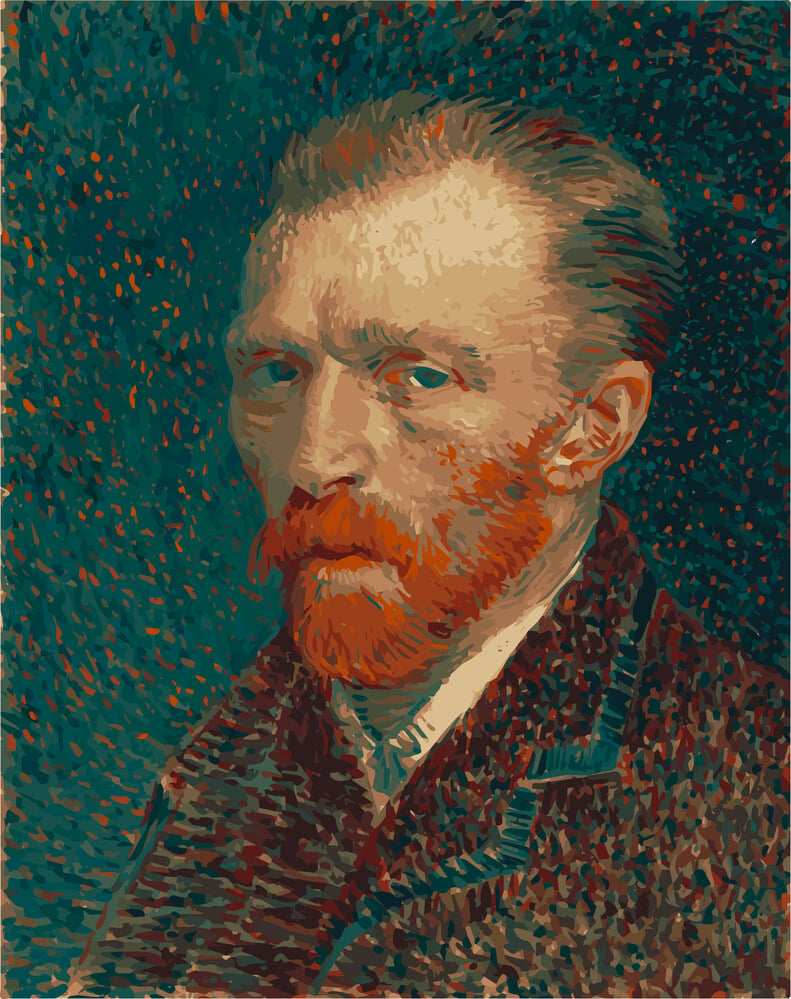
Van Gogh is believed to have sold only a single painting during his lifetime, “The Red Vineyard,” purchased by a fellow artist’s sister for a modest sum months before his death in 1890. He produced roughly 2,100 artworks in just over a decade, largely supported financially by his brother Theo, while critics and buyers showed little interest in his intense color and brushwork. Within a few decades of his death, his paintings were selling for record-breaking sums, a trajectory that remains one of the starkest reversals in art history.
Paul Cézanne
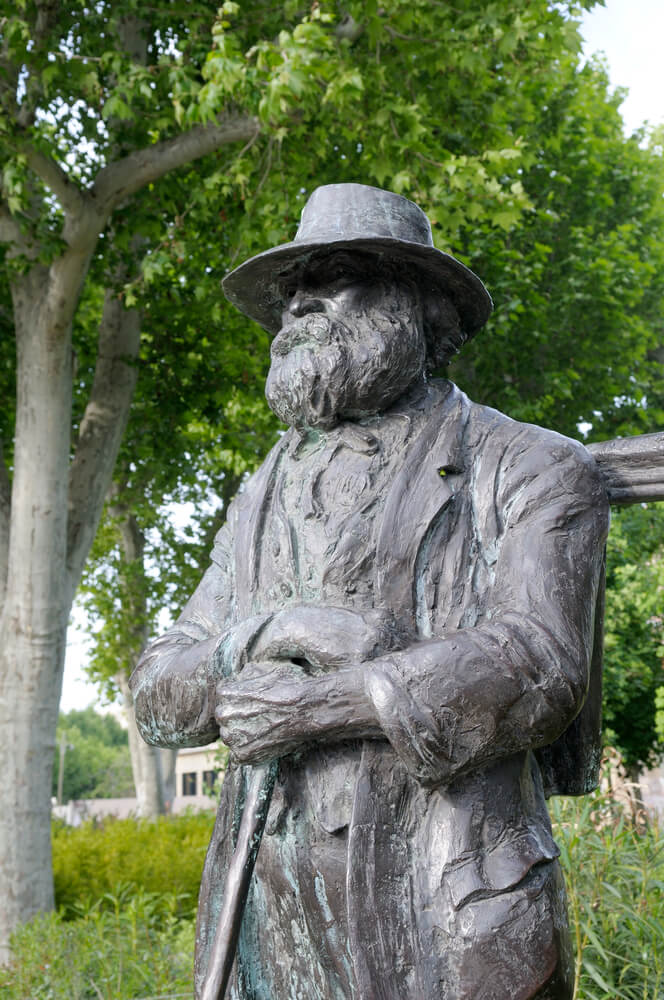
The official Paris Salon rejected Cézanne’s submissions so consistently throughout the 1860s and 1870s that he became a symbol of the broader conflict between the art establishment and emerging styles. Critics mocked his thick, unconventional brushwork and skewed perspective for years, and he sold few works outside a small circle of supporters including fellow painter Camille Pissarro. Later generations of modernists, including Picasso and Matisse, would credit Cézanne as a foundational influence on 20th-century art.
Édouard Manet
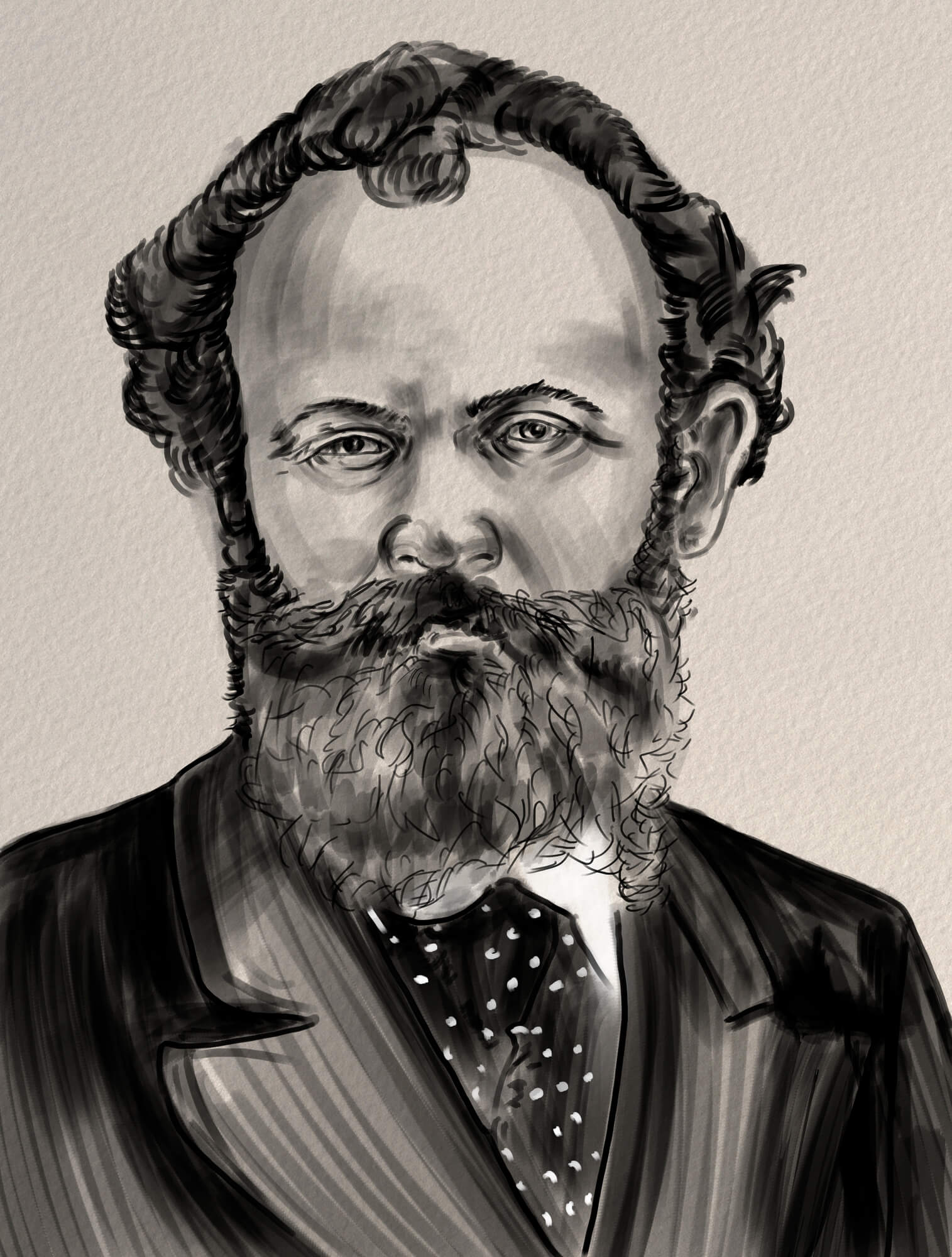
Manet’s 1863 painting “Le Déjeuner sur l’herbe” was rejected by the official Paris Salon and instead displayed at the Salon des Refusés, an exhibition created specifically to house the era’s rejected works after public outcry over how many quality submissions were being turned away. Critics and the public reacted with outrage at its subject matter, considering it scandalous rather than skillful. Manet continued facing hostile reviews for years before his work gained broader acceptance later in his career.
Claude Monet
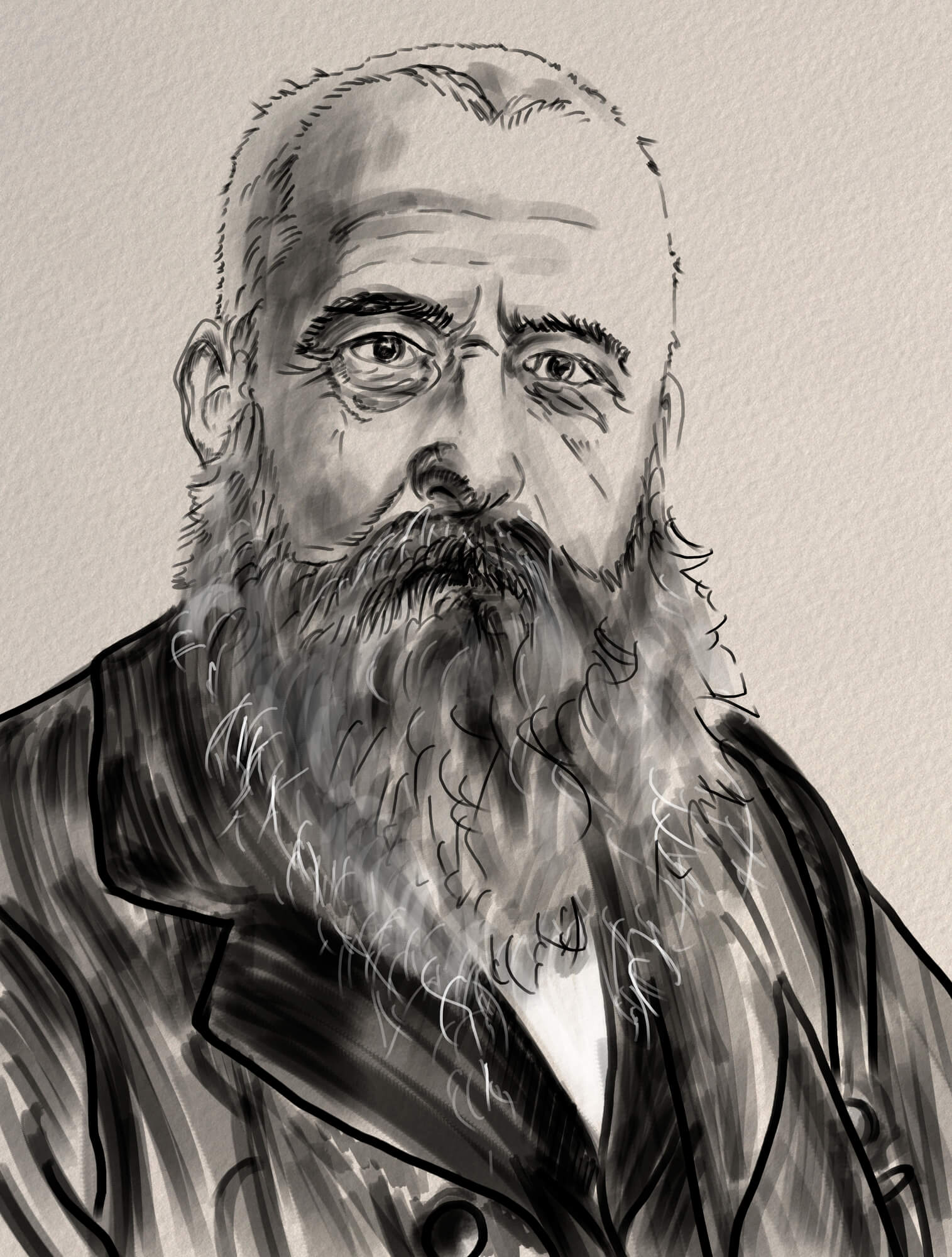
Monet and his fellow Impressionists were routinely rejected by the conservative Paris Salon, which considered their loose brushwork and everyday subject matter unfinished and unserious compared to academic painting standards. The term “Impressionism” itself originated as a dismissive insult from a critic reviewing Monet’s painting “Impression, Sunrise” in 1874. Monet spent decades in financial uncertainty before his work found a stable, appreciative market later in life.
Henri Rousseau
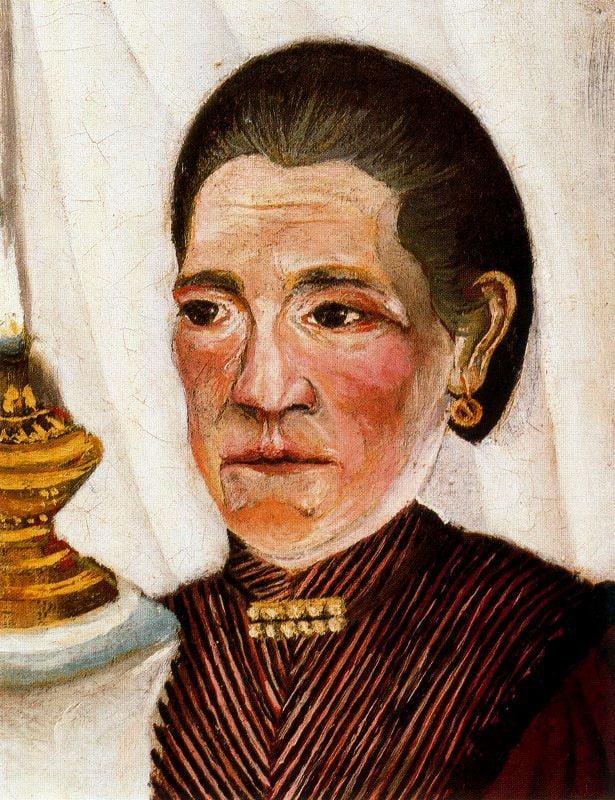
Rousseau, a self-taught customs officer who painted on weekends, was mocked by critics and fellow artists for what they considered amateurish technique and naive subject matter throughout most of his career. He exhibited regularly at the independent Salon des Indépendants but rarely earned serious critical respect during his lifetime, with reviewers frequently treating his work as a joke. His jungle scenes and dreamlike compositions are now considered foundational to modern naive and surrealist art.
Johannes Vermeer
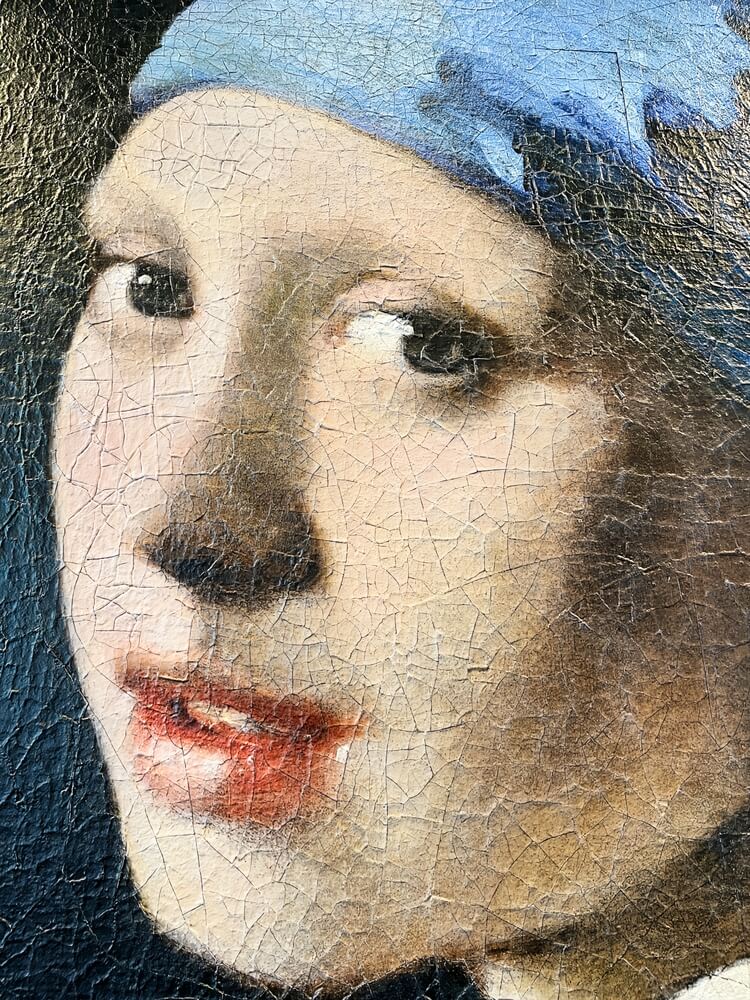
Vermeer produced a relatively small body of work and died in debt in 1675, leaving his widow to settle his estate with creditors including a baker. His paintings were largely misattributed to other artists or simply forgotten for roughly two centuries after his death. A 19th-century French art critic is credited with rediscovering and championing Vermeer’s work, restoring him to the reputation he holds today as one of the Dutch Golden Age’s most significant painters.
Amedeo Modigliani
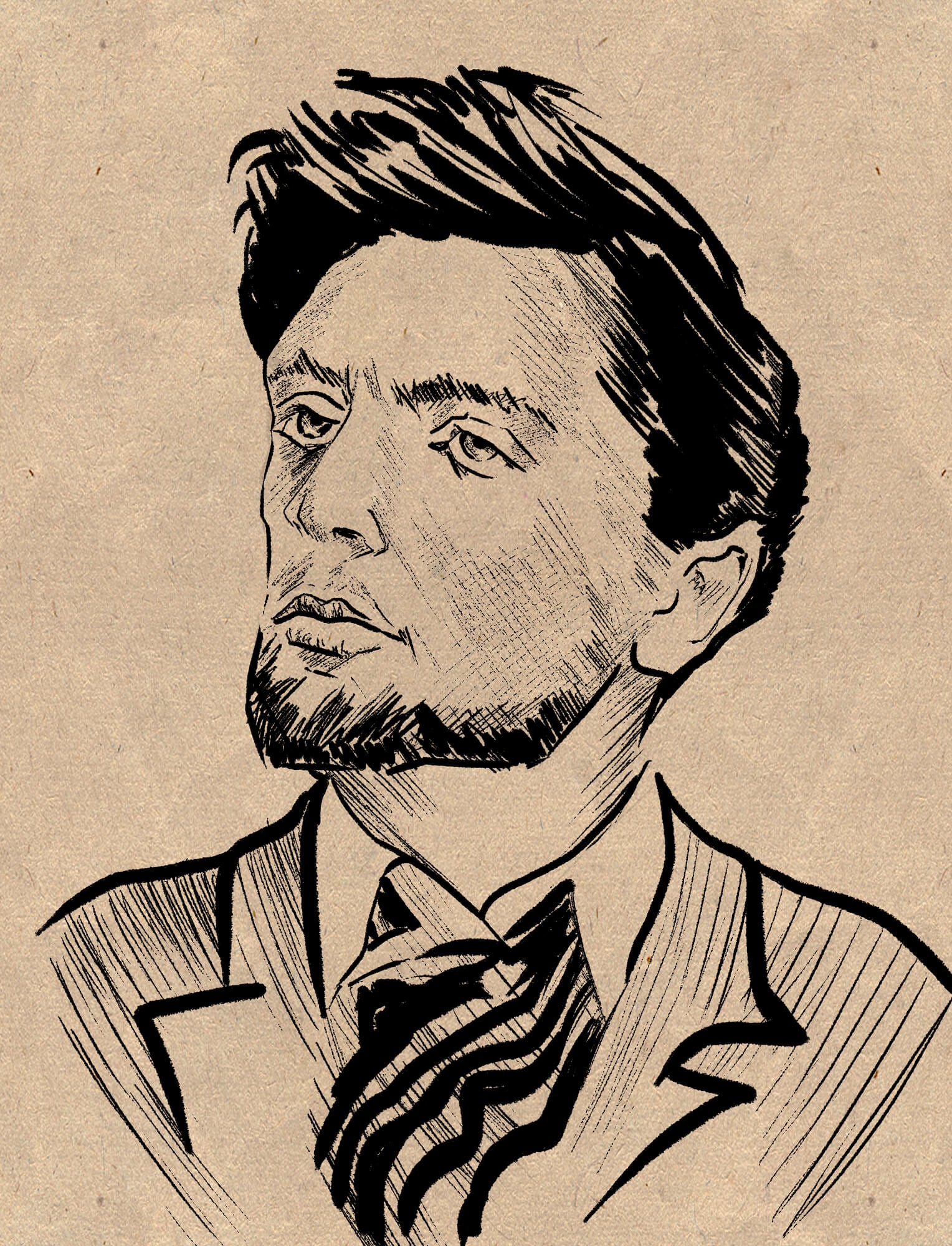
Modigliani sold almost nothing during his lifetime and lived in severe poverty in Paris, supporting himself through odd means while producing the elongated portraits now considered iconic. His only solo exhibition, held in 1917, was shut down by police on its opening day over complaints that unclothed figure paintings displayed in the window were indecent. He died of tubercular meningitis at 35, and his work only became highly valued in the art market decades later.
Paul Gauguin
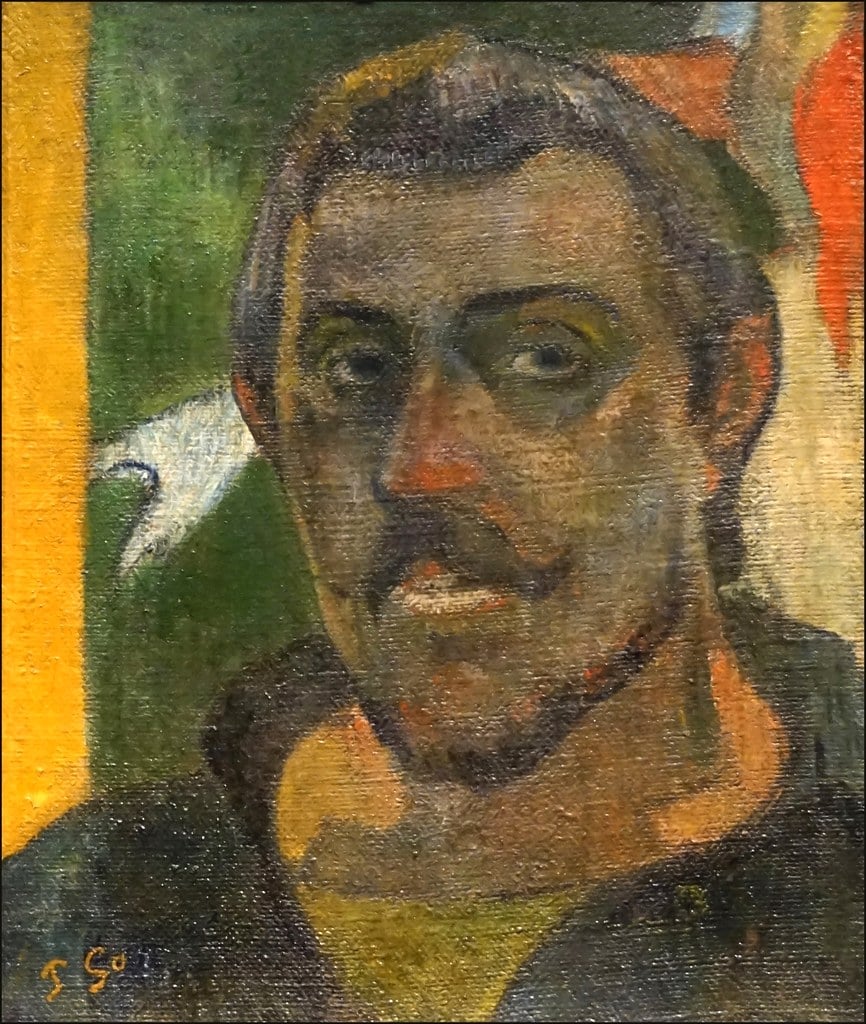
Gauguin abandoned a stable career as a stockbroker to pursue painting and spent much of his later life in poverty, moving to Tahiti partly because he could no longer afford to live and work in France. Critics and buyers largely dismissed his bold color choices and unconventional subjects during his lifetime, and he died in French Polynesia in 1903 with his reputation far from secure. His posthumous influence on Expressionism and other early modern movements only grew over subsequent decades.
Georges Seurat
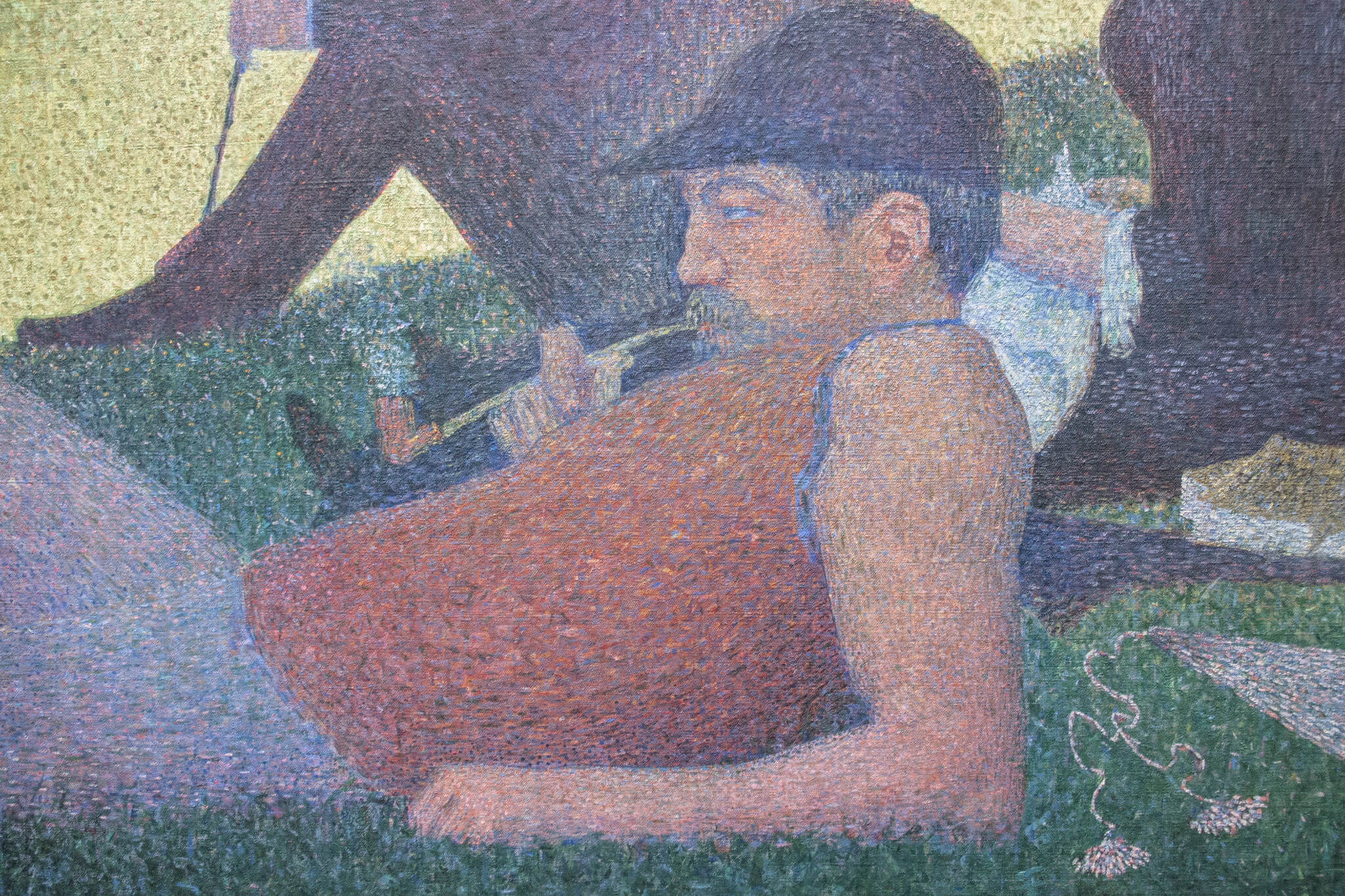
Seurat’s meticulous pointillist technique, in which he built entire compositions from tiny dots of pure color, was met with confusion and ridicule from critics who found the method mechanical rather than artistic. His most famous painting, “A Sunday on La Grande Jatte,” took him roughly two years to complete and received a mixed critical reception when first exhibited. He died at just 31, before his technique gained the wider acceptance it would eventually receive.
Camille Claudel
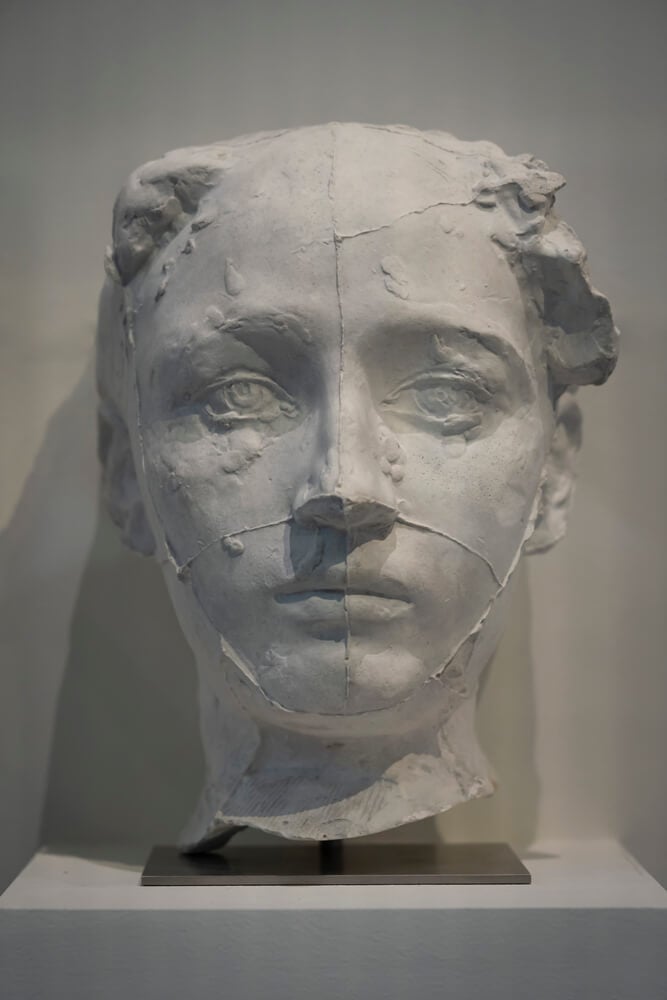
Sculptor Camille Claudel worked for years in the shadow of her collaborator and romantic partner Auguste Rodin, whose fame overshadowed her independent work despite critics who saw it noting her technical skill. She struggled to gain gallery representation and financial stability on her own terms, and her family committed her to a psychiatric institution in 1913, where she remained until her death nearly three decades later. Her sculptures received far more serious critical reassessment long after her death than during her working career.
Artemisia Gentileschi
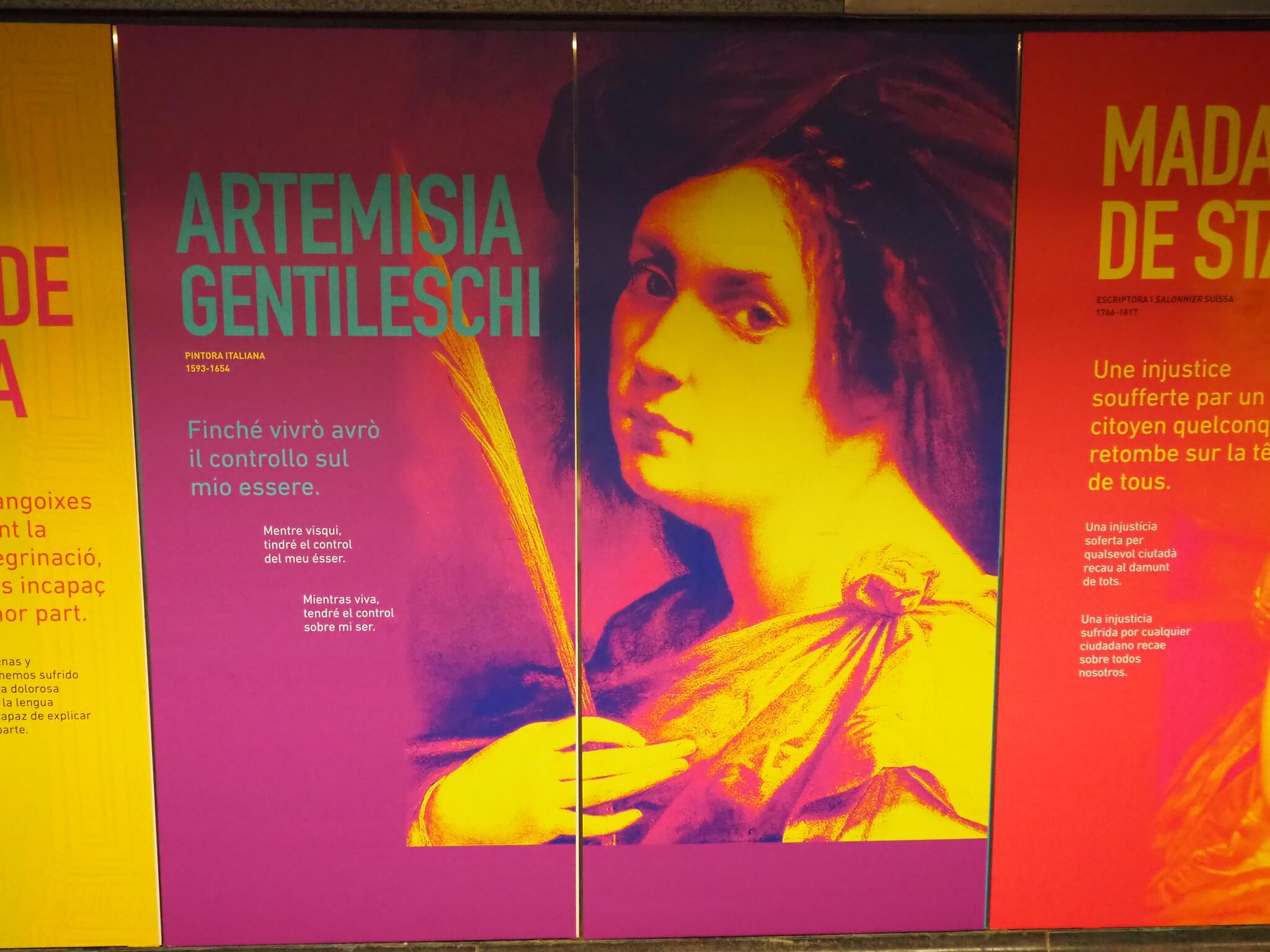
Gentileschi achieved some recognition in her lifetime as a rare successful female painter in 17th-century Italy, becoming the first woman admitted to Florence’s Accademia delle Arti del Disegno, but her work and reputation were still overshadowed by male contemporaries and further complicated by a highly publicized assault trial early in her career. For roughly three centuries after her death, many of her paintings were misattributed to her father or other male painters. Major museums only began seriously reevaluating and properly crediting her work in the late 20th century.
Judith Leyster

Dutch painter Judith Leyster ran her own successful workshop and gained guild membership during her lifetime, an unusual achievement for a woman in the 17th century, yet after her death her signed works were frequently misattributed to the more famous Frans Hals. Her monogram was sometimes altered or removed entirely by dealers seeking to increase a painting’s sale value under a better-known name. Art historians only began correctly reattributing her paintings in the late 19th century.
Henry Ossawa Tanner
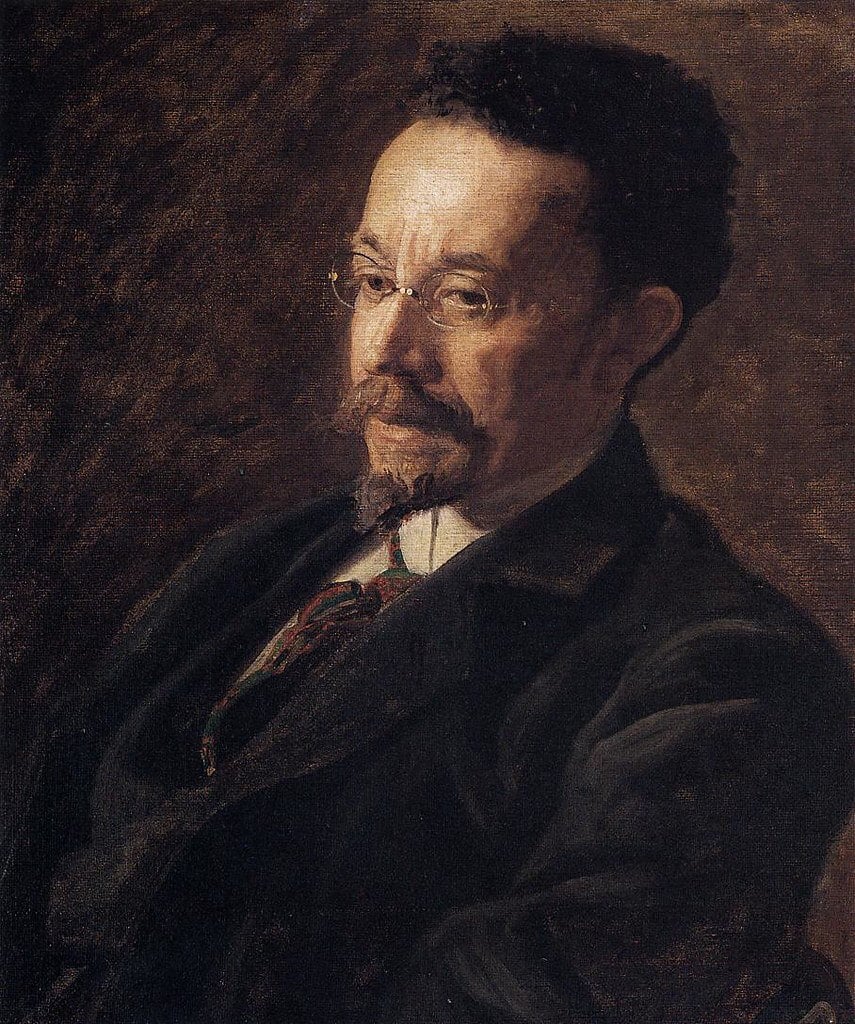
Henry Ossawa Tanner, one of the most talented American painters of his generation, faced persistent racism from galleries and critics in the United States that limited his opportunities despite his skill. He relocated permanently to Paris in 1891, where he found greater acceptance and became the first African American artist to gain international acclaim. His religious paintings earned him recognition from French institutions that had been denied to him at home.
Egon Schiele
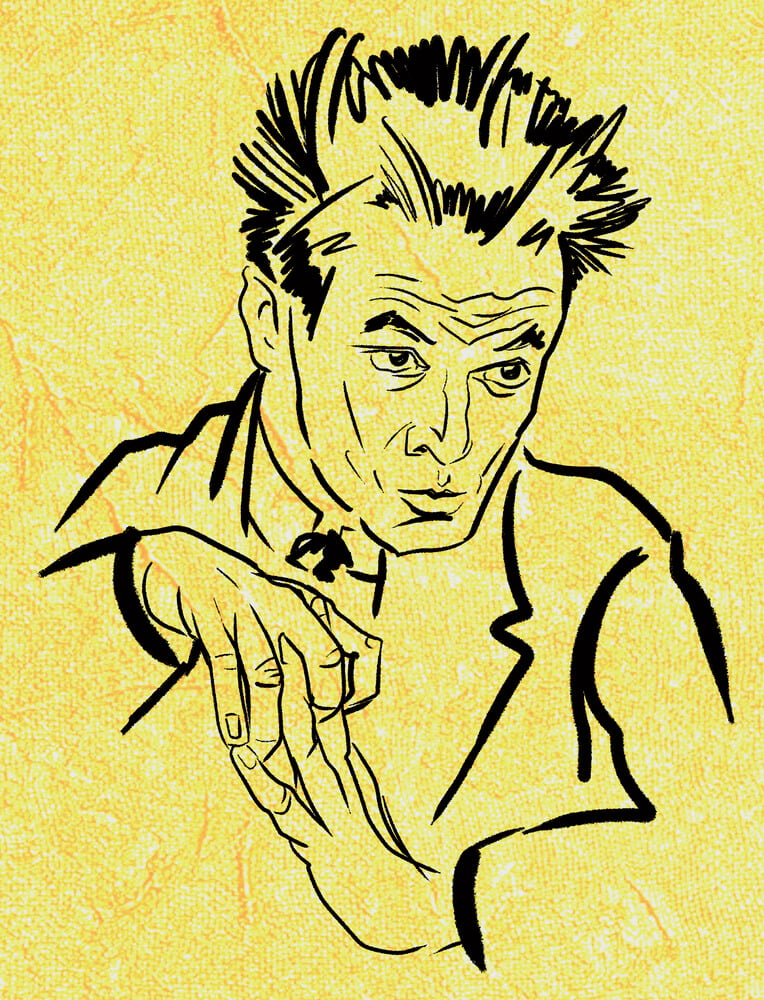
Schiele’s raw, sexually charged figurative work scandalized early 20th-century Vienna, and he was briefly imprisoned in 1912 after authorities seized what they considered indecent drawings from his studio. Critics and the general public frequently reacted to his angular, unflinching style with discomfort rather than admiration during his short career. He died at 28 during the 1918 influenza pandemic, just as his reputation was beginning to shift toward wider acceptance.
William Blake
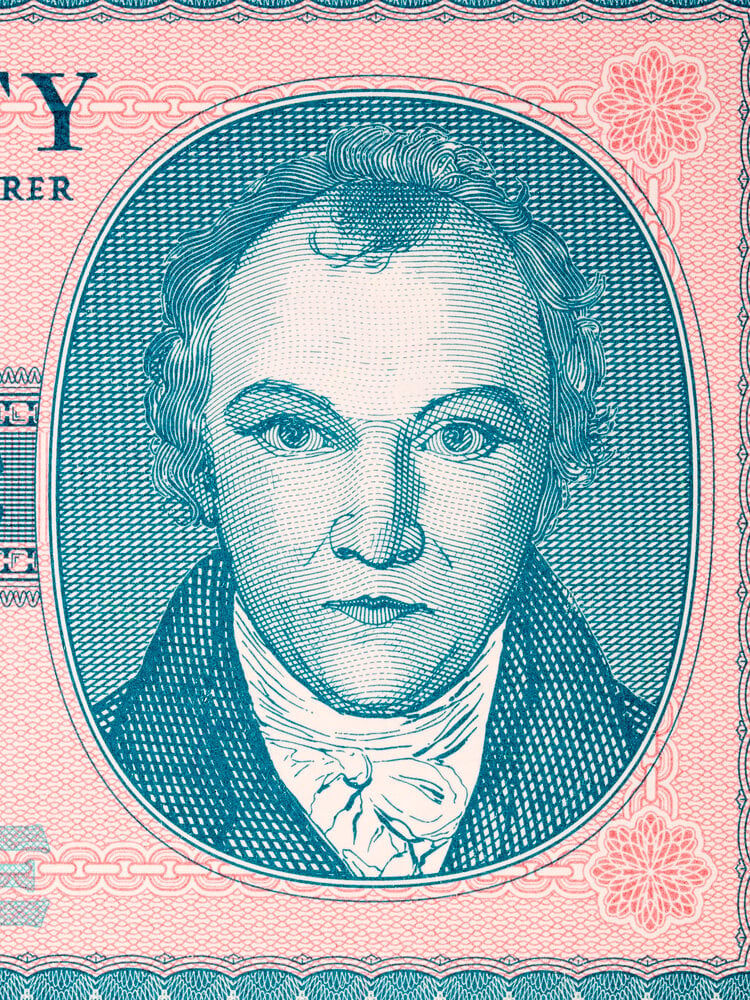
Blake worked largely outside the artistic and literary establishment of his time, and most of his contemporaries considered him eccentric at best and mentally unstable at worst, limiting both his sales and his reputation. He supported himself primarily through commercial engraving work rather than the visionary paintings and illuminated books he is now celebrated for. Serious critical reappraisal of his work did not gain real momentum until decades after his death in 1827.
Alfred Sisley
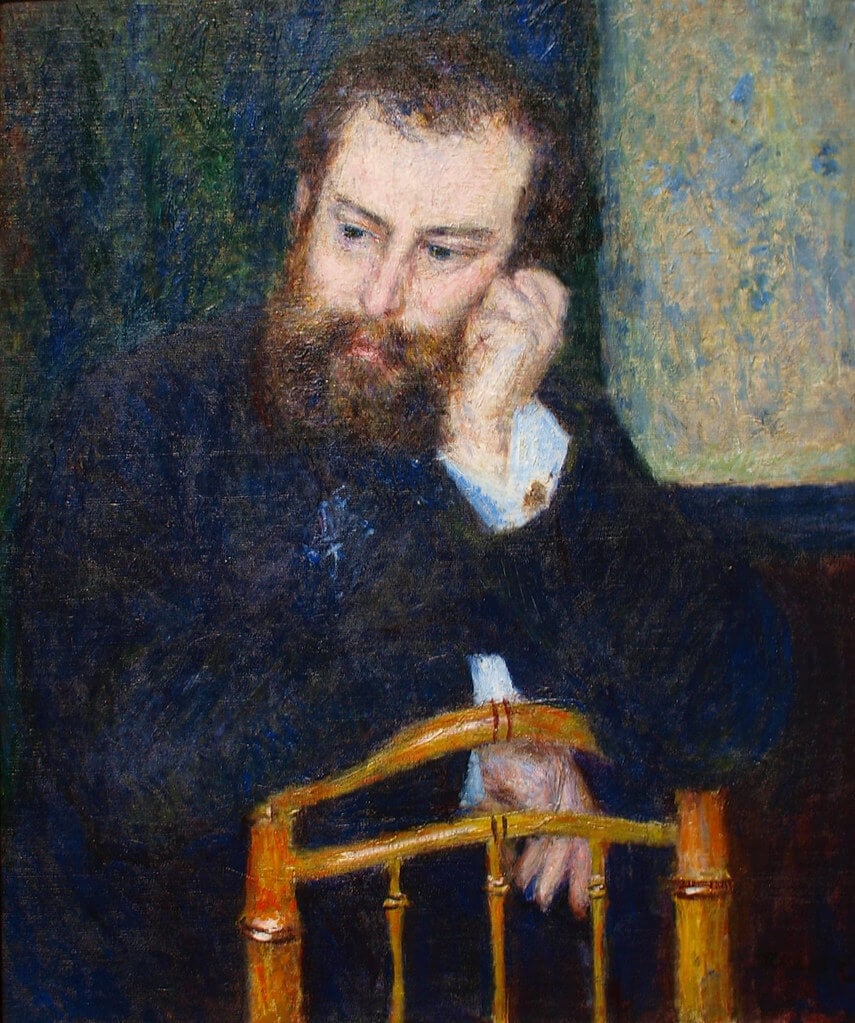
Sisley, one of the founding Impressionists, never achieved the financial success of contemporaries like Monet during his lifetime and died in relative poverty in 1899. French critics and buyers largely overlooked his landscapes in favor of more dramatic or fashionable subjects, and he struggled financially for most of his career despite consistent, disciplined output. His paintings only reached significant market value well after his death, a common pattern among his Impressionist peers.
Käthe Kollwitz
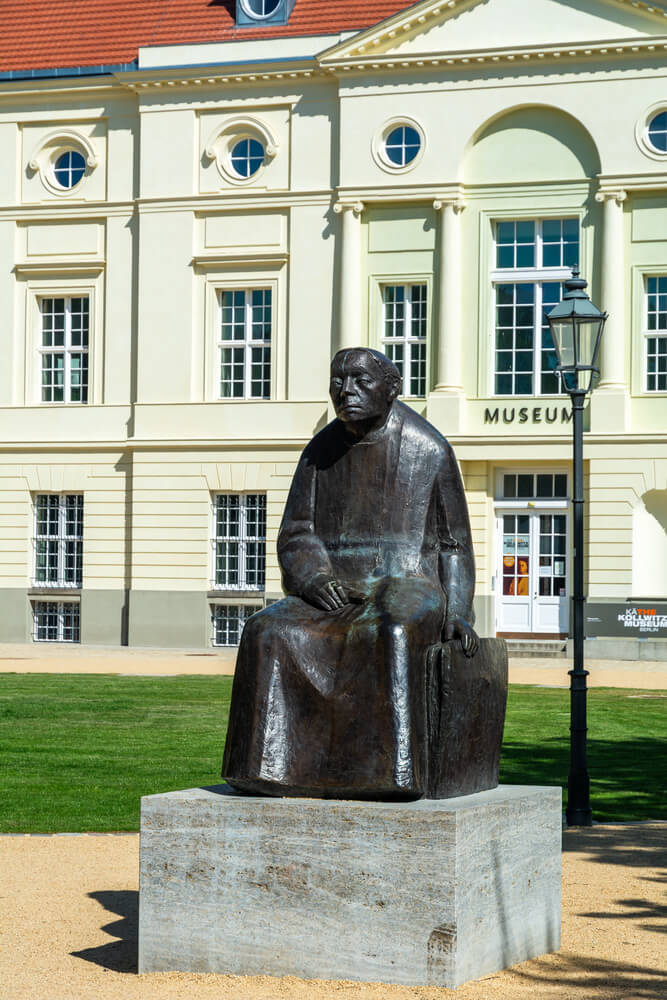
German artist Käthe Kollwitz built a respected career depicting poverty, grief, and the toll of war, but the rise of the Nazi regime in the 1930s led to her forced resignation from the Prussian Academy of Arts and the removal of her work from public exhibition as “degenerate.” She continued working privately even as her public career was effectively erased by state censorship. Her prints and sculptures are now held in major collections worldwide as some of the most powerful anti-war art of the 20th century.
Diego Rivera

Rivera was commissioned in 1932 to paint a mural for Rockefeller Center in New York, but the finished work, which included a portrait of Vladimir Lenin, was covered and then physically destroyed by the building’s owners in 1934 after public controversy over its political content. The rejection became one of the most publicized art censorship incidents of the 20th century. Rivera later recreated a version of the mural in Mexico City, where it remains on public display.
Gustave Courbet
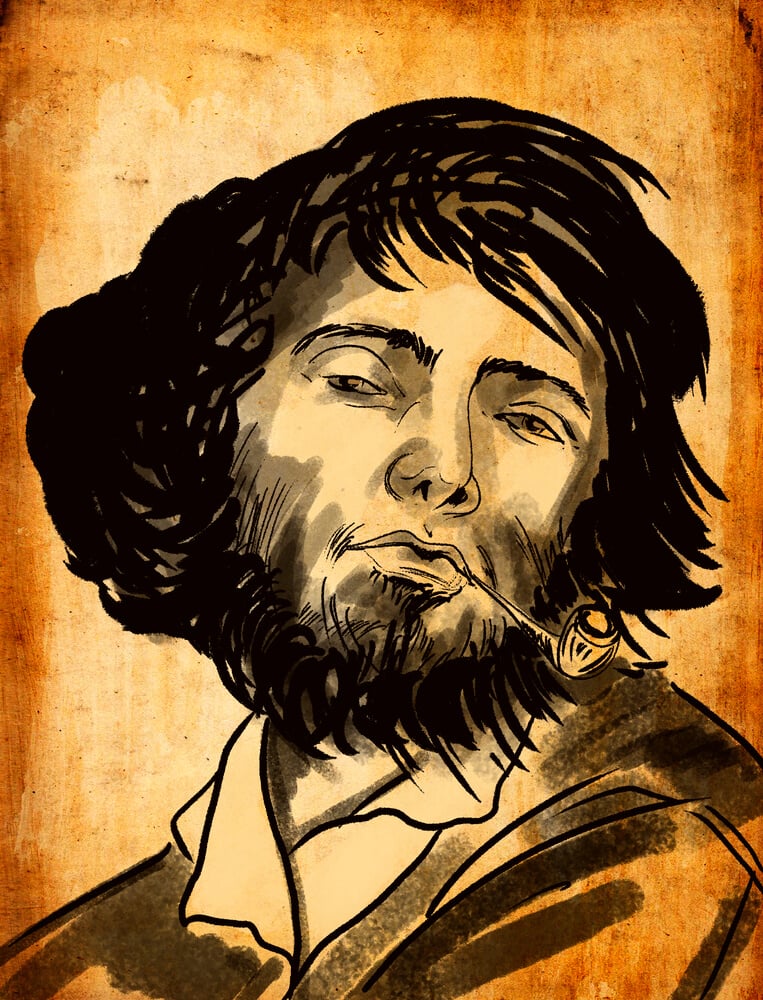
Courbet’s blunt, unidealized realism repeatedly drew rejection and hostility from the official Salon and conservative critics who considered his subjects vulgar and unworthy of serious painting. He responded by staging his own independent exhibition outside the official Salon system in 1855, an act of defiance that helped inspire later independent exhibitions by the Impressionists. His involvement in the radical Paris Commune later led to imprisonment and eventual exile from France.
Edvard Munch
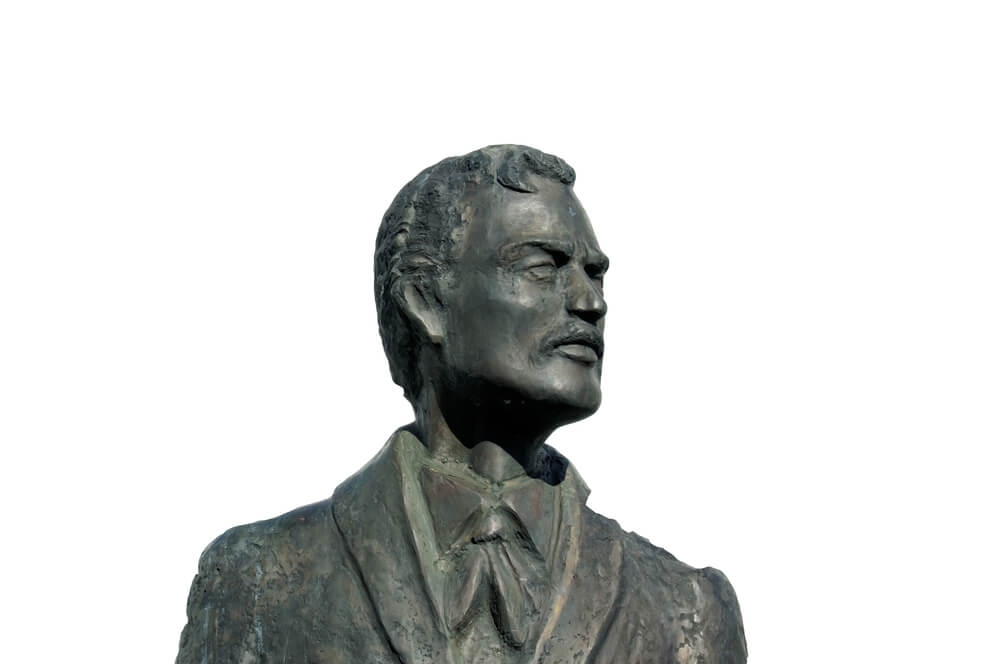
Munch’s most famous work, “The Scream,” and much of his early output drew harsh criticism for its raw emotional intensity, which contemporary reviewers frequently described as unfinished or crude rather than deliberate. An 1892 exhibition of his work in Berlin caused such controversy that it was shut down within a week amid public outrage. His psychologically intense style only gained broader critical respect as Expressionism developed as a recognized movement in the following decades.
Paul Klee

Klee built a respected career as a teacher and painter in Germany before the Nazi regime labeled his work “degenerate” in the 1930s, forcing his dismissal from his teaching position and the removal of more than a hundred of his works from German museums. He fled to Switzerland, where authorities initially denied him citizenship despite his precarious situation. His reputation was only fully restored internationally after World War II, well after the period of persecution had already damaged his career.
Emily Carr
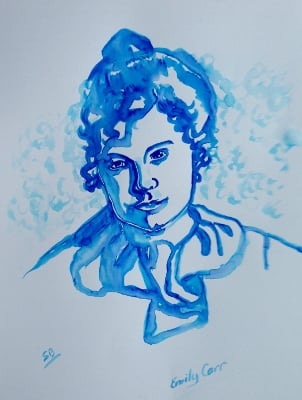
Canadian painter Emily Carr spent much of her career largely ignored by the art establishment, supporting herself by running a boarding house and raising dogs rather than through consistent art sales. Her bold depictions of Indigenous villages and Pacific Northwest forests found little serious critical attention until she was in her fifties. National recognition in Canada only arrived toward the very end of her life, decades after she began painting seriously.
Henri Matisse

Matisse and his fellow Fauvist painters were mocked by a critic in 1905 who described their jarringly bright, non-naturalistic color choices as the work of “wild beasts,” a dismissive label that nonetheless became the permanent name for the movement. Early exhibitions of his work drew ridicule from critics accustomed to more traditional color and form. His reputation recovered steadily over subsequent decades, and he is now considered one of the defining figures of early 20th-century modern art.
Suzanne Valadon
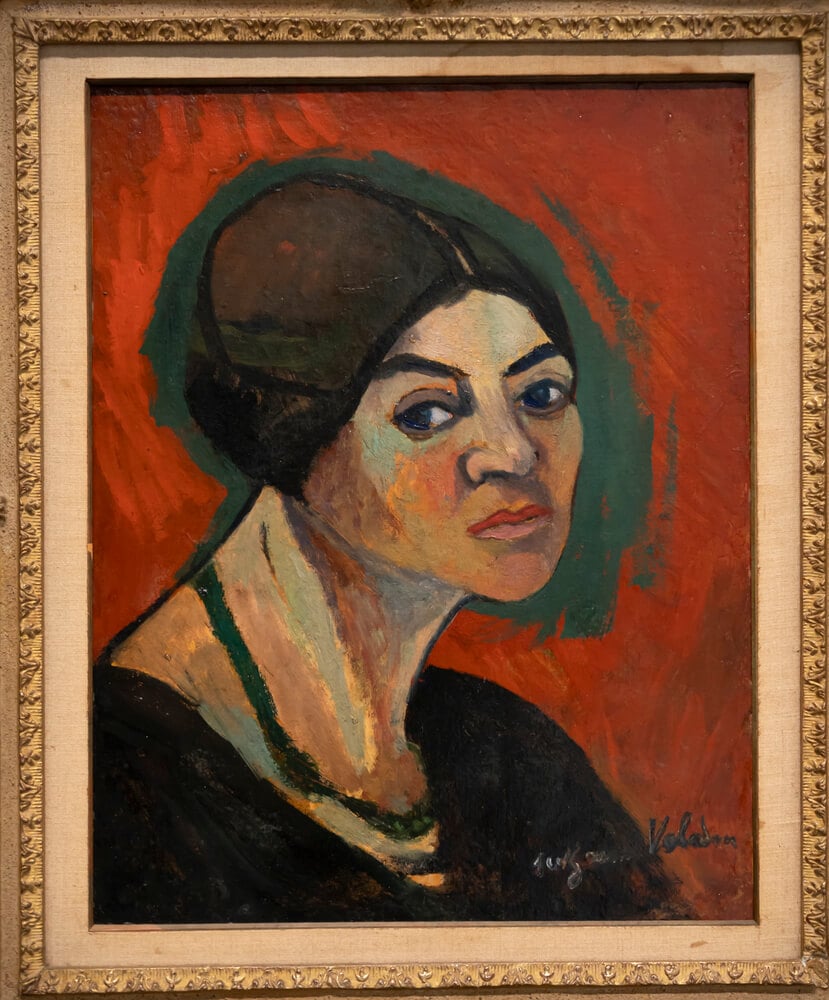
Valadon began as an artist’s model before teaching herself to paint, and as a self-taught woman without formal academic training, she faced significant skepticism from the male-dominated Parisian art establishment about whether her work deserved serious consideration. She persisted in securing exhibitions despite limited critical support for much of her early career. Her frank, unsentimental depictions of women eventually earned her recognition as a significant figure in early modern French painting.
El Greco
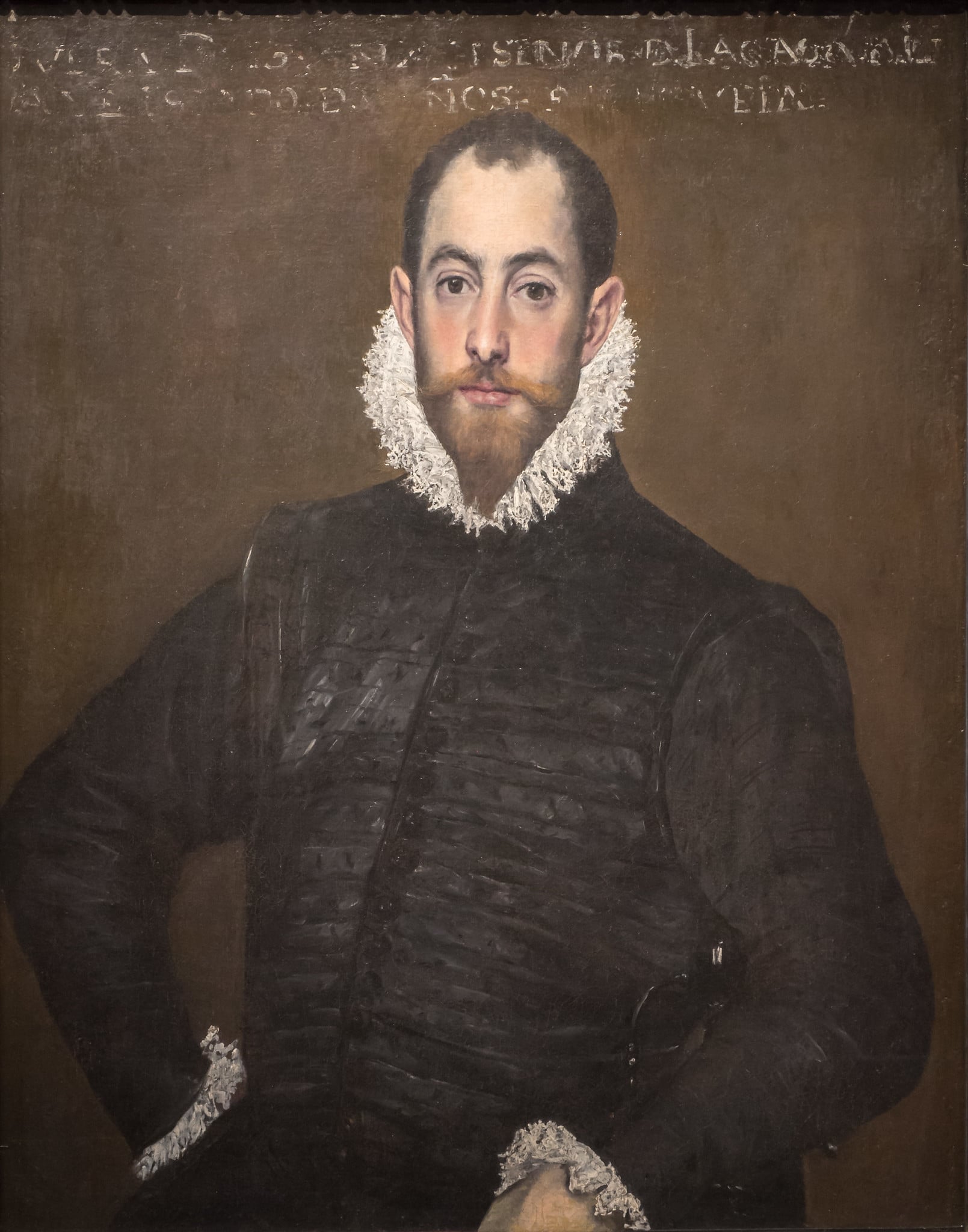
El Greco’s elongated figures and unconventional color choices confused and often frustrated patrons in 16th-century Spain, including King Philip II, who reportedly disliked a major commissioned altarpiece enough to have it removed from its intended location. His idiosyncratic style fell out of favor after his death and was largely dismissed as strange or flawed for roughly 300 years. Modern art historians and later painters, including Picasso, eventually recognized his work as remarkably ahead of its time.
Recognition on a Delay

The pattern across these careers is strikingly consistent: technical or emotional risk-taking that contemporary audiences read as failure, followed by a slow institutional reversal once later movements retroactively made sense of what the work had been doing all along. In nearly every case, the artists themselves had no way of knowing that reversal was coming.
What separates these names from the countless other rejected artists history simply forgot is not that their work was eventually vindicated, but that enough of it survived the years of neglect to be found again. The gap between an artist’s lifetime and their reputation is not a footnote to these stories. It is the story.
More from Go2Tutors!

- The Romanov Crown Jewels and Their Tragic Fate
- 13 Historical Mysteries That Science Still Can’t Solve
- Famous Hoaxes That Fooled the World for Years
- 15 Child Stars with Tragic Adult Lives
- 16 Famous Jewelry Pieces in History
Like Go2Tutors’s content? Follow us on MSN.