25 Castles With Tunnels and Passageways That Remained Hidden for Centuries
Castles were never simply buildings. They were power made of stone, and the people who built them understood that power depends on the ability to move unseen.
Behind the grand gatehouses and the public ceremonies, the medieval fortress builder was always solving a secondary problem: how do you escape if everything goes wrong? How do you resupply when the enemy has surrounded the walls? How do you arrest a man who controls the garrison?
The answers were often underground.
Nottingham Castle, England — Mortimer’s Hole
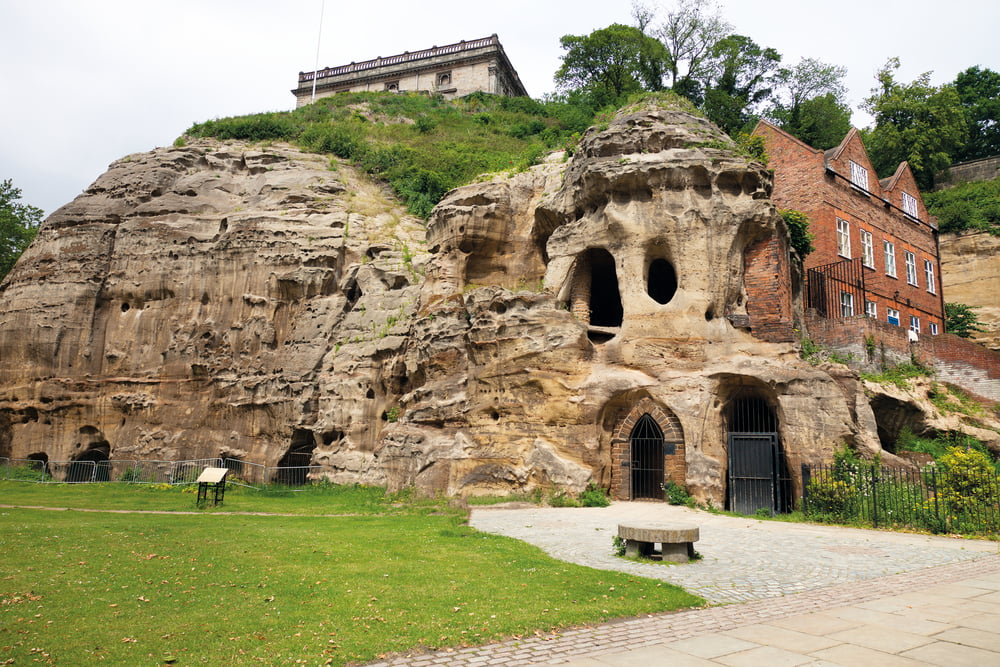
In October 1330, the seventeen-year-old King Edward III had a problem: Roger Mortimer controlled the country, the garrison, and the Queen Mother, and was housed in Nottingham Castle behind several hundred armed guards. Edward’s solution was a 98-metre tunnel carved through the sandstone below the castle, which led directly into the building’s interior.
His men entered in the dark, surprised Mortimer in the queen’s apartments, and had him in chains before the guards outside knew anything had happened. The tunnel — still open to visitors — is now called Mortimer’s Hole.
Castel Sant’Angelo and the Passetto di Borgo, Rome
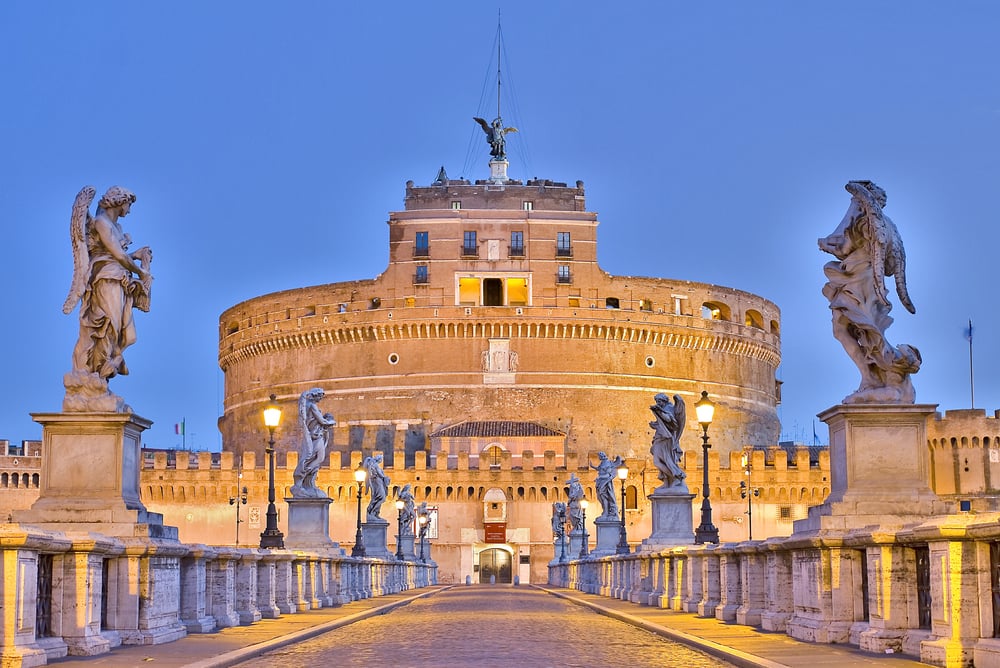
Built in 1277, the Passetto di Borgo is a raised fortified corridor roughly 800 metres long connecting the Vatican to Castel Sant’Angelo. It was designed as an emergency escape route for the Pope and remained hidden from general knowledge for most of its existence.
It worked twice to spectacular effect: Pope Alexander VI used it to flee the invading forces of the French King Charles VIII in 1494, and Pope Clement VII escaped through it during the catastrophic Sack of Rome in 1527, reaching Castel Sant’Angelo while the city burned around him. The Passetto still stands.
Sforza Castle, Milan
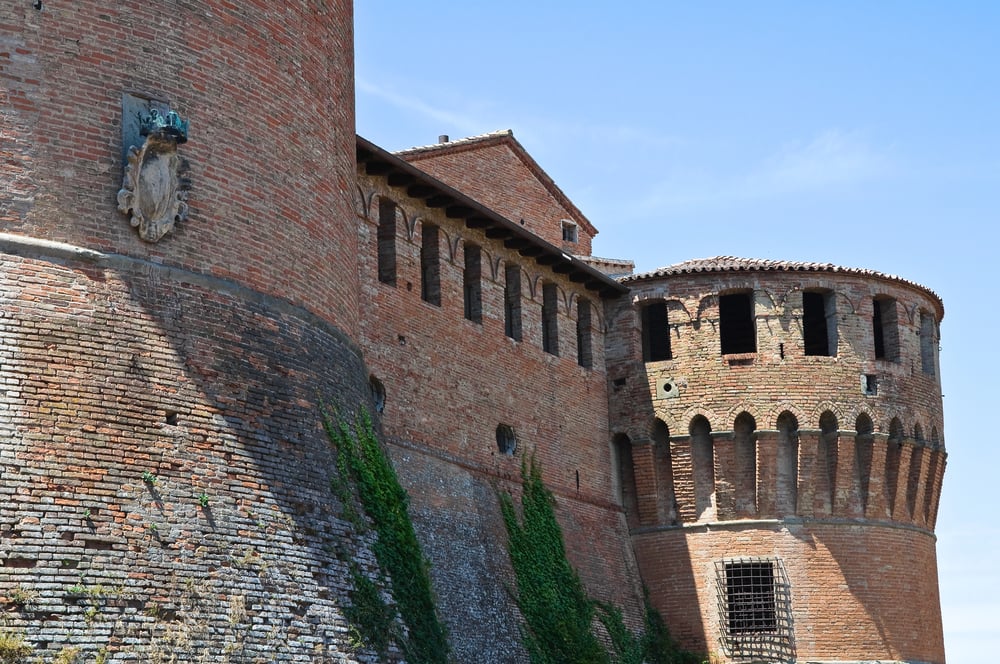
Beneath Sforza Castle — the great medieval-Renaissance fortress at the heart of Milan — lies a network of underground passageways that scholars long dismissed as legend. Researchers at the Polytechnic University of Milan recently confirmed their existence using ground-penetrating radar and laser scanning. Some of these passages appear in sketches by Leonardo da Vinci, who worked for Ludovico Sforza in the 1490s and was believed to have designed or documented the tunnels.
One passage may have stretched more than half a mile, allowing the widowed duke private movement and providing an escape route under siege.
Bran Castle, Transylvania, Romania
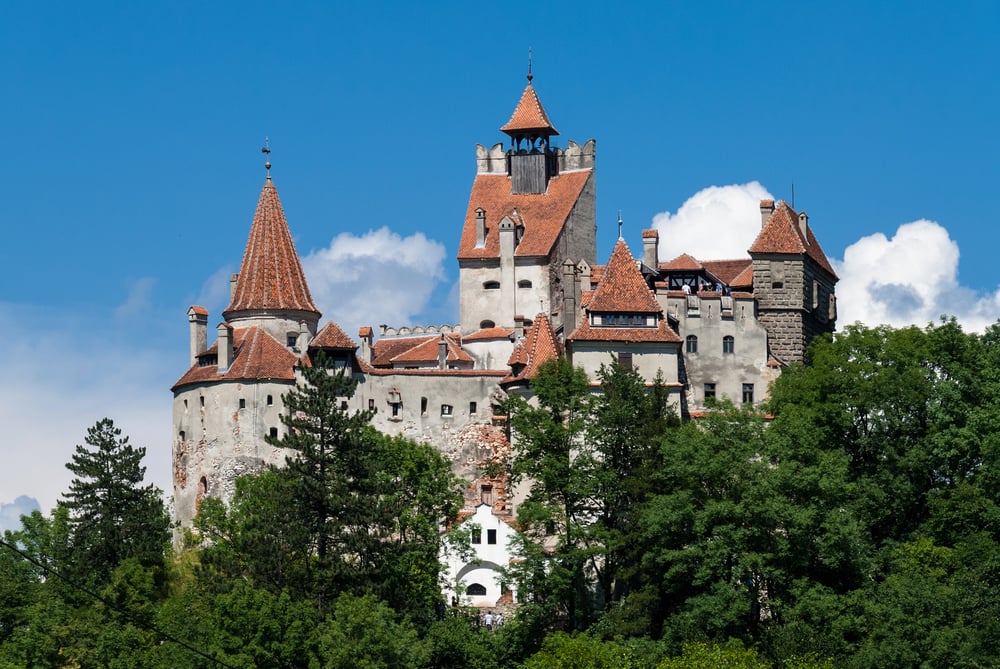
Bran Castle in the Carpathian Mountains — the fortress popularly associated with the Dracula legend, though historians debate the connection to Vlad the Impaler — conceals a secret passage running from the first floor to the third floor within its seemingly solid walls. The purpose was straightforward: allow castle officials to move rapidly between levels without passing through guarded corridors, and provide an emergency exit in the event of an internal uprising.
The passage went unnoticed by most visitors for centuries and was only fully documented during modern restoration work.
Dover Castle, England
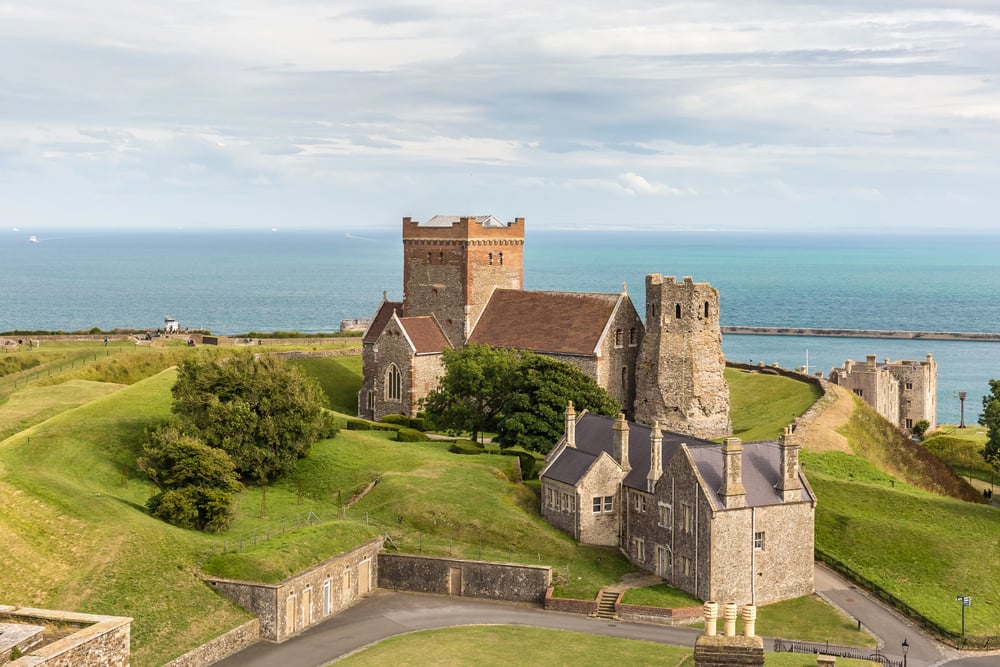
Dover Castle has been occupied almost continuously since the Iron Age, and its tunnel system reflects that layered history. The medieval tunnels, some dating to the 12th century, were originally built as defensive passages and storage routes.
During the Second World War, they were expanded into a functioning underground military headquarters — Admiral Ramsay coordinated the Dunkirk evacuation from tunnels beneath the white cliffs. The medieval sections remained structurally obscure even to the military engineers working around them, and were only fully surveyed in the 20th century.
Harvington Hall, Worcestershire, England
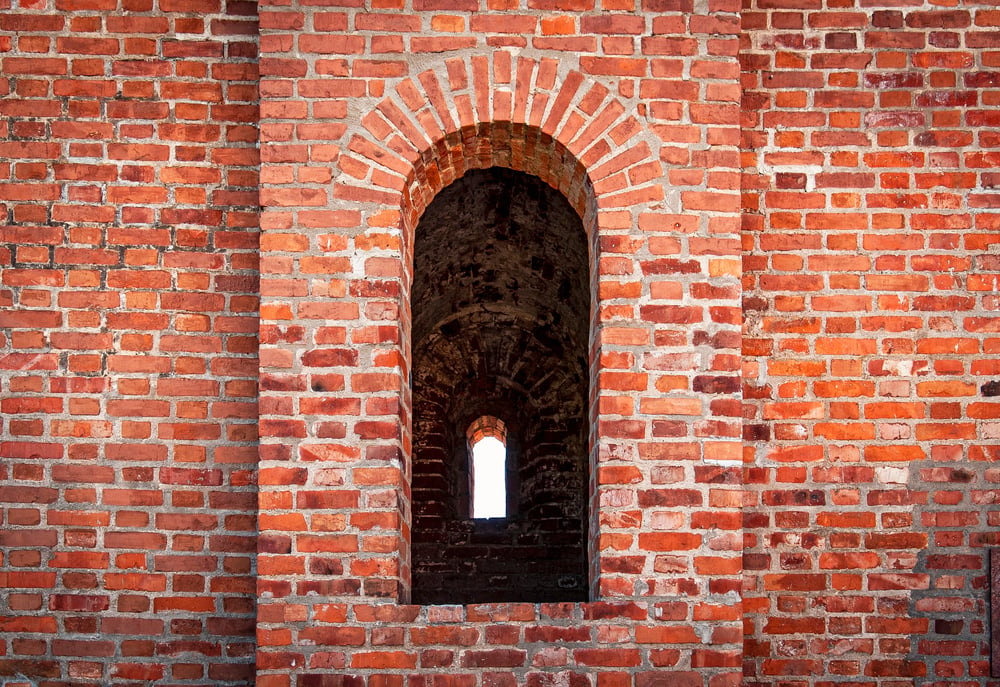
Harvington Hall is not strictly a castle but a fortified Elizabethan manor, and it contains more priest holes than any other surviving building in England. These hidden chambers — concealed behind false walls, under staircases, in chimney breasts — were designed by the recusant architect Nicholas Owen to hide Catholic priests during Protestant persecution.
Owen’s craftsmanship was so precise that several of the spaces at Harvington remained undiscovered for generations. Some were found only during Victorian renovation work when builders noticed unexpected cavities in walls that had appeared solid for two hundred years.
Edinburgh Castle, Scotland
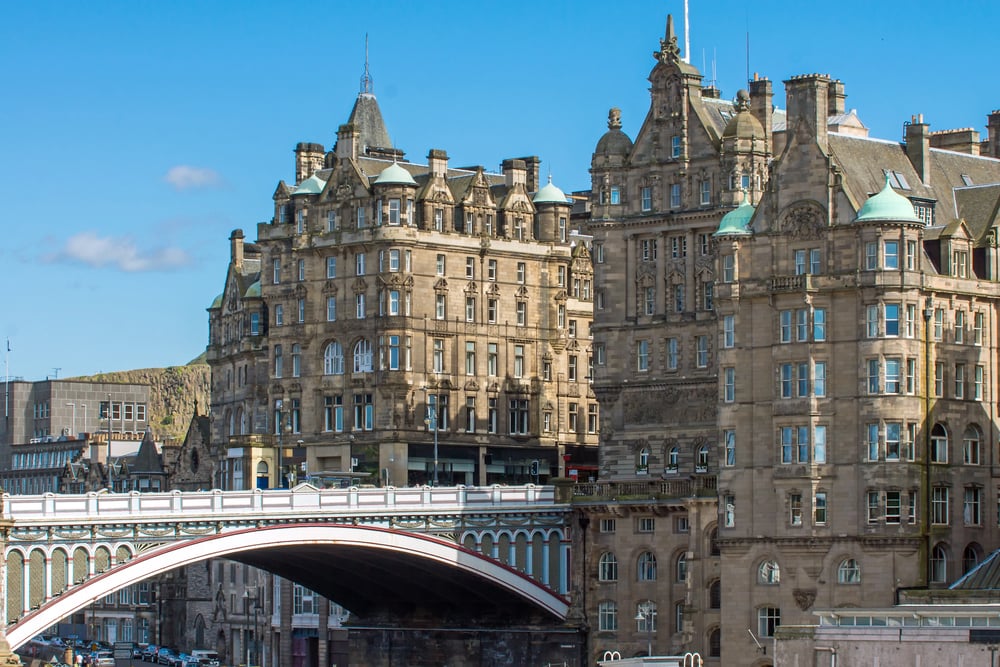
Edinburgh Castle sits on volcanic rock, and the rock is honeycombed with tunnels — some natural, some carved over centuries of occupation. The tunnels run beneath the castle and, according to various accounts, extend toward the Royal Mile. Legend records that a piper was sent down to map the passages, playing his instrument so that people above ground could track his route.
The piping stopped somewhere beneath the city and the piper was never seen again. The tunnels’ full extent has never been officially confirmed, and certain sections remain inaccessible.
Predjama Castle, Slovenia
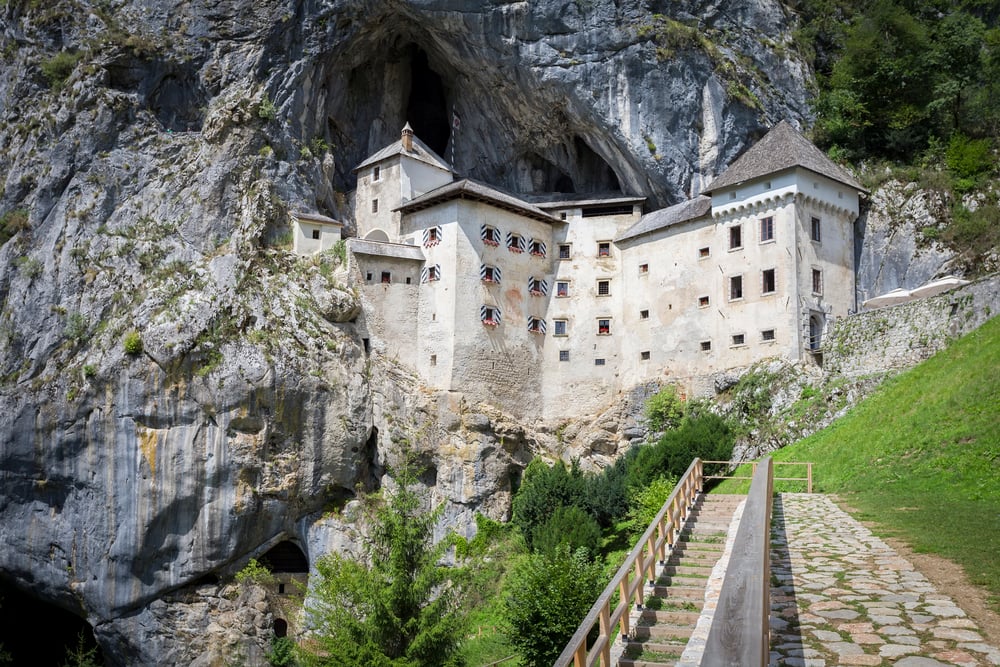
Predjama Castle is built into the mouth of a cave system in the Karst region of Slovenia, and the cave extends deep behind the castle into the cliff. In the 15th century, a knight named Erazem Lueger used the cave network to conduct a siege that lasted over a year. While the occupying forces blockaded the visible approaches, Erazem’s men used the cave tunnel — which emerged on the far side of the mountain — to receive supplies and conduct raids.
The passage kept the castle functional for fourteen months. The tunnel can still be accessed today.
Château de Brissac, France
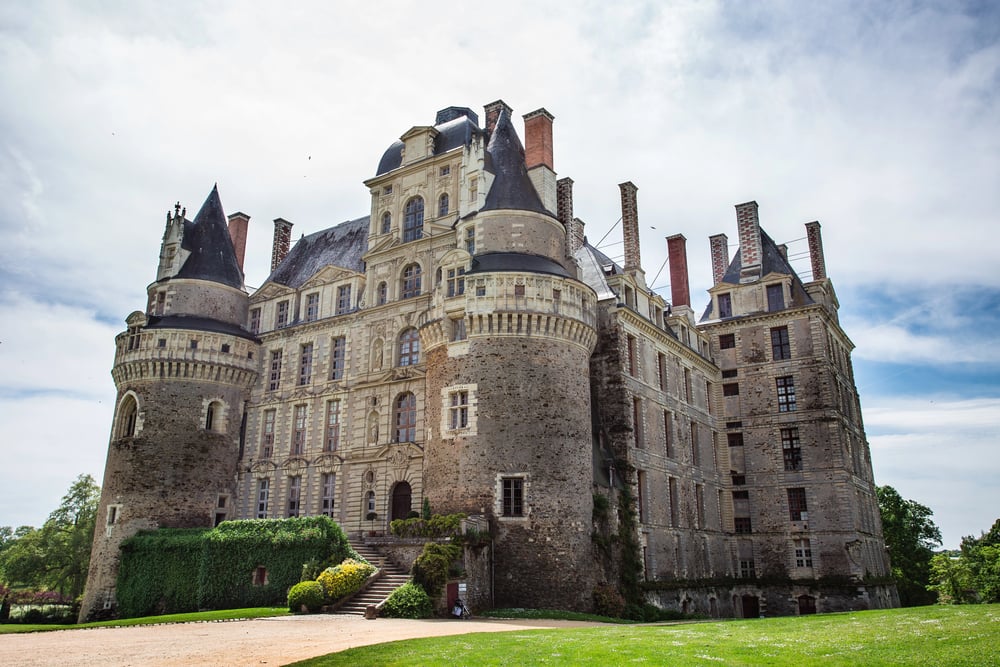
Château de Brissac in the Loire Valley is the tallest castle in France, rising seven stories, and its thick walls conceal a hidden passage connecting the private apartments of the owners to a concealed exit in the gardens. The passage was reportedly used for discrete meetings and emergency exits during the religious wars of the sixteenth and seventeenth centuries.
It was rediscovered during renovations in the nineteenth century, its entrance concealed behind a section of panelling that had been plastered over. The castle remains privately owned by the Cossé-Brissac family.
Château de Vincennes, France
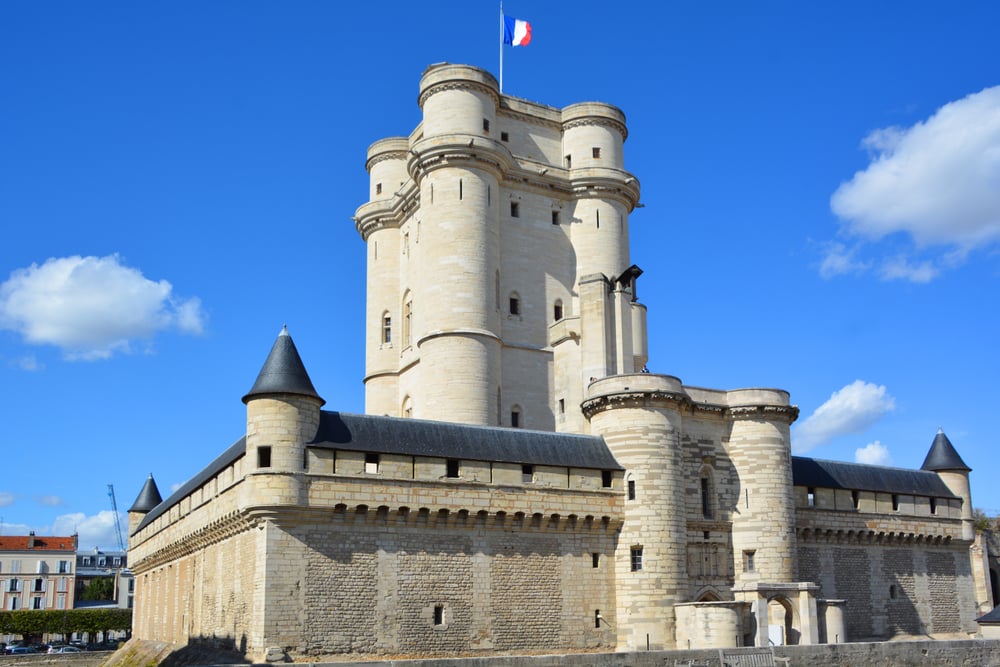
Château de Vincennes outside Paris — one of the French royal family’s primary residences before Versailles — contains an underground passage known as the Dungeon of the Keep, connecting the castle’s main tower to its chapel and medieval donjon. This passage allowed for covert movement within the complex and served as both a private route for royal residents and an escape corridor.
It was documented in medieval records but its precise course and condition remained uncertain until modern survey work confirmed its layout.
Heidelberg Castle, Germany
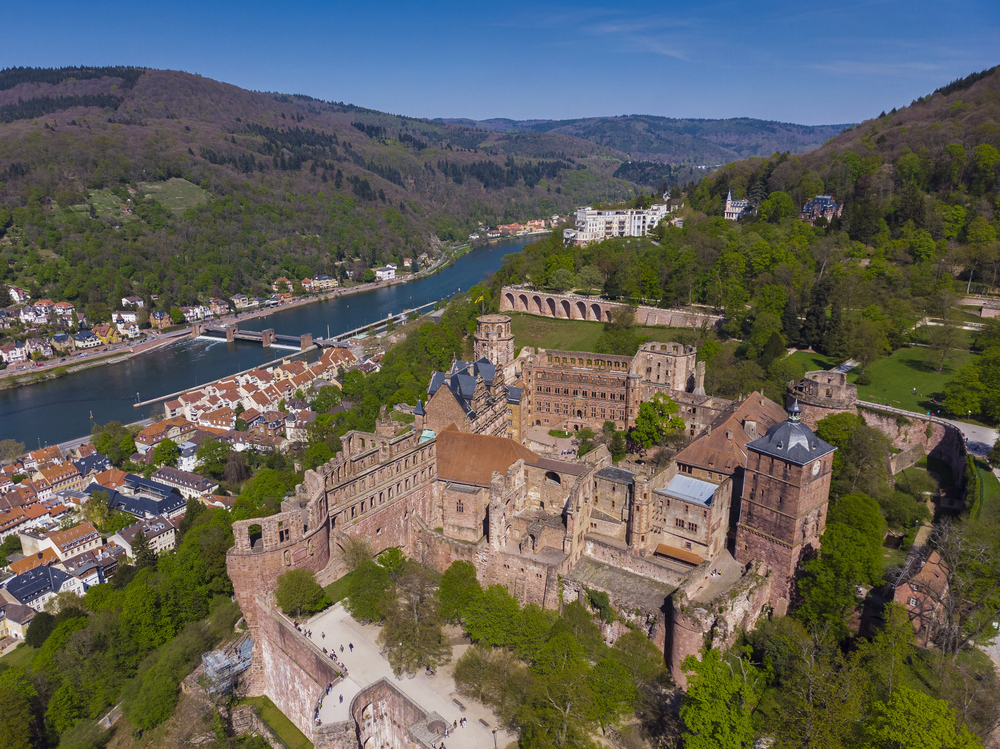
Heidelberg Castle, the great ruined Renaissance palace overlooking the Neckar River, contains a secret passage running within the walls of the Frederick Building. The passage allowed the Electors Palatine to move between their private chambers and the Great Hall without passing through public areas of the castle.
Its existence was known from historical accounts but its exact location had been lost by the time the castle became a ruin in the 17th century. It was rediscovered during structural surveys conducted after the main buildings fell into disuse.
Château de Chambord, France
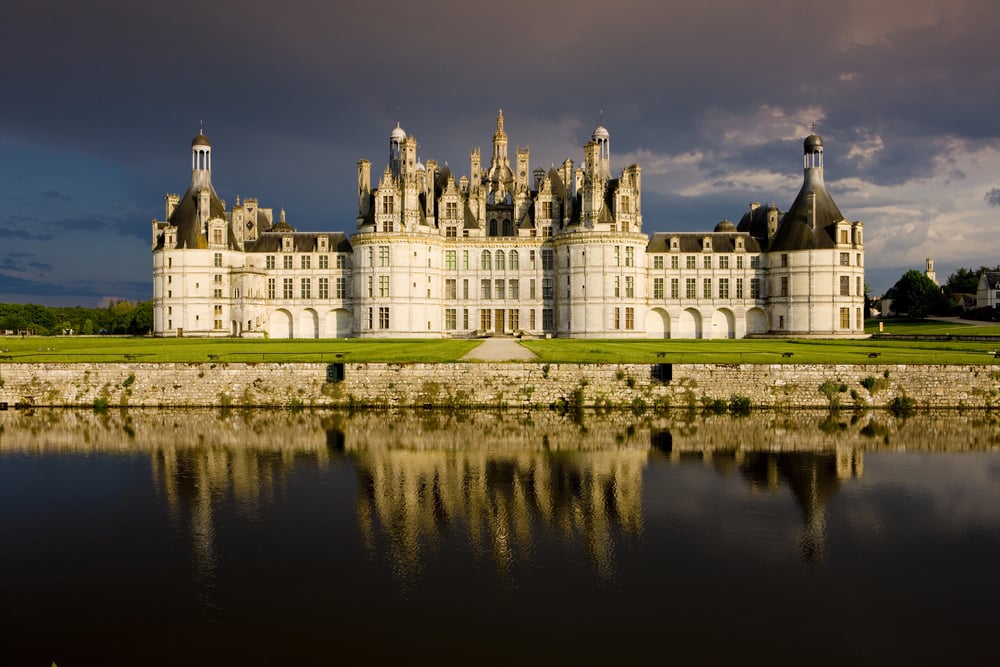
Château de Chambord, built for King Francis I in the 16th century and famous for its extraordinary double-helix central staircase — which allows two people to ascend or descend without meeting — also contains a rumoured hidden passage used by the king for private movements within the building. The double-helix staircase itself was long thought to be simply an architectural exercise, but it also functions as a device for moving through the building unseen by other occupants.
Francis I reportedly used it for visits he did not wish to be recorded.
Warwick Castle, England
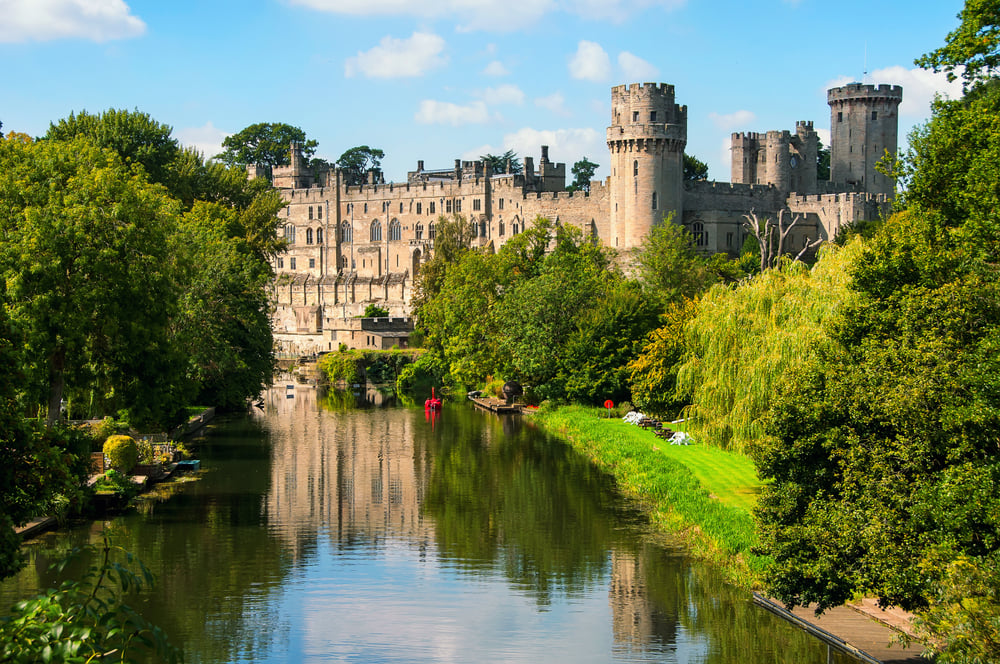
Warwick Castle, one of the best-preserved medieval castles in England, contains hidden tunnels and passages within its walls that received serious archaeological attention only in recent decades. The castle has been continuously occupied since the 11th century, and successive owners adapted and concealed earlier structures.
A tunnel running between the towers was known to exist from medieval accounts but its precise course had been lost. Modern investigations using ground-penetrating radar have mapped previously unknown passages within the castle’s structure.
Stirling Castle, Scotland
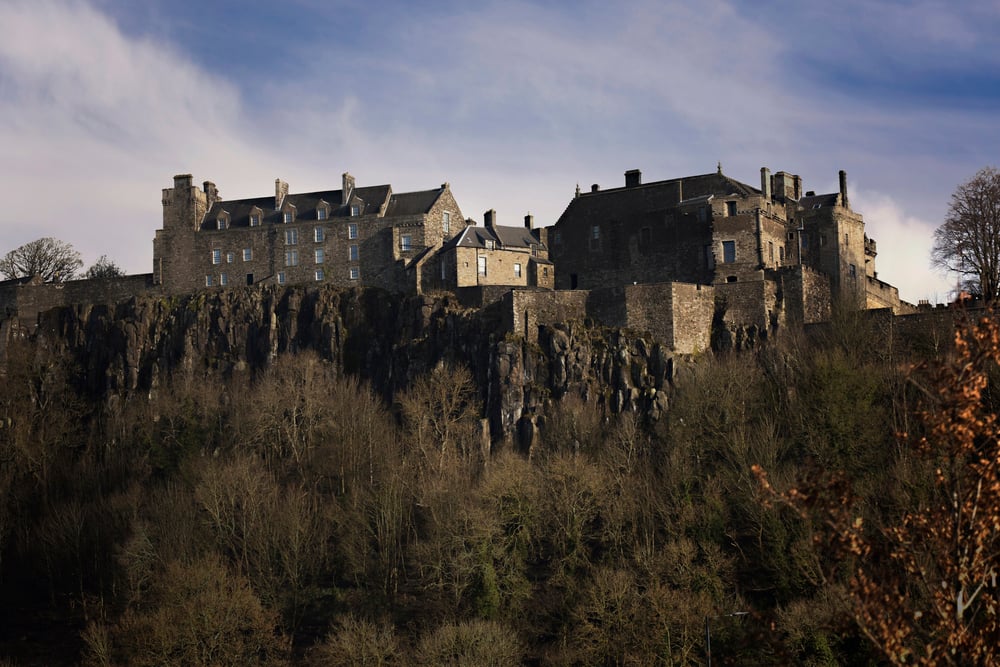
Stirling Castle occupies one of the most strategically significant positions in Scotland, and its rock contains passages carved in multiple periods of construction. Secret routes within the castle allowed garrison commanders to move troops between defensive positions without exposing them to observation from besieging forces.
One tunnel leading from the castle’s interior toward the rock face below was discovered during 19th-century restoration work and had been walled off so effectively that no record of its existence had survived in the castle’s documented history.
Château de Najac, France
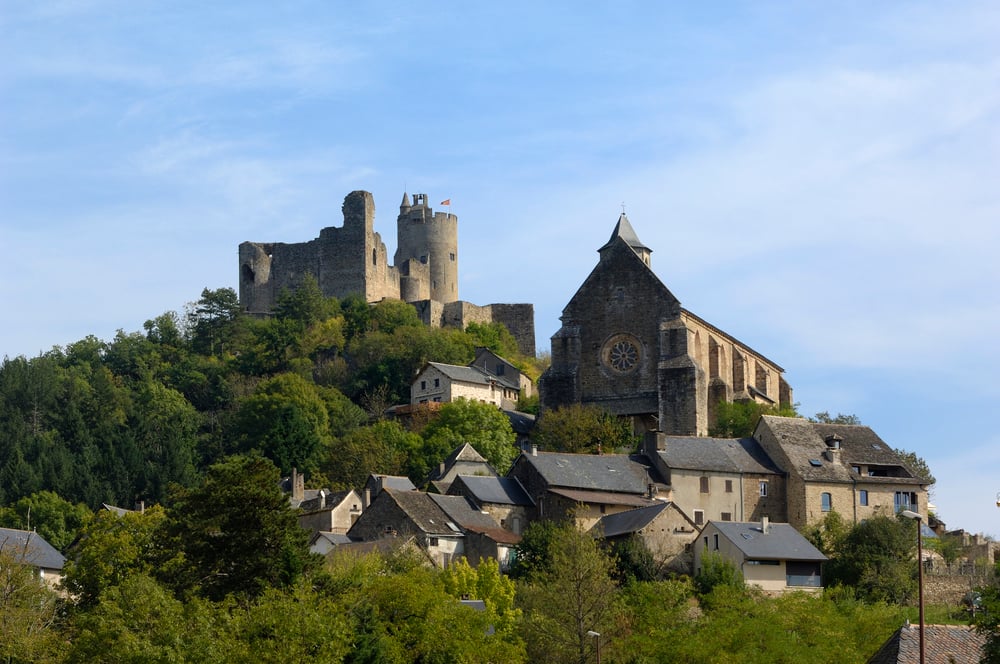
The medieval stronghold of Château de Najac in southern France contains a hidden passage running from its chapel to the lord’s private chambers in the keep. The passage was a symbol of the castle owner’s absolute authority — the ability to move unseen even within his own fortress.
Its existence was not documented in the public historical record and came to light only during archaeological surveys conducted in the twentieth century, when researchers found a corridor concealed within what had appeared on all plans to be a solid wall.
Glamis Castle, Scotland
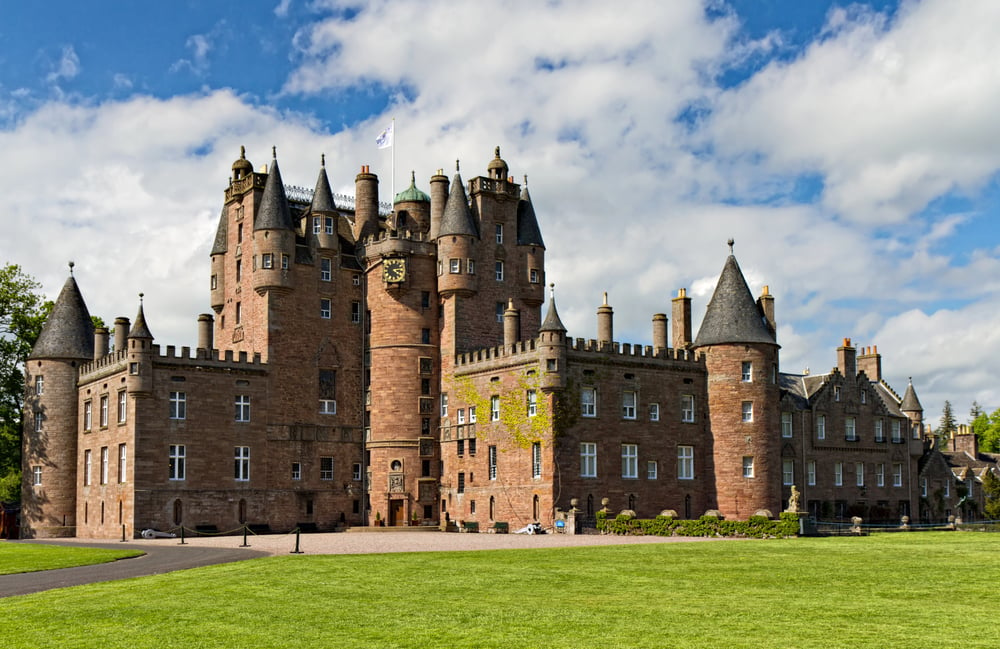
Glamis Castle in Angus — the ancestral home of the Earls of Strathmore and the childhood home of Queen Elizabeth The Queen Mother — is one of Scotland’s most legend-laden fortresses. Among its persistent stories is a hidden chamber whose location is known only to the current Earl and is passed down at the age of twenty-one.
The room’s existence has been debated for generations; various owners have conducted surveys that produced ambiguous results. The castle’s construction across multiple centuries created genuine architectural anomalies — rooms visible from outside that cannot be accessed from inside.
Château de Pierrefonds, France
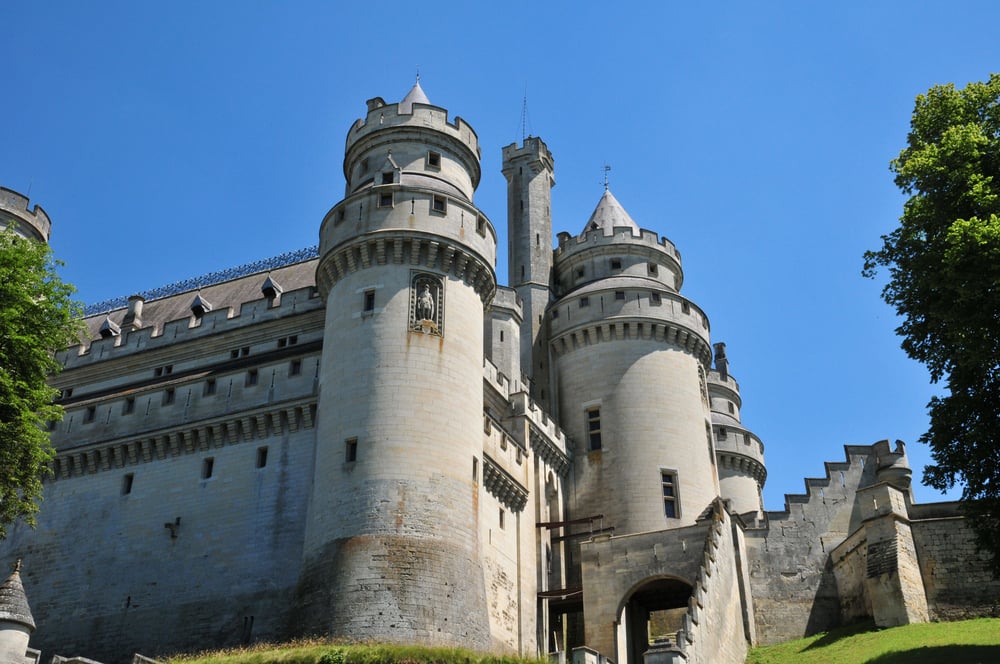
Château de Pierrefonds was rebuilt from ruins in the 19th century under the direction of architect Eugène Viollet-le-Duc for Napoleon III, but the original medieval fortress it replaced had concealed passages running through its walls. During the reconstruction, Viollet-le-Duc incorporated passages he found surviving in the medieval fabric into his design.
The new château retains corridors that were not part of any public architectural plan but trace the routes of the original hidden network, now documented but still not entirely understood.
Caernarfon Castle, Wales
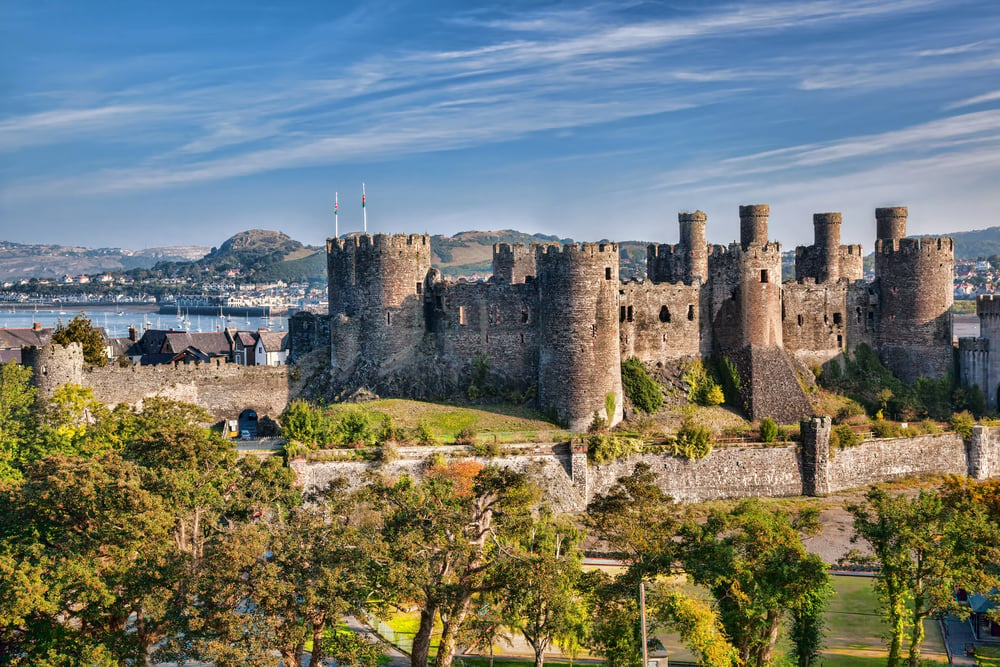
Caernarfon Castle in north Wales, built by Edward I beginning in 1283, was designed from the start with passages running within the thickness of its walls — a distinctive feature of Edward’s castle-building programme. The wall passages allowed defenders to move between towers without exposure.
Some of these passages were walled off during later periods of the castle’s use and their full extent was not confirmed until the late 19th century, when a Caernarfon antiquary systematically examined the wall construction and found passages that had been sealed off for at least three centuries.
Alnwick Castle, Northumberland, England
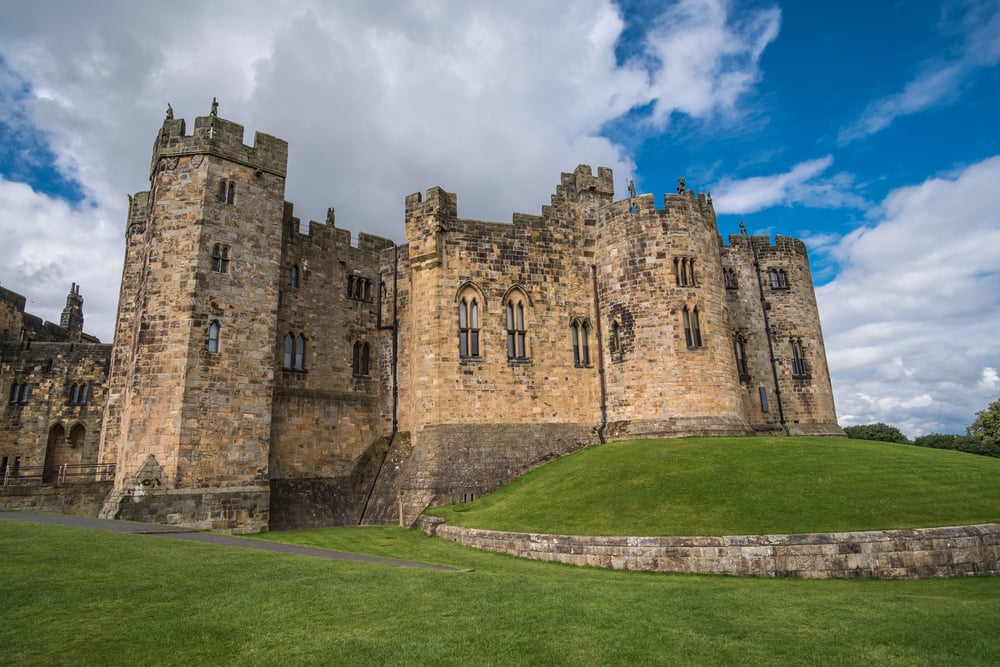
Alnwick Castle, the home of the Percy family and the seat of the Dukes of Northumberland for seven centuries, contains passages within its walls that have not all been surveyed. The castle’s medieval core was extensively rebuilt in the 19th century, and the Victorian restorers working through the structure found spaces in the walls that did not correspond to any known plan.
Some were sealed, some incorporated into the new design. The full cartography of the structure’s hidden spaces has not been published.
Hohenzollern Castle, Germany

The ancestral castle of the Hohenzollern family in Baden-Württemberg — rebuilt three times, with the current structure dating to 1867 — is believed to contain passages from the medieval original that were incorporated into the later designs. Documentation held by the Hohenzollern family archive includes accounts of underground routes known in the castle’s early period.
The modern structure sits above substantial rock formations that were adapted over centuries, and the subterranean spaces within them have been only partially surveyed.
Coughton Court, Warwickshire, England
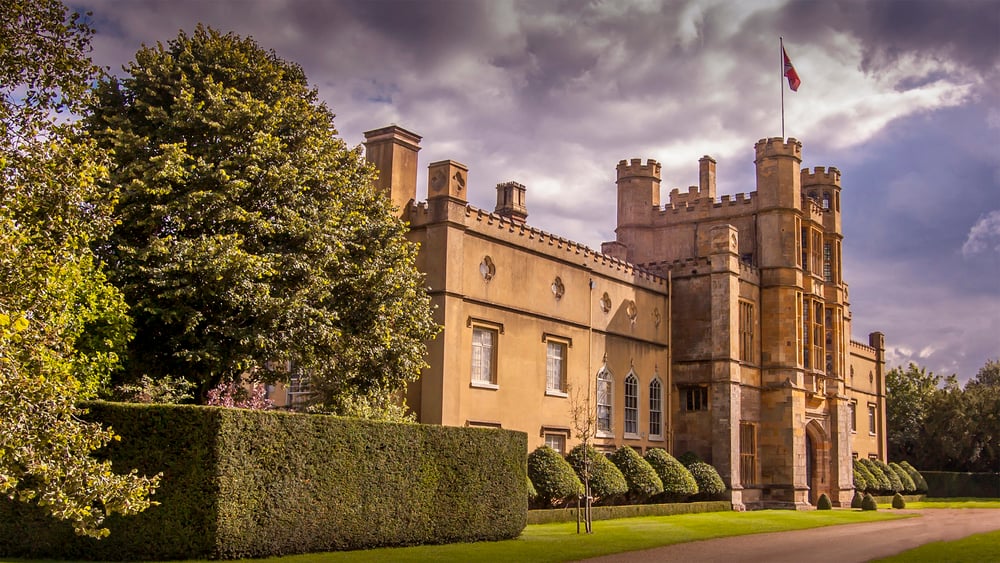
Coughton Court, built by the Throckmorton family in the mid-1500s, is one of the great recusant manor houses of England. Like Harvington Hall, it was built with concealment as part of its design — hidden spaces for Catholic priests, passages that allowed movement without crossing visible corridors.
A passage found hidden behind a false fireplace during early twentieth century renovation had been undetected for approximately three hundred years. The full extent of the house’s concealed architecture is still considered uncertain by researchers.
Bodiam Castle, East Sussex, England
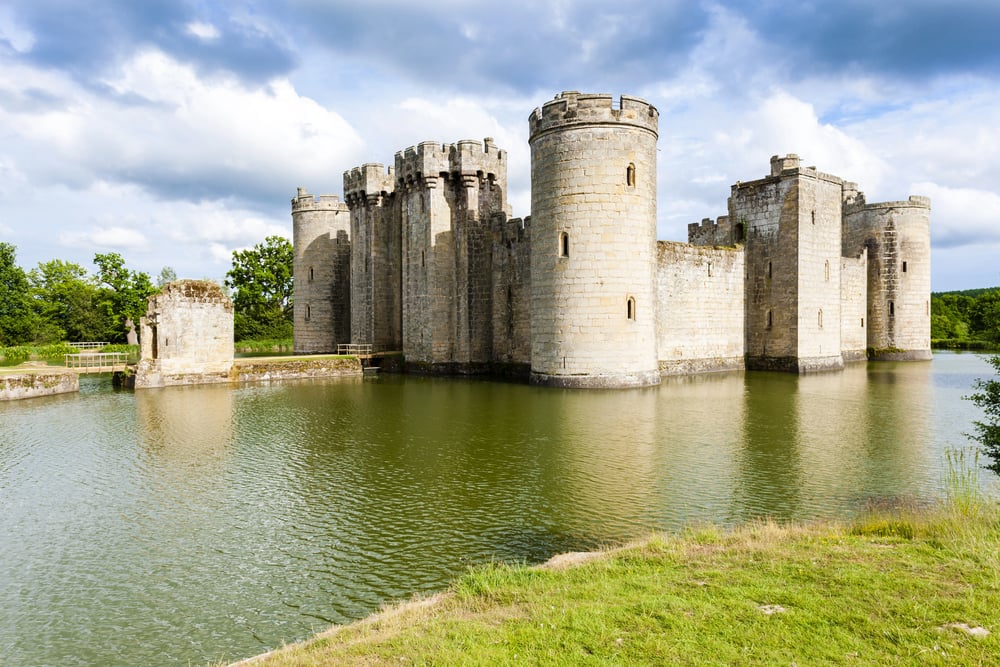
Bodiam Castle, built in 1385 by Sir Edward Dalyngrigge, appears from the outside to be the archetypal English medieval fortress — square, moated, with four corner towers. Its interior conceals a passage running within the wall of the gatehouse that is not obvious from either the interior or exterior of the structure.
Archaeological surveys conducted in the 20th century revealed spaces within Bodiam’s walls that had not been included in any architectural survey previously conducted, suggesting that aspects of the original design were either undocumented or had been deliberately obscured.
The Tower of London, England
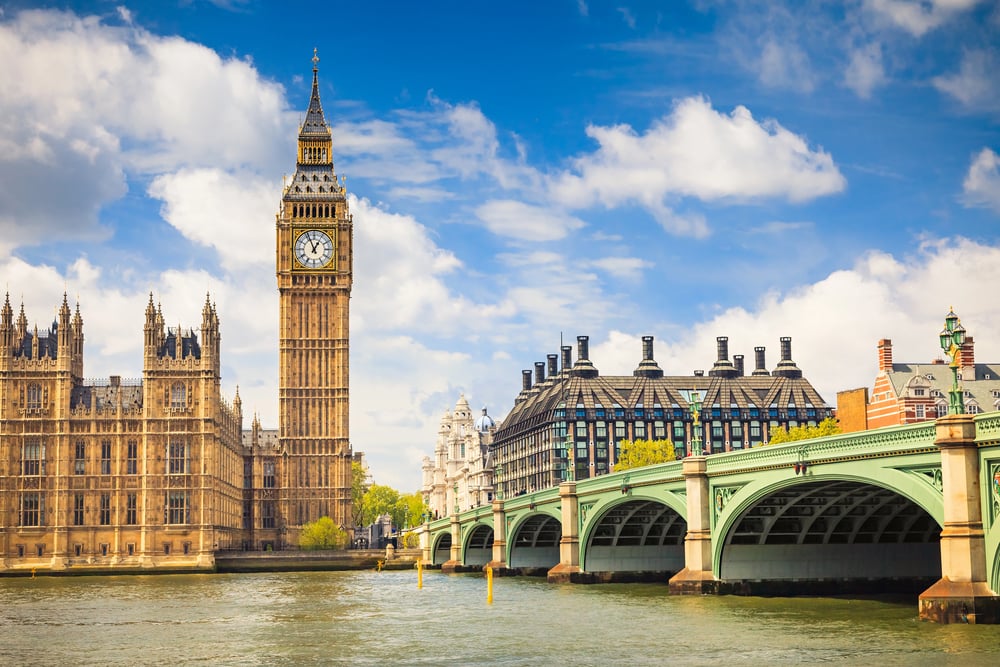
The Tower of London contains a network of passages within its walls and beneath its grounds that accumulated over nine centuries of use. A hidden chamber within the White Tower — the original Norman keep — was discovered in the Victorian era and attributed to use as a hiding place during periods of political danger.
Beyond this, the Tower’s subterranean network extends under the outer walls in ways that have only been partly mapped. As one of the world’s most examined historical buildings, the Tower’s continued capacity to produce undocumented spaces says something about the complexity of what medieval builders were capable of concealing.
Quinta da Regaleira, Sintra, Portugal
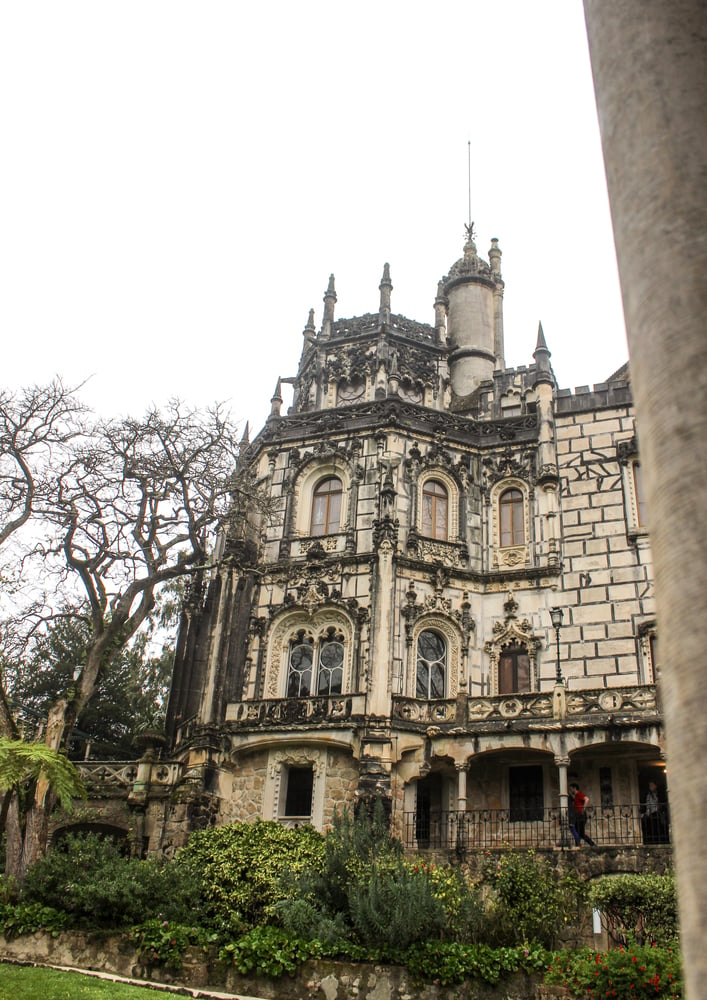
Quinta da Regaleira is a palace and estate in Sintra, Portugal, built at the turn of the twentieth century but incorporating references to medieval and Masonic symbolism throughout. Its grounds contain two deep initiation wells — vertical shafts plunging approximately 27 metres underground, each surrounded by a gothic spiral staircase.
The wells connect to an extensive tunnel network beneath the estate, linking garden features and allowing movement underground between structures that appear separated on the surface. The tunnel system was designed into the estate but its full extent was not publicly documented until archaeological surveys were conducted after the property passed to the Sintra municipality.
Hartenfels Castle, Germany
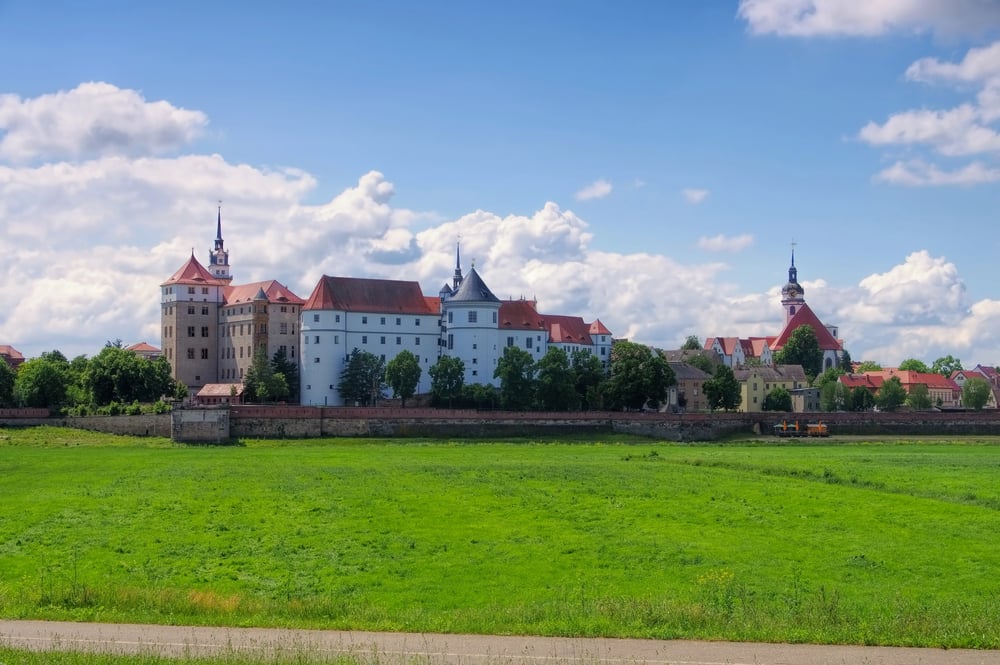
Hartenfels Castle in Torgau, Saxony, served as a primary residence of the Elector of Saxony in the sixteenth century and contains passages within its walls that were discovered only during extensive renovation work in the twentieth century. The passages, running between the main residential building and the outer defensive structures, were sealed at some point during the castle’s post-Reformation history and removed from institutional memory.
When restorers working on the stonework found unexpected cavities, they initially assumed structural damage. Subsequent investigation revealed a deliberate architectural network that the builders had taken considerable care to conceal from casual inspection.
What the Wall Always Knew
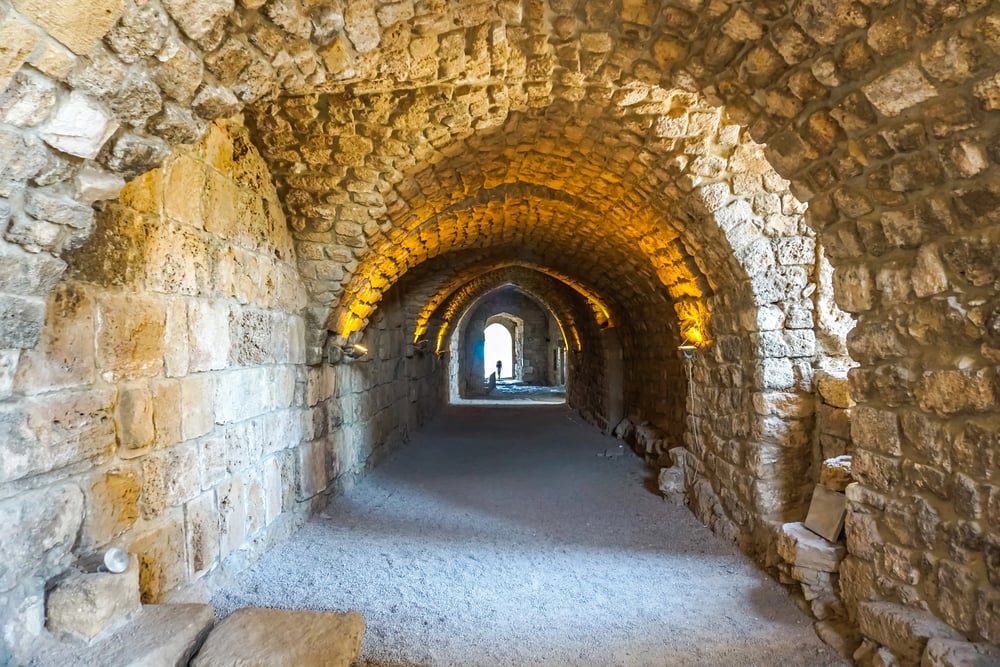
The passageways in this list were built by people who understood something that is easy to forget about the medieval world: being visible was a form of vulnerability. The ability to move without being seen was not merely a military calculation — it was a form of power, a hedge against the moment when the alliance shifted, the garrison turned, or the enemy arrived at the gate faster than expected.
Builders encoded these routes into the structure and then kept them secret, sometimes so successfully that the secrets outlasted the people who made them. That’s what makes these tunnels strange — not the architecture, but the silence.
The passages existed for centuries with no one to tell, carrying their purpose through the stone, waiting to be found by someone with a radar scanner or a curious chisel, centuries after the threat that prompted their construction had long since passed.
More from Go2Tutors!

- The Romanov Crown Jewels and Their Tragic Fate
- 13 Historical Mysteries That Science Still Can’t Solve
- Famous Hoaxes That Fooled the World for Years
- 15 Child Stars with Tragic Adult Lives
- 16 Famous Jewelry Pieces in History
Like Go2Tutors’s content? Follow us on MSN.



