25 Comic Books People Toss Without Checking
A box of old comics looks disposable to most people clearing out a garage. The paper is cheap, the covers are soft and creased, and the entire stack seems like an obvious candidate for the recycling bin.
But a handful of specific issues, printed on that same cheap paper decades ago, are worth checking before anything gets thrown away.
Action Comics No. 1 (1938)
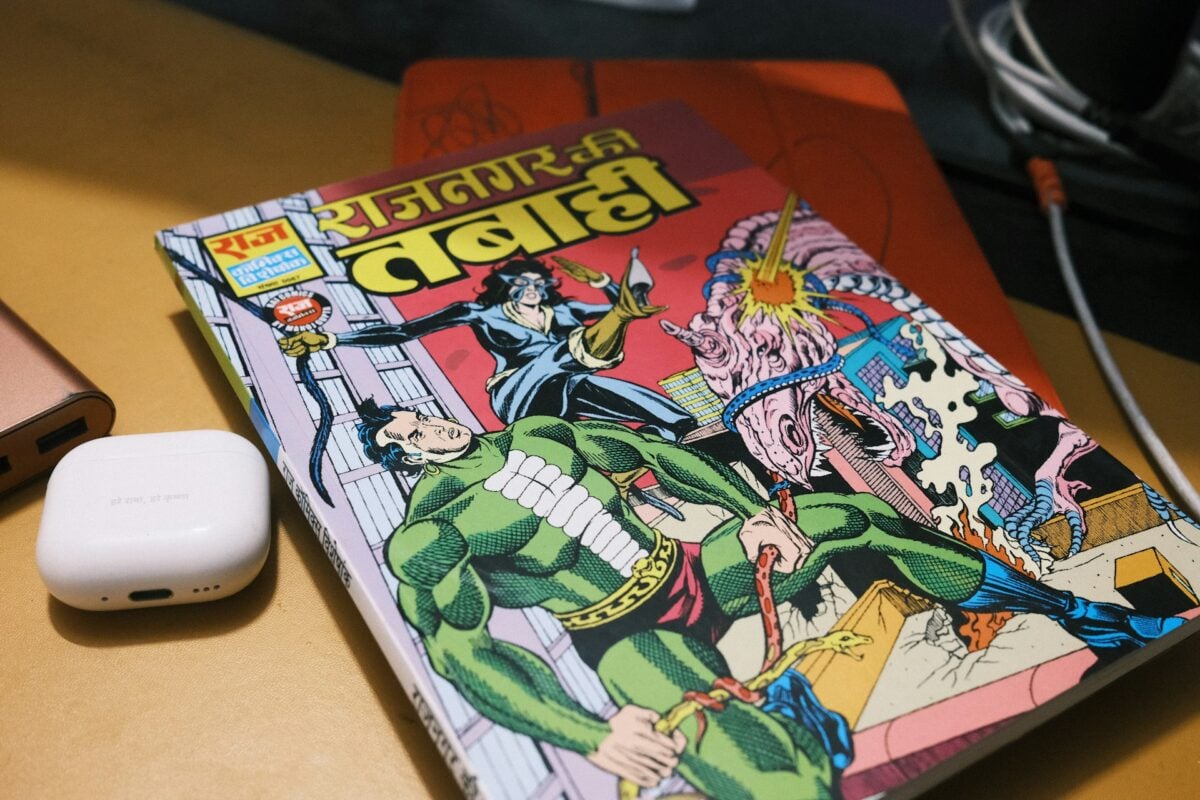
The comic that introduced Superman to the world, published by National Allied Publications in 1938, is the single most valuable comic book in existence, with a high-grade copy having sold at auction for tens of millions of dollars. Almost nobody is going to find a first printing sitting in an attic box, but the fact that copies still occasionally surface in estate sales is exactly why every comic collector checks a cover before assuming a stack is worthless.
Even a heavily worn, low-grade copy, missing a cover or with major restoration, can still be worth a substantial sum simply because the issue is so historically significant.
Detective Comics No. 27 (1939)
Batman’s first appearance, published by National Allied Publications in 1939, is the second most valuable comic book after Action Comics No. 1, with high-grade copies having sold for millions of dollars at auction. Like the Superman debut, genuinely finding one is exceedingly rare, but the issue is a standard reference point for why checking a box of old comics before discarding it is worth the ten minutes it takes.
Amazing Fantasy No. 15 (1962)
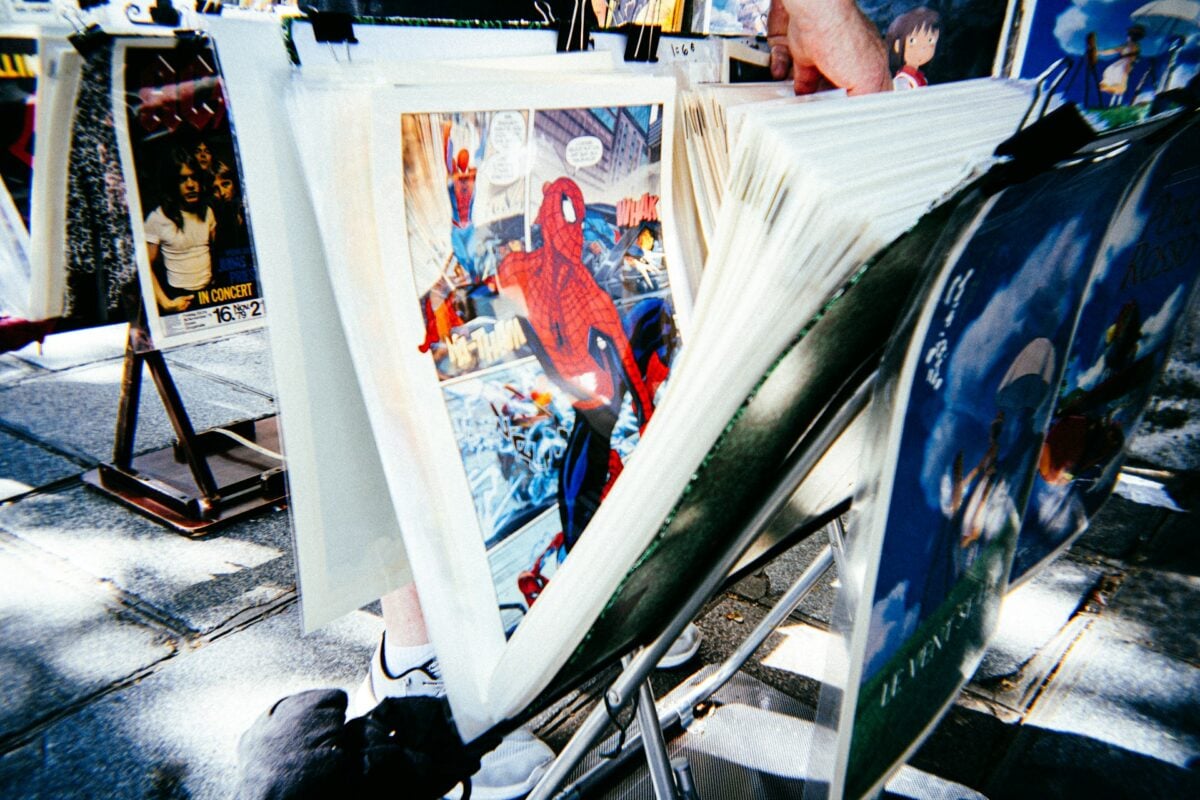
Spider-Man’s debut appearance, published by Marvel Comics in 1962 as the final issue of the Amazing Fantasy series before it was canceled and relaunched around the new character, regularly sells for six or seven figures in high grade.
Even well-worn, low-grade copies with significant damage have sold for tens of thousands of dollars, which makes this one of the more realistic finds compared to the Golden Age issues above, since Marvel printed and distributed comics far more widely by the 1960s.
The Incredible Hulk No. 1 (1962)
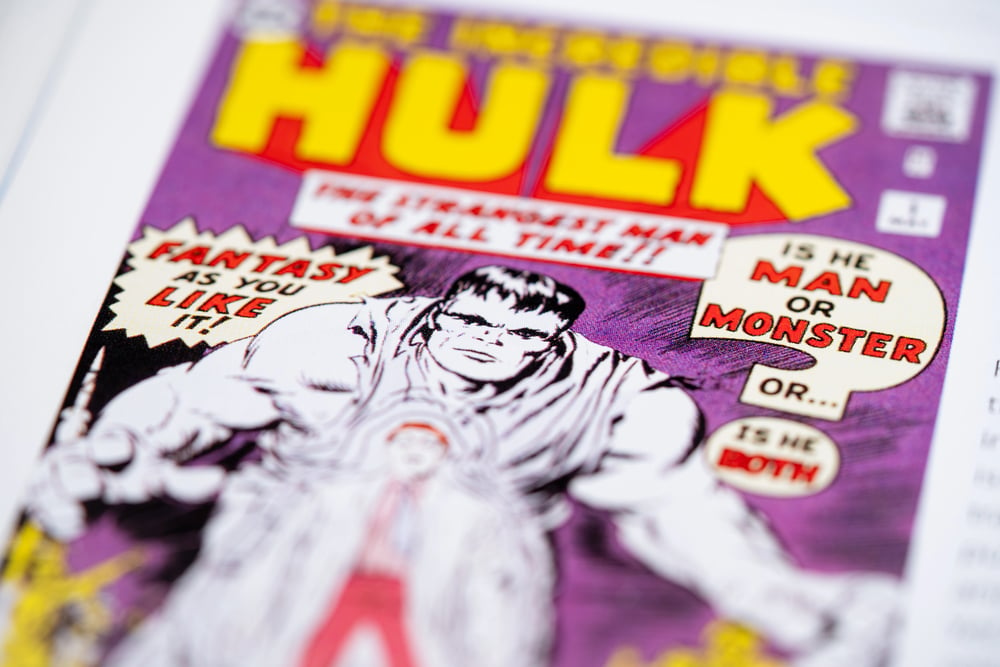
Marvel’s first appearance of the Hulk, published in 1962, is notable partly because the character’s skin color changed between printings within the same first issue, from gray to green, a printing inconsistency that collectors track closely when grading and authenticating copies.
High-grade copies have sold for hundreds of thousands of dollars, and even a heavily read, low-grade copy is typically worth several thousand.
X-Men No. 1 (1963)
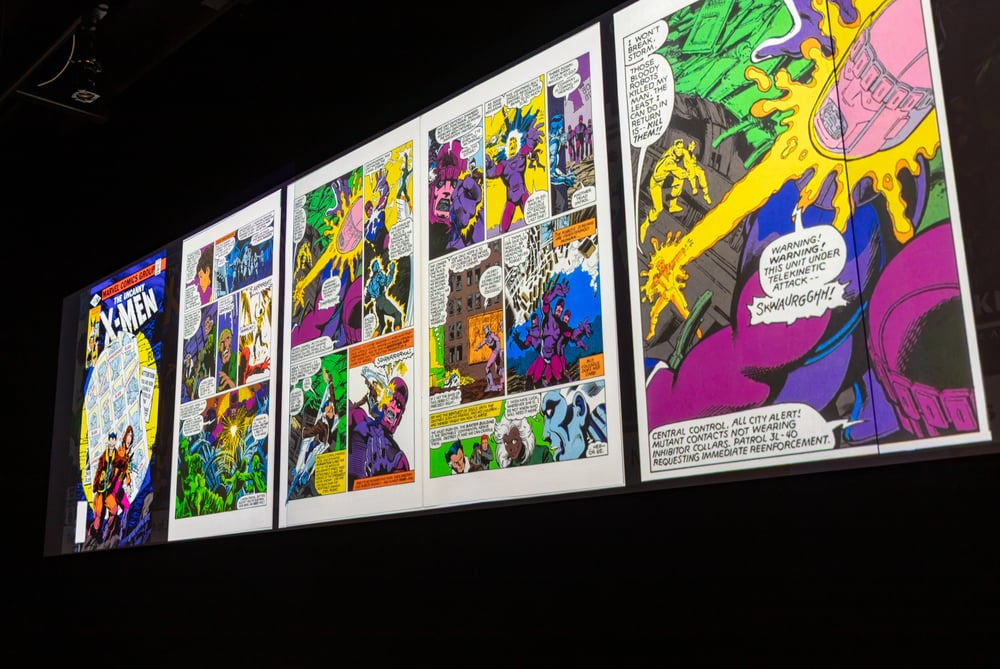
— Photo by brunocoelhopt
Marvel’s original team of mutants debuted in this 1963 issue, and while it predates the character roster most readers know from later decades, it remains one of the most consistently valuable Silver Age comics on the market.
High-grade copies have sold for well over $100,000, with even modest-condition copies commanding several thousand dollars given the character franchise’s enduring popularity.
Fantastic Four No. 1 (1961)
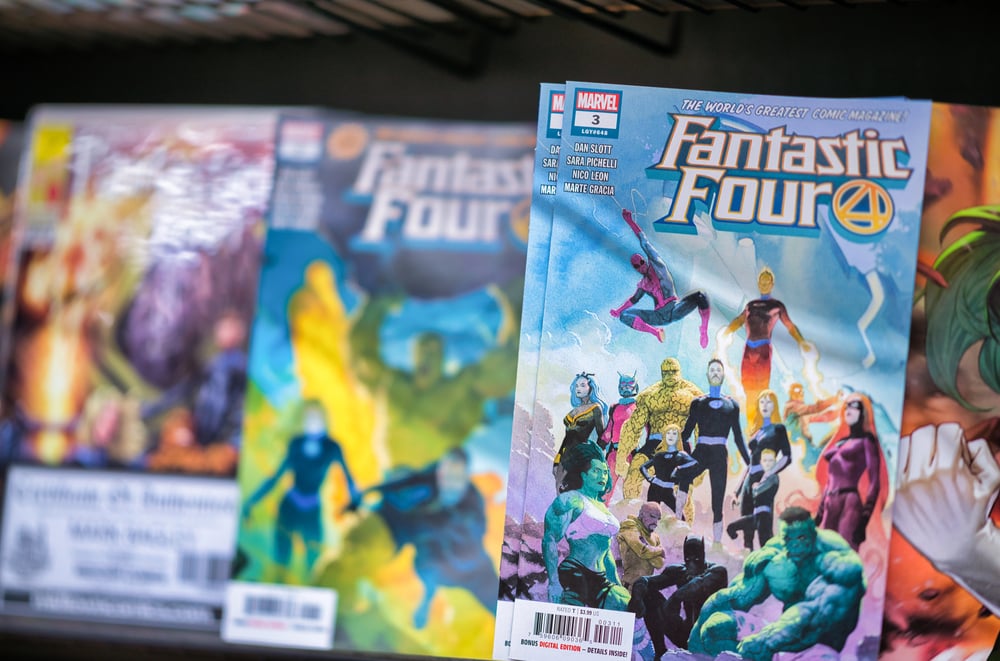
— Photo by jovannig
Widely credited with launching the Marvel Comics line as readers now understand it, Fantastic Four No. 1 from 1961 introduced the team that Stan Lee and Jack Kirby built much of the company’s subsequent universe around.
High-grade copies have sold for hundreds of thousands of dollars, and the issue’s historical importance to the entire Marvel line keeps demand strong even for lower-grade copies.
Tales of Suspense No. 39 (1963)
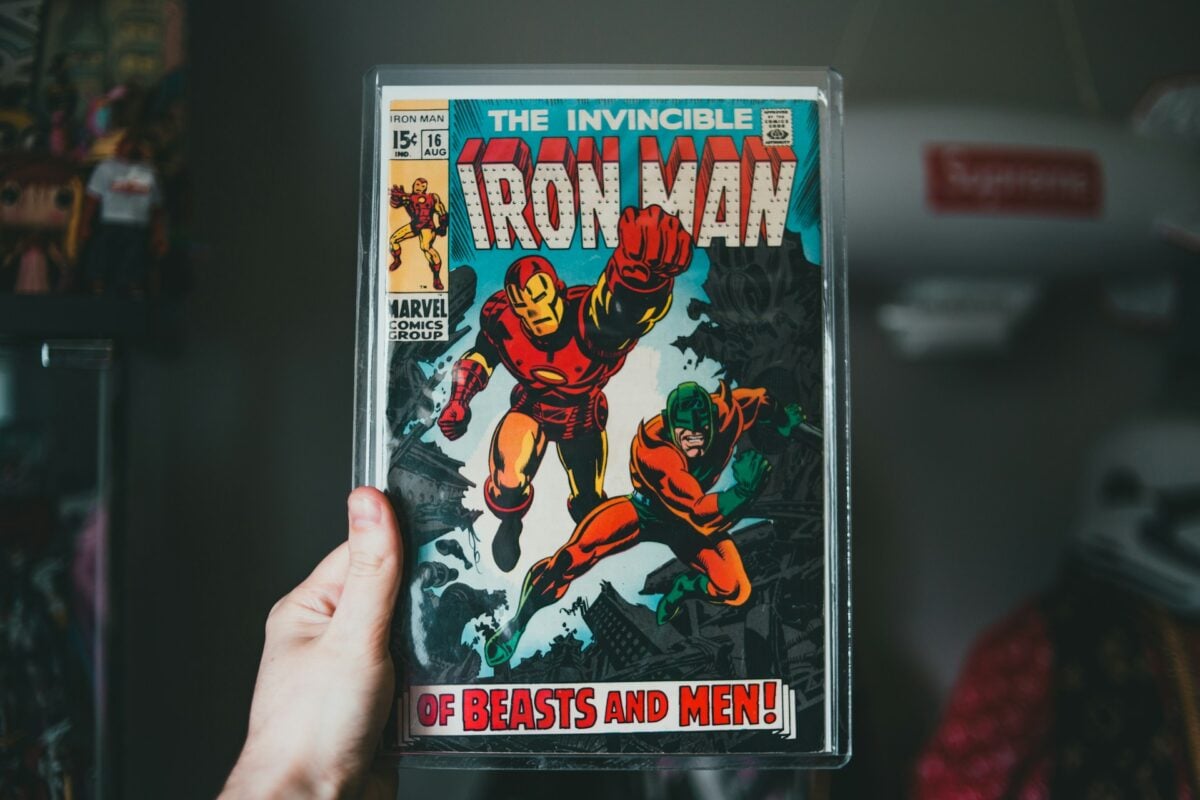
Iron Man’s first appearance came in this 1963 issue of the anthology series Tales of Suspense, before the character eventually earned his own dedicated title later in the decade. High-grade copies have sold for well over $100,000, and the issue is a frequent target for buyers specifically building a collection around Marvel’s earliest individual superhero debuts.
Journey Into Mystery No. 83 (1962)
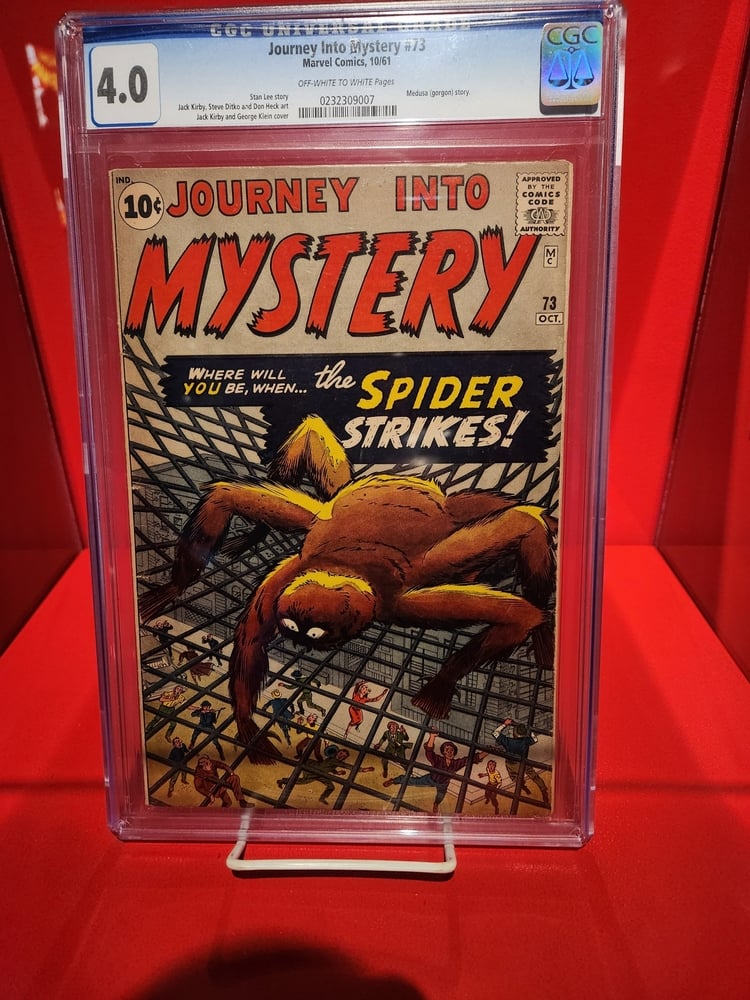
Thor’s first appearance in the Marvel universe came in this 1962 issue of the anthology series Journey Into Mystery, years before the character’s stories moved to a self-titled book. High-grade copies have sold for tens of thousands of dollars, with the issue’s significance as one of the founding pillars of the Marvel superhero line keeping demand steady even among casual collectors who recognize the character from the film.
Avengers No. 1 (1963)
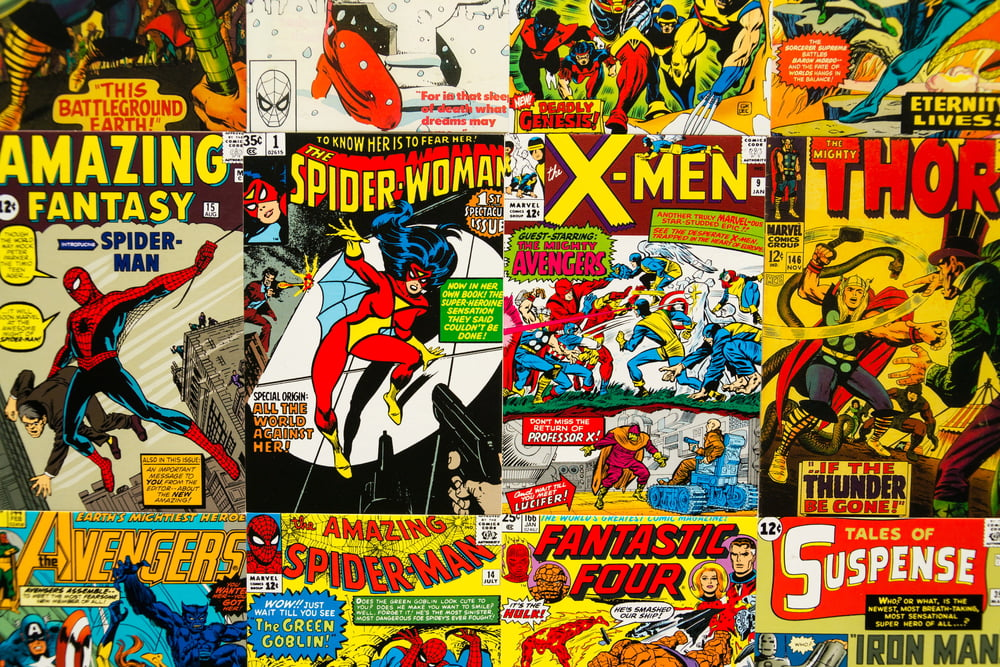
Marvel’s first team-up of its major individual heroes debuted in this 1963 issue, assembling characters who had each previously appeared in their own separate titles. High-grade copies have sold for hundreds of thousands of dollars, and the issue’s role in establishing the shared-universe team format makes it one of the most commonly searched-for keys among people checking an inherited collection.
Batman No. 1 (1940)
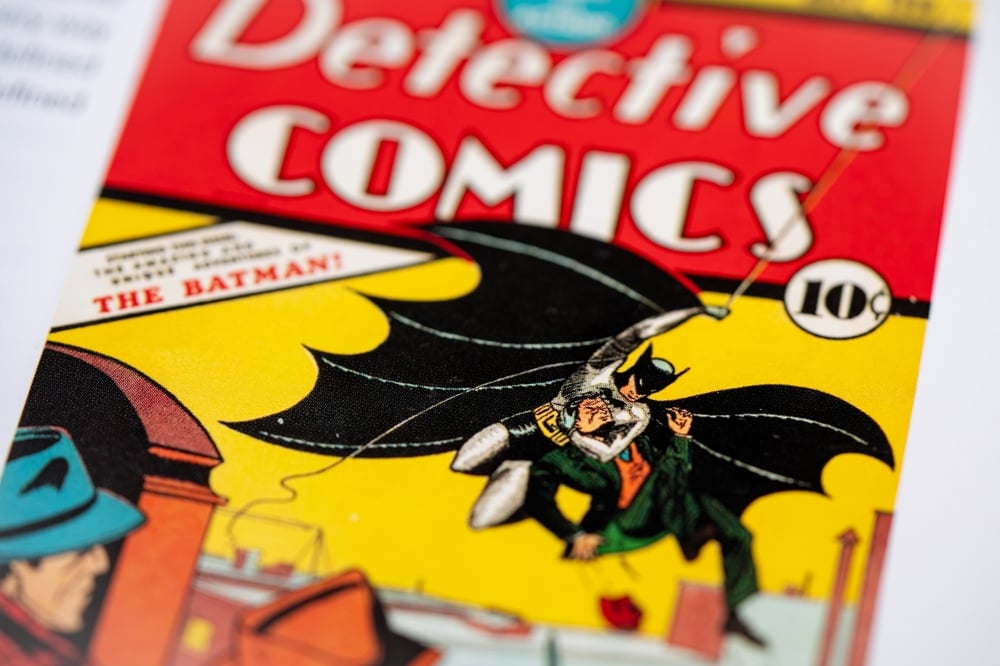
Following his debut appearance in Detective Comics, Batman received his own self-titled series in 1940, an issue that also introduced both the Joker and Catwoman as recurring characters. High-grade copies have sold for well over a million dollars, and even significantly worn, low-grade copies have sold for tens of thousands, reflecting how central this issue is to the character’s entire publishing history.
Superman No. 1 (1939)
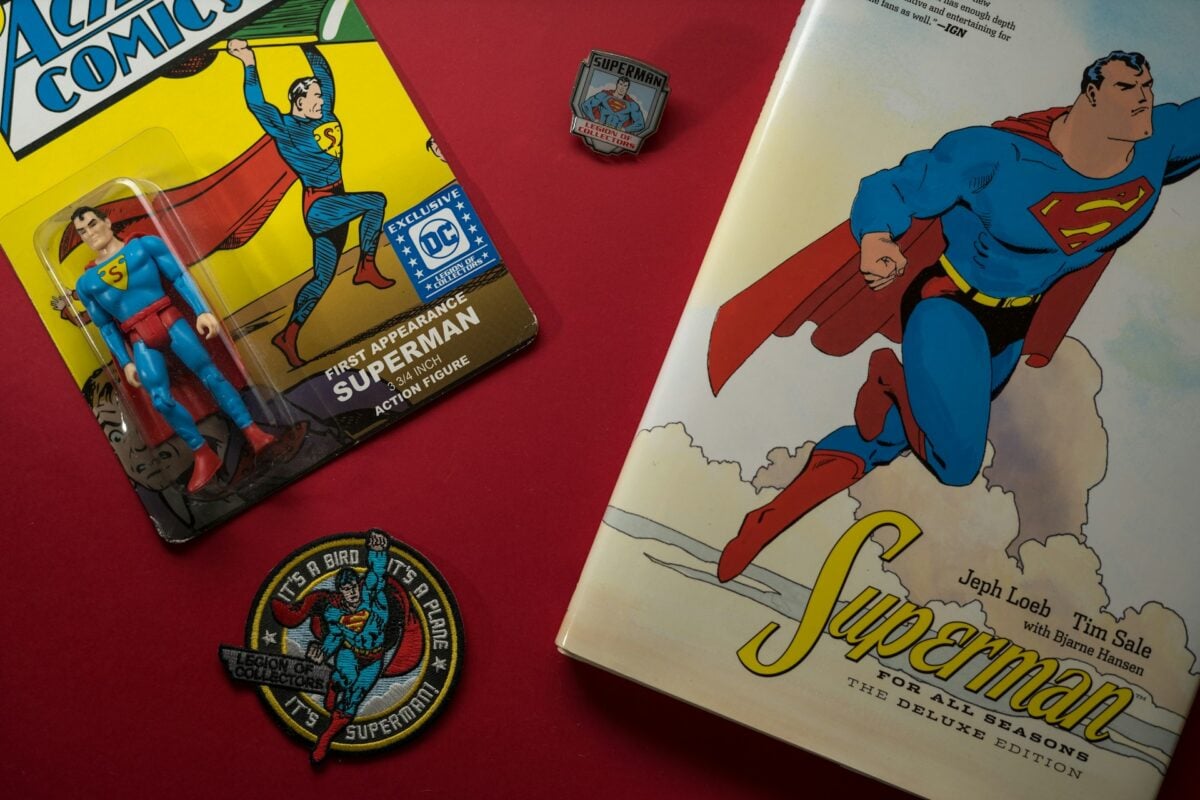
Following his debut in Action Comics, Superman received his own self-titled series in 1939, reprinting some earlier material alongside new stories. High-grade copies have sold for over a million dollars at auction, and the issue remains a benchmark reference point for the value of Golden Age superhero comics generally.
Captain America Comics No. 1 (1941)
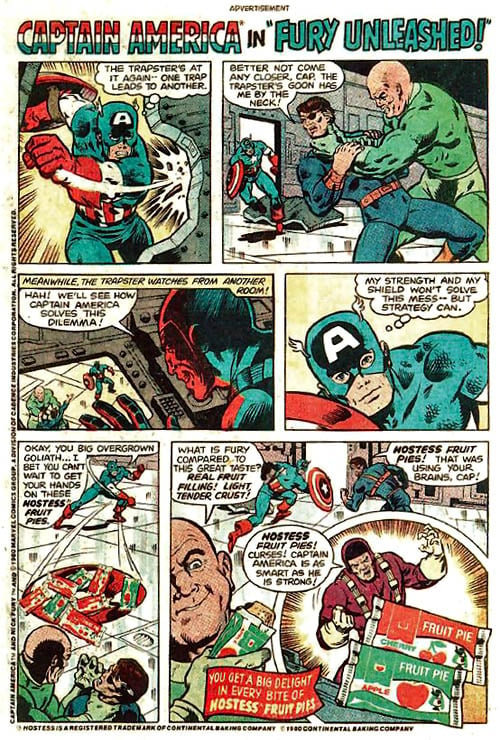
Timely Comics, the company that would eventually become Marvel, published the character’s debut in 1941 with a now-famous cover depicting Captain America punching Adolf Hitler, released before the United States formally entered the Second World War.
High-grade copies have sold for over a million dollars, and the cover’s wartime political statement is frequently cited as part of what makes the issue historically significant beyond its value as a character debut.
Whiz Comics No. 2 (1940)

Whiz Comics No. 2, published by Fawcett Comics in 1940 and numbered as the second issue despite functioning as the character’s actual first appearance, introduced Captain Marvel, later known as Shazam after a lengthy trademark dispute with DC Comics changed the character’s branding.
High-grade copies have sold for hundreds of thousands of dollars, and the issue’s confusing numbering history is itself a detail that specialist collectors know to check for when authenticating a copy.
Green Lantern No. 1 (1960)
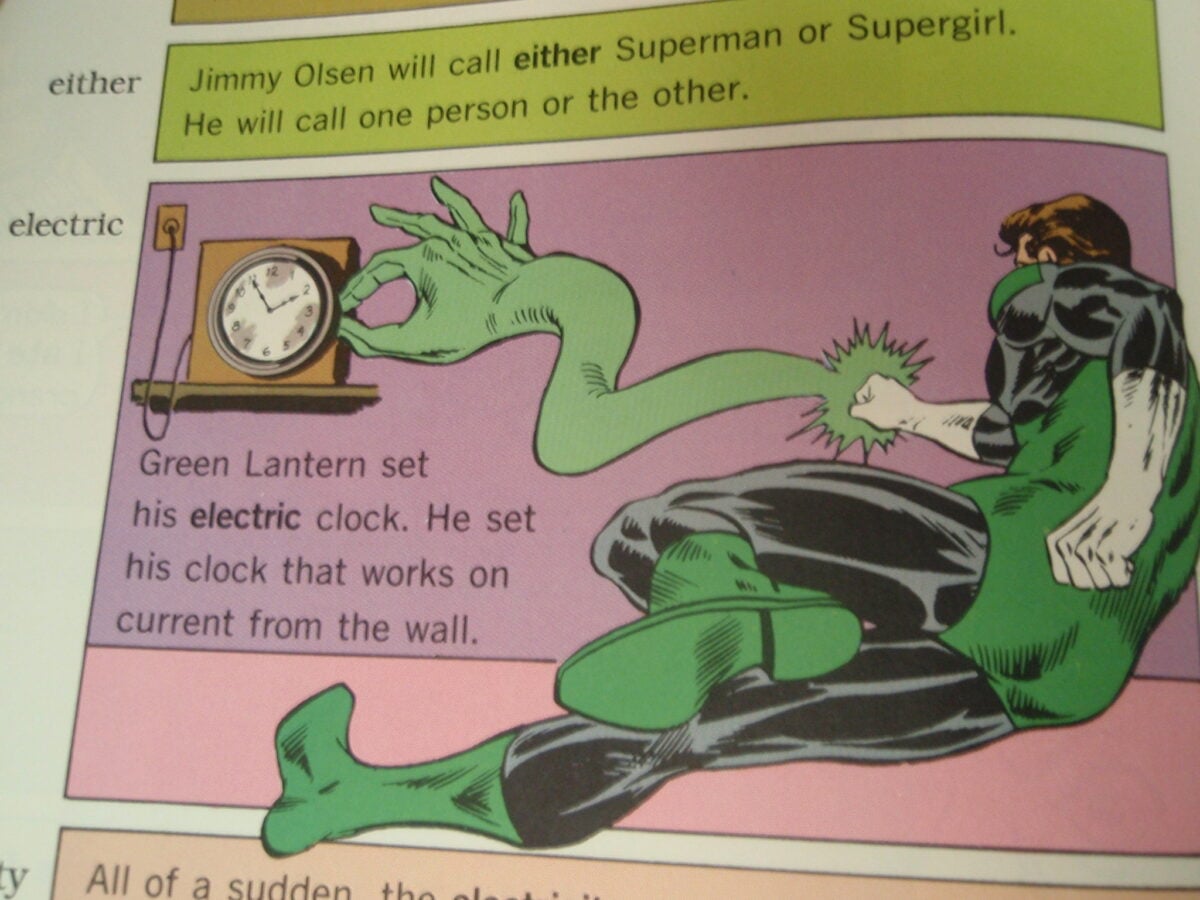
DC’s Silver Age revival of Green Lantern, introducing the Hal Jordan version of the character, debuted with its own numbered series in 1960 after the character first reappeared in a different anthology title.
High-grade copies have sold for tens of thousands of dollars, with the issue representing one of the clearer entry points for collectors interested in DC’s Silver Age superhero relaunches.
The Flash No. 105 (1959)
DC resumed numbering for The Flash at issue 105, continuing the numbering from the earlier canceled Flash Comics series, and this 1959 issue is generally credited as the true launch of the Silver Age version of the character with Barry Allen.
High-grade copies have sold for well over $100,000, and the issue is considered a foundational marker for the entire Silver Age era of superhero comics.
Archie Comics No. 1 (1942)
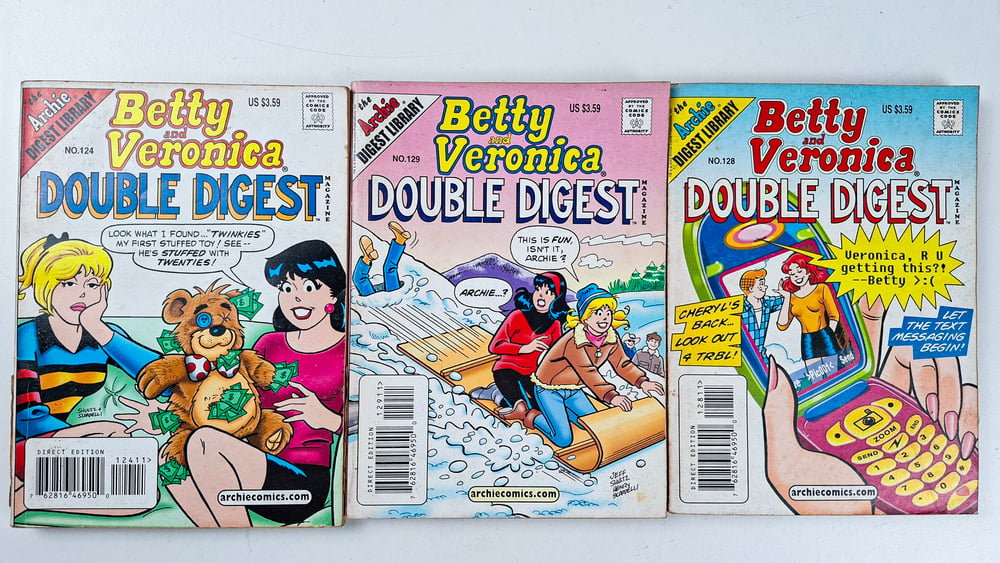
Archie Andrews had appeared earlier in a different title, but this 1942 self-titled debut launched the character into his own long-running series, one of the most commercially durable comics franchises in American publishing history.
High-grade copies have sold for tens of thousands of dollars, considerably less than the superhero keys above but still a genuine surprise to anyone who assumes only superhero comics carry value.
Walt Disney’s Comics and Stories No. 1 (1940)
Dell Comics launched this anthology title in 1940 featuring Disney characters including Mickey Mouse and Donald Duck, and it went on to become one of the best-selling comic series of its era despite rarely commanding attention from superhero-focused collectors today.
High-grade copies have sold for tens of thousands of dollars, a reminder that non-superhero titles from the same period can carry real value.
Uncle Scrooge No. 1 (1953)
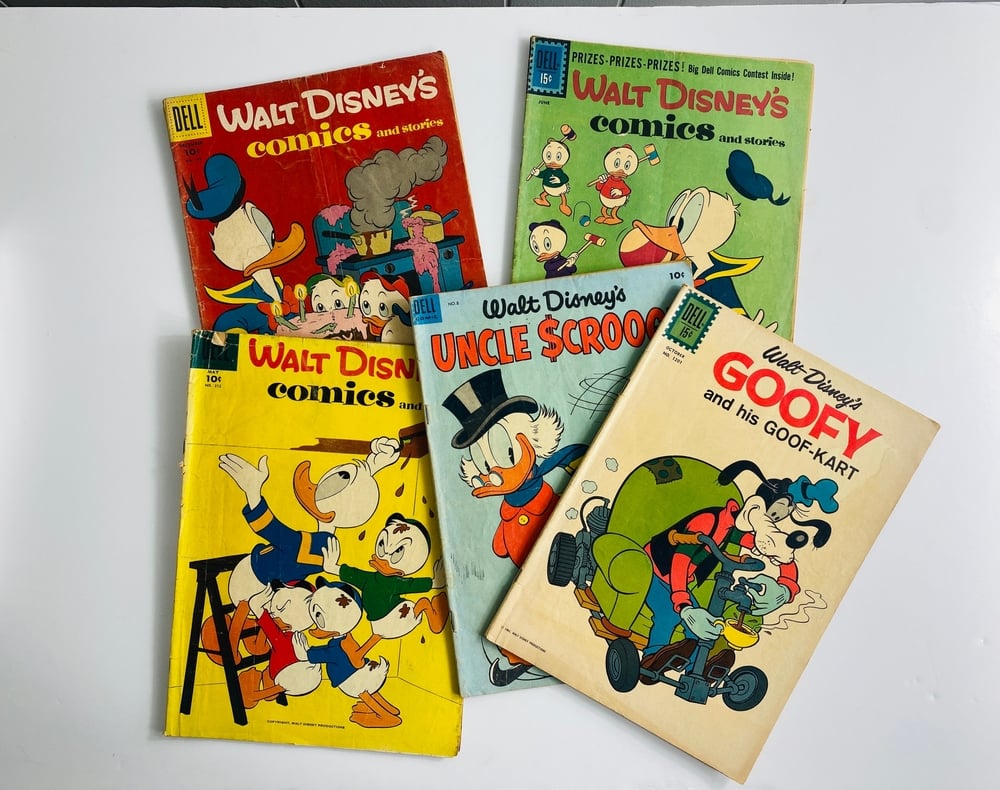
Carl Barks’s character Uncle Scrooge McDuck received his own self-titled Dell series beginning in 1953, following earlier appearances in Donald Duck stories, and Barks’s work on Disney duck comics is now recognized by comics historians as some of the finest cartooning of its era.
High-grade copies have sold for tens of thousands of dollars, with dedicated Barks and Disney-comics collectors representing a distinct buyer pool from the superhero collecting market.
Tomb of Dracula No. 10 (1973)

Marvel’s horror-comics line of the early 1970s produced its own set of valuable keys, and Tomb of Dracula No. 10 from 1973 is significant as the first appearance of the vampire hunter Blade, a character who later anchored a major film franchise decades afterward.
High-grade copies have sold for several thousand dollars, considerably more accessible than the Golden and early Silver Age keys but still a real surprise to anyone assuming 1970s comics carry no value.
Giant-Size X-Men No. 1 (1975)
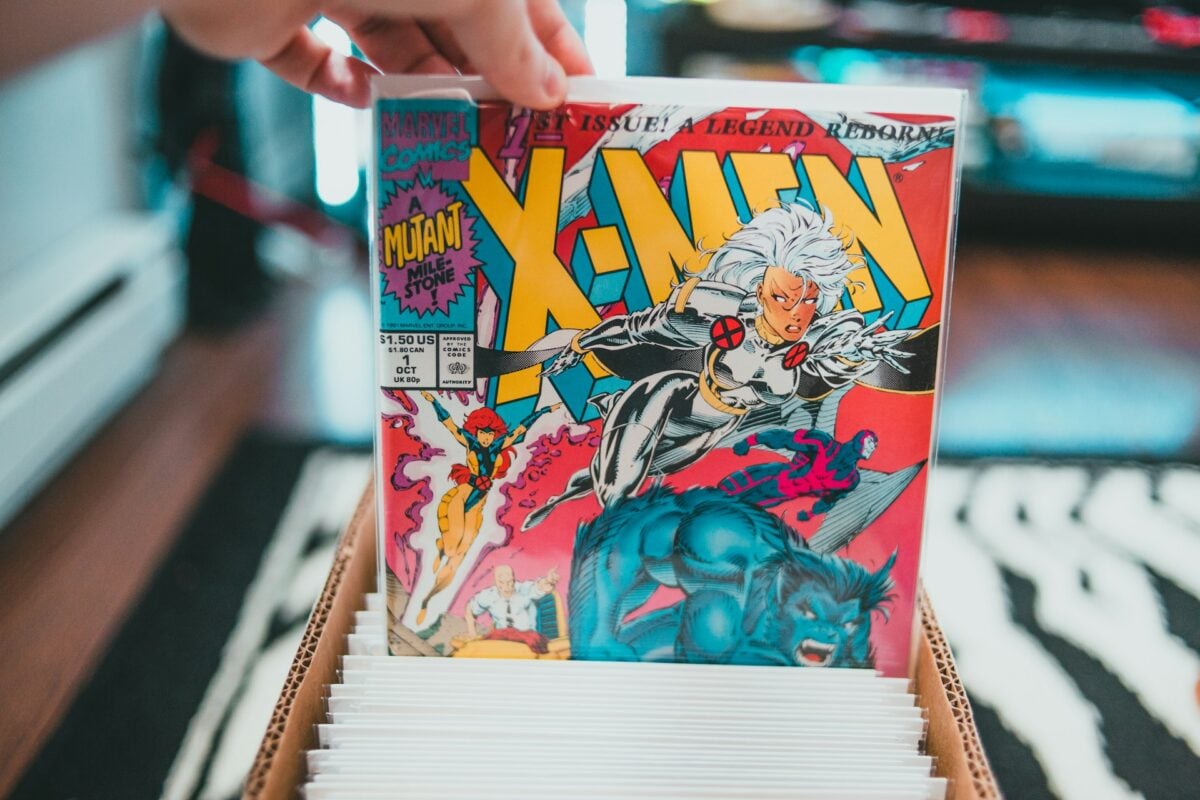
This 1975 one-shot introduced the international lineup of X-Men characters that would define the franchise for decades afterward, including Storm, Wolverine’s proper introduction to the team, and Nightcrawler. High-grade copies have sold for tens of thousands of dollars, and the issue is one of the most commonly cited 1970s keys precisely because it launched the version of the X-Men franchise most readers actually recognize.
The Amazing Spider-Man No. 129 (1974)
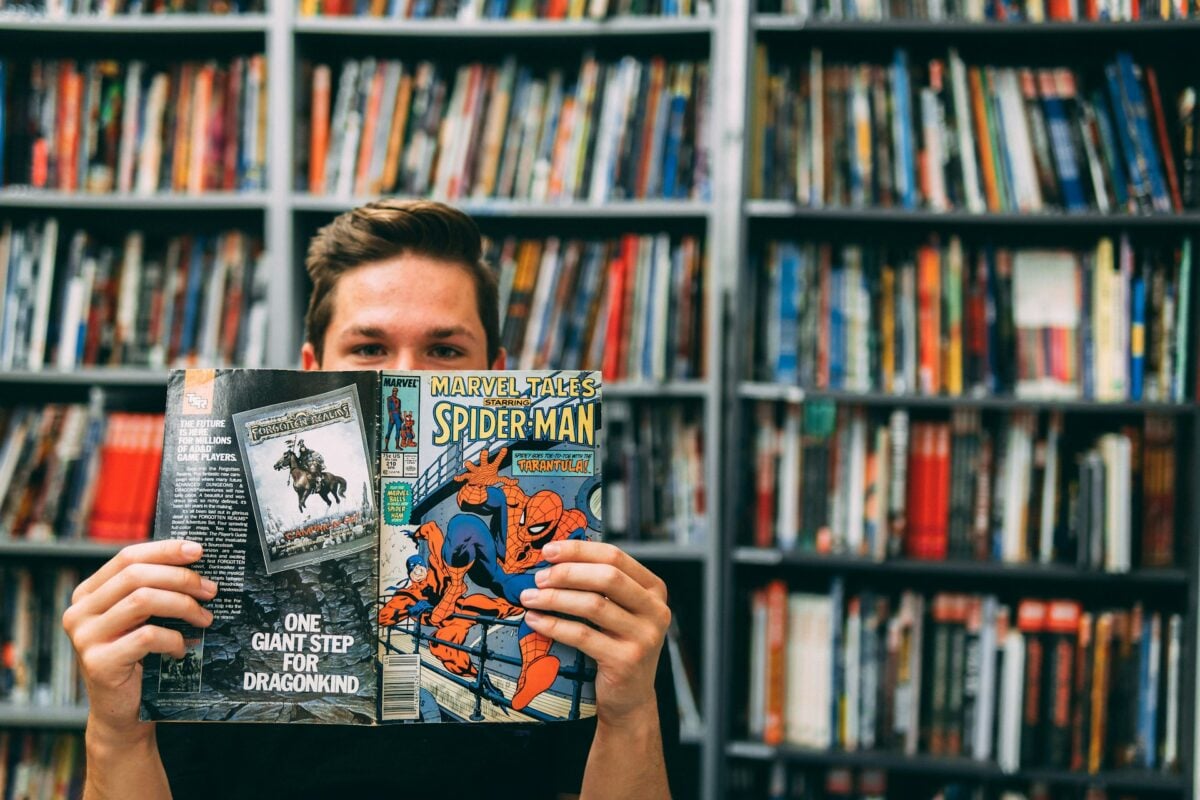
The first appearance of the Punisher came in this 1974 issue of Spider-Man’s main ongoing series, introducing a vigilante character who went on to headline his own long-running titles and film adaptations. High-grade copies have sold for several thousand dollars, another example of a 1970s Marvel key that surprises people who assume only Silver Age or earlier comics carry meaningful resale value.
Marvel Spotlight No. 5 (1972)
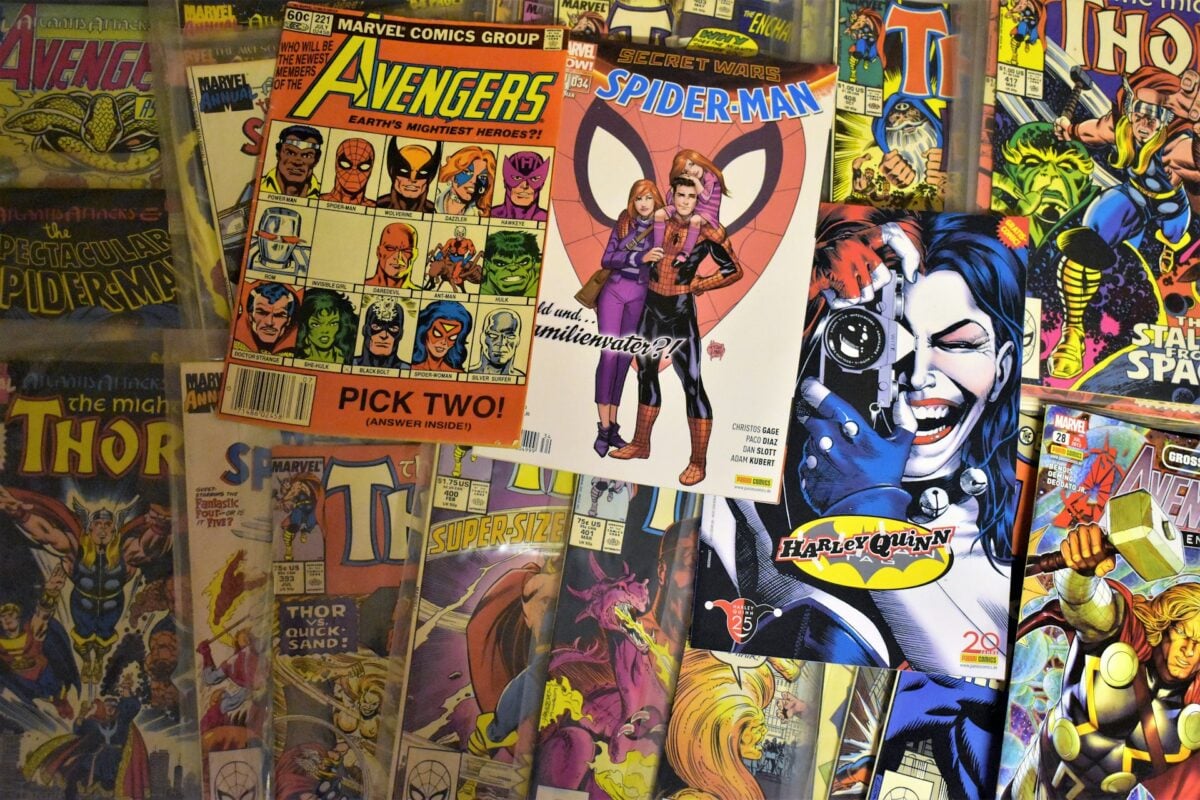
Ghost Rider’s first appearance came in this 1972 issue of the anthology series Marvel Spotlight, introducing the flaming-skulled stunt-rider character ahead of his own later ongoing series. High-grade copies have sold for several thousand dollars, with the character’s later film adaptations having kept collector interest in this key issue steady.
Detective Comics No. 359 (1967)
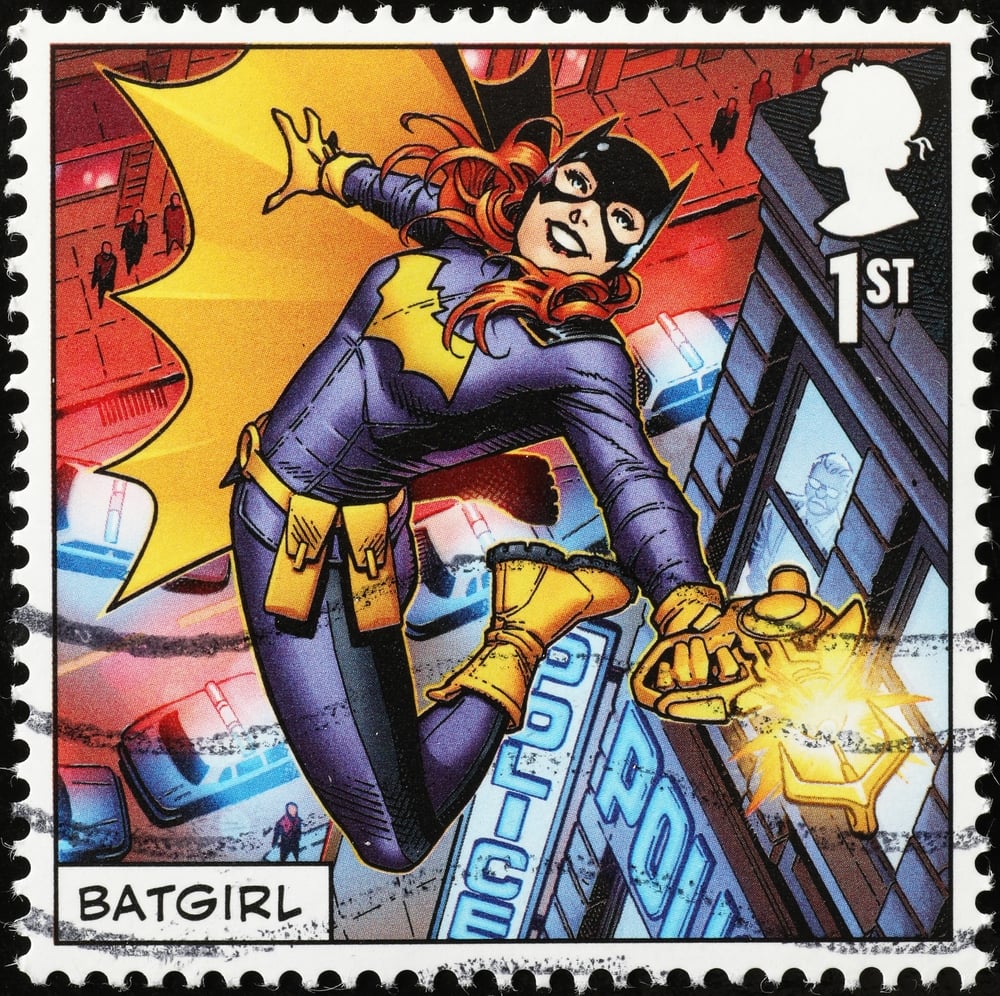
This 1967 issue introduced Barbara Gordon as Batgirl, a character who went on to a long publishing history and multiple television and film adaptations across subsequent decades. High-grade copies have sold for several thousand dollars, and the issue is a frequent target for collectors specifically focused on the debuts of major supporting and legacy characters rather than lead heroes.
The New Teen Titans No. 2 (1980)
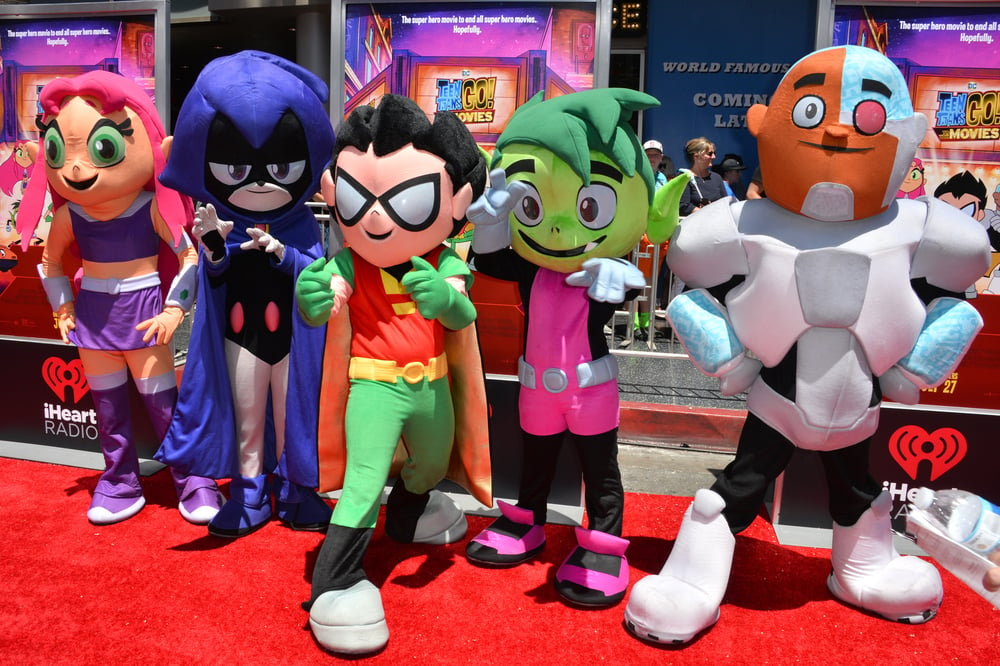
— Illustration by Featureflash
DC’s 1980 relaunch of the Teen Titans franchise, in its second issue, introduced the villain Deathstroke, a character who later became one of DC’s most consistently used antagonists across multiple media adaptations. High-grade copies have sold for several hundred dollars, a modest but real value that most people clearing out a 1980s comic collection would not expect.
Cerebus No. 1 (1977)

Dave Sim’s self-published independent comic Cerebus, launched in 1977 and eventually running for over two hundred issues under Sim’s own Aardvark-Vanaheim imprint, represents a different collecting category entirely, valued by collectors of independent and self-published comics rather than mainstream superhero collectors.
Early printings in good condition can sell for a few hundred dollars, a reminder that value in comic collecting is not limited to the major publishers at all.
What a Stack of Old Comics Actually Holds
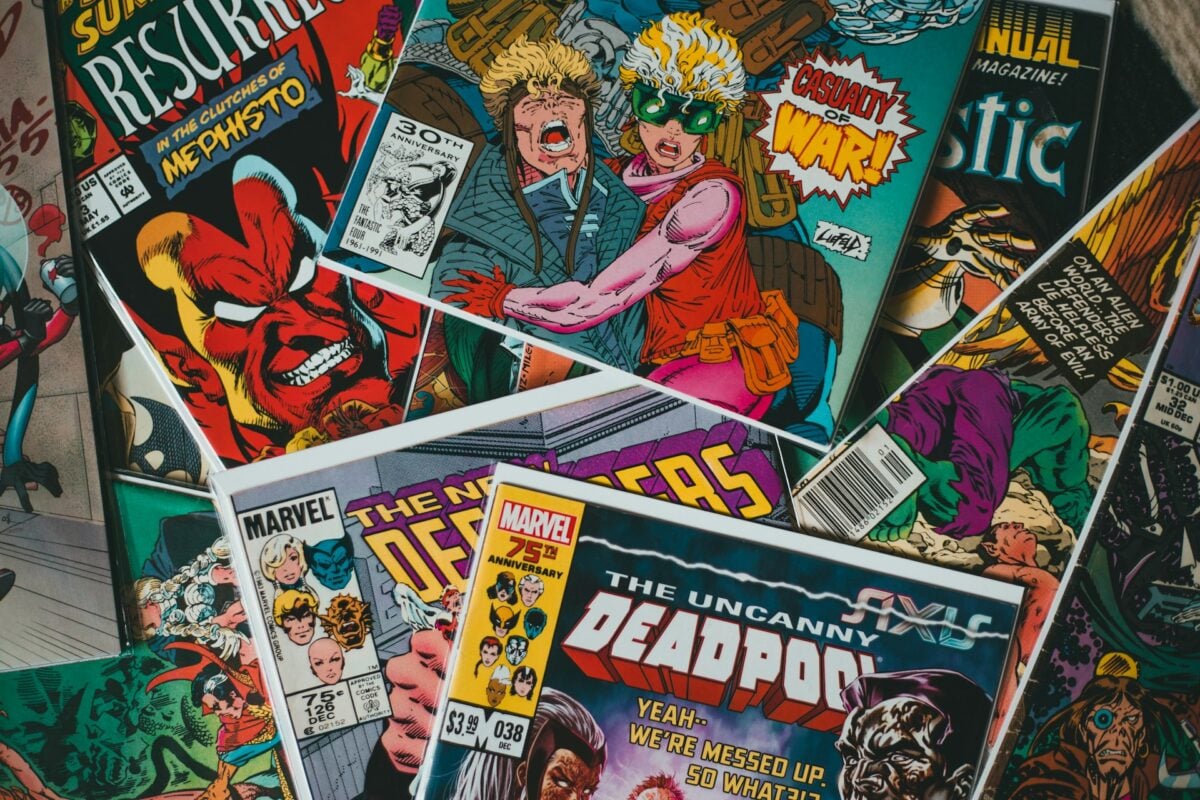
Most of what fills a longbox is genuinely worth very little, and no amount of hoping changes that. The comics on this list are worth checking precisely because they are the exceptions, printed on the same cheap paper as everything else in the box but carrying a specific first appearance or historical marker that changes everything about their value.
That is really the entire lesson of comic collecting: age alone means nothing, and even a well-loved, heavily creased copy of the right issue can outvalue a mint-condition stack of everything else combined. Ten minutes spent checking a cover against a known list of keys is a small price for the chance of finding one.
More from Go2Tutors!

- The Romanov Crown Jewels and Their Tragic Fate
- 13 Historical Mysteries That Science Still Can’t Solve
- Famous Hoaxes That Fooled the World for Years
- 15 Child Stars with Tragic Adult Lives
- 16 Famous Jewelry Pieces in History
Like Go2Tutors’s content? Follow us on MSN.



