25 Department Stores That Anchored Malls and Disappeared
or most of the twentieth century, a mall’s identity was built around its anchor department stores, the big-name retailers that pulled shoppers through the parking lot in the first place. Nearly all of the chains below once held that role somewhere in the country, and nearly all of them are gone now, absorbed, liquidated, or simply allowed to fade out.
F. W. Woolworth
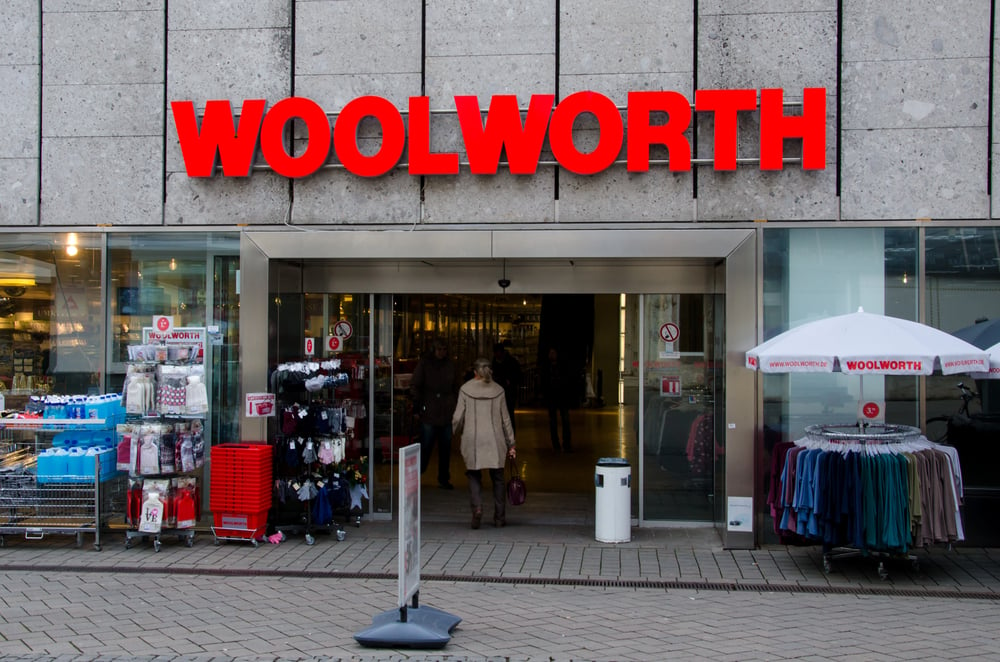
Frank Woolworth opened his first successful five-and-dime store in Lancaster, Pennsylvania, in 1879, pioneering the fixed-price, open-shelf shopping format that let customers handle merchandise themselves before buying. The chain grew into a global retail giant before closing its remaining American stores in 1997, though the company itself survived in a different form as the parent of Foot Locker.
Montgomery Ward
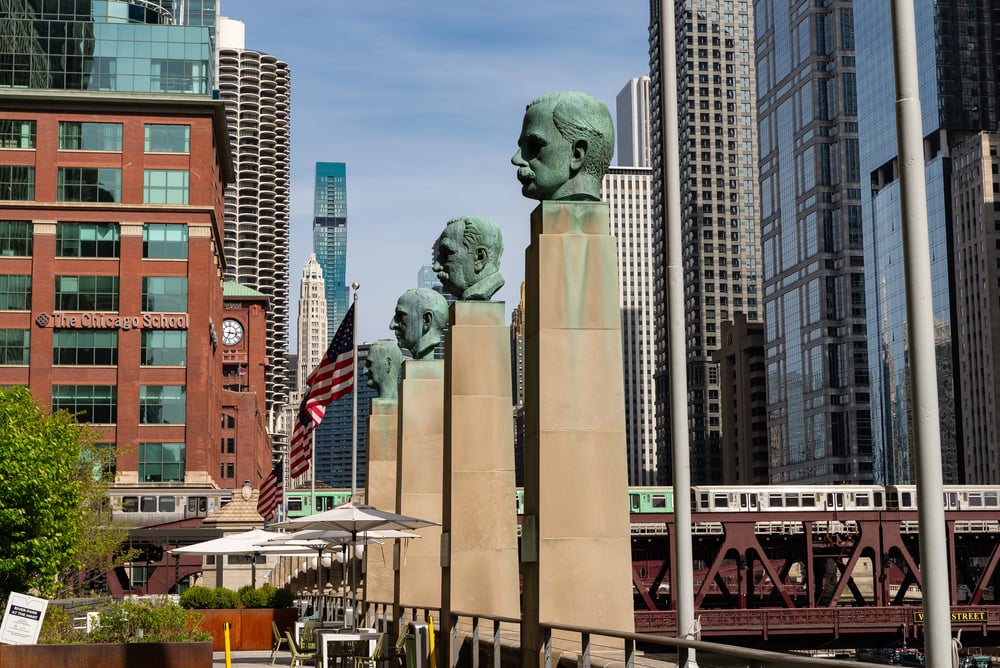
Aaron Montgomery Ward founded his mail-order catalog business in Chicago in 1872, targeting rural customers who had limited access to city retailers, and the company later expanded into physical department stores that anchored malls across the country by the mid-twentieth century. A first bankruptcy in 1997 led to a wave of closures, and a second filing in 2000 shut down the remaining 250 stores entirely.
Caldor
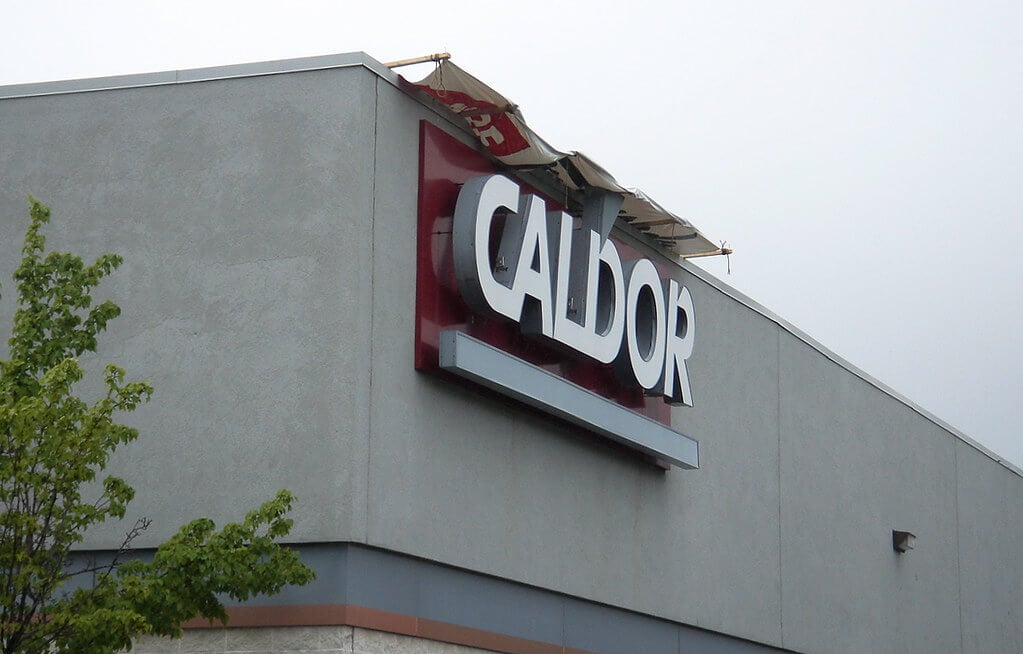
Carl and Dorothy Bennett combined their names to found Caldor in Connecticut in 1951, building a discount chain known for a relatively upscale presentation that earned it comparisons to Bloomingdale’s among discount retailers. Expansion into expensive markets just as Walmart and Target pushed into the Northeast strained the company financially, and Caldor liquidated its roughly 145 stores in 1999.
Bradlees
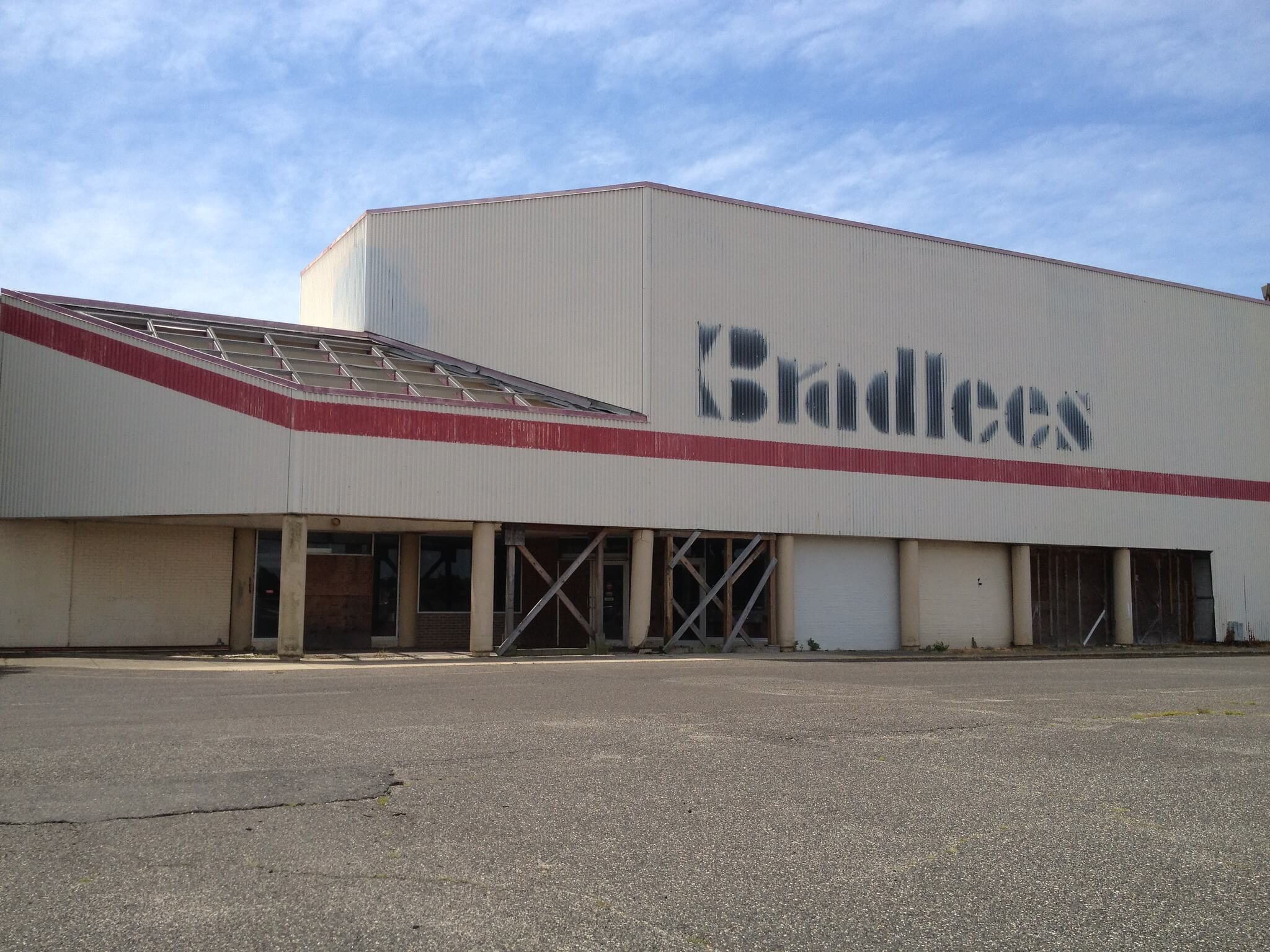
Bradlees grew from a single New England store into a regional discount chain long owned by supermarket operator Stop and Shop, known for the slogan “You’ve got a friend at Bradlees.” A 1995 bankruptcy led to store closures and a brief reorganization, but a second bankruptcy in 2000 proved fatal, and the chain’s final store closed in March 2001.
Ames
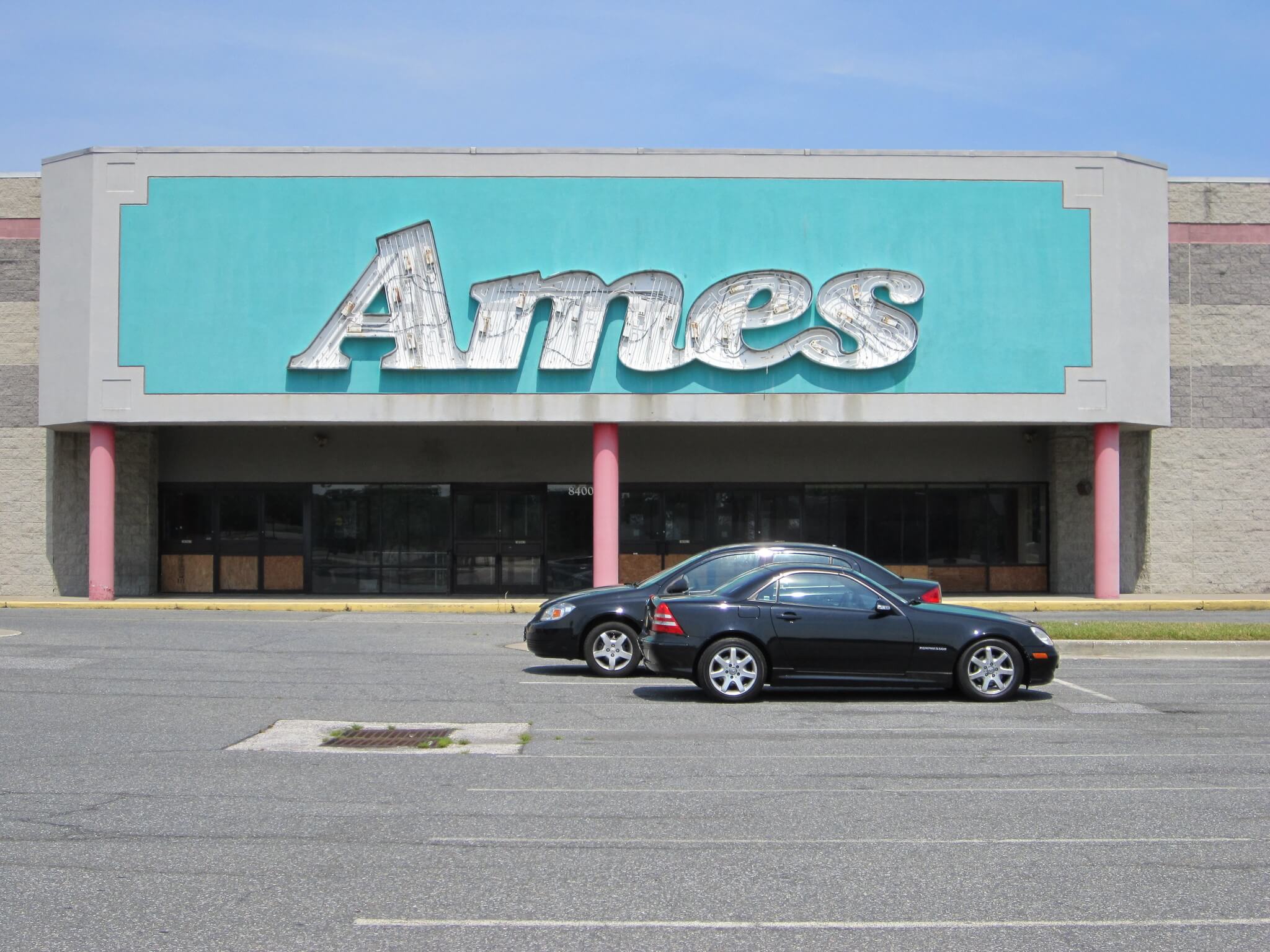
Based in Rocky Hill, Connecticut, Ames built a discount department store chain that at its peak operated roughly 700 locations across the country, absorbing former Bradlees locations after that chain’s earlier troubles. Ames filed for bankruptcy and dissolved entirely by 2002, unable to compete with the growing national footprint of larger discount chains.
Filene’s
Filene’s opened in Boston as a family business before growing into a fixture of New England shopping malls throughout the twentieth century, eventually becoming known nationally for the bargain-hunting tradition of its Filene’s Basement offshoot. Federated Department Stores acquired the parent company in 2005 and rebranded all remaining Filene’s stores as Macy’s within a year, formally retiring the name in 2006.
B. Altman and Company
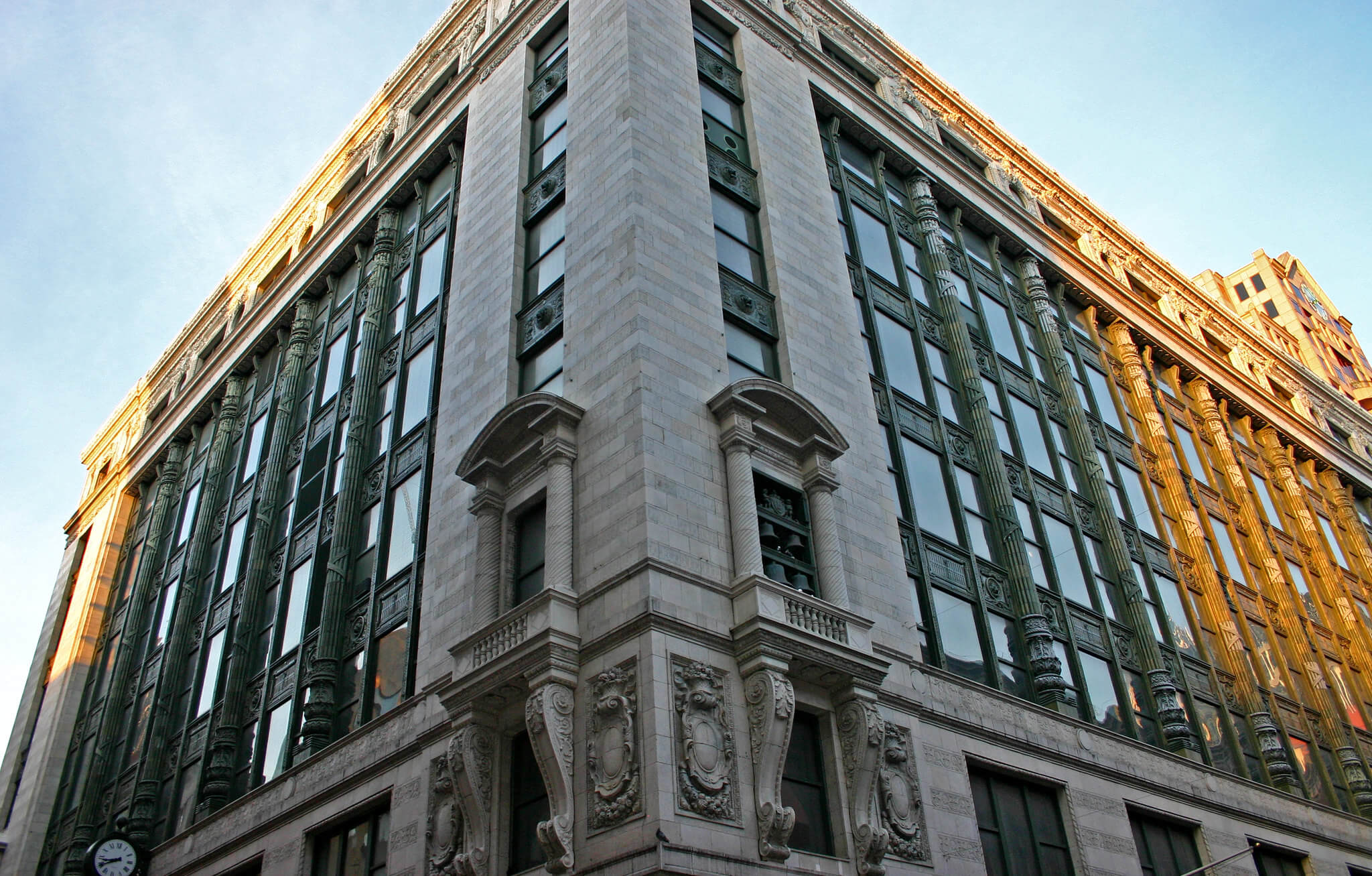
Benjamin Altman built B. Altman into one of New York’s grand carriage-trade department stores, opening a palazzo-style flagship on Fifth Avenue in 1906 that helped shift upscale retail further uptown. A leveraged buyout in the 1980s loaded the company with debt it could not sustain, and B. Altman closed for good in 1989.
Carson Pirie Scott
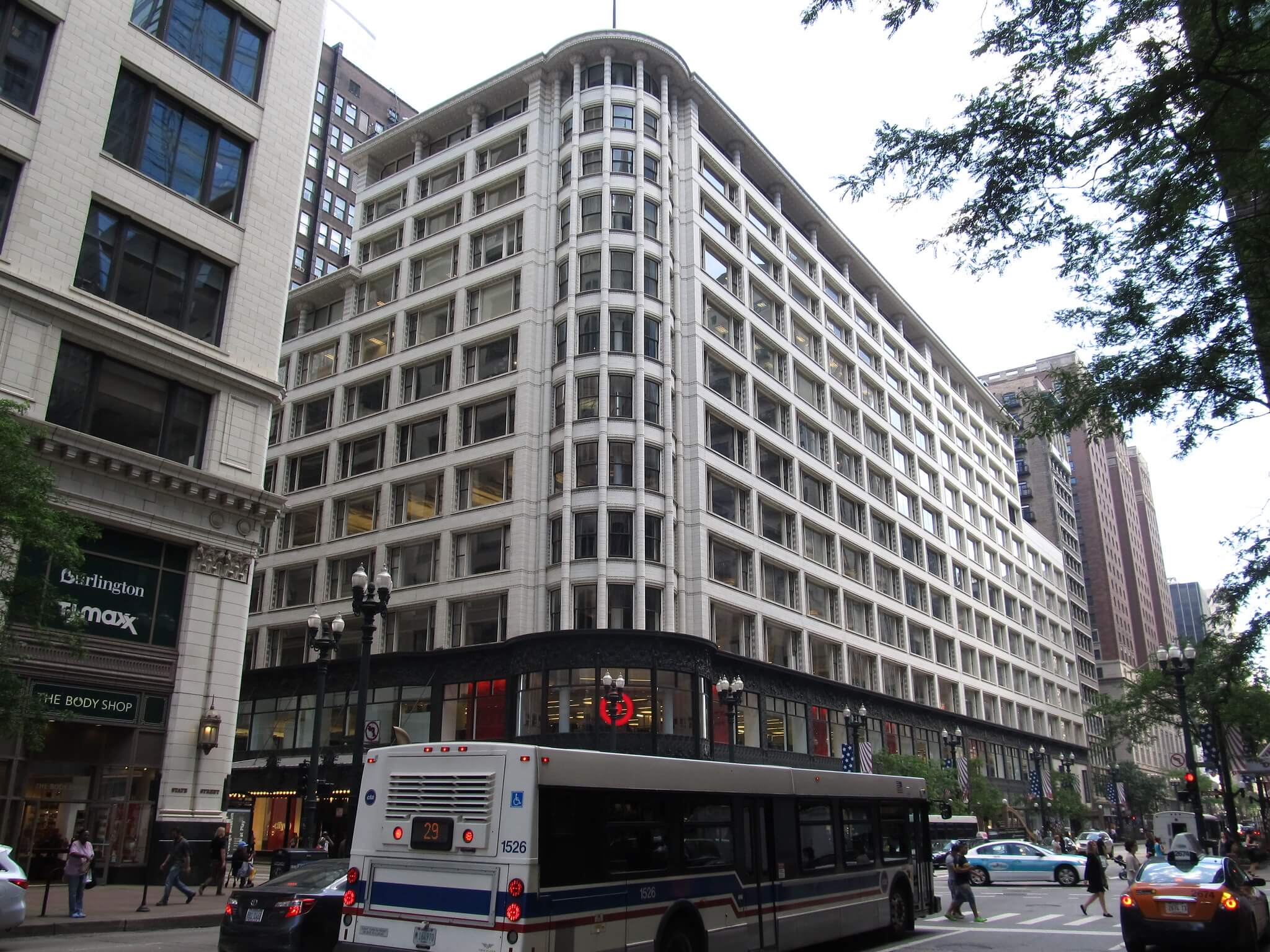
Carson Pirie Scott grew from a frontier dry-goods business into a leading Chicago department store chain, best remembered for its State Street flagship wrapped in architect Louis Sullivan’s ornate cast-iron detailing. The chain anchored Midwestern malls for decades under a series of owners before being absorbed into the Bon-Ton Stores group, whose 2018 liquidation finally closed the Carson’s name for good.
Mervyn’s
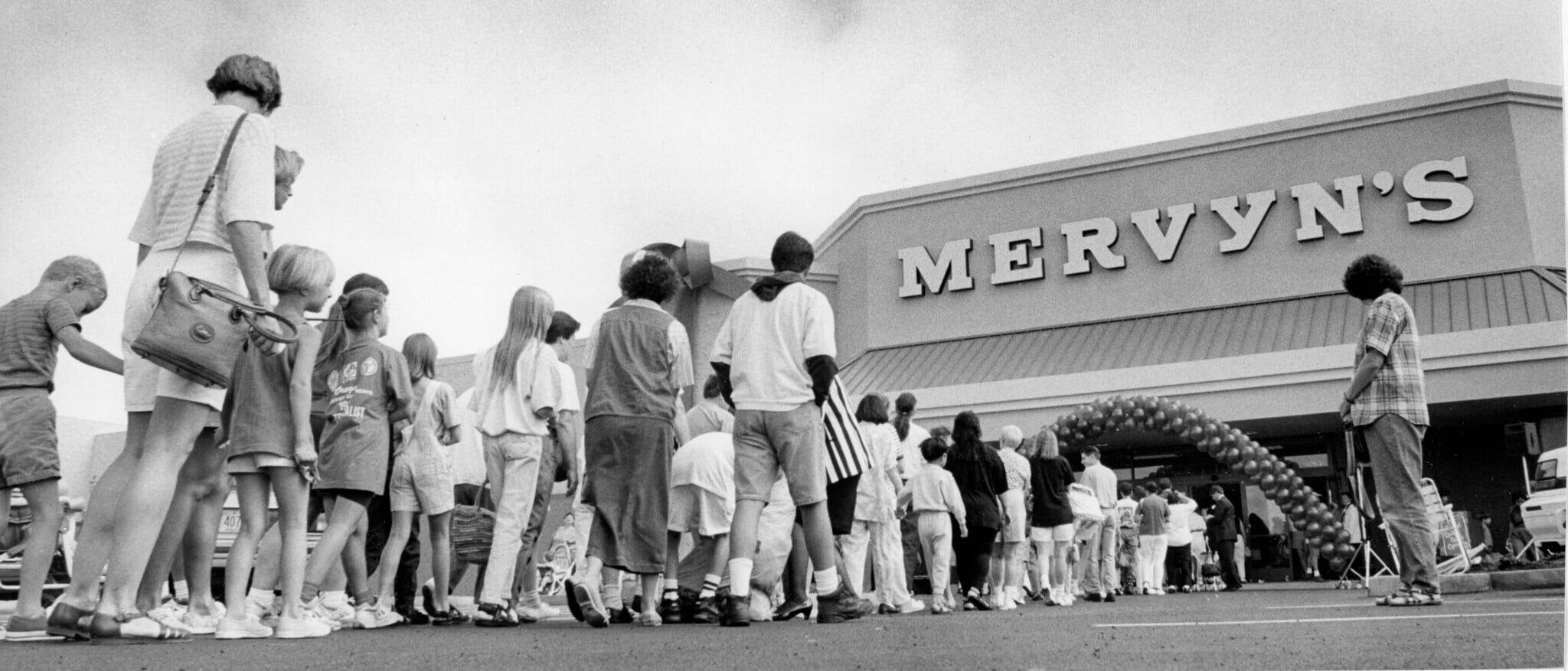
Mervin Morris opened the first Mervyn’s in San Lorenzo, California, in 1949, building a mid-priced department store chain that anchored West Coast and Sun Belt malls with brand-name apparel and home goods for decades. A private equity buyout loaded the chain with debt in the 2000s, and Mervyn’s liquidated all of its remaining stores by the end of 2008.
Marshall Field’s
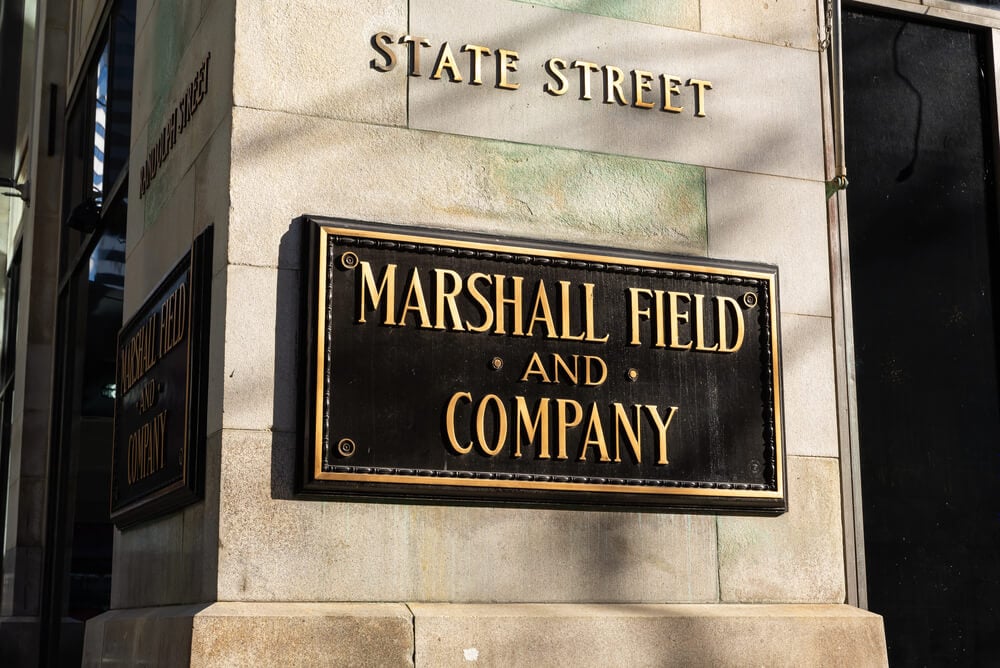
Marshall Field’s grew into one of the most prestigious department store names in Chicago, famous for its elaborate holiday window displays and its flagship store’s Tiffany-glass ceiling. After passing through several corporate owners, Federated Department Stores acquired the chain in 2005 and converted every remaining Marshall Field’s location to the Macy’s name the following year.
Gimbels
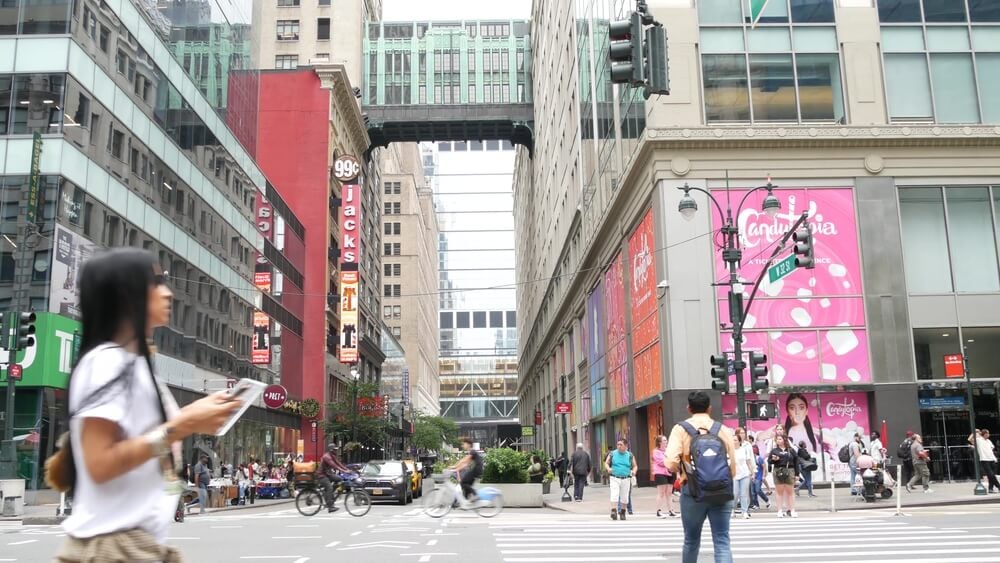
Gimbels operated department stores in major cities including New York, Philadelphia, and Milwaukee for most of the twentieth century, famous for its long-running rivalry with Macy’s that inspired the expression “does Macy’s tell Gimbels” as shorthand for corporate secrecy. Declining sales through the 1980s led its parent company to close the entire chain in 1987.
Hecht’s
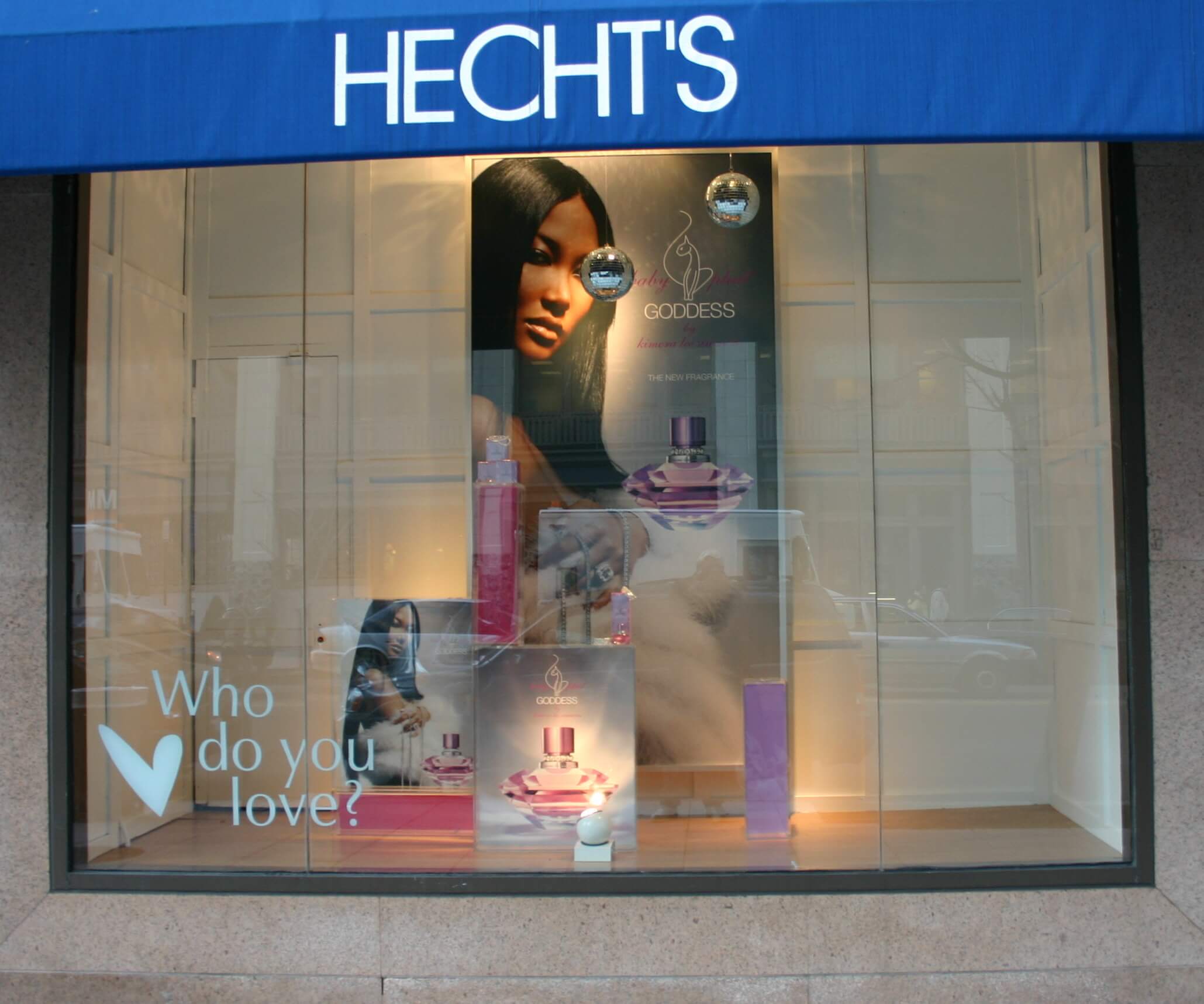
Hecht’s operated as a major department store chain across the mid-Atlantic region for most of the twentieth century, anchoring malls throughout Maryland, Virginia, and Washington, DC. Federated Department Stores converted all Hecht’s locations to the Macy’s nameplate in 2006 following its broader consolidation of regional department store brands.
Broadway Stores
The Broadway operated as a major Southern California department store chain for much of the twentieth century, known for its distinctive mid-century architecture and strong presence in malls throughout the region. Federated Department Stores acquired the chain out of bankruptcy in 1995 and converted the remaining locations to other Federated brands within a year.
Jacobson’s
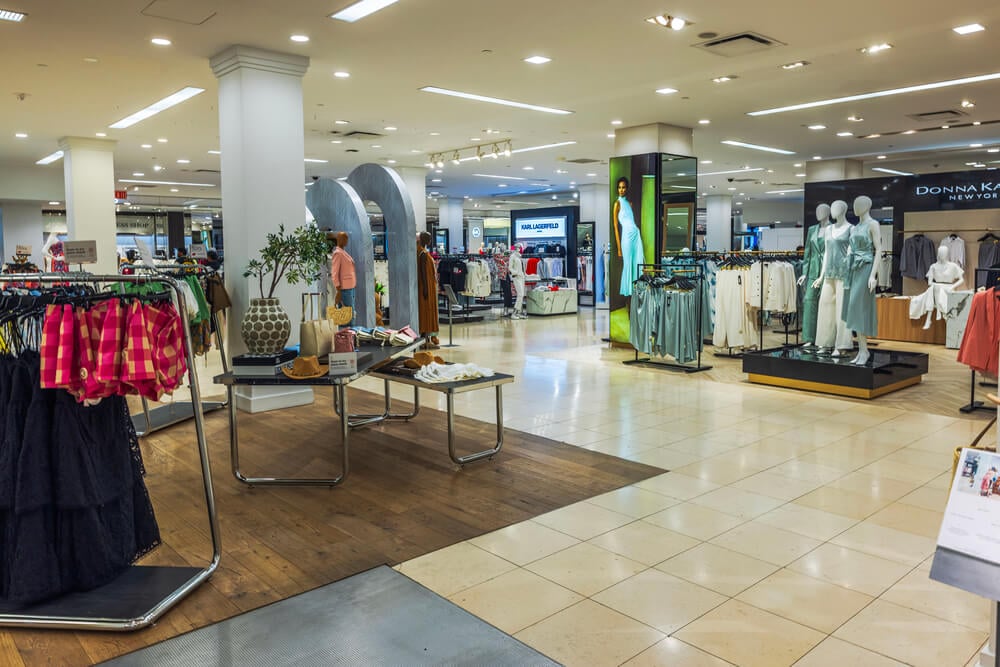
Jacobson’s operated as an upscale, family-owned department store chain concentrated in Michigan and Florida for most of the twentieth century, known for personalized customer service that set it apart from larger national chains. The company filed for bankruptcy and closed all of its remaining stores in 2002.
Elder-Beerman
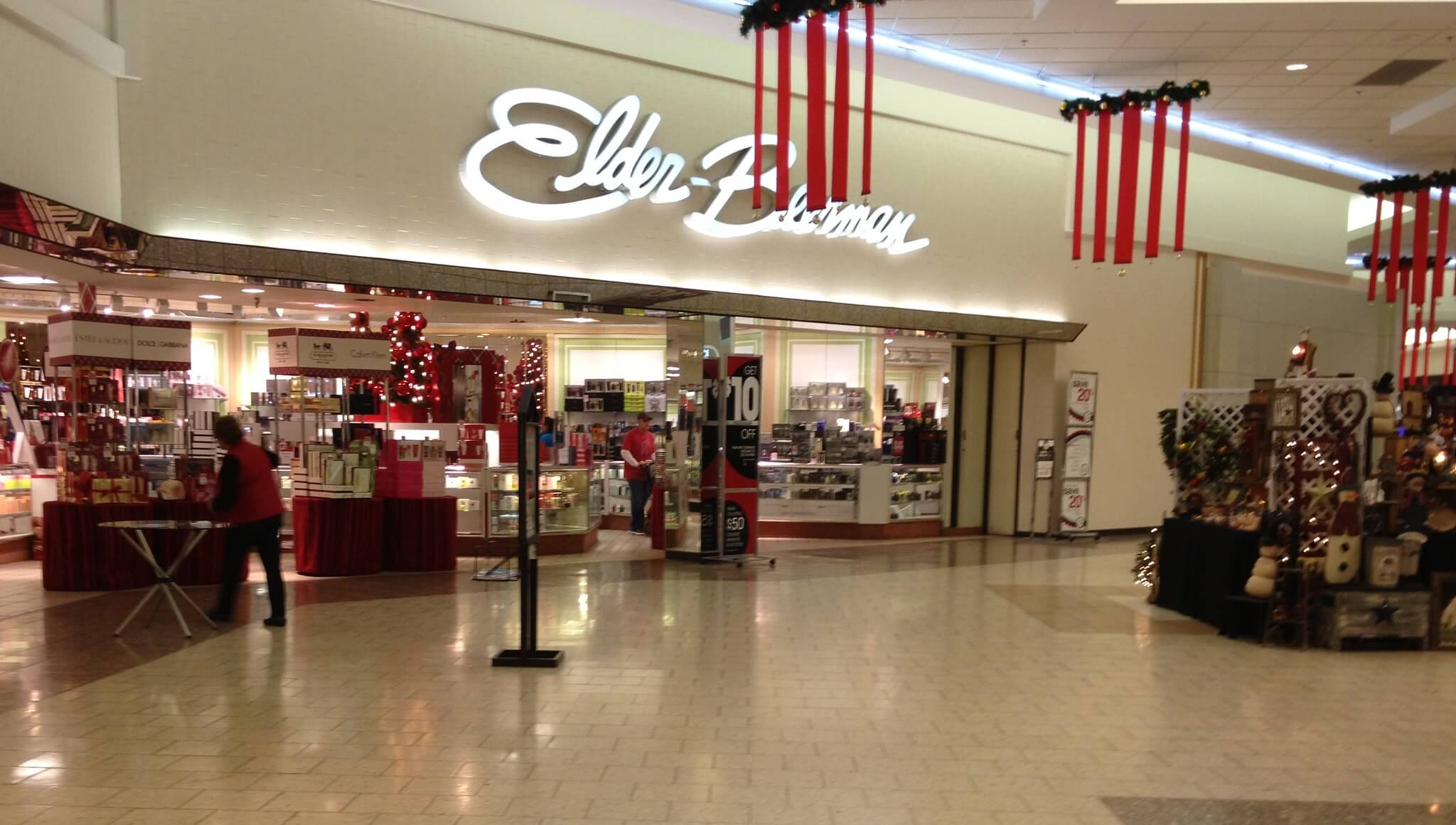
Elder-Beerman operated as a mid-sized department store chain concentrated in Ohio, Indiana, and surrounding states for most of its history, often serving as the primary anchor store in smaller regional malls that larger national chains overlooked. The company was acquired by Bon-Ton Stores in 2003, and the Elder-Beerman name was eventually phased out as part of that larger company’s later struggles.
Gottschalks
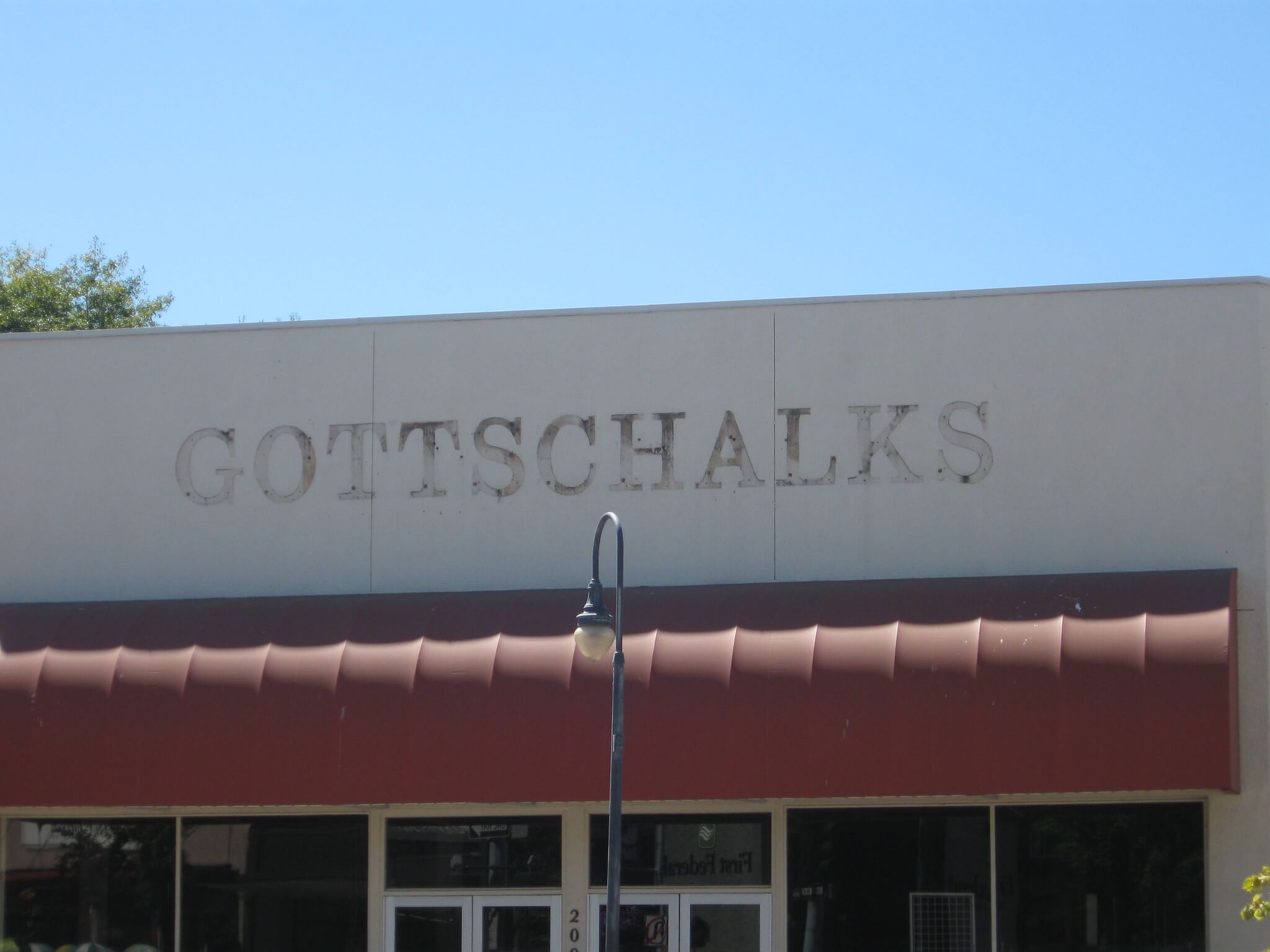
Gottschalks operated as a department store chain concentrated in California’s Central Valley and parts of the Pacific Northwest, often serving as the primary department store anchor in smaller regional malls. The company filed for bankruptcy in 2009 and liquidated all of its remaining locations that same year.
Woodward and Lothrop
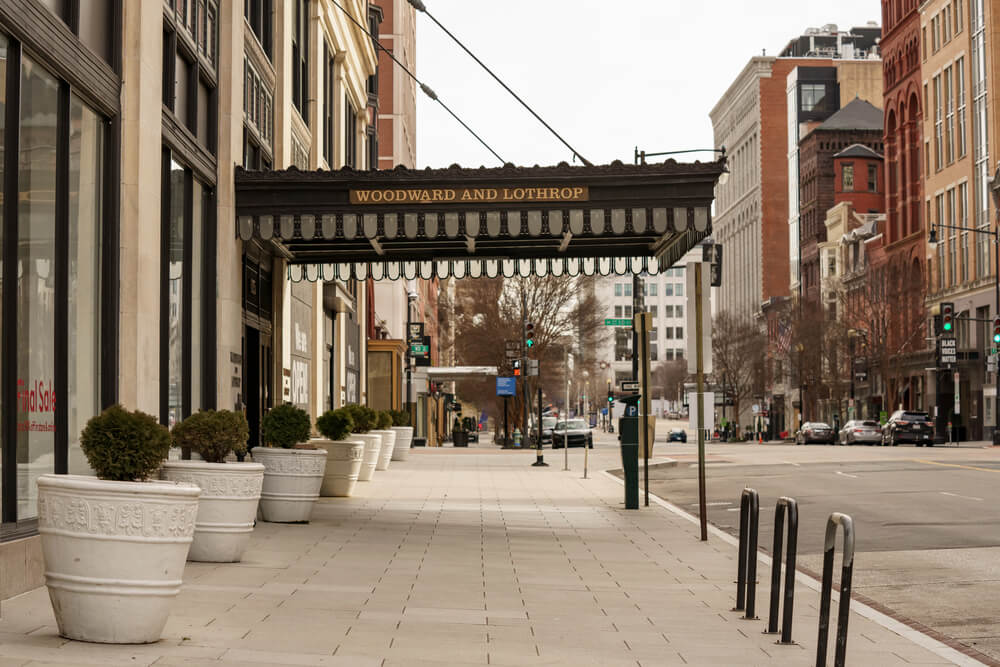
Woodward and Lothrop, commonly known as Woodies, operated as a major department store chain in the Washington, DC, area for over a century, with a flagship store known for its elaborate holiday displays. The chain filed for bankruptcy in the mid-1990s and closed its remaining stores in 1995 after a failed reorganization attempt.
Hess’s

Hess’s operated as a department store chain based in Allentown, Pennsylvania, known for its large flagship store and a loyal regional following throughout the mid-Atlantic. The chain was broken up and sold off to competitors during the 1990s, effectively ending its independent existence.
Bullock’s
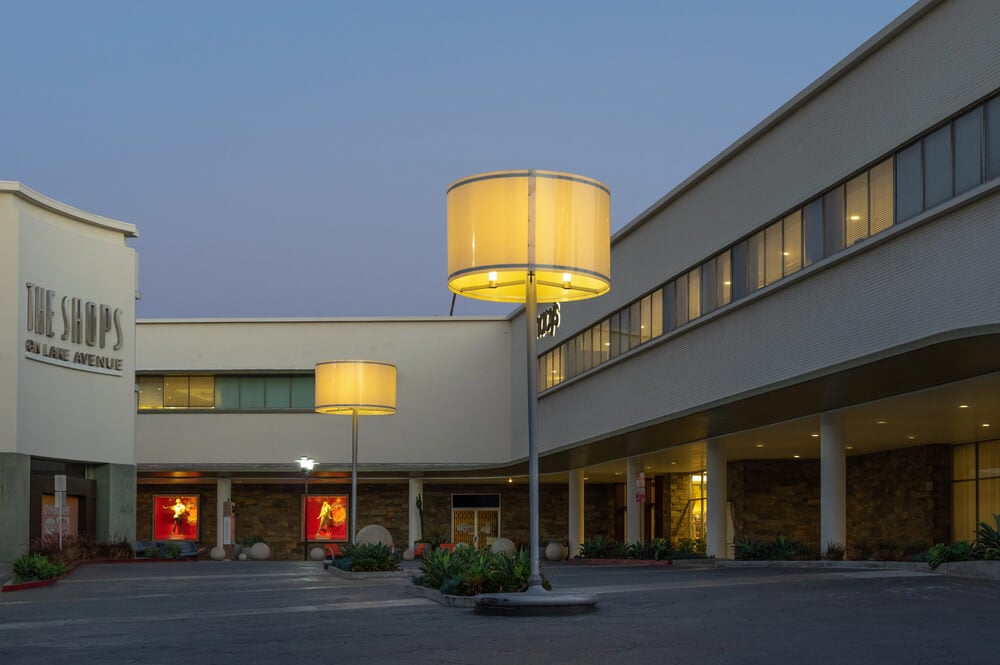
Bullock’s operated as a prominent Southern California department store chain known for its Art Deco flagship building on Wilshire Boulevard, a design landmark in its own right. Federated Department Stores acquired the chain in the mid-1990s and converted most locations to the Macy’s nameplate shortly afterward.
I. Magnin
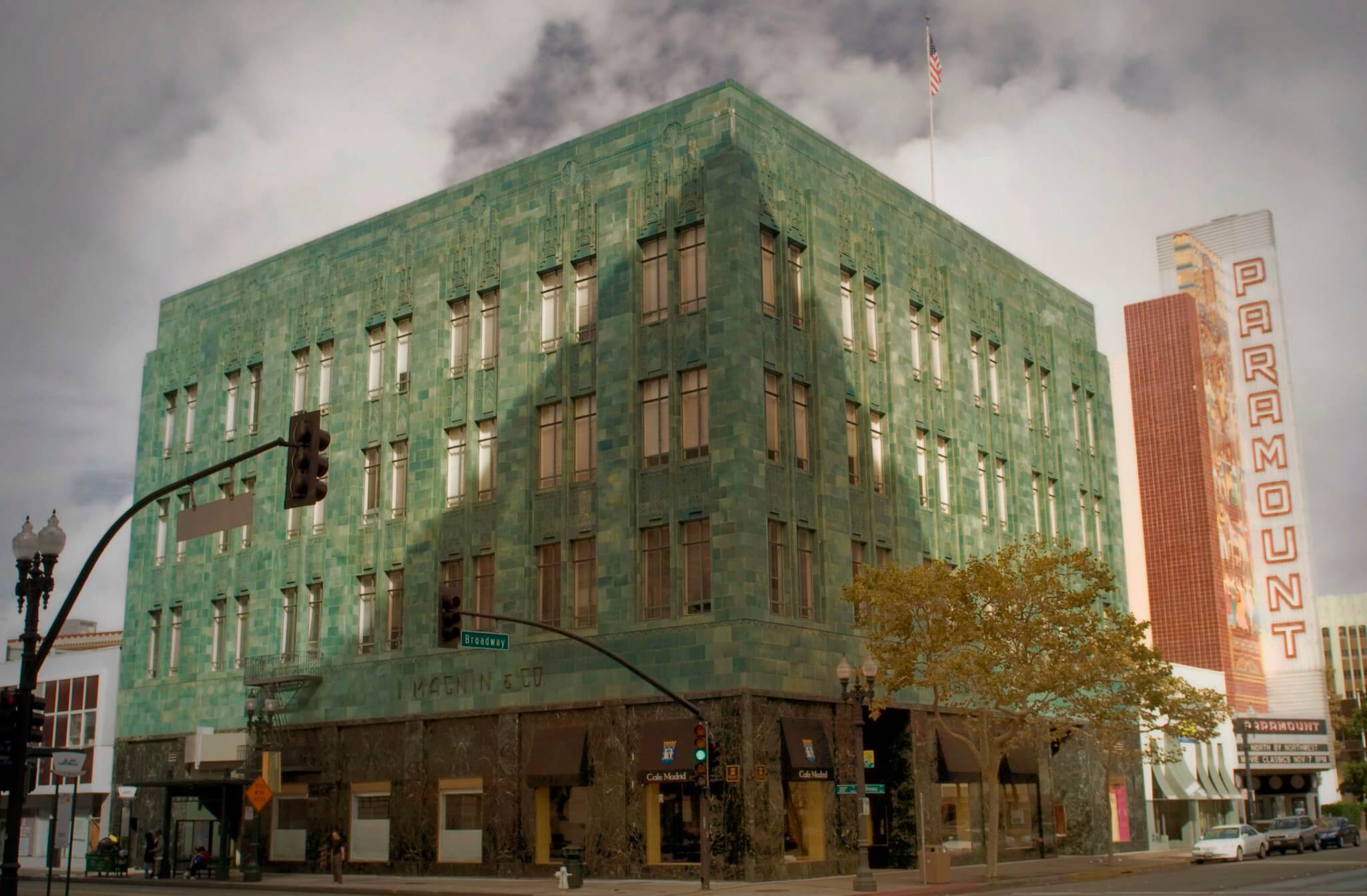
I. Magnin operated as an upscale specialty department store chain concentrated primarily in California, known for high-end fashion and a clientele that set it apart from more general-merchandise department stores. Declining sales through the 1980s and 1990s led its parent company to close the chain entirely by 1995.
Lord and Taylor
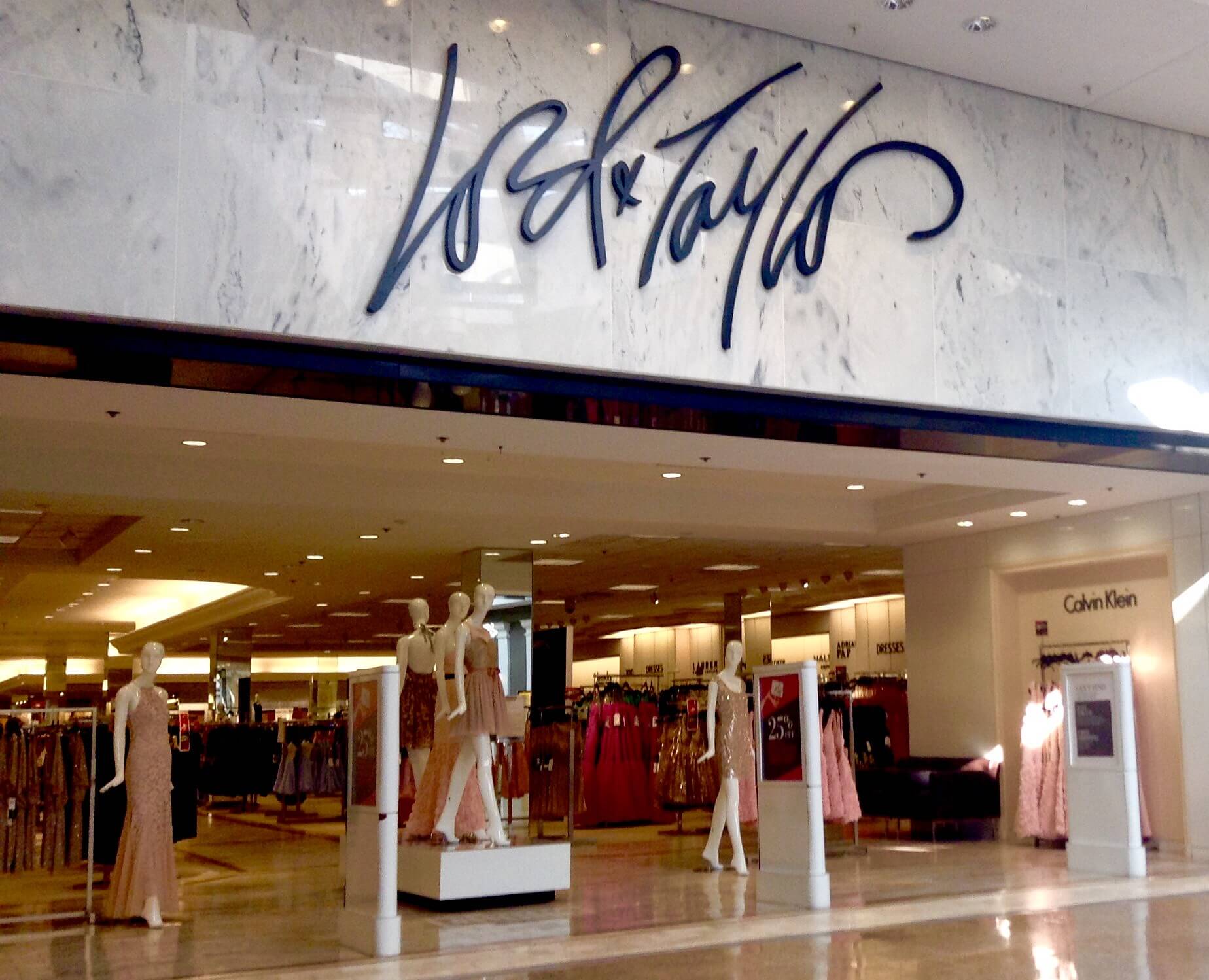
Lord and Taylor, founded in New York in 1826, operated as one of the oldest department store chains in the country, known for elegant flagship locations and a reputation for upscale, understated fashion. The chain closed its remaining stores across malls in Connecticut, Maryland, and elsewhere in late 2020 and early 2021 after its owner filed for bankruptcy.
Abraham and Straus
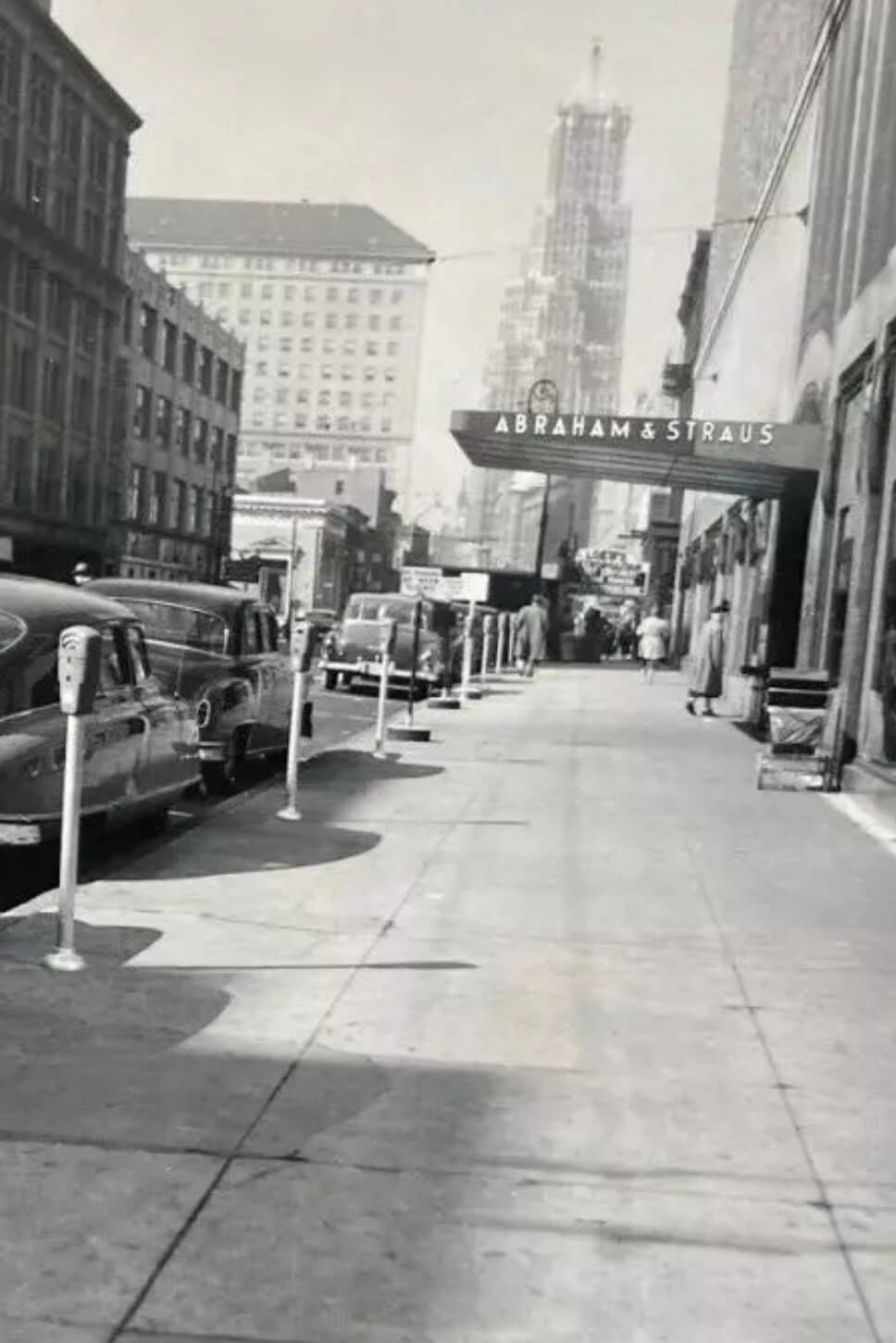
Abraham and Straus, commonly known as A&S, operated as a major department store anchor throughout the New York metropolitan area for over a century, known for its flagship location in downtown Brooklyn. Federated Department Stores folded the chain into other regional brands in the early 1990s, ending its run as an independent nameplate.
Bamberger’s

Bamberger’s operated as a major New Jersey department store chain for most of the twentieth century, with a flagship store in Newark that was once among the largest department stores in the country. Parent company Macy’s rebranded all Bamberger’s locations under the Macy’s name in 1986, ending the regional identity the chain had built over decades.
Jordan Marsh
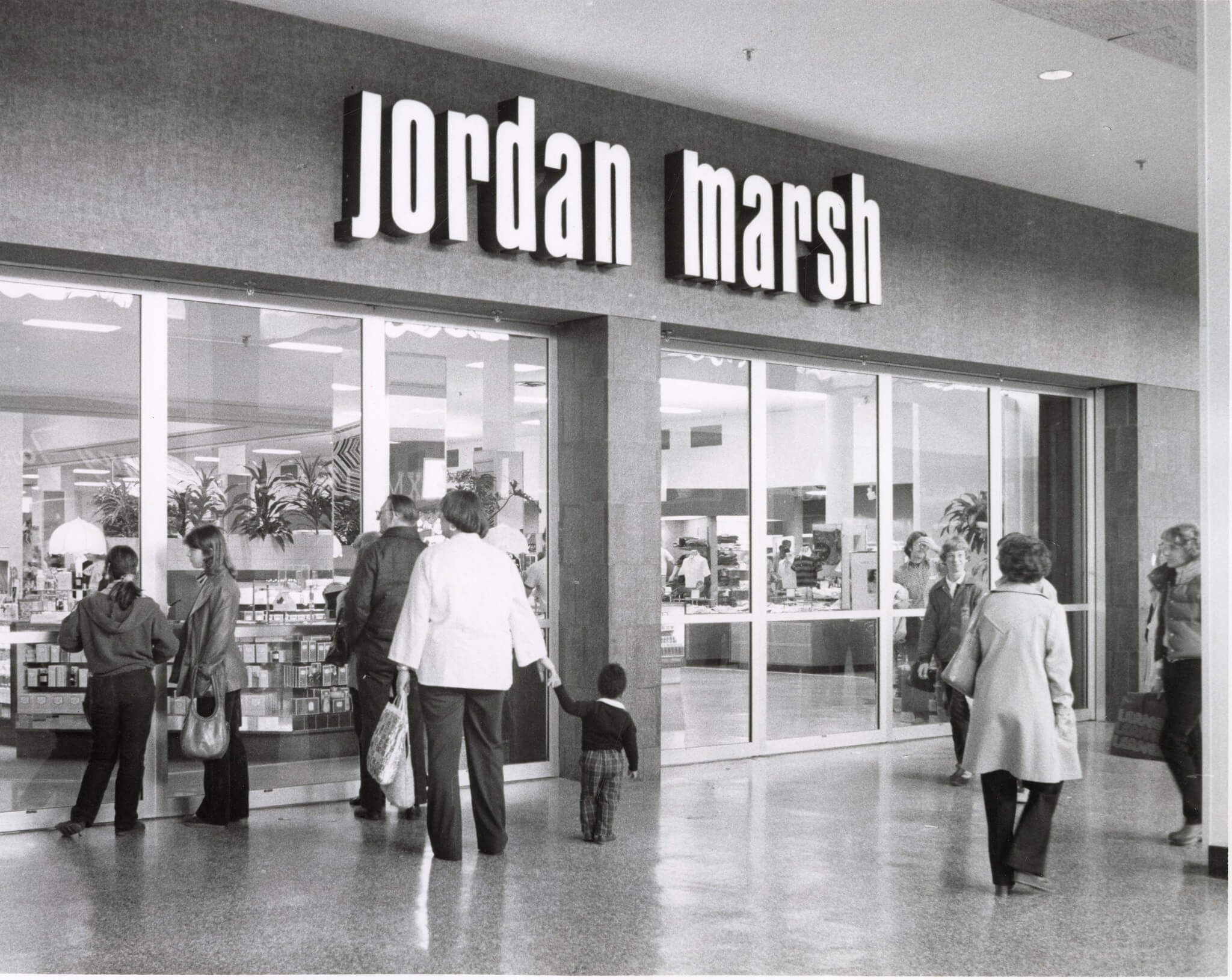
Jordan Marsh operated as one of New England’s largest department store chains for well over a century, anchoring malls throughout Massachusetts and the surrounding region with a flagship store in downtown Boston. Federated Department Stores acquired the chain in 1996 and converted its remaining locations to the Macy’s nameplate.
Robinson-May
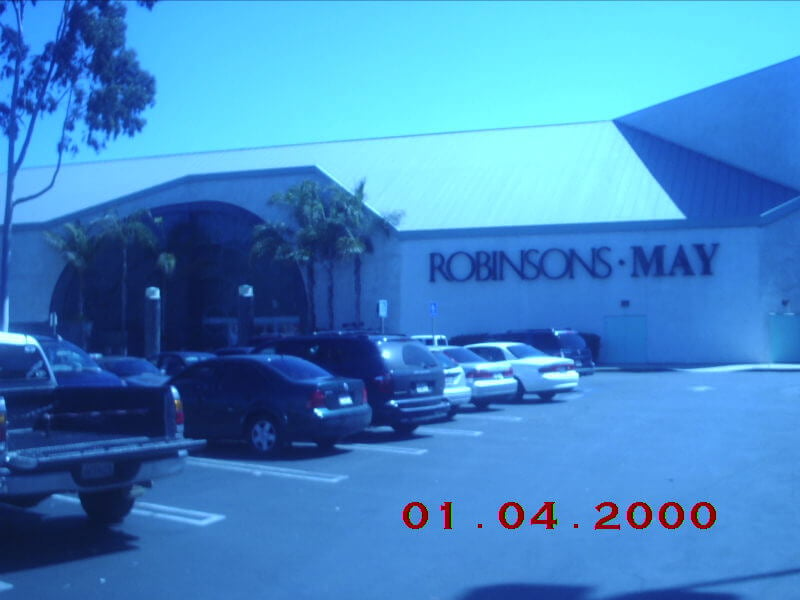
Robinson-May formed from the 1993 merger of two established Southern California department store chains, May Company California and Robinson’s, creating a combined chain that anchored malls throughout the region for over a decade. Federated Department Stores acquired parent company May Department Stores in 2005 and converted the remaining Robinson-May locations to the Macy’s nameplate the following year.
The Anchor That Held the Entire Building Up

Nearly every chain on this list disappeared the same way, not through a single dramatic collapse but through a slow sequence of debt, competition, and corporate consolidation that eventually folded one regional name into a larger national brand or erased it entirely. The malls that once organized their entire layout around these anchors are still standing in many cases, even where the stores that gave them a reason to exist are long gone.
What is easy to forget, looking at a list this long, is how differently each of these chains was once experienced locally. A shopper in Boston, Chicago, or Los Angeles would have had an entirely distinct relationship with their hometown department store, one that a single national name never quite replaced.
More from Go2Tutors!

- The Romanov Crown Jewels and Their Tragic Fate
- 13 Historical Mysteries That Science Still Can’t Solve
- Famous Hoaxes That Fooled the World for Years
- 15 Child Stars with Tragic Adult Lives
- 16 Famous Jewelry Pieces in History
Like Go2Tutors’s content? Follow us on MSN.