25 Discontinued Sodas and Drinks That People Have Never Stopped Asking About
Most discontinued products disappear because people stop wanting them. They fall out of fashion, get replaced by something better, or were never that popular in the first place and the companies finally admit it. The drinks on this list are different. They disappeared while people still wanted them — or they disappeared so abruptly that nostalgia crystallized around them almost immediately, turning them into objects of desire they may not have been when they were available on every gas station shelf for a dollar twenty-five.
Some of these were genuinely good. Some were strange experiments that found their audience too late. A few were genuinely terrible, and people want them back anyway, which says something about memory that food scientists have not yet figured out how to package.
Surge (Coca-Cola, 1997–2003)
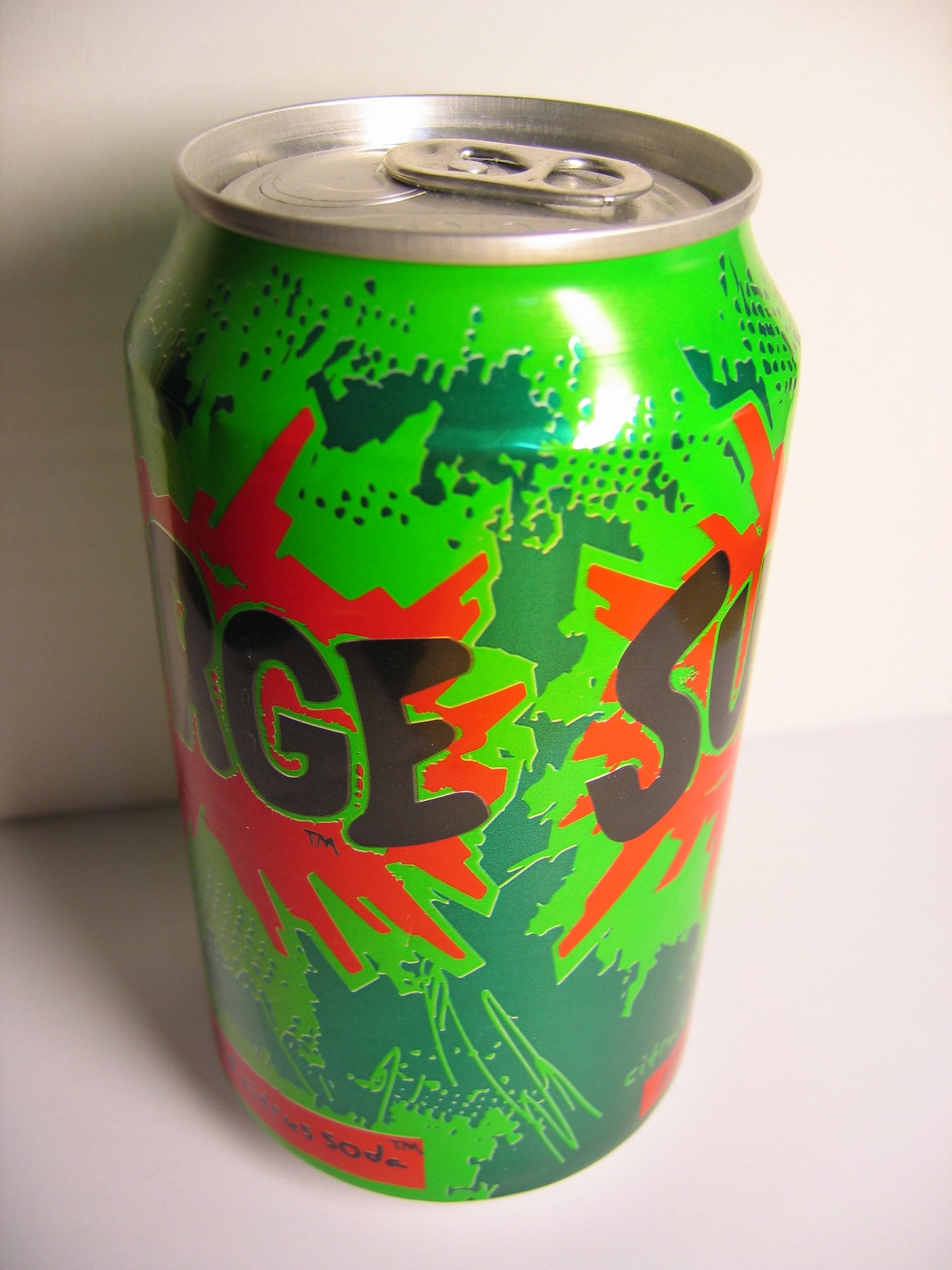
Surge was Coca-Cola’s direct attempt to take market share from Mountain Dew, and it succeeded in becoming a genuine late-1990s youth phenomenon before the company pulled it from shelves in 2003. The citrus-flavored soda was lightly carbonated relative to most sodas, packed with caffeine and maltodextrin, and marketed through extreme sports advertising that felt authentic rather than corporate at the time. A grassroots fan campaign — billboards near Coca-Cola’s Atlanta headquarters, over 150,000 social media supporters, a coordinated lobbying effort that predated most modern petition activism — eventually convinced Coca-Cola to bring it back in limited form. It surfaces periodically, but full mainstream availability has never returned, which appears to make people want it more.
Crystal Pepsi (PepsiCo, 1992–1994)
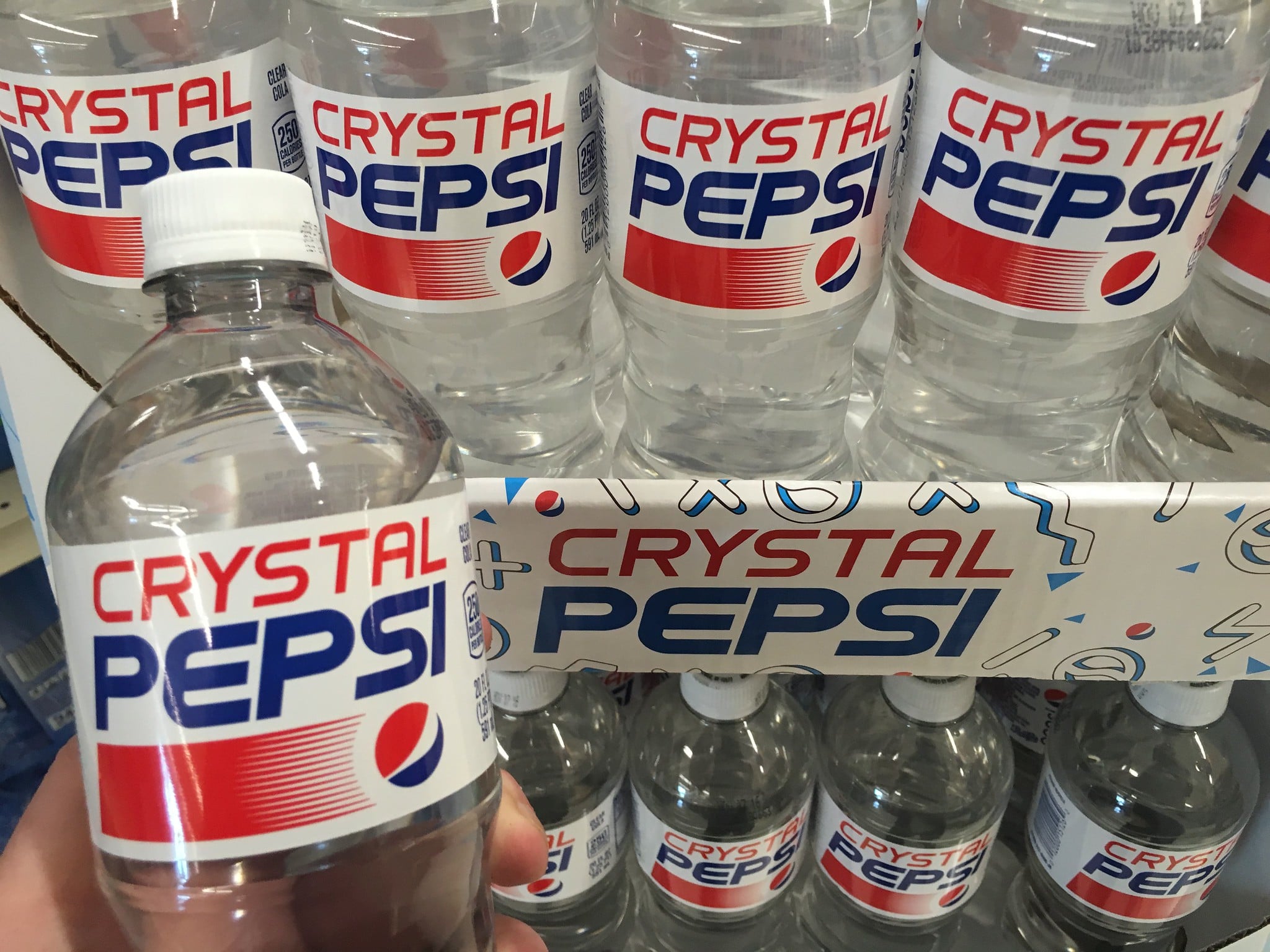
The marketing was enormous — Super Bowl commercials, futuristic branding, Van Halen music — and the concept was simple: Pepsi, but clear. The idea was to position it as a purer, more natural alternative to traditional cola at a moment when consumers were briefly obsessed with clarity as a proxy for health. The product captured 0.5% of market share and was discontinued in 1994, which PepsiCo considered a multi-billion-dollar failure. Persistent fan lobbying brought it back for limited runs in 2016 and 2022. The nostalgia for Crystal Pepsi is in some ways nostalgia for the confusion of it — the cognitive dissonance of something that looked like water and tasted like cola, which was a very specific 1990s experience.
Orbitz (Clearly Canadian, 1997–1998)
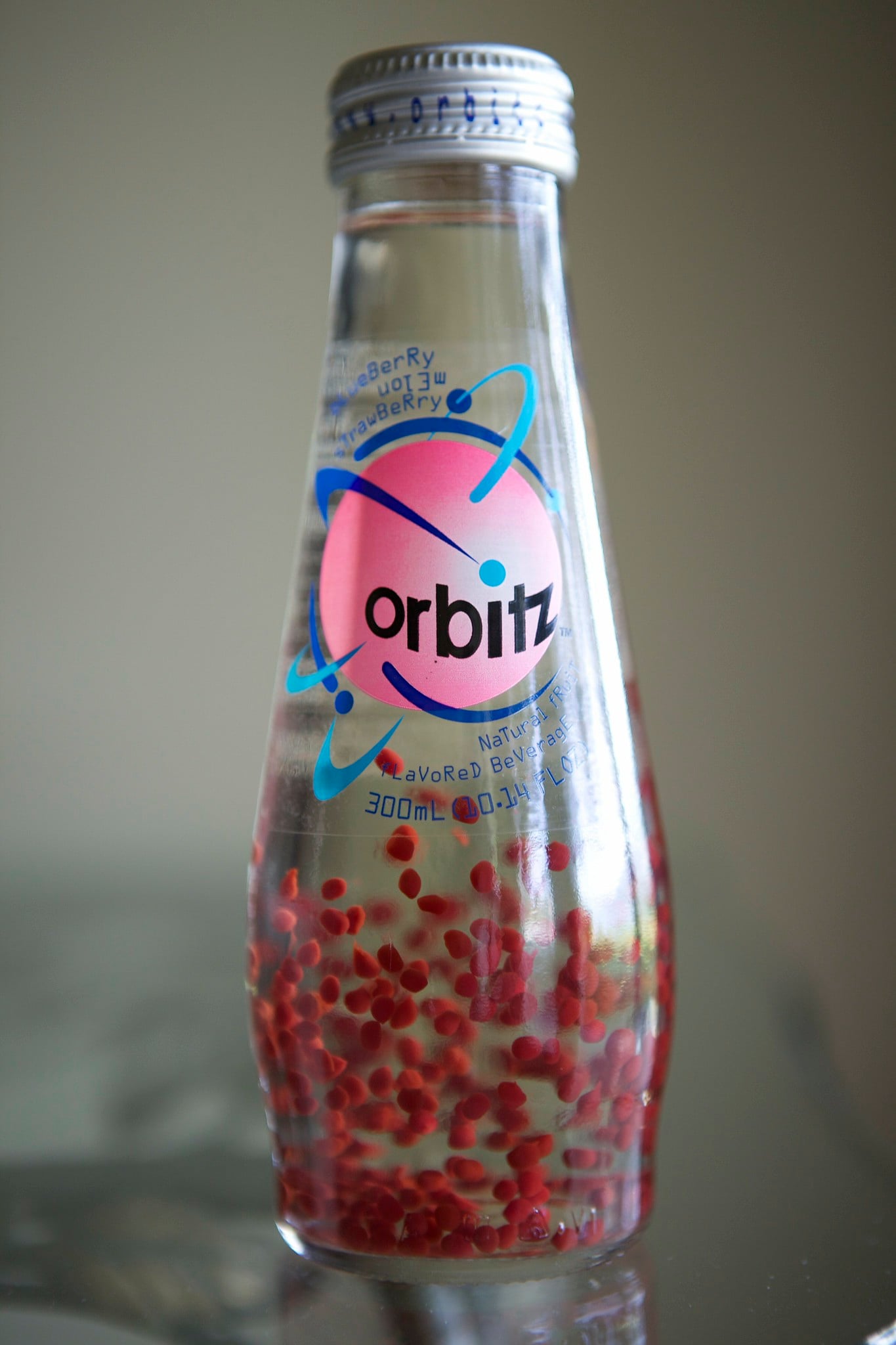
Orbitz lasted roughly one year on the market, which is barely enough time for a product to earn a reputation, and yet its reputation has outlasted most sodas that ran for a decade. The drink contained small, edible gelatin spheres suspended in a fruit-flavored liquid — giving it the visual appearance of a lava lamp in a bottle. The spheres achieved neutral buoyancy through a mixture of xanthan gum, gelatin, and other stabilizing agents, which was a real technical achievement in food science. Most people found the texture off-putting. The bottles have since become collector’s items. The company that made Orbitz, Clearly Canadian, was itself later discontinued and then relaunched, providing a partial second act to one of the stranger beverage histories in American retail.
Josta (PepsiCo, 1995–1999)
Josta was the first national energy soda in the United States, arriving a full year before Red Bull’s American debut and three years before the energy drink market became the enormous industry it eventually did. It combined fruit flavors with guarana — a natural plant caffeine source — and was marketed with a black panther image and mythology about ancient tribal power that seems overworked in retrospect and was probably overworked at the time. PepsiCo discontinued it in 1999, before the energy drink category proved out. Fans have argued ever since that the company abandoned a market-leading position by mistake. National Josta Day, established April 4, 2007, by a fan campaign, never brought it back.
New Coke (Coca-Cola, 1985–2002)
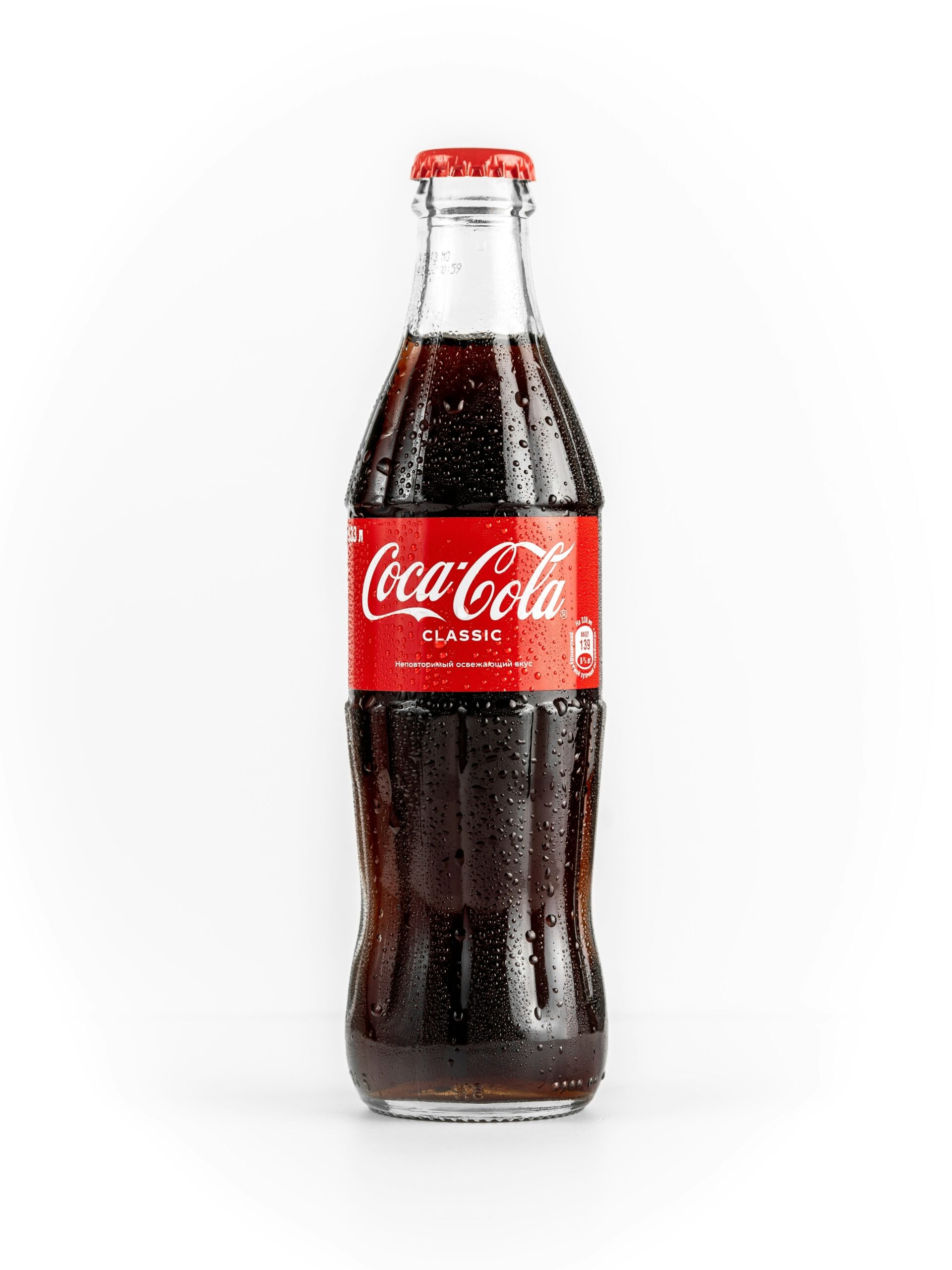
In April 1985, Coca-Cola replaced its original formula with a sweeter version called New Coke, triggering one of the most documented consumer backlash events in marketing history. The original formula returned as Coca-Cola Classic three months later, and New Coke continued to be sold in diminishing quantities until it was quietly discontinued in 2002. The historical consensus that New Coke was a straightforward failure has been complicated by subsequent evidence — including a revelation that emerged decades later in a documentary — that the backlash was at least partially orchestrated rather than entirely spontaneous. Whatever actually happened, the episode remains the standard example of what happens when a company misjudges how emotionally attached consumers are to a product’s exact formulation.
Fruitopia (Coca-Cola, 1994–2003)
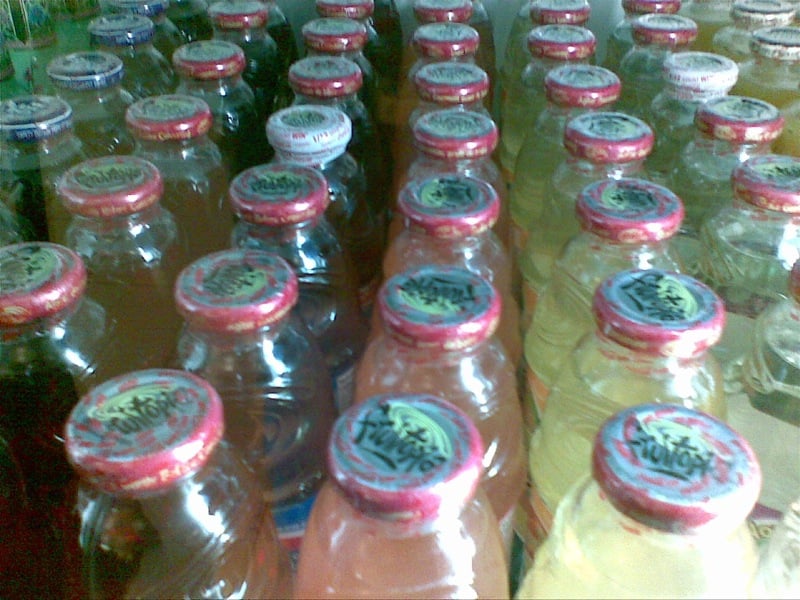
Fruitopia was Minute Maid’s attempt to compete with Snapple during the alternative beverage boom of the mid-1990s. The flavors had names like Strawberry Passion Awareness, Kiwiberry Ruckus, and Raspberry Psychic Lemonade — a naming convention that was trying very hard to appeal to a generation that was simultaneously suspicious of corporate marketing and susceptible to earnest weirdness. It sold reasonably well for a decade, failed to hold market share as Snapple established itself, and was discontinued in the United States in 2003. Fruitopia never disappeared from Canada and Australia, where it continued to sell. Americans occasionally ask whether they can import it, which they can, and occasionally do.
Hi-C Ecto Cooler (Coca-Cola, 1987–2001)
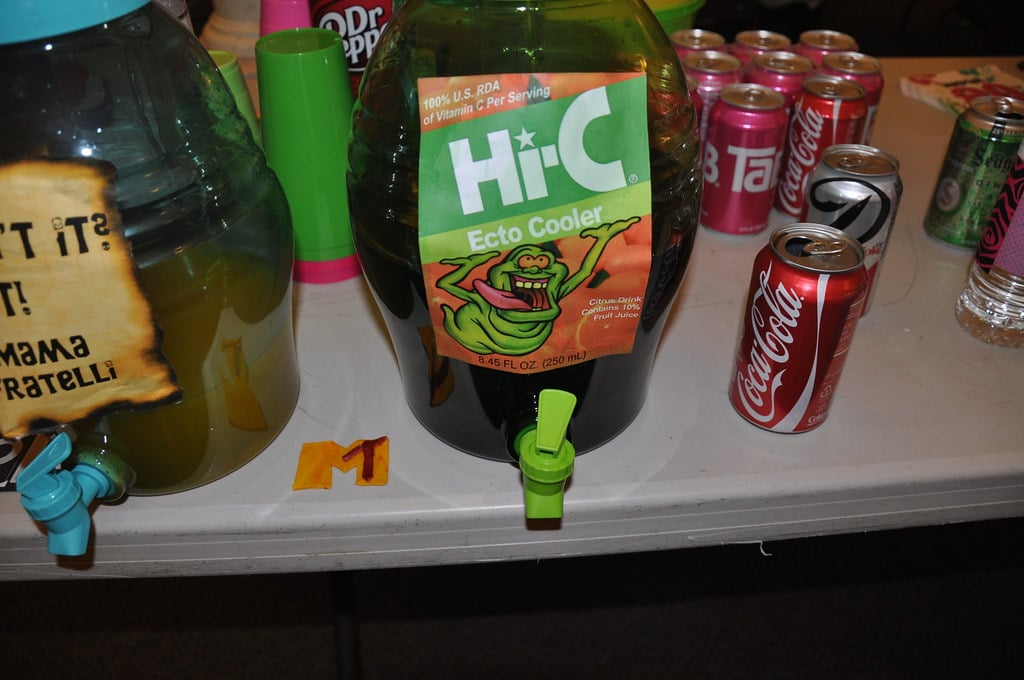
The citrus-flavored green drink was initially a promotion tied to The Real Ghostbusters animated series, launched in 1987, and the franchise branding was eventually dropped from the packaging while the drink itself stayed on shelves because children kept buying it regardless of what cartoon character was on the box. It ran for fourteen years. Production ended in 2001, but limited revivals have appeared alongside subsequent Ghostbusters film releases, which has kept the product in a state of semi-resurrection that satisfies no one entirely. The drink itself was a fairly straightforward orange-tangerine blend with green coloring; the mythology around it is considerably more elaborate than the product warranted.
Clearly Canadian (1987–2009, intermittent revivals)
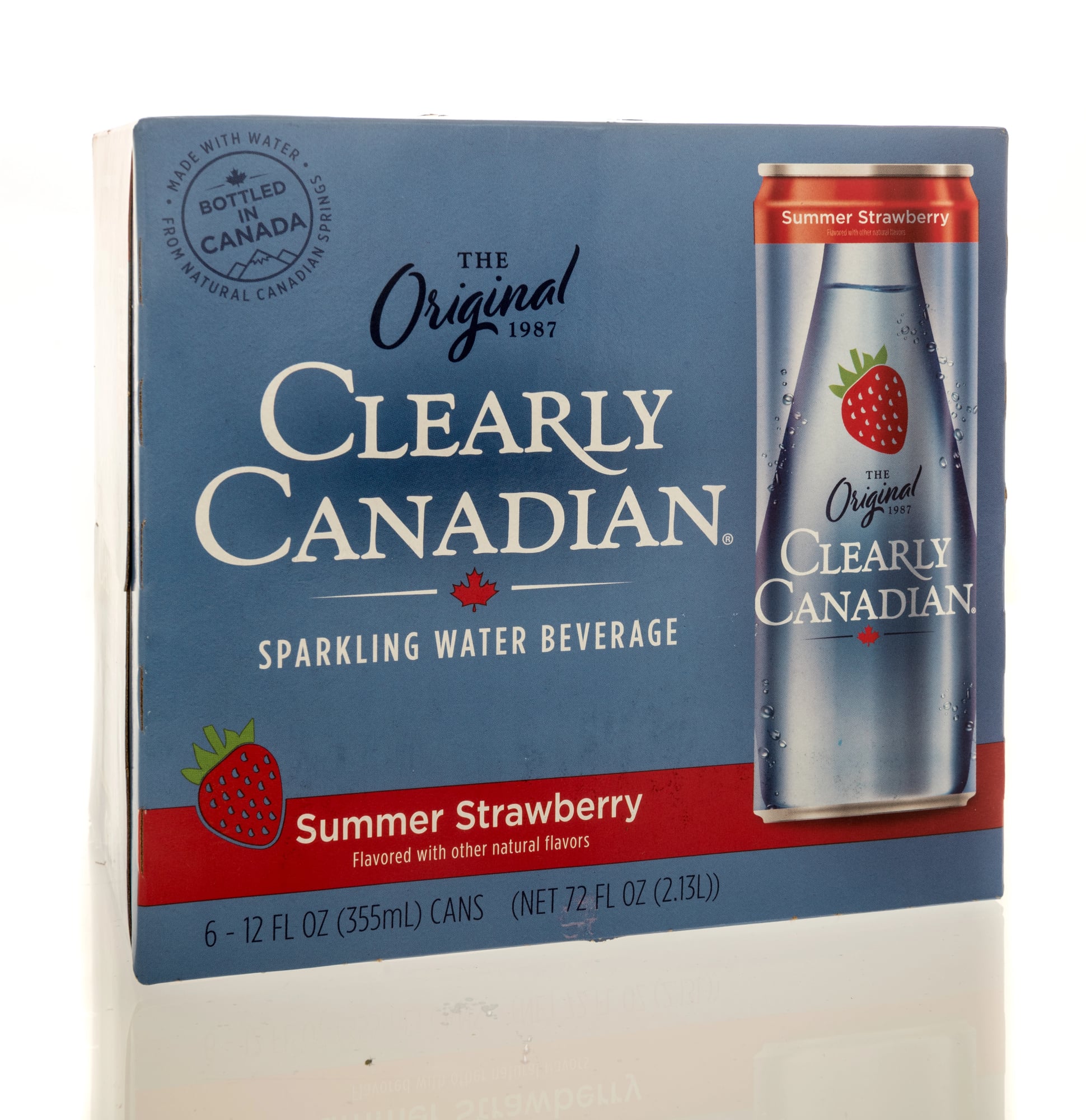
Before sparkling water became the default sophisticated beverage choice, Clearly Canadian was doing what LaCroix does now — flavored sparkling water in glass bottles, positioned as a more refined alternative to soda. It was enormously popular in the late 1980s and early 1990s before the category it helped create grew larger than the company that defined it. Clearly Canadian filed for creditor protection in Canada in 2009. A crowdfunding campaign in 2015 raised money for a revival attempt, which succeeded in a limited way. The brand changes hands and resurfaces periodically, frustrating the consumers who want it while never quite achieving the distribution it once had.
Squeeze-It (General Mills, 1985–2001)
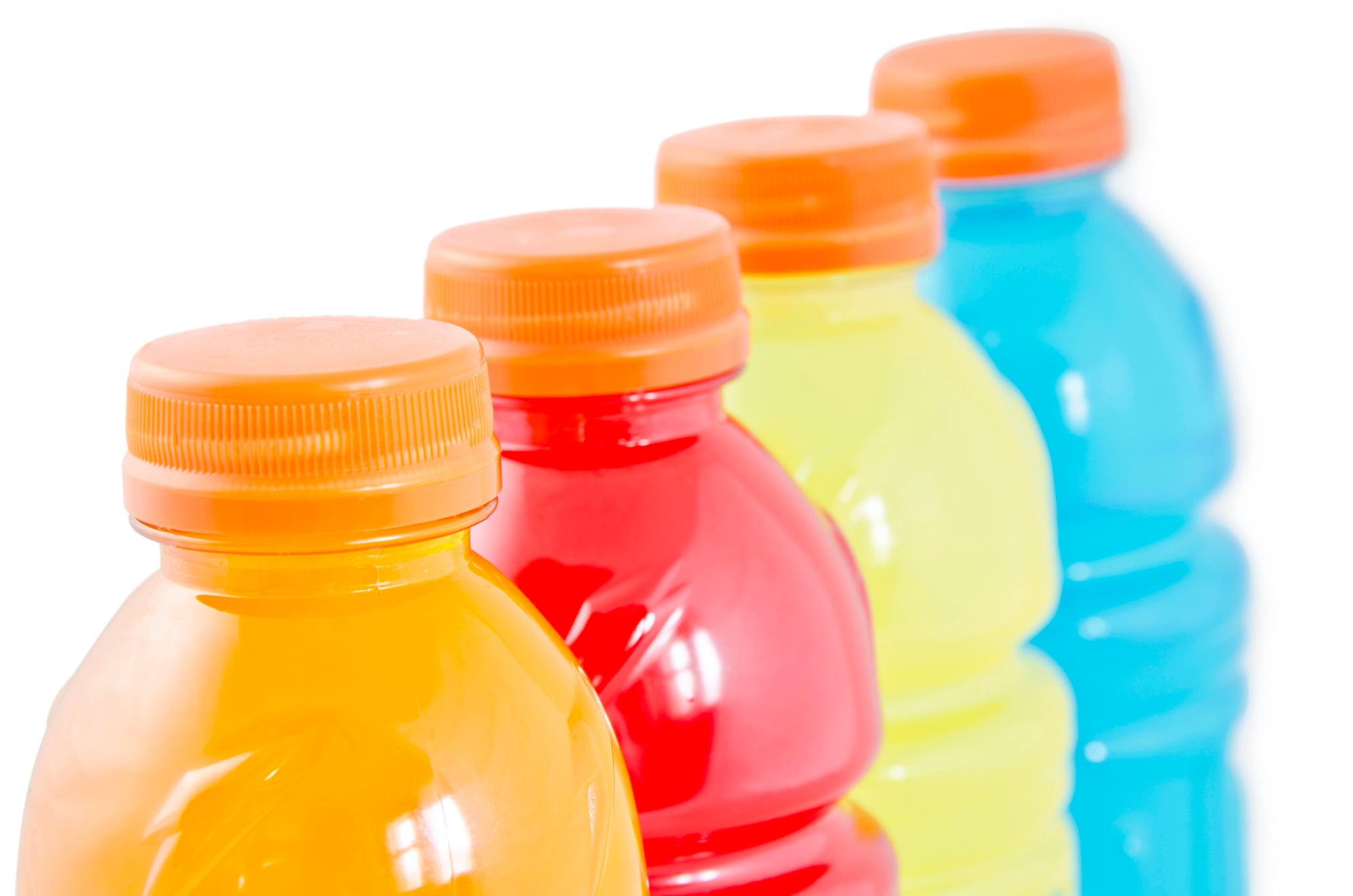
Squeeze-It was a fruit-flavored drink sold in plastic barrel-shaped bottles that children were expected to bite the top off of before drinking — a design choice that appealed enormously to the target demographic of children and alarmed exactly the adults who were theoretically in charge of purchasing decisions. The bottles were colorful, squeezable, and cheap. Varieties included flavors like Chucklin’ Cherry, Rockin’ Red Puncher, and Berry B. Wild. It was the kind of product that existed in the 1980s and 1990s because beverage marketing aimed at children had different concerns about dental and nutritional messaging than it does now. General Mills discontinued it in 2001 and has never revived it.
Jolt Cola (original formula, 1985–2009)
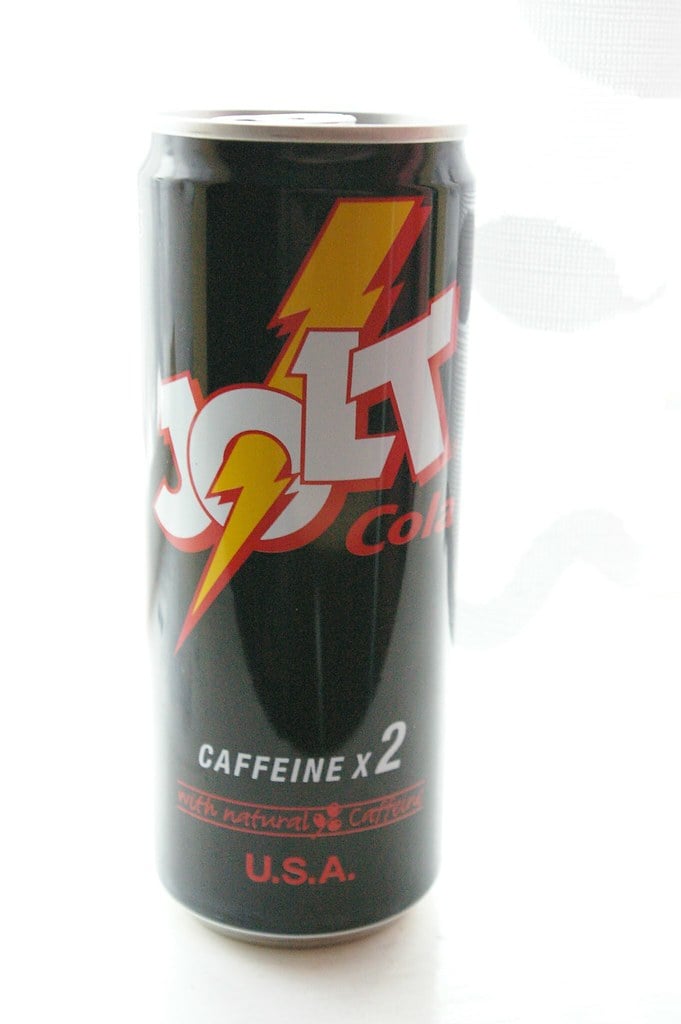
The original marketing for Jolt Cola was built around a single premise: twice the caffeine of regular soda. This was startlingly direct advertising for 1985, when most beverages did not lead with their stimulant content. It developed a devoted following among college students and night-shift workers who needed the caffeine and didn’t want to drink coffee. Various ownership changes, reformulations, and bankruptcy proceedings followed over the decades before the original company collapsed in 2009. A revived version in aluminum cans appeared later, but fans of the original glass-bottle formula point out that the product they remember has not actually come back.
OK Soda (Coca-Cola, 1993–1995)
Coca-Cola’s marketing department created OK Soda as a deliberate anti-marketing exercise aimed at Generation X — a demographic the company identified as skeptical of conventional advertising. The branding used deliberately strange illustrations, ironic slogans, and a “Things are going to be OK” tagline that communicated studied indifference. The drink was tested in fourteen markets, did not sell well, and was discontinued in 1995 before reaching national distribution. It is now studied in marketing courses as an early example of a company trying to co-opt irony and inadvertently demonstrating that authenticity cannot be manufactured by a corporation that sells corn syrup. The bottles are collectible.
Tab (Coca-Cola, 1963–2020)
Tab was America’s first nationally successful diet cola, introduced by Coca-Cola in 1963, and it acquired a cult following among women who preferred it over Diet Coke when that product launched in 1982. For nearly four decades, Tab coexisted with its more commercially dominant younger sibling, sold primarily to devoted regulars who found Diet Coke too sweet. Coca-Cola discontinued it in October 2020, citing the need to simplify its portfolio during the pandemic. The announcement triggered an unusual volume of protest for a product that had been in visible decline for years — evidence that its devotees had assumed it would simply continue to exist, as some things do, indefinitely.
Pepsi Kona (PepsiCo, 1996–1997)
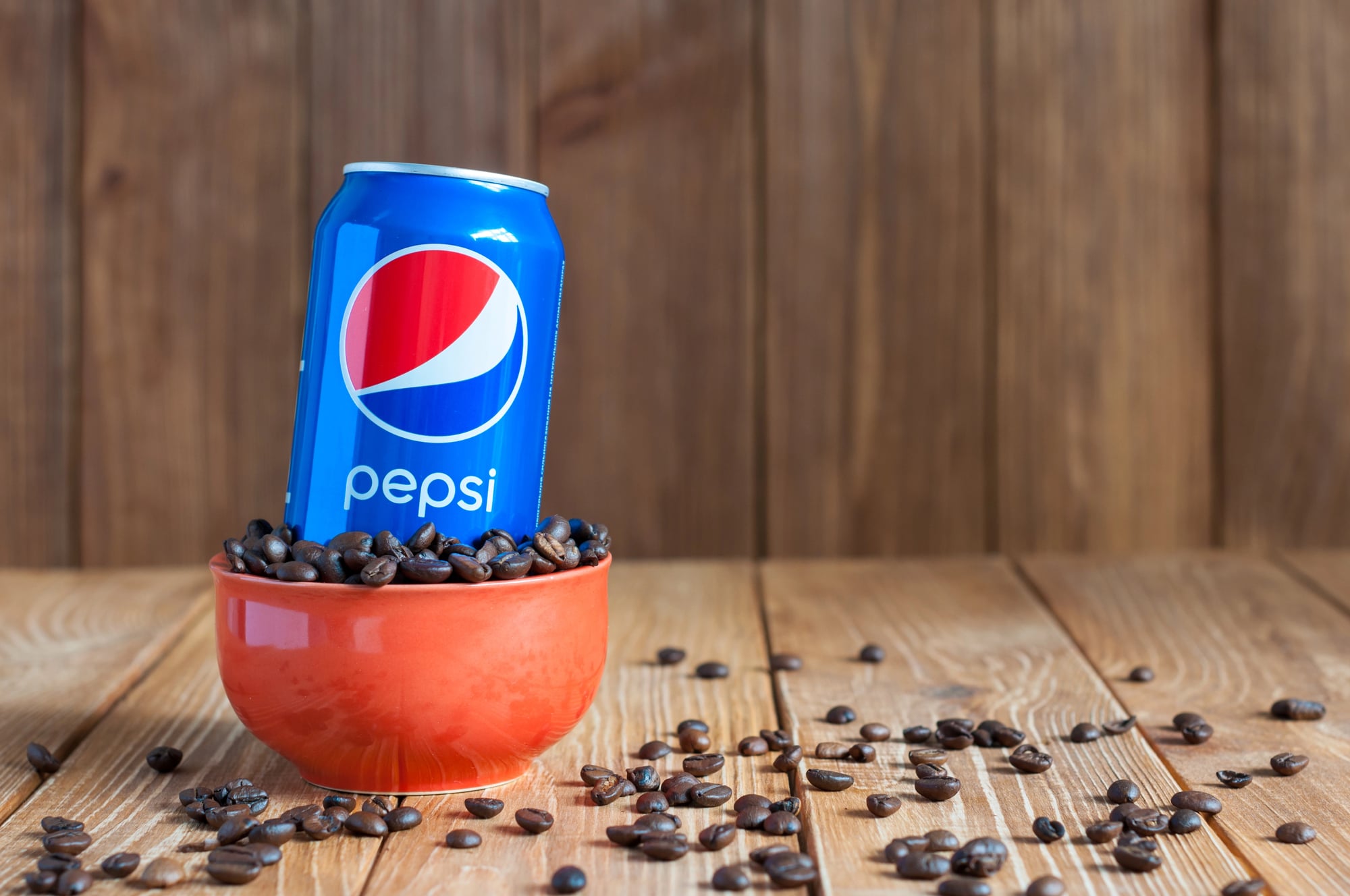
PepsiCo tested a coffee-flavored cola called Pepsi Kona in select markets in 1996 and 1997, anticipating consumer demand for coffee-cola hybrids a full decade before that market genuinely existed. It performed well enough in testing to generate confidence and poorly enough in broader testing to generate cancellation. The coffee-cola category that Pepsi Kona was reaching toward eventually proved viable — Coca-Cola BlāK tried it in 2006, and various subsequent products have followed — but the specific moment for Pepsi Kona passed before the market caught up.
Pepsi A.M. (PepsiCo, 1989–1990)
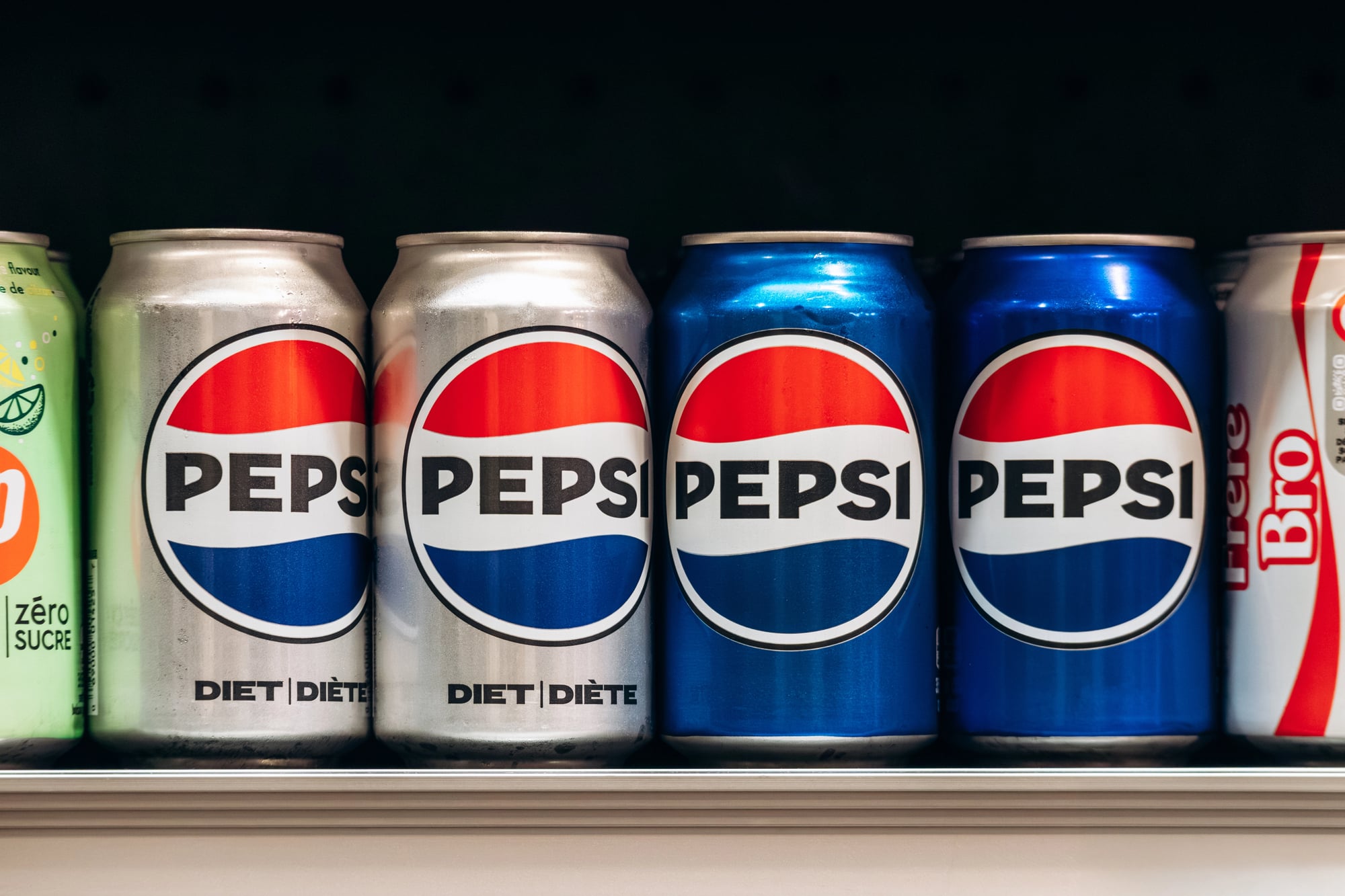
PepsiCo introduced Pepsi A.M. in 1989 as a breakfast beverage — a caffeinated soda with 28% more caffeine than regular Pepsi, explicitly marketed as a coffee substitute for people who preferred soda. It lasted one year. The concept that you could drink soda in the morning as a breakfast item was slightly ahead of what the market was ready to accept in 1989, though subsequent decades of energy drink normalization have made it look less peculiar than it did at the time. It is mainly remembered as a case study in timing and as evidence that PepsiCo was willing to try genuinely unusual things during the beverage experimentation era of the late 1980s.
Sprite Remix (Coca-Cola, 2003–2005)
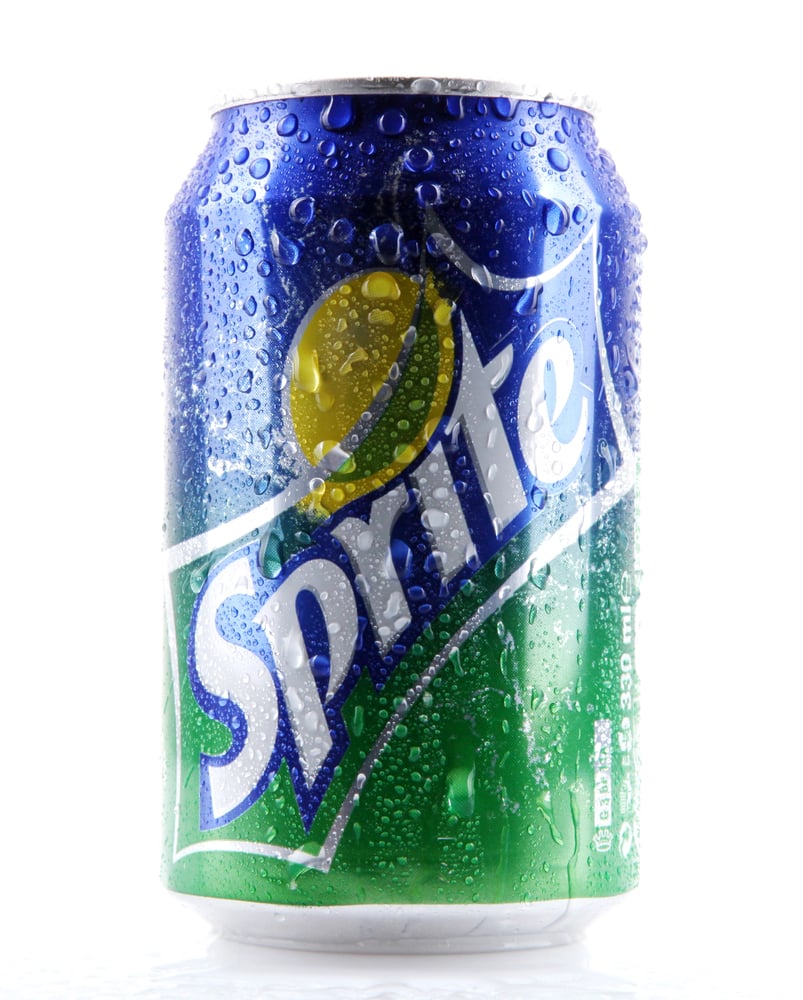
Sprite Remix was a tropical-flavored variant of Sprite that tied itself to hip-hop culture marketing — specifically to collaborations with artists who were popular in the early 2000s — and performed strongly enough in its first year to justify confidence and weakly enough in subsequent years to justify discontinuation. Three flavors were released: Tropical, Berryclear, and Aruba Jam. The Tropical flavor in particular developed a following among a specific demographic that has continued to express interest in its return through social media petitions. Coca-Cola has not revived it, which is consistent with the company’s general approach to Sprite line extensions.
Mello Yello (Coca-Cola, regional discontinuation)
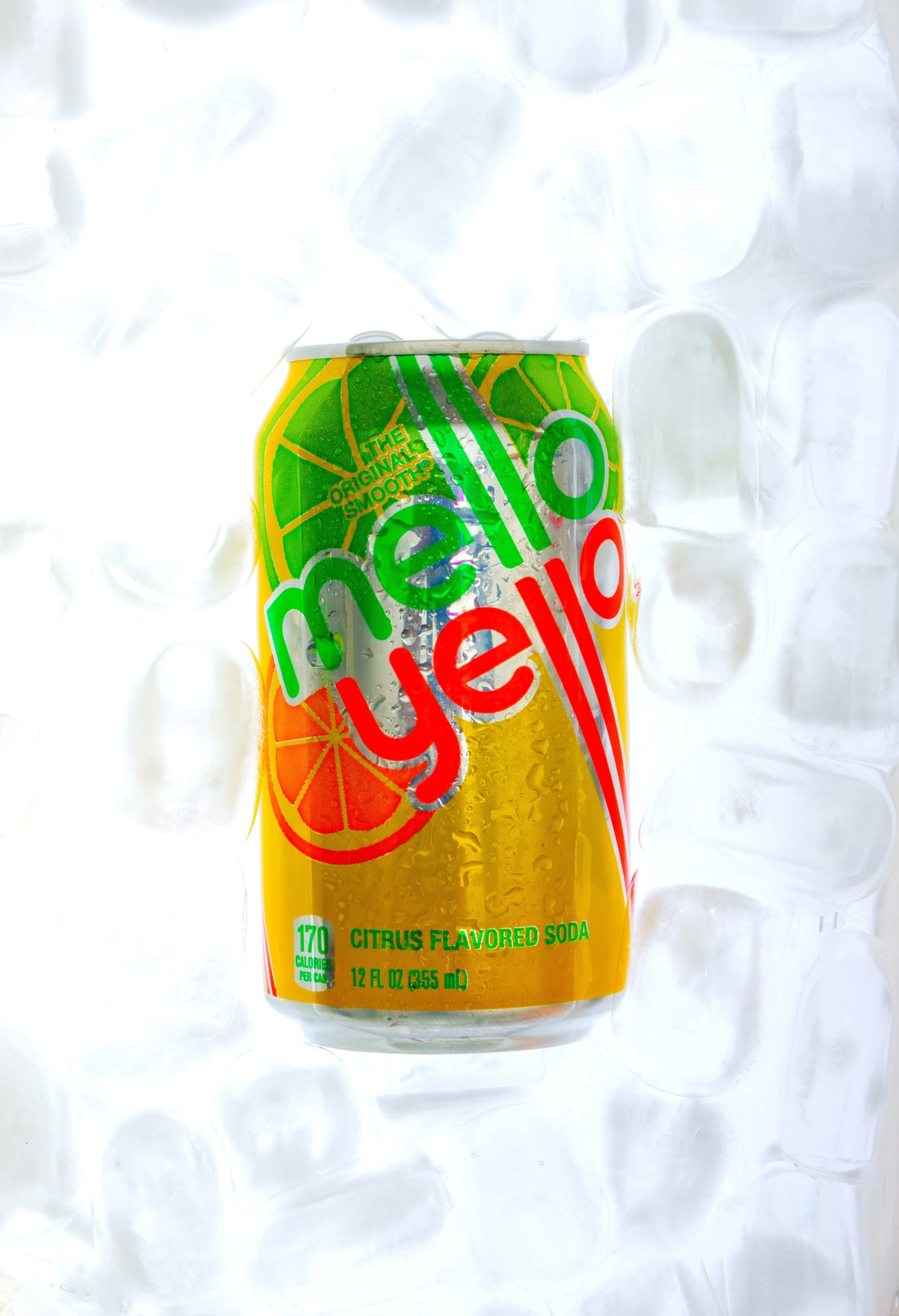
Mello Yello was Coca-Cola’s citrus answer to Mountain Dew, launched in 1979 and sold nationally before being gradually pulled from most major markets in the 1990s as Surge took over Coca-Cola’s extreme-beverage positioning. It was never fully discontinued — it remains available in parts of the American South and through certain fountain drink systems — but its near-absence in most of the country has given it the nostalgic quality of something lost, even for people who live within thirty miles of a gas station that stocks it.
Pepsi Blue (PepsiCo, 2002–2004)
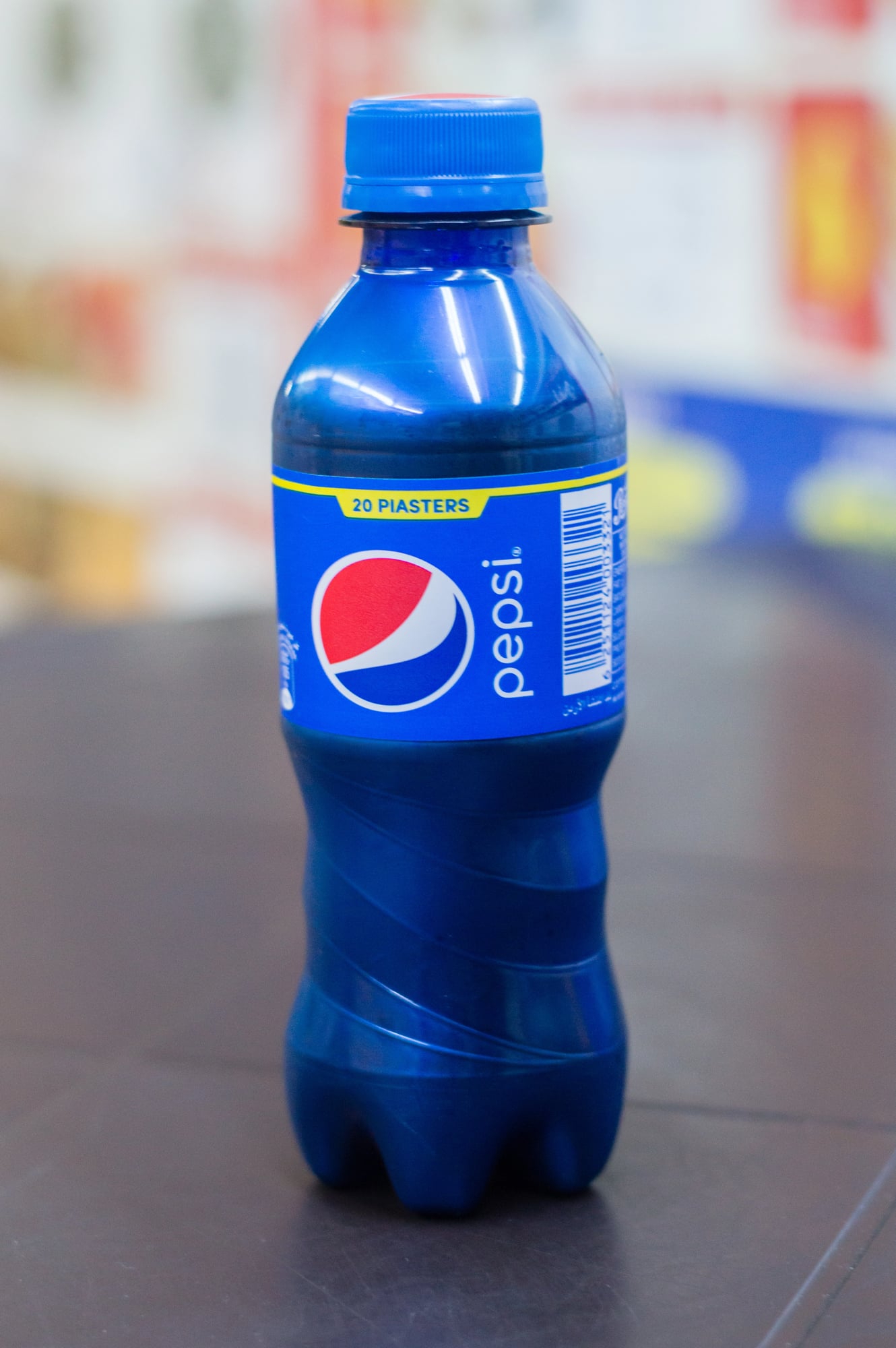
The electric blue color was its primary characteristic and its primary liability. Pepsi Blue was a berry-cola flavored drink that leaned into its visual strangeness through celebrity endorsements and a marketing push that made it briefly inescapable. Its candy-like flavor was appealing to children and divisive among the adults PepsiCo also needed to buy it. Sales collapsed by 2004. Limited regional and international revivals have appeared since, including in the Philippines where it apparently retains a genuine following. The American market version appears to be permanently gone, though limited releases have been announced periodically enough that predictions of permanence feel risky.
Vault (Coca-Cola, 2005–2011)
Vault positioned itself as a hybrid between energy drink and soda — “drinks like a soda, kicks like an energy drink” — at a moment when energy drinks were beginning to challenge traditional sodas for market share. It replaced Surge in Coca-Cola’s lineup and was itself eventually discontinued and replaced by a reformulated Mello Yello. This sequence — Surge replaced by Vault replaced by Mello Yello — represents an extended corporate attempt to find the right product for the same market niche, none of which fully satisfied the fans of the previous version.
Slice (PepsiCo, 1984–2000)
Slice was a fruit-flavored soda that contained real fruit juice, which distinguished it from most sodas of its era and allowed PepsiCo to market it as a slightly more natural alternative. The orange variety was the flagship, but apple, cherry, and lemon-lime varieties followed. It was discontinued in 2000 as PepsiCo consolidated around its Sierra Mist brand. A company unrelated to PepsiCo relaunched a Slice product in 2022, but it is a different formulation from a different company using a trademark that had lapsed, which makes the revival more complex than it initially appears.
SoBe (PepsiCo, 1995–2024)
South Beach Beverage Company’s SoBe drinks — herb-infused teas and juices in tall bottles with lizard branding — were ahead of the functional beverage curve in the late 1990s, positioning themselves as health-conscious alternatives to soda at a time when that positioning was still unusual. PepsiCo acquired the brand in 2001. Over the following two decades, SoBe was progressively simplified, reformulated, and eventually reduced to a single water product before being discontinued entirely in 2024. What fans remember is the original formula, the distinct bottles, and the early-2000s energy of a brand that genuinely felt like something new.
Hubba Bubba Soda (Wrigley, 1988–1991)
A bubble gum-flavored soda sounds like something created by and for people who were about nine years old, because it was. Hubba Bubba Soda was produced by the gum’s manufacturer, Wrigley, and sold for three years before being discontinued. Adults found the flavor essentially undrinkable. Children found it perfectly acceptable, particularly children who had been told they couldn’t have soda and found that soda tasting like bubble gum was technically still soda. Its three-year run generated a fairly specific nostalgia among people who were between seven and twelve during that window.
Coca-Cola BlāK (Coca-Cola, 2006–2008)
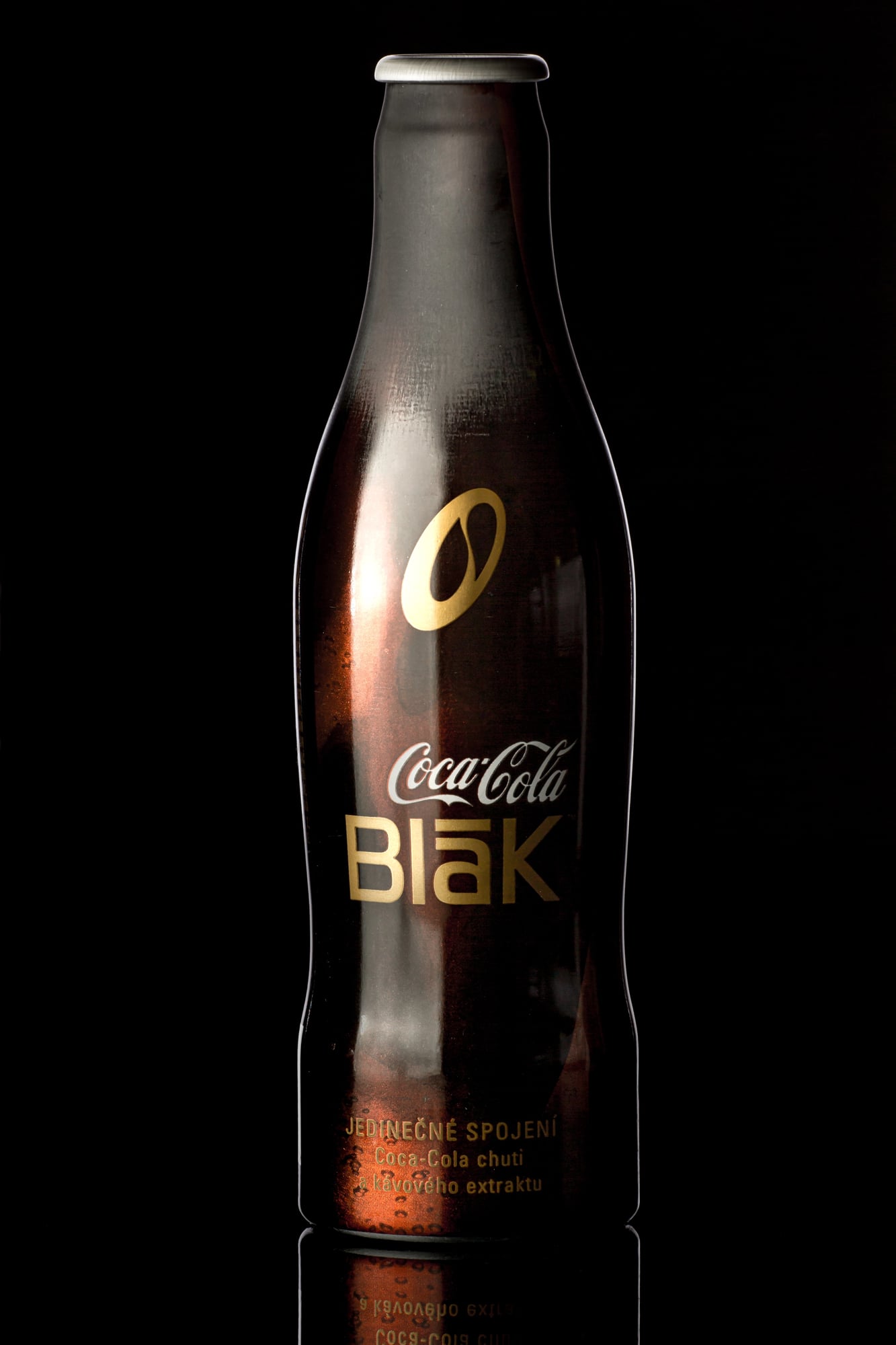
BlāK was Coca-Cola’s attempt to attract coffee-drinking adults to a premium soda market — a cola-coffee fusion that was introduced in France first, then the Czech Republic, Slovakia, and Lithuania, before launching in the United States in 2006. The marketing positioned it as a sophisticated adult beverage, which for a sweetened carbonated drink required a certain suspension of disbelief from the target consumer. Sales were low, and it was discontinued in 2008. It predated the coffee-soda hybrid market by about fifteen years; similar products have since appeared and performed somewhat better with a consumer base that has fully normalized cold brew coffee.
Dr Pepper Red Fusion (Dr Pepper, 2002–2004)
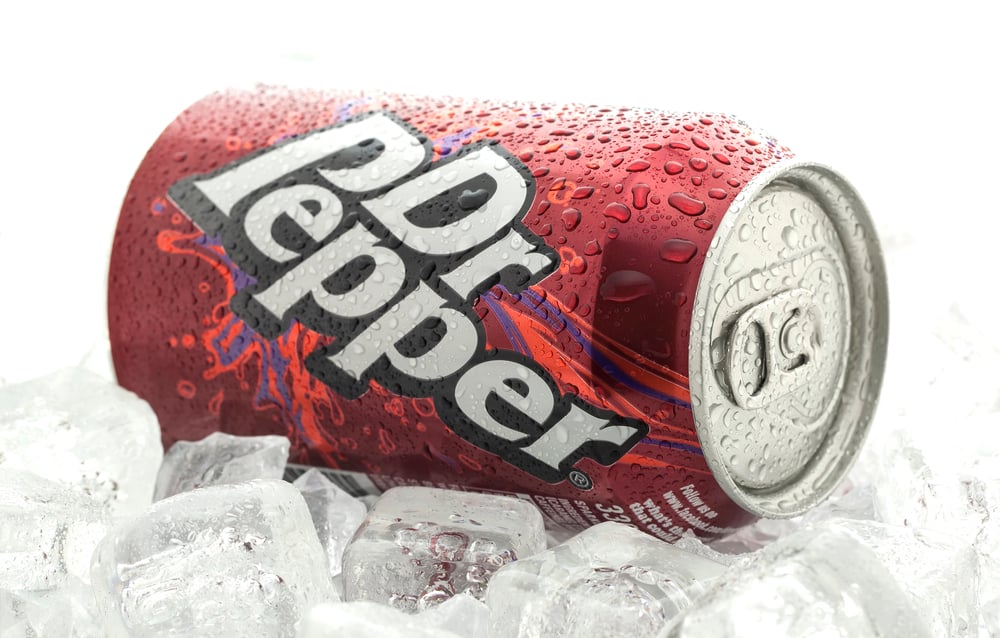
Advertised as the first new flavor from Dr Pepper in over a century, Red Fusion added a cherry twist to the original formula and was released in 2002 with considerable fanfare. Dr Pepper’s formula is already notoriously complex — reportedly containing 23 flavors, though the company has never confirmed the list — and the addition of a cherry element proved divisive rather than additive. It was discontinued in 2004 after poor sales and replaced by Dr Pepper Cherry, a different interpretation of the same concept that fared better.
Sprite Tropical Mix (limited, various years)
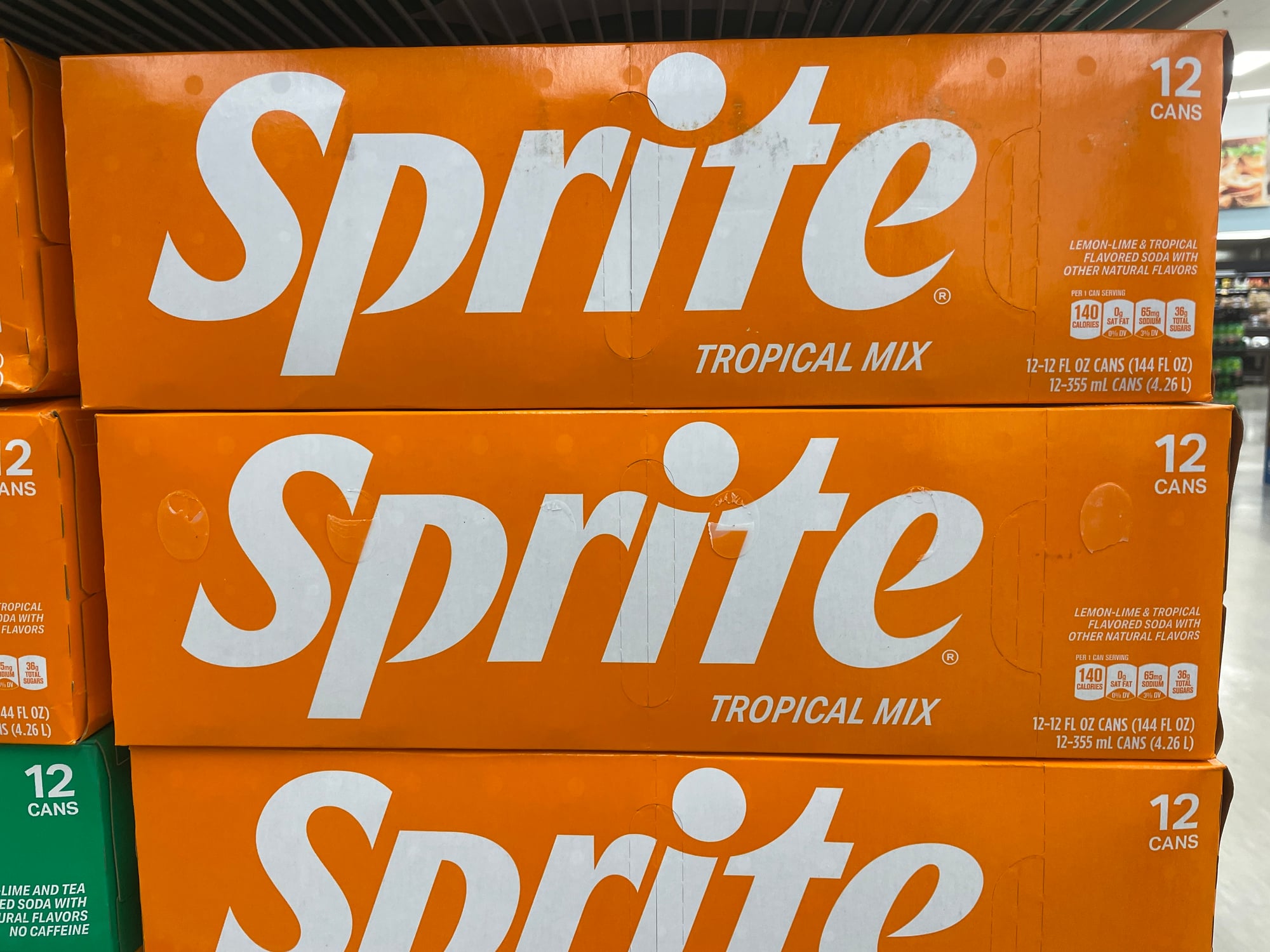
Sprite has released numerous limited tropical-flavored variants over the decades, most of them appearing for a summer promotional cycle before disappearing. The specific Tropical Mix variant that circulates most frequently in nostalgia discussions launched in the early 2000s and was marketed alongside hip-hop promotions. Multiple people who remember it describe a flavor that existing limited Sprite releases have not quite reproduced, which may be the effect of memory and may be a genuine formulation difference. Coca-Cola periodically revisits tropical Sprite variants, none of which have entirely satisfied the people who are looking for the specific one they remember.
Snapple Elements (Snapple, 1999–2004)
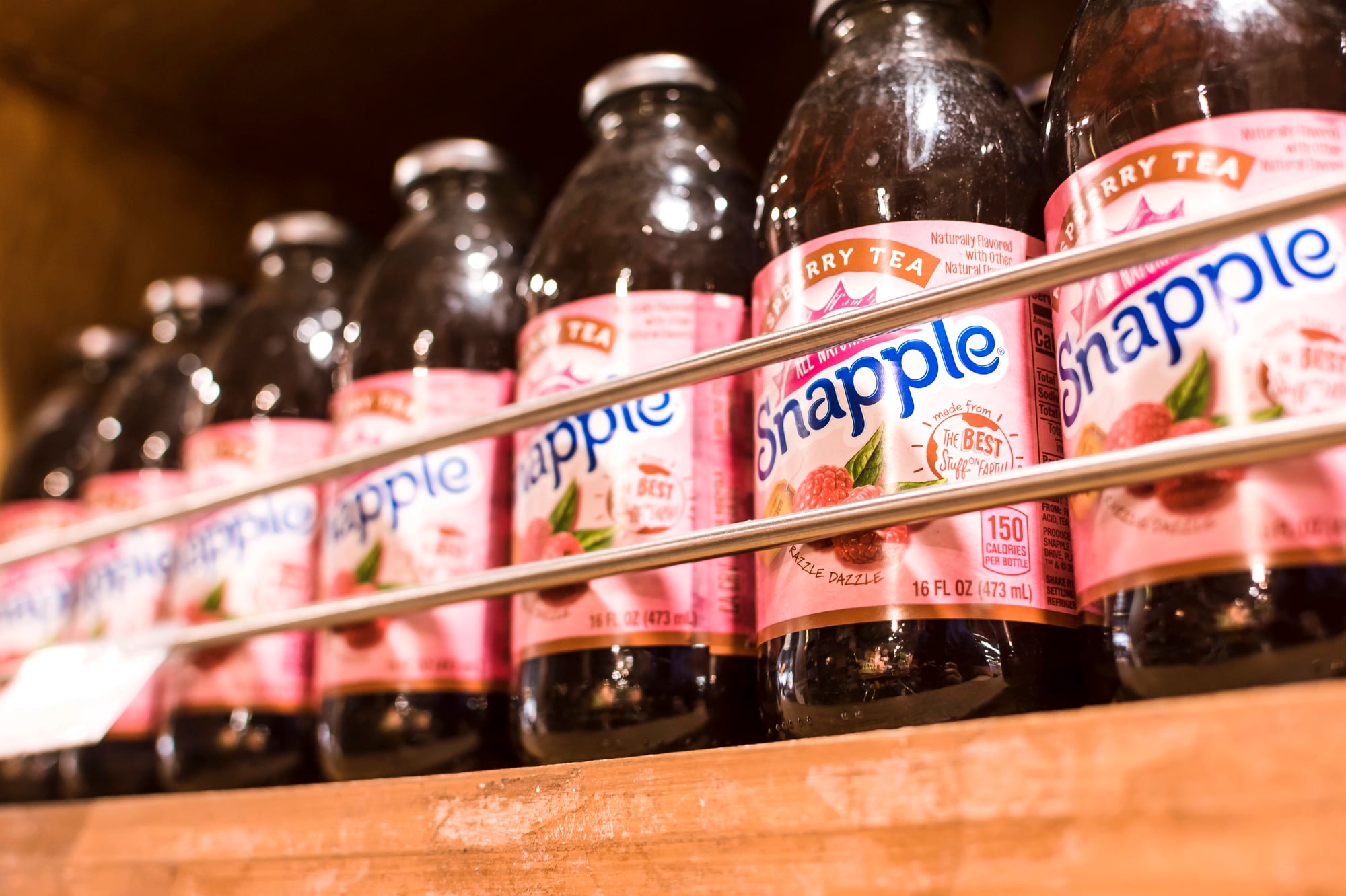
Snapple Elements — Rain (peach tea), Fire (cinnamon tea), Earth (dried plum), Sun (orange tea), Lightning (lemonade) — were the company’s attempt to capitalize on the functional beverage and mystical branding trends that were both peaking around 1999. The bottles had distinctive shapes and names that implied vague wellness benefits without making specific claims. They were sold in natural food stores and some mainstream retailers and built a dedicated following before being discontinued in 2004. The brand has attempted several partial revivals, none of which have recaptured the original product lineup or the specific cultural moment that made them feel interesting.
The Drinks That Got Away
The consistent feature of these beverages is that the companies that made them moved on while the people who drank them did not. A soda that lasts eighteen months on a shelf can last thirty years in memory, and memory tends to improve the flavor considerably. The specific combination of formulation, packaging, cultural moment, and age at which you first encountered something creates an experience that no subsequent similar product can recreate — not because the science can’t replicate it, but because you are not eleven years old anymore, and the afternoon when you first drank something cold and strange and perfect cannot be remanufactured by any beverage company on earth.
More from Go2Tutors!

- The Romanov Crown Jewels and Their Tragic Fate
- 13 Historical Mysteries That Science Still Can’t Solve
- Famous Hoaxes That Fooled the World for Years
- 15 Child Stars with Tragic Adult Lives
- 16 Famous Jewelry Pieces in History
Like Go2Tutors’s content? Follow us on MSN.



