25 English Words Secretly Borrowed from Other Languages
You probably speak more foreign languages than you realize. English has this sneaky habit of snatching words from other tongues and making them feel so natural that they slip into conversations without anyone noticing their origins.
That German compound word? The French phrase that somehow sounds perfectly American?
The borrowed term from Japanese that your grandmother uses without knowing where it came from? They’re everywhere, hiding in plain sight.
Most of these linguistic immigrants arrived so long ago that they’ve shed their accents and settled into the neighborhood like they’ve always belonged. Others are newer arrivals, still carrying traces of home but fitting in just fine.
Either way, they’ve become part of the fabric of how Americans speak, which says something interesting about language itself — it doesn’t respect borders any more than good ideas do.
Ketchup

This one comes from Chinese, though it took a scenic route through Malay and Dutch before landing on American tables. The original word “kê-tsiap” referred to a fermented fish sauce, which makes the tomato-heavy version sitting in most refrigerators a distant cousin at best.
So when people argue about whether ketchup belongs on hot dogs, they’re really debating the merits of a condiment that’s been shapeshifting across cultures for centuries.
Wanderlust

German gave English this particular itch that can’t be scratched by staying home. “Wander” (to hike) plus “lust” (desire) creates something more specific than just wanting to travel — it’s that restless feeling that treats geography like a challenge (and one that needs to be accepted, preferably with a backpack and questionable planning skills).
The Germans, as it happens, have a gift for naming feelings that other languages dance around without ever quite pinning them down, and this one captures something that plane tickets and Instagram feeds have only made worse. But here’s the thing about borrowed compound words: they often carry more precision than anything English could have cobbled together on its own, which explains why “wanderlust” feels more accurate than “really wanting to go somewhere else for a while.”
Boondocks

Americans borrowed this from the Tagalog word “bundok,” meaning mountain, though somewhere along the way it shifted from describing specific terrain to describing anywhere that feels far from civilization. Military slang helped it travel during the Philippine-American War, and it settled into meaning any remote place where cell service goes to die.
The word landed in American English with that specific flavor of distance that comes from actually being stationed somewhere that tests your patience with isolation. And it stuck around because English needed a word for places that aren’t just rural — they’re aggressively, stubbornly far from anything that resembles convenience.
Thug

Hindi handed this one over through the word “thag,” which originally described members of a specific criminal organization in India. The Thuggee were known for ritual murders, which makes the modern usage — applied to anyone acting aggressively or criminally — both a linguistic evolution and a considerable watering-down of the original meaning.
Historical context has a way of getting lost when words cross borders, and this one traveled light.
Shampoo

Hindi strikes again with “champo,” which meant to massage or knead muscles. British colonizers encountered the practice of head massage and brought both the technique and a mangled version of the word back home.
The liquid soap part came later, after the word had already made itself comfortable in English. So every time someone complains about running out of shampoo, they’re referencing a relaxation technique that got commercialized into a bathroom necessity.
Chocolate

Nahuatl (the Aztec language) contributed “xocolatl” to the world, though Spanish served as the middleman for this particular transaction. The original drink was bitter, nothing like the sweetened versions that conquered global taste buds centuries later.
But the word stuck even as the recipe changed, which seems fitting for something that was always destined to become an obsession rather than just a beverage. The Aztecs treated cacao as currency, which honestly makes more sense than most modern economic systems.
Karaoke

Japanese culture exported this word along with the concept, combining “kara” (empty) and “oke” (short for orchestra). The idea of singing along to instrumental tracks in public seemed so distinctly tied to its origin that English just adopted the whole package rather than trying to translate it.
Some experiences resist description until someone names them properly, and then suddenly everyone understands exactly what they’ve been missing. The word arrived with instructions attached: this is what you call it when people voluntarily embarrass themselves with music and somehow have fun doing it.
Bazaar
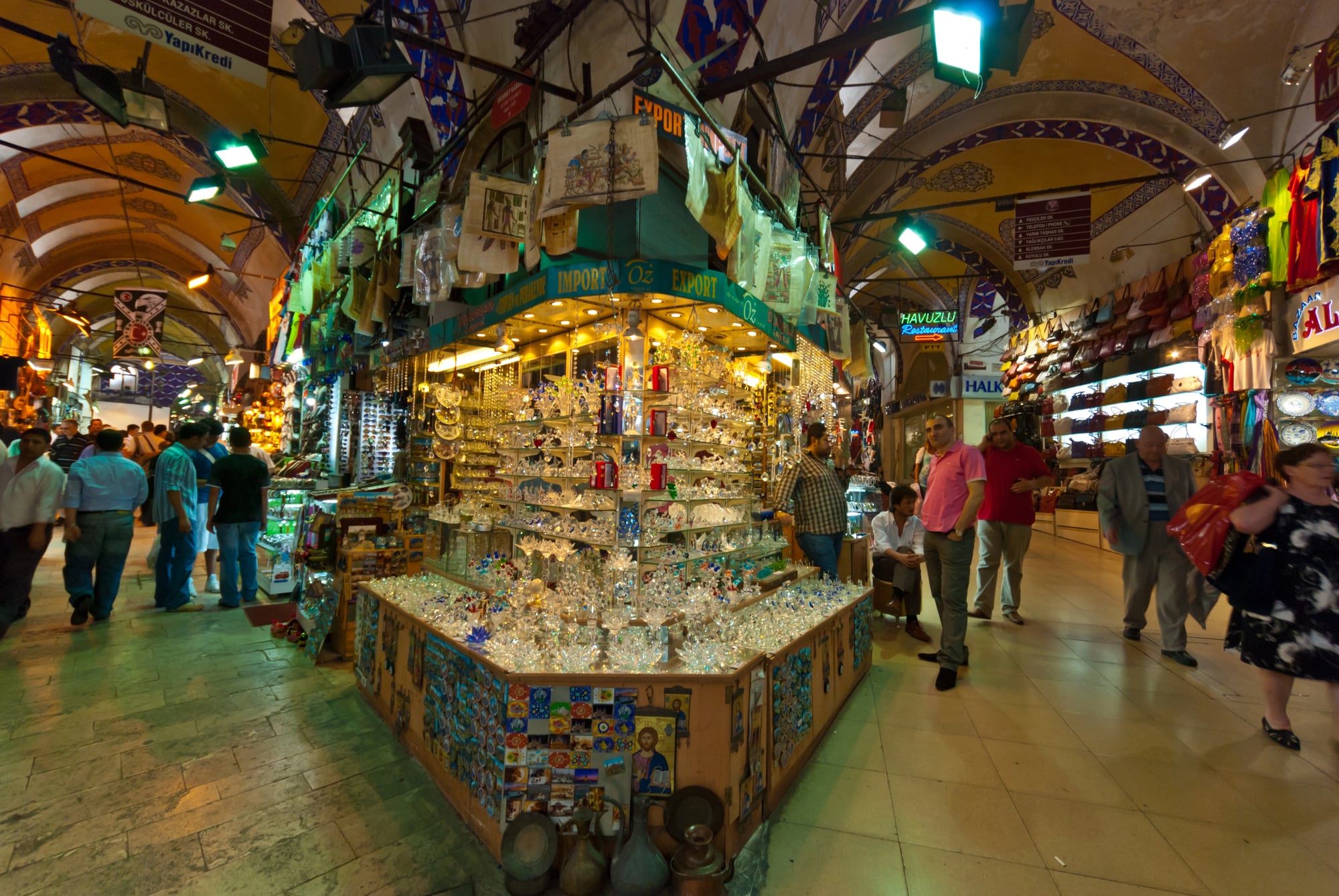
Persian gave English “bāzār” to describe a marketplace, and the word traveled through Turkish and Italian before settling into American usage. It carries more atmosphere than “market” — suggesting something with personality, maybe a little chaos, definitely more interesting than a shopping mall.
The word implies discovery rather than just commerce, which explains why it stuck around even as the places it describes became rarer.
Zombie

Haitian Creole contributed “zombi,” rooted in West African spiritual traditions, to describe someone returned from death under external control. Hollywood took the concept and ran with it in directions that would probably surprise the original speakers, but the word proved flexible enough to handle everything from voodoo practices to apocalypse movies to describing how people look before their morning coffee.
The transformation says something about how borrowed words adapt to new contexts (sometimes respectfully, sometimes less so), but also about how certain concepts fill gaps that the borrowing language didn’t know it had. English needed a word for the walking dead, apparently, even before it knew why.
Barbecue
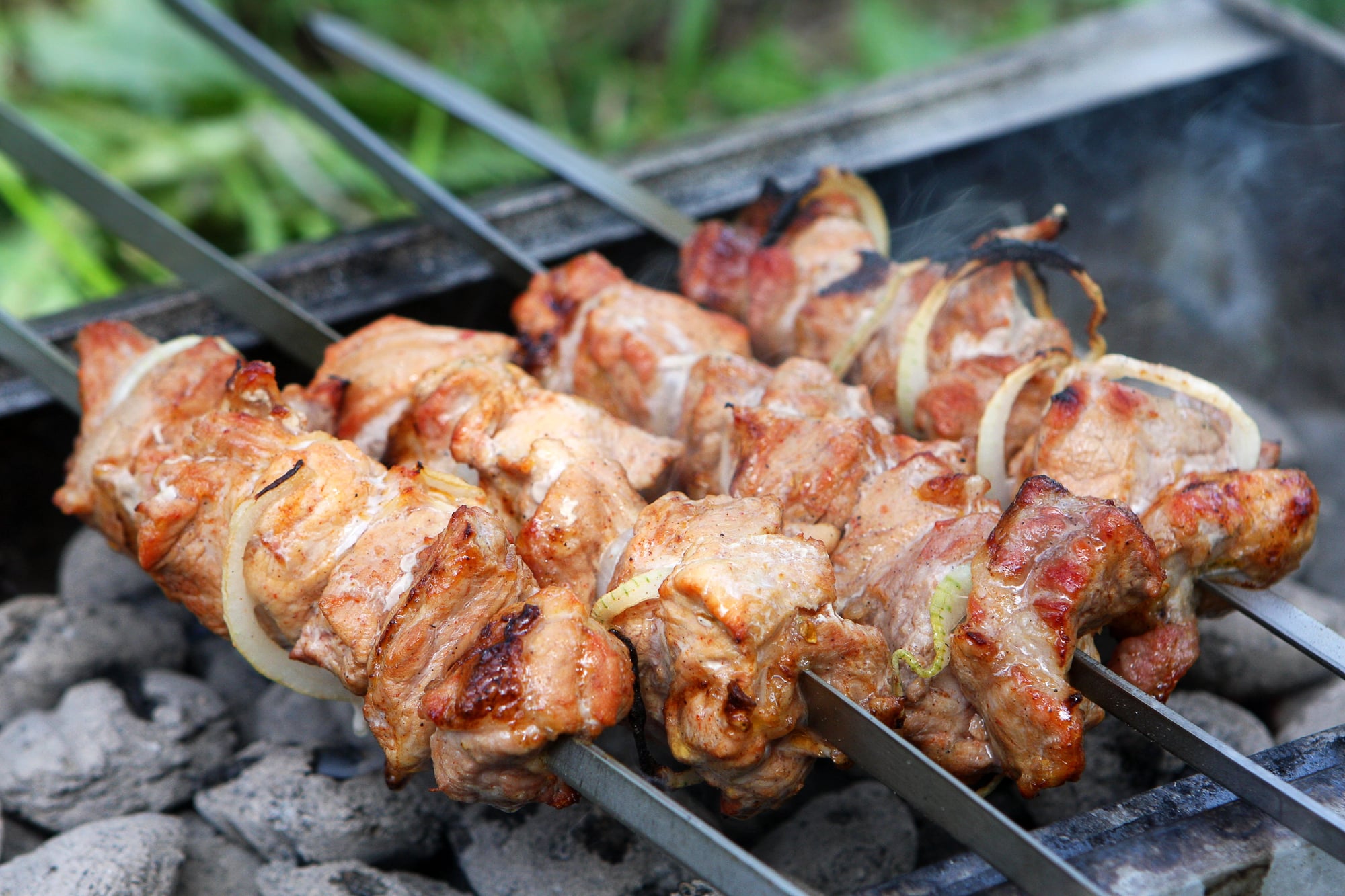
This one traces back to the Taíno word “barbacoa,” which described a wooden framework for cooking meat over fire. Spanish carried it into broader circulation, and it eventually landed in American English just in time to become a regional obsession with strong opinions about sauce and technique.
The word traveled from Caribbean indigenous communities to backyard debates about whether gas grills count as real barbecue, which is quite a journey for any piece of vocabulary.
Checkmate

Persian chess players said “shāh māt” when the king was defeated, literally meaning “the king is dead.” The phrase moved through Arabic and Old French before English chess players adopted it, though by then it had shifted to mean “the king is helpless” rather than actually dead.
Chess terminology tends to be borrowed rather than invented, probably because the game itself crossed so many borders that translation would have gotten messy. Some concepts work better when everyone uses the same words, even if those words come from somewhere else entirely.
Flannel

This soft fabric gets its name from Welsh “gwlanen,” though it passed through French before English claimed it. The word followed the textile trade routes, picking up slight pronunciation changes along the way but keeping its essential meaning.
Flannel shirts became such an American staple that most people probably assume the word originated here, which is exactly how successful borrowing works — the foreign origin fades until it feels native.
Jungle

Sanskrit offered “jangala,” meaning rough and arid land, though by the time Hindi turned it into “jangal” for forest, and English borrowed it for dense tropical vegetation, the meaning had wandered pretty far from its starting point. Words tend to evolve as they travel, adapting to new environments just like the people who carry them.
“Jungle” ended up describing places that are the opposite of arid, which proves that linguistic evolution doesn’t always follow logical paths.
Paradise

English lifted “paradeisos” from ancient Persian through Greek, where it originally described a walled garden or park. The word carried ideas about enclosed, perfected spaces long before it became associated with afterlife rewards or vacation destinations.
Persian gardens were serious business — carefully planned, heavily watered, designed to create the impression of abundance in places where that wasn’t guaranteed. The concept was worth borrowing because it described something more specific than just “nice place” — it suggested human effort creating something better than what nature provided on its own.
Kiosk

Turkish contributed “kiosk” from Persian “kushk,” originally describing an open pavilion or summerhouse. The word traveled through French before English adopted it, though somewhere along the way it shifted from describing elegant garden structures to meaning small retail booths or information stands.
Modern kiosks have about as much charm as a parking meter, which shows how borrowed words can keep their form while losing their soul. But the word survived because English needed something to call those little structures that aren’t quite buildings but aren’t quite furniture either.
Juggernaut

This comes from Hindi “Jagannath,” literally “lord of the world,” referring to a specific deity whose festival processions involved massive temple cars. British colonial observers misunderstood the religious significance and focused on the size and unstoppable momentum of the vehicles, turning the word into a metaphor for any overwhelming force.
The original meaning got steamrolled by the borrowed one, which is probably the most ironic example of cultural appropriation in the English language.
Safari

Swahili gave English “safari” from Arabic “safar,” meaning journey or travel. The word originally just meant going somewhere, but English narrowed it down to mean specifically traveling to observe wildlife, usually in Africa.
This represents linguistic colonization in miniature — taking a general word and making it describe something exotic and specific to foreign places. The borrowed meaning stuck because it filled a gap in English vocabulary, even though it reduced a broad concept to tourism marketing.
Tycoon

Japanese contributed “taikun,” meaning great lord or prince, though it entered English through American business slang rather than cultural exchange. The word jumped from describing Japanese military leaders to describing American industrialists, which says something about how power structures translate across languages.
“Tycoon” sounds more impressive than “wealthy businessman,” probably because it carries echoes of the feudal authority it originally described.
Cuisine

French loaned this to English from Latin “coquina,” related to cooking, though English already had perfectly good words like “cooking” and “food.” The borrowed version carries implications of sophistication and technique that the native alternatives lack.
This is linguistic class consciousness in action — using the foreign word to suggest something more refined than what domestic vocabulary can provide. “Cuisine” makes a peanut butter sandwich sound like it has aspirations.
Taboo

Captain Cook’s crew picked this up from Tongan “tapu” during Pacific voyages, describing things that were forbidden or sacred. English grabbed the concept because it needed a word for prohibitions that weren’t exactly illegal but weren’t socially acceptable either.
The word filled a gap between “forbidden” and “improper” — describing boundaries that exist without being written down. Social rules needed better vocabulary than English had developed on its own.
Yoga

Sanskrit provided “yoga,” literally meaning union or joining, though English borrowed it specifically to describe the physical and spiritual practices rather than the broader philosophical concept. The word arrived with its own instruction manual — you couldn’t translate the practice without keeping the terminology that described it.
Some borrowed words come with entire worldviews attached, and trying to rename them would lose more than just vocabulary. “Yoga” succeeded because the concept was sophisticated enough to deserve its original name.
Shawl

Persian “shal” became English “shawl” through various European languages, describing a specific type of woven cloth wrap. The word traveled with the textile trade, carrying technical specifications that generic terms like “wrap” or “covering” couldn’t match.
Fashion vocabulary tends to be borrowed rather than invented because clothing often arrives with its own name already attached. The word stuck because it described something specific enough to need its own term.
Orange
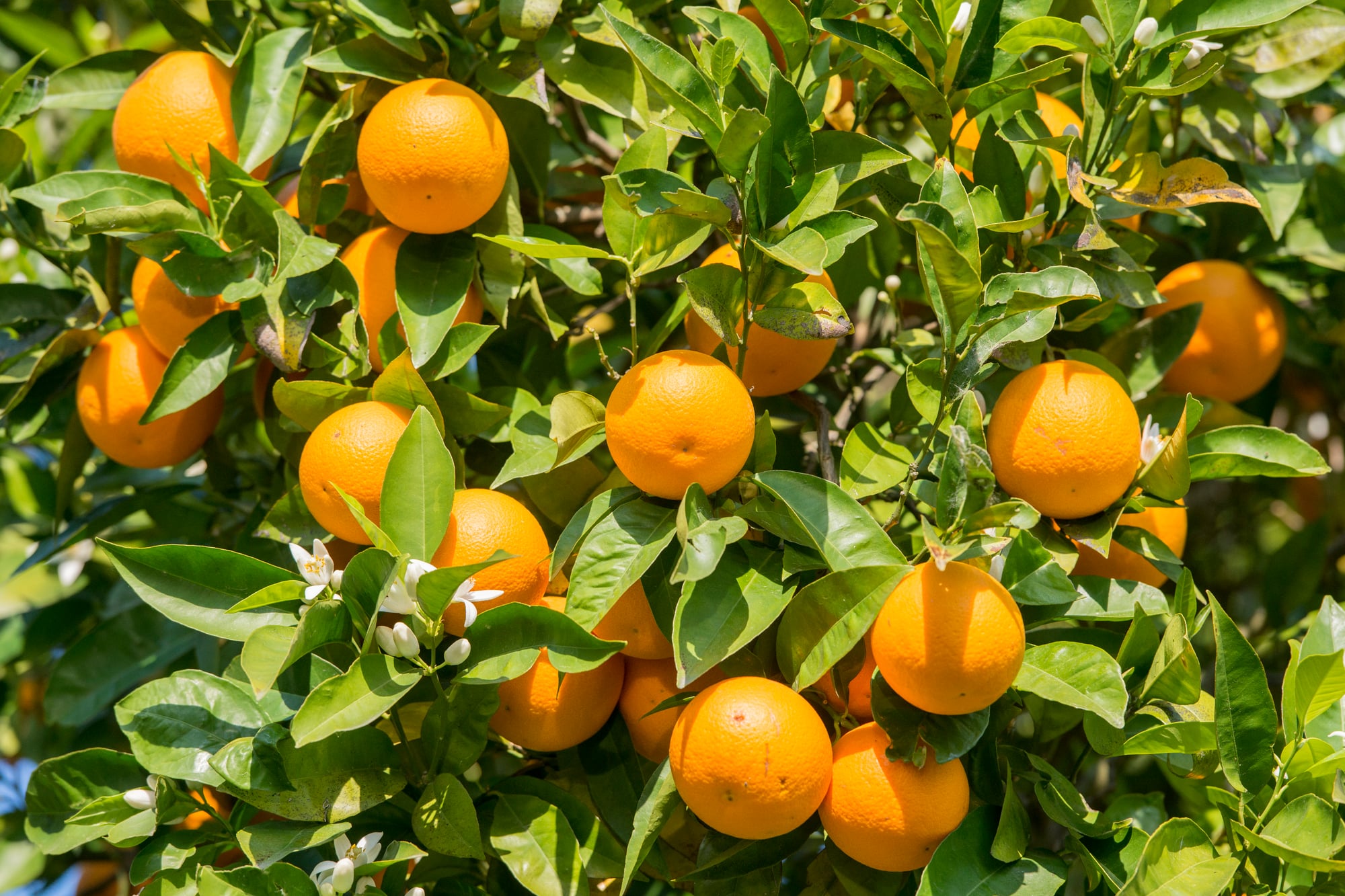
This fruit brought its name from Sanskrit “naranga” through Persian, Arabic, and Old French before English got its hands on it. The color took its name from the fruit, which seems backward until you consider that bright orange things were rare enough in medieval Europe that they needed the fruit as a reference point.
Some borrowed words succeed because they describe things that didn’t exist in the borrowing culture’s experience — new fruits, new colors, new concepts that needed new vocabulary.
Sugar

Sanskrit “sharkara” became English “sugar” through Persian, Arabic, and Old French, following the trade routes that brought both the substance and its name to Europe. The word traveled with the commodity because sugar was specific enough to need precise terminology — “sweet stuff” wouldn’t have worked for international commerce.
Trade languages tend to preserve the original names for goods because accuracy matters more than linguistic purity when money is involved.
Coffee

Arabic “qahwah” gave English “coffee” through Turkish and various European languages, though the original word may have referred to wine rather than the bean-based drink. The word followed the beverage as it spread from Ethiopian highlands through Middle Eastern coffee houses to European cafes to American diners.
Some borrowed words become so fundamental that it’s hard to imagine the culture without them, which explains why “coffee” sounds completely natural in English despite traveling through half a dozen languages to get here.
Words Without Borders

Language operates like a successful neighborhood — it improves by welcoming newcomers who bring something valuable with them. These borrowed words didn’t sneak into English through some backdoor cultural exchange.
They arrived because they solved problems that existing vocabulary couldn’t handle, or because they described experiences that English hadn’t encountered yet, or simply because they sounded better than whatever alternatives were available.
The interesting thing about this linguistic borrowing is how seamlessly it happens. Most people use these words without knowing or caring about their origins, which suggests that good vocabulary transcends its source.
When a word works, its passport becomes irrelevant. English has always been a pragmatic language, more interested in effectiveness than purity, which explains why it’s comfortable adopting useful words regardless of where they come from.
That flexibility might be the most American thing about American English.
More from Go2Tutors!

- The Romanov Crown Jewels and Their Tragic Fate
- 13 Historical Mysteries That Science Still Can’t Solve
- Famous Hoaxes That Fooled the World for Years
- 15 Child Stars with Tragic Adult Lives
- 16 Famous Jewelry Pieces in History
Like Go2Tutors’s content? Follow us on MSN.