Bizarre Things Found Preserved Inside Glacial Ice
The world’s glaciers are melting at an unprecedented rate, retreating from mountain peaks and polar regions where they’ve stood for thousands of years. As these ancient ice formations surrender to rising temperatures, they’re revealing secrets that have been locked away since before recorded history.
Think of glacial ice as nature’s time capsule — a frozen archive that has preserved everything from microscopic organisms to entire ecosystems in perfect detail. What emerges from these melting giants reads like a catalog of the impossible.
Ancient viruses that predate human civilization. Perfectly preserved animals that walked the earth when mammoths still roamed.
Objects that tell stories of human survival in the planet’s most unforgiving environments. Each discovery rewrites what scientists thought they knew about life, death, and the planet’s hidden past.
30,000-Year-Old Viruses

Scientists drilling into Tibetan glaciers pulled up ice cores containing viruses that are 30 times older than recorded human history. These aren’t your typical seasonal flu strains.
Most of these ancient viruses remain completely unknown to modern science. They’ve been locked in ice since before humans developed agriculture, before the first cities rose from the earth, before anyone thought to write anything down.
The ice preserved them in a state of suspended animation — not quite alive, not quite dead, waiting for the right conditions to potentially spring back to life. What makes this discovery particularly unnerving: as glaciers continue melting worldwide, more of these prehistoric viruses will inevitably be released into modern environments where no living organism has any natural immunity to them.
Ötzi the Iceman
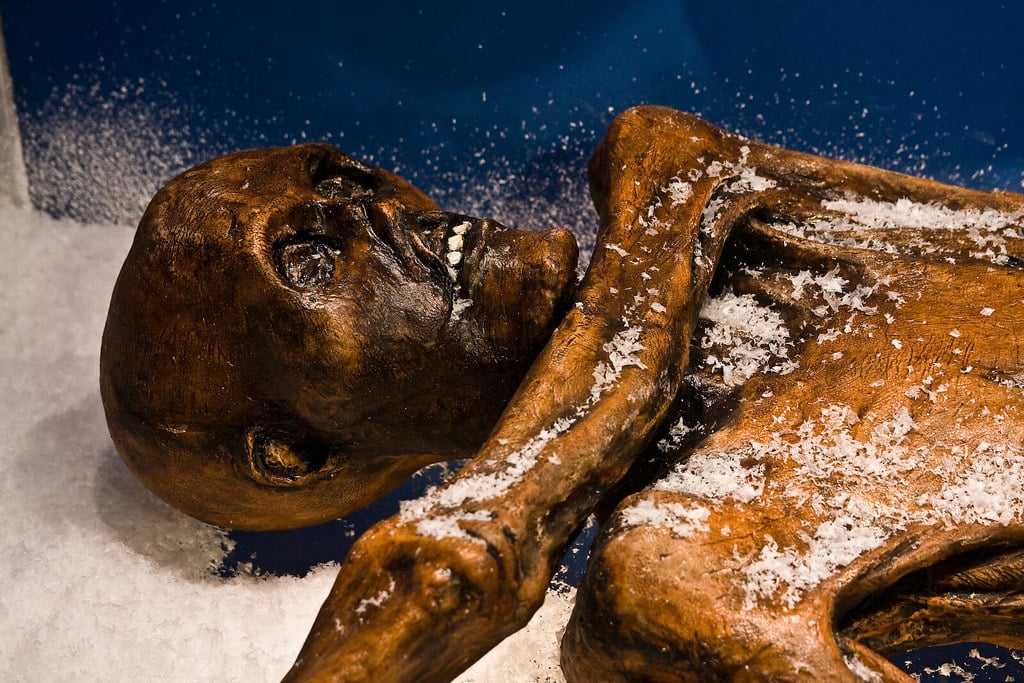
The Alps gave up their most famous resident in 1991 when hikers stumbled across what looked like a recent climbing accident. The “accident” turned out to be 5,300 years old.
Ötzi (as researchers named him) emerged from the ice with his clothing intact, his tools still sharp, and his final meal still identifiable in his stomach. An arrowhead lodged in his shoulder told the story of his violent death — he’d been murdered and left on the mountain, where ice claimed him within hours.
The cold preserved everything: his tattoos, his copper axe, even the pollen grains that revealed exactly which valleys he’d traveled through in his final days. But here’s the part that stops you cold: Ötzi’s DNA shows he has at least 19 living relatives scattered across modern Europe.
People walking around today who share genetic markers with a man who died before the pyramids were built.
Mammoth Carcasses with Liquid Blood
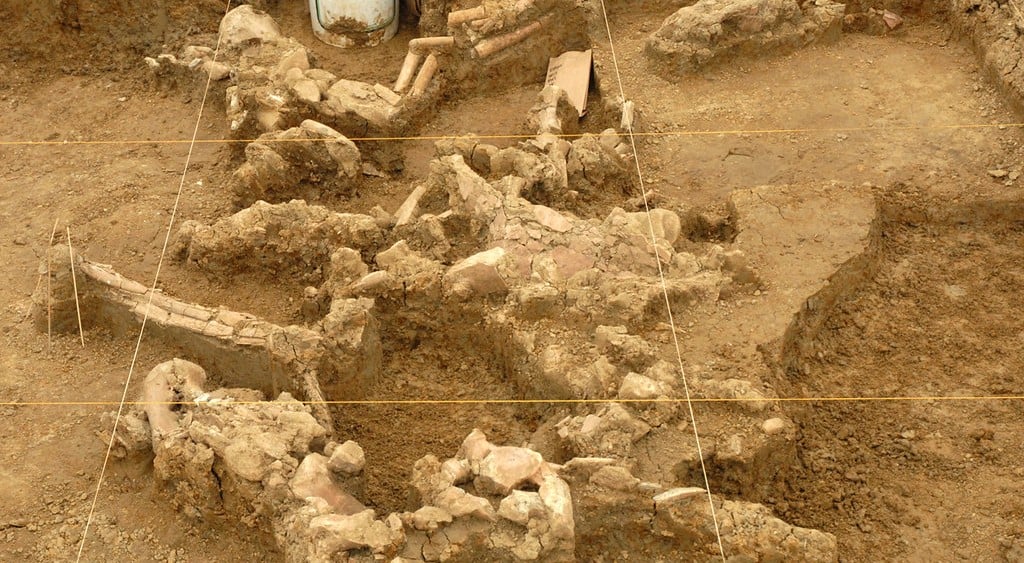
Siberian permafrost regularly coughs up mammoth remains, but some discoveries cross the line from remarkable into the realm of science fiction. In 2013, researchers found a mammoth so well-preserved that liquid blood still flowed from the carcass when they made incisions.
The blood had been frozen for somewhere between 10,000 and 15,000 years. Yet it poured out dark red, as if the animal had died yesterday.
Muscle tissue remained so intact that it looked fresh enough to cook — which, disturbingly, some researchers have actually done with previous mammoth finds, reporting that the meat tasted like beef with a slightly gamey edge. And this preservation isn’t limited to mammoths.
Siberian ice has yielded equally pristine woolly rhinoceros, cave lions, and prehistoric horses. Each one emerges looking like it wandered into a deep freeze last week rather than during the last ice age.
The implications for understanding these extinct species — and potentially bringing them back — continue to fuel both scientific research and ethical debates about resurrection ecology.
World War II Aircraft

Glaciers don’t just preserve ancient history (they’re surprisingly effective at swallowing up more recent human artifacts, then spitting them back out decades later when no one expects it). The Alps and other mountainous regions claimed numerous aircraft during World War II — planes that crashed in storms or were shot down during combat — and the ice has been returning them ever since, often in remarkably good condition.
So you have pilots who went missing in 1943 finally coming home in 2015. Their aircraft emerge with paint still bright, instruments still readable, even personal effects like letters and photographs intact enough to identify the crews.
Which matters more than it should to families who spent generations wondering what happened to fathers, brothers, sons who simply vanished into mountain weather and never came back. The ice preserves everything: the twisted metal that tells the story of the crash, the altitude readings on instruments that show exactly where things went wrong, sometimes even the remains of the crew members themselves.
And as climate change accelerates glacial melt, more of these wartime ghosts keep surfacing across Europe’s peaks.
40,000-Year-Old Perfectly Preserved Worms
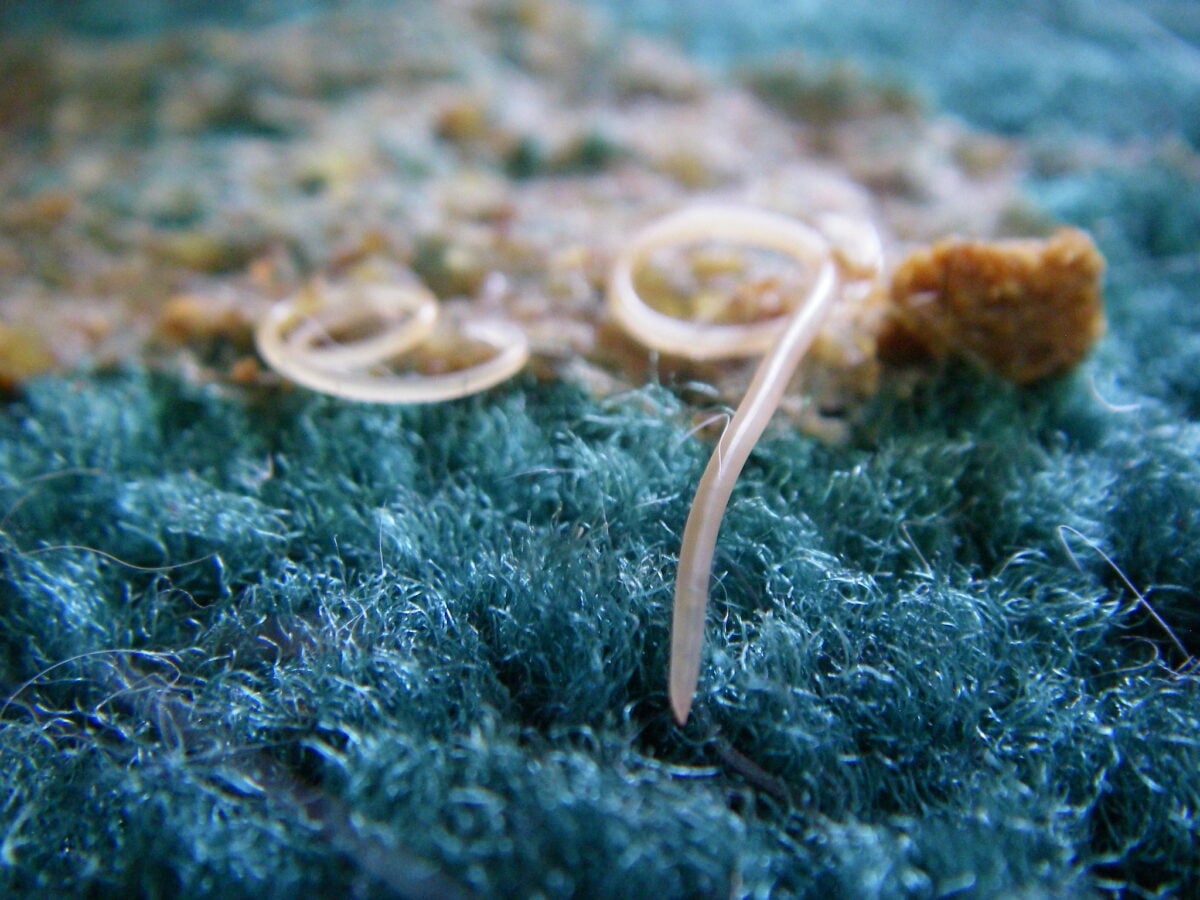
Nematodes — microscopic roundworms — emerged from Siberian permafrost after 40,000 years of frozen suspension and immediately began moving again. Not slowly. Not tentatively.
They started wriggling around as if they’d been napping for twenty minutes rather than forty millennia. These weren’t fossils or remains.
These were living organisms that had been alive when Neanderthals still walked the earth, that had somehow survived in a state of cryptobiosis — essentially biological suspended animation — for longer than the entire span of modern human civilization. The moment researchers thawed the ice, the worms resumed their normal biological functions.
They started eating. They started reproducing.
The discovery rewrote everything scientists thought they knew about the limits of life itself. If microscopic animals can survive 40,000 years of being frozen solid, what other forms of ancient life might be waiting in the world’s remaining ice?
And what happens to ecosystems when organisms from completely different geological periods suddenly find themselves sharing the same environment?
Ancient Forests Intact Under Ice

When researchers examined the edges of retreating Canadian glaciers, they didn’t just find scattered wood fragments or fossilized tree remains. They found entire forests, still standing, with bark intact and root systems still anchored in ancient soil.
These aren’t stone forests or petrified wood — these are actual trees that were overwhelmed by advancing ice thousands of years ago and preserved exactly where they grew. Spruce trees that were green and growing when the last ice age was ending, suddenly buried under advancing glaciers and held in perfect stasis ever since.
The wood is so well-preserved that it can still be used for construction, and researchers can examine growth rings that reveal weather patterns from periods when human civilization was just beginning to take shape. But here’s what makes your head spin: some of these preserved forests are older than the glaciers that covered them.
The trees were already ancient when the ice arrived. So you have forests that witnessed multiple climate changes, survived ice ages and warming periods, only to finally be buried and preserved just before human recorded history began.
They’re like botanical time travelers, carrying information about climates and ecosystems that existed long before anyone thought to write anything down about the natural world.
Prehistoric Parasites and Bacteria
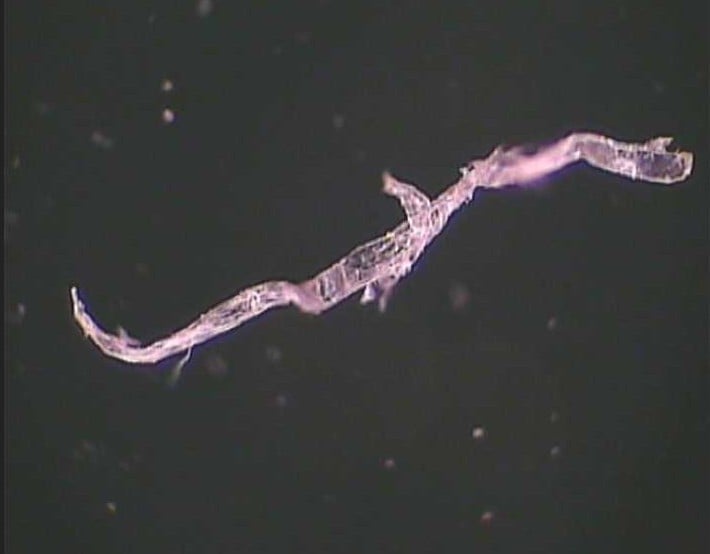
Glacial ice cores don’t just contain viruses — they’re packed with bacteria, fungi, and parasites that tell disturbing stories about disease and survival in prehistoric times. Some of these organisms are so ancient they predate the evolution of most current life forms on Earth.
What’s particularly unsettling about these discoveries is how viable many of these organisms remain after thousands of years in ice. Bacteria that infected woolly mammoths can still be cultured in modern laboratories.
Parasites that lived in the guts of animals that went extinct before humans developed written language still retain their ability to seek out host organisms. The ice didn’t kill them — it just put them on hold.
And some of these prehistoric microorganisms show resistance to antibiotics that didn’t exist when they were first frozen. Which suggests that antibiotic resistance isn’t a modern phenomenon caused by overuse of medications — it’s an ancient survival strategy that some bacteria have been carrying around for millennia, just waiting for the right opportunity to use it again.
Human Remains from Lost Expeditions
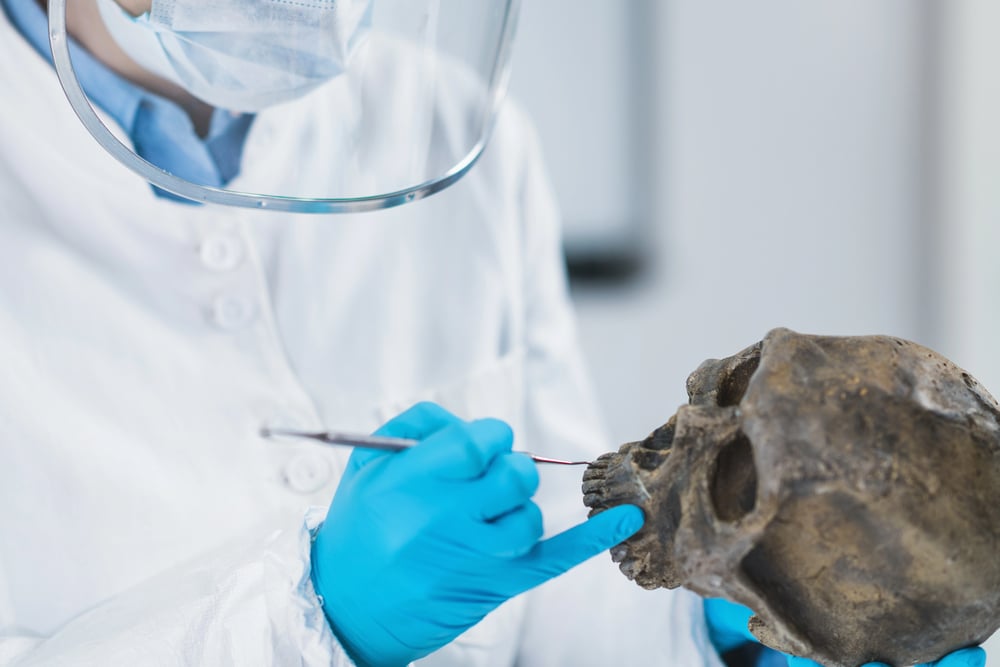
Mountain glaciers have been slowly releasing the remains of climbers, explorers, and travelers who disappeared decades or even centuries ago. These aren’t just bones or scattered equipment — the ice preserves soft tissue, clothing, and personal effects in ways that reveal intimate details about final moments and desperate survival attempts.
The Alps alone have returned dozens of bodies from climbing expeditions that vanished in the early-to-mid 20th century, each one emerging with their gear still packed as if they’d been preparing to continue their journey. Letters in their pockets, rations still sealed in their packs, maps marked with routes they’d never complete.
The preservation is so complete that families can finally identify relatives who disappeared into mountain weather decades before they were born. But some discoveries go back much further.
Glaciers occasionally release the remains of travelers from the 18th and 19th centuries — people who were crossing mountain passes for trade or migration and got caught in storms that buried them for centuries. Their clothing tells stories about textile techniques and travel gear from periods we know mainly through written accounts, and their routes reveal forgotten pathways that connected ancient communities across seemingly impassable terrain.
Tools and Weapons from Neolithic Cultures
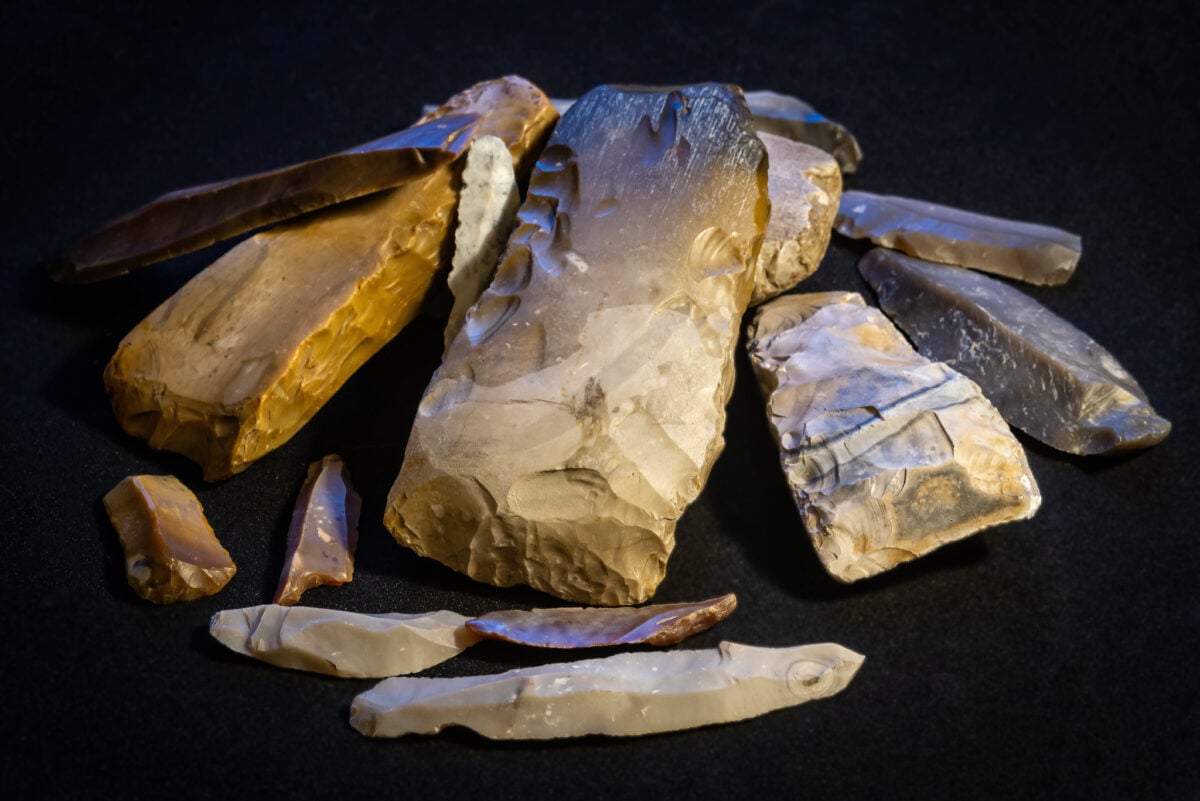
As Alpine glaciers retreat, they’re revealing tool caches and weapon collections that Neolithic peoples left behind thousands of years ago. These aren’t random scattered artifacts — they’re carefully curated collections of hunting and survival gear, preserved exactly as they were arranged by people who understood mountain survival in ways that modern climbers can barely comprehend.
Bows made from wood that no longer grows at those elevations. Arrows with fletching still attached.
Copper and bronze tools were so sharp they could still be used for their original purposes. Stone blades knapped with techniques that modern craftspeople struggle to replicate.
Each discovery reveals technological sophistication that existed long before anyone thought to write down instructions for making or using these tools. And the placement of these tool caches isn’t random — they’re located at strategic points along ancient travel routes, suggesting that Neolithic peoples established supply depots in mountain passes for seasonal hunting expeditions or trade journeys.
The glaciers preserved not just individual tools, but evidence of complex logistical planning by cultures that left no written records of their organizational abilities.
Perfectly Preserved Insects from Ancient Ecosystems
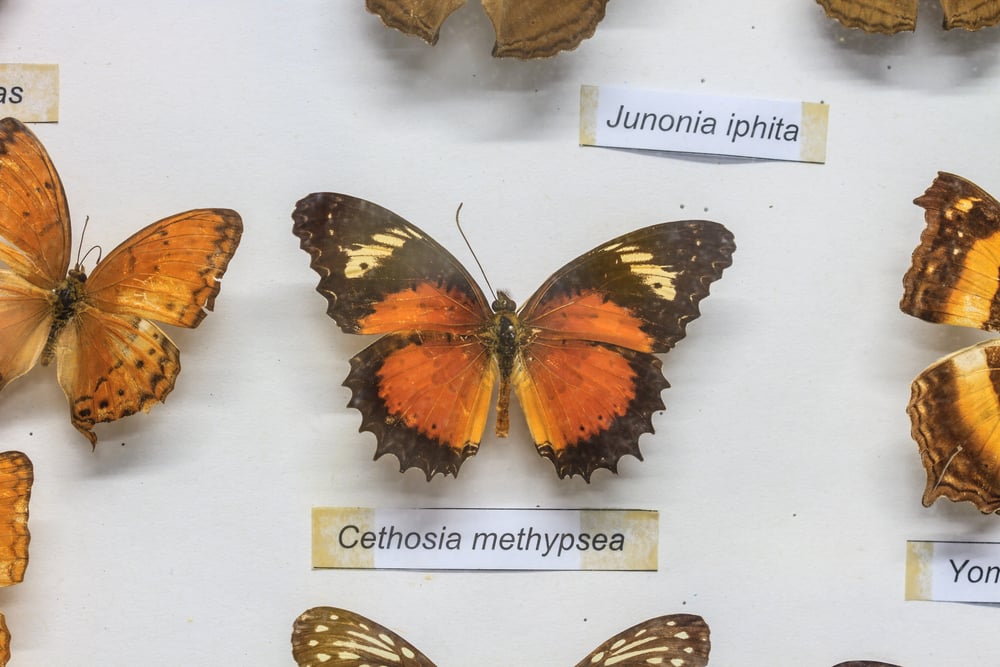
Glacial ice cores contain insects so well-preserved that their wing structures, antennae, and even digestive systems remain intact after thousands of years. These aren’t impressions or partial remains — these are complete specimens that look like they were collected yesterday by an enthusiastic entomologist.
What makes these discoveries particularly valuable: the insects represent species and ecosystems that no longer exist anywhere on Earth. They’re biological snapshots of periods when the planet’s climate, vegetation, and animal populations were completely different from what exists today.
Some represent evolutionary stages between modern insect families and their ancient ancestors. Others are from species that went extinct so long ago that there’s no other record they ever existed.
The level of preservation is almost supernatural. Compound eyes still show individual facets. Wing membranes remain flexible enough to unfold.
Internal organs are so intact that researchers can identify what the insects had been eating when they died. It’s as if entire ecosystems were flash-frozen mid-moment, preserving not just the organisms themselves but the exact instant when their world changed forever.
Ancient Clothing and Textiles
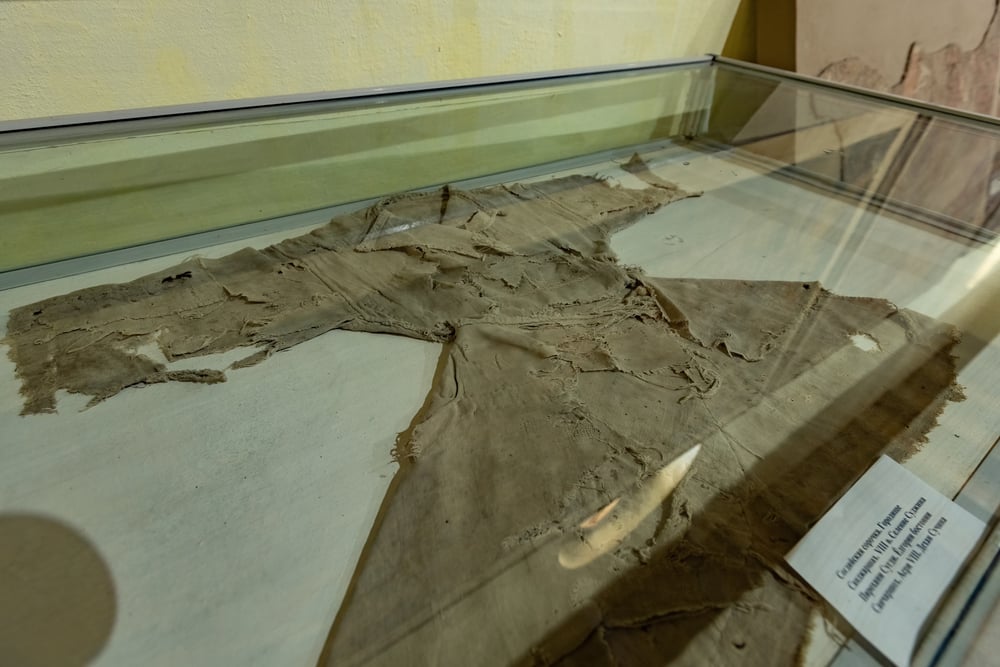
Glacial preservation has yielded textiles and clothing that reveal sophisticated understanding of fiber processing, weaving techniques, and cold-weather survival gear among ancient peoples. These aren’t simple animal skins or crude woven materials — they’re complex, multi-layered garments designed for specific environmental challenges.
Ötzi’s clothing alone rewrote textile history: a leather coat made from sheepskin and goat hide, leggings sewn from sheep leather, a grass cloak designed to shed rain and snow, shoes stuffed with grass for insulation, and a bearskin hat. Each piece showed wear patterns that revealed exactly how he moved through mountain terrain, and construction techniques that wouldn’t be out of place in modern outdoor gear manufacturing.
But Ötzi isn’t the only example. Other glacial finds have produced woven fabrics with patterns and techniques that archaeologists didn’t know existed in prehistoric Europe.
Dyes that shouldn’t have been available in certain regions. Fiber combinations that suggest trade networks spanning vast distances.
Each textile discovery reveals technological knowledge that existed without written instructions, passed down through generations of craftspeople who left no other record of their expertise.
Seeds and Plant Material from Extinct Species

Melting permafrost and glacial ice regularly release seeds, pollen, and plant fragments from species that disappeared thousands of years ago. Some of these seeds retain enough genetic material for researchers to analyze their DNA and understand evolutionary relationships that existed long before modern botany began cataloging plant families.
What’s remarkable about these botanical discoveries: some of the seeds are still viable. Russian researchers successfully grew plants from 30,000-year-old seeds found in Siberian permafrost, creating small populations of species that had been extinct since before human civilization began.
These aren’t fossilized remains — they’re living genetic material that can still produce new plants. The implications extend beyond simple botanical curiosity.
These preserved seeds contain genetic diversity that was lost when their species went extinct, potentially offering solutions to modern agricultural challenges. Ancient plant varieties often carried resistance to diseases, tolerance for extreme weather conditions, and nutritional profiles that were lost when human agriculture focused on a smaller number of high-yield crops.
In some cases, these prehistoric plants might hold keys to feeding future populations in a changing climate.
Remnants of Meteorites and Cosmic Material
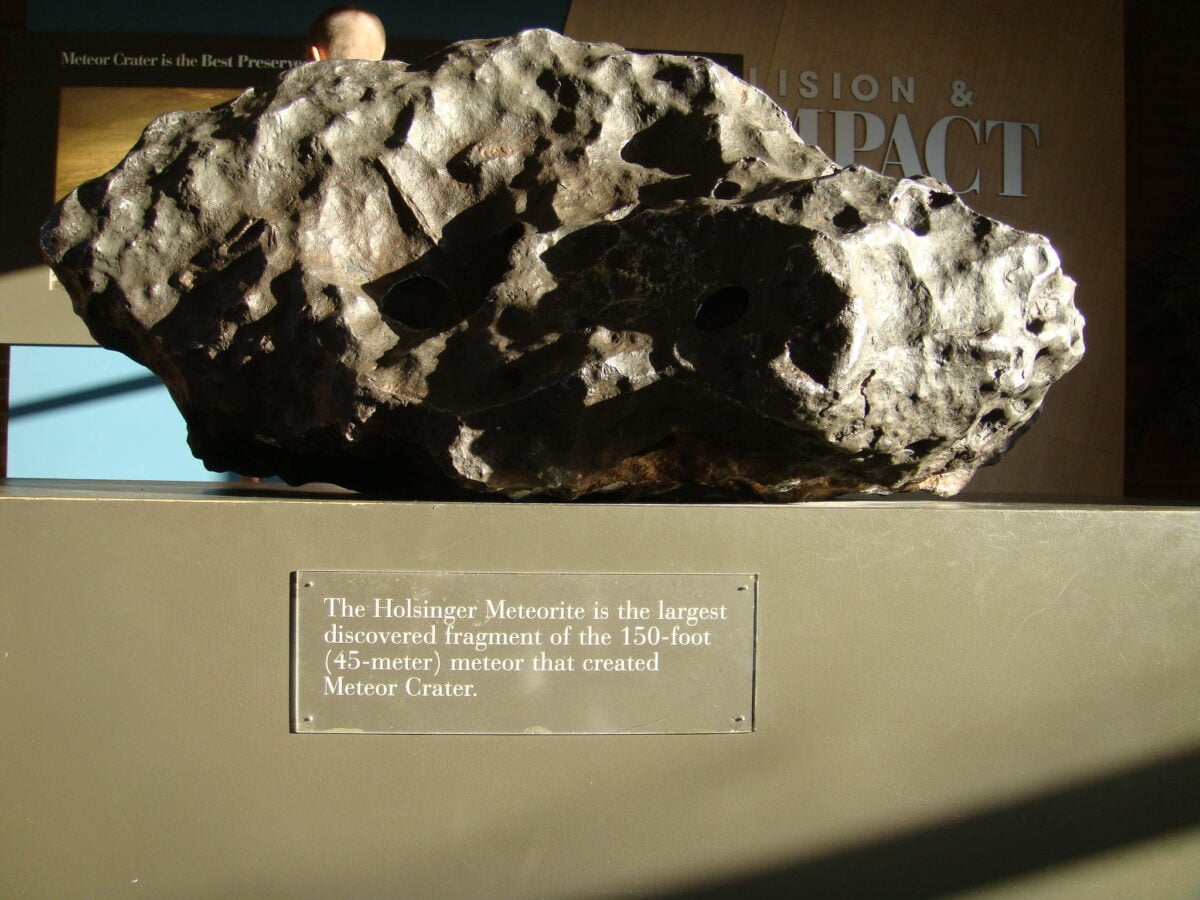
Glacial ice acts as a collection system for cosmic debris, preserving meteorite fragments and extraterrestrial particles that fell to Earth thousands of years ago. Antarctica’s ice sheets are particularly rich in this cosmic material, containing meteorite samples that would have been weathered away or contaminated if they’d fallen on exposed ground.
These aren’t just random space rocks — some contain minerals and compounds that don’t exist naturally on Earth, offering insights into the formation of the solar system and the composition of asteroids and comets. Others contain organic compounds that suggest the building blocks of life might be more common in the universe than previously thought.
A few rare specimens contain traces of presolar grains — material that formed before the solar system existed, making them older than the planet itself. The preservation quality is extraordinary because ice shields the meteorites from weathering and contamination while maintaining them at stable temperatures.
Specimens emerge from the ice with their original composition intact, sometimes containing delicate mineral structures that would be impossible to find in meteorites that fell in more recent times and were exposed to Earth’s atmosphere and weather.
Evidence of Ancient Climate Catastrophes

Ice cores from glaciers and polar ice sheets contain physical evidence of climate catastrophes that occurred long before human record-keeping began. Layers of ash from supervolcanic eruptions, atmospheric particles from asteroid impacts, and chemical signatures from periods when the planet’s climate shifted dramatically within single generations.
The Younger Dryas period — a sudden return to ice age conditions that occurred about 12,000 years ago — is preserved in glacial ice as a distinct boundary where atmospheric composition changed almost overnight. Similarly, volcanic winters caused by massive eruptions show up as years-long sequences of altered atmospheric chemistry, revealing exactly how long these catastrophes affected global climate and what conditions were like for any organisms that survived them.
What makes these discoveries particularly sobering: they reveal that dramatic climate changes can happen much faster than modern climate models typically predict. Some shifts that scientists thought took centuries to complete actually occurred within decades.
Others that were thought to be gradual processes happened so quickly that individual trees preserved in glacial ice show the change occurring within single growing seasons recorded in their annual rings.
Ancient DNA from Extinct Megafauna
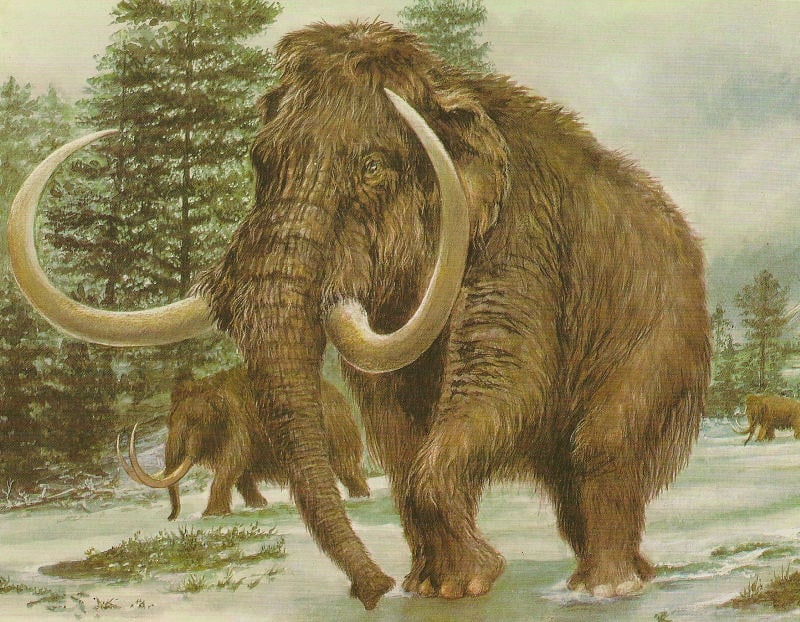
Beyond the famous mammoth discoveries, glacial ice preserves genetic material from an entire menagerie of extinct megafauna: giant ground sloths, cave bears, short-faced bears that stood twelve feet tall, American lions larger than any modern big cat. The DNA preservation is so complete that researchers can reconstruct not just what these animals looked like, but how they lived, what they ate, and why they disappeared.
Some of these genetic discoveries are rewriting evolutionary history. DNA from extinct cave bears reveals they weren’t closely related to modern bears, but represented an entirely separate evolutionary branch that developed similar characteristics through convergent evolution.
Genetic material from giant beavers — animals the size of modern bears — shows they were more closely related to certain rodent families than to any modern beaver species. The genetic diversity preserved in this ancient DNA also reveals something troubling about modern ecosystems: they’re impoverished compared to what existed even 15,000 years ago.
The sheer number of large mammal species that disappeared at the end of the last ice age represents a loss of genetic diversity that modern conservation efforts are still struggling to understand. These glacial discoveries are providing baseline data for what healthy ecosystems looked like before human activity became the dominant force shaping the planet’s biological communities.
A World Unlocked

The retreating ice reveals more than artifacts and specimens — it exposes the tenuous nature of preservation itself. Every discovery represents countless others that have already been lost to time, weathering, and decomposition.
The glaciers acted as accidental museums, curating collections that no human institution could have maintained across such vast spans of time. As climate change accelerates, these frozen archives are opening faster than researchers can process their contents.
Each melting season brings new revelations, but also destroys preservation sites that took millennia to create. The race to document and study these discoveries before they’re lost forever adds urgency to fields of research that typically operate on geological timescales.
What emerges from the ice challenges assumptions about the past and raises questions about the future. If viruses can survive 30,000 years in suspension, if ecosystems can be preserved intact across ice ages, if human artifacts can remain functional across centuries — then the boundary between past and present becomes far more porous than anyone expected.
More from Go2Tutors!

- The Romanov Crown Jewels and Their Tragic Fate
- 13 Historical Mysteries That Science Still Can’t Solve
- Famous Hoaxes That Fooled the World for Years
- 15 Child Stars with Tragic Adult Lives
- 16 Famous Jewelry Pieces in History
Like Go2Tutors’s content? Follow us on MSN.