31 Cereal Brands That Disappeared Without Warning
Cereal brands rarely receive a farewell tour. A box can be familiar for years, then vanish from the aisle so quietly that shoppers are left wondering whether they imagined it.
That has happened to everything from movie tie-ins to ambitious new flavors and even products that survived for decades. These cereals all reached real store shelves, built an audience of some size, and then slipped into breakfast history.
Banana Wackies
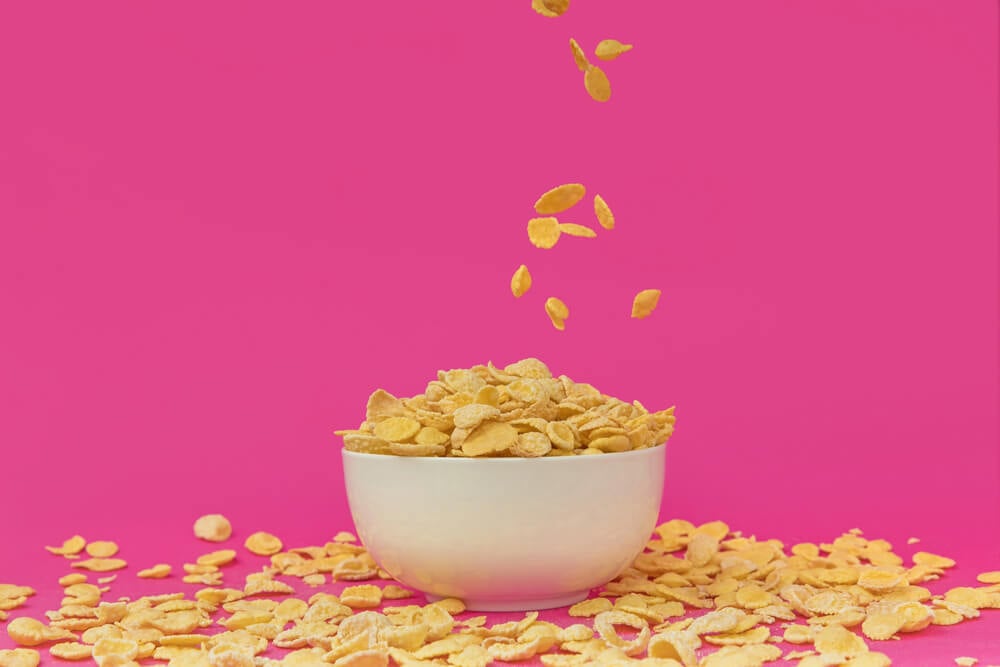
General Mills introduced Banana Wackies in 1965, giving the cereal banana flavor and unusually shaped oat pieces. The pieces even had playful names tied to their shapes, but the idea lasted only a few years before General Mills discontinued it in 1968.
Baron von Redberry
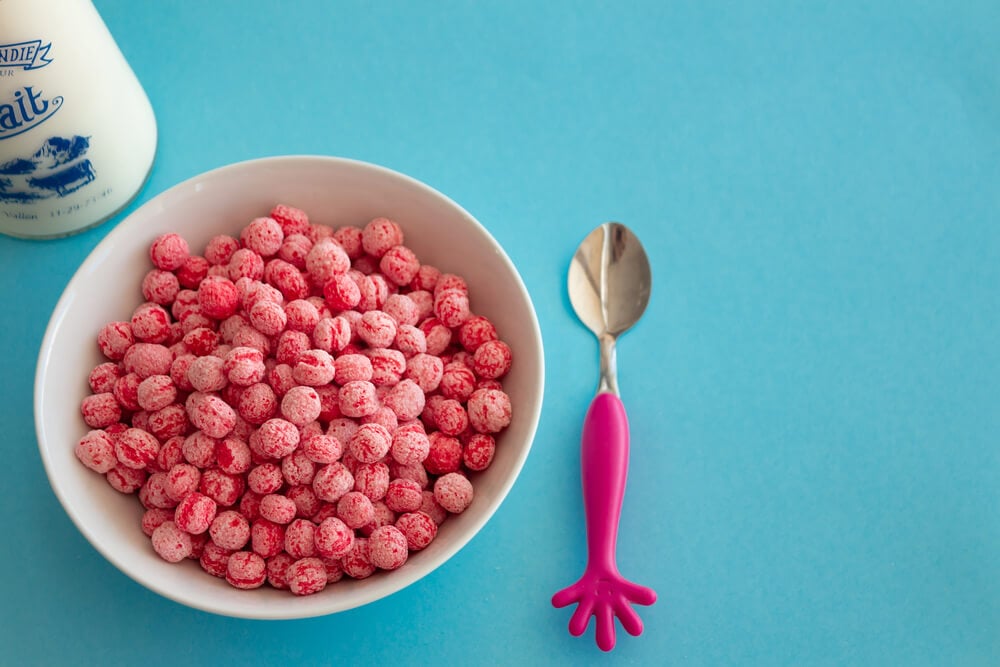
Baron von Redberry arrived in 1972 as one half of a cereal rivalry built around two cartoon aviators. His berry-flavored oat cereal included sweet berry marshmallow pieces, but the campaign could not keep the brand alive; General Mills dropped it in 1975.
Sir Grapefellow
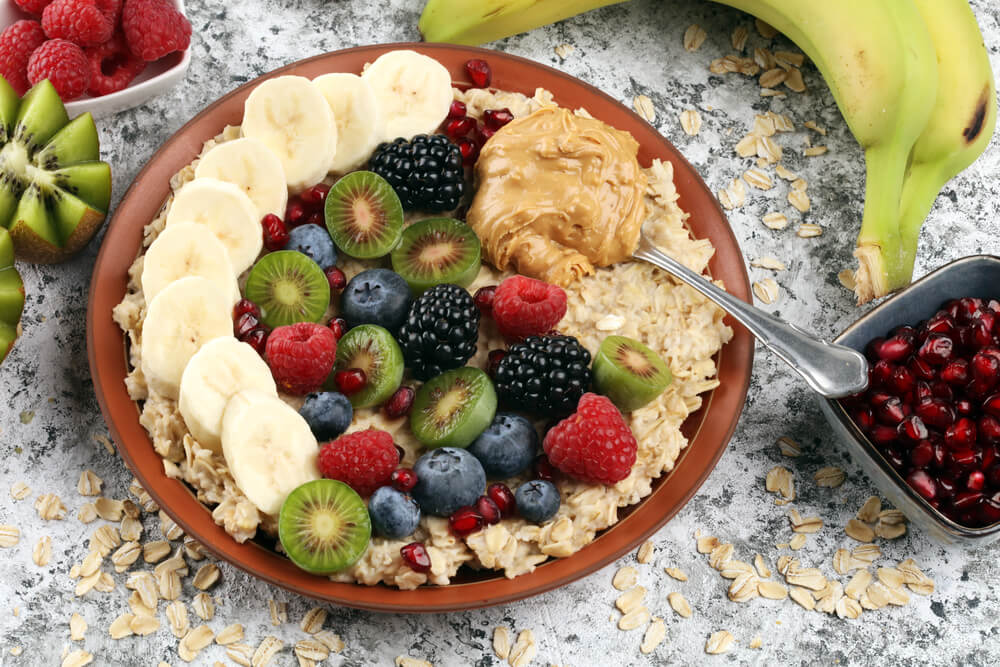
Sir Grapefellow was Baron von Redberry’s grape-flavored rival, complete with a British pilot persona and grape-flavored marshmallow stars. The two mascots argued over which cereal was better in ads, yet Sir Grapefellow followed his opponent off shelves in 1975.
Clackers
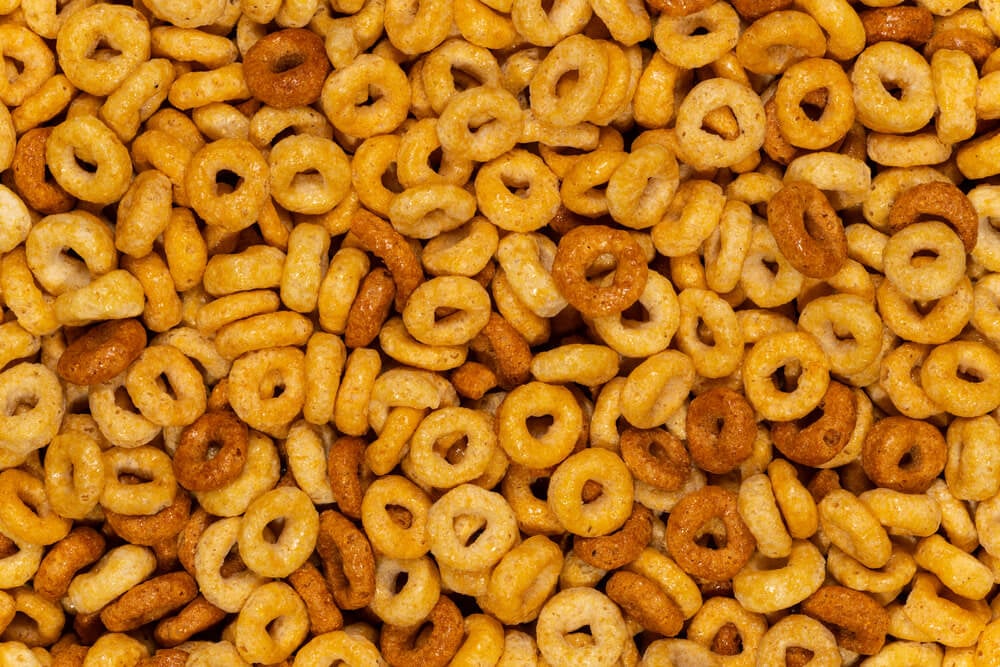
General Mills sold Clackers from 1968 to 1973 as a graham-cracker-flavored wheat cereal designed to stay crunchy in milk. Its advertising became unusually memorable because boxes appeared abruptly in commercials, but the attention never translated into enough staying power.
Crazy Cow
Crazy Cow turned the milk itself into part of the gimmick. General Mills coated the cereal pieces so the powder dissolved into the milk, creating either chocolate- or strawberry-flavored milk, yet the unusual concept disappeared after a short run around the end of the 1970s.
Chocolate Flavor Donutz
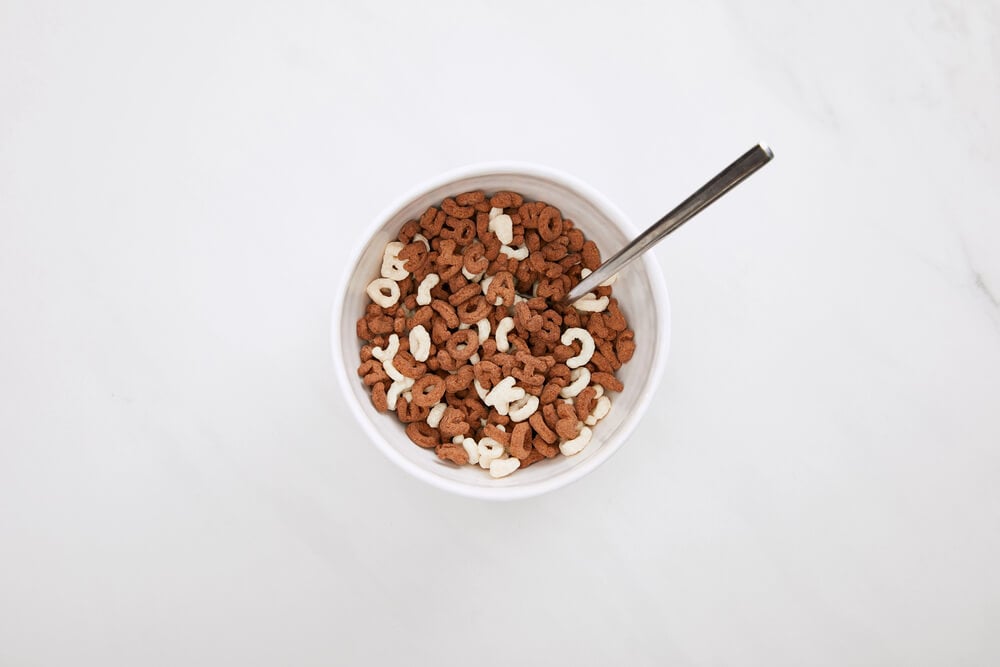
Chocolate Flavor Donutz was a three-grain General Mills cereal shaped to resemble tiny doughnuts and promoted for its chocolate taste. The product arrived in the early 1980s and was gone only a few years later, leaving behind one of the more literal dessert-for-breakfast ideas of its era.
Circus Fun
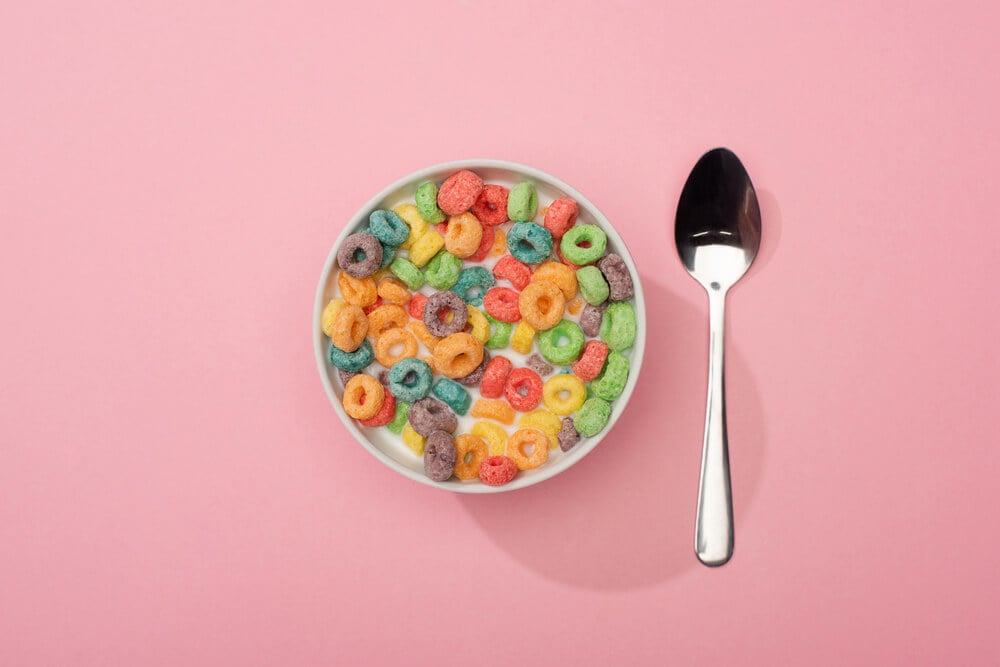
Circus Fun debuted in 1986 with fruit-flavored cereal pieces and animal-shaped marshmallows. Its mix included shapes inspired by lions, bears, horses, elephants, and other circus imagery, but General Mills retired the cereal by the end of the decade.
E.T. Cereal

General Mills turned the success of E.T. the Extra-Terrestrial into breakfast food in 1984. The cereal used pieces shaped like the letters E and T and paired chocolate with peanut butter flavor, a clear nod to the movie’s candy connection, but the licensed product faded as the film craze cooled.
Fingos
Fingos was General Mills’ attempt to make cereal work as an all-day hand-held snack rather than something that needed a spoon and milk. Launched in 1993 after years of development, it confused shoppers by living in the cereal aisle while being advertised as snack food, and it was discontinued in 1994.
Hidden Treasures

Hidden Treasures made every spoonful into a small guessing game. Introduced in 1993, its corn pieces looked similar from the outside, but some contained cherry, orange, or grape-flavored centers while others were empty; General Mills ended the cereal’s run by 1995.
Ice Cream Cones
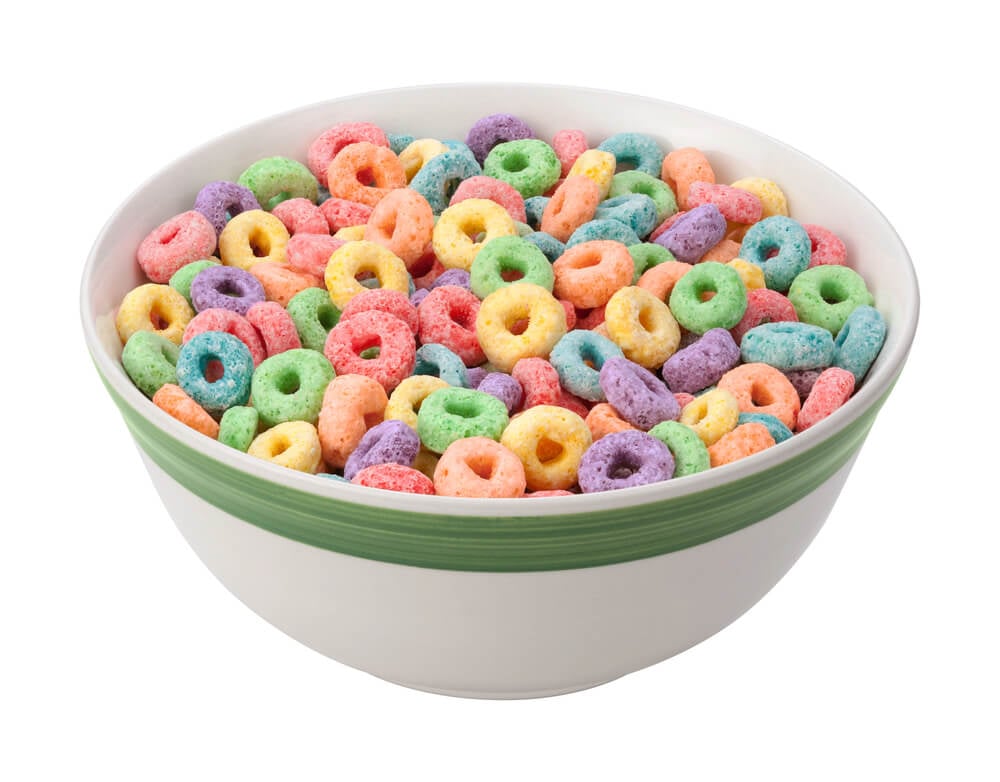
Ice Cream Cones cereal arrived in 1987 with separate pieces designed to resemble cones and scoops, and the pieces could even be fitted together. General Mills sold vanilla and chocolate-chip versions, briefly revived the concept in 2003, and then returned it to cereal history.
Kaboom
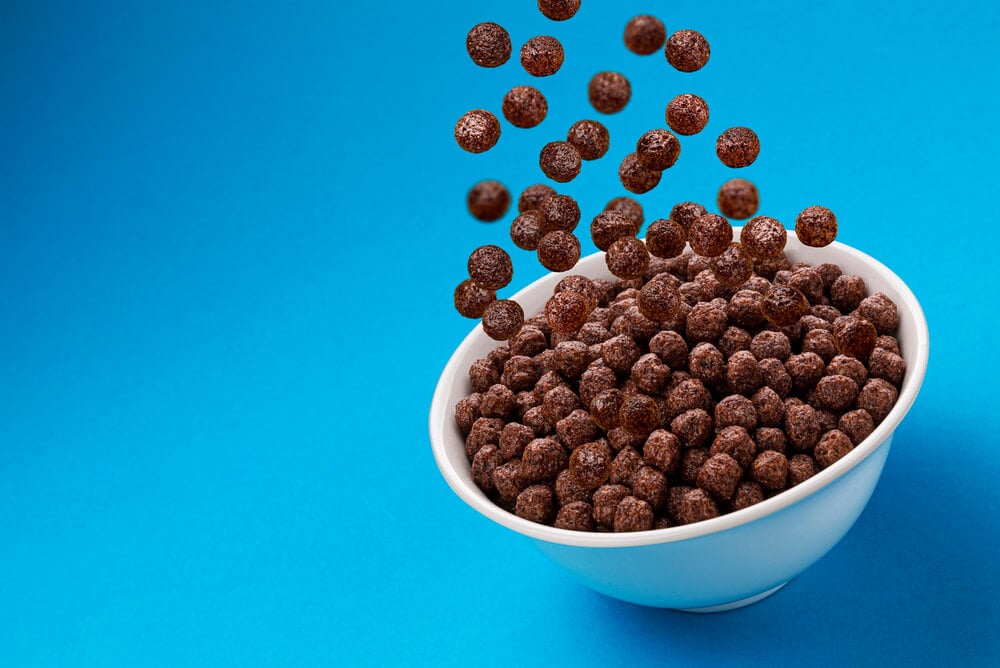
Kaboom had one of the longer lives on this list, debuting in 1969 and surviving for roughly four decades. Its circus theme combined smiling oat pieces with colorful marshmallows, yet General Mills eventually discontinued the once-familiar cereal in 2010.
Fruit Brute
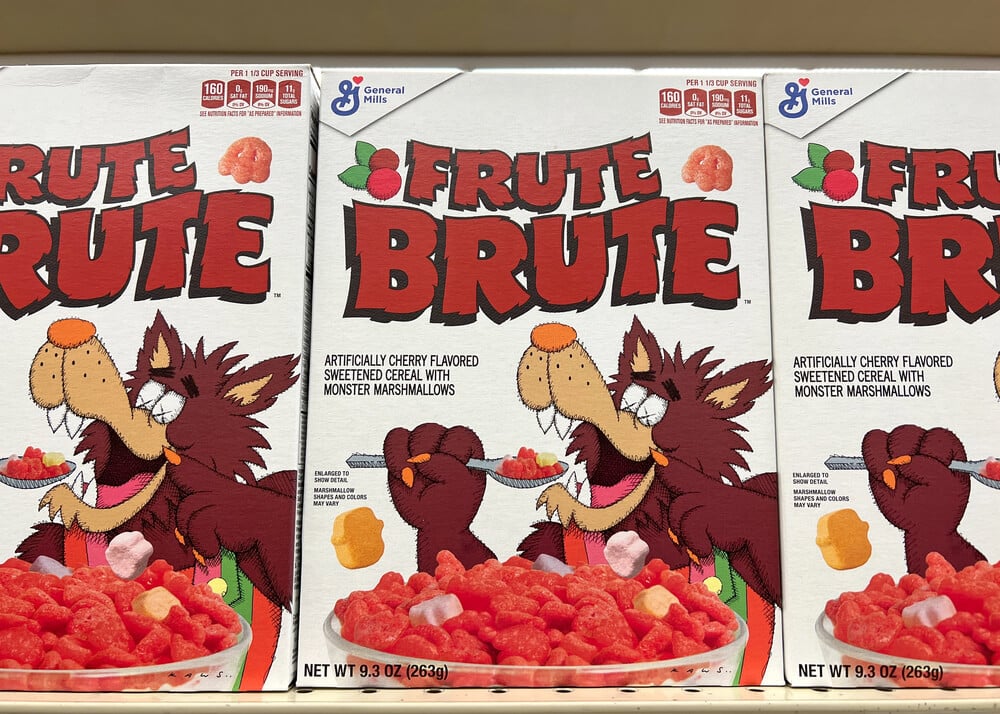
Fruit Brute joined General Mills’ Monster Cereals in 1974 with a werewolf mascot and a fruit-flavored formula. The cereal was retired in 1982, then revived for a limited period decades later, making it a rare example of a vanished cereal that briefly escaped the archive.
Fruity Yummy Mummy
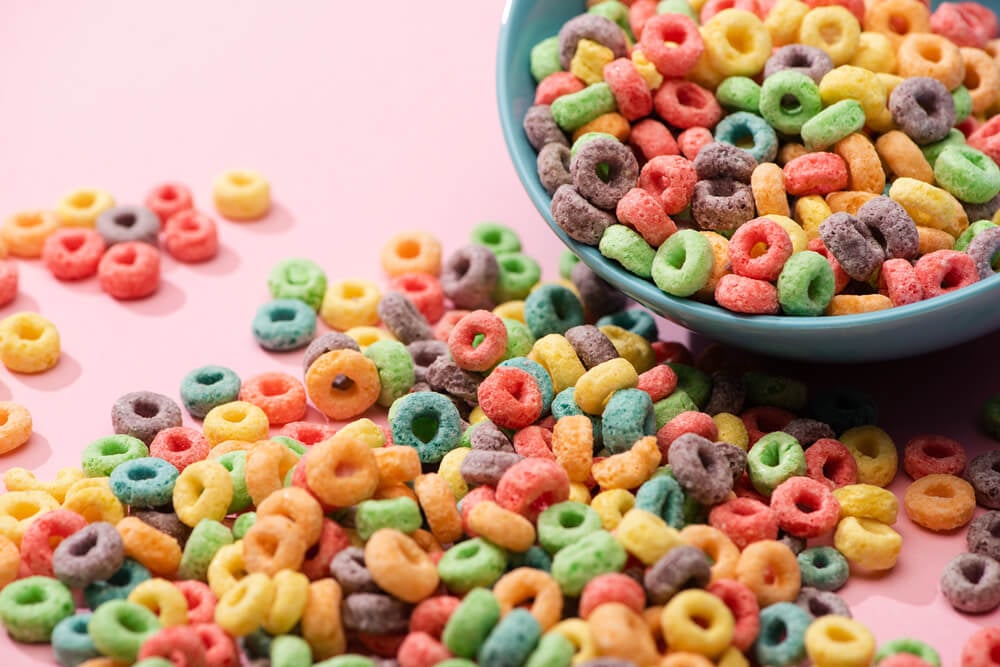
Fruity Yummy Mummy entered the Monster Cereals lineup in the late 1980s, years after Fruit Brute had left shelves. It paired fruit-flavored cereal with marshmallows and lasted only until the early 1990s, although General Mills brought it back briefly in 2013.
Sprinkle Spangles
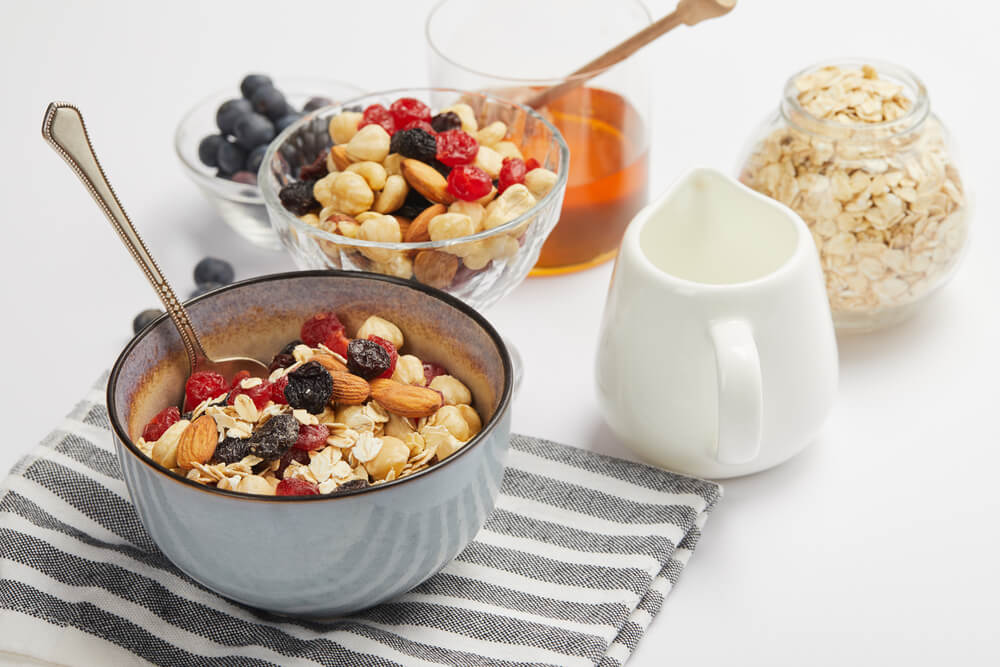
Sprinkle Spangles may be one of the purest examples of 1990s cereal excess: star-shaped corn pieces, colorful sprinkles, and a sugar-cookie flavor. General Mills introduced it in 1993 with a genie mascot voiced by Dom DeLuise, then discontinued it roughly a year later despite the nostalgia it later inspired.
Strawberry Shortcake Cereal
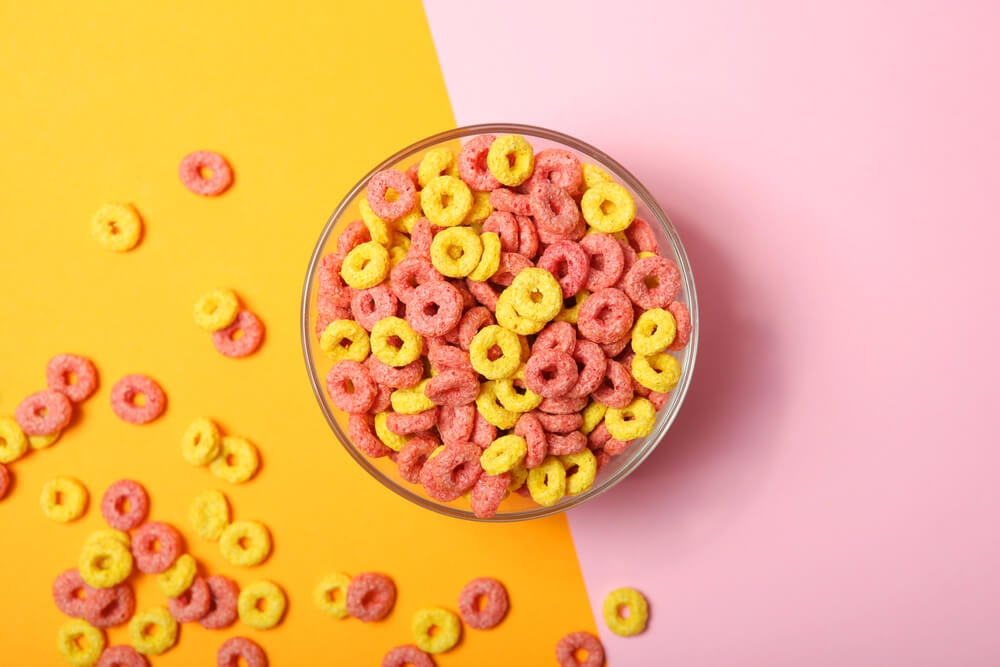
General Mills gave the Strawberry Shortcake character her own cereal in the early 1980s, after the character had already become a merchandising phenomenon. The cereal arrived in 1981 and disappeared by 1985, leaving another licensed breakfast product tied closely to a specific pop-culture moment.
Pac-Man Cereal
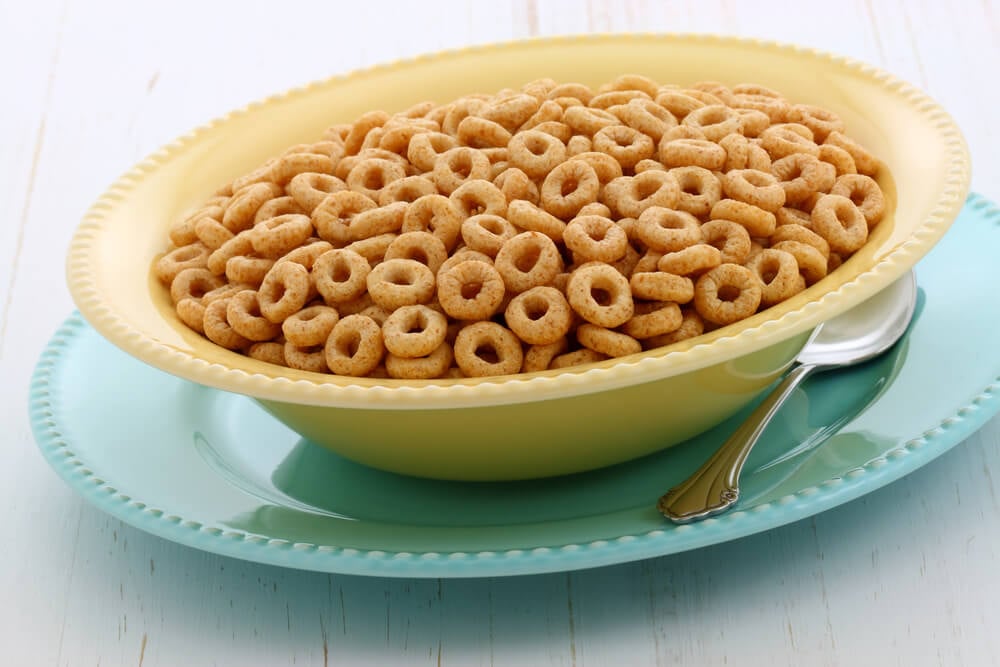
Pac-Man Cereal translated the arcade craze into a bowl of sweetened corn pieces and character-themed marshmallows. General Mills introduced it in 1983 and later added more Pac-Man family shapes, but the cereal had vanished by the end of the decade as the original arcade frenzy eased.
C-3PO’s
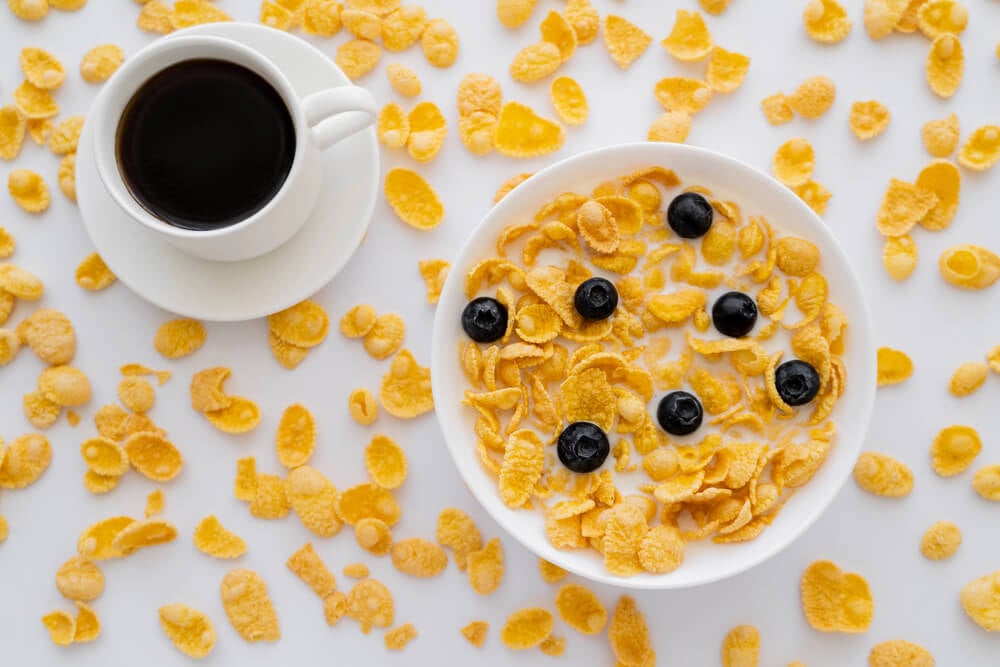
Kellogg’s C-3PO’s debuted in 1984 with connected ring shapes that resembled the number eight. Once the Star Wars branding was removed, the cereal was renamed Pro-Grain and marketed differently, meaning the original C-3PO’s identity disappeared almost as quickly as it had arrived.
Bigg Mixx

Kellogg’s Bigg Mixx was exactly what the name suggested: a combination of oats, rice, corn flakes, and wheat, with a raisin version also sold. Its mascot was an equally strange hybrid creature assembled from several animals, but both mascot and cereal were gone within about two years of the 1990 debut.
Product 19
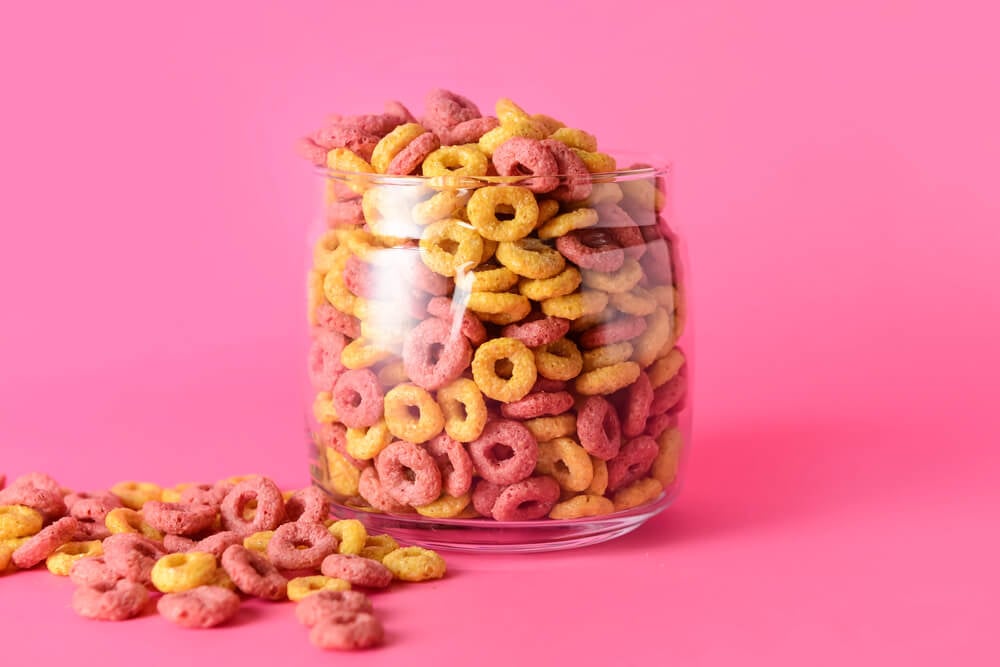
Product 19 was not a cartoon-driven cereal at all. Kellogg’s introduced the fortified multigrain flakes in 1967 for nutrition-conscious shoppers, and the brand endured for almost half a century before distribution narrowed and Kellogg’s discontinued it in 2016.
Puffa Puffa Rice
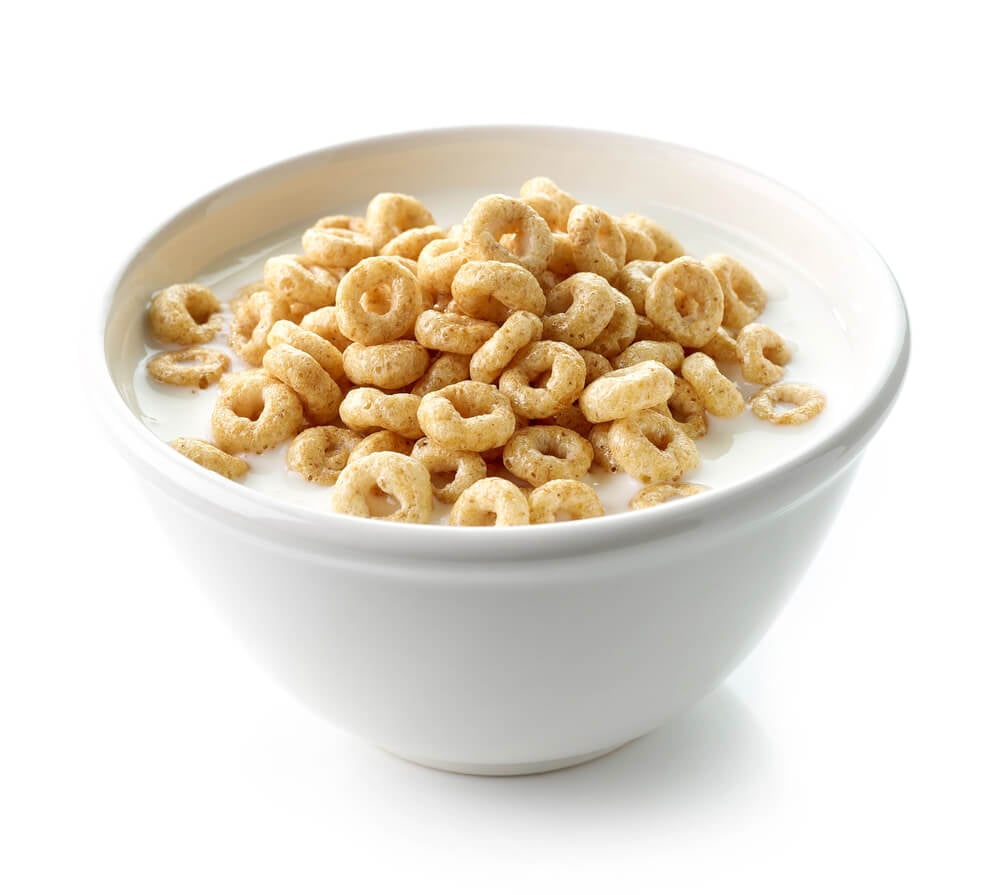
Kellogg’s introduced Puffa Puffa Rice in 1967 as sweetened puffed rice flavored with brown sugar syrup. Its packaging went through several dramatic themes over the years, including tropical imagery and later character-driven designs, before the cereal was phased out in the United States during the mid-1970s.
Smurf Berry Crunch

Post turned the Smurfs into a brightly colored breakfast cereal during the early 1980s. Smurf Berry Crunch leaned heavily on the popularity of the animated characters, then gave way to related Smurfs-branded cereal ideas later in the decade instead of becoming a permanent fixture.
Alpha-Bits
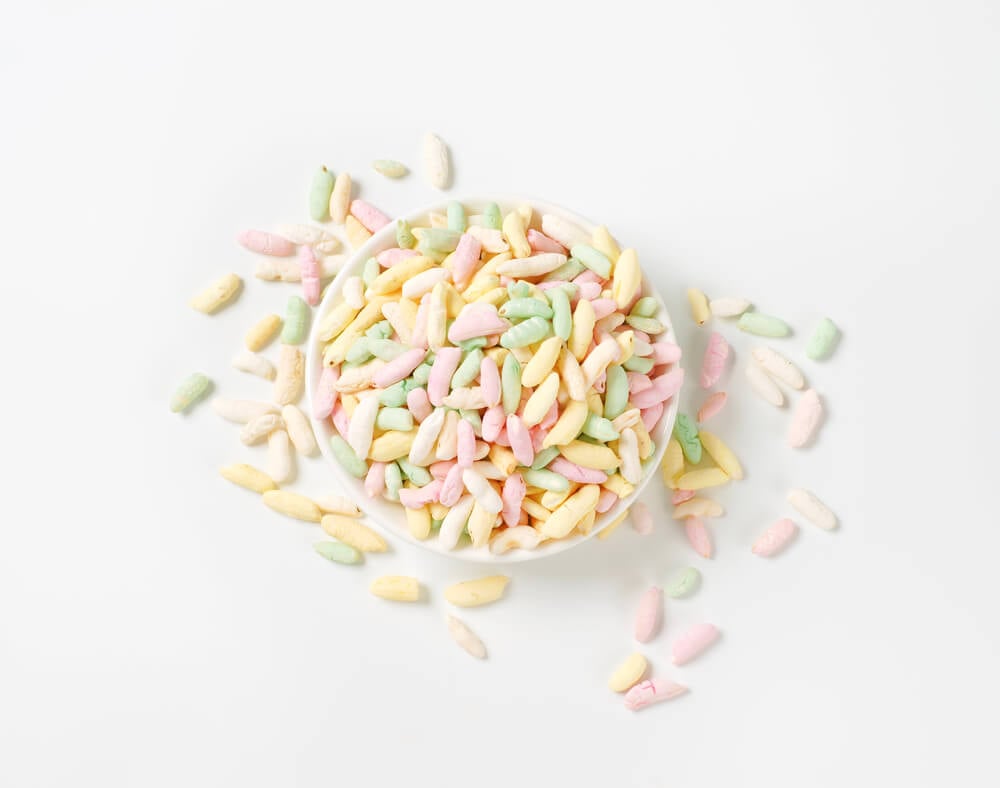
Alpha-Bits had far more staying power than most novelty cereals, with letter-shaped pieces that let children spell at the table. Post introduced the brand in 1957, discontinued it in 2021, and later gave it a limited return in 2025 rather than restoring it as a permanent everyday product.
Crispy Critters
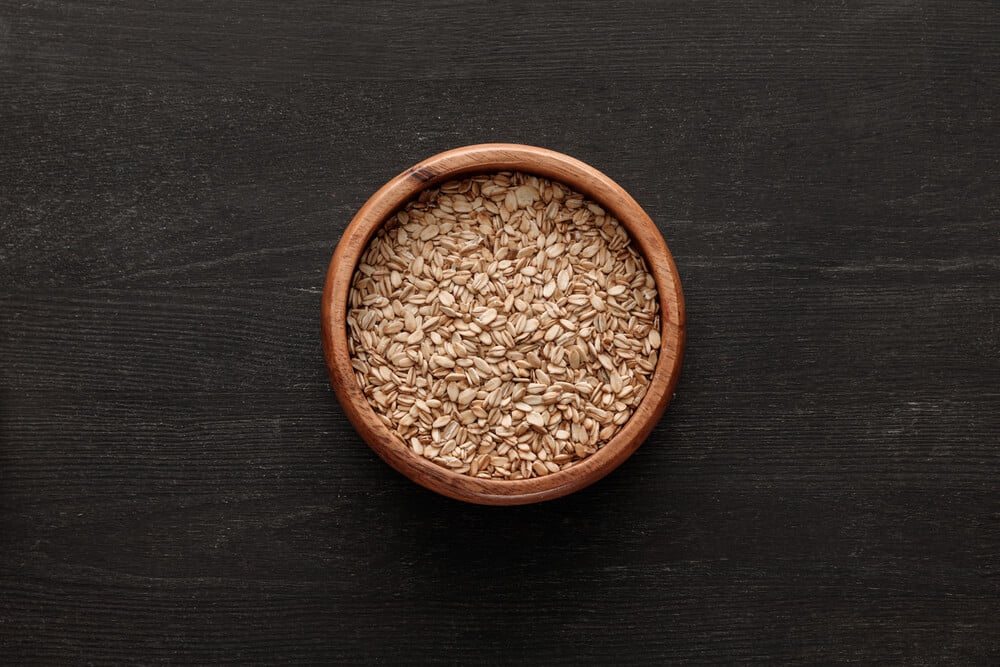
Post introduced Crispy Critters in 1963 with sweetened animal-shaped oat pieces and the mascot Linus the Lionhearted. After its original run ended, Post tried to revive the brand in 1987 with a new mascot and marketing approach, but the comeback did not last.
Dino Pebbles

Dino Pebbles took the long-running Pebbles franchise in a prehistoric direction in 1990. The cereal paired crisp rice pieces with dinosaur-themed marshmallows and used Dino from The Flintstones as its promotional character, but Post discontinued the variation in 1993.
Quake
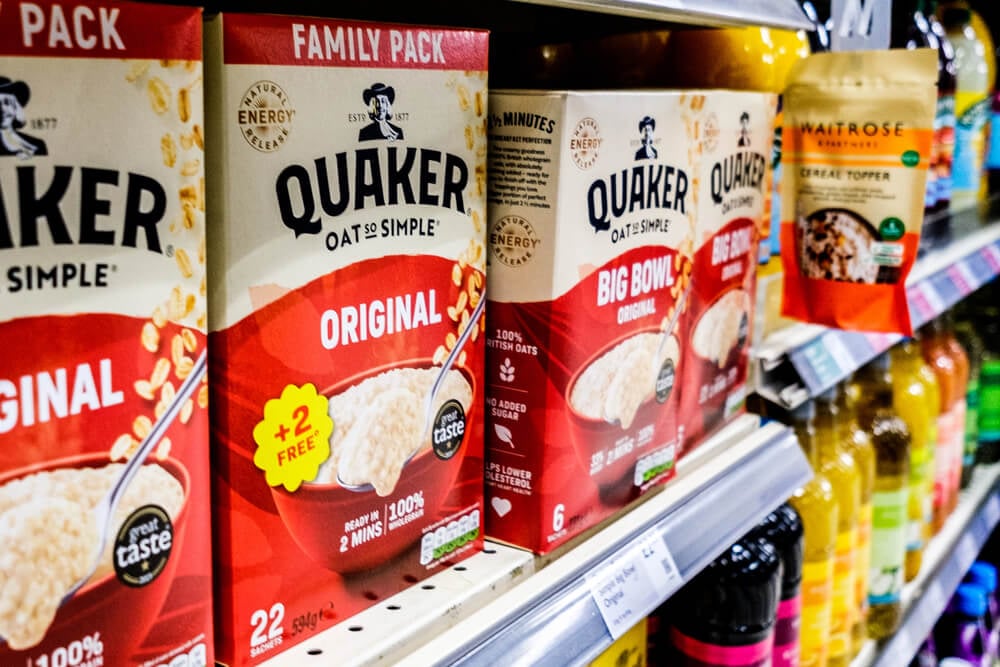
Quake debuted as Quaker Oats’ muscular counterpart to the alien mascot Quisp, and the two cereals were promoted as direct rivals. In 1972, consumers were asked to choose which one should remain; Quisp won, and Quake disappeared from grocery shelves soon afterward.
Orange Quangaroos
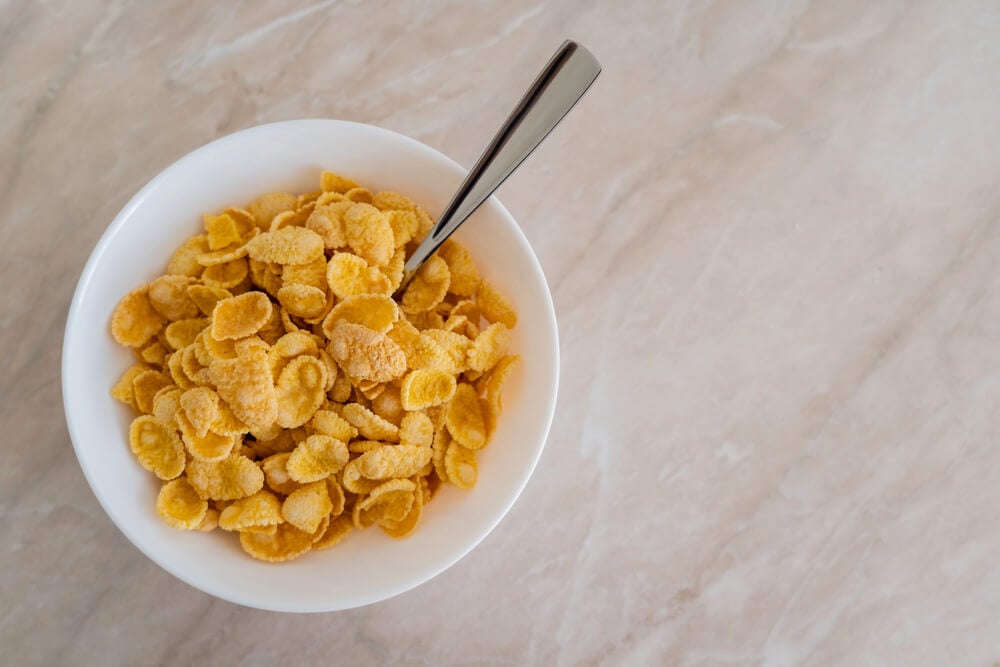
Quaker tried again after Quake’s defeat by introducing an orange-flavored cereal built around Simon the Quangaroo. The brand was eventually pitted against Quisp in another consumer contest, and Quisp won once more, sending Orange Quangaroos into retirement as well.
Mr. T Cereal
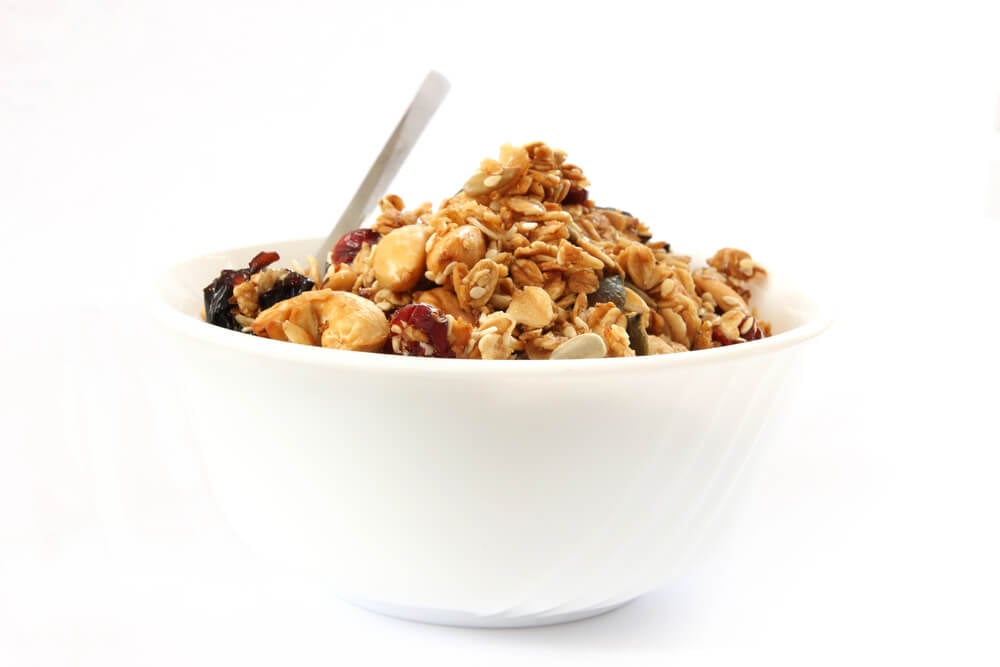
Quaker introduced Mr. T Cereal in 1984 at the height of the entertainer’s fame. The sweet corn-and-oat pieces were shaped like the letter T, turning the celebrity connection into the cereal itself, but the product eventually vanished as the licensed character’s peak commercial moment passed.
Nintendo Cereal System
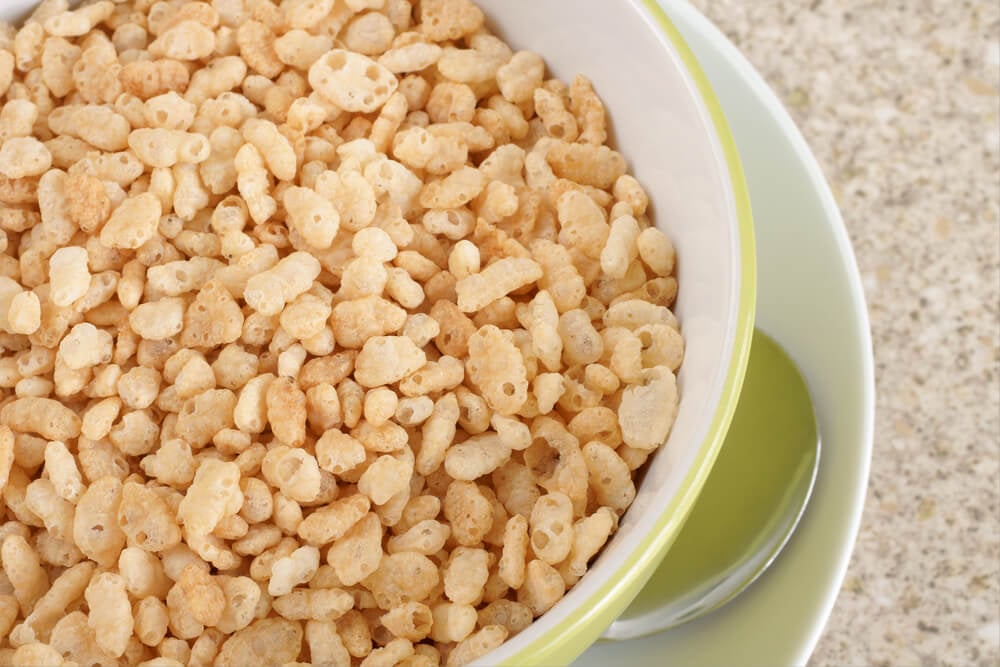
Ralston’s Nintendo Cereal System may have had one of the cleverest packages in cereal history. Introduced in 1988, each box contained separate Super Mario Bros. and The Legend of Zelda cereal bags with different flavors and character shapes, yet the ambitious tie-in was discontinued in 1989.
Urkel-Os

Ralston created Urkel-Os around Steve Urkel, the breakout Family Matters character played by Jaleel White. The early-1990s cereal used banana and strawberry flavors and leaned heavily on Urkel-themed promotions, but Ralston exited licensed character cereals soon afterward and Urkel-Os went with them.
Morning Funnies
Morning Funnies tried to turn the cereal box into a miniature comics section. Ralston released the fruit-flavored cereal in 1988 with packaging that opened to reveal additional comic strips, an idea clever enough to earn attention for the box but not enough to save the cereal, which was discontinued in 1989.
Breakfast Has a Long Memory
The cereal aisle has always rewarded constant reinvention, which is why even memorable products can vanish quickly. A clever mascot, movie license, unusual flavor, or inventive box may win attention for a year or two without creating the repeat demand needed to survive.
That makes discontinued cereal a surprisingly rich archive of old marketing bets. The oddest part is how many of these brands remain recognizable decades later.
Their packages became collectibles, their commercials survive online, and limited revivals continue to prove that nostalgia can outlive the product itself. In cereal, disappearing from stores does not always mean disappearing from memory.
More from Go2Tutors!

- The Romanov Crown Jewels and Their Tragic Fate
- 13 Historical Mysteries That Science Still Can’t Solve
- Famous Hoaxes That Fooled the World for Years
- 15 Child Stars with Tragic Adult Lives
- 16 Famous Jewelry Pieces in History
Like Go2Tutors’s content? Follow us on MSN.



