25 Fairy Tales Rewritten To Hide Their Dark Origins
There’s something almost suspicious about how clean fairy tales have become. The versions most people know — the animated ones, the bedtime ones, the ones printed in pastel picture books — have a polished, comfortable quality that feels less like storytelling and more like damage control.
And that’s essentially what it is. The stories that circulated through Europe for centuries were not gentle.
They were cautionary, brutal, occasionally grotesque, and deeply preoccupied with things like starvation, infanticide, and punishment that fit no reasonable definition of justice. What got handed down to children in those earlier tellings was the full weight of a world where bad things happened to people who made small mistakes — or sometimes no mistakes at all.
The softening didn’t happen all at once. It came in waves, through editors, publishers, animators, and studios who understood, correctly, that mass audiences prefer resolution over dread.
What follows are 25 of the most significant rewrites — and what was quietly buried in each one.
Cinderella

The glass slipper is the least disturbing thing in the original story. In the Grimm version, the stepsisters don’t just fail to fit into the slipper — they mutilate their own feet to try, one cutting off her toes, the other slicing away part of her heel, both at their mother’s instruction.
And the doves that serve as Cinderella’s helpers throughout the story? They peck out the stepsisters’ eyes at the wedding.
Two of them. Gone.
Sleeping Beauty
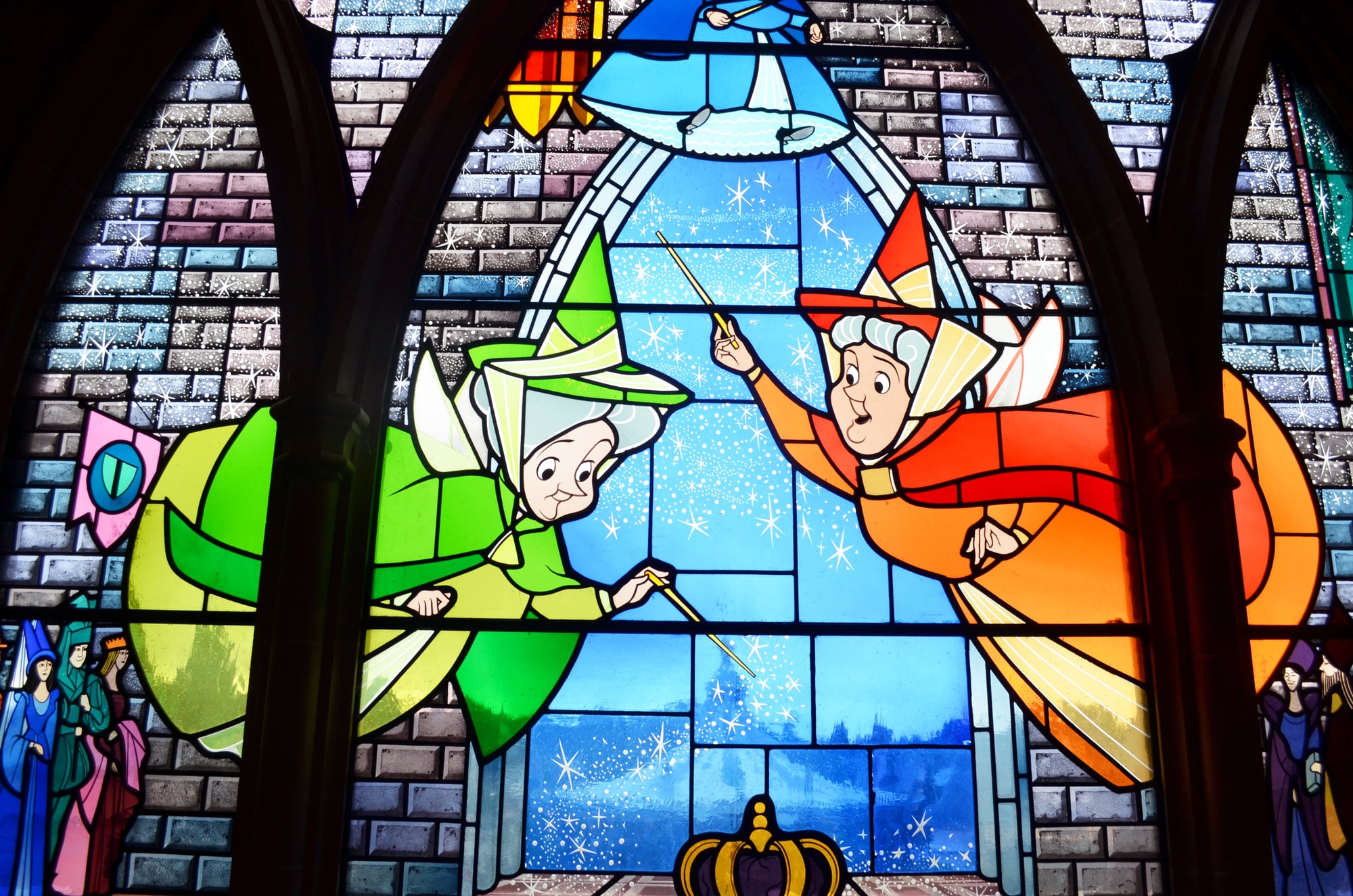
The version most people know ends at the kiss. The older version — Giambattista Basile’s “Sun, Moon, and Talia” from 1634 — does not end there, not even close.
The prince who finds the sleeping girl does not simply kiss her: he assaults her while she’s unconscious, leaves, and she wakes up months later having given birth to twins (one of whom accidentally sucks the splinter from her finger, waking her). The prince later returns, already married, and his existing wife tries to have the children cooked and served to him.
It resolves, eventually, but “happily” is doing a lot of heavy lifting.
Little Red Riding Hood

Charles Perrault’s original version from 1697 has no woodsman, no rescue, and no survival. The wolf eats the grandmother, then tricks Red Riding Hood into eating parts of her grandmother’s body (presented as food), then eats the girl too.
That’s the end. Perrault closes with a moral aimed at young women about the dangers of talking to strangers — which, given the rest of the story, reads as staggeringly callous.
Snow White

Snow White in the Grimm original is seven years old. The Evil Queen’s obsession with her is identical — the mirror, the jealousy, the poison apple — but the Queen’s punishments don’t stop at the apple.
She makes three attempts on Snow White’s life before that: a suffocating bodice lace, a poisoned comb, and finally the apple. And at the end, when the Queen arrives at Snow White’s wedding and is recognized, she’s forced to dance in red-hot iron shoes until she dies.
The dwarfs’ names, incidentally, were not named in the original Grimm text at all.
Hansel And Gretel
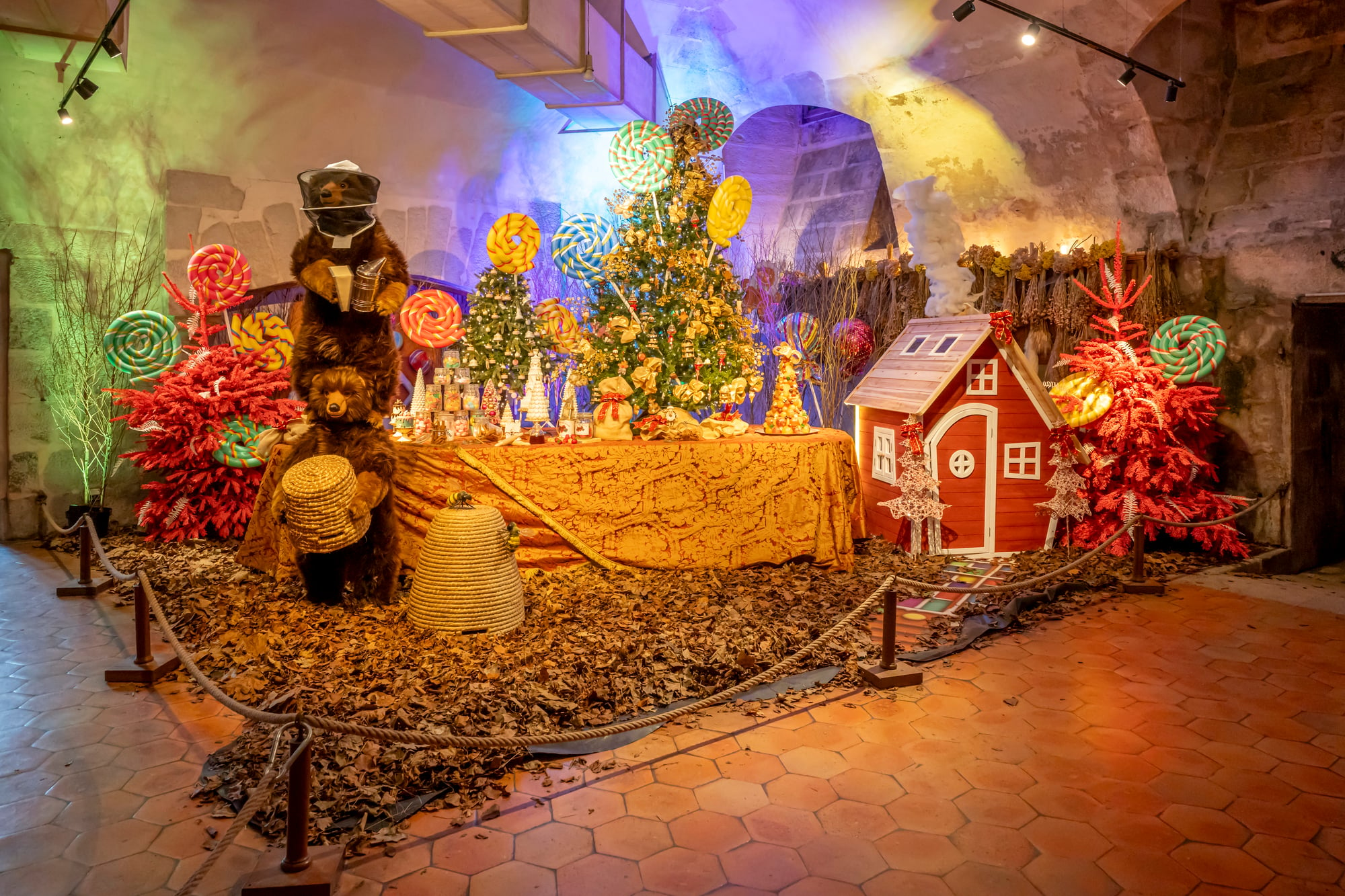
The witch’s death — shoved into her own oven — is in the sanitized version too, so that part survived. What got softened was the parents.
In the original, it isn’t a stepmother’s idea to abandon the children in the woods: it’s the biological mother who insists on it, twice, because the family is starving and two fewer mouths represent survival math, not cruelty for its own sake. Some later editions quietly changed “mother” to “stepmother” to protect the image of motherhood itself.
Rumpelstiltskin

Rumpelstiltskin’s fate in the Grimm version is considerably worse than simply storming off in defeat. When the queen correctly names him, he tears himself in half — literally — in rage.
Some translations have him drive one foot so far into the ground that he splits apart trying to pull himself free. It’s the kind of ending that suggests whoever wrote it down was working something out personally.
The Little Mermaid

Hans Christian Andersen’s original, published in 1837, is a story about unrequited love that ends in dissolution. The mermaid gives up her voice, walks on legs that feel like walking on knives with every step, fails to win the prince (who marries someone else), and is given the choice to save herself by killing him.
She refuses, dissolves into sea foam, and becomes a spirit who must spend centuries earning a soul through good deeds performed invisibly. There is no Ursula.
There is no singing crab. There is no happy ending — Andersen was reportedly writing about his own experience of loving someone who would never love him back.
Bluebeard
Bluebeard is one of the few original fairy tales that hasn’t been significantly softened — mostly because it was already so explicit that there’s no comfortable version to present to children. The tale involves a wealthy man who forbids his wife from opening one room in his castle; she opens it, finds the bodies of his previous wives, and barely escapes with her life when her brothers arrive in time.
The story exists in some picture book forms, but it’s never really been animated or made comfortable, which is, honestly, the correct call.
Rapunzel

The Grimm version of Rapunzel contains a pregnancy that was later quietly removed. The prince visits Rapunzel repeatedly in her tower, and she eventually notices her clothes no longer fit — which is how the witch discovers the visits.
Early editions of the Grimm collection were revised significantly after the brothers received criticism about inappropriate content, and the pregnancy detail was one of the first things excised. The revised version has Rapunzel naively ask the witch why she’s heavier to pull up than the prince, which makes far less narrative sense but offended fewer readers.
Puss In Boots

Puss in Boots is essentially a story about con artistry and property theft dressed up with a charming cat. The cat tricks, manipulates, and threatens an entire population of people into claiming that lands belonging to an ogre are the property of his master — a penniless young man — and when the ogre turns himself into a mouse, the cat eats him.
The moral of the story, such as it is, appears to be that clever deceit is rewarded and the ends justify the means, which Disney has never quite leaned into directly.
The Frog Prince
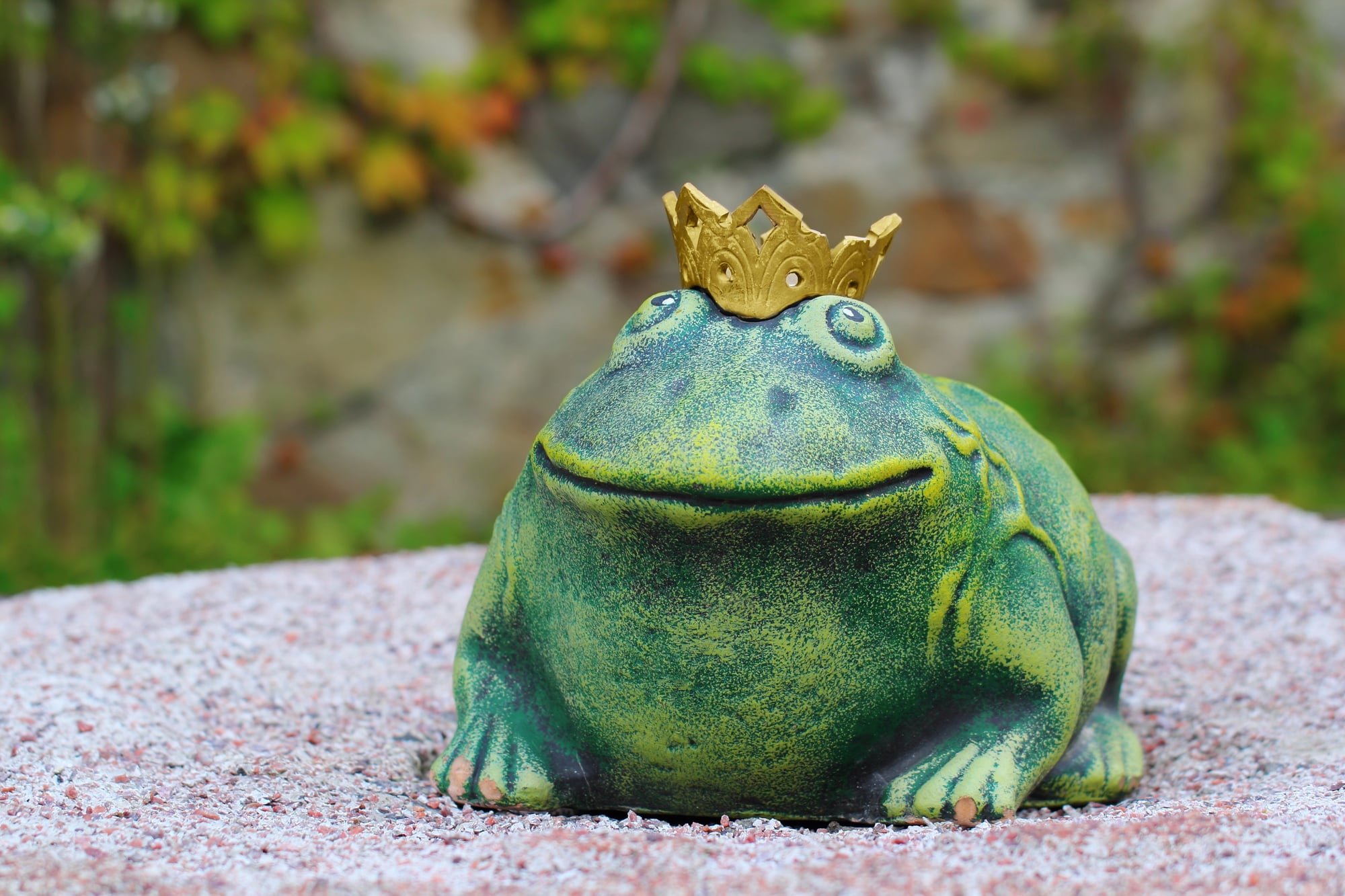
In the Brothers Grimm version, the frog is not transformed by a kiss. The princess, furious at being made to keep her promise and share her bed with the frog, hurls it against the wall with full force — and the impact breaks the spell.
So the transformation is triggered by an act of violence, not tenderness. Most retellings replaced the wall with a kiss sometime in the 19th century, which is a much more romantic image and also a fundamentally different story.
Cinderella’s Father
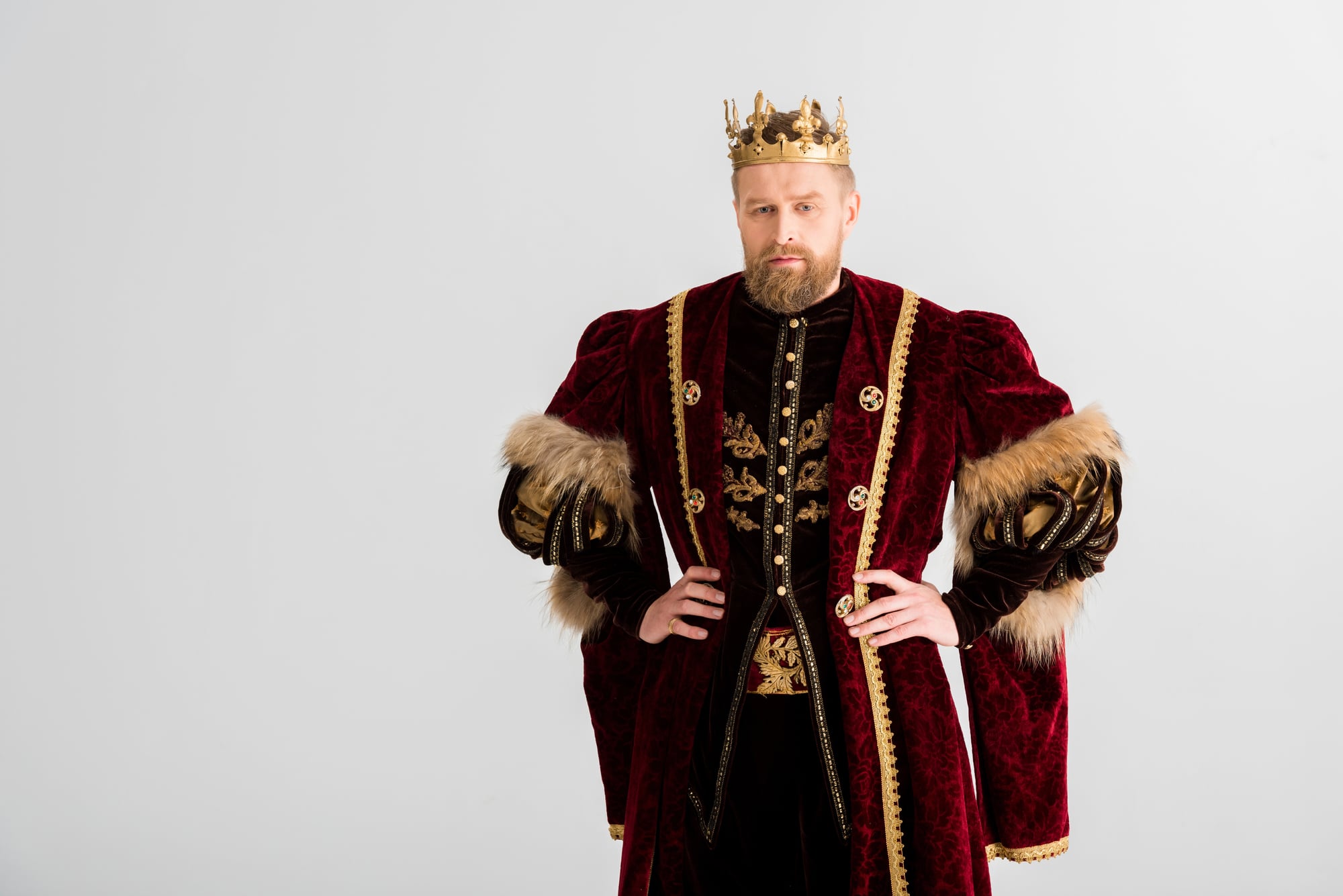
Something that gets erased almost universally across retellings is the father’s active role in Cinderella’s suffering. He’s not dead or helpless in many original versions — he’s present, aware of how his daughters are treated, and simply does nothing.
In some tellings he’s complicit in the neglect. The modern preference for making him absent (or deceased) preserves the story’s emotional logic without implicating a living parent in deliberate cruelty, which is a tidy fix that changes the story’s actual point.
Pinocchio
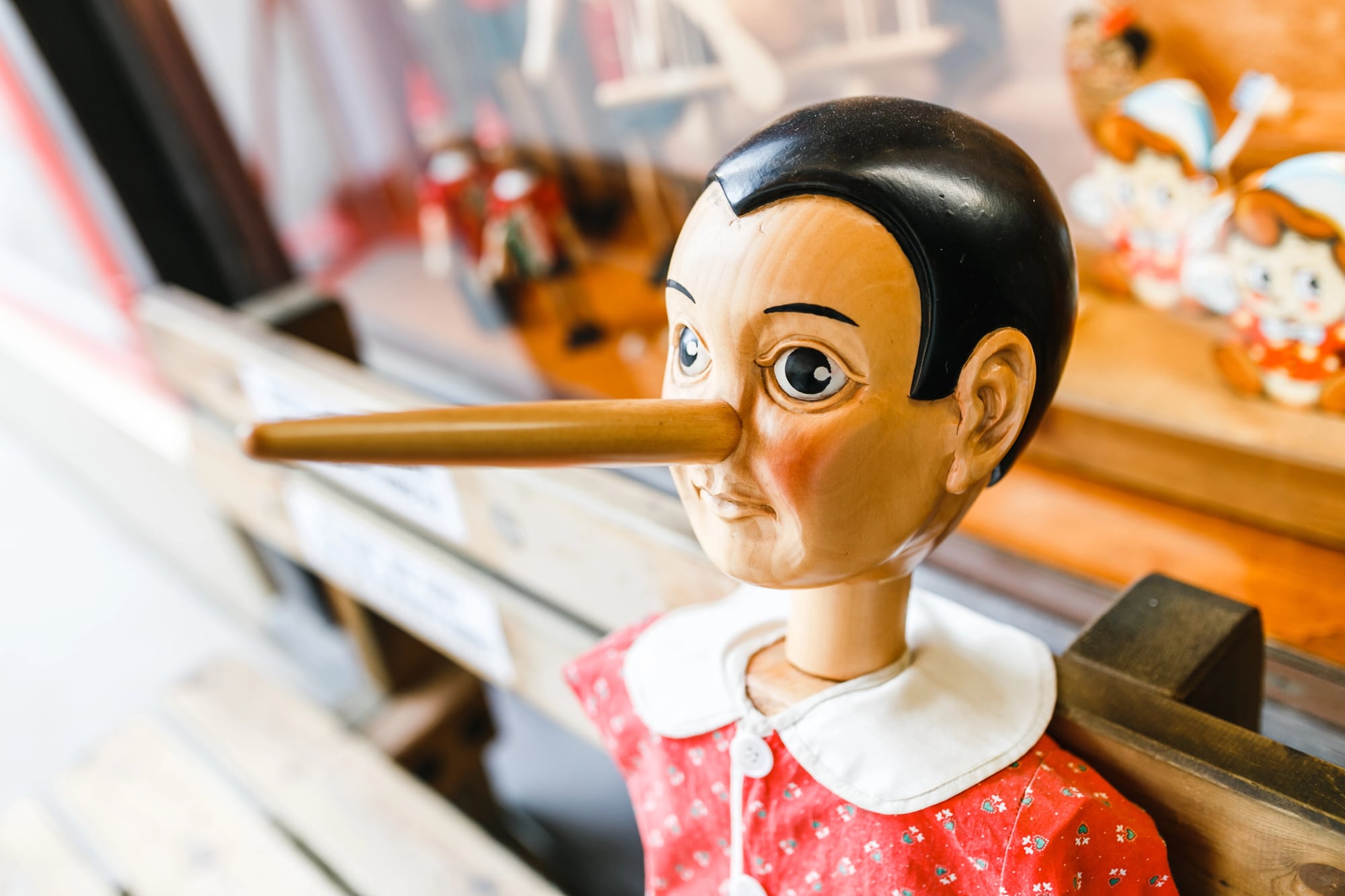
Carlo Collodi’s original 1883 novel is a relentless punishment narrative. Pinocchio is selfish, foolish, and frequently destructive, and the story responds to each failing with escalating consequences — he gets his feet burned off, he’s hanged (briefly killed) by a pair of assassins, and the cricket that tries to advise him is killed early on when Pinocchio throws a hammer at it.
The Disney version turns Pinocchio’s journey into an adventure with a happy ending; the original is closer to a morality tale where a child’s every mistake is met with physical suffering.
Thumbelina

Thumbelina’s story, in Andersen’s original, involves a tiny girl being kidnapped, betrothed against her will multiple times, and traded between creatures who want to keep her as property or a wife. A toad kidnaps her to marry her son.
A mole wants to marry her and keep her underground forever, away from sunlight. She eventually reaches the land of the flower fairies and is given wings — but the journey there is a sustained sequence of captivity and coercion that doesn’t read as adventurous so much as exhausting.
Goldilocks And The Three Bears
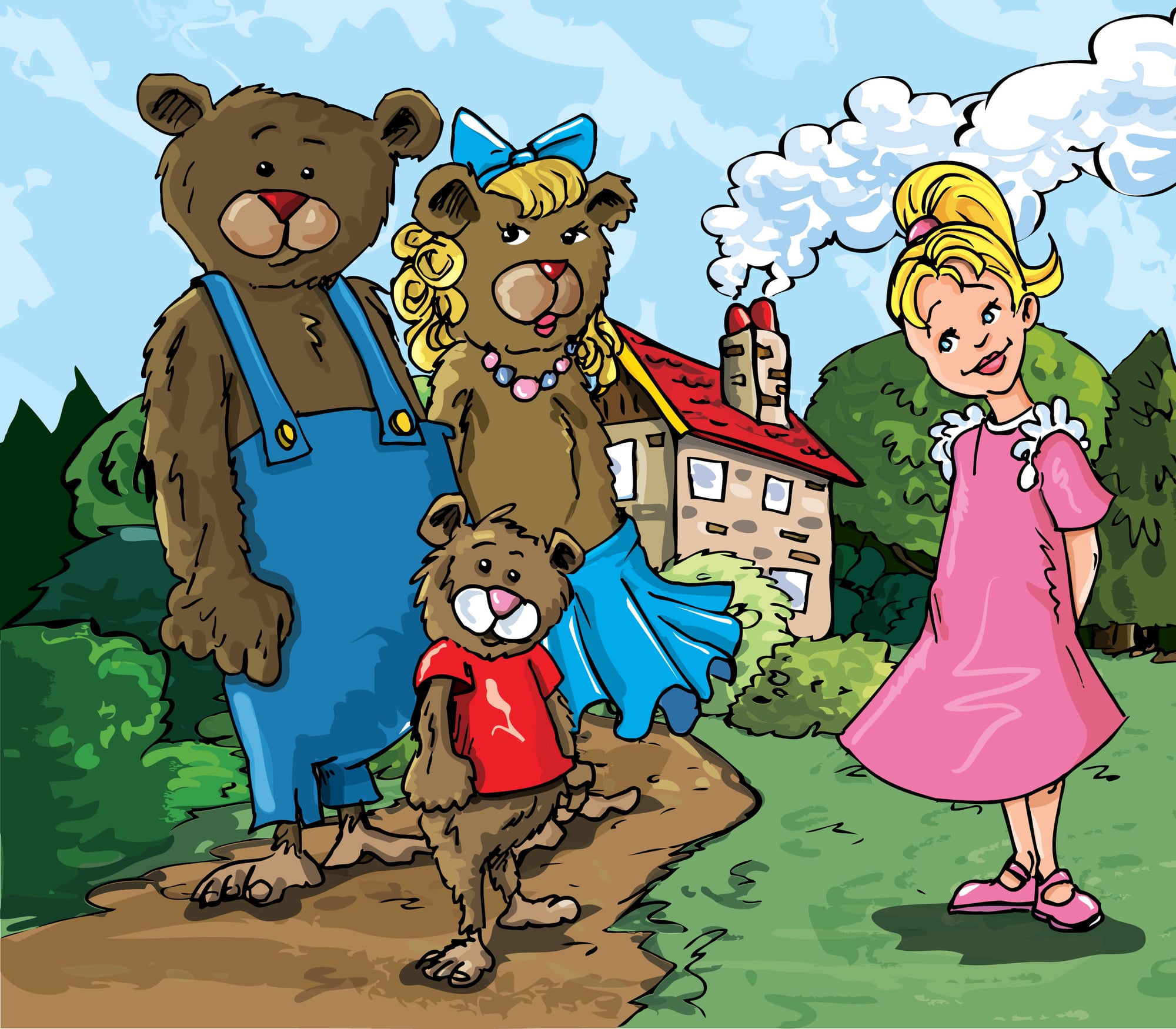
The earliest version of this story, recorded by Robert Southey in 1837, has no Goldilocks at all — the intruder is a foul-tempered old woman, and the ending has her either jumping out a window and breaking her neck or being eaten by the bears, depending on the variant. The girl with golden hair appears in later versions as a softer, more sympathetic protagonist.
The old woman was replaced partly because child protagonists make better reader surrogates — and partly because an old woman being mauled by bears is a harder sell.
Beauty And The Beast

The original Madame de Beaumont version from 1756 is more mannered than monstrous, but the story is still fundamentally about a girl sent to live with a terrifying creature as payment for her father’s trespass. The Beast proposes to Beauty every single night, she declines every night, and this continues until she agrees — at which point the curse lifts.
The story doesn’t interrogate why a repeated nightly proposal from a creature holding you in his castle is considered courtship rather than coercion; modern retellings tend to lean harder into the friendship angle to sidestep this entirely.
The Red Shoes

Andersen’s “The Red Shoes” is a story about a girl who wears beautiful red shoes to church, is cursed for her vanity, and cannot stop dancing. The shoes will not come off.
She dances until she asks an executioner to chop off her feet — which he does — and the feet, still in the shoes, dance away without her. She eventually finds repentance and dies, her soul rising to heaven.
This one doesn’t get adapted much, for what should be fairly obvious reasons.
The Snow Queen

The Snow Queen is one of those stories that survived relatively intact in spirit but got dramatically simplified. The original Andersen tale is long, episodic, and explicitly Christian in its resolution — Gerda’s love for Kai is powerful, but it’s also paired with prayer, faith, and spiritual purity as the forces that ultimately defeat the Snow Queen’s cold enchantment.
The 2013 film adaptation kept the emotional core (love breaking a curse of coldness) but shed the religious framework and transformed the Snow Queen from a villain into a misunderstood protagonist, which is a substantial tonal rewrite.
Allerleirauh (All-Kinds-Of-Fur)

This is a Grimm story that almost never gets adapted, and the reason is straightforward: it begins with a king who, after his wife dies, decides he wants to marry his own daughter because she’s the only woman beautiful enough to meet the standard his wife set. The daughter escapes, disguises herself in a cloak of animal furs, and eventually finds another king to marry.
The original premise is not softened or reframed in the original text — it’s simply the inciting problem the protagonist has to flee from. Most publishers quietly omit this one from family collections.
The Juniper Tree

“The Juniper Tree” is one of the Grimm tales that even dedicated fairy tale scholars describe as disturbing without qualification. A stepmother kills her stepson, dismembers him, and cooks him into a stew that she feeds to his father.
The boy’s sister buries his bones under the juniper tree, he’s reborn as a bird, and the bird eventually drops a millstone on the stepmother’s head, killing her. The father and sister emerge from the wreckage unharmed and the boy is restored.
It is not commonly adapted. At all.
The Little Match Girl

Andersen again, and this one has not been successfully softened because the ending resists softening. A barefoot girl sells matches in the cold on New Year’s Eve.
No one buys any. She lights the matches one by one for warmth, sees visions in each flame — a warm stove, a feast, her beloved dead grandmother — and when the last match goes out, she dies.
She’s found frozen the next morning, and the story notes that passersby assume she was trying to keep warm, not knowing the beautiful things she saw. There’s no rescue.
There was never going to be a rescue.
Donkeyskin
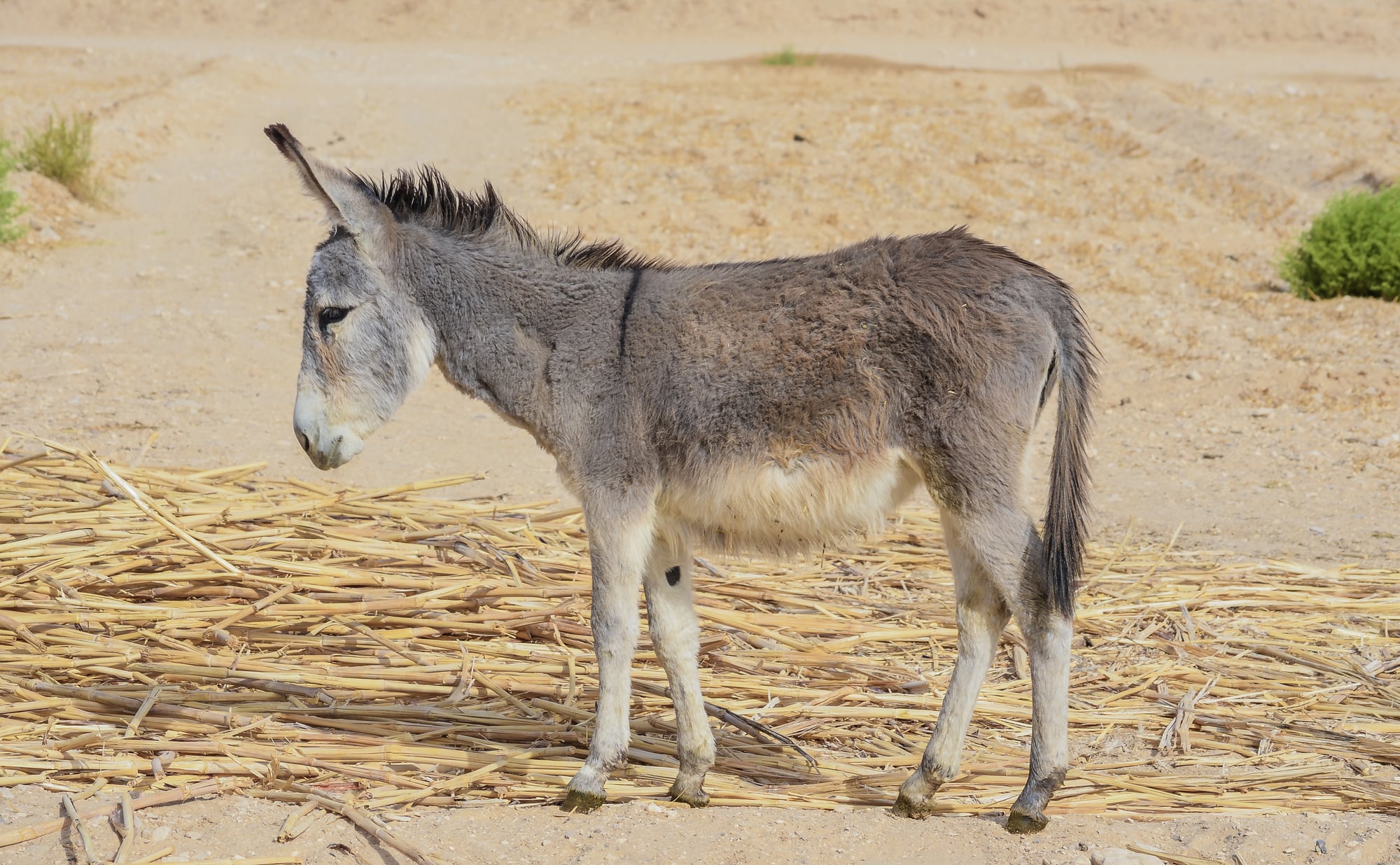
“Donkeyskin” is another tale of a father’s desire for his own daughter that circulated widely enough to be collected by Perrault in 1695. The king in this version is dissuaded repeatedly before the daughter flees in the skin of a magical donkey.
Perrault treats the subject with some lightness — the tone is almost comedic — but the premise is identical to Allerleirauh and equally uncomfortable. It was adapted into a French film in 1970 that’s considered a cult classic, though the film softens the father’s motivation as much as it possibly can while keeping the plot coherent.
Fitcher’s Bird

“Fitcher’s Bird” is a Grimm tale that functions as a darker, stranger cousin to Bluebeard. A sorcerer kidnaps women by touching them — they become compelled to follow him — and he tests each with a forbidden chamber and an egg.
The first two sisters fail the test and are killed and dismembered. The third sister passes, reassembles her sisters’ bodies, restores them to life, and then tricks the sorcerer to his death.
The reassembly scene — methodically gathering and piecing together body parts — is described with a specificity that makes most modern editors close the book quietly and walk away.
The Girl Without Hands

This Grimm tale involves a father who accidentally promises his daughter to the devil, then cuts off her hands when the devil demands them. She wanders handless, marries a king who has silver hands made for her, is exiled through the devil’s deception, and eventually grows her real hands back through years of suffering and prayer.
The father’s role — complicit, then penitent but largely absent from the consequences — never gets examined in the text. The story was collected and preserved without editorial commentary, which says something about what the Grimm brothers considered worth questioning.
The Story Of The Youth Who Went Forth To Learn What Fear Was

This is a Grimm tale about a boy who literally cannot feel fear and spends the story trying to learn the sensation. He sleeps with corpses, plays with severed body parts, battles animated skeletons, and finds none of it troubling.
He eventually marries a princess who is so frustrated by his blithe indifference that she dumps a bucket of cold water and small fish on him while he sleeps — and that, finally, makes him shudder. It’s played as broadly comic throughout, which makes the catalogue of horrors he wanders through feel stranger, not less so.
Where The Darkness Went

The impulse to sand down these stories is understandable, and it would be dishonest to pretend otherwise. Parents wanted their children to sleep.
Publishers wanted to sell broadly. Animators wanted opening weekends.
But something quietly significant gets lost when every story resolves cleanly, when cruelty is always punished proportionately, and when suffering always carries a lesson that redeems it. The original versions of these tales weren’t dark for the sake of shock — they were dark because the people who told them lived in a world where bad things happened without reason, and they needed stories that acknowledged that.
The sanitized versions teach children that the world is just. The original versions taught them that it isn’t always — and that you survive anyway, or you don’t, and both outcomes are real.
More from Go2Tutors!

- The Romanov Crown Jewels and Their Tragic Fate
- 13 Historical Mysteries That Science Still Can’t Solve
- Famous Hoaxes That Fooled the World for Years
- 15 Child Stars with Tragic Adult Lives
- 16 Famous Jewelry Pieces in History
Like Go2Tutors’s content? Follow us on MSN.



