25 Government Records That Stayed Sealed for Decades
Governments routinely justify classification by invoking national security, diplomatic relations, or operational sensitivity. Officially, documents receive classified markings because their revelation might compromise intelligence sources or endanger personnel.
In practice, classification often serves to hide embarrassment, conceal illegal activity, or protect officials from accountability. For decades, citizens could only speculate about what lay behind redacted pages and locked archives.
When declassification finally arrived, the discrepancies between the official narratives and the actual records told a different story. The documents that follow all came to light through persistence, legal action, or leaks.
Each represents a moment when the truth finally emerged from the vaults, reshaping how Americans understood their government’s actions and intentions.
Operation Northwoods
In March 1962, the Joint Chiefs of Staff submitted a proposal to Secretary of Defense Robert McNamara titled “Justification for U.S. Military Intervention in Cuba.” The document outlined false-flag operations designed to create a pretext for war with Cuba, including fabricated attacks on Guantanamo Bay, hijacked commercial aircraft, and bombs in American cities—all to be blamed on Fidel Castro.
President Kennedy rejected the plan, and Chairman of the Joint Chiefs Lyman Lemnitzer was quietly reassigned. The document remained classified for 35 years until the JFK Assassination Records Review Board declassified it in November 1997, decades after it might have influenced public understanding of Cold War policy.
Pentagon Papers
Commissioned by Secretary of Defense Robert McNamara in 1967, the “Report of the Office of the Secretary of Defense Vietnam Task Force” detailed the true history of U.S. involvement in Vietnam from 1945 onward. Classified “top secret,” the 7,000-page study revealed that successive administrations had systematically lied to Congress and the public about the war’s progress and prospects.
Daniel Ellsberg, who worked on the study, leaked portions to the New York Times in 1971. The resulting legal battle reached the Supreme Court, which ruled in favor of the press, establishing a landmark precedent for publishing classified information.
The full, complete version was not made publicly available until 2011.
COINTELPRO
From the 1950s through the 1970s, the Federal Bureau of Investigation maintained a clandestine program to disrupt and discredit civil rights organizations, political dissidents, and prominent activists including Martin Luther King Jr. and Muhammad Ali. The program remained secret until 1971, when activists broke into an FBI office in Media, Pennsylvania, and obtained classified files detailing surveillance, infiltration, and harassment operations.
The program targeted the Black Panthers, the Ku Klux Klan, white supremacists, leftist organizations, and others deemed threats to “national security.” COINTELPRO’s exposure sparked congressional investigations and reforms of surveillance practices, though the classified operational files were never fully declassified.
MKUltra
Conducted by the CIA from 1953 through 1973, Project MKUltra used human subjects to test LSD and other drugs as potential instruments for mind control, interrogation, and brainwashing. Fearful that the Soviet Union had developed mind-control techniques, the program dosed unsuspecting civilians, psychiatric patients, and prisoners with hallucinogens in covert experiments.
Subjects experienced lasting psychological damage. The program remained classified until 1975, when investigations by Congress and the Church Committee exposed the program’s existence and violations.
Even after declassification, the extent of MKUltra’s operations and the complete list of test sites remain partially redacted from public records.
Tuskegee Syphilis Study
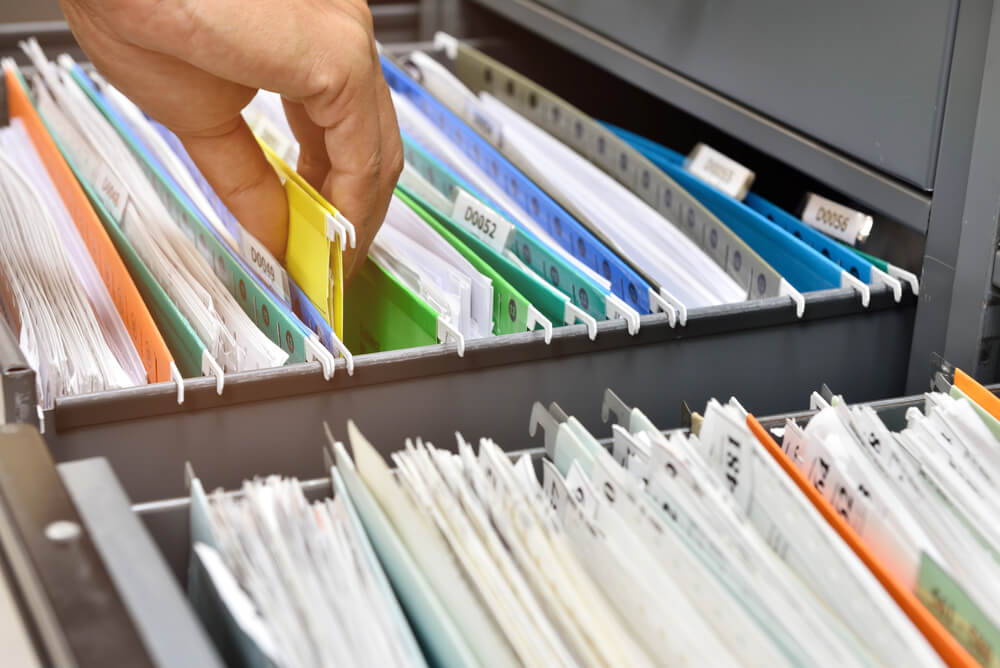
Between 1932 and 1972, the U.S. Public Health Service recruited nearly 400 African American men in Macon County, Alabama, under the pretense of offering free healthcare. The men were told they had “bad blood” and would receive treatment, but instead, researchers deliberately withheld treatment to observe the natural progression of untreated syphilis.
Even after penicillin became a proven cure in the 1940s, researchers continued to deny treatment and information. More than 100 participants died.
The unethical study remained largely hidden from public awareness until journalist Jean Heller broke the story on July 25, 1972, triggering public outrage. The U.S. government issued a formal apology in 1997, more than 25 years after the study’s exposure.
Operation Crossroads
In 1946, the U.S. military conducted two nuclear explosions at Atoll in the Marshall Islands, code-named Operation Crossroads Able and Baker. The tests exposed 42,000 military personnel, indigenous populations, and ship crews to dangerous levels of radiation.
The military kept classified the full extent of radiation exposure and contamination. Among the animals aboard test vessels, all died within weeks of radiation exposure.
Declassified documents released decades later revealed that commanders knew radiation levels were hazardous but allowed personnel exposure to continue. The atoll and surrounding islands remain uninhabitable.
The government initially delayed declassifying documents on radiation health effects until pressure from veterans and affected populations mounted.
Operation Castle Bravo
On March 1, 1954, the U.S. detonated a thermonuclear weapon at Atoll that produced a yield of 15 megatons—1,000 times the power of the Hiroshima bomb, and far exceeding military planners’ estimates. The explosion contaminated surrounding atolls with radioactive fallout that no one had anticipated reaching inhabited areas.
The military evacuated residents from Rongelap and Utirik atolls after the fact but concealed the dangerous fallout patterns in classified reports for decades. Declassified documents showed officials knew radiation levels were unsafe for return but permitted people to move back anyway.
The affected island populations experienced increased cancer rates, particularly thyroid cancer, for decades.
Operation Plumbbob
Conducted from May to October 1957, Operation Plumbbob involved 29 nuclear tests in Nevada designed to evaluate weapons effects, test protective equipment, and develop military tactics for nuclear battlefields. The military conducted tests with soldiers stationed close to ground zero.
Declassified reports revealed the government deliberately allowed military personnel to receive high levels of radiation exposure in order to study biological effects. Radioactive fallout spread across much of the United States.
The government classified health studies showing civilian exposure across the country until recent decades. Radiation exposure resulted in increased cancer rates among military personnel and civilians living downwind of the Nevada Test Site.
Bay of Pigs Documents
When the CIA-sponsored invasion of Cuba collapsed in April 1961, the government classified thousands of pages of documents detailing the operation’s planning and failure. Classified records revealed that President Kennedy had rejected military recommendations to provide direct air support to the invading force, a decision that sealed the operation’s failure.
Declassified documents also showed the CIA had misled the President about the invasion’s prospects. The full extent of CIA involvement remained classified for years, allowing official narratives to obscure the operation’s actual scope and the agency’s responsibility for its failure.
U-2 Spy Plane Program
The CIA operated a classified surveillance aircraft program using modified U-2 planes to spy over the Soviet Union, China, and other countries from the mid-1950s onward. The program remained secret until 1960, when the Soviets shot down a U-2 piloted by Francis Gary Powers.
Declassified documents revealed that the CIA had conducted hundreds of overflights without informing Congress or the President in detail about the operations’ frequency or risks. The declassified records also showed that U-2 overflights accounted for more than half of UFO reports in the 1950s and 1960s, as the aircraft’s silver hull reflected sunlight long after darkness fell on the ground.
Gulf of Tonkin Incident Documents

In August 1964, the Navy reported that the USS Maddox had been attacked by North Vietnamese patrol boats twice in the Gulf of Tonkin—the second attack being highly disputed. The reported incidents were used to justify the Gulf of Tonkin Resolution, which gave President Johnson broad authority to wage war in Vietnam without a declared war.
Declassified records released decades later showed the second attack almost certainly never occurred. Sonar operators had misinterpreted signals.
The administration knew this but used the incident to justify escalating military involvement in Vietnam. The deception contributed to an undeclared war that killed over 58,000 Americans and over 2 million Vietnamese.
CIA’s Secret Prisons
Declassified reports revealed that the CIA operated a network of black sites—secret prisons outside the United States—where detainees were held, interrogated, and tortured. The program remained officially hidden even from Congress for years.
Declassified memos and internal reviews documented waterboarding, sleep deprivation, and other torture techniques applied to terrorism suspects. The existence and scope of the program were concealed through classification until investigations and leaks forced disclosure.
Declassified Inspector General reports showed the CIA had misled policymakers and the public about the program’s effectiveness.
Area 51 Documents
Declassified CIA documents released in 2013 officially confirmed the existence and location of Area 51, a classified military facility in Nevada. The facility’s existence was one of America’s most tightly held secrets.
Declassified records revealed the base was used to test experimental aircraft including the U-2 and A-12 spy planes. Many UFO sightings reported in the 1950s and 1960s were actually sightings of these secret aircraft.
The CIA had kept the facility’s very existence classified, along with documentation of testing programs that lasted decades.
NSA Domestic Surveillance Program
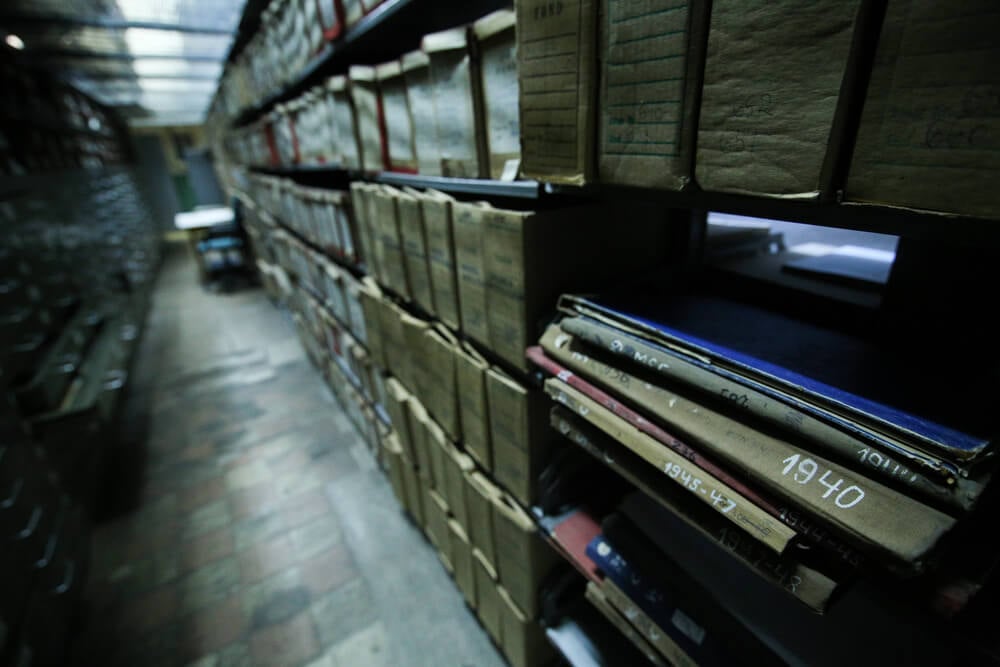
In 2005, journalists revealed that the National Security Agency had been conducting domestic surveillance of Americans’ phone records without judicial oversight or warrants, following the September 11 attacks. Declassified documents later showed the program had operated continuously for years, collecting records on millions of Americans.
Internal NSA documents demonstrated that the agency knew the program raised legal and constitutional concerns. The classified status of the program prevented public knowledge of its scope until media revelations forced disclosure.
Iran-Contra Affair Documents
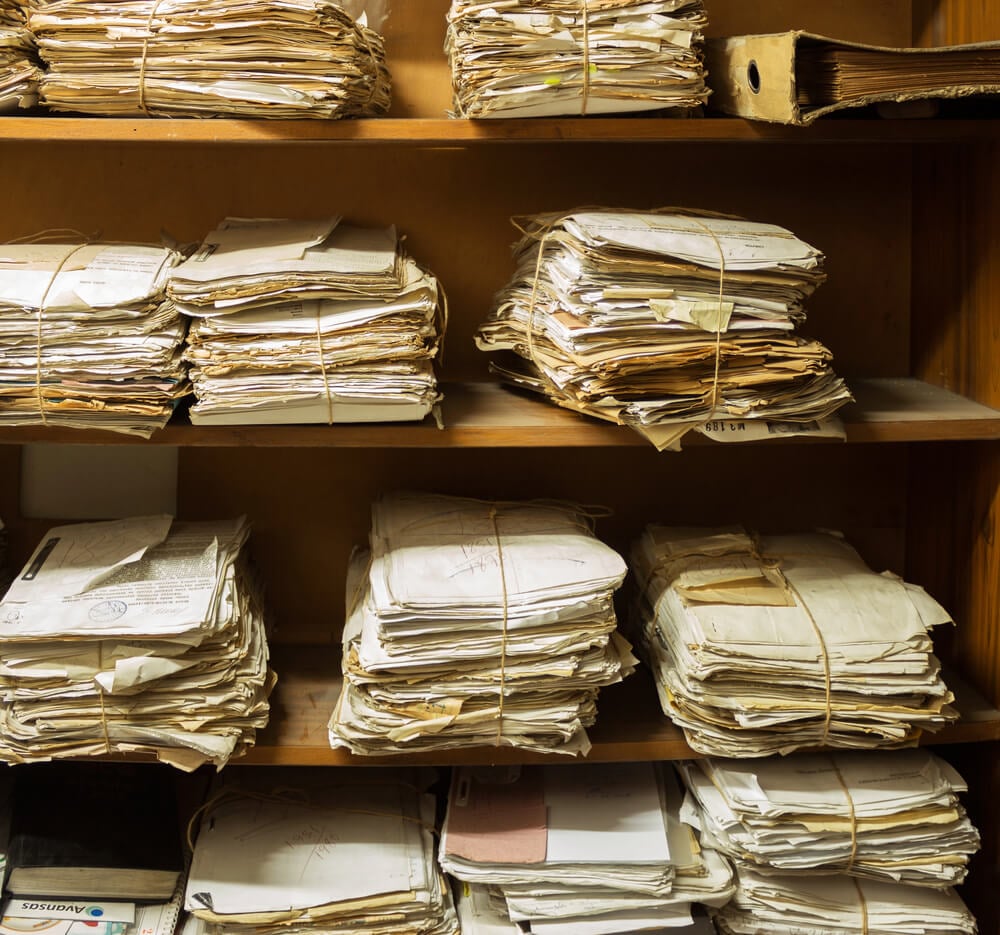
In the 1980s, classified documents revealed that members of the Reagan administration had secretly arranged for the sale of arms to Iran—a nation under embargo—and diverted proceeds to fund Contra rebel forces in Nicaragua, violating congressional restrictions. The classified nature of covert operations had allowed the scheme to operate for years.
Congressional investigations uncovered the program only after journalists and whistleblowers revealed portions of it. Declassified documents showed high-ranking officials, including Defense Secretary Caspar Weinberger, had documented knowledge of the illegal activities but had kept the records classified to prevent accountability.
Chilean Coup Documents
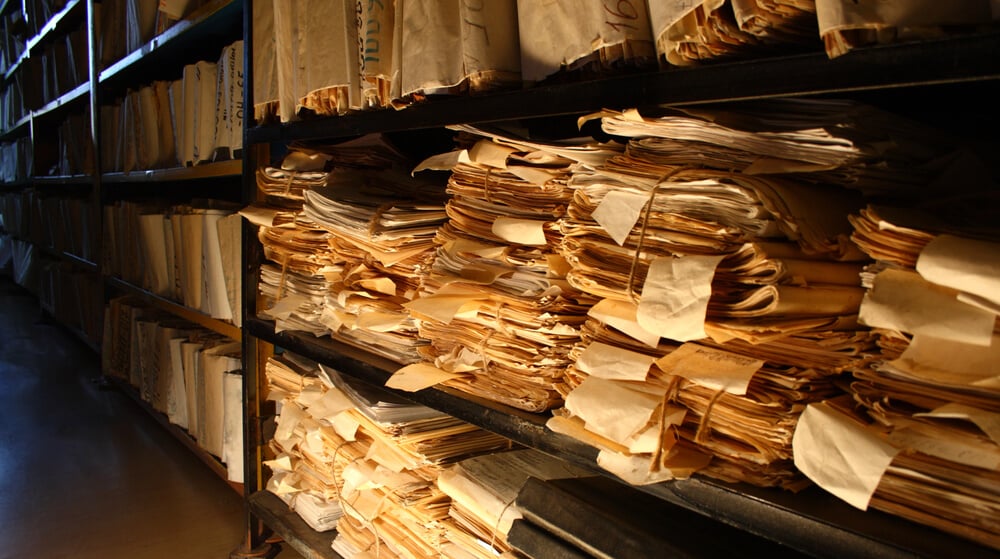
In 1973, Salvador Allende, the elected socialist president of Chile, died in a military coup. The U.S. government denied involvement for decades.
Declassified CIA documents released in the 2000s revealed that the agency had worked to destabilize Allende’s government, funded opposition groups, and coordinated with Chilean military officers planning the coup. The declassified record showed the U.S. had known in advance that the coup was planned and took no action to prevent it or inform Allende.
The documents exposed American involvement in overthrowing a democratically elected government.
Argentine Military Dictatorship Cooperation
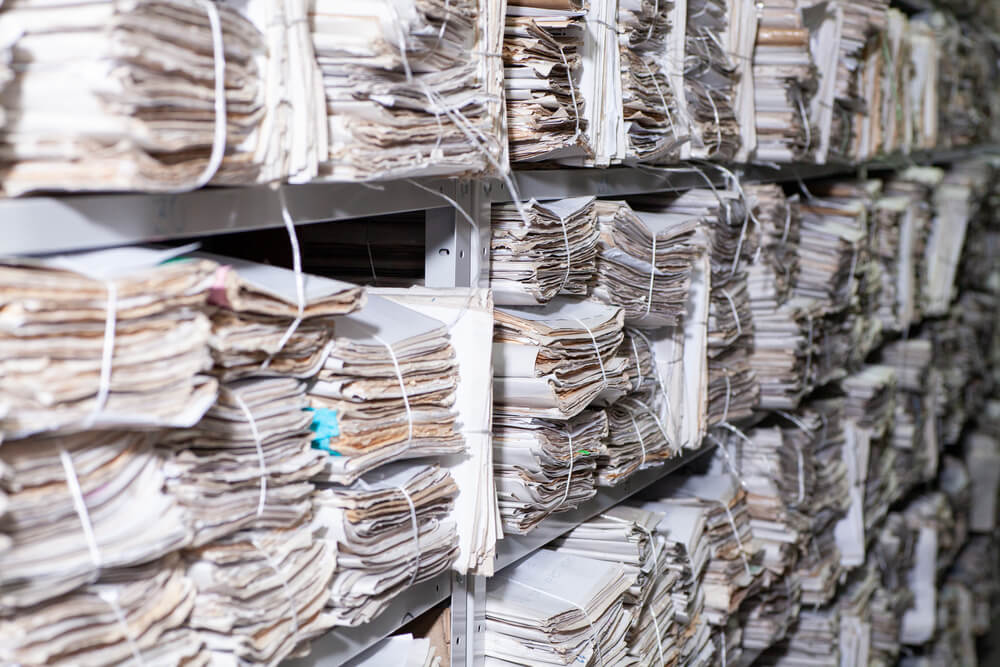
Declassified documents revealed that the U.S. intelligence agencies had maintained relationships with members of Argentina’s military junta during the 1970s and 1980s, while the junta was torturing and murdering thousands of political prisoners. The classified records showed American officials knew about the atrocities and maintained intelligence cooperation anyway.
Declassified files contained names of CIA officers who worked with known torturers. The public did not learn the extent of American complicity until documents were declassified decades after the dictatorship’s fall.
East German Stasi Records
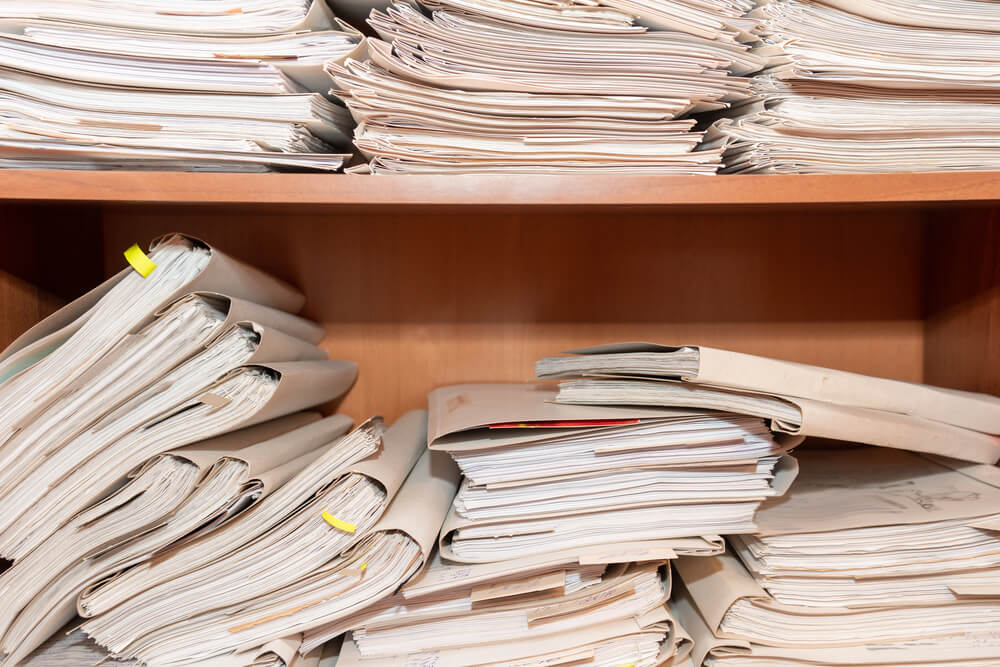
After German reunification, the former East German secret police files were declassified, revealing the Stasi had maintained surveillance on millions of citizens and had extensive networks of domestic informants. The classified records showed surveillance practices far more pervasive than Western intelligence agencies had previously understood.
Declassified files documented the systematic monitoring of religious groups, artists, and political activists. The revelation transformed historical understanding of Cold War repression and surveillance.
Japanese War Crimes Documents
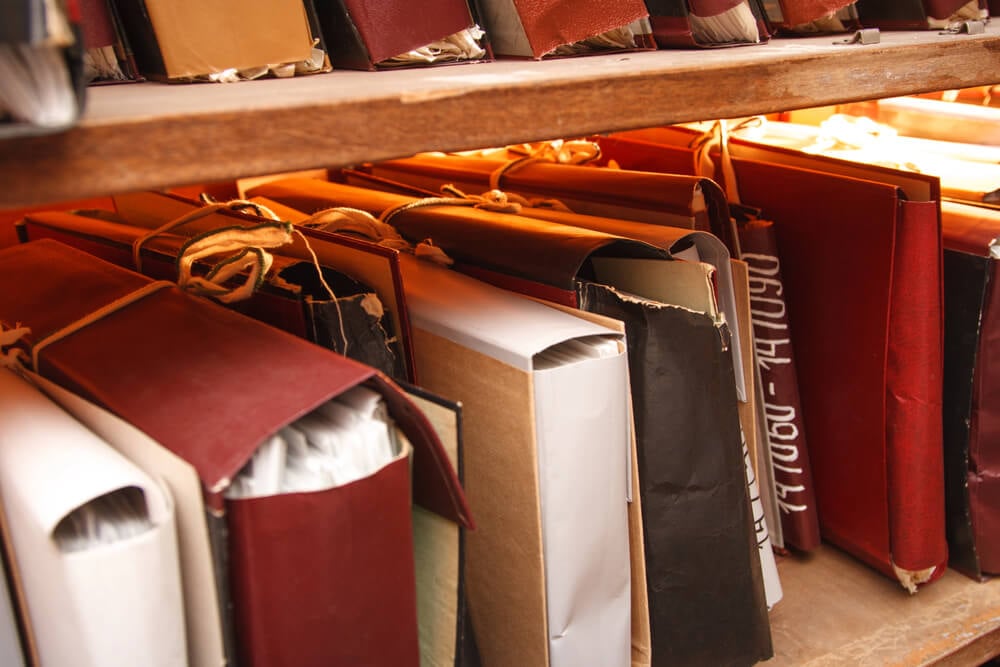
Following World War II, declassified American intelligence reports documented Japanese military experiments on Chinese prisoners and American prisoners of war, including biological and chemical weapons testing. These documents had been classified and suppressed for decades, even as American authorities knew of the experiments.
Declassified records showed that American officials had withheld information from international courts and prosecution efforts to preserve intelligence relationships with Japanese officials who had knowledge of the experiments. Full disclosure of classified war crimes documentation took decades.
Watergate Scandal Documents
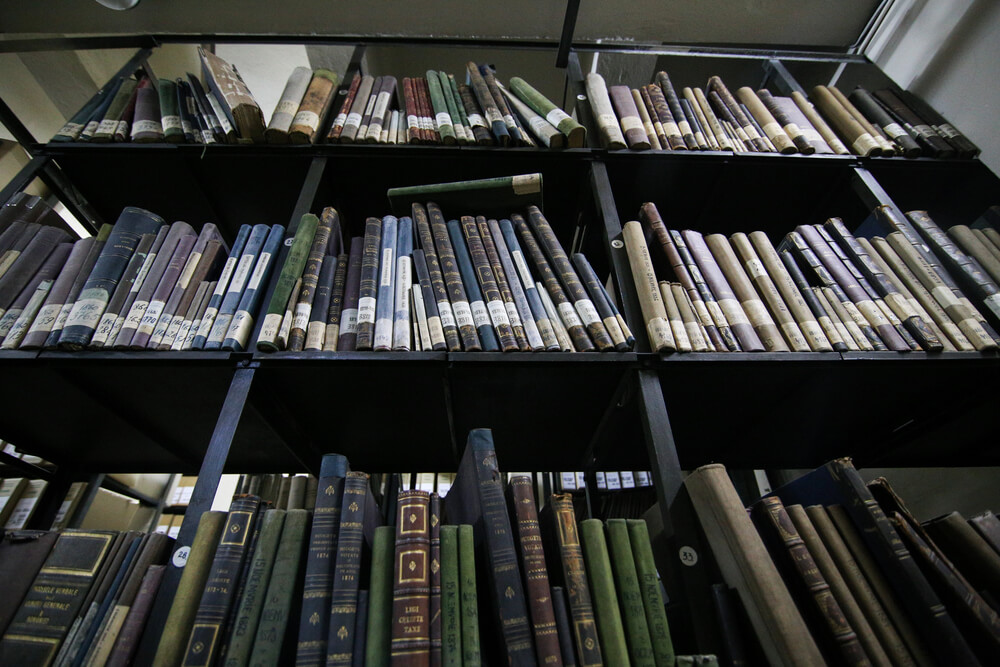
The classified blue cover of the Watergate Report itself was kept classified for decades, along with thousands of pages of investigation files. When Timothy Naftali attempted to curate a complete exhibit at the Nixon Presidential Library, he was told even the cover remained classified.
The full 7,000-page Watergate Report did not become publicly available in its entirety until the National Archives and Records Administration released it in 2011. Declassified documents from the scandal and Nixon administration tapes revealed the scope of the cover-up and abuse of power.
Bombing of Cambodia
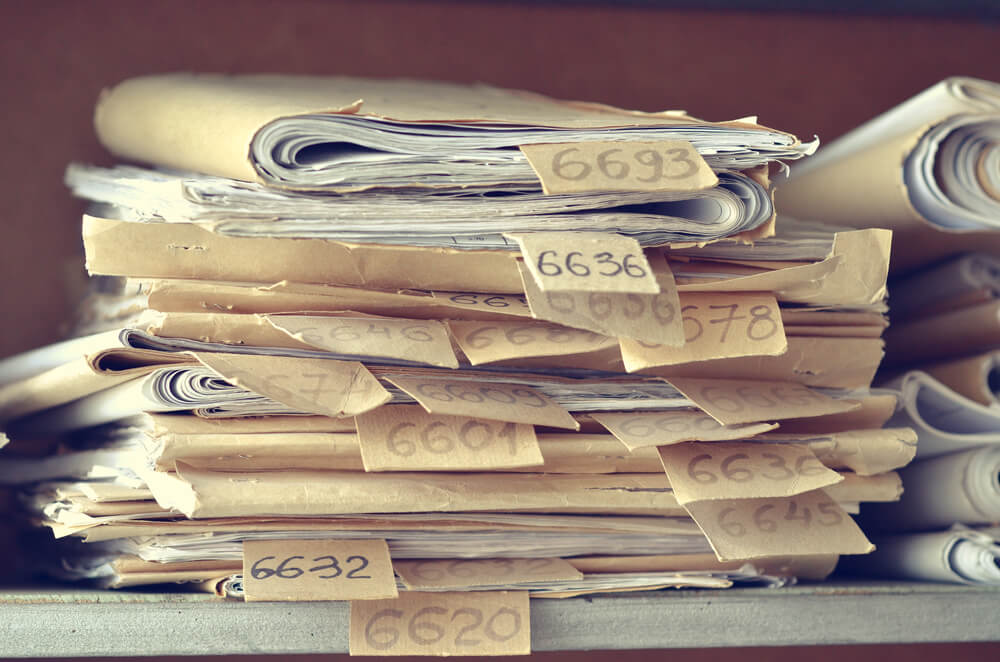
Declassified Air Force records revealed that the U.S. had conducted a secret bombing campaign in Cambodia from 1969 to 1973, dropping more tonnage of bombs than was dropped on Japan in World War II. The bombing campaign was kept classified and hidden from Congress.
Declassified documents showed military leaders knew civilians would be killed but proceeded anyway. Over 150,000 Cambodians died in the bombing campaign.
The extent of civilian casualties was concealed in classified reports until their release decades later.
COINTELPRO Operations Against Vietnam Protesters
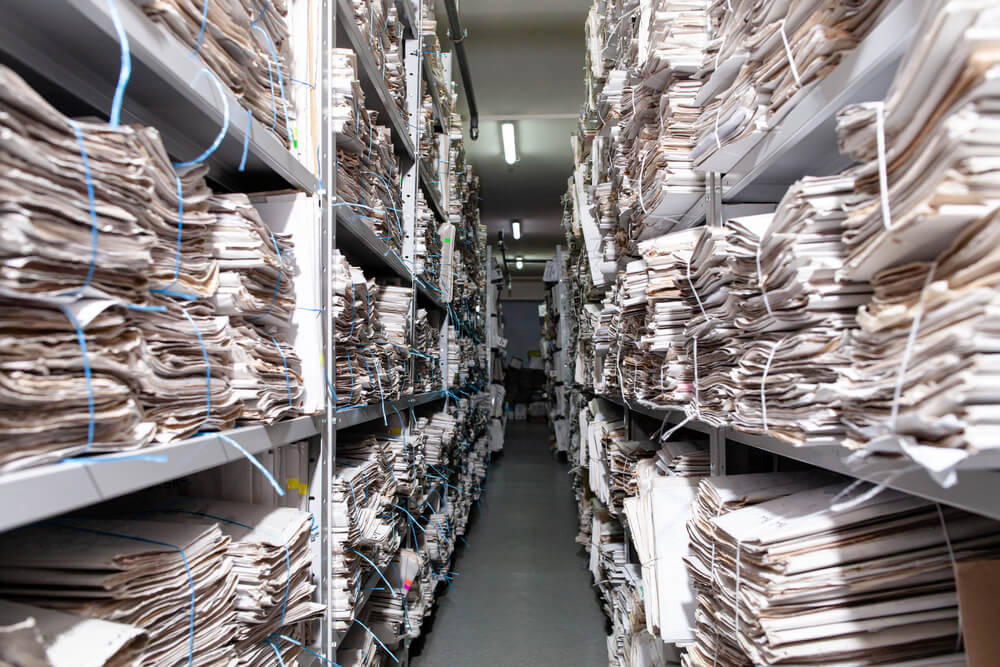
Declassified FBI records revealed that the agency had conducted surveillance, infiltration, and harassment operations against domestic Vietnam War protest groups during the 1960s and 1970s. The classified records detailed provocateurs, infiltrators, and agents who participated in planning and escalating confrontations with police.
Declassified documents showed the FBI actively worked to radicalize protest movements and incite violence to discredit the anti-war movement. These operations remained officially secret until COINTELPRO’s exposure forced partial declassification.
Torture Memoranda
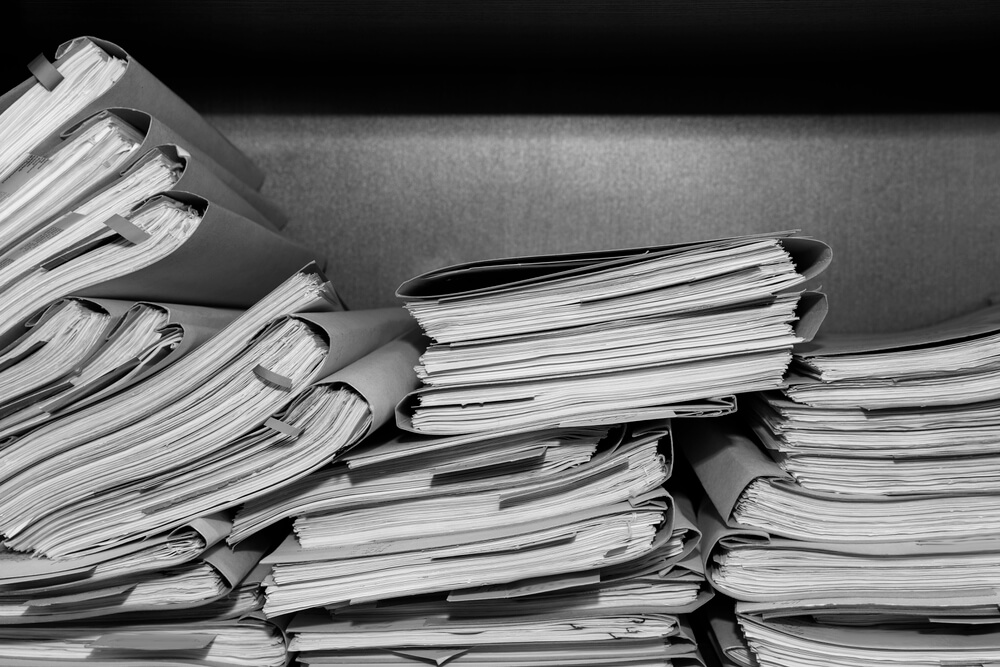
Following the September 11 attacks, classified legal memos authorized the CIA to use torture techniques including waterboarding, sleep deprivation, and extreme heat and cold. The classified status prevented public knowledge of the program’s legal justifications.
Declassified Office of Legal Counsel memos revealed that administration lawyers had interpreted torture prohibitions narrowly to permit practices that international law clearly classified as torture. The declassified legal reasoning showed how officials had used classification to hide the gap between law and practice.
NSA Bulk Surveillance
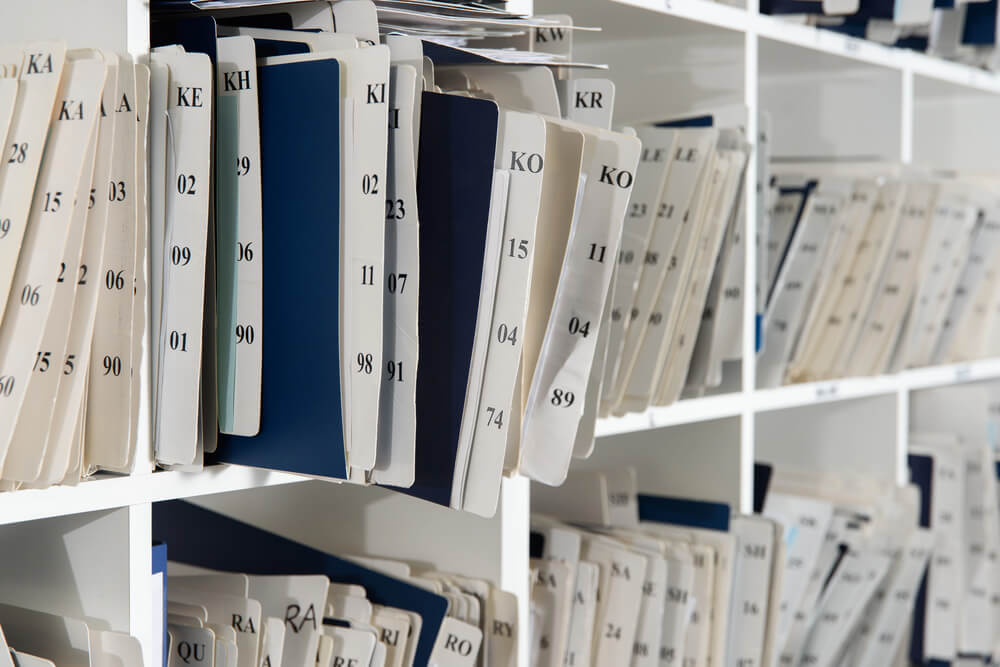
Edward Snowden’s 2013 revelations about classified NSA programs exposed the agency’s collection of telephone metadata on hundreds of millions of Americans, along with access to encrypted communications through partnerships with technology companies. The classified nature of these programs meant the public had no knowledge of their scope.
Declassified documents released by the government confirmed that senior officials, including members of Congress, had known about the programs but kept them classified. The classified status prevented public debate about surveillance practices.
Project Blue Book UFO Files
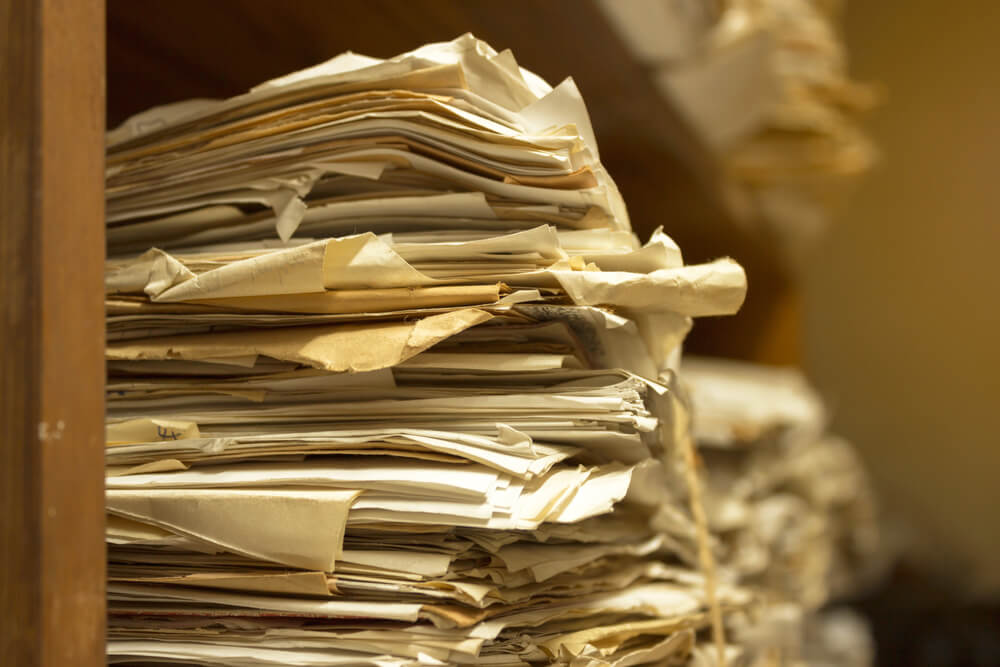
From 1952 to 1969, the Air Force investigated 12,618 unidentified flying objects through a classified program called Project Blue Book. Declassified records released to the National Archives showed that the Air Force had attributed most sightings to mundane causes but had also documented numerous sightings that the project could not explain.
The classified status of UFO research meant that public knowledge of these unexplained incidents was limited. The declassified Project Blue Book files demonstrated that the government had systematically investigated phenomena it could not explain while keeping investigation details classified.
The Legacy of Sealed Records
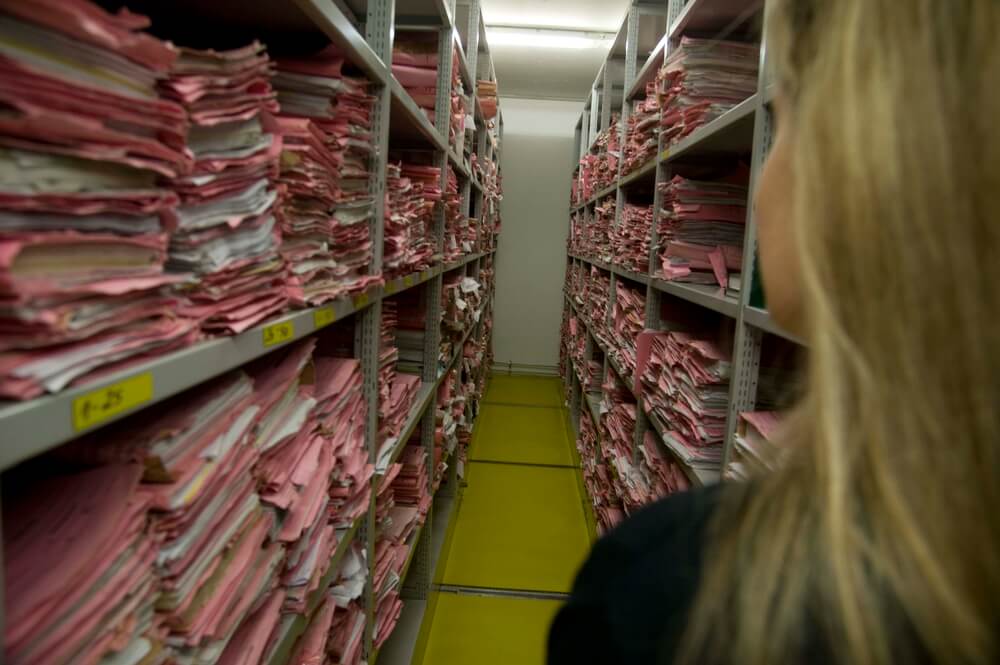
These documents share a pattern. Classification typically conceals not national security threats but embarrassment, legal violations, or moral failures.
By the time records are declassified, the officials responsible have often retired, died, or left office. Public accountability becomes difficult when revelation arrives decades too late.
Yet each declassification represents a moment when the official narrative finally meets the documentary record—when the truth, however delayed, emerges from the classified vaults to reshape historical understanding. The accumulated declassifications suggest that the gap between public statements and classified realities has been systematic and profound.
Future declassifications will likely reveal additional discrepancies between what Americans were told and what their government actually did. The question remaining is why classification so often protects officials from accountability rather than safeguarding national security.
More from Go2Tutors!

- The Romanov Crown Jewels and Their Tragic Fate
- 13 Historical Mysteries That Science Still Can’t Solve
- Famous Hoaxes That Fooled the World for Years
- 15 Child Stars with Tragic Adult Lives
- 16 Famous Jewelry Pieces in History
Like Go2Tutors’s content? Follow us on MSN.



