25 Historic Documents That Sat Unread for Decades
Some documents change the world the moment they are written. Others sit in a drawer, a monastery cellar, or a locked archive for a generation or more before anyone realizes what they hold.
The gap between when a text was created and when it was actually read is often longer, and stranger, than the text itself. What follows are 25 cases where paper, parchment, or papyrus waited out the decades before finally finding a reader.
Gregor Mendel’s Pea Plant Paper

Gregor Mendel published his findings on inherited traits in pea plants in 1866 in an obscure regional journal, and almost no one in the scientific community took notice. The paper sat uncited for roughly 34 years while biology continued without the rules of heredity it described.
It was only rediscovered around 1900 by three separate botanists working independently, at which point Mendel was recognized posthumously as the founder of genetics.
Ada Lovelace’s Notes on the Analytical Engine
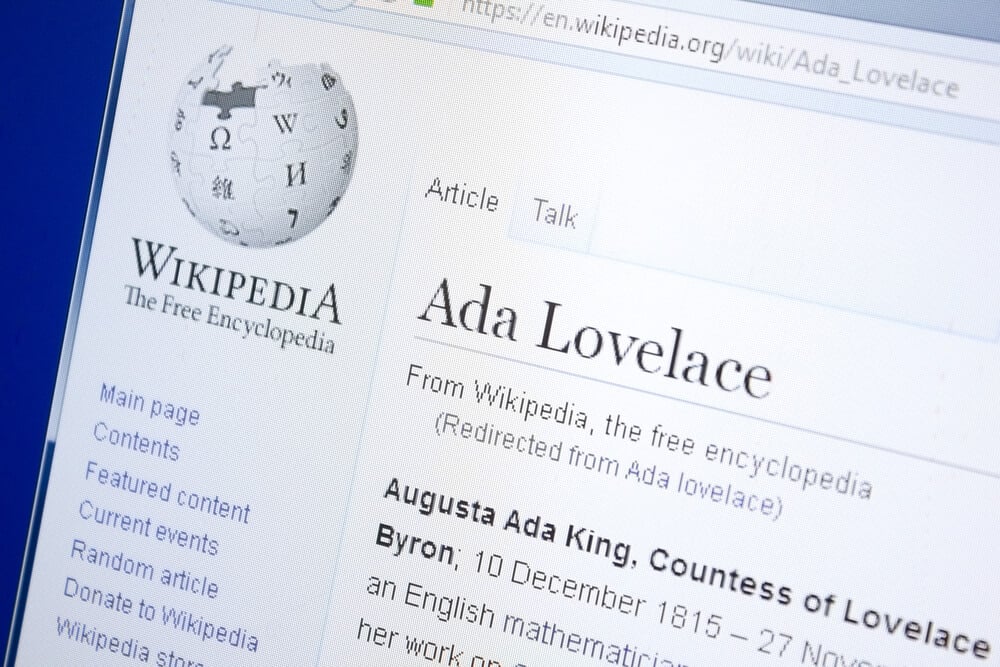
In 1843, Ada Lovelace translated and annotated an Italian paper on Charles Babbage’s proposed Analytical Engine, adding notes three times longer than the original text and including what is now considered the first published algorithm meant for a machine. The notes drew little attention in her lifetime and were largely forgotten for about a century.
They were not widely reexamined until B.V. Bowden republished them in 1953, after which Lovelace’s contribution to computing began to be properly credited.
The Herculaneum Papyri
When Mount Vesuvius buried the Roman town of Herculaneum in 79 AD, it carbonized an entire library of scrolls into blackened, unopenable cylinders. For centuries, attempts to physically unroll them destroyed more than they revealed, so most of the collection sat sealed and unread in Naples.
Only with the arrival of X-ray tomography and machine-learning image analysis, culminating in the Vesuvius Challenge results announced in 2023, did researchers begin reading passages from inside the scrolls without unrolling them.
Isaac Newton’s Alchemical Papers
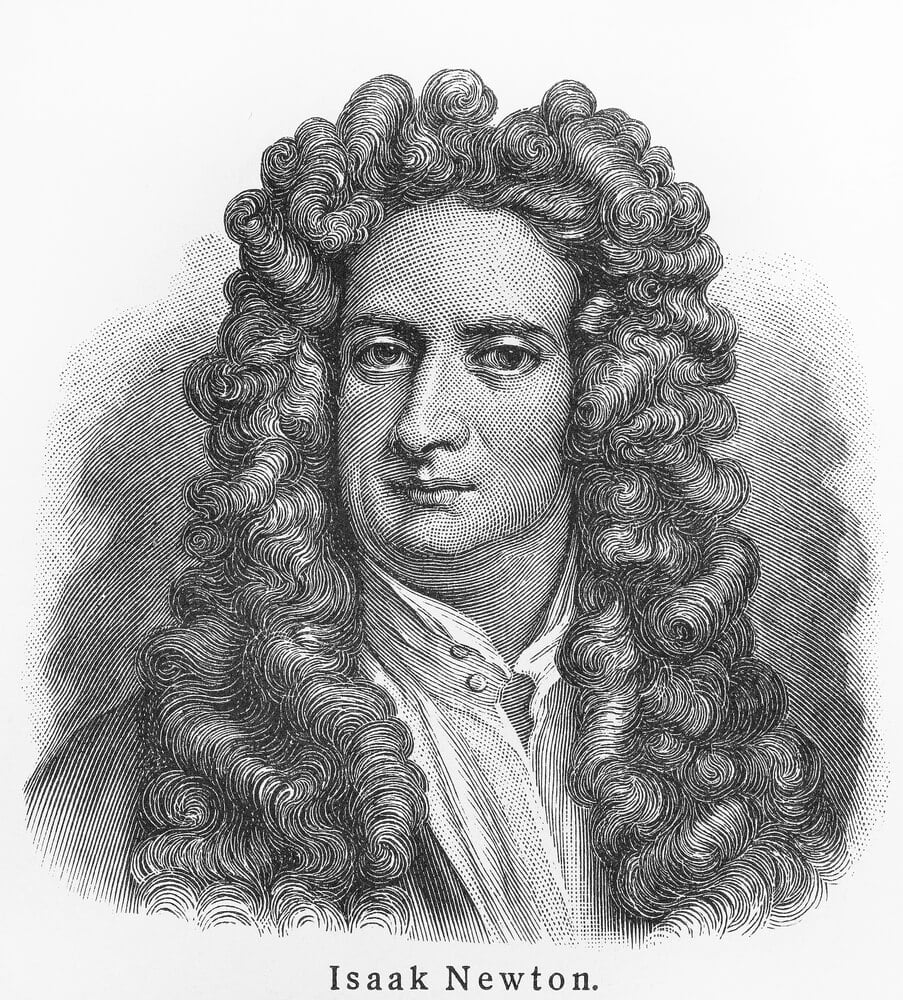
Isaac Newton left behind roughly a million words of writing on alchemy, theology, and biblical chronology that his own Royal Society deemed “not of scientific value” when it reviewed his papers in 1888 and declined to publish them. The bulk of the collection was sold off piecemeal at a 1936 Sotheby’s auction, scattering it among private buyers.
Decades passed before historians of science, notably John Maynard Keynes, began piecing the alchemical writings back together to understand a side of Newton the physics textbooks had left out.
The Nag Hammadi Library
An Egyptian farmer unearthed a sealed jar containing 13 leather-bound codices near Nag Hammadi in 1945, texts that turned out to be early Gnostic gospels and writings unknown to mainstream Christian tradition. Political instability, black market sales, and slow academic access meant the full corpus was not translated and published in English until the Nag Hammadi Library edition of 1977, more than three decades after the jar was opened.
Some individual texts within the collection went unpublished even longer.
The Dead Sea Scrolls
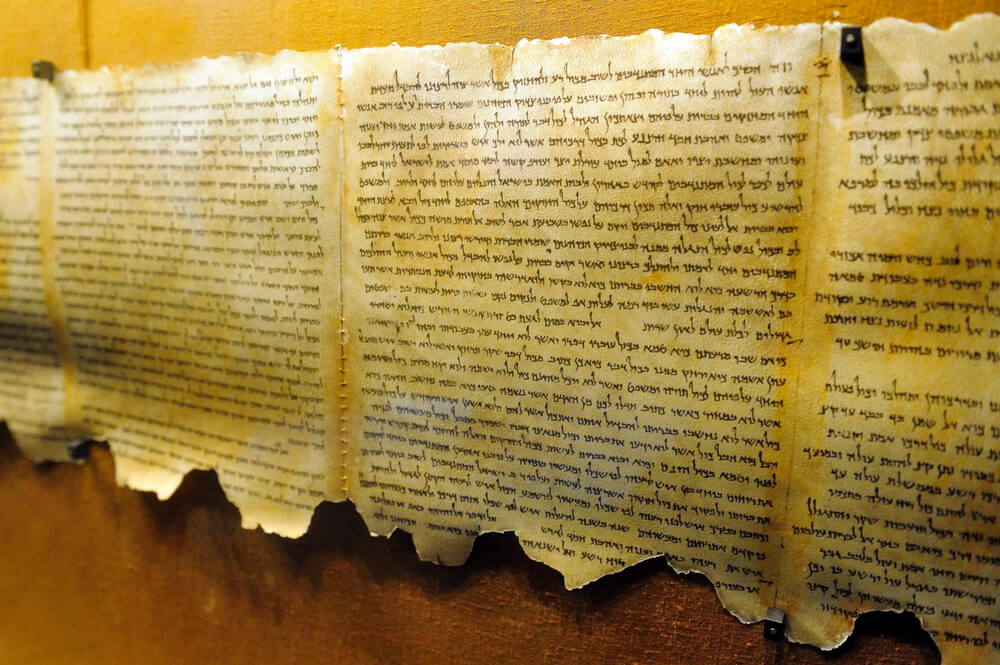
The first Dead Sea Scrolls were found in caves near Qumran starting in 1947, but publication rights to many fragments were held by a small, closed team of scholars for decades afterward. Public frustration built through the 1980s as huge portions of the collection remained unpublished and inaccessible even to other researchers.
Access was not opened up until 1991, when photographs were released more broadly and a full scholarly edition finally began to appear.
The Beowulf Manuscript
The only surviving medieval manuscript of the poem Beowulf survived a 1731 fire in the Cotton library that damaged its edges, then drew little sustained scholarly interest for decades afterward. Icelandic scholar Grímur Jónsson Thorkelin transcribed it in the 1780s, but a printed edition did not appear until 1815, and serious literary study of the poem in English did not take off until the 19th century was well underway.
Emily Dickinson’s Poems
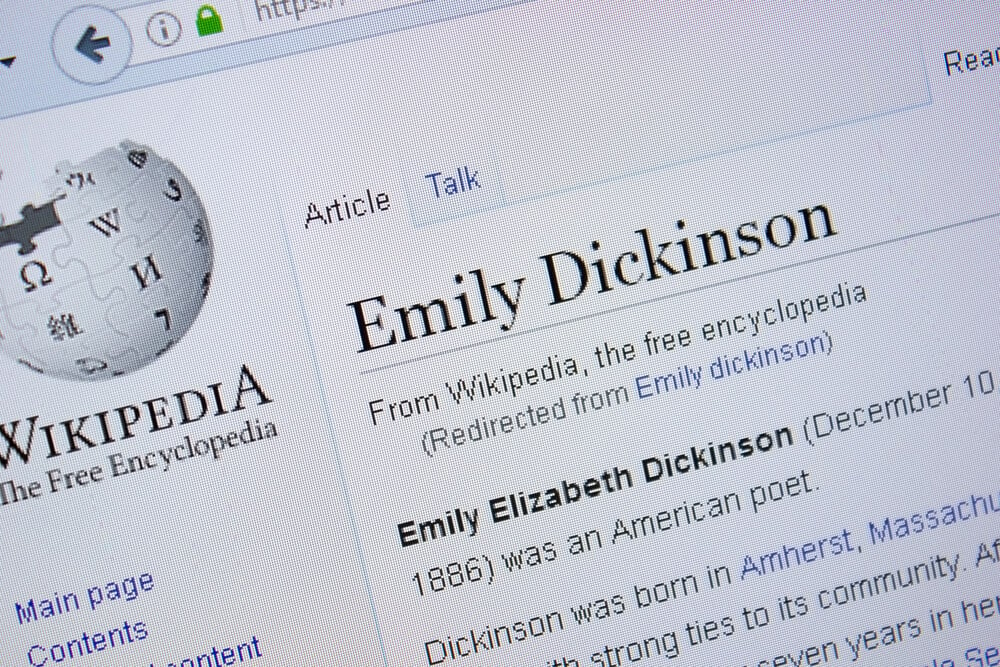
Emily Dickinson wrote nearly 1,800 poems in her lifetime but published fewer than a dozen, leaving the rest bound into hand-sewn booklets that her sister found only after her death in 1886. Early published selections altered her unconventional punctuation and capitalization to fit conventional taste.
A scholarly edition restoring her original text did not appear until Thomas H. Johnson’s 1955 collection, nearly 70 years after she died.
The Domesday Book
Commissioned by William the Conqueror in 1086 as a survey of English landholdings, the Domesday Book was kept as a working administrative record in royal custody and was never intended for general reading. For centuries it functioned more as a sealed legal reference than a text anyone studied, consulted mainly in property disputes.
It was not until a printed transcription project completed in 1783 that historians outside the government could read it in full.
The Voynich Manuscript
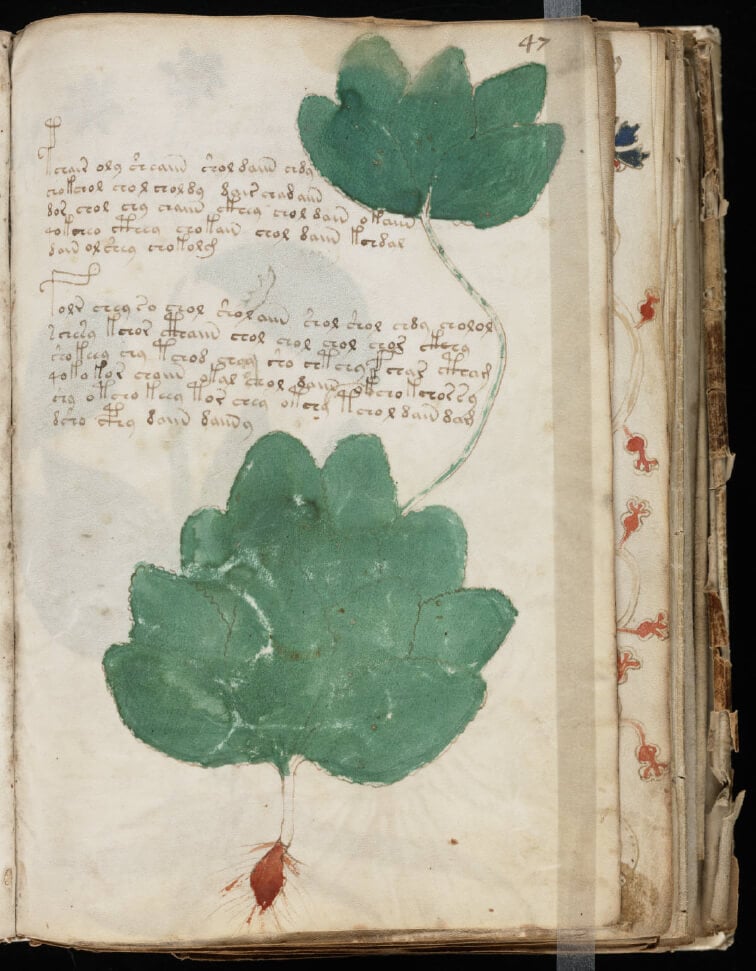
Bought by rare book dealer Wilfrid Voynich in 1912, this roughly 240-page illustrated manuscript is written in an unknown script that has defeated codebreakers, linguists, and computer analysis for well over a century. It now sits in Yale’s Beinecke Rare Book Library, where it is fully digitized and studied, yet its content remains effectively unread since no one has confirmed what the text says.
Various decipherment claims have been made and later retracted.
The Rosetta Stone
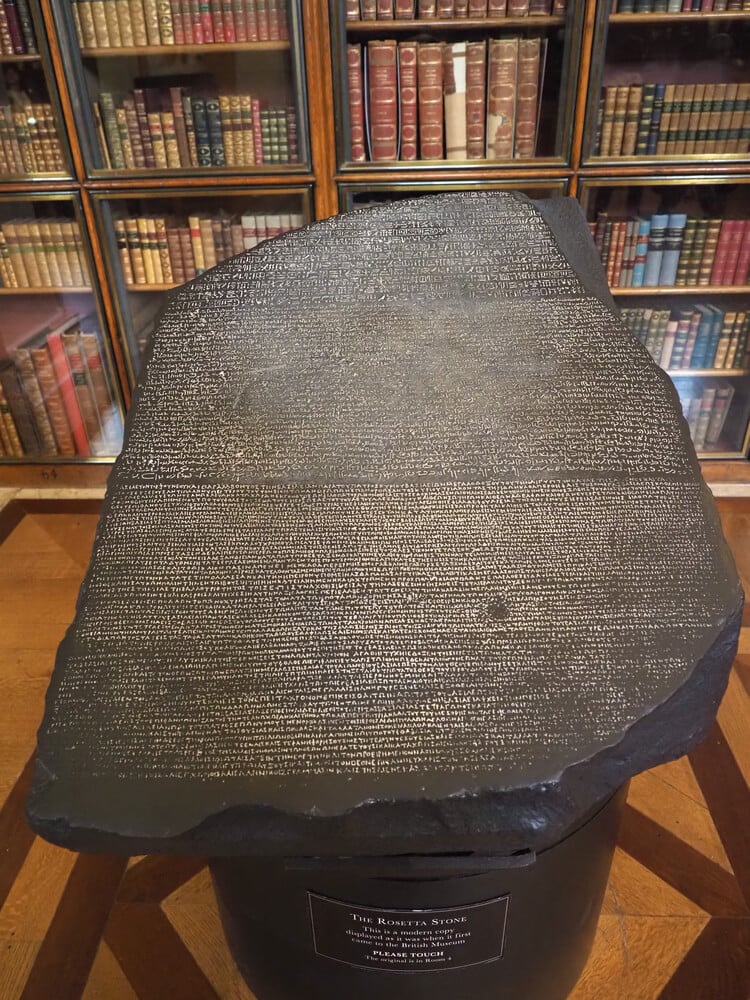
Long before its 1799 discovery near the Egyptian town of Rosetta, the inscribed stone had been pulled from its original temple and reused as ordinary building material in a fortress wall, its trilingual text facing inward and unreadable for centuries. French soldiers rebuilding the fortification noticed the carved surface and set the stone aside.
It took until 1822, when Jean-François Champollion cracked the hieroglyphic portion, for the text to be read for the first time in roughly 1,400 years.
Sappho’s Papyrus Fragments
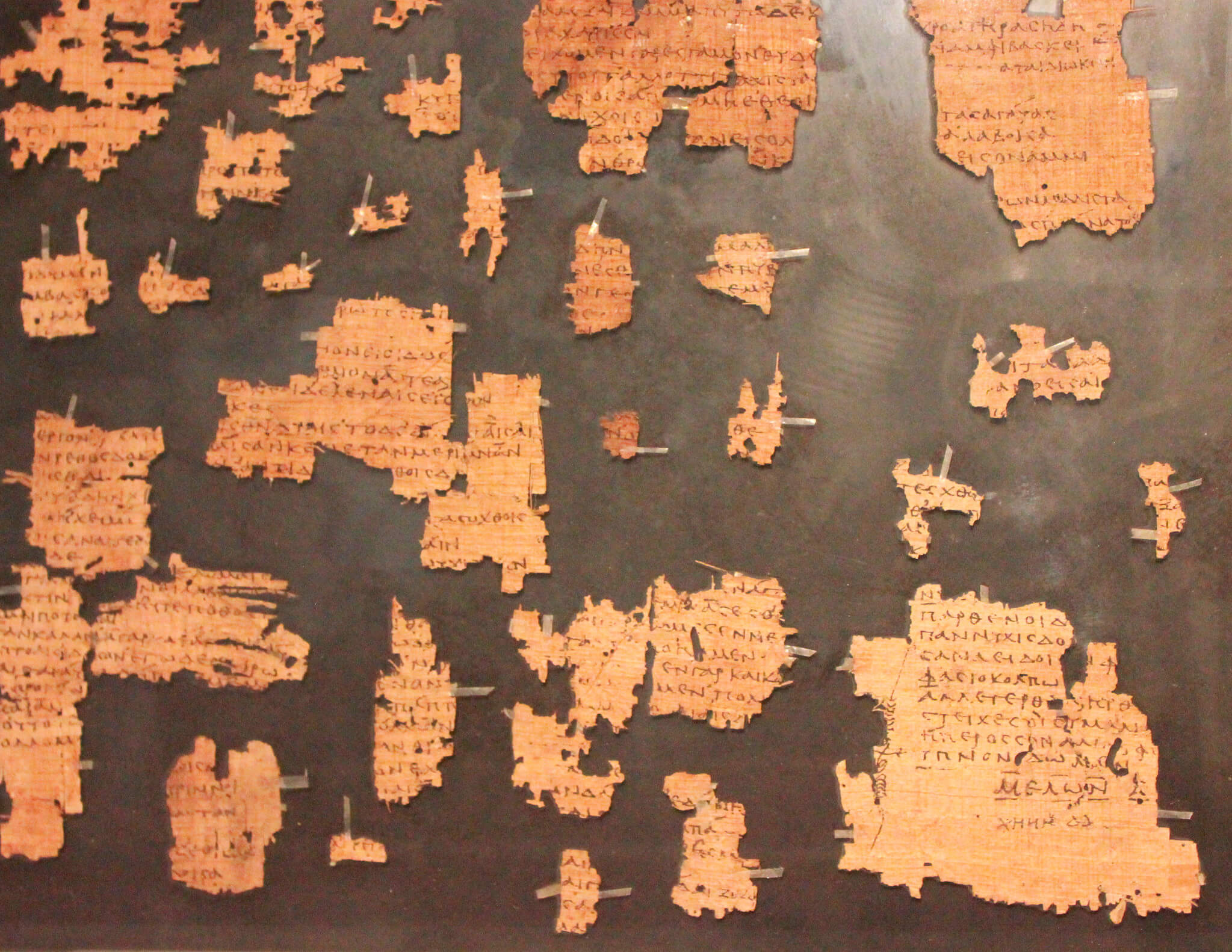
Most of the poetry of the ancient Greek poet Sappho survives only in fragments recovered from discarded papyrus used to wrap mummies or stuff into ancient trash heaps at sites like Oxyrhynchus, excavated starting in the late 19th century. Many fragments sat uncatalogued in museum storage for decades before scholars worked through the backlog.
A previously unknown poem attributed to Sappho, found on a papyrus in a private collection, was not published and confirmed until 2014.
The Enuma Elish Tablets
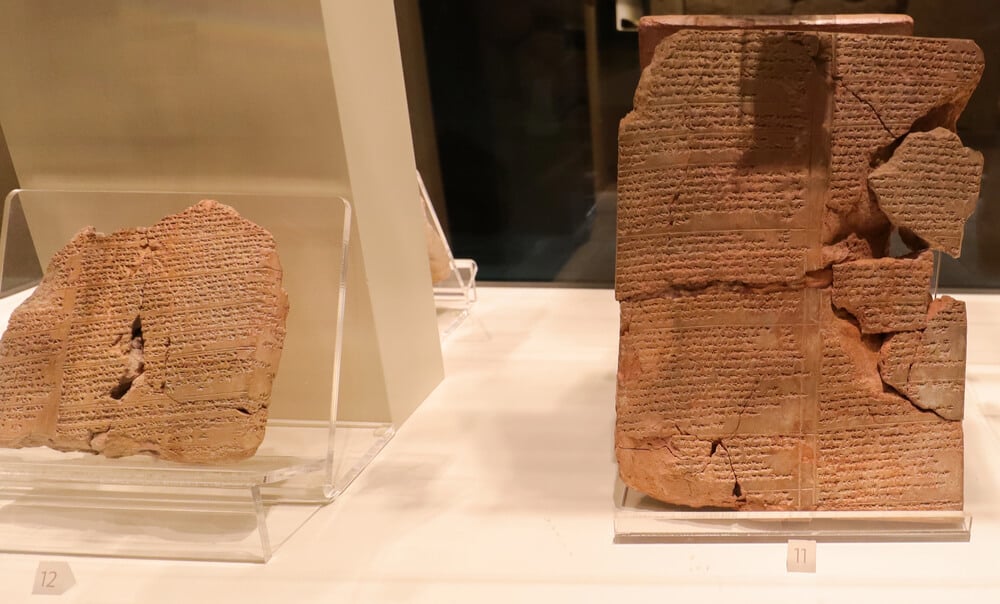
Clay tablets bearing the Babylonian creation epic Enuma Elish were excavated from the ruins of Nineveh in the 1840s and shipped to the British Museum, where thousands of similar fragments sat in storage awaiting translators. It took until the 1870s, when Assyriologist George Smith worked through the museum’s backlog, for the epic to be pieced together and read for the first time in roughly 2,500 years.
The Epic of Gilgamesh Tablets
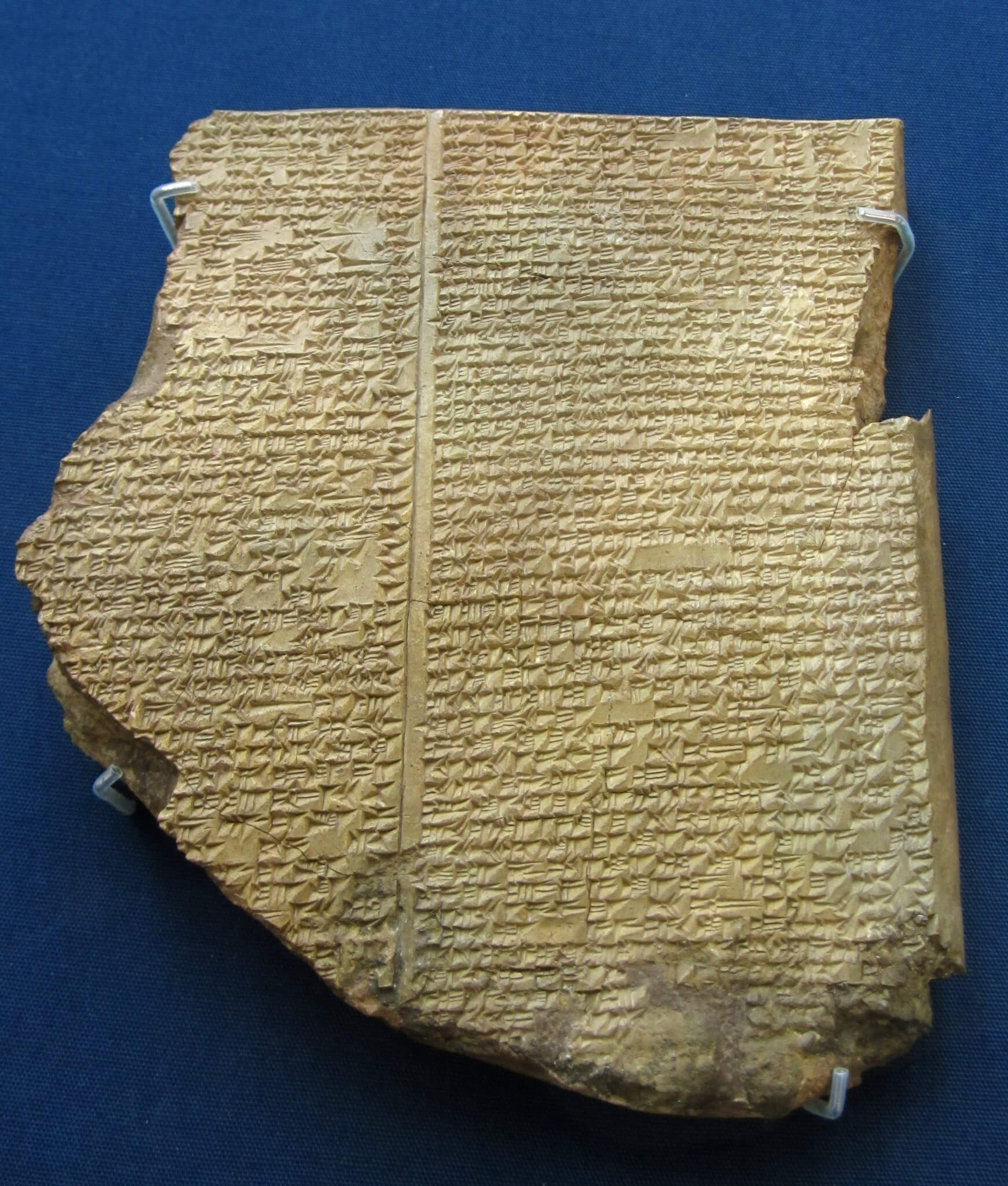
Alongside the Enuma Elish fragments, tablets containing the Epic of Gilgamesh sat unread in the same British Museum storerooms for decades after their mid-19th-century excavation. George Smith’s 1872 translation of the flood tablet, revealing a Mesopotamian story that closely paralleled the biblical flood narrative, caused a sensation precisely because the text had gone unnoticed for so long despite sitting in a London museum the whole time.
The Codex Sinaiticus
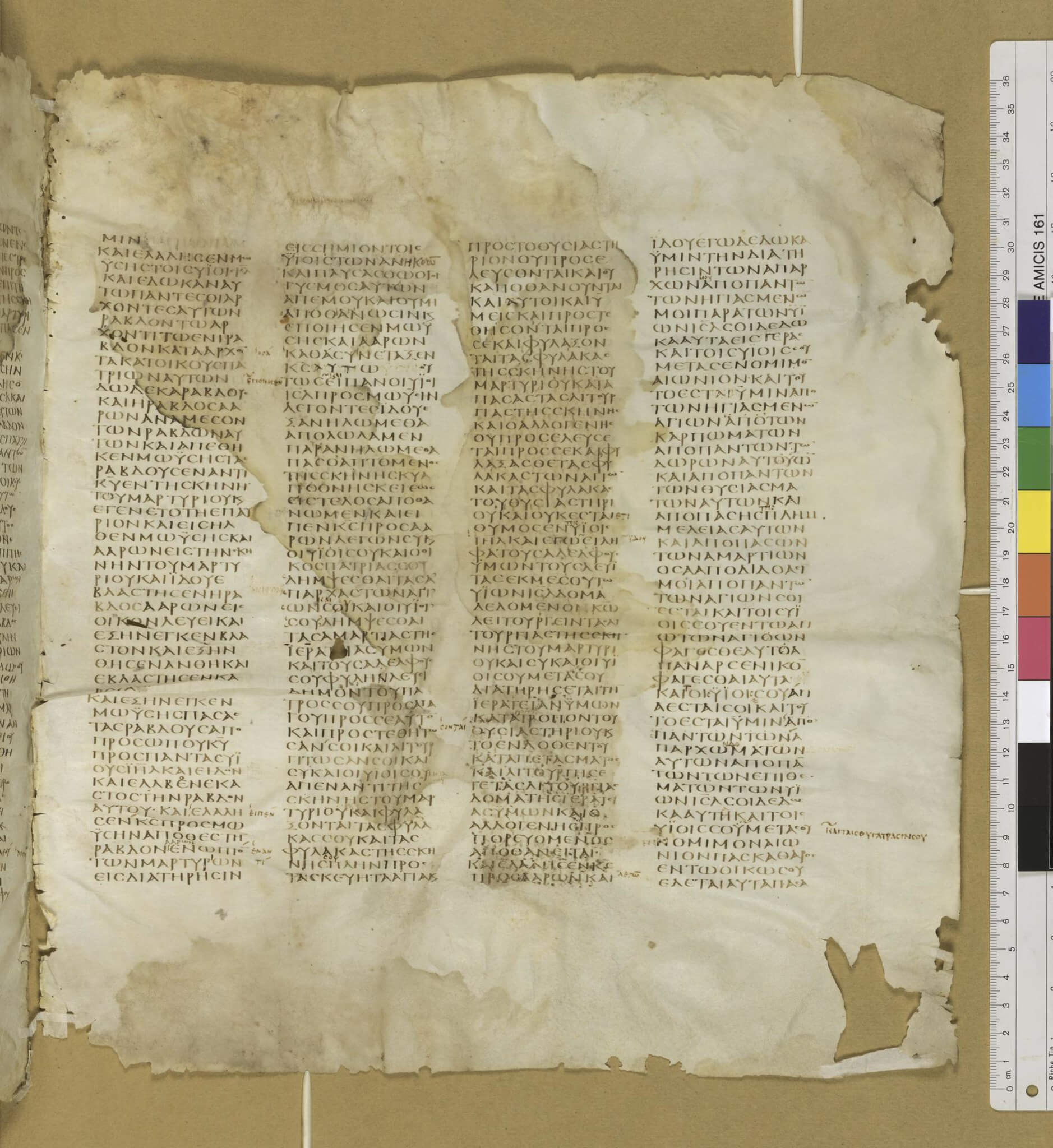
German scholar Constantin von Tischendorf found portions of this fourth-century Greek Bible manuscript at St. Catherine’s Monastery in the Sinai in 1844, reportedly rescuing some leaves that monks had already set aside as fire kindling. It took further visits in 1853 and 1859, along with years of negotiation, before the full manuscript was removed and studied, meaning parts of one of the oldest surviving Christian Bibles had sat unread and nearly destroyed for well over a millennium.
Barbara McClintock’s Transposon Research
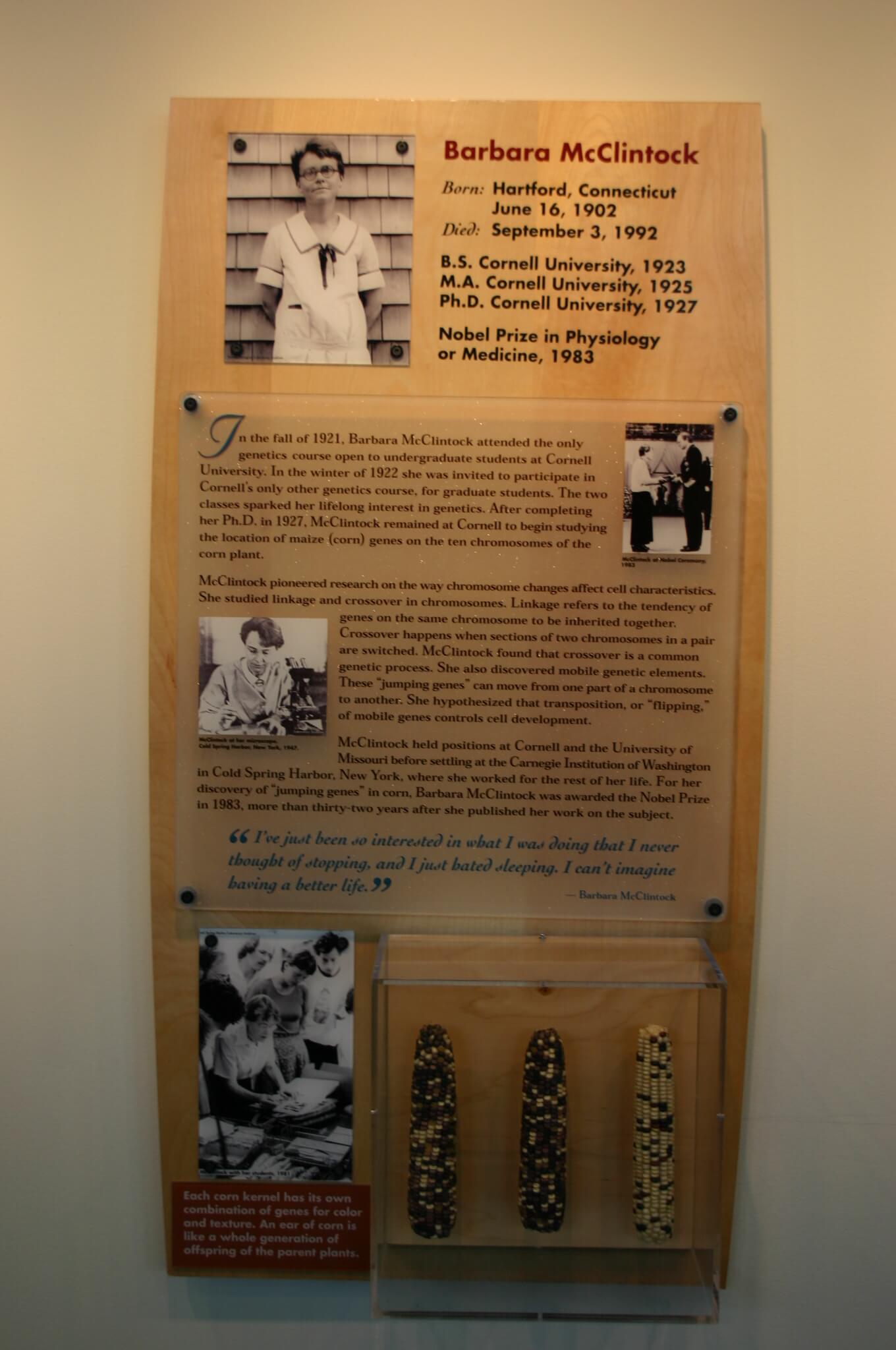
Geneticist Barbara McClintock presented findings on mobile genetic elements in corn in 1951, describing what would later be called transposons. The genetics community largely dismissed or ignored the work for roughly three decades because it did not fit the prevailing understanding of stable, fixed genes.
Her research was not broadly recognized until molecular biology caught up in the late 1970s and early 1980s, leading to a Nobel Prize in 1983.
Ignaz Semmelweis’s Handwashing Reports

Hungarian physician Ignaz Semmelweis published data in 1861 showing that handwashing with a chlorinated solution dramatically cut deaths from childbed fever, but the medical establishment of his era rejected the findings, partly because he could not explain the underlying mechanism. His reports sat largely unread and unapplied for decades.
It was not until germ theory gained acceptance in the 1880s and 1890s that his work was recognized as foundational to modern infection control.
The Copiale Cipher
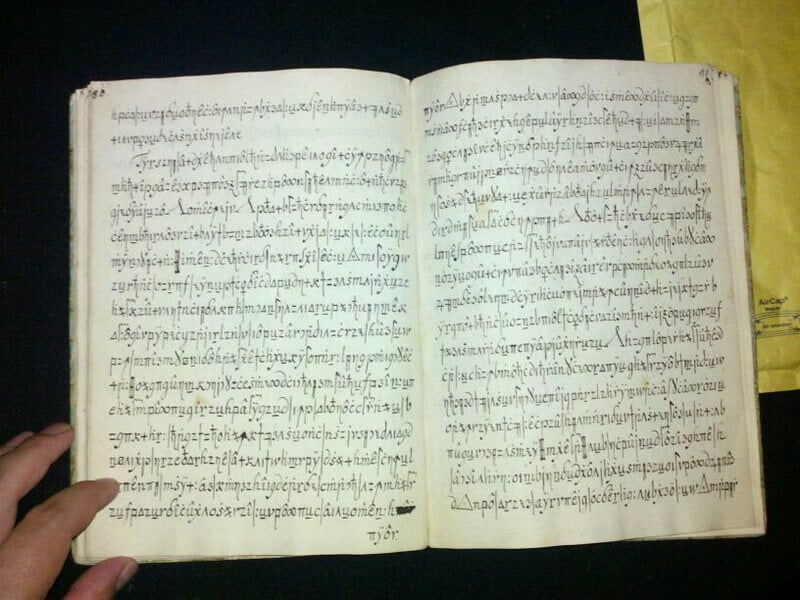
A 105-page manuscript written entirely in an elaborate cipher of symbols and letters sat in a German archive for more than two centuries with no one able to read it. Computational linguists finally cracked the code in 2011 using statistical decryption techniques, revealing it to be the constitution and initiation rites of an 18th-century secret society obsessed with eye surgery.
Samuel Pepys’s Shorthand Diary
English diarist Samuel Pepys recorded his daily life from 1660 to 1669 in a personal shorthand system, and the six leather-bound volumes sat unread in that form for roughly 120 years after his death. It was not until the 1820s that a Cambridge student named John Smith spent years manually decoding the shorthand, finally allowing Pepys’s famously candid account of Restoration London to be read.
The Dunhuang Manuscripts
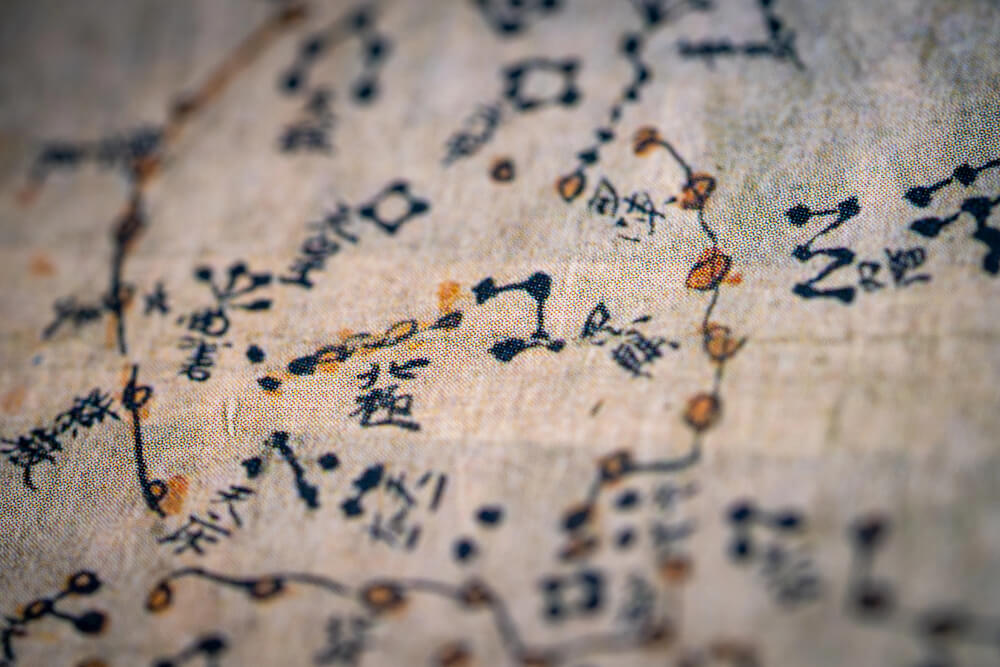
A sealed library cave near Dunhuang, China, containing tens of thousands of Buddhist, Taoist, and secular manuscripts dating back over a thousand years, was rediscovered in 1900 after being walled shut for centuries. Many of the scrolls were dispersed to collections in Britain, France, and elsewhere, and large portions sat uncatalogued and untranslated for decades afterward as scholars slowly worked through the volume of material.
The Cairo Geniza Documents

A storeroom attached to a Cairo synagogue had accumulated roughly 300,000 fragments of Jewish manuscripts and everyday documents over nearly a thousand years by the time scholar Solomon Schechter had the collection shipped to Cambridge in 1896. The sheer scale of the find meant many fragments went unread and uncatalogued for generations, and researchers are still publishing new findings from the Geniza more than a century later.
Alan Turing’s Wartime Papers

Mathematician Alan Turing’s technical papers on codebreaking methods developed at Bletchley Park during the Second World War were classified under official secrecy for decades after the war ended. Some of his work was not declassified and made available to historians until 2012, nearly 70 years after it was written, forcing a significant revision of the public understanding of his wartime contribution.
The Vinland Map
A map purporting to show a pre-Columbian Norse depiction of the North American coastline surfaced in the rare book trade in 1957 with a murky provenance that left it unstudied by mainstream scholars for years. Later chemical analysis of its ink found a compound not manufactured until the 20th century, and the map is now widely regarded as a modern forgery, a conclusion that itself took decades of unread obscurity and study to reach.
Anne Lister’s Diaries
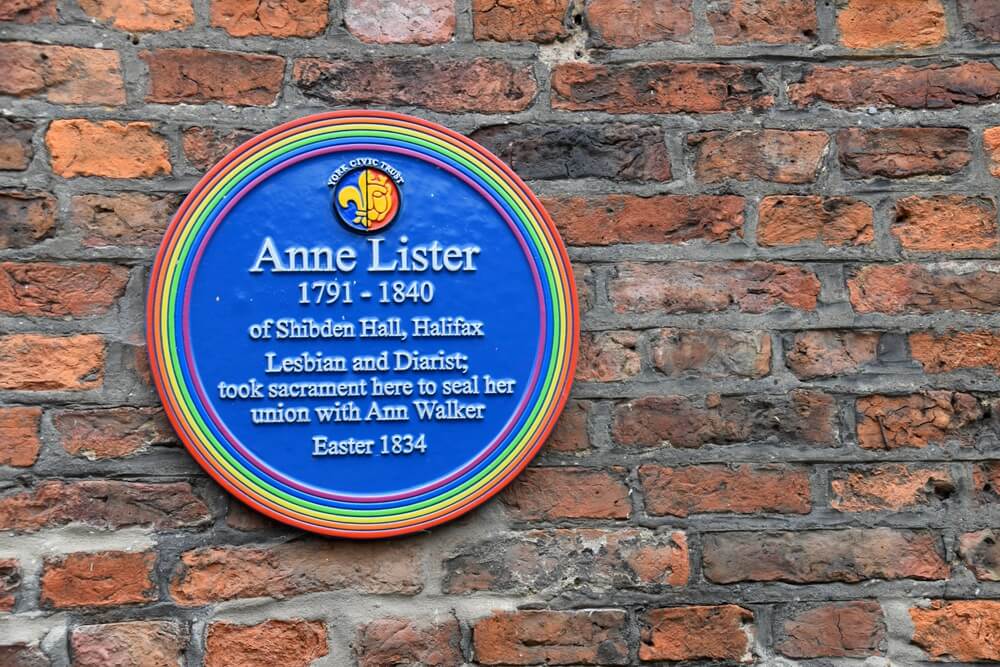
Yorkshire landowner Anne Lister filled roughly four million words of diary between 1806 and 1840, writing her most personal passages in a code combining Greek letters and algebra. Her descendant John Lister found the diaries in the 1890s and began decoding portions, but reportedly hid the coded material rather than publish it.
Full decoding and scholarly publication did not happen until the 1980s and 1990s, well over a century after the diaries were written.
Franz Kafka’s Unpublished Manuscripts
Franz Kafka instructed his friend Max Brod to burn his unpublished manuscripts after his death in 1924, but Brod instead preserved and eventually published them. Later, a separate cache of Kafka and Brod papers ended up locked in bank vaults and a private apartment in Israel, tied up in litigation for decades.
That material was not fully released to the National Library of Israel until a court battle concluded in 2016, more than 90 years after Kafka’s death.
When the Reading Comes Late

None of these documents changed when they were written; they changed when someone finally opened them. A pea-counting monk’s paper and a fire-damaged epic poem sat in the same category for years, waiting not for discovery so much as for someone with the patience, the tools, or the legal standing to actually read what was already there.
The pattern that connects a carbonized Roman scroll to a coded Yorkshire diary is not neglect so much as timing. Ideas and lives recorded honestly do not always arrive when the world is ready for them, and sometimes the only thing standing between a text and its readers is a few decades no one meant to let pass.
More from Go2Tutors!

- The Romanov Crown Jewels and Their Tragic Fate
- 13 Historical Mysteries That Science Still Can’t Solve
- Famous Hoaxes That Fooled the World for Years
- 15 Child Stars with Tragic Adult Lives
- 16 Famous Jewelry Pieces in History
Like Go2Tutors’s content? Follow us on MSN.