25 Historical Feuds Between Families That Lasted Generations
Family disputes have a way of burrowing deep into bloodlines, passing from parent to child like heirloom china or the color of your eyes. What starts as a disagreement over land, love, or money transforms into something much larger — a grudge that outlives everyone who remembered why the fighting began in the first place.
These aren’t small squabbles settled over holiday dinners. These are the feuds that shaped history, toppled governments, and left entire regions scarred for centuries.
Some families turned hatred into an art form. Others simply picked up weapons and never put them down.
The Hatfields and the McCoys
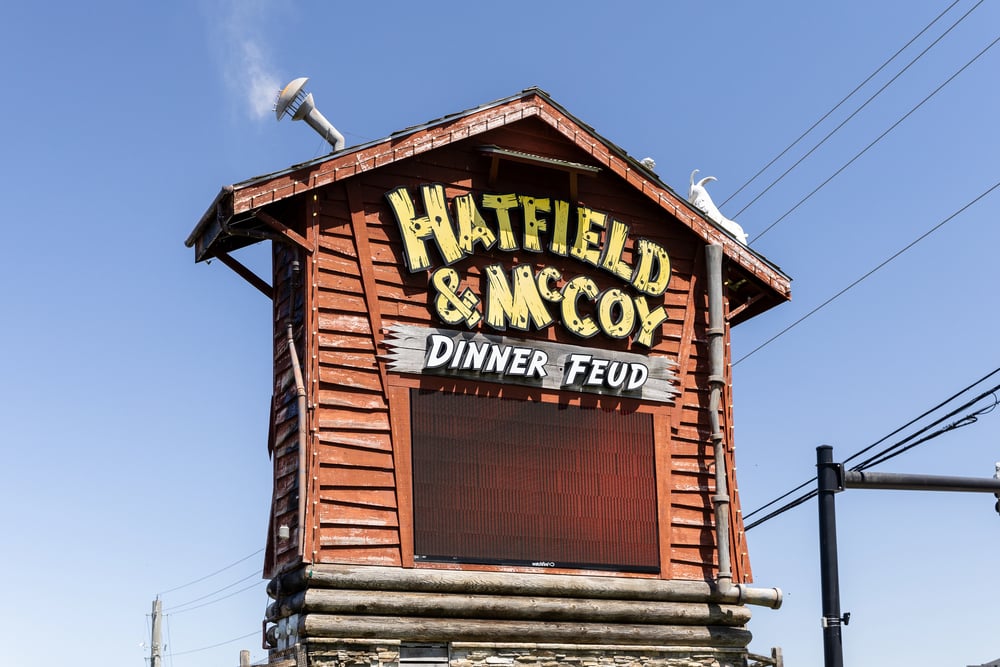
The most famous family feud in American history started over a stolen pig. Floyd Hatfield took Randolph McCoy’s pig in 1878, but that was just the match that lit a powder keg building since the Civil War.
The Hatfields had fought for the Confederacy, the McCoys for the Union, and neither family ever really came home from that war. For the next decade, they murdered each other with the dedication of people who had turned killing into a family business. Johnse Hatfield fell in love with Roseanna McCoy, which only made things worse. By the time the governors of Kentucky and West Virginia stepped in, dozens were dead and both families were scattered.
The Borgias and the Della Roveres
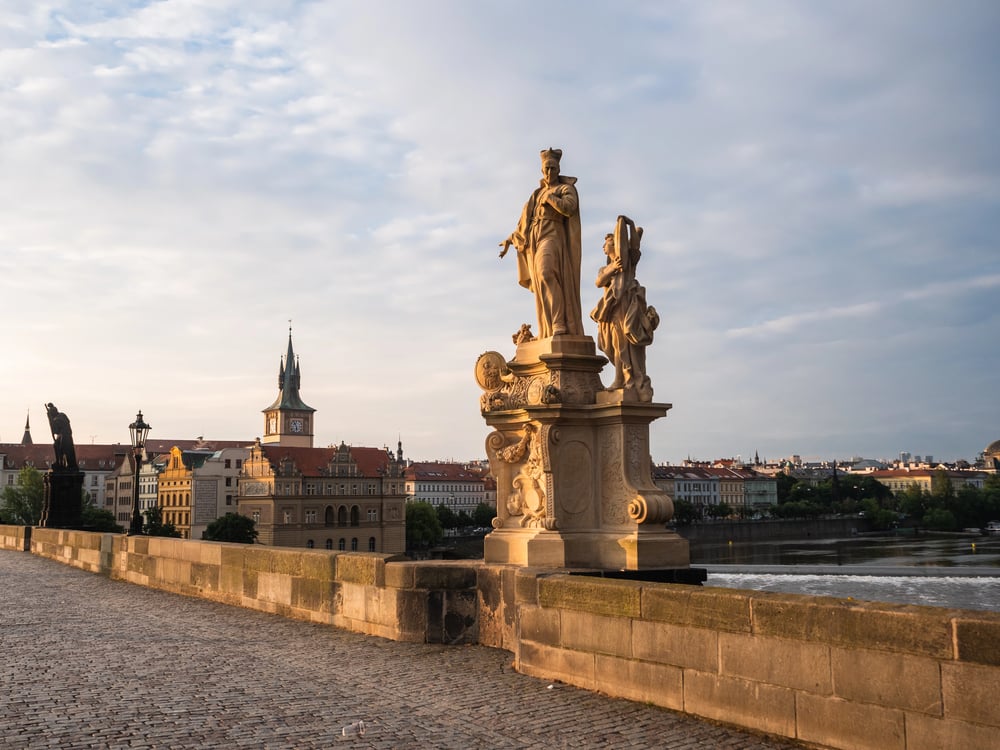
When Rodrigo Borgia became Pope Alexander VI in 1492, he immediately set about destroying his enemies, starting with the Della Roveres. Giuliano della Rovere had wanted the papal throne for himself and never forgave the Spanish upstarts who took it. The Borgias poisoned enemies at dinner parties. The Della Roveres funded armies to march on Rome.
When Giuliano finally became Pope Julius II, he spent his entire papacy undoing everything the Borgias had built — tearing down their palaces, erasing their names from church records. The feud only ended when both bloodlines ran out of men ambitious enough to claim the throne.
The Guelphs and the Ghibellines

Medieval Italy couldn’t agree on whether the Pope or the Holy Roman Emperor should run things. This split into two camps that spent three centuries tearing the peninsula apart. The Guelphs backed the Pope, the Ghibellines supported the Emperor, and both sides treated politics as a contact sport where the losing team got their cities burned. Florence changed sides so many times that keeping track required a scorecard.
Dante Alighieri got caught up in this mess and spent the rest of his life wandering Italy in exile — which turned out well for literature. The Divine Comedy makes a lot more sense when you realize it was written by someone who watched his hometown tear itself apart over an argument most people had already forgotten.
The Campbells and the MacDonalds

Scotland’s clan system was designed for warfare, and no two clans perfected it quite like the Campbells and MacDonalds. Their feud began in the 13th century over cattle and land and lasted for over 400 years — longer than most countries have existed.
The massacre at Glencoe in 1692 was the bloody exclamation point on centuries of hatred. Campbell soldiers, claiming hospitality from the MacDonalds, murdered their hosts in their sleep. Thirty-eight MacDonalds died that night, but the betrayal of Highland hospitality cut deeper than the killings. Some Scottish families still won’t speak to each other because of what happened in that glen.
The Medicis and the Pazzis

The Pazzi conspiracy took banking competition to murderous extremes. The Pazzi family decided the only way to break the Medici monopoly on Florentine power was to kill them during Easter Mass. Lorenzo de’ Medici survived the 1478 assassination attempt, but his brother Giuliano bled out on the cathedral floor with nineteen stab wounds. Lorenzo’s revenge was swift and total.
He hanged the conspirators from the windows of the Palazzo della Signoria and banned the Pazzi name from Florence forever. Their coat of arms was chiseled off buildings, their palace confiscated, their children forbidden from using the family name. The Medici message was clear: cross us, and we’ll erase you from history.
The Montecchi and the Capuleti

Shakespeare didn’t invent the feuding families in Romeo and Juliet — he borrowed them from real Italian history, where the Montecchi and Capuleti had been killing each other for generations before the playwright was born. The real families lived in Verona during the 13th century, their feud tangled up in the larger Guelph-Ghibelline conflict tearing Italy apart.
The historical families probably never had star-crossed lovers who died for each other, but they did have something arguably more interesting: a grudge so legendary that it survived long enough for an English playwright to turn it into the most famous love story ever written. The real Montecchi and Capuleti would be horrified to know they’re remembered primarily as a cautionary tale about love. They preferred to be known for their skill at political murder.
The Lancasters and the Yorks
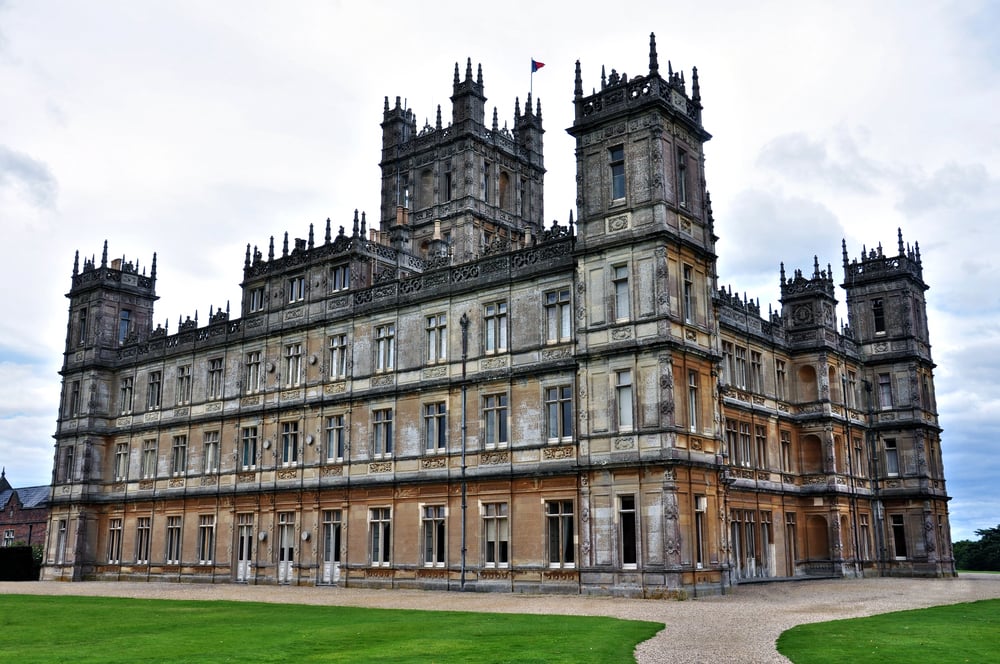
The Wars of the Roses sounds romantic until you realize it was thirty years of English nobility butchering each other over a crown that neither side could hold for long. The House of Lancaster claimed the throne through Henry IV, who had deposed Richard II in 1399. The House of York claimed it through a different line from Edward III. Both claims were legally questionable, which is why they settled the matter with armies.
The conflict produced some of the most vicious battles in English history. Henry VI was so ineffective that his own nobles revolted. Richard III was so unpopular that he lost his throne to Henry Tudor, who had a minimal legitimate claim but happened to win the Battle of Bosworth Field. Sometimes the best argument for kingship is being the last man standing.
The Donnellys and Their Neighbors
Ontario’s Black Donnellys earned their reputation as Canada’s most notorious family through decades of feuding with their neighbors in Lucan Township. James Donnelly and his wife Johannah emigrated from Ireland in the 1840s, bringing with them an unwillingness to back down from any fight, no matter how petty.
On February 4, 1880, a vigilante group broke into the Donnelly farmhouse and murdered five family members, including James and Johannah. The killers were tried twice and acquitted both times. Everyone in Lucan Township knew who had done it. The town simply agreed to forget, which is harder than it sounds when you’ve got five bodies in the local cemetery and Donnelly survivors who remember everything.
The Earps and the Clantons
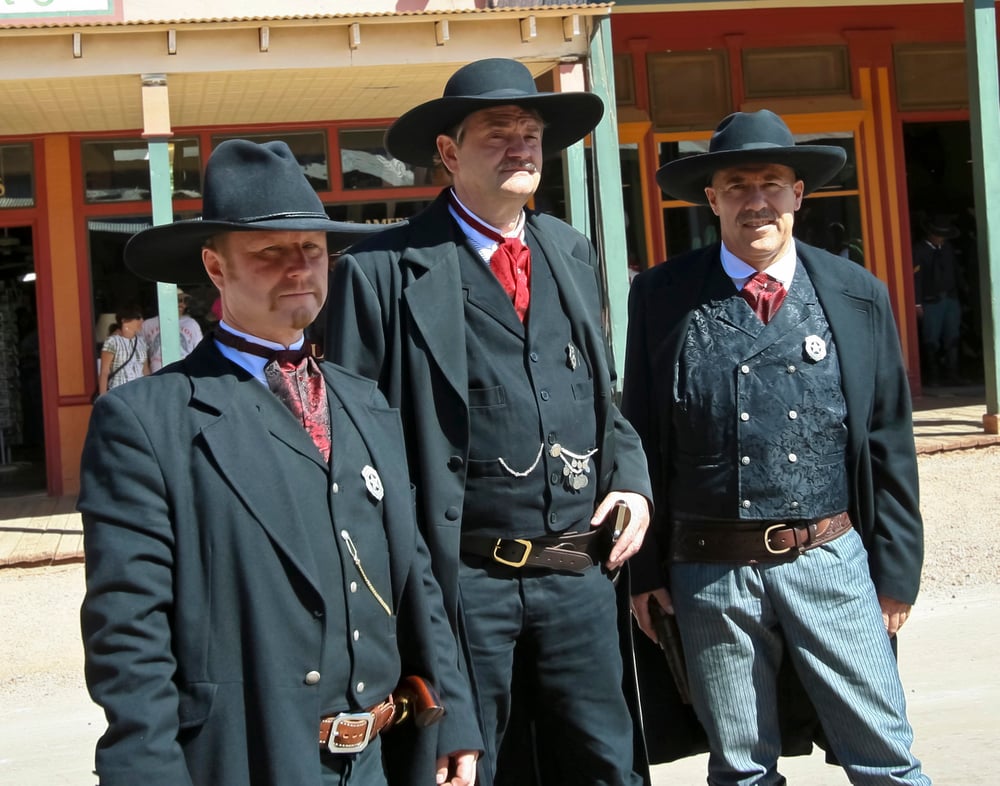
The Earps — Wyatt, Virgil, and Morgan — wore badges in Tombstone, Arizona, while the Clantons ran cattle with flexible ideas about property ownership. The famous gunfight at the O.K. Corral lasted thirty seconds and left three men dead, but it was just the opening salvo.
The Clantons and their allies ambushed Virgil Earp on the street, crippling him permanently. They murdered Morgan Earp while he was playing pool. Wyatt responded by hunting down everyone he suspected of involvement, killing at least four men in what he called his “vendetta ride.” The feud ended only when there weren’t enough Clantons left to sustain it.
The Nevilles and the Percys
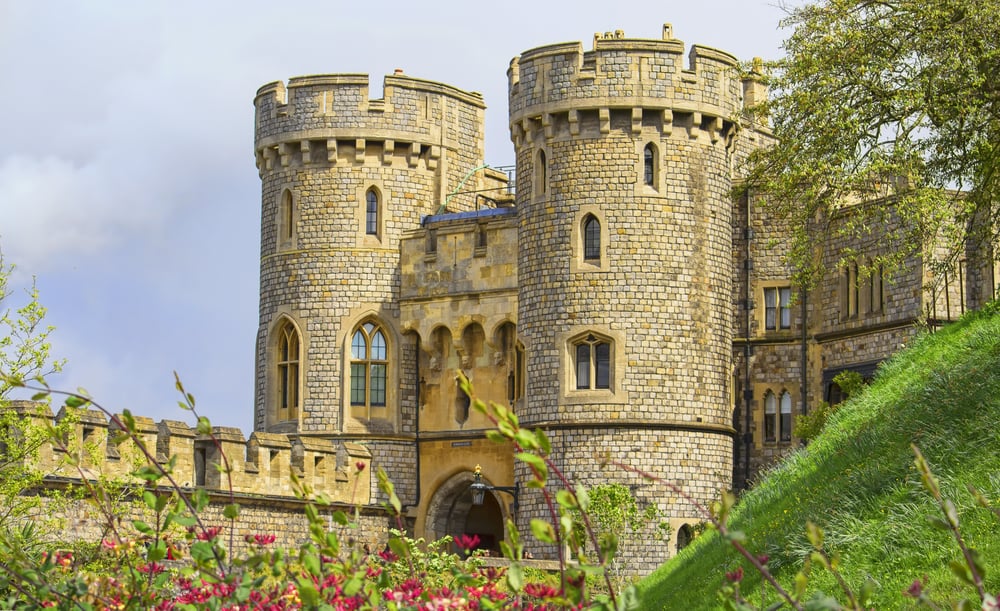
Medieval England ran on feuds between noble families, and the Nevilles and Percys turned regional politics into blood sport. Both families controlled vast swaths of northern England and had armies large enough to challenge the king.
The Percys held Northumberland, the Nevilles dominated Yorkshire, and neither could stand sharing power. Their long rivalry fed into the Wars of the Roses and culminated at the Battle of Towton in 1461 — described by contemporaries and historians as the largest and bloodiest battle ever fought on English soil, with estimates of up to 28,000 dead in a driving snowstorm. The scale of destruction at Towton reflected how completely the personal animosities of noble families could drag an entire kingdom into catastrophic violence.
The Tongs of San Francisco

San Francisco’s Chinatown was carved up between rival tongs — family associations combining legitimate business with protection rackets, gambling, and assassination. The Hip Sing and On Leong tongs fought for control of opium dens, brothels, and gambling houses from the 1850s through the 1920s, turning Grant Avenue into a war zone where hatchet men settled disputes in broad daylight.
The tong wars killed hundreds and gave Chinatown a reputation for violence that lasted decades. Police rarely investigated murders in the Chinese quarter, so the tongs developed their own brutal justice system. The fighting finally stopped when the Chinese Consolidated Benevolent Association brokered a peace that carved up territory and profits between the surviving factions.
The Feuding Families of Appalachia

The mountains of Kentucky, West Virginia, and Tennessee bred feuds carefully and deliberately, producing the most vicious specimens. The Turners and Howards shot at each other for forty years over a debt of seventy-five cents.
The Martins and Tollivers turned Rowan County into a battlefield where no one was safe from ambush. The French-Eversole feud in Perry County lasted from 1887 to 1894 and left dozens dead, including women and children caught in crossfire that followed no rules except that everyone was a legitimate target. Some of these feuds burned out when the men ran out of ammunition or relatives. Others smoldered for generations, flaring up whenever a grandson decided to settle a score his grandfather had left unfinished.
The Colonnas and the Orsinis
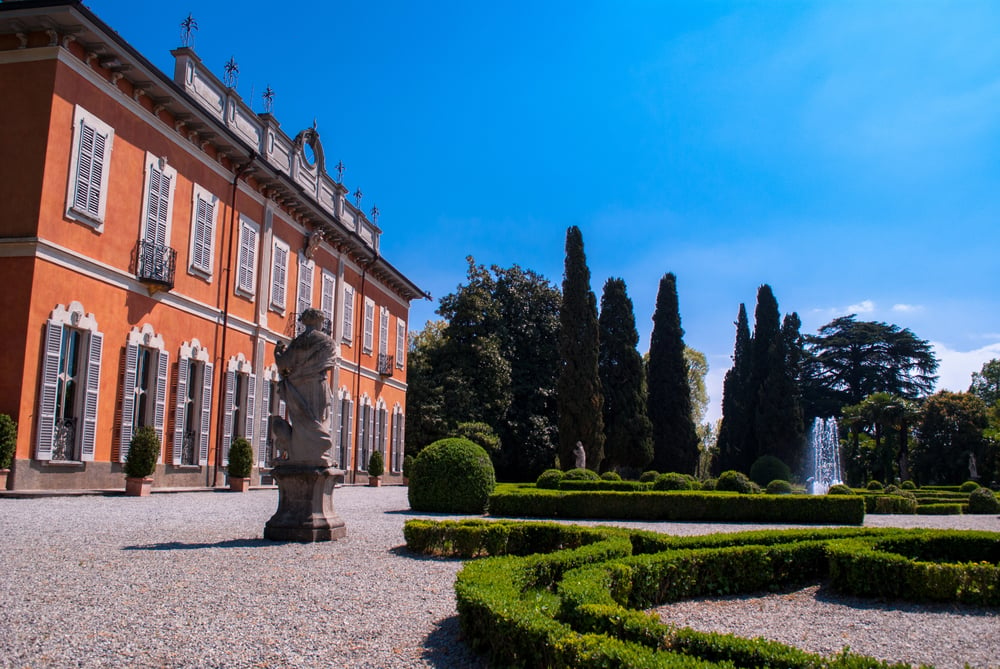
Roman noble families perfected the multi-generational grudge, and no two practiced it with more dedication than the Colonnas and Orsinis. For over 500 years, they fought for control of the Papal States, treating the papacy as their personal political football.
Their feud shaped the Renaissance papacy: when a Colonna became pope, he spent his reign destroying Orsini influence; when an Orsini took the throne, he returned the favor. Dante put Pope Nicholas III, an Orsini, in Hell for nepotism so blatant it scandalized even medieval Rome. The families finally exhausted themselves in the 16th century — not through peace, but by running out of money to fund their private armies.
The Grangerfords and the Shepherdsons

Mark Twain immortalized one of the South’s bloodiest family feuds in Huckleberry Finn, basing his fictional families on a real Kentucky feud. The real families were wealthy plantation owners who could afford to arm their sons and hire gunmen when the shooting grew too intense for family members alone.
They attended the same church but sat on opposite sides with loaded weapons, turning Sunday services into armed truces. Twain captured the absurd honor code keeping the killing going long after anyone remembered what it was about. Huck asks young Buck Grangerford what started the feud, and the boy admits he doesn’t know — but insists it must have been important, because so many people had died for it.
The De Montforts and the Royalist Barons
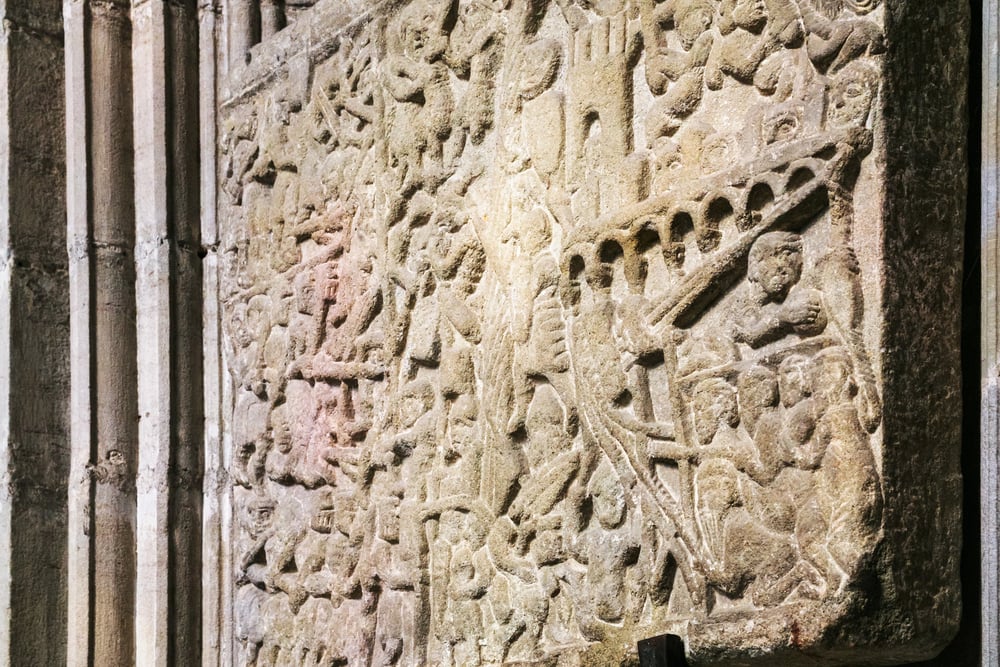
Simon de Montfort led the baronial rebellion that temporarily overthrew royal power and established England’s first parliament in 1265. His enemies among the nobility never forgave his family for treating the king as a political prisoner.
The wars ended at the Battle of Evesham when royalist forces surrounded de Montfort’s army. They didn’t just kill him — they dismembered his body and sent pieces to his enemies as trophies. His sons fled to France. The feud poisoned English politics for a generation, with former rebels and loyalists nursing grievances that flared whenever succession questions arose.
The Sicilian Mafia Families
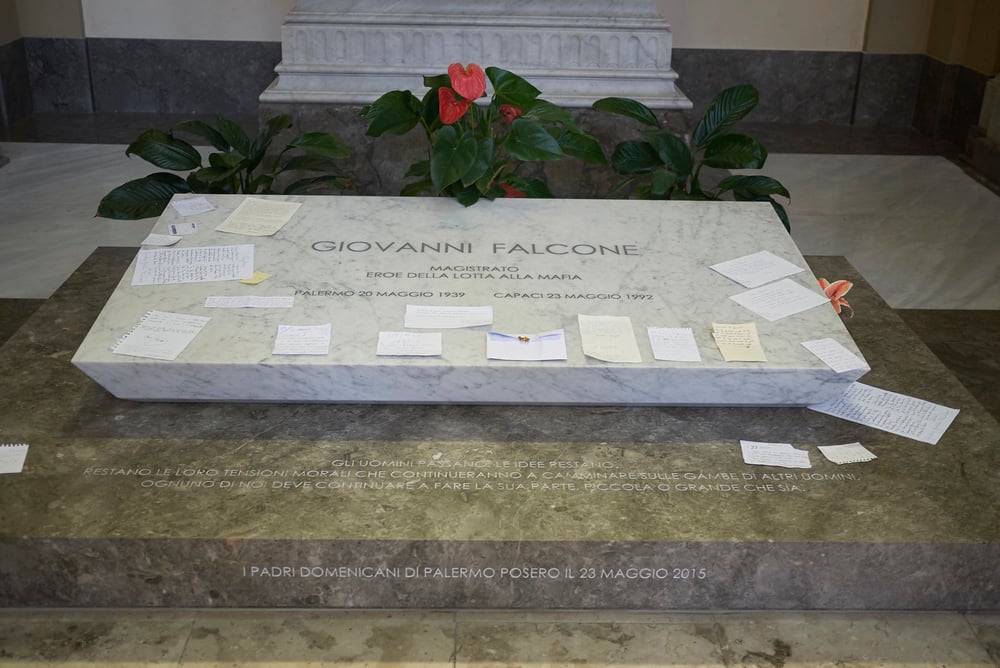
Sicily’s feudal system created perfect conditions for family-based crime organizations that treated violence as a business tool and revenge as a sacred obligation. The Corleonesi and Palermitani factions fought for control of drug trafficking routes from the 1970s through the 1990s, leaving bodies across the island.
Salvatore Riina of the Corleonesi declared war on the state itself, assassinating judges, prosecutors, and police officials. The Second Mafia War killed over a thousand people between 1981 and 1984, but the families involved treated it as just another business dispute that happened to require a great deal of explosives to resolve.
The Sutton-Taylor Feud in Texas

The Sutton-Taylor feud lasted from 1869 to 1899 and killed at least 35 people in DeWitt County, Texas. It began as a dispute over Reconstruction politics — the Suttons supported the Union occupation government, the Taylors backed the Confederate resistance — and quickly devolved into a cycle of revenge killings that had nothing to do with politics and everything to do with frontier honor.
John Wesley Hardin, one of the deadliest gunfighters in the West, joined the Taylor side and added his considerable talent for violence to an already bloody situation. The killing only stopped when Texas Rangers arrived with orders to arrest or shoot anyone carrying weapons, regardless of family allegiance.
The Scottish Border Reivers
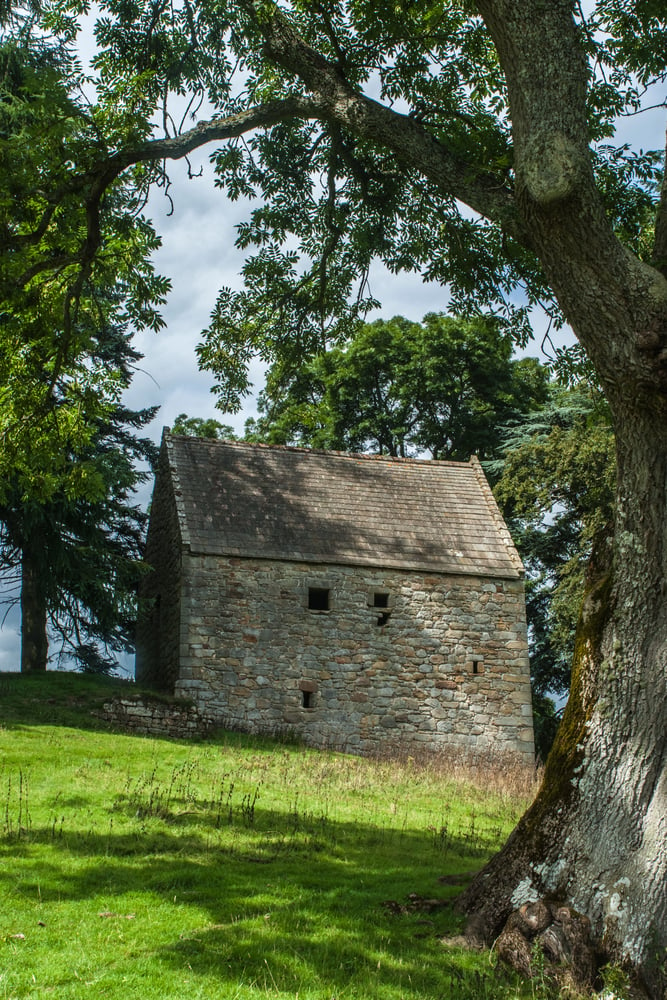
The border between England and Scotland was controlled by reiving clans — the Armstrongs, Elliots, Grahams, and others — who made their living stealing cattle, burning farmhouses, and kidnapping each other’s relatives for ransom. These weren’t bandits operating outside the law; in a region where both kingdoms had given up trying to maintain order, they were the law.
The families developed an elaborate code of honor around theft and revenge that made cattle rustling a generational occupation. If an Armstrong stole Elliott cattle, the Elliots were bound to steal them back, with interest. The cycle continued for centuries until James VI of Scotland became James I of England in 1603 and decided the new kingdom’s borders couldn’t be run by families who treated international law as a suggestion. He hanged dozens of border lords and scattered their families, ending a way of life that had lasted 400 years.
The Flemish Noble Families — Dampierre vs. Avesnes

Medieval Flanders was run by competing noble houses that treated politics as warfare by other means — and when politics failed, switched to actual warfare with alarming speed. The Dampierre and Avesnes families fought for control of the Low Countries for over a century, appealing to France, England, and the Holy Roman Empire as the mood suited them.
Their feud helped trigger the long Franco-Flemish conflict that culminated in the Battle of the Golden Spurs in 1302, when Flemish commoners — foot soldiers fighting for their towns and the Dampierre cause — routed the French heavy cavalry and hung hundreds of gilded spurs from the church rafters as trophies. The family feud had become a national one, permanently reshaping the politics of the Low Countries.
The Sforza and the Visconti
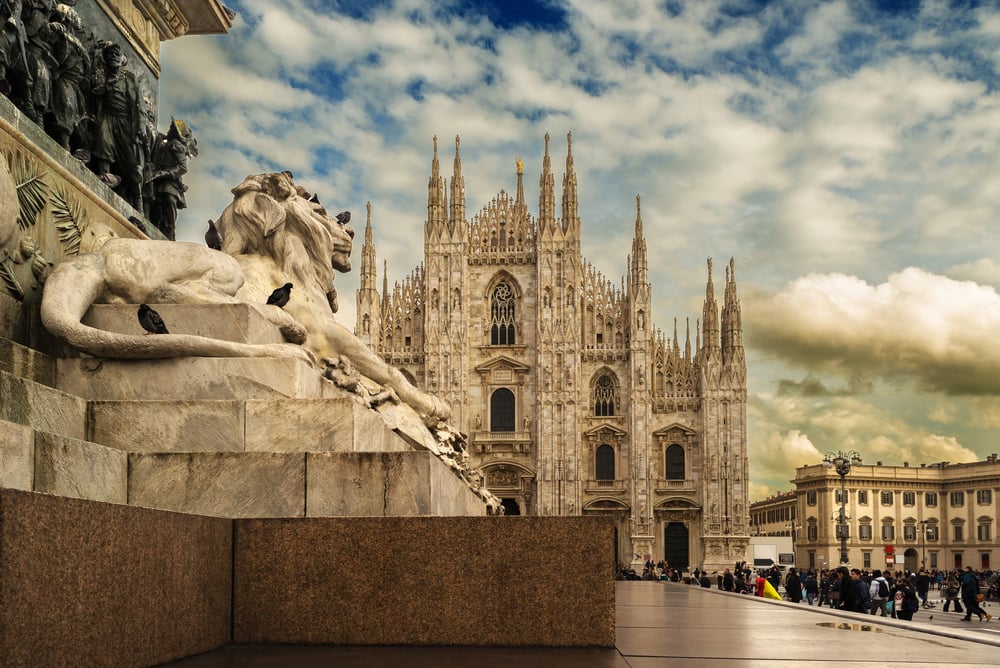
Milan in the 14th and 15th centuries was ruled by the Visconti family with a combination of brilliance and ruthless cruelty — and when the last male Visconti died in 1447, it triggered a succession crisis that dragged the entire Italian peninsula into war. Francesco Sforza, a mercenary captain who had married a Visconti illegitimate daughter, claimed the duchy and took it by force.
The displaced Visconti partisans and their allies never fully accepted Sforza rule, and for decades the question of legitimate succession justified endless intrigue, assassination attempts, and shifting alliances. The feud between Sforza legitimacy and Visconti loyalty played out through the Italian Wars, drawing in France and Spain and making Milan a prize that nearly every European power fought over for the next century.
The Douglas Family vs. the Scottish Crown

The Black Douglases were so powerful in 15th-century Scotland that the crown itself felt threatened. The family had accumulated land, titles, and private armies that rivaled the king’s own resources, and they made the mistake of treating the Scottish throne as something to be managed rather than obeyed.
In 1452, King James II personally stabbed William, 8th Earl of Douglas, at Stirling Castle during what was supposed to be a safe-conduct meeting — then had his courtiers finish the job. The killing launched years of open warfare between the Douglas family and the crown, ending only when James II finally crushed the family’s power and scattered their estates. The Douglases had been too powerful for too long, and the crown’s solution was the kind of violence that made everyone else in Scotland reconsider the wisdom of accumulating that much influence.
The Gordons and the Forbes in Scotland

The Gordon and Forbes clans dominated northeastern Scotland for centuries in a feud that combined land disputes, religious conflict, and simple accumulated hatred into one of the longest-running of all Scottish clan wars. Their enmity predated the Reformation but was enormously intensified by it — the Gordons remained Catholic while the Forbes embraced Protestantism, giving each side a righteous framework for continued violence.
The Battle of Tillyangus in 1571 and the Battle of Craibstone the same year left hundreds dead on both sides and burned large swaths of Aberdeenshire’s farmland. The feud raged on and off for so long that later generations simply inherited it as a fact of life in the northeast, as natural and unavoidable as the weather.
The Steward Dynasty and the Clan MacDonald — Lord of the Isles
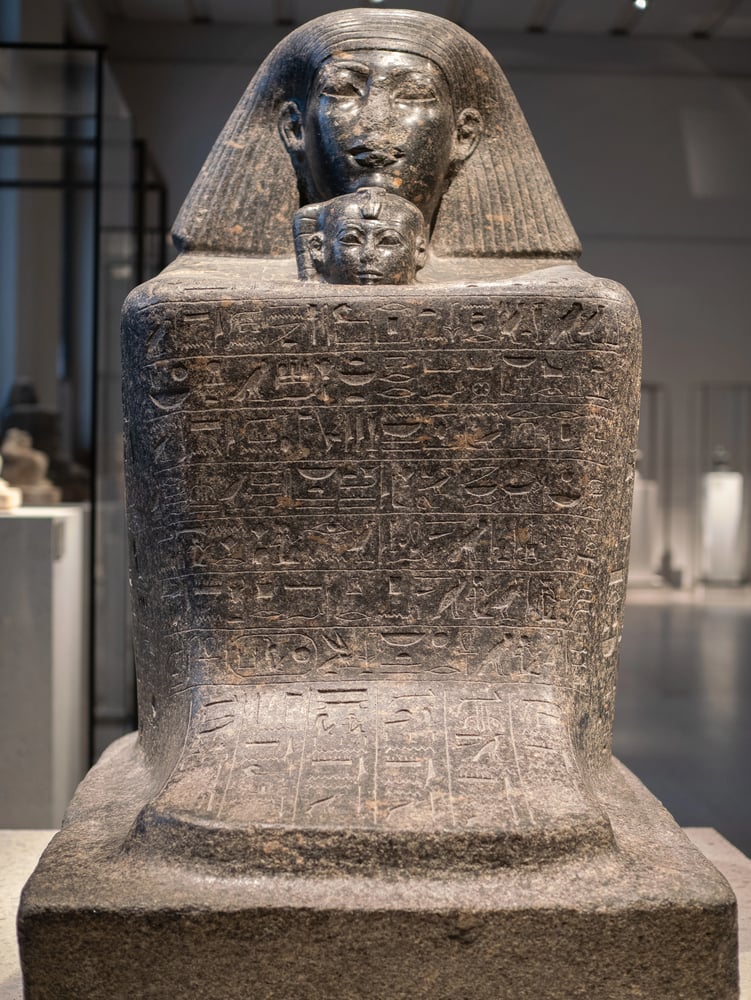
For over a century, the Lords of the Isles — the MacDonalds of the Western Isles — functioned as a virtually independent power in Scotland, treating the Scottish crown as a distant inconvenience and the mainland Stewart kings as enemies to be outmaneuvered or attacked outright. The MacDonalds controlled the Hebrides, allied with England when it suited them, and launched raids into the Scottish mainland with the confidence of a power that didn’t recognize it was supposed to be subordinate to anyone.
The long struggle between the Lordship of the Isles and the Scottish crown ended in 1493 when James IV forfeited the Lordship — but MacDonald resistance continued for decades afterward, with successive attempts to restore the title that the crown crushed with increasing severity. The feud between this great highland dynasty and the monarchy shaped the entire west coast of Scotland and left a legacy that still marks the region’s clan loyalties today.
The Hatamoto Families of Feudal Japan
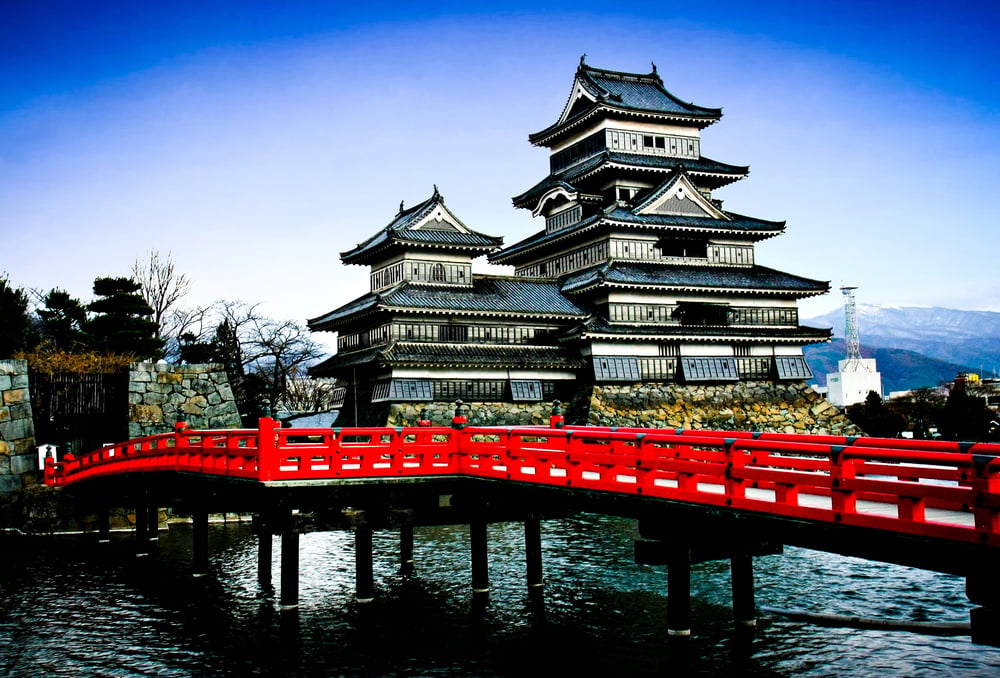
Japan’s feudal era produced dynastic feuds that make European noble conflicts look like neighborhood disputes. The Uesugi and Takeda clans fought each other through five separate battles at Kawanakajima between 1553 and 1564 — the same two families, the same valley, five times — without either side managing a decisive victory.
Their feud was about territory, honor, and the question of which family would dominate eastern Japan, but it was also a kind of terrible ritual, both sides returning to the same battlefield as if drawn back by obligation. The battles became so famous that they defined both clans’ identities long after the conflict ended, and the personal rivalry between Uesugi Kenshin and Takeda Shingen became one of the most celebrated in Japanese history.
The Founding Families of Colombia — La Violencia

In the mid-20th century, Colombia descended into one of the most devastating civil conflicts in Latin American history, rooted partly in the century-old feud between the Liberal and Conservative parties. La Violencia, which raged from roughly 1948 to 1958, killed between 200,000 and 300,000 people in a conflict that was simultaneously a political war and a network of interlocking family feuds.
Villages split along party lines that had been established by grandparents, and families killed neighbors they had known for generations over loyalties inherited rather than chosen. In some regions, the party affiliation you were born into determined who would try to kill you, who would shelter you, and whether your children could safely attend the village school. The formal conflict eventually ended, but its family dimensions persisted for decades, feeding into the later cycles of guerrilla conflict that defined the rest of the century.
When Grudges Become History

The feuds on this list share something that makes them more than just violent family histories: they all became larger than the families themselves. The Hatfield-McCoy feud defined a region. The Guelph-Ghibelline conflict shaped Italian politics for centuries. La Violencia remade a country. In each case, what started as a personal grievance acquired a kind of gravity, pulling in allies, bystanders, and eventually entire governments. The other thing these feuds share is the way they outlasted their origins.
Ask the descendants why their families were fighting, and the answer — when there was one — was always the same: something important, certainly, though the specifics had blurred. The grudge became self-sustaining, requiring no memory of its original cause to continue generating violence. That’s the peculiar power of family feuds: they don’t need a reason to survive. They just need someone who remembers they’re supposed to be enemies.
More from Go2Tutors!

- The Romanov Crown Jewels and Their Tragic Fate
- 13 Historical Mysteries That Science Still Can’t Solve
- Famous Hoaxes That Fooled the World for Years
- 15 Child Stars with Tragic Adult Lives
- 16 Famous Jewelry Pieces in History
Like Go2Tutors’s content? Follow us on MSN.